Podcast
The History of England
Hosted by David Crowther · EN
This my re-telling of the story of England. I aim to be honest, and rigorous - but always loving of my country's history. It is a regular, chronological podcast, starting from the end of Roman Britain. There are as many of the great events I can squeeze in, of course, but I also try to keep an eye on how people lived, their language, what was important to them, the forces that shaped their lives and destinies, that sort of thing. To listen free of adverts, support the podcast, access a library of 150+ hours of shedcasts of me warbling on, and get new shedcasts every month, why not become a member at https://thehistoryofengland.co.uk/become-a-member ? You know it makes sense...
Hosted on Acast. See acast.com/privacy for more information.
49episodes
Episodes
Newest firstAll episodes
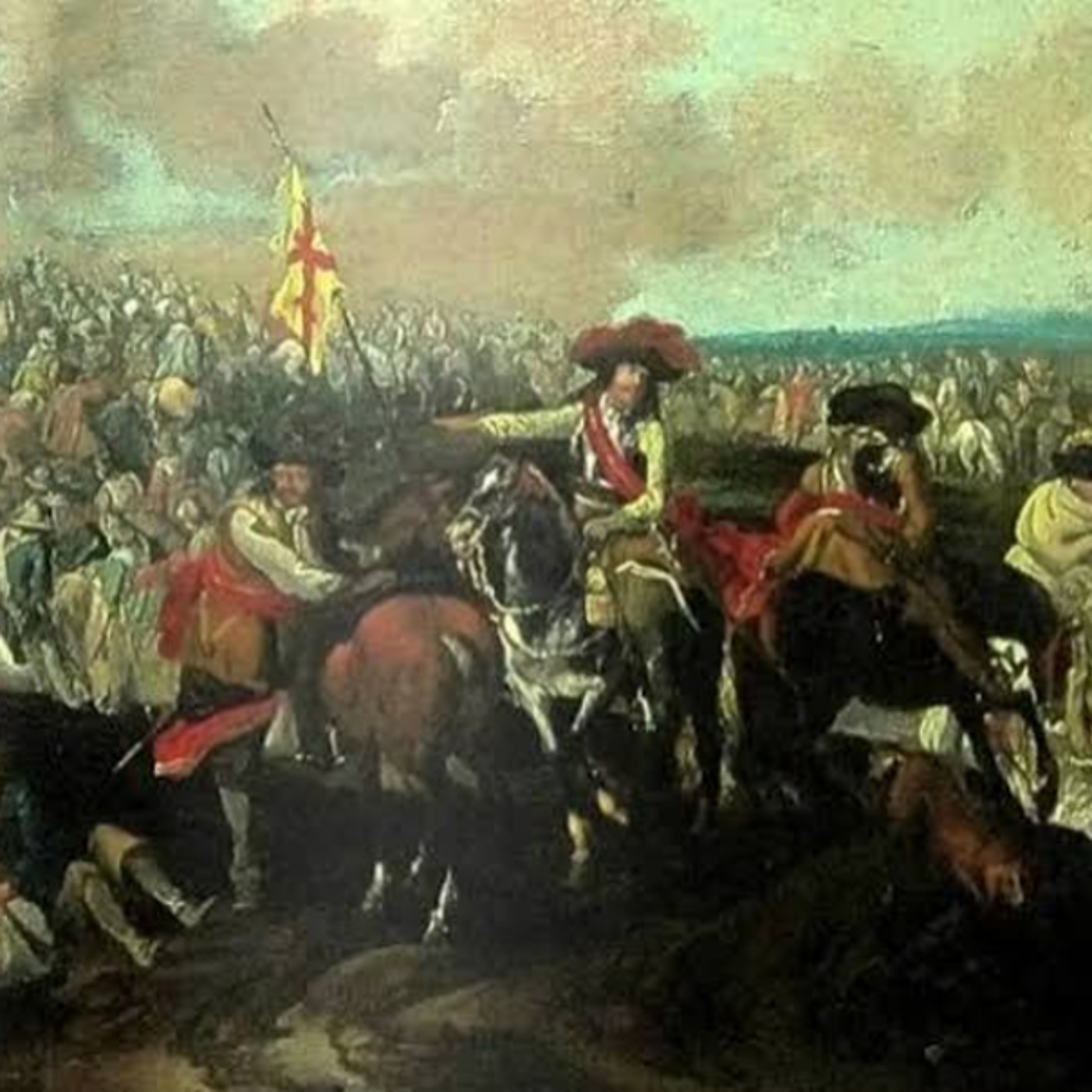
450 Beat Your Drums
1w ago00:47:11Tap to summarizeAt the parliament on April 1685, Scotland demonstrated how loyal subjects should treat their king - an example which was duly followed by their southern neighbours soon afterwards. Yet despite this enthusiastic reception, within weeks James faced two rebellions. In Western Scotland the Earl of Argyl raised the fiery cross to summon the clans, and in South West England the Duke of Monmouth was joined by thousands of rebels eager to fight for religious freedom. The outcome would be soaked in blood. Hosted on Acast. See acast.com/privacy for more information.
Transcribe →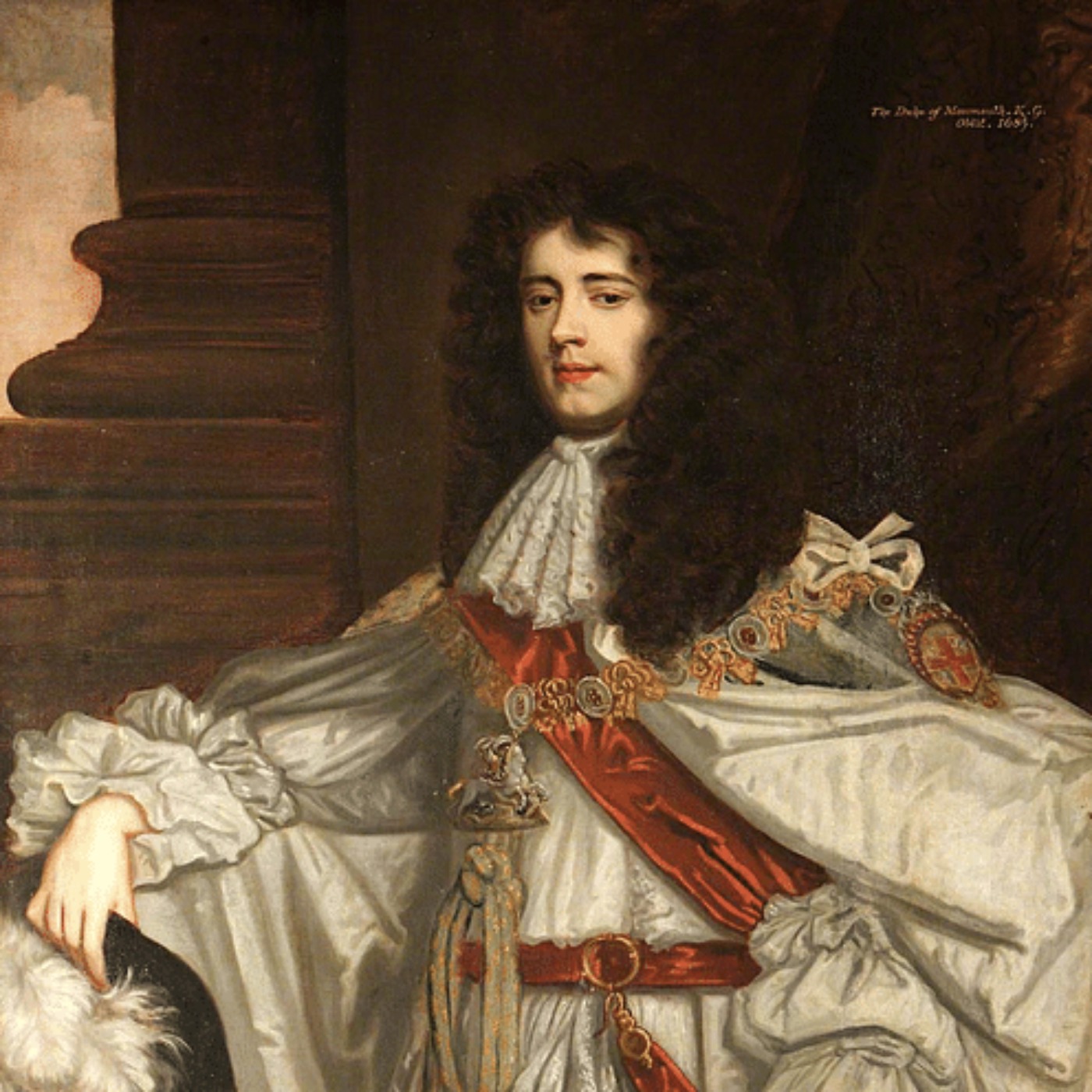
449 King James II of Great Britain
3w ago00:45:46Tap to summarizeThe reign of James II and the Glorious Revolution was a central part of the national story built by Whig historians. But since the 20th century the picture has been heavily revised with new perspectives, such as the view from all three kingdoms, a more nuanced view of James and his intentions, criticisms of the idea of a bloodless revolution, how much the voice of the people mattered - and was it a Revolution at all? Or a conserative assertion of ancient right? This episode is about James and the historiography Glorious Revolution. Hosted on Acast. See acast.com/privacy for more information.
Transcribe →
AAG 1666-1685 How Merrie is your Monarch?
Jun 2701:07:48Tap to summarizeThe Dutch raid on the Medway effectively brought the Second Anglo Dutchto an end, and also the honeymoon period. From 1667 to 1681, Charles sought to play off factions in parliament, to keep his freedom of action, enhance royal power where he could and court the French - their friendship, and bribes. The public announcement of James' catholicism in 1677 became the driving factor in an increasingly unruly politics, of Whig and Tory. Until at the Oxford parliament in 1681, Charles chose one side - the Tory. He would never allow parliament to sit again. Hosted on Acast. See acast.com/privacy for more information.
Transcribe →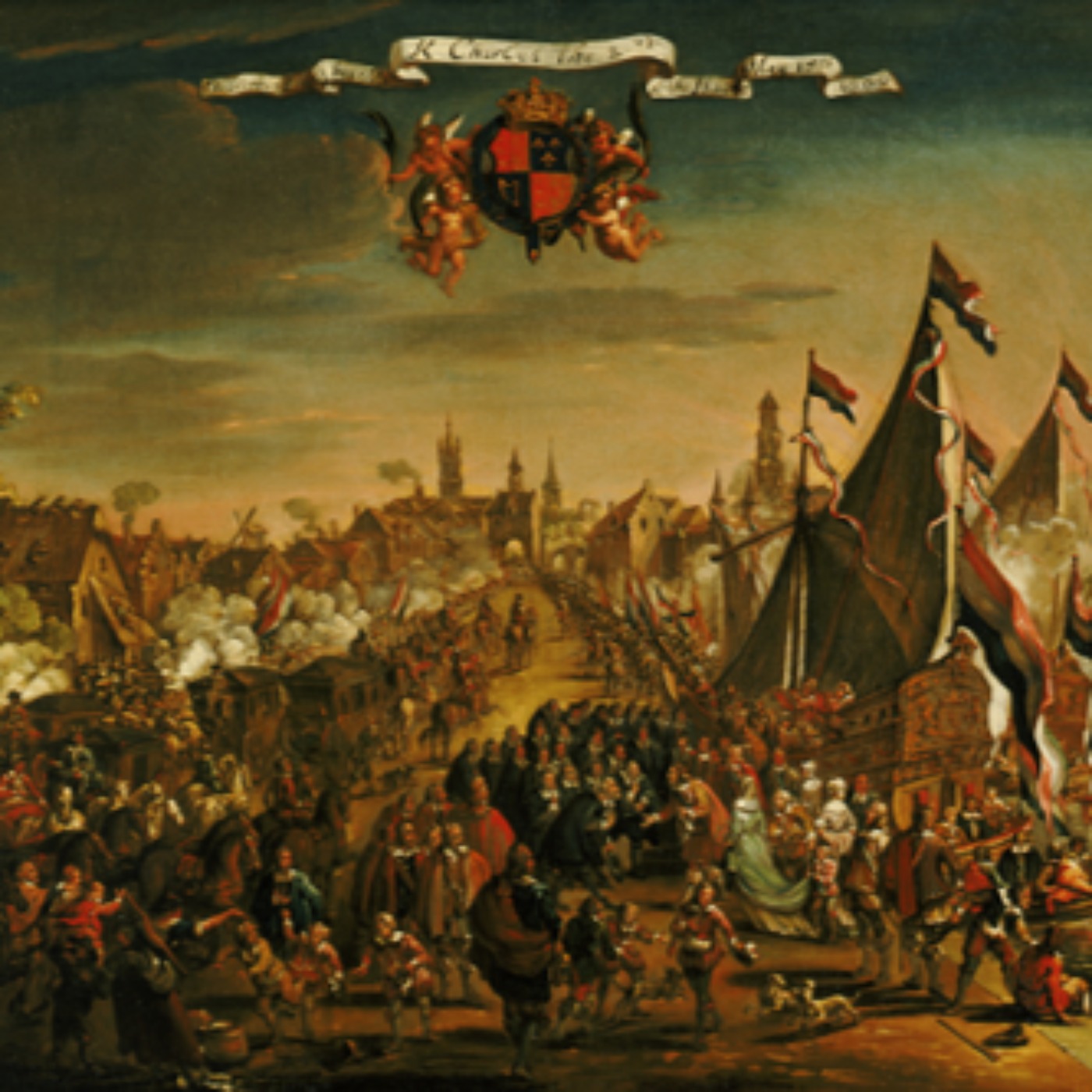
AAG 1660-1666 Restoration
Jun 1400:59:00Tap to summarizeThe settlements following the Restoration didn't turn out exactly as the Three Kingdoms or indeed Charles imagined, but nonetheless for the moment king and his parliaments were in a honeymoon period. Soon to be challenged by Plague, Fire and War. Hosted on Acast. See acast.com/privacy for more information.
Transcribe →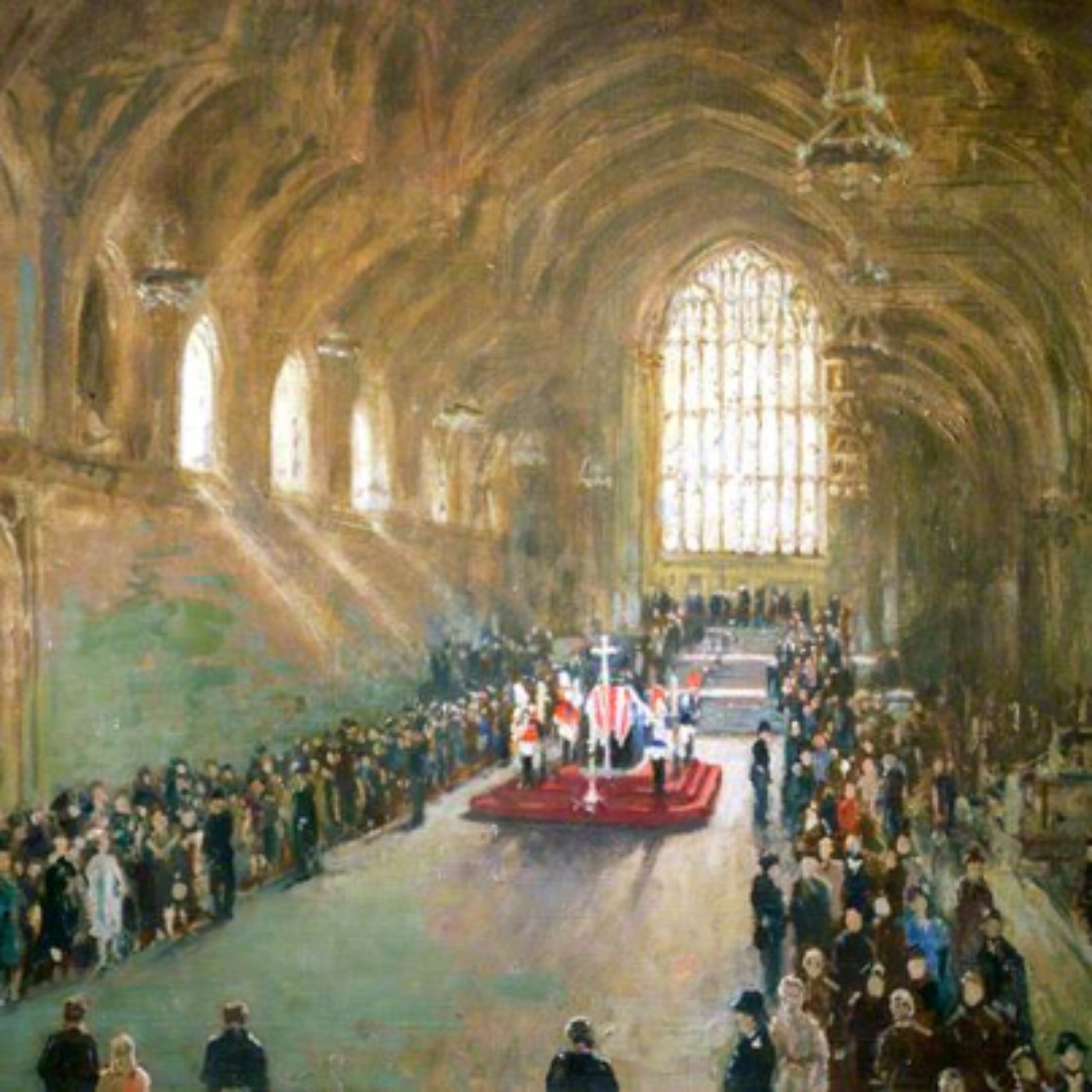
448 Not So Merrie
May 3100:48:23Tap to summarizeAfter dismissing parliament of Oxford in 1681, Charles pursued alliance with the Tories and emasculation of the Whigs and Dissenters at all political levels. He pursued a strategy with determination and consistency he had rarely shown at any other point. Hosted on Acast. See acast.com/privacy for more information.
Transcribe →
English Objects with the Three Ravens
May 2400:40:31Tap to summarizeEleanor and Martin of the Three Ravens podcast and I have one (probably last) walk round some objects that we think make us lie back and think of England. Hosted on Acast. See acast.com/privacy for more information.
Transcribe →
447 The Exclusion Brouhaha
May 1700:46:58Tap to summarizeIn 1680 and 1681, Shaftesbury led an increasingly shrill and effective campaign, asppeling to popular opinion to force Charles into calling a new parliament. There he could be forced to learn about the power of the exlusionist movement which could be brought to bear. But Charles would learn a different lesson, and at Oxford in 1681, would start his own campaign. Hosted on Acast. See acast.com/privacy for more information.
Transcribe →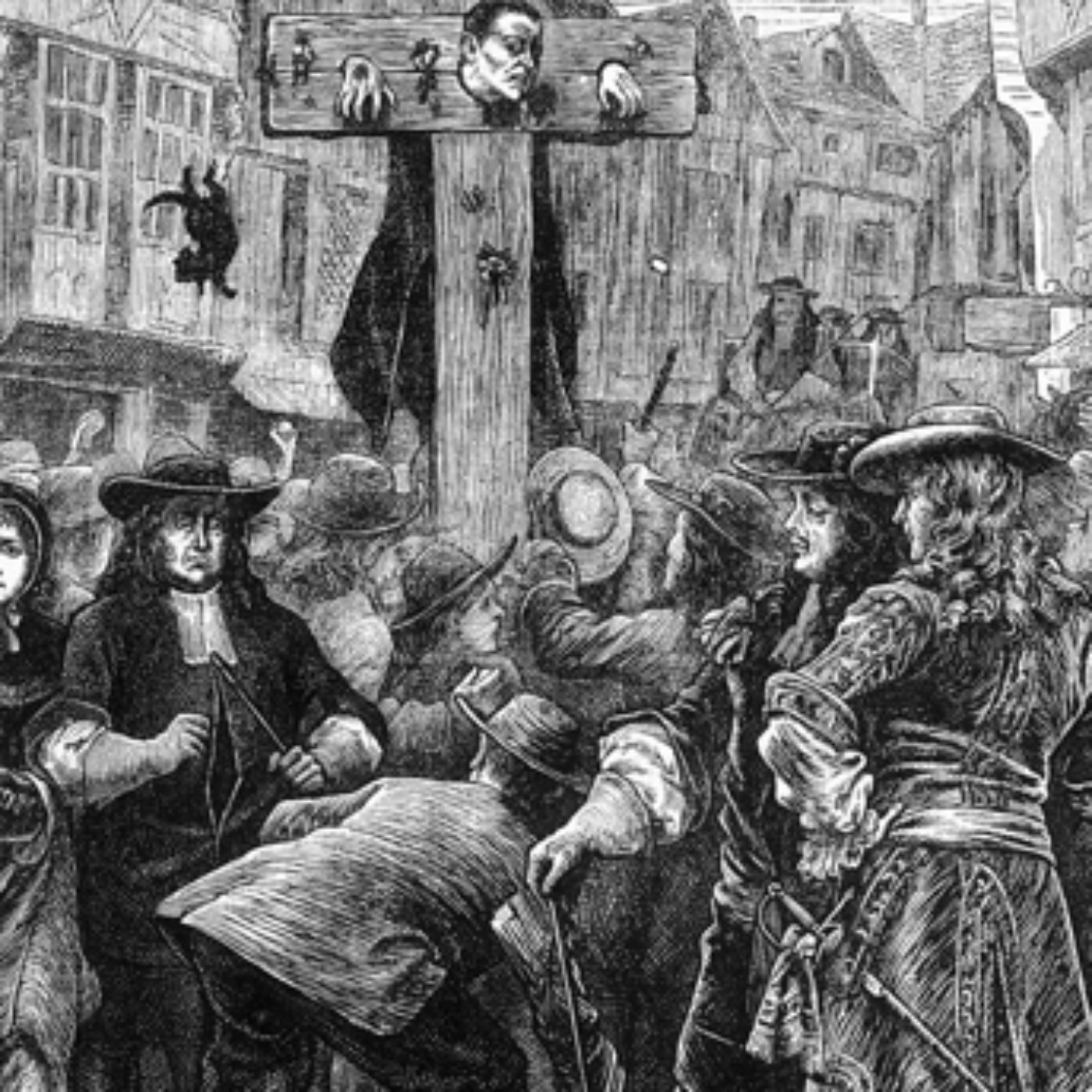
446 The Popish Plot
May 300:40:57Tap to summarizeIn 1678 a fantasist and charlatan, Titus Oates, made a series of wild and dramatic accusations of a Catholic plot to assasinate the king. A series of extraordinary co-incidences seemed to confirm his accusations, and the public mood became hysterical. The fevered atmosphere gave wings to a new political objective - to exclude James from the succession. Hosted on Acast. See acast.com/privacy for more information.
Transcribe →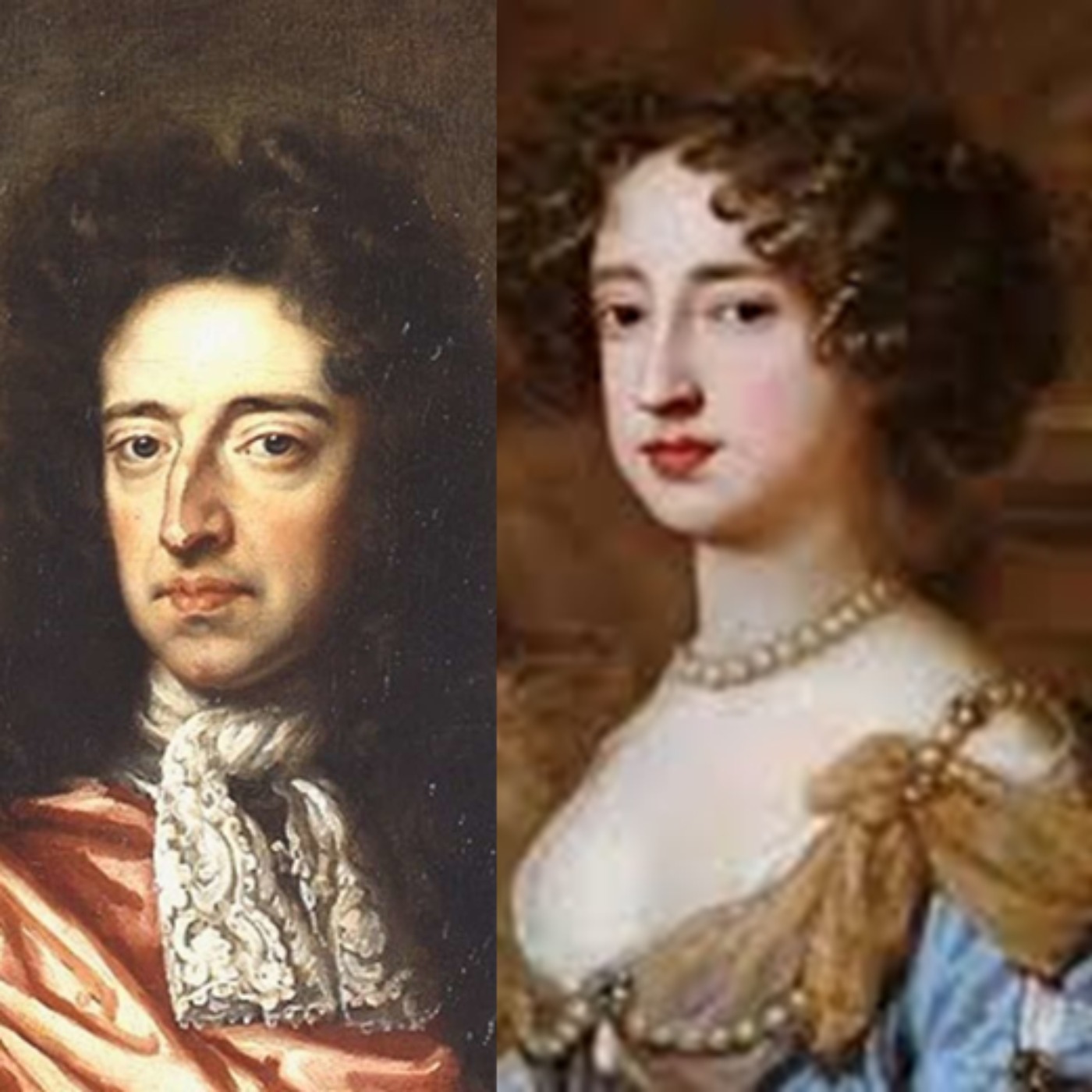
445 Carnage
Apr 1900:44:43Tap to summarizeIn 1677, Danby finally seemed to have cracked Charles' problem with parliament - until a diplomatic game of will-he-won't-he in the Anglo Dutch war rose to the level of farce, and derailed everything. In the middle of it all - a 15 year old girl was pushed weeping into a highly significant marriage for which she had no wish Hosted on Acast. See acast.com/privacy for more information.
Transcribe →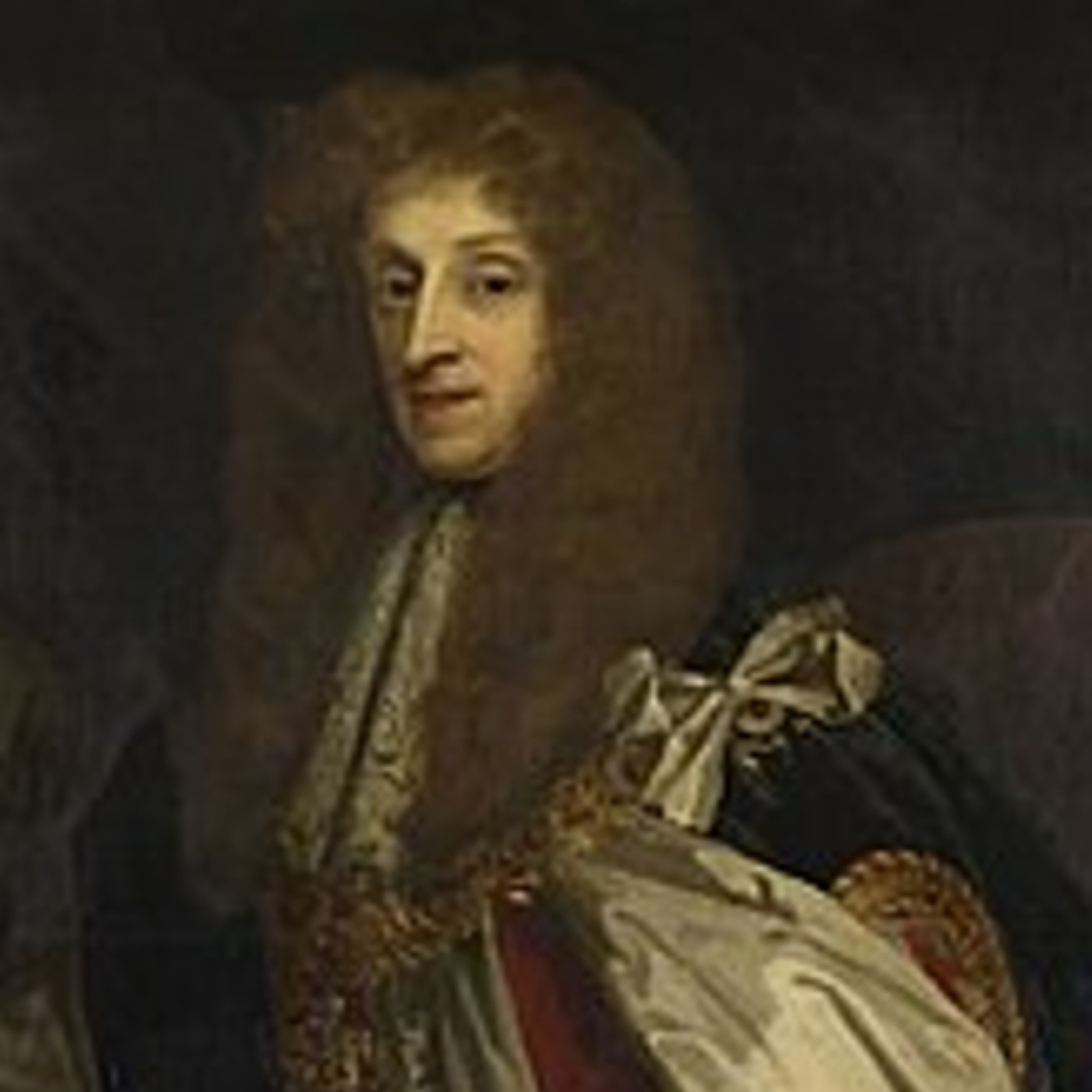
444 Danby's New Way
Apr 500:45:58Tap to summarizeThomas Osborne, Earl of Danby had a plan as Charles' new 'Prime Minister', to repair the damage from the disastrous Third Anglo Dutch War. To rebuild his master's prestige on the pillars of financial stability, and Anglican alliance, and alliance with the Dutch. Hosted on Acast. See acast.com/privacy for more information.
Transcribe →