← The Human Upgrade: Biohacking for Longevity & Performance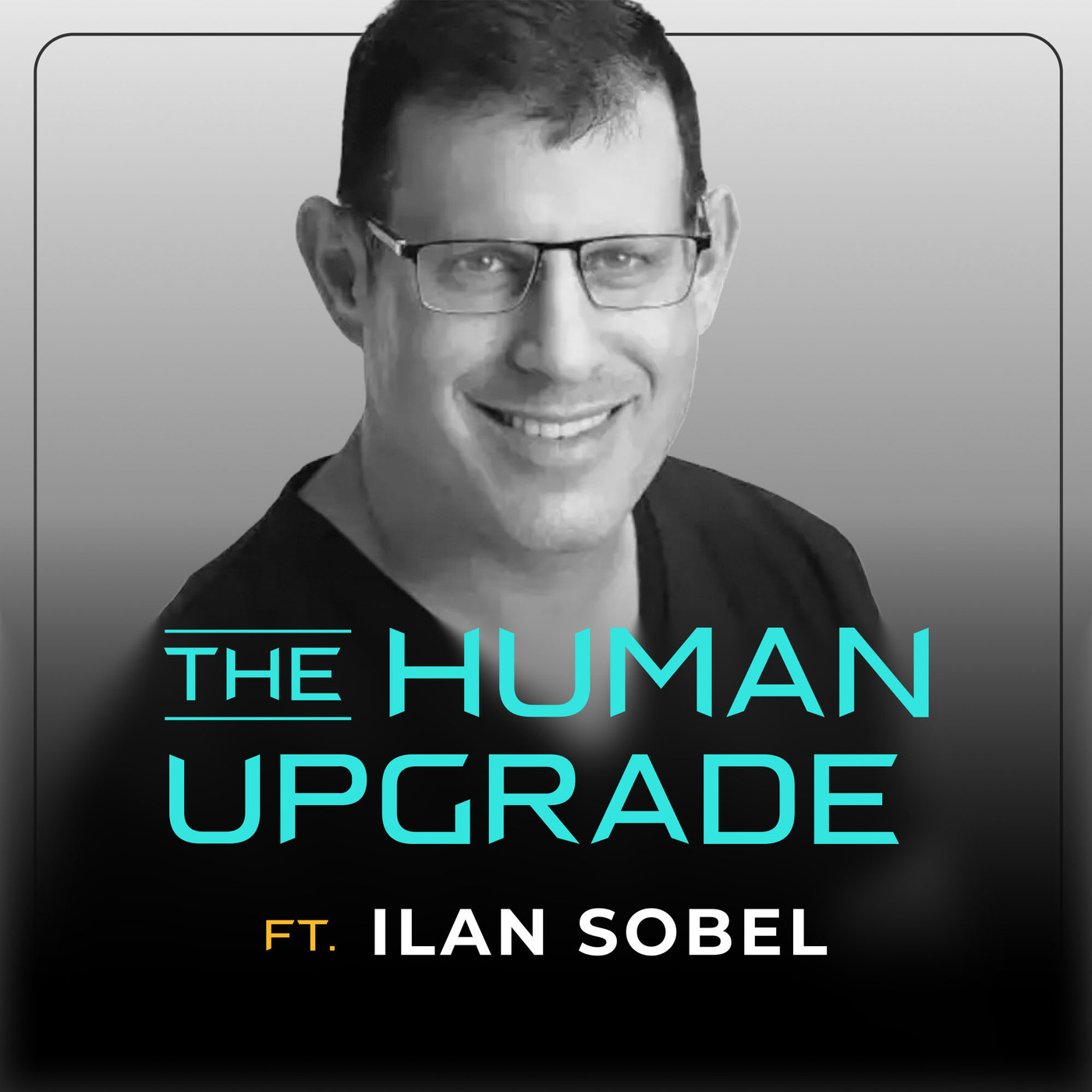
The Human Upgrade: Biohacking for Longevity & Performance
Feel 70 Percent Better… With Grapes? | Biohacking Tools : 1374
01:01:16
Loading summary
Transcript248 lines
- [00:00]
A
We've catalogued literally everything that exists out there in the plant kingdom. We've had to conquer Mount Everest and back, literally walked up Mount Everest and back to conquer biological barriers to be able to do what we do in the context of bringing these life changing compounds from plants to consumers. By not growing the plant.
- [00:18]
B
Bioharvest is doing things that make me really, really happy.
- [00:21]
A
It's a real pleasure to be here with you. And it took us 17 years to get to this podcast.
- [00:27]
B
No one's talked about that on the show before. I've done multiple episodes on what happens.
- [00:32]
A
Is it gets below the blood brain barrier so you have more blood flow, more oxygen, the removal of cellular toxins, and more mental alertness. Goodbye, brain fog. You're shot. You're on your game.
- [00:41]
B
Okay, is this gonna help with erections? You're listening to the Human Upgrade with Dave Asprey.
- [00:53]
This interview is going to be really interesting for you because it's about where plants actually make the compounds that change your biology. And it's a problem that no one talks about, is that we're basically strip mining jungles and land in search of these amazing plant compounds so we can grind them up, throw away 95% of the plant, and then put the rest of it in little capsules to take. That's how we do it right now. And this isn't really sustainable and maybe it's not making the purest product. In fact, if you look at the studies of what people are buying from Amazon right now, you understand what the problem is. So what would happen if we didn't have to do any of that? And there's a way to just get the compounds you wanted without any waste whatsoever, and then they worked better because you could control their size. Well, the interview today is about how that's happening right now. And it's got some really interesting effects on our biology when we have really pure, very tiny compounds. So you're gonna learn how that works and how it will affect your biology. Our guest today is Ilan Sobel, who is the CEO of Bioharvest. And Bioharvest is doing things that make me really, really happy. Because I've thought for a long time, why do we do things in this stupid way, especially in the US and years ago I talked about a company called Zero Acre Farms, where I'm an early investor, and these guys are saying, what if we could just get rid of corn oil and return millions of acres back to prairie land and do that with some sort of technology? Well, now we've got something new and interesting because we're not looking at oil. We're looking at really power compounds, like stuff found in grape seeds and grape leaves and grapes themselves. Things that you may already take, but this is a whole new take on it, because not only is it better for the world, it's better for your biology. So we're gonna go really deep on how and why this stuff works. Sound like Flynn?
- [02:50]
A
It's a real pleasure to be here with you.
- [02:52]
B
So you're gonna make plant compounds way more affordable than they previously were, which is really cool. What we normally do today, if you want, say, grape seed extract, you got to go to wineries, and you get all the gr and then you smash them up somewhere and pour solvents in them. So how do we do it today? And then how do you do it?
- [03:11]
A
Well, like you said today, in the context of grapeseed extract, it's. It's gazillions of land.
- [03:16]
B
Yeah.
- [03:17]
A
You know, billions of grapes, picking up the polyphenols, you know, from the ground. In many cases. You know, in some cases, when you. If you're getting. In our case, you know, resveratrol, we produce pisaed resveratrol, which is the gold standard. And I guess we'll talk a little bit more about that later. Literally, you're using extraction, you're using solvents, you're using a ton of electricity. We go a direction, which is the antithesis of how things are done today by really bridging the power of nature, the power of the 500,000 plants that we have today.
- [03:54]
B
They're already using the power of nature. They're growing grapes. What do you do that's different?
- [03:57]
A
So what we do is we literally, in the case of our red grape cell blood flow superfood, which we call vineyard, we took the grape, literally 2012, okay? We took the grape. We understood that the most important part of the grape that actually produces the critical phytonutrients that are in the grape come from the seed, the tissue of grape and the skin. And we took cells from each of those parts. And at this stage, what we did is we literally did thousands of experiments.
- [04:35]
B
Wow.
- [04:35]
A
In a petri dish. Literally. Like back at school in biology. Now, we're using, obviously, AI to accelerate the process. But what we did, Dave, is we changed the food, we feed the cells, we changed the temperature, we changed the lighting, and a bunch of other variables that I can't talk about on this program, which is part of, obviously, our ip. And at this stage, we get the cells to do two things. We're focusing to get the cells to one, to mirror the production of all the phytonutrients on the red grape. This is critical because of the synergistic effect of all the phytonutrients working together. So in the case of vineyard, our red grape cell blood flow superfood, we got the cells to produce Pisaede resveratrol catagen.
- [05:23]
B
What is that?
- [05:23]
A
Pisces resveratrol is the gold standard of resveratrol. Everybody understands resveratrol. You know, Sinclair basically was probably one of the protagonists to blow up the power of resveratrol. There's many challenges with regular resveratrol. Regular resveratrol is not soluble and has major bioavailability issues. So we produce Pisces resveratrol, which is a glycoside. It's the resveratrol with a little extra molecule which allows it to be 25 times more soluble. And we last in the human body. And we've tested this, we're a science based organization, we've tested this clinically to be able to show that the PI seed lasts in your system for at least 12 hours with a peak after one hour and a peak after five hours. But what we did is we first did the mirroring. So we have the pie seed, we have catagen coercetine, anthocyanins and tannins. What we realized was the power of what we were looking for, which is the power of cardiovascular health. Blood flow really gets derived by a hero called the PI seed resveratrol. And we figured out by changing all of these variables. And remember, what we do is non gmo. We don't in any way change the molecular structure, the RNA, DNA. We magnified the levels of PI seed more than 100 times. And then we lock the cell bank.
- [06:53]
B
So this is interesting. Instead of growing grapes and getting a tiny fraction, you take the parts of the grape that make the most of it and then you cause them to grow in a bioreactor.
- [07:03]
A
Initially, it's in a petri dish.
- [07:06]
B
Okay.
- [07:06]
A
Okay.
- [07:06]
B
But it doesn't look like a grape. It's just like.
- [07:08]
A
Yeah, it's a beautiful cell culture.
- [07:11]
B
Okay.
- [07:11]
A
You see, because the anthocynians, it's beautiful color. It looks the color. Right. But it's what we call a cell bank.
- [07:18]
B
Okay.
- [07:18]
A
And at this stage, when we're happy with the composition of the cell bank, we lock it. Almost like we lock the vault. And we never go back to the plant.
- [07:29]
B
So we Keep growing the same cell over and over.
- [07:31]
A
So what we've done now is we've mirrored and we've magnified this in our, you know, over 17 years. We've developed unique capabilities to do the mirroring and the magnification. The PhD plant Cell biologists that work with us today, they've been with us from the beginning. So there's, you know, so many layers of learning. But the big challenge now is how do I get it literally from a petri dish to be able to be produced at an industrial scale, to be able to impact the lives of millions.
- [07:59]
B
Of people because it'll be more affordable than what we have today and just take up less land.
- [08:04]
A
Exactly. And importantly as well, we want to produce it in a way whereby we're controlling everything from the cell all the way to, if you want to call it the capsule, right. And we have full control of the end to end process. And we want to do it in a, where we don't have literally no insecticides, we're not dealing with the challenges of herbicides, fungicides, we're not dealing with heavy metals, which is like impossible to get away from. And no solvents because, you know, the solvents are added at the last stage in the extraction. Because what we do, Dave, in what we call the multiplication stage is that we figured that plant cells are like human cells, they have memories. This is an amazing, amazing insight. And over the last 10 years we've figured out the best way to train those cells from a petri dish where they grow in solid media, how to toughen them up, strengthen them, right? Almost like you would strengthen. You see a young kid who's a foster runner and that kid has to be able to run a marathon. You can't just have that kid running the marathon. You have to train the kid, change the food, you feed the kid different routines. So we take these cells, we put them through a special, let's call it, regimen, right? To toughen them up, strengthen them so that they can survive in industrial scale bioreactors. Today we produced in the largest scale, one way single use bioreactors in the world. It's a 1200 liter bioreactor in the largest plant cell biology manufacturing facility in the world. And these cells, they go through what we call the multiplication stage where we put them inside liquid bioreactors, okay? And over normally anywhere from an 18 to 21 day period, they multiply.
- [09:59]
B
Wow.
- [10:00]
A
And we controlling all the conditions, the food, the light, the air that's going inside, the temperature and we're getting the cells to follow a very critical logarithmic growth curve that we know. When they follow this curve, they're going to produce the best of the best of Pisces resveratrol together with all those other polyphenols. And then once the cell's gone through that process and has produced, we literally harvest the cells, we drain all the liquid media, and we're left with a rich mud of highly soluble bioavailable end material. And then with this material, we simply dry the material. And that's what you have here. In this capsule, there's no extraction. All the PI C resveratrol polyphenols are inside this capsule. This capsule has the same amount of pisaed resveratrol as a thousand red grapes.
- [10:57]
B
So I'm imagining this bioreactor and what's growing in there is kind of a slurry. That's just skin cells and just the cells.
- [11:05]
A
Yeah.
- [11:06]
B
Right. And they're single cells and they're kind of floating in there and it's.
- [11:09]
A
And they're multiplying. Right.
- [11:11]
B
Much faster, much more effective. And you've done a lot of clinical studies on the human effects of this.
- [11:17]
A
Yeah.
- [11:18]
B
Have you run studies comparing the vinia extract that you make against regular resveratrol? And what do you see?
- [11:24]
A
Yeah. So what we've done is a couple of things. Firstly, when we talk about solubility and bioavailability, firstly on the solubility side. Right. So firstly, let's back up. We produce PI seed pie seeds, the gold standard. It's like the Rolls Royce. Why? On the solubility side, it's well known in literature. It's 25 times more water soluble and that's critical. It's got to get solubilized in the intestinal tract. We then did a clinical study to demonstrate the bioavailability. Okay. And we demonstrated the bioavailability to. That showed us the ability to literally very quickly move from the intestinal tract through the membrane into your blood plasma. 20 minutes.
- [12:04]
B
Wow.
- [12:04]
A
And then we last in the blood plasma for at least 12 hours. And you know what? I think we last longer. But we didn't. We cut off the study at 12 hours. It was expensive and I regret that. But right now we say at least 12 hours that we last and we have a peak after one hour and a peak after five hours, which is what you want because ultimately that peak allows you to really anchor in the power of blood flow and to keep you going through the day. So that was the checkpoint for us on Bioavailability, we have superior solubility, we have superior bioavailability. Regular resveratrol, right. Which is normally from polygunum, which is basically, yeah, Japanese knotweed or synthetic, basically is 25, 25 times less soluble. And from a bioavailability perspective is in and out the body in three to four hours. So with superior solubility and superior bioavailability, that's always been the challenge. If you go back to David Sinclair's work, the challenge was solubility and bioavailability. So this life changing compound that we've developed, we've addressed the solubility, we've addressed the bioavailability issue and now comes the efficacy. And we've run multiple clinical trials or double blind placebo trials. Helsinki Convention and the key clinical trial we talk about is a clinical trial that demonstrated that after taking one capsule of our veneer every single day for 90 days, we were able to significantly increase the dilation of arteries of every single person versus baseline. And I mean significantly.
- [13:39]
B
How?
- [13:39]
A
What percentage it was in the clinical trial was at least a 70% increase in dilation of arteries.
- [13:44]
B
So that wasn't in the size of the arteries, that was just in their.
- [13:47]
A
Ability versus a baseline. So we have a baseline and then after taking the product, we increase the baseline by at least 70, 70%.
- [13:54]
B
That means that they became way more.
- [13:55]
A
Flexible, way more electricity. Exactly. So this is critical because with that we call it flow mediated dilation. FMD was the metric that we measured. With the increase in fmd, you have more blood flow and as you say all the time. Right. You know, oxygen is the source of life.
- [14:12]
B
Yeah.
- [14:12]
A
And blood flow. Right. Is the carrier of that source of life.
- [14:16]
B
The reason that that's really important is you can measure someone's age based on how flexible their arteries are. And it's one of the lesser known things some people know about. Grip strength is a really easy way to do it. Well, there's something called pulse wave velocity. And what this is is when your heart beats, how long does it take for the pressure, the little wave created by the beating of your heart, to reach both of your wrists. And when you get that number, it tells you very reliably what's the age of your vascular system. I'm 24 years old.
- [14:47]
A
Nice.
- [14:48]
B
Based on that measure. Right. And there's many ways to measure age. So that's not my biological age, unless you want to use that lens. But what you're saying is you get a 70% improvement in this. So anyone with high blood Pressure is probably going to benefit from this because more flexibility equals better control of blood pressure.
- [15:05]
A
Correct. So we in the clinical trial, we have demonstrated the ability to maintain healthy blood pressure within already normal ranges and the ability to positively impact blood pressure in that context.
- [15:17]
B
Wow. And it lasts for at least 12 hours in the body.
- [15:20]
A
Correct.
- [15:25]
What we've been able to show as well is the ability to reduce oxidative damage to the cells and the oxidation of LDL cholesterol. These are the key factors.
- [15:34]
B
Okay. That's a really big deal. So people sometimes are still afraid of cholesterol, which drives me insane, because cholesterol is not harmful. However, oxidized cholesterol is. And I tell people, in fact, if you order one of our Axo health labs, we measure OX LDL as an option. There's and oxidized ldl, if you have a lot of that, it's going to cause damage to your arteries. So it's not the cholesterol, but you're reducing the amount of harmful cholesterol because of the antioxidants.
- [16:04]
A
Because exactly. The antioxidants are reducing the oxidative effect on that cholesterol. And so ultimately, the way we try and talk to the consumer is that we've really tried to help educate consumers in the US market about the importance of understanding is what you're taking soluble, is it bioavailable? And then helping them to understand efficacy. With increased blood flow as a result of that increase in arterial dilation, you have more oxygen and more nutrients flowing to all of your body tissue, cells and organs. And people don't realize we have 60,000 miles of arteries, veins and capillaries in our bodies. And you want those arteries, capillaries and veins to be like, I was in LA yesterday, to be like a five lane highway.
- [16:48]
B
Oh, yeah.
- [16:50]
A
So with more blood flow, more oxygen, you have more physical energy.
- [16:56]
The big one for us as well, that we find as a result of the impact of that increased dilation of arteries and more blood flow is that the molecular size of the PI seed resveratrol, it gets below the blood brain barrier.
- [17:09]
B
This is a really big thing because, well, for me, I know that genetically I have a higher risk in my cardiovascular system than most people with my genetic descent. A lot of West Africans get cardiovascular disease and I happen to have the same cardiovascular genes that create that risk. So I manage mine really carefully. And you can see I have amazing veins because I've been doing this for a long time and adding this to my stack is something that's really Important. And I've been taking resveratrol for 20 plus years, but I know it doesn't absorb very well, so I don't know, drink out some coffee, whatever. But what happens with this is it's a tiny enough molecule and longtime listeners, you guys remember even back when I was involved with Bulletproof, when I was still running the company and just have nothing to do with Bulletproof anymore. But at the time I was pioneering different delivery systems like liposomal forms of antioxidants and things. Because it's not whether you take it, it's whether your body uses it. But getting resveratrol into the brain is not that easy. So you solved it with a smaller water soluble molecule. Exact Vinya's interesting from that.
- [18:18]
A
And then what happens is it gets below the blood brain barrier so you have more blood flow, more oxygen, the removal of cellular toxins and more mental alertness. Goodbye brain fog. You're sharp, you're on your game. And if you look at today and the crazy lives that we all lead, who doesn't need more physical energy and mental alertness?
- [18:37]
B
What's interesting is if you want to not get Alzheimer's and senile cognitive dementia, which are big risk factors. In my longevity book I write about that as one of the big four killers. Adequate blood flow to the brain is critically important. I'm on Dr. Daniel Amen's board of directors. He's a dear friend and has written something like 11 books on subjects like this. And he tracks blood flow in the brain. When I did my first scan, this had to be 2001 or something, my blood flow was several standard deviations below normal. And this is something that a lot of people with ADHD have and that was a problem. I had very thick blood from toxic mold poisoning and all kinds of things. So if I'd have had access to Vinia back then, it would have likely helped me because it would have made it better. As it is, my blood flow to the brain is something I manage very carefully because I know it's a weakness for me. So adding vinnia in, I feel a difference, especially when I wake up in the morning and I have specific things in my body where I know that my blood flow wasn't adequate because I actually get muscle pain in my upper back and oh, that's a sign that I did something wrong the day before. So then I modulate what I take. But when I take Vinia, it helps because I wake up and I just tell it's better sleep because better blood flow at night Equals better sleep and something that you sent me. So I've got the pills, but you just sent me the daily chews. And these are interesting because they taste like starbursts. How many am I allowed to eat in a day?
- [20:07]
A
We recommend one a day. Okay.
- [20:10]
B
That wasn't the question.
- [20:10]
A
Okay. But you know, literally. No, you go for it. You can open it. The genesis of this product was we started to work with athletes, right? And I mean really fit athletes. People like you, obviously, you know, from your background, your focus on getting a biological age, blood flow perspective of 24, the, you know, these athletes literally are hardcore performers. And we realized that one capsule wasn't enough because they already had high VO2 max. They already had high levels of oxygen. So we had developed a product with two capsules in them. So in that chew is the equivalent of two capsules. It, it tastes amazing. Because at the end of the day, our whole strategy is about superior science, superior efficacy and superior taste. This is how we bring our life changing compounds to our consumers. And this really gives them that boost in addition to our regular vineyard. But it's two, which is what you need because you're a high performing athlete. It's Informed Sport Certified. We had an informed sports certified, which was no issue for us, but we just needed to do it because if you want to be consumed by anybody in NFL, NBA, ncaa, you have to make sure you're passing all the anti doping laws. So we partner with Informed Sport. They're a great partner with us. And this product today is being used by a ton of athletes out there because it's also anchored in the mechanism of action on how vineyard actually performs in your body. It's a very different way of actually producing nitric oxide than any other product out there.
- [21:46]
B
I just like how it tastes. So can I overdose on these?
- [21:49]
A
Look, I wouldn't recommend for you to take 10. You'll just be up tonight, right? If you want to go out partying tonight and work all through the energy.
- [21:57]
B
Because resveratrol isn't normally a mitochondrial enhancer, is it?
- [22:00]
A
Okay, so let's go back to. Let's go back to basically the mechanism.
- [22:04]
B
Third one.
- [22:04]
A
You can keep on going. You'll be working like a machine today. And. But let's go back to the mechanism of action. It's really interesting, Dave, because the way veneer works is very unique. You've got your unique blend of polyphenols all working together.
- [22:23]
B
Okay.
- [22:24]
A
It gets into the blood plasma, but what's critical is how it gets there and how Are we driving this increase in dilation?
- [22:32]
B
So it's. So what's different is beetroot or something?
- [22:35]
A
Okay, so all the roots. Let's talk about it. The roots, basically, they have nitrate in them. The nitrate converts into nitric oxide in your mouth, and then it's got to go all the way down into your intestinal tract and finally to find its way through the membrane into your plasma. And by that time, you've lost a lot of the ammo.
- [22:56]
B
Right.
- [22:56]
A
What happens with Vinia is, remember those 60,000 miles of arteries, veins and capillaries? They're all lined with endothelial cells, billions of endothelial cells. And those endothelial cells are the most important cells in our body because they produce nitric oxide. And as you know, when you age, starts from the age of 25, the amount of nitric oxide in the body actually gets reduced by about 70%.
- [23:23]
B
Yeah.
- [23:23]
A
So what happens is the veneer enters into the blood plasma, right, where it matters, at the critical point where you need it, not in your mouth at the critical point where you need it, and gets the endothelial cells to produce more nitric oxide. We almost train the cells to produce more nitric oxide, but that's not it. We have a double mechanism of action, and we validated this all in in vitro trials. So in an in vitro trial, we show the ability to increase nitric oxide by 120%. But also what people don't talk about. Nobody talks about this. Is that we have something in our body that the endothelial cells produce, which is a vasoconstrictor, and that's basically offsetting the vasodilator, your nitric oxide, and that's called ET1. As we get older, the body produces more of the bad stuff, which is ET1.
- [24:19]
B
No one's talked about that on the show before. I've done multiple episodes on nitric oxide. So what you're saying we reduce.
- [24:27]
A
We reduce. In addition to increasing the nitric oxide, we reduce the bad stuff, which is the ET1. And we showed in. In VI the ability to reduce ET1 by 50%. So that combination allows a significant increase in arterial dilation at the source where it matters most.
- [24:44]
B
So what you're saying is that as we age, we make more anti nitric oxide. The CT one.
- [24:50]
A
Yeah.
- [24:50]
B
And we make less nitric oxide. So because you have a totally different mechanism of action of all of the nitric oxide compounds, you could take a nitric oxide compound and you could take Vinya, and now you're going to have a young person's level of nitric oxide. Okay, is this going to help with erections?
- [25:07]
A
I would just say to you, we're the king of blood flow. Okay, so there's some things I can talk about on your podcast. There's some things I can't. I will say that there are a number of integrative medicine doctors out there that understand the power of the, the blood flow capability that we bring. And it's definitely an interesting adjuvant to be able to be part of a total system to help people blood flow related challenges.
- [25:33]
B
I can tell that you're the CEO of a publicly traded company that was the most PR friendly. So here's how you can address that. You can say, it would be impolite for me to brag about the effects. You'd have to ask my partner, but she's too tired. So. There.
- [25:47]
A
See, now you haven't said, okay, yeah, okay, you can say that. But I can't. And don't bring my wife into this. I've been happily married for 26 years and I'm not going to bring her into this podcast.
- [25:58]
B
Probably good for another 25.
- [25:59]
A
I've been away for two weeks and I don't want to sleep on the couch when I get back home.
- [26:03]
B
But you guys know what we're saying. I've noticed profound differences from taking things that increase nitric oxide, but I've never been able to block E T1 before. So when I add vinnia into my normal regimen, which includes nitric oxide creating compounds, it's a noticeable upgrade on what's already an upgrade. So I'm, I'm a big fan of this. And you actually sent me a couple new things. So I've had the capsules for a while, which I really enjoy. You've got the new chew, which are just really delicious. And that's a double capsule dose. And then once in here, this is a drink mix.
- [26:40]
A
Yeah. So, you know, open this up. Yeah, go for it. All right, so this is our vineyard blood flow hydration proposition. It's going to be launched in the Marketplace, Dave, on December 3rd.
- [26:53]
B
Okay.
- [26:54]
A
And this for us goes back to the north star of the company. So the North Star of our company is to discover, develop, manufacture and democratize life changing compounds from plants that are ultimately able to significantly improve health and wellness of. Ideally, we want to hit tens of millions, hundreds of millions of consumers, but obviously doing it in a way that preserves the planet for generations to come. And so we've looked very carefully at the best Delivery systems. And you know all about this given your history and your background on how you've done some real groundbreaking work. By understanding the power of taking a really strong plant based compound and putting it with the right delivery mechanism, you're able to get like synergy effect.
- [27:37]
B
You get much better effects.
- [27:39]
A
So you think about American consumer today, there are tens of millions of Americans that are dehydrated.
- [27:45]
B
Yeah. Hydration is a major focus for longevity. And at Upgrade labs people come in and we use a $26,000 medical device to measure cell hydration. And the vast majority of people, even if they drink from those dumb Stanley cups like the ginormous ones, it's 55 gallon drum with a handle, they're still dehydrated because they don't have electrolytes. So you've got electrolytes in the blood flow hydration product.
- [28:10]
A
So what we've done is basically the foundation is electrolytes source from nature. And we've been really purposeful to get the right mix the right ratios between sodium, potassium and magnesium. You have the sodium, which is all sea salt. We have potassium, which is coconut water. And you have magnesium, which is marine magnesium.
- [28:31]
B
You've got really high quality ingredients to do it that way. A little bit of glycine, which I like. But what's interesting, you do have 4 grams of total sugars with about 2 grams of added cane sugar.
- [28:43]
A
Organic cane sugar.
- [28:44]
B
Yeah. Okay, I like that you made it organic. Two grams isn't a lot, but there's a reason it's in there. I know what it is, but tell me what it is.
- [28:51]
A
Yeah, it's a reason to help get those electrolytes moving through the system. And that's what that was very, very purposeful for us.
- [28:57]
B
Yeah.
- [28:57]
A
And so this is basically the foundation. And then you have the power of blood flow of the 400 milligrams of vineyard red grape blood flow powder.
- [29:08]
B
Okay.
- [29:09]
A
Which is now synergistically able to power through by increasing the dilation of your arteries, more blood flow. You're now able to take the fluids and the electrolytes and ensure they get delivered as a, like, as a major transportation system to all of your cells, your tissues and organs.
- [29:29]
B
Now, a lot of people don't know that sugar is actually a really potent electrolyte. If you put it in water, it changes the osmolality of the water so that it can enter cells. This is why the original formula for Gatorade, before it became kind of a garbage product was really just sugar, salt and lemon. Right. And the sugar actually helps, but too much sugar is not a good thing for us for obvious reasons. I don't mind 2 grams. It's not even going to take you out of ketosis unless you're really sensitive. Do we have a bottle I can put.
- [29:56]
A
Yeah, sure. And what's also important is that some of the sugars is actually coming from the coconut water.
- [30:01]
B
Right.
- [30:01]
A
So this is, you know, this is not all sugar is created equal.
- [30:04]
B
Yeah. So this is basically coconut water and high quality sea salt and high quality magnesium and some other stuff. So this is. This isn't launched yet. This is my first time trying it. But this compound, changing ET1, it's new. And so I've been working to teach people listening to the show, like, what are all the things you can do? And I gotta tell you, if you want your mitochondria to work, you might want to have blood flow. And for the brain, it's most important. And yes, I like to have arms and veins and all that, and I like to have libido and all that, but having my brain work is the most important. So this is a noticeable. A noticeable improvement over just normal resveratrol, which is nothing new in the field. All right. This smells. Smells really, like, really nice.
- [30:50]
A
What flavor have you taken each other?
- [30:52]
B
I think this whole thing is watermelon.
- [30:54]
A
Yeah.
- [30:54]
B
All right. So I just poured this in.
- [30:55]
A
Yeah, go for it. Now you can see the red gray powder. Right. Together with all the other natural, naturally sourced electrolytes.
- [31:04]
B
This does have natural flavors. Did you validate that? They're absolutely natural flavors.
- [31:08]
A
Absolutely.
- [31:08]
B
Okay.
- [31:09]
A
We've spent actually about a thousand hours on R D to develop these formulas. There's six flavors.
- [31:15]
B
Oh, look at that color. It's like you're drinking great polyphenols.
- [31:19]
A
Right?
- [31:19]
B
You are.
- [31:19]
A
You are.
- [31:20]
B
And these were grown in a bioreactor without any.
- [31:23]
A
No insecticides, no herbicides, no fungicides, no solvents. Give it more of a shake. You got to give it a little bit more of a shake. What's important to understand here is I talk about superior science, superior efficacy. You got to have superior taste to get people to want to drink the product.
- [31:36]
B
Well, this tastes good.
- [31:38]
A
Here's the verdict.
- [31:39]
B
Yeah, it's got the. The watermelon flavor, but it's not overpowering.
- [31:44]
A
And you can see the sweetener system we've used. Right. You don't get any aftertaste. It's very smooth.
- [31:50]
B
I wouldn't predict that there was stevia in here. I don't really like stevia, but there's a trace of it in the label, but I'm not tasting it.
- [31:56]
A
Right. So we've worked with a world class product developer. In fact, Dave, I'd like to just call him out. His name is Louis Hines from a company called Bevnology. Louis is one of my friends from back when I worked at the Coca Cola company in the past. And I wanted to take the best product developer to develop, you know, a product that tastes amazing, that people want to keep on drinking. And you know, we, I think we've hit like the sweet spot between getting the right balance of flavor, a sweetness system which is like you said, is the right, you know, basically level of sugar to be able to, you know, push those electrolytes through. Also no spikes from a glycemic perspective, which is important as well. And so, yeah, we have six flavors. Lemon, lime, lime, summer orange, watermelon, fruit punch. I gotta figure out the other flavors and a bunch more. Yeah.
- [32:48]
B
So you can do what, two packets a day?
- [32:51]
A
Yeah. I mean again, the, the recommended dosage, which is again anchored in our clinical trial. Again, we, we want to make sure that everything is science based. We say to people, you need one per day. No issues taking two per day, right? Just if you find that you've got too much blood flow, too much energy, right. Then obviously, you know, you'll, you'll, you'll modulate. And importantly, if you're exercising, well, you got to make sure you sleep at night. And obviously if you're exercising and you're, you know, pushing out that sodium, then you can have more frequent consumption because.
- [33:22]
B
This isn't a stimulant in any way. I take it before bed.
- [33:25]
A
Again, you can choose when you want to take it based on what activities you want.
- [33:29]
B
There you go. But I mean, you want more dreams, you want more deep sleep. So if you go to bed. But what does, it's bad.
- [33:36]
A
But what does happen when you have more blood flow, you have more oxygen and you have more physical energy. So for some people, right, that take, that might take it early evening, they may have difficulty falling asleep. No, that's why we actually recommend to people to take it in the morning.
- [33:50]
B
Right?
- [33:51]
A
So you take it in the morning and that's why you've got that 12 hours. Because of the bioavailability of 12 hours, it keeps you going through the day, Right. Often people will tell you, look, I take another one at four because I want to have, you know, I'm going out tonight and I need my energy. But this is how, you know, obviously people Modulate. But based on our clinical trial, we say one every day in the morning.
- [34:10]
B
Okay. I just got back from Dubai yesterday. I got back last night, actually. And taking this stuff on airplanes is a game changer. I have a whole stack that I do for travel, but jet lag is not really an issue in my life because, well, managing blood flow when you're flying is really hard to do, and then it's always screwed up because of circadian biology. So getting extra blood flow, the extra energy works pretty well.
- [34:32]
A
Yeah, this is a critical occasion. Obviously. Vasodilation is so important when we're, you know, dealing with long flights. They talk about the need to obviously get up from your seat to exercise, walk up and down. We all understand the critical nature of blood flow, and obviously that blood flow is also important as it relates to making sure that when you get to your diet, destination, you, you're able to acclimatize. And we've, we've done some research on the clock gene, which is also very important. That helps basically, you know, deal with the challenges of, of jet lag. We have more work to do in that area, so we don't, we don't make any claims around that. But that's something interesting we noticed in one of our previous clinical trials.
- [35:11]
B
Wow. Okay, so we've got clock gene effects, possible and likely. We've got ET1, which basically turns down ET1 reduction.
- [35:20]
A
Yeah, yeah.
- [35:21]
B
Turns down the anti nitric oxide. Things that happen as you age. This is a really important longevity breakthrough that's different than, say, NAD plus resveratrol. This is, like you said, 25 times better than resveratrol. Okay, very interesting. So this is the Vinnia, just the supplement which is probably easiest to take because it's just a pill, but if you need electrolytes, do that. And if you just want to enjoy it, the twos are really good.
- [35:46]
A
If you need that powerful impact and you're somebody that has significant need for vascularity. Athletes, super. We call it super active people. Super, super active.
- [35:55]
B
Go for the chew, and you do the chew an hour before the workout. So you have a peak volume when you're working.
- [36:00]
A
Yeah.
- [36:00]
B
Okay. Is the antioxidant effect going to stop muscle building? Because if you take too much vitamin E or something, it'll do.
- [36:06]
A
No, we haven't seen anything in that respect.
- [36:09]
B
What happens to people who take vinia for a long time?
- [36:11]
A
Better blood flow equates to a better quality of life.
- [36:14]
B
Okay.
- [36:15]
A
And this is, you know, we've, we've had people on vineyard now for 10 years.
- [36:20]
B
Wow.
- [36:21]
A
We're a subscription based business and there's a reason why we're a subscription based business. 90% of what we sell through our website is subscription based.
- [36:30]
B
Okay. So people try it and they say, all right, this is noticeable.
- [36:32]
A
And I go, and they stay on it, and they stay on it for life because they do notice when they go off it, they feel the difference.
- [36:38]
B
What does it cost for say, a bottle of the capsules?
- [36:41]
A
So let's go back to our North Star, okay. Because everything that we do as a company has to be anchored in every action we take. Our North Star is all about democratizing life changing compounds. So when I launched, when we launched this in the US in May 2021, Dave, our three month subscription, which is this bottle, 90 capsules, three month recurring subscription was $99 for three months. About a $9 a capsule. Okay, okay, fast forward today, four years later. Guess what the price is today? I don't know, $99. 99, same price point. And that's been purposeful. It's been purposeful because go back to the philosophy, the value system of the company is about democratizing life changing compounds. For us, this is our anchor, the capsule, and we want to make sure it's affordable.
- [37:29]
B
Okay, so you held the price constant at $1.09, even though the US dollar has fallen by what, 40% in the last three years.
- [37:38]
A
So we've been able to do this by scaling our business right and obviously getting economies of scale to be able to lower our production costs. And, you know, so the two really go together. When you buy a six month, you pay $189. When you buy a 12 month subscription, it's $349. So it's less than a dollar a day. When you look at, you know, you can go to Starbucks, you can get a coffee. You know, I was at Starbucks yesterday, I was like, you know, $6.50 for a coffee. And then I look at, look at, you know, the value that we're bringing from the power of the plant kingdom as we, you know, unlock the treasure that exists in the plant kingdom. We're now bringing it to people for a dollar a day.
- [38:13]
B
Wow. As you expect, guys, you use code DAVE10 on the viney website and that's going to give you a discount on the stuff. So it'll be less than a dollar a day that way. And this is one of those things where it's not expensive. I talk about a lot of supplements that are, you know, 100 bucks a month. I take one that's $400 a month. And I spend about $3,000 a month on my supplement regimen because I'm going to live to at least 180. But this is on par with what it costs for things like vitamin D and Minerals101. These are very affordable and broad spectrum. More blood equals everything working better. So this is something that's easy to add to your sack even if you're just getting going. It's code Dave10 at Vinia.
- [38:56]
A
And Dave, I just want to add to this because it's really important, given your audience, that as a company we decided to give back to the community. So today we have more than 10,000 reviews with a 4.7 out of 5 verified rating. And I started to see reviews coming from first line responders. From first responders.
- [39:17]
B
Oh, wow.
- [39:17]
A
So I started to see my friend Andrew, who's a firefighter, right, from Arkansas, and he talked about, wow, this product's amazing. I take it I'm sharp. I'm sharp at 2 o' clock in the morning when the bell rings, I can move, I've got my physical energy, I'm mentally alert.
- [39:33]
A nurse I remember from Ohio, literally, who was doing triage in an emergency center, dealing with literally tens of people coming in at the same time. Being able to be sharp, have the energy to deal with those challenges. So as a company that's really focused on building the community, we felt that we needed to give back to the community. And so what we decided to do, we developed a program called Vinea Heroes. And for all first responders, including teachers, we added teachers at three and a half million teachers in America. They also protect and nurture the community. And my mom was a teacher, so I couldn't go with this program without adding on teachers. Basically, we give a 20% discount for life.
- [40:13]
B
Oh, wow.
- [40:13]
A
So if you go onto our website, if any first responders that are listening to this, plus teachers, you go into the bottom of our website on vineyard.com you'll see basically a link for you to go in and basically you will get 20% off for life. Cool.
- [40:26]
B
Thanks for doing that. It's rough work being a first responder and teachers get not paid nearly enough. And that is hard work.
- [40:33]
A
Most underpaid salary, I think of all occupations.
- [40:35]
B
Yeah, we need more teachers. There's more though that you're doing and just as a biohacker, I know that Resveratrol, it sounds like, it's almost like, who cares? It's been around for 25 years at least. I've been taking it for that long, so it's probably been around for 40 years. But you just hacked it. So it's far more effective. But there's many other things that you're working on, including some that are relatively unknown. Talk to me about olives.
- [41:04]
A
So, you know, if you think about the passage resveratrol, we, we kind of step back initially. That was our first compound and that was all anchored in the power of the French paradox. Right. The power of blood flow affecting. You know, everybody has red blood. Doesn't matter your religion, your background. We all have red blood.
- [41:21]
B
Do you think it's the wine for the French?
- [41:23]
A
It's absolutely do the moderate consumption of red wine. There's been multiple studies. Moderate consumption of red wine, that's two to three glasses of red wine a day, which is a lot. So you're having some, some issues from the alcohol. That's why inside each capsule we have the same amount of pisaed resveratrol as one bowl of red wine. No sugar, no calories. So that was, that was the, that was basically the power of the French paradox.
- [41:45]
B
Yeah, I don't think that makes sense because all the studies show that two to three glasses of wine a day are going to be aging for you. Not anti aging. I think the power of the French paradox is why don't Americans do what French people do to get the results of French people would be the ultimate paradox. But it could just be that they eat butter.
- [42:02]
A
So let's now take it one step further and look at basically blue zones. Okay. So when you look at the blue zones, basically you are having consumption of red wine, but you're doing it in a way whereby you've got the power of the Mediterranean diet.
- [42:15]
B
You got a lot more polyphenols.
- [42:16]
A
Exactly. So it's a combination of all the pieces working together. So when we looked at the blue zones and understanding the power of the Mediterranean diet, the next compound that we're working on is basically from the power of the olive.
- [42:28]
B
Yes.
- [42:28]
A
And we have now finished all the development work and I, I brought you a bit of the material.
- [42:33]
B
Okay.
- [42:33]
A
Okay. This. So, you know, we've been working on this now for five years straight out of the lab.
- [42:38]
B
Okay.
- [42:38]
A
Straight. It's. Yeah, we're producing this now in our large scale bioreactors. We're just doing the work from a regulatory perspective and clinical trial perspective. But we're focused here on our hero compound. HERO molecule being verboscoside. And veboscoside is one of the most potent, potent anti inflammatory Polyphenols from the olive. We produce the boscoside at the highest level in the world. The same way that we're the only company in the world that can produce Pisces resveratrol for the red grape at a commercial industrial scale. We magnify the levels of the boscoside and in each, 100 milligrams of that material. Dave, it's the same amount of a boscoside as 2 liters of olive oil.
- [43:15]
B
Wow.
- [43:15]
A
And I don't suggest you drink 2 liters of olive oil.
- [43:19]
B
Yeah. Actually, people don't know what excessive olive oil does to you. We know that about 2 tablespoons 30 mils or so is really good for you. But when you get too much of it, it increases oxidation of other Omega 6 throughout the body. So only olive oil is a terrible idea.
- [43:37]
This gets around that problem. And also the hero molecule that I've been talking about in olives is called hydroxytyrosol.
- [43:44]
A
But I didn't even know derivatives.
- [43:46]
B
I don't know about the boscoside. Tell me about this one.
- [43:48]
A
So the boscoside is a derivative of hydroxy tyrosol.
- [43:52]
B
Okay.
- [43:52]
A
It's actually basically the two hydroxy tyrosils coming together, which is verboscoside.
- [43:57]
B
Okay. So. So, guys, if you've been following me for a long time, way back in the day when I was at Bulletproof, I don't think they make this anymore. But I formulated something using hydroxy tyrosol because it's such a powerful thing from grapes. And you can't get enough from grapes because it's such a powerful thing from olives. And you can't get enough by eating olives or doing olive oil. So I had like hundreds of times the equivalent of what you could get in the body. But this is a much more powerful compound than even that.
- [44:25]
A
Correct.
- [44:26]
B
That's. That's insane.
- [44:27]
A
So we, we're now focused. If you look at all the studies on verboseide, also looking at studies on clinical studies on hydroxy tyrosol and veboscoside, you. You see, there's two major areas, areas where you're seeing the most evidence of efficacy.
- [44:42]
B
Okay.
- [44:43]
A
One is basically in reducing the fat content in liver cells. So Today you have 100 million Americans with non alcoholic fatty liver disease. And the second area is cognitive age decline.
- [44:57]
B
Yep.
- [44:58]
A
So, you know, right now we're working through the clinical protocols and we're looking to bring this product to market at the end of next year. Year.
- [45:05]
B
Wow.
- [45:05]
A
And we're super excited. You also have the opportunity of the combination of our olive cells working together with our red grape cells. So again, you have the power of blood flow, right? Being almost like an adjuvant, right? Helping to push the power of the verboseide to all of your cells.
- [45:23]
B
Wow.
- [45:24]
A
So you're getting like the synergistic effect of our portfolio of cells.
- [45:27]
B
So one of the problems with hydroxy tyrosols, it was really expensive because you have to, to destroy a whole bunch of olives that you can't then eat and all that in order to get this compound. So you've got a much lower cost of production. So this will be affordable when it comes out and it's more effective than anything else.
- [45:42]
A
This is democratization. Life changing compounds, it's all anchored in the DNA of our company on what every single one of the 90 employees exists to do to change people's lives. And it doesn't stop here. You know, this is what we have in our direct to consumer business business. And as you and I have spoken about a few times, we have a CDMO business contract development and manufacturing organization where we're actually partnering today with pharmaceutical companies, other major, major nutraceutical, cosmetic and nutrition companies. Because ultimately where our technology really plays a critical role is we're developing these life changing compounds in a way that are consistent, in a way that are magnified. If you go back to pharma, the pharma world, 70, 80 years ago, all pharmaceutical drugs, they came from the plant kingdom. Then pharma said, you know what, it's too hard. There's three problems that Farmer were dealing with at that, at that time. One was consistency. Farmer needs consistency. There's no consistency when you're dealing with plants in the plant kingdom that are growing as part of an ecosystem. Our technology is able to produce these life changing compounds with unique consistency. Consistency. The second problem, right, was economic viability. Farmer turned around and said the important molecules are found at such tiny levels inside the plant that you've got to grow, you know, literally gazillions hectares in order to have enough material. So for example, our current facility, we produce roughly 25 tons of material. Today, our vineyard, red grape, blood flow powder. That's the equivalent of what you would need to grow the entire island of Manhattan with grapes. Okay? So economic viability is critical. We've solved that by magnifying. So we mirror. We solved it by magnifying. And the third reason is patents. Traditionally you can't patent nature. So Farmer went and they said, it's too hard. I need consistency. I Need economic viability. I need patents. And they went to chemical synthesis to.
- [47:50]
B
Try and get a single molecule.
- [47:52]
A
Exactly. And they, in many respects, they lost the power of the synergistic effects of the compound. They got a synthesized molecule in a lab. It was cheap, so it was economically viable. Right, right. And they got patents. So what's really interesting is our technology solves these three problems we can produce in our bioreactors with unique consistency. We're doing the magnification, so we have the economic, economic viability to democratize. And you can patent our technology. We have multiple patents. From a process, utility, and composition perspective, that's important.
- [48:26]
B
So he's not patenting resveratrol. Like there were some people going after NMN saying, we're going to patent that. You're saying you patent the way that you make it.
- [48:35]
A
Correct.
- [48:35]
B
Which is kind of cool. And you're a publicly traded company, so this increases the value of your company and makes investors want to buy it. But what's cool there is you're saying if you can make this compound this way, it just works better. And you're funding all the clinical, clinical research. And I do believe that, say, in the case of coffee, coffee versus caffeine. Coffee outperforms caffeine because it has polyphenols. It has kind of the recipe for what it needs. And for some plants, though, there's a whole bunch of crap you don't need.
- [49:04]
A
Correct.
- [49:04]
B
You just can't get enough of the core ingredient. And those are the things where you have to destroy a lot of land. I just got back from Madagascar with my daughter, who's 18. So we spent about 10 days going to the far back country, and they're growing vanilla there. So they cut down a whole bunch of the forests and they grow vanilla. And they're doing all this stuff. Right. So there's all these plants that are super high value. And what I've noticed over time is humans aren't stupid. We're willing to spend more for the things that have the biggest effects on our health and how we feel. And this is why the first trading routes on the planet were for trading spices.
- [49:40]
A
Correct?
- [49:40]
B
Right. And spices have medicinal benefits. So what you're doing is you're taking the highest value things that are hardest to grow, grow, and you're putting them in bioreactors growing. Instead of a whole olive, you grow a single cell olive.
- [49:52]
A
Correct.
- [49:53]
B
Makes way more of the good stuff.
- [49:54]
A
I grow only the good stuff, and I leave the undesired elements behind. So what's unique about that is today our technology is the bridge between the plant kingdom and industry because we're solving those major pain points around consistency, economic viability and patterns. And we're doing it in the most sustainable way because ultimately we have to preserve the planet for generations to come. And importantly, we're not dealing with issues that you're dealing with related to insecticides, herbicides, heavy metals, etc. So this for us is how today we're partnering with some amazing companies out there to develop life changing compounds. And for me, the north star of the company ultimately is over the next 10 years to be producing six to eight life changing compounds, which really is able to positively impact the health and wellness of hundreds of millions of people.
- [50:53]
B
And you'll be, when you do that, taking hundreds of square miles of land that doesn't need to be damaged anymore, it can be returned back to its natural state and there'll be zero glyphosate, zero pesticides used on that land as well. So this seems like an important thing because part of me is concerned if we want to make the best supplements for 4 billion people, we just don't have enough land to grow these things and then to throw 95% of it away just to get the preciousness. If you grow just the preciousness the way you do, I think this is a foundational technology.
- [51:28]
A
Let's talk about the golden spice.
- [51:30]
B
Yeah.
- [51:31]
A
Saffron. Okay, I can talk about it now because we announced, you know, three weeks ago that we had a partnership with a company called Saffron Tech Cool to actually produce what I call a super saffron. We produced the super resveratrol with our Parseed. Now it's time for us to produce a super saffron. And when you look at saffron today, 90% of saffron is produced in Iran. If you go to ClinicalTrials.gov and you look at all the research that's been done on Saffron, you see multiple, many, many tens of clinical trials related to Alzheimer's, related to add, adhd, related to eye health, where you're seeing Saffron and the critical actors inside Saffron actually performing at the same level as drugs that today are on the marketplace with much less, if any, side effects.
- [52:27]
B
Well, saffron in multiple studies performs as well as SSRI drugs for some people, but not all. So it also is good for people who are not in need of SSRI drugs because it helps with mood stabilization, It's a cognitive enhancer. It's one of my favorite nootropics. Dr. Daniel Amen was on the show talking about saffron recently. And so if you can make a form of saffron that is far more effective than anything else because of molecular weight, and you can do it. Saffron is the most expensive spice on the planet. So if you can do it at the same cost as everything else you're doing, you're going to end up with something that really helps a lot of people. People.
- [53:02]
A
It's all about democratization. Right. And that's what we're trying to do with our technology. You know, today we produce in a 25 ton facility, we're building a 100 ton facility literally as we speak. I'm about to sign off actual final engineering designs. The, the focus here is to be able to bring these life changing compounds to people at an affordable price point with unique consistency, with unique solubility, bioavailability, purity, in a way that's able to have clinical efficacy, science behind it on the impact it drives on their health and wellness and doing it in a way that preserves the planet for generations to come. And that's what we've done on Vinya. For us, Vinia, in a way, it was proof of concept of the technology that we call botanical synthesis. Right.
- [53:49]
B
So two things. One, so I just took, let's see, I did two, four, six doses. How are you feeling so far? I can absolutely feel the vasodilation to the point that it dropped my blood pressure a little bit.
- [54:02]
A
Bit.
- [54:02]
B
And how can I feel that? Because I know what low blood pressure feels like because I used to have really low blood pressure. So I actually started drinking more water to increase my blood volume because I got more space for water in my blood. That's pretty impressive. And yeah, I did take a big dose because you can feel big doses. But I'm like, wow, that's kind of cool. But the second thing is, I got to ask you this. As we're getting close to the end of the show, when they came out with synthetic diamonds, the guys who made them were afraid that De Beers was going to hunt them down. So they were super secretive. Aren't you afraid of big pharma coming after you and saying you're making these things that are a tiny fraction and work as well as our stuff. It seems like plant compounds are actually real competition for big pharma.
- [54:42]
A
It's amazing how the world has changed. And what we're seeing today is that pharma, we want to be the best partners for pharma. It's all about working together. Ultimately, they have the resources, they have the marketing muscle, the money for the clinical trials that need to be done on the validation.
- [55:02]
B
Multiple governments around the world.
- [55:03]
A
What we've seen, and you know, there's some good guys there.
- [55:06]
B
There are.
- [55:07]
A
And what we've seen is many of those good guys. It's amazing. Obviously, I can't talk in more detail, but those companies are starting to go back to the future and they're going back to the plant kingdom because they realize the power, the treasure that exists inside the plant kingdom. And they see that there's a company out there, there that's able to be that critical bridge between the plant kingdom and industry, to be able to give them the consistency they need, the economic viability and the patents. And so for me, that bridge is an unbelievably powerful bridge. Because at the end of the day, Dave, if you think about it, those pharma companies, it's way more challenging today to come up with simple molecules. Chemical synthesis has been around for ages. They spending a lot of money. There's diminishing returns. You have toxicity issues, then you take biologics. Biologics in many ways save the pharma industry. But you have immunogenicity issues and safety issues. We've been living with plants literally for 3,000, at least 3,000 years. The human body, no matter which part you come to the table with from a religious or from evolution. And so you don't have those toxicity issues in the same way, you don't have the same challenges from a safety perspective. Wow. So what we're seeing is an amazing reception by those pharmaceutical companies. It's not everybody, it's going to take time, but there's always those leaders out there that realize. And the best way to describe it is a conversation I had with a chief medical officer of a pharma company a few months ago when he turned around to us in a meeting and said, you know what, guys? I didn't realize what, what there was in my blind spot. And the blind spot is the plant kingdom. There are 25,000 medicinal plants that we know about today. A latest study from Kew Gardens demonstrated and Kew Gardens is the Botanical Gardens of the UK demonstrated from a sample size that they have very clear identification. More than 15% of those plants are going to be extinct in the near future. So that's why there has to be this collaboration now. Because at the end of the day, there are today hundreds of indications, right? If you look at rare diseases, 95% of rare diseases unsolved and it just doesn't make economic sense for pharma to go after them. Right. There are still major indications today that are not optimally solved, and we're still treating symptom.
- [57:44]
B
Right.
- [57:45]
A
So. So this is why we're starting to see. And it's amazing to see the change in the last five years. When I came into the company initially as an investor and then I came in as CEO, initially those companies didn't want to talk to us. But now that we've showed the ability to scale and unlock the treasure that exists in the plant kingdom in an economically viable way, those companies are starting to realize that they have to go back to the future. And the ones that get it the fastest are going to be the ones that are really going to change the world for a better place.
- [58:15]
B
There's something else going on, too. The US finally just kind of broke the back of big Pharma, I think. Thanks, Bobby Kennedy. But they've now cut the costs because the US Was way overpaying for some drugs compared to everywhere else in the world. They're not doing that anymore. So now they're saying, oh, we're going to have to run a real business instead of an oligarchy kind of business. And that's going to mean that now they have to focus on. On things that actually work and are cost effective. So they should be more open to natural compounds, but they're going to have to be comfortable. Bioharvest has process patents, but they're not going to own the molecule. But as long as they own the way to make it and you're the leader, I think you're in a good place.
- [58:50]
A
Yeah. So when we work with these companies, you're 100% right. Like we've seen, the whole economics have changed for them. You know, in the past, they'd spend a few billion dollars, and if one compound worked or one molecule worked, it was worth it. There was an roi. Now that, you know, basically pricing has changed in the marketplace. You can't spend those billion dollars. But, but ultimately, when, when we do work with them, we have the patents on the process. They will have the patents on the composition. Yeah, right. So they do have the kind of protection that they have when we partner with them, which is obviously, you know, you can understand from their perspective, they're putting millions of dollars in R D. And then we, obviously, we produce for them under a. A manufacturing royalty. And there's a really good partnership model. And it's amazing, Dave, to see there's some, there's some companies out there that actually you see a full 360 degree change.
- [59:40]
B
Beautiful.
- [59:40]
A
In these chief medical officers understanding that maybe we've got to go deep and search in the plant kingdom and we have all the AI tools as well. We've cataloged.
- [59:49]
B
Wow.
- [59:49]
A
We've cataloged literally everything that exists out there in the plant kingdom. We use AI. We have a discovery phase process that we work with these companies to actually say, okay, here's the indication. We go back and look at the plant kingdom, we look at the compounds, we look at which compounds, the mechanisms of action and how they actually work with the indication. We look at to what extent has tissue culture being done in little universities in Indonesia, in the Philippines, because that's how we learn. And then we partner with them and say, hey, for this indication, here are three or four plants. These are the compounds. Here's the mechanism of action, here's the regulatory path. Let's forge on one or two of these and take it into R and.
- [60:28]
B
D. It really feels like the work you're doing with Bioharvest is making things that work better, are more cost effective and are going to save a lot of native species because they're not going to destroy a lot of the earth trying to get these rare compounds. Like you're doing something that really matters. And I gotta say, I noticed the effects from Vinya. I've never taken six at a time before, but it's, it's a great product and it's very affordable. And so thanks for doing something right from all the different perspectives. I appreciate you. And guys, it's Vinia.com, use code DAVE10 and well save a little bit of money and just try this and you'll feel it. Thanks again. See you next time on the Human Upgrade Podcast.
- [61:18]
C
The Human Upgrade, formerly Bulletproof Radio, was created and is hosted by Dave as. The information contained in this podcast is provided for informational purposes only and is not intended for the purposes of diagnosing, treating, curing or preventing any disease. Before using any products referenced on the podcast, consult with your healthcare provider, carefully read all labels and heed all directions and cautions that accompany the products. Information found or received through the podcast should not be used in place of a consultation or advice from a healthcare provider. If you suspect you have a medical problem or should you have any healthcare questions, please promptly call, call or see your healthcare provider. This podcast, including Dave, Asprey and the producers, disclaim responsibility for any possible adverse effects from the use of information contained herein. Opinions of guests are their own and this podcast does not endorse or accept responsibility for statements made by guests. This podcast does not make any representations or warranties about guest qualifications or credibility. This podcast may contain paid endorsements and advertisements for products or services. Individuals on this podcast may have a direct or indirect financial interest in product products or services referred to herein. This podcast is owned by Bulletproof Media.