
Podcast
The Injury Prevention Academy Podcast
Hosted by DORN Companies · EN
Welcome to The Injury Prevention Academy Podcast with DORN!
Tune in for your ultimate source of cutting-edge insights on workplace injury prevention, safety, ergonomics and wellness. Hosted by DORN and Cheryl Roy, this podcast is your go-to destination for staying informed about the latest news, trends, and data in the realm of employee well-being and workplace safety.
Join us as we bring you expert interviews and thought-provoking discussions with leading voices in the field. Our goal? Empowering you to create safer, healthier work environments for your valued employees.
🌟 Key Highlights 🌟
🔍 Stay Updated: Get the freshest news and data surrounding workplace injury prevention, ergonomics and safety.
🧠 Expert Insights: Discover valuable insights from experts covering pain management, injury prevention, safety programs and technology.
🤝 Supportive Strategies: Gain actionable strategies to prioritize the safety and well-being of your employees.
Whether you're a business owner, HR professional, EHS Director or anyone passionate about creating safer workplaces, The Injury Prevention Academy Podcast with DORN is your guide to a safer, more productive future. Tune in and let's embark on this journey together! #TheInjuryPreventionAcademyPodcast #WorkplaceWellness #SafetyFirst #DORN
10episodes
Episodes
Newest firstAll episodes
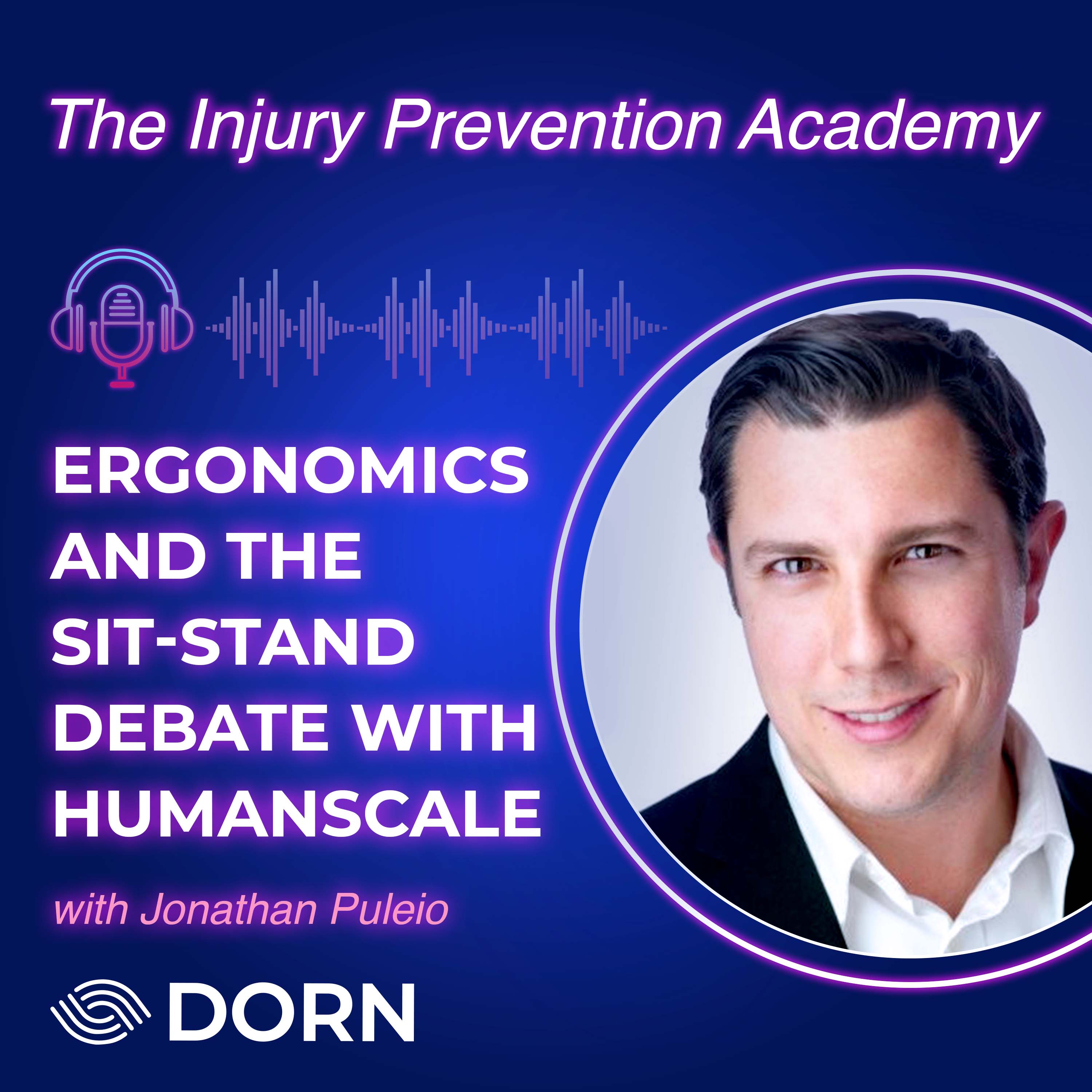
The Injury Prevention Academy, Episode 55: Ergonomics and the Sit-Stand Debate with Humanscale
Nov 12, 202400:25:03Tap to summarizeAre you sitting comfortably? You might want to rethink that.Recent studies reveal that sitting for more than 45 minutes at a time can increase the risk of metabolic syndrome, cardiovascular disease, and even certain cancers. But don’t think constant standing is the answer either—prolonged standing can lead to lower back and leg strain, raising your risk of injury.So, what’s the right balance? According to Dr. Andrew Huberman from the Huberman Lab Podcast, alternating between 45 minutes of sitting and 15 minutes of standing or light activity is the key to mitigating health risks. Dr. Huberman’s insights, backed by cutting-edge science, highlight the benefits of dynamic workspaces, where frequent movement breaks can boost productivity, improve circulation, and reduce pain.In the latest episode of the DORN Injury Prevention Academy Podcast, host Cheryl Roy and guest Jonathan Puleio, Global Vice President at Humanscale, explore these revelations and discuss:The emerging data on sitting and standing dynamicsHow ergonomic technology is revolutionizing workplace safetyActionable strategies to enhance productivity and well-beingInvest in your health and discover how balancing movement and rest could change your work life for the better.Listen Now and Subscribe to Stay Ahead of the Curve!
Transcribe →
The Latest in PPE, Gender-Specific Gear and Supporting Skilled Trade Workers
Oct 1, 202400:40:10Tap to summarizeIn this episode, we explore the latest developments in PPE and safety solutions for diverse workforces. Special guest Sally Morse, co-founder of Spectra Supply, discusses the importance of well-fitted PPE for women in high-exertion fields and how the “shrink and pink” approach falls short. Sally shares advice on supporting gender-specific safety needs and empowering skilled trade workers. Tune in to learn more about safety trends and best practices!
Transcribe →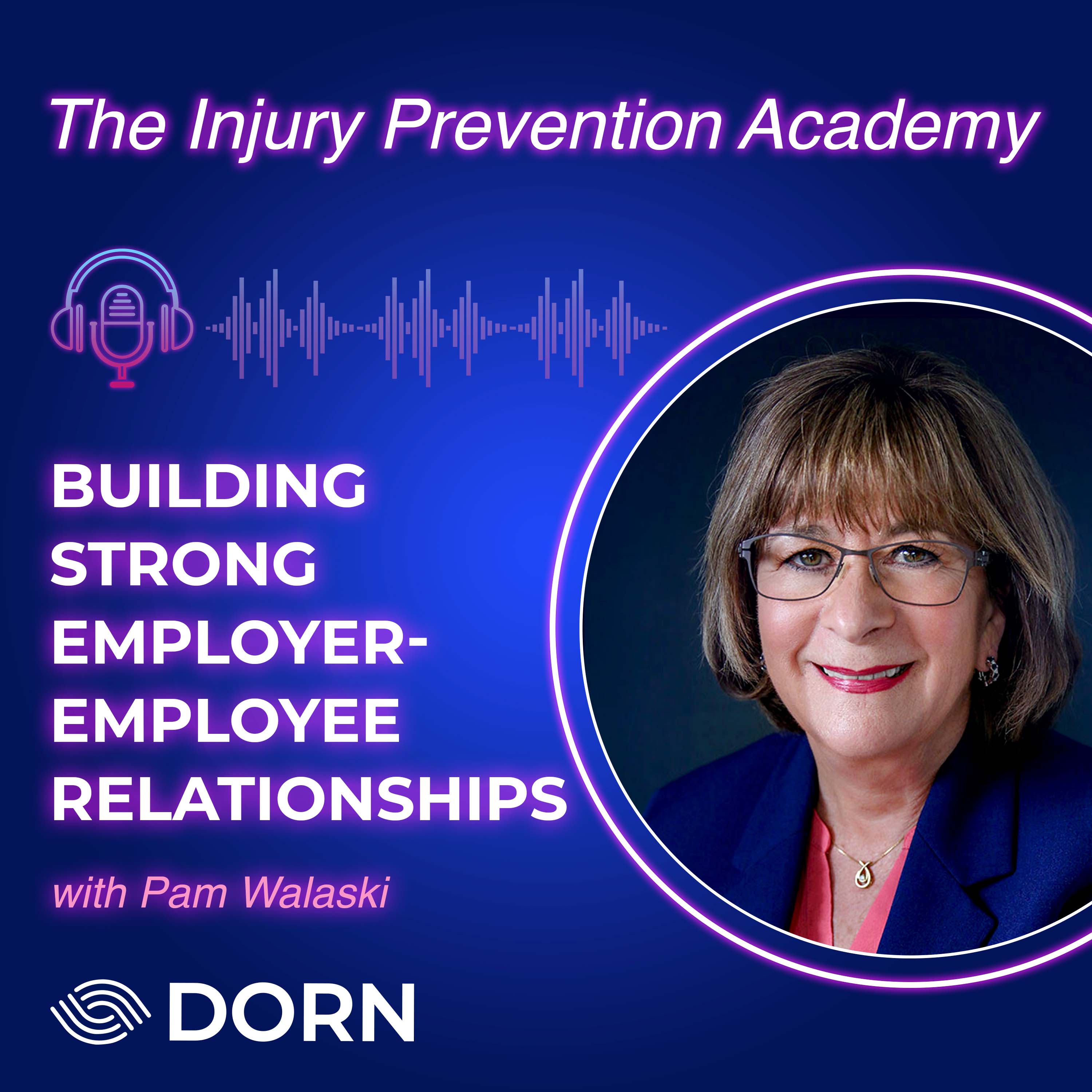
The Injury Prevention Academy, Episode 53: Building Strong Employer-Employee Relationships with Pam Walaski
Jul 10, 202400:43:18Tap to summarizeWe were excited to have Pam Walaski, the New President of the American Society of Safety Professionals, join us for an episode of the DORN Injury Prevention Academy Podcast, hosted by our own Cheryl Roy.In this episode, we covered:How the workplace safety industry has evolved in recent years, moving from a reactive to a proactive strategy in the wake of the COVID pandemicThe role of leaders in the safety industry in advocating for proactive, effective worker safety policies as agencies like OSHA develop new regulations and best practicesAddressing bias in the safety industry and how people with non-traditional backgrounds such as social work, military, and vocational workers can make inroads into the EHS worldA preview of this year’s ASSP Safety ConferenceAlso, join DORN Companies at ASSP’s Safety 2024 Conference + Expo, August 7-9 in Denver, ColoradoWe’re thrilled to announce that DORN will be present at booth #1614 at this year’s ASSP Safety Conference in Denver! Stop by our booth and discover everything DORN has been working on over the last year, including our new branding portfolio, fresh service offerings and partnerships, giveaways, and more. We’ll be showing off the latest AI-based injury prevention technology that will empower your organization to elevate your safety programs and exceed your safety goals for the coming year and beyond.
Transcribe →
How Data and AI Enhance Workplace Safety with Lisa Krefft
May 25, 202400:30:35Tap to summarizeRecent years have seen a transformation in workplace safety, with technology playing a pivotal role. Fields like ergonomics and fatigue management are merging with data science, leading to innovative safety tools. Employers are integrating tech, such as AI and wearables, to enhance safety outcomes and ROI. In this episode, Cheryl Roy speaks with Lisa Krefft, a leader in health and safety consulting, about the growing role of data science and AI in workplace safety. This episode covers:The growing role of data science, analytics, and AI in enhancing holistic workplace safety programsHow providers can balance the benefits of technology with direct interaction with workersExamples of how technology like AI is already changing how safety professionals analyze and improve their safety programsWatch the DORN Injury Prevention Academy Podcast on YouTube and subscribe to the DORN Companies channel for more insider content from the world of workplace safety.
Transcribe →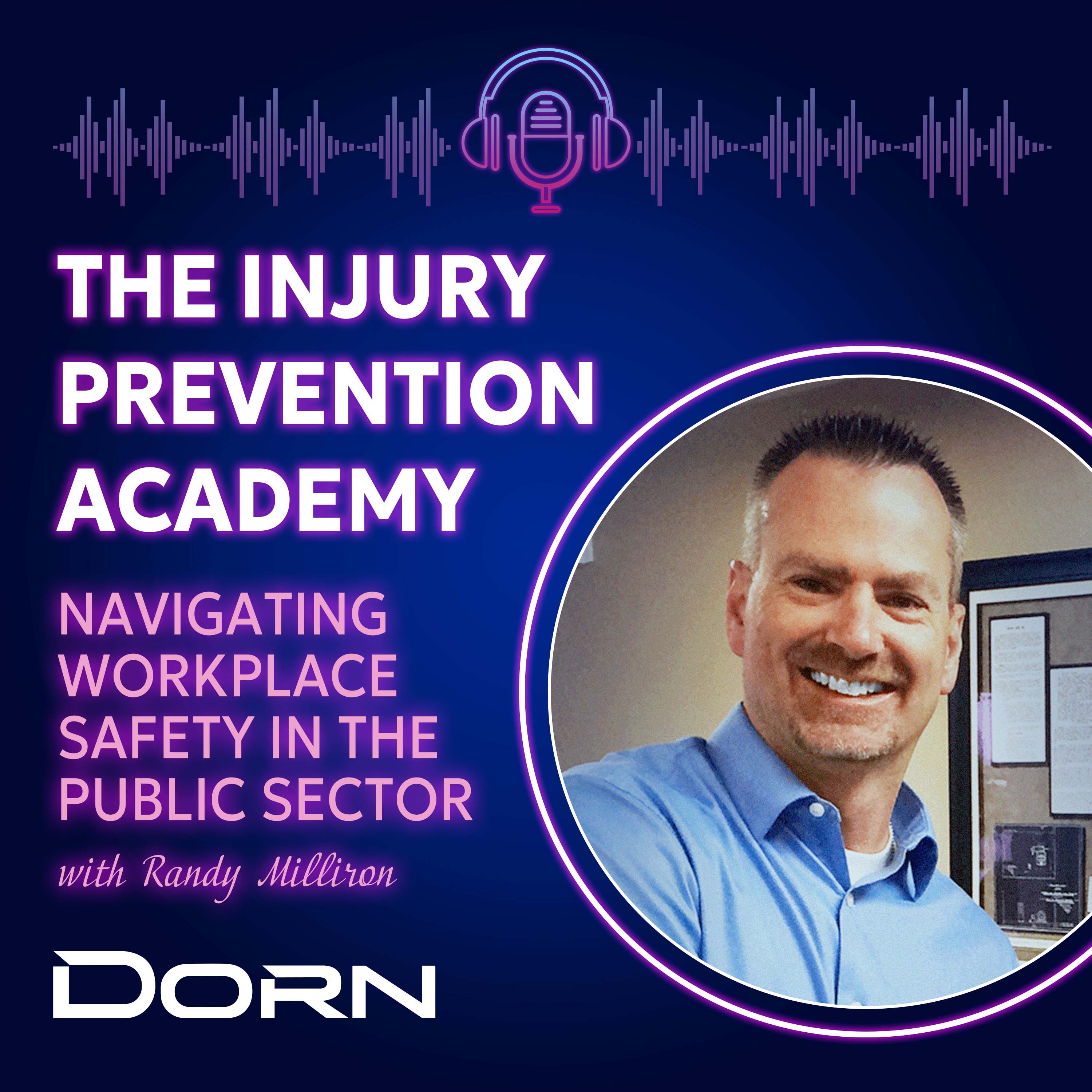
Safe and Sound: Navigating Public Sector Safety with Randy Milliron
Apr 18, 202400:50:20Tap to summarizeWelcome to the DORN Companies Injury Prevention Academy Podcast, where we explore the dynamic world of workplace safety and ergonomics. In our latest episode, host Cheryl Roy delves into the fascinating realm of public-sector safety management with special guest Randy Milliron, Safety Manager for the City of Gillette in Wyoming.While safety innovation is often associated with private-sector employers, public-sector safety professionals like Randy offer invaluable insights into managing safety for large workforces across diverse departments and agencies. With limited resources and budget constraints, they navigate unique challenges to create effective safety strategies that protect employees performing a wide range of tasks.Join us as Randy shares his expertise honed over two decades in both private and public sectors, leveraging data analysis to identify trends, pain points, and opportunities for improvement in safety programs. Discover how public-sector safety strategies differ from those in the private sector, and explore how both spheres can learn from each other to enhance safety outcomes.In this episode, we cover:The power of data analysis in uncovering hidden factors and optimizing safety programsContrasts between safety strategies in public and private organizations, and avenues for mutual learningCriteria used by public-sector safety professionals to evaluate new safety solutions and technologiesTune in to the DORN Injury Prevention Academy Podcast on YouTube, and subscribe to the DORN Companies channel for more enlightening discussions on workplace safety and ergonomics. Join us as we navigate the evolving landscape of safety management and empower organizations to prioritize employee well-being: www.DORNcompanies.com
Transcribe →
Suicide Prevention and Mental Health in the Workplace with Dr. Sally Spencer-Thomas
Mar 7, 202400:30:06Tap to summarizeIf you or someone you know is experiencing suicidal thoughts, call the Suicide & Crisis Lifeline at 988.Over the last several years, employers have become increasingly attuned to the importance of mental health as a key issue in the broader field of workplace safety. As more and more data emerge about how depression, anxiety, and other mental health challenges impact worker engagement and safety, it has become clear that EHS professionals must incorporate a proactive mental health strategy into their safety programming.Assessing the Problem: Suicide StatisticsSuicide is one of the leading causes of death in the United States, especially among people aged 10-14 and 20-34. However, it is prevalent among all age groups, with a total of over 49,000 people dying by suicide in 2022 according to the CDC. Research shows that men are significantly more likely to die by suicide than women, with roughly 80% of 2022 deaths being men. Rates of suicide also vary by race and ethnicity; non-Hispanic American Indian/Alaska Native people and non-Hispanic White people are statistically more likely to die by suicide than other ethnic groups. Likewise, people who identify as LGBT+ are more likely to commit suicide than their heterosexual counterparts.And the problem appears to be getting worse: Suicide rates have increased by about 36% in the period between 2000 and 2021. Today, one person dies by suicide roughly every 11 minutes.How does the workplace intersect with suicide?The causes of suicide are very complex—it’s difficult and often impossible to isolate a single cause that leads to a person dying by suicide, and usually a number of factors contribute to that outcome. The same is true of the effects of work and the work environment on suicide rates, but research has shown that several work-related factors can be associated with suicide. According to the CDC, the following factors can contribute to increased suicide risk among workers:Job stress and low job securityAccess to lethal means (such as firearms or medication)Long work hours or shift workWorkplace harassment and bullyingWorkers in specific fields such as construction, law enforcement, health care, and veterinary medicine are statistically more likely to die by suicide.Preventing Suicide: A Podcast with Dr. Sally Spencer-ThomasIn the latest episode of DORN’s Injury Prevention Academy Podcast, host Cheryl Roy sat down with Dr. Sally Spencer-Thomas to discuss her perspective on the suicide problem and how employers can help prevent deaths by suicide among their workers.Dr. Spencer-Thomas holds a doctorate in Clinical Psychology from the University of Denver and currently serves as the President of United Suicide Survivors International. She has spent some twenty years in the suicide prevention space, working as a keynote speaker, educator, and task force leader to work with communities, companies, and leaders of all types to identify factors that contribute to suicide and find solutions that help people thrive.In this episode, we discuss:How suicide rates and risk factors have evolved since 2020Employee perspectives on workplace challenges that contribute to mental health issuesHow the emerging research shows connections between chronic pain, workplace injuries, personal isolation and mental health issuesHow employers can implement solutions to reduce suicide risk factors and provide mental health support within budgetary and functional limitations
Transcribe →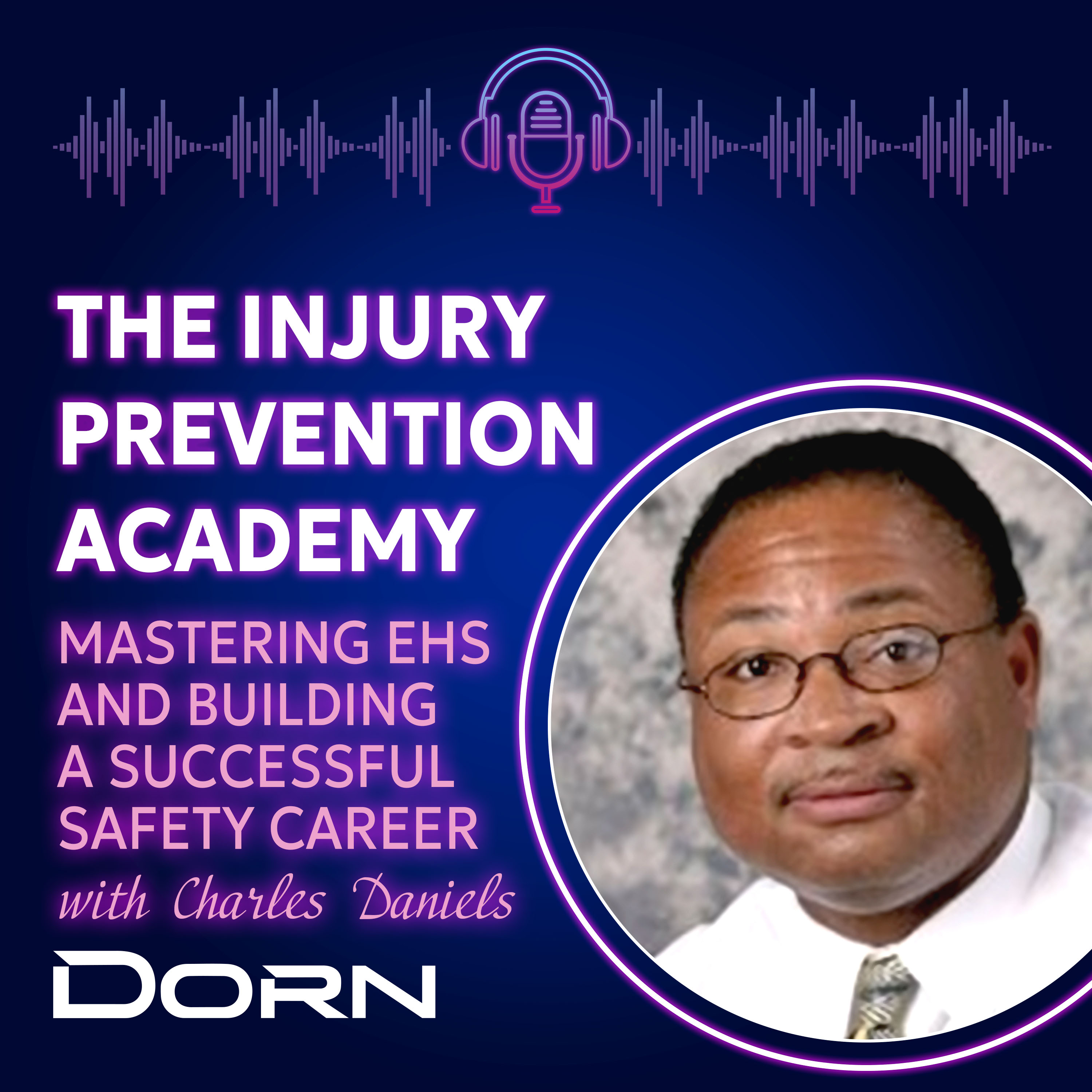
Plan, Check, Act: Key EHS Skills and Evolving Industry Trends
Jan 25, 202400:40:16Tap to summarizeWith new OSHA regulations arriving every month, fresh technology changing the safety game, and new stressors affecting workers across industries, the EHS field is evolving faster than ever before. Mental health and infectious disease protocols are now taking center stage in many employers’ safety programs, while a holistic approach to worker safety and wellness is fast becoming the most trusted approach among EHS professionals. That means today’s safety leaders—and the next generation of safety professionals—have to keep on top of a fast-changing and dynamic landscape, with new skills coming into demand every year.We address these topics and more on the latest episode of the DORN Injury Prevention Academy Podcast featuring special guest Charles Daniels, Vice President of EHS at Bolthouse Farms in Bakersfield, California. Mr. Daniels brings over three decades of experience in running safety programs across the food production and mass media industries, working from the front line up to the C-suite level throughout his career. Having worked in-house as well as in consulting roles, Mr. Daniels possesses a unique perspective on the world of workplace safety. He is also credited with developing the Plan, Check, Act philosophy of EHS, an approach that has been adopted across industries as a roadmap toward effective safety programming and intervention strategies. As a thought leader in the field, he’s uniquely qualified to offer insight to the next generation of EHS professionals. In this podcast episode, we cover:The top three skills that make a great EHS professional in today’s safety worldHow EHS is evolving to adapt to new technologies, mental health challenges, and infectious disease protocolsHow the intersection of ergonomics and OSHA regulations affects employers and their approach to workplace safetyHow EHS professionals can implement the Plan, Check, Act philosophy in their safety programmingWatch the DORN Injury Prevention Academy Podcast on YouTube and make sure to subscribe for other exclusive content from the world of workplace safety.
Transcribe →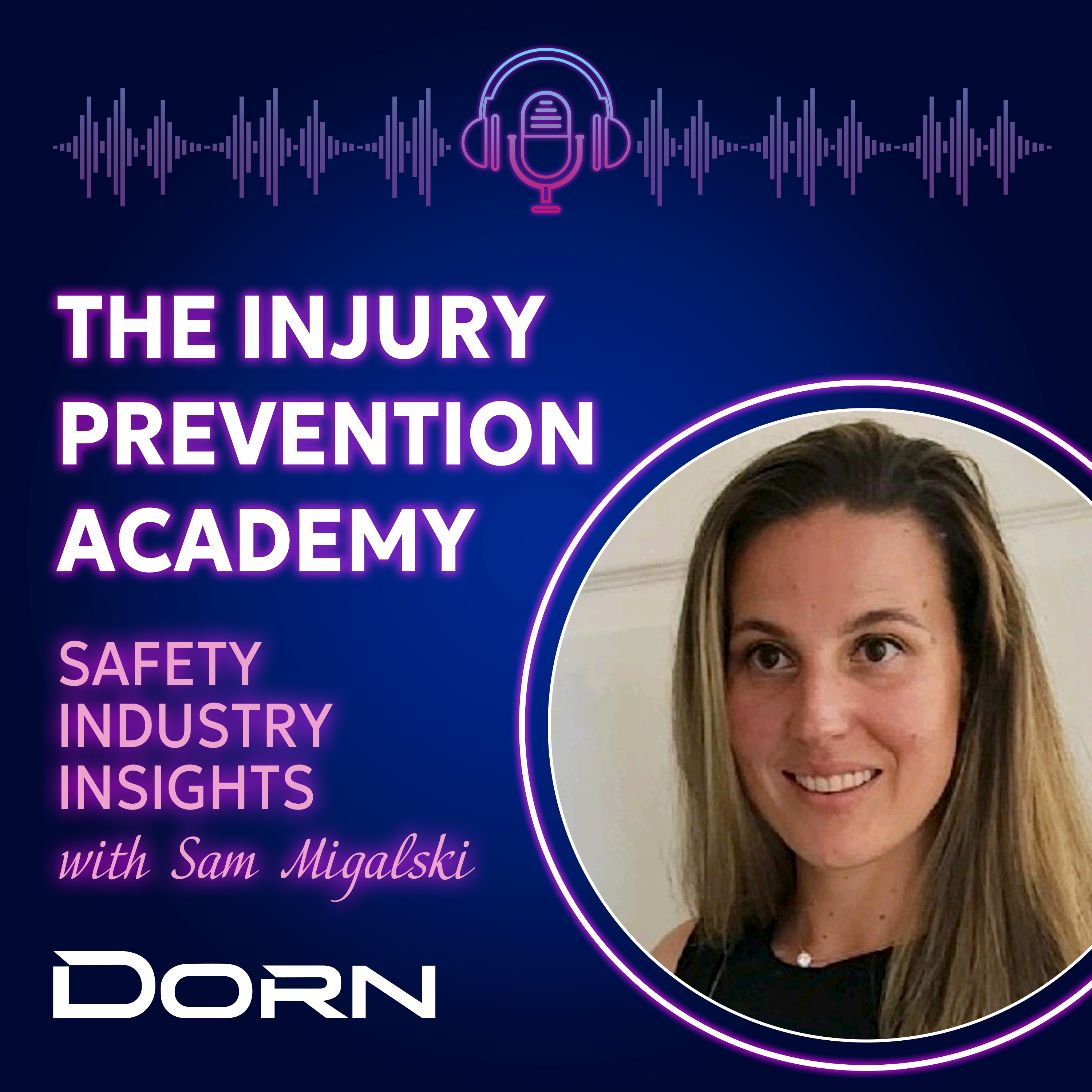
Safety Renaissance: A Holistic Approach to Workplace Wellness
Nov 30, 202300:25:16Tap to summarizeHost Cheryl Roy delves into this evolving landscape in the latest episode of the DORN Injury Prevention Academy Podcast. Joining her is Sam Migalski, EHS Manager at Emerson in Denver, Colorado. Sam's chemistry background and leadership roles offer a unique perspective on workplace safety, especially as a woman in the safety industry.In this episode, Cheryl and Sam explore:- Challenges for Women in EHS: Unpacking the hurdles faced by women in today's safety industry.- Holistic Safety Strategies: Examining recent shifts in safety approaches that emphasize clear communication and transparency from leadership.- Positive Safety Culture: Highlighting the importance of fostering a workplace culture that values and listens to its employees.- Leadership Buy-In: Discussing the critical task of gaining support from company leadership for modern safety values and a holistic approach.Embrace a broader perspective on workplace safety as we navigate the nuances of an age-diverse workforce. From Baby Boomers to Gen Z, each generation brings unique values and safety considerations, requiring tailored solutions.Listen to the insightful conversation with Sam Migalski on the DORN Injury Prevention Academy Podcast.
Transcribe →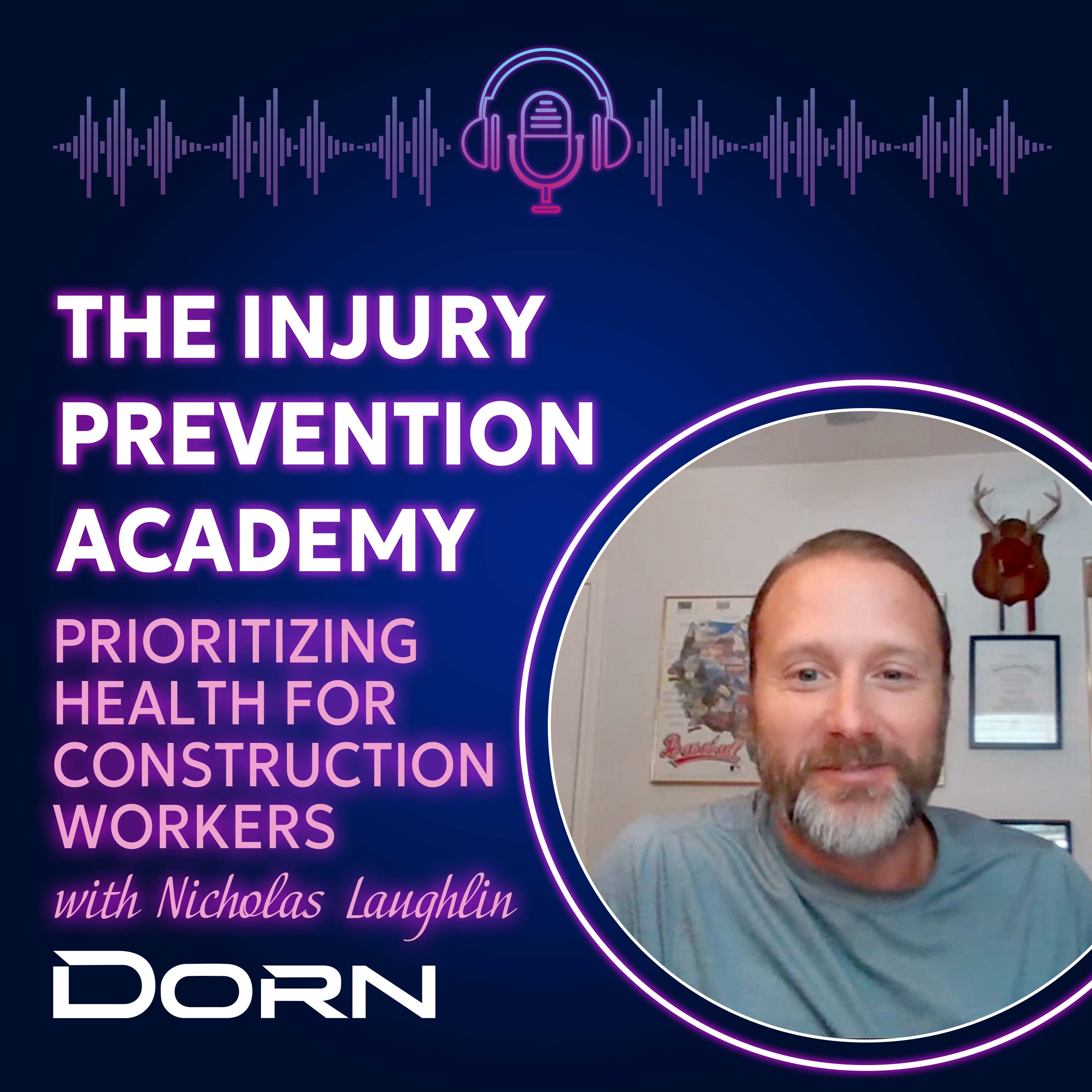
Building a Safer Tomorrow: Construction Safety Insights with Nicholas Laughlin
Nov 18, 202300:45:34Tap to summarizeThe construction industry presents unique challenges and risks, contributing to high injury rates and mental health concerns among its workforce. In the latest episode of the DORN Injury Prevention Podcast, Nicholas Laughlin, a former Safety Director for Tofel Dent Construction, LLC., shares invaluable insights into holistic safety solutions for high-risk industries like construction.Key Discussion Points:Understanding the distinct risks faced by construction workers.The consequences of injuries beyond immediate costs.Nicholas Laughlin's journey in the safety industry and his focus on holistic safety solutions.Strategies for injury prevention and promoting mental health in construction.The Total Worker approach and its impact on safety and wellness.A glimpse into DORN's tailored service package for construction workers and sites.Explore DORN's Construction Safety Services:Ready to enhance safety in your construction workforce? Explore DORN’s specialized service package designed for construction sites. Connect with us to initiate discussions on meeting your safety goals for 2024 and beyond.Learn more at www.DORNcompanies.com.
Transcribe →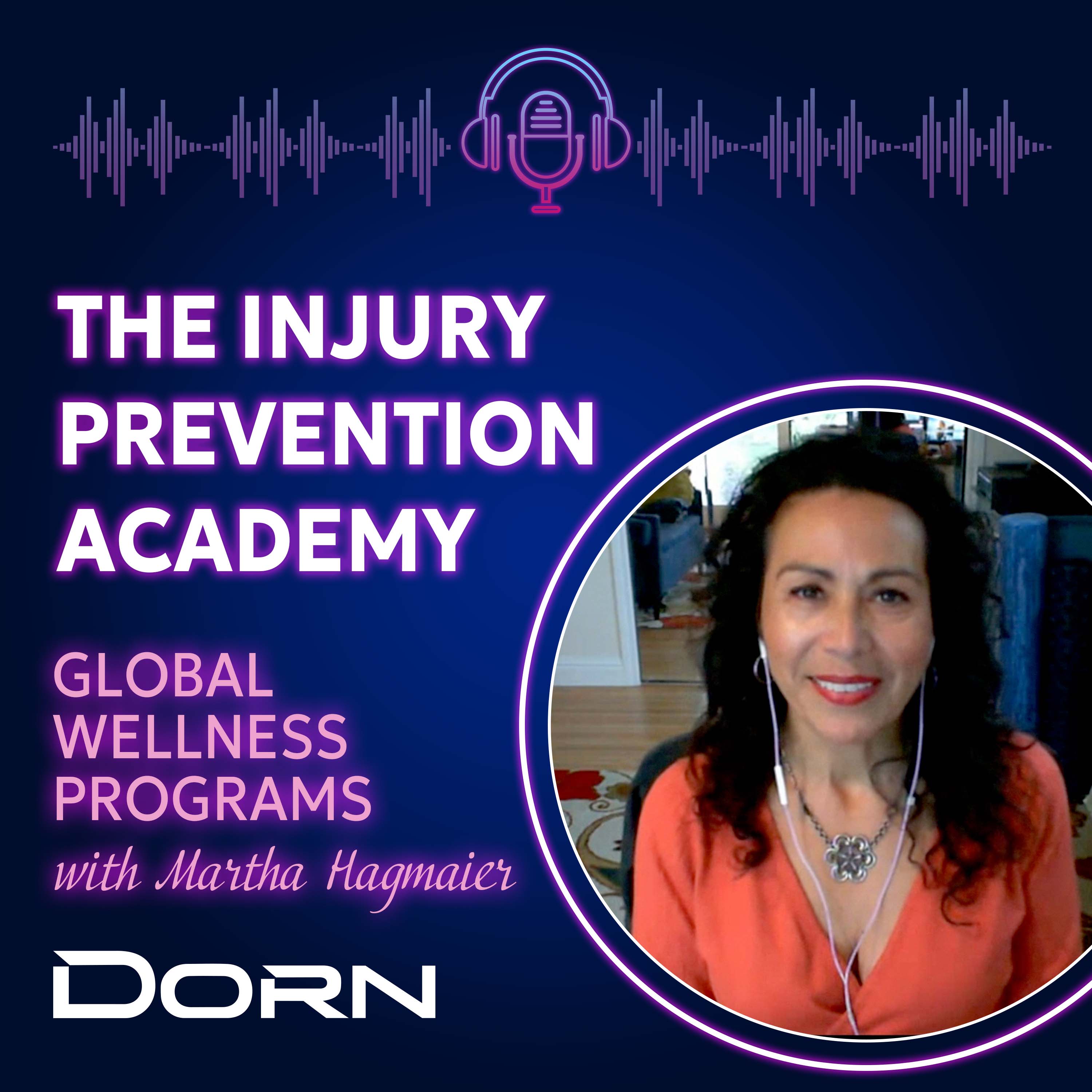
Navigating the New Normal: Safety and Wellness in Evolving Workplaces
Nov 18, 202300:41:33Tap to summarizeIn the ever-changing landscape of today's workplaces, safety and wellness have taken on new dimensions. Whether employees continue to work remotely or have returned to on-site environments, addressing evolving stressors is crucial. In this episode of the DORN Injury Prevention Academy Podcast, we engage in a meaningful conversation with Martha Hagmaier, a seasoned expert with over 25 years of experience in workplace safety and wellness.Key Discussion Points:Adapting safety measures to the shifting dynamics of modern workplaces.Martha Hagmaier's extensive experience in workplace safety and wellness.Managing global wellness programs at Electronic Arts (EA) and crafting scalable solutions.Addressing the diverse needs of workers in different parts of the world.The importance of holistic safety and wellness support in today's environment.Learn from Martha's Insights:Discover valuable insights from Martha Hagmaier's wealth of experience. Explore how her expertise can guide your organization in implementing effective safety and wellness programs.Learn more at www.DORNcompanies.com.
Transcribe →