Loading summary
Transcript59 lines
- [00:02]
A
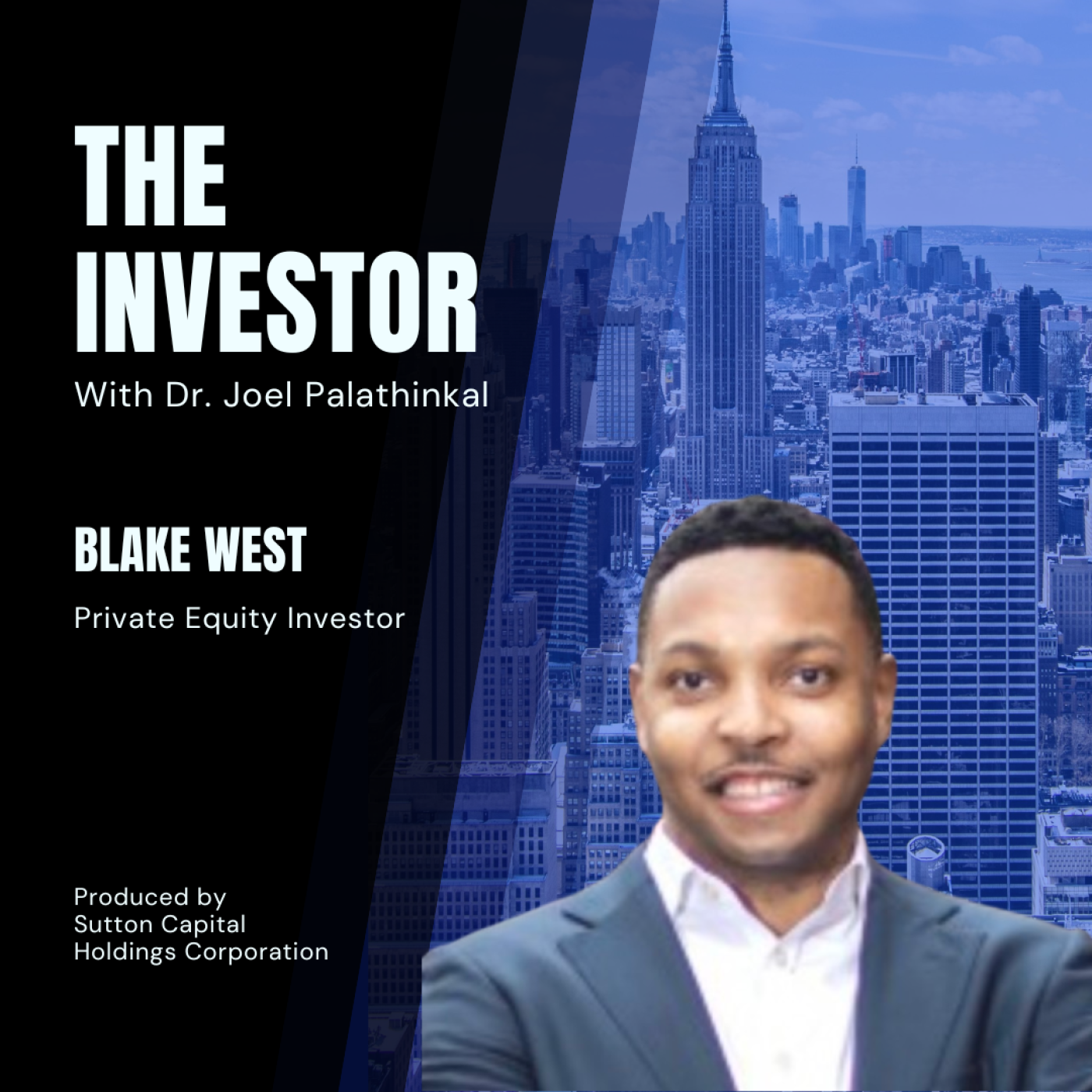
All right, so excited for my new guest that I have on today. His name is Blake West. Really experienced private equity investor. He's worked expansively, you know, recently in, you know, small business, private equity. He's also recently worked in healthcare services, business services. He was at icv, which is a private equity firm that invests in lower middle market companies in North America. And then before that he worked in investment banking. So Siebert Williams Schenck & Co. Is a full service investment banking financial services firm. So super experienced and I think for our community, it's really valuable to learn how to, number one, get into the industry. But then second, how do you become a good investor? How do you build your career once you break into the industry? How do you refine that craft of private market specifically, but then just asset management as a whole when you're allocating to different assets. You know, a lot of times these family offices, these funds, they have a holistic picture of how they're doing their portfolio construction. So excited to unpack all of this with you, Blake, and thanks for coming on the show.
- [01:10]
B
Thank you for having me.
- [01:12]
A
Yeah. So why don't we start out. I always start out with asking people what they thought they were going to do early in their career. You know, let's talk about maybe just your early formative years in your, you know, childhood, you know, maybe going into high school and thinking about college. What did you kind of have interests in and what did you think your strengths were and how did that kind of flow into, you know, some of the decisions later on in your career, obviously when you studied in college and then obviously doing your internships and deciding to go into private equity. I don't know about you, but, like, when I started out, I had no idea what finance was. You know, like my whole family was either. You know, I'm from India, right? So my whole family was either like doctors or, or engineers or lawyers. So if you weren't one of those careers, like, you know, people would just think you're a failure. And then, you know, it was only through my friendships and just kind of my own personal growth and talking to people in college that I explored financial markets. So we'd love to kind of just learn a little bit about your journey, unpack that, maybe just talk about, you know, what your thoughts were on the industry and kind of what was going on in your mind as that evolution happened.
- [02:23]
B
Certainly, certainly I think your background kind of really resonates with me as well as my dad's a lawyer, mom's a social Worker. And growing up I was always interested in math and sciences. Like I got good grades in those courses, was an honor roll. And when I was in high school, my parents really encouraged me to be exploratory in terms of what career path I wanted to get into. So I did.
- [02:43]
A
Yeah.
- [02:44]
B
Engineering programs at University of Michigan, Michigan Technological University. I went to business camps. I shadowed a doctor in an emergency room, I think for like a. It was like a one night program that I did that. So it was really exploratory and figuring out like what exactly I wanted to do. And it was through one particular business camp where I think that the project was. We had to basically finance a football stadium. And that's what showed me. Yeah, so that kind of showed me that I really liked the process of like how finance, how different flows of money kind of impact our daily lives. You go to a football game, you're not really thinking about all the different stuff. Through this project I was seeing that no people are raising capital for this. People are considering different expenses for not only ticket sales, but vendors, all the different other dynamics that go into it. And I would definitely be lying if I said I came into school saying I'm going to be a private equity investor. Like, I think it's funny because you see kids say they want to be a doctor or a firefighter, but you never hear a kid that's like five saying, I want to be private equity. I definitely think like the way I broke into the financial services space was really just like through mentorship. So I went to Howard University for undergrad and I was in the honors program. And through the program we received a mentor that was a couple of years above us. So my mentor was a junior when I was a freshman and he was the first person to really introduce me to considering a career in financial services. You didn't invest manager before, but like, I think just through speaking to different people in a space, investment banking was really pitched as a way to really kind of break into the industry. Like you don't know if you're going to do it long term or if that's going to be something that you can pivot to another avenue. But it's really a way to really kind of hone in on developing different skill sets. And that's kind of how I broke into the space and really just being. I think the key thing to my early career was just like being a sponge and being open, but also like ensuring I'm reflecting on all the stuff that I'm doing. So it's like seeing all these different opportunities to work and invest in banking to do, focus on within healthcare space. When I was at Citigroup, as that was my first banking job to being able to work at cbert, I think it's like really recognizing all these different opportunities, but also taking a step back and saying, what do I like about this role, What I hope to get out of the next one, what I hope to evolve into. So that's allowed me to be successful as I transition to different things or recognizing when it's time to, I guess, shift to a different situation or something else I want to go after.
- [05:05]
A
Yeah. So what were. So walk me through kind of the, the high school to career, you know, the, the college majors and kind of, you know. So it sounds like you had some really interesting projects. And then, you know, with Citigroup, what was what, your first role? Like, kind of as an internship or as, as a, as a first job out of college. And then how did you kind of, what was kind of going on, going through your head as you were kind of starting in those roles? Was it intimidating starting out, just kind of being in corporate America?
- [05:39]
B
Yeah. So I was a finance major, so I remember taking court. I remember being like, I think that you'll never get back the time you have when you're an undergrad. You're so excited about everything. Like, remember seeing, like, my first investment banking class at Howard? We had a financial management class, and I had two friends that are also pursuing the same similar career paths. We were like, we just kept talking about, like, investment banking, investment banking, finance, like, over and over again. So it's really cool having people kind of in the same head space as you.
- [06:03]
A
Yeah.
- [06:04]
B
But I think that, like, from the high school transition, I guess the first transition from high school to college is like, I think that one is like, in high school, you're, you're, you're living with your parents. You're exposing to so many different things. But I think in college it's kind of your first time on your own. So it's like kind of realized, like, I don't have to do these things. Like, I don't have to do. Like, I mean, your parents are never really forcing you to do something, but it's like a different type of kind of freedom of like, okay, here's what I really want to do. Here's what I really want to go after. It's the first time you're kind of like pushing yourself to do different things.
- [06:32]
A
Yeah. You haven't met my parents, though, so. Yeah.
- [06:37]
B
So, like, in school, I did, like, the honors program. I was in this program called Freshman Leadership Academy, where we went to China. After freshman year, I did a business fraternity called International Fraternity Adult PI. I'm also an Alpha Alpha Phi Alpha, so it was really involved on campus. I think that also kind of like, fed into the drive of, like, just being able to, I guess, be the best that I can be. So I applied to Citigroup. I think I went to this program called this also kind of ties in the story of, like, really just going after different things while you're a student. I gone to this program called Jumpstart Advisory. I think it was undergrad Financial Services and Consulting Forum. Not sure if you still had it. This is about a decade ago. But I went to that and I met a. Someone who worked in HR at Citigroup and established a connection. Ended up interviewing for the role and interned thereafter my junior year. And that was a really great experience. I will say, like, going to your first corporate job is kind of an adjustment. I think that, like, in high school, I worked at a deli. I worked at a summer camp, which are, you know, your first jobs. But, like, very different from working in the corporate space where you're like. I think it's like. It's a different task where you go from being someone's kind of, like doing your courses, studying for an exam, having a syllabus, like, just getting ready for it, and like, kind of being able to, like, adapt and really just. It's kind of like you in school. It's kind of like A. You go from A to B to C to D. Or you may do one plus one equals two. But, like, when you're in the corporate world, it's like, sometimes you're doing A, but in someone once, you also do step F at the same time. So it's like all these different things. Like, I think it's like, it really teaches you how to balance into things. It teaches you how to communicate different. It teaches you how to work with a little bit more ambiguity in what you're doing.
- [08:16]
A
The big thing is multitasking, too. That was one thing to take away from my early career where you may be doing an A, B, a C and an F, like, in tandem. Right. One deal may be in diligence where you're just sourcing and screening another deal and you got to do all of them and you have to do a good job on all of those at the same time.
- [08:34]
B
Yeah. And I think also just, like, learning how to work under different High pressure environments. I still remember like during my summer internship experience there was an associate that I worked with while there definitely served as a venture for me during the summer. And like also when I first joined full time at Citigroup. But I remember there was one particular thing where he had me work on. I think it was like pitch materials for a company. But he was like, I need this by end of day, I need this very quickly. So I really jammed out, worked on different things. I remember going through the situation where I didn't really ensure I got the task done, but at the end of it it was actually wasn't like a tight deadline. He was just in some ways testing to see if I could actually handle a real deal. Deadline. Sure. But I think that was important because it's like in some ways when you're operating these spaces, there's no task. It's just kind of like, oh, I'll just get to it later. Like everything has to be treated with the same amount of importance. But you do learn how to kind of balance more in terms of like, I have to get this, I have to get all these different things done. I have to be able to prioritize different things. I have to be able to communicate what else I'm working on with the different teams I'm working with.
- [09:35]
A
So I've got a piece like a nugget of wisdom that I wanted to get your feedback on. So I heard this recently. I think it was in my feed somewhere. But like, you'll, you know, this is what somebody told me. They said, you know, what you'll notice is some of the most successful people from college are not the straight A students. They're not the people that were the most popular. But it's sometimes like the class clown because the class clown is not afraid of making a fool of himself and like not following the norm and he's able to make people laugh. And like part of like, you know, building relationships is not, not essentially being, you know, a stand up comedian, but you know, making people smile, making people excited to meet up with you, being, you know, somewhat entertaining versus kind of the stuffy person that is following kind of the system and being the academic. And I kind of experienced that a little bit too. Like I was not a straight A student. I was, you know, I did pretty good. I was like above average and I had a pretty decent gpa. But I wasn't like one of those kids that had like a 4.0 GPA. But I, but I did well because I just kind of was Able to network with other students. Some students would tell me how the exam was, and I'd kind of get some wisdom from other people or talk to people that were, like, maybe a year ahead of me and get advice. And a lot of times, I would help them, too, right? And it was kind of like a way. It was kind of an early way of, like, almost like kind of sharing, deal, flow, right? It's like, hey, you know, I got the. I'll hook you up with the old test if you hook me up with the old test. And let's help each other out, right? Let's try to both be successful. And then there'd be these kind of, like, antisocial bookworms that obviously were 4.0 students. And I ended up getting. I went through, like, this minority internship program. It was really good. It was called Inroads. I don't know if you ever heard of that program. But, like, one of the first things they told me, I still remember this. There was a guy named Mr. Brown. He told me that I should wear a suit and always wear, like, a white tie and have a dark tie and never wear strong cologne. Like, the. The neutral suit is something that, like, obviously is very neutral. And, you know, even if you have a tie, it's not too loud. But the main thing, which I thought was crazy was, like, don't wear some super crazy strong cologne, because you never know, like, the reaction, right? Imagine if you, like, went on an interview and that person, you know, smell the cologne and it reminded them of, like, their ex or something, right? Or it's just too. Or it just kind of gives them, like, allergies or something. But, like, just those basic principles of etiquette, right? Or just kind of how to present yourself. Like, they even taught me how to shake someone's hand. Some of those things still stick with me. You know, if I actually would go on an interview, and I would actually still wear the white shirt, wear the suit. So I think some of those things, if I wasn't in those organizations, but because I was in that organization, I landed a really great internship. And what I found out was that that internship, like, I ended up getting, like, the highest hourly pay for that internship. Which, you know, if you look at it today, it's, like, nothing, right? But, like. But like, I was not the straight A student. And there. And then the. The kid. There was one kid that I knew that had, like, a 4.0 GPA, and I was like, oh, you know, you're doing an internship or you. You working somewhere he's like, no, I'm just gonna stay in school. So like some of those people, they just, they just become academics. So I want to know like what your reaction is to that, that statement about being the class clown. And if you agree with that or just kind of any of your other observations with different personalities and attributes to success.
- [13:14]
B
I would, I would definitely say that there's definitely some truth to that that I agree with as well. Because like, I think what twofold one thing is I think that like you have your, your gpa, the course you took, you have your resume and stuff you've worked on, but those things kind of like get your foot in the door. What you may app, like how you really connect with people is like your stories, your experiences and what all you've been through. Like a lot of times, like if I go into a room out, I'm not speaking about like, oh, I took this particular course and speaking about like, oh, I just did, I did. I've run a New York City marathon before. Do you like running too? Or someone may say like, I golf a lot. I'll say, oh, well, I haven't done that. But my dad's actually learning how to do that a little bit more. So it's like buying different ways. I feel like finding different ways to connect with people is a lot better, easier way to get your foot in door because then people are, they see you as like not only a colleague but like a potential friend they can kind of be able to have late night conversations with when you're working on a deal. Because I think that's also important. But I think in terms of like the second kind of stance on that is that like when you, I think when you do have like 4.0 straight A student, then when they're in a career, like things are going to go wrong, things are going to happen when you're working a job, like you're going to have to like not going to get things right the first time. And I think that like when you've gone through sort of a situation where like you didn't have the strongest grade but you knew you had to make a comeback or you didn't have the strongest like the best report, but you knew like how to kind of talk your way through it or really speak with individuals on how to improve, I think it'll go a long way because sometimes people may have been a straight A student and get stuck because it's their first time going through a situation like that.
- [14:42]
A
Yeah.
- [14:43]
B
So I would say I think that like there is truth to it in terms of like a student who had gone through a hardship or gone through not having the best grade, they know how to adapt, whether it being in terms of like how to react to a situation or just being able to be a good storyteller to find different ways to get into a door.
- [14:59]
A
Sure. No, I totally agree. So then tell me what happened next. So you're at Citi for some time. What are some of the biggest learnings that you took away at Citi and what, what division were you in? Were you in like the investment banking division or.
- [15:13]
B
Yeah, so I was research, investment banking, healthcare group. And it was a really cool experience because I think that like entering through health grows a way to see a lot of different business types. So like I saw healthcare services, biotech, which more early stage large cap pharma, medical technology. So I think it was a great exposure to see a lot of different business types and like, or with some really great people. Like when I first started in the role.
- [15:38]
A
Yeah. What would you, what piece of advice would you give to people that would be trying to interview at Citi's investment banking division? I guess what are some of the hard skills, the soft skills, what are some of the things that they should, you know, obviously have on their resume and then you know, just what should they kind of be prepared for in the interview?
- [16:00]
B
In terms of breaking it, I would definitely say to find different programs that can help you get into these different experiences. Like there's management leadership for tomorrow, which is what I did when I was an undergrad. There's sponsors for educational opportunity, SEO, there's enrolls like the program you mentioned. Like there's so many different programs out there that like you can apply to and you'll basically like you're getting a free coach to help you break into these spaces. Like a lot of people don't recognize or even like some of these corporations, they'll have like visit days but like they're paying, they're paying for you to fly out to their company, giving you free food, have you stay in a hotel just to learn about what they do. That can be a great way to separate yourself. Not only to get kind of get your foot in the door to meet people at the organization, but, but also to have a kind of that much more of a leg up in terms of understanding what they do. So when you do meet someone or when the interview does come up, you have kind of knowledge of like what you're really applying for, but in terms of like things to have in your resume and things too. I think I'm a big fan of, like, in terms of, like, really, like, articulating how what you've done in the past translates into that future role. I think that sometimes people may get stumped up saying, like, like, when I was in high school, I worked at a deli in a summer camp. And when you're going to that first interview for investment banking, it's kind of like, well, like, how does this translate there? But in like, summer camp, you're like, I'm managing all these different students. Like, ideally, I'm like, I'm waiting on customers and I have to do customer service metrics or I have to. Or some customers may want their ham or turkey sliced a certain way. So I have to measurement that's very. I have to ensure, like, I'm having attention to detail in that manner. So, like, I think it's important to communicate how things you've done in the past translate into that. I think there's so many different ways that you can do so. Like, like almost anything. You can talk about how the class you took in school, like, how that made you think I want to do. Like, you see the people make jokes about, like, the LinkedIn post where someone's saying that, like, you know, I. I, like, I broke up with my girlfriend and that told me all B2B sales. But that's kind of what you have to do.
- [17:52]
A
You got to have that banger. You got to have that banger hook. Right? That gets people.
- [17:56]
B
Yeah. And in terms of interview processes, I really say, is that definitely studying, like, the Vault Guide to Invest in Banking, other forms, really just like reading everything you can and just really being abreast of what's going on in the marketplace. I remember getting questions like, what deal have you seen in the market recently? Or what do you think is going on within the economy? So I think having an opinion on that is important. You don't have to have it right. No one's expecting you to be able to solve the current. Be able to have the right solve for the current economy, like in your interview, because if not, they would say, wow, you should just. You should run for office. Like, you're too qualified to work here. But I think having an opinion about something, or let me rephrase it, having a thoughtful opinion about something, I think is really important thing. You can tell between, like, someone that may have read an article same day and just regurgitated facts versus someone is saying, like, oh, I read this article today, but, you know, last week it said this, it said this contradictory statement. So here's what I'm thinking about this. Yeah, I think those are kind of like the key important things beyond just the standard print.
- [19:02]
A
Sure. No, it's great. And you know, just shameless plug. So Sutton Capital does offer training and mentorship for investment banking, private equity, venture capital. We offer a bunch of financial modeling, case studies, also deal training as well. But I think, you know, it's always great to just hear wisdom from, you know, someone that broke in and just hear kind of like additional things that they could prep on. So I guess in terms of like when you talk about a deal, right. So it sounds like that's kind of one of the key things that obviously is important, Right. Everything's tied to displaying that you're already almost working at the firm, right. So hey, here's a deal that I'm looking at. It's a healthcare deal, right. So like, what are some key things that you should highlight when you talk about a deal in the interview? What are they looking for? They're looking for your ability to understand the market. Understand. And then obviously there's top line news too, right. So I did a short stint at kind of like a stock brokerage firm, investment bank early on, and they would make us read Barons and also Business Week every week and then they would quiz us and just talk about the market on Mondays. So I don't know if any of that was, you know, helpful to you or if there's other things. I mean, Financial Times is a great publication, but you know what, what else could people do in terms of like, I guess, preparing for the interview and like standing out as a candidate.
- [20:40]
B
Yeah, I would say in terms of preparing for the interview, in terms of like different things to take away from the news. Like if you're reading like a, like sometimes I remember, like you'll see an article that's like full like maybe five to seven paragraphs. And like a lot of it's hard to dissect because you won't be able to regurgitate every single fact about it. But I think some things that you clearly want to be able to take away are like the situation, like kind of like the star, the kind of situation, the task, the action, results. Like, what is the underlying situation? Like, why is this thing even happening in the news? And then as a result of that current situation, what was the indicating factor? What was whoever worked in a deal, whoever was making consideration, what was their task? What was the ultimate goal of why this thing was taking place? How did they get past, across this finish line, this bank, advise them? Did they think about all these other alternatives? What was the result? Here's the actual deal. So taking that kind of step instead of like bringing out like, what are the key facts and figures in terms of like currently, holistically, like if you can explain it. And I think also having like the financial figures like that you see on news headlines, like, because I think that separates between someone who like understands like the numbers behind it versus like being a bit more vague.
- [21:52]
A
Yeah.
- [21:53]
B
So those are kind of things to take away from document. But I think in terms of like the way you communicate it to people, one thing making sure I think one of a, A managing director I used to work with when I was in private. A few years later he was like, you should be able to explain things like, I'm a fifth grader. Like. So I think that's kind of like one thing is like, you may read something on the Wall Street Journal, but like being able to like, articulate in a way that like you can even explain it to like a fifth grader in elementary school setting because that shows you have a really like a basic understanding of what's in the article. I think something a lot of times people may forget to do at the more junior level is like senior opinion. Like, you may go through the whole deal, the whole thing that's going on in news media, but you won't say like what you're thinking about or like, or reacting saying like, this is interesting or like not necessarily having to say it's going to lead to this, to that, to that, within a greater economic environment. But just saying like, I found this interesting because I think this could happen, or like, I think just inserting or I think this deal makes sense to do that, or I don't think it still makes sense to do. I think a lot of times people may think that like you'd use that for investing roles. But even with an investment banking, or if you look at careers within consulting, you're working with the team and they're expecting you to have some form of opinion in terms of what are our next steps in terms of what we're working on.
- [23:08]
A
Yeah. And then with the different divisions at a big bulge bracket bank. Right. There's usually product teams, there's usually coverage teams, and then that kind of flows into sales and trading and then obviously they have private wealth management. Right. So are there any other divisions that are or just kind of functions that obviously you've experienced that are good for people to know about as they're kind of. Because I mean when you just say banking, it's very broad. Right? You could be. Yeah, you could be like a TMT investment bank just doing product coverage. So you know, do you think you could take a moment to kind of just break out how you see it in terms of like the different roles and responsibilities as an investment bank and then just kind of like the skill sets that are needed for those different roles?
- [23:49]
B
Sure, yeah, absolutely. So like there's like so many different facets within it. We're taking a lot of people because they see the headline investment banking or they see the headline of like sales and training. There are so many different areas of the bank where you gain like really strong experience. Like within. Within, like the larger corporate investment bank. There are people that do corporate banking which is more so helping companies within their. They're kind of like the more daily operational tasks versus like investment banking, like what are doing like IPOs or equity following offering or like a merger activity. But even within investment banking, you'll have coverage groups which may cover a certain industry. You'll have the, as Joel mentioned, the product groups like the equity capital markets team, which is kind of watching the equity markets, helping execute the IPOs and equity following offerings. Or you'll have the mergers and acquisitions team, which will actually be doing the execution for a lot of financial modeling for M and A opportunities. I think even in the broader sense there's other facets of banks, such as I think some teams have credit teams which help assess credit. There's debt capital markets teams where you're working a little bit more on the financing side of things. There's leverage finance. We're also looking at kind of like which a lot of people view as like they're working with different private equity investment firms because they're working with through the leverage and debt financing that are associated with those different transactions. But I think the, the broader sense of what I'm saying is there's so many different facets within. Within an investment bank. Yeah, I think that in terms of like, I think it's very important to figure out like your personality type within each one to figure out like what's a good fit for you because yeah, like, like a person example, like a sales and trading person versus an investment banking person. Two very different people. Like someone who sells and trade. They're waking up like 4am they're reading about the market. They're there when the market's opening. You have to be able to really work within a high intensity, high Stress environment because like, yeah, creating a stock almost immediately you're working with a team, ensuring you have to communicate your thoughts immediately. Like you're almost like, like you're within a broader team, but you're recommending something and your name's kind of behind that. So that's like a very, like a personality. Like you have to be able to act very quickly. Within investment banking, you still have to have that type of ability to be able to pivot and be able to work on multiple tasks. But it's like a little bit. I wouldn't say it's slow pace. Banking is certainly not slow paced, but it's a little bit slower if you work with a team and working more of a long term project base and then you have other teams with an organization that maybe even have even more different characteristics and flows.
- [26:20]
A
Yeah. Have you ever seen the show? There's two show. I mean sometimes it's funny, but sometimes these TV shows kind of help give you. I mean it is theatrical, but it gives you a little bit of an inside look of like what the role is kind of like. But there's a show called Industry. I don't know if you ever watched that, but it's pretty good. And it's like, it's kind of based in London. But there was a. I don't know if you remember, there was one guy, I forgot what happened to him, but he got like, he suffered exhaustion because he was like supposed to put together a pitch deck and he like slept in the office because he was kind of putting together. I guess he was probably on the, probably on the product pretty much like the sales team, they were pitching some type of offering, probably doing like a capital raise and they were pitching an allocator. So it's like, you know, you got to put together the decks, the materials, the. And, and he got, he got yelled at because I think like there was a page number that was like wrong or something, you know.
- [27:13]
B
Oh yeah, yeah, it was like he, it was like Helvetica 6 or something. I've watched the series so many times. Like he. The font or something like that was crazy. Yeah, that's. Yeah, I love.
- [27:23]
A
It's pretty, pretty realistic. And then, and then, you know, if you want to learn about hedge funds, I thought Billions was great too, you know, I mean if you watch like all six seasons, you'll know everything about the industry. I mean they cover like all the departments, right. They talk about what a quant does, what a portfolio manager does. You know, some of those shows are kind of helpful to kind of just because they cover like all the different teams. Like there was an episode in industry as well where they talk about private wealth management. Right. How you, you know, obviously managing the wealth of like family offices and you know, endowments and stuff like that. So I thought that was pretty interesting too. But you know, also in my experience, I worked at a fintech analytics firm, pretty big one. And you know, we did a lot of research in terms of like the workflow of users and if you're doing like equity research. So this would be more on the buy side versus on this also. But it's really interesting to understand kind of their workflow. You know, what they want to know is how their holdings are looking and how to your point, how the news is driving those holdings. Right. So if you've bought, if you're heavily weighted with Amazon and Tesla and you have some holdings in some energy investments, the news heavily drives if your holdings are all green or all red, and that might only be for a day or two because there's maybe some, something provocative that happened in the earnings call. But really having a pulse on the news and the current events and then trying to tie that into how that's impacted the health of your portfolio on the buy side. And I think that's important too to understand because if you're on the sales and trading side, you're the one that's actually facilitating those transactions. So I think helping to understand the market as well if you're know, going into sales and trading, really understanding the, the overarching holdings of your clients who are on the buy side. Right.
- [29:20]
B
Definitely that, that made me think of something else too. Like, and kind of the benefit of seeing shows like Industry or Billions or like understanding of what you of like the different facets of the roles. I think one question, like, I would definitely challenge people when they're thinking about breaking to whatever business unit or whatever segment they want to get into is like, I think a lot of times people leave with like, I want to do this, I want to do that. But like also think about like, what are you willing to do? Because like, I think a lot of times it could be like a big awakening of someone saying like, like, I want to work within sales and trading. But like, I don't really like to do like all this industry research. I don't like to do all this market research. That's something could be a little bit more of a difficult adjustment.
- [29:58]
A
Yeah.
- [29:59]
B
Or for like banking, it's like, I don't want to work all these different hours, it could be a little bit more difficult of adjustments. I think it's like important understand what you want to do, but also like what are like the, I'll call them the growing pains job. Because no, every job is gonna have like growing pains that you need to be able to get through to be successful within it.
- [30:15]
A
Yeah.
- [30:15]
B
I think having understanding, like what are those growing pains that you're willing to, to work through or that you may even enjoy.
- [30:21]
A
I think some people think of banking as kind of like a stepping stone to get into pe. But we've had alumni from our program that just went directly into pe. They didn't come from banking, they came from like non traditional background. But you know, they built the skills, they worked on deals, they learned how to do an LBO, they learned how to do a couple more complex DCFs and then you know, they get a case study and they crush it in the interview. So I think if you can kind of just build those skills and outperform in the interview, in my opinion. Right. In my humble opinion, that's kind of what's, what I've seen has worked. And then I would say on the banking side, to your point, I mean a lot of people just say, look, I want to get into banking, but they don't really understand what banking is or what the jobs are. So I think, I think what you're trying to say too is figure out like what function is something that you're going to enjoy doing. And then also on top of that, is it something that you're going to be good at? Like if you're not good with people, you probably shouldn't be doing capital raising. Right. If you hate talking to people, you hate, you know, taking people out to dinner and trying to close a deal, maybe you're better off just doing like, you know, sell side research. Right. Which still is super valuable. And you're doing research but you're, you know, you probably have better hours. Right. Because just putting together news, news and research content. So definitely. Yeah. What are some of the. If you were to kind of pick a couple of the key roles at an investment bank, what do you think some of the hard skills and soft skills would be just for the audience to understand that better. If you want to pick like maybe four to five of the main roles.
- [32:01]
B
Yeah. So within an investment bank in terms of like hard skills and soft skills, I would say from a just general skills, like by like different role in particular.
- [32:14]
A
Yeah. So like product and coverage, what are the hard skills? Soft skills, sales and trading what are the hard, you know, hard soft skills when you talk about, you know, some of these other facets of the bank, you know, what are some of the, you know, technical skills? Like specifically like even if you think about like equity capital markets, right, you're, you're dealing with, you know, sometimes you're doing SPACs, sometimes you're doing like pre IPO deals or you're helping a company, you know, go to an ipo that might be a good, that might be a good one to cover as well.
- [32:45]
B
Sure, sure. So like with, like with an equity capital market, some of the hard skills you have to have like financial modeling skill sets a little bit different financial modeling. So may not be doing like a, like a, perhaps a merger model like you may do within a like coverage group or an M and A group, but like you're still doing like this kind of classical models or the things that you're kind of projecting like how big can this particular stock or security grow go? So you're still doing, you're doing public comparables analysis where you're looking at other stocks that may be similar. And those are kind of like the hard skills you're working on. Being able to have those key analyses and be able to have attention to detail, be able to present those in a manner and in terms of soft skills is that you have to be able to really sell what you're working on. It's like oftentimes within or really just when you work with equity capital markets, if you're doing IPO or you're doing a follow on offer, you're kind of selling this company or you're selling the dream of why someone should invest in this particular company. You have to be able to have that soft skill. Being able to really communicate your thoughts, like really translate what you've worked on into why someone should invest in what you just worked on. And I think beyond that is you mentioned going different roadstore presentations, which I guess for clarification is that when people are doing an equity offering, oftentimes before it even hits the market, the team is preparing materials about the company, doing all these different analyses. They're creating a large presentation and they're presenting it to institutional investors to kind of get their perspective how much they're willing to invest, which helps them price what the ultimate share price for the stock will be. But a lot of that comes from being able to communicate the story or the case, working with the management team of the underlying company, but being able to communicate that story and what you've worked on with these different individuals. And that's important too because if you communicate the wrong story, you won't get investors for it or investors may price too low or price it too high. I think it's really important to have really being comfortable with the data you worked on and be able to communicate that. For the mergers and acquisitions team, I would say are those teams that have been on the products that were working with a lot of different merger models. I think those are very strong hard skills in terms of analytics. Your conversions actually need to be very comfortable with the numbers, very comfortable with the different analyses that you're doing in terms of sauce. Because I think especially with these products teams like M and A or equity capital markets or even leverage finance or debt capital markets, you have some of the, I guess the, I guess the mo. Like I don't want to say the strongest. You do a lot of. I have a lot of hard skills within your group where you're working on these financial analyses. You have to communicate to these other teams. So I think you have to have very strong communication skills of really explaining the model that you're the finished models you're working with. I think the difference between like the basic kind of discussion of it is not going necessarily saying in cell A I have this and sell B I have this really being able to explain how this kind of data flows within the model so other teams can understand it. And I would say on the coverage team with an investment bank is that you may be covering a particular sector. So while you have to balance those hard skills of understanding, of understanding different cash flow modeling, this kind of cash flow analysis, comps analysis, merger models leveraged by analysis. What you have to do is hard skills. You also have the salt, have the soft skills of really being able to know what's going on with the industry or sector or how that's going to affect that and also understanding how different companies within a certain, within your certain industry coverage area are different. Like I'll use healthcare example just because that's what it worked to me for. Like a biosa company is going to have different analysis and different considerations than a healthcare service company which is going to be different for med tech company. And then if you're like any with an industrial services group, a services based business is gonna be different than a distribution company different from a manufacturing company. So I think like having a key understanding how those different business models work. I think it's still a little bit of a hard skill but like kind of a soft skill just being able to Understand and be able to communicate. Yeah, it's like you have to be able to communicate whatever you're working on and be able to like really kind of, I guess get buy in from other people with what you're doing.
- [36:49]
A
Yeah, no, that's helpful. And then tell me about your journey into private equity. I guess, you know, you did, you know you were in banking, you got some really good experience. So when you were doing banking, I guess which division were you in? Were you doing product and coverage?
- [37:01]
B
So yeah, I was in a healthcare coverage team and basically how it differs by investment bank. So I would say definitely you should look at different roles, understand how they're broken down. But Citigroup had a merging acquisitions team and how it worked was that when we looked at different deals and we pitch different things to clients, like within the healthcare team, we'd be making financial models. But if it was like a larger transaction, like a sales site, we'd be working with the M and A team on it as well. We're like, they're doing like the larger model, whereas the coverage team is doing more like the kind of industry work. But then for like the general pitching and general smaller deals. We've already done like a lot of analysis on our own. And yeah, so I would say how I broke into, I think breaking it. I think honestly the private equity recruiting process gets earlier and earlier each year. So like this may be a little dated. So I would definitely say definitely stay abreast in how the different things turn out. But like for my year, my first year, let's see, I, I graduated undergrad in 2016. So the recruiting for summer 2018 jobs had started in like January 2017. So it's like about a year and a half in advance. And I remember like there was going through different head on a process and for those that aren't familiar with that is that there are a lot of different headhunters that cover the larger private equity client base, like within banking or consulting firms, maybe a human resources group that are reading resumes and like setting up for interviews. This is kind of like an outsourced human resource services that are using and basically what you're doing before interviews kick off is like sending your resume to these headhunters, reaching out to them, telling them what you're thinking about different roles, what you're considering. And I think one mistake that I made early on like coming in to that is thinking that like, oh, well, I'm sending a headhunter my resume and I'm gonna ask them for advice on how I should do things, which is like, that's not the job. Their client is the private equity firm. Their job is to send the best candidates there. So they're not coming to edit your resume. So you should use things like Joel or myself or something. Sure, you're really prepared for those situations, but it's going through the head of processes. And basically how those things kick off or like on cycle recruiting is that it'll be overnight and then firms will just start saying, we want to interview people. Like I remember it was, people would get emails like 4 in the morning for an interview. My first interview ever, I bombed it. I remember I went there and I was like, this is crazy. I'm definitely not ready for this. But then I think the beauty of how there are so many different companies in the space allows you to like, take what you learned within a certain situation and apply it to the next situation. But I broke into private equity. Really, it was a mixture of headhunters and then also just telling people I want to work in private equity. And how I got ICB Partners was I had a mentor that worked at a different investment bank. He worked in Siebert Snell Shank. Well, it was Ste. William Shank now, but it was Steve Shank before they merged Williams Capital Group. And at the time I told him I was looking for private equity role. He mentioned he wanted were looking for someone to. To basically work as an associate with an investment banking group there. And he sent me the opportunity for ICB Partners. And I ended up applying for the role, ended up receiving the opportunity there. And then when I told him, I was like, oh, I got the job at icb. Thank you so much for recommending me for the process. He was like, come work for me for a year. We need an associate on our team. I know you're at Citigroup. Come work for me for a year. So that's honestly how I did that. Different opportunity.
- [40:23]
A
Yeah. That's amazing. And then. So you did that and then I guess what would you say would be the hard skills and the soft skills and. And what needs to happen in the interview to pretty much win the job offer at a private equity firm and then kind of a little more downstream, what's important to actually continue to refine being a good investor at the firm.
- [40:49]
B
Yes, yes. So I think in terms of like, preparing yourself for those different interview processes, for one thing, I think is that, like, you have to be able for the hard skills portion of the interview. It's really just like ensuring you're Practicing your financial modeling skills. Every single firm you're going to interview for is going to have some form of either a financial modeling test or take home case study for you to work on. So I think it's really refining those skill sets. And I think that like beyond just understand beyond, I guess practicing how to build a particular financial model, like practicing doing different in different ways. Because some companies will have templates they want you to fill out for their financial modeling. Some companies will just give you a blank excel sheet and tell you to build a financial model. Being comfortable in terms of having different financial modeling situation or being able to be able to adapt to different kind of methods that companies are using is important. Let's say that's kind of key in Paramount mastering that financial modeling analysis and really just working through that. I think that's probably like kind of almost like table stakes to be able to advance in the process. But for more of the soft skills, I think it's really just being able to explain what you worked on within your prior role that are going to hold on different deals that you've worked on and really why you want to go into private equity or why you want to go within the sector. And I'd say like having a really good answer for that is really important because they're getting resumes or getting outreach from like tons of individuals and everyone's saying, I want to do private equity because, you know, because it's kind of the next thing to do. But you really want to ensure you're communicating why it's the next thing to do for you. So those things are important. But in terms like your deal experience, which you'll walk through is like ensuring you're describing not only like what went on with the deal, but like what your particular role was within that team setting. And also communicating, like, why do you think it was a good deal at all? Because like, that's gonna be your job, whether it be in private equity or any other form of investing or honestly, like within other different careers. Like if you go from banking to maybe a strategy role, you're making decisions like, should we invest or should we invest in this business unit. I think that it's important to take away like what your opinion was on all these different things you worked on. Because that's what people are gonna be paying you to do in the next role.
- [42:55]
A
Yeah, absolutely. And I would say what would be a piece of advice that you would share with us from maybe a mentor or just kind of like life. Life. Living life. Right? Just kind of Going through your career, looking back, if you were to give advice to somebody.
- [43:16]
B
If I were to give advice to someone in my shoes years ago, I would say is that. Go out. Definitely go after, like, really, Like, I actually saw this meme of mine. It was like, basically said something like, if you. If someone put a camera in your room for a week and then rewatched a recording, would they get the picture you're serious about your goals? Like. Like, what are they? Like, what would there be? What would their opinion of you be? And that really stuck with me because I was like, well, dang, like, all these. Like, of course I'm gonna have breaks. Of course I'm gonna enjoy life and stuff like that. But, like, if someone were just watched me on camera, would they see a person that's, like, intent about really getting into your goals? Let's say definitely, like, going ensure that you're, like, really taking the time to make sure you're prepared for when the opportunity does present itself to you. But also at the same time, I would say is that, like, while preparing yourself for these different opportunities, while ensuring that you're kind of really targeting your goals and objectives, make sure you're taking time to reflect. And sure. Like, you're saying, like, here's what I liked of what I've done in the past. Here's what I hope for in my next role. Here's what I like about this opportunity. Here's what I didn't like. Here's what want to do more of. Because I think that, like, as you grow within your career, you want to be more in tune of, like, what type of person you are professionally or what type of professor you want to be. Think that, like, sometimes what people will slip on is slip up on is that they're going after a dream that isn't necessarily theirs. And the earlier you figure out, like, what you truly want to do, the better.
- [44:43]
A
Sure. So that's interesting. So you're saying sometimes to kind of pretend like you're outside of your body and looking at yourself in someone else's perspective.
- [44:55]
B
Yeah.
- [44:55]
A
Because that may be different than how you kind of see yourself when you're listening to yourself in your mind. Right.
- [44:59]
B
It is. Because when you're at home, like, say you have a goal and you like, like, say, like. Just say, like. Like, let's say is today's Wednesday. Say I'm like, okay, Wednesday. Say, someone only watched my Wednesday. Yeah, I'm just here saying, oh, well, you know, this morning I'll go to the gym when I get Home after work. I'll just wait till later. Or you know what? I could have sent that email, but I'll just wait till the end of the day. It's like, in my head, I'm thinking, okay, I'm still doing these tasks, but, like, if someone was watching me, they're like, we're just pushing the stuff back. Like, he doesn't really care as much.
- [45:26]
A
Yeah.
- [45:26]
B
So they're kind of going at that lens of, like, what perception you want to have. We're not putting too much pressure on yourself, but just, like, recognizing that the habitability you have, like, how you want to do yourself.
- [45:37]
A
Yeah, no, that's a good point. Yeah, I think that's. It's helpful because it helps you kind of be mindful. And they call it reading the room. Right. So, like, if you're hanging out with. I mean, it's just basic things, right? So, like, if you're hanging out with a bunch of people that don't eat meat. They're vegetarians. You probably don't want to talk about the best steakhouse and how you want, like, steak rare. Right? So it's just kind of like sometimes she's got to reading the room, because if some. Because if you put that situation in play, it's like, wow, this person's not really thoughtful about his environment, you know? So to your point, you know, those details matter so. Well, good advice. And, Blake, you know, thanks for coming on, and we unpacked a lot of wisdom and appreciate you sharing your professional journey and looking forward to seeing you at the next happy hour that we have.
- [46:28]
B
Definitely, definitely. No, thank you for having me, and happy to that some more.
- [46:32]
A
Yeah, absolutely. Thanks a lot, Blake. Have a good one.
- [46:34]
B
Thank you. You too.
- [46:35]
A
Take care. Bye.