Podcast
The Investor With Joel Palathinkal
Hosted by Dr. Joel Palathinkal · EN
The Investor with Joel Palathinkal is a global omni channel show which highlights institutional investors from all walks of life and supports the continuing education for the next generation of allocators
131episodes
Episodes
Newest firstAll episodes
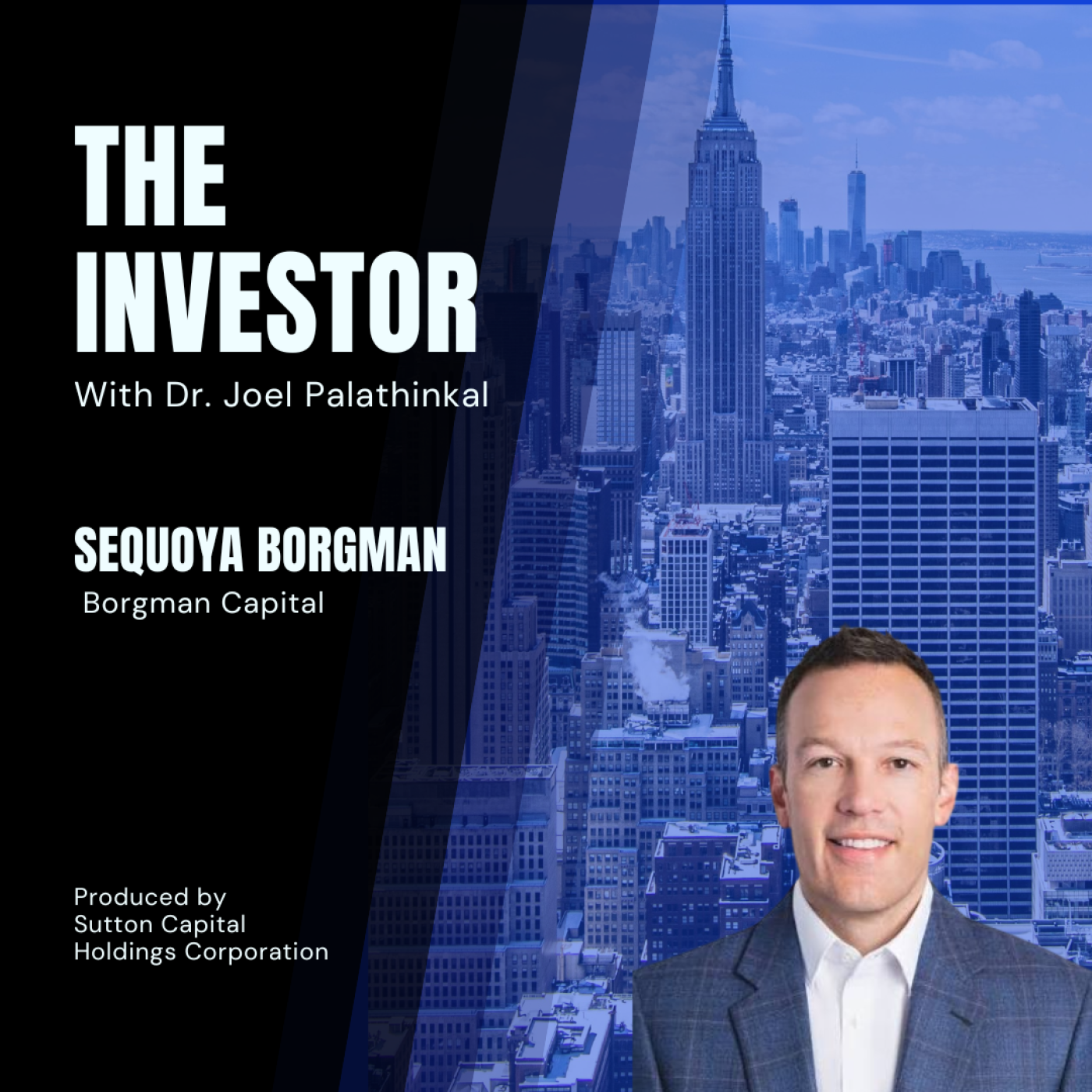
Sequoya Borgman: Founder and CEO of Borgman Capital
3d ago00:30:39Summary ready In this episode of the Investor Podcast, we sit down with Sequoia Borgman, founder and CEO of Borgman Capital, to discuss his transition from public accounting to leading a successful lower middle-market private equity firm. Drawing from nearly two decades of transaction experience at global accounting giants like Arthur Andersen, KPMG, and RSM, Sequoia shares how his CPA background drives a conservative, value-investing approach focused on established, cash-flowing family and entrepreneur-led businesses. The conversation dives deep into:Targeting the Lower Middle Market: Why Borgman Capital focuses on older industrial, manufacturing, distribution, and food packaging companies generating $4 million to $8 million in EBITDA, avoiding the hyper-competitive auction processes seen in larger tranches. Value Creation & Professionalization: Managing the transition risk from founder-led operations to professional management teams, introducing modern systems, and aligning incentives with sellers who retain skin in the game. The Role of AI & Robotics in Industrials: Evaluating the pragmatic adoption of AI tools for back-office streamlining and deal screening, while analyzing why physical AI, robotics, and automation take longer to yield direct investment returns in traditional manufacturing environments. Sourcing & IC Discipline: How Borgman Capital screens over 1,500 opportunities annually by leveraging a distributed regional network, buy-side outreach, and strong local relationships to find deals with a high probability of closing. Sequoia wraps up with a fundamental piece of business and life advice: "Do what you say you're going to do. Do the right thing." #PrivateEquity #LowerMiddleMarket #Manufacturing #DealSourcing #MNA #ValueInvesting #BorgmanCapital #BuyoutStrategies
Summary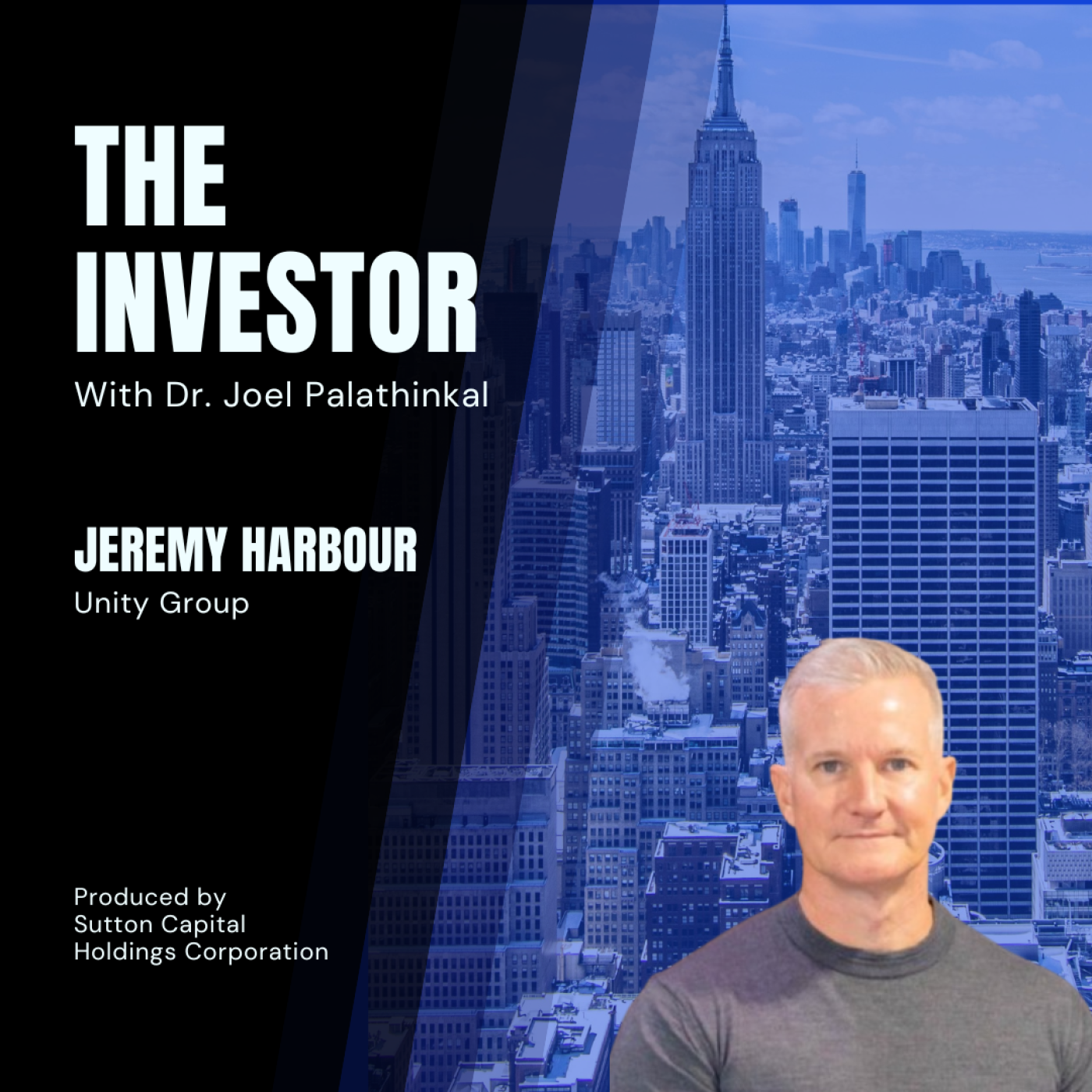
Jeremy Harbour: Founder of Unity Group and the Harbour Club
6d ago00:30:57Summary readyIn this episode of the Investor Podcast, we sit down with Jeremy Harbour, founder of Unity Group and the Harbour Club, to discuss his journey from dropping out of school at fifteen to completing over a hundred acquisitions and helping nearly a hundred companies go public across twelve countries. Jeremy breaks down why he views acquisition-led growth as superior to relying solely on organic expansion, sharing key lessons on engineering win-win exits for small-to-medium enterprise (SME) owners without having to rely on traditional private equity or heavy upfront debt. The conversation dives deep into the following:M&A and the Small Middle Market: How first-time dealmakers and search funds often fall into "analysis paralysis" by applying corporate-level due diligence to lower middle-market targets, and why solving a seller's true non-financial motivations is the real key to closing deals. Navigating Public Markets & International Exchanges: Jeremy's insights from analysing over fifty global stock exchanges, detailing why listing too early in the U.S. can destroy shareholder value and how alternative international markets or pre-IPO structures can provide cheaper, more flexible growth runways. Real-World Execution vs. Theory: Case studies on rolling up fragmented industries—such as telecom and railway infrastructure and utilising public listing frameworks to win government tenders, attract executive talent, and access lower-cost capital. Jeremy wraps up with an essential dealmaking rule: "A deal is not a deal until it's a deal," reminding investors to stay focused on execution rather than counting unclosed opportunities. #MergersAndAcquisitions #SMEOwnership #PublicListing #PreIPO #Dealmaking #AcquisitionGrowth #PrivateEquity #BusinessExit
Summary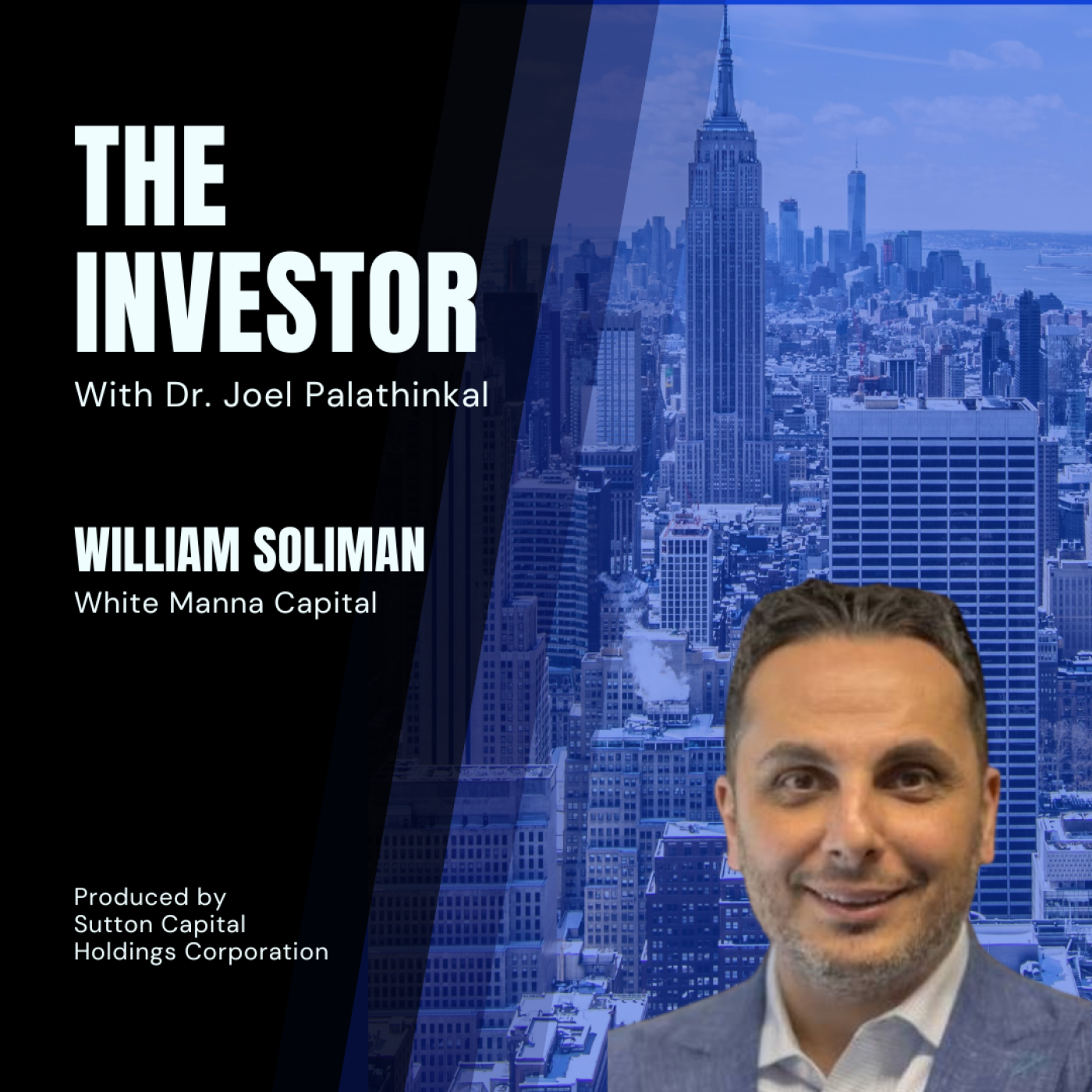
William Solomon: Chief Investment Officer at White Manna Capital
1w ago00:31:20Summary readyIn this episode of the Investor Podcast, we sit down with William Solomon, Chief Investment Officer at White Manna Capital, to explore the intersection of artificial intelligence, biotechnology, metabolic disease, and women’s health. With over two decades of leadership spanning clinical research, pharmaceutical regulatory affairs, and entrepreneurship—including founding the Accreditation Council for Medical Affairs (ACMA)—William brings a unique, operator-led perspective to public equity investing and hedge fund strategy. The conversation dives deep into:The Evolution of GLP-1s & Metabolic Health: Moving past short-term weight loss toward targeting organ damage, preserving lean muscle mass, and evaluating the next generation of therapeutics from leaders like Eli Lilly, Structure Therapeutics, and Viking Therapeutics. Emerging Health Infrastructure & AI: How digital health platforms, continuous glucose monitors (CGMs), wearables, and anonymized big data warehouses are enabling precision medicine while maintaining essential human-in-the-loop oversight. Building an Institutional Hedge Fund: Tactical advice for emerging managers on maintaining lean operational structures, managing single-stock concentration risk (capping movers around 10%), and clearly articulating a differentiated investment edge to prospective LPs. Innovations in Women’s Health & Longevity: Addressing metabolic shifts, perimenopause, cardiovascular risk, and bone density preservation as life expectancies continue to extend. William concludes the discussion with a vital lesson on leadership and team building: "When people show you who they are when you first meet them, believe them." #HealthcareInvesting #Biotech #GLP1 #MetabolicHealth #HedgeFundStrategy #AIinHealthcare #WomensHealth #Longevity
Summary
Raymond Bridges: CPA and founder of Bridges Capital LLC
1w ago00:22:12Summary ready In this episode of the Investor Podcast, we sit down with Raymond Bridges, CPA and founder of Bridges Capital LLC, to discuss his journey from studying economics at Rollins College to managing over $250 million in assets under management and launching a four-star Morningstar-rated active ETF listed on the NASDAQ. Drawing from his background in commodity futures, deep-discount brokerages, and private wealth management, Raymond explains how his Austrian economic worldview shapes his risk-adjusted strategy designed specifically for retirees navigating capital withdrawal and preservation in South Florida. The conversation covers key tactical and macro themes:Building a Proprietary ETF: The structural advantages of active ETFs over traditional closed-end funds and mutual funds, focusing on full liquidity, tax efficiency via custom basket redemptions, and transparent performance metrics. Macro Thesis & Portfolio Construction: Navigating late-stage business cycles by pairing cash-alternative box spread strategies with selective market-cap-weighted index exposure to draft the broader markets safely. Federal Reserve Policy & Kevin Warsh: Raymond’s take on Federal Reserve monetary policy, the evolution of the Fed's balance sheet, ample reserves regimes versus scarce reserve operations, and the potential impact of leadership shifts on market liquidity and inflation. Raymond wraps up with a core piece of career and life advice: "Every day, you do what you subconsciously think you're worth," encouraging listeners to align their work and conviction with their true potential. #WealthManagement #ETF #Macroeconomics #AustrianEconomics #FederalReserve #AssetManagement #FinancialPlanning #ActiveManagement
Summary
Shanna Due: Founder of Due Financial
2w ago00:29:20Summary readyIn this episode of the Investor Podcast, we sit down with Shanna Due, founder of Due Financial and a certified college financial consultant, to break down the complexities of strategic higher education planning. Drawing from her experience as an accidental financial planner who shifted from sports medicine to personal finance, Shauna shares how families can navigate the shifting financial aid landscape without sacrificing their long-term retirement goals or taking on overwhelming student debt. The conversation focuses on practical workflows for high-earning business owners, detailing the pros and cons of vehicles like 529 plans, Roth IRAs, and taxable brokerage accounts. Shauna exposes major misconceptions around full-ride athletic scholarships, discusses the vanishing landscape of prepaid state tuition plans, and highlights powerful structural workarounds like state-specific "two-and-two" community college transfer programs. Additionally, we explore critical macro updates, including the tightening of federal loan limits and how modern innovations—from Mark Zuckerberg's trade schools to physical AI infrastructure—are challenging the traditional pricing model of higher education. Shauna concludes with an essential timeline for parents, outlining why the eighth-grade year is the ultimate sweet spot to begin long-term planning, and leaves the audience with a powerful reminder to anchor every life and financial decision in a clear, defined statement of purpose. #CollegePlanning #FinancialAdvisor #529Plan #StudentDebt #WealthManagement #TuitionHacks #FinancialLiteracy #HigherEducation
Summary
Ian J.H. Reynolds : Thesis Capital
4w ago00:29:20Summary ready In this episode of the Investor Podcast, we sit down with Ian J.H. Reynolds and Connor from Thesis Capital to uncover how they are redefining private equity in the U.S. lower middle market. Ian, who has advised on over $10 billion in M&A transactions, details the firm's proprietary "Thor framework" for sourcing and executing control buyouts across industrial, manufacturing, and B2B services. Together, they explain why talent acquisition is their ultimate competitive advantage—likening a winning management team to the '90s Chicago Bulls—and break down their unique Executive-in-Residence and Searcher-in-Residence programs designed to groom the next generation of operators and CEOs. Listeners will also gain actionable insights into how Thesis Capital leverages proprietary software and AI to systematically augment underwriting, streamline CRM data enrichment, and reduce error rates without replacing the human element of investing. Whether you are an aspiring allocator looking to break into private equity, an operator wanting to partner with a fund, or an investor seeking insights on capital formation from Connor's experience raising over $4 billion, this conversation offers a masterclass in building a culture-first firm, managing opportunity cost, and surrounding yourself with complementary talent to scale an enduring investment platform. #PrivateEquity #LowerMiddleMarket #MergersAndAcquisitions #SearchFund #AIInvesting #CapitalAllocation #BusinessAcquisition #WealthManagement
Summary
Andrew Horowitz: President and Founder of Horowitz and Company
4w ago00:27:01Summary readyIn this episode, we sit down with Andrew Horowitz, President and Founder of Horowitz and Company, to discuss his 30-year journey as a South Florida-based registered investment advisor and author of The Disciplined Investor. Andrew provides a masterclass on how to scale a wealth management practice by balancing personalization with a heavy focus on technology infrastructure. He candidly shares his experience migrating to modern cloud-based automated tools, detailing how the transition helped streamline back-office operations and improve the high-net-worth client portal experience. The conversation dives deep into:The Business of Education: How hosting over 980 episodes of The Disciplined Investor podcast since 2007 has served as a powerful dual-education engine and trust-building tool for his firm. Onboarding & Client Autonomy: Andrew’s deliberate approach to working with high-net-worth clients, managing private market complexity, and his strict rule against automated capital calls to ensure absolute transparency for investors. AI Productivity Tools in 2026: Tips on naturally integrating AI prompt workflows to dramatically shorten administrative cycles and sharpen client communications. Andrew wraps up the interview with a vital piece of personal and professional advice: "Stop trying to be right all the time, and instead focus on being authentic and doing the right thing."#WealthManagement #FinancialAdvisor #TechInfrastructure #AssetManagement #TheDisciplinedInvestor #AIProductivity #PortfolioManagement #ClientOnboarding
Summary
Julia Wilkinson: A leading investment strategist at LEBEC Capital Partners
Jul 100:59:08Summary readyIn this episode, we sit down with Julia Wilkinson, a leading investment strategist at Lebec Capital Partners, to explore her two-decade journey across global financial markets, private portfolio design, and cross-border impact frameworks. From her unique upbringing as a U.S. diplomat’s child debating environmental policy in Brazil and Mexico City to navigating private wealth management at Goldman Sachs during the global financial crisis, Julia provides a masterclass on balancing financial modeling with sustainable solutions. The conversation dives deep into:The Evolution of Impact Infrastructure: Moving past the marketing bubbles of ESG toward true additionality, localized relationship building, and real-world physical hardware. Innovative Finance & Blended Stacks: How Lebec addresses the $5 trillion annual capital gap by combining philanthropy, guarantees, and market-rate private equity to bridge the "valley of death" for water, health, and energy transition assets. Bespoke Portfolio Construction: The strategic advantages of Separately Managed Accounts (SMAs) over traditional mutual funds for institutional and family office allocators looking to manage climate, geopolitical, and inflationary risks. The Next-Gen Shift: Navigating the massive transfer of wealth to Millennials and Gen Z who demand alignment between financial returns and societal impact. Julia wraps up with a profound look at institutional diligence, why Lebec avoids generalist mega-funds in favor of deep technical experts on the ground, and why investing in genuine human relationships matters more than an AI-generated investment memo. #ImpactInvesting #PrivateEquity #VentureCapital #SustainableEnergy #AssetManagement #FamilyOffice #BlendedFinance #TechInfrastructure
Summary
Garrett Marcillo: A partner at Delta V Capital
Jun 3000:28:17Summary readyIn this episode of the Investor Podcast, we sit down with Garrett Marcillo, a partner at Delta V Capital, a private equity firm managing over $1.6 billion in assets. Garrett shares his journey from a humble background in Cleveland, Ohio—where his entrepreneurial roots began with a paper route, a local lemonade stand, and a high school web development business—to graduating summa cum laude from the Wharton School of Business. The conversation delivers a comprehensive look at the modernization of growth-stage private equity and the operational frameworks that drive success in the technology landscape:The Evolution of Sourcing via Agentic AI: Garrett details how Delta V Capital sources roughly 50% of its investments through custom, agentic outreach algorithms. By scoring signals like LinkedIn employee growth and historical investor backing, their workflow optimizes outreach and message delivery tenfold. Augmenting the Investment Committee: A deep dive into how modern investors utilize platforms like Claude to construct rigorous bull and bear cases, shifting the analyst role away from monotonous labor like spreading comps to high-level thesis development and portfolio strategy. Preserving Mentorship Through Knowledge Capture: Insights into how institutional memory can be codified by training specialized LLMs on historical memos and the decision-making frameworks of retiring firm partners. The "Bar-Raising" DNA of Elite Talent: What it takes to break into the industry today. Garrett explains why firms look for individuals with a "chip on their shoulder" and exceptional upside potential, rather than traditional "work team" associates. Garrett concludes with two intertwined pieces of timeless advice for builders and next-generation allocators: "Never underestimate the power of serendipity, and simply, you can't give up." #PrivateEquity #GrowthEquity #AgenticAI #DeltaVCapital #SourcingStrategy #TechInvesting #WhartonAlumni #ArtificialIntelligence
Summary
Callum Laing: Investor & M&A at Unity Group.
Jun 500:16:01Summary readyIn this episode of the Investor Podcast, we sit down with Callum Lang, a veteran M&A and private equity investor with nearly 30 years of entrepreneurial experience. Callum shares his contrarian, genuinely founder-friendly approach to the capital markets, specializing in rolling up traditional, "old economy" small businesses into public holdings without stripping founders of their brand, culture, or operational control. The conversation focuses on the strategic landscape of small-cap public markets, cross-border listings, and creative acquisition strategies for businesses looking to scale. Key topics discussed include:The Fallacy of Small-Cap Liquidity: Why the traditional investment banking advice to maximize stock liquidity often leaves small-cap companies highly vulnerable to market manipulation and downward pressure. The Constrained Stock Model: How Callum’s unique five-year lockup structure aligns founders, staff, and sophisticated institutional investors to focus entirely on long-term growth rather than short-term exit liquidity. Navigating Global Exchanges in 2026: An analysis of the regulatory and financial differences between listing in the US versus European markets like London and Frankfurt, including the advantages of cross-listing. Scale Through Equity, Not Cash: Insights into utilizing stock as a powerful currency for joint ventures and rapid acquisition-led growth in the fragmented middle market. Callum wraps up the conversation with a surprising piece of advice for ambitious entrepreneurs: "Don't go public unless you are using the public markets to grow by acquisition", reminding the audience that listing for ego or quick liquidity is a recipe for value destruction. #PrivateEquity #MandA #SmallCap #RollUpStrategy #CapitalMarkets #IPO #CorporateGrowth #BusinessAcquisition
Summary