Loading summary
Transcript167 lines
- [00:00]
A
Kevin Stefanski and Andrew Berry. Do you think that they are good at what they do?
- [00:04]
B
Yeah, I think so. Will Stefanski two type coach of the year, Andrew Berry? I don't know. Who do we blame the Haslams for the Deshaun Watson debacle? The questions and the criticisms are more about ownership than anybody on the sideline or in the gm. He's the head coach of a franchise owned by Jimmy Haslam, so who knows, if you put him in a more stable situation with a less volatile compound in the owner's box, maybe you get more.
- [00:24]
A
The Ken Carmen show with Anthony Lima on Apple podcasts, Spotify and wherever you get your podcasts.
- [00:32]
C
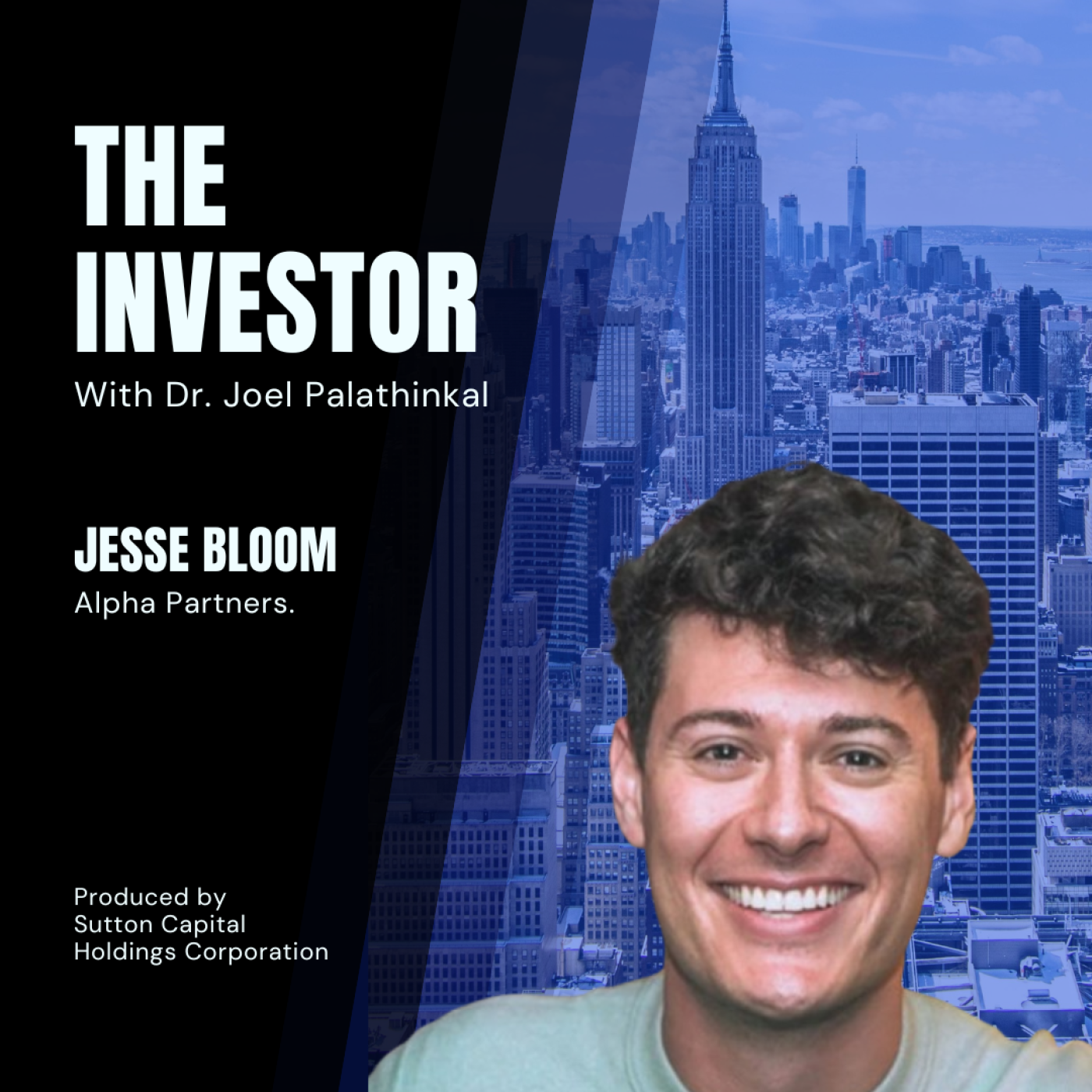
So it looks like it is pushing live. So I think we're good to go. But hey, Jesse, thanks for. Thanks for stopping by. I know you're super busy. I know you got a lot going on, so appreciate you doing some community building with us and doing some storytelling, like we said. I mean, I think it's funny, we were talking about getting you on the show and you're like, hey, I just joined the firm. Kind of new to the, to this space. And I was like, hey, don't worry, you don't have to do any financial modeling. You don't have to do any return analysis here. Just talk about your story. I think what I'm really excited about with you is just the journey. I think all of us got here some way and some of us had other options. Some of us had options to still take a paycheck and join the journey that we thought was stable and predictable. But some people are stubborn. They're like, you know what? I'm not going to accept the status quo. I'm not going to just take this accounting job or this job at JP Morgan. I know I want to be a VC or get into private equity. And I think from what we chatted about, I think that's kind of where you were, but would love to hear a little bit more about that. So for those of you that just joined, this is Jesse Bloom from Alpha Partners. So welcome to the show.
- [01:53]
D
Awesome. Yeah, I'll take it away. Thank you so much, Joel, for setting this up. I really do appreciate it.
- [01:57]
C
Yeah.
- [02:01]
D
My foray into venture was a bit atypical, but I feel like most people would say that their foray into venture was atypical.
- [02:11]
C
Yeah.
- [02:14]
D
I worked at Morgan Stanley Wealth Management coming out of school because my father owns a brokerage firm out in Jersey. And the plan was I would go train at Morgan Stanley, and then when I got ready I would go work for him. So I would, like, train with the best and then go join the family business, and that would be that. But after a while at Morgan Stanley, I realized I wasn't necessarily satisfied selling stocks and bonds for a number of reasons. And I went to business school to get away and give myself a couple of years to figure it out, as many do. So I went to business school and I tried to be a consultant at first, and I had all the great interviews, but nothing really worked out there. And I was. And I was a little lost, frankly. I wasn't exactly sure which way I was gonna go. I got a call from my roommate at the time, a guy named Matt Horn. He said, hey, there's this guy in Alpha Partners. At the time it was Alpha Venture Partners. You can ask me why they changed it. There's a guy in Alpha Venture Partners, and they're looking for an intern. You interested in venture capital? I said, yeah, yeah, yeah, yeah, yeah, I'm interested. So I had a call with. I had a call with them. I had an interview and then another interview, and I landed it, and it was incredible. I usually had a tough time with those types of interviews, and I was ecstatic. I remember getting the call from Brian Smiga. I was in an airport, and I burst into tears, like, into my. My friend's arms. And I can't remember the last time I cried. Like, I'm not a crier. And my life had changed at that moment. I had a tremendous, tremendous summer internship with them at Alpha, partly because one of their associates, Ben Freeberg, left the firm within a couple of weeks of me starting to join Optum Ventures up in Boston. So most venture funds are pretty small, and this is an. Alpha is no different. So they needed a hand, and there are always fires to be put out. I remember they were working on Talkspace or something like that at the time, and they basically relied on me for everything they relied on Ben for. And because of that, I got experience. I got so lucky to get experience firsthand in venture or as some would say, growth equity. Because really we do later stage stuff. We do like Series Bs and beyond in technology. And we won't lead any deals. We'll just. Will come in later when there's a term sheet, when there's a lead, when there's a evaluation, and we'll. We can work in like two weeks or so to get a yes. No. It's a lot easier than coming up, that's for sure. But I had a tremendous offer a summer There. And they sat down with me at the end of my summer and said, hey, we're not going to offer you something yet, but if we were to offer you something today to join us full time, would you quit business school and come work for us? And I said, I have to think about it. And I spent, like, a long time, as long as they would let me ask every single person I knew. And I got half and half. People were like, absolutely. If you get a venture offer, you take it, and it doesn't matter what you're doing. You stop on the dime, you take it. And people were like, I know. I'm sure it'll be there when you graduate. It's not, you know, if you quit school, you'll never go back.
- [05:43]
C
I didn't have the role anyways, though. Right. It was more of a hypothetical question anyways. Right. Cause I think what you're saying is, they said, hypothetically, would you quit business school? But the role wasn't there.
- [05:54]
B
Right.
- [05:56]
D
I go back and forth on whether it was there. I had nothing in writing, but I remember it being there. And maybe they'll correct me when they see it. Sure. But I decided that I would try and sneak the line and work with my second year of business school, and then hopefully that offer would be there.
- [06:18]
C
Sure.
- [06:18]
D
It wasn't. I worked with them a little bit throughout my fall semester, and then I transitioned to another fund called Delphi Venture Capital. When I graduated in May, the pandemic was going on, and I had decided that I wanted to go out for adventure. I had gotten a taste of it, and I hadn't felt anything like it. It's the most incredible, incredible industry in the whole world. I don't know why anyone would ever want to do anything else, frankly. I'm just constantly surrounded by the smartest people I feel in the world. I'm always. I'm never the smartest guy in the room, that's for sure. And I'm just learning new things every single day. And I am grateful for every day that I'm in the business. And I know it's a blessing. And I know one day I'll be out, and I hope it's not tomorrow. That's really all. So when I graduated in May, I knew I wanted to venture a bit of a holding pattern. My father had that brokerage business, and he said, all right, Jesse, you graduated business school. You don't have a job. You're not eligible for unemployment benefits because you're a student, which is a weird thing. You're Gonna lose your health insurance, because that's just how that happens. Yeah, just join me at Bloom Wealth Management and you won't work that hard. You'll make good money and you can go live the rest of your life and you don't have to worry about this. And I said, dad, all right, give me till, like, July or end of the summer. He said, all right. And the summer came and went. And I sat down and he was like, all right, Jesse, the summer came and went. I don't know what you were doing. You're just sitting here. And it was hard to explain exactly what was going on, because day to day in pandemic life, for sure.
- [08:18]
B
But.
- [08:18]
D
When you're unemployed, they kind of string together and it's easy to internalize that. So I said, dad, you know what? I can't tell you exactly what's going on, but give me till Thanksgiving. And it wasn't as nice this time.
- [08:30]
A
It's not coming from Brett Veach and Andy Reid, and it's not coming from Sean McVay. It's coming from the Cleveland Bronx. And you're seeing exactly. You know why it's outside of Cleveland? Outside of. You know why it's not coming from those guys? Because they didn't draft him. They didn't want him to begin with. This was the one team that wanted him. And they're telling you he's behind. Maybe it's not a grand conspiracy. Maybe everybody is right. And the Shador fans, you wackos.
- [08:51]
D
Maybe it's.
- [08:51]
A
Your guy is just not ready. Maybe you gotta come to grips with it. The Ken Carman show with Anthony Lima on Apple podcasts, Spotify and wherever you get your podcast.
- [09:00]
D
But he said, okay, Thanksgiving came and went. And he was like, all right, Jesse. Like, he's been. It's been so long. How long are you going to sit here trying to get a venture capital job?
- [09:10]
C
Sure. So what were you. We were just applying to every single role every day and just trying to build your network.
- [09:16]
D
Right. So Alpha was. Alpha was nice enough to give me access to affinity. And affinity is like the CRM platform, a lot of venture funds they use, and it's great for relationship management.
- [09:29]
C
Sure.
- [09:31]
D
I have a list of my recruiting list of my funds that I was targeting. And I was going through it earlier today because I knew that this was happening. I had, right here, 92 funds that I applied to and got 13 interviews and zero offers because the offer that eventually came was not on my list. It was the company that gave me access to the software to make the list.
- [09:56]
C
Sure.
- [09:57]
D
But those are my numbers. I know Reddit does some of those numbers, but, yeah, I was. It was really networking. It was networking. Which becomes much, much harder as you become further unemployed or you've been out of the business too long because you always feel like you're taking people's time. I have a list of people that I need to thank and the people who took time out of their day to talk to me when I was in nothing. There's a guy, Rohan Wadwell from Loomis Capital. I have no idea if he's in this room. He's probably not. But my friend Tomer asked a guy to connect him with a guy who might be interested in investing in ed tech at Loomis Capital so that I could do some. I could do some interview prep for my. My interview at gsb, which was a fund I really wanted to get into.
- [10:56]
C
Sure.
- [10:57]
D
And the guy took an hour out of his day to talk to me. He had no good reason to do that, but he did, and I'm very thankful. And I spoke to him yesterday. I finally made it, and it's crazy. We may be able to do a deal with each other in the coming months, which is wild. All those funds that rejected me got emails from me asking for meetings, which is good to network after you've gone through something that I've gone through.
- [11:28]
C
So then you enjoyed Thanksgiving dinner?
- [11:30]
D
I enjoyed Thanksgiving dinner. And my pop said one last time, Jesse, like, you can't possibly be so determined in this industry. It's such a hard industry to get into. Everyone I talk to says it's impossible to get in the industry. I said, I don't know. I don't know. As long as I have cash to survive and I don't have any cash left, I have cash to survive. I'm going to give this my shot because I took a job that I didn't love in the first place, and it's not as easy to leave a job and find a new one. So I was just kind of set on my ways. I was stubborn in many ways. He said. Also, my sister at that time said, hey, Jesse, I have a friend whose father's in D.C. and at that point, I'm like, oh, I got to get my little sister involved and drag her into this. But she connected me with a guy named Ken from Blockchain. And Ken said, hey, Jesse, I heard my story for, like, 30 seconds. He said, you have one option. You have to go back to Alpha with the tail between your legs and Beg for a job. Not only is that your best chance, but it's your only chance, especially right now. And I was, like, speechless on the phone. I was like, as I can, you know, I'm working hard, I'm networking. I got these 90 funds that I'm working on. He goes, no, no, no. Just go to Alpha.
- [12:57]
A
Go to Stephen Bryan, Kevin Stefanski and Andrew Berry. Do you think that they are good at what they do?
- [13:02]
B
Yeah, I think so. Will Stefanski two time coach of the Year, Andrew Berry? I don't know. Who do we blame the Haslams for the Deshaun Watson debacle? The questions and the criticisms are more about ownership than anybody on the sideline or in the gm.
- [13:14]
A
He's the head coach of a franchise owned by Jimmy Haslam, so who knows?
- [13:17]
B
If you put him in a more stable situation with a less volatile compound in the owner's box, maybe you'd get more.
- [13:22]
A
The Ken Carmen show with Anthony Lima on Apple Podcasts, Spotify and wherever. You get your podcast and beg for.
- [13:29]
D
A job, swallow your pride. It's the only way it's gonna happen. That's what I did. That's what I did. I went back. I went back and I just kept pinging them every now and again, and I never really gave up. And then in January, I got the call that because they had done well and they were doing well, raising their third fund. Yeah, we're gonna need some extra help on the associate side, especially getting deal flow. So they called me in, I got an offer on Tuesday and I started on Wednesday. It's been the greatest, greatest time. I've never worked so hard, but I've never had more fun. So that's really my story. I'm sorry I went off.
- [14:09]
C
No, no, I love the story. It reminds me of. I don't know if you know Matt Khaleesi, but he. He wrote a blog about how he got into Rubicon. He was at Rubicon Ventures, and I think he was like, backpacking. He was in between jobs and just took some time off, went to Europe, and then I think he met Rubicon Ventures. He wrote a whole blog about it. If you look up Matt Khaleesi and he just pretty much tried to add value, help the fund as much as they could, and he didn't take a paycheck. But when it came time to them raising the next fund, like, who would they rather bring on? Somebody that's just fresh out of college or somebody that already knows the ropes and has already worked internally and kind of Knows all the processes. So it's just kind of an easy thing. But yeah, I mean, I see the comment here, you know, really appreciate the perseverance because I think if you didn't have that, you just wouldn't be where you are now. Right. And I think if you really know you want something, you just take it no matter what, you know, and try to figure it out. But, you know, what's the. What's the advice that you would give for some of these people? Trying to break in on being persistent versus, you know, being annoying and maybe possibly creepy. So what's the fine line? What's the finessing and kind of the best practices to do it the way that you did?
- [15:31]
D
The way I did it was I had. I touched everyone until I could sense that they were getting annoyed with me is what I did. And it's so horrible because you're just taking and taking and taking from the world and you hope one day you'll be able to give it back. Being annoying is everyone's worst nightmare. And it's really hard because you don't want to bring people that you care about as well into the world where they now have to live and die by you. I pinged everyone that Alpha ever did business with in the last, like 10 years, basically, but only 92 real applications were. Because I think biding your time and managing your energy is really important. A lot of people don't understand that you can't just sit and apply, you know, 10 places every day if you really want to get into venture. Each application is requiring more and more to just get in the door. They require things now, like essays almost all the time, sometimes video recorded video interviews before you even get in the door. It could take days to prepare that type of material and not even get someone to look at your resume, really. So. So picking your spots and rationing your energy where you believe it's most valuable, I think is the best advice that I could give. But I mean, everyone stumbles upon it.
- [17:05]
C
Eventually because there's no other option and everybody's getting creative. I mean, so you're competing with everybody else. That's not only submitting a resume. They're writing a blog on an investment thesis. They're putting together a deck with like five deals. So I think it's. Do you feel that's kind of the norm now when you apply, just kind of having additional artifacts?
- [17:28]
D
Oh, yeah.
- [17:29]
A
It's not coming from Brett Veach and Andy Reid, and it's not coming from Sean McVay. It's coming from the Cleveland Browns and you're seeing exactly. You know why it's not side of Cleveland the bronze outside of. You know why it's not coming from those guys? Because they didn't draft him. They didn't want him to begin with. This was the one team that wanted him and they're telling you he's behind. Maybe it's not a grand conspiracy. Maybe everybody is right and the Shador fans you wanna echoes. Maybe it's your guy is just not ready. Maybe you got to come to grips with it. The Ken Carman show with Anthony Lima on Apple podcasts, Spotify and wherever you get your podcast.
- [18:00]
D
Absolutely every fund right now has like a deal flow funnel. Applicants spend hours and hours searching for deals and writing theses just for them to like, you know, grab. Oh, thank you very much. Maybe probably not. But like now a lot of our work is outsourced and there's a lot of free work in venture. People want to work and there aren't that many funds. I worked for free for a whole year. And not counting all the applications that I spent writing down my theses, a lot of folks that. Everyone that will apply for venture is going to have to do a bunch of cases. Maya, my advice is start collecting them and building on them. Don't. Just don't start a new case every time you have a new interview. That is just not working smart. That's working hard. I started my own website when I was doing this and I would post all my publicly available public information cases so that if I had an interview with one fund and they were ed tech, I would go and find my EdTech case and I would, I would throw it in. If it was consumer, I'd look at my consumer case and I'd throw it in. If you have to build a new thesis every time you apply, it's going to take you forever and it's going to really, really diminish your capacity for applying at every place. But it's tough out there.
- [19:26]
C
I saw there's an emerging fund. These young college kids in California, they're starting a fund. So they sent me their. It wasn't even a deck, it was a notion page. And then in the notion page, embedded in the notion page was like these air tables that showed like a grid of all the skills of the team members on the fund. And they just had all this crazy data. So I wonder if that's in the future gonna be kind of the benchmark, you know, having some type of analytics or something along with your Now, But I was blown away. I'm like, wow, you know, normally you get like a doc send of a 10 page deck, but this was like a website with embedded graphs and interactive tables and stuff like that. And a lot of those tools are free. It's just being creative and getting somebody's attention like that I think could definitely get somebody's eye or even creating an airtable that's. And it's not too hard because you can just upload in Excel, but maybe just understanding what the fund is focused on. Right. If it's a cybersecurity fund or a healthcare fund, having a really cool airtable with just a bunch of emerging deals and then you hit the jackpot if those are specific deals that the fund has actually already looked at. Wow, Jesse's already looked at these deals.
- [20:43]
D
Yeah, some strategies that worked for me actually. My father's friend was starting a business and heard that I had interned in venture and we chatted briefly and I asked if I could send the deal around and I said, yeah, sure. So I took that deal and I tried to force it on every fund that I knew, every person in venture. I sent it LinkedIn message to people. I would send cold emails like, hey, I got this deal. It's pretty interesting for this, this and this reason. And I got a lot of like, I got a lot of responses that way. Places like imaginary ventures, which is great fun.
- [21:21]
C
And I guess that also helps you refine your thesis too because I mean there's probably, you know, maybe when you're starting out, right, you're looking at a company and there's like 20 other competitors, right. So then you get that feedback like, okay, cool, maybe this is something that I didn't look at. And it kind of probably helps you refine your deal flow sourcing just from getting negative feedback and positive feedback, right?
- [21:42]
D
Absolutely. It's all about the reps. It's all about the reps. I would tend to agree with that.
- [21:49]
C
And what do you recommend as far as. So with growth equity, a lot of people think that there's a lot of modeling, right. So with your guys, it's fun going late stage. Do you have to put together a lot of models just kind of modeling out the returns? Probably three to four years out because it's much more late stage. And I guess as far as the skill sets on the quantitative side, what are some that you think could be helpful for people to refine if they want to get into growth equity?
- [22:18]
D
There are two types of growth equity investors really. The growth equity investors that are really, you know, PE shops that do high growth companies and they'll have the same underlying, you know, plumbing as a PE shop where you, you gotta be like a banker and then be an analyst and then move up, you know, move up to MD and go that route. And that's very heavily heavy in, you know, in modeling. You have to go. Ours is a very, we have a very interesting model. I think we have a great model because we follow what I would, what I would say is the most data backed thesis for venture outperformance. And that is the hot hand effect. It's when, it's when a fund in venture does really, really well. Like they're for example, they are first quartile in performance in one year they're actually more likely so they're 40% likely to return the next fund in that top quartile versus the 25% chance you would expect if it were just random. And a lot of other asset classes are just random like that. It's called performance persistence. Mutual funds picking stocks, even private equity buyout funds. The overwhelming research says that both Rowan amount research says that venture funds with the hot hand effect are probably the best bets in finance. So if you can find access to a venture fund that has done extraordinarily well, then you should either join that fund, you should invest in that fund, you should find every deal that fund is doing and try and put your money in that deal because it's like the best, it's the best bet on Wall Street. So a lot of our model relies on finding great lead investors who we can trust to have an unfair advantage in writing. In writing and underwriting deals. So we use a lot of the leads work in order to. So a lot of our business is finding what's going on.
- [24:30]
C
Sure.
- [24:31]
D
And convincing people to let us into those deals. We can't do it for free. So our model is interesting. We usually will pay carried interest like an lt.
- [24:40]
C
So is it an SPV that you guys pay into? You have to pay the carry and management fee. Okay.
- [24:46]
D
Typically don't pay the management fee. But we have a cool niche where we will help earlier funds like early stage funds follow on in their biggest winners by helping them fill their pro rata. There are some funds that for example were a $6 million fund and had that we worked with a couple years ago. They invested in a company now coupang that did phenomenally, phenomenally well and is going to IPO I assume sometime in 2021, a couple of rounds down the line after that early stage fund invested, their pro rata was larger than their entire fund.
- [25:26]
C
Yeah. You mean the amount that they had to pay to maintain the ownership was larger than the whole fund. Got it.
- [25:34]
D
Right. So something like 95% of pro rata globally expires. People have these exclusive rights to invest in these rounds to avoid dilution. Most of the time they just say no. Especially the smaller funds that can't find access to capital. They don't want to go through the process of selling, going out and selling extra supply their investors.
- [26:01]
C
Do they make up for it real quick, Jesse? So do they make up for it though with the step up in valuation? So, right, they're investing early and then obviously they invested when it's 10 million and then two, three rounds, the company is worth 40 million. Right. So there's a step up in valuation. So even if they don't reinvest and maintain their ownership, do they still kind of make up for it with the valuation? And if they do, is it, I guess, not as attractive as having the pro rata? I guess. Is that the issue, that the step up is just not big enough or high enough to be meaningful for them to make it meaningful to have to get the pro rata? Is that usually the problem or is it just kind of icing on the cake to kind of improve the upside?
- [26:47]
D
I would say it's icing on the cake. I would say that funds don't follow on for a million reasons. Maybe the valuation concerns, maybe they don't want to deal with the hassle of, of administrative, you know, admin, spv. Maybe they just don't want to sell these. And you know, sometimes LPs just don't have that much money to put an SPV in anyway. Or they take too long. You raise an interesting point that isn't it? Doesn't the initial investor do pretty well anyway? Yeah, they do. But imagine you had 5 million pro rata, pro rata rights to invest in a great fund and you only wanted to exercise one for any reason. That 4 million in extra access is very valuable. Sure. Folks like me and Alpha will come in and buy that off of you. Those are rights that those funds will throw away as trash that are scarce and provide, like I said, some, a lot of them provide some of the best bets on Wall street and they're throwing it away. And we can come in. Some of these great companies like Wish Vroom, that just ipo. Coursera may IPO soon. Rohealth may spec in a little bit. Some of these great companies, Udemy doctor On demand. We can come in when there are great leads, great lead investors, where we can take advantage of that hot hand effect. We come in and we try and make sure that the valuation is fine. Just a couple of checks, make sure we pick one thing like market value or valuation, and we go with deep dive on that just to make sure that we're covering all our bases. And that's why we can move very, very quickly. And that's why our product is pretty, I would say, valuable.
- [28:34]
C
And to clarify, you're picking it off of the early investors that just are too small to be able to afford that pro rata. But you guys have a little bit of capital that you can come in and take that off of that. Not really take it off of it, but take advantage of that remaining, let's say, 4 million pro rata. That is pretty much more than half of the whole $6 million fund. Right. But if you guys can come in, you get that massive upside from the maintaining of ownership. Right, Right. What makes sure I'm getting it right?
- [29:02]
D
Yeah, we'll tend to split carry, so we'll pay a 10% carried interest, sometimes above a 2x hurdle, depending on the deal. But that 4 million bucks where that early stage fund was just gonna throw it away, now there's basically a warrant for that GP that if that fund does really well, not only they're gonna get access to what they've invested from their fund, they have a very, very nice additional upside sweetener from us as a thank you, giving us access into the deal. And they also keep their pro rata for the next round. So like we got into Lime Lime Scooter with help from a very large billion dollar fund. They wanted into the round, they actually wanted the pro rata for the next round, but they didn't like the valuation on this round, so they let us take it. They got the extra upside without any real downside risk because we take that risk on pay carries of the deal doesn't do well. We don't pay any carry. Yeah, they don't pay us anything. And if they raise again, we don't necessarily get access to that pro rata, so they get to keep it. And they get the optics of following on because oftentimes funds will follow on in their investments because not following on is worse, it looks like, oh, I saw the financials, I know the company very well, I know the team, I see the valuation and no, thank you, I'm not interested. That sends a terrible signal to the market. So funds are often handcuffed and they are forced to come and be dragged into a round. But we can come in and make it look like you followed on. We're happy to sneak below.
- [30:45]
C
Yeah, it's kind of like labeled service where you're buying it and you're underwriting it. But the branding and the optics look like it's coming from that fund. But you're kind of. It's almost like a white labeled service, I guess, right? Yeah. I mean, I don't know if anybody uses that term, but that's kind of the way I see. Because you're allowing them to get access behind the scenes, I guess.
- [31:09]
D
Exactly. Right. Right. It's a cool model.
- [31:12]
C
Yeah. And is this your core business or is this just one of the strategies that you guys have alongside the traditional direct investments or is this kind of your secret, you know, main strategy?
- [31:27]
D
Yeah, our business, it's our niche. And you know, we are raising our third fund right now.
- [31:35]
C
It's a proven model pretty much.
- [31:36]
D
Yeah. People are willing to pay us management fees and carried interest to do this business for them because we've shown that we have the, the access and we have the, I don't know, we have the operation and as long as people are willing to fund our funds and the funds doing quite well and we are going to continue to try and provide the service to our LPs. It's exciting and we're obviously going to try and evolve as we can, but the market is saying that we're doing a good job and we should continue to keep going.
- [32:12]
C
Sure. And it sounds like you guys are, I'm assuming you guys are sector agnostic or is there a certain type of business or industry that you guys like to focus on?
- [32:24]
D
We like large e commerce businesses but we like software. But we'll do hardware like we did lime scooter and we've done Gecko Robotics. We are looking for more B2B right now because we've, you know, over indexed a little bit to consumer stuff. But we like digital health, we like Ed tech. You know, we're new to me as well as Coursera, so we like Ed Tech as well. One thing we really want to do is biotech and today I found out we also won't do apparel.
- [32:54]
C
Okay, sure. And you guys don't do any secondaries, right? These are all just primary rounds.
- [33:00]
D
Interesting. Yeah. So we will do secondaries, but not. But not to initiate a position. We'll do it to bolster or exit a position. I don't think we've exited a position in Secondaries yet, but we bolstered it. We'll always take bids and asks on the. On the assets that we currently have. And we'll consider. Yeah, we'll consider anything. But folks will send us secondaries. They. It's easy to mix up with our model, but we typically will not, you know, engage. Something about secondaries, folks think that. Not venture capital necessarily. I disagree. I think you get it. But primaries are the way to go because we can trust the price based off of our. And that's really the whole model.
- [33:52]
C
Yeah. And my experience too is the secondary. Sometimes you don't get the preferential terms, so a lot of times you don't get the same liquidation preference that the primary deals do. But I guess it all depends on what is offered in that block, I guess.
- [34:07]
D
Right, sure. Yeah.
- [34:10]
C
And then, you know, just macro views. What are some of the things that you're excited about in the future? You know, just in. Just in reference to just tech in general. You know, any kind of macro trends that you're following or things that you're interested in.
- [34:27]
D
That's a phenomenal question. I've asked that in every interview I have ever had with a vc and every time I.
- [34:36]
C
Karma, man.
- [34:37]
D
It is karma. I've earned this one. I've earned this one. Thank you so much for sending it, by the way. I'm really interested in clean tech and tech and I know it's probably buzzwordy right now, but there's a lot going on in these. In clean tech and climate tech. Nowadays, there aren't that many great companies at the growth stage, but there are some new funds coming in to the market. I don't know if you noticed that. I think, I think Bezos and Gates and there's a big, big soccer has.
- [35:07]
C
Got one too, I think.
- [35:08]
D
Yeah, yeah. A lot of big players are joining the game in clean tech and climate tech. There's a lot of money flowing in, probably taking up a little bit of the space that the public sector hasn't taken in the last couple years. But it's exciting. That means that there's a lot of room for valuation bumps, you know, money chasing deals. Yeah, that's what we're doing. We're trying to find great leads where there's a lot of money above us and that's how you make money in venture.
- [35:37]
C
Yeah. And I think, you know, we're starting to see a lot of the SPACs become the norm.
- [35:40]
B
Right.
- [35:41]
C
I mean, you're. It's a quicker fast track to, to get to an exit and you know, as long as there's a sponsor, I guess, you know, it's a. I mean I'm seeing this a lot with sports space. So space deals are really interesting because the seed round is like 100 million and you know, they spac. I mean there was just a deal. I forgot the name of the company, somebody helped me out. But they just spac for 2 billion. Who was it? It was just. I literally posted about it. A lot of SPACs rocket company that was like 2.3 billion. So I feel like definitely space is spacing all over the place. But are there any industries that you're seeing that are more appropriate for SPACs than others?
- [36:28]
D
Yeah, I had a meeting today where we believe that we see a lot of SPAC potential in AI, machine learning, autonomous cars, that kind of stuff where you're not necessarily in the market yet and you need a lot of capital. It's very capital intensive, but there's a lot of potential and a lot of room for future growth which obviously helps spacs because there isn't as much regulation in the S1. So those types of things I hear are very spacable prime for spacquisition as no one wants me to say.
- [37:06]
C
Sure.
- [37:07]
D
But yeah, no alpha. We have a decent on SPACs because we live in the pre IPO range and oftentimes we're going for a target and oh, sorry, they just de spac and we got to deal with that. Some people say we should start our own. We're thinking about it. If anyone has any ideas about how you start one, what you should think about if you start one, please come.
- [37:33]
B
On over and.
- [37:36]
C
Yeah, I have a couple attorneys that specialize in that so I can definitely connect you offline. There's somebody that I'm collaborating with now that's actually trying to do one. So I could definitely make a couple intros to some people that have done those. And you're just thinking about doing a spac, not for the fun, but just having a spac, a shell SPAC and then de spacking when you find the right company, I guess.
- [38:01]
B
Right?
- [38:02]
D
Yeah, yeah. We have the, we have the deal flow, we have the expertise. All we need to do is bring in some heavy hitters experience and then we're probably off to the races.
- [38:14]
C
Sure, that's great. Well, we got 20 minutes left. Maybe we'll open it up for a couple questions. I have another introspective question before we do. I always ask this kind of getting closer to the end. Any type of advice that you would share with us, obviously be persistent. But anything that stands out from the, you know, the mentors that you've had in your career could be from recently, or it could just be from several years ago that you. That you'd like to kind of share with us. As far as just advice from a mentor.
- [38:53]
D
My dad says that you never know who's going to change your life. And that happened to me.
- [38:59]
C
Sure.
- [39:00]
D
And I guess that happens to everybody. But the person who changed my life, they're there too, but they were not expected to do that. And I definitely didn't treat them like they were going to change my life before they did. But I am so grateful that those people are in my. And I didn't really deserve any. Not much. I don't really deserve much of what I've been getting in terms of the positive stuff. Someone in Venture reached out into the world, grabbed me by the head, and yanked me up into the world. Other than that, I would not be. I'd probably still be unemployed. Who knows? But the more people I talk to in Venture, the more that story is common. Someone believes in you and will reach out into the world and grab you and close the door behind you. Like my interview. I wrote my case on Transfix. You can read it on my website. It's not very good. And they said it wasn't very good. And I didn't have the best background, but. But they said that there was something. There was something in me that they wanted to see more of. And they reached into the world and they got me. And I spent a lot of time looking for other people do similar things. And I didn't realize necessarily what. What I had. And I would say that. I would say that that's probably the best advice I could give is if someone. If someone likes you, if someone is willing to go to bat for you, then stay close. And my pride pushed me away from that person for a long time. But really, the only way in Venture that you get in is someone goes to bat for you again and again and again. And that's how you stay in the game. So, I mean, people have asked me how I got my internship. I said, oh, I got a. I got a friend named Matt. Hopefully you get a friend named Matt.
- [41:17]
C
Yes.
- [41:19]
D
How else are you going to do? I wish I had better advice to give. I was unemployed for seven months. For every. For every me, I'm sure there are 10 people that are employed for seven months and then decide to go ahead and take the family job and didn't get it. So it's hard for me to sit here and say, yeah, you know, scratch the lottery ticket, spend all your money, go $100,000 into debt to try and get into Venture because it'll work. I can't necessarily say that. And it'd be disingenuous.
- [41:49]
C
Well, I'll say you created your own lottery ticket. And what I see is somebody that had the fire burning inside of them. Right? You were just, you were not going to take no for answer. You're like, look, I'm either going to be in Venture or I'm going to be in Venture. You know, it didn't seem like you had other, any other options. So I think that attitude of being unstoppable, if that's really what you want to do, it just doesn't. There's no point in doing anything else. Right? I mean, you could work at a pension fund and it's just a waste of your intellect and your energy if you're not excited about it. And I think it's challenging what you're doing and it's a learning curve and you're probably overworked, but it sounds like you love every moment of it. And all this hustle and fire was to get you there, right? And I, I don't think you would have gotten there without. I mean, I think people helped you out, but I think you definitely helped yourself as well. I mean, you didn't, you, you were, you were stubborn and you, you went after it. Right? And I think that's how it is. I think in any industry, I think, I think it's, you know, Venture is one thing, it's well sought out after, but there's a lot of industries that I think people, if they're trying to pivot, it's really challenging, but you just gotta just be unstoppable. And you know, that's, that's what I'm seeing.
- [43:02]
D
So, yeah, that's what I'm seeing from you too, Joel, by the way. You're a hard working man and you've created such a great business here and such a great community and, and so much great content, really, I don't know anything else. And you're doing a great job. And I thank you for, you know, asking me to do this. Man. If it could help one person, yeah, at all, it would be way worth it. And if anyone's, if anyone's watching, you know, please reach out to me. I have a lot to pay forward and there's not enough space in my calendar for how much, you know, I need to Be paying things forward, not anyone who could possibly, possibly help.
- [43:38]
C
No, I really appreciate that. Do you have maybe a couple minutes to maybe pick a couple questions from the audience if they have?
- [43:46]
D
Absolutely.
- [43:47]
C
They're a little shy, you know, but they come around. So sometimes it's kind of awkward because I'm like, any questions? And then it's like really, really awkward silence and then I get kind of embarrassed. But it looks like Sean's got a question. He turned his turn on.
- [44:04]
B
Yeah. Jesse, I did have a question. First of all, I think the story of you getting into ventures, like, I think for a lot of us in this room, like, hopefully I can speak for some other people, it was really inspiring, I thought. And it's like, feels like it's applicable to a lot of the people in this room who are just trying to break in really any way they can. So I appreciate you sharing your story. I had a question on the hot hand strategy that you talked about. It's a twofold question, so bear with me here. The first part is you're saying it's one of the best bets on Wall street to follow these firms that have the hot hand try to get in on their investments. What is the data behind that? Is there actually a study that's been done and is there something written up about it? And if so, what are those returns actually look like?
- [44:55]
D
Yeah, yeah, yeah, yeah. So glad you asked that because that's. So when I was, when I was a broker, Morgan Stanley, you know, I'd be selling stocks and bonds and everyone who was making a lot of money was saying, oh, yes, sell this, buy that. And the data constantly shows that stock picking is very, very hard, in fact impossible most of the time to make, to be consistently outperforming, you know, the average stock. So that's partly why I left because I thought if stock picking really wasn't real in terms of someone saying, oh, I know I can outperform all the time, you should pay me a bunch of fees. And why am I selling these stocks? Basically just selling, basically just selling snake oil. But let's see, I have it right up here in front of me. So if you break this down or whatever. Nanda, semilla and Sorensen 2017, see Hsu 2004, Sorensen and Stewart 2001, Hochberg et al. 2007. And a brand new one came out. Oh, wait, a brand new one came out. Yeah. Kaplan et al. 2020 is one that the most recent. Kaplan et al. 2020. The performance persistence of venture capital returns. It will shock you the way it shocked me and that I have I've done a little bit of research on this because for some reason I find that it's important, even though if it were the exact opposite, I still would have wanted this job. So yes, I think the data that I quoted earlier was from that 2020 report from Kaplan, who's really one of the giants in private equity and venture capital research. I think 40 if you return Q. If you return in the top quartile, you have a 40% chance of returning the top quartile in the second fund versus a 25% chance you would expect if there were no performance persistence. So everything else kind of falls in line. Like Pete, buyouts are basically 25%. Mutual funds, 25% hedge funds are 25% more or less. There's a little bit of persistence with hedge funds, but it only persists for about a quarter and you can't get in and out of a hedge fund in a quarter. So essentially venture capital funds that have returned top quartile as far as I am concerned, as far as I've seen the data and I spent way too much time looking this up. That's best bet on Wall Street.
- [47:31]
B
That's not I think the second half of that question and sorry to be taking up multiple minutes here for anyone else who has some. The second half of this question is around. So like that's, that's one strategy, right? For a firm that's not typically known for, you know, leading rounds and fundraising, what are some of the other strategies? You know, if not the hot hand, you know, what are some other viable maybe like one or two strategies, you know, for those firms that aren't leading the rounds, like what do they, you know, like to like what other strategies do you know of, if any.
- [48:05]
D
But we're not, you know, we're not leading. So this is one of the strategies, but another strategy for a fund that doesn't lead. Well, you can still get a board seat and you can still contribute something. Actually, I'm not entirely sure. I know that there's some data that supports the idea that if you take a board seat and you are constantly supporting a company with your network and expertise, that you can add additional value. But that's very time consuming for a partner. I mean, I mean if you're on like four or five boards, like many partners are, it takes up your entire, that's like a full time job and you have still have fundraising and you got diligence deals and there's a lot going on in terms of other strategies for co investors. I mean, what I've seen is it's really stock picking at that point.
- [49:03]
B
I was about to say too, by the way, if your strategy is, you know, working as well as this is working, like that's why I was like, if you don't know any other ones because you don't practice any other ones, that's fine with me. This one seems to like really be backed up by some, by some real data. So like I don't blame you.
- [49:17]
D
Yeah, thanks. And as far as, as long as we can keep doing it and making money, it makes a lot of sense to me and I'm very lucky that I ended up here because I also kind of believe in the product and if I didn't believe in the product, you guys would know it pretty quickly.
- [49:30]
C
Very cool.
- [49:31]
B
Thank you.
- [49:31]
D
Hey, no problem. Sean, thanks so much for that question. That was awesome.
- [49:35]
C
Yeah, good question. Rob, it looks like you got a couple questions here. You there. Oh, there you go.
- [49:43]
D
I'm here. Hey, Rob. Hey.
- [49:45]
E
Hi Jesse. How are you? I'm in a, I'm kind of in a similar situation like yourself, you know, I mean, I'm an employee but I was like, I was in Southeast asia for like six months in 2020 and I left and I came back to New York in August. I took a family office job there after leaving Goldman Sachs because I was feeling exactly like you did. I was in digital banking, fintech, but I want to do VC stuff so I tried to move internally. So it didn't work out. So I took a family office job in like emerging market to kind of, you know, maybe like go for MBA after like one or two years. So I did it. But then I'm glad I came back because we just had a military coup like on Monday. So otherwise I would be there. You know, it's Myanmar.
- [50:22]
D
Yeah. Anyway, that wasn't too fun.
- [50:26]
E
Yeah, that wasn't very fun. But anyway, right now I'm kind of in like, you know, similar situation that my new job is in like critical infrastructure because I have a cyber security background. So you know, it's a pretty good like space but my soul kind of once I early stage VC stuff, I'll be doing like part time stuff here and there and like, you know, actually helping people fundraise for like a few stuff. But I just want to ask you that like based on your experience, if you didn't get this current opportunity that you have right now, what would you have done? Would you keep trying or would you.
- [50:57]
C
Keep trying or would you go, it sounds like the two month extensions work, right? So it's like, hey, yeah, yeah, yeah.
- [51:05]
D
No, man. God, I don't know what I'd be doing and I don't really want to think about it as much. Rob. I made my therapist, I promised my therapist that I would take my father's job every, you know, every month or so. And I don't know. That's another piece of advice if you're really looking for something like this. Speaking to someone who, you don't feel guilty, you know, spewing all, you know, the, you know, recruiting tattoo, it creates a link, like a chain link where, you know, someone knows everything that you've done and everything you've gone through. Because, you know, I'm not going to spew all this crap on my friends and my family. I'm not going to bring them into that world because it's a world of a lot of space. It's a hot space. Yeah, man. I don't know what I would be doing. I'd probably be working for my father and I'd be very sad because I feel like I'd be pulling an Eric Trump or something like that. And that's what I didn't want to do.
- [52:05]
C
Sure.
- [52:06]
D
I wish I had a better answer for you.
- [52:10]
C
No, I mean, it's an honest answer and I feel like it's, you know, you could put a bandaid on it, right, and take a job that takes some of the stress off, right, and gets a paycheck, but you're going to still be in the same cycle. You're going to still be checking out the markets even though you get a full time job and still trying to get back into vc, right?
- [52:27]
D
So you can go to one college and say, oh, you know, just for the time being, but I'll keep a corner for a better one to transfer. But once you get there, you realize there's a lot going on and it's not as easy. And the same with jobs. You know, you could say, I'll take this one job. And a lot of people would say it's easier to get a job while you have a job. And that's probably true. But if you want something, you go for as long as you can. I could, I could keep going. I was very lucky that I had some cash in the bank and support of parents who aren't as lucky as me.
- [53:02]
C
And I feel like sometimes it's, you know, I've been in between jobs before and I've, I've noticed that when you're not working. You're the one that can go to every single interview and do those like six hour round robin interviews where everybody else like trying to take a day off and try not to look suspicious, missing. But you're like, hey, you know what? Oh, you're free on Tuesday, I'll be there. You know, I can meet the whole team.
- [53:26]
D
The curse of time. I remember I got an interview and they said, hey, you want to do it tomorrow or you want to do it in a week? And it was one of those interviews where like after, after a case I had written at first, I would always pick the week. I'd take a whole week and I would look up every person on every person in the fund. I would look every company they had and do all the standard stuff, their best, the best portfolio company, their worst portfolio company, all those types of things. I'd write a case on all of them and I would get there and you know, I maybe mess up one answer about, you know, my background and that would be it. And I would think I just wasted an entire week.
- [54:02]
C
Yeah.
- [54:03]
D
So now, well, now. But I ended up doing the one dayers. Forces me to grind work for one day. And that's plenty, trust me, that's plenty to get ready. So if you have the opportunity to do, to interview sooner rather than later, if you're in a position that you were, I was, you gotta, you gotta give yourself a break.
- [54:23]
C
And do you feel too, if you wait a week, they could probably maybe find, you know, six or seven other candidates that they find and you know, maybe one of those people blew them away. But if they waited a week, maybe they met you and they're like, hey, you know what? We love Jesse. So I feel like sometimes that time could make you miss out as well because.
- [54:42]
D
Yeah, yeah, absolutely. We lost out on two deals because of time this week.
- [54:47]
C
Yeah.
- [54:48]
D
So that happens quite frequently. I can imagine it happened in the recruiting sector, sure.
- [54:52]
C
Cool.
- [54:53]
D
Great.
- [54:54]
C
Thanks for the answers. Any. Anybody else got like a couple minutes left?
- [55:01]
B
I got a question.
- [55:02]
C
Cool.
- [55:03]
B
So, hi. For pro rata rights. Just to go back to that. So if a GP could not like fulfill his pro rata rights, is it more likely that he's pitching to other funds to be able to fill it? Or are the bigger funds like going out and looking for people that cannot fulfill paradox? Does that make any sense?
- [55:25]
D
So you're saying if they, if it's shown or reported that they did not follow on, does that mean that they probably did, but another fund took it?
- [55:33]
B
Or if they want to but they just don't have the resources in the fund to be able to.
- [55:38]
D
That's a fair assumption. Yes, that's a fair assumption. Yeah. A lot of times funds, there are a million reasons funds won't follow on. Sometimes a fund set in their operating agreement says you can only have like 10% of your fund invested in a certain, in one specific portfolio company. And sometimes a fund is completely tapped out. So if a company you invested in Fund 1, in which you invested in Fund 1 has a follow on round, but after Fund 1 has already completely deployed and after it's the investment period, you don't have anything else stacked around, what are you going to do? You have to try and you want sell it out to your LPs, but that's a big process. That's really a full time job and that's not what gps want to do. That's not what they're good at. They're not, they'd rather be on the road sourcing deals and diligencing and being on boards. So that's where we come in. We try and be everyone's like opportunity Fund.
- [56:34]
C
And I mean that's a good thing with you being. Well, I was just gonna say real quick, sorry, antenna. I was just gonna say that's the value of you and your branding because they're just, they just think of you immediately as the go to person and say, hey, you know what? We can't fill out a round. You know, Alpha Partners is the first, first people that we come to mind because I, I feel like this is not a niche that all the funds are really attacking. I, I don't know too many funds that actually are laser focused on this. So that just gives you a huge, no pun intended, Alpha when it, that's pure alpha.
- [57:08]
D
Thanks. Yeah. It is a niche area of the market and we'll exploit it as long as we possibly can. But you know, business school tells me it's not going to be forever.
- [57:18]
C
Yeah. Sorry. Antonio. Jake.
- [57:20]
D
Antonio.
- [57:22]
B
No, you pretty much answered Joel. Just wondering like if you just, let's say you have a 30, 40 million dollar fund, you don't have the resources, do you sell it to your LPs to try to be able to invest with it? I mean.
- [57:37]
D
Yeah, yeah. If you're lucky enough as an early stage investor to find a winner that's going to raise a follow on round where the pro rat is going to be larger than your entire fund, you know you're doing something pretty great. And our gp, Steve Rotman ran to this problem when he invested in one of his earlier funds in metadata and then when they raised a bigger round, Steve was like, hey, I can't fill this. Why does a growth fund come in and take all this access away from me when I did all the hard work of finding this company and nurturing this company and mentoring this company myself? So he basically created the product that fill a pain point that he experienced. And if you're an early stage investor, you have that access. You should be able to monetize it. You should be able to, you should be able to harvest your winnings. That's really what you win when you pick a horse like that.
- [58:38]
B
Okay.
- [58:41]
D
And thanks for your question, Antonio. That was awesome.
- [58:44]
C
Yeah, really good question. Anybody else? We got two minutes left.
- [58:48]
D
I got one. Well, one comment on Sean's question about kind of co investment strategies and a question for you, Jesse. Because I worked for an organization actually that had this executive search or executive.
- [59:00]
A
Recruiting arm that was their core business in healthcare and then they had a.
- [59:04]
D
VC arm and that VC organization was able to co invest because of the network of relationships that the recruiting arm could provide. But by no means an expert.
- [59:13]
A
But Jesse had a question about networking and particularly if you framed your conversations.
- [59:19]
D
In a way that.
- [59:20]
A
Or your outreach in a way that.
- [59:21]
D
Made it seem like less like that you were taking the time of the person you were contacting or if you had a. How I framed it to make it seem like I was less just bothering them. If.
- [59:33]
A
Yeah, or if at all.
- [59:35]
D
Right. So there were two things that I did. One I can't take credit for. It's a friend of mine, Sarah Miller from City Light, when I. She used to reach out to GPS and say that she was doing a school project and asked if she could interview them and talk to them about, you know, the school project. And like that was one way that she got in the door and got her venture career started. I had a deal and I shopped that deal around like crazy. It was a deal called Vana. It's a cannabis e commerce deal which I really liked and still really like. I've been shopping it around for a while and that having a deal and being able to help someone right away was one way to do it. I started writing blogs on things, one of which being the venture capital thesis that I have stated before you today. And I would reach out to people and ask them if I could do a market research project about them or about something that they were interested in. And I did that. I did that with one guy from Bessemer, a Guy with the unfortunate name of Jeffrey Epstein. And he wasn't Jeff Epstein, but Jeff Epstein, operating partner at Bessemer. He said, hey, you know what I'd like? There's something I'd like you to do for me. I'd like you to do some research on potential spec targets for my SPAC that I'm doing now. I was like, what's a spac? But, okay, let's go. And I networked around and I found Live Intent, which is an alpha portfolio company, and I was able to actually introduce them, and they set a meeting, and I almost would have gotten a big fee on creating a spac.
- [61:15]
C
That's overachievering right there. You know, he just asked for a paper and you pretty much sourced the deal and did a transaction.
- [61:21]
D
Yeah, I bet he thought that I was like, you know, okay, yeah, go find me a SPAC target. This guy, he was the CFO of Oracle, I believe, and Nielsen as well. He's like, all right, this kid's not gonna. But I got him a meeting, and it was just a way for me to occupy my time and do something for somebody because they have no reason to refer you to anyone or to make you an offer if they don't know what you can do. So I was like, ah, you know what? Maybe I can offer some of my services or. I'm pretty good at market research. And some people took me up on that, some people didn't. But it definitely helped. It definitely got me connections I wouldn't have gotten otherwise. Sure, that's a great question. Thank you, Jim.
- [62:01]
B
Great.
- [62:03]
D
We done?
- [62:04]
C
Yeah, we're done. I know where I think we got everything. Man. This was awesome. Appreciate your time. We're one minute over, but, hey, this was so inspirational and just really loved your story. I knew this was going to be a good one because we had this conversation, like kind of a heart to heart conversation, like a couple weeks ago. So glad that we made it happen and excited to hear about all the great things you're doing.
- [62:26]
D
Hey, Joel, thank you so much for this. This was really something special. And I appreciate you putting this together and the opportunity to tell a little bit of my story and happy to keep this thing going moving forward. And everyone, you gotta. You gotta join Joel's thing because the content's amazing and the people he gets for the courses and that stuff is just out of control. I mean, Morgan alone from Comcast Ventures is a guy that I look up to, and the fact that he's leading one of your programs is incredible. I just sent him a deal and I'd be like fluttered if he took the deal that I sent him because just speaking with him once or twice, he realized the guy knows way more, more than anyone else. And. And you do a great job and thank you again.
- [63:10]
C
Thanks, Jesse. Appreciate it. Have a good night.
- [63:13]
D
Hey, yeah, you too.
- [63:14]
C
Take care.
- [63:15]
B
Thank you.
- [63:15]
A
Kevin Stefanski and Andrew Barrett, do you think that they are good at what they do?
- [63:19]
B
Yeah, I think so. Will Stefanski two type coach of the year, Andrew Berry? I don't know. Who do we blame the Haslams for the Deshaun Watson debacle? The questions and the criticisms are more about ownership than anybody on the sideline or in the game.
- [63:31]
A
He's the head coach of a franchise.
- [63:32]
B
Owned by Jimmy Haslam, so who knows, if you put him in a more stable situation with a less volatile compound in the owner's box, maybe you'd get.
- [63:39]
A
More the Ken Carmen show with Anthony Lima on Apple podcasts, Spotify and wherever you get your podcasts.