← The Jinger & Jeremy Podcast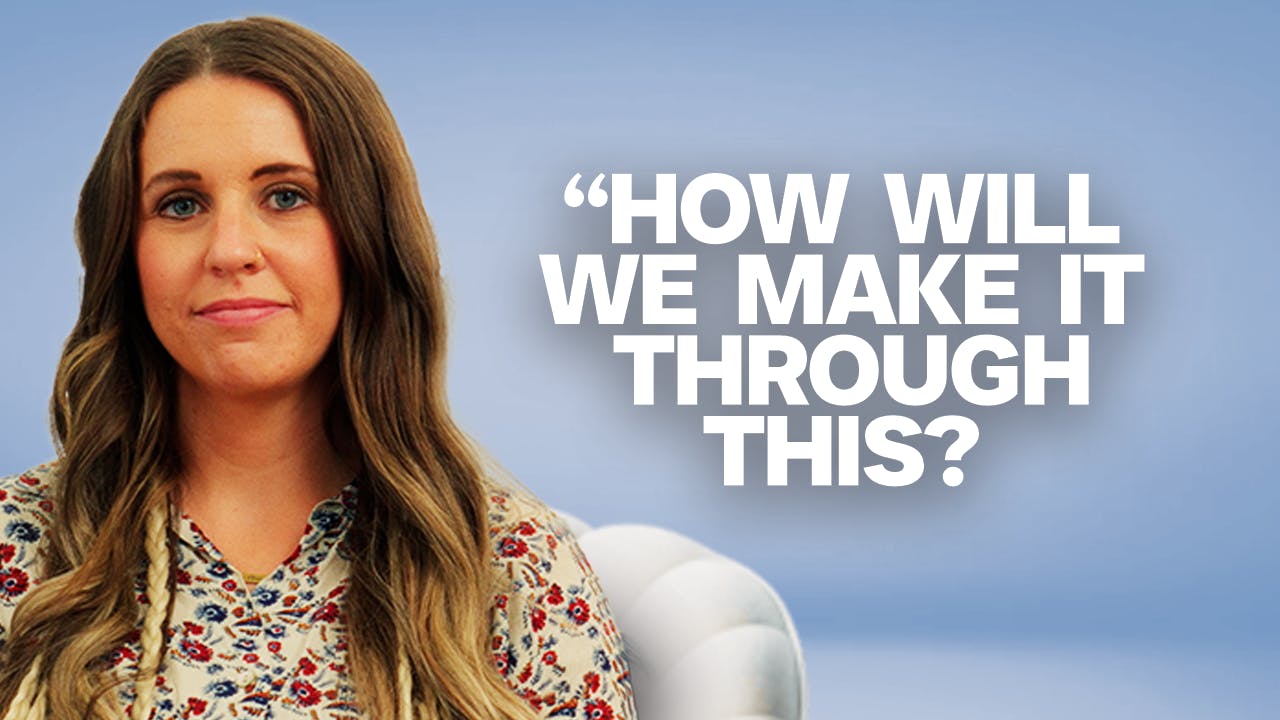
Loading summary
Transcript322 lines
- [00:01]
A
Close your eyes.
- [00:02]
B
Exhale. Feel your body relax and let go of whatever you're carrying today. Well, I'm letting go of the worry that I wouldn't get my new contacts in time for this class. I got them delivered free from 1-800-contacts. Oh, my gosh, they're so fast. And breathe. Oh, sorry. I almost couldn't breathe when I saw the discount they gave me on my first order. Oh, sorry. Namaste. Visit 1-800-contacts.com today to save on your first order.
- [00:28]
A
1-800-Contacts. New year, new me. Cute. But how about New Year, new money? With Experian, you can actually take control of your finances. Check your FICO score, find ways to save and get matched with credit card offers, giving you time to power through those New Year's goals. You know you're gonna crush start the year off right. Download the Experian app based on FICO scoring model offers an approval not guaranteed. Eligibility requirements. Interns apply subject to credit check, which may impact your credit scores. Offers not available in all states. See experian.com for details.
- [00:58]
B
Experian.
- [01:01]
A
We are here with some very, very, very special guests. Ginger's sister, both of our brother in law, Jill and Derek.
- [01:08]
C
Last December was probably like our worst month in our family's history. And Jill was like, hey, something's gotta change.
- [01:14]
B
It got to where like, I would be calling him at work and just a couple times, a few times, and be like, babe, like, I need help. To the point where I was crying every single day, like, and he was stressed because he's like, I'm torn. Like, I want to be there, but I don't feel like I can. Like you were saying, take a step back. When everything falls apart, people tell you, oh, you're so strong. And you're like, I don't feel it at all. We were managing, but it wasn't gonna be sustainable.
- [01:49]
A
What's going on, guys? Welcome back to another episode of the Ginger and Jeremy podcast. And as you can see, we are not in our home studio because we're in Arkansas.
- [01:58]
B
We're in somebody else's home. Really.
- [02:02]
A
And you know what that means when the podcast is on the road in Arkansas. We are here with some very, very, very special guests. Ginger's sister, both of our brother in law, Jill and Derek. Welcome to the podcast.
- [02:15]
B
Thanks, y'. All.
- [02:16]
A
Did you like your introduction?
- [02:18]
B
Introduction?
- [02:18]
A
As both of our brother in law.
- [02:20]
B
Our brother in law, I. I was.
- [02:22]
C
Trying to follow you, but that makes sense.
- [02:23]
A
I didn't think that through.
- [02:25]
B
I was like, what does that even.
- [02:26]
A
Mean your sister Jill. Technically both of ours.
- [02:31]
C
Because I.
- [02:33]
B
There is actually a term for this.
- [02:35]
C
So I would be Ginger's brother in law.
- [02:36]
B
But I would use. There is a term co brother. What legit. Like co parent. Derek lived in Nepal and the. The Nepali slash Indian culture has terms for everything. Literally, like first daughter, second daughter. For, like, everything. Like uncle. Buy this and whatever.
- [02:52]
C
I think it went down in your family. Everyone but Jordan. Like, there was a name for Joseph, last one.
- [02:58]
A
Oh, they ran out of terms.
- [03:00]
B
So that co brother, he asked his co worker when he was working in the tax department at Walmart and all that, and. Yeah. And she was from India.
- [03:07]
C
I worked with a lady from India and I asked her, so what would be. Who would be the person who married my sister in law?
- [03:12]
B
It was like when Jess and Ben were getting married.
- [03:14]
C
Yeah, it was when Jess and Ben were getting married. And I said, so there's a guy marrying my wife's sister. What would my relationship be to him? To Ben? And she's like, oh, in India, he would be your co brother.
- [03:24]
B
So there you go. Co brothers. Your co brothers.
- [03:26]
A
Co brother.
- [03:27]
C
Co brothers. Yeah.
- [03:28]
A
I don't know. Do we do. I don't know, do we shake? I don't know what happens. You do this Co brother.
- [03:32]
C
In America, you say, hey, bro, which is very appropriate because they've been saying, hey, bro. Yeah.
- [03:36]
B
That is so great.
- [03:37]
A
Well, you learn something new every day. And I just learned that.
- [03:40]
B
Sorry, that was a rant.
- [03:40]
A
That was fantastic. Welcome to. Welcome to our podcast in your state.
- [03:47]
C
Thank you.
- [03:47]
A
It's very cold.
- [03:49]
B
It's very cold today. Yeah, 25.
- [03:51]
C
It was warmer yesterday. It's colder today.
- [03:54]
A
It was 80 degrees when we left.
- [03:55]
B
I literally did not bring a coat. I did not bring jeans, which I was supposed to pack. So I had these, like, thin summer pants.
- [04:05]
C
You just forgot there's December here or just.
- [04:07]
B
I just failed. I just failed in my packing. I packed my kids this warm stuff. I got all their coats. The kids are covered, though. Finn doesn't have a coat because he doesn't own one. But I was like, I'm just gonna borrow one.
- [04:17]
A
Finn doesn't own a coat.
- [04:18]
B
He doesn't have a coat.
- [04:19]
A
Yeah, we were out last night and we took the. The kids out to the square downtown.
- [04:23]
B
Oh, wow. Yeah.
- [04:24]
A
Ginger gets out with us. Just a sweatshirt on. I'm like, baby, where's your coat? She's like, I didn't bring a coat. I'm like, have you. Have you been out of Arkansas so long?
- [04:33]
B
I don't have I think I have a couple proper, like, puffers. Yeah. But I didn't bring them, so, like, literally, they were in storage buckets in the garage, and I didn't go get them. So you can ride some closets around here. I think Goodwill, so.
- [04:47]
A
Oh, yeah, she's. She's back in Goodwill paradise.
- [04:49]
B
There's a Goodwill paradise. Maybe that was the excuse. Maybe that was the. The reason I did think my birthday's in a couple days, so I was like, I'm gonna go shopping and I'm gonna get me some stuff.
- [04:58]
C
Is there no Goodwill in California?
- [05:00]
A
Oh, there is. Yeah, it is.
- [05:01]
B
But it's. You have better things more. I've heard y' all have great thrifting. Thrifting. We do have good thrifting. The only challenges is they know the brands. So, like, if you have a good brand, I found some things for, like, $20, and I'm like, we're at Goodwill. This is almost a Target brand. You could get it for cheaper at Target. So, yeah, it's kind of a little.
- [05:22]
C
Annoying sometimes, but, you know, you're thrift shopping.
- [05:24]
B
Yeah.
- [05:25]
A
You get two Duggar girls together and they'll start thrift talking in five minutes.
- [05:29]
B
Yeah.
- [05:29]
A
It's gonna come to it.
- [05:31]
B
You really can't stop us.
- [05:33]
A
Hey, so, guys, it's been a long time since we've sat down for a conversation. Probably a couple years. Like, the four of us in the same room. And I think it might. I mean, you guys are on social media and you guys are around, but life is busy. So for our listeners, low key for us. How are you guys doing? How's the. How's life? Take us into what life looks like for Jill and Derek and the kiddos these days.
- [06:02]
B
Yeah.
- [06:02]
C
Yeah. Tell us, babe. Remind me what I.
- [06:06]
B
He's like, are you sleep deprived, Derek?
- [06:09]
C
Not too bad today.
- [06:10]
B
Okay, good. Yeah. So we have three children. Earthside. Here we have. Derek is a practicing attorney, hence the sleep deprivation. Sometimes I am home with the kids. We've transitioned now to homeschooling. We live still in Arkansas, but we had moved. I know a lot of people were confused. They were thinking, we moved to Oklahoma. Derek was working in Oklahoma for about three years as a prosecuting attorney over.
- [06:42]
C
There, which is why we moved.
- [06:44]
B
Which is why we moved to the border.
- [06:46]
A
I was confused by that at points.
- [06:47]
B
I knew it was border.
- [06:48]
A
I knew it was border. And I would always forget which side.
- [06:51]
B
Yes.
- [06:51]
A
I'm like, well, Jill and Derek are in Oklahoma. And Ginger's like, no, no, they're not.
- [06:54]
B
I was like, they're not. He's right on the border working in Oklahoma. So we live in Arkansas, and it's nice because we're close. Ish. To Derek's family and our family. And you can say that you don't live in Oklahoma. And we can say we don't live in Oklahoma.
- [07:11]
C
Neither of us never lived. Have ever lived.
- [07:13]
B
Well, you did, just not residency.
- [07:15]
C
But I've never.
- [07:16]
B
You went to school there and you have.
- [07:17]
C
Yes, I visited Oklahoma.
- [07:19]
A
I like how he passionately, like, disavows it. But you went to school there, right?
- [07:22]
B
He did.
- [07:23]
A
My little running joke is. It's like my dad joke is when I'm having a bad day, I just remember people actually live in Oklahoma.
- [07:30]
B
That's what he says. I mean, yeah, yeah, yeah. We make it better than the rest of the state.
- [07:38]
C
Yes, that's what I'll say.
- [07:40]
A
Our listeners in Oklahoma just plummeted, by the way.
- [07:43]
B
Okay, hold on. Before we hate on Oklahoma. Side note, Derek, tell us, you and your late father were Pistol Pete. Right.
- [07:53]
C
But real quick. Sorry. Not to change again, but like, Oklahoma City Thunder are the defending world champions of the NBA.
- [07:59]
B
This is true. This is true.
- [08:01]
C
Defending NBA champions right now.
- [08:02]
B
It's not bad. It was incredible.
- [08:04]
C
They just had their second loss this season.
- [08:05]
B
Yes.
- [08:06]
A
So clearly there's some Oklahoma paths.
- [08:07]
B
We do have some ties. Derek was the mascot at Oklahoma State University.
- [08:11]
C
We grew up going on vacations to Oklahoma, which sounds.
- [08:13]
A
What do you do in Oklahoma on vacation?
- [08:16]
C
You visit your grandparents and your aunts and your uncles. I got a tour of a bank over spring break once.
- [08:21]
A
Okay. Oh, wow, that's exciting. So they do have banks anyway.
- [08:24]
B
Yeah, banks.
- [08:25]
A
Okay.
- [08:26]
C
Yes.
- [08:26]
B
They're money at the bank.
- [08:27]
C
And I were both. My dad and I were both Pistol Petes, so I was somewhat brainwashed into being a cowboy from birth, so.
- [08:33]
B
And now our kids, between the three boys, we joke that, like, there might be a Three Pete in there somewhere. We'll see.
- [08:39]
C
That would be cute.
- [08:40]
B
Oh, my goodness. I hope so. I really like that.
- [08:42]
C
Now we're the first father son.
- [08:44]
B
So we just took the boys to their first OSU doubleheader basketball game, which.
- [08:50]
C
Is in the Thunder Stadium.
- [08:51]
B
In the Thunder Stadium? Yeah, in the arena there. So they. They really loved that. That was totally.
- [08:56]
C
It was part of their surprise for the end of our trip.
- [08:58]
B
We were supposed to be coming to see Ginger and Jeremy, but we got the stomach bug and we were so sad. That was so sad. Oh, my word. But I'm glad they were still. We're gonna make that happen, maybe. Oh, you have to. You have to. We have had a really busy season. Going back to the original question. A really busy season of life. I mean. Yeah, I feel like we did the whole law school thing together as a family.
- [09:23]
C
Yeah, true.
- [09:25]
B
And then you jumped straight into your career with law and just a crazy season for the entire Duggar family as well. That was very interesting. Parallel to the career you ended up jumping into. That was like.
- [09:41]
C
Yeah, I don't know. I mean, I mean, on a professional note, it was very informative to go to Josh's trial. I don't know if we're right.
- [09:49]
B
Yeah. I don't know too much, but yeah, it's always awkward to, like, talk about all that, but.
- [09:54]
A
Yeah, but I mean, it's real and it happened, you know, and it's difficult. It's a part of our history. And that did. I mean, I know you've spoken about this before. That was a bit of a motivation for you to get into law, wasn't it?
- [10:07]
B
We want to take a break from this episode to tell you about Nutrafol.
- [10:10]
A
At the start of every year, people are all about this, like, new year, new you kind of vibe. But what if you don't actually have to have something that's reinventing yourself? What if this new you is already happening because you're taking Nutrafol and slowly but surely you're seeing that hair that, that you've missed for some time? Come back.
- [10:30]
B
Oh, yeah. Nutrafol is the number one dermatologist recommended hair growth supplement brand trusted by over one and a half million people.
- [10:39]
A
Yeah. Their formulations are designed to target the key reasons for hair thinning, things like stress hormones, nutrition and aging. And it's all based on your life stage, including formulas tailored for postpartum and menopause.
- [10:51]
B
Yes, I have their postpartum supplements and they're incredible. I actually have, like, all the baby hairs are finally growing back now. Thank you, Nutrafol.
- [11:02]
A
And so you can see thicker, stronger, faster, growing hair with less shedding in just three to six months with Nutrafol. For a limited time, Nutrafol is offering our listeners $10 off your first month's subscription and free shipping when you go to nutrafol.com and enter the promo code JNDJ. That's J A N-D J. So find out why Nutrafol is best selling hair growth supplement brand@nutrafol.com spelled n u t r a f o l.com promo code j n J.
- [11:33]
B
We want to take a break from this episode to Tell you about Poncho.
- [11:36]
A
All right, here's the deal. I'm wearing poncho. I wear poncho all the time.
- [11:40]
B
Jeremy does wear poncho all the time. When he wakes up, I'm like, oh, is that a poncho shirt?
- [11:45]
A
I love it.
- [11:46]
B
Nine times out of ten, here's.
- [11:47]
A
Here's the test. Went to Arkansas over the break, and the homies in Arkansas were going, dude, nice shirt. Hey. They were going, hey, is that poncho? Like, Austin Forsyth was going, oh, you got a poncho shirt. The guys love it. So if you. If you want to get your guy something he'll love, get him a gift card, get him a shirt, get him something Poncho. You won't regret it.
- [12:12]
B
And let me just say, as the person who does the laundry in the family, I like poncho shirts because they are made to last. They wash and wear super well. So I'm all about these shirts. I'm telling you, if you're looking for something to gift the Valentine's Day in your life.
- [12:29]
A
Valentine's Day.
- [12:29]
B
Yeah. Your dad, even for a birthday, gift him a poncho shirt.
- [12:33]
A
Give him something he'll wear every day, even on date night. Go to ponchooutdoors.com, use our code ginger. That's Poncho outdoors. Use code ginger for $10 off and free shipping. And when they ask how you heard about them, tell them that we sent you from the podcast.
- [12:51]
B
Now back to the episode.
- [12:53]
A
Wanting to, like, to protect. Yeah, protect. To know law. Did you just find that your mind work that way? Like, because there's certain things, like, you know, I walk into an accountant's building, and I will implode. Did you just find out, like, when you started to study law or look into things, you were like, oh, man, this clicks for me. And, like, this is for me.
- [13:13]
C
I had, like, a passion for something, and I needed it to be an informed passion. So like I said before, like, I wanted to. Like, you want to. You have this energy in you, and you want to do something about it because of unjust things happening.
- [13:29]
A
Sure.
- [13:29]
C
People being taken advantage of. And I saw that as a way to fuel that. Going to law school and just.
- [13:36]
B
And you have, like, a natural bent. I think he loves. He loves getting to the bottom of things. He loves fighting for justice. He loves.
- [13:45]
C
I mean, I had three or four.
- [13:46]
B
Since you were in, like, high school, you had thought about going to law school.
- [13:50]
C
Yeah. And three or four of my professors in undergrad were attorneys. Like my tax law professor.
- [13:55]
B
Yeah. He's an accountant.
- [13:57]
C
Yeah, in my accounting training, our tax law professor was an attorney. A tax attorney, and our business law professor was an attorney. So, like, I already had teachers like that. But anyway, it was something that I saw. If the Lord's gonna close the door on missions, that maybe he's directing us to go in that way and to direct that passion in that direction.
- [14:16]
B
Wow. And how was that? How? I mean, it's intense, I'd imagine, because, you know, like, I mean, we've watched Suits Brother.
- [14:23]
A
We know we get your life.
- [14:28]
B
So. Yeah, it's interesting, though, because this is not. This is not a parallel exactly, but, like, seminary. You're in seminary for. He was in seminary for three years. You did some seminary stuff, too, before that. So you guys have done a lot of the studies, and it's very hard. It's a. You know, it's an exhausting track. Hard for the wives, hard for the kids, family. But how did you guys navigate that? Because it takes a lot of time, a lot of prayer, a lot of effort, like, you guys realizing you're a team as a family, although it takes a lot of time away. So how did you guys walk through that in the season with littles, with the challenges you were walking through even in that season?
- [15:09]
C
I think we were introduced to it from the very beginning because before we ever got married, I was in seminary. My mom had cancer. I was working full time as a tax accountant at the same time, and we were planning an engagement. So all that was happening simultaneously, and that's basically how we started our relationship.
- [15:29]
B
And then once he decided to go to law school, and we really felt like that's what we were supposed to do. It was really a family commitment at that point where we tried to make the most of the days and be around as much as possible. So I was also really encouraged by some of his professors. There was one guy in particular, Professor Brill. Howard Brill. Shout out. Who? He would see me walking the kids into the University of Arkansas Law School with a stroller and two kids at the time. And he would be like, how are you, Mrs. Dillard? And like, oh, like, how are the boys? You know, make sure. He would tell me. And he would tell you every student.
- [16:14]
C
At the University of Arkansas by name. Every single student.
- [16:17]
B
And he would tell Derek, make sure you're spending enough family time. Like, make sure you're taking care of your family. You know, he's like, I know you have to study, but he would see.
- [16:26]
C
Me in the library and tell me to go home. He's like, you're here past five, you need to go home, be with your family.
- [16:30]
B
He's like, be with your family. Like, he was really good.
- [16:33]
C
He knew every student, where they were from even.
- [16:35]
B
Yeah.
- [16:35]
C
He was every single student, like their high school mascot. He knew every one of their high school mascots.
- [16:40]
B
Oh, that's. He was just a very dedicated.
- [16:43]
C
He's very passionate, passionate person. He taught with Bill Clinton whenever he was at the walls.
- [16:47]
A
Yeah. But he's been there.
- [16:49]
B
And Hillary too. He's been there anyway.
- [16:53]
C
But he's been teaching there for 50 years now.
- [16:55]
B
He was great. So there. But we tried to make the most of those moments too, where anytime that I could, I would take the boys down to the law school, take lunch, meet Derek for lunch if we could. We lived 30 minutes from the law school, so it was not easy to just like pop over. But we did try and make that happen. And then Covid hit and everything shut down. So then he was online. We moved during that time. Yeah. So we tried to like navigate all of that.
- [17:23]
C
Yeah. As if it wasn't already stressful enough. Just let's throw a move in there.
- [17:26]
B
Yeah. And then if you were studying from home, I'd imagine that's also a challenge. Cause like, we had, you know, even in seminary, there were times where, you know, Jared, he would come back from being in classes and then he would spend time with us and then we would put the kids to bed. Put the kids to bed. And often he would stay up. Cause he wanted to spend time with me. So we'd stay up, spend time together. And then once I went to bed also, he'd stay up for a couple more hours and then wake up super early. Yeah. And do that too. So. And then.
- [17:56]
C
And then they have locks on the doors. Like we. No locks on the doors. And we had what on. On our house that we lived in? Like. No, at the house after that. Studying for the bar with a one and three year old with no locks.
- [18:08]
B
On the doors coming in all the time.
- [18:10]
C
Yeah.
- [18:11]
B
It's hard to study when they're there because you don't want to say like, oh, go out. I need to work. Yeah. But like, you. You have to stay.
- [18:18]
C
Yeah.
- [18:18]
B
Yeah. It did make things challenging. And so. Yeah, but you did it.
- [18:23]
A
You're done.
- [18:24]
B
He's done.
- [18:25]
A
So now.
- [18:25]
B
Yeah. That's impressive.
- [18:27]
A
Pass the bar with flying colors or what? Do you pass bars with flying colors?
- [18:30]
C
Yeah. Yeah.
- [18:31]
B
Every licensed.
- [18:32]
A
Okay.
- [18:32]
C
I mean, not every. Not licensed every day, but you get a score high enough, you could Be licensed at every state.
- [18:37]
A
Wow, that's great.
- [18:37]
B
But anyway, well done. That's crazy. Yeah.
- [18:41]
A
So then you have gone into work as a lawyer. I know you've taken some time away, right?
- [18:47]
B
Yes.
- [18:48]
A
To take a break from work for a little bit, catch your breath. After all, was it just like a torrid pace, like, study school, enter the workforce?
- [18:55]
C
Well, I think things got to like, it reached a fever pitch. Last December was probably like our worst month in our family's history. Like, if not close to it, maybe I'm not going to go on a limb and say the worst, but, like, one of the worst. And Jill was like, hey, something's gotta change. And we had a lot going on with the loss that we had experienced earlier last year.
- [19:17]
B
Yeah. So we. So Derek finished law school, he graduated, became a lawyer and was working full time in Oklahoma. His commute time was really long and hard on top of the hours that he was putting in at work and bringing cases home to work on and all of that. So one thing about public service is, like, it can be pretty grueling. And so, like, yeah, the pay doesn't, like. You get a lot of great experience. And that's what he wanted to really make a difference. And you still love the work.
- [19:54]
C
I very much enjoyed it. You get a lot of trial experience.
- [19:56]
B
But the volume is just really, really intense. And there's a lot of turnover just because of that, where it's very grueling. And so you're making a big difference, but it is very intense and the hours are long and very rewarding work, for sure. Yeah. So. But then on top of that, he had a really long commute. So when we started, when he started in that position, it was a four county district. He was in the county that was closest to us, which was about 40 minutes away, 35, 40 minutes away. But then as time went on and they shifted people around into the other areas, sometimes he was driving further to where finally, like, consistently, two years later.
- [20:31]
C
I moved for two years to Tahlequah, which was an hour, hour and a.
- [20:35]
B
Half if you had to pick up the car. So it was like an hour and a half one way. He would go to his original district or county. Anyway, it ended up being a really long drive, so that added to just the overall stress. We want to take a break from this episode to tell you about Omaha Steaks.
- [20:52]
A
I got to be honest with you and with you, Ginger. I love recording this podcast with you.
- [20:56]
B
I love recording this podcast with you.
- [20:58]
A
One of the downsides is sometimes when we record it. It's our lunchtime.
- [21:02]
B
It is our lunchtime.
- [21:03]
A
Like, right now, I'm starving.
- [21:05]
B
Same.
- [21:05]
A
And all I'm thinking about is Omaha Steaks.
- [21:08]
B
Same.
- [21:08]
A
I mean, I know exactly where they are. In the freezer downstairs, we've got three steaks, two patties. I am ready to get that puppy on the grill. Omaha Steaks delivered to your door. I don't. I think the advert could be over. Just eat Omaha Steaks. It's the best.
- [21:25]
B
Yeah. The grass grain finished beef has more marbling for exceptional flavor and is the choice of steakhouses and professional chefs around the world. That's incredible. And it can be brought and shipped right to your door.
- [21:40]
A
Yeah. So go to Omaha steaks.com, use code ginger at checkout. You'll get a big discount. OmahaSteaks.com, use code ginger at checkout. You don't want to miss this.
- [21:51]
B
Now back to the episode. Well, then we had.
- [21:56]
C
I mean, I didn't live. I went home to sleep, basically. I left before the sun came up, and I got home after dark after the boys were in bed.
- [22:03]
B
It was really, really hard. And then. And then trial season and all of that. Even if you have vacation time, it was hard to, like, take off one day here, two days there.
- [22:14]
A
So I said kiddingly, like, we've watched suits, so we get it. But in all seriousness, like, you know, a show like that does have some reflection of real life, but I've got friends who are lawyers as well. And just having lived in New York City, there are certain fields where you see people who are very successful. They're making an incredible difference. But there's often sacrifice. And sometimes. I don't know how you'd answer this, but, like, I think it could be hard to discern the line because you're in a field where the cases aren't gonna slow down. There's not like a judge isn't like, you know what, let's give the lawyers a week off. You know, stuff is constantly happening, and it could be hard to. Or it could be easy to get lost in that and just keep going and going and going and going and going. And it's something you're passionate about, but then to balance other aspects of life. And so often people sacrifice family to be the greatest lawyer in the nation or something. And it doesn't mean you can't be great and effective without family. So I'm not paying a broad brush.
- [23:19]
B
But you have to know what your overall family goal is. I think you have to keep that in focus you have to be called.
- [23:24]
C
As a family, and I mean, really as a couple. But then everything is for a season also, like, what's good in one season might not necessarily be another season.
- [23:33]
B
So, like, law school, that's not maintainable for, like, forever, but that's also for a season.
- [23:39]
A
You know, the problem is sometimes in law school, you can build habits on studying for the season, but then it's a habit that you take out of that season as well.
- [23:47]
C
But I know, like, you're prohibited from having any job, even part time, like, when you start law school, like they said. I don't remember if we signed. We may have even signed something. You did.
- [23:56]
B
Wow.
- [23:56]
C
You had to sign something saying, you will not do anything. The first year. You will not do anything. Like, every waking breath needs to be focused here.
- [24:03]
B
Well, in the curve, everything's graded on a curve throughout law school. So, like, the curve is set lower for first year. First year. So, like, you. Is it set lower? Well, I'm like, wait, it's set at a.
- [24:16]
C
It's lower.
- [24:17]
B
Yeah, I was like, it's at a. Yeah.
- [24:18]
C
Like, I had a legal research and writing class, and the professor. Basically, this has nothing to do with anything, but, like, you all did excellent. Everyone here did really great. But I have to give half of you a B minus or lower. So basically.
- [24:31]
B
And then if you get lower than this, then you get put on probation. Like, so it's always this competition throughout the entire law school.
- [24:39]
C
So.
- [24:39]
B
So he. He said himself in that one. It was like, he was like, everybody in this class this year was like, the majority of the people were better than the year before. But, like, yeah, it was like, yeah.
- [24:51]
C
You go to the library and see what grade specific professors gave. And this teacher the year before gave one A minus, and the rest were all below that.
- [25:00]
B
So anyway, so it's just. Yeah, like, to your point, it's like setting you up for, like, figuring out how the career is gonna work and all of that. And so because there is a winner.
- [25:10]
C
And a loser, even if you both do your best in real life, there's a winner and a loser. That's the thing about court cases.
- [25:15]
B
Whatever. That's so hard. Yeah. So we knew that the transition from law school into the career that we felt called to public service was gonna be hard as well, because there's that initial period of time where you do have to put in that work. And so that's, like, really grueling. And just the learning curve. It really is a learning curve, but they don't teach you in law.
- [25:40]
C
Sometimes I'm hard headed and I don't always pick up cues like I should. But we lost Isla in March 2024. It was difficult and I couldn't take off like that much time because we had a lot going on that I'd been the one to prepare for. Someone just can't come in and step in. And I just kind of kept on going and we were both grieving.
- [26:02]
B
You were definitely trying though.
- [26:04]
C
I was trying. I was trying my very best.
- [26:08]
B
Well, and we had just come off. The other hard part was we had just come out of. And I know we'll talk about this in another episode probably, but we had just come out of a hole where my first trimester, I'm sick. Like, I'm laid up in bed and I can't go and do. So he was already. We were already coming out of that where it's like, okay, we're about to, you know, be past this. I just started feeling better and then to lose the baby and in pregnancy in the second trimester. And then the boys weren't now reset.
- [26:43]
C
Because she's laid up in bed.
- [26:44]
B
Yeah. So it just kind of things this came apart. Yeah.
- [26:51]
C
Unraveling and like, basically I'm like, okay, well let's just keep going. And then it just kind of got worse. From then until this point, which I.
- [26:57]
B
Think is a natural tendency to like throw yourself into. The only thing that you can control is to like, if you're just. Well, this is the one thing I can just keep together is work. And I've heard that for people in general, anytime you're in turmoil or loss or whatever, trying to control the one thing that you can, I think guys, maybe, I don't know, you can tell me, tend to lean into work or whatever. And it wasn't bad. Like, you definitely were trying your best to like show up and be. He would come home and take over. I would be like, I can't manage anything. But all that to say it got to where like I would be calling him at work and just a couple times, a few times and be like, babe, like, I need help. I need you to talk to the boys about this or that. And he would take a minute if he could. But I also was like, I've waited to call until now because, you know, I know that you're at work. And so I think we had a good understanding of marriage and kids and relationship, but it just got really, really tough to the point where I was crying every single day. Like, and he was stressed because he's like, I'm torn. Like, I want to be there, but I don't feel like I can. Like, you were saying, take a step back. Once you're already in the job that you're in, it's hard to, like, step back in that same role. So we needed to, like, just step away from that job and make a clean break at that point, because it.
- [28:30]
C
Got really bad by December, like, to.
- [28:33]
B
The point where he was doing a great job at work. We were managing, but it wasn't gonna be sustainable. And we saw that, thankfully, like, before it got too late and too far in, where even whenever you went in to tell your boss that you were gonna be leaving, he was like, what about this? What about that? Like, they wanted him to stay, what about three days a week? What about this? You know, trying to, like, he's like, take this home to Jill and talk about it.
- [28:57]
C
He said, take this home to Jill. He wrote down different schedules, and I was like, this is still. You know. And then you wondered, not that somebody would hope that this would happen, but, like, it would start out one way, and then gradually, you're.
- [29:10]
B
We both understood. Right. They know the expectation is, like, there's a lot of work that you have to do.
- [29:16]
A
Yeah.
- [29:16]
B
You're asked to do, and you don't want to say no. Probably if you're like, that's your boss. Yeah. You kind of almost need to. So it was easier to make a clean break at that point and just kind of step on Eric. You're willing to do that because, like, that's really tough.
- [29:31]
C
Like, you're seeing her pain, wrestling with that. And then it got to the point where she's like, we gotta do something different.
- [29:37]
B
And you did, too. I think it was just, like, we both needed.
- [29:41]
C
We made the decision.
- [29:42]
B
We both. We were. We were realizing, like, not just with the loss of Isla, but also just our family goals and where we were headed as a family. We wanted to. This has been our goal all along to, like, be intentional with our kids. And so we were realizing, like, this is God directing us in this way to step away from this job. It'll always be there. Like, they're like, hey, like, if he wants to go back to that job, I mean.
- [30:12]
C
Yeah, they would. You'll be back.
- [30:13]
B
You'll be back.
- [30:14]
C
You see?
- [30:14]
B
Yeah.
- [30:15]
A
But interesting that there's. There's so many threats to marriage and to, like, our families. When we get married, we think we have an idea of what life is going to look like, you know, and we think, oh, this will Be easy. And then we sometimes see, like, outside people, especially in the spotlight, like, oh, those could threaten our family. But we bunker down. And then you realize when life actually happens, and it's not just theoretical. Life is hard. And all of these little things become these, like, threats to our family. Like you just said, well, we have family goals, and we want to be intentional with our kids. And then you get to a place and realize, wait, this isn't happening. And it can be really difficult to figure out, how do we solve that? Did you guys feel. You're speaking with such clarity now and, like, objectivity, But I imagine in the moment, you might not have seen it so clearly of, like, this is what we need to do. He needs to step back. This is how I'm feeling.
- [31:15]
C
There were certain things that were. That we're more objective about specifically with. Because we tried to make it happen before getting to this step, because we tried with our therapist. We had up until that point to do therapy because we didn't really get a chance to properly grieve after we lost Isla.
- [31:32]
B
He wanted to go. So that was. Yeah, that was one thing we had. We have seen a therapist at different points in our marriage just to what. For whatever reason, and it's really, really helpful. But we had wanted to go. Derek, you had even suggested, hey, like, what if we see our therapist? And we had reached out to our regular therapist, and I think we'd seen him, like, once or twice, but it was really interesting.
- [31:56]
C
Any solution we could without just, like, leaving.
- [31:59]
B
Yeah, but it was. Even. That was interesting because. So Derek was working in Oklahoma. We lived in Arkansas, and, you know, I was at home with kids. And there's. Ever since COVID like, there's been a lot of availability for therapists online. But Derek couldn't make it work with his. With where he was working in Oklahoma. We had to be, like, for whatever reason, with the laws and all that, with our therapist. Yeah, he had. We both had to be in the same state at the same time for the therapy thing. So we couldn't work. Like, we either both had to be in Oklahoma and be talking. Yeah, it was so I would have.
- [32:36]
C
To commute an hour away because our. Once you leave our house and go five minutes, you're in Oklahoma.
- [32:41]
B
Yeah.
- [32:42]
C
So, like, I would have to do the majority of my.
- [32:44]
B
Or I would have to go to Oklahoma. And with kids and home, it just wasn't gonna work. So we couldn't even. Unless I wanted to see the therapist by myself and him by himself or whatever, which at this time we were like, we really want to, like, make the most of it. If we're paying money, like, we want to, like, make it work anyway.
- [33:00]
C
He's like, it just.
- [33:01]
B
It was another hurdle that just wasn't working.
- [33:02]
C
He's like, unless you're both in the same state, I can't see you.
- [33:04]
B
Like, so things like that, that we were feeling like there are needs that we need to be able to work out and then logistically, like, trying to schedule an hour into our day literally for once a week. Therapy wasn't even manageable at that time because we didn't have an hour a week to be able to both come together and do a therapy session every week. So with childcare or whatever. So, yeah.
- [33:33]
C
All that to say, like, we. I felt like by this point we'd been married long enough, like 11 and a half years to, like, know what the problem is and try and address it, whereas we might have not been to that point 10 years ago or something.
- [33:45]
B
Yeah, I think we'd been through enough difficulty, hardships together to kind of learn, like, okay, when it comes down to it, you've got to just, like, make the decision. And I think Derek really kind of took the reins on that whenever he could see that. I was just like, something's got to change.
- [34:03]
C
Like, this is not good.
- [34:04]
B
He was like, this is what we're going to do. And wow.
- [34:08]
A
And so, yeah, speaking of, speaking of those challenges, so many of them have been public. Right. And you've lived your life so publicly. And I remember this is. I don't know if I even knew who you guys were. I remember seeing a magazine cover with you in the hospital holding Israel. Must have been Israel, probably.
- [34:35]
B
Yeah, yeah.
- [34:35]
A
Because we didn't do it with People magazine or something. And you were this mother just delivered your baby on the COVID of a. Of a huge tabloid. Is that what People's called it? Or is it just a. I think.
- [34:49]
B
It'S maybe not a tabloid, people. Maybe it's a proper.
- [34:52]
C
I think a news magazine.
- [34:54]
B
Full magazine. I don't know.
- [34:56]
C
Realm of tabloid. I'm pretty sure.
- [34:57]
B
Yeah, it's the magazine racks at Walmart right there. Yeah.
- [35:00]
C
Where I go to get my news usually.
- [35:01]
A
And I remember seeing that. And now, like, knowing you now in the family. We're co brothers, brother.
- [35:07]
B
And you gotta throw that to him around. You got a lot of co brothers. They start calling everybody co brothers.
- [35:12]
A
Oh, I love it. I love it. But you've faced so many challenges. The very public trial of your brother, you've written A book. And there've been tensions with that. Like, that you talk about, right in the book, the loss of Ayla and just life, like, what you're sharing here with us about jobs and all these things coming out of that. And looking back now, how have those things shaped you? Who would you say, you know, Jill Dillard is today, as you look back?
- [35:47]
B
I would say I'm a lot stronger now as a person and individual. I'm not. Nobody's arrived. Like, I don't think I've arrived. I think we should always be on a path toward growth and finding who God wants us to be as we change and develop and are hit with crap. Like, I think that's part of the journey of being a Christian is just seeking God. This is cliche, but seeking God in everything that comes your way. And sometimes it's gonna knock you down, like, with the loss of Isla or things like you're saying and the tabloids and all the stuff that just. It will knock you down sometimes, but then that's whenever you just have to really, like, cry out to God for the strength to get through it, because, yeah, we haven't. I think part of it, too, is like, being one of the older kids in the Duggar family. Like, number four, the first daughter to get married. That probably brought its own challenges with it. Everybody faces their own challenges. Y' all have walked through things that you were the first in as a married couple in the Duggar family. But I think it has made me stronger because we've chosen to seek God and join forces as a couple.
- [37:24]
A
Sorry, I didn't mean to interject there. I was just inspired, you know, inspired by what you said. Because you said it's made me stronger and then immediately referenced seeking God, which is an act of faith and a declaration of your weak dependence. So it's like this. I'm stronger now because I've sought God through all of these things.
- [37:49]
B
Well, and God sought us because, like, honestly, there have been. And both of. For both of us. I mean, when you lost your dad and everything, I think, like, there have always been moments where when everything falls apart, that you don't have the strength. You're not strong. People will tell you, oh, you're so strong. And you're like, I don't feel it at all, where you're just, God, how am I going to make this? How am I going to. How are we going to make it through? How are we going to take another step, live another day, whatever? And you just cling to those Bible verses. Literally writing them. I like to sharpie things on my hand as I'm busy throughout the day. Sometimes I'll plaster sticky notes everywhere, but I'll write Bible verses, like, on my wrist or whatever, just so that way I can be reminded of the truth of God's word as I go about the day. Just having it there.
- [38:47]
A
I was gonna ask you what you had there, but it might say, get milk later.
- [38:52]
B
He heard my voice. Psalm 18:6.
- [38:55]
A
So it's always a Bible verse?
- [38:56]
B
Yeah, usually. Sometimes it's an inspirational quote, but I'll just write, like. Cause this one is from Psalms. Like, yesterday, like, I cried to him, he heard my voice from his temple. Like, those things, like, just reminding myself, like, whatever it is that I'm going through, whatever it is, just writing it somewhere. And I like this. Cause I can change it out. You know, it wears off. It's not a permanent tattoo, right? Yeah. Yeah, I can just change it out.
- [39:20]
C
I mean, like, Scripture says, like. I mean, you're gonna put script everywhere around your house, on door posts, like, wherever you're gonna be going throughout your day.
- [39:27]
B
And I really started doing more of that. I mean, I've done it before, but especially in Isla's. The loss of Isla. I really would write lots of scripture all over my hands and stuff, just because I needed that reminder, that focus, something to focus on. And I think about as a trained midwife and, like, women in labor, we're always telling them, like, focus on this. Like, you can get through this one contraction. Just focus on this one thing. So, like, it's a focus point. Like, something to focus on anyway. That's so sweet. That's a long answer. I felt like my answers are super long. No. That's really good.
- [40:00]
A
You're so honest and open. Are you excited about the future? Are you looking forward to. Do you feel hopeful in this season?
- [40:09]
B
Yes. I mean, I feel like. Yeah. I feel like we have hope.
- [40:13]
C
I feel like it's more than a yes or no question, but please explain. Usually.
- [40:17]
B
Yeah. I feel like the older you get, though, and the more life you've lived, it's kind of. You have hope with some apprehension. Mm. Where you are, ignorance really is bliss. Where you have, like, you know, when you're young and carefree and not that we're old, but, like, old souls. You've. Yeah. But when you've lived, like, life, and life throws hard things at you, you can live with hope for the future, but some apprehension as far as, like, okay, like, what's gonna be, you know, like, they Say, like, you're coming out of a trial or going into one, but when you have.
- [40:53]
C
I feel like the further along you're. I don't know if you're stopping or I was cutting you off, but it's good we read each other. I already know what she's talking about. But basically, like, whenever you get to a certain point, like, I feel like sometimes you just want to do things more quickly. You just get to the point that could be in communication, that could be in, like, some of the questions we were discussing before that we're gonna address on this podcast. Like, with. And I know this isn't a question right now, but it's kind of related to it. But when we're having a disagreement, we just get straight to it.
- [41:27]
B
Oh, yeah, you asked one of the.
- [41:29]
C
You asked, like, questions. How do you address issues now differently than you did 10 years ago as a couple?
- [41:34]
B
Disagreements or something.
- [41:35]
C
Part of that has to do with, like, where you're at now and how you've changed and how your perception of the future would be different versus what it would be before.
- [41:44]
A
There's a really hopeful optimism when you're first starting out, and it's wonderful. Like, to this day, we've been married nine years, and I still despise people going like, oh, the first year, you know, it's gonna get tough after that. Or life is hard. Life has been hard. Ginger and I were just talking about last night, certain challenges we're facing. But life is good, and life together is great. Like, we wouldn't want to be doing this apart from one another. And so even though there have been threats to our marriage and assaults on our marriage and trials, we've. It's brought us closer. Even in times where you realize, like, oh, we're drifting. Like, our conversation isn't what it should be, or we're not taking time, or we're not being sensitive to one another. The healing of that brings you closer because it makes you weld it again and say, oh, it's getting loose. Let's get tighter here. You know, as you guys look at how life has changed in marriage, I'm sure you could tell. Young self, young Jill, young Dirk.
- [42:48]
B
You know, I have something about this, okay? Early on in our marriage, you know how people always giving you advice, kind of like we gave y'. All. But there somebody. Okay. I hate it when people say. They're like, oh, I've never had a fight with. Great for them. Okay, but, like, you've never had a fight with my spouse, and I've been married this. I'm like, they are either lying or they don't talk to their spouse. Like, it's just. You are going to have disagreements with people no matter how much you love them, and you're hopefully going to work it out. But early on, somebody told me this piece of marriage advice. They were like, just think about anything that you're fighting about or that you don't like that your spouse does. Think about it as cute and that'll help you change your perception of the thing and to help you get over it. And so we're doing that early on in our, like, I mean, like, really early on in our marriage. And it was something, I think you were like, loading the dishwasher and something I don't remember about if it was the dishwasher or something you said or did. And I was like. But I said. I was like, oh, that's cute. Or something. And then Derek was like, you're just saying that because you think it's not cute. And you just any, like, read right through it right away. And I was like, yeah. And he's like, I don't like that when you do this or that. And you're just, like, faking it almost. And so that does not work for us. Maybe it works for other people. Yes, you can try and help yourself get over things and overcome things.
- [44:24]
A
But there's a. I just looked up what you made or what you said made me think of this. I heard it years ago. And it's funny because I've actually thought about that often. Like, the things that annoy us. If our partner, if my wife was to pass away or not be with me, those are the things I'd miss. And here's a quote ready for it. When my wife was alive, she used to fart in her sleep. It annoyed me. Now she's gone. And I'd give anything to be annoyed by it again. And there's something like that's really memorable because it's so profound, the things that we can just be like, oh, you know, you do this or you do that, or in your head you're thinking, not again. Even with our kids. Like, I think about it often with the kids where I'm just like, stop it.
- [45:14]
B
Stop.
- [45:15]
A
It's the noise. Just walk quiet. And if the Lord were to take those kids, all you would want is filled with chaos, where these kids, you know, are punching each other and you've got to run grab Samuel and pull him off Israel. Like, that's all you'd want. That's all you'd think about. And we do allow things, like little things to bother us, and we get just so lost in the moment, like, well, I've got to get there on time and I've got to do this. And it's helpful to zoom out and say, well, hold on a second. Like, what am I trampling? In order to. You know, you think of those. It doesn't happen so much anymore because of online shopper. But remember when Black Friday would come?
- [46:00]
B
Yes.
- [46:00]
A
And shoppers would, like, get seriously injured or killed from the stampedes. And you go, you know, with some objectivity, you'd think, would I really step on that woman's face and her end up passing away to grab that $30 toy? Like, the folly of it. Right. But sometimes that's us in life. Like, I've got to be to the dentist appointment. I can't be 12 minutes late, so I'm gonna step on my child. I'm gonna be derogatory to them, be mean to them, tell them to be quiet, be annoyed by them so that I'm not 12 minutes late to the dentist. And we lose that objectivity all the time.
- [46:39]
C
Yeah. I think perspective is the key word there because certainly, like, first of all, far in your sleep, you can't even control that. So, like, you know, you can't expect them to change that. But then something that someone can change, like you while you're with them, like, you obviously would rather them in any state versus being without them. Like, you would rather them as a, you know, unconscious in a coma versus being without them. So I think it just compared to. It's like, compared to my kids doing what they're supposed to and not doing what they're supposed to, I would obviously rather them do what they're supposed to. But if it's between them being gone and then not doing what they're supposed to, obviously I would rather have that. But I think it's just like, everything's relative. Yeah. Yeah.
- [47:25]
B
Which I think you have that perspective, too. You're always good at, like, thinking. I think it hits close to home for you, having lost your dad when you were somewhat young and. Yeah. Like, that is always in the back of your mind.
- [47:45]
A
That must have made you grow up quicker.
- [47:48]
C
Yeah, I think it changed a lot, especially during that season of life. But it helped me think of things in terms of whether or not I regretted anything. Because a lot of people think about things through the lens of regret. And my dad and I didn't always have the best relationship. But I don't regret the things that I did or said because they needed to be done or said, like, if I was having a tough conversation with my child, like, they might be upset at me and I would, you know, they would rather me take them to get ice cream, but I wouldn't regret having taken the time to be difficult with it. Like, not difficult, but, like, have a hard conversation versus taking them to get.
- [48:32]
B
Ice cream and then take them to ice cream soon. But that's the love and the care that they need. Yeah.
- [48:38]
C
Like, I feel like sometimes it's. I think we just have to be careful and not be manipulative because some people would say, you know, well, think about how short life is and then to try and get someone to do what they want them to do and say, like, I would still do what I'm gonna do even if I knew that the world was gonna end next week.
- [48:58]
A
Well, that's when you know you're living with integrity and principle. So when you go, like, having the. Being informed by. That's why Christianity is so beautiful, because we're living in light of eternity every day. So this light, momentary affliction is preparing for me an eternal weight of glory beyond all comparison. Paul says to the Corinthians, and he's every day going, heaven's coming. Which means. It doesn't mean he's not going to do mundane tasks. It doesn't lead him to be a monk out in the woods. It leads him to exhort people, love people, care for people, laugh, cry, preach, fall asleep, wake up, eat breakfast. But there's a principled integrity to knowing eternity's coming. And so what you're saying is some people can get emotional and they're like, on this roller coaster of, like, oh, I just want to value my kids. So just, you know, candy corn and ice cream and Disney, you go, no, no, no. That's not gonna set them up for the next 70 years that God might give them. But having an objectivity of, like, hey, I wanna love them, like, there's no tomorrow will allow you to love them principally and one another, and it'll shape how you live your life individually before God.
- [50:08]
C
Yeah.
- [50:09]
A
You guys are so real, so open. We love you guys. So excited for this opportunity to sit down with you. We want to get into some more stuff, so we want to have another conversation with you soon because I think there's more to your story, Jill and Derek, that will be really encouraging and helpful to our listeners, especially around this idea of. Yeah, I mean, working through pain and difficulty and tough times. But thanks for hanging out with us. Thanks for sitting down.
- [50:37]
B
Thank y'. All.
- [50:39]
A
It's been a lot of fun.
- [50:40]
B
Yeah. Thank you guys so much.
- [50:42]
A
All right, guys, we will. We'll check back with you in a week. So stay tuned. Like subscribe, do all those things and follow us on Instagram TikTok and you'll get some behind the scenes stuff, some shorts. Yeah. Excited for next week's episode. We'll see you soon. It's time to hit reset.
- [51:06]
B
Not the snooze button, Reset the crank it up. Start fresh. Go big.
- [51:09]
A
Reset.
- [51:11]
C
Dave's killer Bread believes greatness starts with.
- [51:14]
B
Killer taste, killer nutrition. And now a shot to rock your reset for real. Kick off the new year with an epic sweepstakes. Enter for a chance to win VIP concert prize packs with round trip airfare, luxury hotel stay and much more.
- [51:25]
C
So reset your routine, reset your own.
- [51:27]
B
Soundtrack, reset your expectations. Enter and see full rules for the.
- [51:31]
A
Rocky reset sweepstakes@daveskillerbread.com reset.