← The Jinger & Jeremy Podcast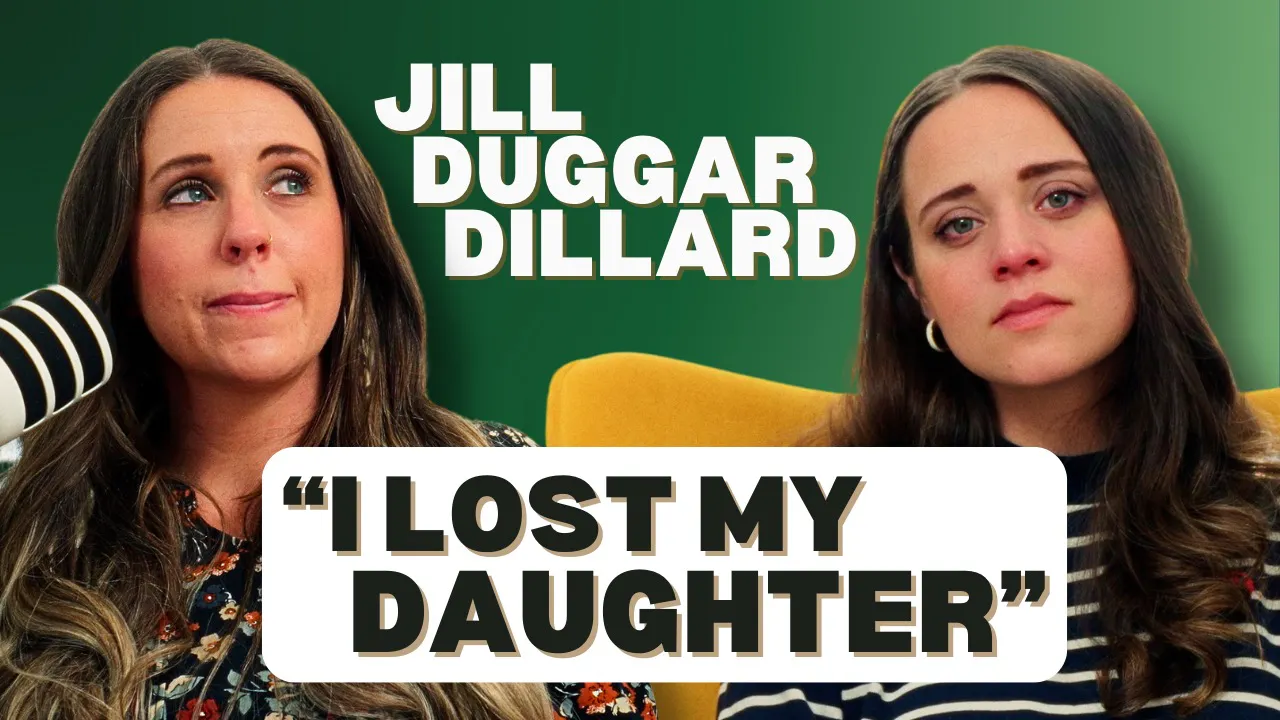
Loading summary
Transcript207 lines
- [00:00]
Jeremy
If you've followed Jill and Derek's story, you know that there have been difficulties along the way in public life and otherwise. We want to discuss what really they would categorize as one of the most difficult seasons of their life.
- [00:13]
Jill
You know, one in three to one in four pregnancies end in miscarriage or loss. The doctor said, I'm sorry.
- [00:23]
Derek
They said, I'm so sorry.
- [00:24]
Jill
And of course, immediately, like, we start crying. And I was like, no, this can't be happening.
- [00:29]
Derek
It's like a bad dream.
- [00:30]
Jill
Nobody prepares you for that.
- [00:32]
Derek
Ye.
- [00:32]
Jill
I remember calling in tears to the funeral homes, asking, can you pick up my baby from the hospital? And I told him, I said, it feels like. And I don't know what this feels like, but the sense that I had was like, to having lost my child somewhere and I can't find them and wanting them to come home and, like, looking for my kid or whatever. We're gonna try and share some ideas for things and ways that people can help, whether it's a relative that's walking through it or a friend. Things that helped us, where we found out about some law that we didn't know existed before this. Things that we hope that will help you.
- [01:13]
Jeremy
What's going on, guys? Welcome back to another episode of the Ginger and Jeremy podcast. And we have back with us Jill and Derek again to discuss a topic that I think will be very, very hope filled, difficult at points, but ultimately encouraging to all of you. We want to discuss what really they would categorize as one of the most difficult seasons of their life. If you followed Jill and Derek's story, you know that there have been difficulties along the way in public life and otherwise, but this one is really at the heart of some of the most challenging times of their marriage and their relationship together. But they've come out of it with hope. And so we want to talk to them about that.
- [01:59]
Ginger
Yeah. So we want to start out, Jill,
- [02:01]
Jill
just by asking you,
- [02:04]
Ginger
what would you want people to take away from this conversation today?
- [02:10]
Jill
Yeah, I think that people can oftentimes get scared off by the concept of loss, or maybe they're just burdened with their own heavy life and topics and all of that. And it's just one more thing that you're gonna. That's hard and that reminder of how life is hard. So I would just say if that's you and you're worried about hearing about another hard thing going on in somebody else's life, that's okay. Like, I want you to find hope in our story and but also, if you need to push pause and take a breather and save it for another day, that's okay, too, because I realized that, and I've been there, and I'm there sometimes. So. Yeah. But I think that, you know, one in three to one in four pregnancies end in miscarriage or loss. And with multiple pregnancies, oftentimes, you know, one woman having multiple pregnancies, I think that can be a lot of women whose lives, a lot of families whose lives are affected by loss. And whether it's a grandparent or parent or sibling or aunt or uncle or whoever, we hope that you find some hope today in listening to our story. And maybe also we're gonna try and share some ideas for things and ways that people can help, whether it's a relative that's walking through it or a friend. Things that helped us and things that we hope that will help you. Well, thank you.
- [03:41]
Jeremy
That's so good. In our last conversation, you guys mentioned how this season was really one of the hardest in your life as a married couple. Can you walk us into what happened? I mean, tell us the story of little Isla Marie and when you realized things had gone wrong.
- [04:04]
Jill
So we have three boys that we're raising, Israel, Samuel and Frederick. And we had also actually had an earlier loss, river, who we lost just before we had Freddie. And that was a super early miscarriage that was still very hard. And growing up in a big family, I'm number four in the Duggar family. So I had been around a lot of pregnant women in our family culture. Ginger knows, like, lots of pregnancies, lots of women having babies, which also brings lots of loss. But as we both know, anytime you experience loss yourself, it just puts things in a different perspective. And as couples navigating that together, it can be really challenging. And as women, we are the ones experiencing feeling the pregnancy, but the men carry a whole weight as well. Yeah, it's their baby, too. And I know, like we talked about in our previous episode, I get really sick in my pregnancy, where Derek really does have to step up a lot to the plate.
- [05:22]
Derek
And so, I mean, we have our weekend shopping trip, so I would just let each boy pick out a frozen.
- [05:29]
Jill
He was taking the boys on the weekend in the middle of. So he's a practicing attorney, and he would be prosecuting crime all week, driving forever and a half away to do this and come home at night, put the kids to bed. I would be. So in my whole first trimester and partly into my second, I get really sick. So I'm, like, pretty much laid up in bed. I cannot tolerate smells. I can't go out. Like, the thought of it is just going to make me vomit or at least feel like I'm going to. And.
- [05:55]
Derek
Well, I was trying to compliment you by saying they didn't eat the same way once she was sick because I let them pick out whatever they wanted to in their home.
- [06:01]
Jill
So he was like. It was, dad rules the roost here. Dad gets dangerous. The kids are, like, fending for themselves with food. He was trying to make sure at least that everybody had vegetables and food to eat. So he would do his weekend shopping trip. He would take the boys to swim lessons. Oftentimes his mom would meet him at swim class. In my first trimester, I would stay home. Cause I couldn't even. I get motion sick anyway. So, like, in pregnancy, if I get in a car to go anywhere, I'm gonna. Like.
- [06:28]
Derek
I couldn't even feed Freddie the right way one weekend. What happened?
- [06:31]
Jill
He didn't. I forgot to tell him how many squeeze pouches Freddie needed. He couldn't. Freddie wanted the blueberries in the shop. He didn't know. Cause he hadn't. I was usually the one covering that. You know, it's not that he doesn't know how to. It's just like, we have our things and we're in our system, and when that gets off, it was a learning curve.
- [06:49]
Derek
He was basically. He was screaming he wanted to eat all the things in the cart. And I told him he can't eat the things in the cart yet. We haven't cooked them. But he's screaming.
- [06:56]
Jill
And I was like, he eats like four squeeze pouches, babe. Or three. You know, whatever it was. And he was like, oh, I thought he ate two before he left. I was like, no, I thought he ate just smoke.
- [07:05]
Derek
I was like, he.
- [07:07]
Jill
He just swam. Like, he needs. Anyway, it was this whole thing. So anyway, all of that to say I was.
- [07:14]
Derek
He nursed before he left.
- [07:15]
Jill
He was pregnant.
- [07:16]
Derek
Like, he's hungry.
- [07:17]
Jill
Yeah, I was like.
- [07:19]
Derek
I felt terrible.
- [07:20]
Jill
He was. It was the first couple weeks. He was trying to take all three of them. Oh, that's crazy. An hour way to swim.
- [07:28]
Derek
Sorry, I don't mean to keep stepping on your words, but, like, he. I felt terrible because, like, I tried what she recommended and he ate like eight of them.
- [07:34]
Jill
Sucked it down, like, whatever it was. He was really hungry.
- [07:38]
Derek
I thought he was, like, in pain or something.
- [07:39]
Jill
You did good.
- [07:41]
Derek
He's starving.
- [07:42]
Jill
He was fine after that. But anyway, all of that to say We. Yeah, the first trimester of so like 2023. End of 2023. Found out we were pregnant.
- [07:56]
Derek
You were pregnant?
- [07:57]
Jill
Yes, well, yeah, I was pregnant. We were going to have a baby. This was kind of going to be in our minds. We were thinking, okay, we're going to t a bow on it. I've had some. If you've read our book counting the cost like you would have known some of our.
- [08:11]
Derek
There it is not advertisement for it. Yeah.
- [08:14]
Jill
We talked about some of our other pregnancies where I've had some pretty rough goes with pregnancy. I had. We talked about our second child, how I actually experienced a uterine rupture which is insane. That like that's. Anyway it's a whole thing.
- [08:31]
Jeremy
So I was under impression, very rare that you wouldn't be able to have children after that.
- [08:35]
Jill
Yeah. So that's also. Yeah. Something that's like uncommon to be able to have children after that. I had to go to like preconception counseling, all of that to even see if we could. We ended up being able to. We had Freddie.
- [08:49]
Derek
I mean we knew we could. We just didn't whether we should safety.
- [08:52]
Jill
Well, that too. We didn't know that we could because for two years we couldn't get pregnant even because all the things and kind of once we did, we miscarried and then we got pregnant with Freddie. We carried him. It was obviously a very high risk pregnancy. Kind of thought, okay, maybe we're done. I don't know. We prayed about it, talked like got counsel. Our doctor was kind of like, well, if you want to try again, like his pregnancy went okay. Like pretty good. My recovery from that C section was actually like the best that I had had. I didn't have a labor. It was like scheduled C section. Well supposed to be scheduled to win a little early anyway. All that to say we felt like we'll try, you know, one more time if this hit and maybe this will be the end for us. Like we'll have four. We'll have the two older kids and then we have a five year gap and then we'll have like the two littles.
- [09:43]
Ginger
We want to take a break for this episode to tell you about every plate.
- [09:46]
Jeremy
We are in that stage of life where we've got some picky kids and busy schedules and every plate has really simplified that because shipped right to your door. The ingred for delicious meals that provide variety and the kids love them every time.
- [09:58]
Jill
Yeah.
- [09:59]
Ginger
And they have pre portioned ingredients and so it's just less mess, less stress. And these Meals can be made, most of them in 30 minutes or less, which is my type of meal.
- [10:09]
Jeremy
Yeah, and keyword affordable. Check this out. If you go to Everyplate, you'll get $2.99 per meal in your first box, plus 10% off for a month. And these are healthy, delicious meals. Go to everyplate.com podcast use code ginger299 to claim your offer. That's code ginger299@every plate.com podcast to get $2.99 per meal. You're not getting a meal for that cheap anywhere. Not one this healthy and this delicious. So ditch the dinnertime dilemmas with Every plate.
- [10:43]
Ginger
We want to take a break from this episode to tell you about Article.
- [10:46]
Jeremy
Look, I'm living proof. I'm sitting on it. One thing I want to mention about article is when you buy like cheap, low quality furniture, you feel it immediately. It's light. You sit in it. Article comes meticulously packaged. It's real wood. I mean, you sit down in this leather chair and you immediately go, oh, this is the real deal.
- [11:09]
Ginger
Oh, yeah, it is so quality. A lot of my siblings got it. And let me just tell you, if they bought couches and chairs from articles, any furniture that can survive multiple kids using it, climbing on it is going to be quality made. And it has lasted for all my family.
- [11:26]
Jeremy
Yeah, you'll have it for years. So you can't go wrong with article furniture. And here's the thing. Article is now offering our listeners $50 off a purchase of $100 or more. So that's a great deal to claim. Visit article.com ginger and the discount will be automatically applied at checkout. That's article.com ginger for $50 off your purchase of $100 or more. What a great way to get started with some really quality furniture.
- [11:49]
Ginger
Now back to the episode.
- [11:51]
Jill
So when we got pregnant at the end of 2023, we were really excited. We told the boys and of course then boom, nausea hits in and I'm laid up on the couch for three months or so. Then everything was going along well. I'm having my appointments and checking my levels, doing all of my things.
- [12:16]
Derek
And you were your own midwife?
- [12:20]
Jill
No, I had an OB checking in on me. But I'm a little OCD when it comes to everything.
- [12:26]
Ginger
Most of you probably don't know, but Jill was in midwifery school. So you're.
- [12:31]
Jill
I became a licensed midwife. Yes. And I'm not practicing.
- [12:37]
Derek
Yeah.
- [12:37]
Jill
Your license still. I. I kept my license inactive. Like I kept it there for years. Actually until this year, I just. I didn't want to have to keep up with the requirements and all to keep my life. So many. You have to get like so many ceus. So many. Like all of these things, of course, money too. But like all the things that I was just like. I don't foresee myself going. I love like birth and all of that, but right now the where I'm at, I just. Yeah, I like kind of the side of maybe childbirth classes, lactation consultants, something along those lines that's a little bit more family friendly as far as work schedule goes to. We don't have a lot of birth centers, things like that here. So anyway, I'm not like saying no to that, but I just. Just for the season right now, I'm just like I pushing pause on that. So. But all of that to say I'm very like, overly concerned about pregnancy and myself and my body and making sure that people that I love and care for are taken care of, including my own baby. So I was monitoring things at home and everything looked like all was good. We had our appointments regularly scheduled and we were. I just made it into the second trimester and we were looking forward to finding out the gender and all of those things right around the corner and ended up having like a few weird symptoms that just made us uncomfortable and had some spotting and we had just dropped off the kids at their church program. And I just. A few different symptoms came into play. Like there were like about three different things that, without going into too much detail, that made me very uneasy. But I kept reassuring myself. I was like, no, I think I felt the baby move. Like, you know, like, you don't want to just tell yourself the worst because that can also not be healthy. And.
- [14:58]
Derek
But I mean, for that day, it was Wednesday night. Our kids were already at church. We went to the ER and got the bad news. Like we knew that that's. I feel like both of us kind of knew that that was a possibility.
- [15:15]
Jill
And once we saw the symptoms. Not just.
- [15:18]
Derek
No, once we saw the symptoms, like, once there were once a few things happened that we didn't have much time. And that's whenever Jill and I were talking a lot from work and home about like, what we should do because time is short with something like that. And she was asking me, like, whether we should do certain, like one thing or another. And I was like, well, just do everything that you think you should do so that you don't have any regrets. Like, do reach out about getting this Birth certificate reach out about, I think, without getting.
- [15:52]
Jill
I think, like. So we went to the er. We. It was at that point that they ran all the tests. I also asked them to check on a few other things that I wanted to. Like, you had said, like, do whatever will help you have peace and whatever you need to know right now, like, you know, do I have this infection or that thing? You know, like, these things that maybe aren't standard. But I wanted to know. I was like, I have to know for my peace of mind. Like, are there extra things that, like.
- [16:24]
Derek
And you can't go back and find out.
- [16:25]
Jill
You can't go back and find out. Like, I want to know tonight, this or that or in three days or whatever. So we had them run some extra tests. We had. We immediately. So we went to the hospital that was closest to us at that point, and the doctor said. I think he said, I'm sorry.
- [16:44]
Derek
He said, I'm so sorry.
- [16:46]
Jill
And of course, immediately, like, we start crying. And I was like, no, this is not. Like, this can't be happening.
- [16:52]
Derek
It's like a bad dream. Yeah.
- [16:54]
Jill
He said, but I'm gonna call in the ultrasound tech, because, you know, it was after hours, and this was a smaller hospital. He's like, I'm gonna call an ultrasound tech. You stay here. We're gonna double check. He's like. Cause sometimes, you know, we can't get a good look at everything. Cause this was just like the ER one. And so, of course, we knew immediately that we had lost the baby and with the other signs and stuff that I was having. But then it became also where we had to make decisions. And that's where you were saying, like, just trying to make those decisions about, like, you know, do we want to be induced? Do we. Can we. Whatever. All the things. So immediately we called my hospital, which was about an hour away, which is like the bigger, better hospital that I go to. And thankfully, the same doctor was on call who had delivered Freddie, which was just another God thing. I felt like God was giving us peace in that. And she gave us advice like, you can have all that testing done tonight, and I will follow up with you tomorrow. If you want to come in tomorrow, I'll see you then. Or you're. There were a couple doctors I was working with, and so that gave us enough peace to go home. But it also. Going back to just the season of life that we were in, it was really hard, which I think a lot of couples can relate to. When you have. When you're thrown a curveball like this and your work and life is not flexible. Like, trying to see, like, okay, if we're going to be having a baby. Yes. Not under the. Not like a full term birth. There's still a recovery period. There's still like postpartum. It's still very medically involved. People see it different. They visualize that different. You don't get maternity leave. Like, Derek doesn't get two weeks off for paternity. It was this really weird place to be.
- [19:05]
Derek
More sudden than you're expecting.
- [19:08]
Jill
Yeah. It's not like you called in. This is trial season for him. He can't just take off. Like, if he does, then somebody else has to cover for him. And they're already maxed out. So we are trying to make these decisions. These are the things that couples this. It's not only the loss itself, but these are the things that put strain on marriage. When you're facing decisions like this that are in addition to just, we lost our baby. Like, these are the things that add to that, like, oh, do we decide to be induced and pick the day? Can we do that? What are the evaluations that go into that? You know, like, how long is this gonna take? If we do the induction do, blah, blah, blah. You know, all the things. There's so many decisions, and then you gotta recover and who's gonna watch the kids and who's gonna help you? Is he gonna take off to come home? Are you gonna have a funeral? That's another day off work. Like, all of those things that you're like, why then you feel guilty thinking these things. Thankfully, we'd been married long enough that, like, we could talk through some of this. And yeah, it got heated at times because I'm like, this is so important to me.
- [20:17]
Ginger
We want to take a break from this episode to tell you about Cozy Earth.
- [20:20]
Jeremy
How do you show yourself a little extra love as winter is winding down, but it's still chilly outside. And at night, get yourself some Cozy Earth. Whether it's the bamboo pajama set, whether it's the bubble cuddle blanket, bamboo sheet set, slippers.
- [20:36]
Ginger
I have my slippers on. I've been living in these running around the house all morning. And they're so comfortable and cozy.
- [20:42]
Jeremy
You're not going to go wrong with Cozy Earth. We love it and we live in it.
- [20:46]
Ginger
Yeah, their sheet sets are incredible. They also have 100 night features, free trial where you can try out the sheets for 100 nights. If you don't like them, you can return them. But we know you're not going to return them at the end of that hundred nights because they are so soft. Everybody who uses our guest bed, they always want to know where our sheets are from.
- [21:05]
Jeremy
So if you're a long time listener of the episode, or if you've just been listening for a few episodes, you probably already know what to do. Go to codes zeroearth.com use code ginger. That's J I N G E R for up to 20% off site wide.
- [21:17]
Ginger
Now back to the episode.
- [21:20]
Jill
Thank God we had like family close by and church family who were able to step in and like our pastor's wife and our small group who stepped in. And like, I mean if it weren't
- [21:36]
Derek
for our church family, I don't know that we would have made it through. And that was something that I knew I had experience with before we got married because I don't think I would have made it through without my church family when my dad passed away.
- [21:47]
Jill
Because I think you have to be proactive. That's the thing too is like proactive in the way that life will throw you curve balls. Life will give you a run for your money. And you have to be proactive in building your community before you're met with intensity and hard situations. Because it will come inevitably. And that's not to be pessimistic. That's just to say, like you will face hardships, other people will too. And you need community. That's how we are as the body of Christ. Like when Derek lost his dad, like thank God he already had his community because it would have been so much harder if he already hadn't gotten plugged in in his first semester of college if he didn't have a church family. And then he's trying to reach out in the middle of that weeks into school or whatever.
- [22:36]
Derek
Like life's not going to stop and you can't wait until something tragedy happens to decide to build up a false sense of community because you're not gonna get that.
- [22:46]
Jill
So it was then that our small group set up a meal train which I highly recommend if you know anyone who is going through loss or anything that. Well, it was my sisters that set up the meal train. But our small group came. That's what it was. Sorry not to give credit. My sisters were amazing. Like stepping in even from afar, Ginger sending me things and just loving on us in those ways.
- [23:08]
Derek
So like we had a big care package at work. I got back, yeah, your friends at a big old basket of snacks and goodies.
- [23:16]
Jill
Practical things like that, ways to show love to People. Yeah. And then our pastor's wife coming over, and our pastor and his wife just helping us. Like, even just like. So fast forward a few days. Then once we delivered, Ailah and I had. I don't want to go into too much detail, but it was very traumatic delivery process. All of that I had, because of my history as well, had some extra layer of complications with that. And so on top of the loss, on top of just grieving as a couple and as a family, like, trying to navigate that. And so when we came home. Nobody prepares you for that.
- [24:06]
Derek
Yeah. I was gonna say real quick, like, on the day that the delivery happened, there were a few things that were, like, special. They weren't just coincidence, in my opinion.
- [24:17]
Jill
Oh, yes, you should definitely.
- [24:18]
Derek
Yeah. Like, even the time that she was born, like, they gave her range. And I said, what about. And I even asked my. I said, if you had to pick a specific minute, what minute would you say is the closest? And I didn't give them any information besides that because they said it was about this time to this time. And they said if we had to pick a minute, about 140, probably. But that was the time that I was born, so we thought that was kind of cool.
- [24:43]
Jill
Yeah. And March 19th is her birthday, and
- [24:46]
Derek
then March 9th is my birthday. Just with the one added
- [24:52]
Jeremy
in those early. Yeah, that is special. And those little providences that I think sometimes the Lord arranges maybe to tell us, to show us how much he cares about the details, how. What did grief look like for the two of you in those early seasons, early stages of grief? And how did you two grieve differently? I mean, it must have impacted you in a way that maybe impacted you differently. Derek, how did.
- [25:22]
Derek
I think it's kind of going back to what Jill was saying. It's harder once you get home. And people in their minds think that all the events have happened now. You're just left with you and yourself and your emptiness. And that is what is hard. That I think Jill was referring to that people don't prepare you for. And I, as much as I could, tried to assure her, I want to be there with you. Like, I want to.
- [25:46]
Jill
Well, because it was hard. So we found out that we lost her. And then he was. He took off. They were like, take off the next day so you can go to that appointment and the ultrasound. And, you know, he texted his co workers and all. They were like, we're so sorry. Well, then he had to go back into work, like, before I delivered her. So I'm like, Freaking out, like. And he. But he was like, well, I would rather, you know, I would rather him be off delivery day than, you know, another day. So, like, we're even navigating that, and I'm texting my neighbor, hey, if I have to go into the hospital, like, can you watch my kids? And like, you know, like, all of these things that you don't think about that just add stress and. And it's hard. But, like, he went into work and he's like, I really feel like I just have to, like, as far as grief goes, like, check into work, focus there. And he's really good at that. But, like, it was hard, I know, for him, too, to check into work and then know that I'm at home. But we tried to communicate as much as possible. Like, if I could text him and he could take a minute to read a text on his lunch break or whatever, I'd be like, hey, like, I busied myself. And that's how I got through was. And I would encourage other people. If you're walking through this. Cause a lot of times there is a period of time between when you lose the baby and you find out you've lost the baby to when you deliver. And for me, I'm a doer in that way. And for me, it was really helpful to busy myself with things that applied to the. To the delivery, to making decisions, to getting footprints, to getting all the things in place that I. That I needed for my headspace and call me crazy overdrive, whatever, because I think that's a natural instinct for us mothers. Whenever it's nesting, I mean, that's what you're doing. You're not bringing home a baby, but, like, it is nesting in its own way.
- [27:42]
Derek
I think it was hard too, like. Like doing juvenile law and having filing cases where you're trying to take parents rights away from their babies.
- [27:53]
Jill
We did talk through a lot of these things.
- [27:55]
Derek
We talked through a lot of that. And it's hard to.
- [27:58]
Jill
Hard to not be angry.
- [28:00]
Derek
I can compartmentalize in some ways, but otherwise it's very difficult. Like, if I've. It's hard to be angry in some respects. And you're either talking to, like, an abuse survivor or you're talking to someone with dhs, but working through a case with infants who, you know, are fine and not fine, but, like, you're dealing in cases with babies a lot, and those are particularly difficult after that.
- [28:31]
Jill
So, like, the contrast of him fighting for people, fighting against the system, you know, people who. Not against the system, but Helping well, victims and just get very jaded.
- [28:44]
Derek
Like, one of the early cases that came back around a lot around this time was like, there was a baby murder case. And I think cases like that are hard.
- [28:55]
Jeremy
Would it make you angry because all you wanted was to hold your child and hear parents were essentially by their behavior, letting theirs go?
- [29:03]
Jill
Yeah.
- [29:03]
Jeremy
Is that what made you angry?
- [29:04]
Jill
Yeah. Or not showing up to court to fight for their kids at all. Like, they just don't even show up and the kid goes to whoever. And like, in here, you know, loving
- [29:15]
Jeremy
here you are valuing life so dearly.
- [29:17]
Jill
Yeah. And like, while he's in court, obviously fighting for kids, fighting for families, fighting for, you know, he had some very happy things too, like adoptions and those happier moments where it's still trauma, but it's like you're getting to see the happier side of it. But like, yeah, literally at the same time, while he's dealing with that at work, here we are losing our baby. And we wanted the baby. And like, baby, like, life shouldn't depend and the value placed on life should not depend on whether the baby's wanted or not. But, like, the people that don't believe
- [30:00]
Derek
in the sovereignty of God would think there's something messed up here. Like, why? And I think that's common, that people realize that there's couples who are perfectly. Not perfectly, but like, well equipped and want a baby, and there are others who don't, and then they have a baby.
- [30:16]
Jill
So, yeah, it was just hard. It's just one of those things. You're like, this is hard. This is not easy to walk through at the same time simultaneously. That was like, you know, he's dealing with this and he's like, it's hard. It sucks because, um, yeah, just seeing. Seeing that side of it as we're walking through this. So deliver. We. We had the delivery, we came home from the hospital. And that's what I was saying, like, nobody prepares you for that. Coming home with empty arms. And we did eventually bring her home after we had had all the testing done and everything that we wanted done, but to bury her and give her a proper burial. But that coming home with empty arms
- [30:59]
Derek
was just when you were leaving the maternity ward and you want to have
- [31:05]
Jill
a baby with you, you come home and you're like, I've brought another baby home to the hospital. Like, three babies home. And we didn't know what to expect, honestly. Our pastor and his wife had said, like, if you need us to come, like, let us know. We're like, okay. We'll let you know. We were just like getting through the moment, preparing and thankfully we'd had a few days to like look into our options, get things in place that we wanted in place, which we'll go into more in a little bit. But like there are so many things that thank God we had more time to kind of research. And that's what I did was like, I researched like top to bottom. And Derek was like even as much as he could. Like, so I'm so grateful. Cause he, I would, I would text him about something and he would be like, I'll look up this law, da, da, da, da da, whatever. And so like using our gifts and our skills to hopefully help other people as well, where we found out about some laws that we didn't know existed before this, that now we can help other people. But anyway, fast forwarding. So the day we came home, yeah, we just walked. We had a friend who had just dropped off dinner and I remember just like crying in the driveway and just bawling my eyes out and like, this is not the way it's supposed to be. And I was, I couldn't even walk. Like my legs were so heavy and like obviously the emotional side of it, like you're just like. I could walk but like it was just so, like just my legs were so heavy. I just felt like almost like I was going to pass out because it was just so much and like I had to have help doing everything because I just. It had been a lot. Like there'd been a lot.
- [33:02]
Derek
You still had a procedure. Like you're, you're still having to recover from.
- [33:05]
Jill
Yeah, the blood.
- [33:07]
Derek
Yeah.
- [33:07]
Jill
Like it, it's postpartum. Like you need help. And for anybody who doesn't think it should be, I mean, I think that women should be given a period of time off if they've lost a baby, just like they have. If they've had a full term pregnancy and delivery. Like you may not have the same, the same exact process healing on the outside or wounds or whatever, but your body still has to recover. I couldn't lift things. I couldn't. You know, they're like, don't lift anything over ten pounds. Well, I have a three year old who still needs diaper changes. Like I had to have help for weeks with things around the house. And so yeah, at the time it was really hard. Cause Derek was torn, I think too between. We would talk as much as we could in the evenings about just before he went off to work. But it was also hard for him to like shift, I think, back into like the grind in the morning to go back to work and all. But yeah, we talked a lot about just that process and thankfully we had help and we, yeah, your mom was
- [34:17]
Derek
there to help out.
- [34:17]
Jill
My mom came and stayed on our couch and was there to help me, make me soups and take care of the kids. And then, yeah, we had friends who were bringing meals, which was amazing. And then. And we planned a funeral because that was something that we really wanted. And I felt like it was like, no matter. I think anybody at any stage of pregnancy, you can minimize it. You can say, oh, you're only this many weeks, you're only that many weeks, or whatever. It doesn't matter. Like, whatever you feel like is going to help you remember your baby and remember their life in a significant way. Obviously at some point in the pregnancy there's like mandated state laws that you have to. But like bury the baby a certain way or whatever. But like, it was really helpful for us and for me that we do as much of the grieving in a tangible way as possible. So. And I had seen my mom grieve, I had seen my sisters grieve, losses, I had seen other people. So I was able to like, incorporate some of those experiences and thankfully have more knowledge and more resources at my fingertips because of that. So I reached out to my friends, everybody from a nurse friend at the hospital who was there to help me, which was amazing. I'm so thankful for her. She made my experience so much better than it would have been otherwise under the circumstances. And two, my friend who makes baby liets, Holy Sews, that's an organization that makes little baby wraps and clothing. And you can get one to keep for the keepsake box and then one to bury the baby with or to hold the baby. Because when you have a baby that's born kind of in that window of second trimester where the baby's really small, or even late first trimester, the baby's really small, but not quite big enough for baby doll clothing or regular clothing. Then you can, like a lot of times, like hospitals may or may not have like a blanket or some little special something, but this set is called Holy Sews and it's a volunteer group of ladies, oftentimes in Catholic churches who make these special sized clothing that fits the baby so you can have something to hold the baby in off and like a little hat and stuff, things that just with. Because their skin is also very fragile. So they think of everything, like the details. It's just so Sweet. So things like that, I was able to, like, reach out to people. She went above and beyond. She monogrammed our little blanket, and then the hospital had things like poppy plates, and my friend had, like, a little box she gave us and then books. That was another way that I processed. But doing things together as a family. So we went the cemetery that we buried Isla at. Another thing you can check into. Most cemeteries have a babyland area, which a lot of times they will offer regardless of the gestation. It's like a year and under. So, like, any time through pregnancy up through one year old, they will oftentimes offer a plot for free to babies. All you have to pay is the opening and closing, ground costs, and by your own vault. And that's how it was at this cemetery, which I think a lot of parents don't know about. I had friends that I talked to who didn't know this, and multiple places will do that. Also. I called around before I even had Aila while I was pregnant, immensely hard. I remember calling in tears to the funeral homes asking, can I. Can you pick up my baby from the hospital? And because I was early enough
- [38:40]
Derek
that
- [38:40]
Jill
it was like, you know, I'm trying to figure out, like, I don't want her to get lost in the shuffle. And, like, after testing, can I. What are my options for cremation, for picking her up? Do I want her. Do you, like, do we want her cremated? Do we want to bring her home? Like, what are those options? They assured me, they said, we have a cost that's, like, way cheaper than normal for stillbirth or early miscarriage or even. They said, even the funeral home that I called even said, like, it doesn't matter how far along you are. So I was able to pass that information along to a good friend of mine who had a miscarriage, whose husband was in the military. And she was able to go get her baby cremated when she couldn't have a place to lay her baby to rest. She was able to take her baby, you know, home. Unfortunately, not the way you want to, but be able to have self transport the baby to the funeral home and then have her baby cremated so that no matter where they move, they have their baby. So things like that, that I'm like, these things are things you don't want to have to think about, but when you're presented with this, these are the things that can make the difference for you. And I told Derek, I said, coming home without our baby in our arms, I was a train wreck. Like, it was like Nothing I've ever experienced before. The sense of loss and just, like, detachment from this piece of you that, like, you really want to hold and all those nurturing things about you as a mother. And I told him, I said, it feels like. And I don't know what this feels like, but the sense that I had was, like, the closest feeling that I could feel to having lost my child somewhere and I can't find them and wanting them to come home and, like, looking for my kid or whatever. And, like, obviously, like, I know it's different, but, like, if you had lost your child or whatever, like, that was the feeling, the utter, like, just, like, feeling that I had where I just, like, almost, like, inconsolable. But, like, I knew I was resting in Christ and his. Like, basically, I might not be resting too much right then, but, like, I knew that he promised to carry us through. Did I doubt it? Maybe. Maybe some at that point, because I was, like, really, really struggling. But. But as I was, like, crying and rocking in bed and Derek's holding me, and we're talking through it all, and it was at that point, I think, that we were just. I was like, I don't have a baby to hold. Like, I don't have. I'm feeling all these things and, like, in pain and, like, feeling very postpartum. But, like, then we called our pastor and his wife to come because we were like, okay, we need them. We need them to come pray for us. Just cry with us. Just be there for us. And that was really, really helpful.
- [41:50]
Derek
And so I think going back to, like, having that church family, Jeremy and Samantha, our pastor and his wife were, you know, vital in that period. God.
- [42:00]
Jill
And then they came and checked on us, like, multiple times in the next few days and brought flowers and just, like, even if just for a little bit, just the checking in and not, hey, how are you? Like, that is, like, not what you want to say.
- [42:18]
Derek
Lots of things not to say.
- [42:19]
Jill
I don't know.
- [42:20]
Derek
How are you?
- [42:21]
Jill
How are you? It's like, what do you say? Like, I'm terrible. Like, honestly. But better would be, like, thinking about you today, praying for you. Stuff that doesn't require a response sometimes is helpful. Thinking about you, praying for you. Love you. Hey, can I drop off something at your doorstep? Or can I. Would it be helpful if I do X, Y, Z? Can I like specific things?
- [42:52]
Derek
Not just what can I do for you?
- [42:53]
Jill
You have to be close enough to earn that. Because some people are just curious, I feel like. And want to, like, be nosy. Thankfully, we didn't have a lot of
- [43:05]
Derek
that, but we had someone after river who literally just said, I clean houses. Can I come over and clean your house?
- [43:10]
Jill
Yeah, yeah. Like, I had a friend. So, like, things like that that are tangible and then anything that can be done by somebody else can be really helpful. So sometimes it was helpful to have somebody watching our kids at our house so that I could still feel like I was close enough to be mom if I needed to. And sometimes it was helpful to have a two hour break where somebody took the kids somewhere else and I could just take a nap. But yeah, it was also really, for me personally and everybody grieves differently. And that's something that's important to understand is like, how you grieve may not be how the next person grieves,
- [43:53]
Ginger
but
- [43:53]
Jill
for me and our experience, for me, it was easier for me to busy myself with things that applied to Aila because really it was like the last, the last bit of parenting that we would get to do. It was the last thing that I could do as a mom or him as a dad to like, be the moment, be the dad, do the things. You know, she won't be toddling along with us to go fishing, or she won't be in the little baby backpack on our backs as we're walking along on family walks. But like, what are the ways that we can also show our boys and incorporate? I mean, they knew we were pregnant, they knew they were bringing me, they were taking good care of me, you know, while I was sick in those months leading up to the loss, they had little menus, they had made me that they were making my foods and all of these things that we ended up saving and we even incorporated we. So, okay, but all of that. Sorry, I'm like rabbit drilling here. But we. I'm just a very tangible person anyway. And so literally I looked up. You're kind of on a time crunch too. That's the other thing that's really hard with funeral planning and all of that. So I would ask, like, if you can, especially if you're cremating your baby, but also if your baby is gonna be in any kind of like, have the ability to wait like at least a week or whatever where you can get some things in place, like, don't rush yourself too quickly. Family, friends, people want to make plans, all of those things. But just breathe for a minute. As hard as it is, Google, make a list of things that are important to you. For example, we were able to order these little seed packets for Isla for Her funeral with her name and, like, a little heart. I should have brought one, but with, like, a little heart so that people like. It meant a lot to us to have something for people to take home whether they planted it or not. It was little seed packets to, like, remember her by. Things like that I was able to, like, gather up.
- [46:22]
Derek
Cause it was springtime. So it was incorporated into what would
- [46:24]
Jill
be useful for people to, like, gather up toys to make, like a little baby display thing at her funeral. We were able to take time to the boys and I went shopping once I was able to be up and around, like, to go get flowers that we then made her own little casket spray with false flowers. And we went shopping together as a family to get. Because we were buying a vault to put her in. They said, well, because of her gestation and all that, you can use any box as long as it goes inside the vault. So we got matching boxes. And my mom had actually done something similar when she lost my youngest sister, Jubilee. We just went to Hobby Lobby and got a little box that her body could fit in and then got a matching one that was a little bit bigger for like a keepsake box to put all of her things in. And we did that as a family. And as weird as it sounds like for us to remember those moments, like, we took pictures of that as well, which.
- [47:33]
Derek
Well, and to remind our kids, like, all along the way, there have been things we've mentioned that we want to do to bring value to life.
- [47:41]
Jill
You can always delete pictures, but that's another thing is, like, do not feel guilty about taking pictures. Take pictures of their hands, their feet, the little baby, anything size wise, all of those things. Because you can't go back and get those. If you have the option to take those, like, do that. Because you can always delete them, but you can't go back and get them. We even took some discreet pictures where you can't see anything. But we know, you know, like, here's our baby. And that's where another thing, the holy sews, like layettes and all that come into place. Cause it gives you something pretty, something specific.
- [48:19]
Derek
And for Freddie, who's younger, he's not gonna remember it. So having the pictures for him reminds him that he's an older brother.
- [48:25]
Jeremy
I was gonna ask about the boys.
- [48:26]
Jill
We have a picture on our wall. Like, we have several pictures in our house.
- [48:29]
Derek
And the books, even before we lost Isla, we had the books to talk about, you know, pregnancy. Pregnancy stuff.
- [48:35]
Jill
We watched the videos every week. We watched the baby videos hey, Mommy, is it time for another video?
- [48:41]
Jeremy
Yeah.
- [48:41]
Derek
Every week, it was a weekly, weekly routine in, like, Holy Sows. In any way that we could recognize that no matter what the gestation is a life, is a life at conception. That's why I. And just briefly, to mention, like, probably the legal test that I abhor the most is just like the viability test. That is when that's what would define an abortion. And, you know, science changes. So, like, if truth is truth, then, you know, what's viable now doesn't cease to become a life whenever it wasn't viable a few years earlier, before science caught up.
- [49:19]
Jeremy
You know, there's something about Christian history that is really beautiful here, even as you guys have honored Aila and you've honored river with the funeral even, and demonstrating, like, there's dignity to human life, no matter its age. And I was reading about early Christians in Rome during the time when exposure was legal, which was their form of abortion, they obviously didn't have the technology to perform in womb abortions. So they would wait for the child to be born, and then they would decide, and it was typically the father, if they would keep the child or not. And if it was a girl, you know, the girls were killed most frequently, but to get rid of them, they had a practice called exposure. And they would just leave the child outside. They would either leave it on their front doors in kind of the slave quarters, or they'd put it at the foot of a foothill or something, and the child would die from exposure to the weather or coyotes, wolves, whatever, would come and get the children. And what Christians would do is they would have this practice where they would just walk around the streets at night, and they would gather the children that
- [50:31]
Derek
were exposed at the firefighter boxes. Now, basically, yeah.
- [50:35]
Jeremy
And they would take them in. And the beauty about the Christians is they would adopt the children as their own, even though often these children were slaves. And so in the society, they had no dignity. And the children would grow up not knowing any different, that they were that families. But for the children that were already too exposed and it was too late, they would grab the children, whether they had passed or soon passed afterwards, they would bury them, and they would take them down to the catacombs and give them a proper burial. And this is actually where we get, you know, we say rest in peace, because the Christians would write on their little graves in pase or innocence, which is really beautiful, the innocent. And so the Christians, it's always been our history to give dignity to human life, even life that society or, you know, society will blame science. It has nothing to do with science, people. You know, the abortion argument has changed. They used to say, well, it's not a child. And then we gain technology to understand it is. And they go, well, it's the woman's right. You know, they have to change their argument because science obviously verifies it's human life. But Christians have always been about dignifying.
- [51:49]
Derek
Well, and you touched on something interesting there because it's the church that has stepped into the role and now needs to continue to step into the role that the government tries to step into. And if the church would be the church, there'd be a lot less need for a lot of the arguments that are going on or government to have to do something that was really meant to be done by the church.
- [52:10]
Jeremy
But it's just incredible to see you guys. Your response to honor and dignify, that's the Christian response. And I wonder, I mean, there's so many questions and thoughts as you've shared, Jill, so powerfully. I want to know how did the boys respond to all of this when they attended the funeral, when they processed this. They're young, but what was their response?
- [52:39]
Jill
Yeah, I think our kids definitely, like I said, knew that I was expecting the baby and had been very involved in the process. Listening to the heartbeat, all of those things along the way. So trying to explain to them in their own way. And I love the book I Will Carry youy by Angie Smith. There's a song by the same name. But she shared some really, really good, practical ways that she talked to her kids when she was pregnant and losing their daughter and working through that, she had great ways. So I stole some ideas from that. But also just kind of, as we had conversations, we told our kids, we sat them down and told them that Isla had died. We feel like it's very, very important that we use normal, regular terms for things for a multitude of reasons. But we wanted to specifically say our baby had died and not say fluffy words, went to be with Jesus, whatever. I think also our experiences, someone close to Derek had lost a parent at a very young age, around two years old. And later on speaking about that experience, two or three, three later on speaking about that experience was confused because family members back then had sent this child away and just told the child, after being with a stay at home mom and the mother had died, they said, you know, mommy went to be with Jesus. Well, he's like mad. Who's this Jesus that's taking my mommy? Why Is Mommy not coming? All of this. So, like, we feel like it's very important that we use, like, clear language. As hard as it is as parents, it's often easier for kids to understand. But also couple that with saying, like, but the baby was very sick. The baby was very like. And we had to emphasize very, very sick. Not with a sickness like we have, but something that caused the baby to die. That now when someone or something dies, we must bury the baby or bury an animal or whatever the thing that we're talking about. But anyway, in this situation, we told our children, especially our little one who doesn't quite get everything. We said, you know, Mommy, remember how Mommy had the baby in her tummy? And even for a while afterwards, they were still. Well, Freddie especially. Cause he was so little, he would still kiss my belly and Mommy with the baby. But we said, you know, the baby came out of Mommy's tummy, and the doctor had to, you know, help the baby come out of mommy's tummy. And then we showed them. Yeah, but we showed them the box, and we said, the baby will go, you know, in this box, and then it will go into the ground. We'll bury the baby. So we still. So at that time, they. They. I think they asked a lot of questions. And it was interesting to see how different ones processed. And without going into telling their stories too much or into too much detail about our children, because we do try and keep their lives private for their own reasons. But as far as, like, just navigating it as parents, from our view and with kids, we knew we wanted to be clear, use clear language. We knew we wanted to communicate that it was a very real experience that all of us were having. We wanted them to, on their own levels, not to not put our grief on them either. That was another thing we wanted to be careful of, not come comfort Mommy and Papa, you know, in our grief. We are here for you and we're here for each other, but it's not your responsibility as the child to comfort us and be our crutch. But we did want to incorporate them into it. So we let them help in their own ways. We let them pick out the flowers for her casket spray. And do you think this one's a good one, or do you think that one? And I FaceTimed Derek at work for one of the times we went that he couldn't be there when we were going and picking out a few greenery items and different things. We took pictures along the way. And then they each got to pick out some flowers to just help them be a part of it. And then they helped clip the flowers and then they helped, you know, where should we put these flowers? It kind of just lightens the mood a little bit too. So I was really glad that we could do that. And then the day of, well, leading up to her burial and then the day of her burial, a friend of mine had encouraged us. She was like, hey. And I hadn't thought of this, so I was glad that she brought it up. She was like, you can put stuff in the box like with them, bury it with them, other than just a teddy bear or a special whatever. So she said, you can put pictures, you can write notes to them. I was like, that's so great. Like I had, you know, and when you're in the fog, like you're not thinking about it. So we had the boys, like for Freddie it was just I traced his hand and said to Ilya, you know, from Freddie, your big brother, because this is his first time being a big brother. And so we did that. We wrote little notes and took little pictures. These are things, places we would have wanted to take you, things we would have wanted to do.
- [58:10]
Derek
And that was what was special about having the bigger box that we got matching from Hobby Lobby was that even though we were burying the smaller one in the vault, that we still had a matching larger one that we could put her lay at. And we got pictures, pictures with the
- [58:24]
Jill
empty box with the kids. We got pictures with certain stuffed animals that people had given us or that we had gotten. It was Easter, so around Easter time. So bunnies are a thing with Isla where that's our little anything spring related bunnies for her.
- [58:44]
Derek
So we had, we got matching ones. We had one with her and we
- [58:47]
Jill
did even our children's church, the boys even, it was really sweet. They had found a bunny at their kids church that matched one that we had at home. And she was like, you take it, you take it. They were so happy. They came home and they're like, mommy, we have this bunny that matches. And Ms. Lisa said we could have it. And they were so excited. So anyway, things like that to incorporate for the kids to be involved on their own level. And everybody had their different ways. Some are a little more stoic about it.
- [59:17]
Derek
Well, I mean mad down to one year old. So like differences in the ages that
- [59:21]
Jill
they're not processing, they're not going to process the same way. They're not going to always. And they're boys too. So that's its own dynamic. So like they weren't always, you know, everybody's going to be different in the way they process and the questions they ask. There were a lot of questions. So we tried to involve them in all of that. And then, and I felt like for us it was really important to have the funeral, to have the burial. We all gathered around and each of them got to help, like put a little bit of soil on top. And now it's a place like they saw the process, they saw mommy pregnant, they saw, you know, the start of the burial, you know, and then, and now we go back to Isla's grave and they know this is where she is, this is where she's buried.
- [60:08]
Derek
And it's a special place where there's a pond.
- [60:11]
Jill
They can fish, they can fish, they can go. Yeah. And the lady told us there, she's like, come, we're overstocked, come fish. So they have something to do. And we go there too.
- [60:20]
Derek
And yeah, we've eaten fish this year from that cemetery.
- [60:25]
Jill
So it provides a light hearted thing too.
- [60:29]
Jeremy
Yeah, you're connecting good, sweet memories with the memory. They're sick.
- [60:32]
Jill
We are. And so, yeah, and we hauled that
- [60:35]
Derek
fish on top of our car the rest of the day before we took it home and ate it.
- [60:38]
Jill
We did. But anyway, and then, and real quick, we had a few other things too that were really helpful that we found out about in our time of research. From the time that we found out we lost Isla for a few days there till the time we had her, we like I poured myself into just figuring out everything. A birth plan, essentially what we wanted in burial plan. All of these things that know you. Some of it you have to have in place beforehand. So I would highly encourage you if you have lost a baby and, or if you find out that you're going to have to deliver imminent, you know, deliver, delivery is imminent, but you have a few days, take those few days to really pour into doing things. It'll busy your mind and help you feel like you're doing things to be that parent for the last little bit, if that's the way you choose to grieve. We were able to find, and Derek helped find in Arkansas, even some laws.
- [61:33]
Derek
Yeah. And there's other laws in other states that are probably very similar. But here it's Paisley's law so you can get a tax credit, which it's not about the money, but it's about a law that recognizes the fact that
- [61:44]
Jill
this is, it was a validating thing
- [61:46]
Derek
that validates you in realizing that this is another child. That you have given birth to in whatever way that is.
- [61:55]
Jill
But you have to get that to get that. Like, you have to get the stillbirth certificate, which you have to have on the delivery day at the hospital. So a lot of. And in Arkansas, it is available to anyone who has carried a pregnancy past 12 weeks. So even if the baby's measuring smaller, you can still apply for and get that stillbirth certificate, which is different than a death certificate, different than a birth certificate. So there were two. There was a birth certificate that resulted in a stillbirth, and then there was a death certificate. And so but you have to. You have to notify your doctor before you deliver. So that was something that. If I hadn't looked it up, I wouldn't have known that. And then that will allow you. Once you get that, then you can apply for the death certificate and then you can get the credit, which it's just. It's more about the seeing your baby's name on something. Seeing your baby existed. Seeing. Like, when we got that in the mail, I mean, we both cried. It's just like she was here. Like, she.
- [63:03]
Derek
We have her certificates just like we have at the boys birth certificates.
- [63:05]
Jill
Yeah, we have it. Like, it's something that is tangible. Anything that's tangible that you can hold onto, that you can touch, that you can. I don't know, it's just. There's something to it. Anybody who's lost a baby can relate to that. And just like knowing that. So.
- [63:24]
Derek
And like you mentioned before, just doing the things helps you feel like you're fulfilling that last role of parenting.
- [63:31]
Jill
Yeah, for me it did.
- [63:33]
Jeremy
That's so good. I think you guys. I mean, it's obviously still hard, and I know these conversations are difficult and impactful.
- [63:44]
Jill
Sorry, we're just gonna ramble asleep.
- [63:48]
Jeremy
But the beautiful thread through it all is, hey, you guys are giving such practical wisdom. Like, really just practical wisdom on what to do and how to go about it, but then to show, like, there's hope at the end too, and you'll never. Hope doesn't mean it takes away the pain. Hope doesn't mean it erases memories. I think some people want hope to be everything will be okay. Nothing ever bad ever happens. And it's like, no. The dark night of the soul leads to the joy in the morning, you know? And this world has darkness, but it also has light. And we can have hope amidst the darkness. But even in the midst of loss, something like this. To hear your testimony, it's been good to follow your journey Even intermittently on her anniversary. You know those things, Jill, as you've shared that on your social media.
- [64:42]
Jill
And I highly recommend those first anniversaries of everything, like due dates, lost dates, burial dates, all of those things.
- [64:52]
Derek
Really part of our reason for transitioning, having those times where we didn't have those times when we went through them
- [64:58]
Jill
the first time, learning to process, then
- [64:59]
Derek
we had them the second time.
- [65:00]
Jill
Yeah. So this year, like for Derek with work, like we had mentioned in the previous podcast, he transitioned. He didn't completely quit working. He works at a law firm and will be starting teaching at the university near us next year. But looking for those opportunities to process together as a family. And then it's also allowed us, with his job change, it allowed us to be able to get into grief therapy, which was amazing. You can look for like private therapists or like we did this time. We actually did better help because it worked well for our schedule and all of that.
- [65:41]
Derek
Specifically for grief therapy. When they're a therapist, you focus on different areas. So we had a different therapist who focused on the.
- [65:47]
Jill
Put in what you wanted and all of that. Super helpful. Walking through those anniversaries to have practical ways. She was amazing at saying, like, think about this or journal this or leave a notebook on the back of your toilet so you guys can make sure you're communicating well. And you write a note. He can respond to a note. As you're thinking about these things, just jot it down. Things like that, that just practical ways to process loss and to navigate the secondary issues that come along with loss. Because all the stress and hardship, that's gonna be the added picture that leaves you frazzled.
- [66:25]
Derek
I always know I'm gonna get to talk to Jill. Cause I'll grab the notebook and so she'll. Derek was here.
- [66:32]
Jill
But anyway. Sorry.
- [66:34]
Derek
Just kidding.
- [66:35]
Ginger
Thank you guys so much for. I know this is not easy to talk about. And you guys have done such a great job just sharing from your heart and in the pain and hardship, just
- [66:46]
Jill
hopefully people will find hope in Christ.
- [66:49]
Ginger
And just even what you said, Derek, and God's sovereignty, it's hard to wrestle through those things.
- [66:53]
Jill
And it is a wrestling time. And read the Psalms. Those are the things that like David lost a child. Those are the things that we've come back to where. When you don't have the words, turn on your music, like have God's word. Cause it's hard to focus when you're in the middle of crazy. It's really, really hard to focus your mind when you're grieving. So read the same verse just over and over. And that can be it for the day. Write it on your wrist. Write it on your wrist. Write the verses on your wrists. Stick sticky notes all over your kitchen cabinets, wherever you're going to be, the car, wherever. And put those Bible verses that you can just cling to even if you're not feeling it. It's not all about the feeling, but just to remind yourself of God's truth. Cause God says his word will not return void. And those are the things that the music that you listen to. I have my two playlists that I listen to. And now even when I go back to listen to them, crying in the shower. That's what it reminds me of. Just crying in the shower, listening to my music, and then reading the psalms. That's all I could stomach, really. Was like, the psalms. Cause everything else was too happy and too crazy. Like, whatever psalms I can do. Like, lord, save me, I'm dying. You know, all these things, but, like, it's your heart cry.
- [68:10]
Derek
And I think recognizing that it's not meant to be this way. It wasn't normal. Like, ultimately, like, things are gonna be better and it's gonna be perfect. And we have to realize that, like, this is just, you know, gonna be a dim, blurry obscurity looking back that, you know, we're gonna realize in time that, like, God, you know, ultimately fulfilled everything and.
- [68:31]
Jill
But it's okay to not be okay for a season and help that you need.
- [68:35]
Derek
But it makes all that to say. It makes sense that we're feeling this way.
- [68:38]
Jeremy
Yeah.
- [68:39]
Derek
Yeah.
- [68:39]
Jill
We live in a broken world.
- [68:40]
Derek
Yeah.
- [68:41]
Jeremy
You don't need to feel guilt for feeling broken and feeling that grief.
- [68:45]
Jill
Guys.
- [68:46]
Jeremy
That's so powerful. That's so helpful. Thank you so much for being open to sharing that. I know that's your life and you're opening your life up, and that means a lot. And I know our listeners appreciate that even as you come alongside them. I think, Jill, your words will feel like a warm hug to so many, you know, as they're walking through this same pain. So thank you, guys. We love you guys. And, yeah, so glad for you guys to be able to sit down and share and bring hope to so many people.
- [69:17]
Jill
Thanks.
- [69:18]
Jeremy
All right, guys, we will see you next week. We'll be back with another episode. Thanks for tuning in. If you think of it, you can send Jill and Derek a message on their channels thanking them as well. I know that'll mean a lot to them. Grateful for you guys. And we will see you next week.
- [69:42]
Jill
Close your eyes. Exhale. Feel your body relax. And let go of whatever you're carrying today.
- [69:49]
Ginger
Well, I'm letting go of the worry that I wouldn't get my new contacts in time for this class. I got them delivered free from 1-800-contacts. Oh, my gosh, they're so fast.
- [69:57]
Jill
And breathe. Oh, sorry. I almost couldn't breathe when I saw the discount they gave me on my first order. Oh, sorry.
- [70:05]
Ginger
Namaste. Visit 1-800-contacts.com today to save on your first order.
- [70:10]
Jill
1-800-contacts.
- [70:11]
Lifelock Announcer
It's tax season, and at Lifelock, we know you're tired of numbers, but here's a big one you need to billions. That's the amount of money and refunds the IRS has flagged for possible identity fraud. Now here's another big number. 100 million. That's how many data points LifeLock monitors every second. If your identity is stolen, we'll fix it. Guaranteed. One last big number. Save up to 40% your first year. Visit lifelock.com podcast for the threats you can't control. Terms apply.