
Podcast
The John Batchelor Show
Hosted by John Batchelor · EN
The John Batchelor Show is a hard news-analysis radio program on current events, world history, global politics and natural sciences. Based in New York City for two decades, the show has travelled widely to report, from the Middle East to the South Caucasus to the Arabian Peninsula and East Asia.
41episodes
Episodes
Newest firstAll episodes
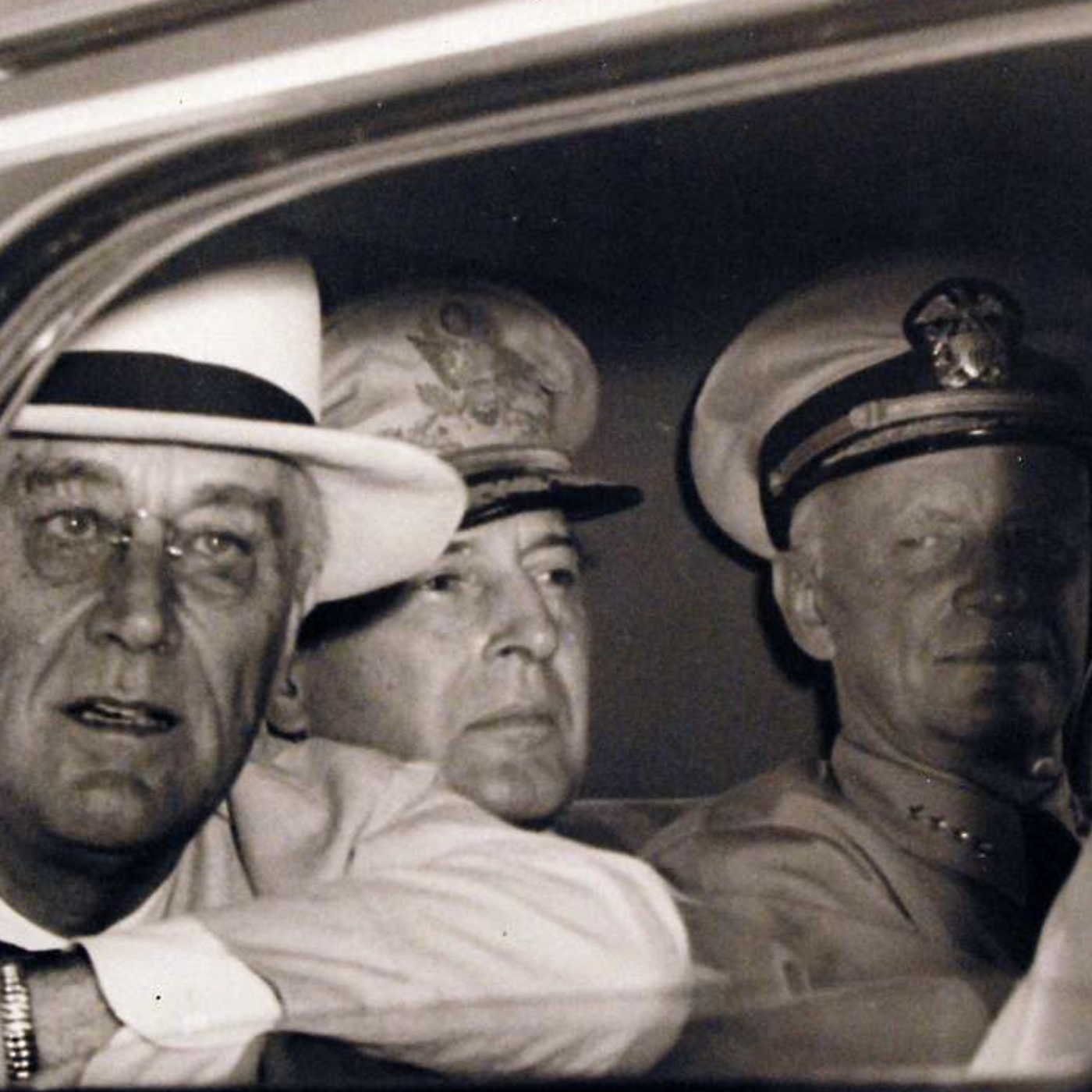
PREVIEW: PROFESSOR GARY BASS, AUTHOR, "Judgment at Tokyo," explains that the driving force in favor of the war crimes tribunal against defeated Japan was General Douglas MacArthur. More
Feb 16, 202500:02:59Tap to summarizePREVIEW: PROFESSOR GARY BASS, AUTHOR, "Judgment at Tokyo," explains that the driving force in favor of the war crimes tribunal against defeated Japan was General Douglas MacArthur. More 1944 FDR, MACARTHUR, NIMITZ
Transcribe →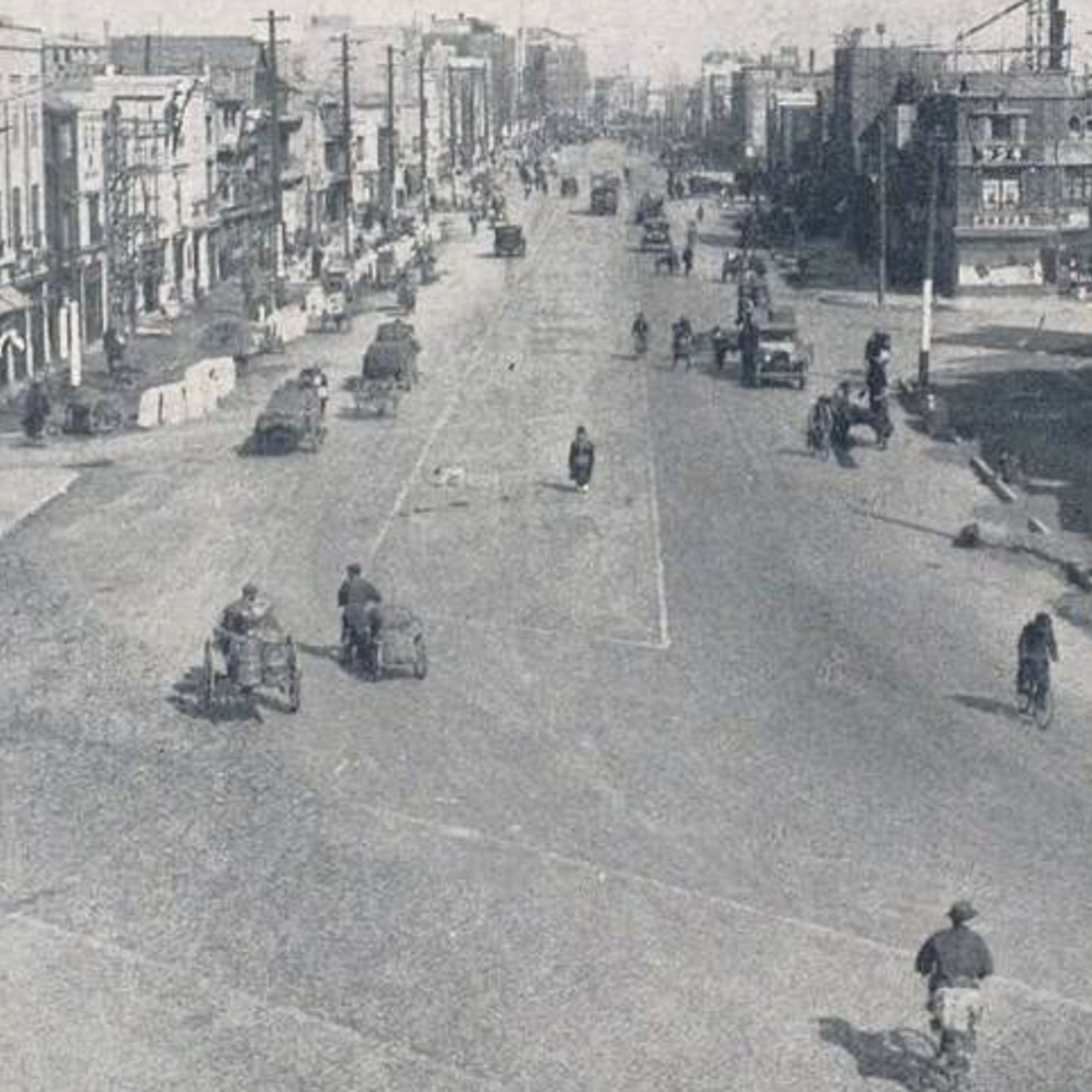
PREVIEW: PROFESSOR GARY BASS, AUTHOR, Judgment at Tokyo, highlights how the famous George Kennan recognized that defeated Japan would become a great ally. More later
Feb 16, 202500:02:59Tap to summarizePREVIEW: PROFESSOR GARY BASS, AUTHOR," Judgment at Tokyo," highlights how the famous George Kennan recognized that defeated Japan would become a great ally. More later. 1930 Tokyo
Transcribe →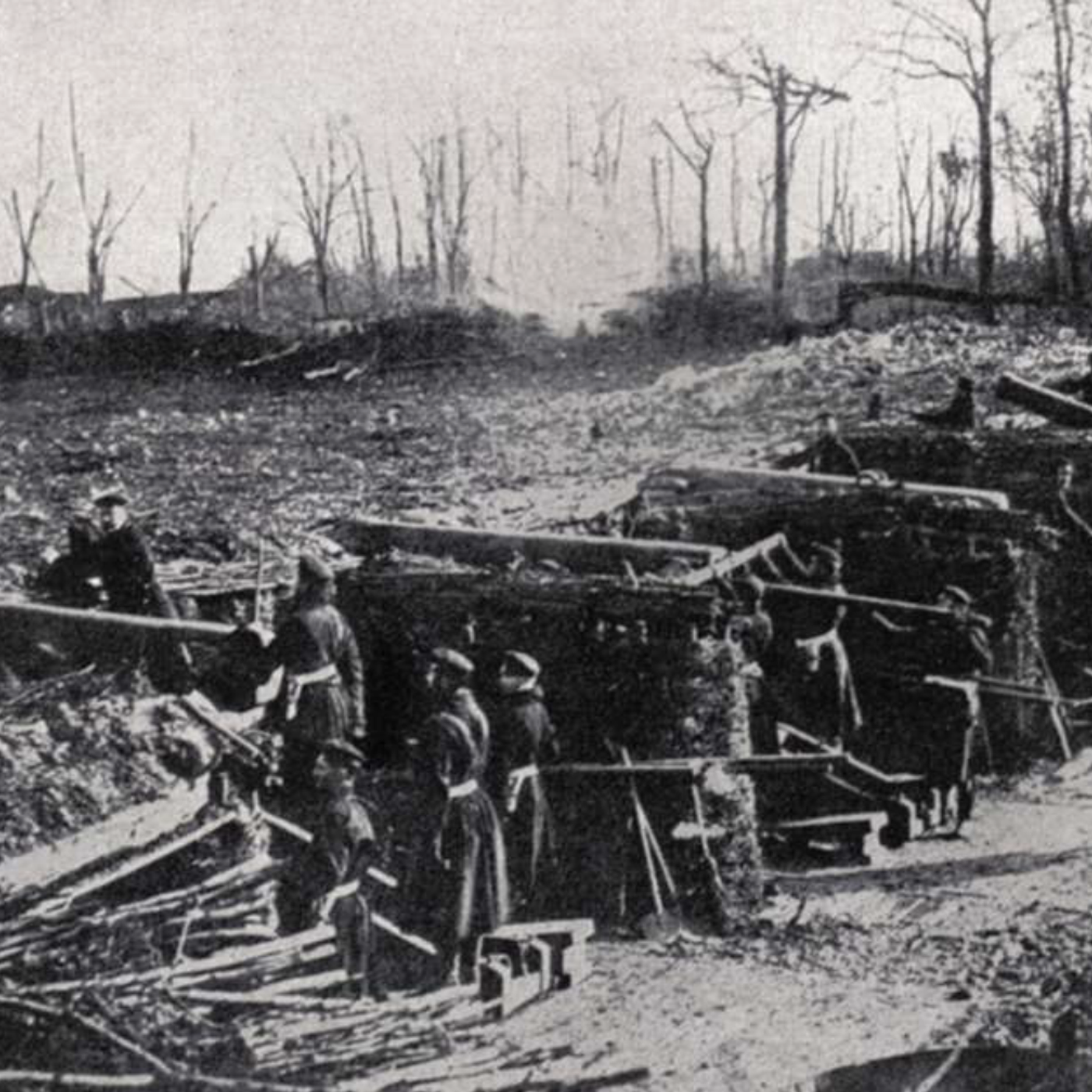
GOOD EVENING: The show begins in Malibu and the Palisades where an atmospheric river... CBS EYE ON THE WORLD WITH JOHN BATCHELOR
Feb 15, 202500:12:46Tap to summarizeGOOD EVENING: The show begins in Malibu and the Palisades where an atmospheric river... 1870 FRANCO-PRUSSIAN WAR CBS EYE ON THE WORLD WITH JOHN BATCHELOR FIRST HOUR 9:00-9:15 #PACIFICWATCH: Atmospheric river strikes @JCBliss 9:15-9:30 LANCASTER REPORT: Bird flu strikes Jim McTague, former Washington Editor, Barrons @MCTagueJ Author of "Martin and Twyla Boundary Series" 9:30-9:45 SCOTUS: Independent boards cannot be fired without cause Richard Epstein, Civitas 9:45-10:00 DOJ: Civil suit against NY Attorney General and Governor Richard Epstein, Civitas SECOND HOUR 10:00-10:15 #GAZA: What is the Arab plan? Cliff May, FDD 10:15-10:30 #CA: Gavin Newsom bides his time for 2028 Bill Whalen, Hoover 10:30-11:00 SPACEX Rescuing the stranded on ISS Starbase rising Bob Zimmerman, BehindtheBlack.com THIRD HOUR 11:00-12:00 Extended discussion of "Paris in Ruins: Love, War, and the Birth of Impressionism" Sebastian Smee, Author The birth of Impressionism during the "Terrible Year" Focus on Manet, Morisot, and the siege of Paris FOURTH HOUR 12:00-12:15 #GAZA: Free to go Sadanand Dhume, WSJ 12:15-12:30 #ITALY: The rains of Elba Lorenzo Fiori 12:30-12:45 #ISRAEL: Tiered review and necessary arms Bradley Bowman, FDD 12:45-1:00 UKRAINE: Terror attack on Chernobyl Henry Sokolski, NPEC
Transcribe →
UKRAINE: TERROR ATTACK ON CHERNOBYL. HENRY SOKOLSKI, NPEC
Feb 15, 202500:10:42Tap to summarizeUKRAINE: TERROR ATTACK ON CHERNOBYL. HENRY SOKOLSKI, NPEC 1986 CHERNOBYL
Transcribe →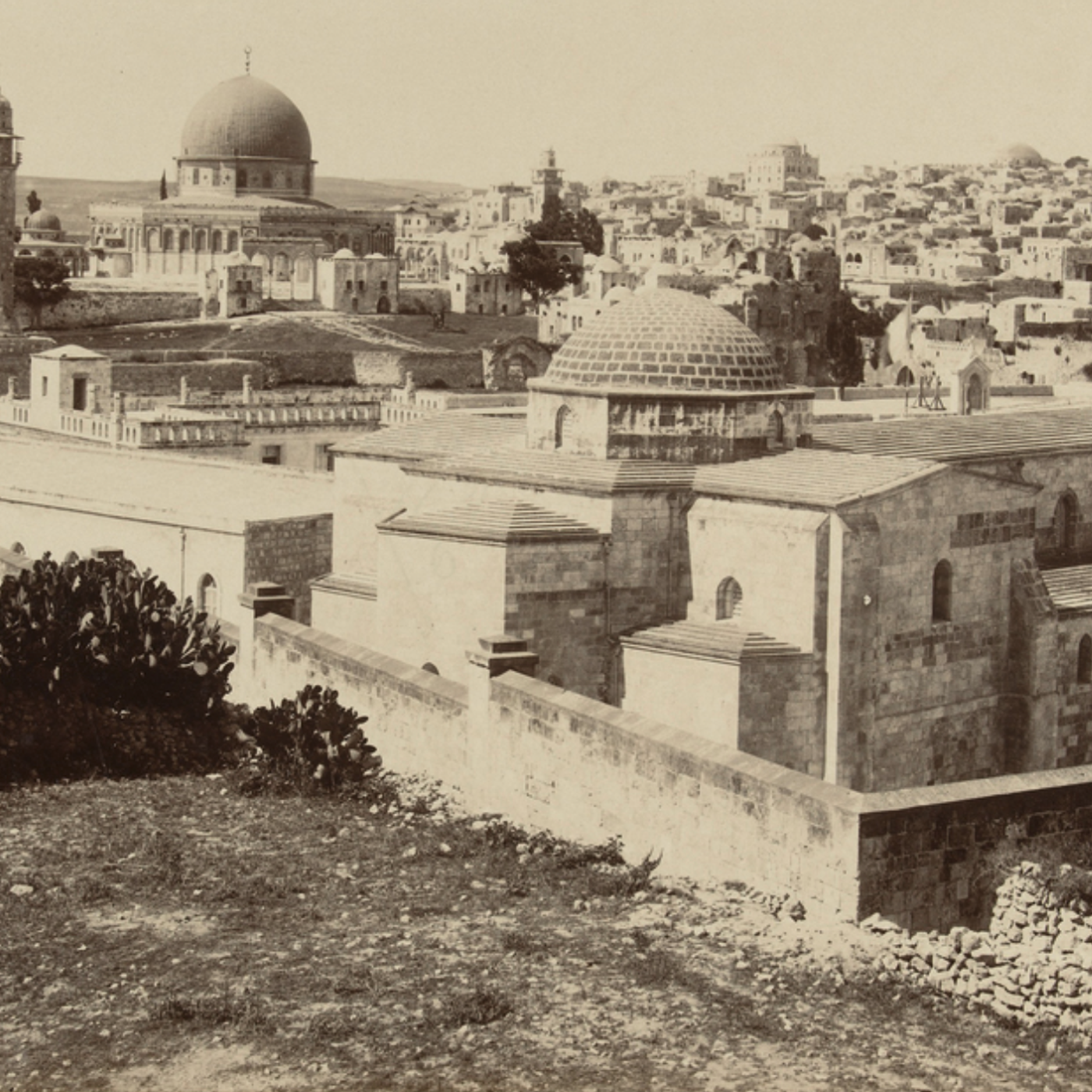
#ISRAEL "TIERED REVIEW" AND NECESSARY ARMS. BRADLEY BOWMAN, FDD
Feb 15, 202500:09:03Tap to summarize#ISRAEL "TIERED REVIEW" AND NECESSARY ARMS. BRADLEY BOWMAN, FDD 1890 JERUSALEM
Transcribe →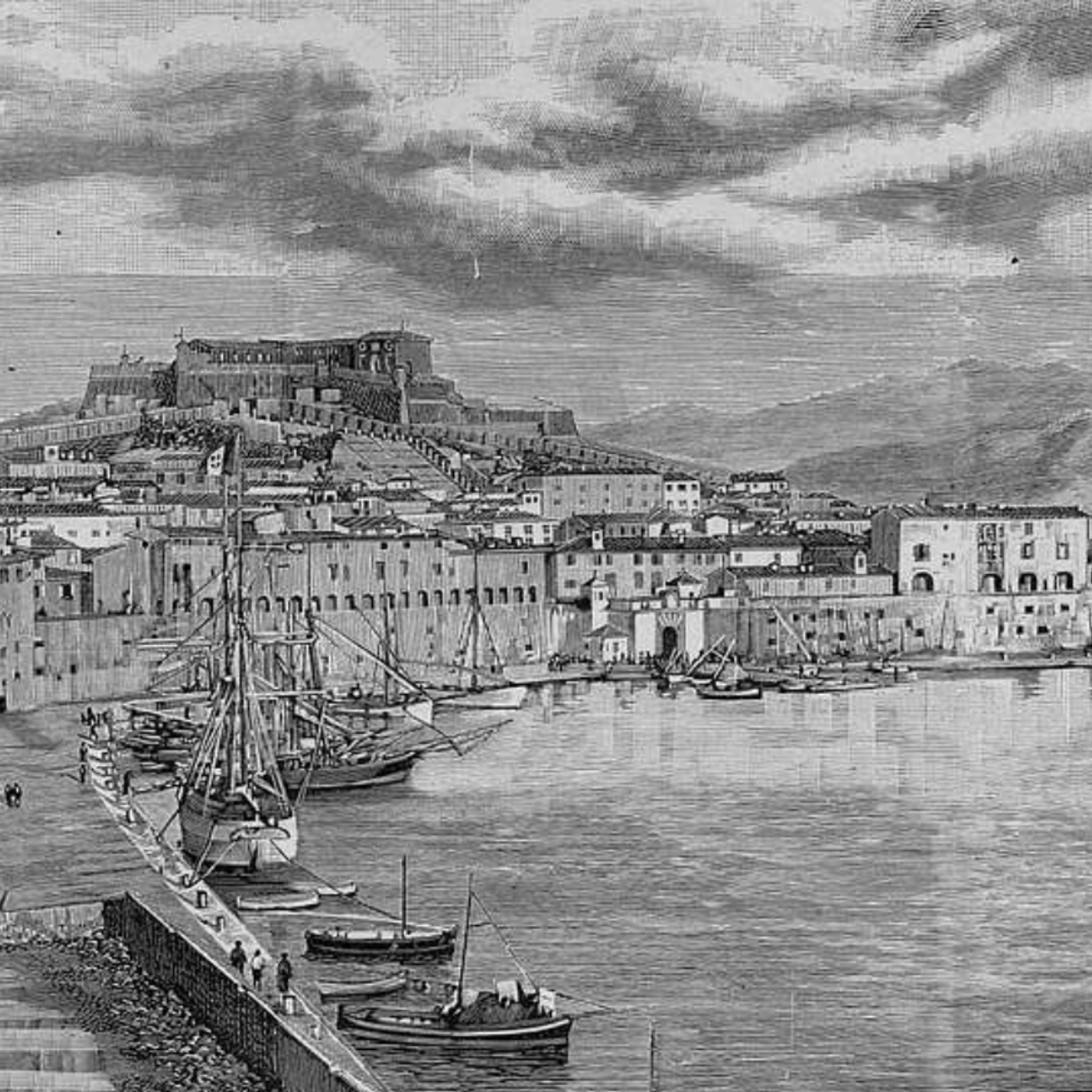
#ITALY: VALENTINE'S DAY AND THE RAINS OF ELBA. LORENZO FIORI
Feb 15, 202500:08:56Tap to summarize#ITALY: VALENTINE'S DAY AND THE RAINS OF ELBA. LORENZO FIORI 1871 ELBA
Transcribe →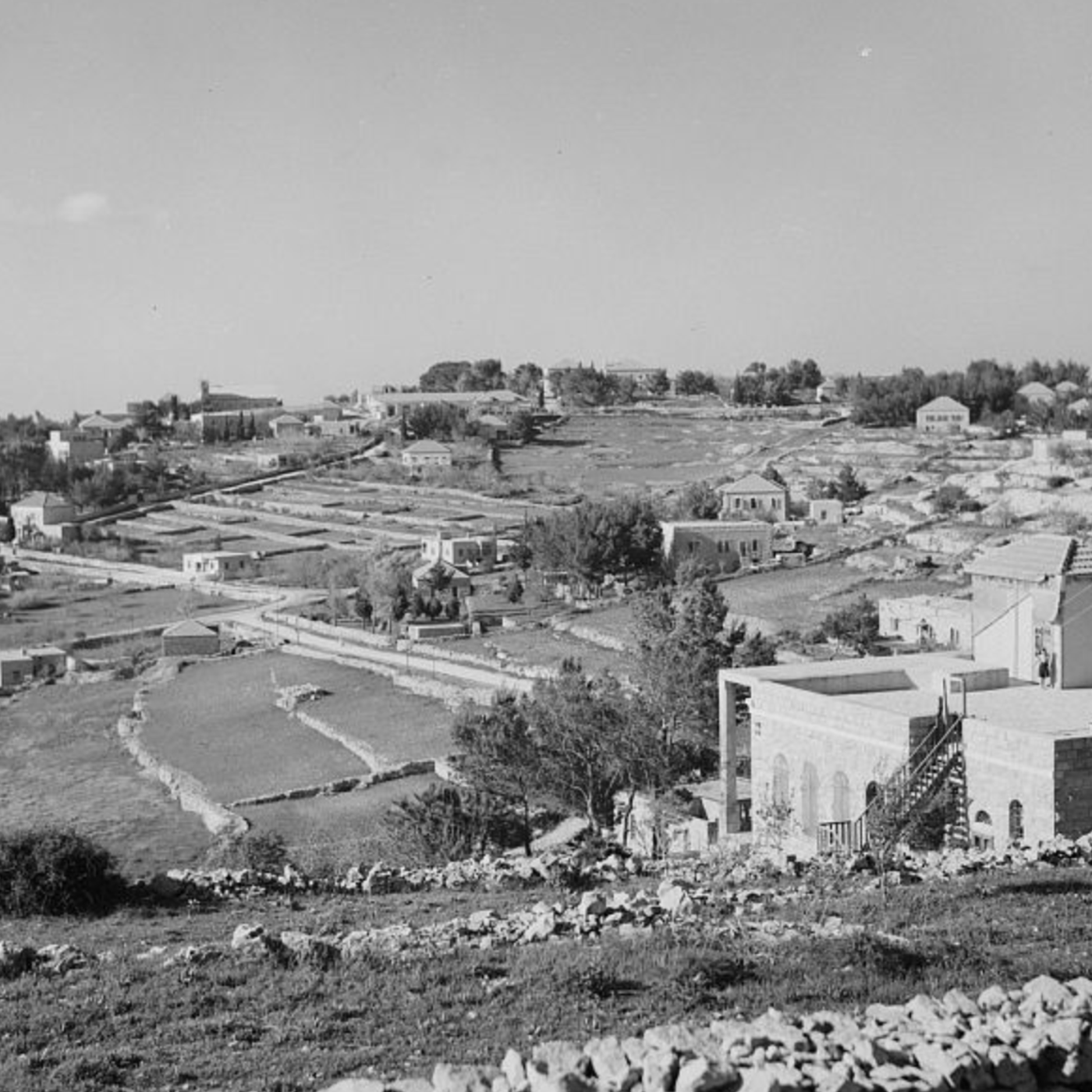
#GAZA: FREE TOGO. SADANAND DHUME WSJ
Feb 15, 202500:08:59Tap to summarize#GAZA: FREE TOGO. SADANAND DHUME WSJ 1945 RAMALLAH
Transcribe →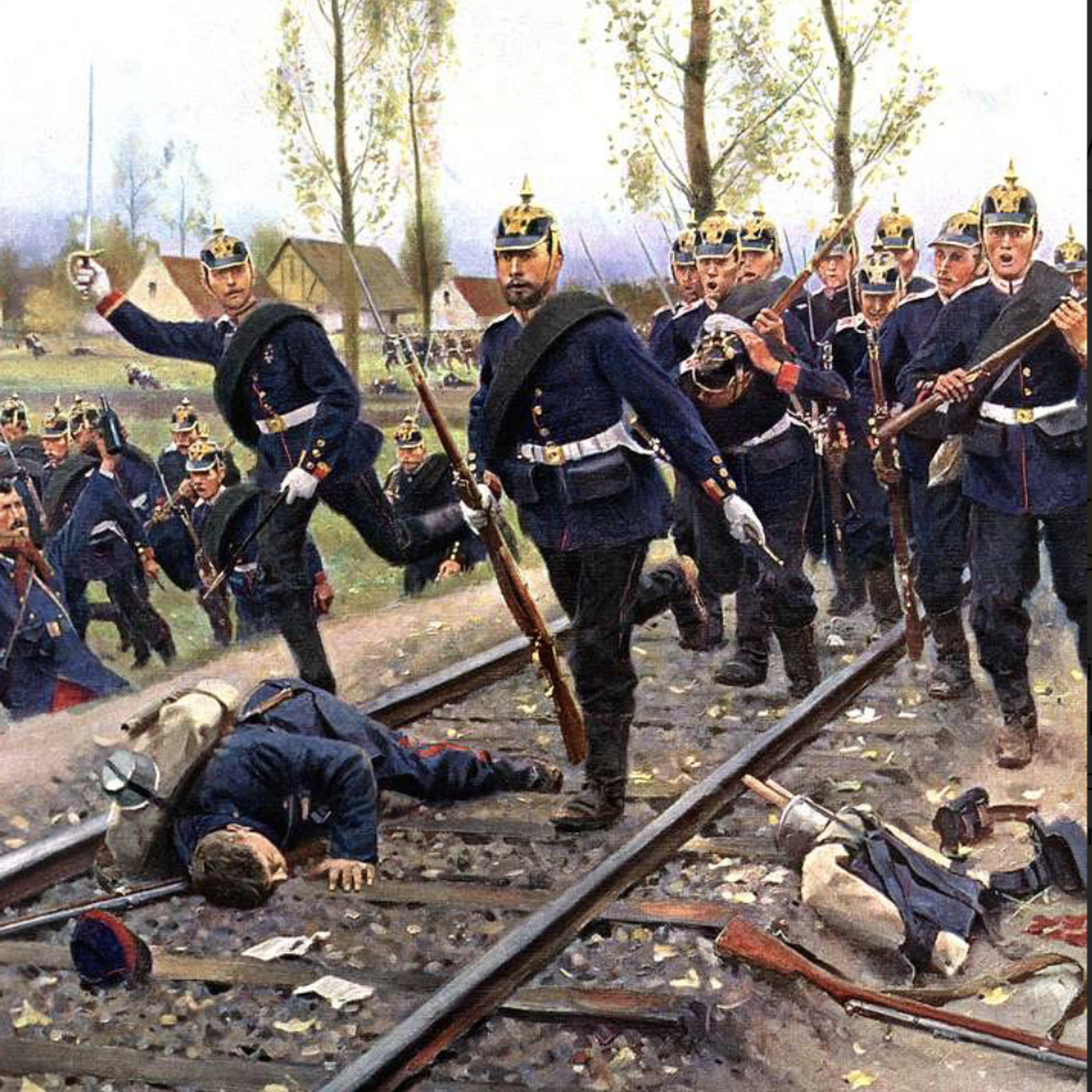
8/8: Paris in Ruins: Love, War, and the Birth of Impressionism Hardcover – September 10, 2024 by Sebastian Smee (Author)
Feb 15, 202500:09:18Tap to summarize8/8: Paris in Ruins: Love, War, and the Birth of Impressionism Hardcover – September 10, 2024 by Sebastian Smee (Author) 1870 PARIS https://www.amazon.com/Paris-Ruins-Love-Birth-Impressionism/dp/1324006951/ref=sr_1_1?dib=eyJ2IjoiMSJ9.0LrrcogTAXmGjiJTXHGqcmh6tG316iU_qBRT5krAjbY8X2w9audnxQy7kzk7OLkh_2lSbQ2ybUZGAqxzqsV7SIXXh__kEnq4cHn6QdDz3Vu5xuCtROqvHYC4bnq-Wd16OQ0xBFKI0YF5Q12M2HxhsXNW0KzxEvl3JkXmjEm-lB835FTP4AOXbZmDkXRwFFwP8JAim1mTpk-tRD1mx2eyRyT4izNxH2zOMi6vWoub4fk.sBKL5PJ8cK_YQQ9SXWo2jUROfRmEzorpra10Qr1m--0&dib_tag=se&qid=1739487181&refinements=p_27%3ASebastian+Smee&s=books&sr=1-1 From the summer of 1870 to the spring of 1871, famously dubbed the “Terrible Year” by Victor Hugo, Paris and its people were besieged, starved, and forced into surrender by Germans―then imperiled again as radical republicans established a breakaway Commune, ultimately crushed by the French Army after bloody street battles and the burning of central Paris. As renowned art critic Sebastian Smee shows, it was against the backdrop of these tumultuous times that the Impressionist movement was born―in response to violence, civil war, and political intrigue. In stirring and exceptionally vivid prose, Smee tells the story of those dramatic days through the eyes of great figures of Impressionism. Édouard Manet, Berthe Morisot, and Edgar Degas were trapped in Paris during the siege and deeply enmeshed in its politics. Others, including Pierre-August Renoir and Frédéric Bazille, joined regiments outside of the capital, while Claude Monet and Camille Pissarro fled the country just in time. In the aftermath, these artists developed a newfound sense of the fragility of life. That feeling for transience―reflected in Impressionism’s emphasis on fugitive light, shifting seasons, glimpsed street scenes, and the impermanence of all things―became the movement’s great contribution to the history of art. At the heart of it all is a love story; that of Manet, by all accounts the father of Impressionism, and Morisot, the only woman to play a central role in the movement from the start. Smee poignantly depicts their complex relationship, their tangled effect on each other, and their great legacy, while bringing overdue attention to the woman at the heart of Impressionism
Transcribe →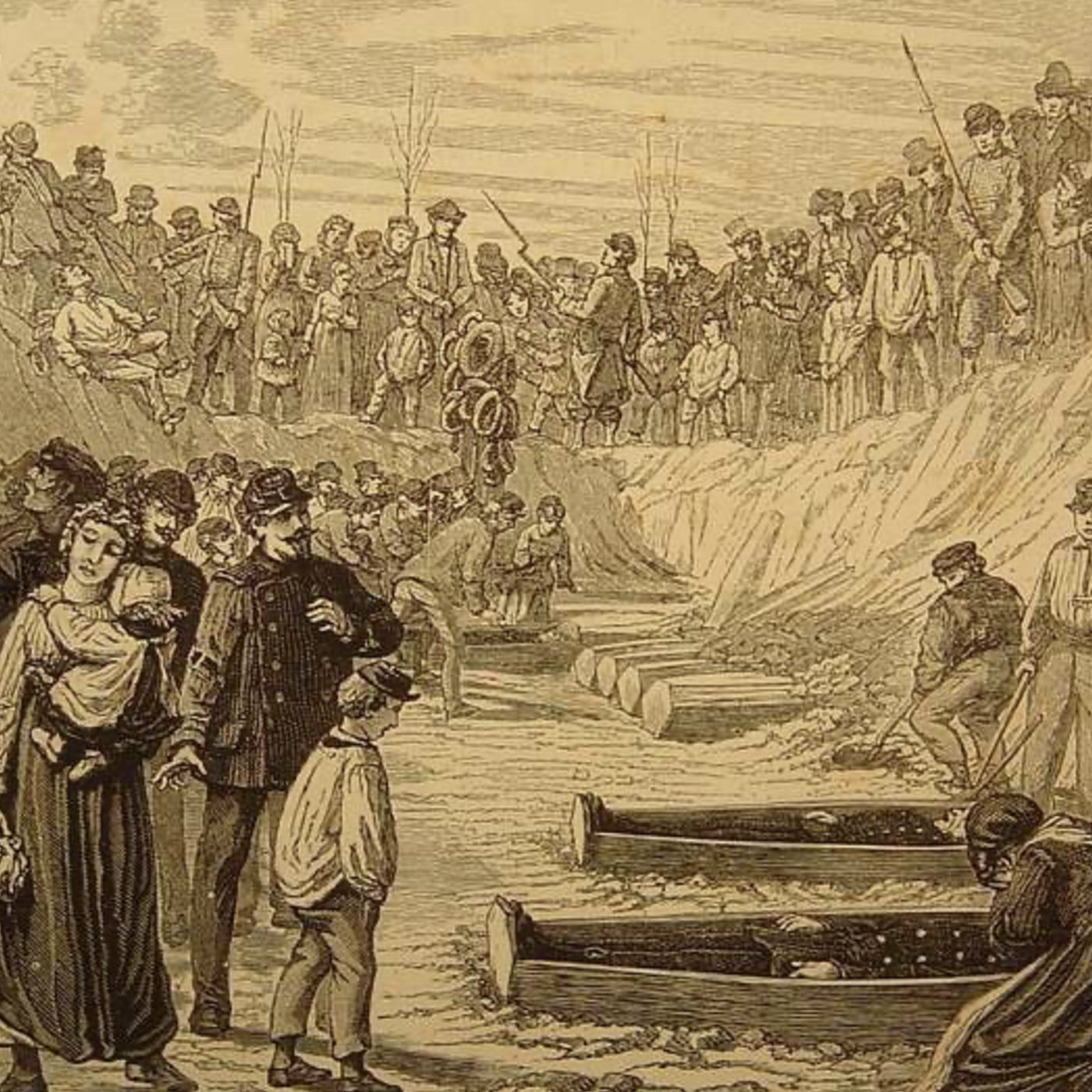
7/8: Paris in Ruins: Love, War, and the Birth of Impressionism Hardcover – September 10, 2024 by Sebastian Smee (Author)
Feb 15, 202500:10:21Tap to summarize7/8: Paris in Ruins: Love, War, and the Birth of Impressionism Hardcover – September 10, 2024 by Sebastian Smee (Author) 1871 PARIS https://www.amazon.com/Paris-Ruins-Love-Birth-Impressionism/dp/1324006951/ref=sr_1_1?dib=eyJ2IjoiMSJ9.0LrrcogTAXmGjiJTXHGqcmh6tG316iU_qBRT5krAjbY8X2w9audnxQy7kzk7OLkh_2lSbQ2ybUZGAqxzqsV7SIXXh__kEnq4cHn6QdDz3Vu5xuCtROqvHYC4bnq-Wd16OQ0xBFKI0YF5Q12M2HxhsXNW0KzxEvl3JkXmjEm-lB835FTP4AOXbZmDkXRwFFwP8JAim1mTpk-tRD1mx2eyRyT4izNxH2zOMi6vWoub4fk.sBKL5PJ8cK_YQQ9SXWo2jUROfRmEzorpra10Qr1m--0&dib_tag=se&qid=1739487181&refinements=p_27%3ASebastian+Smee&s=books&sr=1-1 From the summer of 1870 to the spring of 1871, famously dubbed the “Terrible Year” by Victor Hugo, Paris and its people were besieged, starved, and forced into surrender by Germans―then imperiled again as radical republicans established a breakaway Commune, ultimately crushed by the French Army after bloody street battles and the burning of central Paris. As renowned art critic Sebastian Smee shows, it was against the backdrop of these tumultuous times that the Impressionist movement was born―in response to violence, civil war, and political intrigue. In stirring and exceptionally vivid prose, Smee tells the story of those dramatic days through the eyes of great figures of Impressionism. Édouard Manet, Berthe Morisot, and Edgar Degas were trapped in Paris during the siege and deeply enmeshed in its politics. Others, including Pierre-August Renoir and Frédéric Bazille, joined regiments outside of the capital, while Claude Monet and Camille Pissarro fled the country just in time. In the aftermath, these artists developed a newfound sense of the fragility of life. That feeling for transience―reflected in Impressionism’s emphasis on fugitive light, shifting seasons, glimpsed street scenes, and the impermanence of all things―became the movement’s great contribution to the history of art. At the heart of it all is a love story; that of Manet, by all accounts the father of Impressionism, and Morisot, the only woman to play a central role in the movement from the start. Smee poignantly depicts their complex relationship, their tangled effect on each other, and their great legacy, while bringing overdue attention to the woman at the heart of Impressionism
Transcribe →
6/8: Paris in Ruins: Love, War, and the Birth of Impressionism Hardcover – September 10, 2024 by Sebastian Smee (Author)
Feb 15, 202500:06:57Tap to summarize6/8: Paris in Ruins: Love, War, and the Birth of Impressionism Hardcover – September 10, 2024 by Sebastian Smee (Author) 1870 SIEGE OF PARIS https://www.amazon.com/Paris-Ruins-Love-Birth-Impressionism/dp/1324006951/ref=sr_1_1?dib=eyJ2IjoiMSJ9.0LrrcogTAXmGjiJTXHGqcmh6tG316iU_qBRT5krAjbY8X2w9audnxQy7kzk7OLkh_2lSbQ2ybUZGAqxzqsV7SIXXh__kEnq4cHn6QdDz3Vu5xuCtROqvHYC4bnq-Wd16OQ0xBFKI0YF5Q12M2HxhsXNW0KzxEvl3JkXmjEm-lB835FTP4AOXbZmDkXRwFFwP8JAim1mTpk-tRD1mx2eyRyT4izNxH2zOMi6vWoub4fk.sBKL5PJ8cK_YQQ9SXWo2jUROfRmEzorpra10Qr1m--0&dib_tag=se&qid=1739487181&refinements=p_27%3ASebastian+Smee&s=books&sr=1-1 From the summer of 1870 to the spring of 1871, famously dubbed the “Terrible Year” by Victor Hugo, Paris and its people were besieged, starved, and forced into surrender by Germans―then imperiled again as radical republicans established a breakaway Commune, ultimately crushed by the French Army after bloody street battles and the burning of central Paris. As renowned art critic Sebastian Smee shows, it was against the backdrop of these tumultuous times that the Impressionist movement was born―in response to violence, civil war, and political intrigue. In stirring and exceptionally vivid prose, Smee tells the story of those dramatic days through the eyes of great figures of Impressionism. Édouard Manet, Berthe Morisot, and Edgar Degas were trapped in Paris during the siege and deeply enmeshed in its politics. Others, including Pierre-August Renoir and Frédéric Bazille, joined regiments outside of the capital, while Claude Monet and Camille Pissarro fled the country just in time. In the aftermath, these artists developed a newfound sense of the fragility of life. That feeling for transience―reflected in Impressionism’s emphasis on fugitive light, shifting seasons, glimpsed street scenes, and the impermanence of all things―became the movement’s great contribution to the history of art. At the heart of it all is a love story; that of Manet, by all accounts the father of Impressionism, and Morisot, the only woman to play a central role in the movement from the start. Smee poignantly depicts their complex relationship, their tangled effect on each other, and their great legacy, while bringing overdue attention to the woman at the heart of Impressionism
Transcribe →