Podcast
The John Batchelor Show
Hosted by John Batchelor · EN
The John Batchelor Show is a hard news-analysis radio program on current events, world history, global politics and natural sciences. Based in New York City for two decades, the show has travelled widely to report, from the Middle East to the South Caucasus to the Arabian Peninsula and East Asia.
502episodes
Episodes
Newest firstAll episodes
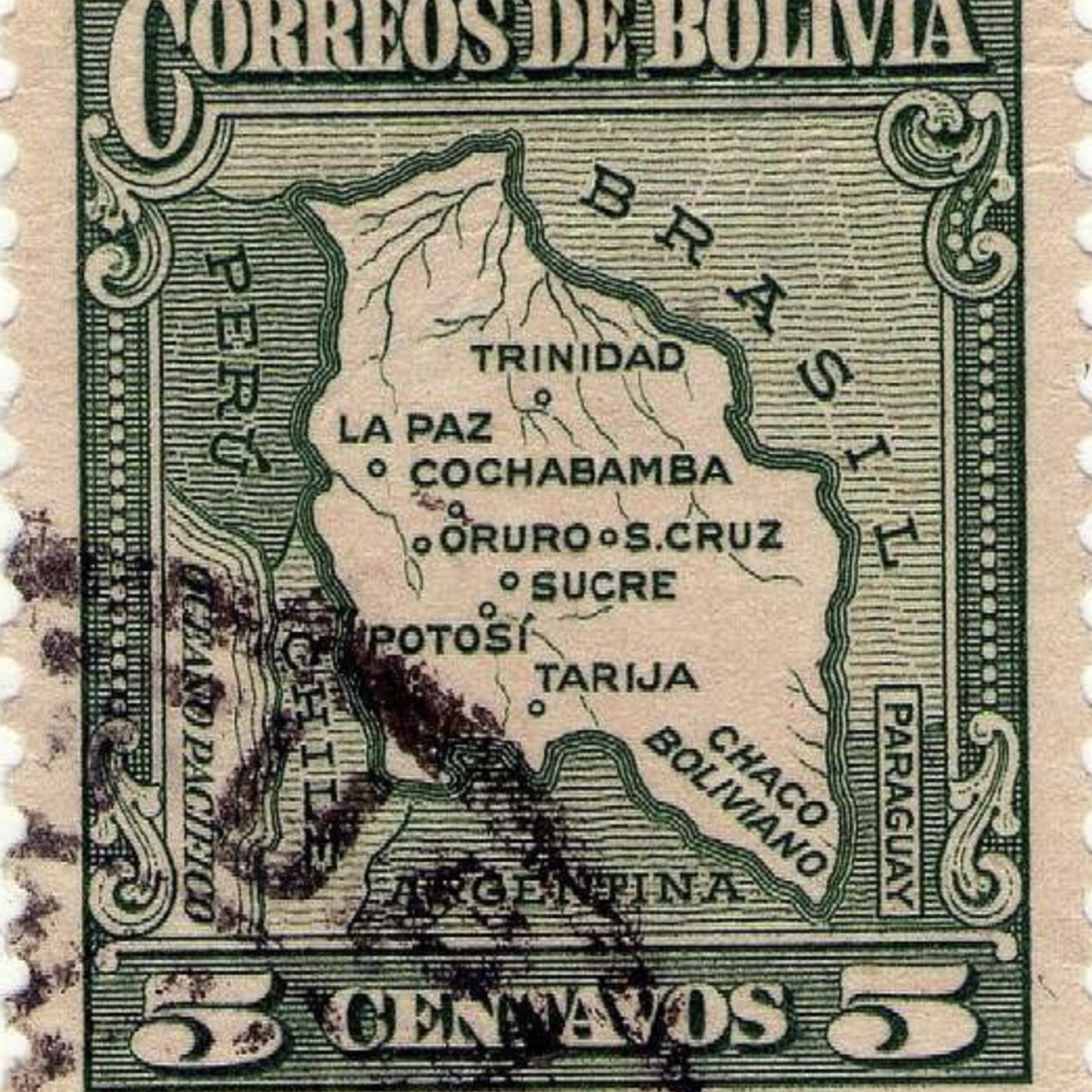
S8 Ep957: (8) Alejandro Peña Esclusa reports on a "slow-motion coup" attempt in Bolivia led by Evo Morales, whose supporters have placed the capital under siege. This instability is a major concern for Brazil because Bolivia serves as a primary source...
Jun 200:04:22Tap to summarize(8) Alejandro Peña Esclusa reports on a "slow-motion coup" attempt in Bolivia led by Evo Morales, whose supporters have placed the capital under siege. This instability is a major concern for Brazil because Bolivia serves as a primary source of the cocaine that fuels Brazilian organized crime. Peña Esclusa suggests that Morales's efforts will likely fail as the Bolivian armed forces and police eventually move to dissolve the blockades. Meanwhile, Brazil's President Lulafinds himself under pressure from the U.S. and internal factions, limiting his ability to support Morales.1935
Transcribe →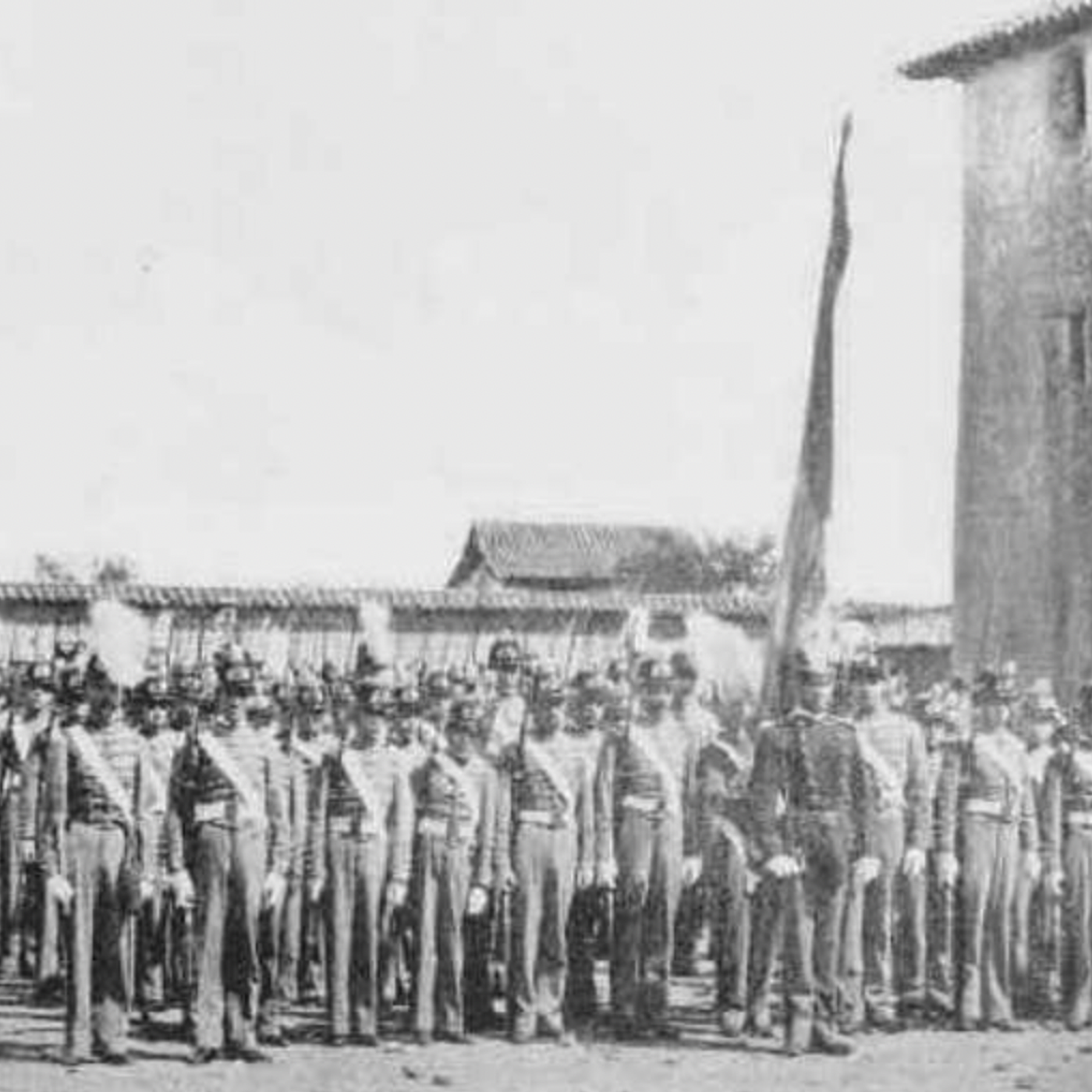
S8 Ep957: (7) This segment focuses on the Americas, where a shift toward right-wing candidates is occurring in response to organized crime. In Colombia, presidential candidate Abelardo de la Espriella is leading in polls on a platform of anti-narco-te...
Jun 200:15:17Tap to summarize(7) This segment focuses on the Americas, where a shift toward right-wing candidates is occurring in response to organized crime. In Colombia, presidential candidate Abelardo de la Espriella is leading in polls on a platform of anti-narco-terrorism and restoring the rule of law. In Brazil, the U.S. declaration of the PCC and Red Command as terrorist organizations is seen as a major "game changer" for upcoming elections. Candidates who advocate for close cooperation with the U.S. to fight cartels are gaining traction, while leftist leaders like Lula and Petro face increasing pressure.1893 BOGOTA
Transcribe →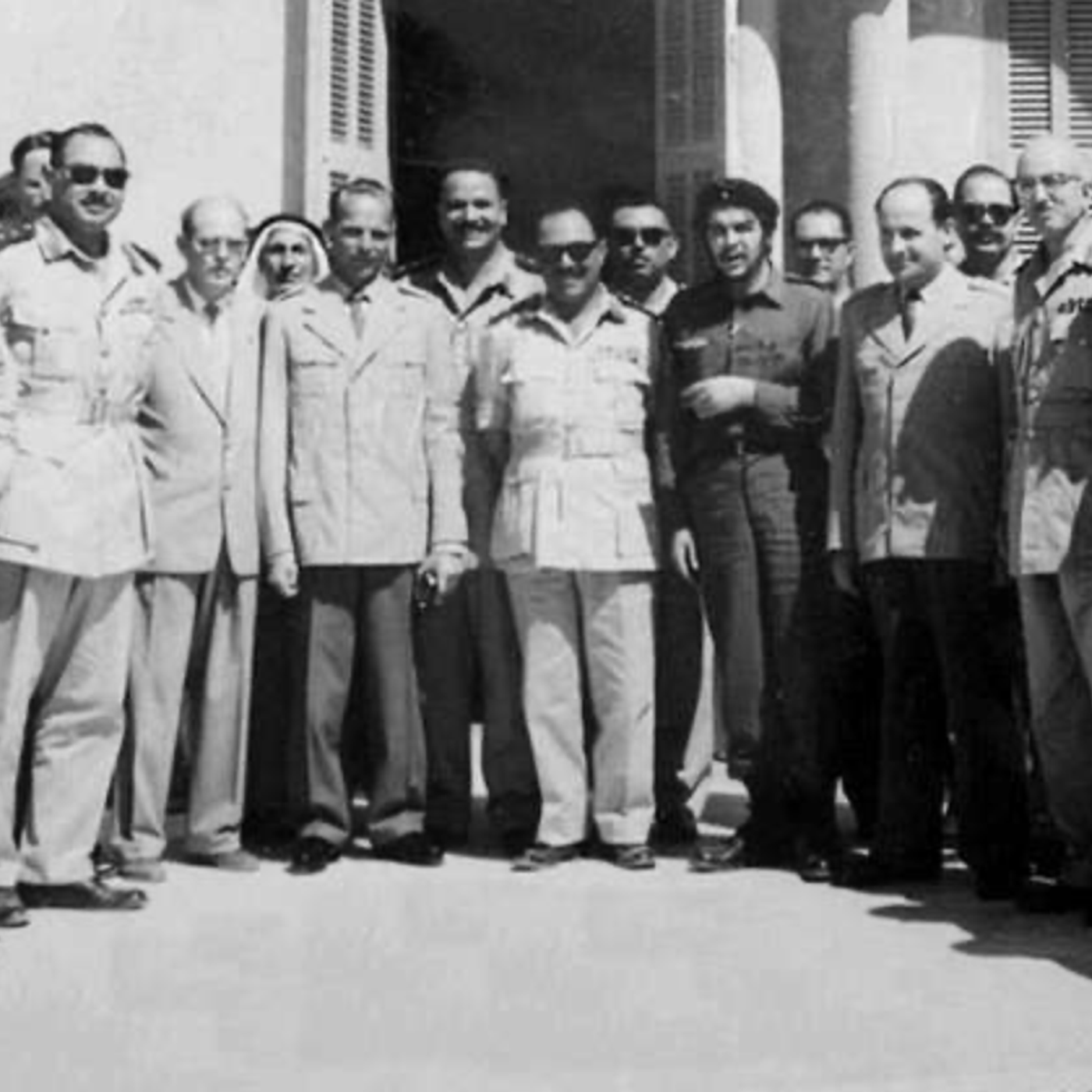
S8 Ep957: (6) Samuel Ben-Ur explains that the Board of Peace has been inactive and is currently "without money" because its funding was predicated on Hamas disarming. Hamas immediately rejected a disarmament plan presented by the board, asserting that...
Jun 200:05:00Tap to summarize(6) Samuel Ben-Ur explains that the Board of Peace has been inactive and is currently "without money" because its funding was predicated on Hamas disarming. Hamas immediately rejected a disarmament plan presented by the board, asserting that its weapons are an essential part of its "resistance." The group's political leadership remains protected in Doha, Qatar, due to U.S. security guarantees provided after a failed Israeli assassination attempt. Because Hamasrefuses to make any concessions, the $17 billion pledged for the reconstruction of Gaza remains withheld.1899 NAZARETH
Transcribe →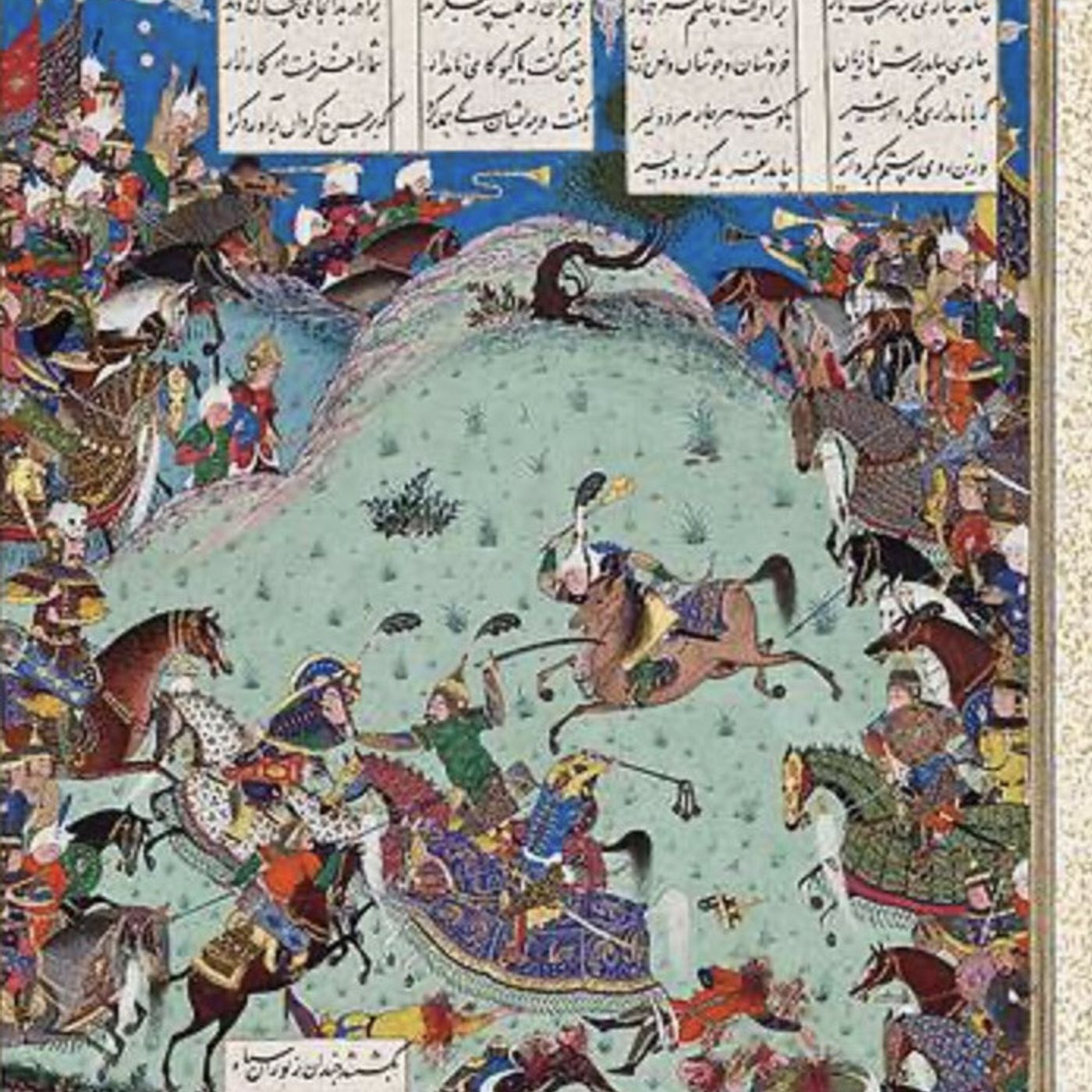
S8 Ep926: STREAMING THE MAKING OF THE JOHN BATCHELOR SHOW, HOLIDAY 5-25-2026. 1623 PERSIA.
May 2500:27:28Tap to summarizeSTREAMING THE MAKING OF THE JOHN BATCHELOR SHOW, HOLIDAY 5-25-2026.1623 PERSIA.On Memorial Day 2026, the United States and Iran find themselves in a strategic quagmire as they play down hopes for an imminent breakthrough to end their conflict. While diplomats have reportedly settled the "easy" 99% of the issues, the core conflict that led to the war remains unresolved. This pattern follows a historical diplomatic tendency where the fundamental cause of a war is deferred, leaving the "one issue that brought us here" untouched.Iran currently holds the primary leverage in negotiations due to its demonstrated control over the Strait of Hormuz. By closing this vital waterway, Iran has inflicted intense pressure on the global economy, causing U.S. petrol prices to soar and President Trump's approval ratings to plummet. Consequently, the U.S. appears poised to accept a deal that leaves Iran in a stronger position than it was before the war began. The emerging agreement would see Iran reopen the Strait without a toll in exchange for phased sanctions relief and the unfreezing of billions of dollars in assets. However, the critical issue of Iran's nuclear program—specifically its refusal to concede the right to enrich or reprocess uranium—is being pushed into future negotiations.This situation has drawn fierce criticism from hawkish legislators and the Israeli government. Senator Ted Cruz labeled the deal a "disastrous mistake" that leaves Iran capable of developing nuclear weapons while maintaining effective control over the Strait. Senator Roger Wicker added that the deal is "not worth the paper it is written on," arguing that the U.S. should instead finish the destruction of Iran's conventional military. However, military experts note that reopening the Strait by force would likely require ground troops and heavy American casualties.For Israel, the outcome is particularly grim. Prime Minister Netanyahu originally sold the war as a path to regime change; instead, the conflict is ending with the Iranian regime more confident, hardline, and financially replenished. Observers note that Iran has achieved a strategic victory deeper than any military achievement by surviving the "best punch" from the U.S. and Israel while proving it can hold the world's energy supply hostage.The sources draw a parallel between this stalemate and the Korean War, suggesting the region may face a long-term, unresolved "DMZ" state that lasts for decades. Ironically, the source points out that the Iranian nuclear program originated with the Eisenhower administration's "Atoms for Peace" program, which provided the first reactor used for training.Looking forward, the Strait of Hormuz will be the lasting legacy of the Trump administration, representing a loss of American authority in the region. While there are discussions about building pipelines to bypass the Persian Gulf, Iran is expected to use that time to rebuild its military and proxy networks. Despite the geopolitical tension, markets find some encouragement in the lack of active war fighting, as the global economy pivots toward a rebuilding phase centered on Artificial Intelligence. Nevertheless, the fundamental quagmire remains: a nuclear-capable Iran effectively controlling the exit from the Persian Gulf.
Transcribe →
S8 Ep925: Focusing on solutions, Bruce Bechtol argues in Rogue Allies that the U.S. must enforce existing sanctions to target North Korea's finances. North Korea utilizes sophisticated cyber laundering through Bitcoin and lax regulations in countri...
May 2500:07:45Tap to summarizeFocusing on solutions, Bruce Bechtol argues in Rogue Allies that the U.S. must enforce existing sanctions to target North Korea's finances. North Korea utilizes sophisticated cyber laundering through Bitcoin and lax regulations in countries like the UAE to fund its operations. Containment strategies should include cyber warfare, vessel seizures, and selective strikes. Bechtol warns that Russia and China's open support for North Korea complicates these efforts. Ultimately, hitting the regime's "pocketbook" is the most effective non-kinetic means to disrupt their role as the logistics center for global revisionism. (4/4)JANUARY 1956
Transcribe →
S8 Ep925: Bruce Bechtol details North Korea's massive military support for Russia and Middle Eastern proxies in Rogue Allies. North Korea has supplied Russia with 20,000 containers of munitions and 60% of its artillery shells for the war in Ukraine. I...
May 2500:11:55Tap to summarizeBruce Bechtol details North Korea's massive military support for Russia and Middle Eastern proxies in Rogue Allies. North Korea has supplied Russia with 20,000 containers of munitions and 60% of its artillery shells for the war in Ukraine. In the Middle East, North Korea trained Syria in chemical warfare and constructed a 45-kilometer tunnel network for Hezbollah in Lebanon. Weapons like RPGs and machine guns are also supplied to Hamas. China remains a crucial facilitator, providing the dual-use technology necessary for North Korea's robust military-industrial complex. (3/4)JUNE 1958
Transcribe →
S8 Ep925: In Rogue Allies, Bruce Bechtol explores the nuclear and cyber dimensions of the alliance. North Korea provided Iran with highly enriched uranium warhead designs and constructed their underground nuclear facilities. The transfer includes adva...
May 2500:07:54Tap to summarizeIn Rogue Allies, Bruce Bechtol explores the nuclear and cyber dimensions of the alliance. North Korea provided Iranwith highly enriched uranium warhead designs and constructed their underground nuclear facilities. The transfer includes advanced missile boosters, like those for the Hwasong-15. Bechtol also identifies North Korea as a leading global cyber thief, using malware and cryptocurrency laundering to evade international sanctions. This cooperation forms an "axis of resistance" alongside Russia and China, where North Korea acts as a critical technological and hardware provider. (2/4)DECEMBER 1956
Transcribe →
S8 Ep925: Bruce Bechtol discusses his book Rogue Allies, highlighting the strategic partnership between North Korea and Iran. He emphasizes that U.S. administrations have historically underestimated this threat. Since 1983, North Korea has operated on...
May 2500:09:55Tap to summarizeBruce Bechtol discusses his book Rogue Allies, highlighting the strategic partnership between North Korea and Iran. He emphasizes that U.S. administrations have historically underestimated this threat. Since 1983, North Korea has operated on a "cash and carry" basis with Iran, providing weapons for hard currency or oil. The proliferation extends to surrogates like Hamas. Bechtol confirms North Korea possesses the Hwasong-15 missile, capable of delivering nuclear warheads to the United States. This relationship underscores North Korea's role as a primary supplier to revisionist states seeking to challenge the liberal world order. (1/4)DECEMBER 1958
Transcribe →
S8 Ep924: Keach Hagey addresses the development of ChatGPT and the subsequent power struggle at OpenAI. She explains how Altman's shift from prioritizing AI regulation to commercial monetization triggered a conflict with the nonprofit board, leadin...
May 2500:05:10Tap to summarizeKeach Hagey addresses the development of ChatGPT and the subsequent power struggle at OpenAI. She explains how Altman's shift from prioritizing AI regulation to commercial monetization triggered a conflict with the nonprofit board, leading to his temporary firing. The board cited management issues and Altman's tendency to "bend the truth" as reasons for the dismissal. Additionally, a major falling out occurred with Elon Musk, who unsuccessfully attempted to take control of OpenAI or merge it with Tesla. The interview concludes with unresolved warnings from AI pioneers regarding the existential dangers of AGI. (4/4)MQY 1956
Transcribe →
S8 Ep924: Keach Hagey details Altman's trajectory from a Stanford dropout to a central figure in Silicon Valley. After launching the app Loopt, Altman used his masterful storytelling skills to impress investors and Steve Jobs, despite the company's ev...
May 2500:14:30Tap to summarizeKeach Hagey details Altman's trajectory from a Stanford dropout to a central figure in Silicon Valley. After launching the app Loopt, Altman used his masterful storytelling skills to impress investors and Steve Jobs, despite the company's eventual commercial failure. Recognizing investing as his "superpower," Altman became the president of Y Combinatorin 2014, leading successes like Airbnb and Stripe. The source also explores Altman's relationship with Peter Thiel and Elon Musk, noting how he adopted Musk's "mission-driven" philosophy. Furthermore, Altman's interest in Georgism and universal basic income shaped his vision. (3/4)DECEMBER 1954
Transcribe →