.jpg)
Podcast
The Kathleen Sessions
Hosted by Kathleen Slattery-Moschkau · EN
The Kathleen Sessions podcast features conversations about prolific and deep work, health, place (sustainability, design, resilience) and philosophy. A new season is launching next month. Kathleen Slattery-Moschkau is a sustainable real estate developer, meditation advocate and podcast host. Kathleen and her work has been featured by media outlets worldwide including The New York Times, The Economist, the Financial Times, Oprah Magazine, Oprah Radio, USA Today, CNN and many more. She has interviewed great souls from Maya Angelou to Michael Pollan to Sir Ken Robinson. Kathleen also loves pickleball, basketball and yoga.
10episodes
Episodes
Newest firstAll episodes
Continuous Glucose Monitor – Part 1
May 31, 202300:48:47Tap to summarize Episode 381. Kathleen discusses her one month experiment with a Continuous Glucose Monitor. The quote mentioned in the podcast, “When we know better, we do better,” is by Maya Angelou. LISTEN: PODCAST INFO: Host: Kathleen Slattery-Moschkau Website: https://www.thekathleensessions.com Apple Podcasts Spotify YouTube: https://www.youtube.com/@thekathleensessions To support this podcast, please subscribe to our YouTube channel and The Kathleen Sessions on your favorite podcast app. CONNECT: –Instagram –Kathleen Slattery-Moschkau Twitter –Linked In TIME STAMPS: 0:00 – Intro 0:35 – Why did Kathleen choose to wear a CGM? 5:37 – Biggest takeaways from the CGM 7:02 – What contributes to high, healthy, and low glucose levels? 8:28 – No naked carbs 8:51 – Burger and fries vs. steak and fries 12:47 – Data driving habits 15:22 – Exercise and glucose levels 20:09 – Sleep and stress on glucose levels 22:33 – Nutrisense app 23:33 – Who should use a CGM? 29:08 – Why Nutrisense over other brands? 31:30 – Onboarding experience 32:53 – Does the application hurt? 33:59 – Supporting education in the app 35:09 – Wearing the CGM in public 38:03 – What Kathleen wishes was different about the CGM 40:33 – Maintaining healthy glucose levels vs. calorie needs 43:31 – A Gen Z’s perspective on CGMs 46:12 – Conclusion
Transcribe →Dr. Phillip Tabb – The Relevance of Biophilia and Thin Places
Apr 19, 202301:22:04Tap to summarize Episode 380. Kathleen interviews Dr. Phillip Tabb about biophilia and thin places and how to instill more qualities of both into the design of our cities, neighborhoods and every day lives. Dr. Tabb is Professor Emeritus of Architecture at Texas A&M University, the land planner of Serenbe and the author of Serene Urbanism, Biophilic Urbanism, and the soon to be published Thin Places. LISTEN: PODCAST INFO: Host: Kathleen Slattery-Moschkau Website: https://www.thekathleensessions.com Apple Podcasts Spotify YouTube: https://www.youtube.com/@thekathleensessions To support this podcast, please subscribe to our YouTube channel and The Kathleen Sessions on your favorite podcast app. CONNECT: –Instagram –Kathleen Slattery-Moschkau Twitter –Linked In TIME STAMPS: 0:00 – Intro 1:00 – Placemaking 2:25 – The first place 2:56 – Sacred/charged places 3:30 – What makes a village vital? 4:00 – Patterns in charged places 9:27 – English vs. U.S. villages 17:03 – Placelessness in U.S. 18:30 – Serenity and placemaking 20:30 – Streetscape in U.S. 26:30 – What is Biophilia? 30:57 – Land planning with biophilic design 36:06 – Criticalness of biophilic design 38:52 – Define thin places 42:48 – Why are thin places important? 49:08 – Everyday thin places 52:26 – Phill’s favorite thin places 55:31 – Thin places in Ireland 1:01:42 – Positive outcomes of thin places, biophilia, critical land use, and placemaking 1:03:13 – Pro-individual positive outcomes 1:04:21 – Pro-social positive outcomes 1:05:55 – Pro-environmental positive outcomes 1:07:12 – Expression of these concepts in Serenbe 1:10:58 – Themes in Serenbe 1:15:37 – Grateful for Dr. Tab’s work! 1:18:02 – What made Serenbe possible 1:19:12 – Dr. Tab’s book recommendation 1:21:42 – Conclusion
Transcribe →Prudence Ferreira – Passive Design, Building Science and Creating Resilient Housing
Mar 9, 202301:03:05Tap to summarize Episode 379. Kathleen interviews Prudence Ferreira about the power of design and engineering to solve some of our country’s biggest housing and energy issues. Prudence serves on the PHIUS Board of Directors where she was previously president. She has consulted on over 30 passive design projects across seven different climate zones. LISTEN: PODCAST INFO: Host: Kathleen Slattery-Moschkau Website: https://www.thekathleensessions.com Apple Podcasts Spotify YouTube: https://www.youtube.com/@thekathleensessions To support this podcast, please subscribe to our YouTube channel and The Kathleen Sessions on your favorite podcast app. CONNECT: –Instagram –Kathleen Slattery-Moschkau Twitter –Linked In TIME STAMPS: 00:30 Passive design definition 00:35 A climate specific, cost optimized set of building science principles 00:55 A logical pathway to Net Zero 01:20 What constitutes passive design 2:45 Building as assets vs liabilities 04:25 Continuous insulation 04:35 Avoidance of thermal bridging 05:35 Energy recovery ventilation 05:50 Air sealing 09:36 It comes down to how we design and construct the building 10:10 Maintain comfortable temperatures reagardless what is going on outside in terms of extreme temps 10:35 Allows our homes to protect and shelter us regardless of what happens to the grid 11:45 It’s about paying amazing attention to design and then construction execution 12:41 Cost differentials to build with passive design methods 14:22 Scale – large projects like multifamily and dorms, drives down the costs and may even not add to the cost at all because of savings in other areas like mechanicals 14:30 Passive design certification 15:30 Scale and costs further explained 19:00 Large scale at a 1% cost premium for passive design, setting up a pathway to net zero buildings. 19:40 We have the technology, we have the building science know how to do net zero energy buildings that don’t cost any more than conventional buildigs 21:00 Less reliant on heating and cooling needs, thus financial savings once the building is operating 21:25 What kinds of energy reductions do we see with passive design and how does that equate to operating cost differentials? 23:15 Greatly reduced utility bills due to energy preservation. In a cold climate, the buildings heat themselves 23:35 Use and contain the heat thrown off from people, appliances, etc. 24:00 Not wasting any useful internal gains 24:15 How do energy reductions in passive design compare to conventional construction and other certifications like LEED 26:45 PHIUS – Sets passive house standards for North America 27:30 Climate specific passive house vs German passive house methods which are one size fits all 28:00 Why have we been slower in the United States to adopt this very basic, solid engineering approach? 30:40 The politics of energy. Not a left vs right thing, just solid engineering and building design. 34:00 Passive design and self reliance 34:30 Not dependent on the grid, energy independent 35:30 Not a political issue, an engineering issue. Engineering is above politics 36:00 Other barriers to passive design 36:15 Public misperception is that passive design is aesthetically unattractive. How do we overcome that barrier? 37:00 Early adopters, lessons learned. 37:30 Trump speech on passive house 38:00 Passive house can look like anything you want. 38:15 Passive house branding, and the word passive does not connect with people. 40:30 ‘Resilient’ as a better word than passive? 41:45 Passive design as a matter of national security. 42:30 The fragility and aging of our grid. 43:15 The Department of Defense, the Army Core of Engineers, Armed Forces 44:00 The state of Massachusetts, building code 44:15 Once local contractors have experience, things snowball 45:15 Train the trades 47:10 Once they go passive, they don’t go back 47:15 The builder gets to bring back a nobility to the trade. 47:30 Builders make a massive difference to the process 48:30 That contagious excitement and pride is contagious. 49:00 A noble, honorable trade 49:20 Experience as a solution 50:10 Personal journey 53:30 Thornton Tomasetti 58:20 Book Recommendation: Transforming Design and Construction
Transcribe →Meditation – Questions and Answers
Feb 23, 202300:25:17Tap to summarize Episode 378. Kathleen Slattery-Moschkau answers listener questions and comments about meditation. Although there are many ways to approach meditation and to answer these questions, Kathleen responds directly from her personal experience and a practical approach. PODCAST INFO: Host: Kathleen Slattery-Moschkau Website: https://www.thekathleensessions.com Apple Podcasts Spotify YouTube: https://www.youtube.com/@thekathleensessions To support this podcast, please subscribe to our YouTube channel and The Kathleen Sessions on your favorite podcast app. CONNECT: –Instagram –Kathleen Slattery-Moschkau Twitter –Linked In TIME STAMPS: 00:00 Why Meditation? 00:43 See the Fiction, Drop the fiction 01:20 “I have tried meditation, but I am bad at it. I can’t sit still. 02:04 We practice meditation, we practice. That is how we become skillful. 02:30 Basketball analogy 03:11 “I play guitar. Isn’t this a form of meditation?” 03:30 Pilot/Fighter Jet 04:45 Meditation – 3 Skills 08:16 “How often should I meditate and how long should I do it?” 09:35 “Why focus on the breath? The breath feels vague to me.” 12:20 “I know that meditation would help me, but I do not have the time to do it.” 14:00 “I love meditation because it is a time I can solve my work problems.” 16:20 “I am religious and not sure how meditation fits into that.” 18:10 “The transition from the calm of meditation back to the reality of my day feels jolting. Any suggestions?” 20:55 “My back hurts when I try to sit in the meditation posture.” 23:00 The side benefit of meditation —the physical benefits. Please subscribe to The Kathleen Sessions on our YouTube channel and your favorite podcast app.
Transcribe →5 Books – Read These
Feb 1, 202300:12:13Tap to summarizeEpisode 377. Kathleen Slattery-Moschkau shares five books that have a profound influence on her life. PODCAST INFO: Host: Kathleen Slattery-Moschkau Website: https://www.thekathleensessions.com Apple Podcasts Spotify YouTube: https://www.youtube.com/@thekathleensessions To support this podcast, please subscribe to our YouTube channel and The Kathleen Sessions on your favorite podcast app. CONNECT: –Instagram –Kathleen Slattery-Moschkau Twitter –Linked In TIME STAMPS: :43 The first book: A Pattern Language by Christopher Alexander, Sara Ishikawa, Murray Silverstein 1:50 If you have an interest in architecture, interior design, home building, urban planning 2:06 Why some places, buildings, rooms feel amazing and others do not 2:47 The second book: Collapse by Jared Diamond UCLA 3:07 The most important book I have ever read. Should be required reading. 4:04 How we should be building, where we should be building, urban planning, the environment, soil, erosion, farming. 4:29 The third book: Why We Sleep by Matthew Walker, Phd 4:55 My insomnia journey 6:39 The fourth book: Atomic Habits by James Clear 8:36 James Clear has the perfect name. Clear and robust writer 9:04 The fifth book: I Know Why The Caged Bird Sings by Maya Angelou 11:37 Passage from Maya Angelou Please subscribe to The Kathleen Sessions on our YouTube channel and your favorite podcast app.
Transcribe →Christopher Locke: Architects, Architectural Design and Influence
Jan 26, 202300:32:46Tap to summarizeEpisode 376. Kathleen Slattery-Moschkau interviews architect Christopher Locke about his perspectives on the current state of architectural design and the influence that buildings, and who designs them, has on individuals and society at large. Watch this episode on YouTube. Links to Christopher Locke: Design in Color, Steinberg Hart PODCAST INFO: Host: Kathleen Slattery-Moschkau Website: https://www.thekathleensessions.com Apple Podcasts Spotify YouTube: https://www.youtube.com/@thekathleensessions To support this podcast, please subscribe to our YouTube channel and The Kathleen Sessions on your favorite podcast app. CONNECT: –Instagram –Kathleen Slattery-Moschkau Twitter –Linked In TIME STAMPS: :28 The current state of architecture 1:37 Who do architects serve? 2:09 Architecture in response to people, the times and politics 2:48 Diversification 2:58 Inherent tension/challenges of architecture 4:20 What makes for great building design? 6:11 Buildings as part of the public realm 7:21 Architecture as product 9:45 Product vs process 10:10 The politics of space 10:25 It takes strong leaders 10:37 The financial component how projects get funded 10:57 What drew Christopher to architecture 11:51 Architecture as lasting legacy 12:06 Architecture as stewardship 12:22 Righting the wrongs and amplifying voices 13:29 The positives of architecture are infectious 14:30 Architecture school, educational journey 14:47 Design in Color 16:49 Architecture and identity 19:12 A cross section of architecture 20:36 Roadblocks and springboards 21:00 A lack of black and brown architects 22:50 How do we solve for a lack of diversity in architecture? 24:23 Revisiting apprenticeship in architecture 26:33 Moving beyond quotas and token employees 29:38 What do you wish more young people knew? Please subscribe to The Kathleen Sessions on our YouTube channel and your favorite podcast app.
Transcribe →Pickleball Tips and Philosophy
Jan 12, 202300:33:30Tap to summarizeEpisode 375. Kathleen Slattery-Moschkau shares her personal pickleball tips and her philosophy about why the sport is striking a chord. PODCAST INFO: Host: Kathleen Slattery-Moschkau Website: https://www.thekathleensessions.com Apple Podcasts Spotify YouTube: https://www.youtube.com/@thekathleensessions To support this podcast, please subscribe to our YouTube channel and The Kathleen Sessions on your favorite podcast app. CONNECT: –Instagram –Kathleen Slattery-Moschkau Twitter –Linked In TIME STAMPS: :37 Why? Why is pickbleball so popular? 2:14 An emphatic case for warming up. 2:34 Lateral movement, achilles tendon. 3:48 The ping pong comparison. Don’t sweat it. 4:45 Singles vs. Doubles. 7:00 Nobody to play with? You have options. 9:09 Bad habits. Nip them fast. 9:40 Pickleball lessons. 10:25 Affordable ways to play pickleball. 12:04 Strength work for lateral movement/knees/injury prevention. 15:20 Wrist and elbow injury. 16:38 Paddle tweaks. Grip size. 19:30 Inflammation. 20:37 Lower back. 23:04 The beauty of an athletic stance. 24:43 My bad habit is… 25:44 Nuance, touch, brain health, winning. 26:35 The downside of only hitting the ball hard. 27:44 A philosophical bend: Pickleball and the educational system. Feeling success, getting inspired, getting obsessed and staying in school. Please subscribe to The Kathleen Sessions on our YouTube channel and your favorite podcast app.
Transcribe →374. Kurt Paulsen: Urban Planning and Defying Placelessness
Jan 1, 202300:58:01Tap to summarizeKurt Paulsen is a Professor of Urban Planning in the Department of Planning and Landscape Architecture at the University of Wisconsin – Madison. PODCAST INFO: Host: Kathleen Slattery-Moschkau Website: https://www.thekathleensessions.com Apple Podcasts Spotify YouTube: https://www.youtube.com/@thekathleensessions To support this podcast, please subscribe to our YouTube channel and The Kathleen Sessions on your favorite podcast app. CONNECT: –Instagram –Kathleen Slattery-Moschkau Twitter –Linked In TIME STAMPS: 1:44 What makes a city great? 6:50 Urban Planning Definition 10:40 Los Angeles as case study 13:25 Cities born out of transportation 14:48 Accommodating the car, ceding control of the streets to the engineers 18:46 Growing up versus out 19:50 The American city has made driving cheap and housing expensive 23:10 Zoning tension 31:17 Soulless 24:21 Small town vitality 34:25 The nationalization of retail 36:05 State DOTs 36:28 We can stop doing stupid 39:04 The impact on humanity, the human experience 43:00 The public realm 46:36 The case for poetry 47:33 Learning what gets built and why 52:13 Breaking out of the scripts
Transcribe →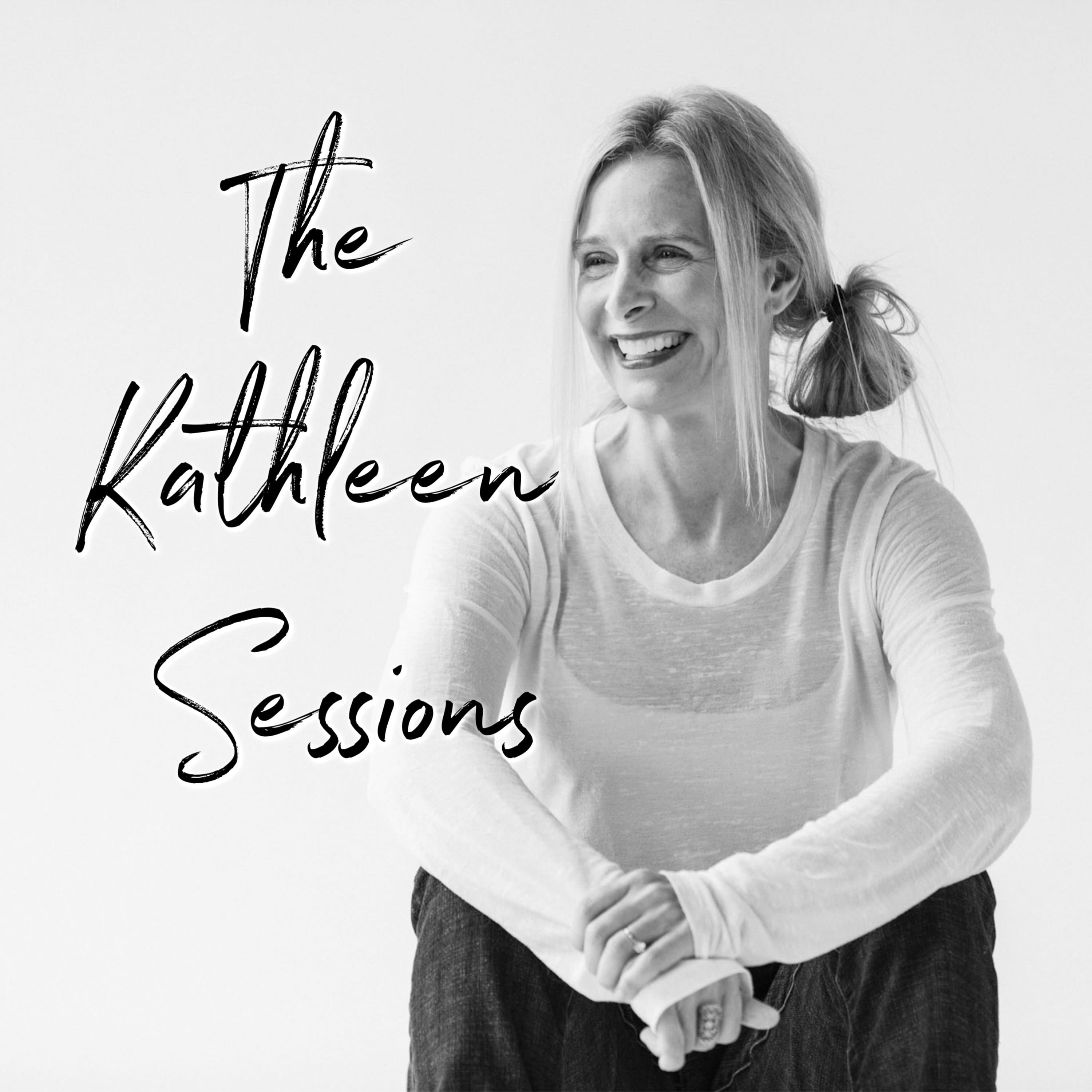
Ted Lasso
Mar 3, 2021Tap to summarizeEpisode #373. Dear Ted, where have you been? This show will lift your heart to the moon, make your belly hurt from laughing, and bring you to your knees with wild gratitude. More of this in my life, please. Share this podcast with your friends. Let the episodes jumpstart the most meaningful conversations of your life. Contact Kathleen About Kathleen Slattery-Moschkau
Transcribe →Daily Score Card
Feb 3, 2021Tap to summarizeEpisode #372. Daily Score. Screw annual resolutions. The end of the year is a lifetime away. Do your personal bean counting every day and course correct as needed. How are you living today? How are you living in this moment? Share with your friends! Let the episodes jumpstart the most meaningful conversations of your life. Contact Kathleen About Kathleen Slattery-Moschkau
Transcribe →