Podcast
The EdisonOS Podcast
Hosted by EdisonOS · EN
Insights and Strategies on Standardized tests to improve student's scores. Join us as we explore proven test prep methodologies through the eyes of top tutors, score improvement specialists, and industry leaders. Each week, we'll bring you in-depth interviews with experts from across the globe as they share their strategies for driving real score gains, navigating question quality standards, leveraging digital tools, and adapting to the evolving college admissions landscape. From mastering targeted skill development for student progress to keeping parents updated in test prep!
48episodes
Episodes
Newest firstAll episodes
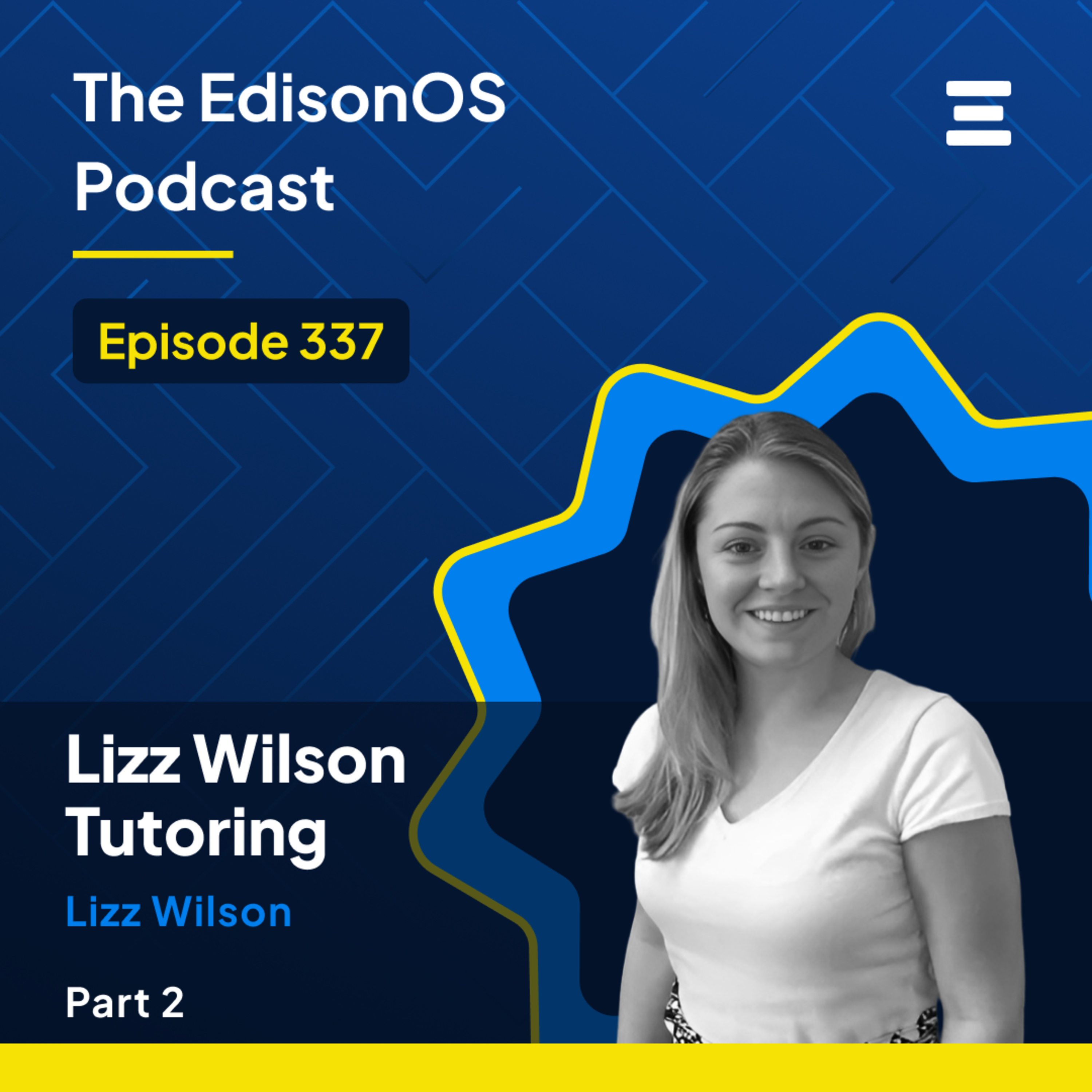
Episode 337 | Lizz Wilson | Lizz Wilson Tutoring | Part 2 | The EdisonOS Podcast
5d ago00:39:10Tap to summarizeIn this episode, Lizz Wilson, an AP specialist in math and science, breaks down what separates students who score a five from those who just get by, pointing to early preparation starting around January, daily practice with flashcards, time management across multiple AP exams, and the habit of reviewing FRQ scoring guidelines to understand how graders think. She explains how to choose between AP Calculus AB and BC and AP Physics 1 and C based on a student's grade level, math foundation, future academic interests, and what their school actually offers.She shares her ideal four month prep roadmap, finishing content by mid March and spending the final six to eight weeks on practice tests at a pace of roughly one per week, and lays out a realistic crash course plan for students who come to her with only thirty days left, requiring at least two hours of daily prep, two weeks of focused content review, and two practice tests per week under real test conditions.
Transcribe →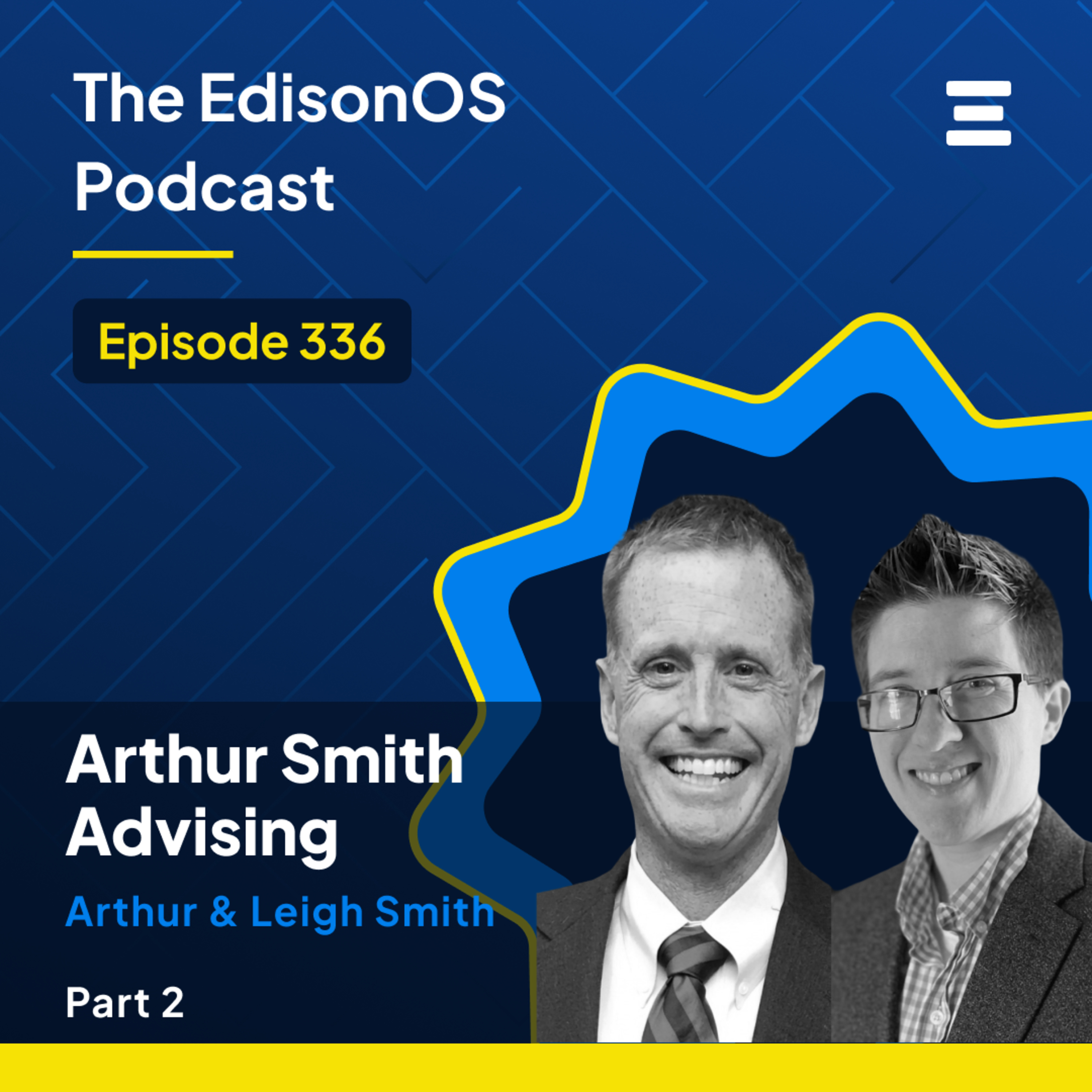
Episode 336 | Arthur & Leigh Smith | Arthur Smith Advising | Part 2 | The EdisonOS Podcast
6d ago00:46:35Tap to summarizeIn this episode, Arthur Smith, founder of Arthur Smith Advising and former dean of admissions at Cornell University, and Leigh Smith, a test prep specialist with more than ten years of experience, break down two of the most misunderstood tools in a student's college prep journey, the PSAT and the AP exam. Arthur explains why AP courses signal ambition to admissions committees, why students who take the course should almost always take the exam, and why students at schools with fewer AP offerings should not panic but instead focus on excelling within what their school provides.Leigh clarifies that the P in PSAT stands for preliminary and not practice, walks through how the sophomore and junior year tests serve different purposes, and shares why tutors should be using a student's existing PSAT report as a diagnostic tool rather than immediately administering a separate practice test.
Transcribe →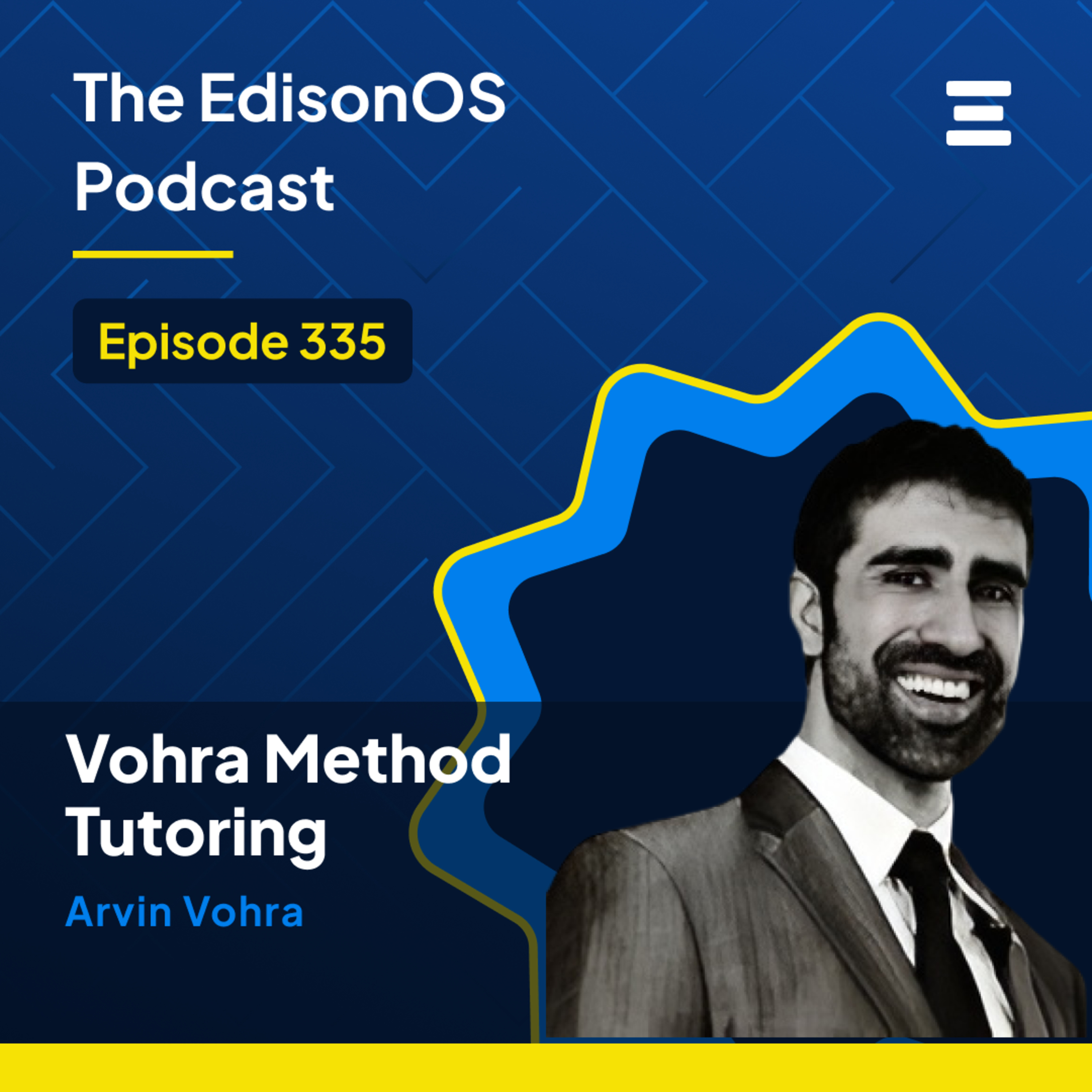
Episode 335 | Arvin Vohra | Vohra Method Tutoring | The EdisonOS Podcast
2w ago00:40:23Tap to summarizeIn this episode, Arvin Vohra, founder of Vohra Method Tutoring, shares how his core philosophy of bringing rigorous Socratic style teaching into a group class setting has guided everything he has built, and why he now believes the SAT and ACT have become, in an age of AI inflated grades, the only truly reliable measure of student ability. Drawing from years of working with students across all score levels, Arvin explains why he advises students to prepare for both the SAT and ACT rather than picking one based on practice tests, which he believes both companies deliberately make easier to influence where students spend their money.He discusses why the second module is where top scores are actually won or lost, why writing out every single step of every math problem is the fastest fix for strong students who are leaving points on the table, and shares his belief that fifteen minutes of serious fiction reading every day is the single most impactful habit a student can build, improving not just reading scores but math, essays, and intellectual depth that top colleges are genuinely looking for.
Transcribe →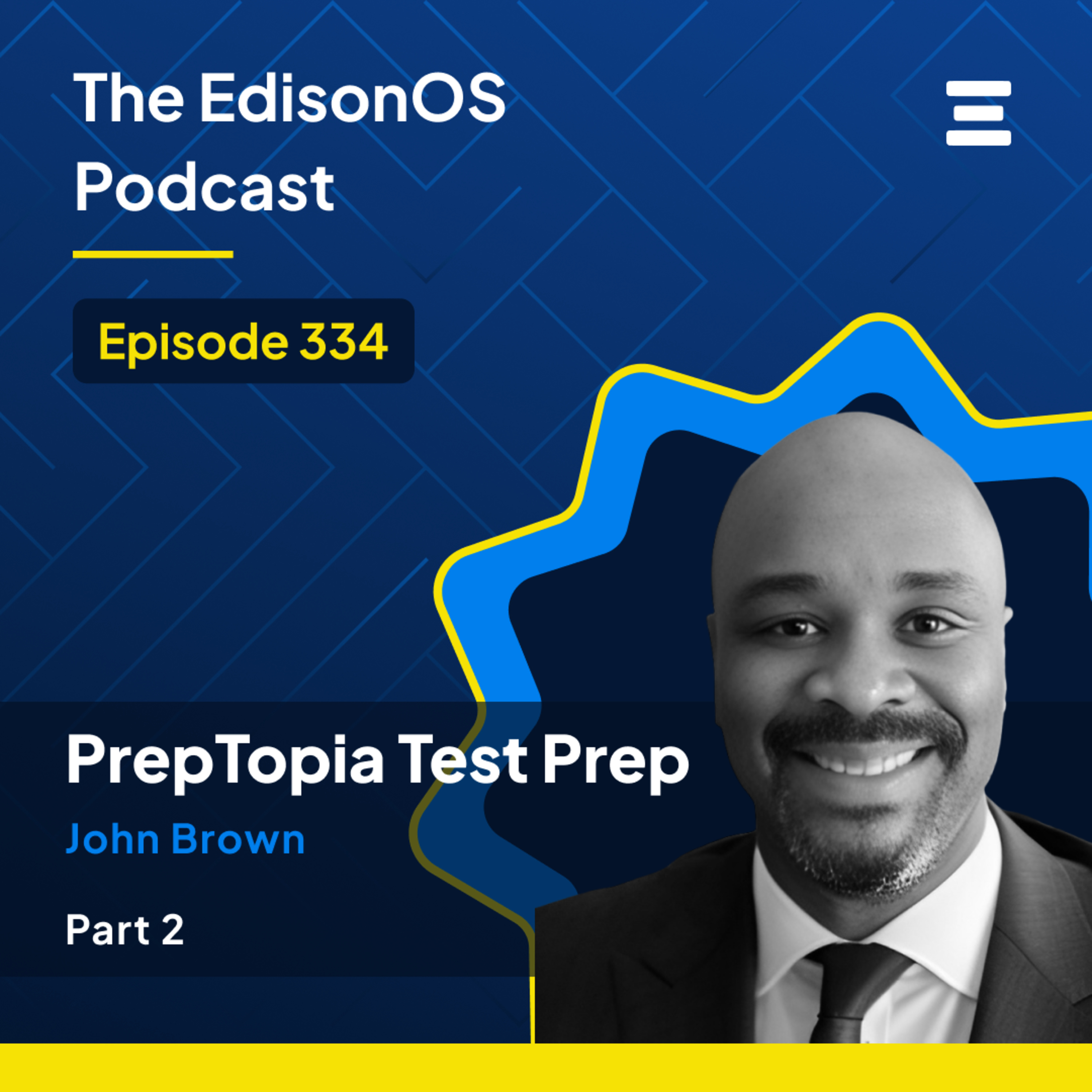
Episode 334 | John Brown | PrepTopia Test Prep | Part 2 | The EdisonOS Podcast
2w ago00:50:42Tap to summarizeIn this episode, John Brown, founder of PrepTopia Test Prep, shares how the ACT's acquisition by ETS and the shift away from science as part of the composite score are two of the biggest changes most families are still catching up on, and why the wave of schools reinstating testing requirements signals that the test optional era may be winding down. Drawing from his experience of personally taking both the SAT and ACT in the same month, John explains why he still relies on a diagnostic first approach rather than defaulting to one test, steering students toward whichever test offers the most growth potential for them specifically.He discusses his hybrid model of one on one tutoring combined with group sessions and his hours of power format where students watch an expert break down the hardest questions live, his diagnose, target, drill, and retest loop, and why he advises most students to plan for two to three attempts, stopping when scores are no longer improving by at least thirty to fifty points.
Transcribe →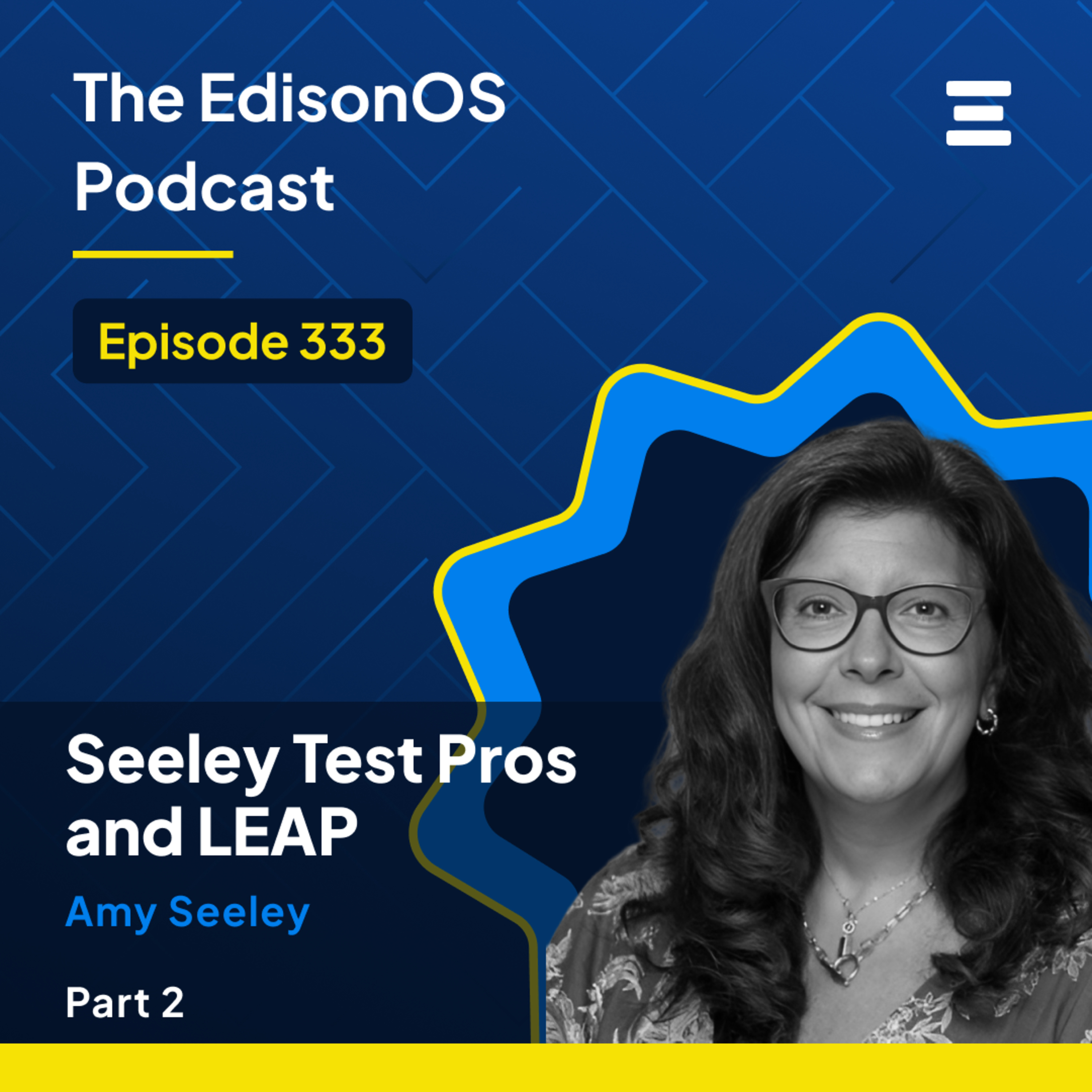
Episode 333 | Amy Seeley |Seeley Test Pros and LEAP| Part 2 | The EdisonOS Podcast
2w ago00:58:38Tap to summarizeIn this episode, Amy Seeley, of Seeley Test Pros and LEAP, shares how over 30 years in test prep has shaped a goal-first philosophy where understanding what a student and family are truly trying to achieve matters just as much as the score itself. Drawing from experience working with students across all scoring levels, Amy explains how she decides between the SAT and ACT by looking at a student's reading habits, vocabulary strength, and comfort with algebra, and how the enhanced ACT's shift to two-thirds verbal and the removal of science from the composite has changed that decision for many students.She discusses how she diagnoses knowledge gaps by asking students not just what they missed but why they missed it, why grammar instruction tends to move the needle fastest for students stuck in the mid-range, and shares why high achieving students often struggle not with the hardest questions but with the simplest ones, tripping over carelessness and overconfidence rather than content they do not know.
Transcribe →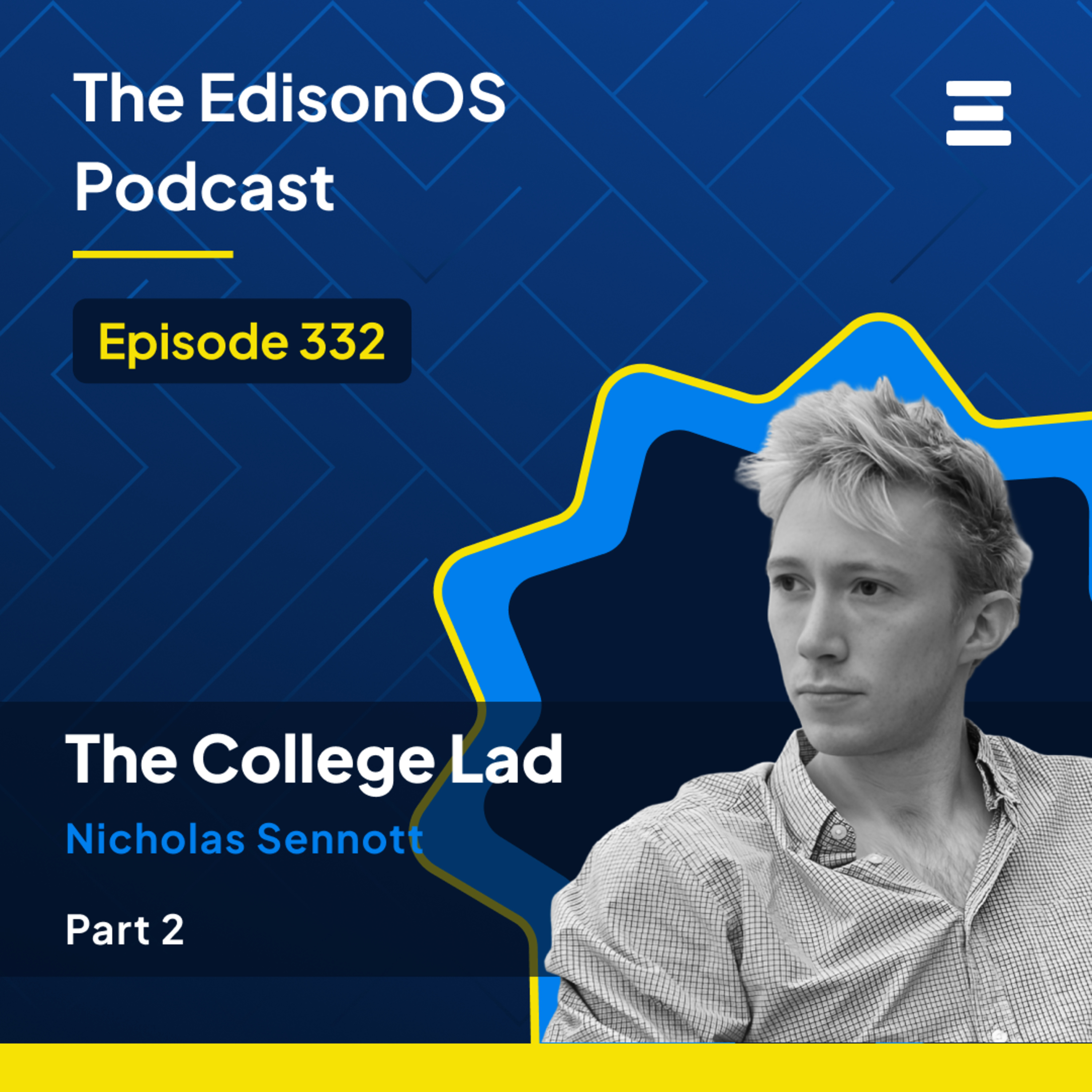
Episode 332 | Nicholas Sennott | The College Lad | Part 2 | The EdisonOS Podcast
2w ago00:50:28Tap to summarizeIn this episode, Nicholas Sennott, founder of The College Lad, shares how nearly fifteen years in test prep led him to build a practice focused on helping already strong students push from good to great, specializing in moving students from the 1300 to 1400 SAT range toward 1500 and from the high twenties on the ACT toward the mid-thirties. Drawing from his experience working one on one with high schoolers, Nicholas explains why the skills needed to cross those upper score thresholds are so different that it almost feels like learning a completely new test.He discusses why the digital adaptive format means that three or four questions can represent a 200-point jump depending on which second module a student ends up in, why students stuck in the 1300s should focus on grammar rules as a short term fix and closer active reading as the longer term habit that moves the needle most, and shares his view that four test attempts is the right number for most students, with the first one serving mainly to get comfortable in the testing environment rather than to hit a target score.
Transcribe →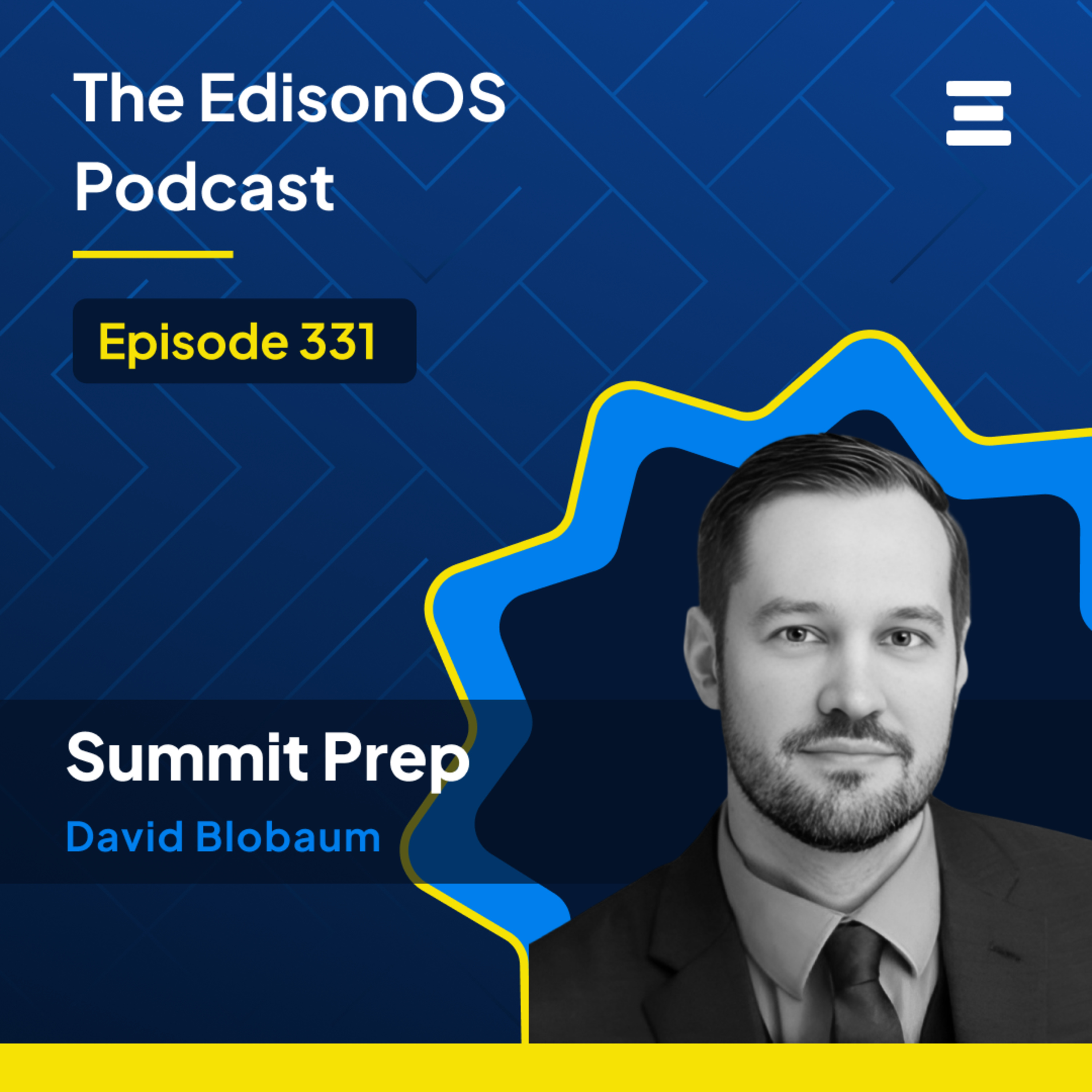
Episode 331 | David Blobaum | Summit Prep | The EdisonOS Podcast
3w ago00:39:14Tap to summarizeIn this episode, David Blobaum, an expert on college admissions and AP strategy, traces how the original purpose of AP exams as a way to earn college credit has quietly evolved into a tool for authenticated proficiency at a time when grade inflation has made high school GPA nearly meaningless. Drawing from data including UCLA's 60 year freshman survey and NAEP proficiency scores, David explains how a landscape where 84 percent of college bound students carry an A average has pushed top schools to rely more heavily on AP scores than ever before.He discusses how the discontinuation of SAT subject tests in 2021 accelerated this shift, why only fours and fives really matter for admissions at top 50 schools, and shares his prediction that in the next five years more colleges beyond the top 50 will begin recommending or even requiring AP exam scores as grade inflation shows no signs of reversing.
Transcribe →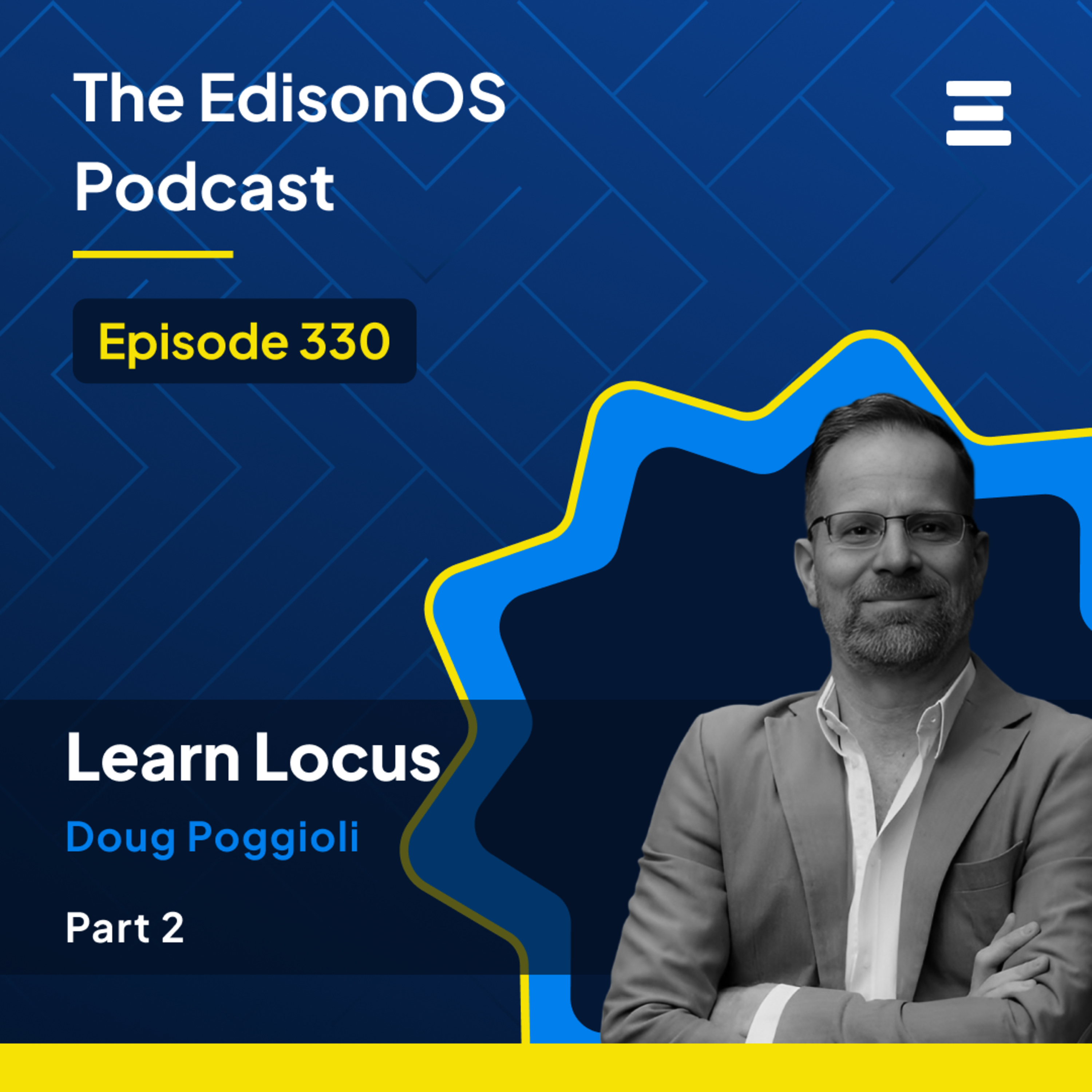
Episode 330 | Doug Poggioli | Learn Locus | Part 2 | The EdisonOS Podcast
4w ago00:50:24Tap to summarizeIn this episode, Doug, an experienced AP math tutor, shares how leaving classroom teaching behind led him to a more fulfilling one on one tutoring practice where he could focus entirely on working directly with students across a wide range of math subjects. Drawing from years of private tutoring experience, Doug explains why the students who excel at AP are not just technically skilled but adaptable, reading carefully, thinking flexibly, and knowing when to reach for a graph instead of an equation.He discusses the three core approaches every AP Calculus student needs, graphical, numerical, and algebraic, and why students who rely on only one method tend to struggle even when they have reached the AP level. He also shares what a tutor can and cannot realistically do, being clear that a tutor can pinpoint weak spots and guide the work but cannot replace the consistent effort and time a student must put in on their own.
Transcribe →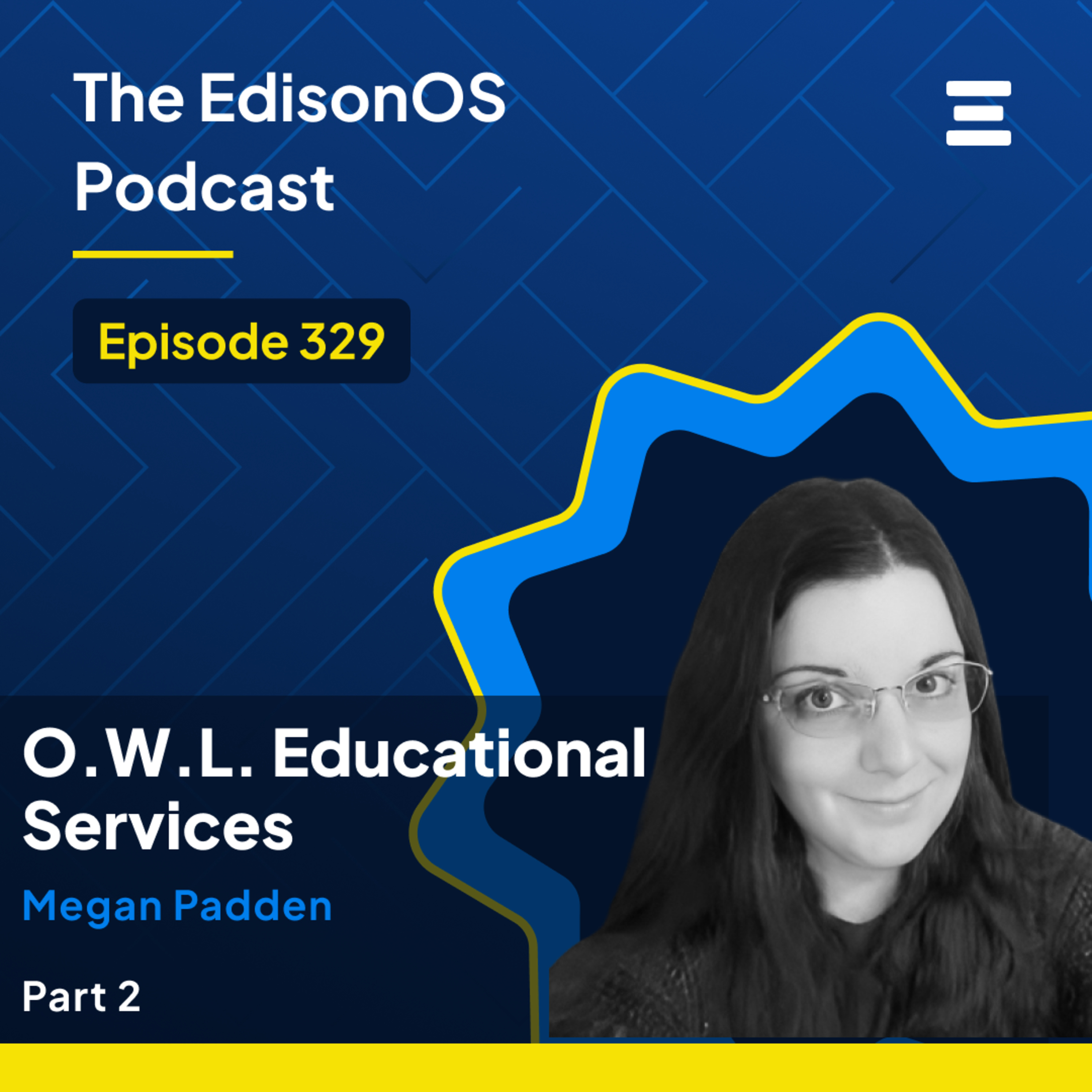
Episode 329 | Megan Padden | O.W.L. Educational Services | Part 2 | The EdisonOS Podcast
Jul 500:41:51Tap to summarizeIn this episode, Megan Padden, owner and founder of O.W.L. Educational Services, reveals about what the PSAT really measures and how families should use it as a readiness tool for the SAT rather than a scholarship checkpoint. Megan explains common early mistakes students make, why practice matters even when a score won't count toward admissions, and how the right age to start prep often comes down to a student's math background. She breaks down which skills matter most for PSAT success, why students trained to read every word in school struggle with pacing on test day, and how she diagnoses whether a student needs content repair or strategy coaching.The conversation also covers building a realistic study routine, interpreting rescores without overreacting, which AP subjects reward deeper understanding over memorization, balancing multiple AP preps without burnout, how digital testing has changed preparation, lingering learning gaps from the COVID era, and why strong academic students can still underperform on standardized tests due to testing anxiety.
Transcribe →
Episode 328 | Dan Marlin | Galin Education | Part 2 | The EdisonOS Podcast
Jun 3000:27:26Tap to summarizeIn this episode, Dan, Test Prep Director at Galin Education, breaks down why the PSAT is low stakes, low risk, and often misunderstood, with most students simply not knowing what it is or what it can offer rather than misunderstanding it outright. He explains the score ranges that signal real National Merit potential, around 28 to 29 and above on the ACT or 1350 and higher on the SAT, and why prepping for the PSAT looks almost identical to SAT prep given how closely aligned the two tests have become.He discusses how the section adaptive format works in practice, why getting students into the harder second module is the real key to a top score, and shares his honest take on the new digital ACT, including why he still recommends paper and pencil over computer for students who have the choice, and what the ACT still needs to catch up to where the SAT's digital platform already stands.
Transcribe →