Podcast
The EdisonOS Podcast
Hosted by EdisonOS · EN
Insights and Strategies on Standardized tests to improve student's scores. Join us as we explore proven test prep methodologies through the eyes of top tutors, score improvement specialists, and industry leaders. Each week, we'll bring you in-depth interviews with experts from across the globe as they share their strategies for driving real score gains, navigating question quality standards, leveraging digital tools, and adapting to the evolving college admissions landscape. From mastering targeted skill development for student progress to keeping parents updated in test prep!
48episodes
Episodes
Newest firstAll episodes
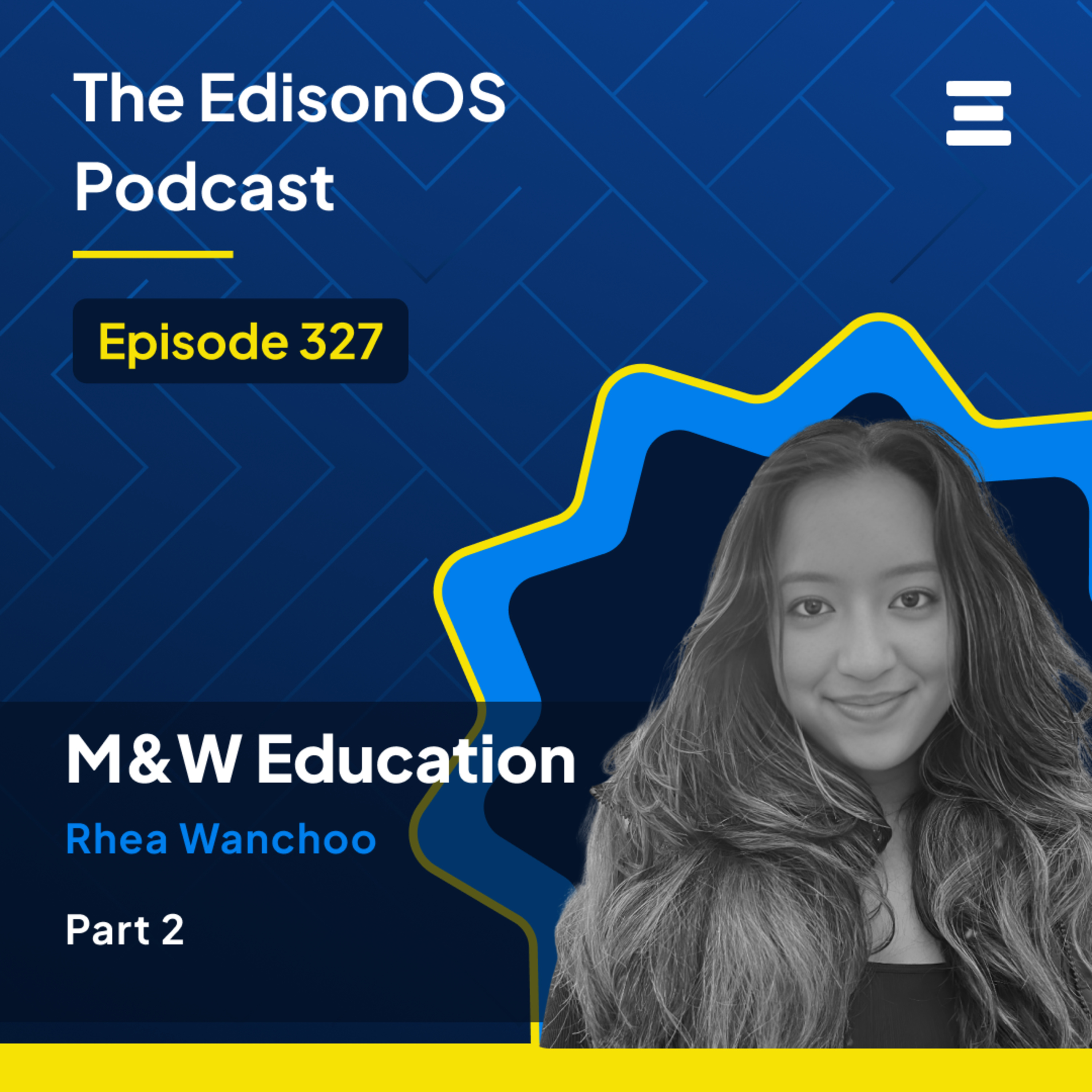
Episode 327 | Rhea Wanchoo | M&W Education | Part 2 | The EdisonOS Podcast
Jun 2700:43:42Tap to summarizeIn this episode, Rhea Wanchoo, co-founder of M&W Education, shares how her background in academic psychology shaped a company built at the intersection of test prep, college admissions, and student confidence. Drawing from her experience working with students through high school and into the college transition, Rhea explains why effort alone is never enough and why the biggest gap she sees is not hard work but the absence of structure, clear feedback, and a personalized system.She discusses how the computer adaptive format of the digital PSAT triggers a different psychological reaction than the old paper based test, why high GPA students still struggle on test day due to anxiety and poor simulation of real conditions, and shares why she considers the overwhelmed student the hardest to help, not the underprepared one, because stress blocks execution even when the ability is fully there.
Transcribe →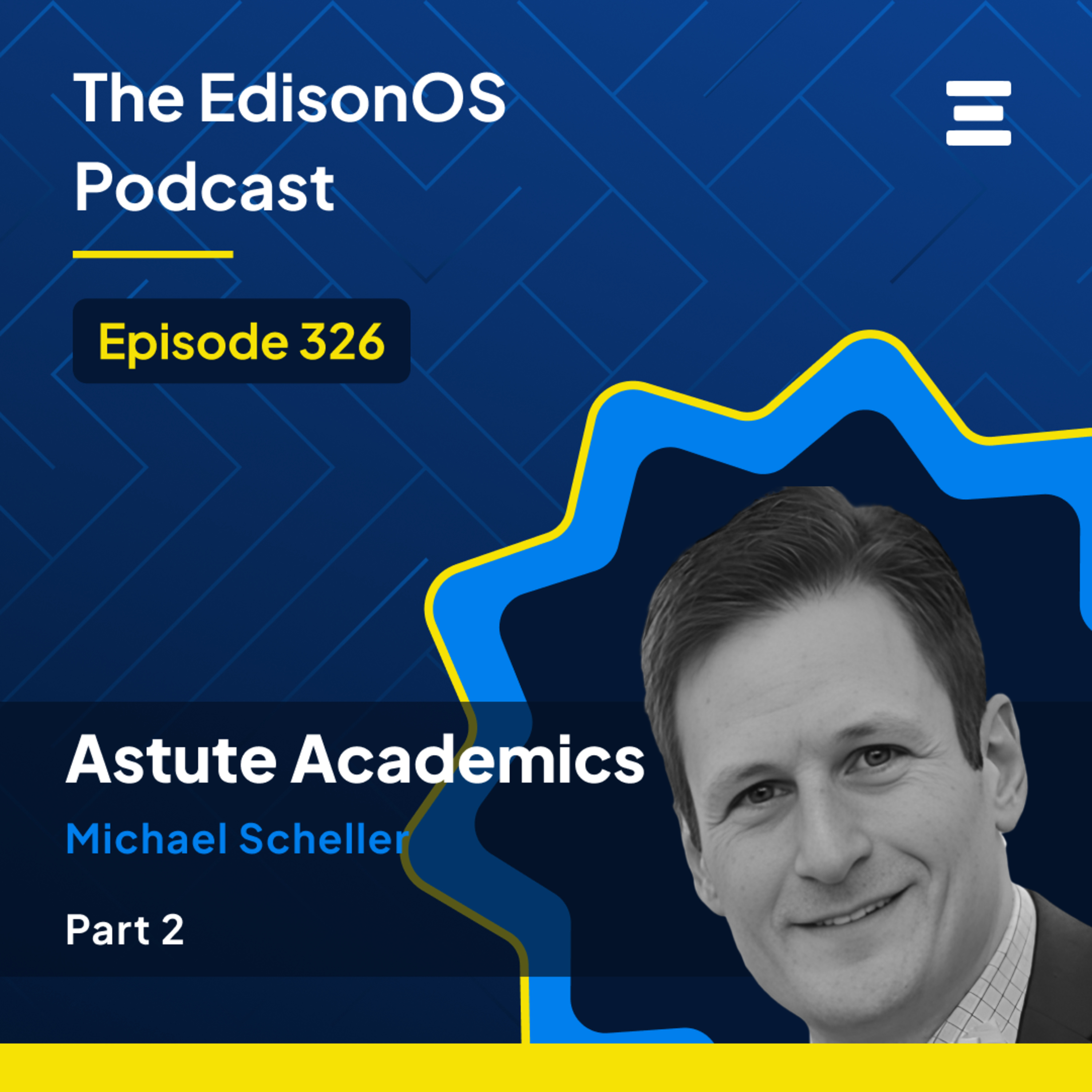
Episode 326 | Michael Scheller | Astute Academics | Part 2 | The EdisonOS Podcast
Jun 2200:51:17Tap to summarizeIn this episode, Michael Scheller, an experienced test prep coach, shares his direct and no-nonsense perspective on PSAT and AP preparation, explaining why he believes prepping specifically for the PSAT is a waste of resources and why strong SAT prep naturally covers it. Drawing from tens of thousands of hours working with students across New Jersey and Connecticut, Michael breaks down how cutoff scores, state testing requirements, and AP placement policies vary dramatically by district and why knowing your school is the single most important rule.He discusses the dangers of overloading on AP courses, sharing a real student story where jumping from one AP to five led to a downward spiral that was only reversed by scaling back, and warns families against blindly following advice from social media, reminding listeners that what works in one state can be completely irrelevant in a highly competitive market like New Jersey or Massachusetts.
Transcribe →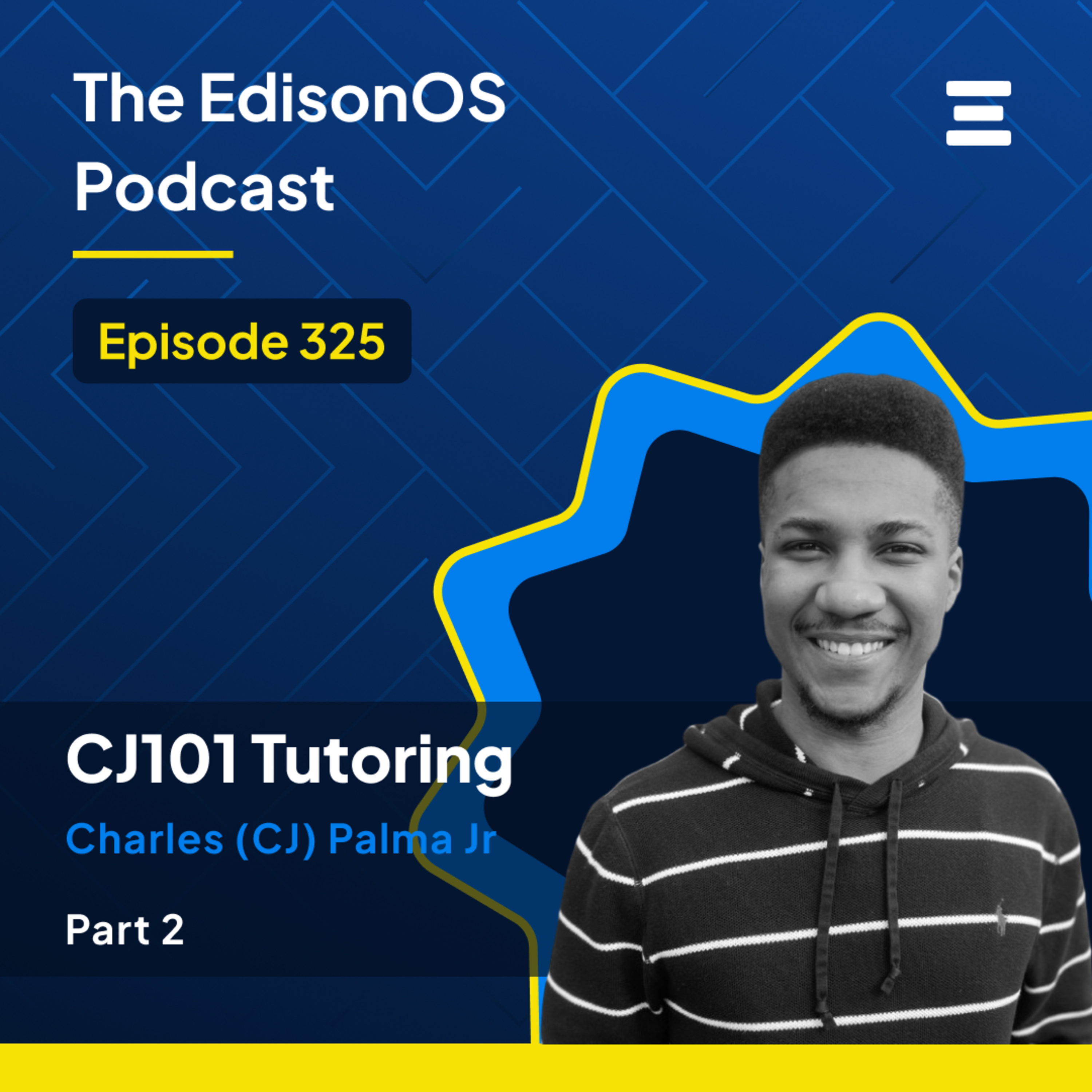
Episode 325 | Charles (CJ) Palma Jr | CJ101 Tutoring | Part 2 | The EdisonOS Podcast
Jun 1800:52:24Tap to summarizeIn this episode, CJ Palma, founder of CJ101 Tutoring, shares how his unique background in marine science, computer science, and psychology shapes his approach to teaching AP Environmental Science, and how growing up as a second generation American informs the empathy driven strategies he brings to test prep. Drawing from his own academic and entrepreneurial journey, CJ explains why building resilience in students matters just as much as the score itself.He discusses common misconceptions students have about the digital and adaptive PSAT, including how to handle the emotional reaction to a tougher second module, the careless calculator errors he sees most often, and why he believes consistent quality study time matters more than cramming, while also reminding students that what they take away from this process goes far beyond the test score.
Transcribe →
Episode 324 | Philip Bates | UWorld | Part 2 | The EdisonOS Podcast
Jun 1701:13:47Tap to summarizeIn this episode, Philip Bates, who leads college readiness at UWorld, reveals how the digital and adaptive shift in the PSAT and AP exams is reshaping test prep and what it will take for these exams to stay relevant in a test optional world. Drawing from his work with school districts nationwide, Philip explains why teaching content alone isn't enough, students also need to be taught executive function skills like how to study, write effective essays, and use tools such as the embedded Desmos calculator.He discusses the importance of using PSAT and AP data to find curriculum gaps rather than just piling on more practice questions, and shares why successful rollout of resources like UWorld depends on building teacher buy in early, training school leaders the spring before launch, and being ready to fix problems quickly when something doesn't go smoothly.
Transcribe →
Episode 323 | Eliza Kimball | Crimson Connections LLC | The EdisonOS Podcast
May 100:54:38Tap to summarizeIn this episode, Eliza Kimball, founder of Crimson Connections LLC, shares how she launched her tutoring company during her senior year of high school in 2020 and has since built it into a full-time venture connecting Ivy League students with high schoolers. Drawing from her own experience as an overachieving student at Harvard, Eliza explains why she targets seventh and eighth graders, believing that real impact comes from building character, critical thinking, and genuine passion over years, not just improving grades.She discusses her student-to-student mentorship model, her belief that AI can be a powerful homework aid and exam prep tool but should never replace human mentorship, and shares why she recruits tutors not just for academic expertise but for personality, authentic curiosity, and the ability to truly connect with kids.
Transcribe →
Episode 322 | Dr. Emily Levy | EBL Coaching | The EdisonOS Podcast
Apr 2200:42:45Tap to summarizeIn this episode, Dr. Emily Levy, founder of EBL Coaching, shares how growing up around her mother's school for students with learning disabilities in Florida shaped her path from Wall Street back into special education. Drawing from her doctorate and years of hands-on experience, Emily explains how a multi-sensory approach, integrating visual, auditory, and tactile methods, can be life-changing for students with dyslexia, ADHD, and other learning differences.She discusses how pandemic learning gaps are still showing up today, particularly in students who missed early foundational skills in reading and math, and shares why she now sees a diagnosis not as a label but as a gift that unlocks the right tools and resources for a child to thrive.
Transcribe →
Episode 321 | Gabe Futrell | Principal | The EdisonOS Podcast
Apr 2200:41:36Tap to summarizeIn this episode, Gabe Futrell, principal of Bill Metz Elementary in Monte Vista, Colorado, shares how over 15 years in one rural school community has shaped his approach to leadership. Drawing from more than two decades in education, Gabe explains how a love for small towns and the mountains first brought him to the San Luis Valley and why the people around him have kept him there.He discusses the IE Time intervention model his school adopted just before COVID, targeting every student with daily small group reading and math support, and shares how sticking with that approach through and after the pandemic drove significant academic growth. He also reflects on the challenges of high poverty, the importance of distributive leadership, and why saying no to good ideas is sometimes the only way to become great at the right ones.
Transcribe →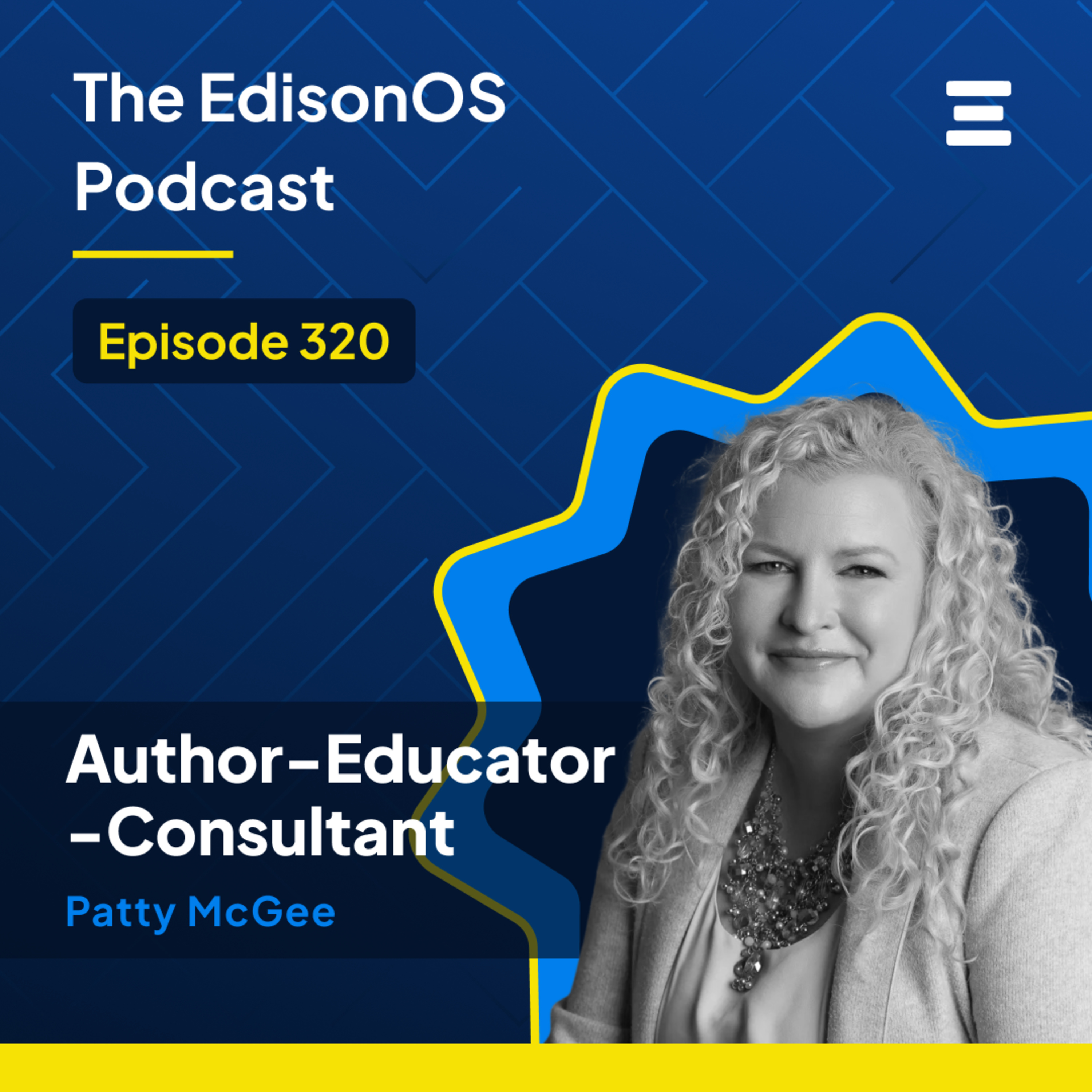
Episode 320 | Patty McGee | Author-Educator-Consultant | The EdisonOS Podcast
Apr 1600:51:07Tap to summarizeIn this episode, Patty McGee, literacy consultant, educator, and author, describes herself as a "traveling teacher" who spends time in schools helping teachers and students rather than staying distant from the classroom. Drawing from her own early struggles with poor literacy instruction, Patty explains why strong literacy teaching must center student choice, student voice, and goal-centered responsive instruction.She challenges the growing overreliance on phonics in the wake of the science of reading movement, warns against the assign and assess culture in writing instruction, and shares why she sees AI as a tool to amplify human voice rather than replace it. She also offers a simple yet powerful shift for teachers: to look at student writing with the same admiring eye we bring to student art.
Transcribe →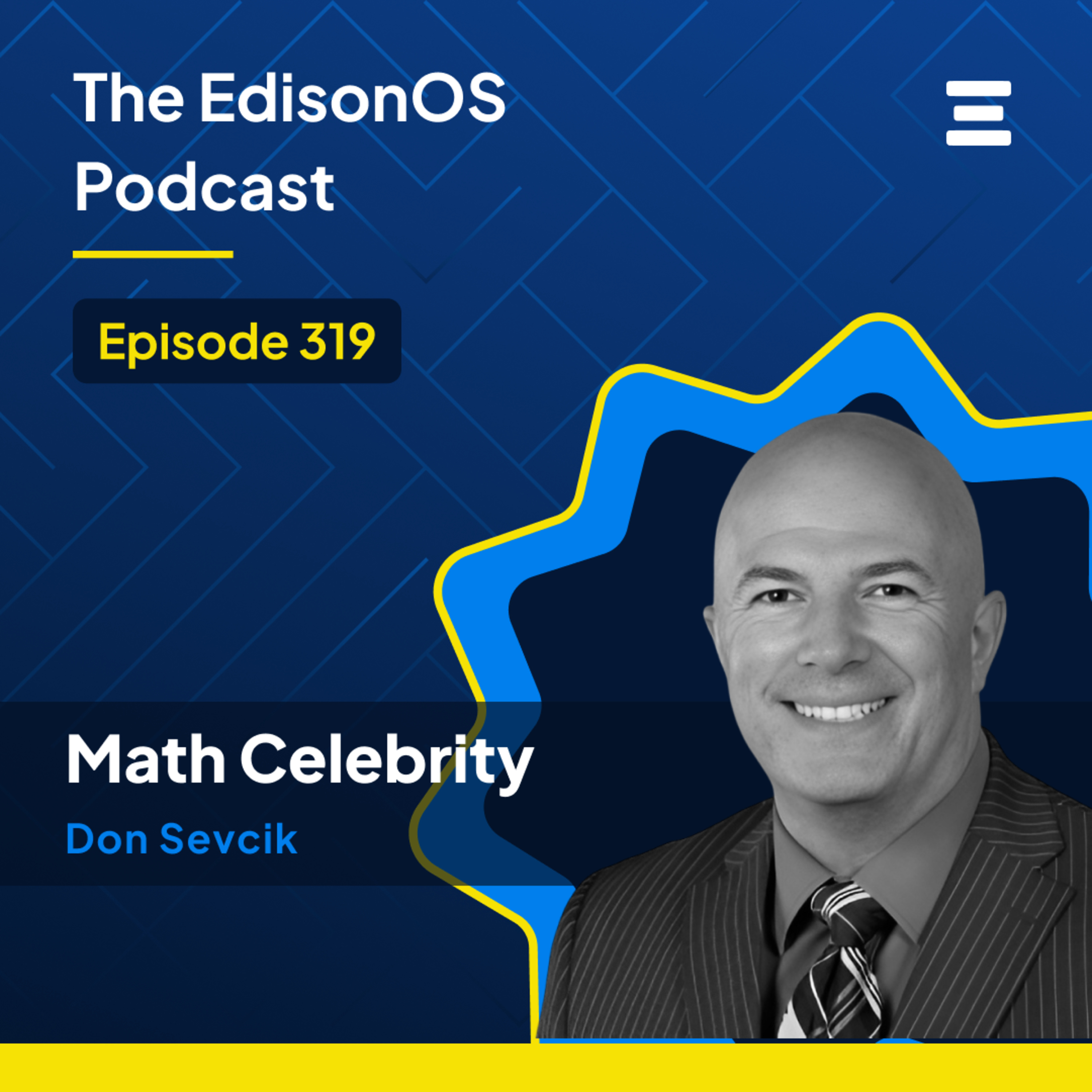
Episode 319 | Don Sevcik | Math Celebrity | The EdisonOS Podcast
Apr 700:41:40Tap to summarizeIn this episode, Don Sevcik, creator and founder of Math Celebrity with eight million users annually and zero paid marketing, reveals how watching a team in India struggle with a 300-page pension book led him to build Excel step-by-step calculators that became the blueprint for automating his math tutoring brain on a website. Drawing from 17 years building the platform, Don explains his pattern IQ philosophy teaching students to identify problem types before solving them, a skill missing when teachers label everything but critical when problems appear unlabeled on exams.He discusses his sixth-year breakthrough in 2013 when someone typed an actual equation instead of searching for concepts, forcing him to partner with a Czechoslovakian programmer to build pattern recognition that launched version 2.0 and exploded traffic. Don shares his inversion mental model borrowed from Charlie Munger, focusing on eliminating unforced errors rather than chasing perfect presentations, emphasizing he can control stupid mistakes but not whether customers say yes. He reveals his biggest belief reversal that good products don't sell themselves, admitting if he started over he'd build a sales team first and validate demand before writing code, and stresses his 80-20 rule and first principles thinking from homeschooling his kids, explaining if you can't teach it at fifth grade level you don't understand it.
Transcribe →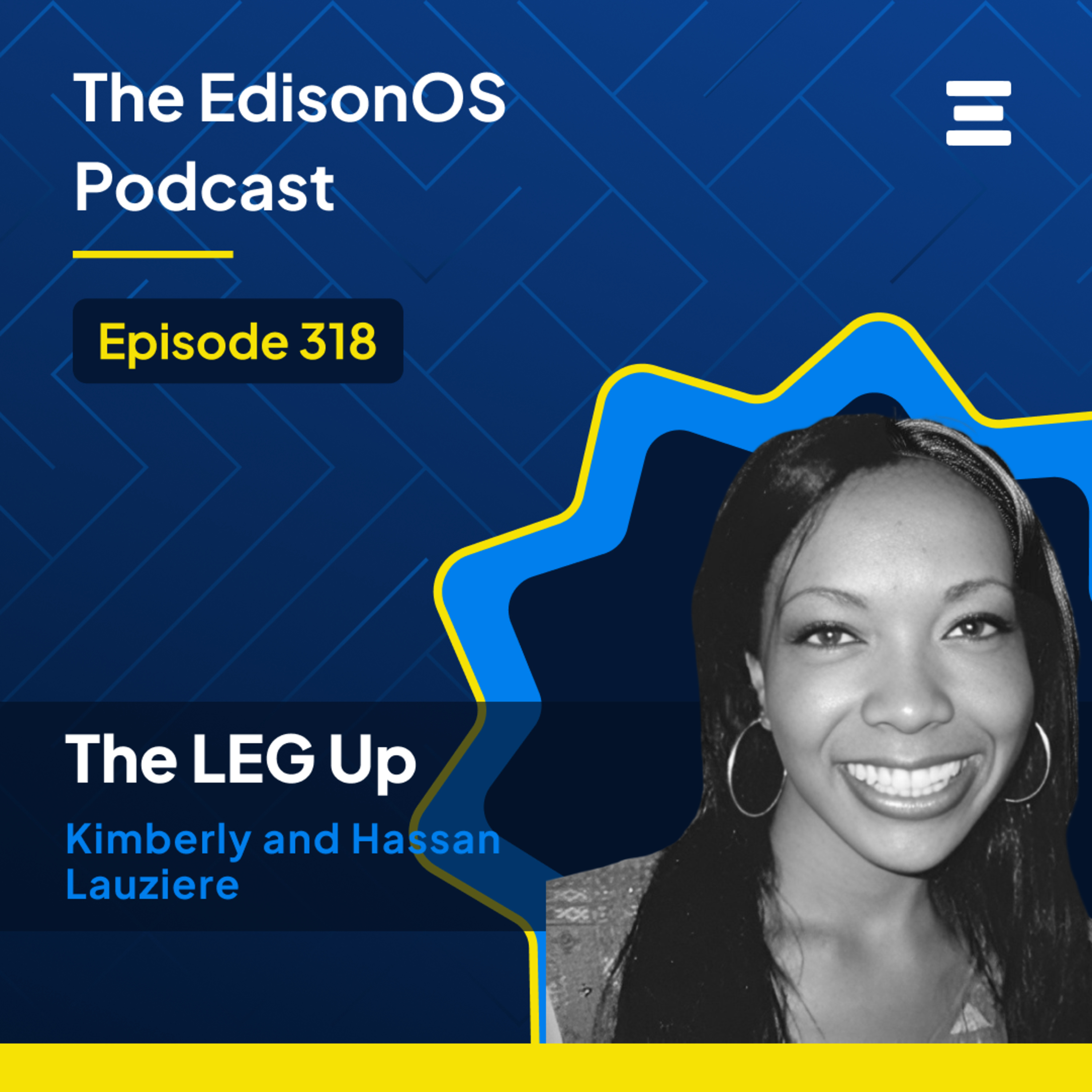
Episode 318 | Kimberly and Hassan Lauziere | The Lauziere Education Group | The EdisonOS Podcast
Mar 2600:48:37Tap to summarizeIn this episode, Hassan and Kimberly, founders of The Lauziere Education Group with backgrounds in physics, math, English, and literature, reveal how they left corporate careers to build a holistic learning ecosystem after traveling to over 50 countries and discovering education should extend beyond classroom walls. Drawing from their diverse subject expertise, they explain how all disciplines are intertwined through critical thinking, logic in essays mirrors physics problem-solving, and math requires reading comprehension just as literature demands analytical rigor.They discuss the breakdown in modern education from curriculum abandoning classics for newer books without foundational history and philosophy, to culture prioritizing sports over developing minds, to social media destroying the focused attention needed to actively engage with past thinkers. Hassan and Kimberly share their reading restoration approach starting students with 10 minutes daily and gradually building stamina, emphasizing mastery over speed and letting students choose topics that interest them. They reveal their evolution from thinking students should pursue highest-paying jobs to realizing fulfillment comes from alignment with purpose, and share their practice of daily prayer, meditation, and learning something new while having interesting debates with each other, urging 16-year-olds feeling school is pointless to view it holistically as people, teachers, experiences, and environment rather than just classes preparing their future selves.
Transcribe →