Podcast
The Lonely Palette
Hosted by Tamar Avishai · EN
Welcome to The Lonely Palette, the podcast that returns art history to the masses, one painting at a time. Each episode, host Tamar Avishai picks a painting du jour, interviews unsuspecting museum visitors in front of it, and then dives deeply into the object, the movement, the social context, and anything and everything else that will make it as neat to you as it is to her. For more information, visit thelonelypalette.com | Twitter @lonelypalette | Instagram @thelonelypalette.
72episodes
Episodes
Newest firstAll episodes
BonusEp. 10 - The Lonely Palette Live at On Air Fest (and an update!)
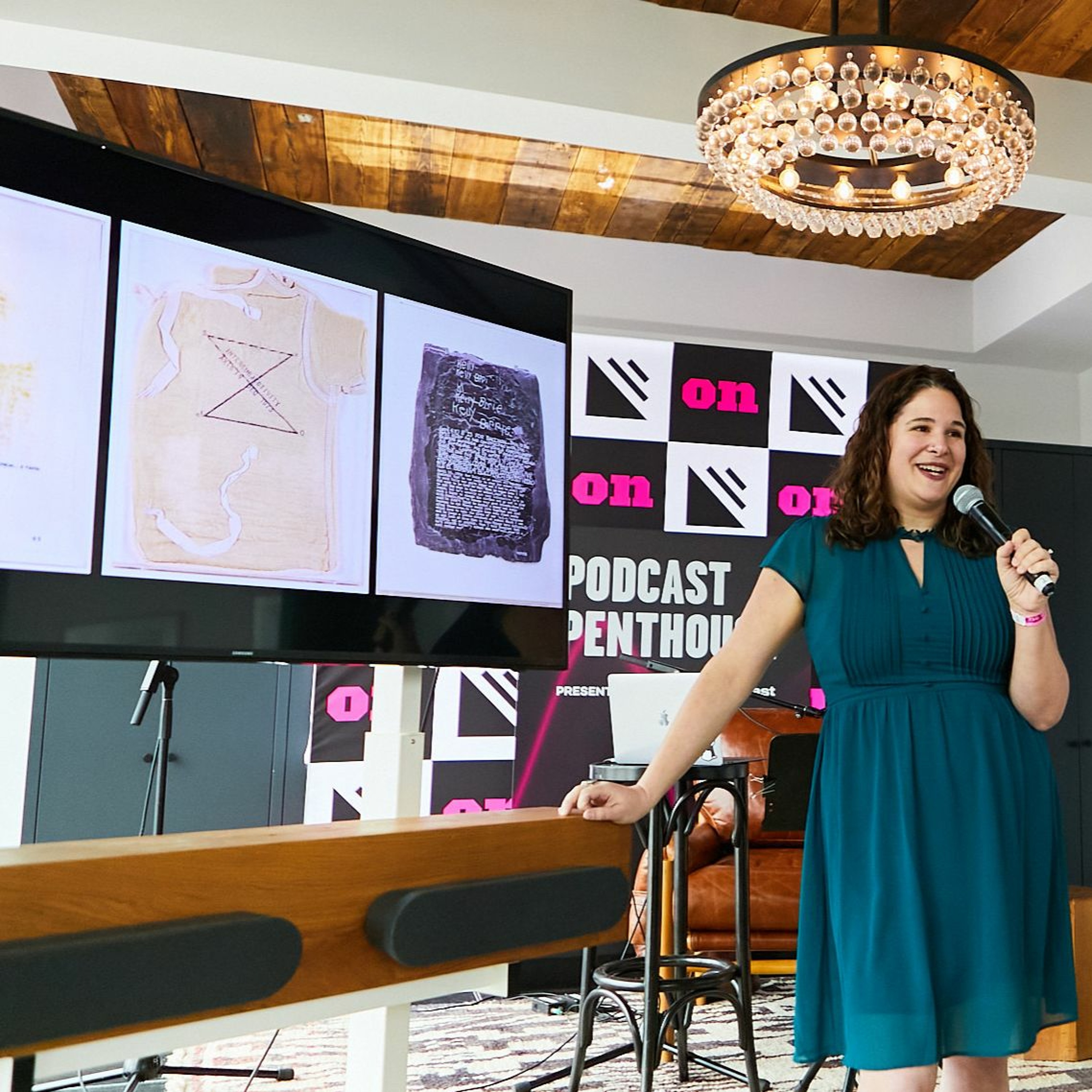
May 4, 2023Tap to summarizeHappy 7th birthday, The Lonely Palette! We're ringing in our itch with an quick update on next season, which starts in June, and a recording of our live show at On Air Fest, which was held in Brooklyn this past February. Please enjoy this revamped and refreshed episode of Mary Kelly's "Post-Partum Document," smash that subscribe button, and we'll see you next month. See the episode images: https://bit.ly/411KA0F Support the show: www.patreon.com/lonelypalette
Transcribe →
LookWithYourEarsEp. 0.2: The Figure
Jun 1, 2021Tap to summarizeThe Lonely Palette is collaborating with the Addison Gallery of American Art in celebration of the museum's 90th anniversary! In this episode, we're using the Addison's collection to explore the figure, which, in art history, is almost exclusively the object of the gaze. But what does it mean when the body – that is, the multi-dimensional person who inhabits it – steps behind the lens as well to take back control? Artists Explored: Lalla Essaydi, Laurie Simmons, Cindy Sherman, Lorna Simpson, Sally Mann, Dawoud Bey See the Images: https://bit.ly/34AE9Xw Music Used: The Blue Dot Sessions, “The Zeppelin,” “Dirty Wallpaper,” “Polycoat,” “Pastel de Nata,” “Turning to You,” “The Consulate” Further Listening: The Lonely Palette on Mary Cassatt: https://bit.ly/3uFM9Bj Support the Show: www.patreon.com/lonelypalette
Transcribe →
LookWithYourEarsEp. 0.1: Abstraction
May 18, 2021Tap to summarizeThe Lonely Palette is collaborating with the Addison Gallery of American Art in celebration of the museum's 90th anniversary! In this episode, we're using the Addison's collection to explore abstraction, i.e. the one guaranteed way to alienate your visitor. Or...maybe not? Maybe, when it comes to art without a fixed meaning, our presence is requested, and even required? Artists Explored: Agnes Martin, Jackson Pollock, Mark Bradford, Jasper Johns, Donald Judd See the Images: https://bit.ly/34AE9Xw Music Used: The Blue Dot Sessions, “The Zeppelin,” “Pinky,” “Flattered,” “A Little Powder,” “Arizona Moon,” “Daymaze,” “The Summit,” Jason Leonard, “Ritual Six” Further Listening: The Lonely Palette on Jackson Pollock: https://bit.ly/3eUQdsE The Lonely Palette on Jasper Johns: https://bit.ly/3hDFq82 Support the Show: www.patreon.com/lonelypalette
Transcribe →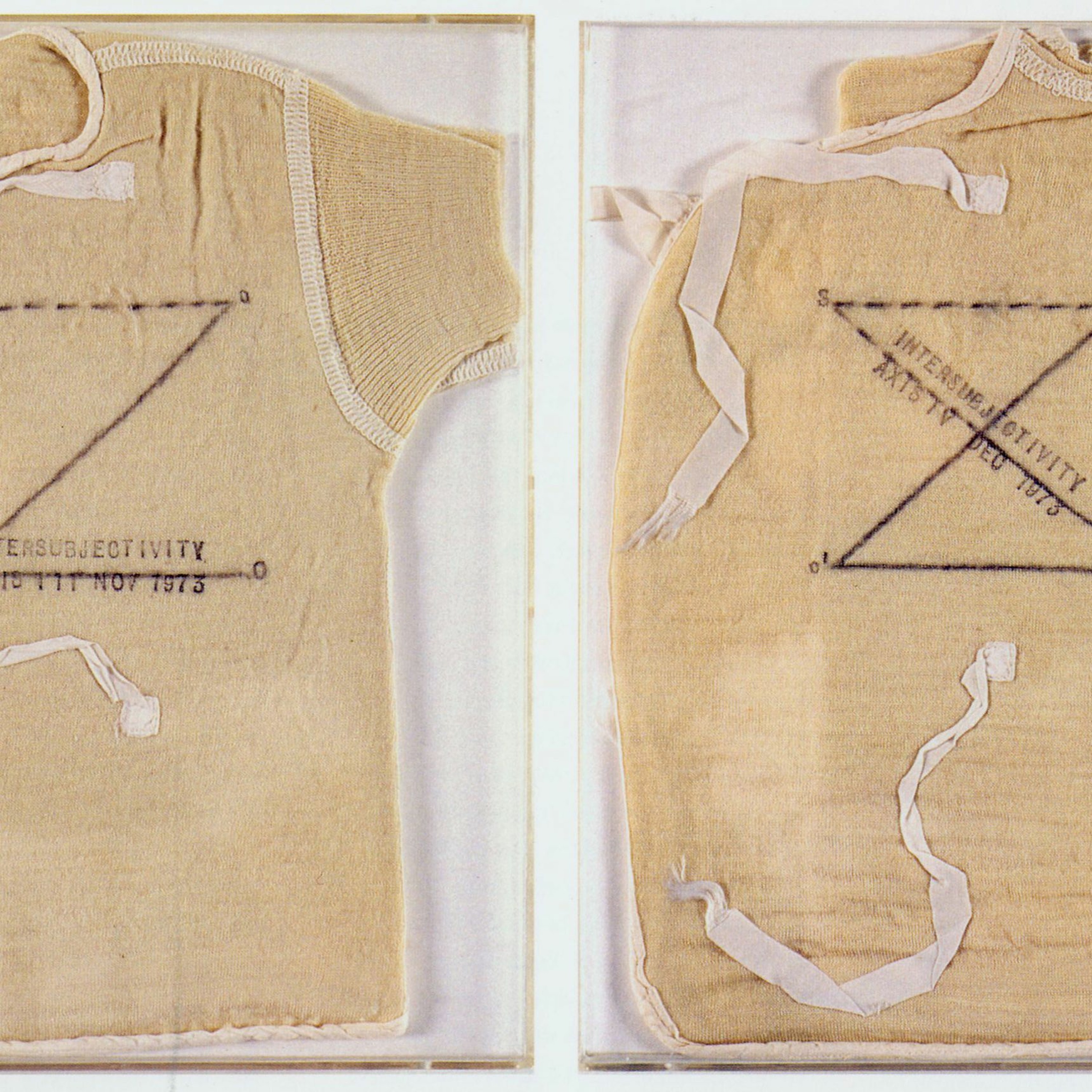
Ep. 51 - Mary Kelly's "Post-Partum Document" (1973-79)
Feb 18, 202100:36:24Tap to summarizeThe pandemic, motherhood, and me. See the images: http://bit.ly/3uaWHta Music used: The Blue Dot Sessions, “La Inglesa,” “Eggs and Powder,” “Paper Feather,” “Arizona Moon,” ”Lowball,” “Palladian,” “Simple Vale” Joe Dassin's “Les Champs-Elysees" via music box, ft. Calvin giggles Support the show: www.patreon.com/lonelypalette
Transcribe →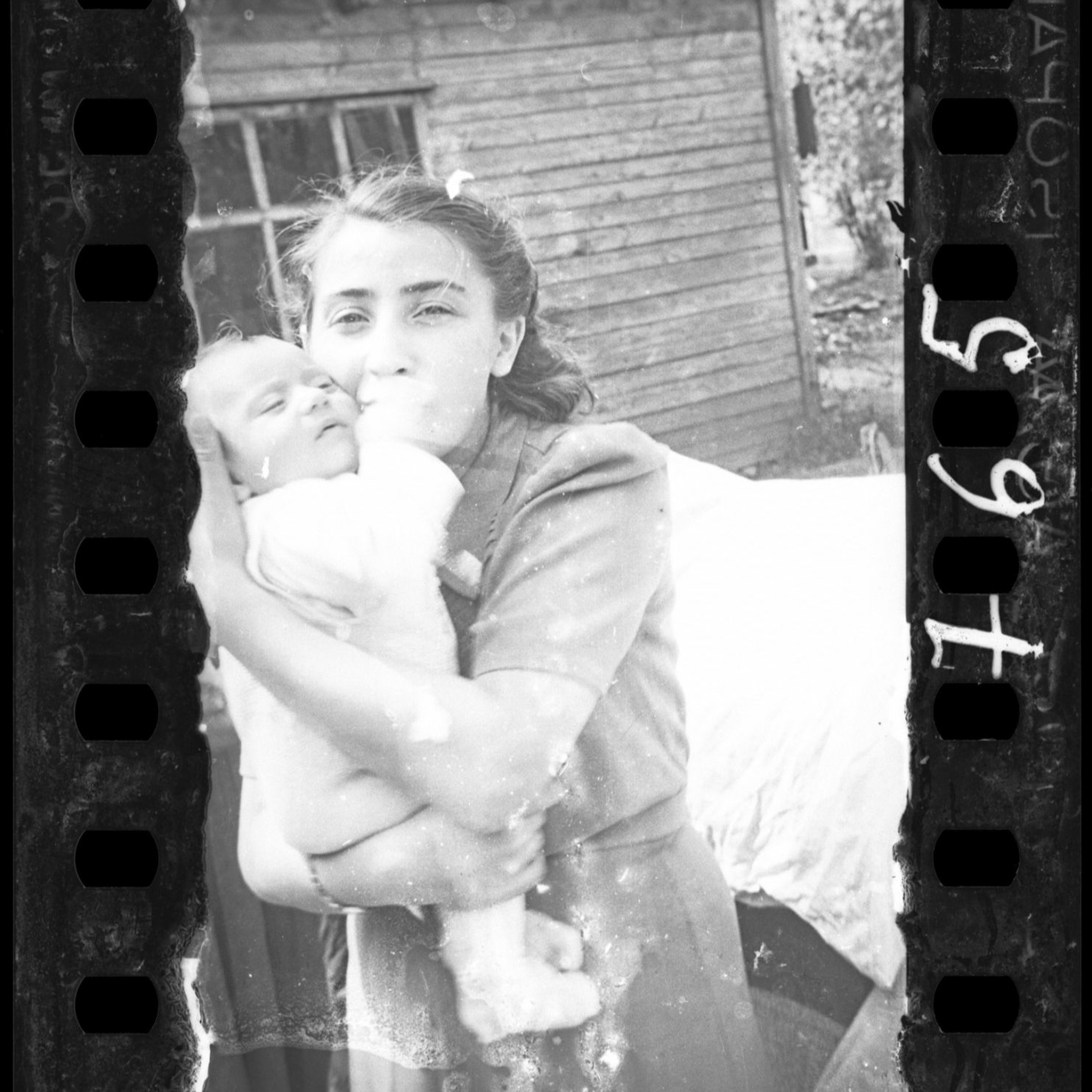
Re-ReleaseEp. 20 - Henryk Ross's Photographs of the Lodz Ghetto (1940-44)
Jan 28, 202100:24:54Tap to summarizeIn honor of Holocaust Remembrance Day on January 27, and to commemorate a year saturated in grief, we're re-releasing our deeply personal episode on Henryk Ross's photographs of the Lodz Ghetto. We should all be so moved to explore the beauty of individual stories of the lives lived that get swept away in statistics and tribalism. And perhaps we should allow ourselves to feel their loss all the more by doing so. Memory Unearthed: Henryk Ross's Photographs of the Lodz Ghetto was on view at the Museum of Fine Arts, Boston from March to July, 2017. See the images: www.thelonelypalette.com/episodes/201…-lodz-ghetto Music used: The Blue Dot Sessions, "Doghouse", "Drone Pine", "Drone Birch", "3rd Chair", "Our Fingers Cold" Support the show: www.patreon.com/lonelypalette
Transcribe →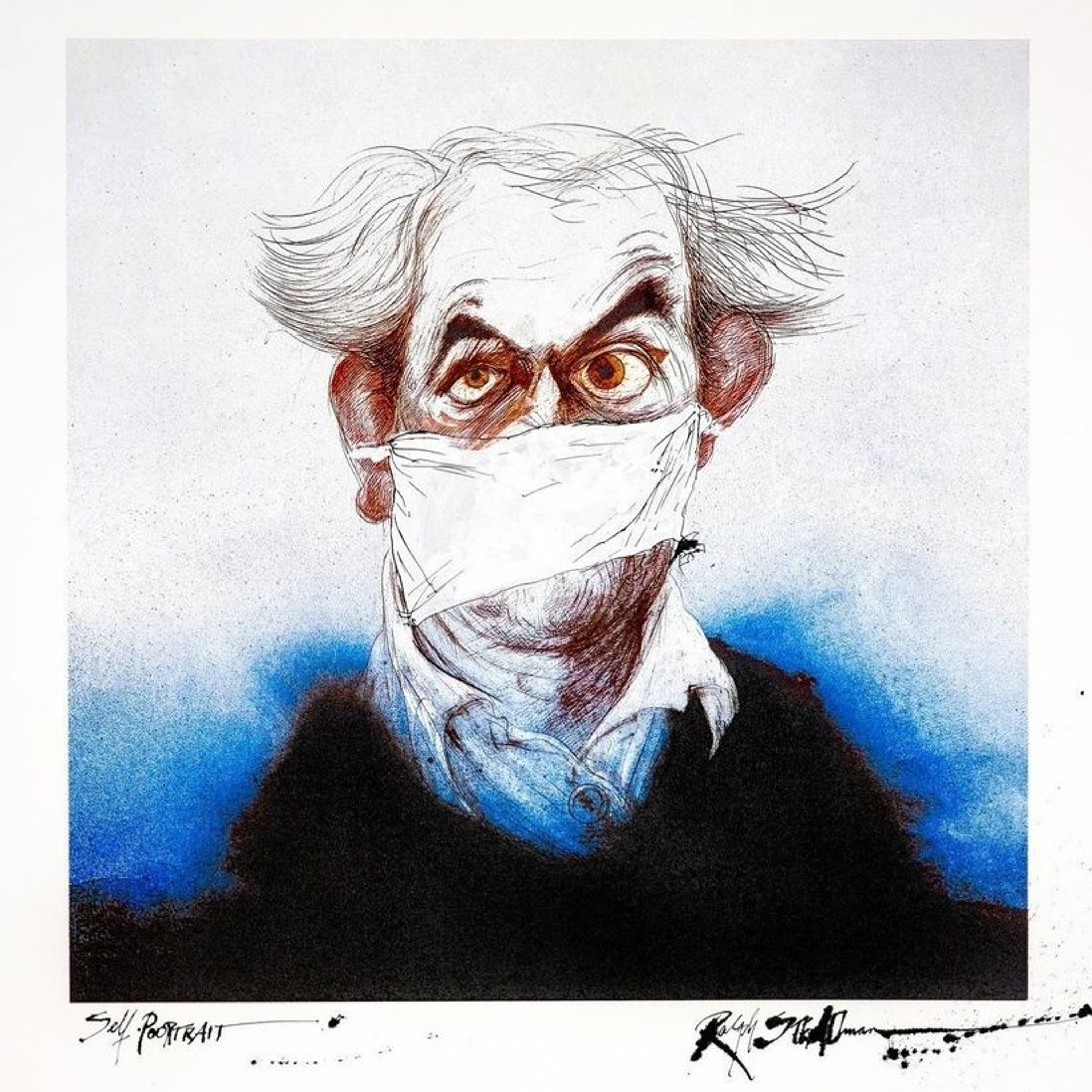
BonusEp 0.4 - Tamar Avishai interviews Ralph Steadman
Dec 18, 202000:36:57Tap to summarizeYou’ve seen the work of 84-year-old Welsh artist and illustrator Ralph Steadman, even if you haven’t realized it. His searing political caricature and trademark flying ink spatter have illustrated major works of literature and journalism for the past half-century – and most notably the hallucinogenic writing of Hunter S. Thompson, resulting in an alchemic collaboration that wove together journalism and illustration to create what history has described as Gonzo, and what Steadman calls the meeting between an ex-Hell’s Angel with a shaved head and a matted-haired geek with string warts. We spoke in advance of his new retrospective, “Ralph Steadman: A Life in Ink,” and talked about this storied, ink-stained career: what it means to illustrate depravity, how a caricature can capture both body and soul, and where to look for the ever-present birdsong that undergirds our current doom. [2:18]: Love of Picasso and Duchamp. [3:11]: Where do you start with caricature, the body or the soul? [5:40]: Drawing with a pen – “no such thing as a mistake.” [7:09]: The difference between illustration and “fine art”. [9:55]: Use of the geometric in Steadman’s work, ink spatter, a conversation with the paper. [13:10]: Coming to the U.S. in 1970, David Hockney “Paranoids”. [14:30]: Use of photographs and text in drawing. [15:15]: I, Leonardo, the terror of the blank canvas, and “prorogation”. [17:53]: Style, “exposing depravity” and being purified by drawing it. [22:33]: Early career before collaborating with Hunter S. Thompson, alchemy, gonzo. [29:08]: Favorite faces to draw. [30:48]: 2020, the pandemic, and finding the birdsong in doom. Interview Webpage: http://bit.ly/38erSJX Music Used: The Blue Dot Sessions, "Crumbtown" Support the Show: www.patreon.com/lonelypalette
Transcribe →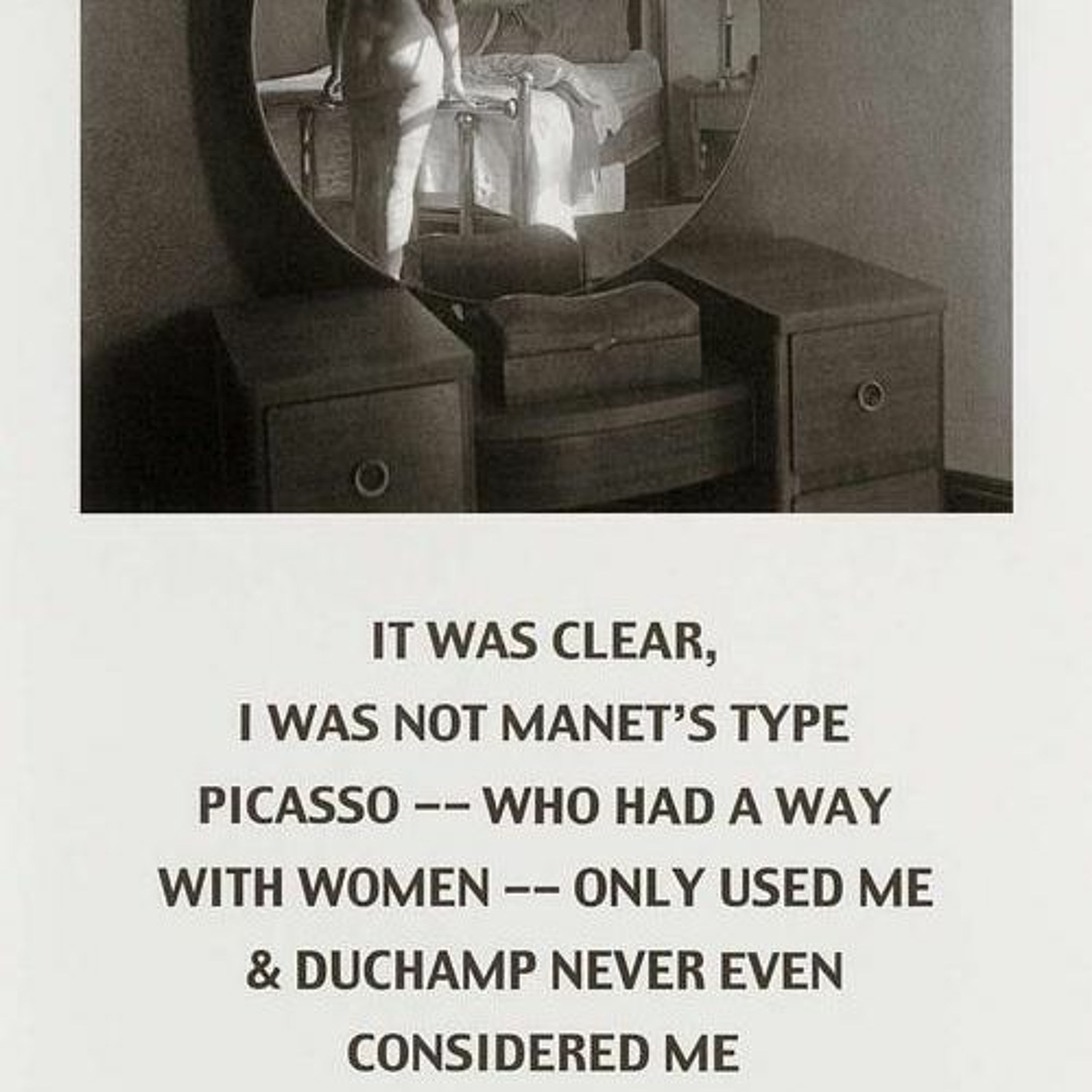
Ep. 50 - Carrie Mae Weems' "Not Manet's Type" (1997)
Dec 4, 202000:34:26Tap to summarizeTo appreciate art history is to appreciate that there is a canon: it is constructed by art historians, it guides what is taught, bought, and collected by art museums, it can’t allow people in without keeping other people out. Let's take advantage of this milestone episode (50!!) to explore both this canon and our current moment through the extraordinarily nuanced, compassionate, and revolutionary eye of Carrie Mae Weems. See the images: https://bit.ly/3omDroO Music used: Django Reinhardt, “Django’s Tiger” The Blue Dot Sessions, “Jumbel,” “Turning to You,” “Pastel de Nata,” “Junca,” “Min,” “Basketliner” Support the show: www.patreon.com/lonelypalette
Transcribe →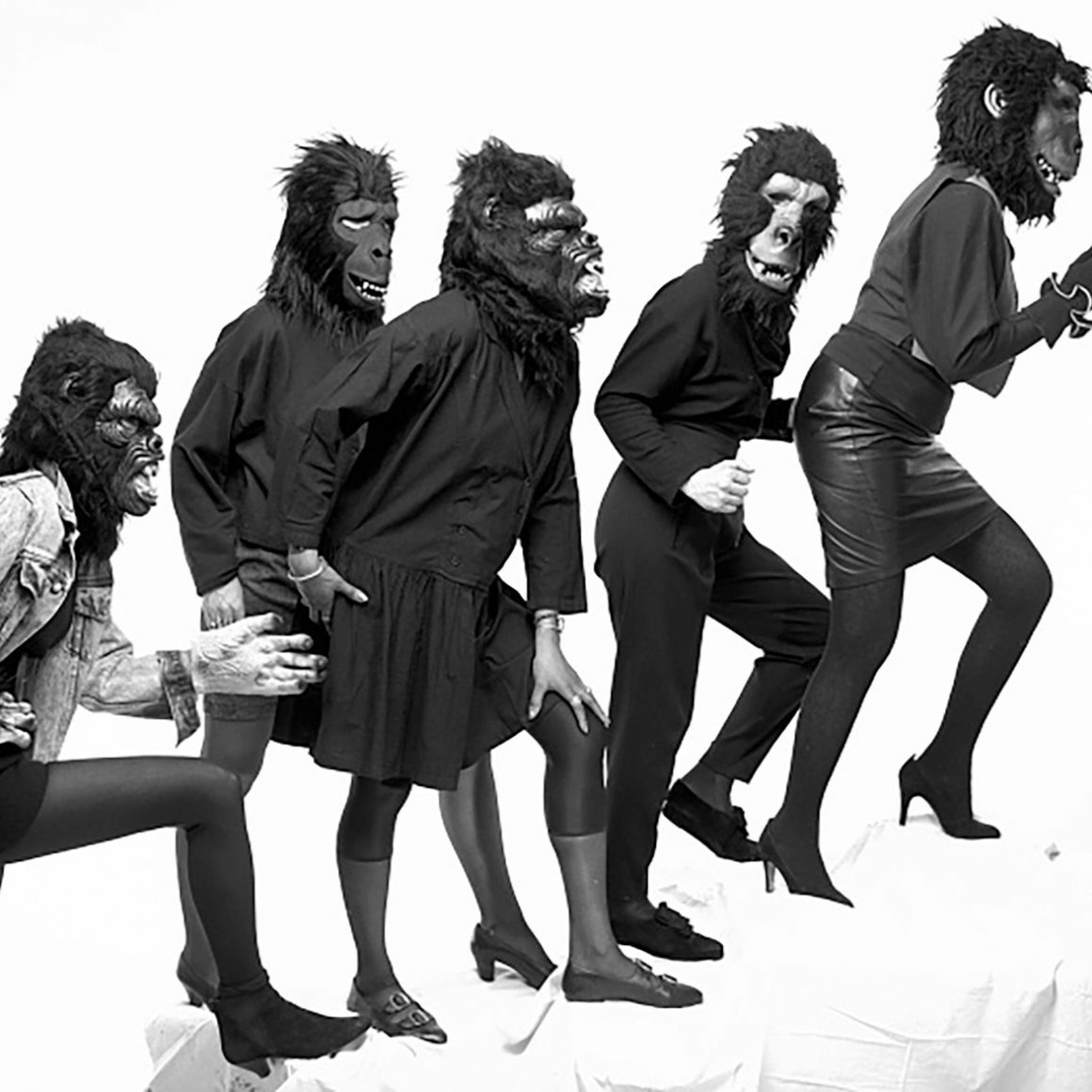
BonusEp 0.3 - Tamar Avishai interviews The Guerrilla Girls
Nov 13, 202000:46:51Tap to summarizeThe Guerrilla Girls, the self-professed "Conscience of the Art World," are a band of feminist activist artists, who have been wearing gorilla masks in public and using facts, humor, and outrageous visuals to expose gender bias, ethnic bias, and corruption in the art world since the mid-1980s. Join Tamar for a conversation with two of their founding members. [2:29]: Introductions. [3:41] Why choose these artists as your pseudonyms? [5:37]: The origin story of the Guerrilla Girls (and their font!). [8:17]: How has the group changed and evolved, both internally and in terms of its mission? Has progress been made? [15:49]: The joys and pitfalls of all-women shows. Is “woman artist” a problematic phrase? [23:18]: Is there something that innately connects women artists? [27:43]: Reflecting on our inflamed current moment, and whether things are indeed getting better. [34:33]: How do we get people excited about artists they’re not familiar with, and who fall outside the established canon? [38:16]: How to reach out to people who disagree with you. [42:47]: How the Guerrilla Girls changed the rules for artists who came after them. Follow the Guerrilla Girls: www.guerrillagirls.com Interview webpage: https://bit.ly/3lGETBi Music used: The Blue Dot Sessions, "Pinky"
Transcribe →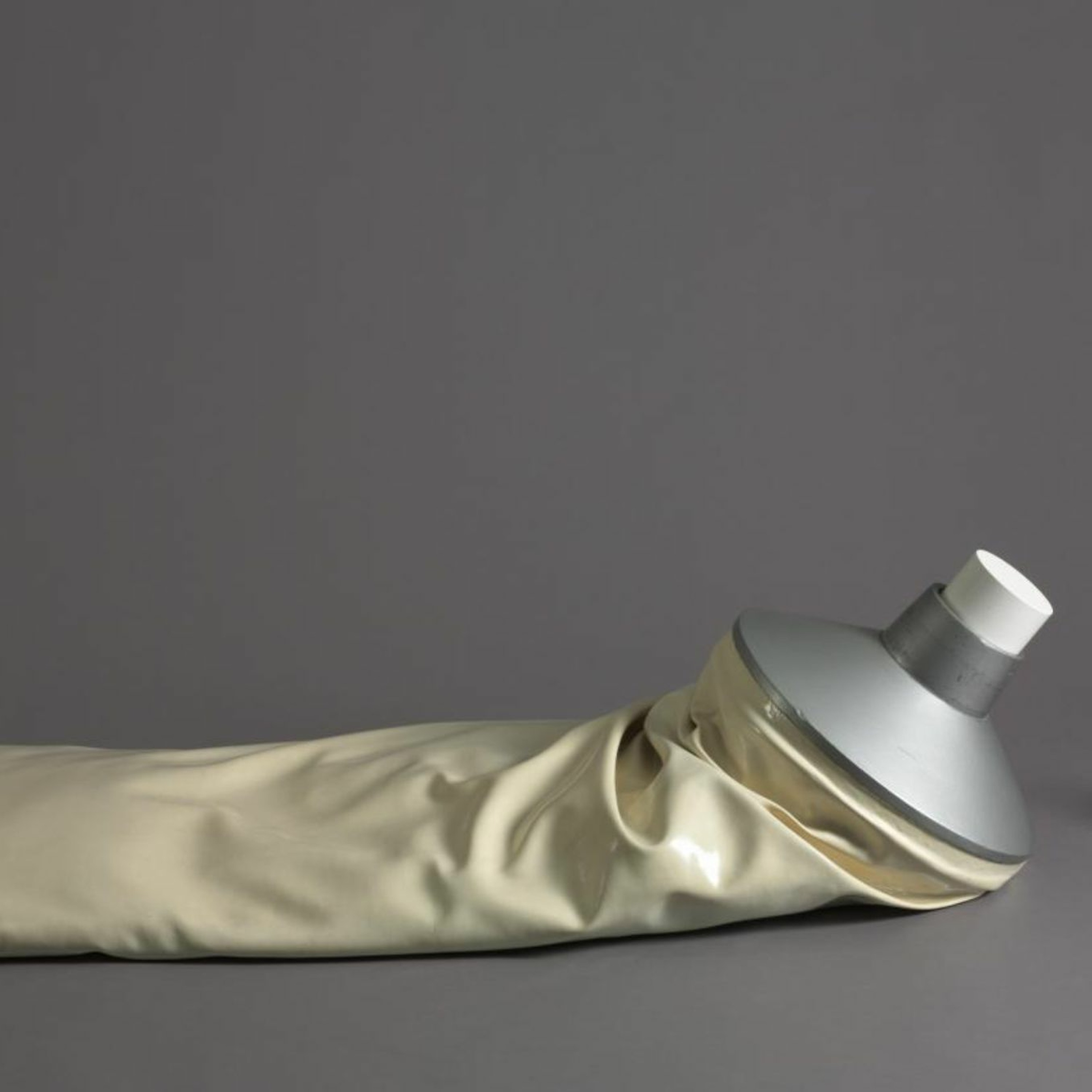
Ep. 49 - Claes Oldenburg's "Giant Toothpaste Tube" (1964)
Sep 10, 202000:36:15Tap to summarizeSomewhere between the life of the mind and the boots on the ground sits Pop artist Claes Oldenburg, who wants us to see that both of those worlds are one and the same, and that there's value, and even beauty, to our joy-sparking stuff (and maybe we can finally let ourselves admit it.) See the images: https://bit.ly/3hcHjVq Music used: Django Reinhardt, “Django’s Tiger” The Andrews Sisters, "Bei Mir Bist Du Schoen" The Blue Dot Sessions, “Cradle Rock,” “Sylvestor,” “A Little Powder,” “Our Only Lark,” “Town Market,” “Contrarian,” “The Rampart” Joe Dassin, “Les Champs-Elysees" Episode sponsor: https://sfosguide.com/ Support the show! www.patreon.com/lonelypalette
Transcribe →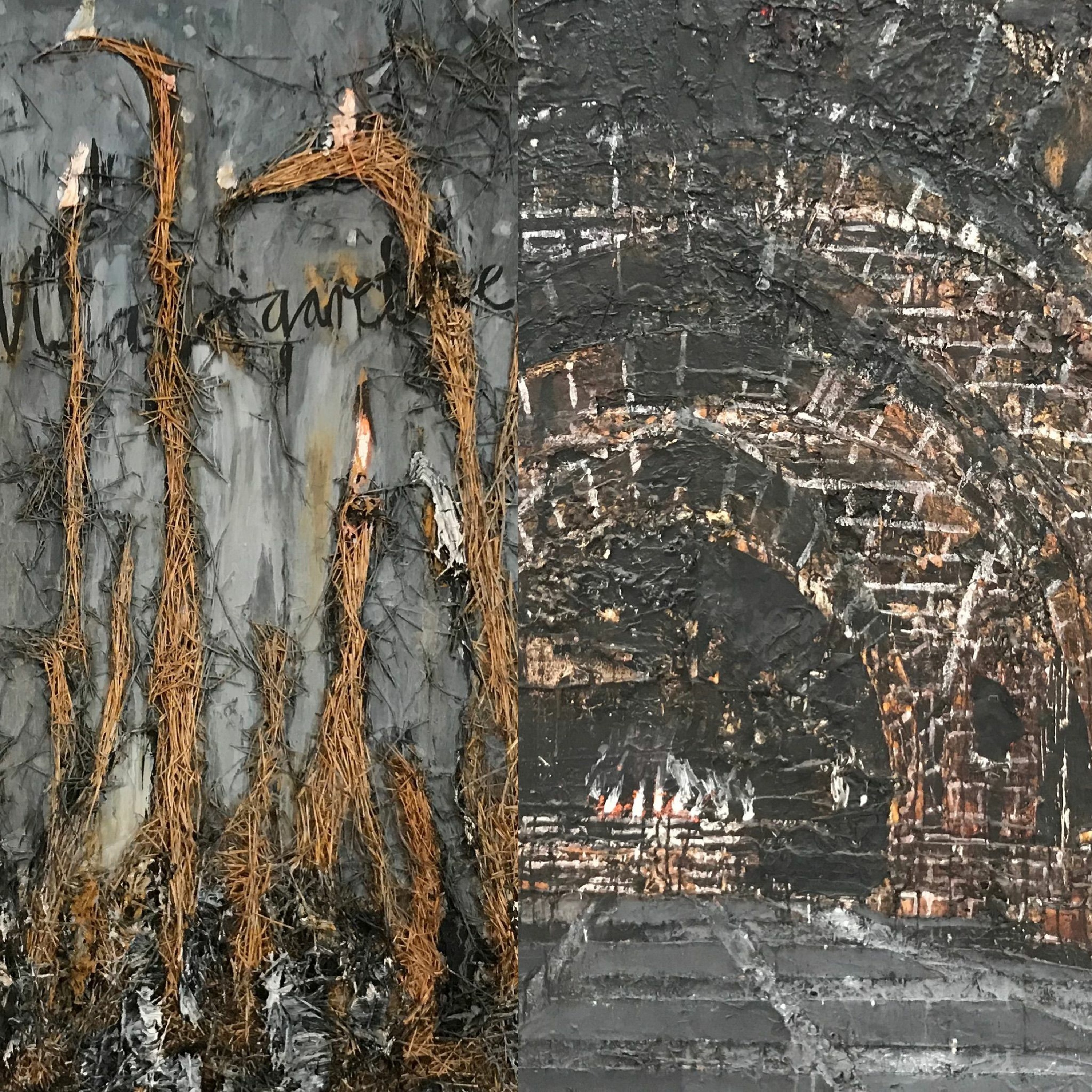
Ep. 48 - Anselm Kiefer's "Margarete" and "Sulamith" (1981)
Aug 3, 202000:55:42Tap to summarizeThe art of postwar German artist Anselm Kiefer and the poetry of Holocaust survivor Paul Celan have a lot in common. They’re both layered, dense, hard to read, and most of the time you’re not quite sure if you get it. And while this might seem like an onerous way to understand history, sometimes the best starting point is through the layered, dense, and idiosyncratic ways that an individual processes trauma. So grab a spelunking hardhat and together we'll mine these layers of metaphor and materials, texture and text, golden straw and blackened ash, that comprise the unimaginable. This episode was produced with support from the San Francisco Museum of Modern Art. Learn more at www.sfmoma.com. See the images: https://bit.ly/31gUSwW Music used: The Blue Dot Sessions, “The Bus at Dawn,” “Silky,” Drone Pine,” “Tiny Bottles,” “Inamorata,” “Tapoco,” “The Summit,” “Cirrus,” “Derailed,” “Insatiable Toad,” “Dolly and Pad,” “A Pleasant Strike” John Williams, performed by Itzhak Perlman & Pittsburgh Symphony Orchestra, “Theme from Schindler’s List” Support the show: www.patreon.com/lonelypalette
Transcribe →