← The Magnificent Others with Billy Corgan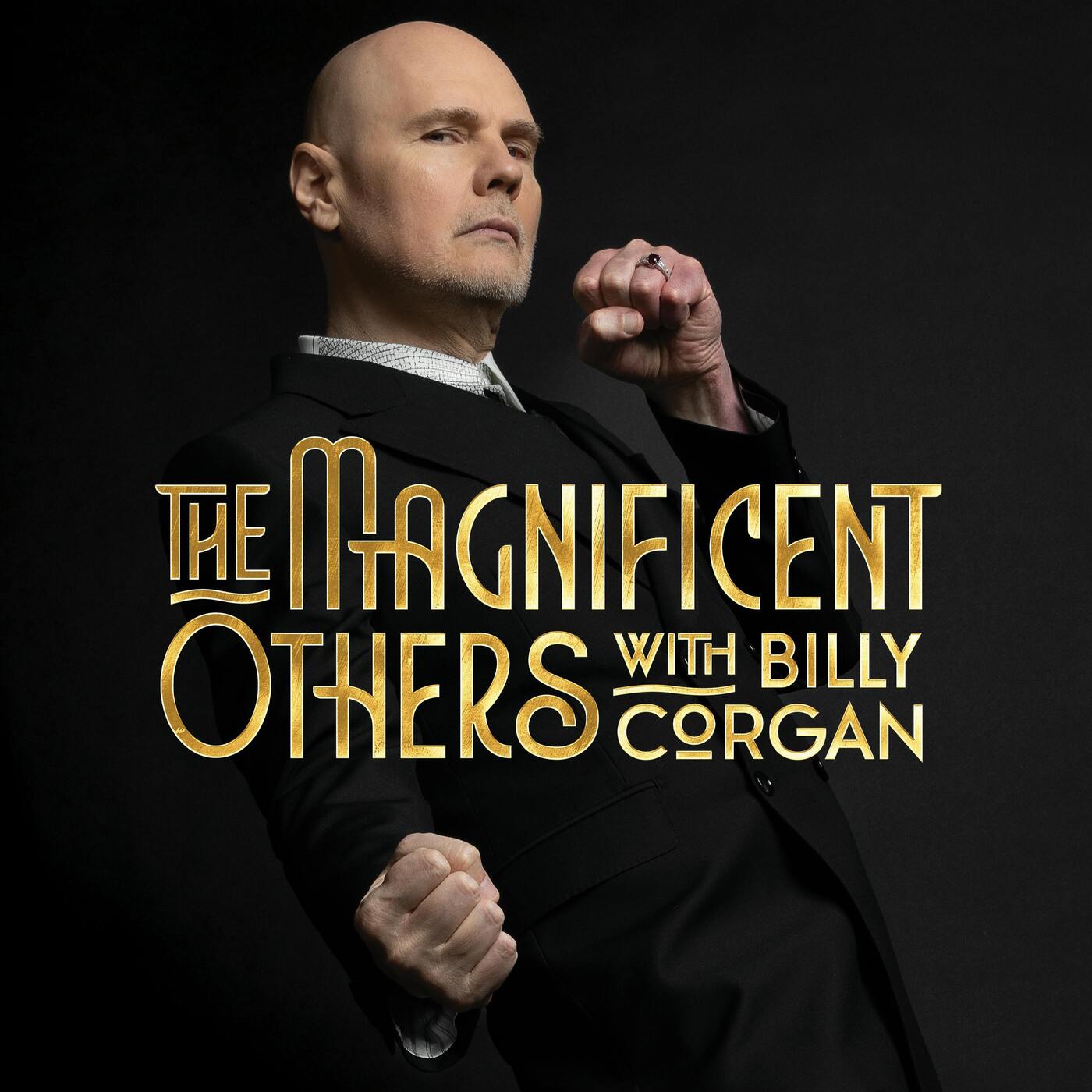
The Magnificent Others with Billy Corgan
Corey Feldman | The Magnificent Others with Billy Corgan
01:15:17
Loading summary
Transcript690 lines
- [00:00]
A
I'll tell you what it's about. I mean, if we want to get deep, that's why we're here. This is the first time I remember ever telling this story, so I'm sure I'm going to get hung.
- [00:08]
B
Did they push you out or.
- [00:09]
A
Yeah, he said I was a junkie and that he didn't work with junkies. Michael Jackson tells me my song is going to be a number one hit. And by the way, Howard Stern just, you know, smashed it like a pumpkin. Now we're on the Today show. We got these big moments.
- [00:23]
B
You're definitely cracking the zeitgeist.
- [00:25]
A
Right. But am I going to get away with it? Cooney's never say die.
- [00:31]
B
Thank you for being here.
- [00:31]
A
Thank you for having me.
- [00:32]
B
Nice to see you again.
- [00:33]
A
Thank you again. Although we've only met once.
- [00:36]
B
Not true.
- [00:36]
A
Okay, give me the second time.
- [00:38]
B
No, we've met probably 10 or 12 times. Oh, yeah.
- [00:42]
A
No way.
- [00:42]
B
Absolutely. Swear to God.
- [00:44]
A
That's impossible.
- [00:45]
B
Swear to God. Okay.
- [00:46]
A
Hand on heart, I can. Okay. I can tell you the first time, which was with Manson, which, you know, I choose to try to forget. The second time would have been, I think, also with Manson at a little dingy. I think that the sunset marquee.
- [01:05]
B
What you probably don't remember is at different times, we would come across each other just in the.
- [01:10]
A
Okay. In passing.
- [01:11]
B
In passing. And we always would talk for a minute to five minutes. But we always had these nice exchanges, and I always walked away impressed with you as a person, outside of what people think. Think or, you know, because when you're a child star and people have their opinions and stuff like that, my. My interactions with you have always been great. Always find you very nice, found you funny, charming, all those things.
- [01:34]
A
So, yeah, I would say the same.
- [01:36]
B
Thank you. So, because I've had those personal interactions with you, whether they were 2 or 12, it doesn't matter. My. My. My vibe on you has always been very positive.
- [01:45]
A
Right.
- [01:46]
B
So when I've seen you go through different variations of public whatever, and I've had my own versions, too, so I'm maybe more sympathetic or empathetic than most people are to know what that feels like. When people are kind of coming at you from different angles, I always think, that's not the guy I know. So that's kind of where I appreciate that we're sitting here today because I wouldn't mind introducing that person that I think I know a little bit.
- [02:07]
A
Right.
- [02:07]
B
Because I think that's the guy behind the other things. So that's What I want to talk about. Does that make sense?
- [02:12]
A
Yeah. Yeah, I appreciate that. I appreciate that. And I will. Since we're opening that can of words
- [02:17]
B
and putting it on, let's open them all.
- [02:19]
A
Yeah, I will put that back on you and say I. You know, my. My interactions with you have been positive as well. I never thought anything negative other than you're, you know, obviously a very intelligent man, obviously an artist, very creative. But, you know, this. This Manson thing is kind of hung over your shoulder, unfortunately, and that's because it was.
- [02:39]
B
What's the old saying? I am not my brother's keeper. Yeah.
- [02:42]
A
Okay. Well, might as well state some biblical performance.
- [02:47]
B
Somewhere in the recesses of my memory are me, you, Marilyn Manson, and Verne Troyer.
- [02:52]
A
Really?
- [02:53]
B
Yeah. Somewhere.
- [02:53]
A
I don't have that one. I don't have that one.
- [02:55]
B
But that's. I'm saying I might have made that one up.
- [02:57]
A
Okay, all right. That's possible. Well, maybe Playboy Mansion would be the only thing.
- [03:01]
B
That's what I'm trying to say. That's what I'm saying.
- [03:03]
A
That is possible. Okay. But that said, it was. No, it's the fact that it was epitomized in, you know, perpetuity by being a part of his book.
- [03:13]
B
Oh, I see.
- [03:14]
A
I see. And kind of, you know, iconizing, I guess you would say, that moment and time. Crystallizing time.
- [03:22]
B
Oh, yeah, yeah.
- [03:23]
A
By saying that. That.
- [03:24]
B
What, me and snorting sea monkeys or something?
- [03:26]
A
I didn't get that part. No, it was that me and. And. And. And Sherman Hemsley meeting. Because he introduced us over your bald head was, I believe, the words that he used. Okay. I don't know. So poetic.
- [03:40]
B
Was this at the. Was that the Howard Stern movie premiere?
- [03:42]
A
Yes.
- [03:42]
B
Okay.
- [03:43]
A
Yes. So that's the official time that I feel like, actually spoke.
- [03:46]
B
Flavor play. You, me, Marin Manson, Sherman Hemsley.
- [03:52]
A
Yeah.
- [03:52]
B
Like, somehow we were all together.
- [03:55]
A
Verne Troyer, I don't know.
- [03:56]
B
But somehow we're all in the same room.
- [03:59]
A
Well, yeah, but this happens a lot. That's Hollywood.
- [04:01]
B
Well, you grew up in that, so. I didn't grow up in that.
- [04:03]
A
Right. So to me, you were probably still a bit in Shaw. Yeah. Now.
- [04:07]
B
Now. I wouldn't even.
- [04:08]
A
Now you don't flinch.
- [04:09]
B
Yeah, but I'm saying you grew up in that, so that's a different thing. When you're, like, nerdy Chicago suburbs, you're like, oh, my God, it's the guy from.
- [04:15]
A
Right.
- [04:16]
B
Doesn't matter if they're, like, in the worst TV show ever.
- [04:18]
A
It's like, right Right, right.
- [04:20]
B
I remember the first time the Pumpkins went to Europe, we saw. I think her name was Bonnie Tyler. Total Eclipse of the Heart. Total Eclipse of. Yes. We saw her at a hotel, was like, oh, my God, it's that one. We didn't even like the song.
- [04:33]
A
Right, right, right. Such a big deal.
- [04:35]
B
So poor Pumpkins, like, geeking out. Right?
- [04:37]
A
So.
- [04:37]
B
And I'm sure you've experienced that many times. Oh, my God.
- [04:40]
A
Hey.
- [04:40]
B
Yeah.
- [04:41]
A
I mean, I remember the first time I saw Ringo in the same hotel as me. And I was like, oh, my God, I'm in the same hotel as Ringo.
- [04:46]
B
So I get the. You're the rat in the cage guy. What do you get?
- [04:51]
A
You know,
- [04:54]
B
do they call you by, like, a character name?
- [04:56]
A
No. It's changed so much through the years. I mean, through the years. You know, it started when I was a little kid. You gotta realize I was being recognized before people knew who the hell I was. So I was. Hell, I was. Oh, are you that kid?
- [05:07]
B
I knew who you were.
- [05:08]
A
No, before that.
- [05:10]
B
But I'm saying I have the same experience.
- [05:12]
A
What do you mean?
- [05:13]
B
What I'm saying is I knew who you were without even knowing who you were because you were on tv.
- [05:17]
A
Right, right. But you wouldn't know my name is my point. Like, so right in the beginning, I was just on everything, right? So people just go, oh, you're that kid.
- [05:25]
B
Ubiquitous is the way.
- [05:26]
A
Oh, yeah, okay. There you go. You've been around. We've seen you here and there. But that said, that quickly shifted into, aren't you the kid from the Shining? Which I got a lot, by the way, From I think 7 years old until 10 or 11, right around the time Friday 13th came out. That's when I finally started to solidify, like, oh, he's that guy. But before that, everybody thought I was Danny Lloyd. And it got so bad that it actually got to the point where I started signing autographs as Danny Lloyd. Because I was like, that's fine, whatever. I'll just say I'm Danny Lloyd. Here you go. But that's because they didn't know who the hell I was. And I didn't even know how to sign my own name and wasn't really sure if my name was my name yet. So, you know, I was only signing. But that said, I did actually sign autographs as Danny Lloyd because it happened so concurrently. And the other thing about that is I was up for that role. So it was very ironic that, you
- [06:21]
B
know, did you not get the role or just didn't Work out.
- [06:23]
A
It was down to the two of us.
- [06:24]
B
Okay.
- [06:25]
A
Yeah. So it was supposed to be me originally. I had the offer, but then on second thought they were like, he's just a little bit young because I was like a year younger than him. Same haircut, same Big Wheel, same everything, but just.
- [06:38]
B
Did you audition for Kubrick?
- [06:40]
A
I must have. I would have to have.
- [06:42]
B
You don't remember?
- [06:43]
A
I don't remember. I mean, I would have been five.
- [06:45]
B
Okay, right. That's pretty young.
- [06:47]
A
Yeah. But the point is, is that I almost got it. It was supposed to be mine. I was a little bit too small, a little bit too young. So then two years later, this movie comes out and it's like the biggest thing ever. And then within that year, that's when it started. Hey, aren't you the kid from the Shining? Are you the kid from the Shining? I mean, I heard it every day.
- [07:03]
B
There was a. There was a rumor at one point that I was the kid from the Wonder years.
- [07:06]
A
Yeah, I remember that. I remember that. Which kid was it?
- [07:10]
B
I don't know because I never watched the show.
- [07:13]
A
Right.
- [07:13]
B
Tell me some movies that you could have done, should have done, didn't do.
- [07:18]
A
Okay, so I think the worst one, if we're going to go right to the heart of the matter and this is probably going to off some people, but you know, hey, sometimes you got to do it.
- [07:28]
B
Have you ever pissed off anyone?
- [07:29]
A
A lot of people. A lot of times. Honesty is never really a welcomed trait in most circles.
- [07:36]
B
I find it admirable.
- [07:37]
A
Yeah? Yeah. Well, thank you. I appreciate it. It's. It's ballsy, it's risky, but I have no choice.
- [07:43]
B
You've gone too far.
- [07:44]
A
No, it's not even that. It's that. Honestly, Billy, when I decided to be sober when I got clean back in 1989, 1990, when I kind of made the identification of this is who I am, this is a life choice. And even though I had a relapse in 93, that was short lived, but I still kind of made that solemn oath to myself that if I'm going to be able to do this, the only way to be able to stay sober, to stay clean, to be okay inside, is to literally create a constitution, which is that I am going to be continuously honest in all of my dealings. I have to be. I have no choice but to be forthcoming. Because if I don't, then you know, what is any of it worth? We're only as good as our word. And if all of a sudden you're one of those People that you know, oh well, I can go back to this interview and you said exactly the opposite. You won't find that with me.
- [08:39]
B
What's fascinating about that is you're a person who's very skilled at artifice.
- [08:44]
A
I don't know, explain that.
- [08:45]
B
Well, that's. Isn't that the mettle of being an actor? I guess at a very young age somebody identified you could act.
- [08:53]
A
Right. But I don't think they knew that. I think that it was the voice, you know, they heard my voice, at least this is the way it was told to me was that I was in the, you know, the rooms while my sister was in the Mickey Mouse Club at Disney. I was in the rooms, you know, whatever, being a kid and giving around. And they were like, who's that lady next door? Tell her to shut up, we're trying to shoot in here. And my mom would say, no, no, it's not a lady, it's my son. You know, he's got a voice like he's an older woman or something. But you know, it's a kid. And, and so when they go, oh well, let's see this kid. And they couldn't believe that it was like a little four year old that had this gruff rust. Gruff.
- [09:28]
B
Gruff.
- [09:29]
A
What is the word I'm looking for? Gruff. But, but Rusky. Does that make sense? No. Husky, Husky voice. There you go. And it was, yeah, it was very like. And that's why I got the part of Fox and the Hound playing hound dog at 4 years old, because I sounded like a baby hound dog.
- [09:46]
B
Right, but, but fortuitously you can't act. So I'm saying is, luckily you could be acting. You could be acting now and most people would not be able to denote it.
- [09:55]
A
Well, I'm not using. I would hope not.
- [09:58]
B
Okay, well that gets in my little questions here. We'll get.
- [10:00]
A
Now we're getting deep because people will think that about you as an actor. And that's a downside. That is.
- [10:06]
B
Actually, it does get to one of these magical questions.
- [10:08]
A
Okay, fine, then I'll save it.
- [10:09]
B
Well, so what was one of the movies that you said was make me people mad?
- [10:13]
A
What's eating Gilbert Grape? Okay, so I was actually cast to play Leonardo DiCaprio's role.
- [10:21]
B
Okay.
- [10:21]
A
I never saw the film cuz I still bitter, bitter leaf in that one. But, but yes, I was, I was originally cast for. Did they push you out or Johnny Depp. Yeah, he was cast after I was and apparently whispered into the producer's ear that he wasn't Fond of me and thought that I was.
- [10:41]
B
Was there a reason he wasn't fond of you?
- [10:42]
A
Yeah, he said I was a junkie and that he didn't work with junkies. And this is the first time I remember ever telling this story, so I'm sure I'm gonna get hung by this one, but. Yeah. Anyway, were you using drugs or. No, I was sober. I'd just gotten sober. I'd just gotten out of rehab. I turned my life around and, in fact, was trying to help river at the time.
- [11:02]
B
Right.
- [11:02]
A
Who he was running with at the time.
- [11:05]
B
Right.
- [11:05]
A
As we all know, River's last night on Earth was at Johnny's establishment. So as you can imagine, there was a bit of a thorn in the side on that one.
- [11:14]
B
Sure.
- [11:15]
A
And had I not been pushed out and done that role, who knows what would have happened from that point forward.
- [11:22]
B
That was kind of one of those
- [11:23]
A
watershed moment movies that gave Leonardo his first nomination.
- [11:29]
B
Yeah.
- [11:29]
A
Yeah.
- [11:31]
B
Yes. So welcome to the what It Coulda Shoulda podcast.
- [11:34]
A
Exactly. Right. So, I mean, there was a bitter. A bitter tea there, but that said, you know, I mean, you don't. You don't hang on those. You get past them. And then ironically, just a couple years later, I also was up for Titanic. So there was kind of a double banger with Leo, but that was okay because that one, I wasn't as close like, I was up for it. I read for it. I know that I was in the contention somewhere. Another one was Lord of the Rings. I was actually up for. For Sean's role, and I heard I got pretty close on that as well. And then that would have been a
- [12:06]
B
perfect movie for you.
- [12:07]
A
It would have. Although I couldn't have gained the weight, so I'll give him that. He did a great job aesthetically to. To add that weight. It's something I. I cannot physically do.
- [12:17]
B
I wish I had your problem.
- [12:18]
A
Even if I stuffed myself with donuts and, you know, ice cream and all
- [12:22]
B
the crap you want, this is my dream. I wish I could eat whatever I want.
- [12:26]
A
I can teach you. I can tea. I could change your entire thing. I mean, literally, I could, just because I've been doing it my whole life.
- [12:33]
B
But what would you change?
- [12:35]
A
Well, I don't know that much about you, so I'd have to ask a few questions, but what are your diet? What's your diet?
- [12:40]
B
I'm a vegan.
- [12:41]
A
You are a vegan?
- [12:41]
B
Yeah.
- [12:42]
A
I still struggle.
- [12:43]
B
Oh, yeah. I even owned a vegan tea house.
- [12:46]
A
I did not know that.
- [12:47]
B
North of Chicago. Wow.
- [12:49]
A
Well, Good job.
- [12:49]
B
We'll have to have you come in.
- [12:51]
A
I would love to. Maybe when we're playing. Are you vegan?
- [12:53]
B
I thought I read that, but I never trusted vegetarian.
- [12:55]
A
80% vegan. I still do butter because I just. I like cooking with butter. It gives the authenticity.
- [13:01]
B
I grew up in Chicago. It's all about the butter.
- [13:03]
A
Exactly. Right. I don't do milk at all anymore, so I cut out all the dairy mostly. But I do cheese and butter. Those are my two cheats.
- [13:13]
B
Okay, well, I'm vegan. I can't be thin to save my life.
- [13:17]
A
Well, do you drink? Do you drink alcohol?
- [13:19]
B
I do not.
- [13:20]
A
Wow.
- [13:21]
B
Stone cold sober, pretty much for about 20 years.
- [13:24]
A
You are an anomaly. Literally.
- [13:26]
B
Vampires. The words.
- [13:28]
A
He said it, I didn't.
- [13:29]
B
Okay. You touring with Limp Bizkit? Yes. I see.
- [13:33]
A
Yes.
- [13:33]
B
Very exciting.
- [13:34]
A
Yes. Should be fun.
- [13:35]
B
I saw Biscuit when they kind of had their comeback show recently, a couple years ago with the Troubadour. I think it was when they kind of had the original lineup back together. Yeah. And I talked to Fred for a while. Even talked about maybe even producing some stuff for them. It didn't work out. Love, love the band. Love Fred.
- [13:49]
A
Yeah, he's amazing. He's amazing. Well, he just directed my new video, so.
- [13:53]
B
Haven't seen the video yet. I heard the song.
- [13:55]
A
Yeah.
- [13:56]
B
Do you want to talk about the song?
- [13:57]
A
We can if you want to, but he directed the video. It's. It's. It's a lot of fun. It's. It's a goof. I mean, obviously the song's called the Joke, so it's.
- [14:05]
B
Yeah, yeah. I don't want to. I want to talk about the lyrics on the song for a second. But I love that you're in Fred's world, if that makes any sense, because I know you'll be well taken care of. Does that make sense?
- [14:14]
A
I appreciate you saying that. Listen, he's. He's a wild guy.
- [14:18]
B
I mean, but he's all heart.
- [14:20]
A
Yes. And we've been friends for a long time.
- [14:22]
B
That's what I'm saying. You know that. So I'm not telling you anything, you know, But I'm saying maybe for the benefit of anybody watching, because I know Fred. If Fred wants you there, it's because he wants you there.
- [14:30]
A
Yeah, yeah. No, he's saying beautiful man. And people don't realize that about him. You know? They really don't. They just see the. The hard ass, you know, kind of trouble, starter, troublemaker, you know, but he's not that guy.
- [14:42]
B
I mean, that's he's more like a master of ceremonies.
- [14:44]
A
Yeah, exactly. Right, exactly.
- [14:46]
B
He's like the. He's like the master of disaster.
- [14:48]
A
Yeah, but he's. But eloquently, you know, he does it all with. With great stride and. And the thing is, I. It's half self aware of the fact that he's causing the mess. You know what I mean?
- [14:58]
B
But isn't it kind of beautiful about the Biscuit that he's been proven right over time?
- [15:02]
A
Well, you know what? Here's something really interesting, and I think you're going to appreciate this. Going back to my song the Joke, and why he's the perfect person to direct the video is the fact that what I didn't know until just very recently is that Limp Bizkit was not started as a band. Limp Bizkit was started as a joke.
- [15:21]
B
Okay.
- [15:22]
A
Did you know that?
- [15:22]
B
I did not know that.
- [15:23]
A
Yeah. So apparently he was always a director and he liked acting and he was into film work. That was his thing. He loved film work. And he. I think. I don't know if it was actually directly related to his appreciation for Spinal Tap or along those lines. Right. But he wanted to create a mock rock band and that was the idea.
- [15:43]
B
It does make sense in a kind of weird meta.
- [15:45]
A
Yeah. Because if you think about West Borland and the fact that, you know, nobody really knows who the guy is, you know, the constant changing of the characters and the comedy value of their songs and, like, what's being said, it kind of all makes sense.
- [15:57]
B
Very, very modern.
- [15:58]
A
Yeah, very modern. So he was really ahead of his time in all of that.
- [16:01]
B
Okay.
- [16:04]
A
And by the way, Fred and I, this. This is not our first collaboration. We actually worked together on the Angelic to the Core album. I don't know if you know that, but we did a song together called Seamless, which we wrote with Scott Page from Pink Floyd playing sax.
- [16:19]
B
Okay.
- [16:19]
A
And it's a great.
- [16:21]
B
I have to look that up.
- [16:22]
A
Yeah, it's cool.
- [16:23]
B
So the joke. The key line is. Is it. I'm not the joke. You are, or.
- [16:29]
A
I wouldn't say that. No.
- [16:30]
B
No. But what's the key line? Sorry? Oh, the actual lyric.
- [16:33]
A
The joke is on you.
- [16:35]
B
That's my bad paraphrase.
- [16:36]
A
Hope you like my drip from the tomatoes you threw. Right. That's the opening line. But are you.
- [16:42]
B
Are you. Are you doing some kind of, you know, modern life commentary? You know, like, I'm the mirror.
- [16:49]
A
Well, maybe a little bit, but I don't think it's really about that. It's More about literally hitting it on the head of. So we were touring last year and, you know, look, we, you know, obviously I've been doing this for a very long time. I've been putting on music for 35 years, and it's been a very slow build. You know, I like to say I'm an overnight success after 35 years, but, you know, literally, it was like nobody cared. Nobody cared. Nobody cared. And I was just making these songs for film soundtracks and putting out these little indie albums, and I had a small, little, you know, following. And every show we played was sold out, but we could never play bigger than like a 1200 seater.
- [17:26]
B
Sure.
- [17:27]
A
And nobody would give me that time. Nobody would give me that space. I had so many doors slammed in my face. Oh, you're an actor. Nobody will take you seriously. Nobody will ever take you seriously.
- [17:34]
B
And that was coming from the music
- [17:36]
A
business or the music business, you know, the film business. Everybody just wanted to not give me that shot. It was very, very known.
- [17:44]
B
Do you feel at some point it becomes kind of. Because I've been through this and I'm not trying to project my. On you, but do you feel at some point it almost comes, like, strangely personal?
- [17:52]
A
Yeah. Oh, it was very personal.
- [17:54]
B
And by the way, and let me. I'm asking in this context, and I hope you understand that just a way I'm asking when you feel like it's personal, I oftentimes find myself wondering, what's the crime?
- [18:05]
A
Right.
- [18:06]
B
So, like, what crime have you committed, being a.
- [18:10]
A
A child of Hollywood? Right. That's. That's the crime. The crime is. There's what I've come to realize. I don't know if you got to see my film. When I put it out, my truth,
- [18:20]
B
I've not seen it.
- [18:21]
A
Yeah, unfortunately, it's hard to find since we don't allow it to be out there anymore. Because it was stolen, it was pirated and it was given out.
- [18:30]
B
I did read about that and all of this stuff.
- [18:32]
A
I mean, it was, it was. It was one of the most heinous, horrendous, horrible receptions of a cry for help that I've ever seen in my life. And Hollywood should be ashamed of it. But that's your crime. Well, my crime was that I was a kid who was molested, who was given drugs. And so what do they do to those kids? They make sure that they don't have the power of boys when they get older. So that basically you're, you know, the unsung hero. You're everybody's favorite. You're the future of Hollywood. You're the golden child. And then you turn 18 and it's like, oh, remember when he had a career? And you're like, wait, what, six months ago, I was the golden child? What happened? Oh, but he got arrested for drugs. His career is over. What do you. What, what do you mean? I'm 18 years old. I'm just getting started. Yes, I did have a drug problem because you people gave me drugs.
- [19:26]
B
Yeah.
- [19:27]
A
Tend to get addicted when you're given drugs as a kid. Right?
- [19:29]
B
Yeah.
- [19:30]
A
And especially if you've got years and years of abuse that you're trying to squelch the pain from, it's kind of obvious that there's going to be a problem. And they know this. You know, this isn't the first time this has happened. It's a systematic, systemic issue.
- [19:44]
B
I say this in sort of brotherhood, not to glom on your story, but like, if we're playing the game on what's your crime? My crime was telling the truth about my generation. Right.
- [19:53]
A
And my crime was the same.
- [19:56]
B
They hated that I told the truth, that this generation that was presented as integral and everybody was too cool for school. I kept saying, no, this is totally full. These people are performers just like anybody else. Any other generation, you can put a stripy cool grunt shirt on it, but we're all ambitious and everybody wants to win. And Kurt Cobain was as ambitious as everybody else. So you can. You can assign these, like, let's call it comic book personalities to people who are really good, skilled people who are good at convincing you of certain things about themselves. But it wasn't true.
- [20:28]
A
Right. And that. And in that.
- [20:30]
B
And you knew that. Let's call. You knew the Hollywood version, of course.
- [20:33]
A
But not only the Hollywood version, the music version too. Because not only that, you have to realize I'm coming from the 80s where Michael Jackson tells me my song what's up with the Youth is going to be a number one hit. I played it for him in the car, you know, he said, this song is incredible, Corey. This is a number one song. If I walk this into Tommy Mottola right now at CBS Records, I can get you a number one song. And I said, thank you. Anyway.
- [20:57]
B
How old were you at that?
- [21:00]
A
18.
- [21:01]
B
Okay, that's pretty, Eddy.
- [21:02]
A
Yeah. And I was like, thank you, but no, because number one, I'm your friend, and I don't want you to think I'm just another guy trying to get some out of you.
- [21:12]
B
Which would have been everybody in the world at that point.
- [21:14]
A
Exactly. And Number two, if I do it that way, then it's, you're the Michael Jackson protege. I'll be a one hit wonder. Everybody will compare me to you for the rest of my life. And then what? You know, where you go from there as an artist? You're done.
- [21:28]
B
Yeah.
- [21:28]
A
So I thought, if I'm gonna do this, I've got to do it myself. It's got to be legitimate, and I've got to earn my stripes. And if that means playing Holes for the next 20 years, and so be it. I'll play the for the next 20 years. Which brings us up to where we were. And by the way, Howard Stern just, you know, smashed it like a pumpkin with everything by bringing me on his show with that song, that Michael Guest would become number one. And making a joke out of it, a fraud out of it.
- [21:58]
B
Why did that happen? Sorry.
- [22:00]
A
Because he said, hey, I want you to come on my new show. And I said, well, I'm trying to push this new single. You know, is it like, what's the format? I'd never seen the show. I just assumed he's like any other radio host now. I did his radio show prior to that where everybody had warned me, you know, Howard Stern, he's really mean. He's really cruel. He'll do really awful things. And I was like, oh, God, I was terrified. But Sam kept saying, you gotta do it. I was very good friends with Sam Kinison. You gotta do it. You gotta do it. You gotta do it. Okay, fine. So I did it when he died. So the day that Sam died was the first time I did Howard. And Howard was very sweet. He was very welcoming. He was very warm. We had an immediate bond. Yeah. And so I did the show two or three times in succession, and he said, come out to New York. Come do the TV show, too. It'll be great. So I'm going with the idea that he's been really sweet. He's been great. I came in through Sam, so he knows not to mess with me. Everything will be fine. And I get there, and they said, we're gonna do a skit. It's called Club Howie. And you're gonna perform, but we're gonna act like it's Club mtv, but, you know, I'm dressed as Wright, said Fred. And so it'll be kind of funny, but it'll be like you performing, and the performance won't be funny. It'll just be you performing. Okay, I can go with that. So I do it, and I walk out on stage, and there's a midget in a hula skirt. And there's guys passing blow up dolls in front of me and acting like they're mentally impaired. And like, I'm going, what is this? What is this? This mockery? So they took my music and they made it a form of mockery. And that was the initial launch. I mean, the only thing that I had televised prior to that was an amazing reception when I performed as the first performance at the Nickelodeon Kids Choice awards back in 1988 or 89, where, you know, I came out and the fans were going crazy and the kids were screaming and it was like the Beatles and it was nuts and it was great. And every show that I'd done privately was exactly like. But all of a sudden, now Howard put this whole other spin on it to make it a joke. Right. Fast forward to. Do you think I've been fighting that stigma on and off?
- [24:05]
B
Because I don't know the moment, but in hindsight, do you think it was just they thought they were having a bit of fun or you think it was purposely mean spirited?
- [24:11]
A
I think it was very mean spirited. And I know this because the one of the producers who wrote that sketch was Mark Cronin. And Mark Cronin went on to pretend to be my friend. Years later when he approached me and said, hey, we've got this new concept. We're gonna put seven legends icons together in a house and a home and watch what happens when we put these amazing people together and see how they bond, how they form a friendship.
- [24:38]
B
What's that show called?
- [24:39]
A
I can't remember the Surreal Life.
- [24:40]
B
Yeah.
- [24:41]
A
Which of course was not putting seven icons in a house, but let's put seven guys we used to think were cool in a house and make fun of them.
- [24:50]
B
Yeah.
- [24:51]
A
So they didn't tell us what the real goal of the show was. In fact, they promised us to the moon and back that it wasn't that show.
- [24:57]
B
Yeah.
- [24:57]
A
And we'd never seen reality TV before. This had never happened.
- [25:00]
B
That was kind of, in a way, that was like one of the first.
- [25:03]
A
It was the first celeb reality show.
- [25:05]
B
Yeah. I didn't really watch that stuff back then.
- [25:07]
A
Neither did I. Kind of remember. Well, it wasn't on.
- [25:10]
B
Yeah.
- [25:10]
A
Yeah. So it was like when that stuff launched, I'm sure you would have been busy doing more important things and as would I.
- [25:17]
B
But to be fair to you, and my perception of it very much in hindsight was like, you know, they just round up a couple names and they kind of throw them at the wall. And see what happens.
- [25:26]
A
Right, right.
- [25:27]
B
So obviously it's negative to the.
- [25:29]
A
Not only that, but it's about frankenbiting, which is what they call it in reality television.
- [25:33]
B
Can you explain? I don't know that term.
- [25:35]
A
Frankenbiting is where they basically set you up by saying, okay, you're gonna answer these questions on an interview much like this, but we're gonna deliver the questions to you, and you have to repeat the questions back to us to get the answer so that we know where you're at for editing points, and we know how you know what point in the conversation we're at and blah, blah, blah. So just repeat the questions back. So they would frame things in a way so that when you repeated it back, now they have you saying their statement of whatever it is that you're
- [26:01]
B
talking, so you're agreeing with it. You don't agree.
- [26:04]
A
And then they cut out the fact that it was ever a question, and now it becomes your statement. So the very first thing was at the beginning of each episode. I'm Corey Feldman. I'm an icon. I'm an artist. I'm more than an icon. I'm an industry. I never said those words, but that became my famous quote. When you search my name in Google, that was my quote. Like, what a dick this guy is.
- [26:28]
B
Right.
- [26:28]
A
So it was a Frankenbit sentence that they literally cut together out of.
- [26:34]
B
It does get into some of the stuff I wanted to ask you, but do you think that kind of cruelty. And I've experienced my own version of it. Do you think that cruelty is. It's just the nature of the cruelty of this business, or do you think targeting you.
- [26:49]
A
No, there's specific people that are targeted and framed to be put in that light and to be put in that position. And I was one of those. And especially pertaining to my music industry,
- [26:59]
B
to be fair to you. And. And of course, that's why we're here. But there are times in my life where I found myself in rooms with certain people being interviewed, and I thought, this is not. This is not real. Like, this is like a setup. But I didn't know what the setup was for. Like, why are they trying to assassinate me? Right. Like, what is that about? Right. Again, what was the crime?
- [27:24]
A
I'll tell you what it's about. I mean, if we want to get deep, that's why we're here. There's a good side and there's a dark side. Just like Star wars, you know?
- [27:34]
B
Well, if it's what's interesting, I think about Your journey in this lifetime is. Did you ever see the. It was a movie, but it was also a famous book, Day of the Locust. Do you know this book?
- [27:44]
A
I don't.
- [27:46]
B
Nathaniel west was a writer, I think 30s, 40s Hollywood. He only wrote a couple famous books, and I think he either killed himself or something happened. But one of the movies was made into a movie around 1975. It's about a guy who's like an art director working in 30s Hollywood, and there's a cast of characters, and he goes crazy at the end of the movie. But, like, one of the characters in the movie is like a Shirley Temple type character with a. Like a child star, but it's a wannabe situation. He falls in love with it. Like an ingenue who's hoping to make it in Hollywood, and he gets to see. So imagine a 30s take on dark Hollywood before there was ever such a thing as the take of dark Hollywood. Does that make sense the way I'm explaining it?
- [28:24]
A
Yeah.
- [28:25]
B
Imagine somebody writing way back then about dark Hollywood before anybody even knew about dark Hollywood.
- [28:30]
A
Right.
- [28:30]
B
Okay.
- [28:31]
A
Because it existed.
- [28:32]
B
Yes. What I'm saying is I can read that book or I can see some documentary. But you've lived dark Hollywood. Yeah. Like, not the mythology version, like the real version.
- [28:41]
A
Right. And I didn't even realize it until I put my documentary out. And it wasn't until that moment that I realized how real it really was, how much of a force it really was.
- [28:54]
B
Oh, yeah.
- [28:55]
A
And how much power and control they have over media, technology, everything that we do. And the reason that I learned this the very hard way was because in the moment that I premiered my film, which I did completely on my own, because I knew they would never give me the shot. I knew that I. I went to a few of the big places like Netflix and blah, blah, blah, to try to get distribution deals. Nobody wanted to touch it. Nobody wanted to look at. I'm like, but you're doing the Epstein documentary or murder porn doing this. Right. What's wrong with what I'm talking about?
- [29:25]
B
You didn't murder anybody.
- [29:26]
A
Right. But also, it's about kids being victims. That's the part they don't want to admit. Like, yeah, we can talk about Harvey Weinstein raping women. We can talk about the fact that there's terrible people that sometimes get away with stuff, but we don't want to admit that there's kids that are getting molested in our business. God forbid.
- [29:47]
B
As much as I've been behind the Wizard's curtain in 30 plus years in coming to this town, there are powerful forces at play that I don't understand, but I know they exist. So when you tell me what you're telling me, without knowing any specifics, without knowing any of the specific people I know what you're saying is true. Does that make sense? And I hope that translates to anybody I would say it for.
- [30:09]
A
I hope so, too.
- [30:10]
B
Because to people who don't know it, it just sounds like kind of a weird fairy tale.
- [30:15]
A
Yeah.
- [30:15]
B
Because who wants to believe?
- [30:16]
A
Not only that, but they're going to write a hundred stories that play to the idea that it is a weird.
- [30:21]
B
But I think we're savvy enough in the world, given political seasons of the last 10 years, that people are starting to really understand the difference between, let's call it the media propaganda and narratives. But it's hard for people to believe that the Magic Factory, which is what this town is. That there's this other side to the magic.
- [30:37]
A
There's an alchemy behind it. Right.
- [30:39]
B
Well, that gets into a lot of different things. Right. Yeah. Let's stay on the positive for a minute.
- [30:45]
A
I like it. So let me go back to. Please.
- [30:47]
B
Yeah.
- [30:47]
A
Since we were kind of going naturally to where the joke came from.
- [30:50]
B
Yeah.
- [30:50]
A
Brings us up to.
- [30:51]
B
That's why. Okay, that's. But that takes me exactly where I want to go. So.
- [30:54]
A
Yes, there was that kind of always that little knife in my side. Right. Ever since Howard Stern. I knew the beast I was fighting, which is that they're always going to try to point me and paint me into this box, into this corner of being a not real artist. I'm not a legitimate artist.
- [31:11]
B
So are you fighting the perception or.
- [31:14]
A
I was. I was for many, many years. It was like, come on, see me, see me, see me, feel me, I'm real. And then it was like, okay, you know what? Here's what I'm gonna do. I'm gonna go make a whole other band. Not put my name on it, not put my face on it. It's gonna be called Truth Movement. And maybe if I just put out music as a piece and it's art and I keep my name away from it, I can see what people really think. And it worked. We got really good reviews for the first Truth Movement album. Very few people even noticed it was me, because it's only like, okay, it's in writing, but it's like gold writing. Corey Feldman's Truth Movement. But you really see Truth Movement is like, the big letters.
- [31:51]
B
Sure.
- [31:52]
A
And then for the second album, I took my name off it completely, so it just said Truth Movement. Now I had the confidence to do it on the second album because I had the likes of John, Karen Scott, Page, Mark Caron. I mean, these are some of the greatest musicians in the industry as far as session players and live touring guys. I don't know if you know who they are, but all of them come from Pink Floyd and the Grateful Dead. So John Caron is co produced, co written and been a utility player for Pink Floyd for 35 years. 40 years now.
- [32:20]
B
You see the guy who plays keyboard. Yes, I definitely know who he is.
- [32:23]
A
Yeah, great guy. So he co wrote and co produced seven of the songs with me on that album.
- [32:27]
B
Yeah. See, I don't know his name, but I definitely know who he is.
- [32:30]
A
Right. And that's a way of saying, like, okay, this isn't a joke.
- [32:32]
B
Right.
- [32:33]
A
We all get it. Because like.
- [32:34]
B
Okay, but explain to me that somebody
- [32:35]
A
like that isn't going to take his time to work on this project.
- [32:39]
B
This gets into some of the conceptual work with the Pumpkins. Basically. It's. It's. It's a certain concept. By offering yourself up for sacrifice, you can invert the energy.
- [32:49]
A
Right.
- [32:49]
B
So is that what you're doing in essence?
- [32:51]
A
Because what I said is I'm taking my name out of it. I'm taking my face out of it. Judge it for what you will, but I'm going to put together the best team that I can. Yeah. That believe in what I'm doing. Yeah. And try to emulate this idea of art. Okay, but you're still perceive it or not.
- [33:08]
B
I follow that 100, but from a thematic thing, when you're singing, you know, again, remind me of the lyric. Because I don't want to.
- [33:15]
A
Well, this is different. No, so I'm going back still. We're still.
- [33:17]
B
Okay. My apologies.
- [33:18]
A
We're in 2010 here. So. In 2010, I put out this very poignant, very powerful album that's very similar to the sound of a Pink Floyd album.
- [33:26]
B
Okay.
- [33:26]
A
Got that vibe. It's got that feel. In fact, we got Storm Thurguson as his last concept album piece of artwork to do. All of our art, all of the.
- [33:35]
B
That's pretty cool.
- [33:36]
A
Yeah. The logos, the branding, everything.
- [33:38]
B
That's cool.
- [33:38]
A
It was all Storm Studios, God bless him. So that really put the stamp on it as far as I was concerned. And then to make it even further accentuated, I went to David Gilmore and went to Roger and I got their blessings. I gave them both a copy of the cd, made sure that they weren't offended or mad at it. You know what I mean? Like, I really did everything I could to keep it as authentic as possible as an extension or a sister band or whatever. You want to think of it as some connection to my tribute to Pink Floyd without stealing from them in any way.
- [34:09]
B
Okay.
- [34:10]
A
And then after that, you know, it was like, okay. I think people kind of started to get like, he's serious about music. He's not playing.
- [34:16]
B
You've definitely gotten that point across, right?
- [34:19]
A
So then I go back into the solo stuff, and then I'm like, okay, now I kind of have the license to do what I want. Now I can be creative. And did it work? It did. Well, yeah. Ascension Millennium went viral, and that was my first hit on MTV. And it was like 2 million views in, like, a day or something. It was great. I mean, it was like, okay, we did it. You know, here we are. And the video was cool because it was a breakthrough video, you know, back when they did breakthrough videos. And, you know, it was one continuous moving shot that never had a break, that never had any kind of stop or edit. So people were very impressed by the. The intuition.
- [34:51]
B
Back to the joke. You're just. I'm just.
- [34:52]
A
I know, I know. I get caught. I. I'm sorry. I'm. I'm. I'm like that. But I always will come back. So anyway, so I went through a series. Okay, now we got top 40 Billboard hits. Now we're on the Today show. We got the most views ever in the history of the show. These big moments that most artists would be like, holy. And I'm still going.
- [35:09]
B
You're definitely cracking the zeitgeist.
- [35:11]
A
Right? But am I gonna get away with it? You know? So the moment that today's show was over, every headline, Corey Feldman's bizarre performance. Corey Feldman was terrible. What's wrong with this guy? You know what I mean? It was like they just nailed me to the cross. And the more they nailed me to the cross, what I found, the bigger the reception, the bigger the audience, the more people wanted to love me because they saw me or they heard me. They liked the music just for what it was. And it was like, you can't tell me that I hate this music. You can't tell me I hate this performance. You. I like it. And I'm gonna stand by that. And that became a thing all in and of itself, which is that suddenly you've got, like, a real force of fans that are standing up in my favor saying, stop messing with this. Guy.
- [35:57]
B
Okay.
- [35:58]
A
And that started to change the schematics. Now, last year, we play riot fest. 20,000 people showed up just to hear our set. That was powerful. That made me go, oh, okay, this is working. Like, we're finally starting to get somewhere with this. So then shortly after that, they saw that it was working, too, and their response was, let's take it back to making fun of him. Let's get rid of all this serious credibility.
- [36:28]
B
So you think it started anew?
- [36:30]
A
Yes, it did start anew. Because all of a sudden, literally, there was this guy, and I don't even know his name, but he's some English dude who sits there with a guitar and talks crap about people or talks well about them. But he's a critique of all music.
- [36:42]
B
There's a lot of hot takes on you on YouTube. I noticed that. Exactly.
- [36:45]
A
And by the way, you can get tickets to my recent show at Da Da Da da Da. Right? So they're, like, plugging themselves as they're trying to desecrate my career. But this guy who came out after the Today show, and he stood up for me and he said, you know what? It was art. It wasn't bad. People try to think it was bad. It wasn't. Let's look deeper at what he's doing here. This is ingenious. This is great. This is da da da. And I was like, wow, look, somebody gets it. This is awesome. I was all excited. That same guy comes back five years, seven years later and goes, I figured out the Corey Feldman thing. It's all a joke. Nobody can be this terrible.
- [37:23]
B
Thank you for completing this all the time. I feel like I got to the end of the.
- [37:27]
A
But now you're understanding. Okay, it's. It's this guy, the same guy that was praising me and saying how great the things were that I was doing because they were so different and edgy and whatever is now coming back.
- [37:36]
B
I saw this. In getting ready for this interview. I saw what I'm talking about. I saw where people were really questioning whether you're doing some kind of weird performance.
- [37:44]
A
Right. Because they're taking clips. Okay, I'm sorry, but you've toured for 30 years. When you've toured for 30 years, how many times has the sound gone out? How many times has the lightning guy missed?
- [37:53]
B
Oh, my God. If you just took my bad moments.
- [37:55]
A
I mean, that's what I'm saying. Like, how many times have you hit your tooth into the mic? How many times? I mean, it's just this. That just happens. It's called Being a rock and roll guy, it's what you do. So we deal with stuff. Stuff goes wrong constantly. And we're constantly having meltdowns, and we're constantly acting like everything's okay to get out there in front of the audience
- [38:14]
B
and put on a supply for the sake of this. And I feel like this is even so beneath us. But can you tell me definitively there's nothing performative about what you're doing? You are doing what you want to do.
- [38:24]
A
It's all performative.
- [38:25]
B
No, but I mean, performative meaning you're playing Corey Feldman, the crazy rocker guy, as I'm not.
- [38:31]
A
I'm just me, man. I'm just me.
- [38:34]
B
I'm just the artist.
- [38:35]
A
I'm just doing what I do.
- [38:36]
B
Even though We've had these two encounters, right? Two to 12 encounters, whatever they might be.
- [38:41]
A
Yeah.
- [38:42]
B
But my point is, is I know that's you being you, because I've had the pleasure of getting to know you a little bit.
- [38:48]
A
Right?
- [38:49]
B
So when I see you on television, I'm.
- [38:51]
A
Hey, guys, guess what? I know that I'm not perfect. I'm goofy. No, I'm awkward. What I'm saying I am as imperfect as God made me.
- [38:58]
B
I like the idea of you maybe being glorious, but I like the idea of you putting on the record. No, there's nothing fake about what I'm doing. I am doing my thing.
- [39:06]
A
Right.
- [39:06]
B
That's it.
- [39:07]
A
I mean, it is what it is.
- [39:08]
B
That's. I love it. No, because I can't believe there's like these hot takes where it's like, oh, it's an act. Well, and I'm thinking, if he's doing an act, this is like, it's pretty out there. Act. Right, Right.
- [39:18]
A
Like, yeah, the act that nobody knows is a joke.
- [39:20]
B
Right? No, but I get that too, sometimes. And I'm like, trust me, if I was faking it, I wouldn't be in this band.
- [39:26]
A
Right.
- [39:27]
B
I would have picked a better band. Right.
- [39:30]
A
I think your band's pretty good.
- [39:31]
B
Thank you. What I'm saying is I. I sometimes I. Because I get this kind of vibe from journalists. Sometimes I'm like, the band's called the Smashing Pumpkins. Like, don't you get it? It's all sorts to be kind of a fun tongue in cheek a little bit.
- [39:43]
A
Yeah.
- [39:44]
B
I mean, we're not.
- [39:44]
A
But that doesn't mean the art doesn't speak.
- [39:46]
B
That's what I'm saying.
- [39:47]
A
It's like, stupid.
- [39:49]
B
You've certainly taken enough slings and arrows through the years to denote that you're serious about what you're doing, right?
- [39:56]
A
So now it's like, you know what? Fine. How about this? If you want to see it as a joke, you go right ahead and you keep propagating that while I'll keep making my songs and we'll keep getting more and more followers. And so what's the. What's the venues and. And. And. And spreading the love. So that's the.
- [40:14]
B
What's the dream goal?
- [40:15]
A
It's spreading the love. That's it. You know, I want to write positive music that means something. I want people to be inspired by the words and the feelings that they get and the musicality. I mean, that's what matters to me. I want people to, first of all, come to the show and have a great time, no matter what you're getting out of it. At least whether you want to laugh at me, whether you want to scream and cry and say it's the most exciting thing you've ever seen, or whether you just want to stand there, like, in awe, I don't care.
- [40:44]
B
But walk me through this. Okay?
- [40:46]
A
But enjoy the. Enjoy the show.
- [40:47]
B
Understood? Walk me through this. You're on stage and, you know, we all see who's in the crowd. Right. And I. I definitely can tell when people are there, not because they're in love with my. My band. Right, right. Arms crossed, hipster beard.
- [41:03]
A
Yep.
- [41:05]
B
What's your inner psychology at that moment when you're dealing with. Let's call it an overt negative and an overt positive. Like, how do you balance that in your mind?
- [41:13]
A
Watch till. Watch what happens in the end, which is they always walk out with a smile. Now, either they walk out or they walk out with a smile. Yeah, they walk out because a lot of times they're overpowered. So in the beginning days, or the early days, I should say, and I don't wanna say early days. Cause the early days, it was all love. It wasn't until the Howard Stern era, you know, them throwing these tags on me, that people started doing the cross arm, you know, side eye stuff. But once that started, yeah, it was real obvious, and it was 50 50. So I would say half the audience is that. And then half the audience is going crazy and crying and loving it and, like, totally there, right? So you go, okay, guess what? We're all gonna have fun today. We're all gonna have a good time. It's gonna be a great show for everyone. And if you still don't get it by the time you're done, it's not gonna Be me that drives you out of the room. It's gonna be the joy and the love and positive feeling from the rest of the energy that makes you feel impish and insecure for trying to hate on something so positive.
- [42:19]
B
So in that way, you see music less as a sort of atavistic. It's about Corey Feldman and more as it's the instrument by which you translate what you want people to understand about your love of life or the universe.
- [42:33]
A
Maybe it's not even about me. You know, in most cases, it's me trying to convey some sort of message that's coming from the ether. I don't know if it's God. I don't know if it's, you know, life force is beyond us or whatever, but I know that I don't claim responsibility for writing these hit songs. I don't think you probably would either. Like, it comes from somewhere else. We pull it, and then we get lucky enough to transmute it.
- [42:55]
B
I have these early memories of playing in the late 80s, early 90s, when we were doing things that you weren't supposed to do at that time in alternative music, like guitar solos. And we were very aggressive. And I mean, these are things that are like.
- [43:07]
A
Well, you had big orchestration and things like that.
- [43:09]
B
Right. But I'm saying we got this vibe from the history community. Like, let's call it. You're not supposed to do that.
- [43:14]
A
Right, right.
- [43:14]
B
You know that vibe.
- [43:15]
A
Yeah.
- [43:16]
B
That's not cool.
- [43:16]
A
Right? It's against the grain.
- [43:18]
B
Yes.
- [43:18]
A
Yeah.
- [43:19]
B
And. And I have these very early memories of people almost kind of pulling me aside. And I'm not saying this has happened to you, but maybe you relate where they pull you aside and they're like, you know, they're kind of laughing at you. You know what I mean? And you're like, I don't give a.
- [43:32]
A
Right.
- [43:34]
B
Can you explain your version of that?
- [43:35]
A
Yeah, it's called the joke.
- [43:37]
B
Okay, but. But I'm saying that where we're at, I want that right, because that's something I understand about you.
- [43:43]
A
Well, it's. It's. Look, as an artist, you're bearing your heart and your soul. No matter what anybody thinks, you're taking the. The. The gonads to get up there, to expose yourself, to be raw, to be naked.
- [43:58]
B
You go there, man.
- [43:59]
A
Right?
- [43:59]
B
Well, yeah, you are a raw performer
- [44:01]
A
because it comes from the gut. It comes from your soul.
- [44:04]
B
First chakra, right.
- [44:05]
A
Wherever it is, you know, whatever your chakras are, wherever the light.
- [44:09]
B
This is one right there.
- [44:10]
A
Well, yeah, that's Taint.
- [44:13]
B
The taint that might be minus one.
- [44:15]
A
Okay. But, yes, it's whatever. Whatever part of you, it comes from and wherever you pull from. That's an individual quest, it's an individual choice. But for me personally, it's a very honest and virtuous experience. It's. I am going to give you all I have. Now, of course, it's all choreographed. Of course, we try to play the same set every night. Of course, the lighting cues and the film cues and all that stuff is.
- [44:42]
B
That's where the punters get lost in.
- [44:44]
A
Right.
- [44:45]
B
You understand, and I understand that performing is becoming a vehicle for whatever's happening. The script, the stand here, do that. That's. That's just part of the show.
- [44:55]
A
Exactly.
- [44:55]
B
That's not why people go to see the show. That's the thing that most people do not understand.
- [44:59]
A
Right.
- [44:59]
B
People go there to see something within the performer.
- [45:02]
A
Right. And they want to see where your heart is and where your soul is when you're transcribing or transposing these ideas.
- [45:09]
B
Couldn't agree with you more. Okay.
- [45:10]
A
Okay. So where I come from is I'm going to go out there and do my job the best that I can. Do it every day. And when they love it, I love them back. When they hate it, I love them anyways. How about that? I'm not mad at anybody that spends tickets, spends money on tickets to my show. I'm not mad at the guys that want to put on the Corey Feldman rocks tank top for girls and booty shorts and stand there in the front row with a beard going, yeah, man, yeah. You know, know. Cool. That's your trip. Do it up.
- [45:43]
B
So off of this to a life philosophy, because it seems to me you're indomitable. Indomitable. Indomitable.
- [45:53]
A
Indomitable. Thank you.
- [45:55]
B
Your spirit is indomitable. So do you have a formed life philosophy at this point?
- [46:06]
A
If I do, I'll probably change it tomorrow. Just because we continue, hopefully to keep growing and learning. The second we think we know everything, we're screwed.
- [46:17]
B
Right. But you've. You faced. You've faced very unique levels of adversity and doubt. And, you know, sitting here, you don't come off like a victim. Right. Which is pretty rare.
- [46:29]
A
Thank you.
- [46:30]
B
Right, right.
- [46:30]
A
I mean, I'm not a victim. I'm a survivor.
- [46:32]
B
Okay, Right. But I'm saying is, we've all met victims. You know what I mean? And I. I've certainly played the part plenty in my life, but I'm saying
- [46:39]
A
I'm sure I have Too.
- [46:41]
B
Okay, but it's sitting here now. You don't present yourself as a victim. You're not. I mean, you point fingers, but it's not the pointing fingers of, like, they owe me something or. Or, you know what I'm saying? It's. It's. You're owning your thing. Right?
- [46:54]
A
I made my mistakes. Like I said, I'm not perfect.
- [46:56]
B
Sure. Yeah. But I'm saying is, like, what would you share in terms of, like, life philosophy? Because I think it's. You and I have had such unique life experiences, and most people don't know what that feels like.
- [47:06]
A
Okay.
- [47:08]
B
But. But. But it is. It is a kind of weird, kind of Zen Buddhist living lesson kind of thing that people like us go through. And I don't mean that in some sort of, like, we're blessed. You could argue. We could argue we have. Well, yes, but we could argue we are too.
- [47:22]
A
Right.
- [47:22]
B
Because it's a singular existence. You know? I mean.
- [47:25]
A
Yeah.
- [47:26]
B
Like, when you've been memed, you've been memed. I've been memed. When you've been mocked or whatever, you know, you. You're held up as an object of derision or, you know, even, like the joke of the day.
- [47:36]
A
Right.
- [47:36]
B
You know, I mean, I've been there, you know, Family Guy or whatever. Right. I'm saying is, you have to have some form of inner tenant that keeps you.
- [47:45]
A
It's called. It's called a deep fortitude.
- [47:47]
B
Okay.
- [47:48]
A
Okay.
- [47:48]
B
Is it. Is it you I'm gonna keep at it, or is what is.
- [47:52]
A
No, no.
- [47:52]
B
Okay.
- [47:53]
A
It's. For me, it's like, look, you built this thing, okay? I am a product of your creation.
- [48:02]
B
When you say you, who's you?
- [48:03]
A
The universe, the world.
- [48:06]
B
But are you talking material or spiritual?
- [48:08]
A
Spiritual and material. Both.
- [48:10]
B
Okay.
- [48:10]
A
Because look it. I didn't choose to be an actor. I didn't choose to be famous. None of these were my thoughts, my hopes.
- [48:17]
B
Do you remember acting that young?
- [48:19]
A
I remember all of it. But my point is, my grandparents said, we're gonna come and babysit your sister so you can go to the set today. Or, you know, my grandmother would say, I'm picking you up to take you on an audition. Or I'm. But this was like, this is what you're going to do. This is your life, right? You are going to do.
- [48:37]
B
Somebody made that choice for you.
- [48:38]
A
I didn't choose to be famous. I would have never chosen to be famous, knowing what I'm up against. I would have looked at all this and gone, no, thanks. I'm Good. I'll stay in the background painting pictures or something. You. I don't even do that well. But something. Maybe I'd been a lawyer, maybe I'd have been a doctor. Who knows? But I probably would have ended up in entertainment just because I love art. And I'm always going to have that artist in me because that's part of who I am. That's my makeup. Right? But that doesn't mean I would have been the guy in front of the camera. It doesn't mean that I would have been on everybody's T shirts. You know what I mean? Like, I may have wanted to just be that private guy sits in the closet and does his art and puts it out and doesn't tell anybody who the hell he is, who knows. So.
- [49:20]
B
Okay.
- [49:20]
A
But I was never given the chance.
- [49:22]
B
Okay, but when you say fortitude, like, how does that apply then?
- [49:25]
A
Because my point is, is that at a certain point, you accept that this is your life. It was chosen for you. And that's just.
- [49:32]
B
So what age did that happen?
- [49:34]
A
I think 18 when I got sober, you know, because when I got sober, there was the question of, do I continue, you know, or do I. Because I thought my career was over. I thought at that point, you know, I've been black.
- [49:45]
B
There's the classic. And there's the classic child star problem. Right.
- [49:48]
A
Anyways. Right. But now I solidified that by putting the nail in the coffin by getting arrested for drugs. And not just drugs, but heroin. I mean, pretty serious stuff in 1989.
- [49:58]
B
If you're gonna party, if you're gonna
- [50:00]
A
go for it, go for the top. But no, seriously. So. So, you know, I was in a really bad place. I mean, I was. I'd done a lot of damage, a lot of damage in my career, and I take responsibility for that. I was the one partying on the set. I get it. I wasn't being professional. I was showing up late. I wasn't knowing my lines. I. I deserved to get my ass kicked a bit. That was fair, you know? But where it wasn't fair was when I did get my life together. I showed up, I suited up, I did what I was supposed to. I met the call, and I was still kicked in the face. That was the part that hurt. So once I realized, you know what? You're never going to win because they're going to give you that, you know, ladder.
- [50:41]
B
Yeah.
- [50:41]
A
They're gonna throw you the net instead. I've gotta survive. And it becomes about survival.
- [50:48]
B
Like Courtney Love once told me, she was in actor jail.
- [50:51]
A
Okay.
- [50:51]
B
Because of her issues with Hollywood. Right. She called it actor jail. She once said to me, when do I get out of actor jail? I don't know if the joke translates, but. But I'm saying,
- [51:03]
A
whatever happened, I've been in industry jail.
- [51:06]
B
Okay. What I'm saying is, where do you think that comes from? Was it a collective thing or they just. Do they move on or.
- [51:13]
A
Again, I think it's systemic.
- [51:15]
B
I do.
- [51:15]
A
I think that no matter whether you're a prince or you're a pauper, at the end of the day, if they fear that you're going to come to terms with the things that you've been through and speak on them and make a vocal presence about them, they want to stifle your voice, they want to nullify you, and they want to squash you as much as possible until they make you the offer. Are you going to be part of the big kids club or are you going to be in that little.
- [51:40]
B
So 1819, did you start. Did you start letting people know your feelings about what had happened?
- [51:45]
A
No. At 1819, I said, I'm gonna get sober. I'm going to try and make enough money to pay off these debts that I incurred.
- [51:52]
B
So you're sober and you go, I'm ready to go back to work. And what happened?
- [51:54]
A
And I got B movies up the ass.
- [51:56]
B
Why didn't they let you back in the kingdom?
- [51:59]
A
Because they didn't know which way I was gonna go.
- [52:03]
B
Did they tell you anything at that point? No, I guess that's the collective they. But the wedding, you definitely felt the cold wind blowing.
- [52:09]
A
Oh, yeah. I mean, there was no. Like I said, I was auditioning for these major roles for these major. And I was getting shut down every time. Either I would get.
- [52:16]
B
So they still let you come audition?
- [52:18]
A
Right.
- [52:19]
B
Okay.
- [52:19]
A
But then. And then that became a thing because then I started getting so, like, insecure. They're like, well, I'm not getting the parts anymore. I used to walk in the rooms and I'd get every part I went on. Now I walk in the room and I'm laughed at or I'm feeling like I'm being mocked. So then I felt very worthless. So it was like, okay, well, if I can't be this guy anymore, then I guess I just have to make enough great independent art films to prove to everybody that I'm serious. So I did the schlock movies. The beginning. Getting out of rehab to pay off my debts. Then I realized that was only a detriment to my career.
- [52:50]
B
Yeah.
- [52:51]
A
So I said, okay, can't do that anymore. I'm. If it's not art, I'm not doing.
- [52:56]
B
Because you could have done that into
- [52:57]
A
infinity, of course, but then it would just keep getting leg. B movies, C movies, D isn't interesting
- [53:02]
B
about the media is that they never give you credit for what you don't do.
- [53:05]
A
Exactly. That's right. That's right. And that's when I started to realize I will get huge money offers to make fun of myself. Huge money offers to patronize myself, to mock myself. But if I wanted to do something that's going to excel my career because it's art, because I believe in it, because it's passionate to me, that'll have to pay a price for. And those are always the ones where it's like, I'm sorry, all we can pay is scale. I mean, if you're looking at it.
- [53:32]
B
So that starts at how old are you? When that, when that, when that thought
- [53:35]
A
hits you, like 22, 23.
- [53:37]
B
Okay.
- [53:37]
A
Yeah. So at that point I start to realize this is a no win situation. They may never let me back into the big leagues. This may be I'm the independent art guy for the rest of my life. And that's okay because as long as it's art, I'll be okay with it.
- [53:52]
B
Right.
- [53:52]
A
No more with the B movies, no more with the schloggy stuff. I'm done. Unless it's a wink and a nod to me making fun of it, but I'm not doing it for real. And that started in 95. And from 95 on you can look at the.
- [54:05]
B
That's sort of around the time when I first met you.
- [54:07]
A
Yeah. And so it was right around there that I was probably getting a bit of intuitive, like, insight to where I was at or what I wanted.
- [54:15]
B
Right.
- [54:15]
A
And at that point it was like, okay, I think it's time to just lock it down from now on, my music or films, whatever I do, if I don't respect it, if I can't eat the character, if I can't own it, if I can't become something completely removed from myself because they're gonna want to keep putting me in that box of being the schloggy jerk guy that I was in the go, that I wasn't licensed and drive, they want that character over and over and over. I'm not doing it ever again. Yeah, never again.
- [54:41]
B
So in terms of, let's call it rating the success of that journey that you've been on since that age. 22, 23. Where are you at on that?
- [54:49]
A
Oh, man, it's been like a roller coaster.
- [54:51]
B
But where are you at on the roller coaster right now?
- [54:52]
A
I'm pretty high.
- [54:54]
B
Feels like it, Right?
- [54:55]
A
Yeah, I feel like I'm.
- [54:56]
B
That's why I like talking to you at this moment. Because. Because I. Like I said, but I've had little insights along the way.
- [55:03]
A
Yeah. And I feel like I finally, like, actually accomplished something in my life. And I mean, obviously, spiritually.
- [55:10]
B
Stop for a second. And that's yours, right? That's yours.
- [55:14]
A
Right.
- [55:15]
B
Not reading somebody else's lines. Not being pushed into something by forces that you don't understand.
- [55:20]
A
Right. And the biggest accomplishment out of all of them is my beautiful son, who. That's the greatest part, because it's authentic, it's real, and he's a beautiful guy. I'm so pleased, so grateful.
- [55:36]
B
How old your son?
- [55:37]
A
He's 19. Okay. And he's a spiritualist. His name is Zen. So he was kind of built into it.
- [55:44]
B
Well, you backed him into that.
- [55:45]
A
It was a prerequisite.
- [55:46]
B
So where do you go. Where do you go with the name Zen?
- [55:48]
A
Right. I mean, he loves playing the, you know, the tin pan. You know what I mean? Like, that's kind of his. The talking drums and all that kind of.
- [55:54]
B
I mean, he's a musician.
- [55:56]
A
He's getting that direction. He's going that direction. But he's really into meditation and spirituality and just reading about chakras and. And, you know, becoming a. A breath coach is his new thing. He's becoming certified for breath work and, you know, sound baths and that sort of thing. So, yes, he's definitely on that journey.
- [56:16]
B
Speaking as a father, I have an 8 and a 5 year old.
- [56:17]
A
Oh, congrats.
- [56:18]
B
Late in life here.
- [56:19]
A
Nice. I plan to have another when I'm 60. I want to go the McCartney route. It.
- [56:25]
B
I think Anthony Quinn had a child when he was 81.
- [56:28]
A
I know. Well, look at Pacino and Dairo. They're both having new kids in their 80s. Yeah.
- [56:33]
B
So we all should be, so. I know.
- [56:34]
A
I love that.
- [56:36]
B
Have you. This is a personal question, and if it's too personal, you can just skip it. But do you feel you've been able to help your son avoid some of the stuff that you've been through?
- [56:46]
A
Absolutely.
- [56:47]
B
Isn't that, in a weird way, the most healing thing?
- [56:49]
A
That's amazing. The last thing he wants is to be an actor. It's the last thing.
- [56:53]
B
But even, like, let's call it, like, sending him into the. All of it into the abyss.
- [56:57]
A
He's never had to do blow. He's never had to do blow. I mean, just saving him from that journey.
- [57:03]
B
There's the line for the T shirt.
- [57:04]
A
Exactly. Or there is no more lines for the T shirt. But anyway, sorry, Cheap.
- [57:12]
B
No, no. This is the conversation I hoped we'd have. So I'm really enjoying it because one of my pet peeves in American culture is when people decide that people of ability, people of great spirit, they sort of make up kind of a story. And you know, when I first met you mid-90s, you know, there was always this. There was this story about you. You were this and you were only that.
- [57:40]
A
What was the story?
- [57:41]
B
You know, the typical child actor, a little bit lost, you know, had some issues, you know, and shame that one.
- [57:49]
A
Couldn't get it together. Right. What a tragic loss. He's 19, his life's over.
- [57:54]
B
But that was the vibe. Yeah, right. That's the vibe.
- [57:56]
A
Now the agenda.
- [57:58]
B
Right. Okay, but you know, I'm a typical American at that point. You know, this is all pre Internet. Well, no, but what I'm.
- [58:06]
A
What? I'm famous.
- [58:06]
B
Typical. Okay. What I'm saying is I grew up in Chicago and you know, you know, I'm meeting this.
- [58:11]
A
Up until that point, you had, I
- [58:12]
B
mean, this famous actor up until the time I met you in the flesh, you know, you're just. You might as well be a two dimensional cartoon character that I've seen in some movies, you know, I mean, you're not a real person to me. It was only when I met you that you started becoming a real person to me and I started looking at your story through the lens of like I've actually shook this man's hand and I. And I feel like I have some understanding of who this person is as a spirit, not as a thing.
- [58:38]
A
Right.
- [58:39]
B
An objectified. Yes, thank you. And there's no better, let's call it Objectification Factory than Hollywood would when it comes to the movies. I mean, let's face it, being in a movie is immortality. I mean, you have a certain immortality because you've been in some of these incredibly classic, I don't want to call kids movies, but I mean, that's.
- [58:58]
A
But I mean, those movies in general,
- [59:00]
B
I mean, I have a friend I work with in professional wrestling. His bedroom is completely devoted to the Goonies.
- [59:06]
A
Oh, wow.
- [59:07]
B
And he's 40 years old.
- [59:09]
A
That's funny.
- [59:10]
B
But that's his favorite movie.
- [59:11]
A
Goonies Never say Die. That's different. Well, yeah, I hear you. I mean, look it, for me, it's kind of like, oh, that thing, you know, Like, I don't really spend much time thinking about it, but do.
- [59:21]
B
But let's try to flip it on its head because obviously we talked a lot about a lot of hard stuff.
- [59:26]
A
Yeah.
- [59:26]
B
Do you feel good about the art of it all or is it too
- [59:30]
A
painful for you to be honest? No, and I'll tell you why. I'll tell you why.
- [59:34]
B
Because I want to understand. I don't want to be that guy. Be like, I like the movie, so you should too.
- [59:38]
A
Right? No, no. I mean, good news is a good movie. Don't get me wrong. Great movie, Stand By Me. I'm just, you know, 18 number one films. They weren't number one for a mistake. They were number one because they were great films. But that said, when you look at success as a kid, you're looking at success through the lens of, this is what mommy and daddy told me to do. This is why I do what I do. I am being a good boy and I'm doing what I'm told.
- [60:03]
B
And by the way. And you're winning.
- [60:06]
A
I don't even think of it that way, though.
- [60:07]
B
I understand, but I'm saying, if your kid's trying to make a parent happy and you're doing a great job, like,
- [60:13]
A
if they don't tell me I'm doing a great job, they're beating me, they're taking my money, they're locking me in a cage. I mean, it was, you know, everything you could imagine without the actual physical cage. But the cage was a bunk bed that I was tied to while I was being beaten. So, I mean, yes, it was basically like a cage. And was not allowed to go out, was not allowed to have sleepovers, was not allowed to have other friends, was not allowed to ride my bike because I might. Might fall and hurt myself.
- [60:37]
B
Okay, this is a strange way to come at this.
- [60:39]
A
I'm just saying I had a childhood to get to the point where everybody was entertained when people go, oh, but you made all these great movies and look at these accomplishments. No, those weren't accomplishments. Those were doing what I was told all the way through. It wasn't until I made a choice that. That I'm going to continue this career. I'm going to find challenging work that interests me, that excites me, and I'm trying to convey a message of positive energy and love because I had to go through hell. And I hope that people can understand from my pain, from what I had to go through, that you should never make a child go through this. You should never go down these roads and make those things.
- [61:26]
B
I want to belabor it just one more time.
- [61:28]
A
Time.
- [61:28]
B
And I. I hear what you're saying. I mean, I feel emotional.
- [61:31]
A
So when I look at the work. Okay, I think this is where you're going. When I look at the work, I go, well, that's great for what it was, but what's an accomplishment to me? An accomplishment to me would be right now making a film that everybody appreciates and goes, this guy's a brilliant actor. That's an accomplishment.
- [61:50]
B
But those movies were successful because you were brilliant actor when you were a kid.
- [61:53]
A
No, because I was one of many brilliant actors. And I was part of a very brilliant crew with a brilliant director. Director, I guess, brilliant producer and brilliant writer.
- [62:01]
B
I'm not trying to be a therapist, but I, I.
- [62:03]
A
What I'm saying is this. What matters now is what matters now.
- [62:06]
B
Totally agree with you.
- [62:07]
A
And. And I have a movie coming out, by the way. It's a film that I shot 20 years ago.
- [62:12]
B
I read about this. See, I know. I did my research.
- [62:16]
A
Good job. And this is a brilliant work, and I'm very proud. And no matter what happens.
- [62:22]
B
Has it not had US distribution or something?
- [62:24]
A
It was shut down. It was shelved intentionally.
- [62:27]
B
Okay.
- [62:28]
A
And this was at the point where.
- [62:29]
B
So this is something you're proud of?
- [62:30]
A
This is at the point where I could have turned it all around as a young actor.
- [62:34]
B
Yeah.
- [62:34]
A
And I could have been that guy. Still, this was like, my last job to really do that.
- [62:38]
B
Your aspiration is that people will see this and understand that.
- [62:41]
A
Well, that it's. First of all, it's a beautiful piece.
- [62:44]
B
But there also is proof to the case you're making.
- [62:46]
A
Right. Which is that I was always there. So it's not like I lost my talent. All this.
- [62:50]
B
Okay. Can I.
- [62:51]
A
A lot of people try to frame that. They say, oh, well. Well, then, you know, he became an adult and he just couldn't act anymore. That's what it was.
- [62:57]
B
I love when people try that with me.
- [62:58]
A
Oh, really? Well, then go watch this one. You know what I'm saying? Because this is such a breakthrough film and so groundbreaking and captivating as a piece of art.
- [63:10]
B
The birthday.
- [63:10]
A
The birthday. Because the director is a freaking genius. He wrote and directed it. He's like the. He's the Stanley Kubrick of Spain. He's the Quentin Tarantino. His name is Yohinio Mera.
- [63:22]
B
Okay, can I make this point one more time? I'm not trying to be your theory therapist, I swear. Riddle me this, Batman. Okay? Would not, on some level, making peace with your childhood work be healing for you?
- [63:42]
A
I'm at peace with it. I'm at peace with it. I have no negative connotation because you asked me, was there something redeeming about it? Yes, there was something. We never got to that.
- [63:52]
B
The love.
- [63:54]
A
The love. The love.
- [63:56]
B
The love in the work or the love that people have for the work?
- [63:58]
A
No, no, no. The love in the work. The love in the moment. The love is the fact that I'm still friends today with KE Huy Quan, with Sean Astin, with Carrie Green, with Josh Brolin, with Jerry o', Connell, with Wil Wheaton. Like these James, Jameson Newlander, these kids that you grew up with, and not just the kids. Richard Donner became a father to me. He was the closest thing to a father that I ever knew.
- [64:23]
B
Okay, so that's what I was trying. I was trying to see if there was something that you held on.
- [64:27]
A
Okay.
- [64:27]
B
That's it.
- [64:27]
A
There were some beautiful people.
- [64:29]
B
Yeah. I mean, who gives a. About a movie?
- [64:31]
A
And that's the thing is like. Yes. For all the fact that there is this dark power that controls things in the industry or in politics or in wherever you want to go with it, there's this darkness that looms over, but there's also this beautiful, amazing light.
- [64:44]
B
That's all I was after.
- [64:45]
A
Yeah. And, I mean, it goes both ways.
- [64:47]
B
So at least you understand why I was harping on.
- [64:49]
A
Absolutely. And let me tell you, I'm so eternally grateful for those connections that I made. I mean, Steven Spielberg treated me beautifully. Just today, Steven King tweeted a picture of him holding my Funko Pop that I gave to you. And he's like, I got a signed Corey Feldman Funko Pop. He spelled my name wrong, but that's okay. It's the fact that Stephen King, one of the greatest writers in the world, is flaunting his proud possession of my signed doll now.
- [65:18]
B
You should retweet it and then misspell his name. Yeah, exactly.
- [65:22]
A
You know, those are little V victories. Those are little victories. Just the fact that people care enough to. To remember, and the fact that we made some lifelong lasting friendships that actually have meaning and value. That's my family. Because I don't know anything else. I didn't have a real family. I haven't spoken to my mom or dad in 30 years because of the exploitation part of it, since the book came out. So maybe not 30 years. 15 years.
- [65:47]
B
How much, in terms of financial loss do you think you suffered?
- [65:52]
A
Which part?
- [65:54]
B
Tell me.
- [65:54]
A
I don't know. My money was always taken. It was always taken.
- [65:57]
B
Do you have an estimate of that millions? I mean, yeah.
- [66:00]
A
I mean, I made a million by the time I was 14 years old. I went to the producers, had pension, health and welfare, because I want to get emancipated and get away from the slave trade. And I said, what's my buyout? You know, what have I made so far? What do I have left? How do I get out, out? And they said, well, you've earned a million dollars up until the point that you were 13. Now you're 14, and what's left in your account? $40,000. So I went to start the emancipation process, which, by the way, was gilded by and championed by the pedophile who was in my life that my father assigned to me through his work. So this pedophile comes in and, hey, we got to get you free of these awful parents. They're terrible. You know, let's do drugs, and I'll, you know, take advantage of you when you're sleeping. And then we can use the daytime to go and hire a lawyer and find you some clear defense. So how screwed up is your head then, when the guy who's the bad guy is the one that's saving you?
- [66:55]
B
Yeah, right.
- [66:57]
A
So anyway, so he, you know, he got me through getting the lawyer, getting to the emancipation part, and then proving to the courts that I was able to sustain a life without being supported by parents because I was never supported by parents.
- [67:10]
B
Yeah.
- [67:11]
A
I've never known what it's like to have. Have a mom or dad bail you out. I will never know what it's like to have your parents pay for your school. I will never know what it's like to run home when you're in trouble. I don't understand those concepts. I'll never have that experience in this life. But what I do have is the beautiful experience of being all of that for my kid and these beautiful people who saw the pain that I was in. People like Richard Donner, like Joe Dante, you know, beautiful Joel Schumacher, to some extent, tried to help me.
- [67:44]
B
I know Joel of it.
- [67:45]
A
Yeah. I mean, these beautiful man. Yeah. And these were real people. You know, that in spite of the fact that we were in this machine of dark and light, there's good and evil balance of egotistical, maniacal monotony.
- [68:01]
B
Yet there's a lyric.
- [68:03]
A
Yeah, Right. But yet there was still this beauty and essence of.
- [68:07]
B
Of.
- [68:08]
A
Of authenticity and humanity behind it. And that is where I found my niche.
- [68:16]
B
Last thing, we live in this Crazy country, which is so in love with its own culture. We've been able to export this culture to the world. You working in movies and music, me working in music. And yet, like we've talked about, we both experienced, let's call it the darker underbelly of what. What really can happen to sensitive people in a very brutal game.
- [68:40]
A
All artists are sensitive.
- [68:42]
B
Yeah, but some are really sociopathic and are able to navigate.
- [68:49]
A
I'm not mentioning our common friend, but go ahead.
- [68:54]
B
My point being is it's very hard for. Let's call it people who grew up under, you know, a normal circumstance. Working class. You know, I know you didn't have that, but I grew up working class. You know, my father was a musician, but, you know, he was playing the Holiday Inn and like that.
- [69:11]
A
Me, too.
- [69:12]
B
Okay. Yeah.
- [69:13]
A
My dad played amusement parks.
- [69:15]
B
So it's very hard when people like us. And I'm putting myself next to you in this is when we go to the American public and we say, hey, have some empathy or have some understanding for our journey and how it's kind of knocked us around, because there's always this vibe that comes back. Well, you got lucky.
- [69:34]
A
Yeah.
- [69:34]
B
Like, don't complain. Right, Right. I'm sure you've had some of that.
- [69:38]
A
Plenty.
- [69:39]
B
But if anybody's made it to the end of this thing, I think they have gotten to see the person that I met years ago. And you.
- [69:45]
A
Thank you.
- [69:47]
B
So I guess as a last way to put it, when people get caught up in. Let's call it the thing, the interview, the song song, the movie. And they. They don't. They get lost in the sauce and they don't realize it's really the people that animate these things. If anything, a movie is a byproduct of a collective effort, good or bad,
- [70:07]
A
bringing it to life.
- [70:08]
B
Right. People work in the arts, understand? It's really about the sort of inner passion of the people at play. And when it's really beautiful, you have these incredible moments like Casablanca or something, where it's supposed to be like. Like not an important picture and ends up being one of the most important movies of all time. It's like a miracle. Right. It just. Things click. Are you following me where I'm going with this? Okay, good. So I'm not putting you on the court of public opinion because I don't think you. You shouldn't be on trial. You know what I mean? But I see where people do that to you. And I know from my own experiences, when I have tried to go to the American public And say, hey, cut me a little slack. Give me a little bit of wiggle room. You know, I'm just a human being here. You know, I. I play vampire on tv, but, you know, at of the day, I'm, you know, I still got to get up and, like, navigate whatever the this is.
- [70:58]
A
I still got to be able to look myself in the mirror in the morning and. And put my pants on one leg at a time.
- [71:03]
B
And, you know, you can take this or not, but, I mean, you know, I was born a weirdo. You're born a bit of a weirdo. You know, I mean, we're like. We are just who we are.
- [71:10]
A
I go with eccentric, but go ahead.
- [71:11]
B
Okay. So my point is, is having said all these things and explored all these things, what would you like people to understand is the most important thing that you want them to understand? Understand? I've. I've gone after what I wanted to understand, and you've been very transparent. I appreciate you for that. But what do you want people to understand?
- [71:32]
A
I guess that it's all. It's all authentic. It's all real. What you see is what you get. I don't play games. I don't put on phony Personas. I don't play a character. You know, the love that you see in my heart is pure. The anger that you feel is justified, and the pain is weathered. But I'm still here, right? And I plan to still keep doing what I do until God chooses to remove me from the scene.
- [72:03]
B
What strikes me when you say that and a lot of our conversation is it's almost hard for people to navigate living in a culture of falsehood, that there are people who are actually real people.
- [72:14]
A
People. Authentic. Yeah, it's hard. And I guess, you know, I did Howie Mandel's podcast as part of this launch of the new single and the tour Low Serville. By the way, go get your tickets.
- [72:28]
B
Low.
- [72:29]
A
Low Serville, that's the name of the tour. You know, like, we're going to give you a low serve and it's going to be ew. Anyway, so that's. That's going to be all over the country. You can get tickets. VIP tickets.
- [72:41]
B
I saw the tour dates. That's a big tour.
- [72:42]
A
You can come get VIP tickets. It's only at my website, which is not being advertised on the Live nation sites. Cory Feldman.net. that's the place where you can come and get. You didn't get.
- [72:53]
B
You didn't get dot com. Somebody stole it from.
- [72:54]
A
Ah, Somebody stole it. Yeah. Squatters you know how that goes.
- [72:57]
B
I've been there.
- [72:57]
A
But I was trying to get to the end of this. Now I forgot where I was going.
- [73:01]
B
What was the authenticity?
- [73:02]
A
Authenticity. Right, right. Wait. Self. Self is shameless. Self promotion.
- [73:06]
B
Self promotion mixed with authenticity.
- [73:08]
A
Right, of course. The authenticity is. I am a workaholic. I love helping people, and I get pure joy out of enlightening others. So if I can prevent somebody else from having to experience pain that I've already struggled through because they're willing to listen and not too bullheaded to think, oh, he doesn't know what he's talking about, but, you know, they actually take the time to listen, hopefully I can save them some pain, some heartache and. And help people who need that and are ready for that help.
- [73:43]
B
Yeah.
- [73:44]
A
And if I can accomplish that in some small way, saving people from pain, making the journey a little bit easier and realizing that, look, what we do is not rocket science. We're not. We're not solving cancer. We're not changing the world by a dance. Yeah. Or by. Or by making. You know, we're not politicians. We can't. We can't change the laws. We can't change the way things go down. We're still all subject to the fact that our democracy is at stake. All of these things are real. But what we can give is the gift of enlightenment and entertainment to help soothe the rough days that we all have to live through.
- [74:24]
B
Last thing. He didn't choose to be an actor.
- [74:28]
A
No.
- [74:29]
B
Right. So what do you choose to do now?
- [74:32]
A
Write beautiful music and inspire.
- [74:35]
B
Awesome. Thank you.
- [74:36]
A
Thank you. And there we have it. Should I. Should I show this real quick?
- [74:43]
B
Shame.
- [74:44]
A
Shameless. Self promotion. This is my box set. It is available only@coreyfelman.net it comes with four CDs, two DVDs, a documentary about how I got into the music industry and why, and a full 50 page color magazine that looks like a teen magazine, complete with a pair of Wayfarer style sunglasses and some musical pics and backstage passes. All kinds of fun stuff. Box set. New album. Love left 2 Army with love. There you have it.
- [75:13]
B
Awesome.