← The Magnificent Others with Billy Corgan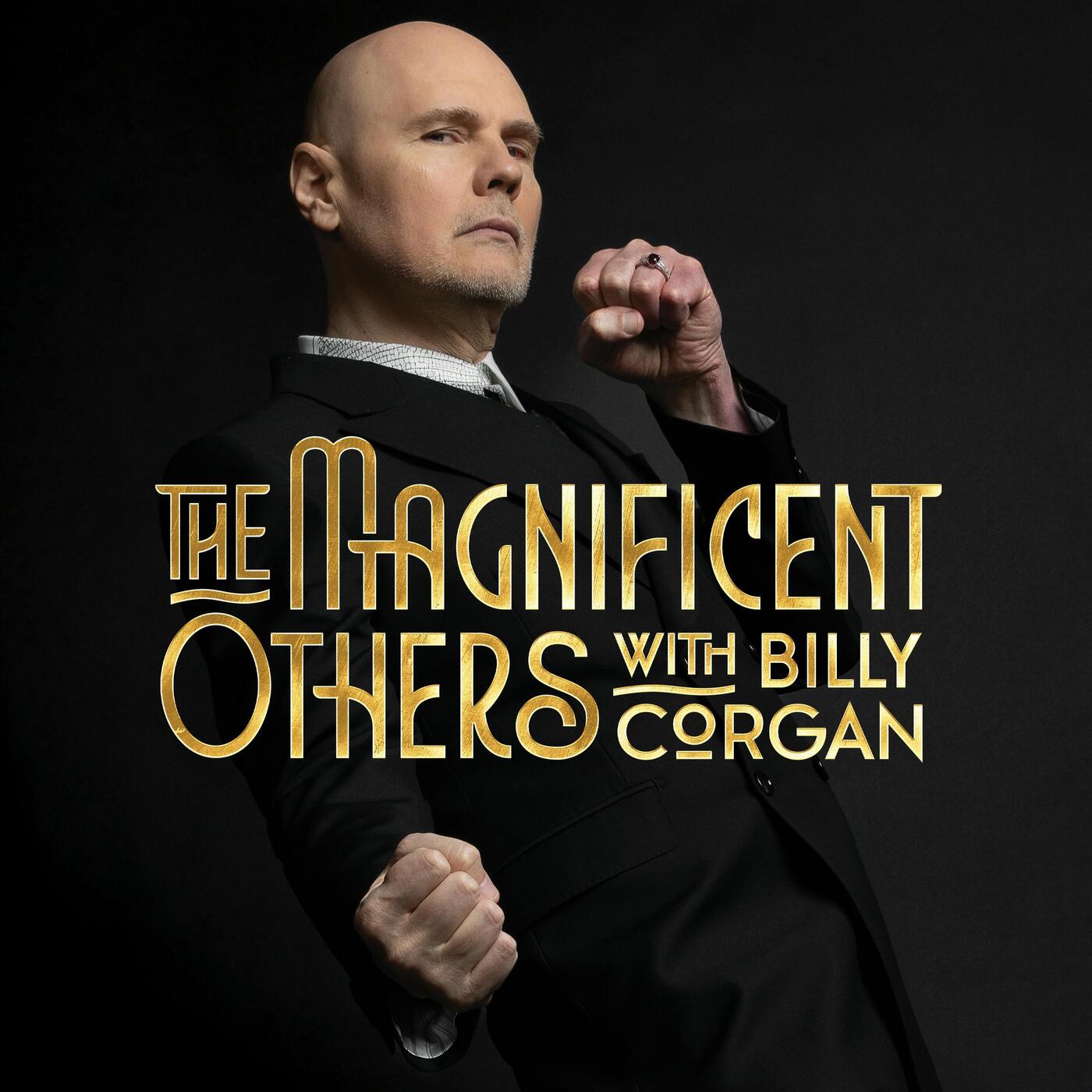
The Magnificent Others with Billy Corgan
Dave Davies (The KInks)| The Magnificent Others with Billy Corgan
01:03:41
Loading summary
Transcript712 lines
- [00:00]
A
You know, Kinks is an enigma where the people shouldn't even be in the band.
- [00:12]
B
Maybe that's part of it. That's kind of what I'm after.
- [00:14]
A
I mean, it was so spontaneous that we didn't realize what we'd be doing.
- [00:19]
B
But the thing is, when you look at your brother's writing, there's been no other writer ever like him.
- [00:25]
A
To be honest, it was magical, really. And, like, he could write anything.
- [00:33]
B
I get the sense as a fan, there's always only love.
- [00:37]
A
And I'm just getting emotional thinking of it.
- [00:40]
B
I know you know the mythology of who played the solo. And you really got me, you know.
- [00:44]
A
Well, of course I did.
- [00:46]
B
Who was the wildest?
- [00:47]
A
Well, I was
- [00:50]
B
Dave Davies. Thank you for being on my podcast.
- [00:53]
A
It's great. I'm very privileged to be here. Thank you.
- [00:59]
B
So here we are. It's 30th Street Guitars. Yes. Friends of yours, right?
- [01:04]
A
Yeah, it's great here in New York guitars.
- [01:08]
B
But as soon as I walked in, I wanted to spend money.
- [01:11]
A
Yes, well, you do, but.
- [01:13]
B
Okay, so here's the secret nerd question. We'll start here. Do you still have your 60s Flying Bee?
- [01:19]
A
No. No, I don't. I don't keep mine.
- [01:23]
B
So really not sentimental.
- [01:26]
A
Because if I get sentimental, I get too attached.
- [01:32]
B
I get it.
- [01:34]
A
Coverty. I cover. And that's.
- [01:38]
B
I'm terrible. I don't want to get rid of
- [01:40]
A
anything and it's terrible.
- [01:41]
B
I want your flying V too. You know what I mean? It's like it's not enough for me to have my guitars. I want your guitars too.
- [01:46]
A
Yeah, you can have it. I don't want.
- [01:48]
B
God bless. We'll find it. Okay. Correct me if I'm wrong, last time you played with your brother Ray, 2015. Last time you did a solo concert was 2018. Approximately now. Close enough. Yeah. And the last official kink show was 1996 in Oslo. Oh, you dropped your mic. You're still a rock and roller. You sing.
- [02:12]
A
How am I doing? Is it working? Yeah. Oh, wow.
- [02:17]
B
It's relaxed. It's like cable access. Like maybe one step up. Thank you for being on my cable access show. Okay, this is an unfair question, but looking back over so much music and so many concerts, and is there something that you. Do you feel pride? Do you feel like I would have done it differently? Is there a way you can sort of sum up.
- [02:40]
A
Oh, no, it's impossible. You can't sum up 30 years. 60 years.
- [02:48]
B
Yeah, 60 years.
- [02:50]
A
30 years. You can't sum up that many years playing it's too crazy and there's too much stuff because you think of one thing and then you think, why there was something else. It's too much it. Too much stuff.
- [03:12]
B
Yeah. I'm sure you have that experience where people come up and say, I saw you here and this thing happened. And it's like, you know, you were there, but you have no memory of it because you've done so much. It's hard to remember it all.
- [03:23]
A
The thing is, you can't remember what your place
- [03:28]
B
on the V. On the V. On the V. Oh, on the
- [03:32]
A
V. It was hard. It's difficult guitar to play on anyway.
- [03:38]
B
Was it?
- [03:39]
A
Yeah, I thought it found out.
- [03:41]
B
But you looked fantastic playing it.
- [03:42]
A
Yeah.
- [03:43]
B
And you know, with guitar, looking good is half the battle.
- [03:46]
A
Yeah.
- [03:46]
B
Okay. A little biography short. Born February 3rd, 1947.
- [03:53]
A
That's it.
- [03:54]
B
Muswell Hill.
- [03:55]
A
Good.
- [03:56]
B
Youngest of eight.
- [03:57]
A
Yes.
- [03:58]
B
That's a lot of children. Was everyone as headstrong as you and your brother in the family?
- [04:02]
A
The thing is, we're a poor family. A lot of people and a lot of women. It was great growing up with all this appointment and Ray was kind of sulky in the back, but it was great. And I was throwing out of school. I was terrible people. I was really bad at school and I didn't like being talked down to.
- [04:32]
B
At school.
- [04:33]
A
At school. Yeah.
- [04:34]
B
But didn't you get thrown out for a sexual indiscretion? Is that true?
- [04:38]
A
Yeah, I did.
- [04:38]
B
We don't have to. We don't have to belabor that.
- [04:41]
A
No, I did, you know, unfortunately. And it was a time when it wasn't very modest.
- [04:51]
B
Yeah. No one would blink now.
- [04:53]
A
No, it was very. Blood.
- [04:55]
B
Yes. You got a young woman pregnant and.
- [04:57]
A
Yeah, as you do, you know, but then it was terrible.
- [05:02]
B
Yeah.
- [05:02]
A
I love gunshot. It was fun. I had a great time as a young man and I didn't know how old I was when I'm being young.
- [05:15]
B
Yeah,
- [05:18]
A
it was a blast. Yeah, it was all a blast. And I don't remember.
- [05:24]
B
Okay, well, we'll try to touch a couple.
- [05:26]
A
Yeah.
- [05:28]
B
We all grew up with music around us. It's on the radio, it's on television, whatever. But when's the first time music spoke to you directly and you thought, okay,
- [05:37]
A
that I know this. It was good, Connie. Ms. Mullet.
- [05:46]
B
Say it one more time.
- [05:47]
A
Good Connie. Ms. Mullet.
- [05:48]
B
Oh, good golly, Ms. Mullet. Little Richard.
- [05:50]
A
Yeah.
- [05:50]
B
Yeah.
- [05:51]
A
And Amazon transfixed. Yeah.
- [05:57]
B
Was it a television or a radio?
- [05:59]
A
Or radio.
- [06:00]
B
Ah, yeah. That sound. Even today, that sound is awesome. It's Overdriven. Yeah. Everything is distorted.
- [06:08]
A
It's so good.
- [06:09]
B
Did you ever hear the story of the room they recorded that in? You ever know that?
- [06:12]
A
No, tell me.
- [06:13]
B
So apparently it was, I think, a studio in New Orleans.
- [06:16]
A
Yeah.
- [06:17]
B
And it was just, you know, like a lot of studios back then, very makeshift, and there were carpets on the walls to protect the sound. So it was a sweltering hot room and everything was just jacked to hell. And that's that sound. And there you are.
- [06:32]
A
Yeah. But the thing is, it was that sound that got me going. Yeah. And I had to not copy it, but I was inspired.
- [06:41]
B
The feeling of the sound. Yeah.
- [06:43]
A
And the feeling was incredible. And another record was High School Confidential.
- [06:51]
B
Bill Haley.
- [06:53]
A
No, it's none. It was.
- [07:01]
B
Oh, it was also Little Richard.
- [07:02]
A
It was. I can't remember the bloody.
- [07:07]
B
She's looking up High School Confidential. Is it.
- [07:10]
A
Wait, High School Confidential was Eddie Cochran. No. I can't believe it.
- [07:21]
B
We'll get our Jerry Lee Lewis.
- [07:23]
A
Jerry. Jerry Lee Lewis. Yes. It was him.
- [07:27]
B
So what? So piano. See, you're not listening to guitar. You listen to piano.
- [07:31]
A
Yeah. People weren't playing guitar.
- [07:36]
B
If they were, it was like. Yeah. Symbols. Yeah.
- [07:40]
A
And. But I didn't like the piano and too many notes.
- [07:48]
B
Too many notes. Yeah.
- [07:49]
A
Yeah. I wanted somewhere I could play quick.
- [07:52]
B
Yeah.
- [07:52]
A
And so guitar was obvious because you can. You could just hit a few things to quick. I was. Okay, I finished that. No, and what? It wasn't a life of learning how to play. Playing guitar.
- [08:16]
B
You never stop learning on the guitar.
- [08:18]
A
No, never, Never. I don't know what we're doing.
- [08:23]
B
Yeah. But that's the beauty of it.
- [08:25]
A
But I think beauty as well. And I think Frey won't realize this, but I think the fact that we were brothers and we helped each other, he'd think of something and I think. And we. Star.
- [08:48]
B
You know, people presume things about brothers that are musicians, but do you think you guys had almost like a telepathic understanding?
- [08:55]
A
It's so telepathic.
- [08:57]
B
Yeah.
- [08:57]
A
It's unbelievable. And like, when you're not on or plugged in, you don't know.
- [09:03]
B
I certainly love the sound of your guys's voice together. You got kind of a higher.
- [09:08]
A
I got high.
- [09:10]
B
Yeah. But such a beautiful sound of you guys together.
- [09:12]
A
Oh, thank you. And it was. What was it? And we didn't have any time.
- [09:19]
B
No, not back then.
- [09:20]
A
No, no, no.
- [09:21]
B
Go. You're going what, for like a two, three hour session, right?
- [09:24]
A
Yeah. We kept it done quick.
- [09:26]
B
Yeah, yeah. Play live. Oh, yeah. That was it.
- [09:30]
A
It didn't work live. It wasn't going to work. Yeah, you had to. That was awesome.
- [09:37]
B
There's a lot of the great English bands were influenced on SEM level by the atmosphere in Britain of post war life. The poverty, the rationing, the living with blown out homes still with craters in the ground. Did you grow up in all that?
- [09:56]
A
Yeah, unfortunately we did, but I think it helped us because we were in a small house, there's a lot of us and the girls were great because all the girls sing and they contributed to the sound.
- [10:20]
B
Oh, interesting.
- [10:21]
A
We didn't know what we were doing, but they go to sing this or sing that. Oh. I mean, it was so spontaneous that we didn't realize what we're doing. And Ray was crafting his art very carefully. Ray was a genius for a young age. And I don't know how it came out. I don't know how music came out.
- [10:54]
B
Well, we have 60 years of evidence to. But the thing is, when you look at your brother's writing, there's been no other writer ever like him. Like you can imitate.
- [11:04]
A
Well, to be honest, it was magical, really. And like he could write anything. It seemed like when we wrote the first thing he wrote, first thing he wrote was he really got me.
- [11:21]
B
Good start.
- [11:22]
A
Quickly.
- [11:23]
B
Yeah.
- [11:23]
A
It was like, do it, do it now. And we did it then. It was then, now time. I don't know how we did it, but then we did it and then we kept doing it. But I think that was because of the brother thing, that it helped. I don't know how, but it does work.
- [11:49]
B
Yeah. Um, just a quick diversion.
- [11:53]
A
Yeah.
- [11:54]
B
Were you. Were you a skiffle guy? Were you into the skiffle thing or how'd you feel about skiffle?
- [11:58]
A
At the beginning I liked the sound of the blues.
- [12:03]
B
Yeah.
- [12:03]
A
I liked the blues.
- [12:04]
B
Was it more blues or skiffle or the combination?
- [12:06]
A
I think I liked skiffle because it was funny. It had a humor to it.
- [12:11]
B
Yeah.
- [12:12]
A
And it's funny. That's fun. Yeah. Blues was more serious.
- [12:17]
B
Yeah, absolutely. Especially all the American musicians coming over.
- [12:20]
A
Music come from America.
- [12:23]
B
Yeah.
- [12:23]
A
Was it like.
- [12:25]
B
Well, as you know, a lot of the blues musicians which came from my hometown in Chicago.
- [12:29]
A
Oh, yes.
- [12:30]
B
But they were treated better in Europe than they were treated in America in a very horribly racist atmosphere.
- [12:35]
A
Yeah.
- [12:36]
B
So they would come back to Chicago and say, I. I was just over there treated like a king.
- [12:39]
A
Yeah.
- [12:40]
B
You know, and of course, I mean,
- [12:41]
A
I mean I love to all the blues guys, really. And I can't. You said, listen, every thing, especially the
- [12:50]
B
sound of the Chess records again, that sort of distorted.
- [12:53]
A
Yeah. Hyped up dramas were really dirty.
- [12:58]
B
Yeah. Yeah.
- [12:59]
A
And like.
- [13:02]
B
Have you ever been to Chess Studios in Chicago?
- [13:04]
A
No.
- [13:04]
B
It's still there. You know, it's not a functioning studio really anymore. But the. But the room is still there and you could still. This, you know, very cheap plasterboards on the wall.
- [13:13]
A
Oh, wow.
- [13:13]
B
It's kind of almost like a little barn. It's sort of a long.
- [13:16]
A
Oh, wow.
- [13:16]
B
Yeah. Yeah.
- [13:18]
A
I don't think I'm gonna go.
- [13:19]
B
You should. Signing with Pye Records. Shell Talmi is your original producer.
- [13:27]
A
Yeah.
- [13:28]
B
And also kind of a visionary. I know you guys were young and you were sort of figuring out.
- [13:33]
A
Didn't know what we were doing.
- [13:35]
B
Yeah.
- [13:35]
A
But show was very gracious. He was very kind. Which I cleanse. The world can't be bad.
- [13:46]
B
Yeah.
- [13:46]
A
Because the record company wanted to come and do it. Do it. Hurry up and just do it quick. But he was gracious and it helped us.
- [14:04]
B
Yeah.
- [14:04]
A
Through.
- [14:05]
B
He seemed to be. You tell me. But he seemed to be a producer, to seem to be able to capture the spirit of the band on record.
- [14:11]
A
I think he did. Although we didn't know it.
- [14:15]
B
Yeah. Yeah. But those records hold up so well. They capture the, like the lightning in a bottle feeling.
- [14:21]
A
Yeah.
- [14:21]
B
And even early. Who. Same thing they do. He was good with that.
- [14:24]
A
We did it very quickly.
- [14:27]
B
Yeah.
- [14:27]
A
And like lightning is bull.
- [14:30]
B
Yeah.
- [14:31]
A
But.
- [14:32]
B
So when I signed A Pie, Donovan was on the label and Lonnie Donegan.
- [14:38]
A
Lonnie Donegan was a great influence. A really great influence. I don't think enough credit was ever given to Lonnie Dunnigan because he came up with some. He had
- [14:54]
B
almost like a Woody Guthrie
- [14:57]
A
nasal sound that we write on Love.
- [15:01]
B
Yeah.
- [15:02]
A
And put non agony. Put non stuff. And it was. And how he came up with these sounds. And, you know, learning was quite often.
- [15:21]
B
Okay, so first single, Long Tall Sally.
- [15:25]
A
Yeah.
- [15:25]
B
Didn't really do too well. Second single, you Still Want Me. So. And then.
- [15:31]
A
Okay.
- [15:32]
B
But then you really got me. And then like a rock.
- [15:36]
A
Well, then you really got me. When you. We didn't. Frey was playing piano. He was writing on the piano. And. And I thought I'd play guitar because I didn't really know all the chords on the piano. On the guitar.
- [15:54]
B
Yeah. So you're playing bar chords.
- [15:57]
A
We said, well, no, please play.
- [16:00]
B
Right.
- [16:00]
A
And so even the inversions were, you know. Yeah, yeah, yeah.
- [16:07]
B
Well, one, five, one. Right.
- [16:09]
A
Yeah. It's just wonderful. Yeah. And I found uneasy and waited long because I couldn't plow. The way up the bridge. Yeah. And it was a lot easier for me.
- [16:24]
B
Yeah.
- [16:24]
A
But I didn't realize that was crazy. And it's an incredible song.
- [16:29]
B
So I know you know the mythology of who played the solo and you really got me, you know.
- [16:36]
A
Well, of course I did.
- [16:37]
B
Yeah.
- [16:38]
A
But the thing is, I didn't even know what to do. I really didn't know what I was doing.
- [16:44]
B
Isn't there some sort of.
- [16:44]
A
If anybody could play like that, they must be crazy.
- [16:49]
B
But isn't there a story where like something like during the recording Ray looks at you, goes, oh, come on.
- [16:53]
A
Yeah, he did. And it was pissing me off.
- [16:59]
B
But he got your blood going, you see.
- [17:00]
A
Yes, it did. You see it? And so I swear in that man to get it out.
- [17:11]
B
But what a great sell, though.
- [17:12]
A
Oh, wow.
- [17:14]
B
Watched a thousand ships.
- [17:16]
A
It did so.
- [17:19]
B
From a. From a. Because you play so distinctively, would you agree with that? You feel you play?
- [17:25]
A
Absolutely.
- [17:26]
B
Yeah. Because was it more because you didn't know what you were doing. You sort of developed your own style. You weren't trying to necessarily emulate other.
- [17:34]
A
I was obviously. I didn't know what I was doing, but I tried to carving round what, hug.
- [17:44]
B
Yeah.
- [17:45]
A
Which there wasn't anything really. That hurt.
- [17:48]
B
Yeah.
- [17:49]
A
So it was really make it up as you go along and there wasn't anything to listen to. There wasn't.
- [18:00]
B
Yeah. Because really before you, there's no one who plays like you. And then often imitated that.
- [18:09]
A
The record companies didn't want to put the record out because.
- [18:13]
B
Well, of course they did. It's classic record company.
- [18:16]
A
What's that?
- [18:19]
B
Yeah.
- [18:19]
A
And thankfully, Ferray being sister that you only got me got released because it wasn't done well.
- [18:30]
B
How were the man did the managers agree with? Obviously they agreed with you at some point, but
- [18:35]
A
did eventually put the people in background.
- [18:43]
B
Background the bean counters.
- [18:45]
A
Yeah,
- [18:48]
B
you were there. But I have to read this list. It's a short list. So after this breakthrough, all day and all of the night Tired of waiting Everybody's going to be happy Set me free See my friends A well respected man of fashion Till the end of the day Dedicated follower of fashion Sunny Afternoon Dandy Dead End Street Waterloo Sunset That's. That's a. There's a couple more in there, but that's a pretty good start. That's a pretty good start. Yeah. You. You did well, young man.
- [19:22]
A
If I'd have been any younger, I wouldn't have known what to.
- [19:25]
B
That's right. You were 17 when you got signed to PI.
- [19:28]
A
Right, that's right. Yeah.
- [19:29]
B
17.
- [19:30]
A
Amazing. I don't know.
- [19:32]
B
Were you a. Were you a well behaved 17 or were you terrible? I love it. But when's the first time you noticed? Like, it's one thing to say, I know my brother's talented, but it's another thing to think, like, whoa, he's this. Because if you listen to the first year of the Kinks records, the sophistication starts to come out and comes up for reality. Yeah, but. But it's like, it's sort of shocking you from a writer point of view that he's suddenly this.
- [20:03]
A
Yeah, but it was different because he was writing and I said, oh, yeah, sure. You take it from.
- [20:10]
B
I see.
- [20:10]
A
And oh, yeah, sure. You expect him to do it.
- [20:14]
B
Yeah.
- [20:15]
A
I mean, if he wasn't doing it, we'd be shocked.
- [20:18]
B
Was there a song back then that like. Like of those songs where you thought, oh, wow, I can't believe he wrote this. And I can't believe. Is there anything that jumps out?
- [20:28]
A
Yeah. Walt loose. Sansa was earlier when we. Before we had any heavy songs, but yeah, it was such a pretty.
- [20:43]
B
Such a one of a kind song, even for your band. There's almost no other song that's like that song.
- [20:49]
A
No song at all even. We had amazing. Oh, I can't.
- [20:58]
B
Sha la la.
- [21:01]
A
Oh, right. It's making me think of these songs. I don't know how we did it.
- [21:07]
B
It's kind of magical. Right.
- [21:09]
A
I'm glad we didn't think so much
- [21:11]
B
about it, but maybe that's part of it. That's kind of what I'm after.
- [21:13]
A
Yeah.
- [21:14]
B
For you, it was just another week or a couple weeks in your life.
- [21:17]
A
Yeah.
- [21:17]
B
But here we are still talking about it, still listening.
- [21:20]
A
Yeah.
- [21:20]
B
That's the beauty of it.
- [21:21]
A
Incredible.
- [21:22]
B
Yeah.
- [21:23]
A
So much has come out that era.
- [21:26]
B
Yeah.
- [21:27]
A
It's phenomenal. Yeah. That was incredible. He played records today in a.
- [21:41]
B
Okay. Death of a Clown, 1967.
- [21:44]
A
Yeah.
- [21:44]
B
That's your big. That's my big moment.
- [21:47]
A
Yeah.
- [21:48]
B
That's what you're gonna bust out of the band?
- [21:49]
A
Just. No.
- [21:53]
B
Yeah. But did you. Did you. I never got the feeling that you were looking to be on your own as opposed to you were maybe interested in doing other stuff, but it never felt like you wanted to leave the band.
- [22:06]
A
No, I didn't feel like that too. But obviously I was enjoying writing.
- [22:13]
B
Yeah.
- [22:13]
A
Because Ray was doing all the writing and I was just doubling, really.
- [22:21]
B
Yeah.
- [22:22]
A
A few songs and.
- [22:24]
B
Yeah.
- [22:24]
A
And. But definitely a clown was a really big thing for me.
- [22:31]
B
Yeah. Did Ray Write the lyrics or did you write the lyrics together or.
- [22:34]
A
No, I wrote lyrics. And he kind of poised a little bit and stuff. A little bit wore out. What about. And which one easier?
- [22:45]
B
Yeah. My makeup is dry and it cracks around my chin I'm drowning my sorrows in whiskey and gin the lion tamer's whip doesn't crack anymore the lion's. They won't fight and the tigers won't
- [22:57]
A
roar well, that should have. It was based on an idea I had. I was always scared of clouds and I was always worried of. He wrote a song about a clown. The horrible. Funny.
- [23:16]
B
Because, you know, where I grew up in Chicago, we had the serial killer clown.
- [23:19]
A
Oh, really?
- [23:20]
B
John Wayne Gacy?
- [23:21]
A
Yeah.
- [23:21]
B
When I was a little boy, I met him. You met John Wayne Gacy?
- [23:25]
A
Yes. He was so nice. I just couldn't believe it.
- [23:31]
B
How do you know that you met him? Is there a picture somewhere?
- [23:33]
A
No. Somebody told me that he invited us to. To the party he gave that night, but I didn't know who it was, thank God. Yeah.
- [23:45]
B
Well, there I was in the suburbs, quaking in my basement because we were. We didn't know he was a clown yet, but we heard there was a killer on the loose.
- [23:53]
A
Well, yeah, I was scared of him.
- [23:56]
B
Rightly so.
- [23:57]
A
And. Yeah, obviously. And got put to music and it was okay.
- [24:06]
B
Yeah. So the infamous album that never was Hole in the Saka. Is that accurate? Like a silly thing. But I thought it was interesting because Death of a Clown comes out and you have success with that. And then the band releases Autumn Almanac, which is an amazing song.
- [24:25]
A
Yes. Even now, if you listen to it, you think, well, how did that come from? It's such an ensemble. It's. If you know what I mean.
- [24:36]
B
Yeah. But it's. It's. I love. It has a certain atmosphere that's hard to.
- [24:40]
A
It's. When we're making it, we went in awe of it because it was. It spoke to me in a certain way.
- [24:49]
B
Yeah.
- [24:51]
A
Can't, like, let this go.
- [24:53]
B
Oh, I see.
- [24:53]
A
Can't let it go. And it had an incredible feel about it.
- [24:59]
B
Yeah. It's like a shuffle, right?
- [25:02]
A
Yeah.
- [25:03]
B
Yeah. It's a cool.
- [25:05]
A
It's. It's really. It's funny you mentioned that song. It's quite an autumn song. And I think. How old was I? 17, 18. Had I had to be.
- [25:18]
B
Yeah. At that point you would have been. Gosh, 20.
- [25:22]
A
Oh, yeah.
- [25:23]
B
Right.
- [25:23]
A
Yeah.
- [25:23]
B
But still.
- [25:24]
A
Yeah.
- [25:25]
B
But I mean, my first album came out when I was 24, just to give you some perspective. So I wouldn't have been able to handle the success that you had at 20.
- [25:32]
A
There's no way I fluffed my way through.
- [25:37]
B
You did well, young man. And then. Susannah's still alive. Back to you again. And then.
- [25:44]
A
And things with Susanna. I could write about Susanna because I fell in love at a very young age with a girl called Susan. And so it was easy for me to write about. Yeah. Someone called Susanna or Susan.
- [26:01]
B
Okay.
- [26:02]
A
And it came to me when he.
- [26:04]
B
Beautiful song.
- [26:05]
A
Yeah. Yeah. And I don't stick down, but.
- [26:11]
B
But is it. So, correct me if I'm wrong. Lincoln country was the. Like the next solo county.
- [26:17]
A
Yeah.
- [26:18]
B
Yeah. And. And is that why the record company got cold feet on you doing a solo record? Is that true or not true? Do you remember that?
- [26:24]
A
No. It's because, I suppose. Lincoln County. Lincoln County.
- [26:33]
B
Is it county or country?
- [26:34]
A
County.
- [26:34]
B
Oh, my bad. Yeah.
- [26:35]
A
And it was. You know, I'm totally reminded of what happened.
- [26:42]
B
Yeah. The mythology is that you had success with Death of a Clown. You started making a solo record. Obviously the band was involved. The band's playing on the record Race, helping you.
- [26:53]
A
Yeah.
- [26:53]
B
You know, and then the. The story is in, as the mythology goes, is that the Lincoln county song was where they got cold feet and then kind of showed.
- [27:03]
A
Oh, I didn't know that.
- [27:04]
B
Okay, well, I'm asking you. You were there, you know.
- [27:06]
A
Yeah, but I don't remember.
- [27:07]
B
You don't remember.
- [27:08]
A
Yeah, but that's first.
- [27:10]
B
But did you. Did you. Do you feel, looking back, you wish you'd made a solo album at that time, or are you okay with.
- [27:15]
A
Yeah, I was glad to get anything out. Really. Yeah. And Lincoln County, I thought was fantastic. I thought it was great.
- [27:24]
B
Cool song.
- [27:25]
A
And I took the raffle to smooth.
- [27:29]
B
Yeah. Yeah.
- [27:31]
A
And we. Then we go and do something else, you know, going to another record.
- [27:37]
B
Yeah. And another tour, and you're just moving on. Yeah.
- [27:41]
A
And just like.
- [27:42]
B
Yeah.
- [27:42]
A
And when we do it, we Recording so much during that time.
- [27:48]
B
Yeah. You guys recorded a lot. For a band of your time, you seem to record more than other bands.
- [27:55]
A
Yes, that's true. We did. And. And we did. We did a lot of recording.
- [28:03]
B
Yeah.
- [28:03]
A
Yeah.
- [28:05]
B
Yeah. How long would it. Would you go in for?
- [28:10]
A
Ridiculous.
- [28:11]
B
Yeah. Yeah. But was it because maybe Ry was. Ray was writing so much.
- [28:15]
A
Ray was writing. He started to write and then write and then write.
- [28:22]
B
Yeah.
- [28:23]
A
And then.
- [28:24]
B
Well, but he was having hits with other people, too, right?
- [28:26]
A
Yes, he was. He was writing for. Who was he writing for?
- [28:32]
B
Yeah, no, that. Yeah. I'm on the spot, too. I Know who he wrote for, but I can't remember. But there were. But there were even hits where they were covered. People were covering kink songs. I think the guest. The Grassroots, I think did. I'm Not Like Everybody Else.
- [28:48]
A
Did they? Yeah, yeah.
- [28:50]
B
Early Grassroots, before they had songs like Midnight Confessions.
- [28:53]
A
Oh, yes, that's right.
- [28:54]
B
They early. Early Grassroots did a cover. If I'm Not Like Everybody Else.
- [28:59]
A
That's one of my favorites. It's one of my favorite songs.
- [29:03]
B
Oh, yeah.
- [29:04]
A
One of my.
- [29:05]
B
Not a bad one.
- [29:06]
A
Yeah.
- [29:08]
B
Okay, you answer this question. How are you like, please. The band's reputation is a brawling, raucous,
- [29:18]
A
wild kids. Life was very.
- [29:21]
B
Who was the wildest?
- [29:22]
A
Well, I was because I read your
- [29:25]
B
book, by the way, So I.
- [29:26]
A
But thing is.
- [29:28]
B
Yes, I know how wild you were, so.
- [29:32]
A
But I was very wild. I wanted to get on to the next days and I said, wait, what's next?
- [29:45]
B
Yeah. Is that just your personality kind of always.
- [29:49]
A
Yeah. And stand up. Right.
- [29:52]
B
One.
- [29:52]
A
I. What the hell? And like, it was. And it was important for the voicing, and.
- [30:04]
B
You seemed in the time to have good relationships with a lot of the other artists. Is that true?
- [30:09]
A
Well.
- [30:11]
B
Is that just because you were hanging out and people got to know you?
- [30:13]
A
I really got well with Brian Jones. Right. And it was. Because it was really kind of cool. And he was. It was very nice. I did love him very much. And it was like. We thought that we were supposed to be like this.
- [30:42]
B
Dandies. Dandies, Right. Kind of dressing the part in the part.
- [30:47]
A
Quite looking.
- [30:49]
B
Yeah. Ruffled feather. Ruffled shirts.
- [30:52]
A
Yeah.
- [30:53]
B
We saw handmade coats, right?
- [30:56]
A
Yes.
- [30:56]
B
These kind of beautiful.
- [30:58]
A
And bran. We dress so well. And I love dressing up. And I still look good. What?
- [31:06]
B
You dress better than I am. I mean, you're still. You're still working. You're still working.
- [31:12]
A
And I loved it. Dressing up.
- [31:19]
B
Yeah. But it's also.
- [31:20]
A
We know it was almost. It was a part of scene, man.
- [31:24]
B
But looking back now, we. We realize that was a very magical time for culture, for music, for sexuality, for a lot of things.
- [31:31]
A
Yes. Yeah, a lot of things.
- [31:33]
B
And there you were.
- [31:34]
A
Sexuality. And sexuality was important to all.
- [31:39]
B
Yeah.
- [31:40]
A
You know, it was like, oh, I'm going to throw this. I know it sounds really gross, but, you know, we would experiment. We experimented with each other and learning, and it was a very great time.
- [32:00]
B
Yeah. You seem like you had fun.
- [32:03]
A
Yeah.
- [32:06]
B
Okay. How did you feel when bands started imitating the Kinks, for example? The Trogs come to mind. I mean, wild thing is, basically. Yeah. But I Mean, it was great. You liked it?
- [32:20]
A
Fun. I did. Then I got used to it and I thought, well, hang on, that sounds a little bit like you really got me.
- [32:28]
B
Yeah. So you were cool with it? You thought it was fun?
- [32:33]
A
Yeah.
- [32:33]
B
Yeah.
- [32:33]
A
And when I heard, years later, when I heard the. Who, was it
- [32:44]
B
somebody imitating you guys?
- [32:45]
A
Yeah, it was a great band.
- [32:48]
B
You talking about Van Halen.
- [32:50]
A
Van Halen. Van Halen.
- [32:51]
B
Yeah.
- [32:52]
A
Van Halen did it. And I was like, doesn't he know it's already been that?
- [32:57]
B
Well, they covered two of your songs.
- [33:00]
A
Yeah.
- [33:01]
B
You really Got Me. And where have all the good times gone?
- [33:04]
A
Yeah, it's where Flashy had come in first.
- [33:06]
B
Won't you tell me Doo doo do do do they almost like more R and B if you think about it.
- [33:12]
A
Yeah.
- [33:13]
B
Did you ever meet Eddie Van Halen?
- [33:15]
A
No, sadly.
- [33:16]
B
Oh, he was great.
- [33:17]
A
Oh, tough to really.
- [33:19]
B
What a guitar player?
- [33:20]
A
Oh, yeah. It's amazing. I, I, Why, why would they copy of Corny record?
- [33:27]
B
Because they love the record.
- [33:28]
A
Yeah.
- [33:29]
B
But I, I interviewed Eddie once at his home studio, and I was. He was as far away from me as you are. And watching him play, like, from this far away, I was like, he made it look so it was crazy. It was just like somebody. And he would talk the whole time. So he's playing, like, the hardest you'd ever play, and he's talking the whole time. And you're like. And then he goes to me. You try. And he hands me a guitar. Oh, I want to see you play. I'm like, what do you play? I should have played. You really got me.
- [34:07]
A
Yeah.
- [34:09]
B
So a big part of the band's story is you guys don't tour the US for about five or six years because of something with the unions.
- [34:17]
A
Oh, yeah.
- [34:19]
B
Some kind of.
- [34:19]
A
I still don't know what.
- [34:21]
B
Really something, probably with the unions.
- [34:23]
A
But the unions were a bit strict then.
- [34:26]
B
Well, back then, the unions were tied in with the mobile.
- [34:29]
A
Well, that's.
- [34:30]
B
Every city was wired well. It's true. Every city back then. Because my father was a musician back then. So I heard all the stories. The mob and the unions were all tied together. So if you didn't pay the right people or pay the right respect. So it might have not even been anything you guys did. It might have been a promoter, it might have been something. A manager that didn't pay. Somebody in a paper bag off where
- [34:54]
A
the tub was hot on.
- [34:56]
B
Well, it must have been hard because those are pretty good years to be in America.
- [34:59]
A
Yeah. And we got banned from America.
- [35:02]
B
Yeah. For a while. Yeah.
- [35:03]
A
And we didn't. And to be honest, we went into the studio to do Maswell Hillbilly Scene. No, it was. Ah. No. What?
- [35:16]
B
Arthur. Arthur.
- [35:18]
A
Arthur and Arthur.
- [35:20]
B
Yeah.
- [35:20]
A
And we kind of thought that it might be a last album.
- [35:25]
B
Oh, because you were. Because you just cut off half your market.
- [35:28]
A
Yeah. And it was kind of in the back of mine singing. Yeah. You know.
- [35:36]
B
Right. I would never even have thought about it that way
- [35:41]
A
because Arthur was. I thought Arthur was brilliant. One of the best books I met.
- [35:48]
B
Arthur's so ahead of its time. It's almost shocking. It sounds like. It sounds like a late 70s record done in like, I know, 68 or something. You guys are so ahead of your time. It really does sound like kind of what we would later call in the Midwest, power pop.
- [36:02]
A
I guess so.
- [36:03]
B
You know, I mean, like strong corner work and. Yeah, yeah. But you guys are like. You're seven, eight years ahead of everybody on that.
- [36:10]
A
Oh, yeah, I guess we were.
- [36:13]
B
So your bluffing was working.
- [36:15]
A
Yeah. But there were great years. There's some emotional songs that really stuffed up.
- [36:28]
B
Yeah. I want to give you a compliment, but it's an interesting compliment. So I want to see. Well, we'll see. I think one of the things that I'm proud of as a fan of your band is you guys didn't seem to be influenced by the Beatles like everybody else were when the Beatles had such big success. Even the Rolling Stones were influenced by the Beatles. They couldn't help it. You guys seem to just exist in your own world. And somehow the Beatles success didn't seem to. If anything, I would argue the Beatles were influenced by you guys.
- [37:00]
A
Well, I think so. I think Seeing My Friends really was Absolutely.
- [37:06]
B
Or at least I could deal with early. Yeah. 65, does it see my friends?
- [37:10]
A
Yeah, 65. It was a real. And I'm just getting emotional. Thank God. I think Seeing My Friends was early. Yeah. And before the beat was had.
- [37:29]
B
Well, you're basically playing the open chord in a. I believe.
- [37:32]
A
Yeah.
- [37:33]
B
Because my band used to cover See My Friends. Yeah. Because that was a big influence to us, this kind of hazy psychedelia.
- [37:41]
A
Yeah.
- [37:41]
B
But it was cool because it had a beat. It wasn't like hippie. It was. It was more rock.
- [37:45]
A
The reason why we didn't copy the bill is it couldn't. We were confident ourselves.
- [37:53]
B
Yeah, yeah, yeah, yeah.
- [37:55]
A
Listening to ourselves.
- [37:57]
B
I see Play.
- [37:58]
A
Yeah. And I can't be bothered.
- [38:00]
B
But I think it's so cool that you guys weren't. So many bands were influenced by the Beatles titanic success that they kind of, you know, like, famously, the Stones did
- [38:09]
A
the psychedelic records still learn how to play.
- [38:18]
B
It seems around Village Green, there's the shift in the writing and the shift to the focus. Was that something you guys talked about or has it just happened fully screen?
- [38:27]
A
No, let me see.
- [38:30]
B
The writing seems to become more introspective.
- [38:33]
A
Yeah, I'm just trying. I think when we got that band in America.
- [38:38]
B
Yeah. I think 66, somewhere around there.
- [38:42]
A
The Phyllis Grim. Was it Phyllis Grim?
- [38:45]
B
Little after. But what I'm saying is there seems to be this shift in the writing. Was that influenced by something? Because sometimes you talk to famous musicians and you'll say, oh, when this thing happened, they go, I wasn't thinking about anything. I was just doing the next thing.
- [38:58]
A
Yeah, I didn't. I don't know.
- [39:02]
B
Would you guys talk about directional changes? Would you sit around the table and say, I want to do this.
- [39:07]
A
Talk about what came up.
- [39:12]
B
I see. Whatever was Ray was writing or what
- [39:16]
A
I was writing or whatever area we were going into, it wasn't. You can't just say, oh, he has to. You know, I have to affect you in a certain way.
- [39:32]
B
But if you look at the evolutionary change of the band's music from 64 to 67, 68, I mean, it changes radically. The writing gets more intellectual, more introspective.
- [39:45]
A
Yeah, maybe.
- [39:46]
B
I don't know. Because I'm often surprised when bands. When I talk to guys whose music I grew up really respecting, I always think there's more talking and they're like, no, we didn't talk. We just kind of got on with it.
- [40:00]
A
Yeah, we just did stuff.
- [40:02]
B
Yeah, I get it. Yeah.
- [40:04]
A
And we thought, oh, it's okay. Why not?
- [40:09]
B
Was there because some of those records weren't as commercial as some of the earlier records. No, no, but you were. Is that something you cared about? Thought about?
- [40:17]
A
Well, the things I'm trying to put together apart here were we kind of crashed a bit because of the American ban and we kind of thought.
- [40:31]
B
I see.
- [40:32]
A
We thought more in with them.
- [40:34]
B
Ah, okay. That makes sense.
- [40:35]
A
Yeah.
- [40:36]
B
Yeah. Thank you.
- [40:38]
A
It did affect us.
- [40:40]
B
Yeah, I bet. I mean, you're looking at the possible, you know, the cliff coming and
- [40:48]
A
we thought. I thought that. I'm trying to see. Remember the Don Michael.
- [40:57]
B
Well, there was Maswell Hillbillies. There was Arthur.
- [41:00]
A
I think it was Arthur.
- [41:02]
B
Yeah, Arthur seems about right. Because Maswell Hillbillies was kind of more of a lark.
- [41:06]
A
It felt like it could be then.
- [41:09]
B
Because Maswell Hillbillies seems like more of the way you guys were going with them, Autumn Almanac and kind of having a laugh and a lark. And I'm not saying it wasn't serious, but there's a light heartedness.
- [41:19]
A
A light heartedness.
- [41:20]
B
And Arthur seems to start. You know, it gets. It gets into something deeper. Yeah.
- [41:25]
A
And I'm sure you know more about them.
- [41:31]
B
It's me job, you know, it's like
- [41:37]
A
we never used to. We never took things too lightly or. I know that we wrote funny songs, but they were all based on a deep feeling and it was never a throwboy song. And we wrote songs based on humor. How we felt about thing.
- [42:06]
B
Yeah, well, always. Really.
- [42:07]
A
Yeah, Most things.
- [42:09]
B
Yeah. Yeah.
- [42:12]
A
And Rome was so prolific.
- [42:16]
B
Yeah.
- [42:16]
A
That we could do that.
- [42:17]
B
Yeah. It, you know, in the history of brother duos, you know, the Gallaghers come to mind, but.
- [42:26]
A
Oh, yeah.
- [42:27]
B
God bless them.
- [42:27]
A
But yeah, it.
- [42:29]
B
It seems. Because I'm obviously focused on you in this equation. I never got a sense that you were jealous of your brother in any way or you felt overshadowed by him or any way. No, I get the sense as a fan, there's always only love.
- [42:44]
A
Yeah. But that is very, very true. With nothing ever. I just.
- [42:52]
B
Well, you tell me.
- [42:54]
A
No.
- [42:55]
B
Did you. Okay, let me throw a question of conjecture.
- [43:00]
A
Yeah.
- [43:03]
B
Did you feel at any point that your brother didn't like that he was relying on you?
- [43:10]
A
I can't answer that question.
- [43:12]
B
Yeah, but you ever. I mean, I don't care about the gossip. It's just more how you felt.
- [43:19]
A
Gossip, really? Okay. I always felt that I was supportive of.
- [43:27]
B
Okay.
- [43:28]
A
And I never felt in competition with him. And I don't know why. I must be mad, but. I always liked a lot of what he did.
- [43:45]
B
Yeah, it's cool. What a cool band to be in.
- [43:51]
A
Yeah. I mean, it's like, you know, the Kinks is an enigma in a way. In a way where it's that the people shouldn't even be in a band like Misfits. They should be called us the Misfits. And like. And it was incredible music coming out the walls and fast. And fast. Yeah.
- [44:23]
B
Yeah.
- [44:24]
A
There were times early on when I realized how brain was working, he didn't want to stop. And I said, right. You know, I think it was because for those years of having to quit and then stopping, then when he finally
- [44:46]
B
had the ability to go, I had to keep going. Ah, I see.
- [44:49]
A
And I said, well, why is it? Stop. No, stop. And we had quite a few arguments
- [44:57]
B
because he would want to keep busing. And you were like, it's great. Let's just go.
- [45:05]
A
Everything happens for a reason.
- [45:07]
B
Yes.
- [45:08]
A
That's what we don't realize. All this stuff happens for purpose. There's a purpose behind it. I mean, you're upset and angry.
- [45:19]
B
Yes.
- [45:19]
A
But it has a reason behind that.
- [45:23]
B
Was having your own studio conch, which I was surprised to see is still in operation.
- [45:27]
A
Yeah, it is.
- [45:28]
B
Did. Did that. Do you feel that opened up kind of a greater level artistry or.
- [45:33]
A
It did and it didn't.
- [45:35]
B
Yeah. Because it got to be too fussy
- [45:37]
A
and it got too.
- [45:39]
B
Were you. Were you. When you recorded, Were you a. Were you a fussy musician or you were like, I'll let them handle it.
- [45:46]
A
When we got head together, I became more into the sound.
- [45:51]
B
Yeah.
- [45:51]
A
And I got into the. What the instruments do.
- [45:56]
B
Yeah.
- [45:57]
A
What do they do? But.
- [45:59]
B
Yeah.
- [45:59]
A
And I became much more involved in sound.
- [46:04]
B
Can you. Do you remember when that was that, like Lola times or was like. When was that? Do you have a memory on it?
- [46:11]
A
God love this thing. About a thousand years ago.
- [46:13]
B
But. But. But there's a point where your guitar work becomes more articulated and the sound seems to come forward.
- [46:23]
A
You press. Yeah, but I'm practicing this instrument. You've got to learn something.
- [46:29]
B
Yeah.
- [46:30]
A
From it. Yeah. Scales and.
- [46:33]
B
Yeah. We started doing kind of more cool overdub work and obviously some cool stuff. Yeah, I did a lot double tracking, leads and.
- [46:42]
A
Yeah, cool stuff.
- [46:44]
B
Guitar stuff, you know.
- [46:45]
A
Yeah. But at the beginning, I didn't know what I was doing. But you did. As you progressed further on, you do learn scales.
- [46:55]
B
Yes.
- [46:56]
A
And although I was never trained, I was never a trained musician, but some
- [47:03]
B
people it works for. In a weird way.
- [47:04]
A
I can't. I felt lucky. I can't.
- [47:07]
B
I have no training either. Oh, none.
- [47:09]
A
Good for you. Yeah.
- [47:11]
B
Here we are. When the band shifted to what seems to be more theatrical.
- [47:18]
A
Yeah. Well, I just meant very.
- [47:22]
B
Did he. Okay, but did he tell you that part? Did he say, I've got this idea.
- [47:26]
A
Well.
- [47:27]
B
Or did you find out later?
- [47:28]
A
I found out afterwards. It was the other thing. Get something work. And.
- [47:35]
B
Yeah. You could tell right away the audience sort of wasn't really understanding what was happening.
- [47:39]
A
Wayne was going through mad brain.
- [47:43]
B
Okay. Yeah. Do you have a sense of what inspired that from him? Because from a. From a US Perspective, it feels very English and you guys were always kind of English, but it was like really English?
- [47:56]
A
Really English?
- [47:57]
B
Yeah. Like English overload. You know, dance hall stuff and like, stuff that an American wouldn't sort of translate necessarily.
- [48:04]
A
Yeah. I don't want to speak for. Right. But I Think a lot of it goes back to the music hall. Going through the musical thing. What were they writing then? You know, going through.
- [48:21]
B
How did you process that people weren't understanding what you guys were putting out there? Because that was a sort of a strange time for the band.
- [48:32]
A
Yeah, but I didn't mind.
- [48:34]
B
You were cool.
- [48:35]
A
I was cool with it because I wasn't into the what we're going to do next thing. I wasn't bothered with going in with fashion or instrumentation or. I just wanted to get it done.
- [48:51]
B
I see.
- [48:52]
A
And that was the tribe and force for me to get things done.
- [48:58]
B
Yeah. Do you have a fond memory of that period?
- [49:03]
A
No. For good memories. I see good memories. I can't not be good, but some of them really good and some of them.
- [49:20]
B
I've seen some video of you guys playing in the time and the audience does seem to sort of enjoy the spirit of what you're trying to do, even if they don't always get the musical part of it.
- [49:29]
A
Yes, that was important. And that's what I was saying earlier when it was happening around us, it was funny because you're there enjoying it, but you can't strike out. Yeah. As I was saying earlier, when you try and do that, it doesn't come across.
- [49:52]
B
Yeah.
- [49:53]
A
Too true. If you're involved in it, you could make anything sound funny.
- [49:59]
B
Yeah, I get it. I get it. I thought to ask you this and if it's too personal, we can skip it. But I've only had one interaction with your brother. I don't think you know the story, but I'll tell you here.
- [50:18]
A
I don't. I don't want.
- [50:19]
B
No, you don't want to know. You want to skip. No, it's okay.
- [50:24]
A
No, is it good?
- [50:24]
B
It wasn't negative.
- [50:25]
A
No, just. My God.
- [50:28]
B
So at one point he was doing a record collaborations, you know, his most famous songs with guest people. So I did a combination with him. You know, he sent me the tracks and I played guitar and it was a combination of All Day on All of the Night and Destroyer kind of put into one song. And Ray emailed me and said, I'd like you to be on this record. And wrote back. Thank you so much. I'm such a fan. It's a total honor. Thank you very much. And I said, it's so funny. I just. Two days ago I bought this pie single of one of your. Single, one of your 45s. A vintage copy.
- [51:13]
A
Oh, yeah.
- [51:14]
B
And I sent him a picture. Never heard from him again.
- [51:19]
A
Very funny. Because he's. Is Funny.
- [51:26]
B
Right. And other people I know that know your brother say, that's just kind of how he is. It's not. It's not negative. She's kind of a funny guy.
- [51:34]
A
You can't know him.
- [51:37]
B
So tell me, from the perspective of a loving brother, which you obviously are, what's something that people. You would want people to understand about your brother? Because, you know, the point is that you don't.
- [51:48]
A
About my brother. That you don't. You have to let it go with the flow.
- [51:56]
B
I see.
- [51:57]
A
Because you don't know what can happen if you stop somebody. It might help everything. I see. And so if it is out of the flow, let it go. Just keep going.
- [52:12]
B
Is it born of a certain trust that you have?
- [52:14]
A
Yeah, I think so.
- [52:15]
B
Okay.
- [52:15]
A
I think so. That you have to. You got to stop somewhere, end up dying of miserable. But he. Yeah. You've got to go with it, because there's no other way of.
- [52:38]
B
I see.
- [52:38]
A
Saying.
- [52:39]
B
Yeah, some people are. They are just the way they are, and there's nothing wrong with that. Yeah.
- [52:43]
A
And that's true.
- [52:45]
B
Yeah. But that's what other people that know your brother well have told me.
- [52:49]
A
Yeah. You have to go for that. If you start tummy, things follow, it might never happen.
- [52:56]
B
Ah, I get it. I do.
- [53:02]
A
It's just the way it is. And I'm glad it is because, well,
- [53:05]
B
we were the beneficiaries of a lot of great art. Yeah. Let's talk about spirituality. I know that's something that's dear to your heart.
- [53:17]
A
Well, the thing is, I had to become spiritual because not going to a good place. And I was going down because. Yeah. Because of all this. Why is Frey doing this?
- [53:37]
B
Was it more of an existential crisis or.
- [53:39]
A
Oh, God, it was happening. My own being just going crazy in a different way and. But I learned how to deal with further when I was searching for an answer or a solution.
- [54:06]
B
Was in your mind dogmatic, or was it just, I need to find the meaning of this?
- [54:10]
A
No, just to find the meaning behind it. What's going on? Is all this stuff going crazy? Where is it?
- [54:19]
B
Yeah. So what was the rooted feeling for you that you found?
- [54:27]
A
I think love is probably the only way of expressing it because you can't really express it in the other way. And love that you have, that's connected. There is no other way to express it. Yeah. And probably another person would have an easier way to explain it by the. Okay.
- [55:01]
B
I saw this thing once where somebody said, love is the only thing in the physical world where you don't have to subtract it to make more of it. Love makes more love. Like energy. Right. We play amplifiers. They take electricity. Well, you have to take energy from somewhere to give it to the amplifier. But love is the one thing that if you give love to another, it makes more love. It belies the laws of physics, this touch.
- [55:29]
A
You want to be touched, be tossed. Because love goes through everything. And it does have a language. It does. It doesn't.
- [55:51]
B
I saw this, these lines that you wrote, and I was taken by it. I think it's from your song, God in My Brain. Right. I am paralyzed Staring straight into space I see your thoughts deep inside Know your ways Stretching the mind to the edge of time Spirit explains what is real, what is right wow.
- [56:11]
A
Did I say that?
- [56:12]
B
You said that. Those are your lyrics. Is that born of this awakening that
- [56:17]
A
you had with God? In my brain? I had a spiritual kind of.
- [56:26]
B
Yes. Do you have an agape moment where you felt sort of a greater.
- [56:32]
A
That was often embarrassed. My. I felt there was a great thing inside me.
- [56:46]
B
Yes, you wrote that. Now I think what's beautiful and the reason I bring it up is because people oftentimes associate peak experiences like fame or success as the path to salvation. And if there's any beauty to success, you and I know that that's not the path to salvation. It's like an inexhaustible thing. You can never have enough fame, enough money, enough success. It never fulfills what's really important.
- [57:17]
A
Need. A need?
- [57:19]
B
Yes.
- [57:20]
A
But I don't know, it's like when you think of. Of those rewards, it's like you feel ancient. I see. It's like you feel old but young at the same time. It was like you kind of have never aged, but you have, and you've really aged, but you don't realize it. And it's. Those magic moments capture an awful lot about humanity, about human beings, about how we relate to each other, et cetera.
- [58:07]
B
So having lived an incredible life, I mean, you have, I think.
- [58:13]
A
Yes.
- [58:14]
B
Is there anything you want people to understand about your journey that you would want? You know, let's just call it one pearl of wisdom.
- [58:22]
A
Oh, my. I can't, you know,
- [58:26]
B
be happy, be in the moment.
- [58:28]
A
No, the thing is, it's that you can't give somebody something like that.
- [58:34]
B
Yeah.
- [58:34]
A
It's something you want to know about.
- [58:39]
B
I feel it. I get it.
- [58:41]
A
You know?
- [58:41]
B
Yeah. It's not up here. Right.
- [58:44]
A
It's not a tangible thing. And that's why we need love, is because we can't express It.
- [59:00]
B
Yes, yes.
- [59:02]
A
And that's why there's so much. Oh, God.
- [59:12]
B
Does the world as is drive you mad?
- [59:15]
A
Of course it does. You know, and when think of it, it's so easy to sob.
- [59:22]
B
Love.
- [59:22]
A
Yeah, you know, it's love, you know.
- [59:25]
B
Well, I think this is why the people that run the world don't want us thinking this way.
- [59:29]
A
They don't know why we're doing that.
- [59:31]
B
Yeah, yeah.
- [59:32]
A
And it doesn't make any sense any other way. It's like that touching knowing that love is the answer.
- [59:46]
B
Do you have a. Now that you've sort of had this awakening for many years and you've been through health struggles and do you. Do you have a. Do you have. Do you have a conception of God or are you sort of more in the non dogmatic space?
- [59:59]
A
I'd rather be in a non dogmatic state.
- [60:03]
B
I kind of got that feeling.
- [60:04]
A
Yeah. That kind of. You know, because when you. When you feel like you come to solution, that's when they get into trouble.
- [60:16]
B
In limitation.
- [60:17]
A
In limitation.
- [60:18]
B
Yes.
- [60:18]
A
And you come up to solutions that don't really offer you an answer.
- [60:24]
B
Yeah.
- [60:26]
A
So you have to keep going. I see through the awareness.
- [60:32]
B
See you explaining this to me helps me understand your musical life so much better than I could have ever understood just listening. Oh, does it make sense the way I mean it? Yeah, yeah, yeah. The freedom, the freedom in your music. I think it makes sense to me more.
- [60:47]
A
Yeah. Oh, good, good, good.
- [60:50]
B
Because, you know, again, musicians in basements, we think, you know. Oh, I know why they're doing this.
- [60:56]
A
That's cool.
- [60:57]
B
I. I was a couple more things. I. I was having tea today with a friend of mine and I told her I was going to be sitting and talking to you, and she said, what's your favorite Kink song? And that's an almost impossible question because there's so many great songs. And I thought. And I thought and I said, I'm not like everybody else.
- [61:17]
A
Oh, no. It's funny to say that because it's my personal. I didn't know that favorite song. I'm not like everybody else.
- [61:26]
B
And okay, so she said to me, why is it your favorite Kink song? And I said, it's alternative music, which is what my generation is associated with 40 years before alternative music. It's basically an alternative. It could have been a Nirvana song or a Smashing Pumpkin song. It's almost like with the songs we wrote in our generation. But you were writing those songs in 60s or whatever.
- [61:49]
A
I do like Nirvana.
- [61:51]
B
Yeah. Great band. Yeah.
- [61:53]
A
I do love that. Band. And it's funny to mention it, but. But yeah, it's interesting. This is, like, curious. Where does it come from? Where's the stuff coming from? Where's it going?
- [62:09]
B
Yeah, maybe not up there. You know, it's like everywhere, right?
- [62:13]
A
Yeah, maybe it's everywhere.
- [62:15]
B
Okay, last thing. Tell me about this, the art show that you're doing.
- [62:19]
A
We have an artist called Chris Jin Fur who contributed to a piece of art that I made.
- [62:31]
B
Okay.
- [62:32]
A
And that raised put together. And it's quite exceptional. It's quite an exceptional piece of art.
- [62:41]
B
Is this a singular piece of art or is it like a collection of things or is it one piece of art?
- [62:46]
A
It's a head. It started off as a piece of art with just one person could put together.
- [63:04]
B
I see.
- [63:05]
A
But it's taken on a really great feeling.
- [63:13]
B
You get the same buzz working together on something non musical.
- [63:17]
A
Actually, I do.
- [63:18]
B
Yeah.
- [63:19]
A
It's weird. Yeah, I really do. It's funny and it's. No, I hope it'll do well when it comes out.
- [63:31]
B
Okay, thank you. Thank you. God bless you.