← The Magnificent Others with Billy Corgan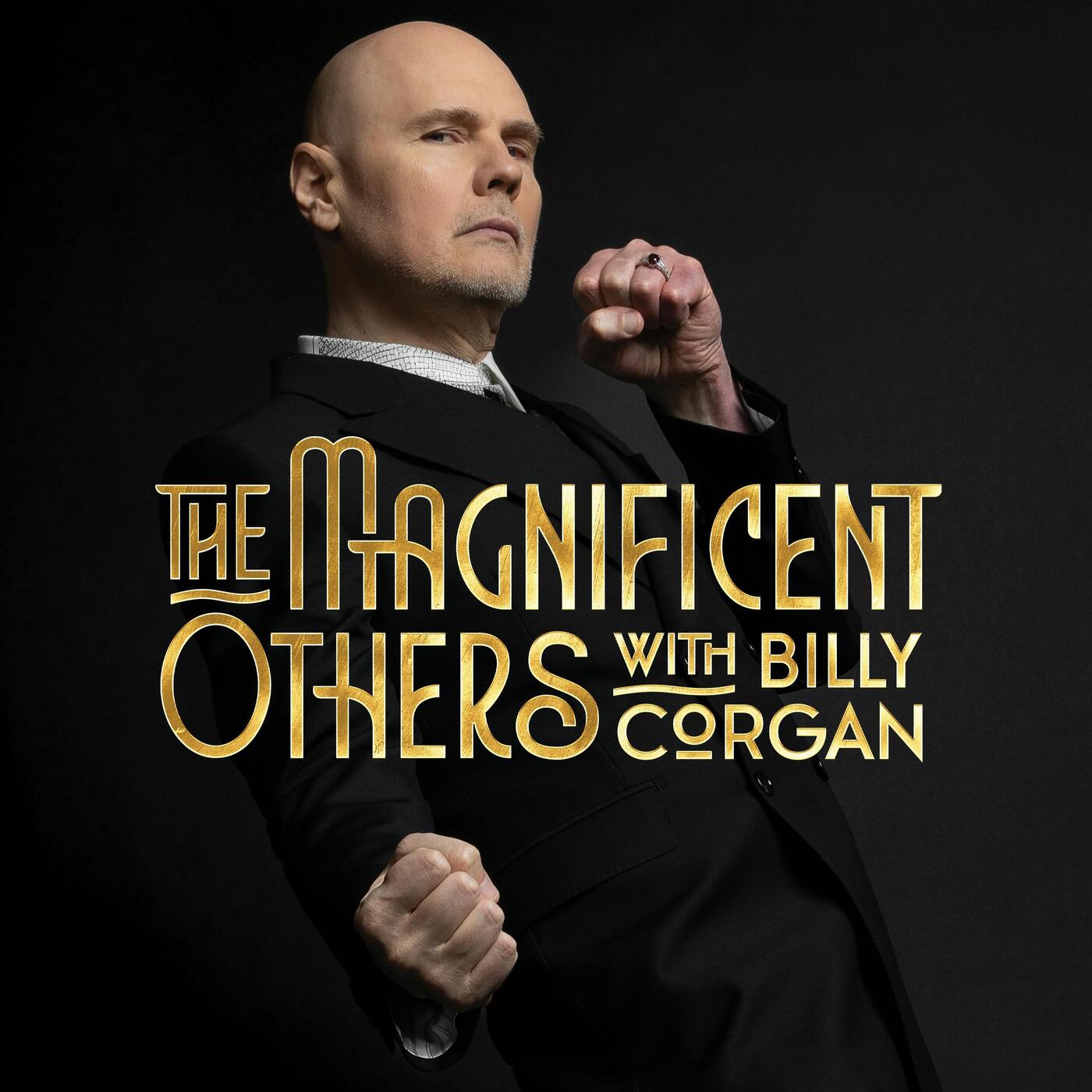
The Magnificent Others with Billy Corgan
Jack Osbourne | The Magnificent Others with Billy Corgan
01:25:04
Loading summary
Transcript542 lines
- [00:00]
Jack Osbourne
I didn't really anticipate all the attention because you just, you don't think about it. Right. Mainly because we didn't know what we were doing.
- [00:08]
Billy Corgan
It couldn't have been good.
- [00:10]
Jack Osbourne
No, it wasn't.
- [00:11]
Billy Corgan
What's your sort of general memory of it? Do you think of it fondly?
- [00:14]
Jack Osbourne
Now? What pops to mind for me the most is kind of the gentleness and
- [00:18]
Billy Corgan
the laughter to see such great artists move in one direction. You see the power of rock music in full display.
- [00:25]
Jack Osbourne
I'm only crying because who the. The joy.
- [00:30]
Billy Corgan
Yeah, he did it. Yeah, he did it. Jack, good to see you.
- [00:37]
Jack Osbourne
Good to see you.
- [00:37]
Billy Corgan
Thanks for being here. Lots to talk about. Okay. So whenever I'm going to interview someone, I try to do deep dive, learn things that I didn't know. And this one caught my eye. So I wanted to start here because it kind of made me laugh. The Osbornes reloaded, right?
- [00:54]
Jack Osbourne
Yes.
- [00:54]
Billy Corgan
Reloaded a little.
- [00:57]
Jack Osbourne
Yeah, yeah. A blip.
- [00:59]
Billy Corgan
I was like, first of all, how did I miss the Osbornes Reloaded? For quick context and correct me if I'm wrong, it only. There was only one episode that aired.
- [01:08]
Jack Osbourne
Yes.
- [01:09]
Billy Corgan
Total disaster. As far as TV world.
- [01:11]
Jack Osbourne
I don't know.
- [01:12]
Billy Corgan
I want your opinion on it, of course, but totally.
- [01:15]
Jack Osbourne
Yeah. So it was. We. We shot an entire series for Fox. It was a variety show, 2009. Does that sound like 8,9ish? Yeah, I think so.
- [01:25]
Billy Corgan
2000, yeah.
- [01:27]
Jack Osbourne
And it was very short lived because ad sales like hate, they were like, this is horrible, you can't do this. It was like too shocking. And they pulled it and I was like, wait, what the, the. The same network that has like Family Guy.
- [01:45]
Billy Corgan
Yeah.
- [01:45]
Jack Osbourne
That's making like Hitler jokes and. Yeah. You know, we. And it was because we did a. On the first episode we did this like blind date thing where we had a guy blindfolded and something. I forget what the context was, but he ended up having to make out with like an 80 year old woman and he didn't know blindfolded. And they found it just too, you know, too hot for tv.
- [02:08]
Billy Corgan
So it was produced by the same company as American Idol. Yes. American Idol was your lead in, so it was obviously set up for success. The debut was only 35 minutes, not 60.
- [02:19]
Jack Osbourne
Yep.
- [02:20]
Billy Corgan
Sketches, stunts, hidden camera stuff, music, celeb cameos.
- [02:24]
Jack Osbourne
Yes.
- [02:25]
Billy Corgan
Many of the TV affiliates refused to air. One critic called it the worst variety show ever. Episode one, it had your father Ozzy dancing in a leotard.
- [02:42]
Jack Osbourne
Quite possibly, yeah.
- [02:44]
Billy Corgan
Another critic called it Must flee tv. You also had a Thing where a couple was pressured to marry on the spot, which they did.
- [02:54]
Jack Osbourne
Yep, I remember that.
- [02:56]
Billy Corgan
And then there was some skit about Ozzy and Kelly working a fast food job.
- [02:59]
Jack Osbourne
Yeah.
- [03:00]
Billy Corgan
Which. That sounds fun. Yeah.
- [03:01]
Jack Osbourne
Yeah, it was like this diner down by the airport. Yeah, it was fun. Yeah. It was like this. We. And my. My dad, like, flung a piece of bread at my mom and it poked her in the eye and like burst her like. I guess whatever the sack is in your eye. And she. It was like a whole thing. Yeah.
- [03:16]
Billy Corgan
Okay. So, yeah, I want to bring it back. I think all the episodes now are online, somebody said. But I hadn't gone looking for it yet.
- [03:26]
Jack Osbourne
That's all right. You're not missing anything.
- [03:28]
Billy Corgan
Yeah, it sounded like an interesting car crash.
- [03:30]
Jack Osbourne
It totally was an interesting car crash. Yeah, it was fun to do, but yeah, I'm glad it never went.
- [03:37]
Billy Corgan
I guess it's easiest to start with Osborne's the successful version of the show because, you know, it sort of brought you and the family into the public consciousness way. And in many ways people got to know your mom and all that. I know originally it was pitched as a three week thing and it was supposed to be short term. And we don't have to go deep into it because the episodes are all there, people want to watch. But what's your sort of general memory of it? Do you think of it fondly now or in hindsight?
- [04:04]
Jack Osbourne
I think of it fondly in the moment I can remember being really. I mean, I was. I was 15 when we started filming and so I don't care who you are. 15 is not a very
- [04:18]
Billy Corgan
fun age, Especially early online. People are probably saying stuff about you.
- [04:21]
Jack Osbourne
Yeah, yeah. And this was in, like the, you know, blogging days and all that, like before social media. And I just didn't. I wasn't. I didn't really anticipate the. All the attention because you just. You don't think about it. Right. Mainly because we didn't know what we were doing. We were at home, people were filming us. And you're like, oh, well, is this you. You don't know what's going to make air and what's not.
- [04:45]
Billy Corgan
Well, plus the editing makes things seem worse or better.
- [04:48]
Jack Osbourne
Exactly. Yeah. And so when the show blew up literally overnight, I. I really resented it for. I was like, this is terrible. Why did you do this? And I was like smoking weed and drinking and I. And I. I didn't want to get caught. And there's cameras everywhere. And so it. I had a lot of. A lot of Str.
- [05:07]
Billy Corgan
Yeah.
- [05:07]
Jack Osbourne
With that.
- [05:08]
Billy Corgan
When I interviewed your mom, she, she did say that she regretted doing the show and I, and she said because of what it did to my family.
- [05:14]
Jack Osbourne
Yeah.
- [05:16]
Billy Corgan
But now that you're a bit older, I mean you can see it certainly had a lot to do with your father's continued success.
- [05:22]
Jack Osbourne
Sure.
- [05:23]
Billy Corgan
Sort of introduced him to a whole new crowd and I think in many ways led him to be a more of a cross cultural icon beyond music. Yeah. So in your, in your estimation, looking back, generally positive.
- [05:36]
Jack Osbourne
Yeah, hindsight. Very positive. Yeah. It, because it's kind of, we were a part of something which changed the way people, you know, made entertainment.
- [05:49]
Billy Corgan
Yes. And I mean it's a, it's kind of funny because now it's very fondly remembered and considered a groundbreaking show.
- [05:55]
Jack Osbourne
Yeah.
- [05:56]
Billy Corgan
But at the time there was a lot of debate about this is too much and what was fake.
- [05:59]
Jack Osbourne
Exactly.
- [06:00]
Billy Corgan
It was real and.
- [06:01]
Jack Osbourne
Yeah.
- [06:01]
Billy Corgan
All that type of stuff. Yeah.
- [06:03]
Jack Osbourne
And so I think for me, when I'm like, oh, you know, it's kind of, I don't know, flattering to a degree because you're like, oh, I was a part of something which kind of helped, you know, it was a contributing show and helping change tv.
- [06:16]
Billy Corgan
Yeah.
- [06:17]
Jack Osbourne
And so that's, you know, I don't, I don't kind of poo poo that, yeah.
- [06:23]
Billy Corgan
What attracted me to kind of set up talking about it was that, you know, you've kind of gone, gone in your own life in television. You know, you've done a lot of producing and hosting and when did you that kind of become your own thing?
- [06:35]
Jack Osbourne
I learned really early on when, when doing the Osbornes, I'm like, oh, when you're on camera you're kind of, you're just a talking boxer tide. Like you don't have any control, you don't have any like, say they're kind of like, this is what we're doing, you know, we're paying you do it.
- [06:54]
Billy Corgan
Yeah.
- [06:54]
Jack Osbourne
And I was like, I want to have control. So it was born more out of, I think me just wanting to have a bit more say in what I was participating in.
- [07:04]
Billy Corgan
Yeah.
- [07:05]
Jack Osbourne
And, and so that when, when the Osborne's ended, I started working a lot in the UK and I did this like travel adventure show over there and, and really learned about what it takes to produce a show. Kind of Soup to Nuts and, and I just, I enjoyed it. You know, I enjoyed the creative outlet.
- [07:22]
Billy Corgan
Was it originally a thing where it's like, well, you've got this momentum for the TV show. You could, you could pursue this as a way to make some money or. What was your original sort of entree into television past the, this, the original series?
- [07:33]
Jack Osbourne
I think it was. I was just getting calls and different opportunities presented to me after the show ended and, and I was like, well, because my plan was before the Osbournes, I was going to, I wanted to join the army. So like, I was going to finish out high school because I was in, I was in 9th or 10th grade when 9, 11 happened and I was all like, that I'm going to the army. And that was kind of my plan. I was, I was working at Epic Records as a talent scout, but I just was like, yeah, you know what? Friends are going to college. I think I'll just go to the army for a few years and, you know, do that.
- [08:09]
Billy Corgan
Attracted to the discipline of it all or.
- [08:11]
Jack Osbourne
I think it was, yeah, the, I think the discipline, I think the, the potential adventure, I think, I don't know, I've just, I've always been a bit of a, I don't know, it's just always appealed to me for some reason. I don't know why. Like, I like doing hard things.
- [08:26]
Billy Corgan
What did your family say when you said you wanted to go to the army?
- [08:29]
Jack Osbourne
My dad was like, that's stupid. You can't, you know, hated it, hated it. And then, and then I actually, after doing, you know, in my early 20s, I then actually really attempted to, to join the military and I, I wanted to go into the Air Force at that point and they wouldn't accept me because I had tattoos. And I'm like, I was in there with this recruiter.
- [08:48]
Billy Corgan
I'm like, now they're, now they're begging.
- [08:49]
Jack Osbourne
Yeah. They're like, please anyone. But it was like full on like 2000, I think it was like 2009, 10ish. And they were like, it was like full on war. And I'm like, wait, so you're saying you don't want me because I have tattoos? But like, I, I was like, that makes no sense. Like, we have standards. I'm like, okay, good luck with that.
- [09:07]
Billy Corgan
This would have been the British, British Army?
- [09:08]
Jack Osbourne
No, it was American.
- [09:09]
Billy Corgan
Oh, okay. Really? Yeah.
- [09:11]
Jack Osbourne
Wow.
- [09:12]
Billy Corgan
Because now I know they're, they've relaxed every one of those codes, I think.
- [09:15]
Jack Osbourne
Yeah. It's like. Anyone
- [09:19]
Billy Corgan
just a curiosity question. Ever thought about going into music? I actually, I actually tried to find a clip of you singing and I couldn't. I found a clip of you bad rapping. Yes. Against your sister. But I, I, I couldn't find any of you singing.
- [09:34]
Jack Osbourne
I, I never wanted to sing. I, I, I, I. When I was a kid, I played guitar a little bit and then drums. I always saw it as a huge uphill, even if it was just as a hobby. I just was like, you know, I could write the greatest song ever and I would never get full credit for it just because of this is my dad, you know, oh, well, it's just a dozy son, you know. And I was like, you know. And also I was like, how the hell am I ever gonna. Like, those are some big shoes. Like, I'm not even gonna attempt to put those on.
- [10:10]
Billy Corgan
But have you sung?
- [10:12]
Jack Osbourne
No. I think maybe in the shower. Yeah.
- [10:16]
Billy Corgan
The reason I ask is because your father has such a distinctive voice and obviously genetics play a huge role. And I had this instance once where I was in a car with my brother and he forgot I was in the car and he started singing. And it was like I heard my own voice come out of my brother's body. And I'd never heard my brother sing because he didn't want to sing. And I had that moment of like, oh, he can sing like that too. So I was thinking in the same way, it's like whether you had any of that ch. Because your father's such a great singer.
- [10:40]
Jack Osbourne
My sister's got the singing abilities. They both, they both can sing very well. And I just, I, it's, I'm terrified of it.
- [10:50]
Billy Corgan
I think there's, it is lonely up there.
- [10:53]
Jack Osbourne
It's very lonely. And, and I always, and I've always looked at it like, I think stand up comedy and singing are two of the scariest jobs you could ever do.
- [11:02]
Billy Corgan
Yeah. Yeah. So going back to you in television, Portals in Hell, I knew that you'd had success in television, but actually looking at it on paper, I was like, wow, you've done a lot more than I thought you had. So congratulations, because as you know, getting out of your famous parents shadow is something that's not easy to do. And I think it's cool that you've taken those opportunities and actually made your own thing with it. So just share with me. Like, Portals in Hell, the paranormal stuff.
- [11:30]
Jack Osbourne
Yeah, yeah. You know, I grew up loving the X Files and so. And it was like, I actually went
- [11:36]
Billy Corgan
to the X Files set once.
- [11:37]
Jack Osbourne
Really?
- [11:37]
Billy Corgan
Yeah.
- [11:37]
Jack Osbourne
Oh, that's cool.
- [11:38]
Billy Corgan
Yeah, we talked our way into it. Oh, that's awesome. I think it was about 96.
- [11:43]
Jack Osbourne
Okay.
- [11:44]
Billy Corgan
They, they were shooting in Canada because it was cheaper to shoot in Canada.
- [11:47]
Jack Osbourne
Yeah.
- [11:47]
Billy Corgan
And we talked our Way onto the set.
- [11:49]
Jack Osbourne
That's amazing.
- [11:49]
Billy Corgan
And so we spent like a whole afternoon watching them shoot on set in Canada, like Vancouver somewhere. That's so cool. And somewhere he gave me his watch. So I have his watch. And then we got to know them and then they came to a show after that a little bit. So it was cool because we, we actually got to be part of the X Files thing. Why it was happening.
- [12:06]
Jack Osbourne
Yeah, yeah, no, that's.
- [12:07]
Billy Corgan
You remember back in the day, that
- [12:09]
Jack Osbourne
show was like massive. Yeah. And. And I grew up watching.
- [12:11]
Billy Corgan
Surprised they haven't brought that show back.
- [12:13]
Jack Osbourne
They, they did actually. They did like a 10 episode run and it was okay, you know, but
- [12:18]
Billy Corgan
seems like a no brainer for this world.
- [12:20]
Jack Osbourne
Yeah, I think so. They could, they could do so many cool, cool stories.
- [12:24]
Billy Corgan
Sorry, I interrupt you.
- [12:24]
Jack Osbourne
No, no, it's fine. So I, I got super into paranormal as a kid. It was just a hobby. My used to like geek out and we'd always, he'd take me to like Barnes and Nobles and you always buy me like UFO books and it was just like a thing. Like him and I bonded over at a young age. And let's see, it was in 2011 I got a call and they were like, hey, we're doing this paranormal show.
- [12:47]
Billy Corgan
Do you want to.
- [12:47]
Jack Osbourne
And I was like, hell yeah. Like, I love that stuff. And I just jumped on board of this production and it was this, it was a show called Haunted highway. And we filmed it all ourselves, kind of like Blair Witch, um, and it was like a paranormal investigation show. We did everything from like cryptids to UFOs to ghosts and whatever and it just kind of worked. And the interesting thing about the paranormal world, as far as like TV shows go, the viewers are really critical of the on camera talent, like they call bull real easy. And for some reason they just liked the way that I went my approach, like investigating it because I never went in with full tinfoil hat on being like, no, it's Beelzebub. It's like I was always kind of a bit of a skeptic and I think it just. People liked it because it was a bit more of a rational approach to doing these ghost shows. And, and it just worked. And for years I just, you know, did series after series and portals to hell. And then I did. What was it? What was the other one I did?
- [13:52]
Billy Corgan
See, you've done so much.
- [13:53]
Jack Osbourne
I know. I can't even remember. It was a night of terror. And I did a show with these. I did like a footage show where we reviewed footage with these three other guys and. Yeah.
- [14:03]
Billy Corgan
Have you had paranormal experiences?
- [14:05]
Jack Osbourne
I have very strange things.
- [14:06]
Billy Corgan
What's like, the most intense one you can think of, Man?
- [14:09]
Jack Osbourne
I had. I was actually just telling my daughter about this. We were filming at this place in. In la, actually. It's called Heritage Square, and it's this museum where they took the oldest standing houses in LA and they. They moved them to this park. And so there's like six.
- [14:27]
Billy Corgan
I've been there. Yeah, we shot a video the other
- [14:29]
Jack Osbourne
time we were in this house, and one of the. I was just doing like, a little on the fly interview, and we were in this staircase, and there was a door behind a producer, and they're asking me questions, and it sounded like someone was trying to open the door. And we were like, hey, we're filming in here. Like, you know, hold. Hold it. All of a sudden, the door just flies open, like, and we're all just like, what the. Like, that was wild. I've had stuff, like objects moving, you know, crazy stuff with, like, EVPs and, you know, using different, you know, devices like a REM POD or MEL Meter, and. But, yeah, anytime you see stuff move that shouldn't be moving, and then you can't really explain why it moves.
- [15:12]
Billy Corgan
Yeah, that's.
- [15:13]
Jack Osbourne
And, you know, we always check windows and, like, could have been a gust of wind or whatever. And we sat for, like, 15 minutes trying to recreate the door opening. Like, wait, did someone open a door on the other side? Create a vacuum? Nothing.
- [15:26]
Billy Corgan
Yeah.
- [15:26]
Jack Osbourne
Yeah.
- [15:27]
Billy Corgan
I had once, where I had. I lived in an old house from the 1800s, and, you know, when you feel like there's somebody in the room, We've all had that experience. Anyway, I had this intense feeling that there was somebody standing in the closet. And the closet was like, literally, you could just put one person in there. And I. I was so sure that somebody was in the closet that I went up and opened it really slow, almost expecting somebody to barge out. And this is like, you know, you grew up in celeb land. It could be a stalker for all you know is in there. Right. So I opened the door really slowly, and it was a sealed room. The window was sealed. There's no. And. And when I opened it, the. The light. The string for the light was swinging like this, and there was no wind. And I opened the door really slowly, and it was. It was like, yeah. Now somebody could say, well, that was nothing. But for me, the presence and the feeling and why did I have to look in there? And opening it slow and seeing this thing just on its own.
- [16:22]
Jack Osbourne
Yeah. And there's something to it. You know, I'm not. And I was never one to be like, oh, it's always a, you know, ghost is the, you know, conscious spirit of a once living human. Like, I kind of came away from it being like, I don't know what this is, but something is happening. Not everyone is crazy.
- [16:37]
Billy Corgan
Yeah.
- [16:38]
Jack Osbourne
And, I mean, you do come across some crazies for sure.
- [16:40]
Billy Corgan
Yeah.
- [16:41]
Jack Osbourne
But these experiences that people are having, and myself included, it's not nothing.
- [16:48]
Billy Corgan
Yeah. Do you ever read A Holographic Universe? You know that book?
- [16:51]
Jack Osbourne
I have not read Holographic Universe. I just read Simulation Theory.
- [16:55]
Billy Corgan
Yeah.
- [16:55]
Jack Osbourne
It's.
- [16:56]
Billy Corgan
It's this idea that the. You know, there's these different planes of existence in quantum world.
- [17:00]
Jack Osbourne
Yes.
- [17:00]
Billy Corgan
And so that might be a. At least a scientific way to get some teeth to. Why Maybe some of what we're experiencing that we call ghosts or paranormal activity might just be sort of the. The. The loosening of the bonds between the bands of reality.
- [17:14]
Jack Osbourne
And I kind of like came up with like a. You know, I kind of chalked it up few things. You know, one. One thing that I. I often talk about was exposure to mold, causing people to hallucinate.
- [17:26]
Billy Corgan
Well, if you've ever seen that stuff about the. The Salem witch trials where they think they were all high out of their minds on. On cooked bread or something. Yeah.
- [17:33]
Jack Osbourne
Yeah. And so you have the incidents like that. Or what if there's some undiscovered, undetected energy spectrum that, when you encounter it, can elicit hallucinations? You know, people that live under power lines, they get headaches. And the power company will tell you, oh, that's not real. That can't happen. But it does.
- [17:49]
Billy Corgan
Yeah. I met a gentleman recently who. And he's been public about it where he. He was one of the people who have. I think he sued the government because he's one of the people that said that they were attacked by energy weapons in Cuba. Actually had dinner with them not long ago.
- [18:04]
Jack Osbourne
Yeah. Do you see the stuff in Venezuela about the energy weapons?
- [18:07]
Billy Corgan
Oh, yeah.
- [18:08]
Jack Osbourne
Yeah.
- [18:08]
Billy Corgan
That's wild.
- [18:09]
Jack Osbourne
I was. I was talking to a friend of mine.
- [18:12]
Billy Corgan
We're referring to the Maduro. When they took Maduro. Yeah.
- [18:16]
Jack Osbourne
A friend of mine, he can't say too much because he's a. He's a pretty. He's one of the sneaky poopy guys. But he's been in. Fighting a. He's been in a war that's been going on for a while now. And he's been fighting over.
- [18:28]
Billy Corgan
I get you. I've met those people.
- [18:29]
Jack Osbourne
Yep. And he. A couple months. It was about a year ago, I was texting him and I'm like, oh, you know, how's it going over there? Like, what's up?
- [18:36]
Billy Corgan
And.
- [18:37]
Jack Osbourne
And he's like, oh, I just got back from testing this new weapon. And I was like, oh, yeah. He goes, it's the most terrifying thing I have ever seen in my entire life. This guy's a career soldier. And I was like, what is it? He's like, I can't tell you. I was like, is it lasers? And he goes, he's like, he would like laughed at lasers. He's like, no, we've been using lasers here since, you know, day one. But it's terrifying. And so when you saw that, you thought, yeah. And I hit him up and I was like, would that. Is that what you were talking about? And he just gave me like the side eye emoji.
- [19:08]
Billy Corgan
Wow.
- [19:09]
Jack Osbourne
Yeah.
- [19:09]
Billy Corgan
Yeah.
- [19:10]
Jack Osbourne
It's pretty, pretty wild.
- [19:12]
Billy Corgan
Yeah. I think in that. Not to make light of it because obviously it's. Anything involving violence is scary to me. But I think they said 20 elite U.S. troops, I think took on 200 guys.
- [19:25]
Jack Osbourne
Yeah.
- [19:27]
Billy Corgan
So whatever's going on is.
- [19:29]
Jack Osbourne
And there was like barely any. Any. Any casualties on our. It was like just a superficial damage on our side.
- [19:35]
Billy Corgan
The one that I saw an interview where the guy said this felt like his head was exploding and that people were instantly vomiting and blood and blood was coming out of their noses. I don't know how we got down this route.
- [19:45]
Jack Osbourne
Yeah. But hey, let's get those tinfoil hats out.
- [19:49]
Billy Corgan
Yes. Ozzy and Jack's World Adventure.
- [19:54]
Jack Osbourne
Well, Detour. Detour.
- [19:55]
Billy Corgan
Sorry, World. That's my title. 2016-2018.
- [19:59]
Jack Osbourne
Yeah. Best job ever.
- [20:01]
Billy Corgan
Tell me why.
- [20:02]
Jack Osbourne
It was like just the. We had the best time. So it was the show. Basically the premise was me and my dad. Initially it was going to be called. It was going to be called Historically Incorrect with Ozzy and Jack. And we were going to go because we were both history buffs. Go check out these different historical sites. I went to Stonehenge. We went to Japan, went to Cuba.
- [20:27]
Billy Corgan
Yeah.
- [20:28]
Jack Osbourne
And then it kind of turned more into this like buddy road trip types type show. And. And it was just great. We just went and did cool stuff, met cool people and most of it was done with us driving around in an RV all across the country. It was just awesome. It's just like the best time.
- [20:44]
Billy Corgan
And that's something he enjoyed.
- [20:45]
Jack Osbourne
Oh, he loved It. He loved it. Even when he was so sick, he was like, come on, let's. Let's do the show. Let's do the show. And I'd be like, dad, do you really want to go in an RV and, like, traipse around the country and just stay in hotels? He's like, yeah, it was. It was so much fun. Yeah, it was. It was just great. It was just fun to spend time with him and just have wild experiences. Yeah.
- [21:06]
Billy Corgan
I know your pop loved his World War II history.
- [21:09]
Jack Osbourne
Yes.
- [21:09]
Billy Corgan
I was thinking recently, because I sometimes I buy old photos and I'd bought a. A photo book of a World War II soldier. Wow. It's just like, like, like it's all family pictures. And the reason I bought it was there was one picture in there where the kids are little and, you know, they're maybe like five and seven, you know, classic picture of two little girls, but they're wearing his and maybe a buddy's like, Nazi death head hats.
- [21:38]
Jack Osbourne
Wow.
- [21:39]
Billy Corgan
And it's such a weird, contrasting picture because the whole album is just this family. Kids growing up, kid in the crib, all the classic pictures. And there's just this one picture where it's. The kids are wearing the hat.
- [21:50]
Jack Osbourne
Yeah.
- [21:51]
Billy Corgan
And I know your dad loved that kind of. That historical. The three dimensional aspect, because obviously he grew up in that environment. I talked to your mom about that, too. Growing up in post World War II Britain.
- [22:03]
Jack Osbourne
Yeah. And it was. People, I think, especially Americans, don't realize that after World War II, every country that the Allies bombed, they. Those countries got built up before England or France. So for so long, England was just riddled with these bomb sites.
- [22:20]
Billy Corgan
Yeah.
- [22:21]
Jack Osbourne
That was his playground.
- [22:22]
Billy Corgan
Yeah. Your first memories of your parents? Because I think about this with my kids because people will say to me, and I'm sure you've heard it, people say to me, do your kids know what you do? Or. So what are your first memories of what your parents did or who they were in the world? You know, when you sort of realize, oh, these just aren't my parents, they have this whole other thing going on.
- [22:45]
Jack Osbourne
It's funny, it's kind of, I think probably around school age. So, like, 5,6ish, did it really start to sink in? And we grew up on the road. Every break from school, summer holiday, you know, we were in the. In the tour bus, had our own bunks, whatever, and it was normal for us, but it wasn't until, you know, my best. Best friend, still to this day, his dad's a Tyler, and he's a Tyler. And it's like, so I'd be at his house and, you know, his dad's going to the job site and, and that. So being exposed to, like, other families, then I would be like, oh, okay, my, my dad's job's a little different. Or when something would happen, it would be in the press and older kids at school would say stuff to us. Yeah, that's when it really hit. It wasn't until I was probably 10, 11, 12 ish that, that I started to really absorb it on for the creative side, like understand the music and listen to it and kind of start respecting it in that capacity. But, yeah, from a young age it was, it was always, it was always apparent. And, but, and the funny thing is though, even from a young age, I was like, oh, I always knew my mom was in charge. I always knew that. Yeah, she called the shots.
- [24:06]
Billy Corgan
Yeah. Of course. Your, your grandfather, Don Arden.
- [24:10]
Jack Osbourne
Yep.
- [24:10]
Billy Corgan
Legend in the music business. And at some point he came and lived with you guys, right?
- [24:15]
Jack Osbourne
Yes. Yeah. Later on. Yeah, when we were, yeah, my. In my late teens. Yeah, he, he was around a lot more and then he had Alzheimer's and so he had to go into a home. But, yeah, I actually, my whole childhood was told he was dead until I was about 13 or 14.
- [24:34]
Billy Corgan
And then they made peace.
- [24:35]
Jack Osbourne
Yeah.
- [24:35]
Billy Corgan
Yeah. Because you've had such an insider's view growing up in the business. What's your impression of the music business in terms of what it does to artists? And because, you know, your grandfather managed very famous acts and I talked to your mom about that when she was here. And then, of course, your father is, you know, institutional. When you were born, I mean, 85. Right. So, you know, Sabbath had already been together and broken up and, you know, and he had incredible success with Blizzard of Oz. So you, you know, he was a well established music artist at that point. But growing up in the music business, I think you, you have an interesting perspective, I would think, in terms of like, the, the contrast between what artists go through personally, but then also what the music business kind of does to their heads. Sure.
- [25:21]
Alison Hagendorf
Hi, I'm Alison Hagendorf, and self love and self care are truly important to me. A lot of us will talk about, you know, staying healthy and wellness and working out and going to the gym and sleep, but mental health is just as important and shouldn't be an afterthought. Finding a therapist is hard enough, but then finding one who actually takes your insurance, that's where most online therapy platforms fall short. Many don't Work with insurance at all, which means you're stuck paying the full cost out of pocket or paying for an expensive monthly subscription. Rula does things differently. They partner with over 100 insurance plans, making the average copay just $15 per session. That's real therapy from licensed professionals at a price that actually makes sense. Think about it. You use your insurance benefits to maintain your physical health, so why wouldn't you do the same for your mental health? And Rula isn't just affordable. The experience is tailored around you. Other online therapy platforms might just match you with the first available provider. Whether or not they're the right fit, Rula considers your goals, your preferences and background to provide you a curated list of licensed in network therapists who are actually aligned with what you need. Because they know that finding the right therapist can make all the difference. No wait lists, no frustrating back and forth. Rula makes it easy to find a mental health provider who is accepting new patients and appointments are available as soon as tomorrow. Plus, Rula sticks with you throughout your journey, checking in to make sure your care is helping you move forward. Go to rula.com others to get started today. That's r-u l a.com others for quality therapy that's covered by insurance. Thousands of people are already using Rula to get affordable, high quality therapy that's actually covered by Insurance. Visit rula.com others to get started now. After you sign up, you'll be asked how you heard about them. Please support our show and let them know that we sent you. That's r u l a.com others you deserve mental health care that works with you, not against your budget.
- [27:30]
Billy Corgan
Yeah.
- [27:30]
Jack Osbourne
You know, I think something that doesn't get talked about a lot is like it's hard work. It is not like I don't.
- [27:37]
Billy Corgan
I like to say it's not for the faint of heart.
- [27:39]
Jack Osbourne
Yeah, it really isn't. And I think the, you know, when you ask that question, what I reflect on is a lot of the. My friends who were like baby bands on Ozfest and then blew up shortly thereafter. So like you know, incubus or system of a down or guys and disturbed and just seeing kind of from them being like oh you're, you're going on at 11:30 tomorrow in the morning when the gates open to then some years later being like headliners, headliners and so getting that perspective to see the, the growth and, and the journey. You know it's. Some people handle it, some people don't. And, and I think a lot of that just comes down to self understanding of like what is it you're actually doing? You know. And yeah, it is a very strange thing because it's, you know, I say this a lot. Every actor wants to be a rock star. Because when, when you're performing your art, you're on a set like this and there's maybe 10, 12, you know, if it's a big movie and a lot more people watching you, but they're not giving you the feedback.
- [28:49]
Billy Corgan
Yeah.
- [28:50]
Jack Osbourne
And there's something about, I think when you step on a stage, just from my perspective, have never done it professionally, but what I've always observed is like there's power in that when you're standing there, I'm sure. And you can speak to that when you're standing there in front of thousands of people and they are all there to see you and to experience your energy.
- [29:09]
Billy Corgan
You like your adrenaline. Yeah, I mean it's an, it's a, it's a, it's the ultimate adrenaline. Yes. Yeah.
- [29:15]
Jack Osbourne
And. And I think that can, it can, it can corrupt.
- [29:20]
Billy Corgan
Well, you can see why it becomes addictive in its own way because you know, you get so jacked up on that dopamine that it's like, where else are you going to find that?
- [29:28]
Jack Osbourne
Do get scared?
- [29:30]
Billy Corgan
No, no. I'm more in the mindset now of like not wanting to disappoint people. There was a whole period of my life where I was, I was okay with disappointing people because in my mind I was going to do whatever I was going to do. And in fact, even with some of my battles with your mom behind the scenes when she managed me were about this idea of like, why didn't I want to please the audience? To her it was antithetical. Why? Why would you not want to please your audience? So I tried to explain to her like that the Gen X generation just had a slightly different mentality. Yeah, it was more of a sort of we're going to do what we do and if you like it, you like it. If you don, you don't. That was part of the rebellion. But of course she grew up in more that show business environment that your grandfather was part of, which was like, no, if you have an opportunity to be up there, you have to grab people and yeah, you got to give
- [30:11]
Jack Osbourne
them what they want.
- [30:12]
Billy Corgan
Yeah. And your father was really great at that. He really had an ability to really emotionally connect. We grew up in a totally different mindset. Sure. It was like that's why you like shoe gazing bands. You know, you stare at your shoes right yeah, I'm curious, You know, like I said, you're born in 85, so your father still did a lot of incredible music afterwards. But most of the music that people focused on had been done before you were born. So when you became aware of that music. I'm not so much interested in your personal impression, but if you want to talk about that, it's fine. It's more about, like, when you kind of came in touch with his legacy and what he had created and people's opinions of him. Like, did it change your perspective for your father? Did it. Did he grow in stature in your mind, or was it. No, that's my dad, and that's what he does. Like, how do you balance those things?
- [30:59]
Jack Osbourne
It's funny. Like, I kind of had a way to almost compartmentalize it, right? Like, I had, you know, Aussie as my dad, who would be the guy that I could go downstairs with and be like, what are you watching? You want to go get some food? Whatever. Yeah. And then I could see him as the artist as well, like, very separately. And the thing that I kind of. I really enjoyed was, like, if I was listening to a song or if I, you know, something, like, I can remember hearing Planet Caravan for the first time and, like, coming downstairs and being like, talk to me about Planet Caravan. Like, what.
- [31:34]
Billy Corgan
Like, what it is. It is in the Sabbath Canon, an outlying track.
- [31:38]
Jack Osbourne
It's kind of a weird stoner, just full mushroom track.
- [31:41]
Billy Corgan
Yeah, totally. Like, you know, Bill's playing. I don't know, he's playing, like, bongos.
- [31:46]
Jack Osbourne
Yeah. And, you know, and he was just like, we're just around. And something that's really hit me lately is his age when he was doing some of this stuff.
- [31:56]
Billy Corgan
Crazy, right?
- [31:57]
Jack Osbourne
Yeah. A friend of mine recently, he asked me, like, one of his. We were. We were all hanging out, and one of his songs came on, and. And my friend asked me, so how old was your dad when he wrote that? And I was like, I don't know, 23, 24. And he almost, like, wait a second.
- [32:10]
Billy Corgan
Yeah, yeah.
- [32:10]
Jack Osbourne
Who does that at 23 or 24 years old?
- [32:13]
Billy Corgan
Like, an incredibly talented person, right? Yeah. Yeah.
- [32:15]
Jack Osbourne
And it's. And that kind of. And being able to kind of have those conversations with him about, you know, his. His work and, like, the stuff that he created. But he had such humility about it because, you know, I. I said this. You know, I've said this since he's passed. Like, I don't even think he realized.
- [32:36]
Billy Corgan
No.
- [32:36]
Jack Osbourne
You know, he was just so. Like, that's just what I do.
- [32:40]
Billy Corgan
Yeah. I think that's in a way what made him so attractive to people, including me, which he, he maintained his sense of. Which is very rare. Yeah, honestly, it's very rare. And it was, it was genuine. He really was that person.
- [32:52]
Jack Osbourne
I mean he would have his rock star moments. Oh, I don't know.
- [32:55]
Billy Corgan
But I, but I think there's a difference between, between like, hey, I got a job to do and this is what I do and I'm good at my job and, and, and, and there's a competitive aspect, but at least in your father's case, and you can tell me because you were there, there was a sense he was on some level still bew bewildered by why people loved him so much.
- [33:15]
Jack Osbourne
A hundred percent. 100. Because he didn't. For him it was just, well, it's just what I do. It's just, I know. It's just what I feel like I need to do. And, and I think he really wrestled with the people's like energetic response to that. Like, but it, you know, it's this, you know, people, he had die hard fans that just, yeah, grabbed onto every bit of his output. And yeah, he, he really, you know,
- [33:45]
Billy Corgan
when after your father passed, because I'd done the last show with you guys, few people want to talk to me and they put me that night, the day your father passed, they put me on BBC Radio.
- [33:58]
Jack Osbourne
Oh wow.
- [33:59]
Billy Corgan
And I'm trying to make you laugh, but so I'm on and the guy, you know, they had Henry Rollins on before me and he was talking about your dad. And then they put me on and the guy asked me as the last
- [34:14]
Jack Osbourne
question,
- [34:17]
Billy Corgan
how do you rank Ozzy's musical legacy or something like that? And I said, I know this might sound a little out there, but I actually kind of rank him with Sinatra. Because if you look at a man whose voice has carried him through a 50 year story and their rare ability to connect so directly with an audience through the power of their voice almost in a way that confuses like Sinatra knew he was a great singer, but I think even Sinatra would be surprised the fact that people so still to this day are so emotionally connected. And your father had that gift too. And I really struggled to find another male singer that has that same legacy. And when I compared your father to Sinatra, the guy on the BBC radio started laughing thing and did it very British and said, well I, I, I've never, I've never thought about it like that. And then he hung up on me.
- [35:13]
Jack Osbourne
But, but it's Funny, because I think what you, you know, what you're touching on is something that I, I have spent a lot of time thinking about, and I said it earlier, but like the energetic exchange. Right. Like when you go, when you, when you consume music, when you go and watch a band, when you, it's, you're, you're receiving like an. Type of energy. Yeah. And, and I think it, I think that there are, there are select people that just get this gift where that energy just resonates and it's, and it will go generationally.
- [35:43]
Billy Corgan
Yeah.
- [35:43]
Jack Osbourne
You know, Sinatra being one of them.
- [35:44]
Billy Corgan
Yeah. You talked a little bit before about you partying. I knew a little bit about that. And of course I remember the headlines or whatever. But talk about it from the inside because obviously a lot of people struggle with addiction, but you're in a unique situation. You're on a hit TV show, your father is a notorious wild man, and the stories are legion about his partying. But yet you find yourself in that situation. And just walk us back through that a bit because, yeah, I think a
- [36:13]
Jack Osbourne
lot of it is just. I said, I've said this before in the past, but it's like you give a teenager a lot of financial resources, a lot of notoriety and not a lot of boundaries. It's kind of a recipe for addiction. Ultimately. I just felt like there was a part of it which almost like my dad's wild man antics almost gave me permission to. Because it was like, oh, he did it.
- [36:46]
Billy Corgan
I can imagine people also encouraged you big time.
- [36:48]
Jack Osbourne
Yeah, yeah, there was a lot of that.
- [36:52]
Billy Corgan
What was your parents internal reaction when they realized you were kind of spinning a bit out of control?
- [36:57]
Jack Osbourne
You know, it was, it was huge worry huge. I mean, they, because they knew I was like, up and they knew I was getting out there and doing crazy. I don't think they realized. It was like, I joke and say, you know, I went pro at a young age. Like, I don't think they realized how pro I went.
- [37:15]
Billy Corgan
Okay.
- [37:16]
Jack Osbourne
And it was, it was a, it was, it was heartbreaking, you know, and I think they both felt a huge sense of failure because they felt responsible and, you know, an old hat. And it's like, you know, I, I, whether I didn't touch a drop of alcohol till the age of 21 or, you know, drank when I, you know, started drinking at 40, like, I feel like I would have ended up the same way. I have such an addictive personality. You know, if I can get it, if I get a dopamine hit from something, oh, I'll get addicted to it.
- [37:45]
Billy Corgan
Do you believe there's a sort of a genetic root to those things, too?
- [37:47]
Jack Osbourne
I think so, yeah. I think there's a genetic. I also think there's that bit of nature, nurture. I think there's, you know, ultimately, it's my belief that. Or, you know, addiction boils down to a trauma response. Now, how you. It's a coping mechanism.
- [38:01]
Billy Corgan
I agree with that. 100.
- [38:02]
Jack Osbourne
Yeah.
- [38:05]
Billy Corgan
Were you. I mean, it's hard when you're having a. You know, you're a little bit out of control in life, but did you have some reflection and, like, you know, this is. Certainly affected my father's life in this particular way. Was that. Was that part of your thinking or. Or is that part of your recovery?
- [38:21]
Jack Osbourne
It wasn't in the, in the moment. It wasn't because you always. I'm never going to be like that. I'm never going to be like that. And then you kind of look back and you're like, oh, wait a second. Yeah, I'm kind of acting like that. I was never. I was never to his level, but he. It was, it definitely. It was. I needed to get sober. When I got sober, I got so. At 17 years old and.
- [38:49]
Billy Corgan
And you stayed sober. That's my understanding.
- [38:51]
Jack Osbourne
Yeah.
- [38:52]
Billy Corgan
That's amazing. That's a hard. That's a hard thing to do.
- [38:54]
Jack Osbourne
Yeah, I was, I was lucky because I. I got. I got sober with a really amazing group of. Of young guys, and it had a great community and a lot of support. And I. And I, I kind of. I did the work. And that's the thing. It's recovery. At the end of the day, there's. Listen, there's many ways you can. You can achieve, you know, sobriety and, you know, you can. Everyone's got their own path on it, but for me, I just. I needed that. Like, all right, here's the roadmap. If you stick to it, it's going to get better. And it just has worked for me.
- [39:29]
Billy Corgan
Wow.
- [39:32]
Jack Osbourne
I do good with, like, structure and order because I never had it.
- [39:35]
Billy Corgan
The army or the Air Force.
- [39:37]
Jack Osbourne
Yeah.
- [39:40]
Billy Corgan
You know, I've had the opportunity to get to know your parents behind the scenes, but I feel like you should tell people a little bit about who they really are, because, you know, there's the TV character version and there's the tabloid version. But I think the thing I would point to. Cause I, you know, knew you guys back in the day. There's a real sweetness in your family. It really is. I like to say about the Osborne So it really is a family business. Can you talk a little bit about that?
- [40:07]
Jack Osbourne
Yeah. You know, we didn't grow up with a big family because of my mom's fractured relationship with her parents and brother and her extended family. And then my dad kind of having a hard time figuring out his place in his family when, you know, he shot up to, you know, success and fame, you know, it was. I think he just felt uncomfortable kind of going back to, you know, Birmingham a lot and being with his family, just because, you know, it's working class, you know, Midlands culture is, you know, you're going to take care of the family kind of attitude. And there was a. For a time that, that, that occurred and he just wasn't. He was never comfortable with that. And so it was just. It was just the five of us for the most part. You know, I have my. My half brother and half sister, but they were. They were in boarding school and then they went off to college and they're. They're over 10 years older than me, so, you know, we would see each other on holidays and things, but just the five of us. And my mom would always say, it's like, this is all we got. It's just the fight. And so she really keeping us together, fostering that kind of life that allowed us to always be together, whether it was being on the road or, you know, going to, you know, coming out to LA while Dad was doing an album or New York or whatever. She was really adamant about us always being together as much as possible.
- [41:28]
Billy Corgan
Yeah. But can you talk a little bit about their, Their real personality?
- [41:31]
Jack Osbourne
Sure, sure.
- [41:32]
Billy Corgan
And it's, it's not, it's not the gossip side of the.
- [41:35]
Jack Osbourne
No, no.
- [41:35]
Billy Corgan
It's just like I, I think, I think, I mean, one, one beautiful thing, you know, I had a. You know, as you might remember, I had a very public falling out with your mother. And we made friends years ago and, and. And have actually have a very nice connection now. And I think the thing that strikes me when I sit with your mom now and I talk to your mom now is like, we've kind of survived all the BS of it all, including our own bs.
- [41:59]
Jack Osbourne
Yeah.
- [41:59]
Billy Corgan
And there's a sweetness there because you're like, there aren't a lot of us in the world who actually live this life. We live this incredible life, this. Whatever this craziness is. You grew up in it, so you didn't really get a choice. And I think about that with my kids all the time. They don't really have a choice. But but for people that chose to be in it, you know, there's a sort of understanding. Like, we've been through something very intense, and I think now that I'm older, I tend to look at, like, what your mom's been through, what your dad went through. I look at it with a totally different lens, more so from the. From the family out, because I know what it does to a family. I know the stresses that it puts on. So people, of course, look at all the glamorous part of it all, but we also live in, like, the hard days, the off days, the weird days, the, you know, including days. Well, and even. Even what it does to your body, to all those years on the road, you know. You know, because you do a lot of traveling with your work, it's just. It's just not easy. It's just, it's. And nobody wants to hear you complain that, you know, it's hard being a rock star. But. But you understand what I'm saying? There's. There is a cost to all that. And, but please talk a little bit about your parents, because I think there's. There's. There's something there that's. That story has yet to really been told, particularly their. Their incredibly intense romance.
- [43:14]
Jack Osbourne
There's a. There was always a gentleness, you know, that people never really saw. You know, when we were doing the show, we recently, we watched back the episodes and we did kind of like a Watch party series we released online of us, all of us watching the original series, and we were all amazed about how much we used to laugh. Like, there was a lot of laughter in the household, a lot of fun and funny, just like us just doing stupid and. And I think that's what. What pops to mind for me the most is kind of the gentleness and the laughter when. When there's no chaos, when there's no, oh, dad, you know, he didn't want to go and do the gig and there's a riot, whatever, or, you know, my mom's, you know, falling out with Billy Corgan or like when. When there was no chaos, it. It was always very. Just funny. Yeah. Just funny stuff. And, And, And. And gentleness and love. So much love. I mean, it was always, you know, we would all even, you know, we. I can. I have memories of all of us just being in bed on a Saturday, like, watching MTV as a kid, just.
- [44:20]
Billy Corgan
Yeah.
- [44:21]
Jack Osbourne
Hanging out, like.
- [44:21]
Billy Corgan
Yeah.
- [44:22]
Jack Osbourne
You know, and it's. It's. That's the stuff which I think is it has never really been seen from
- [44:30]
Billy Corgan
my parents and that's kind of what I was after, is that I, I, I, I saw that and witnessed it up close. Your dad's first retirement tour was 1992.
- [44:40]
Jack Osbourne
Yeah, yeah, I remember that. Yeah. So the no More Tools tour, I
- [44:43]
Billy Corgan
was gonna say that's, that's the perfect age where you're old enough now to kind of know what's going on.
- [44:47]
Jack Osbourne
Yeah.
- [44:48]
Billy Corgan
What was the, what was the behind the scenes impetus? It seems very early in the story,
- [44:53]
Jack Osbourne
but, yeah, it's because he had a, he had a false diagnosis of multiple sclerosis.
- [44:58]
Billy Corgan
Ah, that's right.
- [44:58]
Jack Osbourne
Yeah. He, they misdiagnosed his Parkinson's as multiple sclerosis. And I can remember the final show we had Jim Rose as, as the opening act.
- [45:10]
Billy Corgan
Yeah.
- [45:11]
Jack Osbourne
It was insane. I can remember being a kid, like watching and like, what in the, like, yeah, yeah. That's the kind of, that I, you know, I don't know if you should show a seven year old. Yeah.
- [45:20]
Billy Corgan
Right.
- [45:22]
Jack Osbourne
But, yeah, and then we, we moved back to England. We were living in California at the time, you know, when we moved back to England. And that's what my parents got, Welder's house, which is the house they still have. And I just remember my dad, it was the first time. I just remember him being home a lot.
- [45:40]
Billy Corgan
And it was like, it couldn't have been good.
- [45:42]
Jack Osbourne
No, it wasn't. He started, he started like riding bikes a lot. He was like, he became obsessed with like road biking and, and then he got into like, motorcycles and he was just bored out of his ass and he was like. And after maybe two years, he's like. I just, I remember him saying, I gotta, this, I gotta get out there.
- [46:03]
Billy Corgan
Yeah. Well, at what point did they figure out it was an incorrect diagnosis?
- [46:07]
Jack Osbourne
I think, because he wasn't presenting any symptoms. And, and so then he, I think he was like, all right, that's, that's, he went back in the studio, recorded Osmosis, and it was just kind of on and popping. Yeah. Until he retired again.
- [46:25]
Billy Corgan
And then again. Yeah, yeah, yeah. Because 1995, I think it is. He, he does the Retirement Sucks tour.
- [46:34]
Jack Osbourne
Yep.
- [46:35]
Billy Corgan
But talk about being like, you know, 7, 10 years old on the road and that, that world, they kept me
- [46:41]
Jack Osbourne
pretty shit, like until I was about 12 or 13. They, they would keep me really sheltered when we were on the road, it was, you know, hotel, bus venue, dressing room when dad.
- [46:53]
Billy Corgan
So you weren't running around with the bands yet?
- [46:55]
Jack Osbourne
Not yet, no. That didn't come till I was about 12. It was OzFest, really. Is. So I was. I was very protected. You know, you would. You would see stuff just, you know, being stood on the side of the stage. You know, there'd be women flashing and, you know, you'd see a mosh pit and just craziness. And. And I. And I have memories of us pulling out of venues and, like, as, you know. You know, sometimes when you exit, you kind of have to go through, like, the parking lot, and there'd be people, like, banging on the side of the bus and, you know, all that stuff. Yeah. So a lot of memories of that and. But it was just fun. It was. I just remember having so much fun and it being so exciting, like, you know, last day of school. Because in England they have things called half term, which, like, every six weeks you get, like, a week break.
- [47:41]
Billy Corgan
Okay.
- [47:42]
Jack Osbourne
But you have, like, a shorter summer, and, you know, it's just different over there.
- [47:45]
Billy Corgan
Oh, yeah, that's right.
- [47:46]
Jack Osbourne
Yeah. And so I would just count down the days because it was like, oh, going on the road. It's gonna be fun.
- [47:50]
Billy Corgan
Yeah. You mentioned before, and I actually had a question here. So it kind of connects up about the idea that trauma sort of defines. Can you talk a bit about. It's hard to put in the right context where it doesn't sound weird, but your father was traumatized by certain things in his life. The most obvious being that Sabbath fired him. And, you know, there's this clip. I think there's some clip that I saw after your father passed, when I was sort of. You know, it's like, sentimental. You almost want more of the person because they're gone. But there was a clip where you're. He and your mother were talking and she wanted to do something with Sabbath, and he was like, but they fired me. And it was like, 25 years later. You know what I mean? But he was obviously still really hurt by that.
- [48:39]
Jack Osbourne
Yeah.
- [48:39]
Billy Corgan
And I did talk to your mom about that, too, about this idea of, like, that it hurt him so deeply that his mates and his brothers would fire him. And, of course, Randy Rhodes death, you know, it seems maybe that did something to him that he never fully recovered from.
- [48:54]
Jack Osbourne
Absolutely. No, no, I never fully recovered from that one at all.
- [48:57]
Billy Corgan
But is. Are there. I'm not asking to reveal anything unknown.
- [49:01]
Jack Osbourne
No, no.
- [49:03]
Billy Corgan
Because when you look at someone who struggles with addiction, and at times, at least being around him personally, and at times being a fan for so many years, there were times where he just felt. He seemed to me very overwhelmed by what he was into. And the image I always got Was your kind of mom going, you got to get out there. Yeah, these people love you and you got to work. And him almost being like, yeah, well,
- [49:25]
Jack Osbourne
I think it came down to self worth. He's not someone that had a. You know, when he was. When left to his own devices, that kind of darkness of like, I am less than I suck, I'm not worthy, would really take over.
- [49:41]
Billy Corgan
Yeah. Ross Halfon, who you know very well, photographer Ross, said to me after the final show in Birmingham, he said every gig that he'd ever shot your dad at, going all the way back to like the 70s, he said after every gig, your dad would be like, I was terrible. I'm so embarrassed, you know, I can't believe these people are cheering for me. And he said the last gig was the only time that he didn't say that.
- [50:07]
Jack Osbourne
Oh, he was so happy. It was the craziest thing.
- [50:10]
Billy Corgan
Yeah.
- [50:10]
Jack Osbourne
Because I. I ran into the dress room and I was like, you did it. He was like, smiling. Sorry, I just get.
- [50:27]
Billy Corgan
Well, he did, he did it. Yeah, he did it.
- [50:30]
Jack Osbourne
I'm only crying because who the. The joy.
- [50:35]
Billy Corgan
Yeah. Yeah.
- [50:37]
Jack Osbourne
He was so happy. And when they did the switch after he did his solo and then he came out with Sabbath.
- [50:47]
Billy Corgan
Yeah.
- [50:48]
Jack Osbourne
I'd watched the first bit out in the. Out, in, out in the audience and I watched Sabbath from the side of the stage and I went into his quick change room and he was like, I'm doing it.
- [50:58]
Billy Corgan
Yeah, yeah.
- [51:06]
Jack Osbourne
He was just happy, you know, and he was doing what he was meant to do, but that was it, you know, And I think that's why I get so emotional at it, is because of what Ross just, you know, what you're saying Ross was saying is that he always felt like he did a job. He was always like, oh, that's crazy to me.
- [51:22]
Billy Corgan
Yeah, yeah. Because I'm, you know, this is a bit of a nerd thing, but. But, you know, there's that weird thing in Sabbath lore where Tony starts to. It's his band, probably was always his band in Tony's mind Joke. And of course we love Tony, but there's that weird thing where now Tony's in the center of the band and your dad's pushed to the left. Yeah. Which is the weirdest thing in the world. And he's singing in front of Tony's stacks, which are mind numbing. So your dad's almost straining his voice. There's clips of like late 70s, like 78, where I'm like. I'm thinking, how the hell is your dad Singing over this wall of guitar. Yeah. Probably no monitors or no monitors to speak up. And yet he still sings in pitch and, you know, is. I'm just incredible talent. Like, I mean, just a rock singer. I'm like, how do you do that? How did he do that?
- [52:14]
Jack Osbourne
I. I think it was almost that thing of he. It was always hungry. Right. He was always like, I gotta. I gotta do. I gotta do a good job. I gotta keep the guys in the band. Hamp. I got. You know, he. He felt like he had to. He had to be good, and he had to do whatever he could to be good. And I think that's a part of the. The craziness because he knew he had to. When he got on stage. He had to just bring. Bring a presence.
- [52:42]
Billy Corgan
Yeah. See if this resonates with you at all, because I. I know a few people like this. They're so naturally talented that it. They don't totally understand the talent. Does that. Does it make sense?
- [52:53]
Jack Osbourne
100%. He. He had no idea what he had.
- [52:57]
Billy Corgan
I think it's weird, maybe for them. And I can only say it observationally because it's not me, because I've watched musicians do this. They're so good at what they do. It's not. They don't have to sort of figure it out. It just kind of happens. And everyone's like, that's great. And they're kind of like, shouldn't there be more? Something. Something.
- [53:16]
Jack Osbourne
Yeah. So exactly. That's fully him. He never. And I think. But in. In, you know, since he's passed, kind of like what you were saying, you know, been watching a bunch of stuff, and just a part of it is. Is. It was so authentic. He wasn't trying to be a rock star. He wasn't trying to.
- [53:39]
Billy Corgan
He was the real deal.
- [53:40]
Jack Osbourne
He was. And. And.
- [53:41]
Billy Corgan
And.
- [53:42]
Jack Osbourne
And he just was like, okay. Like, this is.
- [53:45]
Billy Corgan
Yeah.
- [53:45]
Jack Osbourne
This is what I feel like I need to do.
- [53:47]
Billy Corgan
Yeah. But it was.
- [53:47]
Jack Osbourne
It was like everything that he put his heart into, like his artwork. I don't know if you've ever seen any of it.
- [53:54]
Billy Corgan
I've only. I've only heard. Yeah. Phenomenal.
- [53:57]
Jack Osbourne
Phenomenal. And we'd always be like, dad, come on. Like, let's do it. You could do an art show. Like. And he's.
- [54:02]
Billy Corgan
No.
- [54:02]
Jack Osbourne
No, I don't. Who's. Who wants to see my dude? He would just call him his doodles. Who wants to see my doodles? And he's got over 3,000 pieces of art.
- [54:13]
Billy Corgan
Wow.
- [54:14]
Jack Osbourne
Yeah.
- [54:15]
Billy Corgan
It's like, you're gonna do something at some point, I would assume.
- [54:17]
Jack Osbourne
Yeah, we're gonna. We're figuring it out. Which, you know, we kind of also wanna. I don't know. Because he never wanted to do anything with it.
- [54:23]
Billy Corgan
Yeah.
- [54:24]
Jack Osbourne
And so we're like. But do we. You know, you know, we'll.
- [54:27]
Billy Corgan
We'll. I would. Where I. Where I would encourage you as someone, as a fan is that if you really think about it, the songs, the. The performances, they're really just a vehicle to get to know the person. And then once a person leaves the planet, we have. The one blessing in that, is we have the ability to look now and say, okay, what's the body of work? And I think in your dad's case, and you even see it with the extension of the Birmingham exhibit about his life and the incredible interest now in people wanting to come to Birmingham and sort of. I guess you call it Sabbath tourism or something, but it's rooted around your father. But this idea that they want to know more about him, that it's ultimately about him.
- [55:14]
Jack Osbourne
Yeah.
- [55:15]
Billy Corgan
And I think that's sort of the beauty in it. So I. I would at least say from the standpoint of if there's more, people are going to want more because they're fascinated.
- [55:24]
Jack Osbourne
Sure.
- [55:25]
Billy Corgan
That's not a bad thing.
- [55:26]
Jack Osbourne
No. Yeah. And, you know, we'd like. Do we do a coffee table book? Do we do an actual show, like. But there's some. There's some. Some wild pieces.
- [55:34]
Billy Corgan
Yeah. I thought to ask you this question, and I'm not sure how to frame it, but it goes something like this. You know, you, You. You get. You get brought here right in the middle of the story. You know, a lot's happened before you, and then a lot happened after you showed up. And I remember seeing, after your father passed, there's this beautiful clip of where he's on stage with you and he's talking to you about, this is where I do my job. You know, it's such a beautiful moment because I've had those moments with my kids, too, and it really. It really touched me. And of course, knowing you, it touched me even more. But I guess what I want to say is it's not as simple as, yes, there's the glory and yes, there's the fame and yes, there's the beautiful houses, but there's also the cost. And I'm not saying rock and roll, shorten your dad's life or anything like that, but I'm saying is, are you okay as the son? Are you okay with the cost of his Gig and what he put himself through, or if you had it to do over again, would you want it to go a different way?
- [56:38]
Jack Osbourne
Oh, I. It was. I mean, of course I would still want my father here, but it was. It was perfect. It's what he wanted.
- [56:47]
Billy Corgan
Okay. Yeah.
- [56:49]
Jack Osbourne
And there were so many times we were like, cancel the show. Right up until a few weeks before.
- [56:56]
Billy Corgan
Yeah. You're talking about the last.
- [56:57]
Jack Osbourne
The last show. Yeah, the last show. Yeah. And. And I, I. It's what he wanted. It's how he. You know, there may have been a subconscious plan here. We don't know.
- [57:12]
Billy Corgan
Yeah.
- [57:12]
Jack Osbourne
Yeah.
- [57:13]
Billy Corgan
You have to wonder. Yeah. There is a belief in some spiritual circles that on some deeper, obviously not conscious level, that a person knows they're close to passing.
- [57:22]
Jack Osbourne
Oh, he knew. He knew.
- [57:27]
Billy Corgan
Yeah. That's. That's. That's a lot to think through.
- [57:30]
Jack Osbourne
A couple. A couple weeks before he passed, because I. Whenever I was staying with him, I would help, you know, get him into bed at night. It's kind of a funny story. He. I took him upstairs and getting him ready for bed, and he was looking in the mirror, he was brushing his hair, and he goes, sorry. He goes, oh, I'm. I think I'm gonna cut my hair off. I'm gonna grow beard. I was like, what? He goes, yeah, I'm not a rock star anymore.
- [58:11]
Billy Corgan
Yeah.
- [58:17]
Jack Osbourne
And I think that was him.
- [58:19]
Billy Corgan
Yeah.
- [58:22]
Jack Osbourne
Knowing he was hanging it up.
- [58:24]
Billy Corgan
Yeah.
- [58:28]
Jack Osbourne
I promptly told him, shut the up. You're always a rock star.
- [58:40]
Billy Corgan
I'm such a Sabbath fan that I just have to ask this because.
- [58:43]
Jack Osbourne
Me, too. Don't worry. Giants Habits fan.
- [58:45]
Billy Corgan
Yeah. What a band. Obviously, I mentioned that he was forever hurt by their firing of him, but the peacemaking that went on over time, I just thought it was so beautiful. Ralph, who, you know, is Tony's manager, I'm sure the day before the show. Show, when we were all kind of in. We didn't sound check or whatever, and I was standing there talking to Ralph, and Ralph said, you know, if you go up to the top of this stadium, the Aston Villa, he said, you can see about a mile away where they all grew up. And so then the next day, there was the show, and then obviously, the final act was the band on stage. They were all together. And I remember thinking, like, wow. To take this journey full circle, to end in peace, the four of them together, this incredible journey, the music that they made in their hometown. I don't know. I'm just talking, but it's not really a question. It was just. It really struck me that he made his peace with them and they made their peace with him at the end. Did you feel that?
- [60:00]
Jack Osbourne
A hundred percent. One hundred percent. He was, he was. He was so nervous about, you know, making sure that they were happy and everyone was good. Like, he. He was very nervous, but he was also really happy about it. Yeah, he was. He was just like. He felt good, you know, and there was a. And there was a. Even the night before the show, like, you know, there's an interesting. There was always an interesting dynamic between, you know, my dad and Tony and, And not in like a. You know, I'm not revealing anything that people don't know.
- [60:36]
Billy Corgan
Is it like Big Brother really? More.
- [60:38]
Jack Osbourne
It was, it was. And during soundcheck the day before, you know, my dad got really, you know, he. He was sound checking. So he wasn't going to do a. He wasn't going to. Going out there with his A game on. He was just making sure everything worked and ran through the set. And, you know, and Tony said like, hey, you're singing flat. And my dad.
- [60:59]
Billy Corgan
Was that what happened? I was, I was watching.
- [61:01]
Jack Osbourne
Yeah, My dad was. He was. He got really pissed off. He was upset.
- [61:05]
Billy Corgan
And.
- [61:07]
Jack Osbourne
And, you know, and I kind of. And my mom was like, oh, you know, dad's. And I was like, no, I think it's a good thing. I think it's a good thing because out of the 40, whatever thousand people at that stadium, the only person in that stadium that could ever say to my dad, hey, do better, was Tony. And I think everyone needs someone like that. Yeah. And although Tony and my dad's relationship over the years had its times of being contentious and, you know, but there was. It was family. They were brothers. Geezer Bill. Like, they are closest family that, you know, anyone could ever ask. You know, they've done life together.
- [61:44]
Billy Corgan
Yeah.
- [61:45]
Jack Osbourne
And. And I actually, as I look back on it, I'm like, no, I. I think that that was okay to say because they knew it was the last time.
- [61:53]
Billy Corgan
Yeah.
- [61:54]
Jack Osbourne
And. And it was like, hey, get out there. And everyone needs to like.
- [61:58]
Billy Corgan
Yeah, give it. It's funny because I did a song once with Tony for a solo record of his and, you know, I was in a studio with him for six days, so we got to talking a lot about Sabbath and of course your dad. And it was funny because what struck me. And again, you can only get these insights if you're at. With the actual person in private and you're talking calmly about these things. Like, we are here. You know, what really struck Me was. I'm not saying he underestimated your dad, but I think he was as surprised by your dad's success as anybody.
- [62:33]
Jack Osbourne
A hundred percent.
- [62:34]
Billy Corgan
That he, He. He had this guy right there. And. And he thought, oh, this is not working. And obviously they parted ways. And then when your dad went on at greater heights and greater heights and greater heights, there was almost this, like, how did my little brother kind of climb that ladder?
- [62:50]
Jack Osbourne
Yeah.
- [62:51]
Billy Corgan
And so when I. When I got to know Tony in the 90s and then the 2000s, that. That sort of surprise, it turned to sort of almost admiration.
- [62:59]
Jack Osbourne
Yeah.
- [63:00]
Billy Corgan
Like, wow, he really did it.
- [63:01]
Jack Osbourne
Yeah, like, absolutely.
- [63:03]
Billy Corgan
And there was a. There's a beauty in that. There's almost like a sort of a Greek. Not tragedy, but there's a story there where the older brother doesn't recognize the younger guy. The younger guy's almost got to go off on his own and kind of prove it. Prove. Prove himself to the family or prove himself to the older brother. And that's the kind of the personal side that maybe fans miss. They see all the pictures and the big riffs, but they don't understand that it's really the personal relationships that so define the band. And I want to bring up one thing, because it still makes me laugh. And, you know, they get to the end, I think geezer brings out the cake. And in the most Sabbath thing ever, they don't know what to do. No, there's no picture. There's no.
- [63:43]
Jack Osbourne
You're just bow.
- [63:44]
Billy Corgan
What am I supposed to do with the cake?
- [63:46]
Jack Osbourne
Yeah, yeah, it was. It was funny. I spoke to.
- [63:49]
Billy Corgan
I thought. Nobody thought how to end this thing.
- [63:51]
Jack Osbourne
They did. They did not rehearse a bow. They. No one asked, no one said. Okay. And when the final song's done, here's what we get. Because everyone was just so, like, is this gonna happen? And. Yeah, but it's so Sabbath, right? So Sabbath. And my dad was just like that.
- [64:08]
Billy Corgan
You could.
- [64:08]
Jack Osbourne
There's. There's footage and you can see him mouthing, say, get me off the stage.
- [64:13]
Billy Corgan
Yeah, there's this. There's some clip of your dad. He turns. Yeah, yeah, but it's.
- [64:17]
Jack Osbourne
Yeah, it funny, like. And even Giza, he even said. He's like, oh, I just. I didn't think. I just, you know, I just thought it'd be nice to give him a cake.
- [64:26]
Billy Corgan
Yeah.
- [64:27]
Jack Osbourne
But very Sabbath. Very Sabbath of them.
- [64:29]
Billy Corgan
Yeah. One nice little thing to share with you is when they were sound checking, I didn't know why your dad left the stage. I know he Only came out, sang one song, and then he took off. But you know why? They were still fiddling around before they started. He looked down and he saw me in somebody else that he knew, and he kind of looked down like this, and he gave us one of these. Anyway, I looked around. There was. It was two people and me and the other guy watching the band for her. So that's forever in my heart.
- [64:58]
Jack Osbourne
I think the sound check for me was my favorite part. No one was there. I thought it was maybe, what, 30 people out there.
- [65:05]
Billy Corgan
Yeah. It was basically friends and family.
- [65:07]
Jack Osbourne
Right.
- [65:07]
Billy Corgan
So I feel blessed and that. Your dad gave me that as a. As a way to say goodbye.
- [65:12]
Jack Osbourne
You know, he wanted to come do this, your podcast.
- [65:15]
Billy Corgan
Oh, thank you. Yeah, yeah, I know. I was talking about it with your mom.
- [65:18]
Jack Osbourne
Yeah, yeah, yeah. He said he was. He was really. He was like, all right, you know, because he would. What? He would watch your podcast and he's
- [65:23]
Billy Corgan
like, oh, my God, I didn't know that.
- [65:24]
Jack Osbourne
Yeah. After mum. After mom did it, he watched it, and then he kind of went down the rabbit hole, was watching a bunch of your podcasts, and.
- [65:30]
Billy Corgan
Oh, God bless you.
- [65:31]
Jack Osbourne
He was like, I really want to go do Billy's podcast.
- [65:33]
Billy Corgan
I mean, it would have been a dream because, I mean, I could talk to him for 80 hours. I have so much to ask. So back to you. Thank you for indulging all that stuff. Talk a bit about finding your own life in your own groove. And because, you know, this town is littered with people in your circumstance. Famous parent, little too much bread. Yeah. You know, maybe attention that they didn't earn themselves, but at some point it's theirs because they're in the TV show or they're standing next to somebody on a red carpet.
- [66:04]
Jack Osbourne
Yeah.
- [66:05]
Billy Corgan
I. I'm so impressed that you've. Because I've known you literally since you're 12 years old or something.
- [66:10]
Jack Osbourne
I still have those books you gave me, by the way, for my 13th birthday. Yeah, I still have them.
- [66:14]
Billy Corgan
Thank you. Those good times. I'm so impressed that you've sort of made your own way. Thank you.
- [66:23]
Jack Osbourne
Thank you. Yeah, I just. I don't know. I. Growing up here, you see. As you said, you see a lot. You see a lot. You know, there's a lot of kids that.
- [66:32]
Billy Corgan
There's a lot we can't talk about.
- [66:33]
Jack Osbourne
Yeah.
- [66:34]
Billy Corgan
Yeah.
- [66:34]
Jack Osbourne
And there's a lot of kids that just, you know, they.
- [66:37]
Billy Corgan
And it's a shame. A lot of kids with opportunity, talent. Yeah. Yeah.
- [66:40]
Jack Osbourne
And I don't know, for me, I just I, I, I see it all as like an adventure and I just, I want to have a great adventure.
- [66:49]
Billy Corgan
Yeah.
- [66:49]
Jack Osbourne
And for me, sitting around and just off in LA or in London on my, just on my parents dime, that's not a fun adventure. Yeah, like, I want to go and like, I, you know, I love to work hard. I love to, you know, get, get done. And I just get a lot of, a lot out of it. And I'm always trying to like, you know, all right, what's next? Let's do this, let's do that. And yeah, just because I, I don't know, I get that from my mom. I just can't sit still.
- [67:17]
Billy Corgan
Oh, yeah.
- [67:18]
Jack Osbourne
And I, you know, and I never did it consciously of like, oh, I'm gonna kind of carve my own path. I just, I did it out of joy.
- [67:28]
Billy Corgan
It was like, okay, yeah, yeah. What's the, Is there an aspirational wish you're still a young man? Like, what's, what's, what's, what's. What's another step up the ladder look like, man.
- [67:38]
Jack Osbourne
So we are, we're working on my dad's movie right now, and I'm one of the producers on it.
- [67:41]
Billy Corgan
Got biopic?
- [67:43]
Jack Osbourne
Yeah. Yeah, we're doing it.
- [67:44]
Billy Corgan
Yeah.
- [67:44]
Jack Osbourne
Doing it at Sony Studios. And I'm just, I'm really kind of in the trenches with that. And it's funny, it's. Out of all the team assembled on it with these amazing producers and, you know, and directors and act, whatever, know, I'm like the least qualified, but everyone just comes to me. I'm like the middleman for everyone because if they need questions from my mom or if my mom needs questions for them. So it's kind of, I've, I found myself in this position where it's like, I'm, I'm, I'm the middleman with it all, and I'm really enjoying the experience and just learning about it. And, you know, movies are, they're different. It's a, it's a, it's a different animal. Different animal. And it's very, you know, it's, it's, it's very like artiste. And has it been.
- [68:31]
Billy Corgan
It's been announced, I assume, or.
- [68:33]
Jack Osbourne
Yeah, well, it was announced that we would do it with Sony Pictures. We haven't done, you know, the announced the cast yet or, you know, or. Because we haven't.
- [68:41]
Billy Corgan
Is there any talk yet about, like the period or is it a whole life for it?
- [68:46]
Jack Osbourne
Well, initially it was gonna go from kind of my dad as a young man. To the kind of mid-90s. But we're gonna, we're shrinking it down. We're doing a rewrite right now and.
- [68:57]
Billy Corgan
Because that's a lot of life to get into a two hour movie.
- [69:00]
Jack Osbourne
Yeah. Like it in. If, if I, in my perfect vision of it, it would be kind of, you know, tail end of Sabbath, him going solo and you know, and to kind of. Because this.
- [69:15]
Billy Corgan
Gotta have the love story.
- [69:16]
Jack Osbourne
You gotta have the love story. And that's. And that's the kind of the main focus, you know, of, of of the film and you know, all the craziness that happened in the early 80s and you know, Randy's tragic death.
- [69:27]
Billy Corgan
Yeah.
- [69:29]
Jack Osbourne
But yeah, it's kind of more. It's an origin, it's an origin story.
- [69:33]
Billy Corgan
Yeah. Wow. I hadn't thought about him doing. Not him doing a movie, but a doom movie about his life. Yeah, It's been explored, but I, I still want to hear it from you. Obviously Sabbath went in way too late to the Rock and Roll hall of Fame and those things have been off. Discussed in culture. But your, your dad getting in as a solo artist, it seemed to really like. It seemed to really strike him, like.
- [70:07]
Jack Osbourne
Absolutely. Oh, yeah, that was. Yeah, he, he was really chuffed about that. Yeah, yeah, he, he really. Because I, like I said self worth, right. He. He never.
- [70:18]
Billy Corgan
Yeah, that's why I was trying to. It seems to me that I didn't ever thought about it that way, but I certainly made note of the fact that it seemed to, to mean more to him majorly.
- [70:27]
Jack Osbourne
And he, and, and I think he was like, oh, cool. Like they. Yeah, I'm worthy of it.
- [70:33]
Billy Corgan
Yeah.
- [70:34]
Jack Osbourne
And yeah, he really massively appreciated it and really, I mean, it killed him that he couldn't perform.
- [70:39]
Billy Corgan
Oh, that must have just been.
- [70:40]
Jack Osbourne
Yeah, but there is, there is a. During sound check, he did sing Mama, I'm Coming Home.
- [70:46]
Billy Corgan
Really? Yeah. Oh, that's cool.
- [70:49]
Jack Osbourne
Yeah.
- [70:55]
Billy Corgan
Much has been made of, of the ATV accident where he gets hurt. And I mean, on a scale of 1 to 10, was it as serious as it.
- [71:03]
Jack Osbourne
It was actually probably more serious than, than it really was publicized because he'd flatlined like two or two times, I think.
- [71:12]
Billy Corgan
Were you there?
- [71:13]
Jack Osbourne
I was not. No. I was in la.
- [71:15]
Billy Corgan
That's got to be a horrible call to get.
- [71:17]
Jack Osbourne
Yeah. But they, they. I was working and they kept it quiet. They were downplaying it to me. It wasn't until two weeks later that I went to England.
- [71:25]
Billy Corgan
Oh my goodness.
- [71:26]
Jack Osbourne
And did I realize like, oh wait, like, dude's been in A coma on a ventilator, like what? Yeah, they. They kind of. They kept it. Kept it quiet because they. They knew I had to finish this. This.
- [71:38]
Billy Corgan
Oh, I see.
- [71:39]
Jack Osbourne
Project I was working on, and they didn't want me to bail on it.
- [71:42]
Billy Corgan
Yeah.
- [71:43]
Jack Osbourne
But it was. Yeah, it was really serious. And, you know, truth be told, that's kind of where his decline started. You know, it was when he took the fall seven years ago, it essentially broke everything that they repaired from the motorcycle accident.
- [72:01]
Billy Corgan
Yeah.
- [72:02]
Jack Osbourne
And caused, you know, the. All the rods and pins he had in him were causing bad, like, erosion of his cervical spine. Yeah. And so when he fell, it just. Everything. Just.
- [72:14]
Billy Corgan
Because there was that whole period where, like, a tour would be announced and then it would be postponed, and then it would be. We have to postpone it again. There was a lot of that.
- [72:21]
Jack Osbourne
Yeah.
- [72:24]
Billy Corgan
We don't have to get in all the particulars on that, but, I mean, it seems to me, psychologically that must have been really hard on him.
- [72:30]
Jack Osbourne
It wasn't. And the reason why they didn't just outright cancel it is because it was like, hey, that's the carrot. Like I said, give you, like, get. Get in a physio. Like, get. You know, but they just. The first surgery he had after the fall, like, him. And then covet, hit, and it was just. Everything just shut down. And he just didn't go back to the doctor to be like, hey, this isn't working. Like, everything's still. And I'm still in pain. And it just.
- [72:58]
Billy Corgan
Yeah.
- [72:59]
Jack Osbourne
Just dragged it out.
- [73:00]
Billy Corgan
Yeah, yeah.
- [73:01]
Jack Osbourne
And then it was just. And then Parkinson's started getting worse, and. And I think a lot of that came from him not being able to physically train as much as he used to, because he was like a workout freak.
- [73:12]
Billy Corgan
I didn't know that.
- [73:13]
Jack Osbourne
Yeah, yeah, yeah. And so he. And I think once that stopped, he couldn't do it because of the spine injury.
- [73:20]
Billy Corgan
So it truly was a Herculean effort to get him on stage for this kind of one absolutely last performance.
- [73:27]
Jack Osbourne
Big time. Big time. It was like, yeah, yeah, it was. It was move heaven enough to make it happen.
- [73:33]
Billy Corgan
Yeah.
- [73:34]
Jack Osbourne
And every time, like I said, there was so many times that he was like, I can't do it. Can't do it.
- [73:37]
Billy Corgan
And we.
- [73:38]
Jack Osbourne
He'd sit down with everyone to be like, all right, we're gonna pull the show. And then he'd sit there and he'd be like, no, I can't pull the show. I gotta do it. You'd be like, you just called everyone here to cancel It. Are you sure? And he's like, no, I'm gonna do it.
- [73:52]
Billy Corgan
But, yeah, there was this moment where we were all in rehearsal at Aston Villa, and they said, okay, everybody's going to get together to take pictures, you know, and so everybody's in there, and it's like, you know you and, you know everybody. It's the who's who. It's Metallica. Ross is yelling at everybody. You know, it's. We're all in there, Zach and the whole crew. And then I don't know who it was. Somebody from your. Your dad's world comes and says, look, he's gonna come in. He's in a wheelchair. Don't any of you take out a phone. Don't do this to us.
- [74:26]
Jack Osbourne
Yeah.
- [74:26]
Billy Corgan
Like, let's not play this game.
- [74:28]
Jack Osbourne
Yeah.
- [74:29]
Billy Corgan
And so he comes in and, you know, if you haven't seen him, he's. He's in a wheelchair, you know, so there's that kind of still that goes over the room, like, is he gonna be okay? You know, And. And thankfully, God bless everyone, no one's taken a picture. So it's like, that was a private moment for everybody there. And then he gets in the throne, and we're all, you know. And then Ross starts yelling at people, as Ross half. And our friend does.
- [74:58]
Jack Osbourne
He's good at yelling at people.
- [74:59]
Billy Corgan
And I. And I turned to Tony Iommi and I said, you know, we've been being yelled at by Ross for, like, decades. This is crazy, right? And so there's this. But this is five, because a lot of energy's on your dad. And then your dad starts having a go at Ross. And then it was like, everybody goes, oh, Oz is fine.
- [75:16]
Jack Osbourne
Yeah.
- [75:16]
Billy Corgan
Because as soon as they started him running his mouth and dropping F bombs, they're like, okay, we're good. Yeah, gig's gonna go. So that's an interesting memory, right? Yeah.
- [75:24]
Jack Osbourne
No, he was.
- [75:25]
Billy Corgan
And that was.
- [75:25]
Jack Osbourne
That was the thing. He was still very, very sharp with it.
- [75:29]
Billy Corgan
You know, once he started going, you're like, oh, there he is.
- [75:31]
Jack Osbourne
Yeah. And, you know, the funny thing with the. With the wheelchair was were you at the after party when he decided to go?
- [75:40]
Billy Corgan
See, it's funny you mentioned that, because I had some friends who needed a ride back. It was one of those types of situations. And somebody said, you should stay for the after party. And I thought, there's no way he's coming out here. So I split, because I just thought, he's going to be in the back with you guys and having a family Moment. He's not going to come out here with all these people. And of course, I find out later, he came out and.
- [76:03]
Jack Osbourne
Well, yeah, because we sat there in the dressing room, and he's like, oh, I want to go to the after party. And we're like, what? Yeah. I was like, dad, the only way if we got to put you in the chat. And he's like, okay, let's go. I'm like, okay. And he just. I think after the show, he was just kind of, like, cool. Like, I'm like, hey, this is how I got to get around.
- [76:22]
Billy Corgan
I missed it. I'm still kicking myself. Yeah. Yeah.
- [76:24]
Jack Osbourne
Like, if this is how I got to get around, I'll get around.
- [76:26]
Billy Corgan
Yeah. So I know it's this short window between this last show and his passing, but at least give us one snapshot. He's happy, he's content. He's done it. He's good.
- [76:40]
Jack Osbourne
Yeah. He was really taken aback by all the outpouring of love after the show.
- [76:49]
Billy Corgan
It was insane.
- [76:50]
Jack Osbourne
All the videos, and it was the first time that he'd. Cause during. During COVID he got on social media because he was. He was kind of. You know, he was. He was couchbound.
- [77:00]
Billy Corgan
Just that thought alone.
- [77:01]
Jack Osbourne
So he had Instagram, he had TikTok, he had YouTube, and, you know, his phone, his iPad, and. And so he started seeing all this stuff on online and all this stuff posting and all these articles and everything, and he was like, wow. Like, he'd never experienced that kind of instant feedback before. Usually, you know, you'd wait a couple days for a review in a magazine or a newspaper, and. And all this kind of, you know, the stuff fans were posting at bands, and he just was, like, beaming, and he was like, oh. And then he. I remember I came in one morning, and, you know, there's, like, the Sunday newspapers that all done, like, the reviews of it, and. And I was showing them to him. He goes, well, a lot of good this does me. I've retired. Like, me. And the joke of, like, yeah, well, big, you know, big deal. But he was great. Yeah, he was. He really was. He was in good spirits. Yeah, Nana. And none of us were like, this is imminent. Like, yeah, he was. He was trucking along.
- [78:02]
Billy Corgan
Because I had a lot of people ask me, did you see anything that would tell you that he was close to the end of his life? And I said, no, he seemed. Yeah, actually. All right. I mean, he was in a wheelchair, but his spirit was.
- [78:12]
Jack Osbourne
And even the day of, like, my mom talked about it on a Podcast. So it's like, I'm not. Not. I'm not, you know, revealing any family secrets, but he woke up, went downstairs, made some breakfast, had a cup of coffee, and, yeah, that was it.
- [78:27]
Billy Corgan
Yeah.
- [78:28]
Jack Osbourne
You know, and so it's.
- [78:29]
Billy Corgan
It.
- [78:30]
Jack Osbourne
It wasn't. And. And I'm grateful for that. It wasn't this, like, horrible, like, slow slug. Because Parkinson's, when it. It. It's a. It's a. It's a slow.
- [78:41]
Billy Corgan
Yeah.
- [78:41]
Jack Osbourne
A slow departure, and it's horrible. And. And so there is a level of gratitude for the fact that there was zero suffering. He was just like, had this good morning. You know, you watch some videos on YouTube and.
- [78:55]
Billy Corgan
Yeah. Yeah. So last thing. And I think it's worth illustrating. And you talk about with the movie. Well, now you're in the. You're in this other business now, which is the. The business of the estate. And. And. And what responsibility do you feel now because, you know, you've got to carry on the family brand, including for your own children.
- [79:20]
Jack Osbourne
Sure. Yeah. It's very strange. It's very strange thing to kind of go, okay, well, what does this look like moving forward? Like, who?
- [79:29]
Billy Corgan
What.
- [79:29]
Jack Osbourne
How's this all gonna work?
- [79:31]
Billy Corgan
I mean, I got this sense, I think when your mom sat down in that chair and talked to me, she was aware that the health issue was probably greater than people like me in the public knew.
- [79:42]
Jack Osbourne
Yeah.
- [79:43]
Billy Corgan
So she was hinting that they were both kind of headed for a retirement. But I also got the sense that she's kind of at a point in her life where she doesn't want to be so intensely involved in the business side. Yeah.
- [79:53]
Jack Osbourne
Yeah. You know, we're figuring out, okay, well, what does this look like? And, you know, what responsibilities are people going to have and, you know, and. And things like that. And just. Just trying to. Yeah. Figure it and. But it's such a weird thing to do while you're still kind of mourning morning and processing and like, okay, well, what does, you know, what's the next year look like? Five years, ten years? Like, what. What's, you know, is, you know, and ultimately it comes down to my mom. You know, she's the boss. She gets to call the shots. And I'm just trying to be as supportive and loving and, hey, you know, whatever you need, I'm here to help. And, you know, can I take this off your hands and that? And. And so, yeah, you know, we're just trying to figure it all out. You know, I think, you know, everyone has this, you know, oh, you see, you Know what the Beatles did with, like, selling off everything for billions and this and that. And I just. I don't. My dad didn't want to do that. You know, there was. There was plenty of offers that came in about, you know, selling, you know, publishing and Master and all that. And he was like, no, I don't want to do that.
- [80:52]
Billy Corgan
Yeah. I would say it to you privately, and I would say to you right here, I think it's too soon to make that call, because I think your dad's true value as an artist and as an icon is still undervalued. And I think the show and the reaction to the show is a clear indication that there's a lot more there. And so it seems to make sense to me from a strictly business point of view that you would want to sort of take your time on all that stuff. 100%. Yeah.
- [81:20]
Jack Osbourne
There's no. We're not rushing anything, because there's the
- [81:22]
Billy Corgan
responsibility and there's the business side of it. You know, those people that want you to sell, of course they'll make their argument they're going to take it to new heights and do all this, but I think the family, especially your family, is uniquely positioned to understand the true value of your father's legacy. And that's a. That's something that takes time to unwind. I think for the artists that were involved in the final show, I think we all knew that this was important. And in a weird kind of way, that belief and faith is what translated it out to the public. You know what I mean?
- [81:51]
Jack Osbourne
What was your favorite moment of doing the show?
- [81:58]
Billy Corgan
Well, two things. For me, personally, to stand on a stage and honor your father in the band, knowing how much the band has given me, as somebody who grew up in a basement somewhere and needed music like Sabbath to make me believe in something, anything is very powerful. It's a rare moment in music that you feel this sense of a full circle. And to be part of honoring your father's legacy was really valuable to me. A lot of people asked me, after the math, like, oh, did you see him? Did you talk to him? I said, everybody was in his space. And I said I just wanted to give him his space. Just being there, that was enough for me. You know, I didn't need two minutes with your dad to tell a joke or something. I didn't need that. I got what I needed just by being there. As far as the show itself, I thought Youngblood's performance was jaw dropping. I mean, I was watching it from the side up on top there. And I thought people are gonna remember this thing right here. But the real thing I take away from the show, besides the most obvious thing, which is honoring the band and your dad, was this sense of everybody for once. It sounds like a complaint, but it isn't. It's almost more of like a hippie thing. Everybody working together in a common cause. It was such a beautiful day.
- [83:22]
Jack Osbourne
Yeah, it really was.
- [83:25]
Billy Corgan
When you see a band the size of Metallica doing a 40 minute set and Gnr doing a 35 minute tool
- [83:31]
Jack Osbourne
doing a 20 minute set and letting it be filmed.
- [83:35]
Billy Corgan
That too. Yeah, that too. I'll stay out of that one. But the point is, is to see such great artists move in one direction, you see the power of rock music in full display. Yeah. And. And if that's your. Your dad's final public act, well, he kind of. He kind of went out doing what he believed in. Yeah. Which is. It's about the people and it's about us sort of bringing that to the people. And that power beats pop music every time.
- [84:04]
Jack Osbourne
Oh, 1,000%.
- [84:06]
Billy Corgan
And I wish, by and large, rock music as a business would get its head out of its own rear sometimes. Because you see, the power in that community is so much more than who's up and who's down and who's on the bill. And unfortunately, because pop music is so based on integrity, sometimes those things get in the way. When the pop artists who are sociopathic will just do whatever to get attention.
- [84:29]
Jack Osbourne
Yeah.
- [84:30]
Billy Corgan
And. But we always have examples. Like your father said, you can crack through, you can reach people where they live. And. And again, he did it with humility, not with ego. Which is kind of interesting, right?
- [84:42]
Jack Osbourne
Yeah, 100%. Yeah. And the authenticity, you know, that's. You can always tell when someone's faking it.
- [84:48]
Billy Corgan
Yeah.
- [84:49]
Jack Osbourne
You know, and then that's. No one was faking it that day. Which is great.
- [84:54]
Billy Corgan
Beautiful day.
- [84:55]
Jack Osbourne
Yeah. Yeah, it was great. Glad you were there.
- [84:57]
Billy Corgan
Thanks.
- [84:57]
Jack Osbourne
Thank you.
- [84:58]
Billy Corgan
Thanks, buddy.