← The Magnificent Others with Billy Corgan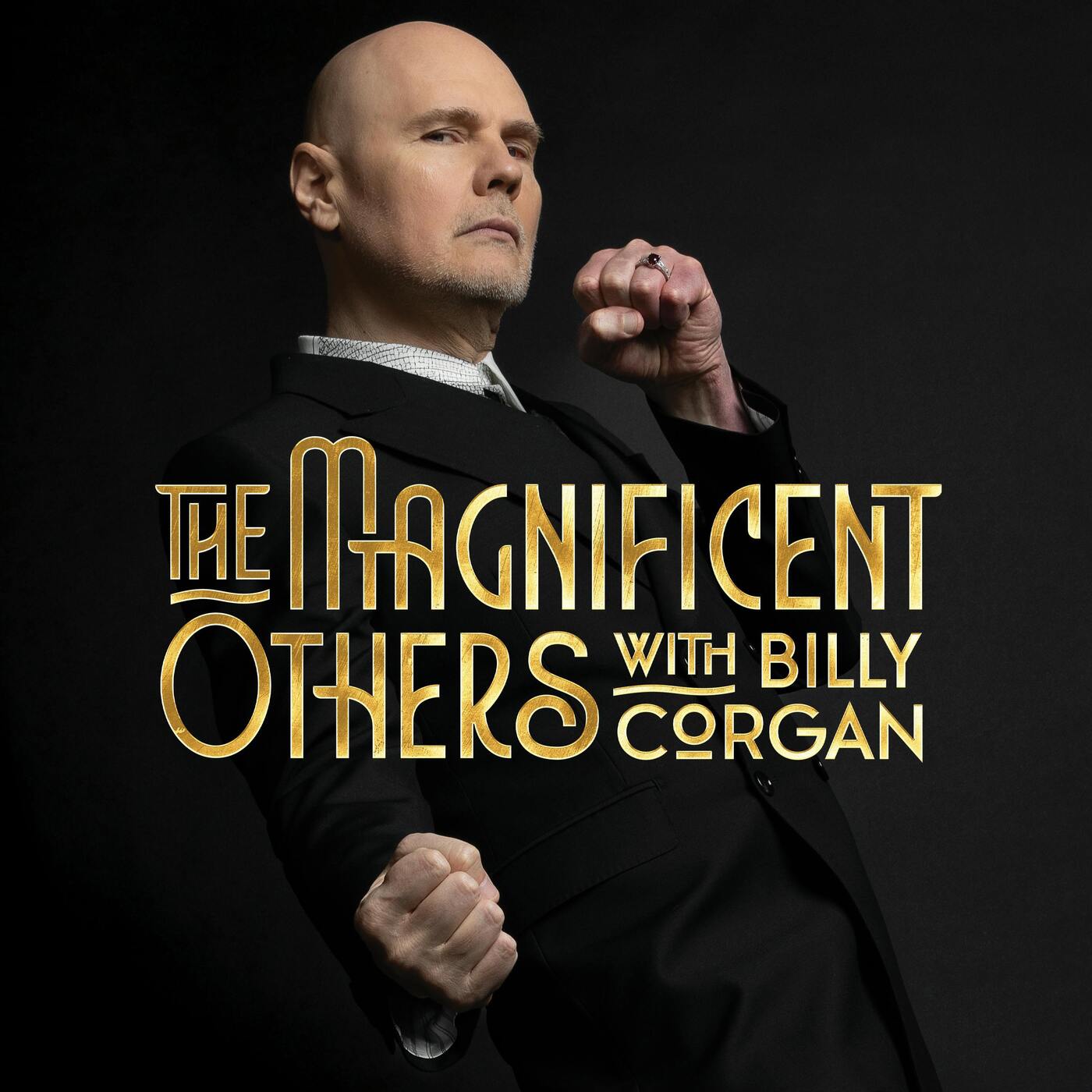
The Magnificent Others with Billy Corgan
Micky Dolenz | The Magnificent Others with Billy Corgan
01:19:14
Loading summary
Transcript378 lines
- [00:01]
Micky Dolenz
I always separated the person and the Persona. I always knew that the fans, the girls, the industry, the magazines, they were in love with Mickey Dalns, the drummer on the TV show, not with me.
- [00:24]
Interviewer (Billy)
I want to try this in a different pathway and hopefully we can bring out some fresh, interesting information because I know you've talked a lot about certain parts of your life, but I'd like to talk about some of the other parts of your life too. So Monkey's breakup in 1970, was the breakup because the series got canceled or were you breaking up and then the series got like. How did that sequence work?
- [00:51]
Micky Dolenz
Well, the term breakup itself is just incorrect. A group's breakup. The Monkeys was not a group. It was a cast of a TV show. So when the show went off the air. When it was canceled. Yeah, when the show was canceled, the cast did what all casts do. When your series is canceled, you shake and you wave and you, you know, you go your merry way. You stay friends, possibly with, with some of the other cast members. But it's like William Shatner and Leonard Nimoy didn't hang out every day going, beam me up, Scott, beam me up. So we did stay in touch and there was some post series music that had to be completed. There were some albums that had to be completed.
- [01:48]
Interviewer (Billy)
Okay.
- [01:49]
Micky Dolenz
And a couple of tours that had to be completed that we were already contracted for. But, but, but the bottom line is the Monkees was never a group. Well, you can, you can argue that it became one when we went on the road. It was a TV show about a group.
- [02:08]
Interviewer (Billy)
Okay. So maybe a better way to ask a question is the day you wake up, whatever that day is in 1970 something, and you go, right, that's done. What's next? Like, what's your mindset?
- [02:21]
Micky Dolenz
At that point, I only speak for myself.
- [02:24]
Interviewer (Billy)
Yeah. By the way, I'm only interested in your.
- [02:27]
Micky Dolenz
Because I'd already been in the business at that time. 15 years from my first series when I was 10. I was used to having a show cancelled. I'd already had one cancelled when I was a kid.
- [02:43]
Interviewer (Billy)
Yeah.
- [02:43]
Micky Dolenz
After three years. And so I kind of knew exactly what to expect.
- [02:51]
Interviewer (Billy)
Are you in your mind at that point and even now, are you an actor first and a musician second? You know, I mean, like, what's the pecking order in your brain or, or actor? So. So the first thing you want to do is I need another acting gig?
- [03:03]
Micky Dolenz
Well, actually no, at the time I'd already was fed up with acting, had been 15 years. I was wanted to direct, I wanted to write and direct and produce. I'd always been fascinated with behind the, the, the scenes.
- [03:18]
Interviewer (Billy)
And you, even as a child, you directed the last.
- [03:22]
Micky Dolenz
I directed the last episode and wrote. And that's the direction my mind was going.
- [03:27]
Interviewer (Billy)
Okay, that's kind of what I'm after.
- [03:29]
Micky Dolenz
Production. And I started a little production company, Dolan's Productions, which still have today. And I did a couple of commercials, did documentary, a few things, started working, trying to get that going. I, I think I kind of knew intuitively I wasn't going to get a lot of acting jobs. I mean, I can't. I went to a couple of auditions. I remember right after the Monkees. And I remember one, I walked in and, and the, the producer, the whoever said, what are you doing here? We don't need any drummers. I'm like, okay, thanks.
- [04:13]
Interviewer (Billy)
I'm. I'm so good. I'm such a good actor. You.
- [04:16]
Micky Dolenz
Yeah, he played that part really well. But having said all that, you know. Yeah, we did become a group in every sense of the word. If touring and recording.
- [04:29]
Interviewer (Billy)
Yeah, I'm more, I'm more interested. I'm. Because, you know, again, back to. We've been interviewed a lot of times. People tend to focus at the bright lights. I'm in many ways more fascinated with what happens when the bright lights go off. How people react. Not to adversity, but a new challenge.
- [04:48]
Micky Dolenz
Got it. I was used to it. Like I say, I'd had a show that was canceled. Kind of knew what to expect. And frankly, after those three, four years of just intense being in the eye of the hurricane for three, four years and it was. And just intense. Not just filming the show, but then recording at night and then going on the road and touring and all that. I just wanted to kick back and have a beer for a couple of years. And that's essentially what I did. It happened to by coincidence or not fall into the same couple of years that I was hanging with my best friend at the time, Harry Nilsson, and when John Lennon came to town for the last weekend. So I spent a lot of time with them and I'm told I had a great. I. But I was happy to do that. I had been working my butt off. You know, the show ran for two years, but we did 52 episodes or 56 episodes in two years nowadays that's like a six year run.
- [06:07]
Interviewer (Billy)
Yeah.
- [06:08]
Micky Dolenz
For a series today. It was, it was intense and wore me out and I wanted to get into producing and directing. So that's what I kind of focused on. Started a Little comp company, did some commercials and stuff. And then I got very lucky. I was asked to buy my friend Harry Nielsen to go to England to star in a musical in the West End that he had written called the Point.
- [06:35]
Interviewer (Billy)
Right.
- [06:36]
Micky Dolenz
And my wife was English, as it turned out, I just married an English girl so I could work there. The play was only a little pantomime season thing. Three months staying in Harry's flat. And I got lucky. I. I met an agent and a literary agent and I said, oh, I'd like to direct and stuff, and well, what do you have? And I had some stuff sent over, my monkey episode and things. She got me a gig at the BBC directing drama, of all things. And I never looked back. I did that, went on to lwt, all English television companies. One of those stories I went over for three months and stayed 15 years just directing and producing and writing.
- [07:32]
Interviewer (Billy)
So you felt over there they were more receptive to your skill set. And it was less about this moment.
- [07:38]
Micky Dolenz
It was interesting. First of all, the Monkeys was much more appreciated and respected in many ways in England than in the States.
- [07:48]
Interviewer (Billy)
Fascinating.
- [07:49]
Micky Dolenz
Over the decades, I learned that, I realized that I observed it and I think I know why. Because here, that idea of kind of wacky sketch comedy,
- [08:06]
Interviewer (Billy)
ad lib, was it the Goon?
- [08:09]
Micky Dolenz
Yeah.
- [08:10]
Interviewer (Billy)
That the Beatles love, that was the Goon.
- [08:13]
Micky Dolenz
The Goon show.
- [08:13]
Interviewer (Billy)
Yeah.
- [08:14]
Micky Dolenz
Early. That was radio.
- [08:16]
Interviewer (Billy)
Yeah.
- [08:17]
Micky Dolenz
And. But that didn't exist over here, really, in movies it did slightly with like the Marx Brothers, but on television, not at all. Especially the improv improvisation. And the Monkeys came along and of course, a lot of it was improv. They taught us improv to do the show. But American critics, I think the kids got it, the fans got it, obviously, but the TV people and the critics, they didn't know what to make of it. But in England, that had. That was a tradition already, the goodies, then Monty Python, of course, and then all those kinds of shows. So, yeah, I was well, instantly well received and created my own shows, co wrote shows, developed shows very successfully for years. And it was wonderful because shortly after my second or third show premiered, the. I was known as Michael Dolan's, by the way, that's another story. Instead of Mickey. That was because the first. One of the first big shows that I produced and directed and co created was called Metal Mickey. By coincidence, it was the name of a robot and it was your old, very classic theme. A out of place weird fantasy of Alfred, kind of Morgan Mindy.
- [09:56]
Interviewer (Billy)
Okay, I get you.
- [09:57]
Micky Dolenz
And a out of place weird. My Favorite Martian, I get you Bewitched in a very domestic, straight situation.
- [10:05]
Interviewer (Billy)
Okay, got it.
- [10:06]
Micky Dolenz
Classic. Which I brought to the table. The robot's name was Mickey. Oh, totally coincidental.
- [10:14]
Interviewer (Billy)
Yeah.
- [10:15]
Micky Dolenz
And he had a puppeteer running him. And every time we were on the set rehearsing, somebody would go, oh, Mickey. Both of us would turn around. And so my boss said, why don't you just use Michael, which is my middle name? And that from then on I was Michael Dolenz. And after a while, articles in the paper, in the Daily Mail and Times or whatever about my new show would say, michael Dolan is producer, director, is announcing rather than Mickey Monkey X Monkey. Mickey Dolan's. And that was very refreshing.
- [10:54]
Interviewer (Billy)
So, like you said, you stayed 15 years. Were you intrigued by the sustain of interest in the Monkeys? Because, you know, in 76, you did Dolanus, Jones, Boyce and Hart. Try to say that three times fast. And I didn't, you know, I have that record. And. And, you know, obviously Boyce and Heart, great writers, strongly associated with your success in the Monkees. And, you know, so. And I'm not saying it was a nod to where you'd come from. It might have just been, you know, this is the relationships that sustain. But even that, like, were you. Cause when you guys. You guys did some shows in that. I'm not crazy, right?
- [11:40]
Micky Dolenz
In what?
- [11:41]
Interviewer (Billy)
When you did Boyce and Hart. Boyce and Hart, Dolan Jones.
- [11:46]
Micky Dolenz
Dolan Jones, Boyce and Heart.
- [11:48]
Interviewer (Billy)
Thank you. I need your help on that.
- [11:49]
Micky Dolenz
Sangam and the guys that wrote them.
- [11:52]
Interviewer (Billy)
Right. So. But I mean, you must have been doing some of the Monkey stuff and all.
- [11:55]
Micky Dolenz
All Monk stuff. Yeah, well, and some songs. Yeah, all the big hits. And then Boyce and Hart would do their.
- [12:02]
Interviewer (Billy)
So somewhere in there, it's just. Let's call it the general milieu of the 70s. Were you. Were you intrigued that people were still interested in the Monkeys?
- [12:11]
Micky Dolenz
Not in. Not at that point. Because it had never really gone away. After I went to England for 15 years and then came back in 86, I was blown away. I was like, what? Okay, what the heck was that all about? I wish I'd have kept those old shirts. Some stuff.
- [12:39]
Interviewer (Billy)
If you want to sell me anything.
- [12:42]
Micky Dolenz
I was blown away. In the 80s when it all came back up, MTV. I was coming over to do like an eight week summer tour with my kids and my wife. At the time it was supposed to be eight 12 weeks amusement parks. And that was it. I was going to go back and start production on a new series in England. It Was like a hiatus for me. And of course, three years later, we're still on the road and I'm getting divorced. I mean, it was like rock and roll, Very rock and roll. But now I'm not surprised because now I look back, I've studied it, I've given talks about it, why it was what it was and what it became. And I've looked into it sort of from outside, because I did get outside during those years in England. No singing, no monkeys, no nothing, no acting. So I was able to really step outside.
- [13:45]
Interviewer (Billy)
So when you saw it, I was
- [13:47]
Micky Dolenz
able to step outside the bubble and look back. But I've always been able to do that to some degree because my parents were in the business and I was brought up very realistically.
- [14:01]
Interviewer (Billy)
How were your parents in the business? I didn't know this.
- [14:03]
Micky Dolenz
Both. Both of them, they were actors and singers. Met doing a play in Hollywood. So I grew up in a showbiz family. My earliest recollections of going to work with my dad was him getting shot off a horse bleeding, you know, in some action movie. And I'm like 4 or 5 years old. That's what Daddy did. I thought everybody's father was a. Was an actor. So I grew up in a showbiz family. But not your typical kind of Beverly Hills, Hollywood showbiz family. Eyes and teeth, honey, eyes and teeth. None of that. No stage mom, no acting lessons, no dancing, nothing hardcore working. My dad was off the boat from Italy. I'm first generation Italian. My mom was from Texas. Came out to be an actress. So down home, we lived in the valley. Right near here, by the way, is where I grew up. Born in Tarzan, on a chicken ranch. And so not the typical showbiz family,
- [15:18]
Interviewer (Billy)
shall we say, was it because your family was working on, let's call it, the edges of the opportunities that were there because Hollywood just needed a lot of people to kind of run through the doors.
- [15:27]
Micky Dolenz
Well, when they got married, my mom didn't work anymore. She was an actress. My father continued to act. That was his job. And he did very well. He had a series called the Count of Monte Cristo. Was under contract to Howard Hughes, Took that money and parlayed it into a restaurant because he wanted to be in the restaurant business on Sunset Strip, which he did until he passed away.
- [15:53]
Interviewer (Billy)
Wow.
- [15:54]
Micky Dolenz
So it was a very successful family and very successful. He was very successful in. In the business in the 50s, 40s and 50s, and then passed away early 60s. But I grew up in a very down to earth showbiz family. I come home from Circus Boy filming and on the weekends had to clean the pool. So I had a pretty down to earth upbringing in that as much as you possibly can being in showbiz, but that also after the Monkeys to come full circle around to what you said. Yeah, after the monkeys, I, I always separated the person and the Persona. I always knew that the fans, the girls, the industry, the magazines, they were in love with Mickey Dolan's the drummer on the TV show, not with me. And I always managed for the most part to keep the person and the Persona separate. Not all the time, but.
- [17:05]
Interviewer (Billy)
How was it that you were cast in Circus Boy? I mean, did your parents say my father's Asian?
- [17:12]
Micky Dolenz
I was up for a few things and I remember my mom would say, oh, there's a, you know, there's a pilot or a TV thing. Do you want to go? And I'd go, yeah, maybe, maybe not. Never remember being pushed into anything. In fact, I do remember my mom reminded me when the Circus Boy interview audition came up, she said, there's a pilot. And I guess it was my dad's agent probably that had told her about it. Do you want to go out for an audition for a series? And I was like, oh, Mom, I can't. I got a baseball game. And I almost didn't go. And finally for some reason I ended up going, but just kind of looking at my watch, wanting to get back for the, for the, for the baseball game, but got that. I got that series in the 50s. 55.
- [18:06]
Interviewer (Billy)
So you're about 10 or 11 when you're doing the series. Yeah. What, what studio was that show shot at?
- [18:13]
Micky Dolenz
The same studio, same stage as the Monkees. Screen Gems.
- [18:19]
Interviewer (Billy)
That is television. That is mind blowing.
- [18:21]
Micky Dolenz
Both shows were screen Gems. Television. 10 years to the day, almost apart. 10 years old when I got Circus Boy. 20 years old. I think I might have gone to the first audition in the same friggin office. Columbia Pictures lot. Gower. Yeah, Gower now.
- [18:41]
Interviewer (Billy)
Yeah.
- [18:42]
Micky Dolenz
Same stage we shot on. That's a ranch right out here at the Hollywood Columbia Ranch.
- [18:50]
Interviewer (Billy)
Synchronicity.
- [18:51]
Micky Dolenz
When I went back for, for the Monkeys and I drove through the little gate with the guy, with the guard. The guard said, hey, Mickey, you got another show. Great. Welcome back.
- [19:03]
Interviewer (Billy)
Oh my God.
- [19:04]
Micky Dolenz
Same guy that had been there 10 years before.
- [19:07]
Interviewer (Billy)
I have to ask about Bimbo, the baby elephant.
- [19:12]
Micky Dolenz
I don't like to talk about it, Billy. We were so close. There were two little bimbos
- [19:22]
Interviewer (Billy)
because Bimbo one could only work so long.
- [19:24]
Micky Dolenz
Yeah, right. The first Bimbo was a little baby bimbo for the first season. And then as you know, then you have a hiatus for six months. But he grew too big. It wasn't cute little bimbo. So they got another. And also male elephants get to a certain age and they kind of get nuts. They can get a little bit wacky and when they realize that it doesn't take much to pull that little stake out of the ground, they're taught that they can't pull the stake out of the ground, but they could very easily.
- [20:01]
Interviewer (Billy)
Oh, they're taught that. That's interesting. Did you have a. In your reflection of, you know, not everybody, you know, it's like when I'm in Chicago, the idea of being me being at a television show as a boy seems so magical. But what was the real experience? Like? Did you, did you enjoy the work? Was it, was it, you know, I'm saying, like, how do you reflect on the work?
- [20:23]
Micky Dolenz
Again, it was my family business. I followed in my father's footsteps. If he'd have been a banker, I'd have gone to the bank probably.
- [20:31]
Interviewer (Billy)
So it didn't seem unusual to you?
- [20:33]
Micky Dolenz
Nothing unusual about it. I'd been on a set many times.
- [20:37]
Interviewer (Billy)
Okay, that's, that's kind of what I was after.
- [20:38]
Micky Dolenz
Yeah. And so no, it was. Much of it was just falling into place. I knew, already knew a lot of the lingo. It was great fun. I was in a circus, a 10 year old kid in a real circus. They bought a circus, an old defunct circus, all the tents and all the equipment. They actually bought an old defunct circus for the sets and all that stuff and hired a whole bunch of old real circus roustabouts. And guys knew how to put the tent up and how to drive the wagons and all that stuff. And there were real circus performers every week. We had jugglers and flamethrowers and high wire acts and they would teach me how to do little things. Walking up wire and on the back of a horse, you know, doing that on the back of a horse and, and some flying, you know, stuff. And so yeah, I was in a, in a strong tense and purpose as I was in a circus.
- [21:48]
Interviewer (Billy)
So, you know, you're, you're in your youth and you're entering, you know, puberty a sense, in essence did. How did being recognized strike you?
- [22:00]
Micky Dolenz
Well, again, kind of took it with a grain of salt. Seeing my father be recognized even then, I guess intuitively knew it was the kid on the tv. That, that's interesting.
- [22:12]
Interviewer (Billy)
That's pretty astute for a young boy. I would have gone the other way. I would have been like, well, also
- [22:17]
Micky Dolenz
my parents just brought me up like, okay. They didn't let me get, you know, my dad would, would spank me when you could spank children. Yeah, if I got out of line. But it was all just, also just being around it, really realizing that when I saw my dad as a Mexican general get shot off a horse with mustache and an accent, I knew it wasn't my dad.
- [22:46]
Interviewer (Billy)
Yeah, yeah, I get you.
- [22:47]
Micky Dolenz
So I guess intuitively I just, I guess kind of sense that. But there wasn't a lot of that back then. Not, certainly not like the Monkeys. No social media, no fan stuff. 10 year old kid is not the same as a teenage heartthrob.
- [23:07]
Interviewer (Billy)
Did they have you doing personal appearances?
- [23:10]
Micky Dolenz
Oh, yeah, yeah. Actually my first personal appearance was on a press junket across. Across the United States by train because we were bringing the elephant as part of the press when the show got picked up and was going to air back then you, you did press junkets? Yeah, we had to buy train because of the elephant. And we stopped in Chicago and my first appearance was at the Pump Room.
- [23:43]
Interviewer (Billy)
Oh my God.
- [23:44]
Micky Dolenz
Is it still there? The, the Pump Room?
- [23:46]
Interviewer (Billy)
It's still there. It's been renamed something, but everyone still in Chicago calls it the Pump Room.
- [23:51]
Micky Dolenz
The Pump Room. That was my first.
- [23:52]
Interviewer (Billy)
Like, did they bring bimbo in the
- [23:54]
Micky Dolenz
Pump Room or in the parking lot probably or something like that. Then we went to New York Radio City Music hall and they brought the elephant on the stage. My first actual performance, funnily enough, I just remembered was in Pittsburgh. We stopped in Pittsburgh on the train and went to Kennywood Park, a famous amusement park. And they had a little bandstand and they'd asked me because I was playing guitar at the time. Time. My, the first instrument I played was Spanish guitar, actually. But they said, do you know anything on the guitar and you can sing? And I learned two or three little tunes of the time. Purple People Eater and I'm Going to Sit Right down and Write Myself a Letter and something else. Which doctor was it? It was which Doctor Which Doctor I told which Doctor I was. These are songs from the 50s, Billy, way before your time.
- [24:53]
Interviewer (Billy)
But was that, was that, was that song written by like Alan Toussaint or something?
- [24:56]
Micky Dolenz
Could.
- [24:57]
Interviewer (Billy)
Yeah, I don't know. Sorry.
- [24:59]
Micky Dolenz
But I learned these three little tunes and I came out when they had, they had three little, A little three piece combo guys on the bandstand. We played the three little songs and then my elephant came out and did Tricks with me and the trainer. All right, so basically my first gig was opening for an elephant.
- [25:22]
Interviewer (Billy)
Let's go back to the Monkeys reunion. Because this is why I wanted to come at it this way, because I wanted to understand, like I said, the edges of your story, because I think it's fascinating. Really helps me understand why you made some of the decisions you made. You know what I mean? Because as a music fan, you're always like. You always point at the obvious thing. Right. So you guys get back together. 86, was it because this phenomenon was taking off? Because, like us, we all grew up on Monkees reruns, you know, So I saw those shows 18 times. You know, each show times 18. By the time, you know that that reunion happens in the 80s. Is that. Is that being pushed by a record company you guys both all recognize? Wow, something's happening here. Like what. What were the forces that set it all into motion?
- [26:06]
Micky Dolenz
I can tell you exactly. I was living in England, directing, producing, writing. A producer tracked me down. I had not been in touch with any of the other guys at all. Well, Mike I had. Mike had been in touch with. Because he was also in production in la.
- [26:24]
Interviewer (Billy)
Here he was doing his own kind of basically early, kind of cable videos. Yeah, yeah, that's right.
- [26:30]
Micky Dolenz
Videos and cable stuff. Yeah. And we had some interaction. I've shot a couple of things in England for his show here, he had called television parts.
- [26:41]
Interviewer (Billy)
He kind of did the first mtv. Before mtv. Right, yeah, yeah.
- [26:45]
Micky Dolenz
So we kept in touch, had no idea where Peter was, had no idea where Davey was, and had not been in touch for, literally for years. And this producer tracked me down. I was living in Nottinghamshire directing and producing television shows and said, do you want to get back together and have a reunion be 812 weeks in the summer playing amusement parks and. And fairs and stuff. I talked to my wife, my. My boss at the TV company. Yeah, sure. We're on hiatus, 812 weeks. Go to the States, have some fun kids. Amusement parks. Perfect age for the kids. Little did I know that the producer was aware that MTV was going to play the show. Ah, didn't tell us that.
- [27:49]
Interviewer (Billy)
As they don't.
- [27:50]
Micky Dolenz
As they don't. Didn't tell me that.
- [27:53]
Interviewer (Billy)
That's a good one. That's a good one.
- [27:55]
Micky Dolenz
Good one. Didn't tell me that. So we get there. I'm not sure how much how big he thought it might become because it started small. A little amusement parks and Six Flags, you know, sure. Kind of things. But overnight it just exploded into this huge, huge tour. As big as the 60s, if not bigger stadiums and. And things like that. It was enormous. And so caught. I think, caught everybody a little bit by surprise.
- [28:31]
Interviewer (Billy)
So I'm not suggesting there was any lingering animosity, bitterness, anything like that. Like you said, you sort of moved on with your life. Okay, but now you're back in the room with these guys. Had the relationships changed? You guys just go back to kind of where you left off?
- [28:46]
Micky Dolenz
Well, again, I can only speak for myself.
- [28:49]
Interviewer (Billy)
No, no, that's what I'm asking.
- [28:51]
Micky Dolenz
As far as I was concerned, I was. Oh, hi, Davey. How you doing? Yeah, I haven't seen you in a long time. How's them going? What's going on, Peter? Hey. Mike did not join us, but I. I had interacted with him, but it was. For me, it was always professional. I mean, it was always. These were the other cast members of the television show.
- [29:13]
Interviewer (Billy)
Yeah.
- [29:14]
Micky Dolenz
So I would have felt the same way that I did about the. The other cast members of. Of Circus Boy to some degree. But having said that, when we did go on the road originally in the 60s, Mike Nesmith put it really well. He said, that's when Pinocchio became a real little boy. And that's very accurate because we did go out there and we played every concert all by ourselves. And we really were just a trio. We were a power trio because David just played.
- [29:49]
Interviewer (Billy)
Davy played tambourine. Yeah.
- [29:51]
Micky Dolenz
Nez on a 12 string, me on drums, trying desperately to hear what was going on. Peter on bass and then sometimes keyboard, the treble part on his right hand and bass part on the left, trying to play these songs. And it was intense. No monitors, of course. And so there. So that obviously was different than. You know, there's a show that came along many, many years after the Monkeys called Glee. Of course, I wasn't that familiar with it, but it was a show about a. A Glee club. A fictitious, imaginary glee club. But they can all do it. The actors saying entertainers, they can all act and sing and dance or whatever they did. That's the closest thing to what the Monkees was a TV show about this imaginary group that lived in this beach house in Malibu. And we're trying to be the Beatles, not competing with the Beatles on the TV show.
- [31:03]
Interviewer (Billy)
Sure.
- [31:03]
Micky Dolenz
We wanted to be the Beatles and.
- [31:06]
Interviewer (Billy)
Yeah.
- [31:07]
Micky Dolenz
And in that sense, it spoke to all the kids around.
- [31:11]
Interviewer (Billy)
Yeah.
- [31:11]
Micky Dolenz
The world that were trying to do that on the show. We never made it on the TV show. That's important to remember.
- [31:19]
Interviewer (Billy)
Yeah.
- [31:19]
Micky Dolenz
The Monkeys never were successful on the television show, which does beg the Question of how we could afford a beach house in Malibu. But, you know, it's TV for you. But that's the interesting story is they're almost Monkees point one and then Monkees two point one.
- [31:40]
Interviewer (Billy)
So you're back. I guess I'm not belaboring the question. It's more like you're back in a business relationship and it's like, great, this is working. You know, it's all good. If Mike doesn't want to do it, I'm happy to sing these songs. And by the way, when this is over, I'm going to bang back Ding Lin and pick up my day job. So that's the general state of mind. Yeah. I'm curious because it occurred to me. So you're back. Were you touring as the Monkees in 86 or was it. Okay, so did you have to get permission for whoever owned the name or still do?
- [32:12]
Micky Dolenz
Still? Oh, yeah. I can't use the. Well, I can't use logo without paying for it. The guitar logo. Never. We never could. We had to get permission to this day to say the monkeys and pay a nice little chunk.
- [32:29]
Interviewer (Billy)
They made a lot of money off of that then. Through the years.
- [32:33]
Micky Dolenz
Thanks for reminding me.
- [32:36]
Interviewer (Billy)
Sorry. No, I had to ask, you know.
- [32:38]
Micky Dolenz
No, we never owned it anymore that William Shatner owns the Star Trek logo. But there were other members, I will say, of the. Of the group that were never comfortable or happy or. And did get very upset about that, that we couldn't use the name.
- [32:57]
Interviewer (Billy)
Did you guys ever try to figure out a way to see if they would sell it to you collectively or have somebody else?
- [33:02]
Micky Dolenz
We talked to lawyers a number of times and. Yeah. You know, when it went around and around. But nothing ever happened in on that. But no, we never, never got. Never got royalties residuals from the show.
- [33:19]
Interviewer (Billy)
Yeah, that. That part's crazy.
- [33:21]
Micky Dolenz
Yeah. Because it was pre sag in perpetuity.
- [33:25]
Interviewer (Billy)
The laws were different and all that, Right?
- [33:26]
Micky Dolenz
Oh, yeah.
- [33:27]
Interviewer (Billy)
So. Because I'm circling around the, you know, the 67, 68 part of your life. Because I really. Because when we get there, I kind of want to understand things in a different light rather than just make assumptions because you were there and I wasn't. So Circus Boys canceled. You're about, what, 14 years old?
- [33:46]
Micky Dolenz
12.
- [33:47]
Interviewer (Billy)
Oh, 12. Okay. Sorry.
- [33:48]
Micky Dolenz
It was 10, 11 and 12.
- [33:50]
Interviewer (Billy)
Okay. So just back to school.
- [33:53]
Micky Dolenz
Yeah.
- [33:53]
Interviewer (Billy)
If the phone rings, I'm gonna.
- [33:54]
Micky Dolenz
Parents. Smartest thing they ever did. They took me out of the business. They tell me. They told me that I. Producers had said, would he be Interested in doing another show. I was now a teenager. Sure I'd outgrown the cute little circus boy thing. That's why they told me kind of went off the air because I was starting to.
- [34:20]
Interviewer (Billy)
Well, you were like, bimbo.
- [34:21]
Micky Dolenz
Yeah, like bimbo. Yeah. And I was a cabin boy. It was supposed to be like a rip off of Treasure island or something like that. And they said no. They sent me to a child psychologist. They told me at the time it was an educational counselor, but it was a shrink. And I. Because I did Rorschach things. This is after circus boy to find out where my head was at. And I guess he must have said, take this boy out of that immediately. He is out of his silly mind. Because they took me out back into school right here. North Hollywood Junior High and my roots and my blonde bleach. Blonde hair growing out. But smartest thing they ever did because I didn't go through that period after being a child star, that's where you get messed up.
- [35:17]
Interviewer (Billy)
Yeah, I get that.
- [35:18]
Micky Dolenz
Not the child star.
- [35:19]
Interviewer (Billy)
That's kind of what I was curious. Yeah.
- [35:21]
Micky Dolenz
Yeah. Well, it's so true. The fame and the fortune and the adulation is great and fun. Especially if your parents have brought you up in a good, solid way. But then all of a sudden, mommy, why don't they love me anymore? Why? What do you mean my show's canceled? What do you mean I'm not. People, you know, want me and you at going through puberty, as you said, is. Is tough enough for anybody anywhere, anytime, much less suddenly your. Yeah, your. Your show's canceled. And your. Has been at 14. Yeah. Right. So I missed that. Thank God. My parents. I just went back to school. Boom. I'm driving down Van Nuys Boulevard trying to pick up girls at 16. And I. That was it. That was kind of. I think I did a couple of little guest shots in the summer. You know, some day jobs on some of the TV show shows when I was 16, 17, 18. But my plan, which you may have heard, was to be an architect that
- [36:42]
Interviewer (Billy)
I did not know.
- [36:42]
Micky Dolenz
Oh. After high school, I thought I better get serious. My father passed away, which didn't help. But I thought I better get serious and. And get a career.
- [36:54]
Interviewer (Billy)
Okay.
- [36:54]
Micky Dolenz
Because I knew it. Show business. Not. No guarantee of me. Nothing.
- [36:58]
Interviewer (Billy)
Yeah.
- [36:59]
Micky Dolenz
And my friend and I. A friend of mine, and I said, let's be architects. Let's start, you know, home remodeling. Let's go get our degrees. And I went to trade tech. La. Trade check. And I was into it. I was. To this day, I'm a builder. And I really was going to be an architect. And if I couldn't make it as an architect, I could fall back on showbiz. That was the plan.
- [37:25]
Interviewer (Billy)
That's funny.
- [37:25]
Micky Dolenz
That was the plan.
- [37:26]
Interviewer (Billy)
It's kind of the reverse of most people.
- [37:28]
Micky Dolenz
Absolutely. And that year, if you want to jump ahead anyway, I was.
- [37:33]
Interviewer (Billy)
Yeah, I'm trying to. I'm trying to understand the period between, you know, child actor out of a gig and then, well, high school.
- [37:41]
Micky Dolenz
After high school, father passed away, family. My mom remarried, moved up north, and my friend and I were going to be architects. And I was. I was into it. I went every day.
- [37:56]
Interviewer (Billy)
Who was your. Who would have been your architect idol? If I asked you who your favorite singers were back then? Who's your. Who's your architect?
- [38:04]
Micky Dolenz
Well, besides Frank Lloyd Wright, I. I guess. But I don't remember studying much about the history of architecture yet. I was into drafting. I was into the idea that I
- [38:19]
Interviewer (Billy)
have this vision in the end, Bill
- [38:21]
Micky Dolenz
drawing and the math and. And the geometry, because there was no CAD back then. It was pencil and a drafting board and. And. And all that. And I loved it. I absolutely loved it. And. But then every summer after, you know, it's. In the summer break, I would do day jobs. I've got a few day jobs doing shows like Peyton Place, Mr. Novak, Ben Casey, Remember that show? And usually playing a bad kid, delinquent. For some reason, the way I. I kind of looked, you know, lanky teenager, my hair all greased back and. But then I'd go back to school and that year, that pilot season of 65, I. I remember being up for three, at least three or four pilots about music, about kids and music. It was in the air because of rock and roll, because of folk music and because of the Beatles, of course. And one of the shows was like a folk group like Peter, Paul and Mary. It actually went to pilot. That one. I was up for that. It didn't sell the pilot, but it did go to pilot. Another one was like a Beach Boy surfing band living in a surfing thing that didn't go to pilot. I was up for that. And another one I remember was like one of those big New Christy minstrel, Randy sparks.
- [40:05]
Interviewer (Billy)
Yeah. Like eight people in the group.
- [40:07]
Micky Dolenz
18 people. A mighty Wind, that movie.
- [40:11]
Interviewer (Billy)
Yeah, that's pretty funny.
- [40:13]
Micky Dolenz
That was a great movie. One of those big family. I'm Gonna Build a Mountain.
- [40:19]
Interviewer (Billy)
Well, like Gene Clark of the Birds came out of that. And the guy who did Barry Maguire. Yeah, they all Came out of that because it was kind of a system. They would tour. They just kept replacing them with young people.
- [40:30]
Micky Dolenz
Yeah. So there was a show about a group like that, that. That didn't pilot. And then there was the Monkeys. And I remember thinking at the time when I went for the monkey first audition, which is just reading some lines. Same studio for Circus Boy.
- [40:48]
Interviewer (Billy)
So amazing.
- [40:51]
Micky Dolenz
I remember thinking, this is different. There is something a little bit different. Because usually they were producers in suits with smoking a cigar.
- [41:02]
Interviewer (Billy)
Yeah.
- [41:03]
Micky Dolenz
We want to do a show that kids will like.
- [41:06]
Interviewer (Billy)
I see.
- [41:06]
Micky Dolenz
But Bob and Bert. Bob Raphos and Bert Schneider, the producers of the Monkees, weren't much older than one kid.
- [41:15]
Interviewer (Billy)
Kid. His father was the president of the.
- [41:18]
Micky Dolenz
Bert Schneider's father was the head of Columbia Pictures. Yeah, yeah.
- [41:22]
Interviewer (Billy)
So he had a Nepo kid. Yeah, but it works. Of course.
- [41:26]
Micky Dolenz
Yeah. And Bob Raphaelson, of course, was a brilliant creator. Writer. Anyway, they weren't much older and I could sense that. And there was. They were Beatle fans, so it was slightly different. So I went for the audition. That was it. I went back to school. My agent said, you got a call back. Oh, cool. Went back three or four callbacks. The audition process was extensive. Much more than a regular TV series. You'd go and read some lines, maybe do a screen test, and that's it. You got it or not. You had to go back. There was improv, there was interviews, there was singing, there was playing. I played my audition piece was Johnny B. Goode on the guitar, Chuck Berry. Then there were scenes. Scene study on a set with cameras and the whole nine yards. So it was quite extensive, the audition process. But I did it. Went back to school, architecture. And then my agent said, you got the pilot? And I'm like, oh, cool. Didn't even think that much about it because I knew nine out of 10 pilots don't even sell, you know. So I went and did the pilot. Went back to school because I knew the chances were it wasn't going to.
- [42:52]
Interviewer (Billy)
Is it true that the pilot, like, they didn't really haven't. Have you guys clothes figured out you're kind of wearing your own clothes?
- [42:58]
Micky Dolenz
Yeah.
- [42:59]
Interviewer (Billy)
I think I read the pilot did very poorly or something and somebody re edited it initially.
- [43:04]
Micky Dolenz
It did, yeah.
- [43:05]
Interviewer (Billy)
Yeah.
- [43:05]
Micky Dolenz
The story. And I wasn't privy to all this because I wasn't a producer, but I. I vaguely remember stuff. Yeah. It was not our clothes, but it was clothes from wardrobe. From Columbia Pictures. Wardrobe. But hippie stuff that they cobbled together. And it looked pretty stupid. Some. A lot of the stuff. There was no monkey mobile or anything like that. Yeah. So it was just kind of regular clothes, hippie, hippie clothes. So we did the pilot and. And what I heard, even at the time originally there was a manager in of us, and he was like the father knows best. Your uncle's favorite father. Uncle. He was the adult and he was the one that would give us the advice and uncle, so. And I don't remember his name. What do we do about. Well, boys, here's what you do. And typical father knows best kind of thing, they took him out. Bob Raphaelson, in his wisdom, took the manager out completely and put in the improv interviews that we'd done as part of the audition process. Gave each of us an identity, and it tested much, much better. And the rest is hysterectomy.
- [44:41]
Interviewer (Billy)
I love the Boyce and Hart part of this story. So we can kind of gloss over how we get to Boyce and Hart, but because I read Bobby Hart's book, which talks extensively about that. But the short version that I'm. This is all based on my memory is. Is they originally gave it to Kirschner, Don Kirschner, that he was going to be the music kind of supervisor. Do you remember working with Kirschner first on music stuff?
- [45:09]
Micky Dolenz
No, I remember very little about Donnie Kirschner because he was in New York, right out of New York, and he very seldom. I don't remember him coming around the
- [45:21]
Interviewer (Billy)
backstory on how boys and heart end up being very involved.
- [45:24]
Micky Dolenz
Nope. I've heard bits and stuff from.
- [45:29]
Interviewer (Billy)
So let me give you what I remember and tell me if you.
- [45:31]
Micky Dolenz
Yeah, yeah, go ahead.
- [45:32]
Interviewer (Billy)
If you. If you don't mind. I mean.
- [45:34]
Micky Dolenz
No, please.
- [45:34]
Interviewer (Billy)
Because I. Because I really.
- [45:37]
Micky Dolenz
Yeah. I was not privy, you know, to much of that at all.
- [45:40]
Interviewer (Billy)
Because the reason we're here is I love what you guys did musically. I think that's. There's an enduring legacy there that's, for me, aged well over time in a way that I never could have imagined. And I think there's like, all great things. It has a weird circumstantial set of aspects to it. So the story goes that they went to Kirschner because he was the guy at the time or whatever, and they had started whatever was going on musically. Maybe it was the young, younger guy in the equation, the Railson. Right. Am. I have the names right?
- [46:18]
Micky Dolenz
Yeah.
- [46:20]
Interviewer (Billy)
They just could tell it wasn't going to work. It felt like inauthentic. And Boyce and Hart, when there were rumors that there was going to be A show. They knew those people. So they wrote the Monkees theme and a couple songs, and then the whole thing stalled. So in the beginning, they thought it was their gig. So nine months goes by and the phone stops ringing, and I think, well, that ain't going to happen. Well, whatever happened went on early with Kirchner. They decided it wasn't going to work. So then they went back to Boys and Heart and thought, well, this is the more authentic voice that we're looking for. We want the monkey's music to feel authentic. But there was somebody in the process in the chain that wasn't buying it because Kirschner was a sure bet. And these were just a couple young hippies who had had a couple minor hits. So they did this thing where. And this is Bobby Hart's story in the book, the studio brass came over and they had that band, the candy store profits. And whatever Bobby Hart or Tommy Boyce said said, just give us a half hour and we'll prove it to you. So the studio brass came in and listened to them play, like, four or five songs, including the Monkees theme. And then they were like, okay, that's the vibe that we're looking for. So they kind of basically winked their way and got the gig. So for the first year, before you guys decided to kind of make it more about your own contribution, that's why they were in the driver's seat, because they. It kind of fell back to them because the politics with Kirschner.
- [47:55]
Micky Dolenz
That sounds very accurate from what I've heard. Yeah, but a lot of what you just described was done and said before I was even cast.
- [48:06]
Interviewer (Billy)
Yeah, but that's what I'm. That's what I'm saying. I want to know if you had to.
- [48:09]
Micky Dolenz
This is before.
- [48:10]
Interviewer (Billy)
Yeah.
- [48:10]
Micky Dolenz
I was still in going to school, taking arc lecture, because they were. They were doing this for the pilot.
- [48:17]
Interviewer (Billy)
Right. I get you.
- [48:18]
Micky Dolenz
And so they would have been doing this behind the scenes when I was auditioning. So.
- [48:26]
Interviewer (Billy)
As an actor.
- [48:27]
Micky Dolenz
Yeah, yeah. As an actor. Singer.
- [48:29]
Interviewer (Billy)
Yeah, I get you.
- [48:29]
Micky Dolenz
But it was very clear that they did not just want actors that they were going to dub in their voices later, like old Hollywood movies. They wanted the. They wanted the real thing.
- [48:43]
Interviewer (Billy)
Sure.
- [48:44]
Micky Dolenz
And that is part of what you said. They wanted something more authentic.
- [48:48]
Interviewer (Billy)
Yeah.
- [48:49]
Micky Dolenz
They wouldn't have bothered to have us play and sing as part of the audition process. Sure. You had to. You had to be able to play and sing to get through the audition. So they clearly had in mind something more than an old Hollywood, you know, but well, not even old Hollywood, even to this day, Sean Penn did not play guitar. And in the Django Reinhardt.
- [49:16]
Interviewer (Billy)
Yeah, sure.
- [49:16]
Micky Dolenz
But nobody, Everybody knows that and doesn't care.
- [49:19]
Interviewer (Billy)
Yeah.
- [49:20]
Micky Dolenz
But on television in that day and time, people took the rock and roll music very seriously. And some still do, you know.
- [49:32]
Interviewer (Billy)
Yeah.
- [49:32]
Micky Dolenz
And all of a sudden these four guys come along and. Well, you know the story. Yeah, but the producers, Bob and Bert, were trying to keep it real.
- [49:45]
Interviewer (Billy)
Sure.
- [49:45]
Micky Dolenz
As. As you could on television at the time.
- [49:48]
Interviewer (Billy)
So the first time you go in the studio to record monkey songs, have you got the gig or is it part of the. The part of the pilot part? Do you remember that part?
- [49:58]
Micky Dolenz
It's part of the pilot.
- [49:59]
Interviewer (Billy)
Okay, so who are. Who are you in the studio with?
- [50:02]
Micky Dolenz
Tommy and Bobby.
- [50:03]
Interviewer (Billy)
Okay. Did you get on with them right away?
- [50:05]
Micky Dolenz
Oh, yeah, instantly. Because they were our age.
- [50:08]
Interviewer (Billy)
Did you feel like a sense of ownership? Like, oh, this is kind of cool.
- [50:12]
Micky Dolenz
Yeah. Right from the get go. I, like I mentioned before, I kind of got a feeling this is different. This ain't old Hollywood. This ain't the guy with the cigar. These are people of my own age. These are people on the streets. I bump into them on Sunset Boulevard at Ben Frank's. And the whiskey. The same. The same people. When I went to my first audition with Bob and Bert, they were the producers. I walked into the waiting room and there are these two guys sitting there in jeans and T shirts with coffee cups and bits of pizza. I thought they were there for the audition. That was Bob and Bert, the producers. And so it was right from the get go. Yeah. There was something different about it.
- [51:04]
Interviewer (Billy)
I read something years ago. So help me clarify this, because I read somewhere that you did a lot of your vocals in New York. Were they recording out here and you're recording vocals in New Yorker.
- [51:15]
Micky Dolenz
No, vice versa.
- [51:17]
Interviewer (Billy)
Okay.
- [51:17]
Micky Dolenz
Recording New York and here and vocals here.
- [51:22]
Interviewer (Billy)
Okay.
- [51:22]
Micky Dolenz
Because I would do vocals after filming the television show for 10 hours a day.
- [51:28]
Interviewer (Billy)
So you're doing this at night, into
- [51:29]
Micky Dolenz
the studio at night and do sometimes two lead vocals in one night because they needed so much material.
- [51:36]
Interviewer (Billy)
Yeah, there was a lot of material.
- [51:37]
Micky Dolenz
And that's why they wanted a new song or two every week.
- [51:42]
Interviewer (Billy)
That's crazy if you really think about it. Right. So when you'd come in, they would already recorded the song and there'd be guide vocals and they, I think they said they did a lot of the background vocals, voice and heart.
- [51:53]
Micky Dolenz
They did some background early on especially.
- [51:57]
Interviewer (Billy)
Yeah, I guess I. I guess the guide vocals.
- [52:00]
Micky Dolenz
Know the guide vocals. Would have been on the acetates. Like, if it was a Carol King tune, it would be her singing. So I could learn the song.
- [52:11]
Interviewer (Billy)
So you learn the song, then come in here, their version, and then do your interpretation. Is that. Am I getting that right?
- [52:18]
Micky Dolenz
I don't remember.
- [52:21]
Interviewer (Billy)
I'm just. I'm such a studio nerd. I'm just curious because obviously recording back then was very different than it is.
- [52:26]
Micky Dolenz
It is very different. I don't remember because it wasn't like today where you had. You can comp all the tracks over, you know, you can't.
- [52:35]
Interviewer (Billy)
So I'm saying, like, I would learn
- [52:37]
Micky Dolenz
the song off of an acetate.
- [52:40]
Interviewer (Billy)
So they would have sent you a demo of the monkey's theme, and then you go in to sing it because you've learned it. Okay.
- [52:45]
Micky Dolenz
Or one of their tunes or Clark still or Carol King song. But it was just piano.
- [52:54]
Interviewer (Billy)
Ah, okay.
- [52:55]
Micky Dolenz
Oh, not a demo. No, they wouldn't have made demos. It would have been just her playing some song in the keyboard on a piano, or Tommy or Bobby playing a guitar.
- [53:09]
Interviewer (Billy)
Would they have asked you what key you want to sing in before you just.
- [53:12]
Micky Dolenz
Okay, well, they will. I would have routined it with Carol in person or Tommy or Bobby in person somewhere.
- [53:20]
Interviewer (Billy)
Yeah. So they had at least a sense. And they give them a chance to tweak the song a little bit after they heard you.
- [53:25]
Micky Dolenz
Well, the key. The key.
- [53:26]
Interviewer (Billy)
Okay.
- [53:26]
Micky Dolenz
For starters.
- [53:27]
Interviewer (Billy)
Yeah.
- [53:27]
Micky Dolenz
But then very shortly, they learned my voice, so they didn't even have to ask. They just knew this key would work. And then I just remember going in and having routine the song, learned it. Just go in and. And start recording vocals with sheet music. I remember sometimes not. Maybe I knew the. Already knew the song real well.
- [54:02]
Interviewer (Billy)
Well, you recorded so much. I get. It's kind of a bit blurry. Right. And back then, you know, a vocal session was like an hour, maybe less. Right. Depending on how much you got.
- [54:12]
Micky Dolenz
Two lead vocals a night.
- [54:14]
Interviewer (Billy)
Sometimes, yeah.
- [54:15]
Micky Dolenz
And sometimes I hear it when I listen to the old stuff. Oh, God, I wish I could have done that one again.
- [54:22]
Interviewer (Billy)
So I don't want to belabor it because it's. It's part of the monkeys mythology. But at some point, you guys are like, we want to have more of a hand in the. In the making.
- [54:31]
Micky Dolenz
Well, Mike Nesmith did. Yeah.
- [54:33]
Interviewer (Billy)
So, okay, so did you hear about this from Mike directly, or was it sort of in the air, like. Let's call it this little bit of a rebellion about how this was.
- [54:42]
Micky Dolenz
No, it was all Mike.
- [54:45]
Interviewer (Billy)
How did you feel about it. Did you feel like this isn't really worth getting that into, or.
- [54:50]
Micky Dolenz
I. I think by that time there was such a camaraderie between us that I would have bought into whatever he wanted. And I was a singer and I was a musician. So the thought of actually getting in there and playing. I think probably when we went on the road and played everything and did whole shows by ourselves.
- [55:17]
Interviewer (Billy)
Did you guys ever play gigs where you had, like, the backup band? You know, I mean. Okay, that's. Yeah. Just trying to understand the dynamic.
- [55:24]
Micky Dolenz
Well, we. What we did was this. It was very clever. What the producers and David Winters, who. Who staged the show, came up with. It was. It was actually very clever. We had an opening act, the Sundowners or another. A band that would come out and do 20 minutes or whatever of COVID tunes, something like that. Then we would come out, just the four of us. Drums, guitar, bass, do, I don't know, maybe half hour. And then three of us would leave. Peter stayed on stage with his banjo because he was a banjo and a pretty damn good banjo player. Flailing banjo guy from New York.
- [56:16]
Interviewer (Billy)
Claw Hammer.
- [56:17]
Micky Dolenz
Yeah. And he did Cripple Creek just by himself. Cripple Creek, sure. And then the backup band would come out and Nez came out and fronted. Now the backup band as a solo singer doing his roots, which was. Can't Judge a book by looking at his cover. Bo Diddley.
- [56:44]
Interviewer (Billy)
Okay.
- [56:44]
Micky Dolenz
He picked something and he played four Moroccas at the same time. Can't judge book by looking at it. Come on. That's for his roots from. From Texas.
- [56:55]
Interviewer (Billy)
Yeah.
- [56:57]
Micky Dolenz
Peter, the banjo thing from New York. Then Davey came out again with the backup band. Just him in like a tux. And he did his roots. Broadway. He did I'm Gonna Build a Mountain. Tony Newly.
- [57:12]
Interviewer (Billy)
Sure.
- [57:12]
Micky Dolenz
Gonna build a mountain. And then same band, Davey left. I came out and did James Brown.
- [57:22]
Interviewer (Billy)
Yes.
- [57:22]
Micky Dolenz
My roots, which I loved. It was. I got a woman.
- [57:27]
Interviewer (Billy)
Okay.
- [57:27]
Micky Dolenz
I got a woman. Over time, I'm doing all the dancing and flying around, and they'd come out and put a cape on me. And so that was showing each of us as our individual personalities, which is really smart. And then the backup band went off. We came back on and finished the show.
- [57:48]
Interviewer (Billy)
Oh, sounds fun when you have that level of pandemonium. I've heard some of the live recordings from those times, you know, sounds like. Well, but. But you also got no monitor.
- [57:59]
Micky Dolenz
It's exciting.
- [58:00]
Interviewer (Billy)
It does sound exciting. And you said, you know, I saw that they were reacting off of what they saw on TV. But when you've got 8, 000 young people screaming like a. Like a jet engine, did that go to your head?
- [58:16]
Micky Dolenz
How could it not? I mean, of course, you know, especially by then when I knew it was me, okay, now this was for real.
- [58:28]
Interviewer (Billy)
Right.
- [58:28]
Micky Dolenz
I wasn't faking it. You know, when they were yelling and screaming at the. The kid on the. The character on the television screen, that was me as an actor playing the part of a wacky drummer. But when I got on stage and I'd been on stage before, before the Monkees, I'd had cover bands where I hadn't played drums, but I sang and played a little guitar in clubs and stuff like that. So when I was out there now playing and singing these songs and they were screaming, yeah. Now I was like, yeah, I can do this. I am doing this. We are doing this. And if you listen to those live recordings, there was never a live album ever recorded, but some soundcheck kind of tapes that managed to get reproduced, and they literally, I think, were done with a mic just stuck up in the air to get a. A sense of the. Of the sound. But we weren't that bad. You know, having only rehearsed for maybe six months and never played together before, we weren't that bad. It was like a very early garage band.
- [59:44]
Interviewer (Billy)
You guys sound like a credible garage. No, but, but, but, you know, the standard of playing then wasn't like it is now, where you like people on YouTube watching, you know, your fingers.
- [59:53]
Micky Dolenz
Yeah, right.
- [59:56]
Interviewer (Billy)
So just to go one more step on the studio side of now, you guys are like, okay, we're going to make a record. Who's running that? Like, once you wrestle away whatever control needs to be wrestled away, we're going to do it now. We're going to go in the studio.
- [60:10]
Micky Dolenz
Yeah.
- [60:11]
Interviewer (Billy)
Who's. Who's. Was it a.
- [60:13]
Micky Dolenz
Was driving the train?
- [60:14]
Interviewer (Billy)
Yeah.
- [60:14]
Micky Dolenz
Who's.
- [60:14]
Interviewer (Billy)
Is it a democracy?
- [60:15]
Micky Dolenz
Nesmith, always Nesm.
- [60:17]
Interviewer (Billy)
You were cool with getting out of the way on that or.
- [60:20]
Micky Dolenz
But didn't want to ever be in the way. I just, I. I was like, where do I go? Where do I stand? Where do I. What do I sing? Yeah, I was the lead singer, essentially, for most of the stuff.
- [60:33]
Interviewer (Billy)
Yeah.
- [60:34]
Micky Dolenz
And I was quite happy. He was a good producer and he got a producer, Chip Douglas also. And no, I was quite happy. You know, he. He talked me into writing stuff. I wouldn't have been writing stuff if it wasn't for Nesmith. He said, you got to write some songs, Mickey. Well, why? Because that's where all the money is. Wish I'd have paid more attention, got me writing songs, encouraged my playing and, you know, no, he was totally all ness. So as far as I'm concerned, a
- [61:15]
Interviewer (Billy)
couple more things and thank you for indulging me. Why did the show. Because the show only literally ran from 67 to 68 and that's it. So like you said, like 56 episodes. What was your, did the show get canceled because the ratings went down or what was the circumstance in your.
- [61:33]
Micky Dolenz
I couldn't tell you about that because I wasn't privy to that. First of all, like I said before, remember that today? I would have run five years or six years now.
- [61:46]
Interviewer (Billy)
Sure.
- [61:48]
Micky Dolenz
And it beat everybody up pretty bad. I think it just, you know, one of those things. Why did Faulty towers only run 13? I, I, I remember I was not that upset when they said the shows
- [62:06]
Interviewer (Billy)
has been canceled because of exhaustion or you felt it had been exploited.
- [62:09]
Micky Dolenz
I think we all felt that. We kind of been there, done that the end of, by the end of the second season, we were jumping the shark a few times, I think before
- [62:21]
Interviewer (Billy)
that term even exists, but I know what you mean.
- [62:23]
Micky Dolenz
Yeah, yeah.
- [62:24]
Interviewer (Billy)
We say in wrestling, we were all kind of kabuki.
- [62:27]
Micky Dolenz
We'd been on the road, we'd played, you know, concerts all over the world. We were hanging with the Beatles, you know, and going to sessions and, and I think that the general feeling was kind of been there, done that. I do remember us talking about what, what would we do if we wanted to do another year, another series and we didn't want to do the same series? I mean, I remember not wanting to do the same thing thing. And I remember talking and I don't remember who, where, when. Well, why don't we do something where it's more like a variety show where it's more like, you know, we have sketches and we have music and we have this and that. And then a year later, Laugh in came along and then there were lots of shows like that after. Not that they took any of stuff,
- [63:31]
Interviewer (Billy)
but that, you guys, it was in the air, but you guys in that formula or. Yeah, that would be interesting.
- [63:36]
Micky Dolenz
That, that. Well, and we did a special which was supposed to be a little bit like that, but it, a lot of reasons, production reasons, sure, it didn't come out that great, but that's what I remember us talking about. But I think maybe what happened is NBC said, no, either you do another series like this or you don't do anything at all or something like that. I was not privy to Any of that information going on up in the, you know, in the top floors of NBC or rca.
- [64:13]
Interviewer (Billy)
I'm sure somebody regrets that you guys don't. There isn't more in the can because.
- [64:17]
Micky Dolenz
So it's.
- [64:17]
Interviewer (Billy)
It's shocking that really, you know, I had to look twice to make sure my eyes. My aging eyes were reading this correctly, which is that the show literally started. I mean, for you, it would have been longer because of all the setup and the auditioning. But in terms of actual air dates, the first air date is like two years less than, you know. I mean, that's crazy.
- [64:37]
Micky Dolenz
Two seasons.
- [64:38]
Interviewer (Billy)
But it's crazy to think that something that. I mean, here we are talking about it 50.
- [64:43]
Micky Dolenz
Yeah.
- [64:44]
Interviewer (Billy)
Plus years later.
- [64:46]
Micky Dolenz
No, it obviously struck a chord. I mean, it. It's in the way I look at it, Billy, is that the whole becomes greater than the sum of its parts. With something like the monkeys or something like Star Trek or something like a great movie, something like Smashing Pumpkins. You can't take it apart and examine it. Like the story of. Try to see how the watch works. So you take it. Take it all apart. Don't work anymore. You can't do that. You can't say, oh, well, Star Trek was just William Shatner.
- [65:22]
Interviewer (Billy)
Yeah.
- [65:23]
Micky Dolenz
His act. Or. No, it was just the writing of. It was the special effects. No, it was Leonard Nimoy's ears. That was what. It doesn't work like that in our business.
- [65:34]
Interviewer (Billy)
Yeah.
- [65:35]
Micky Dolenz
The whole becomes greater than the sum of its parts. You don't know why. There's no formula. If there were, there'd never be a flop. Yeah. It would always be right there. Something happens, you get these people this people this idea that music, this guy this. Who knows.
- [65:55]
Interviewer (Billy)
Sure.
- [65:55]
Micky Dolenz
And that's what happened with the monkeys. Like it does with, you know, with other things, too. But you can't really take it apart. Yeah.
- [66:05]
Interviewer (Billy)
So kind of bring this to a close. So I don't know if you've seen this book. I can't remember the title of it, but a guy wrote this book about basically breaking down the movie head into a kind of a watershed cultural moment. Have you seen this book? You know what I'm talking about?
- [66:22]
Micky Dolenz
The book?
- [66:22]
Interviewer (Billy)
Yeah.
- [66:23]
Micky Dolenz
No.
- [66:23]
Interviewer (Billy)
Oh. It's kind of a long essay. But the guy had this rare moment where you guys had been through this insane cultural moment, and somehow in your prescience or the willingness to let you guys do whatever you want, you create this kind of meta take on what you've just been through, you know, and, like, it's A rare moment where it's like you stop and go, let's talk about what just happened. And you almost leave breadcrumbs for future generations to peer back through what you guys have been through.
- [66:59]
Micky Dolenz
Whoa.
- [67:00]
Interviewer (Billy)
It's. It's.
- [67:00]
Micky Dolenz
But it was interesting.
- [67:01]
Interviewer (Billy)
It's interesting. And it talks about, you know, it's the scene, I don't remember who was in the black box. And, you know, not to get too discursive on head as a. As a movie, but I thought it was an interesting take. That, that and I. So I went back and watched the movie from the perspective of the guy who wrote the book. So I read the whole book and I watched the movie. And from the standpoint that he laid it into, which was like, look, there's a lot more here than meets the eye, like a dolly painting or something. It really struck me that there was this greater mind at work between the four of you and whoever was making the movie to kind of. They used to say, like a send up of the monkey's mythology. But you didn't do it 10 years later. You did it as the whole thing was kind of winding down. Did you feel that at the time?
- [67:49]
Micky Dolenz
Yeah. It's a bit of a long story how that all happened. I mean, I'll be glad to get into it. You can stop me when it gets boring. When it was decided we were going to do a movie, I remember it being suggested we do not do a 90 minute monkey episode, which is what everybody was expecting.
- [68:12]
Interviewer (Billy)
Okay.
- [68:12]
Micky Dolenz
All the fans certainly, yeah, were expecting a 90 minute version of a monkey episode. Davey falls in love with a girl, her uncle's a crook. And we run around the world and. And have adventures and play music and songs and stuff. But I do remember it being suggested, let's do something different. Bob Raphaelson brought this guy on the set one day. We were still filming, I think. Guy named Jack Nicholson. He was a B movie actor, wanted to be a writer, wanted to get into stuff. Well, we all fell in love. I fell in love with him like instantly. He the funniest, most charismatic, incredible character. Just. You couldn't help but.
- [69:00]
Interviewer (Billy)
Whatever happened to him, though.
- [69:01]
Micky Dolenz
Yeah, you couldn't help but just love this guy. So he started hanging out and Bob said, jack's going to write the movie with me, or together by himself, whatever. And he started hanging out with all of us. I remember he came over to my house, we went out, we messed around, we hung out, you know, seemed like for a long time. And then we went up to Ojai, California, the Four of us and Bob and Bert and Jack and a couple of roadies, I think. And we sat around all weekend at the Ojai Valley Inn and Spa. And I and around a little tape recorder on the floor and I got film, 16 millimeter film of us all talking about this movie, what we're going to do, what we wanted to do, what we didn't want to do, what would be funny, cool, weird, you know. And Jack went away and in his brilliance with him and Bob Ravelson wrote this incredible movie that looking back, didn't said all those things that. Yeah, well, I've looked back and studied it a little bit myself. And also having had been there, the way I look at it personally is that even at the time, I don't know that they knew what they were doing necessarily. It was not only a deconstruction of the monkeys and that big monkey thing that you mentioned and happened. Not only was it a deconstruction and looking back at that, if you think about who these guys were, Bob Raphaelson went on to be an incredible director. Jack Nicholson, Peter Fonda was in it, Dennis Hopper was there. They used the money from the monkeys to make Easy Rider. There's a book called Easy Rider, Raging Bull, which I did an interview for about that era. Bob and Bert Scorsese, Dennis Hopper, Peter Fonda, Jack Nicholson were the new bucks in town. And they essentially single handedly created the Hollywood independent film industry. It did not exist before Easy Rider, before those films. Sure, the Head was the first of that deconstruction, not just of the monkeys, but a deconstruction of the old Hollywood system. You couldn't get a film made back then unless you were one of the big seven. You know, Billy Jack tried for Walling and there were attempts, but you really couldn't get a look in unless you were one of the big seven. There's a scene in the movie. How long ago did you see it?
- [72:08]
Interviewer (Billy)
Maybe like a year and a half.
- [72:10]
Micky Dolenz
Okay. Do you remember there's a scene where Mike and I are Calvary officers and we're being shot at by Indians with arrows. Terry Gar's first, one of her first little performances. She's sitting there bleeding with an arrow like this. And you know, and Mike and I are looking at the Indians and Mike says it's too quiet. All these old Hollywood cliches. A lot of the movie, if you remember, was Hollywood cliches from old Hollywood movies.
- [72:38]
Interviewer (Billy)
Yeah.
- [72:39]
Micky Dolenz
And. And I'm like there, what are we gonna do? And. And Max is too quiet. And the Indians are shooting and I stand up and I get hit like with four or five fake special effects arrows. And I'm like, geez, Bob, I'm had it. I'm fed up. And I break off all the fake arrows. I, I can't do this anymore. All these fake arrows and come on, lady, get up. You're not dying. You're just, it's just makeup. I'm fed up. And I turn around and I walk back through the big psych that was mountains and sky. And I tear a hole through it and I burst through the psych. That to me was what the movie was about. Bursting through the old Hollywood. And I walk out into the cafeteria or do something like that. That's what I think the movie was about to me certainly. And I think that that is the underlying kind of thing. The deconstruction of old Hollywood, the old Hollywood studio system.
- [73:52]
Interviewer (Billy)
Yeah.
- [73:53]
Micky Dolenz
And it's what they did. They did that they single handedly created the independent Hollywood industry.
- [74:01]
Interviewer (Billy)
Can I tell you a related story, if you don't mind?
- [74:02]
Micky Dolenz
Sure.
- [74:03]
Interviewer (Billy)
So in 1998, we're in the studios, Shepperton in England, you know, famous studios. And we're shooting what became an $800,000 music video. I tried to get this concept that I had in mind off the ground and I couldn't find anybody. And eventually you settled on these guys from England. But the budget came in at $800,000. But we were so big at the time, they greenlit it remarkably. The quick version of the concept was I think we build somewhere in the neighborhood of 10 to 12 sets. So think of it like a big U or U. And then we would move through the different set sets like this and the camera would just follow us along. So there was like a Roman bath set, a vampire's lair.
- [74:54]
Micky Dolenz
That sounds familiar.
- [74:58]
Interviewer (Billy)
Ava Doors, the name of the song.
- [74:59]
Micky Dolenz
Yeah, that sounds familiar. Sorry, go on.
- [75:01]
Interviewer (Billy)
No, but here's what you triggered in my memory and I think this is a beautiful way to wrap it up because you're right about when you walk through that set, but at other times you've got to like, I had to walk through that set, but here's my version of it. So they had this idea and it was a technique that people were using at the time, which was if they sped and slowed up the music, you would get like, like you were moving in slow motion or you would get like you were hyperactive. But in order to do it at the time, they'd have to speed the track up and then the camera Would go with it. And that if they slowed the track down. Well, we had over 100 extras on set all in costume. Okay. As you know, like this type of thing, the call time was 8am for all the extras. By maybe 5pm the clock's running out. We haven't shot a single take. So the natives are growing. Growing restless. Right. And you can see people getting really nervous, you know, over time. So we did. We did a. I think we did like a first take. And, you know, we thought we were going to shoot 10 of these and then. But my whole thing was it was going to be a one taker, so
- [76:26]
Micky Dolenz
everything had to ask you that. It was one continuous take.
- [76:30]
Interviewer (Billy)
Yes, this was my idea. But translated through their vision. And what made it not work was the speeding up and slowing down. That was what caused the technical delay. So by the time we shot the first take, the people in the stands around us was kind of a coliseum feel. Were grousing, audibly showing displeasure, going out of character on screen. But in that something happened where they reached a point with the camera where I can't remember what it was. I think it was an accident. And maybe because they thought it was a test take, the camera operator swung the camera around and you saw the entire set just for one moment. So we watched the test take, and they're like, we got seven more minutes. And I'm like, but I got to see this at least one time to at least tweak it so we have a chance to get the video we're paying $800,000 for. So they freaked out that the camera operator, in some reason had swung the camera. And you saw the entire set, the train tracks, the crew with the coffee. And they started and I said, no, no, leave it. So now with the clock running, they're arguing with me, no, you can't have this. Break the fourth wall moment in your video. And I said, it's my video. And I think it's perfect because it shows the complete artifice of this entire exercise.
- [77:52]
Micky Dolenz
Great.
- [77:52]
Interviewer (Billy)
So we only had time for one more take. By that point, I literally got on a microphone and I begged this, not an audience. 100 extras, please. We have one more take. Behave yourselves. You're embarrassing yourselves. And as a result of the day and the way they've been treated and they didn't get enough sandwiches, There were people literally turning their backs to the camera as the camera was coming by, Right. So you have to look very carefully for it. You get the fourth wall reveal, which is, to me, is my favorite moment. Of the whole video. I'm not even in it, but you get that one moment, and then the camera swings around. And when we get to the kind of the back end of this, this, the continuous sets, there's, like, the Roman scene, and there's people with their backs to me, and there's people audibly telling me, you. As the take's going by. So I turn my back and I'm flipping off the crowd like, go yourself. As the last take's happening. And that's the take.
- [78:57]
Micky Dolenz
Oh, my God.
- [78:58]
Interviewer (Billy)
You don't see me do it. You just see me turn and be
- [79:00]
Micky Dolenz
like, yeah, great story.
- [79:02]
Interviewer (Billy)
And that's it. That's the take.
- [79:04]
Micky Dolenz
But we'll be right back with Billy Corgan after these words.
- [79:09]
Interviewer (Billy)
The Mickey and Billy Show.
- [79:10]
Micky Dolenz
Mickey and Billy Show.
- [79:12]
Interviewer (Billy)
Thank you, Mickey. That was great.