← The Magnificent Others with Billy Corgan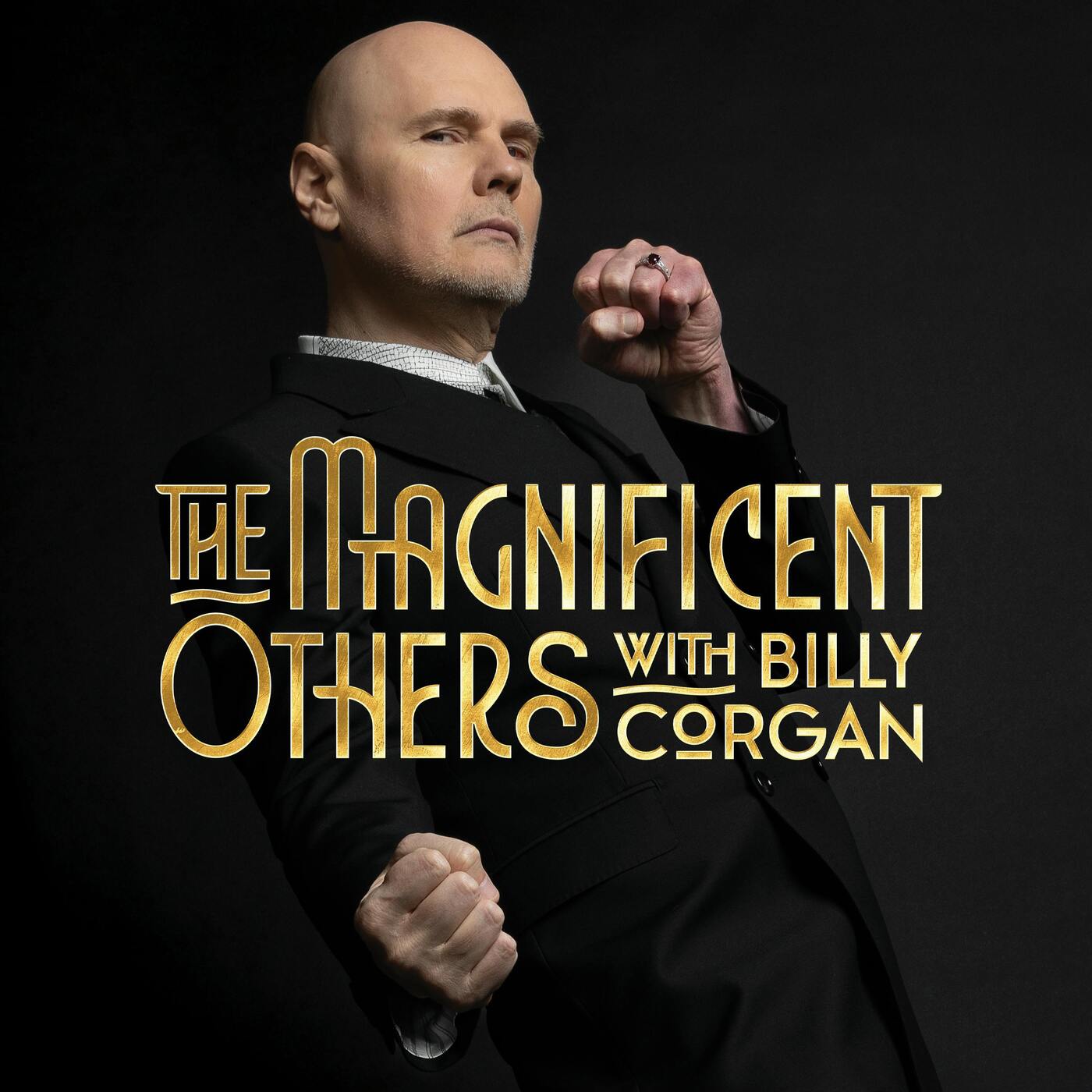
The Magnificent Others with Billy Corgan
Paul Williams | The Magnificent Others with Billy Corgan
01:33:21
Loading summary
Transcript567 lines
- [00:00]
Paul Williams
This is like a Dickensian tale. The aunt said to me, during the two weeks, if you go back to live with your mom and your little brother, every bite of food you take will be a bite of food your brother won't get. So if you're going to be a real little man, you're going to write your mom and tell her you really want to stay here. And I bought it and I wrote the letters and I stayed with these people that I didn't love.
- [00:20]
Billy Corgan
Elvis, Sinatra, Streisand, Ella Fitzgerald, Ray Charles, Willie Nelson, Tony Bennett, Bowie, Carpenters, obviously Diana Ross, Kermit. Quite a resume of people singing your songs. And obviously thousands more. That's pretty cool. Pretty cool, man. I mean, as a writer to writer,
- [00:44]
Paul Williams
I had no idea you'd be this nice.
- [00:47]
Billy Corgan
I adore you. Paul Hamilton Williams. September 19, 1940.
- [00:55]
Paul Williams
Yep, exactly.
- [00:57]
Billy Corgan
Let me find this card. I wrote this card out. Sorry. This is really good. You might appreciate. Do you like astrology?
- [01:04]
Paul Williams
You know what? I know that I'm a Virgo, I know that I have my moon's in Aries and I have Gemini rising. But no, I don't pay any attention.
- [01:12]
Billy Corgan
Okay, well, check this out. So the idea is that there's this sort of mutable characteristics for every birthday. So I just typed in your birthday, not even your birth year, just your birthday. September 19th.
- [01:25]
Paul Williams
Right.
- [01:26]
Billy Corgan
So listen to what it said. Excels in the arts. Singing, painting or sculpting. They need to stay inspired. Or they might become prophets for a higher. Or, and they might become prophets for a higher cause. Protectors of the humankind or the animal kingdom. Doctors and healers of all kinds. They need things to flow, to become their best. Their field of expertise. For their waters must be clean so they can stay aware of their talents.
- [01:51]
Paul Williams
Yes.
- [01:52]
Billy Corgan
Thought it was like that.
- [01:53]
Paul Williams
Took a while to get those clean waters. You know? I believe in everything. I mean, I believe in everything.
- [01:59]
Billy Corgan
I believe there's a dark side to this quote.
- [02:01]
Paul Williams
Okay, go ahead.
- [02:02]
Billy Corgan
Because I'm curious if this. Because that feels right to me as a fan of your work.
- [02:07]
Paul Williams
Thank you. The first part. Thank you.
- [02:09]
Billy Corgan
But let's. The second part. This is the dark side of the mo.
- [02:11]
Paul Williams
Okay, good.
- [02:12]
Billy Corgan
Detached and lonely, they easily fall into psychosomatic problems when they are not satisfied feeling powerless over issues that are their own responsibility. They become. They can become a burden for their close, for those close to them and turn to dishonesty or substance abuse when they are lost.
- [02:31]
Paul Williams
And I have a black belt on a couple of those things. I mean, it's like you know, so that's your birthday.
- [02:37]
Billy Corgan
Yeah.
- [02:38]
Paul Williams
Well, it's interesting because. Yeah. And you know, I joke that I wrote. I spent my life writing ouch mommy songs. I'm, you know, the master of the coat of pen and anthem. So it's like, you know, but it's. It's the master, you know, it's a pick me up and love me is the essence of it. When I was about nine years old, they gave me shots to make me grow. And the shots did not make me grow. They actually kind of closed off the bones. Well, I was running.
- [03:04]
Billy Corgan
Really.
- [03:04]
Paul Williams
I could run under coffee tables. I was so little. Two brothers that are six footers and me and the. The middle school.
- [03:10]
Billy Corgan
Do you have any sense of why?
- [03:12]
Paul Williams
No. But they went to a doctor in Albuquerque, New Mexico. He said, I can make this boy grow.
- [03:17]
Billy Corgan
Do you remember that?
- [03:18]
Paul Williams
And I do. I do. And I was probably 8 or 9 and he gave me male hormone which. Which kicked me into early puberty, which what that basically does is it also begins to close off the bones and all. And of course, I immediately had a totally different relationship with the world around me. I had no interest in my toy chest, but my aunt in his chest was something that I found fascinating. And they saw this and they. And they stopped it, but it screwed up my body clock so.
- [03:47]
Billy Corgan
Well, did also screw you up mentally because you've gone from innocence to not innocence.
- [03:52]
Paul Williams
Now they take away hunger that I do not understand.
- [03:54]
Billy Corgan
Okay, right.
- [03:56]
Paul Williams
A hunger, a need, an urge that I have not identified yet, but I am feeling the beginnings of it. And then they. Because they interrupted the cycle, whatever like that. I was like maybe 22 by the time, I mean, so I. By the time I actually hit puberty. So I mean, this all relates to the. You're opening salvo.
- [04:19]
Billy Corgan
Yeah.
- [04:20]
Paul Williams
Is that. That all of us? So I'm in high school with the body of a 12 year old. And. But the mind is racing ahead. The mind is racing ahead. And out of that, all of a sudden I'm like in my early 20s. I want to be in that. My dad died in a car wreck drunk when I was 13. So alcoholism is, has been a huge part of. Of the Williams family. Both my brothers died sober. I'm sober 34 years and I'm. I'm at a. A place in my life where I can see. I kind of can identify, you know, the different areas of the roller coaster.
- [05:05]
Billy Corgan
Okay.
- [05:06]
Paul Williams
And when you, you know, the, the information you discovered throwing out the date of my birth is, is accurate to, to a point. Of, of being magical. So I need to start paying a little more attention. Yeah. To. To my birth signs and that moon in Aries. I think so.
- [05:31]
Billy Corgan
One brother was a NASA scientist. Is that accurate?
- [05:34]
Paul Williams
Yes.
- [05:35]
Billy Corgan
And worked on Mercury and Apollo projects. Yeah.
- [05:38]
Paul Williams
Yeah.
- [05:39]
Billy Corgan
That's pretty cool.
- [05:40]
Paul Williams
My brother Jack been eight years older than me, so we weren't, you know, it was a sweet, sweet man. Loved music. Loved me. Loved, Loved me getting the attention I did eventually. And.
- [06:03]
Billy Corgan
And another brother wrote Drift Away.
- [06:06]
Paul Williams
Right. Mentor Williams.
- [06:08]
Billy Corgan
What a great song.
- [06:09]
Paul Williams
Great. You know what?
- [06:10]
Billy Corgan
He. I used to cover that song with him.
- [06:12]
Paul Williams
Did you really?
- [06:12]
Billy Corgan
Oh, yeah. What a great song.
- [06:13]
Paul Williams
It's a fantastic song. He passed away in 2016. He would never. Both of my brothers quit drinking, but they. They could not quit smoking. The. The one thing I did that they didn't do is, is I quit smoking.
- [06:25]
Billy Corgan
I just, I'm. I'm. It's one of my sort of sideline hobbies. But I'm sort of fascinated by genetic lines, like what we get from our, you know, from our ancestors.
- [06:37]
Paul Williams
Yes. Yeah. Yeah.
- [06:39]
Billy Corgan
You know, and in your case, if you just look at the three brothers here, was there, Were there other siblings?
- [06:45]
Paul Williams
Pardon?
- [06:45]
Billy Corgan
Were there other siblings in your family
- [06:47]
Paul Williams
that, that passed away at birth, or was it whether it was a sister? Okay, but. But just three boys. I was the middle boy. All three of us. I mean, we, we were born addicts. We were born.
- [07:01]
Billy Corgan
Right, but setting that aside, I'm not being glib about it, but. But it's interesting that all three did something in the world. You know, I mean, there's something there that must have come from, from up the, up the family tree.
- [07:14]
Paul Williams
Right.
- [07:15]
Billy Corgan
That I. That's just my belief.
- [07:16]
Paul Williams
Yeah. Yeah. Well, you know, it's. It's like I was gifted with, you know, with the, the genetic propensity towards, you know, addiction and alcoholism. And then I did a little work on it on my own. And, you know, I mean, I was.
- [07:30]
Billy Corgan
How old you were. How old were you in the first drink you ever had?
- [07:33]
Paul Williams
Probably five or six. Wow. I mean, we would get a little glass of beer, sometimes watered down just a little bit at the family picnics. And I mean, I was. Would go around at like 11 and 12. 10, 11, 12, whatever. And would, if there was a little something left over from the adults and everything would always, you know, just taste it.
- [07:57]
Billy Corgan
Do you see that as the first signs that there was going to become an issue later? Is that just typical kids stuff?
- [08:02]
Paul Williams
No, I think that's typical.
- [08:04]
Billy Corgan
I'm just curious.
- [08:04]
Paul Williams
Yeah, I. I think that the, you know, I really hit my stride. And like, in my 30s, late 20s, I. You know, in the. In. In the 60s, cocaine was not addictive. It was. It turns out I am. But it was like the. All the news was, there's this wonderful drug, and it's. And it's not addictive, but it was. Which is absolute bull, because it's.
- [08:29]
Billy Corgan
Remember there used to be, like, bread episodes, and you'd be like, coke's not addictive. I remember. For some reason, I remember that. Well, there would be episodes where you would talk.
- [08:36]
Paul Williams
You're talking about an episode that I wrote. I wrote that episode.
- [08:39]
Billy Corgan
Okay. Why watch that?
- [08:40]
Paul Williams
And I remember that I did the Tonight show with. With Robert Blake, and I said, show, I'd love to do it. He said, well, then write one. And then I did. So I did. I wrote the Orphan Annie Blues and. And where I played a guy that has an old. A record store that's selling drugs because he has a sister in a wheelchair. A coke's not addictive. Yeah, exactly. And I think I have the. The line about. So nobody dies from cocaine. It's not even addictive, I think was one of the lines.
- [09:07]
Billy Corgan
But, okay, I'm in a basement. When I was watching this, by the way, back in Cold Chicago, Robert Blake
- [09:12]
Paul Williams
said to me, you're the only one that. He says. My. The thing I always said to actors was on him. He's. You're the only one that I ever did, you know. Yeah.
- [09:21]
Billy Corgan
Interesting.
- [09:22]
Paul Williams
Yeah.
- [09:22]
Billy Corgan
I love Robert Blake. I just speak in him.
- [09:25]
Paul Williams
Oh, me too.
- [09:25]
Billy Corgan
What an interesting. Where are the Robert Blakes of today?
- [09:29]
Paul Williams
Right, Exactly.
- [09:30]
Billy Corgan
Just fascinating.
- [09:31]
Paul Williams
Those are the people that I wanted to hang with. You know, I lived in Montecito between Jonathan Winters and Robert Mitchum. I mean, it's like I was the normal guy on the block, sort of, you know, but. But Mitchum is. I mean, I didn't. I didn't want to get sober. I got sober, and I made it. I called a doctor in a blackout. And I mean, that's a whole other story and all, but. But I. I, you know, trying to keep over the. Robert Mitchell put me in treatment twice. You know, it was like Notorious Stoner, right? He was like, you know, I remember being. Being roasted for the City of Hope, calling Cheech and Sean and going. Cheech and Sean and going, you know, would you be on my ds? They were like, no, man, we don't do that kind of. Come on. We don't really. I said, robert Mitchum's on the dance. And they were like, oh man, we're there. It's like, it's like that's that, you know, that he's the pirate, you know, he's the, you know, he really was
- [10:27]
Billy Corgan
that guy too, right?
- [10:28]
Paul Williams
He was that guy and I loved him.
- [10:32]
Billy Corgan
How did you get from Omaha to la? That seemed. That story doesn't. My dad was readily available.
- [10:38]
Paul Williams
Yeah. In my digging around, I went to nine schools by the time I was in the ninth grade.
- [10:42]
Billy Corgan
Okay.
- [10:43]
Paul Williams
My dad was in because he worked for a company called Peter Kiewitze Company, a big construction company. They built the B36 hangers in South Dakota. He built Boys Town in Omaha Hospital and Albuquerque. So we would go wherever the job every year, wherever the job was. Same company, same group of workers kind of working together and all. My dad would sit and drink with a guy named Ike McShane every night. And we either had a nice brick house in the upscale house in Denver or a 24 foot trailer in Lucasville, Ohio, because that's what was available.
- [11:17]
Billy Corgan
Wow.
- [11:18]
Paul Williams
The only thing that was constant was my dad and, and Ike McShane drinking every night.
- [11:24]
Billy Corgan
But how did you get to LA?
- [11:26]
Paul Williams
It was this with the dad. When my dad was killed in the car wreck. He had a half sister that lived in Long Beach.
- [11:33]
Billy Corgan
Okay.
- [11:33]
Paul Williams
Who had never met. I found out later he didn't, didn't like at all. And she, and I didn't either. But she came to the funeral and she took me to Long beach with her for two weeks while my mother moved to be in Denver. We're close to her sister with my little brother and the, the aunt. I mean, it's very, it's like, this is like a Dickensian tale. The aunt said to me during the two weeks, if you go back to live with your mom and your little brother, every bite of food you take is. Will be a bite of food your brother won't get. So if you're going to be a real little man, you're going to tell right. Your mom and tell her you really want to stay here. And I bought it and I wrote the letters and I stayed with these people that I didn't love, you know.
- [12:14]
Billy Corgan
Wow.
- [12:15]
Paul Williams
And. But there was a gift in it because of the friends I made in, in Long beach at Woodrow Wilson High School that were all that were theater nuts. And we all loved Montgomery Clift and we all felt like Montgomery Cliff. And so this is mid-50s. Yeah. I graduated from high school in 1958.
- [12:34]
Billy Corgan
Okay. So who were you listening to in mid-50s that you loved musically?
- [12:39]
Paul Williams
Yeah. You know, why was one of those kids before my dad died that he would get me up in the middle of the night and have me sing Danny Boy for. For Ike, you know. And Ike, incidentally, hated me. I was like. The last thing Ike wanted to hear was some gnome singing, you know. But. But I. Yeah, I. I loved. I think that when I was basically preteen, even. I love the American songbook. I mean, I just.
- [13:07]
Billy Corgan
Because you always had that in your writing.
- [13:09]
Paul Williams
Yeah. Yeah, it was. I don't remember.
- [13:12]
Billy Corgan
Translates everybody the same way. It would translate to us.
- [13:14]
Paul Williams
But.
- [13:14]
Billy Corgan
Yeah, but when we.
- [13:15]
Paul Williams
When we.
- [13:15]
Billy Corgan
When you say Gershwins and the. Irving.
- [13:19]
Paul Williams
Irving Berlin. All that. Exactly.
- [13:21]
Billy Corgan
So you weren't in. You. You weren't a rock and roll kid.
- [13:24]
Paul Williams
I discovered the Beatles. I discovered rock and roll and the. The music of the 50s through the Beatles. The Beatles changed in the 60s. I listened to Revolver and I listened to, you know.
- [13:36]
Billy Corgan
So you weren't. You were. Did you like Elvis and.
- [13:39]
Paul Williams
Or did.
- [13:39]
Billy Corgan
This was kind of over there.
- [13:40]
Paul Williams
Well, no, I mean, I. I. Elvis would know. I liked, you know, I liked the Platters. I liked, you know, Jackie Wilson there. You know, there was. But something happened.
- [13:53]
Billy Corgan
How good are the Mills Brothers?
- [13:55]
Paul Williams
The Mills Brothers were amazing, you know,
- [13:57]
Billy Corgan
and they're kind of a late discovery in my life.
- [13:59]
Paul Williams
Yeah.
- [13:59]
Billy Corgan
And you just.
- [14:00]
Paul Williams
When did you find that? How did this happen?
- [14:03]
Billy Corgan
Think I just can't cross them in a. In a movie or. I'll tell you about my childhood, but drop of a hat, you just gotta ask. You know what I mean? I'm a cheap whore when it comes to talking about.
- [14:11]
Paul Williams
But, like, the freshman and the. There's something.
- [14:13]
Billy Corgan
The Mills Brothers blow my mind. Yeah, there's something. Because, you know, they would do that thing where, like, they would do their own horns and.
- [14:20]
Paul Williams
Oh, yeah.
- [14:21]
Billy Corgan
They like the only. The one guy playing the one, like a tenor guitar.
- [14:25]
Paul Williams
And they do those crazy, beautiful harmonies.
- [14:28]
Billy Corgan
Yeah. And even there's cool stuff with them with Al Joel.
- [14:31]
Paul Williams
And it was sexy. Oh, my God, very sexy. So cool. You know, So I like the vocal
- [14:38]
Billy Corgan
Duke Ellington, like, you know, I mean, like.
- [14:39]
Paul Williams
Oh, I love that.
- [14:40]
Billy Corgan
I love, you know, like, the beautiful kind of purple feeling of Duke Ellington, but vocally.
- [14:44]
Paul Williams
Yeah. And what's your favorite cut of theirs or their favorite?
- [14:47]
Billy Corgan
Oh, gosh, there's a song I really like. I can't think of.
- [14:51]
Paul Williams
It's.
- [14:51]
Billy Corgan
It's. It's like one of these kind of Swanee variation songs. Kind of like a Stephen Foster take.
- [14:59]
Paul Williams
Did you love Randy Newman then? Because.
- [15:01]
Billy Corgan
No, I'm not A Randy Newman guy.
- [15:03]
Paul Williams
Well, if you listen to Randy's really stuff. It's very Stephen Foster. Very. You know.
- [15:07]
Billy Corgan
Yeah, I love that one Randy Newman song about the wall being too thick.
- [15:11]
Paul Williams
Yeah.
- [15:11]
Billy Corgan
Which is a great. You know that song that Randy Newman. Something about the Dusty Springfield did it. Something about walls are too thin.
- [15:16]
Paul Williams
Yeah, yeah, I know.
- [15:18]
Billy Corgan
I don't want to hear it. I think I don't want to hear it. Something about the walls are too thin.
- [15:23]
Paul Williams
Yeah, I don't remember.
- [15:23]
Billy Corgan
It's a. It's an early Randy Newman but Randy Newman is. Everybody knows him now. I've. I've never sort of emotionally.
- [15:28]
Paul Williams
Harry Nelson.
- [15:30]
Billy Corgan
Not really.
- [15:31]
Paul Williams
Really.
- [15:31]
Billy Corgan
Yeah, yeah, I know he was.
- [15:33]
Paul Williams
They weren't big influences how. Yeah. When you.
- [15:37]
Billy Corgan
When you do kind of burst on the scene, you know, you didn't have the stench that a lot of people who went through psychedelic music had.
- [15:46]
Paul Williams
Yeah.
- [15:47]
Billy Corgan
You were a. More of a classic writer and that's how view you. Right. But I'm. I'm still curious for. Since you were here and you watch what went on in the 60s in LA, in the Sunset Street. Was that a world you were a part of? I know at some point you stand up working in it, but it was.
- [16:03]
Paul Williams
It's not what came out of me. I mean it's like.
- [16:05]
Billy Corgan
No, but I'm saying atmospherically, were you hanging out?
- [16:08]
Paul Williams
Oh, atmospherically. I mean I had shoulder length hair. I wore round black glasses, a top hat with a feather in it, a tie dye shirt undershirt with. With camouflage pants and work boots. I mean I looked like. You know, when I met Richard Pryor he said I loved you like when you were late for the party in Alice in Wonderland. I think you look like. Look like the. You know, I'm late on late Rabbit, you know, so were there any. And the music that I love. I mean my favorite band that I ever saw ever in person was the original Delaney and Bonnie in France. Oh yeah, you know that.
- [16:43]
Billy Corgan
Yeah, of course. Was it with Clapton still playing?
- [16:44]
Paul Williams
Yeah, well, I saw him with Leon Russell. I saw him with Carl Radal on bass. You know like Jimmy Gordon playing drums for.
- [16:53]
Billy Corgan
Is Bonnie's the singer. Right.
- [16:54]
Paul Williams
And yeah.
- [16:55]
Billy Corgan
What was her last name?
- [16:56]
Paul Williams
The only name? Bonnie Bramlett.
- [16:58]
Billy Corgan
Right. Yeah, Bonnie's a really cool singer.
- [17:01]
Paul Williams
They were amazing. You know but what came out of me was, you know, I was writing for about four years. I mean the first song that I wrote that I recorded was a song I wrote with. With Bifrose called fill your heart.
- [17:14]
Billy Corgan
See, you are an adult because that's the next page. Oh, Biff Rose is right here.
- [17:18]
Paul Williams
Wow.
- [17:19]
Billy Corgan
Buzz the fuzz.
- [17:20]
Paul Williams
Buzz the fuzz. We were I.
- [17:22]
Billy Corgan
Your song. Hold on. Fill your heart.
- [17:25]
Paul Williams
Recorded by David Bowie? Well, yeah, recorded by David Bowie and Tiny Tim, but first by Tiny Tim. It was the B side of Tiptoe through the Tulips.
- [17:34]
Billy Corgan
Good B side to have huge B side. Did you make a lot of money off that?
- [17:38]
Paul Williams
We made a lot of money on that. You know, I went for. I showed up at A M Records. I met Bifroz on the Mortal Show. I was an improvisational actor working with.
- [17:47]
Billy Corgan
Okay, tell me what it was like to work for Mort Saw.
- [17:50]
Paul Williams
I don't really remember a lot, except it was all about the. The Garrison was all about the Kennedy assassination. It was all about the Warren Commission Report. Everything.
- [18:01]
Billy Corgan
All of really for comedy.
- [18:04]
Paul Williams
Absolutely. Into the.
- [18:05]
Billy Corgan
I know he did those records. Did he do those records? Right? I mean, I'm confusing. It was like fireside theaters.
- [18:10]
Paul Williams
Well, no, no, no. Yeah, yeah. Mortal. Mortal is a political satirist. And so you needed grist for the mill of the topic of the day. What happened? A local television show. And he was. If he was furious about the Warren Commission, which he felt was.
- [18:28]
Billy Corgan
Was, you know, he was a conspiracy theorist.
- [18:31]
Paul Williams
A major conspiracy was. Had, you know, Garrison on the show and. But anyway, I. I went on. I played a young. I played a. A boy Scout who goes to the White House to get. Get his. His ribbon as an. Honors, as a. The top line, whatever. The scouts are the honor scout, whatever. And I get drafted and put in the Army. And Bifros was playing a chicken delight delivery guy who also gets drafted on the spot. And the two of us met and he was writing funny songs. Buzz the Fuzz, whatever. And we became friends. We got high together. We. He played me a melody. He said, this is going to be a really funny country song. And he played me a melody. I went, I don't think it's funny. I think it's pretty. And he said, well, then write words to it. So we started writing together. We wrote a couple songs together. He went to A and M Records, played him everything I'd ever written and they liked the songs, including the ones that I'd written. And as he was leaving with his little bit of an advance, he got at the door, he stopped and looked back and said, incidentally, there's a couple songs that a guy named Paul Williams worked on with me. And he wrote the lyrics, whatever. And they went, which ones? And he told them, and they said, get him in here. And I showed up in a stolen car. This is A and M. At a M. Yeah. And. And found alive.
- [19:53]
Billy Corgan
Was it where. You know the Chaplain Studios? Was it there?
- [19:56]
Paul Williams
1967. I signed as. As a. Would you sign there?
- [20:00]
Billy Corgan
Who was your point of contact at
- [20:02]
Paul Williams
the Chuck K. Was his Navy general Chuck, an amazing publisher who was the kind of publisher that would. When you were halfway done with a song, if it sounded like a hit or he knew who it was for, he would put you in the car and drive you over to play an unfinished song for somebody I wrote. I finished Rainy Days and Mondays in the car, driving over to play it for. For Bones. How.
- [20:25]
Billy Corgan
Wow.
- [20:25]
Paul Williams
Yeah. Oh, it was an amazing time because I went from a starving out of work actor, you know, I had done a movie called the Loved One. I did a movie called the Chase with Marlon Brando, Robert Redford, all that. And on that picture bed, picked up a little. Bought a little guitar and wrote about three lines about a scene that we were watching with shoot where there's a fire. Robert Redford is a character named Bubba, who's an escaped convict hiding in. In a junkyard fire that us kids have just set. And I just pick. Watching Brando and. And Redford do one scene after another. I just for my own amusement went, bubba, bubba, bubba, come out wherever you are, or we're going to come in and get you. I'm just looking for chords and making it up, but we're going to come in. And Robert Duvall walked by and he went, what is that? I said, it's a guitar. I just bought it. He said, not the guitar. What were you singing? And I said, I just. I thought I was in trouble.
- [21:24]
Billy Corgan
I just.
- [21:25]
Paul Williams
I just made it up. I just made it up. He said, come with me. And he walked over to the director, said, show it to him. It's in the movie. He shot it. It's in the movie. Two years later, I started writing songs because I'm a slow learner. But there was like a billboard in that moment. So I was being. Being shown that, you know what? Sure, do that. You'll make a living at it.
- [21:45]
Billy Corgan
So for work, like a lot of people, it was. Did you get into the movies just because it was money and. And. But you or you wanted to be an actor?
- [21:53]
Paul Williams
I wanted to be an actor. I felt like Martin Ray Cliff. I looked like Haley Mills, but I felt like Montgomery Cliff.
- [22:00]
Billy Corgan
How was Brando? Was he. What stage in his interesting arc was he at?
- [22:05]
Paul Williams
At that point, people would walk up to Brando and start talking to him, and he would just go and walk off and all. But, I mean, I think there was maybe one conversation that I had that with him with several other actors and all. I mean, he was Brando. Just watching him shoot one scene over and over with totally different dialogue and energy every time, always just. I mean, I just spent two years with Billy Bob Thornton on Goliath. I mean, an amazing actor. And that same kind of. It's all so internal.
- [22:41]
Billy Corgan
Yeah. So did you have a sense then of that Brando would be like, you know, he's obviously ascended to legend status for a variety of reasons. Do you have a sense then? I mean, you're looking at the living person in his prime.
- [22:52]
Paul Williams
Oh, yeah. I mean, I'm looking at Brando on this life, but at this point, he's already Brando. I mean, okay, it's 1960.
- [22:58]
Billy Corgan
Yeah.
- [22:59]
Paul Williams
But not all.
- [22:59]
Billy Corgan
None. All those legends lasted.
- [23:01]
Paul Williams
Yeah. It was like. I mean, it was. I. I couldn't believe I was on. You know, first of all, there's a part of me that. That is just. If I walk on a movie set or a film set, I'm. I'm nine.
- [23:19]
Billy Corgan
I'm.
- [23:19]
Paul Williams
I'm just like, oh, my God.
- [23:21]
Billy Corgan
Do you like old Hollywood?
- [23:22]
Paul Williams
Oh, I do. I'm a God.
- [23:24]
Billy Corgan
I.
- [23:25]
Paul Williams
Absolutely. I mean, I. I. My first wife, I sent a picture of. To her yesterday of myself with Carlo Ponti and Sophia Loren. And anyway, my wife is walking by in the background. She's so beautiful. In. And I sent it to her. But it's like, it's. For me to be this. The run of the litter from the Midwest to construction brand. And all of a sudden, I'm. You know, when I started having hits, I started, you know, recording albums, which were basically like, demos. I'd record an album, and then other people would record the songs. And I made a living, you know, thank God. Thank you, Lord. But I. I started doing. I mean, I did 48 tonight shows, you know, and I joke that I remember six. Yeah, but that's a good. But all of a sudden, I'm like. I remember being at a. At a Friar's roast and walking on stage and in the audience was Kirk Douglas, Gregory Peck, Robert Mitch, as like, it's like Spartacus and Atticus Finch and. And I'm just like. And I'm nuts. I mean, I'm just like, how are
- [24:42]
Billy Corgan
those guys with you? Did they. Did they see something in you or. You know what I mean? Because at different times, depending on your arc. You know what I mean? There were times where you kind of came across as a curiosity.
- [24:52]
Paul Williams
Yeah. Oh, yeah, yeah.
- [24:54]
Billy Corgan
As Americans, I like to drink.
- [24:55]
Paul Williams
I haven't lost that.
- [24:56]
Billy Corgan
Okay, well, God bless. But. But then there were times where you could see people almost like they kind of figured out that you weren't going anywhere. You know, Tiny Tim was a talented guy. He was a curiosity.
- [25:06]
Paul Williams
And his fate. Yeah, yeah.
- [25:08]
Billy Corgan
You know, you went from a curiosity to someone who was on the Tonight show, hosting the show. That's a. That's. That. The American zeitgeist, as you know, is very fickle.
- [25:17]
Paul Williams
Yeah, yeah.
- [25:18]
Billy Corgan
You know, how were those guys with you when you were in that.
- [25:20]
Paul Williams
I think. I think that. Well, first of all, they were friends. I mean, I was. I was friends with, you know, with many of them, you know, and Montecito was a tight little community with my Michael Douglas and Mitchum and whatever. But, you know, I. The great thing about what we do for a living is we don't have to give up our fan card. So I could keep that and everything. But I also. I mean, I was just a little loaded and a little. Just a little arrogant. So I was comfortable in any situation. You know, I didn't know that I should have been scared. I'm sure a good therapist would take me back into the. You know. Right. What's behind that wall? Behind that wall, behind that wall. And probably there was somebody that was going, oh, my God. But I just, you know, I said yes to everything. I had a certain drug, and I had an affection for what I was doing that was a passion that was absolute and that was fueled by a certain arrogance that was drug induced as well. And, you know, but not from the very beginning. I mean, it was. It's a progressive disease. I mean, by the 80s, you know, I misplaced the 80s. You know, you're an alcoholic when you misplace a decade. But, but, but in the 70s, I mean, I. I couldn't go to the piano and identify a. A D minor, but I could screw. I scored movies. I go, okay, well, here we go. The shot of the gate, bum, bum, boom, boom, boom, boom, boom, boom, boom, boom. I want ARCO basis to do the boom, boom, boom, boom. Then like a BD doo booty do, do, do. Let's just. Let's do a walk down on attack panel. I mean, it's like I'm doing stuff. I have no idea what I'm doing, but it's working.
- [27:06]
Billy Corgan
Yeah, right.
- [27:07]
Paul Williams
And it's probably because when I was three or four years old, I'm listening to only you can make my dreams. Because I've got all that in my head, heart. And I think, incidentally for your viewers.
- [27:25]
Billy Corgan
Yeah.
- [27:25]
Paul Williams
That it's like, you know, let this. The. The dribblings of insanity or about trying to do anything that we get the opportunity to do. Learn. Start living your life a little bit like that. Because what we dwell on, we. I believe we create.
- [27:40]
Billy Corgan
Yeah.
- [27:40]
Paul Williams
I believe that the power of intention. The power of intention is.
- [27:43]
Billy Corgan
Well, you certainly manifested for you. Sure.
- [27:45]
Paul Williams
Thank you.
- [27:47]
Billy Corgan
I'm curious because I love recording history and unfortunately, as much as people interview musicians like us, they don't really get in the substance of where we really work. So it's a rare opportunity because I want you to put me in this atmosphere. So you signed to A and M as an artist, but like you said, people are covering your songs. I'm sure you're doing a little bit of a hustle. You're writing with people.
- [28:15]
Paul Williams
Well, I wrote with Roger Nichols almost every day for years.
- [28:19]
Billy Corgan
And that was your six.
- [28:20]
Paul Williams
Yeah. You guys, when I write songs, when Bifros went to. To A M and played and they. He mentioned me, they were looking for a lyricist for Roger Nichols.
- [28:30]
Billy Corgan
Okay.
- [28:31]
Paul Williams
And Roger wrote beautiful melodies and he would write to play them for me. The night that. The day that I met him, the day I went into A M, he gave me a cassette. He said, here's the melody. Take a listen, see if you hear any words. I showed up at 9 o' clock the next morning with the finished lyric. Because I. I mean, I hear words in music. So do you, you know, so do you.
- [28:54]
Billy Corgan
So take me in that partnership a little bit. So in that case, he's more the melody guy.
- [29:00]
Paul Williams
And you're the lyric melody guy. I'm the lyric guy. You're right.
- [29:02]
Billy Corgan
Melodicist.
- [29:03]
Paul Williams
He writes. So he writes.
- [29:05]
Billy Corgan
Was there a tension? Like I'm. I'm just playing the game. If you heard something different, would you tell him or you.
- [29:09]
Paul Williams
Oh, yeah, yeah. And he'd go, you know. You know, I said, can I have an extra note? He says, you don't need one. He was six five, so I'm five two. I said, we. We went with his version. Yeah. You know, but the thing is that he would write, you know, Whatever.
- [29:28]
Billy Corgan
Yeah.
- [29:28]
Paul Williams
And I would. And I would hear it note for note, talking to myself and feeling, oh, sometimes I'd like to quit. Nothing ever seems to, you know, I hear. I hear lyrics in. In a fountain. I mean, the water in a fountain. I hear vowels. And it's weird. I mean, I would have wound up in either a bonfire or a dunking chair. If I'd been born in the 1700s.
- [29:55]
Billy Corgan
Were there other writers. I'm having trouble some linear here. Were there around that time, Were there other writers that she worked with?
- [30:06]
Paul Williams
Oh yeah. Because Roger would go home. Roger and I would work from about 10 o' clock to. And we'd have a couple beers at lunch, whatever, and then we'd go back and work a little in the afternoon and he'd leave and I had no life, you know, so I've got a little office and anybody that dares to walk by my office, I would, you know, like. I mean I wrote with, I wrote out in the country for Three Dog Night with Roger. I wrote Old Fashioned Love Song by myself alone because he'd gone home. I wrote Family A Man for Three Dog Night with Jack Conrad, who was my bass player. I wrote, you know, with anybody and, and I mean I just, I loved it.
- [30:44]
Billy Corgan
Well, I mean you are an artist and, and you know this, I like this song. The Someday man that the Monkeys did. But you recorded that as well?
- [30:52]
Paul Williams
Well, I did an album of called Someday man with the. I, I actually my first album was called the Holy Mackerel, which produced by Richard Perry. Okay. That's how I met Richard, who produced Tiny Tim and blah blah, whatever, you know. But you know, I just, when I signed at A M eventually I, I made the. An album called Old Fashioned Love Song. Yeah, there that Michael James Jackson produced. And whereas the Someday man album was like Roger's album because it was all of his arrangements, his melody, it was all my words. He didn't write a lyric. I always wrote the lyrics, you know. But it was like it was his kind of his record. I get, you know, Michael James Jackson said I want to strip you down to like just minimal, you know, you and the song. And he went on, he got Ross Conkle, Lee Sklar, you know, Craig Durgie. Just the amazing music and take me
- [31:46]
Billy Corgan
anywhere you want to take me. One is what was the hustle like back then to get your songs placed to be sung or recorded by other artists?
- [31:54]
Paul Williams
I had very little to do with it.
- [31:56]
Billy Corgan
So who was, who was doing that?
- [31:57]
Paul Williams
Chuck K. The great publishers, you know.
- [32:00]
Billy Corgan
So is there, there all your. You focus on writing?
- [32:03]
Paul Williams
I wrote, I wrote the songs and when my albums came out, you know, I mean I had people that, that were really, really good to me. I mean Three Dog Night was, was amazing. Great band. The Richard Poddler, who was their producer, did. We did our, we cut our demos there and Richard Poddler would. We'd go and cut a song and he'd show it to them. And so you should cut this. And they'd go, I don't want to cut that. And go, you should shut three songs they recorded that they didn't want to record. And all three were his. So, yeah, I, I was, you know, I was. Was slowly but surely beginning to kind of get my, My, My, My paws on. On the occasional script, the occasional little acting job, you know, and, and just loving the opportunities. I mean, I said. And I still, I'm still like that. I'm. I mean, I, I mean, I'm writing at this point solidly two musicals right now, one with Guillermo del Toro. We're doing Pan's Labyrinth for the stage, you know, which is.
- [33:12]
Billy Corgan
That sounds fun.
- [33:13]
Paul Williams
Oh, it's, it's. Yeah. J.J. abrams is producing. We're in good shape.
- [33:18]
Billy Corgan
Tell me what it was like working with a wrecking crew at that time, because there's a lot of mythology now about that. But, like, what was it actually like to be in a session with them?
- [33:26]
Paul Williams
You know, it was, you know, the Hal Blaine learning. I mean.
- [33:34]
Billy Corgan
Yeah, this house kind of. It was how he was the general of that whole.
- [33:38]
Paul Williams
Yeah, he was. You know, I mean, I didn't realize at the time that I was working with the greatest rhythm section in all of Hollywood. I mean, I've. I learned that rather quickly. But I mean, I just, you know, these guys would, Would roll in, would do a couple songs in. In sometimes three songs in. In a three hour session. And they just played great. I mean, they were just. They were amazing. And then it turns out they were the guys that played on all these massive. Oh, yes.
- [34:06]
Billy Corgan
It's insane when you really look at.
- [34:07]
Paul Williams
Yeah, yeah, exactly. But then I also had that same kind of relationship with the section, you know, with Russ Kunkel, Lee Sklar, you know, Danny Kuchmer. Who am I leaving out? I mean, it's just, just there are great players, you know, they're great players. And I had a road band that through the years I would take. I mean, I. The songs for the stuff I did for the Muppets and the. And Phantom of the paradise and all the stuff that I worked on. My road band. I got to know me so well that, that, you know, I joke that, you know, one of them would fart and I'd feel better. It was like, that's a relationship.
- [34:47]
Billy Corgan
You know, I remember, I know Chuck Negron a little bit. I run into him every once in a while and I remember saying Him. One time when we were talking, I said, who played on those records? Because I could tell it wasn't the Wrecking Crew guys. And he goes, no, we always used our own band. Yeah, like, they had a great.
- [35:02]
Paul Williams
Yeah, Floyd and everybody.
- [35:03]
Billy Corgan
Yeah, that was a really cool band. And, you know, it sounded like a contemporary. That was kind of this. The secret sauce on Three Dog Night is they. It sounded like a real band playing. Not. It wasn't like a studio band with those three guys. It was like a rock band playing with those.
- [35:18]
Paul Williams
And that was. There was all their. Their guys and all. And, you know, Chuck and I have a lot in common and. And he has been, you know, we're both open about our recovery. He has been so generous. I mean, I. I'll go off to Mobile, Alabama and speak for the Alcohol and Drug Council there or whatever as a fundraiser. And they. And I'm not even off the plane going home yet. And they're going, who are we going to have next year? First person. I would always call his Chuck. And he was. He's endlessly generous. He would always say, yes. It always show up.
- [35:53]
Billy Corgan
You know, it seems to me. And correct me because, you know, I'm watching your life on the other side. You know, the television back then was. I mean, it still is, but it's hard to explain to people who are younger than us that the compression of the moment, you know, four channels or whatever. So, yeah, when it was on television, it came across.
- [36:16]
Paul Williams
Yeah.
- [36:16]
Billy Corgan
And it seems to me, at least in my own experience with you, that you and the Carpenters, that's the moment where somehow you seem to step forward.
- [36:28]
Paul Williams
Yeah.
- [36:28]
Billy Corgan
Does that. Was that how it felt for you?
- [36:29]
Paul Williams
Yeah. You know, Roger and I were writing songs. We met the Carpenters, and incidentally, Roger and I were getting all these cuts and nothing was ever on the radio. I mean, album cuts, B sides, nothing on that. Nobody knew who we were. But. But the.
- [36:45]
Billy Corgan
Before that, there wasn't really any.
- [36:47]
Paul Williams
There wasn't success. There was no. No, there was no real charge. Success. But we were making a great living. I mean, we're B sides of. I, you know, wrote the B sides of Iowa, I Am Woman and Delta Dawn. All these tiny. Yeah, exactly. So all of a sudden, there's. There's a knock at Rogers. We're running in Rogers office instead of mine. And there's a knock at the door and it's Chuck. He or Herb Alpert and said, you know, this is our newest. Newest act at A and M. Wanted you to meet Karen and Richard Carpenter. They looked at Roger and I were like, oh, man, we love your. Your Peppermint Trolley cut of Tust and Of Trust and the Steve Lawrence recording of Drifter. And we're like, we're famous. Oh, my God. We're so excited because these two kids knew who we were. Wow.
- [37:36]
Billy Corgan
It's interesting that they kind of picked you out of the lineup.
- [37:38]
Paul Williams
Yeah, they did. And, you know, when they. They recorded Close to you, which was their first huge hit, the B side was I Kept On Loving you that Roger and I wrote. It was. Was going to be the A side, but they turned it over and played Close to you. Thank you, Lord. Yeah. Because it was a major, major free ride. But then what happened after that was Tony Asher, wonderful songwriter, was supposed to write a commercial for Crocker Bank.
- [38:08]
Billy Corgan
Yeah.
- [38:09]
Paul Williams
And he had a skiing accident and he broke his hand. So he suggested Roger and I write. They wanted to write a little song. Not a pitch, no sales fit. It's like a. Like a little video of a wedding show a young couple getting married. And it's going to say at the end, you've got a long way to go. We'd like to help you get there. The Crocker Bank. And he recommended Roger and I. And I said to Roger, I said, I want to write a bank commercial. I'm street, I'm white light and black leather. Which is. None of which is true. And he said, well, there's a creative fee. I went, let's write this.
- [38:43]
Billy Corgan
Yeah, I love. I love writing for Banks.
- [38:45]
Paul Williams
Yeah, I love writing. And so we wrote this, you know, in an afternoon. Wrote. Wrote the. You know, the song, and I sang it on the commercial. He did the background voices, the section, played it. I think Richard Carpenter heard it in the commercial and said, is there a full song? And it's We've Only Just Begun. And that's what. That changed our lives.
- [39:08]
Billy Corgan
Trying to think where I want to go with this thought. It's like. I guess it's the sense that, you know, history has a way of compressing, like the television did back then, of how we view things. But because you were there and you were so instrumental in their success, it saddens me as a fan that usually when you think of the Carpenters, you think of the tragedy with her.
- [39:36]
Paul Williams
Yeah, of course. Yeah.
- [39:38]
Billy Corgan
But what the public often misses is it's tragic because there was something to feel sad about the tragedy.
- [39:45]
Paul Williams
Yeah.
- [39:46]
Billy Corgan
So I'm interested in your ground level impression. Like, the first time you heard her sing, did you think, like, wow, this is A unique instrument.
- [39:55]
Paul Williams
Yeah. But. But more today than then. I mean, so.
- [40:00]
Billy Corgan
But take me then, because I'm kind of curious. You know what I mean?
- [40:03]
Paul Williams
Well, it was just coming. It was an immediate, like, oh, my God, that's an amazing voice. That's an amazing voice.
- [40:10]
Billy Corgan
And now that we know, really a one of a kind voice.
- [40:14]
Paul Williams
Yeah, it's. It's. It was. It was monumental.
- [40:17]
Billy Corgan
It's such an. It's an instrument, you know, as.
- [40:20]
Paul Williams
As an instrument and all. But also there was this. This hybrid, this. This beautiful combination, this. This innocence and this sensuality that was. That. And also a tinge of sadness and. And the sadness. And I think that. That the sadness came from the fact that her life was so controlled, I think.
- [40:42]
Billy Corgan
Okay. It was controlling.
- [40:44]
Paul Williams
Yeah. I think her parents.
- [40:46]
Billy Corgan
Okay.
- [40:46]
Paul Williams
I think, you know. You know, and I. And I was not in that house and I was not in the. In the sessions with Richard and Karen. I know that their. Their partnership. And I mean, I. It's funny, there's. There's a part of me that doesn't want to go out and say, you know, if she, you know, there's a part of me that actually wants to say, if you'd let her be crazy, if she'd, you know, run off with a drummer, got hooked on drugs, she'd probably be alive today.
- [41:17]
Billy Corgan
I see what you're saying.
- [41:18]
Paul Williams
Yeah. I mean, if. But the one thing she could control in her life was her weight.
- [41:24]
Billy Corgan
I see.
- [41:25]
Paul Williams
And I think that everything was happening. She was so young and so. I mean. And clearly an old soul. I mean, I don't know how much you think. Feel about past lives and the, like, I'm.
- [41:36]
Billy Corgan
I'm a believer.
- [41:37]
Paul Williams
Yeah. Yeah. And I think that there was just so much, so many layers of just soulful, human, sweet spirit there. That. That mix. Yeah. And then these. These kind of clamps around her about, this is your career. This is where we're going. Get out from behind the drums is where she was. That's where she lived.
- [42:00]
Billy Corgan
Yeah. Good drummer too.
- [42:01]
Paul Williams
Right. And they took out a good drum.
- [42:02]
Billy Corgan
They took it away from.
- [42:03]
Paul Williams
They took that away from. They said, you go out, stand out front.
- [42:06]
Billy Corgan
Yeah. Now you're elite singer. Stand up there and.
- [42:07]
Paul Williams
And who knows how to stand? If I stand up in front of. Now stand up in front of this and. And Santa and look like you're comfortable. It's like just. I think that. That, that she. I think I. I just. I. I don't want to sit here and go. In my. In my opinion, if they had been Whatever.
- [42:31]
Billy Corgan
Yeah, I get it.
- [42:32]
Paul Williams
But. But I think that it was. It was a rare and amazing spirit that. That created the. The overtone that you're talking about. Yeah, that sadness that. That beautiful innocence. And yet. And said yes, there was funny because there was something really kind of sharp about her when you were around her and a little bit of a. I mean a little bit of a conversation. And I never hovered around anybody when they were recording my songs. They don't hover around me when I'm writing them. I don't hover around them when they're recording. But oh boy, I would go over them and they'd call and say, you want to listen? Want to hear I won't last today without you? Go over there. God, listen to that voice.
- [43:22]
Billy Corgan
I have to tell you a funny story. And I've never told this story publicly, but it involves you. So I reformed the. My band broke up officially in two. End of 2000.
- [43:35]
Paul Williams
Yeah.
- [43:36]
Billy Corgan
And the drummer and I decided to get the band back together around 2006. The guitar player was kind of didn't want to do it and the bass player was unfortunately not. Not available.
- [43:47]
Paul Williams
Guitar player left at that point.
- [43:49]
Billy Corgan
Well, it's, it's, you know, it's how, you know, bands are.
- [43:51]
Paul Williams
I mean, we're get this for you folks. You're gonna love this. Yeah, here we go.
- [43:57]
Billy Corgan
We now two or three of the four original members. So there's peace in the kingdom. But at that point there wasn't. So at that point it's just me and the drummer. The. So we go on tour in 2007. We do a kind of a comeback record. We got excoriated because it only sold 500,000 copies.
- [44:14]
Paul Williams
Wow. Wow. Pathetic.
- [44:16]
Billy Corgan
I had a journalist ask me, how do you feel now that this whole cycle has been a failure? And I said, it's a gold record.
- [44:24]
Paul Williams
It's not.
- [44:24]
Billy Corgan
How much of a failure can it be? But you know, when you have these highest sales, then it's always comparative. Anyway, so we toured for two years. You know, we. Okay, it's me and the drummer. So we have other musicians. You know, everywhere we went, the. The other people in the band were called Rent a band and all this. And it was just used as a way to kind of beat me over the head with the idea that my band had not reunited around me. You know, I was the focus and typical stuff. So imagine at the end of this kind of 24 month cycle of intensity, who's in the band, who's not in the band. And in my case, the The. The kind of the. The grumpy part was I'd written and produced all the records that people wanted to hear. So I'm on stage and in many cases the. The. Some of the most famous songs. The only people on the record are me and the drummer.
- [45:18]
Paul Williams
Yeah.
- [45:19]
Billy Corgan
So, I mean, we're here, we're in the building. Anyway, it's not that valuable now, but this is where you come in. So I'm a bit of an art terrorist, I think it would be the word I would use. And I needed a way to make the point that I wanted to make. So we decided to do a tour called. It was our 20th anniversary from when we first started. So we called the tour without even thinking twice about it, celebrating 20 years of sadness. It was just a joke. It's just a joke. What we didn't realize was our most famous album is called Melancholy and the Infinite Sadness.
- [45:56]
Paul Williams
Yes.
- [45:58]
Billy Corgan
So people assumed that the tour was the album, but it wasn't.
- [46:02]
Paul Williams
Yeah.
- [46:03]
Billy Corgan
So we did this thing where we. We did it, I think, four times.
- [46:07]
Paul Williams
And how quickly did you sense that?
- [46:10]
Billy Corgan
The first show.
- [46:11]
Paul Williams
First show, yeah.
- [46:12]
Billy Corgan
Why don't we do the first show?
- [46:13]
Paul Williams
Oh, yeah.
- [46:14]
Billy Corgan
So we. We had done this curious thing to celebrate 20 years of music. We did this thing where we did two shows and we. Over the two nights, we played 48 different songs, but we didn't repeat one song.
- [46:28]
Paul Williams
Wow.
- [46:29]
Billy Corgan
So I thought it was a way to really sort of demonstrate the breadth of the band. And meanwhile you got a bunch of people with their arms crossed thinking, this isn't what I thought I paid to hear.
- [46:37]
Paul Williams
Yeah.
- [46:39]
Billy Corgan
So within a few performances of this, I was so frustrated with the. The build up and all the. And now I'm facing a tour which isn't done in all this vitriol coming at me, you know, the crossed arms and all this stuff. So I told someone to go out and buy kazoos. This is to. This is totally true, okay? Totally true. I swear to God. So I get the band, the whole band up on stage and we had extra horns. The guys from no Doubt that played in.
- [47:08]
Paul Williams
Wow.
- [47:08]
Billy Corgan
So they were on. We had, I think with the entire ensemble for the tour because of the breadth of the material was nine people counting me. So I said, okay. And, you know, you got the mixing guy and he's like, what are we doing? Right? So we lined up like two or three microphones, like, so this is the encore. And I gave everyone a kazoo and I said, you know, close. Close to you. Okay. And the band's like. And I hadn't told anybody what I was going to do. This soundcheck, and I go, okay. And I get everyone to go. And they're all laughing like, okay, Right, right. And I go, okay. So we got it where it sounded halfway decent. It was supposed to be a bit of a bust, but there it is. There's no mistaking what we're playing at this point.
- [48:00]
Paul Williams
Is it just kazoos?
- [48:03]
Billy Corgan
Just kazoos? Just because.
- [48:04]
Paul Williams
No drums, no bass. No.
- [48:06]
Billy Corgan
I think. I think I might have had the drummer keeping a beat. I don't remember that part. But somebody was keeping time and. And. Okay, so now you get the. You know. You know, when you've known people many years, like, you know, your drummer. Okay, now what? Okay, what are you up to? You know what I mean? Like, what are we doing? And I said, just play this part when I cue you, and then don't play until I cue you again. I feel like there was maybe we had a drum machine.
- [48:38]
Paul Williams
Now, let me ask you a question. Was the bulk of it kazoo or the minimal little thing in the middle of kazoo?
- [48:46]
Billy Corgan
Just to get. To answer your question, the kazoo was the coda to buttress whatever I was going to say in between the kazoos.
- [48:57]
Paul Williams
Okay.
- [48:57]
Billy Corgan
Okay. So I didn't tell anybody what I was gonna do other than cue play the whole chorus lay out. Let me do what I'm gonna do. I might have had something. You know what it was? I probably had somebody playing the piano. Just chords. That's what I would. It was.
- [49:15]
Paul Williams
Yeah.
- [49:15]
Billy Corgan
I'm sure it's on YouTube.
- [49:16]
Paul Williams
A lot of air, a lot of space.
- [49:18]
Billy Corgan
I'm sure it's. Exactly. I'm sure it's. I'm sure it's on YouTube somewhere. So imagine the band has no clue what I'm doing, other than they know just to play the chorus melody. So we go on stage, wherever the hell we are, and there's, you know, 3,000 people there. We come out for the encore, right? And the crowd's kind of like, okay, we know. Where's this going? They think, I'm going to sing close to you. Now when it gets to the break or whatever would be the verse, I start going, you know, people wonder, who am I? Who are you? Who are the Smashing Pumpkins? Am I the Smashing Pumpkins? Maybe you're the Smashing Pumpkins. Are we the Smashing Pumpkins? I don't know. Who cares? It's music. So I'm doing like a Lenny Bruce.
- [50:06]
Paul Williams
Oh, I love it. A spoken word riff.
- [50:08]
Billy Corgan
But to Poke my finger in the eye of the audience. Go yourself.
- [50:13]
Paul Williams
Good.
- [50:14]
Billy Corgan
Because if I'm standing here, okay. And I'm playing my songs, who cares what it's called? Wait, go ahead. Okay, so. Da da da, pokey in the eye. Say whatever I'm gonna say. Very Lenny Bruce meta take. And then. And this would go on for four choruses.
- [50:37]
Paul Williams
Wow.
- [50:37]
Billy Corgan
Some. There were one version, I think one night went eight minutes.
- [50:40]
Paul Williams
Yeah. Sudden death comedy.
- [50:43]
Billy Corgan
Thank you.
- [50:43]
Paul Williams
All right.
- [50:44]
Billy Corgan
Please, I want to answer your question.
- [50:45]
Paul Williams
Yeah, yeah. You were Spartacus in that moment. I mean, it's like, you know what it is? It's. It's absolute freedom. It's. How dare you expect me to be the same person over. And I mean, it's interesting to watch. You know what? Pat Benatar was kind of talking about that too, about how she doesn't want to go back to it. But it's. The thing is that, you know, it's like trying to take a picture of your. Of. It's like being in a mixmaster of life and your career and whatever like that and that comfort of what you had had for all those years, and then it changes. You're coming back and then you have that magical moment when you pick up something and you. And you have just become a target.
- [51:36]
Billy Corgan
Yeah.
- [51:37]
Paul Williams
And you, you know what you. What you've done. And I will tell you right now that the album that they may have have, you may see a day when that has. Is.
- [51:49]
Billy Corgan
Yes.
- [51:49]
Paul Williams
Cherished.
- [51:50]
Billy Corgan
Yeah.
- [51:51]
Paul Williams
I mean, I've had a massive, massive success or rather failure that nobody really paid attention to except for Two Little Towns and probably. And I'm talking about Phantom of the Paradise. There was a hit in Winnipeg, in Paris, and was. I mean, as Samuel Goldman, the French. You know, it's like Sam Goldman used to say, they stayed away in droves, you know, so, I mean, nothing. They stayed again and again through the last 50 years since I made that, I've had people that loved it that all of a sudden could make movies or make records that came to me and said, let's work. I mean, there are, there are gems in those moments.
- [52:37]
Billy Corgan
Yeah.
- [52:37]
Paul Williams
You know, when you are unjustly, you know, judged. I mean, I mean, I'm still waiting for Ishtar to pay off.
- [52:45]
Billy Corgan
You know, we're gonna wait a while, I think, on that one probably. So let's go back to your acting because now you have. You have legitimate top level success over here on the music side, but then you start becoming kind of a movie personality. You know, what was what for you was the break. Was it was the Planet Apes movie or.
- [53:05]
Paul Williams
Well, I did, I did, you know, before I did the music. I did the loved one in the chase. The first thing that I did after I became known as a songwriter was. Was Battle for the Planet of the Apes.
- [53:18]
Billy Corgan
Right. Okay, take me through that conversation. Is the manager calling? You know what I mean? That's got to be an interesting day.
- [53:23]
Paul Williams
Yeah, well, you know, it's a movie that's been. It's. It's. All I heard was that it's being directed by Jay Lee Thompson. It's an appliance work. It's. It's an apes movie.
- [53:32]
Billy Corgan
But you'd seen the original.
- [53:33]
Paul Williams
I don't know if I'd seen. I, I knew about them, but I don't think I, I don't think I'd seen it.
- [53:37]
Billy Corgan
Okay.
- [53:38]
Paul Williams
You know, I, it didn't. Did not appeal to me. It's not something I wanted.
- [53:42]
Billy Corgan
Okay.
- [53:43]
Paul Williams
Evidently, I don't remember. But, but I knew that, that John Houston was already signed, was going to play a part in it. And so I'm like, we're talking about John Houston. I mean, we're talking about. I mean, Walter Houston. John Houston, Royal Family.
- [54:02]
Billy Corgan
She used to play the heavy in that. I don't remember in, in the Battle for the Planet.
- [54:06]
Paul Williams
Battle for the Planet, Yeah. He plays the lawgiver that opened his first scene.
- [54:11]
Billy Corgan
Yeah.
- [54:12]
Paul Williams
Where he's there with all the orangutans and chimpanzees.
- [54:15]
Billy Corgan
Right.
- [54:15]
Paul Williams
And gorillas and all. And he's there one.
- [54:17]
Billy Corgan
I can see the scene in my mind. I just showed. I showed. I have young kids, 9 and 6, and I just showed them these movies not too long ago. They loved them.
- [54:25]
Paul Williams
Do they love them?
- [54:25]
Billy Corgan
Oh, this for a kid. Are you kidding? It's like, it's like the perfect movie.
- [54:29]
Paul Williams
Exactly.
- [54:30]
Billy Corgan
You know. You know, when you're a kid that age, it's like there's movies like this. It's like, you know, to them it's like this is the most awesome thing. The world dominated by apes. It's like, you know, they want to live in that world.
- [54:41]
Paul Williams
It's kind of. It's a pretty good movie. I think it actually is a good movie. It is a good movie. Battle for the Flat of the Apes.
- [54:46]
Billy Corgan
Okay, so not to belabor it because I'm sure you've talked about 50 times, but you're getting up at what time to do that?
- [54:52]
Paul Williams
Like, I think they picked me up at 4:30 maybe. At 4. I was staying at the, at the, at the Outrigger in Malibu. We were shooting at the Malibu Ranch, which is, is, you know, close by the Fox Ranch, Malibu Ranch, whatever it's called. So they'd pick me up like a four, 4:30. I'd do like two and a half hours of makeup in, in a little makeup trailer with Claude Aikens here and Roddy McDowell here. That must have been fun. And. Well, first of all, one of my favorite movies ever was How Green is My Valley when Robert, when Roddy was a little boy in that. And he's like going, you love that movie. Right over there is where the, the mine was and the, on that hill was where the Welsh village was. And like, you know, and he would always listening to, listen to classical music in the morning. And so there wasn't a lot of conversation usually. So it was very, kind of quite, very ethereal that I'm like between Claude Aikens. Yeah. And Ronnie McDowell. If people don't know who Claude Aikens is, but you would recognize him in a minute.
- [55:59]
Billy Corgan
What a great actor though.
- [56:00]
Paul Williams
Great actor. Wonderful character actor. Fabulous. And so, and with classical music and everything and you know, and then you've got, got everything on except the jaw. The jaw comes all the way out to here.
- [56:12]
Billy Corgan
Yeah.
- [56:13]
Paul Williams
Like about, about 2 or 3 inches out in front of the rest of your, your, your face. So you have to eat before they put the jaw on because your nose is out to here. You can still get your food in. But then when they put the jaw on, that's why there's no, there's no production sound ever used because the way everything sounds like that, you know, so you have, you, you have to dub everything. It's all, you know, it's all adr. Automatic Automated dialogue replacement.
- [56:41]
Billy Corgan
Wow.
- [56:41]
Paul Williams
Just showing off.
- [56:44]
Billy Corgan
Was that movie a success?
- [56:45]
Paul Williams
I think so. I think so. I don't know. I don't really know. Yeah, I know that, that, that, that it was just, it was amazing to, to, I mean, to be playing, playing orangutans and gorillas instead of cowboys and Indians, you know, but with the guns and the horses and all. It was, you know, I mean, it was, it was for me. And as I say, I'm still that way. If I walk on a shed and I'm, you know, hired as an actor, it's like I'm living my, my nine year old dreams.
- [57:20]
Billy Corgan
So. Because, you know, you, you conquered all these media right now. Now, now you start conquering television.
- [57:28]
Paul Williams
Yeah.
- [57:28]
Billy Corgan
Because now, now here comes you on Carson.
- [57:31]
Paul Williams
Yeah.
- [57:31]
Billy Corgan
I mean, obviously that unfolded over years, but, but Again, same thing. I remember seeing you on there and you had a way of. Maybe it was bravado, but you had a way of. He must have loved you because very few people could kind of take over his show and get away with it. But somehow, I mean that for real, because there were times where you could see sometimes like he bring a comedian over the couch and the comedian start. Tried doing the shtick, and you could
- [57:55]
Paul Williams
see Johnny like, yeah, he'd back.
- [57:56]
Billy Corgan
Give me the hell out of here.
- [57:58]
Paul Williams
Yeah. Well, the great thing, first of all, we never talked before and like, if, if he came into makeup, he went, he'd wave. But we, There was never any, how you doing, what's going on, whatever. So it was always fresh.
- [58:09]
Billy Corgan
Letterman's the same way.
- [58:10]
Paul Williams
And, you know, I was always a little lit. And, you know, I mean, when I was a kid, when I was 14 or 15, I loved Oscar Levant.
- [58:19]
Billy Corgan
Okay?
- [58:20]
Paul Williams
Oscar Levant, you know, was. Had a wonderful cynical humor and, and was edgy and crazy and, And a drug addict and, and he was.
- [58:30]
Billy Corgan
That was your. That was your.
- [58:31]
Paul Williams
That was my, that was my spirit guy.
- [58:34]
Billy Corgan
Okay.
- [58:34]
Paul Williams
You know, or spirit animal. Maybe it's my spirit.
- [58:36]
Billy Corgan
Yeah.
- [58:37]
Paul Williams
Animal was Oscar Levant. And, you know, it's funny, my wife Mariana talked to one of our. When going out together, she said. One of the things that she said fascinated me is, was you described yourself on Carson as a combination of Oscar Levan and Donny Osmond. You know, it's like, you know, it's like that sort of trying to find, you know, and whatever. But yeah, I just, you know, and I, you know, I never, I never really self edited. I would kind of, you know, I'm sitting next to a young actress is talking about. She's just been home with her family in Maine and they were like cleaning the house and all. We did all this cleaning. We cleaned for three weeks, whatever. And I go, and the family's in amphetamine business, you know, and it's like. And the, and. And the, and the producer, you know, is just like, God damn it, Paul. You know, you don't, don't do that. You know, I said, okay, I won't. And the next time I do it, you know, I just, if I thought it, I'd say it. And I, you know, as I say, my, My heroes were. Were some really interesting, powerful.
- [59:43]
Billy Corgan
Yeah.
- [59:44]
Paul Williams
Colorful, colorful people.
- [59:46]
Billy Corgan
Not to assume that you knew Carson, but he's an interesting guy in the sort of the American firminant. Ferment. Ferment. Is that word ferment?
- [59:54]
Paul Williams
I don't know, you just leveled American Sky. Yeah, yeah, yeah. Well, he was. It was interesting, but also like, I was great friends with. With Ed McMahon.
- [60:03]
Billy Corgan
Okay.
- [60:04]
Paul Williams
And so Carson would finish Carson and I'd go out with Ed and. And if there was somebody. And. Exactly. Have dinner and a bunch of drinks and. And so, like, if there was somebody fabulous on the show, you know, if James Mason was on the show.
- [60:21]
Billy Corgan
Yeah.
- [60:21]
Paul Williams
So that. Then I'd go out and have dinner with Edmund. Orson Welles. Orson Welles hosted the Tonight show, and he asked for the three guests that he had. It was myself, Red, George Goble, myself and Red Fox. Geraldine. Yeah.
- [60:38]
Billy Corgan
Oh, I know you're talking about, you know, Geraldine Payton. No, that's the actress.
- [60:43]
Paul Williams
No, no, no, I know you're talking. Yeah. Black comedian.
- [60:47]
Billy Corgan
Which is great, though.
- [60:48]
Paul Williams
What was his name? It was. Well, it's like Flip Wilson. Flip Wilson. Thank you. So funny. And it's like, I mean, what an honor to have him ask for the three of us. But. But we went out and had dinner that night, and so it's like, again, here I am on the run of the litter, the construction bread from Omaha, Nebraska, Paul Hamilton Williams ii. So that era with Orson Wells, that,
- [61:12]
Billy Corgan
that era, that early 70s, obviously it started in the late 60s, but that was that sort of dismantling of the Hollywood studio system. What was your impression of the town? Because there was still that weird transitory moment, like a lot of the old stars moved to television, but there was that awkward kind of vibe of new blood, old blood.
- [61:31]
Paul Williams
This is, this is my, my, my just little bumper sticker moment of what it was at its best. I'm overdoing Hollywood Squares, you know, with. I'm. Incidentally, I'm at Charles Nelson Riley. Peter. We have. Oh, I love Charles Nelson Riley. No, that Charles Nelson Riley was on Match Game.
- [61:51]
Billy Corgan
Okay. Sorry.
- [61:52]
Paul Williams
Yeah, but we have a. Who was. Who?
- [61:55]
Billy Corgan
It was. What's his face? Paul Lynn.
- [61:57]
Paul Williams
The Apollo was, you know, was hilarious. I'm like, you know, where's the fire in your eyes, officer? I mean, God is so funny. But I'm doing. Doing Hollywood Squares and. And walking over to see Pat McCormick at. On the. The Tonight Shows there, because we just finished shooting squares. Whatever. Or. Or the other way around. Whatever. But I come around.
- [62:19]
Billy Corgan
Pat McCormick was kind of like, they had the ethnic comics and he was the Italian.
- [62:24]
Paul Williams
Pat McCormick.
- [62:25]
Billy Corgan
Was he Italian?
- [62:25]
Paul Williams
He was the writer. He wrote the. The for. For Johnny.
- [62:30]
Billy Corgan
He was.
- [62:30]
Paul Williams
He. So he wrote.
- [62:31]
Billy Corgan
But he did his own comedy.
- [62:32]
Paul Williams
Oh, yeah, exactly. He was. And he was hilarious. He was my daddy in The Smoking the Bandit movies. Big Pat McCormick, a little poll. You know, it's like Burt Reynolds was on this night show. And I'm standing. Just because I walked over to the hang with. With Pat. I'm standing there next to Pat and he goes, I got an idea. And we didn't wind up doing three. Smoking the bed. Yes, thank you. Good idea, Bert. Vacation to make and a job to watch. Smoking the Bandit, you know.
- [62:59]
Billy Corgan
But what was your impression of old Hollywood? Because I'm curious about that transitional space. I know you loved old Hollywood like I do, but I'm saying is you still had that awkward period where they're still around. Like you watch those Dick Cabot interviews and it's Gloria Swanson and hey, listen, Myrna Loy.
- [63:15]
Paul Williams
And I wrote. I wrote the lyrics to the Love Boat theme and you know. Oh yeah, that was it. So. So that became the home for a lot of those actors. They got, you know, yet Charlie Fox and I wrote the last 11 years. Jack Jones singing it every week and all and all those. So I did several of those as well. Fantasy Islands and Love Boys and all. Or you show up for Hollywood Squares and the first thing I do is I go and I look and see who was there.
- [63:47]
Billy Corgan
Yeah, Go.
- [63:48]
Paul Williams
My God. Vincent Price. I love Vincent Price. I want to get to know Vincent. Yes, I was. Did you. I was a kid in a Candidate.
- [63:56]
Billy Corgan
Did you get to know Vincent Price?
- [63:57]
Paul Williams
Pardon?
- [63:58]
Billy Corgan
Did you get to know Vincent Price?
- [63:59]
Paul Williams
We actually had the same business manager, it turned out.
- [64:02]
Billy Corgan
That's cool.
- [64:02]
Paul Williams
Yeah. When they tore down his home on. On the beach in Malibu, I bought his. His. The. His mantle from his. His bedroom, the fireplace mantle and a bunch. Some stuff that I made into a headboard. So we. Yeah, we. We were friends, you know. So this is. This is like your basic Hollywood fantasy come true for little.
- [64:27]
Billy Corgan
Speaking of Hollywood fantasies, I remember it was laser discs. Remember laser discs?
- [64:35]
Paul Williams
Yeah.
- [64:36]
Billy Corgan
Basically, I feel like this is my.
- [64:38]
Paul Williams
And really. And.
- [64:39]
Billy Corgan
And I saw. I didn't. I seen reference to the movie Phantom of the Paradise, 1974. But somehow I ended up with the laserdisc. And that's one of those movies like you put it in. You're gonna sit back and watch a movie. You know, it's quasi musical, right?
- [64:58]
Paul Williams
Yeah.
- [64:58]
Billy Corgan
And I don't know, whatever I was on substance wise. But I remember thinking, how did this movie ever get made? Like it's so cool that it got made and obviously it's become insane kind of. I don't want to say it's a cult classic because I think it's better than that, but.
- [65:11]
Paul Williams
Thank you, But.
- [65:12]
Billy Corgan
But at the same time, you know, you think, like, who the green lit this movie? Like, it's like a. Like a. It's like things like that don't really happen, but they do. But, you know, it's like. It's like somehow when they. When they.
- [65:24]
Paul Williams
The.
- [65:24]
Billy Corgan
The inmates get to run the asylum for five minutes, look what they do, you know, they make a movie like Phantom of the Paradise.
- [65:31]
Paul Williams
That's the best description of it I've ever heard, Billy. That's exactly what it was like.
- [65:38]
Billy Corgan
Well, that's what it feels like.
- [65:39]
Paul Williams
Yeah.
- [65:39]
Billy Corgan
And I was on God knows what lsd. You know what I mean? I'm watching and you're just going crazy.
- [65:43]
Paul Williams
Yeah, I mean. Well, it was interesting because, you know, A M hired a guy named Michael Arciega to, like, try to hook up some movie people with. With the. The music makers at A M Records. So stir up a little business. And probably the first meeting that Michael had was with Brian De Palma. Okay, who's looking Was going to do this. This film. Phantom of the Fillmore. It was called before, it was Phantom of the Before. They didn't want to remember the name.
- [66:13]
Billy Corgan
Yeah, yeah.
- [66:14]
Paul Williams
So. And it's like. It's a combination of, like the. Of, you know, this. The Phantom of the Opera and the Portrait of Dorian Gray and Faust as a whole. That as well, I started working on. But basically, I don't know how or why Michael Arcio recommended me. If you looked at what I had written and what I was known for at the time, there wasn't a human being in Hollywood that was more absolutely wrong for writing this score for Phantom of the paradise than me. And it was amazing that I got the opportunity to do this and. And satirize all these different kinds of music.
- [66:57]
Billy Corgan
Sure.
- [66:57]
Paul Williams
You know, and then Brian, you know, watching me work and go, went, you know what. How would you like to play Swan? And I went, yeah. You know, it again, it was one of those things where it just. Brian went to see Opening Night in New York and the theater was empty. Went there with Bill Finley, you know, amazing actor that played the Phantom. But through, you know, this last year, on the closing night of. Of the Cannes Film Festival, I introduced Phantom on stage. I'm standing there and I'm thinking about Bill, and I'm. And I'm ready to cry. But it's like, here it is 50 years later in Cannes, the Cannes film.
- [67:41]
Billy Corgan
Not at the Omaha.
- [67:42]
Paul Williams
No, not at all. Right. Yeah, I'm at the Cannes Film Festival and it's the plage on the beach and it's like endless rows of beach chairs, everyone full of people and they're screaming for Phantom of the Bird. I just did Phantom palooza in Winnipeg. 1600 people tuned shows in a row of just they screen Phantom. And then we did a Q and A and I felt like a beetle. You know, it's like for me at this age, the, you know, the little Paulie from Omaha, Nebraska, but to stand on that stage and be treated like. Like that big a deal is really, I mean, that's magical. How the hell did that happen? I am nothing but. But I'm grateful for every breath. But I look at my life and I just go, my God, you are the luckiest little bastard in the world.
- [68:38]
Billy Corgan
Speaking of lucky, it's not luck, but Elvis, Sinatra, Streisand, Ella Fitzgerald, Ray Charles, Willie Nelson, Tony Bennett, Bowie, Carpenters, obviously Diana Ross, Kermit. Quite a resume of people singing your songs and obviously thousands more. That's pretty cool. Pretty cool, man. I mean, as a writer to writer,
- [69:06]
Paul Williams
I had no idea you'd be this nice. I adore you. Mutual. Thank you. It's absolutely mutual. Let's write something.
- [69:15]
Billy Corgan
I love it, but this business you and. Thank you. That's very kind of you. How can I put it? I feel like writers know writers.
- [69:28]
Paul Williams
Yeah.
- [69:29]
Billy Corgan
And what people miss, at least this is my opinion. Writers don't focus on other writers idiom or style. They focus on their chops.
- [69:43]
Paul Williams
Yeah, yeah.
- [69:45]
Billy Corgan
These days the glib way of saying is top line writers and all that type of stuff. Yeah, it's a little bit boring.
- [69:50]
Paul Williams
Yeah, yeah.
- [69:51]
Billy Corgan
It's a knack. Yeah, it's a knack for writing. I was very dismissive of my writing when I was young and then, you know, doing like a box set reissue. I had to go back and listen to a bunch of early stuff and I had to replace my 18, 19 year old opinion of where I was at on the song continuum. And at the age of, you know, whatever, 50, I'm looking back going, wow. I just. I know how to write melodies. No one taught me.
- [70:17]
Paul Williams
Yeah.
- [70:17]
Billy Corgan
You either can do it or you can't.
- [70:20]
Paul Williams
Listen to your guitar riff. The opening of the new album, the
- [70:23]
Billy Corgan
First Eden is the track.
- [70:25]
Paul Williams
Yeah, yeah.
- [70:25]
Billy Corgan
Thank you.
- [70:28]
Paul Williams
You know, it's just there, there's. There is the. And then I said to this before we came out here, but there's. There's stuff you do in the. In the dynamics when it breaks down that is immediately feels. It's compelling. And comforting. I mean, and we're coming out of. You know, it's like. It's. We're up here and then you come down to. You come down to. You come down. You come down to. You come down to this place but feel so good. I want to stay there just forever. But then.
- [71:06]
Billy Corgan
Well, it's trying to. I think just like you. We try to translate the. The.
- [71:11]
Paul Williams
The.
- [71:12]
Billy Corgan
The moment we're in into something that sort of crystallizes pop music. In at its best, has a way of crystallizing moments like they become a three dimensional.
- [71:23]
Paul Williams
Yeah.
- [71:23]
Billy Corgan
Holographic snapshot.
- [71:26]
Paul Williams
And the thing is that, that, that to me, the, the words are already in the melody. Amazing.
- [71:33]
Billy Corgan
Yeah. That's interesting.
- [71:34]
Paul Williams
You hear it like that. I hear it like. It's like, you know, easier to let you go than I did. Than I may have imagined. Whatever. I mean, why is it there? There's. There's. There is. There is also a separate of the lyric and, and that is inherent in the. In the melody is. Is. It's. It's made more. More interesting by the lyrics sometime. But the lyrics sometime is to. You know, it's. I've pointed it out to you that the most on the. The bullet with. With butterfly wings. The most tender thing you say in that you go absolutely in a totally. It's the most violent moment in the song. True, isn't it?
- [72:27]
Billy Corgan
Yeah.
- [72:28]
Paul Williams
Did you have any consciousness of that?
- [72:30]
Billy Corgan
No, not at all. No. No.
- [72:32]
Paul Williams
But it worked.
- [72:33]
Billy Corgan
Everything's for me.
- [72:33]
Paul Williams
But you know what? It also makes it acceptable to a certain audience. I mean, you know, the Smashing Pumpkin audience is like that. Yeah.
- [72:44]
Billy Corgan
The difficulty I think think is. Is. And you know, because of your work with. With running ascap, you know, you're talking to writers all the time.
- [72:52]
Paul Williams
Yeah.
- [72:53]
Billy Corgan
What I think the public has a hard time understanding is that great songs are like a. They're like a great. It's like a spell or something. And if we could cast it every time, we would. You know what I mean? Because for every great song I've written, I've written 20 that nobody cares about. It's. It's. It's. It's. It's like trying to form up the perfect helix or something, you know? And that's why I think in. With your great songs, they can be covered by such a wide variety of artists because the. Let's call it the core strength of the rhythm, the melody, the lyric, it endures no matter. Like you can jump up and down on it. You could do the salsa version. You could do the reggae version.
- [73:32]
Paul Williams
Yeah.
- [73:32]
Billy Corgan
And I'm sure you've heard those kind of covers.
- [73:35]
Paul Williams
It's funny because I almost can't. Can't. I'm not hearing you because I'm sitting there thinking about. There is something of the same soul that Leonard Cohen has that you have. No, that is in. That is. And it's interesting because you delivered in. In a very different way. Or you have.
- [73:51]
Billy Corgan
Yeah.
- [73:51]
Paul Williams
I mean. And I just don't know all your music. I don't.
- [73:53]
Billy Corgan
You know, but I think like everything. It's a product of the times.
- [73:56]
Paul Williams
But do you know what I'm saying?
- [73:57]
Billy Corgan
Sure I do. It's. It's something I. I guess what I would say to you in response is. It's not something I totally understand because if I. If I did.
- [74:05]
Paul Williams
Let me interrupt and ask you a question. Are there. Are there. You know, that. That Leonard Cohen, you know, but with the energy and all. Is there. Are there future songs that you've. That you already have a sense of, that you can go very, very differently in and what. What you're going to write coming up? Oh, yeah, because I've. I'm kind of going the other way. I've been writing with Portugal the Man, and it's as if we're just scribbling outside of the lines like crazy. And I love it, you know?
- [74:36]
Billy Corgan
Yeah. I think we've reached a. Just as a sort of meta point. I think we've reached total saturation in the way we write songs. In essence, the pop world has so gamed. Like, they've stolen 3% from you and 1% from me. And so they've made it like this is the template. Like, Rick Beato did a thing where he studied the last top number one songs and he said 84 of them. I'm probably misquoting, but it was a high number, have no key changes. Well, so they've decided the. The average American person doesn't want to really hear too much melody or they want to hear a lot of melody over one set of chord changes and.
- [75:15]
Paul Williams
And where vocals are being. Being mixed right now. It's like, I can't. You know, I mean, I'm old, I'm half deaf anyway. We're hearing aids and all. Incidentally, I can hear you beautifully. It's really nice, but it's just. I'm amazed where. How your. And, you know, you listen to, like you listen to the original Delaney and Bonnie Friend. Yeah. Or you listen to a. A Leon Russell album. And the way he mixed. I mean, with. I mean, with Just a lot of the Beatles stuff too was mixed like this. Yeah. You know, I put it out.
- [75:50]
Billy Corgan
Yeah. Well, we've, that's what I'm saying. We've, we've collectively because I like to blame us all. We've, we've game. We've gamed the system of writing songs to the point, you know, you can go on and watch a video of Max Martin explaining that he has a theory the song should do this and you know, the vocals shouldn't wait past once you get to that level. And there's no disrespect to Max Martin, one of the greatest pop writers in the world, but once you get to that level where you can game anything.
- [76:18]
Paul Williams
Yeah.
- [76:18]
Billy Corgan
That's where the magic to me goes out of it.
- [76:21]
Paul Williams
Yeah.
- [76:21]
Billy Corgan
Because at the end of the day, if you knew what you were doing to the level of gaming it, you would have written 40 more.
- [76:29]
Paul Williams
Yeah.
- [76:29]
Billy Corgan
Great songs than you did.
- [76:32]
Paul Williams
But to call back to you with your kazoo moment. Yeah. You went to a spoken word. Like that's, that's there. You know, there is a. Probably an, an unidentified urge to stay creative and stay original. That, that it busts you in. Maybe that's what.
- [76:53]
Billy Corgan
But isn't interesting that to me, I, I chose, I chose a song that I associate with tenderness and warmth. What was the day you got sober? Sober. And that's it. You're sober.
- [77:08]
Paul Williams
I went to Oklahoma City to do a gig I had. It was 1989. It was September of 1989. I had left my wife and kids for a 22 year old psych major and. And she left me because she said I love you too much to watch you die. I went to rehab for her. It didn't work. She was gone for probably two years after that. I just was nuts. I went to Oklahoma to do an actual site.
- [77:43]
Billy Corgan
Like what. What were your daily.
- [77:47]
Paul Williams
Probably an eight ball of cocaine every day.
- [77:49]
Billy Corgan
Alcohol on top of that.
- [77:50]
Paul Williams
Alcohol on top of it. Yeah. Because otherwise you get too much. So you have to find that nice little, you know, your job, the perfect buzz.
- [77:57]
Billy Corgan
Yeah.
- [77:57]
Paul Williams
You know, and the career that, that I, when I did get sober, the career that I thought I had have been gone 10 years basically. But I had a gig and, and I went to Oklahoma City. I'd been up like three days a night nights with maybe an hour nodding out once in a while. But I'm in the hotel. There's a knock on the hotel room door. It's, it's the, the, the promoter to take me over to the afternoon gig. My Band is, as you know, done the sound check, they're ready for me. We're walking down the hallway. We're having a conversation as we are right now. And the way he described it later is, he said it was as if somebody grabbed you by the seat of the pants and the nap of the neck and threw you almost as high as your own head against the wall. Just like an invisible monster that nobody could see but me. And for 45 minutes, I was tortured by a creature. The, the. I mean, I was throwing down escalator stairs. There's no escalator in that building, but the steps were moving for me. I was tortured. Like, he put me in his car to drive me over. And looking in the side view mirrors, I saw this little monster version of myself with sharp teeth.
- [79:15]
Billy Corgan
Wow.
- [79:16]
Paul Williams
Twisting my ears, biting me on the neck. I had a full tilt psychotic breakdown. Total cocaine, alcohol toxicity. They take me over. He says to my band, does this happen before? And they said, no, never like this. He gets weird, but never like this. They canceled the gig. I talked them out of taking me to the hospital. No, I'll be all right. I'll be, I'll be all right. I'll be. I'll be all right. I had a drink, which helped. Did the band, the. The show the next day and said to the audience that I had a reaction to my meds, which was the truth. I got on the plane and I drank on the plane going home. When I landed in lax, I called the dealer and I said, you know, is there anything happening? And all. I was off and running. Four days later, on a Saturday, actually, a Saturday morning, about five days later, the phone rings and I answered and it's a psychiatrist. He says, I found a place for you.
- [80:24]
Billy Corgan
You.
- [80:25]
Paul Williams
I said, what are you talking about? He said, you called me yesterday and said you wanted to get sober. I said, somebody's using my body again. And he did not laugh. He said, well, you called me yesterday and you said that you didn't want to have to keep lying for the rest of your life.
- [80:45]
Billy Corgan
Wow.
- [80:46]
Paul Williams
You said, I don't want to drive with my kids in the car loaded like my dad did with me anymore. And I heard that, yeah, I felt that. Yeah, I saw that. And thank you, because it's. It's the moment that my life was saved.
- [81:04]
Billy Corgan
God bless.
- [81:05]
Paul Williams
And I said, yeah. And I said, let's go. I went to a place called New Beginnings. I loved it. I. I was medically detoxed and I woke up from the three day detox and there was something missing in my life, and it was the cravings. Because for probably 25 years, I would wake up with cravings. I had a job, one job, and that was to find what I needed to take away the cravings. And I was gone. And my connection had always been through my music to the world around me. And for the first time at age 49, my connection is another community of sober men and women. So, I mean, I. I fell in love with it. I went to UCLA for a year. I got my certification as a drug and alcohol counselor. I. I entered what I call the poly lama period of my life and basically felt like. I mean, the. The only thing that I did right away was probably at about a year sober, the phone rang, and I was. Nobody was hiring me. I was not the flavoring challenge. And it was Brian Hansen and the Muppets. And they said, we want you to write the songs for the Muppet Christmas Carol interest. Think about it. I'm having a spiritual awakening, and I'm being asked to write about a man who's having a spiritual awakening named Scrooge. We have different addictions, but it's the same disease. I mean, I just. And. And slowly but surely, I start writing, and I'm loving, and I'm active in recovery. At 10 years sober, I go to. Go to Nashville to ride, write some more codependent anthems, staying at a hotel, and while I'm there, I'm asked to speak at the jail because I'm. I go to meetings, you know, in. In Nashville when I'm there. So I go to the jail and I speak. And it's like, you come out of there after doing H and I, you know, hospitals and institutions, and you're just so full. I mean, you're on fire with it. Oh, my God. And the ego is raging. Oh, my. We fantastic was, though. We saved some lives today. I go back to the hotel and I make my way through a really crowded lobby, so crowded you almost can't get through it with a bunch of guys with badges on. I go up to my hotel room feeling like this magical combination of Jiminy Cricket and Gandhi, you know, like, I have carried the message. And I go to my hotel room, and my God damn magnetic key for the third night in a row will not work. So I have to go.
- [83:45]
Billy Corgan
It's a particular.
- [83:46]
Paul Williams
It's a particular. It's. It's a. You know, that go back. So you got to go back down through that crowd and all. And it's a quick trip from Gandhi to himler. For me, I'm just like, go down. I make my way through this crowd, and I go to the kid behind the counter, and I say, you know what? I know it's not your fault, but why should I have to go through this crowd three nights in a row? At which point there's a tap on my shoulder. I turn around, and there's a guy there. His name is Gary. It says oklahoma City. He says, I don't want to bother you. He said, I just want to say hi. I booked you 10 years ago. I went, that guy, Oklahoma City. Were you the. When I did my Linda Blair. Lick me, Lick me. Spinning my head around the exorcist moment. He said, yeah, that was me. And I was like, well, I'm 10 years sober. And I just spoke with the jail. You know, I've been going through all this. This stuff about. About how fantastic I am. Paulie this, Paulie that, Paulie, blah, blah, blah, certified drug, blah, blah. He said, yeah, I heard in the rooms you were sober. And I go, that's. I said, are you friend to Bill, as in recovery? And he reaches into his pocket and he pulls out a chip for 17 years. And I did the math, and I realized you were seven years sober. I said, what'd you think? He said, I was scared to death, thought you were dying. I said, what'd you do? He said, I called my sponsor. I said, of course you did. You don't want to be alone when you got some fried gnome doing his impression of a demon, you know? I said, what'd your sponsor do? He said, he hung up on me. I said, really? Why? He said, so he could start making phone calls. And he put together. He says, which I did as well. We put together a prayer circle. Wow. And we prayed that in or out of the rooms that you would find recovery. It's the most important story I get to share because there's an energy. There's no. In a blackout. I called a doctor.
- [86:00]
Billy Corgan
Yeah.
- [86:01]
Paul Williams
I was not there. I was not my choice. And there is no way in the world that I can ever do. I mean, like, I have a higher power. I call the big amigo. It's not a God of my understanding. I don't understand. I don't understand electricity either, but I use it. I flick a switch, and it lights up my life. There's something in the energy of that prayer that I will never claim my sobriety. I will always realize that it was an absolute gift.
- [86:31]
Billy Corgan
Well, I'll end here, because I think what you're Saying is very important to me. My father was an addiction my whole life. He started playing music when he was 17 and probably became a professional when he was 19. In terms of, like, he was gigging the five sets, you know, like they used to do back in the 60s. So that's the world that I was born into. People in the basement smoking weed. And of course, when I went to bed, they'd snort coke all night. And then I get up in the morning and they tell me to go clean the basement, but don't touch the powder on the mirrors.
- [87:09]
Paul Williams
Wow.
- [87:10]
Billy Corgan
That's our special, you know, roll. $20 bill. That's what I grew up in. My dad never, never found his success, and I do believe he had the talent, but. And, you know, it was a convenient story, you know, the Chicago mob, this, and I could have done that. And I'm sure you've met those musicians. You know, there's a story.
- [87:32]
Paul Williams
Yeah.
- [87:33]
Billy Corgan
But at the end of the day, it was. Yeah, it was that close.
- [87:36]
Paul Williams
Yeah.
- [87:37]
Billy Corgan
And, and my father was my hero. I mean, he, I looked up to him. He was like, he was the coolest guy on the planet, you know, And I watched my father just, you know, disintegrate to where he's playing Holiday Inns, hates music. Very bitter about his missed opportunities. And I, I had no idea in the, in the 80s when I was living with him when I was about 17, that he was addicted to heroin and coke. Had no idea. I knew that he partied. And, and for anybody who is either in that atmosphere or has had issues themselves, my father was one of those guys. I never saw him out of control. It was a functional addict.
- [88:18]
Paul Williams
Functional.
- [88:18]
Billy Corgan
Even when he was high on coke and heroin, he was cool and funny, and he passed the smell test, you know, I mean, he, I, I, I think there was maybe one time I saw him kind of over his skis a little bit up.
- [88:30]
Paul Williams
Considerate. Nice man.
- [88:32]
Billy Corgan
Depended on the day. Yeah, very. You know, I, the word I would tend to use is a sociopath in the sense of he rotated his personalities depending on the situation. So with his, with his friends, he was super charming. And then the minute they walked out the door, he'd go, come. No talent hacks.
- [88:53]
Paul Williams
Wow.
- [88:54]
Billy Corgan
So I watched all this go on. I watched my father disintegrate. And then, and then when I was getting successful, brought out the worst in him, the bitterness. Sure. How can my kid be somebody? And, and my father. My father was jailed three separate times in three different decades, always with massive felonies. Selling drugs, primarily. Wow. The last time he was busted, he was 61 bag full crown row, bag full of heroin. 17 felony ex counts. He was sitting on a. On a. In Florida. They, you know, they had these kind of dormitory type situations. So he's in a dorm with 300 other guys, and a lawyer walks in and says, hi, I'm your lawyer. And he says, who sent you? And my son. He said he thought. He thought she was lying because why would his son try to rescue him when he's on his knee again? That if that was the end of the story, that would be a nice story. But he ended up stealing money from me. And, you know, it never ended. It only stopped when he reached a point of physical debilitation that he couldn't function. He couldn't be an addict anymore because he couldn't handle it. He didn't stop because he wanted to. He never got sober. You know what I'm saying?
- [90:14]
Paul Williams
So he drank, but gave up the heroin or whatever.
- [90:19]
Billy Corgan
It went from. It went from pills to, you know. You know, I'm saying it's.
- [90:22]
Paul Williams
Yeah.
- [90:23]
Billy Corgan
It just never ended. So what I want to say to you is the son of a. Of an addict is I'm so glad that you found your way out of that, because in my father's case, he never did. And the shame of it is, is you. And I could sit here and laugh and cry and tell that story and live to write another song. You know what I'm saying? And so I hope that at least anybody who's either in it, because Al Anon's been very helpful to me. So I highly recommend Al Anon for people who are aggrieved in familial or relationship situations. But even those who are struggling with addiction, it's like, you really need to understand that there are great things ahead, but you got to be there to experience them.
- [91:06]
Paul Williams
That's the, you know, the hidden ingredient in this conversation. I just got.
- [91:14]
Billy Corgan
Thank you.
- [91:14]
Paul Williams
And. And. And it's your recovery that, you know, you didn't cause it. You couldn't cure it. Yeah. That you can't control it.
- [91:25]
Billy Corgan
Yeah.
- [91:25]
Paul Williams
And that's. It's. I think it's one of the most remarkable, remarkable feats is to come face to face with that helpless. That level of helplessness and the wisdom. You know, I heard a woman say one time when somebody was talking about trying to get their kids sober, and I know very much about that world, she said, you know, you got to remember, God has no grandchildren. Love it. It's like. Yeah. And it's like, you know, whatever your thoughts are about a higher power spirituality and all that. But, but I could feel that from you and I think it's. It had. It speaks to my level of comfort, you know, and, and wanting to have a real conversation with you and instead of just showing off because I'm really. It's really easy for my ego to just go, I got this. And, and just be. And. And I don't want to be that man. Yeah. I want to. I want to be this guy.
- [92:35]
Billy Corgan
You don't want to be that man.
- [92:36]
Paul Williams
Yeah. But. But that doesn't mean that. That doesn't mean it's a lot of fun. Yeah. Yeah. And the thing is that it's. It is. It's ego driven and the like. And I mean, it's a sign that I would even have. I mean, it's. That's why I asked you if I was going really fast because I get into that into. And that's kind of an ego driven edges of. Of the enthusiasm sometimes. But where you just took us, it just makes me love you more.
- [93:11]
Billy Corgan
God bless you too.
- [93:14]
Paul Williams
Thank you.
- [93:15]
Billy Corgan
Thank you.
- [93:16]
Paul Williams
This was a really good time. I had a really good time.