← The Magnificent Others with Billy Corgan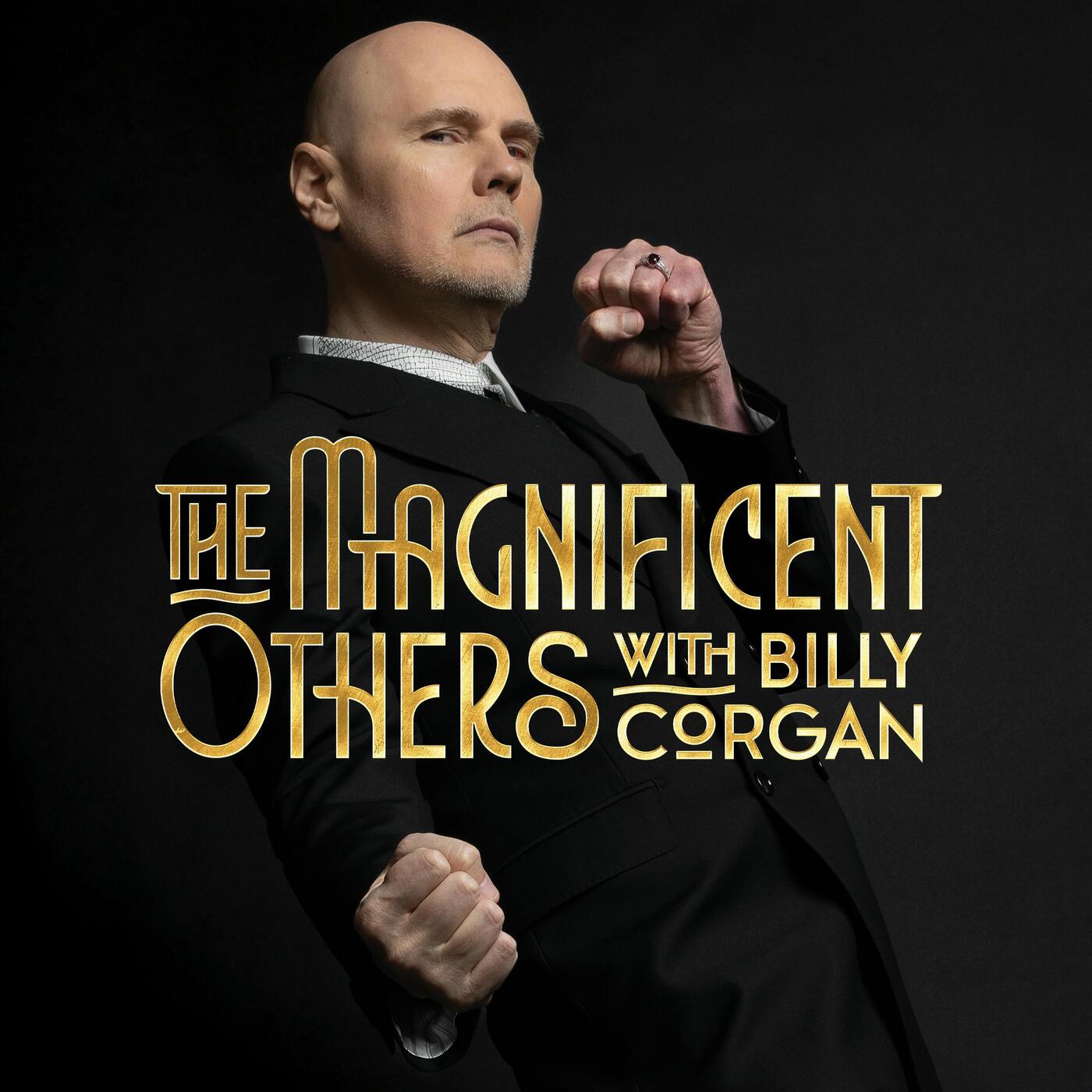
The Magnificent Others with Billy Corgan
Todd Rundgren | The Magnificent Others with Billy Corgan
01:34:51
Loading summary
Transcript433 lines
- [00:00]
A
To me, you know, in the strictest sense, you know, a song has a story to it.
- [00:07]
B
You're such a distinctive artist in your own right, and you have really unique production style, but always in service to the artist.
- [00:15]
A
For me, it was. Music was all that mattered. It was just music. Music all the time.
- [00:20]
B
The myth, the legend.
- [00:21]
A
You see, when I started making my own music, I never had to worry about whether it would sell or not.
- [00:27]
B
That record was the first time I personally registered, like, W. This guy did all this on his own.
- [00:34]
A
I loved being a part of it, and it never left me.
- [00:38]
B
But do you have a. Do you have a foundational songwriting ethos?
- [00:42]
A
Throw it all against the wall, you know, see what sticks.
- [00:47]
B
Todd Rungren, thank you for being here today. I want to start with Albert Grossman. I thought that was a good place to dive in.
- [00:55]
A
Whoa.
- [00:57]
B
If you don't mind.
- [00:58]
A
No, you can start there, sure.
- [00:59]
B
You seem to have a good relationship with him overall. Is that. Is that a fair.
- [01:03]
A
Well, it was. Albert was a very strange kind of guy. He could be really great, sometimes really great for you. And then I think. I don't know whether most people are familiar with his. His, you know, odyssey with Bob Dylan, but he managed Bob Dylan for a while, and then Bob left the Grossman organization, whatever. And then for years and years and years after, Albert would take Bob to court to try and win back more publishing money. And that was kind of the way he was. He was a. He could be a great supporter of you, but if he thought your relationship with him was over, then the gloves came off. And I recall that I was at the end of my contractual obligation to Bearsville Records, and the last record that I delivered under that contract was called Acapella.
- [02:15]
B
Is that where it was only just your voice, Right?
- [02:18]
A
Yeah. Everything was. All the sound.
- [02:20]
B
I got that record when it came out.
- [02:21]
A
Vocal sound, full disclosure.
- [02:22]
B
Yeah.
- [02:23]
A
And I delivered the record, you know, and I was prepared to move on, find another record deal or something like that. And Albert refused to release it. And he gave me this excuse that Warner Brothers didn't like the record because Warner was the distributor. And. And this went on for months and months and months. You know, I said, what's going on with this? Finally, I recall the moment I was driving up the New Jersey Thruway, the Palisades, I think it was. And I was so frustrated, I pulled over to a phone booth and I called Mo Austin and I said, what's the problem with the record? You know, why wouldn't you use the record? He said, you Got a record. I've not heard this record, you know. Yeah. So it's just one of Albert's ruses, something like that, in order to get more out of me, even though it was time for me to leave because my publishing was tied to the record contract.
- [03:21]
B
I see.
- [03:22]
A
And so what he did was he essentially got me over a barrel and said, all right, I will free you and you can sign with Warner Brothers. I'll negotiate a three album deal with Warner Brothers and I'll get the publishing for the three album deal with Warner Brothers. So, yeah, he was. He could be great. He. For instance, when I put out this album called the wizard of True Star, which was this crazy thing that I, you know, from a career standpoint, shouldn't have done, but he was just incredibly supportive. It was a weird record and he's. He sometimes like weird things, you know, he sometimes liked to. To tweak people.
- [04:06]
B
Yeah.
- [04:06]
A
And I think he saw that record as just in some ways musically legitimate, but also it was just a big tweak at everybody, you know.
- [04:17]
B
Yeah. So you. You kind of enter his world as an engine. Brought you to Bearsville.
- [04:22]
A
Yeah, it was an interesting transition for me because my first band, the Nas, that only lasts about 18 months, and it was like this whirlwind of. Of showbiz kind of bullshit and stuff like that. In other words, we got. First of all, we were just a local band in Philadelphia and I put together, like, what was a local super group because I stole people from all the other popular bands in downtown Philly. And the guys who owned the local record store wanted to manage us and they gave us a house to live in, stuff like that. One day the who comes to play in town and we hear that they're staying at the Holiday Inn downtown. We figured maybe we could meet somebody because the who is like one of our models. You know, I used to do this stuff all the time, you know, so. So we went to the Holiday in downtown and there was Roger Daltrey in the. In the bar and nobody was talking to him at all. Nobody knew who the who was yet. Yeah, they were actually opening for the Mamas and Papas.
- [05:38]
B
Wow, There's a bill.
- [05:41]
A
Yeah. And so we're talking to. We're talking to Roger Daltrey. And we made a point of always dressing like we were in a band, you know, we wanted people to know we were in.
- [05:52]
B
Well, then if you're going to call yourself the Naz.
- [05:54]
A
Yeah, I think it's like a while to come up with a name. Too. But in any case, a guy approaches us and says, are you guys in a band? He'd say, of course we're in a band, you know. And, you know, he liked the way we looked. And he said, well, could I hear you hear you play? And the next day, he auditioned the band, you know, in the law space where we rehearsed over the record store. And he said, okay, I want to take. He liked the look and he liked what. The little material we had. We hadn't written enough for a whole album yet, but he said, okay, I want to manage you guys. And his name was John Curlin, and he had been a publicist up until then and never managed anyone. But he was well connected. He knew everybody in the business. And so he whisks us away from Philadelphia. We think we're going to New York City. But he said, well, it's too expensive in New York City. Let's start looking at Long Island. And we started in Brooklyn, eventually wound up in Great Neck by the time we got a house to stay in. And it was just, as I say, it was this whirlwind experience. First, we started doing auditions for all the labels, you know, and in those days, most labels had their own studio. So you go and they say, you got a half an hour. Lay down everything you can in a half an hour, and then they send the tapes upstairs to be reviewed, and then maybe somebody will sign you. So we did the rounds to all of those things, and while we're doing it, we're not yet signed yet. John Kurland has all these great publicist connections, and he knows Gloria Staver is the editor of 16 Magazine. So we wind up being on, like, 16 Magazine and Tiger Beat magazine before we've ever released a record. You know, we're suddenly teen idols with all these stupid questionnaires, you know, what do you like in girls? And what's your favorite food? You know, and, you know, the sort of same thing they did with the Beatles. They came out and everywhere we went, we would go on a limousine. We would go to, like, events just to be seen, you know, and we come in a limousine, and everyone say, who are those guys? You know? So we were living the life of, of, like, rock stars, and we hadn't even had a record out yet. Finally, we did get signed and made a record, and they released the record. But our manager's philosophy was, well, I don't want you to go out and tour that much, because I want the price to come up. You know, I, I, I want to raise The. You know, the. The bar in terms of how much money we can ask for. And so the band just kind of foundered at that point. We didn't do what other bands had to do. We just go out on the road and. And fail every once in a while and get better and. And refine your performance and things like that. We never did that. We went on to our second record. We went to England to record our second record and got one song done. And then our manager had neglected to do some paperwork because in those days they had an exchange program. Any American band that went to England, an English band, had to come to America. And for some reason, they hadn't matched us up with anyone. So we did one song in a studio, and then the musicians union said, you can't do anything else now. You can't record in the studio. You can't play any live gigs. We did one showcase, I think, at Ronnie Scott's, and the general reaction was too loud. And then we went back to LA and recorded the second album. And in the midst of that, the band just fell apart. And before the record was eventually released, me and the bass player had both quit the band.
- [09:51]
B
Right.
- [09:52]
A
And this is about 18 months into
- [09:54]
B
the life of the very auspicious start.
- [09:57]
A
Yeah. And then I'm on the street at that point. I have a place to stay because I'm signed to Screen Gems as a songwriter. Wow. Which was part of the deal, you know, when you get signed.
- [10:13]
B
Wow, that's interesting.
- [10:15]
A
They signed the band and they signed me as a songwriter because I didn't have a publishing deal before that. And so I was staying in an apartment that they kept for songwriters. I had a place to stay, but I spent almost all my days down in the West Village with clothiers that I had met when we were in the Naz. Because I only dress in English clothes or clothes made by English people at that point, you know, I didn't like American fashion. And I would. In years after that, I would go to England for, like, two weeks and stay with clothiers, and they would take me around to all the warehouses, and then I would come back home with, like, six pairs of crushed velvet pants, three suits, you know, patchwork platform boots and everything, you know, and wear that for a year and then go back and shop again. So. So I'm living. I'm in the Village most of the time, and I take a gig doing lights for a disco. I'm not. I don't even know if I have a guitar at this point. You know, it's and I don't know exactly what I'm going to do in terms of music. And then the partner of John Kurland's partner, his name was Michael Friedman, had gone to work for Albert Grossman. And he looked me up, you know, he said, well, I watched you when you were doing the Nas stuff because we hired a producer for the first record. And then when the producer started producing, we realized that he didn't do anything we needed. He was like an old style American producer. He's just watching the budget, just making sure you don't spend too much money. That was what American producers did. We all thought, we thought everybody was George Martin.
- [12:04]
B
Yeah.
- [12:04]
A
You know, he would help us really get our together. Now this guy just read the trades, you know, and said, well, that was a sour note there or something. Any case, you know, I wound up remixing the first album and then producing the second album from beginning to, to mixes. And so he had watched me and he said, he came to me, he said, you know, Albert's looking for somebody to sort of modernize his. At least the recording part of it, modernize the stable of artists. Because most of his artists had been signed during the folk era and now it's like the late 60s. Yeah. And they're. And their records are not being played on the radio and things like that. So started pairing me up with all these people like Ian and Sylvia, James Cotton and people like that. And so I got a lot of experience real quick. But the thing that you know, really kind of busted it all wide open was they had me first go to Toronto to engineer the Jesse Winchester record, which was produced by Robbie Robertson.
- [13:19]
B
Okay.
- [13:20]
A
And a lot guys from the band participated in making the record and I was so efficient at it that they decided they wanted me to be the engineer on Stage Fright. They never, they don't have producers. They kind of co produce everything. You know, everybody's got an opinion. So suddenly here I am working with the biggest band in the world on their long awaited third album, whatever, you
- [13:52]
B
know, and they were pretty hot coming off the first.
- [13:55]
A
Yeah. And this is the beginning of a whole production career for me that eventually became my living. And it was just after I had secured that that I asked for a budget to do a vanity project and that's when I did my first solo record.
- [14:18]
B
So that's how you got signed to Bearsville?
- [14:19]
A
Yeah, yeah, well, that's, that's how I got signed as an artist, I guess as a recording artist.
- [14:26]
B
Yeah, that's what I mean.
- [14:27]
A
Yeah. I was originally just There as a producer, engineer. And then when I asked to do the vanity project, of course it was going to come out on Bearsville and lo and behold, we had accidentally had a. Something of a hit record on it. And there I was back. I suddenly had to be an artist again.
- [14:47]
B
Yeah.
- [14:47]
A
And I had kind of given a lot of that up. I couldn't sing 20 minutes without blowing my voice out because I had never been a frontman, you know, I was always a guitar player. I do occasional background vocals, things like that. So it was horrible, you know, if I was doing what I should have done when I was like much younger.
- [15:08]
B
I see.
- [15:09]
A
Because most people, if they decide to be a singer, they start when really young.
- [15:13]
B
Yeah.
- [15:14]
A
And I suddenly took this on in my 20s to try and learn how to be a real singer. And it took quite a while and it was quite uncomfortable. I didn't enjoy performing very much. I enjoyed the guitar playing, but, you know, the singing and, you know, I didn't have the stamina to get through a 30 minute show was really weird.
- [15:38]
B
I didn't know that.
- [15:39]
A
Yeah. But eventually, over time, you know. Yeah, I, at least I had good, I had good influences. I knew what a good singer was. And I used to listen to, for instance, Stevie Wonder all the time, especially that album sign Seal Delivered incredible record. Every song is great. His performances are unbelievable. But the thing about it, the way they produced it, so much compression on his voice. You can hear everything he's doing with his breath. And I suddenly realized and had that realization, you know, that you don't sing with your throat, you sing with your diaphragm. Because you could hear him pump, pump in the air, you know, before he would sing, you could hear this little sort of thing, you know, of him, like tightening up his diaphragm. And after I realized that, I would go out into the car and I'd drive around and scream at the top of my lungs for like, you know, hours on end just as loud as I could as I could get, you know, over and over and over again. And eventually that, you know, by dribs and drabs expanded my. My stamina, my ability to sing better. And just learning that basic lesson really kind of changed everything.
- [17:00]
B
Yeah. There's one interesting thing that connects us. I, I did not know this until today. I saw that the. Your early stuff was engineered by James Lowe from the Electric Prunes.
- [17:11]
A
Exactly. Jim Lowe.
- [17:12]
B
I knew, I knew Jim and I probably recorded the last two songs Jim ever sang.
- [17:17]
A
Wow.
- [17:18]
B
I wrote, I wrote two songs for the Electric Prunes because I was friends with the bass player and I think
- [17:23]
A
Jim is still out there.
- [17:25]
B
No, he's passed away.
- [17:26]
A
He did, fortunately.
- [17:26]
B
Yeah, he passed away, I think last year.
- [17:28]
A
Oh, gosh. Nobody told me, but I thought, wow, that's.
- [17:33]
B
I didn't even know he was an engineer. He never talked about having any engineer background, anything like that.
- [17:38]
A
Yeah, no, he was, he engineered the second NAS album. The first album was engineered by a guy named Chris Anderson. No, not Chris Anderson. He's the later guy, I'm trying to remember. But he was. He was in a British band called the Undertakers.
- [17:56]
B
I don't know that band.
- [17:58]
A
And they dressed like Undertakers. It was funny. But then he moved to America, became an engineer, I think, if you want to know his name. He eventually became the, the producer of Note for War.
- [18:14]
B
Okay.
- [18:15]
A
You know Eric Burdon's group.
- [18:16]
B
Yeah, yeah.
- [18:16]
A
You know, but after Eric Burden left, I don't know if he did the Eric Burden phase, but okay, he was the producer of most of their records. So.
- [18:24]
B
So, you know, when I prepare for an interview like this, you know, you know, like, I just interviewed Peter Asher, who in similar situation had success as an artist, but also had big. But your, your story is so intertwined where it's like, you know, it's not like you were an artist and then you became a producer. You were a producer, became an artist. You were kind of like, they almost kind of went together. I know it's not that perfect, but. But I mean, did you. How did you balance in your mind the idea of, like, okay, I'm a professional producer, this is, this is a gig. And then over here I have my own personal pursuits.
- [19:01]
A
Well, I work for the artist when I'm a producer. Can I give you, can I give
- [19:07]
B
you, can I give you a compliment? Do you mind a compliment? No. What I think is interesting is you're such a distinctive artist in your own right and you have really unique production style, but always in service to the artist. Like, I rarely feel that you're being heavy handed with the artist.
- [19:25]
A
That was kind of, as I say, it's kind of my point. You know, growing up with the Beatles, I, I took it as, you know, I just made the assumption that musical evolution was part of what you did.
- [19:40]
B
Yeah.
- [19:40]
A
You know, the Beatles started out the first records, like half covers and stuff like that. You know, they hadn't even really started evolving as songwriters. But, you know, by the time they got to, you know, the Rubber Sold and Revolver and on Sgt. Pepper, they were inventing genres that other artists would make a career out of, you know, like, Eleanor Rigby suddenly becomes the left bank, you know, things like that. So it's. I just thought that's what you do, you know, you constantly absorb new influences and try and synthesize them into new things. So. And also, I. I didn't grow up as, like, a rock and roll fan because my dad didn't like that kind of music in the house. My dad, like, kind of, like contemporary classics, anything from, like, Ravel and Debussy onward, okay? And show tunes and stuff like that, you know, musicals. So that's what got played in the house. And I got exposed to just maybe a more support, a greater range of music, of kinds of music because of that. Because that's what my dad wanted to listen to. But all around the neighborhood was the other stuff, early rock and roll and things like that. I didn't get into Elvis. Elvis was like the greasers who beat me up in school. So I didn't identify with that particular kind of music. I did, though, the first time I heard Walk Don't Run by the Ventures, I knew guitar. I knew that's what I want to do. And so I pestered my parents until I eventually got a guitar, and that became my instrument until much, much later when I was able to afford a piano. But when it came to production, I had the same sort of philosophy, you know, which is it doesn't first of all kind of figure out the style that they're working in. The first. You know, like, one of the first things I did, as I said, was Ian and Sylvia, which essentially, kind of a country act. They sent me to Nashville, the Charlie Talent Studio, which is, like, out in. Out in some suburb somewhere. It was, you know, I hardly saw anything of Nashville. And that was a long time ago, too. That was before Nashville was the hip place that it is now. Yeah, but I'm, you know, here I am in the studio. I'm just, you know, I'm barely over 20 years old, and there's session players who played with Elvis like that, you know, and some of the Amos Garrett just, like, musicians who I'd never heard of, but are just, like, amazing in. In their capacity, in their performance capacity. And so I kind of, like, in some ways, I have to surrender to it. I don't know that much about country music, and these guys certainly do. So I just kind of have to surrender to it and bring in what I know how to do to sort of modernize it.
- [22:57]
B
Right.
- [22:58]
A
So in some ways, it might be the sound, might be like, update the sound so it sounds a little bit more radio friendly or whatever, a little bit more contemporary, sometimes help with the material. But again, it was always like, what does the artist need? Because I work for the artist. I've never made a record. With the assurance that it was going to be a hit or anything like that. And so often, you know, I, I would be cast as an album producer, you know, not necessarily singles producer, people who specialize in making, following along with what the meme is, you know, and making records that sound like they belong on the radio.
- [23:50]
B
Yeah.
- [23:51]
A
And that was not my thing. I always thought in like, larger terms, how does it. And that was the old days when people used to listen to albums. Yeah. What is the impression you have of these people once you've gone through all of their music? That seemed to be the more important thing than just like, go for the hit. Just, you know, try and think like a DJ instead of a record producer.
- [24:15]
B
Yeah.
- [24:16]
A
So I, I never did that. And also because I had an eclectic interest in music, I was very interested in the music that, that people were making and what could I take out of it. I see for, you know, eventually, for whatever it is that I was doing or for future reference, if I had to do another similar project. So I was always looking at it as something for me to learn from as well.
- [24:40]
B
Yeah. Because I've always liked you as a producer. I was always attracted to your productions. You know, I would, you know, as you do, you pick up a record and say, who produced this record? And I'd see your name again and again in a lot of records that I like.
- [24:51]
A
Yeah, it used to be that way. Yeah.
- [24:53]
B
But I mean, I. Until today, and knowing I was to talk to, I never put together the idea like I, you know, in my mind I have a favorable idea of you as a. As an artist and a favorable idea as you as a producer. But until today, I never put together the pieces like that. You didn't really have a heavy hand in the people that you produced.
- [25:09]
A
Well, tried not to. There were, there were some exceptions and I really had to discipline myself over it. Sometimes if there was a period and I kind of like, at a certain point I said, I won't be involved in this anymore. But there was a period where you could, you know, if someone had something of a track record, you say, okay, we'll schedule, we'll schedule the recordings and we'll go in there and even if you don't have the whole album's worth of material, we'll start the project and maybe the rest of it'll come during the project. And I discovered sometimes that doesn't happen. And that's terrible when that doesn't happen because then everybody's sitting in the studio to staring at each other. And when that happens, the things that have nothing to do with music start to happen.
- [25:54]
B
Oh, yeah.
- [25:55]
A
You know, all of the issues that the band had before they got in the studio, that's what they're thinking about now. So.
- [26:02]
B
Yeah.
- [26:03]
A
My philosophy essentially, from the standpoint of, you know, how the work is supposed to go is write all the stuff outside the studio and we'll review it all and make sure that we got enough of it because we don't want to hit that point where everybody's like just looking at each other in the studio. If it gets to that point, I say session over, everybody leaves. You know, the studio is for making music in.
- [26:27]
B
Yeah.
- [26:28]
A
And the priorities, you know, eventually became singularly the songs. Nobody wants to listen to a great performance of a crappy song or an extravagant arrangement of a crappy song. You know, you want to, first of all, have confidence in the material. Second of all, you want the band to be able to play it with some kind of commitment and enthusiasm. And that's another problem with just writing in the studio because you still haven't really figured out, I see, how, how to best deliver the idea. And that's the thing you usually do figure out when you're in front of an audience.
- [27:09]
B
Yeah.
- [27:10]
A
And do it over and over a couple of times. And then the last thing that the audience cares about. The band may be terrifically concerned, but the last thing the audience cares about is the actual sound of the record.
- [27:23]
B
Yeah.
- [27:23]
A
Because the first time they hear it, they think that's exactly what it's supposed to sound like. Nobody listens to record and said, gee, I would have preferred a little less echo on the. A little less reverb on the voice, perhaps, you know. No, they just, I mean, why would Louie Louie be such a classic record?
- [27:40]
B
Yeah.
- [27:40]
A
Nobody even knows the words to that song because it was so muddily recorded.
- [27:45]
B
Would you? Because sometimes people ask me and I, I don't have answer. So I'm going to ask you a question. Maybe you don't have a good answer, but it's like people will say to me sometimes, like, how do you know something's good or bad or attractive? And it's like, I don't know. It's just a felt sense. I, I, in my mind, it's an intuitive sense. Do you have A. Do you have a word that you like? You know what I'm saying? When you, you've sat your own songs and other people, it's some.
- [28:08]
A
In some ways, you know, a producer's head is not that far from an artist's head, you know, because if you're making your own record, you're producing the record and you have certain criteria and that you apply and it may not be much different than what you would apply if you were producing somebody else, but I'm fully committed to, you know, to whatever the band's vision is. As I said, you know, I, and I have to reiterate it, I don't work for the label, I work for the band. Even though the label may have some priorities that they convey to me and I will try and work them into the, to the process, you know. Yeah, you, you work for the act, you know, you. You don't. Because the act is only being lent money by the label, which they will later recover, you know, from your fan.
- [29:01]
B
We're all, we're all aware of that.
- [29:02]
A
Yeah.
- [29:03]
B
I wanted to ask you, maybe it's to. Dreamy way to put it, but it, it seems to me that you've always had a lot of vocal stacking, a lot of cool chorus stuff that you do in all. All and including with other projects that you did that weren't your, your own music. Was that Philly's influence on you at all? Was there any sort of osmosis there with Gamble and Huff and all that?
- [29:28]
A
Well, the. When I was in, when I was in school, any point in school, you know, it was just a horrible experience for me, you know, because, because I had. I don't call it a learning disability. I just learned different than other people do, you know, and there's. There's this expectation that every five year old is capable of learning what a five year old can learn.
- [30:03]
B
Yeah.
- [30:04]
A
You know, everybody progresses at the same pace. That's why, you know, when you're a certain age or in a certain grade, everyone, you know, you just get slotted in and sometimes it just doesn't work that way for somebody. You know, you're learning could be behind or ahead of everybody else in the class or you're really good at one thing, you know, and you'll never be any good at that at this other thing, you know, but they insist that you be good at that as well, like math. And so I was just, you know, I hated school. I just hated the idea that I was forced to do that. But there were few instances Where I felt like, okay, this I can do. Art class was one of them. By the time I got my senior year, senior year, I had dropped out of so many other classes that I was doing eight periods of art a week, you know, for which I don't get any credit. But. But it was just. They were happy not to have me in their classroom and I'd be in somebody else's class in the art room doing some big mural on the wall. And so in junior high school, one of the classes. And. And I don't think it was required, but I, you know, but I took. It was chorus and we had a great choral teacher and they would twice a year do big choral presentations. Christmas and Easter, and we do Handel's Messiah and all this, you know, and jazzy versions of. Of Mr. Sandman, Mr. Santa for Christmas, and. And he was very kindly and he was kind to me and. And he taught me so much about the basics of singing that even though I didn't think of myself, you know, as a singer, I knew more already than a lot of singers did about how to phrase, how to pronounce. It's like a lot of people don't know how to pronounce and. And you can make it into a style, I suppose it's like the way Sinatra can sing and he can sing, you know, like that. But you're not supposed to sing. You're supposed to sing a vowel and then end with an N, you know.
- [32:25]
B
Oh, I see. I don't know any of this stuff.
- [32:27]
A
Yeah, but that was the thing. It's open, you know, you find the essential vowel that's in a word, you know.
- [32:33]
B
Okay.
- [32:34]
A
And then, you know, that's where the mind.
- [32:36]
B
Now I'm learning. You got to tell me all this stuff.
- [32:40]
A
And anyway, I just love that experience. I love being in his class. I love the concerts that they did. And I learned a lot because I was. Because it was choral music, you know, and there's sopranos and altos and tenors and baritones and bases and stuff, and they're all singing a different part and sometimes they're all singing completely different lines, you know, that all weave together. And that fascinated me and I loved being a part of it and it never left me.
- [33:15]
B
Oh, that's cool. Because you might appreciate we recently did an operatic interpretation of one of my records. So it was 60 piece choir, 40 piece. A 60 piece orchestra. 40 piece choir. Yeah, and then four soloists, so. And then I sing with it too. So.
- [33:32]
A
Yeah, that's gotta be a thrill.
- [33:34]
B
There's nothing like hearing the human voice stacked.
- [33:37]
A
Well, it is, you know, kind of like the original instrument, Discounting percussion like that. Many instruments are designed to imitate the voice. Do you. To, you know, to somehow imitate what you could already do naturally, you know, because.
- [33:57]
B
Because you've done such varied music, it might be an unfair question to put it this way, but do you have a. Do you have a foundational songwriting ethos? Is it. Is it. Is it just. Some people are. Tell a story, some people just. Whatever comes out of me, I try to honor that. Is there a.
- [34:12]
A
Well, it. I think early on, it's a lot of it is your. Is your influences, you know, the musical influences you've had through your life. You can't help but, you know, re express those somehow. And early on, and I don't know that I recall exactly how my songwriting evolved to this point, but there was my first record, and I wanted it to be really eclectic. So I, you know, I wanted to work with all the people that I had done records with, you know, so I got like, Levon and Rick from the band to play on a song. You know, other bands that I had seen that I wanted to perform with the musicians and things like that. So it was a very varietal experience and very incoherent in a way. But that was kind of like the purpose, because my life had become maybe the most enviable life an artist could have because I had the production and I was making incredible money producing other people's records, which meant when I started making my own music, I never had to worry about whether it would sell or not. Yeah, I was completely rid of that burden which bears on almost every other artist when they go into the studio. You know, they think, yeah, I like this, but will it sell like that? Will the label, you know, allow me to make another record after this? You know, if. If this doesn't. If this doesn't sell. So my entire career as a solo artist has, yeah, been based on that sort of assumption.
- [36:01]
B
Yeah.
- [36:02]
A
The problem is that now, you know, record production has changed. The whole record industry has sort of changed. You know, if you look at a record nowadays, it got like three producers and five songwriters. It isn't the same thing where someone entrusts their, you know, Their. Their musical and trust their oof to someone else.
- [36:25]
B
Yeah.
- [36:25]
A
You know, to help them do it. You know, they want assurity nowadays, you know, and so throw it all against the wall, you know, see what sticks.
- [36:36]
B
Yeah.
- [36:36]
A
And eventually something sticks, you know. But, yeah, in those days, the Producer was, you know, considered something of a gatekeeper, and it was a big responsibility.
- [36:48]
B
Yeah. You know, there's this term now that gets thrown around. Bedroom pop. And have you heard this term before?
- [36:59]
A
I mean, music made on your laptop.
- [37:01]
B
Yeah. I think the idea is that you can make credible pop music sort of on your own in your own little kind of world. And, you know, if you trace it back, I mean, something. Anything is kind of, in a way, like the. The. The precursor to that in.
- [37:19]
A
In some ways, but I imagine, you know, a lot of people because. Well, I'm not exactly sure why, but I was not the first to do this. I think Paul McCartney's first solo album.
- [37:35]
B
That's true, that's true.
- [37:36]
A
He played most all of the instruments on it. Can I.
- [37:40]
B
Can I. Sorry to interact you. But. But what The. The reason. It strikes me because. Because I can get to my fandom in a second. But that record was the first time I personally registered, like, wow, this guy did all this on his own. It, like, struck me as a story, if that makes any sense. The fact that Paul McCartney had done it didn't mean anything to me. It's like, well, that's Paul McCartney. And maybe because it was the musical variants and the width of the emotional.
- [38:11]
A
There's that. I mean, Palm, Paul's record, as I recall, you know, fairly simple arrangements, you know.
- [38:17]
B
Well, it sounds like a record that he did at home. Somehow your record sounds more fanciful. And I don't mean in a weird way like it. It's got more, you know, stars are being thrown into corners and. And sometimes they. They kind of like. I think you. I saw something where you were talking about, like, there's even mistakes on the record. Like, you kind of left certain things in.
- [38:35]
A
Yeah.
- [38:36]
B
There's a charm. Not. It's not purposeful. It's just like. It has a charm because it's. It is what it is. It's an organic expression of one person.
- [38:44]
A
Yeah. And I. I think probably the difference is also that Paul's. Linda's over his shoulder. I'm thinking, well, he had.
- [38:56]
B
He had that. He had that Eastman Kodak money, too. Don't forget.
- [38:59]
A
Yeah, that. That was a help. Yeah. But, you know, she probably was, you know, you know, a presence during the entire.
- [39:08]
B
Me.
- [39:08]
A
I was, like, alone. Completely alone. There was the sessions that I would do during the daytime at ID Sound with Jim Low, and then I would go home. At a certain point, I realized, you know, there's some things that are maybe a little bit more experimental, and I'd like to be. Just deal with it myself because I don't know exactly what I'm doing. And so I got an eight track machine delivered to the house that I had rented and. And started doing like, kind of like some of the odder things like Breathless and I Went to the Mirror, you know, weird gothic things that you would only do if you were just alone, you know.
- [39:53]
B
It does sound like an alone record.
- [39:55]
A
Yeah, so, yeah, it was. Part of that was, you know, I. I had achieved some sort of a formula in songwriting which annoyed me ultimately.
- [40:12]
B
Can you, can you break the formula down?
- [40:14]
A
No, it's just. It was kind of like I listened to so much other. So many other other records and things like that that, you know, I took certain forms that just like accepted this is the way you write, you know.
- [40:26]
B
Oh, I see.
- [40:27]
A
First chorus, first chorus, bridge, maybe a third verse chorus, you know, things. And you always write about getting your heart broken, you know, like that. You always write about a relationship that went wrong. And so I was writing something. Anything was supposed to be. Wasn't supposed to be a double album. When I. I hadn't gone with the intention of making a double album, but it just started happening. One factor was partly is that I had a friend who, who I grew up with. It was like my best friend from like forever. And I was in LA working on the record and he happened to. He was. He went to med school and he was becoming a psychiatrist and he was finishing up his education in San Diego. So he came up to visit me one time and he had access to all these psychotropic drugs like that. And he said, there's this thing called Ritalin. Would you like to try some Ritalin?
- [41:33]
B
Hence the double album.
- [41:34]
A
Yeah, and hence the double album. Because then I was just like. I would go down to the studio and record all day. I'd come home, I'd record all night. Studio all day, record at home all night. And so it just started all coming out. But then after I was done the record, I realized it's not supposed to be that easy. I wrote I Saw the light in 20 minutes flat. And it's not supposed to be like that. I mean, if you deconstruct the song, you see. Oh yeah. You could Write it in 20 minutes flat. You know, it's not that complicated. Moon, June, Spoon, you know. Yeah. So by the time I got to my next record, you know, I said my purpose. What is my purpose in doing this? You know, everybody's making music, you know, why should I demand anybody's attention? And that's when I realized that I have to do the things that other people won't do or can't do because of their circumstances. I have that freedom because I'm producing other people's records. You know, why would I not use the freedom to just do whatever it is I feel like? And that's when A Wizard of True Star happened. And that's completely, essentially changed everything. I lost half my audience immediately. Everyone's expecting me to follow something, anything up with another batch of similar songs. And I had just completely discarded all formula at that particular point. I said to myself, okay, if I've got this idea and I'm happy with this, why am I forcing myself to make it longer by just like adding more parts to it? I like this idea. I'll just use that idea. I'll just use that part of it.
- [43:31]
B
I see.
- [43:33]
A
And then also I said, well, why does a song have to be three minutes long? Why don't I write a song that's like a, you know, like a story that lasts seven, eight minutes or something like that, you know, with. And the sound is like the soundtrack to a movie. It's got sound effects in it and things like that, like arrows flying around or things like that. So it was extremely liberating because I thought for the first time I'm doing something that only I can do.
- [44:06]
B
Yeah.
- [44:07]
A
And that's my. Now I have a real space in the musical world. And it's been to some degree or another that ever since. And the compensating moves that I make from record to record have more to do with maybe, gee, I haven't played enough guitar in the last couple of records. I'm going to write a guitar record, you know, or. Yeah, I haven't written enough kind of like, you know, three, four minute songs in a while. Maybe I'll just do that. I'll. I'll try and move in that direction for a record. So it's become kind of expected, at least in my audience, that the next record is never going to be anything like the last record.
- [44:54]
B
Yeah.
- [44:55]
A
And that's the point. Yeah.
- [44:59]
B
Did you get something? You did a lot of work alone, but talking to you today, I don't get the sense it's something you, like, set out to do. It just kind of worked out that way. Is that fair?
- [45:12]
A
Well, my first records, I always had a rhythm section. It wasn't until something, anything that I tried playing the drums myself. But by then I had enough access to a drum kit that I had some confidence and a Lot of the reason why I do it is not because I could play it better than somebody else, but sometimes it's hard to convey the, you know, the subtleties of an idea to another musician. And if it isn't something too complicated and think you do it yourself, well, why not do it yourself? And also because of the way that my songwriting evolved, I would tend to write all the music first and then do the words last. And so people are expecting to hear some lyrics to guide them through the song, you know, while they're laying down the track. And if there's no vocals, you know, they've got to remember it or, you know, or read a chart or something like that. So it would become more of a challenge for the other musicians sometimes to imagine what I was going to do.
- [46:20]
B
Have you. I always found that strange when. Because I'll play people stuff that's instrumental, and I'm like, oh, this is a banging track. This is good. And they're like, I don't. Where's the vocal? Like, they. Yeah, they can't. If they don't hear a melody or they don't hear a vocal, they cannot hear a song.
- [46:36]
A
I think that's, you know, it's somewhat legitimate. Yeah.
- [46:40]
B
No, there's truth to it. But in my mind, it's like I hear the orchestra going the whole time.
- [46:43]
A
Oh, yeah. Well, you know, I grew up with, you know, as I say, my dad played a lot of orchestral music, instrumental music. My very first musical experiences were we had this little 45 RPM record player. Very familiar one at the time RCA made it, and it was only for 45s.
- [47:02]
B
And I think, oh, it's the one. The one that loads with the big spindle and you just.
- [47:05]
A
Big spindle in the middle.
- [47:07]
B
Those are hard to get.
- [47:08]
A
I tried.
- [47:09]
B
I've tried to find them. They're hard to find.
- [47:10]
A
I don't have mine anymore, but was tube.
- [47:14]
B
It was tube to that thing. Yeah, but that's part of the sound is the tube, right?
- [47:19]
A
Yeah, of course it was before trans. Pre. Transistors. I'm old enough to remember when the transistor radio was, you know, all the rage. Yeah. So. So they came with us, or my parents acquired probably about a dozen of these 45s of Boston Pops Orchestra. And it was all kind of like classics like Skater's Waltz and Chicken Reel and that sort of thing. But I would just spend hours. I put the stack of records on and I just sit there and listen to the, you know, all these notes and flip them over, put it on the other side, you know, just for hours and hours. And so it gets just seeped in there. All that orchestral music is in there. And. Yeah, when I. You asked earlier, you know, like, when do you know when. You know when. When it's. When it's right. And part of it is since I focus on the instrumental and push the. The lyrics and the vocal into my subconscious and focus on the details of the. Of the so called orchestration. When I'm happy with that, that's when I know to call on my subconscious and finish the song.
- [48:41]
B
Okay.
- [48:42]
A
Because I've gotten into this thing where I write less and less in the physical world and more and more up here and consign the creativity to my subconscious because it'll do something honest and it'll come up with something honest and without guile.
- [49:04]
B
I like that.
- [49:05]
A
And. And it's turned out that, you know, the way most of my records come out, I've got the instrumental completely, almost completely done. You know, maybe a little bit of detailing left to do. And then I, you know, okay, it's time for the vocal. I probably have a title for the song, an idea about what it's about, but then almost like automatic writing, you know, like 20 minutes later, it's all done. It's all written within an hour, it's written and sung.
- [49:36]
B
Wow.
- [49:37]
A
And so, like, I will spend days and days sometimes crafting the instrumental part, but that, but the vocals in the end just go. Just come right out.
- [49:46]
B
You, you. So you. It's. It's. Is it about trusting that. That faculty and you sort of knows better than that.
- [49:51]
A
Oh, definitely. You know, I have to make the assumption that my subconscious is going to step up and deliver.
- [49:58]
B
So if you'll indulge me, I have a particular fascination with Grand Funk Railroad.
- [50:03]
A
Oh, yeah.
- [50:08]
B
So, nerd question of the day, I heard you talk in an interview about the. The making of we're an American Band and how they were trying to get critical success with the critics and they wanted a hit record and, and that whole thing. So the nerd question of the day is that solo in particular still is something I've never been able to sort of truly understand. And the way I would express it to you in artistic terms is there's a physicality to that solo and We're American band. Yeah. It sounds literally like the guitar sort of exploding. And I don't know if there's phasing going on. Is there a trick to that sound?
- [50:48]
A
I'm not exactly sure. I always thought that Mark farner prefer. Preferred a kind of a strange sound on his guitar. It was not.
- [50:57]
B
Well, he. He purposely liked his guitar.
- [51:00]
A
Yeah. He talks about this sound that they made in a way, most of the time, if you're. If you're going to do a solo.
- [51:07]
B
Yeah.
- [51:10]
A
You do. You do it either on the bridge pickup or the next pickup, right?
- [51:15]
B
Yeah.
- [51:16]
A
You very rarely do it with the, you know, with the switch in the middle position, both pickups. It makes a sound that's useful for some things, but it's kind of a. A weird sound for Solo, for lead.
- [51:27]
B
Yeah.
- [51:28]
A
And that's kind of what he insisted on doing. Always doing it with that kind of like that, the two. Both pickups going at once. And that gives it a. I find it hard to describe, and it isn't the same, of course, for every instrument. Yeah, every instrument has its own. Its own sounds. And. Yeah, he could.
- [51:56]
B
But even the way it's. Even the way it's mixed, it's very loud.
- [51:59]
A
Yeah.
- [52:00]
B
You know, which was unusual for the time for it to be that loud.
- [52:03]
A
Well, it's funny, it's a lot of the recordings that I would do, I would do in my. In one of my own studios or a studio. I was familiar with, like, most all of my records and Utopia Records and stuff up to a certain point were done in. In Secret Sound, which is a studio we built in New York City. And it was, you know, it was a real. I mean, it was great because it was our toy. Nobody ever got charged a dollar for studio time. You just had to bring your own engineer in.
- [52:40]
B
Yeah.
- [52:41]
A
And all of these, you know, acts, big and small, were just coming into our studio to, you know, to work out their ideas, and sometimes they become real records and. And things like that. But it was very unusual to have that kind of facility in. In those days.
- [52:58]
B
Yeah.
- [52:59]
A
Just to have a studio you could go into and mess around in, you know, you. And you didn't have to pay for any studio time. You just had to bring an engineer. And that philosophy kind of gave us, as I say, you know, it gave you a certain freedom to. To do a. A project that may not go anywhere or things like that. But also you're very familiar with the possibilities within that room.
- [53:30]
B
Yeah.
- [53:31]
A
And so we went to. They wanted to record it at Criteria Studios, which I had never been in before.
- [53:37]
B
Yeah.
- [53:38]
A
And so in a certain way, I'm kind of feeling. Feeling my way through it. I'm, you know, I don't know whether the sound is actually whether I'm creating the sound. I Think I am, you know, when I'm mixing it.
- [53:52]
B
Sure.
- [53:52]
A
But as it turned out, you know, it probably was the right decision to do that, but for reasons that go beyond the actual recording process. You probably heard the story about how we recorded We're An American Band. We did the track the first day in the studio. We went in, got sounds, did the track to we're an American Band. The next day. We came in fairly early, finished it off, did the vocals and mixed it, and went that afternoon into the mastering room in Criterion and cut the single.
- [54:29]
B
And it was out like a week later or something.
- [54:31]
A
And it was. And it was released a week later. And the thing is, they had scheduled that release. They sent us into the studio without a note recorded and already had scheduled the release of the single. And so, so much could have possibly gone wrong in the whole process, but somehow it just all fell together, you know, the single, they cut the single, they release it. And it was in those days where orders, retail orders could be counted as actual sales, you know, advance orders.
- [55:03]
B
Oh, that's right.
- [55:04]
A
Yeah. And so a week later, they've got the DJ copies at the. At the stations and it's in the top 40, and we're still in the studio recording the rest of the album.
- [55:13]
B
Yeah.
- [55:15]
A
So that was. That was a remarkable thing that will never happen to me again. I know, but if. If you could possibly get everything to synchronize and line up like that, that's. That would be just like, for me, the most ideal. Okay, we already know when the record's coming out, now go record it.
- [55:36]
B
So one more step into grand funk and it's more ultimately about you. But I'm obsessed with this album you did with them. Shining on, which is kind of the follow up to that album. It is, to me, one of the most unique sounding records I've ever heard in the rock canon. I can't quite explain it other than to give you an emotional reaction, which is. It's hyper masculine and it's. And it feels like you leaned into that with, like. It's just. It's got this robust sound, but it's not. I don't even know whether you were using chambered reverbs, but it's like that whole album just sounds so loud.
- [56:16]
A
Well, we. In the interim between We're An American Band and. And Shining on, they built their own studio in Michigan.
- [56:26]
B
Ah, okay.
- [56:27]
A
So it was a different studio. And I think, you know, I had. So I had an opportunity to go in there and tune it because they had never done Any projects with it before? Yeah, they'd only just finished it, so I had an opportunity to tune it to the way that I wanted to hear it. And that's probably the difference between the Criterion.
- [56:49]
B
Yeah.
- [56:49]
A
Versions. Because Criterion really sounds kind of very clean.
- [56:53]
B
Yes.
- [56:53]
A
You know, very clean recordings, that Criterion. And when we got there, you know, was this in a big. You know, and a big metal building.
- [57:02]
B
It sounds like it.
- [57:03]
A
Yeah.
- [57:04]
B
Like, even the. The vocal for Shining On, I mean, it's a kind of a shouty vocal, but even, like, everything is just.
- [57:12]
A
Yeah. Well, we were able to do, you know, kind of like, as I say, we didn't have to adhere to the. To the standard way they would set up things like tones and stuff like that so we could like, run everything much hotter.
- [57:27]
B
It sounds like it.
- [57:28]
A
Yeah. We could just, like, in the red.
- [57:30]
B
Yeah, it's.
- [57:31]
A
And. And. And that kind of. That saturates the electronics and adds this kind of compression which makes everything sound louder.
- [57:40]
B
Yeah. If anybody's never heard that record, I highly recommend it. I mean, is trying to follow your life story from a musical point of view. You know, it's like, literally like you're recording with the big band, then you're doing an album. In some cases, you were releasing two albums in one year.
- [57:59]
A
It seems there were years where I would, like, produce three records, release a solo record and Utopia Record in one year.
- [58:08]
B
It's exhausting just to look at.
- [58:12]
A
Yeah. But, I mean, were you. Were you.
- [58:13]
B
Were you.
- [58:14]
A
Did you.
- [58:16]
B
I mean, I don't want to ask, like, something like, were you tired? It was more like, were you just running on the high of just like, wow, I'm just constantly engaged. Is that what kind of kept your motor going?
- [58:25]
A
Well, it's probably. It was all. That was my life. It was all music all the time. I had no kids. And, you know, and I do know the difference because as soon as I started having kids, it was. Everything was different.
- [58:39]
B
Yeah, there goes that time.
- [58:41]
A
Yeah, there goes that thing, you know, But I had no other obsession. I didn't have the kind of obsessions that a lot of people, once they get money, you know, will start to get a fast car, you know, or a boat or some other thing, open a restaurant. That's that sort of stuff which suddenly sucks away their attention into another pastime or something like that. For me, it was. Music was all that mattered. It was just music. Make music all the time.
- [59:09]
B
Yeah. Now it shows and it's cool because it's. I can't think of anybody else that has your Story,
- [59:18]
A
I guess, you know, but, you know, everyone has a unique story in a certain way. But.
- [59:23]
B
But yours is all about music.
- [59:24]
A
That's in a certain sense because of that, you know, because that level of commitment, I didn't have the kind of unpleasant downfall that happens to. To a lot of people. You know, you commit to a certain kind of music and then nobody wants to listen to that kind of music anymore. And then suddenly you're lost, you don't know where to go.
- [59:48]
B
Well, then they're calling somebody like you to help them figure it out.
- [59:51]
A
Yeah, you get into the, you know, typical indulgences that happen to people if they have any kind of monetary success. You know, everybody around me is less like, you know, they're snorting up all of their income, you know, like that. And I'd say, well, it was.
- [60:08]
B
It was the 70s.
- [60:09]
A
Yeah, well, that particular drug doesn't do anything for me, you know, so I'm not going to be spending hundreds of thousands of dollars on.
- [60:16]
B
Yeah.
- [60:17]
A
You know, that sort of thing. Or dealing with the emergency room visits that attend it. So in that sense, you know, was my, you know, you just have some natural predilections when you're growing up. I was never. It's kind of funny, I was never into the things that my peers were into growing up, like getting drunk, you know, or having a car or that sort of thing. I was always the one who was taking my drunk friends home to sober them up so they could go see their mom. I didn't have a drug of any kind until I was in my 20s. And I think the first drug I ever had was probably marijuana. And it was because my good friend, the doctor, you know, my best friend, he. He got me into it. If he did, I would do it. And I can't say the same thing for. When he gave me dmt, I knew I was never going to do that again.
- [61:22]
B
Did you see the elves that everyone talks about?
- [61:25]
A
The what?
- [61:26]
B
People talk about seeing elves when they do dmt.
- [61:28]
A
I didn't see elves dmt. To me, it was like being smothered in Navajo blankets.
- [61:34]
B
Okay. You know, I've never done dmt, so
- [61:36]
A
it's extremely geometric sort of thing. You know, that's the thing that happens often with psychedelics. You know, you start having geometric hallucinations. Like you look at everything is through a kaleidoscope. Yeah, it was that. And I would just, you know, no, I don't want to do this again. And that was the first psychedelic experience I had had. But it wasn't my last
- [62:02]
B
namaste. So I tossed this up as kind of a softball. So somewhere in there, this nascent Prague thing starts kind of emerging. Like Mahavishnu more, I don't know.
- [62:15]
A
Oh yeah, yeah.
- [62:16]
B
But, but there's a, there's an addendum to that which is like, my father loved you. My father was a musician and my father was one of those musicians where if he hated it, he was going to tell you. So if he loved it, but if he loved it, he was going to tell you too.
- [62:32]
A
Oh, cool.
- [62:32]
B
So I was listening to you from a young age because my father liked your music. So I remember listening even though I would have been, you know, 8, 10, whenever utopia became kind of more of a. I know in the beginning it wasn't necessarily as popularity seemed to grow. I don't know, maybe that's just my memory of it. Yeah, but, but I remember being 10 and not like think thinking like, I don't understand Utopia. Like I got you as a solo artist, but Utopia was just like, it went right over my head. So I went back in, preparing to talk to you and I went back and kind of. And I understood Utopia a little bit more now as an adult. But there seems to be all of a sudden this like, best way I could put it is like there's a lot more Prague going on. There's pushing into new territory, which is good. I don't want to say it's Zappa esque, but it's like, okay, there's all this other music that I can get into.
- [63:24]
A
Yeah.
- [63:26]
B
And then you're playing with these incredible musicians. Can you at least kind of sort of walk me through that a little bit? Because it still strikes me as curious. But, but I, but I think it must have made sense to you or you wouldn't have done it.
- [63:38]
A
Well, it was, yeah, it was evolutionary. It wasn't like suddenly got the idea to do this. But there were a couple of factors in it. One, the original Utopia was made up of principally musicians who helped me make a wizard a true star and who are also doing their own projects as well in at Secret Sound. So this was like kind of the Secret Sound house band in a way. And I can remember the first time we all played on stage. It might have been. I'm not sure if it was a birthday celebration for me. You probably remember. I'm not sure you remember. Do you grow up on the East Coast?
- [64:26]
B
No, I'm in Chicago.
- [64:27]
A
Oh, in Chicago. Well then you probably wouldn't remember the Woolman Rink in Central park in New York. But that was, of course, summertime music venue. They would convert the skating rink. They put a stage at one end, and they convert the skating rink into seats. And all summer long you would see all kinds of acts. I saw the who there, they had some kind of like, trim along the front of the stage. And I saw Pete Townsend take his guitar and chop it all off a piece at a time with his guitar. You know, it was a great setting. You know, you saw a lot of great acts there. And we will play there with some regularity. And it was also the location where we did sons of 1984, the East coast part. Okay, yeah. On the. On the Todd album, there's a song called Sons of 1984. And essentially it's two live audiences, one in New York and one in San Francisco. And I have signed them vocal parts to sing. So. So there's verses and then we get to a chorus and I say, okay, New York, you sing the first chorus. And they all sing the first chorus. And I say, okay, San Francisco, you sing the second chorus. And they're all over on the left side. You know, we did that in Golden Gate park in San Francisco. And then by the end of the song, it said, everybody together now. So, like San Francisco and New York, they're all singing together. And that was in the New York part, was in the Wollman Rink. I think the very first gig that we did together. And I don't even know that we were calling it Utopia, but it might have been like a birthday party, birthday celebration for me. And was almost all the guys who would have eventually wound up in Utopia on stage, as well as the Brecker Brothers, as well as Rick Derringer, I think, you know, a couple other people. And so after we did that gig, we thought, okay, maybe there's a thing here, you know. And so we started writing stuff in secret sound. We just. Everybody had great musical ideas, and we were all influenced by prog rock at that point. Return to Forever Weather Report, of course, Mafavishnu Orchestra. See, there was actually two branches, two kind of genres of prog rock. One was the English one, and that was influenced by classical music. Okay, you got groups like yes, you know, and Gentle Giant and people like that and their influences. These people all learn classical music, like Rick Wakeman, you know. Yeah, things like that. Americans were all jazz. These were jazz guys incorporating now electronic instruments, you know, synthesizers and things like that.
- [67:13]
B
Yeah, because. Because even like, McLaughlin had come out of playing with Miles Davis and.
- [67:17]
A
Yeah, things like that. So it was like we kind of went a little bit more with the American style prog rock, with jazz based jazz and funk and things like that. So all the guys in the band had great ideas and we would somehow thread them together into these musical little musical journeys. And then I would write a couple of verses.
- [67:40]
B
Yeah, somehow there's a song in there
- [67:42]
A
just to tie it together.
- [67:43]
B
And.
- [67:45]
A
And it was, it was fun. You know, in those days we would play like four hours because we had three keyboard players and me in the band. And everyone would get a solo on every song and the audience was so high they just didn't care.
- [67:59]
B
Really.
- [68:00]
A
Just like, yeah, play forever. It was, you know, every band was the Grateful Dead in those days.
- [68:06]
B
Wow. The. I just say this for, for fun. There's the RA album 77. You had the 22 foot tall pyramid on stage and then there was the infamous singing in the glass guitar where each one of you represented one of the four elements.
- [68:28]
A
Yes.
- [68:28]
B
And there's like sort of a battle going on between earth, fire, air and water.
- [68:37]
A
I know that was. We did.
- [68:41]
B
But you know, what's strange is it's. It's kind of coming back now, that sort of thing.
- [68:46]
A
Yeah, that would be great. I always said, you know, that there's, you know, that music is cyclic. You know, 50.
- [68:53]
B
We're going on 50 years here.
- [68:55]
A
Yeah, I know. That would be a long phase though, because, you know, we've had these usually, you know, the public at large gets sick of a certain genre. It would usually be a, maybe a five year increment, something like that, you know, in the way that, as I say, we had 60s pop, that got replaced by prog rock, which eventually got replaced by disco, which eventually got replaced by punk, which eventually got replaced by new wave, which eventually got replaced by grunge. But then it all got replaced by Taylor Swift. And it's been that way ever since.
- [69:33]
B
Well, that's a whole other conversation.
- [69:34]
A
Yeah, that's a completely different conversation. But essentially what happened was in the, in the 90s, boys stopped spending money on music. It used to be, you know, whatever your disposable income is, you might spend at least some part of it on music. But that's when video games came out.
- [69:55]
B
Yeah.
- [69:55]
A
And boys started spending all their money on video games. And that left this gigantic audience of young women. Where are they going to spend their money?
- [70:03]
B
Oh, interesting. I never heard it put like that way. That makes sense.
- [70:06]
A
And that was when, you know, Lady Gaga, Katy Perry, you know, and you know, who's the biggest Artist in the world, Taylor Swift. But it's been that way now for nearly 30 years.
- [70:16]
B
Yeah.
- [70:17]
A
And so we're missing. Something's missing now.
- [70:20]
B
Well, I've been pleasantly surprised to see Prague is coming back with young bands.
- [70:27]
A
Good.
- [70:28]
B
So.
- [70:29]
A
Because guys need music, too.
- [70:33]
B
You've often been asked about the Meatloaf. Pat out of hell, 43 million records sold, I think, was the number I saw. We were talking about it before you came in today. And the person who books this show, he's an east coast guy, so he resonates a lot more deeply to that record because of its sort of. You know, I know it's with Springsteen, whatever. The connection is there.
- [71:02]
A
The Springsteenian connection.
- [71:04]
B
Yeah. Chicago. Even though it was a big record in Chicago. Not so much, because I don't think we had that same stew of influences in Chicago, which is interesting, because it. To me, it's an east coast record to this day.
- [71:16]
A
Well, it's funny, in the end, Meatloaf's biggest audiences were outside the U.S. wow.
- [71:23]
B
Asia.
- [71:24]
A
No, Australia and England. The record stayed on the charts in England for 30 years straight. Never left the English charts. And it's kind of weird. He engendered this weird devotion. You can sort of understand it because in the US we got over the 50s. In England, they never got over the 50s. There were still stores. And even today, where you can go buy a Teddy boy, you know, that sort of thing. You know, that thing never left. You know, it would just keep recurring. You know, it would come back, people wearing what looked like zoot suits almost.
- [72:08]
B
Yeah.
- [72:09]
A
And so you can sort of understand that, you know, that it never went away there. Always huge in Germany, for some reason, and uber huge in Australia. So he would always find a place to tour, but rarely in the US because people in the US didn't seem to have that same kind of devotion.
- [72:28]
B
Yeah.
- [72:28]
A
And he was notorious for, like, quitting the show early.
- [72:32]
B
Really?
- [72:33]
A
Yeah. Because, you know, it's kind of sad, but we did the first record, and Steinman would write from Meatloaf's highest note down. What's the highest note you can hit? Meatloaf. All right. I will write the song from there down because eventually we're going to get to that note, to the highest note you can hit. And you may have to hold it for a long time, too, you know, so that was the way Steinman wrote. We did the first record, and it took them a long time to, you know, to break that record. Record.
- [73:07]
B
Yeah.
- [73:08]
A
First of all, when the record was done, there was no label to release it.
- [73:10]
B
Nobody wanted.
- [73:11]
A
Nobody wanted for six months, even.
- [73:14]
B
Even to Grossman, Right.
- [73:15]
A
Oh, well, Grossman got the first crack
- [73:17]
B
at it, and he passed.
- [73:18]
A
Yeah, they passed. Then Warner Brothers passed, you know, and everybody passed. So they found Cleveland International, a little subsidiary of Epic Records.
- [73:26]
B
43 million records.
- [73:28]
A
Yeah, it's unbelievable. And. And it was a guy named Steve Popovich, and he only had one other artist, Ian Hunter. So, you know, when we released the first single, re Released first single, Nothing Happened Release the second single, Nothing Happened. So. But he didn't give up, you know, he didn't have anything else to do. So he released the third single, and I think three things happened that eventually broke Meatloaf. One was his relentlessness, you know, that he just kept releasing songs, even though most people would have given up after the second single. Second thing was that they returned, that they toured relentlessly, you know, and it was a spectacle, you know, if you saw it, you. You remembered it, you know. But the third, and maybe the most important thing is MTV came on the air and they had a video for paradise for the Dashboard Light. A long video. Seven minutes.
- [74:24]
B
Yeah, Right.
- [74:25]
A
And, you know, MTV had just come on the air and there weren't.
- [74:28]
B
They needed content.
- [74:29]
A
Yeah. So they were playing it every hour. Every hour they played paradise by the Dashboard Light. They were just like DJs, you know, they want to find the longest song to play so they can go up to the roof and get high.
- [74:39]
B
Yeah.
- [74:40]
A
So, like, they would just love playing paradise by the Dashboard Light. And that's when it's really started to happen.
- [74:47]
B
Your bona fides and being early into tech, I don't need to list them. It's easily lookupable. But, you know, you're somebody who's always embraced tech. So how are you feeling about AI's coming on slot?
- [75:03]
A
Don't scare me. I use it a lot, you know, but I use it. I use it as a search engine, for instance. It's a better search engine if you've got a very particular thing you're looking for, you know, because it doesn't go to one source, it goes to as many sources as it can find, you know, to come up with an answer for that. I'm not a great graphic artist, so I need a piece of graphics. I have no compunction against asking AI to create it for me. That's principally what I do. I have it make things for me. But I have yet to find any of the, you know, kind of attempts at writing music to be very convincing. And. And the problem Is AI is essentially two things. It is what they call a language model.
- [76:00]
B
So it's only learning backwards.
- [76:02]
A
Yeah, it's the stuff that it knows. Yeah, the stuff that it can know. And then there's the, essentially the prompting, the interpreting of what you want it to tell you. So there's these two components and, and there are different philosophies about how they are built and constructed. But it's perfectly possible, and you probably will at some point in the future, even if you don't know it, have your own personal AI.
- [76:32]
B
That's a given.
- [76:33]
A
Yeah, you'll have an agent and its learning model will be the stuff that's mostly about you and that you need to know. So it won't need to know the entire world to give you an answer. You'll go to a different AI. But when it comes to creativity, you know, that's the problem there. Because, for instance, if you took an AI, now, you know, they have a lot of AIs that say, oh, it can write music for you, but it's only going to write what's already been written.
- [77:05]
B
It's not going to write.
- [77:06]
A
It's not going to write that song. It's likely to come back with a Taylor Swift song because it's only going to. It's only.
- [77:11]
B
It.
- [77:11]
A
It looks at the stuff that everybody else is looking at.
- [77:14]
B
Yeah.
- [77:15]
A
You know, and since most people are, you know, probably looking at Taylor Swift or some, you know, some other more popular artists, whatever that artist is doing, that's what AI thinks music is.
- [77:25]
B
Right.
- [77:26]
A
And so you're not going to get anything particularly original out of it.
- [77:31]
B
Yeah.
- [77:31]
A
You know, AI as a very good or many AI. So let's just say they're all different. You're dealing with. It's. It is not a thing, you know, it is not.
- [77:40]
B
Yeah, it's.
- [77:41]
A
It's not Skynet. There is no such thing. You know, it's not the Terminator. We're not going there. You know, they're all different kinds of them. They're all in all different devices. Some of them have very specific things they need to, to know. Like, like the shape of your face just so you can log into your phone, that sort of thing. But yeah, I don't feel threatened in the least by it in that particular sense. And no matter how convincingly it makes itself seem human.
- [78:15]
B
Yeah.
- [78:16]
A
It is not. It'll say sorry, you're right, that was the wrong answer. It's not sorry. It just says sorry because it knows you want to hear that, you know, but it doesn't have emotion.
- [78:32]
B
Yeah.
- [78:32]
A
You know, and there may be some, you know, there may be some scientific research going on in the pointless effort to give machines emotion.
- [78:44]
B
Yeah.
- [78:44]
A
You know, but what is the point of that? We have no control over ours.
- [78:51]
B
Well said. A couple more things. Thank you for indulging me. You've done so much. It's, like, hard to pick things. So I picked one that resonated with me. Which was. Which was your production of Love My Way with the Psychedelic Furs.
- [79:07]
A
Ah. Yeah. I'm. I actually did a version of that myself, which I just really.
- [79:17]
B
Oh.
- [79:18]
A
I did a. I did an album of covers for a side project. It wasn't a regular label project. Someone was trying to do a TV show that would be one of these, you know, great success, great heartbreak. Get a bunch of people. I recorded an album. I left a bunch of spaces for others to add to it, and then we had people audition for it at a studio.
- [79:42]
B
Okay.
- [79:43]
A
A bunch of people, they, you know, they came in and this was all supposed to turn into a TV show where in the end, you know, you get people to stand up and then I critique them, you know, okay, one of those, you know, harshly. And then I bestow, you know, laurels on a winner of some kind. And I, you know, I said, I'm not doing that. I'm not doing that. But in any case, that show never made the air for some reason. But I did get an album out of it and a re. Recording of Love My Way was. Was on that. So. Yeah, that's still in my mind, you know, in a way, that song and. And the form of it. And that was one of those very fortunate things where you catch a band at the right time.
- [80:32]
B
Yeah.
- [80:32]
A
Even though, you know, they're. They're very unsettled. They had a little bit of success, but the band is going through internal changes, you know.
- [80:40]
B
Okay.
- [80:41]
A
And so when they got to upstate New York, where my studio was at the time, they had already left, I think, a keyboard player and a sax player behind. And so it was only a four piece when they got there. And indeed, the drummer quit or said he was going to be leaving the band during the production. So really was the core of the band. It was John Ashton and the Butler Brothers. So I had a lot to work with because they were very unsettled. I could make some suggestions to them that they would be open to because they hadn't really locked into where they were going to go yet. And that's when I suggested that we get Flo and Eddie to do all the background on the song because nobody in the band was going to sing backgrounds. But the thing I liked about Flo and Eddie, and it was from their work with T. Rex, where they would do these really high, airy falsetto vocals. It was almost like an instrument.
- [81:55]
B
Yeah.
- [81:56]
A
You know, like.
- [81:56]
B
Almost like a keypad.
- [81:58]
A
Yeah. It was almost like, you know, very high and almost. You couldn't almost understand what the words are, you know, but it was almost like, you know, like a synthesizer, a keyboard, over. Over top of it, you know. And so we had Flo and Eddie come into the studio, flew them in from the west coast, and they laid the vocals down on a bunch of. On a bunch of the material. But that was the one that was kind of where they made the most difference, you know, that high area thing I can hear in my head choruses, you know, that opened it up in a way that background vocals are supposed to, but with like. I'd say they had no background vocals. So I don't know what they did live.
- [82:38]
B
Yeah. No, because I. I bring it up because it. That's a very important song to the alternative crowd. You know what I mean?
- [82:44]
A
Yeah. And they were. They had so much potential. I'm not sure what happened, why they didn't, you know, why they didn't go further or have more hit records after that. I didn't. I didn't work with them again, but I remained friends with them.
- [83:00]
B
Yeah. Yeah, they're cool. I think they're just one of those bands that's. The 80s was like that for, like. Let's call it the early alternative bands. There wasn't really a system, like you had a crossover if you wanted success. So it was college radio or was mtv, and there was this major gap.
- [83:22]
A
Yeah.
- [83:23]
B
So some bands, like, after U2 got really big and kind of set the template for what became kind of modern alternative and in many ways built up the college radio market and stuff like that. There really wasn't a lot of space for a band that couldn't consistently deliver top 40 material.
- [83:43]
A
That's possible, you know, But I'm not saying it's.
- [83:45]
B
It's just the way I feel. From my impression of watching the business
- [83:48]
A
from back then, I have to say that that project Forever now was one of the few, you know, one of the last albums where the band came in and they didn't have all the material, you know, and sort of indulge that. And we're just kind of lucky that they came up with other.
- [84:06]
B
Yeah.
- [84:07]
A
With other songs that filled it out that that didn't sound. Some didn't sound like throwaways, you know, that's the biggest problem. You're. You want to get the record done, you know, and you've got, yeah, nine great songs, you know, if I gotta get it done, you know, and so you just force out.
- [84:26]
B
Yeah, but I'm saying is that. And even go back to something, anything, your eclecticism, that's it. Pour over effect into the alternative community. That's still.
- [84:35]
A
Ah, yeah, well, I think that that's.
- [84:39]
B
I'm not saying that's what you were going for, but I'm telling you that I think that was the result of it all.
- [84:44]
A
But I also think the most musicians would prefer not to be, you know, categorized because it doesn't allow them to get out of the category.
- [84:55]
B
Sure.
- [84:55]
A
You know what I mean? You know, you get in the category, you try and do something else. People call you a poser or, you know, or they just downright don't like they're so attached to what you have done that they can't open their ears to something different.
- [85:11]
B
But in many ways, and I mean this as a compliment, the world that you created for yourself is now what's available to the modern artist.
- [85:19]
A
Yeah. Well, that's why I, you say there's a downside to the Internet being maybe the principal music distribution point, you know, rather than a record store or something like that, that it's easy for people to just collide over glide over things. But then again I find it, I find it useful. Like sometimes I'm doing a record and often I want to do some research before I do the record. I don't, I don't do as much kind of like leisurely musical exploration as I should, mostly because I'm always busy with some other thing. But when I've got a project coming up, usually a project on my own, sometimes I'll ask my kids, you know, what do you, what are you listening to now? You know, what do you think is good? You know, and especially my youngest son, Rebob. He has very sophisticated musical tastes. You know, he likes, he likes a lot of different music. He likes, you know, he was the first one I ever heard the term math rock from.
- [86:32]
B
Sure.
- [86:33]
A
And. And he played some of it for me, you know, and it's just, and
- [86:38]
B
it's, it sounds like math rock.
- [86:39]
A
Yeah, just incredible technique, you know, Incredible technique. But it's like I'm not sure I can follow this. Yeah, yeah. And so they'll make a suggestion to something like that and I'll go look that up. But then the sidebar comes up.
- [86:56]
B
Yeah.
- [86:58]
A
And that's where the fun starts.
- [87:01]
B
Yeah.
- [87:02]
A
But you start in one place. You start hitting the sidebar and then you go to that thing. But then a new sidebar comes up. And then I find myself like, traveling these circuitous paths and then discovering something that is useful. It might start out to be not what I'm looking for, but eventually I may think, hey, that's a thing that I haven't heard before. I would want to figure this out.
- [87:26]
B
Yeah.
- [87:26]
A
And see whether I can make any use of it.
- [87:29]
B
Yeah. I think, I think the last statistic I heard was there's like 200, 000 songs released a day now.
- [87:34]
A
A day.
- [87:35]
B
A day.
- [87:35]
A
Yeah.
- [87:36]
B
I'd have, we'd have to fact check.
- [87:37]
A
Yeah. Well, songs as a euphemistic.
- [87:40]
B
Sure.
- [87:41]
A
Term.
- [87:41]
B
Sure. Well, we have math rock songs. And you have bedroom pop.
- [87:45]
A
Exactly. Well, you know, to me, you know, in the strictest sense, you know, a song has a story to it.
- [87:54]
B
Yeah.
- [87:55]
A
You know, as opposed to a tune.
- [87:59]
B
Yeah. One thing that you might find interesting, because I've noticed this because I grew up in a different era of songwriting, is there's something about the disassociative nature of the Internet that's influenced now how people are writing songs because so much of culture for young people is based on dopamine. TikTok Instagram. So the music has started to resemble this dopamine tick tock thing.
- [88:22]
A
Huh.
- [88:23]
B
And by the way, a lot of artists are starting to release songs under two minutes. Similar what you said.
- [88:28]
A
I, I, I think I've experienced that phenomenon. I, I can appreciate it, you know, right past. Don't force yourself to finish it.
- [88:37]
B
Yeah.
- [88:37]
A
If you're happy with what you got, that's fine, you know, and I don't know, I've just, in recent years, I've been so disappointed with like the choices they make on Saturday Night Live about who the musical guest should be. You know, it used to be it would be somebody you never heard of before. And that was when Hal Wilner still had some influence.
- [89:00]
B
God bless Hal. What a great, great guy.
- [89:02]
A
Geez. And that, that one hurt, you know, when Hal, when Hal passed, you know, it was unexpected and it really hurt bad because, you know, he's been a longtime friend of mine, but also artistic collaborator like very few people are. He does. He did things that very few people would take on. I was involved in, you know, like a Tribute to the Fire Sign Theater with him. Harry Smith. Yeah. Archive tributes. And be part of those shows and you get to meet like everybody that you ever wanted to meet. Van Dyke Parks, you know, and. And, you know, here I am playing a song with Garth Hudson after all these freaking years, you know, and yeah,
- [89:50]
B
hell was that guy. He was that guy who. Hell. Hell was that guy.
- [89:54]
A
He was.
- [89:54]
B
Yeah, he was.
- [89:56]
A
You know, I was also involved in one of his most spectacular failures as well, which was in Australia. It was a show based around sea shanties
- [90:11]
B
and how could it go wrong?
- [90:13]
A
How could it possibly go wrong? Yeah, and he had some great artists on there, but he kind of, you know, he's playing it by ear the whole time. It's a lot logistically to deal with, you know, and the personality sometimes are very strange. And the way he copes and the way his staff copes with it is. Cope with it is kind of amazing. But we're playing on the. We're playing in a stage set up by the Sydney Opera House and the audience is all on the big staircase that leads up to the Sydney Opera House. About 5,000 or 8,000 people. And it's raining.
- [90:57]
B
Okay, well, sea shanties.
- [90:59]
A
Yeah, it's not raining really bad, but it's not raining. But Hal, unfortunately, he picks up this guy named C6 something or whether some guy to open the show and he's supposed to come out and do like maybe five minutes and then, you know, kind of weird, you know, authentic sounding thing. The guy goes on for 20 minutes who won't leave the stage, you know, and it's really.
- [91:29]
B
It's his big moment, you know.
- [91:31]
A
Yeah. And it's. Yeah, this big moment and it's raining, you know, and people are getting very antsy about it, you know, so the audience already is not prepared for any crap. And some of it was. Some of it was good and some of it was not so good, you know. But the unfortunate thing, very sad thing that happened was Marianne Faithful was on there and she completely blanked the song, forgot the words, and people were very cruel to her after that, you know. It was.
- [92:09]
B
Sorry to hear that.
- [92:10]
A
Yeah, it was a sad. It. It was one of his rare kind of misfires. I got off pretty easy.
- [92:22]
B
You sang, you sang the Ballad of the One Legged Sailor.
- [92:26]
A
Yeah. Something. No, Well, I know. The Good Ship Venus by.
- [92:30]
B
Okay.
- [92:31]
A
By.
- [92:32]
B
This sounds intriguing.
- [92:33]
A
Wainwright. Okay, loud. And Wainwright's version of the Good Ship Venus, which is a filthy, filthy song, but for some reason the Australians are totally fine with it, you know, And I got to sing it with a. With a great Irish artist, her name is Camille o'. Sullivan. And that was a lot of fun to be able to work with her. We did a couple of songs together, but, yeah, Hal Wilner, no replacement for that.
- [93:06]
B
Yeah. Okay, so let's end on a happy note. You're going on tour. I think this will air relatively the time you're going on tour. I think you're starting in Chicago, my hometown. So I hope to see you there.
- [93:15]
A
Yes, I do.
- [93:18]
B
Is there a name to the tour? I can't remember off the top of my head.
- [93:20]
A
It's called Damned if I Do, Damned if I Do. And that's because I never know what audience expectations are. If I was like, I say it's part of it, you know, part of my. You know, of my. My mojo is the fact that I am not stuck in a slot, something like that. But that also means I don't know what audience expectations are. You know, I have people who think that I retired after something, anything, and so they just come to hear, hello, it's me. Then I have people who have been there the whole time, and they're watching, open to anything. Then I've got Utopia fans, and if I don't play enough guitar, they get upset.
- [94:04]
B
Okay.
- [94:05]
A
And then there are a lot of young people who are showing up, and I have no idea what their expectations are because they didn't grow up with it.
- [94:12]
B
The myth, the legends, you see.
- [94:14]
A
Yeah, I think it's partly that some of it is second generation. Their parents played the music a lot. But then it's maybe because of my work with younger artists like the Lemon Twigs and Tame Impala and people like that that they see my name and they become interested. And that is the point, you know, of working with intergenerational artists is so that you can get introduced to their audience and they can be introduced to mine.
- [94:43]
B
Well, I wish you a lot of luck on the tour. Thank you for being with me today. Thank you.
- [94:46]
A
Thanks, Bill.