← The Magnificent Others with Billy Corgan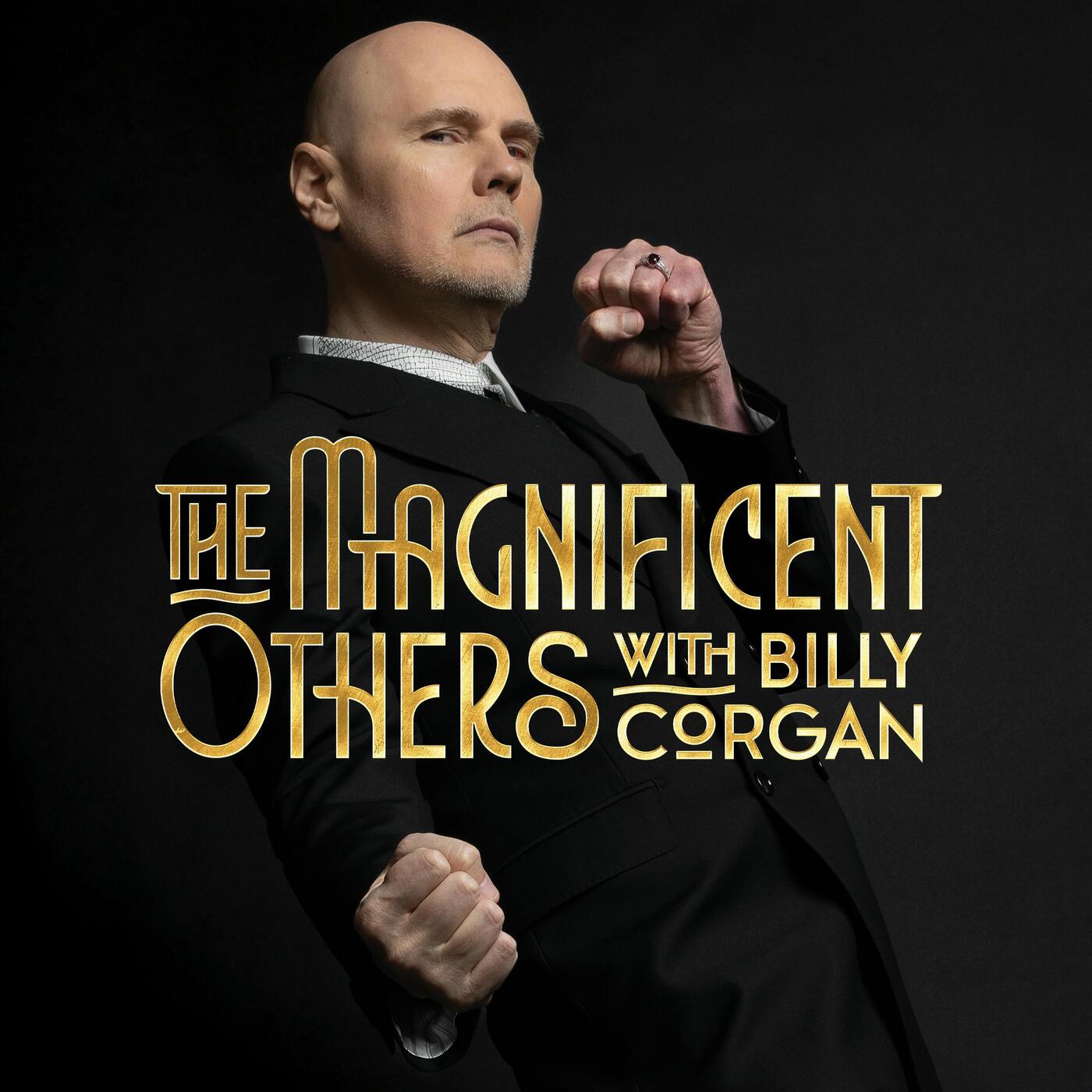
Loading summary
Transcript630 lines
- [00:00]
AMEX Gold Card Advertiser
Get that AMEX gold card ready. I'm too tired to cook.
- [00:02]
We feeling Five Guys or the Cheesecake Factory? Both earn up to $120 a year in statement credits of participating partners. Up to $10 each month when you pay with the AMEX gold card. Learn more@americanexpress.com Explore Gold enrollment required terms apply.
- [00:16]
Get that AMEX gold card ready. I'm way too tired to cook tonight.
- [00:19]
You read my mind. With the gold card, we can get up to $120 a year in statement credits. Are you feeling The Cheesecake Factory? Fact 5 guys. Either of those sound good?
- [00:30]
Yes.
- [00:31]
Which one? Both pay with the gold card to receive up to $10 a month in statement credits at participating partners. Uncover more ways to reward yourself@americanexpress.com Explore Gold enrollment required terms apply.
- [00:45]
Child
Mom, can you tell me a story?
- [00:47]
Mom
Sure. Once upon a time, a mom needed a new car.
- [00:50]
Child
Was she brave?
- [00:51]
Mom
She was tired mostly. But she went to Carvana.com and found a great car at a great price. No secret treasure map required.
- [00:57]
Child
Did she have to fight a dragon?
- [00:59]
Mom
Nope. She bought it one 100% online from her bed, actually.
- [01:02]
Child
Was it scary?
- [01:03]
Mom
Honey, it was as unscary as car buying could be.
- [01:06]
Child
Did the car have a sunroof?
- [01:07]
Mom
It did, actually.
- [01:08]
Child
Okay, good story.
- [01:09]
Mom
Car buying you'll want to tell stories about. Buy your car today on Carvana. Delivery fees may apply.
- [01:16]
Tommy Lee
Was that really how it was? These kids don't know.
- [01:21]
Interviewer
It's like neon lights and sleazy at the same time. Like, I'm in every strip bar ever at the same. I don't know. Something about the way you play that groove. It's like, that's the money.
- [01:32]
Tommy Lee
At the end of the day, I believe. Want a new experience.
- [01:38]
Interviewer
The crew as an institution is completely its own animal. You guys have played by your own rules.
- [01:43]
Tommy Lee
When everybody is going right, we're going left.
- [01:47]
Interviewer
You're not a person who thinks a lot about consequences.
- [01:50]
Tommy Lee
No, no.
- [01:51]
AMEX Gold Card Advertiser
Yeah.
- [01:51]
Tommy Lee
Cause I don't care.
- [01:54]
Interviewer
My good brother, Tommy Lee. So good to see you.
- [01:56]
Tommy Lee
Lots of love, dude. It's so good to see you. So, so good.
- [02:01]
Interviewer
Your life is one beautiful explosion going in about 360 degree direction. So I thought it would be more fun. And I know you like to have some fun, so I thought it'd be more fun if we just kind of just touch on some things. You're certainly worthy of a. Of a full career review, although it's not over yet, but. But it seems not to be your style. So I'm going to Bend the rules a little bit and we'll just kind of like, we'll free associate a little bit.
- [02:27]
Tommy Lee
Beautiful.
- [02:29]
Interviewer
Let's start here. And I. And even though I know you decently well, I. I actually don't know where you're going to fall on this question. So the. So the question is essentially about AI So let's start here. Do you fall on the positive side of AI or the negative side?
- [02:45]
Tommy Lee
I'm right in the middle. I don't. You know what I mean? I think
- [02:53]
Interviewer
because you love technology.
- [02:55]
Tommy Lee
I totally like your toys. I'm such a geek.
- [02:57]
Interviewer
So there's got to be a part of you that likes the toy in the thing.
- [03:01]
Tommy Lee
Yeah, I. I mean, it's. Oh, that's a big one. Because if. If people are using it as a tool. I've spoke to, you know, artists who just, for instance, on my album cover, this. This kind of hit me because I was afraid. I was like, I want to keep the original artwork. He drew it.
- [03:31]
Interviewer
Right.
- [03:31]
Tommy Lee
But I said, I've. I've remixed the record in dole, the Atmos, and I. I want a 3D and also sort of reimagine the artwork.
- [03:40]
Interviewer
Yeah.
- [03:42]
Tommy Lee
And would you.
- [03:43]
Interviewer
Just for context, this is for your 2005 Tommy Land rides Again.
- [03:49]
Tommy Lee
Rides Again. Yeah.
- [03:52]
Interviewer
And you've made it. Sorry. Just because I want people to understand it, because I want them to listen. They've made a new version of like a redone into all the Atmos. And.
- [04:00]
Tommy Lee
Yes.
- [04:01]
Interviewer
Okay. So that's the context.
- [04:02]
Tommy Lee
Yeah. And so, you know, it was on a sort of, you know, with. With an artist, it's kind of a touchy situation of me wondering, is he going to be opposed to using AI to kind of 3D this. Because it's a flat drawing. It's a cool drawing with this roller coaster going in my ear and out the other end. It's kind of like a ride through my creative dark street. And so in asking him, he goes. And his answer was so quick. He goes, Absolutely, 100%. I am down with it because I, for me, as the original artist of the piece, I love it because I use it as a creative tool. It's not replacing me. It's taking something that I've done and really three d ing it out and making.
- [04:59]
Interviewer
So if you were 15 years old now, would you want to use AI to make music, you think?
- [05:07]
Tommy Lee
To make music,
- [05:10]
AMEX Gold Card Advertiser
Right?
- [05:10]
Tommy Lee
Yeah, that's.
- [05:11]
Interviewer
That's because you like the hit.
- [05:13]
Tommy Lee
Yeah, that, that, that. That's weird that I don't think I'll
- [05:18]
Interviewer
ever have you done the thing yet where you put a song in and have. Have AI kick out a different version? Have you done any of that yet?
- [05:24]
Tommy Lee
No, not. Not.
- [05:25]
Interviewer
Have you seen people do that? Have you seen any demonstration of that?
- [05:29]
Tommy Lee
No.
- [05:29]
Interviewer
You can literally load in like an acoustic demo. It could literally just be a demo of you acoustic guitar and vocal. And it spits out like a bro country version of your song like. Like in like 60 seconds with guitar parts, background singing. It's. It's wild. And that's insane now. So this is 2026. We're doing this interview. So five years from now, it'll be insane what people will be able to do.
- [05:52]
Tommy Lee
Yeah. Yeah, that's a. That's a loaded one, man. Because there's so many pluses and so many weird minuses that could. I don't know, dude. It's. But it's. But it. Yeah, I do like the forward movement with the technology and.
- [06:10]
Interviewer
Yeah, that's why I kind of guessed you would be kind of in the. The gray space on it because. Because I know you love you. You're somebody who embraces technology. You're certainly not afraid of it.
- [06:20]
Tommy Lee
Yeah.
- [06:21]
Interviewer
See, you've made your living in the music business, we both have, and you've certainly been the beneficiary of it. But you've also dealt with the downside of the music business. Where do you land on the music business at this point? Having seen everything that's happened? Because you grew up in the business where it's about records, radio stations, and then eventually mtv, and now it's onto something totally different.
- [06:46]
Tommy Lee
Completely different, isn't it?
- [06:47]
Interviewer
Yeah.
- [06:50]
Tommy Lee
You know, I don't spend a whole lot of time kind of analyzing it. I think most. Most of the time I'm. I'm extremely grateful to have had this long of a career because not many have. Yeah, you know, a lot.
- [07:12]
Interviewer
Yeah, you're in the. You're in the 0.0001 percentile.
- [07:15]
Tommy Lee
Right. So I'm usually, you know, I realize where everything's gone and. And there's just like the part. The part about. The part about the music business is there's too much it. I'm in the bit. We're in this business. We make and we do music and when Spotify or whoever is releasing how
- [07:49]
Interviewer
many songs a day to 200,000, I think is the bro. And a lot of. And pretty soon it's going to be a lot of AI.
- [07:56]
Tommy Lee
And that's just. To me, I'm a musician. I'm also a fan. And if I can't keep up. How is everybody keeping up? And why are we constantly dumping new content out? That's the part that just baffles me. How is anybody listening to all this if impossible?
- [08:20]
Interviewer
Well, the answer is they're not.
- [08:22]
Tommy Lee
Yeah.
- [08:23]
Interviewer
And the real. It's hard to use the word victim. It's not the right word. The real. The people most hurt by the current system in 2026 are what I call the musical middle class. People who back in the day would have been able to make a decent living, buy a house. Now they can't tour. They're not getting enough streaming revenue. Spotify came out with that rule that long ago. If you get under a thousand plays, they don't pay you. Do you know about that?
- [08:52]
Tommy Lee
No, but.
- [08:52]
Interviewer
So even if you're somebody who gets 500 plays, you don't even get the money for the 500 plays. They just don't pay you because they don't consider it important enough. They'll host you on the platform. You could put your music up.
- [09:03]
Tommy Lee
Yeah.
- [09:04]
Interviewer
So that's a difficult one.
- [09:06]
Tommy Lee
God. Shit's kind of crazy, isn't it?
- [09:10]
Interviewer
Talking to you. Reminds me of a story Nikki, your bandmate, told me once, where it was kind of in those years where the crew was. Was not up, but on the. On the downside of things. And you guys had a very contentious relationship with. Was it Sylvia Roan?
- [09:27]
Tommy Lee
Oh, yeah.
- [09:28]
Interviewer
And. And Nikki basically approached your former label lecturer and. And somehow was able to buy your catalog for not a lot of money. I know, and that's an incredible story because imagine you have the Motley Crue catalog. Electra owns the catalog. You guys probably had a crappy record deal, as most bands did back then.
- [09:48]
Tommy Lee
Right. Right.
- [09:48]
Interviewer
And somehow Nikki arranges, because she hates you guys so much, buys all your stuff back.
- [09:54]
Tommy Lee
Yeah.
- [09:54]
Interviewer
It's now probably worth a hundred times or more. What? What? You guys paid for it?
- [09:58]
Tommy Lee
Yeah. She was so excited to get rid of you. We had two records left with them. So. This was her perfect, amazing, perfect way out. And perfect way out for us, too. We were like, of course we'll take our stuff and see, this is.
- [10:15]
Interviewer
This is where your bad behavior was rewarded. Yeah. How you felt? You know, we've had about 20 years of pop overload. How do you. How do you look at pop, the pop landscape at the moment?
- [10:29]
Tommy Lee
Pop landscape? Well, I.
- [10:31]
Interviewer
Are you a fan? Are you?
- [10:33]
Tommy Lee
I'm a fan of really good music. Like, and I'm a fan.
- [10:37]
Interviewer
You're not a hater, per se?
- [10:39]
Tommy Lee
No.
- [10:39]
Interviewer
Like, not because I Having spent time with you, you're not a person who talks behind the scenes on other artists. You're just not that guy. No, you're more of a. I love this. I love this. I love this.
- [10:49]
Tommy Lee
Yeah.
- [10:49]
Interviewer
So. And who in the pooh. In the pop world are you attracted
- [10:53]
Tommy Lee
to in the pop world? Guys like, I mean, I love Bruno Mars is amazing. Super funky, super cool. Is that considered pop?
- [11:07]
Interviewer
Yeah, it is considered pop.
- [11:08]
AMEX Gold Card Advertiser
Yeah.
- [11:09]
Tommy Lee
Right.
- [11:09]
Interviewer
Back in the day, they would have called it R B, but I don't think they distinguished that anymore.
- [11:14]
Tommy Lee
Yeah. Who else? Geez, Billie Eilish. I love. Who else in that world? Trying to think that's fine.
- [11:30]
Interviewer
But, but, but on, on the. Have you noticed that somehow in this, you know, hegemony is the word. It's been this pop dominance for about 15, 20 years, that no rock on the charts for 20 years.
- [11:42]
Tommy Lee
Right, right.
- [11:43]
Interviewer
That's kind of a weird one because that was never the case in any other generation. That's really just been a recent phenomenon. I think it's about to end there. Tons of education is about to end and rock is about to have a massive kind of comeback, which I'm sure you feel or see. Are you seeing a lot of young fans when you're playing now?
- [12:01]
Tommy Lee
So many.
- [12:02]
Interviewer
Crazy, right?
- [12:03]
Tommy Lee
Yeah, you know, everybody. Like, that's such a beautiful thing and such a great feeling that, that I get personally because I'm like, whoa, this is transcendent. This is.
- [12:16]
Interviewer
Yeah.
- [12:17]
Tommy Lee
Our fan has his kid on his shoulder, grandkids, and he's going, shout, shout. And I'm like, wait, dude, you're, you're, you're 14. Like, this is the best ever. Like, so it. To see it.
- [12:32]
Interviewer
Yeah.
- [12:32]
Tommy Lee
Go to another generation and look out and see a ton of.
- [12:36]
Interviewer
Yeah.
- [12:37]
Tommy Lee
Young kids. And with the original fans is just, man, it's just, it's such a confirmation of like, okay, this is going to be, this is going to be around for a while.
- [12:49]
Interviewer
Do you have an opinion why so many young people are interested again in guitar bands? Is it as simple as just the sound of rebellion or.
- [13:00]
Tommy Lee
I, I guess, man, I, I, what, what I do notice is things are getting a lot heavier, like, in the guitar world. Like a lot of. So a lot of the newer stuff is like, you know, extremely detuned and super, super lush and heavy. Yeah. Everybody's kind of taking that guitar thing again.
- [13:29]
Interviewer
Technology, that's part of it, right? The ability to record guitar in this new way and.
- [13:36]
Tommy Lee
Yeah, and there's, you know, there's plugins now that, you know Simulate the. What is it? That seven string? Detuned.
- [13:44]
Interviewer
Crazy, right?
- [13:45]
Tommy Lee
Just. And you're just like, oh, my God, this sounds insane.
- [13:48]
Interviewer
Yeah, yeah.
- [13:53]
Tommy Lee
I don't know. You're the guitar guy.
- [13:56]
Interviewer
Well, you know, we know where that goes. Invariably it's a bunch of people staring at a Marshall stack going, how many more mics can we put on this? I know. You've lived it.
- [14:07]
Tommy Lee
Yeah.
- [14:08]
Interviewer
Okay, let me hit you with the date here. Little controversy. January 28, 2014, in quotations. Cessation of touring.
- [14:18]
Tommy Lee
Oh, yeah.
- [14:19]
Interviewer
That's where you gentlemen signed in blood. We will never tour again. Or never. The Endless. So let's have fun with it, because obviously you've continued touring. Did you. Did you. Did you. When you signed the contracts in blood? Even if it was your blood, it doesn't matter. But did you believe that really was the end?
- [14:43]
Tommy Lee
Yes, we did. And we.
- [14:46]
Interviewer
We.
- [14:47]
Tommy Lee
We did, but we wanted everybody else to. To. To. To believe that, too, and. And realize that, you know, the last thing we wanted was. Was people to go like, oh, it's, you know, Kiss in their final. Final, final. Right. Like, we were really.
- [15:18]
AMEX Gold Card Advertiser
We were.
- [15:19]
Tommy Lee
We wanted that to be crystal clear that this was. We were. We were done. Yeah, we're done. And. And we were, but for a while.
- [15:31]
Interviewer
But what's so funny, when you guys came back, I thought, well, this is the most Motley Crue thing ever. And.
- [15:36]
Tommy Lee
Motley. It's definitely a Motley move. It's like, psych.
- [15:40]
Interviewer
Well, we. Well, yeah, exactly. We sign in blood, we can't come back. It's like, yeah, but we're Motley Crue. Of course we come back.
- [15:46]
Tommy Lee
We lied. No.
- [15:48]
Interviewer
158 shows between 2014 and 2015. I saw two of those shows.
- [15:54]
Tommy Lee
Dude, that tour was like.
- [15:57]
Interviewer
2. It was. Big tour.
- [16:00]
Tommy Lee
Yeah, it was. It seemed like it was forever. It was one of those. When you come home and you're like,
- [16:06]
Interviewer
oh, but I have to ask, because I think I know the answer, but whose idea was the signing in blood?
- [16:13]
Tommy Lee
Oh, Nikki's, of course. You know the other.
- [16:15]
Interviewer
It's like, ring a bell?
- [16:16]
Tommy Lee
Yeah.
- [16:17]
Interviewer
If there. If there ever was a Nikki Sixx idea.
- [16:20]
Tommy Lee
Yeah. Because that makes it official. If it's in blood, it's official.
- [16:23]
Interviewer
So this is my. This is the selfish part of our conversation. So in 2013, which is before you went out on that Endless tour, you and I worked together on my album Monuments to Analogy. Thank you for that.
- [16:35]
Tommy Lee
Yeah. Which was. What an experience.
- [16:38]
Interviewer
You may not know, but it was a really downtime in my personal and musical life. So working with you was really, like. It lifted. Lifted my spirit. So I want to thank you, bottom of my heart, for being part of
- [16:47]
Tommy Lee
that, and I want to thank you because you and I tell people this story all the time.
- [16:52]
Interviewer
Please tell me.
- [16:53]
Tommy Lee
It was like it was such an experience recording with you because you have certain ways that you do things, and I have certain ways I do things. And your. You know, your. Your passion for that one take is. And the no use of pro tools, editing, and, like, I want that vibe.
- [17:24]
Interviewer
It's an emo. It's a. It's. It's hard to understand because on. On the. On the surface of it, emotion and drumming shouldn't really translate. But if you can get that one take.
- [17:35]
Tommy Lee
It does, it does, it does. And you made me realize that.
- [17:39]
Interviewer
Yeah. And you're an incredible drummer, and you're an incredible pocket drummer. And the best way I can explain it, having worked with you intimately on music, is when you find the Tommy Lee groove, whatever that is. It is like, I feel like I'm standing on the Sunset Strip. 84. It's both. It's like neon lights and sleazy at the same time. Like, I'm in every strip bar ever at the same. I don't know. Something about the way you play that groove. It's like, that's the money. That's the thing that sold a zillion records. That's the groove. And only you play that way.
- [18:17]
Tommy Lee
That's. That's cool.
- [18:18]
Interviewer
So understand the pressure isn't inadequacy. It's greatness.
- [18:24]
Tommy Lee
Oh, that's cool, man. Yeah, that's cool. And, yeah, like I was saying, I tell people this all the time. Like, it was incredibly challenging for me because I'm working a lot of weird timing. 79. And then, you know, the time signature changes and trying too much.
- [18:42]
Interviewer
Prague.
- [18:42]
Tommy Lee
I know.
- [18:43]
Interviewer
Sorry for that.
- [18:44]
Tommy Lee
Which is awesome because it was challenging for me. You know, I needed that.
- [18:48]
Interviewer
Yeah. My favorite. My favorite story from us working together at your. At your old house was, I think I left the room. And you. You turned to the engineer, said, why does he need so many takes? Just the image of you holding your sticks up like, bro, you need so many takes. But thank you again for that. I will say as. Because I think this would be of interest to your fans. The physics of the drums, by and large, are you're not supposed to drive the stick into the drum because the drum can't vibrate, Right? So proper drumming is you hit it, you come off it, and then drum
- [19:26]
Tommy Lee
goes and it does this thing like.
- [19:29]
Interviewer
Like you drive that stick through the head. You hit harder than any drummer I've ever seen up close. But somehow it sounds amazing. It physically. It shouldn't work.
- [19:40]
Tommy Lee
Yeah, it shouldn't. Because the microphone can only handle so much and there is so much all
- [19:45]
Interviewer
of it, but somehow with you it works. Is that something that you. That just came naturally to you wasn't something you thought of or did you like the way the drums sounded when you hit them like that?
- [19:54]
Tommy Lee
Yeah, you know what, it's a. It's an ear thing for me. I'm like, oh, this sounds nice. This doesn't sound nice because this is over driving certain things. So yeah, for me it was like a sound thing. Like, oh, this sounds really cool. This doesn't sound cool. It's kind of my ears is my reference for how it sounds and feels.
- [20:16]
Interviewer
Yeah, it's almost like, I don't know, it's not the best analogy, but it's almost like how certain pitchers that are long limbed have a certain whip to their pitches. You kind of whip when you play the long arms. Yeah. But it's not, it's not just you drive down. It's almost like you kind of. I don't even know how to explain it. It's like, like a whip motion. The sound that you get off the kid is unlike anything I've ever heard. Because it shouldn't sound like that. That's cool.
- [20:42]
Tommy Lee
Yeah, cool that.
- [20:43]
Interviewer
Yeah, that's. I know it's nerd stuff, but thank you.
- [20:45]
Tommy Lee
No, it's cool.
- [20:47]
Interviewer
So let's talk a little bit more about the Tommyland Rides again. I love the idea that you've gone back to a former project and sort of redone. It was, it was part of it. You wanted to hear an Atmos. Was it a reunion, an anniversary? What was the impetus for doing want to do it?
- [21:02]
Tommy Lee
A couple reasons. One, it being a 20, 20 year anniversary and I had built a Dolby Atmos studio in my, my new house.
- [21:14]
Interviewer
How many, how many speakers do you need for an Atmos?
- [21:17]
Tommy Lee
There is.
- [21:18]
Interviewer
Is it five or is it more?
- [21:19]
Tommy Lee
No, it's seven.
- [21:22]
Interviewer
If at most for people don't know is basically like 3D mixing technology. Right. Is it pretty much what we would have called surround sound years ago but it's the new version of surrounds.
- [21:33]
Tommy Lee
There you go instead of, instead of it like a surround sound being, you know, front and rear where you're like oh cool, there's sides, there's above you. Oh, I didn't know that, okay, their rear sides, front sides is lear. Literally engulfed in, in sound. And. Having heard that, I went to pmc, has a studio here in town. And I went to their, their Atmos room and I heard it and I was like, I have never heard anything like this in my life. I am not listening. I am in the museum, okay? And I was just so inspired. So I built that my house. And then after hearing that and being inspired by that and actually with it and making it work, I was like, I gotta, I, I gotta remix some stuff because this, this needs this. It's begging for this. This is how it should have always sounded. So. And one of the things. And you'll, you'll, you'll appreciate this. Being a singer, I. One of the songs on the record really sonically is just unbelievable. It's. It's called hello Again. And I opened the record with it like just basically saying hello again to everybody who's coming back to listen to the record. Right? But really I wrote that song about my father dying and hello Again being. You know, what would I say to my father again one day when I
- [23:16]
Interviewer
say, is it a new song or a song from the original record?
- [23:18]
Tommy Lee
It's a song from the original record. But what inspired me was I was like, God, how cool would it be if the vocal was coming from up above? And it gave me goosebumps. So I put the vocal upstairs so it sounds like you're singing from some other universe. And you're sitting there and you're like, wait, the vocal, it's just insane. You're like. And I, you can, you can place, let's say you're vocal and you're doing some sort of a whispery kind of a vocal. I can put that right behind your ear.
- [24:02]
Interviewer
Okay.
- [24:02]
Tommy Lee
And you're like, yeah. Do you know what I mean? And so it's just inspired me now, like I want to actually, I want to make a new record that's completely recorded in and sort of pre thought like how. Let's, let's kind of put more thought in how it's going to sound before even while writing it.
- [24:23]
Interviewer
But how do you deal? Because, you know, traditionally rock is mixed. I know it's not necessarily a rock record, but you know, rock type music is mixed in a compressed kind of constructed way. How do you deal with the sort of. The separation? How do you, how do you. Do you rationalize it as I enjoy it because it's like being in the middle of the band working or how do you. What's your mental image like, of, of
- [24:44]
Tommy Lee
like perception of where you're at. It. It's, it's not crazy different to where you feel like, oh, where am I? It still has that sense of. Most of the, most of the power is really coming from the left and right to your ears, but there's this extra spatial wideness and behind you and above you. That. Yeah, that, that's, that's sort of the, the bonus, I guess. But you. The most of the power is really still coming from your left.
- [25:19]
Interviewer
Yeah. One thing you're triggered in my mind is help me take it as a compliment. But you know, you're kind of a ADD type of personality. You like a lot of stimulation in your environment. It's just the way you are. But in a way, you know, a lot of people struggle these days with how is music going to compete against the phone, against the dopamine hit? And maybe, maybe that type of approach is actually a way to get music back up to speed. Where for, especially for young people, it sort of works more with the way their brains are working.
- [25:49]
Tommy Lee
Yes. And, and also skeptical, you know, like, like not everybody has Dolby Atmos. Yeah, right. You know, like, you know, just a normal fan.
- [26:00]
Interviewer
They have technology now where it makes sense in the headphones. Right.
- [26:02]
Tommy Lee
Yes, yes. And once I found out that there's a load of major car manufacturers that when you buy a new car stock, it comes with Dolby Atmos. Everybody from Mercedes, Cadillac to there's a bunch of manufacturers, a bunch of electric vehicles, I think Tesla, Rivian, A significant amount of people are, are offering Dolby Atmos in the car factory.
- [26:40]
Interviewer
Yeah. But it's.
- [26:40]
Tommy Lee
And I was like, oh, here we go. It's going to, it's going to, it's going to move people. People at the end of the day, I believe, want a new experience and when they listen to music, you know, everybody's heard stereo for ever.
- [26:59]
Interviewer
Well, for 70 years. No. Seventy years, right.
- [27:01]
Tommy Lee
Yeah. So like, you know, at the, at the end of the day, all this is entertainment, you know? Sure.
- [27:08]
AMEX Gold Card Advertiser
Yeah. Right.
- [27:09]
Tommy Lee
So, so, so, so it's, it's. I feel like it's our job to give the listener.
- [27:16]
Interviewer
Yeah. A.
- [27:17]
Tommy Lee
A fresh new experience or something that they can't. You can't get anywhere else or something. Something new. Something. Anything.
- [27:25]
Interviewer
Yeah.
- [27:26]
Tommy Lee
Something different.
- [27:26]
Interviewer
And shout out to P.PMC as well.
- [27:29]
Tommy Lee
Good boy, good boy.
- [27:31]
Interviewer
Great speech.
- [27:32]
Tommy Lee
Yeah, they are.
- [27:33]
Interviewer
I got you on that nerd point.
- [27:37]
Tommy Lee
Shout out to pmc.
- [27:41]
Interviewer
Is it true you started playing on the sunset strip, late 70s? Is that, is that accurate? Yes, you would have been like, what, 17? 18 years old.
- [27:48]
Tommy Lee
I was 17. I remember we had to lie to about my age to get to.
- [27:54]
AMEX Gold Card Advertiser
At.
- [27:54]
Interviewer
To play, like, my first gig.
- [27:56]
Tommy Lee
He's not old enough.
- [27:56]
Interviewer
I had a lie. Same old.
- [27:58]
Tommy Lee
Really nice.
- [28:00]
Interviewer
Yeah, right? I literally. I literally hid behind the lead singer so no one. No one could see my face.
- [28:06]
Tommy Lee
Who's that kid?
- [28:07]
Interviewer
Yeah, totally. But obviously there's the famed Sunset Strip, which you guys are in. Exact. Exact, exact. What's that word? Inexorably. Inexorably linked to.
- [28:18]
Tommy Lee
Whoa.
- [28:18]
Interviewer
All right. That's my big word of the day.
- [28:21]
Tommy Lee
And mine too. I'm just learning it.
- [28:22]
Interviewer
Inexorably.
- [28:23]
Child
What is it?
- [28:24]
Tommy Lee
What does it mean?
- [28:25]
Interviewer
I. I think either means. I think it's a fancy word for saying you're linked. Like you're. Oh, you can't think of the Sunset Strip without thinking about Motley Crue. That would be the fancy way.
- [28:36]
Tommy Lee
Gotcha.
- [28:37]
Interviewer
Inexorably.
- [28:39]
Tommy Lee
Inexorably.
- [28:40]
Interviewer
But before. Before it really kicks in, late 70s, early 80s, before it becomes the stuff of movies and miniseries. What was your. What was your impression then? Of that. Of that. Of that musical scene? Van Halen was obviously the king of that time, but. Yeah, what was your impression?
- [28:59]
Tommy Lee
God, dude, us. When. When you're that age. I don't. I mean, now my impression is different, but if you're asking me what my impression was then, then, then,
- [29:21]
AMEX Gold Card Advertiser
Then.
- [29:21]
Tommy Lee
Okay, this. This will bring it all home.
- [29:25]
Interviewer
You're.
- [29:26]
Tommy Lee
I remember. I remember. This is how naive I was. I remember calling my parents, going, oh, my God, you guys, we sold out the whiskey. Friday, Saturday and Sunday, three nights in a row. I had thought we made.
- [29:47]
Interviewer
We.
- [29:48]
Tommy Lee
We made it.
- [29:48]
Interviewer
Yeah.
- [29:49]
Tommy Lee
Little did I know we hadn't done.
- [29:52]
Interviewer
Yeah.
- [29:52]
Tommy Lee
Literally, Hollywood, three sold out nights. And I'm thinking we made it.
- [30:00]
Interviewer
Yeah.
- [30:00]
Tommy Lee
Little did I. I didn't know. Right. So it's pretty wild to have sat there and thought, whoa, this is it. We made it.
- [30:12]
Interviewer
Yeah. You know, but in a way, you had. Because. Because there was nothing comparable in the rest of America for what that. That scene was becoming.
- [30:22]
Tommy Lee
Yeah.
- [30:23]
Interviewer
There was nothing like that in Chicago. There was in the back in the day. When I. When I was a kid, my dad would always talk about there was an area down in the city. Why can't I think of the area? Old Town or something? It was while the clubs were. Ah. But. But by the time I was a musician, that was all gone, you know? I mean, there was no, like, centralized place where people went to go hang out.
- [30:47]
Tommy Lee
Oh, gotcha.
- [30:48]
Interviewer
You know, where in your. In your time, you know, that was. Everybody would pile. Even if they weren't going to a gig, they would just walk the strip.
- [30:56]
Tommy Lee
Yeah. Yeah. Just hanging out everywhere. Yep.
- [31:00]
Interviewer
What was the. You know, the. The tales of Nikki not being able to play and. And people doubting Nick that Nikki could offer something, and you saw something in Nikki and that whole thing. But what was the. What was the first vision for the crew? Was it like, we're going to be. Because I always got the sense Nikki wanted you guys to be a glam band. Is that accurate? Like, did he. Did he have. Did. Did he say, I want to be this type of band? Was there something that was on the table?
- [31:28]
Tommy Lee
He didn't say he wanted to be any sort of type. It's like he had left his band London, which was full, kind of glammy, you know, rock, poppy stuff.
- [31:39]
Interviewer
Kind of almost like a cute boy band, right?
- [31:41]
Tommy Lee
Like, exactly. And I. I just remember he had like a handful of some songs, and I just met him, and it was this little house in Hollywood, and there's no drums over there. He just had an acoustic guitar. And I'm playing drums on the coffee table. And we just started vibing and that. That's when we were like, you know, that's when we started, I guess, trying to figure out what. What it was. What are we doing? So we're like, we found a guitar player and we, you know, we found Mick, and then we need. Then we needed a singer.
- [32:26]
Interviewer
Yeah.
- [32:27]
Tommy Lee
And I was like, I go to. I went to school with this dude. All the girls love him, and he plays backyard parties and sings incredible Cheap Trick and, like, Ramones and, like, to all these, like, he was in a, like, probably the best cover band called Rock Candy at the time. And I was. So I took Nikki and Mick to go see him plays at some backyard kegger party, and we were just like, that's our guy. Like, yeah. So we had to steal him out of there anyway. Long story, but we. It sort of got built, you know, piece by piece. You know, we got. We got Mick. And then like, okay, now there's this.
- [33:14]
Interviewer
But what.
- [33:15]
Tommy Lee
There's defining sound.
- [33:15]
Interviewer
Was there a musical conversation or was it just like some of the parts, you think?
- [33:20]
Tommy Lee
Some of the parts, for sure.
- [33:22]
Interviewer
You're such a unique band, you know, I mean, to this day, I still think you're one of the most unique bands. I mean, people normally lump you into the. Into the hard rock thing, which makes sense. But at the end of the day, the real roots of the crew Are. Are not. They're not necessarily just hard rock.
- [33:38]
Tommy Lee
Yep.
- [33:39]
Interviewer
There's lots of things there that nobody would have put together.
- [33:42]
Tommy Lee
Yes. You guys put together so a lot of different influences. All somehow.
- [33:47]
Interviewer
And somehow it works. Right. But it's nothing you gu. Talked about.
- [33:52]
Tommy Lee
No, it's weird. It just.
- [33:54]
Interviewer
It kind of was.
- [33:55]
Tommy Lee
Just. Was.
- [33:56]
Interviewer
That's interesting. Yeah.
- [33:59]
Tommy Lee
And there's that one defining thing. It's like you have a certain sound and when you sing and you. And it's so identifiable, you can hear miles away, like, oh, that's Billy.
- [34:15]
Interviewer
Yeah.
- [34:15]
Tommy Lee
And Vince has that. There's not a lot. There's so many singers out there that could be anybody.
- [34:22]
Interviewer
Yeah.
- [34:22]
Tommy Lee
And. And, and maybe let's even take it. Wider bands. You're like, I don't know who that is. Could. Could be 30.
- [34:31]
Interviewer
Yeah.
- [34:31]
Tommy Lee
These bands. But when you hear you sing, you know it's you. And when you hear Vince sing, it's undeniable.
- [34:39]
Interviewer
You're like my.
- [34:40]
Tommy Lee
That's Molly. That's me. The. The voice of.
- [34:44]
Interviewer
I haven't seen you for. I'd say, but we got a 14 month old baby, Juno. And.
- [34:48]
Tommy Lee
Yeah.
- [34:49]
Interviewer
And the other day my. My song was playing on the radio and the baby pointed at the radio and said, daddy.
- [34:56]
Tommy Lee
No way.
- [34:59]
Interviewer
I was like my kid.
- [35:01]
Tommy Lee
Yes, yes, Daddy. That's.
- [35:05]
Interviewer
I love. I love Jimmy Chamberlain. Jimmy. Jimmy Chamberlain from the Pumpkins loves Vince's voice and I do too. But. But he has the best description of Vince's voice. Oh, feline.
- [35:18]
Tommy Lee
No way. That's the best.
- [35:20]
Interviewer
Feline.
- [35:21]
Tommy Lee
Feline. Wow.
- [35:22]
Interviewer
As only Jimmy Chamberlain could put it. It's like it shouldn't work, but it does. Yeah.
- [35:29]
Tommy Lee
I know it. It's a weird. It's a weird thing.
- [35:33]
Interviewer
Yeah. Like imagine. I mean, obviously you've had different singers, but John Krabi, great singer, but.
- [35:38]
Tommy Lee
But yes.
- [35:39]
Interviewer
Something about Vince's voice made it more alternative or more something or more like even Cheap Trick. It gave it an alternative feeling.
- [35:50]
Tommy Lee
Totally. Like a John Corabi. Great voice, but could be so similar to so many others from Steven Tyler to this to that, where Vince just. He sounds like Vince.
- [36:02]
Interviewer
Only Vince sounds like Vince.
- [36:03]
Tommy Lee
Yeah.
- [36:04]
AMEX Gold Card Advertiser
Get that MX Gold car ready. I'm way too tired to cook tonight.
- [36:08]
You read my mind. With the Gold Card, we can get up to $120 a year in statement credits. Are you feeling the Cheesecake Factory? Five guys. Either of those sound good?
- [36:19]
Yes.
- [36:19]
Which one? Both pay with the gold card to receive up to $10 a month in statement credits. At participating partners uncover more ways to reward yourself@americanexpress.com Explore Gold enrollment required terms
- [36:33]
apply get that AMEX Gold card ready. I'm too tired to cook.
- [36:36]
We feeling Five Guys or the Cheesecake Factory? Both earn up to $120 a year in statement credits of participating partners. Up to $10 each month when you pay with the AMEX Gold card. Learn more@americanexpress.com Explore Gold enrollment required terms apply.
- [36:49]
Child
Mom, can you tell me a story?
- [36:51]
Mom
Sure. Once upon a time, a mom needed a new car.
- [36:53]
Child
Was she brave?
- [36:54]
Mom
She was tired mostly. But she went to Carvana.com and found a great car at a great price. No secret treasure map required.
- [37:01]
Child
Did you have to fight a dragon? Nope.
- [37:03]
Mom
She bought it 100% online from her bed, actually.
- [37:06]
Child
Was it scary?
- [37:07]
Mom
Honey, it was as unscary as car buying could be.
- [37:09]
Child
Did the car have a sunroof?
- [37:11]
Mom
It did, actually.
- [37:12]
Child
Okay, good story.
- [37:13]
Mom
Car buying you'll want to tell stories about. Buy your car today on car funnel. Delivery fees may apply.
- [37:19]
Interviewer
The crew as an institution is completely its own animal. You guys have played by your own rules. You're one. Jimmy Chamberlain and I sometimes find ourselves talking about you. And somehow you guys made all the things that you shouldn't do work. And. But. But from a. From. From somebody who's been in the game for a long time. What's another. What's another artist? It could be any era, but what's another artist that you look up and say, wow, I really admire the way they went about the business of music. Not just that you admire them creatively, but you like the way they sort of went at it. Because you know the game.
- [37:53]
Tommy Lee
Yes. You know the business. I have a small handful of ones that I completely admire about musically and how the evolution of their career. Yeah. Yeah.
- [38:13]
Interviewer
That's kind of what I'm curious about.
- [38:14]
Tommy Lee
Yeah. To me it's. And to me, David Bowie and Prince are at the. At the top of my list for several reasons. And we. We don't have those anymore. Like, there's no mystery to anybody or anything anymore with social media and seeing what everybody's having for breakfast. And like the. Prince would never. He would barely do interviews. And so he always left you wondering, wanting to know more. More about him. Right. And he just wouldn't. Wouldn't really let you in or just enough, you know. And David Bowie from record to record would completely change the way he looked. Even musical styles would, you know, always like a chameleon. Just always that I respect and admire, like guys like that that have just always sort of. I Don't know. Kept it kind of, kind of underground, but above ground and changing things up and, and not doing the same thing over and over and over. And that's inspired us to. You can see it and Motley, where we'll, we'll change the logo, we'll change the way we look from record to record. It was always like, yeah, whoa, dude. So they're going through this phase. They're, they're doing this, they're doing that. And I think I, I really believe that there's some of that is, is to be so.
- [40:01]
Interviewer
Speaking of that, because I was going to ask about this, so I was always curious. I feel like I talked to you about it privately once, but obviously you were in public here, but it was, it was, you did Shout at the Devil. Huge record. Huge. Like, you know, was like the teen anthem record of that year, whatever that year was. But then Theater of Pain seemed to be a curious follow up to a lot of fans at the time. Kind of like almost like a glammy pivot. You guys change your look.
- [40:28]
Tommy Lee
Yeah.
- [40:28]
Interviewer
Were you, were you on. Excuse, Were you on board with that, that, that change at the time?
- [40:34]
Tommy Lee
Yeah, I was on board at the time.
- [40:37]
Interviewer
I'm not saying it was a failure, you know, I mean, it was a successful record.
- [40:40]
Tommy Lee
Yeah, yeah. Home Sweet Home was massive for us. At the time. It just seemed like. And like a natural kind of, you know, flip the switch a little bit.
- [40:59]
Interviewer
Yeah.
- [41:00]
Tommy Lee
Now when I look back, I don't know if that was necessary to go sort of. That, that's pretty drastic. Going from like.
- [41:09]
Interviewer
Well, you went from the devil to,
- [41:11]
Tommy Lee
from, from Satan to like, very colorful.
- [41:16]
Interviewer
Yes.
- [41:17]
Tommy Lee
And ballads. And we were just, I don't know, man. We were just.
- [41:22]
Interviewer
Yeah. It's hard when in a band because you're moving so fast. Those decisions, it's not like you sit around and talk about them for eight days. They just kind of happen and then you kind of live with them. Is that, is that accurate?
- [41:32]
Tommy Lee
Absolutely.
- [41:33]
Interviewer
Yeah.
- [41:34]
Tommy Lee
Yeah.
- [41:35]
Interviewer
Looking back, Shout out the Devil to Me is such an interesting record because I really liked it the time I had it at the time, but I went back and listened to it again maybe like a couple years ago, and I, I just think it's such an amazing record. What's your perception of that record? Looking back now, I, I, I, I,
- [41:53]
Tommy Lee
I love that record. And for me, that was a record that we're working with. Tom Wurman.
- [42:08]
Interviewer
Yeah.
- [42:08]
Tommy Lee
Great producer, really cool producer. He had done Cheap Trick and we were fans of, like, we were like, oh, man, we're with. We're with a guy who can. Sure, you can help us pull this off. And we. Then. That's when it started getting into technology with. With samples and, you know, drum samples and sequencers and all this stuff. Although it's not very. It's not very audible there, but it is in the background. We started reinforcing drums and doing some things that I was personally into and Tom got into, and we all just kind of just started building this thing. But I love that. That record.
- [42:53]
Interviewer
Yeah. The way I feel about that record is. Is. And I don't mean it as a disk, because I love it. It's almost like it seems like the same song, kind of in variations.
- [43:02]
Tommy Lee
Oh, yeah.
- [43:05]
Interviewer
It's gotta, like. Well, here's another version of the same song. But it's really good. Yeah, Like a lot of great songs. And it's like. It's like a. It's like a really cool movie. I don't want to end. That's cool. It takes you into a particular atmosphere. The sound of mixed guitar. I think, in particular, me as a guitar player. Just something about the whole thing. The parts, the way you guys are locked in, the sound of Vince's voice. All of it.
- [43:28]
Tommy Lee
Yeah.
- [43:29]
Interviewer
And it's like. It's really one of those records. I don't want it to end. I wish there was, like, 400 more of the same song.
- [43:34]
Tommy Lee
That's so rad.
- [43:36]
AMEX Gold Card Advertiser
Wow.
- [43:36]
Tommy Lee
That's cool, man.
- [43:38]
Interviewer
Yeah, because at the time, you know, I was. You know, it's like, when the record came out, I think it was about 17. And, you know, you see the pentagram, you're like, okay, I'm down with that. That's cool. Yeah, you guys are going for it.
- [43:48]
Tommy Lee
This is dark.
- [43:48]
Interviewer
Because I. I was listening from the first ep. I think I told you this a long time ago, but I. There was some hot girl who lived on my friend's block. She had. Let's just say, she was endowed in a particular way. She's the first time I ever heard the name Motley Crue because she was wearing a shirt. So being a teen boy, you look at her natural assets, and then it says Motley Crue.
- [44:11]
Tommy Lee
Yeah.
- [44:11]
Interviewer
That was my first connection.
- [44:12]
Tommy Lee
Embossed.
- [44:13]
AMEX Gold Card Advertiser
Yes.
- [44:13]
Interviewer
So because of that, I. I ended up hearing the. The first EP because she was a fan. And so when. When the shot of the devil came out, I was like, okay, I'm ready for it. Like, give it to me. And it was like pentagrams in the fire. Okay, here we go. Great videos. So but at the time it was like, I kind of thought like, okay, that's cool. You're kind of doing this almost like comic booky Hail Satan stuff, you know what I mean? Because I was already listening to Merciful Fate, you know? I mean, so, yeah, yeah, you know, it was, it was, it was the kinder, gentler Satan with the crew. But yeah, looking back now, I just think the record is such a supreme statement.
- [44:48]
Tommy Lee
That's so cool, man. I. I remember that particular, you know, album cover that the Gate Gayfold. And I remember a bunch of, you know, and I've been told by a bunch of fans that they're like, oh, bro. I. I had to smuggle that record into my bedroom to play it because then parents would see the COVID and be like, yeah, no, and so the loss.
- [45:22]
Interviewer
But that's, that's. That's honey to a. To a teen.
- [45:25]
Tommy Lee
Right? Right. Yeah, I. I just found that to be really cool. Like, dude, like, no, man, I could not let my parents see this.
- [45:34]
Interviewer
So you've come and gone, you know, with the band a few times. So I guess the question I'm interested in is how. How do you feel? How. Not how do you feel? But it's like, because I've been there in. In communion, like, making peace with the band. Like, it's like what I would say sometimes to people is like, even if I'm not in my band, I'm in my band. Does that make sense to you?
- [46:00]
Tommy Lee
Yeah, totally.
- [46:01]
Interviewer
Like, your band is always going to be your band. There's never really going to be another band. There might be a. There might be another band, but there's only going to be one band.
- [46:09]
Tommy Lee
Right.
- [46:09]
Interviewer
And it's those lunatics that we both ended up in relationship with.
- [46:14]
Tommy Lee
Yeah. So how your fans aren't having it any other way. Well, there's this or nothing.
- [46:18]
Interviewer
There's that too. But I think it's actually the sweeter thing that I found. I don't know if you found it, but the sweeter thing I found is there's just something. Sometimes looking across the stage at James and Jimmy and it's like, wow, 37, 38 years in, in our case, like, that's a lot of miles. That's a lot of up, down, come back around. Something sort of sweet about it. It's like, wow, we're still here and there's still people listening to us knuckleheads.
- [46:45]
Tommy Lee
Isn't that crazy?
- [46:46]
Interviewer
Yeah. So how have you found Making peace? Is that something that came easy to you? Is that something that just Took time or something.
- [46:54]
Tommy Lee
That definitely took time, you know, Like, I don't think, like, you have. How do I explain this? I don't think. Yeah, that took some. Some time. And you. I think that can. That came from, like, you. You're saying, you know, seeing Jimmy and stuff and going like, God, still doing this. It. And you didn't really notice that until then. And that same, same, same for. For us just, you know, knowing that there's only four guys that do this. And. And I'm so grateful that this. These. This combination of people has, like, stood the test of time and this and that. And, like, then you begin to have this, you know, this other respect for, like, wow, man. You know, we did this together, and it really couldn't have been done without these four guys, you know?
- [48:16]
Interviewer
Yeah, it's powerful.
- [48:19]
Tommy Lee
It's super powerful.
- [48:20]
Interviewer
It's humbling on a level that's almost hard to articulate for me.
- [48:23]
Tommy Lee
Yeah. I'm just. I'm stumbling on my words.
- [48:25]
Interviewer
Yeah. Because it's. It's. It makes no sense. Darcy from the Pumpkins used to say, being in a band is being married to three people you don't like.
- [48:34]
Tommy Lee
Ah, that's a good one.
- [48:37]
Interviewer
But they're your people.
- [48:39]
Tommy Lee
Yeah.
- [48:39]
Interviewer
You know what I mean?
- [48:40]
Tommy Lee
Yeah.
- [48:41]
Interviewer
They're your people.
- [48:41]
Tommy Lee
Yeah.
- [48:42]
Interviewer
It's the way God chose it for whatever crazy reason. And obviously the public sees. In many ways, the public sees more in you than you see in yourselves, which is weird because young bands are full of swagger and all that's part of the game, but. But you kind of realize they actually saw more in you than you even saw in yourself.
- [49:02]
Tommy Lee
Interesting. Yeah, Interesting. Yes.
- [49:05]
Interviewer
We don't need to go into the. To the Mick lawsuit, but I. At the time we're taping this, that's finally been resolved. So. Yeah, I guess what I'm after is, you know, Mix is to me, an incredible guitar player. I love the way he plays. He's such a cool guitar player.
- [49:23]
Tommy Lee
Yeah.
- [49:23]
Interviewer
I mean, he's a great guitar player on a technical level. I don't think everyone appreciates how good a guitar player Mick is. Yeah, he's such a cool guitar player. Like, nobody plays like Mick. There's only one guy on the planet who plays like Mick, and it's Mick Mars.
- [49:37]
Tommy Lee
Yep.
- [49:37]
Interviewer
So I guess it's. I guess what I would say is, now that you guys are put a past this. This kerfuffle, maybe just a chance to say something positive about your. Your. Whether it's musical or personal about Mick, because I. I Know, I know you're not a. You're a lover, not a hater, you know, 100%.
- [49:53]
Tommy Lee
And, and for me, that, this, that whole thing was awkward and really hurtful to what. To the point where people are saying, you know, untrue things and kind of doing that. And I was like, God, this sucks. I'm not into that kind of stuff. You know, it's like, why can't we just all, you go do your thing, we'll go do ours. It's all cool. That part of it sucked, I guess. You know, that's like a divorce or whatever. It sucks in any format.
- [50:33]
Interviewer
You've had a few, so.
- [50:34]
Tommy Lee
Yeah, so. But you. Just to echo what you're saying, I mean, there is only one Mick, and he's an insane player. And it. It saddens me just on a personal level for him that, you know, this insane, you know, bone disease or spine disease slowly, you know, started, you know, dementing his shape, and he's locked into being hunched over, you know, good. Good thing it was forward instead of backwards. At least you're looking at the guitar neck, right?
- [51:18]
Child
Yeah.
- [51:19]
Interviewer
Well, even on, Even on the farewell tours of 2014, 25, 15.
- [51:23]
Tommy Lee
Yeah.
- [51:23]
Interviewer
I mean, there he was. I mean, he's.
- [51:25]
Tommy Lee
Yeah, he.
- [51:27]
Interviewer
He went through it a lot of
- [51:29]
Tommy Lee
pain and watching him struggle, and then all of a sudden, you know, it. I think it. It takes a toll on and, and maybe his age, too. You kind of m. He started to, he, you know, he came to us saying, like, I don't. I don't. I don't want to do this anymore. Like, I, I, I can't, you know?
- [51:55]
Interviewer
Well, it must be hard, because when you're a prideful and great musician, anything that diminishes your ability to play your instrument, just that alone, psychologically, that's got to be tough.
- [52:04]
Tommy Lee
Super tough.
- [52:05]
Interviewer
And by the way, you're. The whole world's watching. You're not playing to 50 people in a club. You're paying to 25, 000 people in an outdoor venue on a beautiful summer night.
- [52:14]
Tommy Lee
Right. Yeah. You know, I always try to put myself in, you know, in mixed shoes, and, you know, I got nothing but love for that guy. Nothing but love. I just wish it didn't get so, you know, and that's just. Unfortunately, that's just the way things go when people are threatened or hurt or, you know, they fight back.
- [52:43]
Interviewer
Yeah.
- [52:43]
Tommy Lee
You know.
- [52:44]
Interviewer
Yeah. But God bless me.
- [52:45]
Tommy Lee
Yeah. But it's all good. You know,
- [52:51]
Interviewer
it's the crew, man. It's never going to be a straight line.
- [52:55]
Tommy Lee
I know. I know.
- [52:56]
AMEX Gold Card Advertiser
Ever.
- [52:58]
Tommy Lee
And. And while we're on the. On the guitar.
- [53:02]
Interviewer
Yeah.
- [53:02]
Tommy Lee
World subject, I also in the same breath have to give props to John 5 because him coming. Coming in was the exact shot of adrenaline and life and energy and fire that we were missing because it was really becoming this struggle like we'd go to. I'd be counting off Livewire and Mick would start Wild side. Like he started to not know. You know? He started to not know.
- [53:42]
Interviewer
Yeah. When I saw you guys live, I saw one of those moments where it's like something happened.
- [53:48]
Tommy Lee
Where Train wreck.
- [53:49]
Interviewer
Yeah. And. And yeah. Yeah.
- [53:51]
Tommy Lee
Where do you know? I've had to stop songs. Just stop songs like dude, we got to restart this because he's playing the wrong song and he doesn't know it.
- [54:01]
Interviewer
Yeah.
- [54:01]
Tommy Lee
It's like, oh my God. So anyway.
- [54:04]
Interviewer
Yeah.
- [54:05]
Tommy Lee
And so. So John come and John. John, you know, like yourself, has been a fan for a long time. He knows all the music inside and out. Loves Mick and this is just a
- [54:20]
Interviewer
beautiful human being
- [54:23]
Tommy Lee
to me.
- [54:24]
Interviewer
Dude. Yeah.
- [54:25]
Tommy Lee
I don't give a shit how talented you are. If you're an. I don't have much respect for that if you're talented and you're a sweetheart.
- [54:35]
Interviewer
Yeah.
- [54:36]
Tommy Lee
You're my favorite person.
- [54:37]
Interviewer
Yeah. I root for a guy like John, you know. I mean I root for a guy like John, you know, he's. His heart's in the right place and he loves music and he certainly loves playing the guitar and it's like, oh
- [54:51]
Tommy Lee
my God, he lives with it.
- [54:53]
Interviewer
Yeah.
- [54:53]
Tommy Lee
I. I don't think I've seen him with it. Not one on.
- [54:57]
Interviewer
No. He. He puts me to shame on the. On the rehearsing. So our good buddy Neil Strauss wrote the. The dirt.
- [55:06]
Tommy Lee
Yeah.
- [55:08]
Interviewer
In a weird kind of way. I mean do you. It seemed like it kind of revived interest in the band's story. Is that a fair way to put it or the dirt book. Like the book. Did you feel it kind of revived people's interest in your guys story or. It seemed to do something. But I'm asking you.
- [55:26]
Tommy Lee
Yeah,
- [55:29]
Interviewer
it was an unused way. If you're being crass marketing. You know it's an unusual thing to tell all these stories.
- [55:36]
Tommy Lee
Yeah. I just. I. Yeah, it is. It is weird. We certainly have a lot of dirt and Yeah. I think you know from. From the title to Neil, who's a great writer. I liked his approach at the time wasn't. Was really cool because he did. He would have a bunch of sit downs with each guy Separately, not with the band. And what happened. Doing it that way is literally like. I'd be reading something that Vince said and I was like, I forgot about that. And so we all sort of reminded each other of things that we had forgotten or. That was extremely blurry.
- [56:27]
Interviewer
Well, what was the famous line? Keith Richards has forgotten more than you'll ever do or something. You guys are in the general neighborhood there.
- [56:35]
Tommy Lee
Yes. Yes. So that was cool that. That was cool that we sort of each reminded each other of how insane it actually was.
- [56:47]
Interviewer
Yes.
- [56:47]
Tommy Lee
And then that, of course, the. Inspired the. The movie. And then to visually kind of put that together and see it, that's where a lot of new young fans came about. I answered hundreds of emails going, like, was that really how it was? These kids. These kids don't know. They have no idea. You know what I'm saying? Like, this kid's 17 going like, is that really how it was?
- [57:18]
Interviewer
Oh, yeah.
- [57:18]
Child
And.
- [57:18]
Tommy Lee
And because. And they'll never ever experience that time. Never. And so their. Their curiosity, they're. They're on board because they're like, yeah, man, these guys, like, what?
- [57:34]
Interviewer
Yeah, well, they're still alive. The first time I ever Met you was 92. You came to see us was Chili Peppers, Pumpkins, Pearl Jam, Gig at Roseland.
- [57:42]
Tommy Lee
Oh, yeah.
- [57:43]
Interviewer
And somebody comes up to me on stage, he goes, tommy Lee's over there. You know, it's like he had the big hair and. But, you know, when we first got in the biz, you know, early 90s. Well, now you have access to all the stories. And this is pre Internet. So who did we hear about? The crew Ozzy and Gnr.
- [58:06]
Tommy Lee
Right, right.
- [58:07]
Interviewer
In terms of the rock stories.
- [58:09]
Tommy Lee
Yes.
- [58:10]
Interviewer
So I heard them back in the day, and I'm here to tell you they're true.
- [58:15]
Tommy Lee
So. So wild, man.
- [58:17]
Interviewer
Were you happy with the way the, The. The movie turned out?
- [58:21]
Tommy Lee
100%. I. I still can't believe they smashed that. They smashed what? That book is based on what, 20 years? Yeah, 20. 20 years or so into an hour and a half.
- [58:40]
Interviewer
See, my argument is it should have been a mini series.
- [58:45]
Tommy Lee
Same here.
- [58:45]
Interviewer
And that is a miniseries, dude. Could have been one of the greatest miniseries of all time.
- [58:51]
Tommy Lee
I know.
- [58:52]
Interviewer
God, we've messed up, you know, with all the classic. I didn't mess up. It certainly helped the band. But all the classic, you know, like the cliffhanger at the end of the episode.
- [59:01]
Tommy Lee
Yes.
- [59:02]
Interviewer
Will Tommy be able to pay the rent? Tune in next week?
- [59:07]
Tommy Lee
Yeah. Oh, man, that would have been really cool, actually.
- [59:13]
Interviewer
Saints of Los Angeles 2008. That's the last Motley Crue record of original material. Like an album. An actual album.
- [59:22]
Tommy Lee
Yeah. Full record.
- [59:23]
Interviewer
So that's almost 20 years, starting with 18. So why no. Why no new albums?
- [59:28]
Tommy Lee
We.
- [59:31]
Interviewer
Is Nikki lost in Montana? I mean, what's going on? All I see, because I follow Nikki on social media, all I see is a lot of mountains.
- [59:42]
Tommy Lee
Yeah. Yeah.
- [59:43]
Interviewer
Horses.
- [59:44]
Tommy Lee
Yeah, he's in Wyoming.
- [59:47]
Interviewer
Oh, sorry.
- [59:48]
Tommy Lee
Yeah, I'm. He. It's sort of a. A love and hate thing. Like, he also has a place out here, so. Yeah, when it gets cold and. Yeah, he's out. Yeah. So I guess it's a. You know, I mean. And he does like the outdoors, but what was I gonna say? Oh, new music. Yeah, we did record a couple new songs, Dogs of War, and I think we did a Beastie Boys cover.
- [60:21]
Interviewer
This is. This is the tough. Why.
- [60:22]
AMEX Gold Card Advertiser
New.
- [60:22]
Interviewer
New albums?
- [60:23]
Tommy Lee
Yeah, new album.
- [60:24]
Interviewer
You know, the Rolling Stones have a new album coming out. Did you know that?
- [60:27]
Tommy Lee
I saw something about that. And my buddy Andrew Watts, I think is. Is.
- [60:33]
Interviewer
I think, Andrew Watts producing everyone at this point.
- [60:36]
Tommy Lee
I know. I. I don't. That. That's so waste. That's so wild.
- [60:42]
Interviewer
But. But I, I. Because I. Because I. I'm in a similar argument with my band about making new music, but.
- [60:47]
Tommy Lee
Oh, I'm curious to hear yours.
- [60:50]
Interviewer
I. I think rock is about to have a massive comeback, and I think albums are essential to meeting the moment. Young people in particular, and we talked about this already. Young people are coming to see us play. They deserve music for their time. Yeah, the old. Sorry to interrupt you. The old way of thinking is, well, play the hits, look at your numbers. That's what people are listening to. I think that's missing the point. If you're 20 years old and you. You're a Motley Crue fan, you deserve music for your time.
- [61:26]
Tommy Lee
100, dude. 100%. I. I have this thing. I. You're only as good.
- [61:34]
Interviewer
You like to be in the studio. It's not like you don't like.
- [61:38]
Tommy Lee
I love it. And I'm writing constantly and I'm.
- [61:41]
Interviewer
Yeah.
- [61:42]
Tommy Lee
And I.
- [61:43]
Interviewer
So it's Nikki's fault.
- [61:44]
Tommy Lee
That's what we're getting at. Yeah. Nikki over there, and you're only as good as Wyoming for me. You're only as good as your last effort. I'm. I'm not a bit. I'm not big on, like, you know, relying on what you've done in the past. Not to discount it, but I'm just saying.
- [62:02]
Interviewer
Yeah.
- [62:03]
Tommy Lee
Where. Where are you now. And I'm curious.
- [62:07]
Interviewer
That's my point.
- [62:08]
Tommy Lee
Yes. And I believe we should. It's just I gotta, you know, do some arm wrestle and stuff to kind of get everybody to. To think that.
- [62:18]
Interviewer
So that's what I'm saying. If the Rolling Stones are making new album. And they are arguably the biggest band in the world.
- [62:22]
Tommy Lee
Right.
- [62:23]
Interviewer
Still. Right.
- [62:24]
Tommy Lee
Yeah.
- [62:24]
Interviewer
They're making new music in their 80s. Why are we.
- [62:30]
Tommy Lee
Right.
- [62:31]
Interviewer
Not rushing to make new albums.
- [62:33]
Tommy Lee
You know, I'm on my way to rehearsal after this. I'm gonna walk in and go tell my. We need to make. Billy said we need to make a new record.
- [62:40]
Interviewer
Tell my old pal Nikki Sixx what I said.
- [62:42]
Tommy Lee
I will, I will. And I'm with you, 100.
- [62:45]
Interviewer
Yes.
- [62:46]
Tommy Lee
Because I hate. I hate that, you know, play the hits, give the audience what they want. Well, they also want to, I believe, want to know where you're at.
- [62:58]
Interviewer
This is a poor analogy, but, like, who's a movie star that you like? Like an old school movie star.
- [63:02]
Tommy Lee
Old school movie star.
- [63:07]
Interviewer
Just pick one.
- [63:08]
Tommy Lee
Oh, boy.
- [63:10]
Interviewer
Are you John Wayne fan? Humphrey Bogart? Any of those guys?
- [63:13]
Tommy Lee
Oh, you're saying all.
- [63:14]
Interviewer
Yeah, any. Any. It could be anybody. It could be John Travolta. Could be anybody.
- [63:18]
Tommy Lee
Yeah. John. Let's say Travolta.
- [63:20]
Interviewer
Okay. There's only one John Travolta.
- [63:23]
Tommy Lee
Yeah.
- [63:24]
Interviewer
Do you not want to see a new John Travolta movie? If it's good.
- [63:28]
Tommy Lee
100%. And he's got a new one coming out.
- [63:30]
Interviewer
Okay, that's my point. I think we got lulled into this other music business in the last 20 years. Right. Which was about. Well, it's about the past and the thing. And we don't have MTV anymore, so you can't market new records. I think this is all totally misguided.
- [63:49]
Tommy Lee
100%, man. God.
- [63:53]
Interviewer
Streaming numbers on New Pumpkins musics have been really good. And, and. And I like the stuff that you guys have put out over the last 10 or so years. I thought stuff was good.
- [64:03]
Tommy Lee
Yeah. Thanks.
- [64:04]
Interviewer
In fact, I was with you one time when Bob Rock came in, was playing some stuff at your house and.
- [64:08]
Tommy Lee
Oh, yeah.
- [64:09]
Interviewer
I think it was when you guys were doing the Dirt kind of. It was like four songs or something was like. Like a version was on there and.
- [64:15]
Tommy Lee
Yes.
- [64:16]
Interviewer
And I was like, this is great.
- [64:17]
Tommy Lee
Yes.
- [64:17]
Interviewer
Like, as a fan, I'm like, cool.
- [64:20]
Tommy Lee
Yeah.
- [64:20]
Interviewer
Anymore, like, nothing wrong there.
- [64:22]
Tommy Lee
Yeah, it's. It's such a cool thing. I.
- [64:25]
Interviewer
That's my. That's my.
- [64:26]
Tommy Lee
Keeps you current. Keeps you relevant current. I Don't know. Like. And not that that's incredibly important, but. And maybe it's more for the musicians to, like, want to do the new, like, here's where we're at kind of a thing, But I. I don't know. I just.
- [64:43]
Interviewer
I just. My argument, and I'd make it even in private, is we've got to get back to running the music business around music, dude, not museums. You know what I mean? Like, you can run the Motley Crue Museum and I could run the Pumpkins Museum.
- [64:59]
Tommy Lee
Yeah.
- [64:59]
Interviewer
And it's fine.
- [65:00]
Tommy Lee
Sure.
- [65:00]
Interviewer
And there's a business there.
- [65:02]
Tommy Lee
Sure.
- [65:02]
Interviewer
But that's not why we got into it.
- [65:04]
Tommy Lee
I know, I know. Yeah.
- [65:07]
Interviewer
We got it to make magic. You know what I mean? And when you're one of the great bands and you're in one of the great bands, that's what you guys should do. That's my arguments. You tell Nikki Six what I saw.
- [65:16]
Tommy Lee
I. I will, dude. I totally will.
- [65:24]
Interviewer
This is a weird existential question, maybe too arty for you, but what is. What is true rebellion look like in a band in 2026? What does it truly mean to be rebellious? If you're in a band in 2026, it can be your band, any band. What. What does rebellion look like in this world?
- [65:44]
Tommy Lee
Oh, boy.
- [65:45]
Interviewer
Because in our age, it was, okay, well, there's the record company. You know, I'm against the man at the top of the hill.
- [65:52]
Tommy Lee
Yeah.
- [65:53]
Interviewer
The. The slimy record promoter, you know, who's more interested in coke and hookers than your new record. You know, there was a system in place, and you could rebel against that.
- [66:01]
Tommy Lee
Yeah.
- [66:02]
Interviewer
Or you could even rebel about, you know, because Reagan America, you know, this stodgy, very Republican America that we grew up in, you know, was like, push all those things over.
- [66:12]
Tommy Lee
Yeah.
- [66:12]
Interviewer
But what does rebellion look like today?
- [66:15]
Tommy Lee
Oh, man, that is such a weird but cool question. Would rebellion. Would that be just doing. Keep doing what you're doing? Yeah. Because that's what we would do. We would do is when. When everybody is going right, we're going left. Maybe that's. Maybe that's what it is in disguise, is just doing. Keep doing what you're doing and doing it differently because.
- [66:55]
Interviewer
Because there's so many pop influencer, pop types, they have hundreds of millions of followers, but nobody's really paying attention to their art.
- [67:04]
Tommy Lee
Yeah.
- [67:04]
Interviewer
So that. What does that tell you? You know what I mean? There's still this economy out there of if people believe in you. And. And certainly you guys have had many acts of redemption with your audience, they still believe in you. There's something that you embody physically, emotionally, spiritually that they believe in.
- [67:22]
Tommy Lee
Yeah.
- [67:23]
Interviewer
And to me, the winning is. Well, we're just going to keep going until we fall over.
- [67:27]
Tommy Lee
Yeah, yeah, I know, man.
- [67:31]
Interviewer
Anyway, sorry.
- [67:32]
Tommy Lee
No, no, this is. No, it's great. I can't wait to walk into rehearsal and be like, nikki, I need to talk to you.
- [67:39]
Interviewer
All right, here's the final stretch. You could take this however you want. You are, I would call, hyper political on social media. Hyper political. You don't have to talk to the politics. But do you think artists should be political or do you think it's a personal decision?
- [68:03]
Tommy Lee
I. God, it's such a weird thing. What's your definition of hyper political like?
- [68:13]
Interviewer
Well, there's definitely. If you look at raw numbers, just raw numbers, this country is essentially 50, 50 divided between left and right. You could argue in one state it's more, in one state it's less. But overall, it's almost literally divided. If you notice, even the presidential votes, they're fairly close. You know, be 70 million this. And you know what I mean? So our audiences, which are heavily comprised of people in America. Well, just on sheer math, those audiences fall on both sides of the divide. So when you make a political statement on social media, and I'm sure you see the comments.
- [68:56]
Tommy Lee
Yeah.
- [68:56]
Interviewer
Half the people are like, right on, brother. And half the people are like, shut up and play your drums or whatever,
- [69:02]
Tommy Lee
dude, I cannot tell you, like, that is the most. I hate that. Just shut up and play drums. What? I don't have an opinion or a voice or nothing. Like, you know, you don't have to agree.
- [69:18]
Interviewer
Right.
- [69:19]
Tommy Lee
I'm just spitting out some bull that I think.
- [69:23]
Interviewer
Yeah. So that's what I'm saying. It's not to talk about the politic. It's to talk about an artist being. Taking a position. Do you think artists should be more forward in their. In their. In their politic, or you think it's a personal decision? Because, you know, there's a lot of people, and I'm sure you talk to them, they're afraid of what it would do negatively to their career.
- [69:44]
Tommy Lee
Yeah.
- [69:44]
Interviewer
They avoid those things on purpose.
- [69:46]
Tommy Lee
Yeah.
- [69:46]
Interviewer
They'll tell you what they think around dinner.
- [69:49]
Child
Yeah.
- [69:49]
Interviewer
But they wouldn't say it on social media like you would, because they're afraid of the backlash.
- [69:53]
Tommy Lee
Yeah. Which. That kind of sucks. I wish everybody would just be honest. That's all it is.
- [70:01]
Interviewer
Yeah.
- [70:01]
Tommy Lee
You know, and not worry so much about the. You know.
- [70:07]
Interviewer
You know, but that's what makes you. You see, you're not a person who thinks a lot about consequences.
- [70:13]
Tommy Lee
No, no. Yeah. Because I don't care.
- [70:16]
Interviewer
But that's what makes you.
- [70:17]
AMEX Gold Card Advertiser
You.
- [70:17]
Tommy Lee
Yeah, and it's. And, and it'. That's why, you know, there's times where I'll post something or say something where I honestly. And I don't read the comments because I don't care.
- [70:29]
Interviewer
Yeah.
- [70:29]
Tommy Lee
And that's. That's a fun position to be in. I guess you can just kind of have your little, like, social diarrhea moments where you just kind of throw it out there. If it sticks, cool. If it doesn't, doesn't matter. Like, just, hey, what do you guys think about this?
- [70:45]
Interviewer
Yeah. Okay, so last thing I call it, if I rule the world. That's my. If Tommy Lee ruled the world, what would you. What. What's one or two things you would like to see change, particularly in America right now? It doesn't even need to be political. Like, if you had the power to change things, what would you change?
- [71:03]
Tommy Lee
I. You know, I don't even know if it's possible, but, God, I'm sure it would be cool if everybody was so. It's just. Just not divided so much. I feel like everybody's running their own program and, like, just all. All over the place. I wish. I wish I could just, like, give the whole world a hug and be like, hey, guys, can we just. Can we just be.
- [71:32]
Interviewer
Well, if Motley Crue can get along.
- [71:35]
Tommy Lee
Yeah. Just be. You know, I would just. I would try to get people to. To. I would. I'd be injecting as much love as possible, you know, because there's. There's an incredible imbalance right now everywhere. Like, it's just.
- [71:55]
Interviewer
Well, Sean Parker, who was one of the. He was behind Napster and was one of the main guys at the beginning of Facebook, said they realized at the very early stages of Facebook that the way they were going to run those algorithms was going to divide people. Because basically the way those programs were set up is if you liked one thing, they were going to feed you more of it.
- [72:15]
Tommy Lee
Right.
- [72:16]
Interviewer
So if you're on one side of the politic, you were going to get more of what you wanted to hear. And so you end up in these echo chambers. And I think that's kind of. Maybe what you're saying is people are so they've lost the ability to actually listen to people.
- [72:28]
Tommy Lee
Yes.
- [72:29]
Interviewer
And that's what I love about even just being able to talk about. It's just like it's just a conversation.
- [72:32]
Tommy Lee
Yeah.
- [72:33]
Interviewer
And I see where people get really wound up about some of the stuff that goes on on this modest podcast.
- [72:39]
Tommy Lee
Do you.
- [72:40]
Interviewer
You know, but what I always say to people is, is as an artist, if you don't believe in free speech, you're basically willing to have your gig blown up. Because I, you know, I once sang in a song, the killer in me is the killer in you. Well, I never killed anybody.
- [73:01]
Tommy Lee
Yeah.
- [73:01]
Interviewer
It's a metaphorical line.
- [73:03]
Tommy Lee
Right.
- [73:03]
Interviewer
We were banned by the BBC because they wanted us to change that line. Literally, when the song was coming out, it was a single or whatever. 1993, they said, change the liner. We won't play it. And we were banned by the BBC.
- [73:16]
Tommy Lee
You didn't change it.
- [73:17]
Interviewer
No, because I said, this has nothing to do with killing.
- [73:20]
Tommy Lee
Yeah.
- [73:20]
Interviewer
And it was a horrible situation because there had been an incident in England and they thought people were going to mistake the song for what had happened. It was a horrible thing that happened to a little boy. But.
- [73:29]
Tommy Lee
Oh, boy.
- [73:29]
Interviewer
But, yeah. So as artists, I just think as long as we sort of always say, well, free speech. Yeah, sort of. My one. My one thing is, is we got to stand behind free speech. Because, like, when you're singing Shout of the Devil, you know, even if you said we were shouting at the devil, it doesn't matter.
- [73:49]
Tommy Lee
Yeah. And it's.
- [73:50]
Interviewer
It's eye of the beholder and.
- [73:52]
Tommy Lee
Exactly.
- [73:52]
Interviewer
You have to have the ability and the freedom to say crazy stuff.
- [73:56]
Tommy Lee
Yeah. And the devil not meaning the actual devil, like we. That was him shouting at the soul.
- [74:04]
Interviewer
Who was the devil? Reveal now. Who was it?
- [74:08]
Tommy Lee
It was them.
- [74:08]
Interviewer
It was them up there.
- [74:10]
Tommy Lee
Them. Love you. The people in power love you too, bro.
- [74:20]
AMEX Gold Card Advertiser
Get that MX Gold car ready. I'm way too tired to cook tonight.
- [74:24]
You read my mind. With the Gold Card, we can get up to $120 a year in statement credits. Are you feeling the Cheesecake Factory? Five guys? Either of those sound good?
- [74:35]
Yes.
- [74:35]
Which one? Both pay with the Gold card to receive up to $10 a month in statement credits at participating partners. Uncover more ways to reward yourself@americanexpress.com Explore Gold enrollment required terms apply.
- [74:50]
Get that AMEX Gold Card ready. I'm too tired to cook.
- [74:52]
We feeling Five Guys or the Cheesecake Factory? Both earn up to $120 a year in statement credits of participating partners up to $10 each month when you pay with the AMEX Gold card. Learn more@americanexpress.com Explore Gold enrollment required terms apply.
- [75:05]
Child
Mom, can you tell me a story?
- [75:06]
Mom
Sure. Once upon a time, a mom needed a new car.
- [75:09]
Child
Was she brave?
- [75:10]
Mom
She was tired mostly. But she went to Carvana.com and found a great car at a great place.
- [75:15]
Child
Price?
- [75:15]
Mom
No secret treasure map required.
- [75:17]
Child
Did you have to fight a dragon?
- [75:18]
Mom
Nope. She bought it 100% online from her bed, actually.
- [75:21]
Child
Was it scary?
- [75:23]
Mom
Honey, it was as unscary as car buying could be.
- [75:25]
Child
Did the car have a sunroof?
- [75:27]
Mom
It did, actually.
- [75:28]
Child
Okay. Good story.
- [75:29]
Mom
Car buying. You'll want to tell stories about. Buy your car today on Carvana. Delivery fees may apply.