Podcast
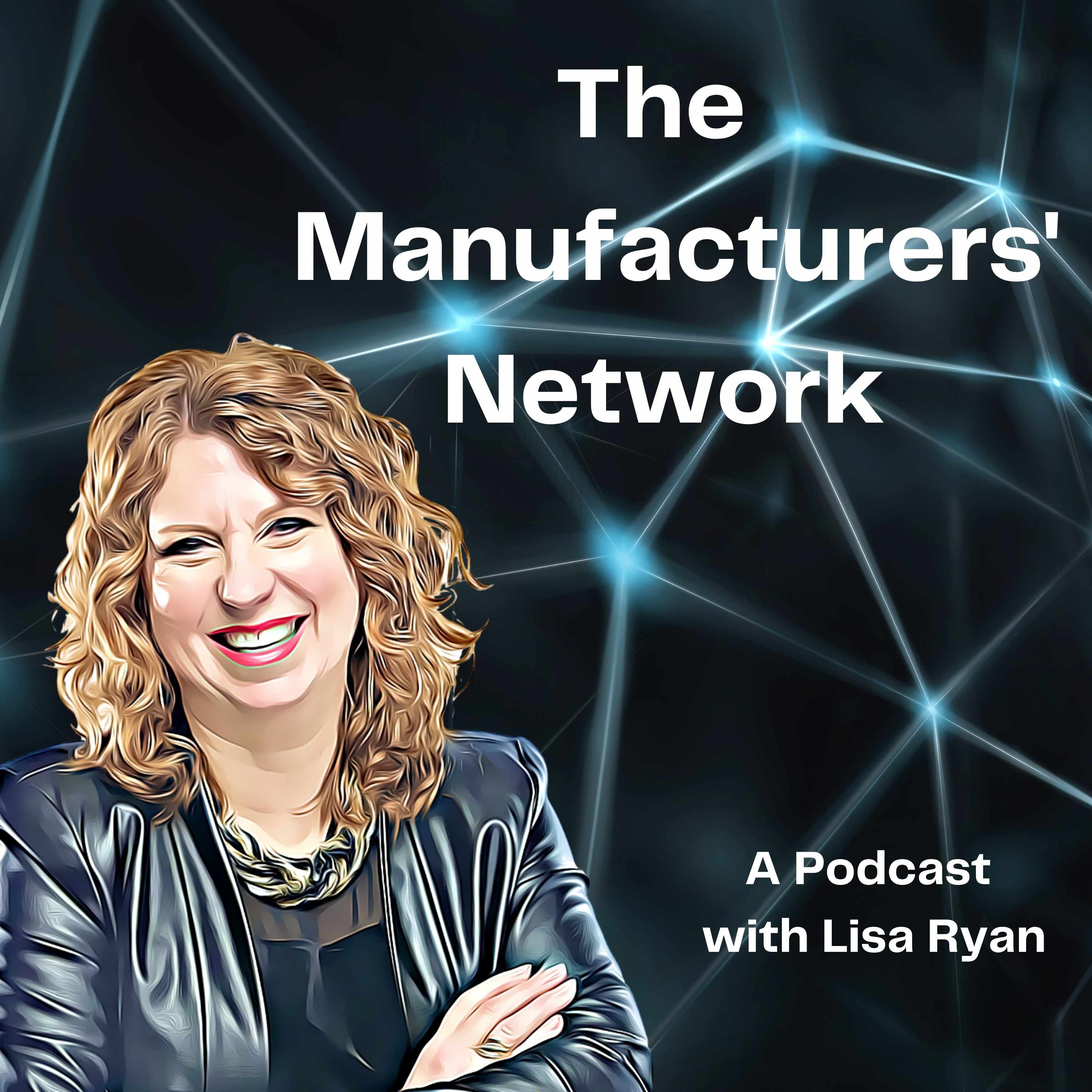
The Manufacturers Network
Hosted by Lisa Ryan · EN
The Manufacturers’ Network is where manufacturing leaders, plant managers, and industry innovators come to talk straight about what’s working and what’s not, on the shop floor and beyond.
Each week, host Lisa Ryan sits down with people who live and breathe this business: operations executives, HR directors, engineers, and founders who are building stronger teams and smarter systems in the face of nonstop change.
Listeners gain real-world insights on:
• Employee retention and workforce engagement
• Automation, AI, and the future of skilled trades
• Supply chain and operations leadership
• Safety, sustainability, and company culture that lasts
If you’re tired of generic “leadership talk” and want practical conversations from people who get it, this podcast is for you.
New episodes drop every Monday and are short enough for your commute, sharp enough to shape your week.
Subscribe and be part of the conversation that’s connecting manufacturers across industries, one story at a time.
25episodes
Episodes
Newest firstAll episodes

Unlocking Manufacturing Excellence: Process Mapping That Drives Performance with Joe Bockerstette
Jan 500:25:35Tap to summarizeOn this episode of The Manufacturers Network Podcast, host Lisa Ryan welcomes Joe Bockerstette, the leader behind Business Enterprise Mapping, a Phoenix-based consultancy renowned for helping manufacturers rapidly document workflows, identify bottlenecks, and implement impactful change. With four decades of experience in operations and supply chain management—including senior roles at PwC and private equity—Joe shares the proven strategies that separate good manufacturers from great ones.Key Topics Covered:- What Sets High-Performers Apart: Discover why synchronizing supply to demand and aligning internal processes with customer needs is the foundation of manufacturing excellence.- Red Clouds vs. Quick Wins: Learn how to identify operational bottlenecks (“red clouds”), categorize them for action, and prioritize quick wins that can be solved in less than 90 days.- Process Mapping for Impact: Understand how process mapping can directly enhance customer value and streamline departmental workflows through a unique, education-driven methodology.- Getting Buy-In From Teams: Strategies for engaging even the most change-resistant employees and fostering effective workshops where frontline teams contribute real solutions.- Mistakes to Avoid in Lean Initiatives: Why managers often miss the mark by zooming in on details without looking at the whole system, and how to refocus efforts for greater impact.- Tech’s True Role: Insights into how automation and data tools help—and when they complicate—workflow improvement.- One Metric Manufacturers Ignore: Why measuring the accuracy, completeness, and timeliness (“ACT”) of key deliverables can drive results where it matters most.- Balancing Efficiency With Culture: Practical advice on maintaining a strong company culture while driving performance and staying compliant.Actionable Takeaways:1. Map the Process, Not Just the Issues: Start improvement efforts by mapping your workflows holistically. Focus on how each process delivers value to the customer and supports upstream/downstream requirements.2. Prioritize Quick Wins to Build Momentum: Identify red clouds that can be solved without senior-level approval or major budget and tackle these first to show rapid progress.3. Involve Frontline Teams Early: Use workshops and collaborative sessions, not just interviews, to engage your staff and source powerful insights and buy-in from day one.4. Don’t Automate Before Simplifying: Clean up your foundational processes before introducing new tech—automation only amplifies existing problems when processes aren’t robust.5. Measure What Matters: Use the ACT metric (Accurate, Complete, Timely) to assess non-product deliverables like specs and handoffs—they’re critical to smooth operations and customer satisfaction.6. Balance Efficiency and Responsibility: Pursue both operational excellence and a supportive culture; treat people well, ensure compliance, and leverage your assets wisely.Connect with Joe Bockerstette:- Website: businessmapping.com- Email: joe@businessmapping.com- LinkedIn: Joe BockerstetteReady to drive performance and customer value in your manufacturing operation? Tune in and get the tools and strategies to make your next workflow transformation a success!
Transcribe →
Unleashing Business Discipline Without Killing Creativity with Chris Hallberg
Dec 2900:29:54Tap to summarizeIn this episode of The Manufacturers Network Podcast, Lisa Ryan sits down with Chris Hallberg, a veteran entrepreneur, business coach, and the original "Business Sergeant." As one of Colorado's first EOS Implementers, Chris has helped more than a hundred companies transform chaotic teams into aligned, accountable, and energized organizations. Together, they unpack the secrets behind building a powerful culture and resilient performance—whether on the shop floor or in the boardroom.What You’ll Learn:- What EOS (Entrepreneurial Operating System) is and how to use it as the “operating system for your business”- How to identify when leadership, not the market, is your biggest roadblock- The “Business Sergeant” approach—combining military discipline and team accountability with entrepreneurial creativity- Tactical steps to boost engagement and select unicorn team members by design, not accident- Why selection and intentional hiring are more important than trying to “fix” team members- Building processes that reduce daily interruptions and make onboarding (and execution) seamless- How to leverage AI as a low-risk, high-return way to enhance your team’s effectiveness- Tips for doubling down on accountability—celebrating top performers and addressing underperformance head-onActionable Takeaways:1. Clarify and Cascade Your Vision: Create a simple, two-page business plan (like the Vision Traction Organizer) that answers: Who are we? Why do we exist? What makes us unique? Use it to align every employee or help them self-select out if they don’t fit.2. Get the Right People in the Right Seats: Focus your recruitment on people who *want* the job, *get* the job, and have the *capacity* to do the job. Use intentional selection processes (including pre-interview personality assessments) to build an all-in team.3.Make Engagem ent Measurable: Implement clear performance metrics and create an environment where great contributors are recognized—and those who aren’t, are held accountable.4. Borrow Military-Level Discipline, Not Rigidity: Foster personal responsibility and a team-first mindset, but keep space for initiative, creativity, and individual strengths.5. Operationalize Processes with AI: Use AI-powered platforms to centralize SOPs, policies, and team knowledge so everyone gets instant, accurate answers—freeing leaders from repetitive interruptions.6. Commit to Continuous Improvement: Set quarterly rocks (major priorities) and get everyone in a “90-day world” rhythm to maintain focus and momentum.7. Invest in Unicorn Retention: Put real effort—and budget—towards keeping and rewarding your all-star performers. Retention happens in the same place accountability lives.Connect with Chris Hallberg: - Email: chris@goexpand.com - Online Course & Resources: Business Sergeant - LinkedIn: (Make sure to connect there as mentioned in the episode!)Favorite Quote: “Great doesn’t happen on accident. Be intentional, commit to finding, onboarding, and developing the best humans—and create a system where greatness can thrive.” — Chris Hallberg
Transcribe →
Building a Legacy of Quality and Creativity in Manufacturing with David Socha
Dec 2200:27:04Tap to summarizeBuilding a Legacy of Quality and Creativity in Manufacturing with David SochaIn this episode of The Manufacturers Network Podcast, host Lisa Ryan chats with David Socha, CEO of Beverly Hills Teddy Bear Company. David shares how he built a family business focused on creativity, ethics, and global adaptability in the world of plush toys. Whether you're a manufacturing leader, entrepreneur, or curious about business culture, this episode is full of practical advice and actionable steps.Key Takeaways You Can Use:1. Consistency Is Key - David credits showing up every day and looking beyond daily setbacks as crucial to long-term success in manufacturing. If you’re managing a team or a business, build routines that keep you and your employees focused on the bigger picture, not just the day-to-day challenges.2. Focus on Quality Over Quantity - For manufacturers in crowded markets, David’s advice is simple: Make great, unique products. Don’t just copy trends; put effort into improving your product and set higher standards. Customers and employees notice the difference.3. Legacy Through Family Culture - David involves his family at every stage of the business—from warehouse work to creative brainstorming. He believes exposing children to the business early increases the chance of generational succession. For other family-owned companies: get your kids involved in small, meaningful ways.4. Ethical Manufacturing Matters - David’s company visits every manufacturing site, builds long-term relationships, and chooses partners who share their values. If you outsource, audit your suppliers and don’t compromise on ethics for lower costs.5. Global Adaptability - Trends in toys (and other products) now travel fast worldwide. Manufacturers must track global influences and adapt quickly. David’s team keeps a close watch on rising trends from places like Asia and pivots accordingly.6. Employee Engagement and Purpose - Today’s workforce wants to be part of something meaningful—they’re not interested in making throwaway goods. If you want to attract and retain talent, communicate your business’s larger purpose and invest in product improvements that employees can be proud of.7. Resilience in the Face of Challenges - From supply chain disruptions to market shifts, David explains how deep, long-term partnerships with suppliers help weather storms. Invest time in building trusted relationships with your vendors and partners—find allies who share your long-term vision.Action Steps for Listeners:- Audit your supplier relationships and visit their facilities where possible.- Review your product line—where can you raise the standard or add unique value?- Bring team members or family into business brainstorming sessions; fresh perspectives spark innovation.- Develop a “bigger purpose” message for your employees to help foster pride and retention.- Track rising trends, especially from international markets, and stay agile in your planning.Connect with David Socha:- Email: david@plush.com- LinkedIn: Search “David Socha Toy Company”- Website: https://plush.comListen, learn, and start building a legacy of quality and ethics in your manufacturing business.
Transcribe →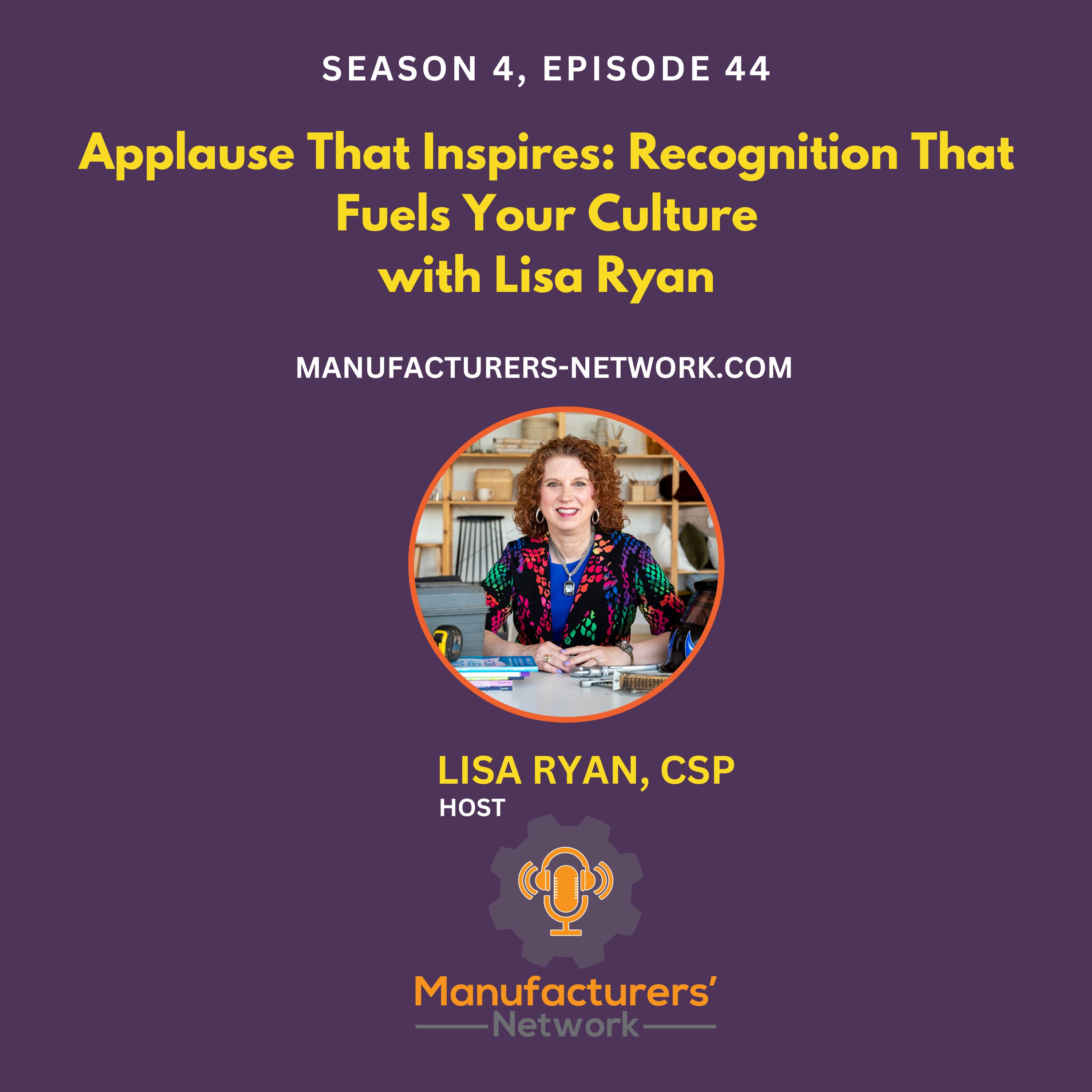
SOLO: Applause That Inspires: Recognition That Fuels Your Culture with Lisa Ryan
Dec 1500:08:24Tap to summarizeQuick question, when's the last time your team truly celebrated a win? Not the "pizza in the breakroom" celebration. I mean real, meaningful recognition that made people feel proud and inspired them to keep going.Here's the truth: celebrating wins isn't just nice-to-have, it's fuel for your culture. When you do it right, your applause doesn't just pat people on the back. It keeps them engaged, loyal, and striving for excellence.------------------This episode is brought to you byGrategy, where we help manufacturing leaders create cultures people want to work in and nobody wants to leave. Through the Six Gears of Grategy®, we give leaders practical tools to strengthen their teams and drive results, from onboarding to recognition strategies that actually stick. Learn more at LisaRyanSpeaks.com.---------------------We celebrate the big wins, major milestones, huge contracts, and completed projects. And we definitely talk about problems when things go wrong. But what about the middle ground? The day-to-day excellence when people are quietly doing great work? That usually goes unnoticed.Here's what we're missing: countless moments worth celebrating. Catching a problem before it becomes a crisis. Finding a better way to do something. Consistently hitting deadlines. These small victories deserve recognition too.When you celebrate these moments, you're not just making someone feel good. You're reinforcing the behaviors you want to see more of. You're connecting employees back to the mission and reminding them why their work matters. That's what fuels pride, loyalty, and ongoing engagement.Busting the Myths:Myth #1:Recognition means big, formal programsTruth: Awards dinners and plaques have their place, but if that's the only time people hear"thank you," you're missing the most powerful driver of engagement: recognition in the moment.The best applause happens organically. When someone calls out a coworker during a shiftmeeting for jumping in to help. When a team lead thanks an operator right on the line for catching an error. These moments are specific, sincere, and tied directly to behaviors you want to see again.And recognition doesn't have to come from leadership alone. Peer-to-peer recognition is often more powerful because it comes from people who work alongside you every day and know exactly what it takes to do the job well.Myth #2: If people are doing their job, they don't need applauseTruth: There's a huge difference between doing your job and doing it well. If leaders only speak up when something goes wrong, employees start feeling like their best efforts don't matter.Recognition isn't coddling, it's reinforcing right behaviors, building morale, and keeping people motivated to give their best. And here's the kicker: it doesn't matter what generation someone belongs to. Baby Boomers, Gen X, Millennials, Gen Z, everyone wants to feel valued for their work.Four Strategies That Work Strategy 1: Be Specific, Not GenericA quick "good job" is fine, but it's vague. Instead, call out exactly what the person did and why it mattered. "You caught that defect before it left the plant, which saved us from a costly recall." Now they know their actions had real impact.Quick Action: In your next conversation, name the specific behavior and the result it created.Strategy 2: Make It TimelyRecognition loses its punch when it comes weeks later. I remember a colleague who won a trip to Hawaii. Her manager took three weeks to congratulate her. After she went on the trip, she left the company.Quick Action: Recognize someone within 24 hours of their achievement. Even a quick hallway conversation matters when the timing is right.Strategy 3: Celebrate Small Wins DailyNot every victory has to be monumental. Often, it's the everyday wins that keep teams motivated, hitting daily production goals, solving stubborn maintenance problems, and finding safer ways to complete processes.I worked with one company that created a simple "Win Wall" in their breakroom. Anytime someone accomplished something, they wrote it on a sticky note. Some were huge client wins. Others were as simple as "We finally fixed the forklift charger!" That wall became a daily reminder of progress and teamwork.Quick Action: End your next shift meeting by sharing one "win of the day" and inviting others to share theirs.Strategy 4: Make It InclusiveRecognition shouldn't only go to the loudest, most visible employees. Your most valuable contributions often come from people working quietly in the background, keeping things running smoothly.Track your recognition. Keep a simple list of employees' names and mark each time you acknowledge someone. You'll spot patterns and realize there are people you haven't recognized in weeks or months.Quick Action: Create a recognition log and use it for 30 days. Watch how your awareness of everyone's contributions increases.Recognition isn't just about making people feel good, though it does that. It's about creating a culture where excellence becomes the norm, where people feel seen and valued, and where your best performers want to stay and grow.When you make recognition a daily habit, something remarkable happens. Your team doesn't just work harder; they work with purpose. They don't just show up; they show up engaged. And they don't just stay because they have to, they stay because they want to be part of something bigger.That's the kind of culture that doesn't just survive in today's competitive market; it thrives. This show is for you, so tell me your biggest workforce challenge. Message me on LinkedIn or email me at Lisa@Grategy.com, and I may feature your question in a future episode.Thanks for joining me for this episode of The Manufacturers Network. I'm Lisa Ryan, reminding you that culture is not a perk; it's your strongest competitive advantage. See you next time.
Transcribe →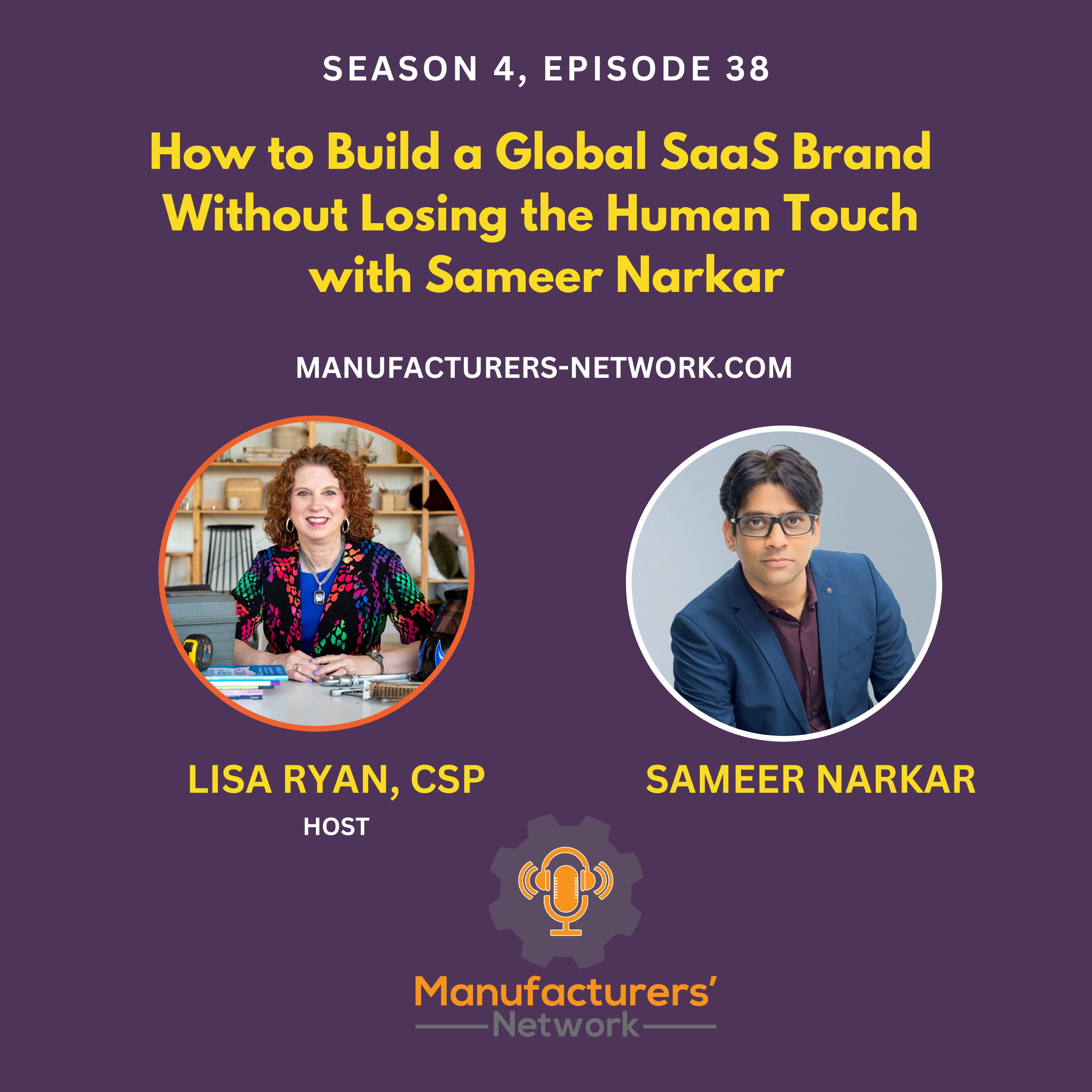
How to Build a Global SaaS Brand Without Losing the Human Touch with Sameer Narkar
Nov 3Tap to summarizeIn this episode of The Manufacturers Network Podcast, host Lisa Ryan talks with Sameer Narkar, Founder and CEO of Konnect Insights, a bootstrapped SaaS company that’s redefining how enterprises manage customer experience.What started as a small team of engineers in India has grown into a platform used by 400+ global brands in 35+ countries, managing over a billion customer interactions every year. Konnect Insights helps businesses unify social listening, omni-channel ticketing, analytics, and publishing all in one place.Sameer shares what it takes to grow a tech company without external funding, how AI can actually simplify work instead of overcomplicating it, and why passion and trust, not just technology, win customers and retain top talent.In This Episode, You’ll Learn:What “omni-channel” really means for customer experience (and why most companies get it wrong)The difference between plug-and-play AI and purpose-built, “home-cooked” AIHow to scale globally using partnerships instead of massive ad budgetsWhy emotional connection often lands your first five clients before product maturity doesHow to navigate language, culture, and local regulations when expanding internationallyThe three factors that keep core employees loyal for the long haulKey Quote: “Your first customers don’t choose you because you’re the biggest or best; they choose you because they believe you’ll go the extra mile.” — Sameer NarkarAbout Sameer Narkar: Sameer Narkar is the Founder and CEO of Konnect Insights, a unified customer experience management platform combining social listening, omni-channel ticketing, analytics, and publishing. Under his leadership, Konnect Insights has grown organically into a trusted enterprise solution for global brands across 20+ industries.Connect with Sameer: LinkedIn: Sameer NarkarWebsite: Konnect InsightsConnect with Lisa: Website: LisaRyanSpeaks.com LinkedIn: Lisa Ryan, CSPListen now to learn how Sameer turned curiosity, persistence, and partnerships into a global success story and why staying human is still the smartest growth strategy of all.
Transcribe →