Loading summary
Transcript17 lines
- [00:02]
Nate DiMeo
This episode of the Memory palace is brought to you by our friends at Quint's here in Los Angeles.
- [00:06]
We have this thing called June Gloom.
- [00:08]
When the first part of the day
- [00:10]
it is winter, it is foggy and
- [00:12]
cold and then it burns off and it is sunny and suddenly it is the dog days of summer. That kind of weather whiplash would hobble a lesser podcast host, but not me, because Quince is there every season of the year, even when those seasons happen all in one day between. But if you live in a normal place, where the calendar turns at a normal pace, Quint's is ready for you and your summer essentials. Ready to help you look your best all summer long with classic looks and the staples that you can build your wardrobe around and your day's outfit around. Like this summer breathable linen shirt I have on. I'm also wearing my favorite fall over shirt because I am ready to layer and de layer at the drop of a hat here in June. If you want to get set for summer at prices that are often half of what you're going to find at similar retailers, you know where to go. Elevate your summer wardrobe. Go to quints.com memory for free shipping on your order and 365 day returns. Now available in Canada too. That's Q U I-n c e.com memory for free shipping and 365 day returns. Quince.com memory
- [01:24]
Ira Glass
this is Ira Glass of this American Life. Do you know our show? Okay, well either way, I'm going to tell you about it. We make stories, old fashioned stories that hopefully pull you into the beginning with funny moments and feelings and people in surprising situations. And then you just want to find out what is going to happen and cannot stop listening. That's right. I'm talking about stories that make you miss appointments and ignore your loved ones. This American Life every week, wherever you get your podcasts.
- [01:54]
Nate DiMeo
On June 12, 2016, 49 people were
- [01:57]
murdered when they were out dancing at the Pulse nightclub in Orlando, Florida.
- [02:02]
This episode was written and released in the following few days and I've released
- [02:07]
it on the state every year for the past decade.
- [02:10]
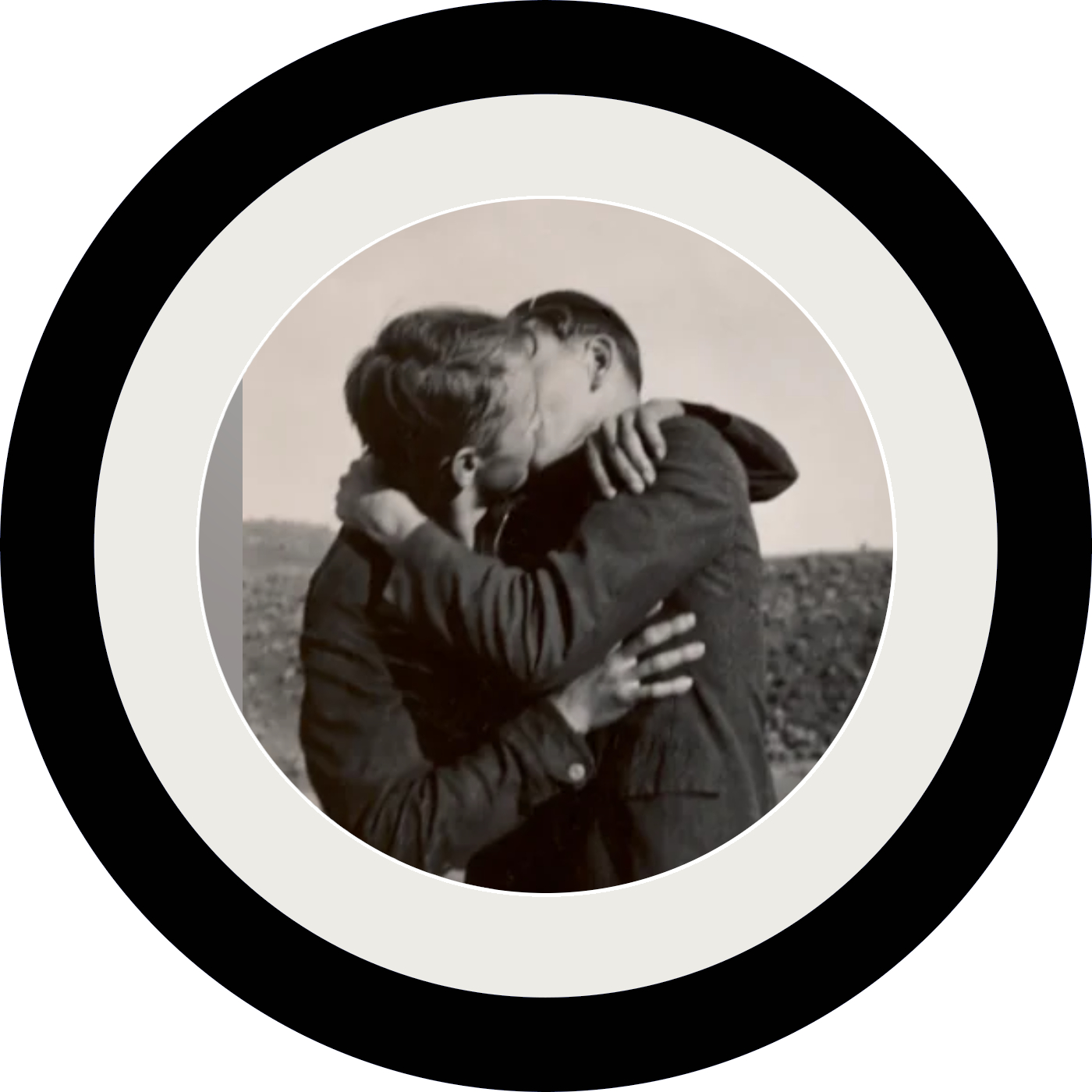
This is the Memory palace. I'm Nate DiMeo. The White Horse Inn on Telegraph in Oakland opened in 1933 or thereabouts. No one's been able to nail down the date. Historians have tried, as have some of its various owners, it seems over the years. But if you're not an academic or if you don't have a personal financial stake in solidifying its claim as the Oldest gay bar in the United States to operate continuously in one location. It doesn't really matter when the White Horse first opened its doors, just that it was soon enough for a man to walk in on just the right night in 1936 or 46 or 54, and see the most beautiful man he'd ever seen in his life and just be done for soon enough for another man who'd heard of this place, heard of places like it whispered about or mocked by the fellas in the assembly line or in the office or in his usual joint across town, heard the cracks about pansies and perverts and queers and feared what they might mean, feared why the words seemed to cut right through Sit strange in his belly and tight in his throat. But who fought through that fear to make his way there to the White Horse, who may have circled the block, all butterflies before working up the courage to part, who may have walked right past it rather than be seen walking in by some stranger, or maybe he pulled his collar up and tipped his fedora low and pushed through the door as fast as he could. And who may have learned that night in that bar where men talked to men by the fireplace in the back, where women flirted with women in the light of the jukebox, men held hands by the pool table like it was nothing, like it wasn't everything, knew that night for sure that this was the place he belonged, that this might be the only place he belonged, like it was for other women and men, those who were identified correctly as such at birth and those who weren't, people who needed their lives to change, to make sense, to be less lonely, to be less scary, to be more fun, to be saved. In the 40s and 50s and later, men and women, friends from the neighborhood or the bus or church, friends who knew the truth about each other, would walk arm in arm up Telegraph Road to the White Horse, would play at being people they were not, and then walk through the door into that windowless room and become who they were. They'd go their separate ways, he to a boyfriend and she to a girlfriend, and they'd spend a few hours in a place where so much of what they'd been taught all their lives about what life was supposed to be but who they had to be to be happy or responsible or good or saved, just fell apart, just put the light of the whole thing, the laws of the universe themselves just torn up and tossed like confetti to swirl in the bar light and flit in the laughter and the dance songs alight on the eyelashes of some pretty man and float on the surface of a martini glass. And then they'd say goodnight to their boyfriend and girlfriend, to the people there who understood, who helped them understand, and they'd link arms and go back out into the world. Have no illusions about the world. The world did not want that man and that woman to be who they were. Gay sex was a felony. Cross dressing was a crime. People risked imprisonment, forced sterilization, institutionalization, lobotomization for acting on who they were. If the cops, armed with laws that let them raid bars, if they suspected women were dancing with women or men were holding hands or speaking in high pitched voices. In some cities, if the cops came and threw you into the paddy wagon, if not threw you up against a wall, your name would wind up in the paper along with your address. You could be fired, kicked out of your apartment, lose your car loan, get beat up or worse by people in your own home or by people who now knew where your home was. The laws would change, attitudes would change, sometimes for the better and sometimes not. The war seemed to change everything for a while, especially there in the Bay Area. All these soldiers and sailors and nurses footing in away from home for the first time, discovering who they were for the first time discovering whole worlds in windowless rooms like the White horse. In the 60s, a straight couple bought the bar, and they were so worried about raids, it seems, and some speculate, so skeeved out by their own clientele that they instated a strict no touching policy. No more slow dances, no kissing, no nothing. It was like that for years, but still people came to the White Horse because it was their place. But then the late 60s came and the hippies came and the radicals came. Berkeley was just down the road. The Black Panthers were on patrol right there in Oakland. And gay men and lesbians and transgender people started staking more radical claims, started living more radical lives. And the White Horse embraced gay liberation. And by then, it was just one of the many gay bars in the area where people could find each other, could find out who they were and who they wanted to be, where they figured out what was possible to ask from this life, where they asked for it together, as they'd done in the White horse Inn since 1933 or thereabouts. The White Horse Inn was open the night in 1966 when transgender women fought back against police, police harassment in Compton's cafeteria across the bay in San Francisco and rioted. It was still open two years later when the Stonewall Inn was raided across the country and people protested for three days. It never really stopped. It was opened on the night in 1973 when an arsonist set fire to a gay bar in New Orleans, locked the door and killed 32 people. The white Horse was there for people who needed to mourn. It was open for people who wanted to celebrate in 1962 when Illinois became the first state to decriminalize homosexuality, and 13 years later when California joined it, and 28 years later when the Supreme Court forced 14 states to do the same. It was open in 1977 when San Francisco elected Harvey Milk to its Board of City supervisors, and in 78 when he was a it was open in 1979 when 75,000 people marched in Washington for their civil rights. And it was open all throughout the 1980s when its customers started dying, when its employees started dying. In one year alone, eight bartenders, eight died of AIDS related illnesses. And the White Horse Inn stayed open, as it has been again and again when men and women and boys and girls transgendered people were murdered for who they were. So many since 1933 or thereabouts, mourned
- [09:54]
by what people now call the LGBTQ
- [09:57]
community, a community built year by year, night by night, in windowless rooms like the White Horse. It was open when Vermont passed its civil unions law, when Massachusetts passed its marriage law, when San Francisco's mayor issued marriage licenses, and when the California Supreme Court annulled those unions, annulled the marriage of the manager of the White Horse too. It was open when the California voters rejected gay marriage, and it was open for dancing when the Supreme Court threw that vote out. It was open on a Saturday in June when someone killed 49 people in Orlando, Florida in a place like the White Horse where people came to be who they were. And it was open on Sunday and it's open tonight. It'll be open tomorrow.
- [11:10]
This episode was written and produced by me, Nate Demeo in June of 2016. It was produced with research assistance from Andrea Milne and production assistance from Kathy Tu. The show currently gets research assistance from Eliza McGraw. It is a proud member of Radiotopia, a network of independent artist owned listener supported podcasts from prx, a not for profit public media company.
- [11:32]
If you want to drop me a
- [11:33]
line, you can do so aatehememory Palace. You can follow me on Twitter and Facebook, Hememory palace on Instagram and threads which I occasionally remember to post on he Memory palace podcast. I also recently launched a newsletter which you can sign up for at the memory palace podcast.substack.com that is the memory palace podcast.substack.Com I will from here on out be writing up a bit about each new episode as it comes out, as it will be shortly about this old episode that you've just listened to. I will also be writing about the process of writing and promoting in this November, releasing my book, which is also called the Memory palace from Random House this November. Again, that is the Memory palace podcast.substack.com if you want to subscribe. Thank you for listening and take care of each other.
- [12:51]
Ira Glass
Radiotopia from prx.