Podcast
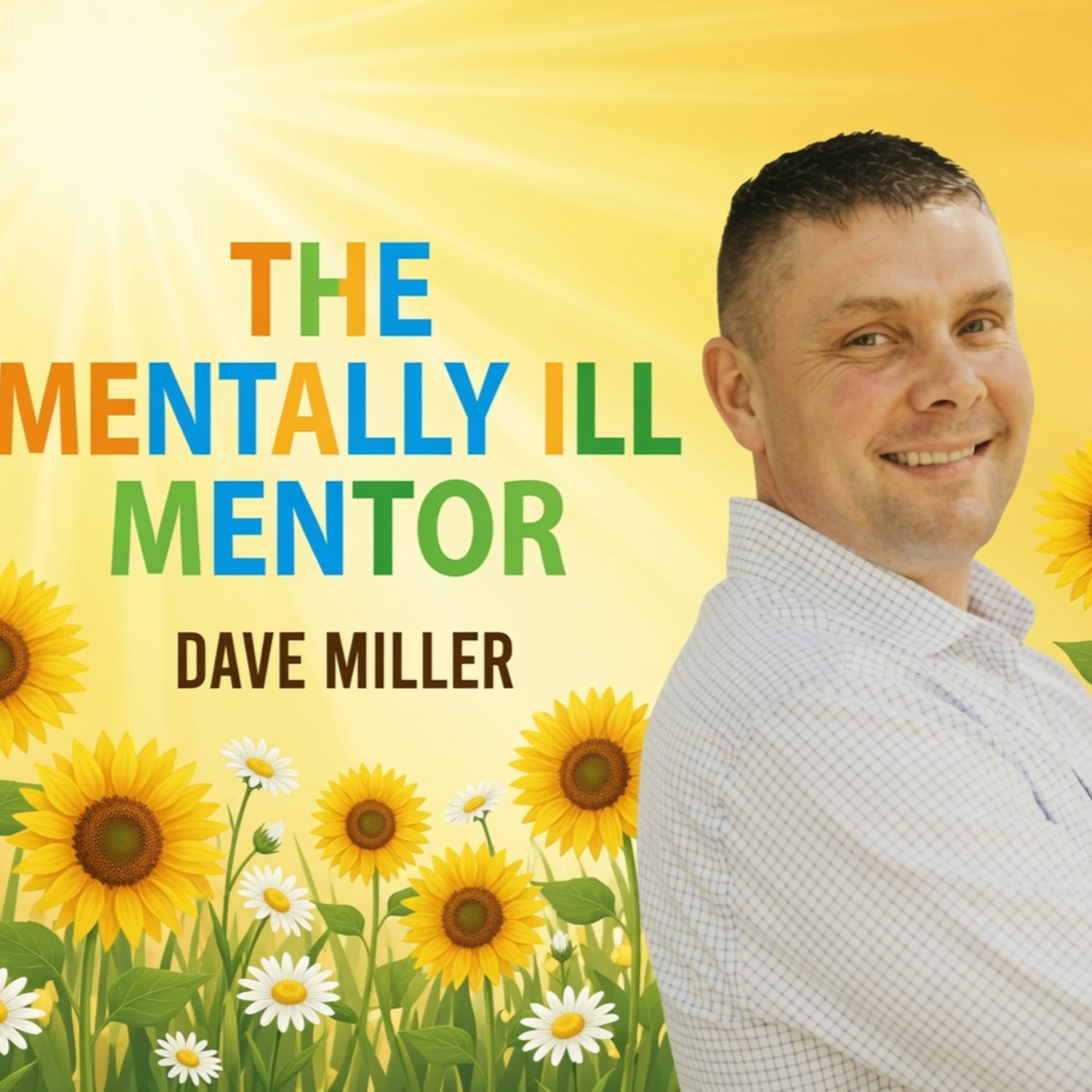
The Mentally ill Mentor
Hosted by David Grant Miller · EN
Welcome to The Mentally ill Mentor — the podcast that's revolutionizing the way the world thinks about and deals with mental health.
Hosted by self-help author and mental health advocate David Grant Miller, this show is built on a simple promise: if you want to lose mental weight, build mental muscle, and crush anxiety, depression, self-harm, and thoughts of suicide, you can come here every week to get the personal training you need from someone who knows how you feel.
Dave is a mental health speaker, coach, and author of The Mentally ill Mentor. A husband of 25+ years and father of 7, he's de
23episodes
Episodes
Newest firstAll episodes
75. Meditation and Temper Control: How I Stopped Yelling at My Kids
5d ago00:29:01Tap to summarizeIn this episode, Dave shares a personal experience that brought up old memories from his own childhood, and reflects on how meditation transformed his own temper as a parent. He dives into the research on mindfulness and anger, from brain changes to a major 2025 meta-analysis, and makes the case for meditation as an underused tool for anger and emotional regulation.Topics covered:Dave's personal story and how it connected to memories from his own upbringingWhy anger and temper control deserve more attention in mental health conversationsResearch on cortisol, brain structure, and anger reduction through meditationA major 2025 meta-analysis on mindfulness, anger, and aggression across 118 studiesHow Transcendental Meditation specifically supports emotional regulationA challenge to build a daily meditation practice and notice the shift in reaction timeIf you've ever wished you could catch your temper before it catches you, this episode offers real, research-backed hope.
Transcribe →74. The Neuroscience of Meditation: How It Physically Changes Your Brain
2w ago00:38:21Tap to summarizeIn this episode, Dave shares his own 8 year meditation journey, from starting with the Calm app to practicing Transcendental Meditation today. He dives into the neuroscience behind meditation, how it physically reshapes the amygdala, quiets the brain's rumination network, and even changes how monks experience emotional pain, backed by real brain-imaging research.Topics covered:Dave's personal meditation journey and how his practice has evolvedHow meditation changes the amygdala, the brain's fear and stress centerThe default mode network and its link to rumination, anxiety, and depressionResearch on Buddhist monks and reduced emotional pain during meditationInsights from neuroscientist Dr. Andrew Huberman on different meditation stylesThe top five meditation apps to tryA challenge to build a consistent 10 to 20 minute daily practiceIf you've ever wondered what's actually happening in your brain when you meditate, this episode breaks down the science.
Transcribe →73. AI Therapist: Can ChatGPT, Claude, or Grok Actually Help Your Mental Health?
3w ago00:25:27Tap to summarizeIn this episode, Dave shares his own experience turning to Grok for what he expected to be a quick check-in, and ended up in a long, unexpectedly therapeutic conversation. He breaks down why it felt safe, validating, and impartial, and dives into the research on whether AI chatbots can genuinely help with mental health or whether they're a hazard to be cautious of.Topics covered:Dave's personal experience using Grok as a thinking and processing toolWhy AI redirected him to a real therapist when he tried to push its boundariesResearch comparing licensed therapists to AI chatbots on clinical standardsWhat psychologists are reporting about patients using AI alongside therapyGrok's own response explaining the line between a support tool and real therapyA challenge to try an honest conversation with AI as a thought-organizing toolIf you've ever wondered whether talking to AI about your mental health is helpful or risky, this episode gives you both sides.
Transcribe →72. Screen Time, Social Media, and the Mental Health of Our Teens
4w ago00:25:47Tap to summarizeIn this episode, Dave shares his own experience as a parent navigating screen time with his kids, from raising his now-adult children to parenting teens today, and why the struggle has only gotten harder despite more parenting experience. He dives into Jonathan Haidt's book The Anxious Generation and the research behind the sharp rise in teen anxiety, depression, and suicide since smartphones and social media went mainstream.Topics covered:Dave's personal experience parenting kids through the shift from TV time to constant connectivityResearch on the rise in teen depression, anxiety, and suicide rates since 2010Jonathan Haidt's four norms for reversing the trendWhy free play and real-world independence matter more than everA challenge to bring more screen-free play into your family's weekIf you've ever wondered why parenting around screens feels harder than it used to, this episode is for you.
Transcribe →71. The $35 Costco Item That Could Be a Game Changer for Your Mental Health
Jul 1600:21:34Tap to summarizeIn this episode, Dave dives into creatine, a supplement best known for building muscle, and explores its emerging role in mental health. He breaks down how creatine fuels brain cells the same way it fuels muscles, and why a stressed brain, whether from anxiety, depression, or sleep deprivation, may benefit the most from supplementation.Topics covered:How creatine supplies energy to brain cells and supports mental function under stressClinical trial results showing creatine's impact on depression scores when combined with antidepressantsPopulation research linking dietary creatine intake to lower rates of depression and anxietyThe science behind brain energy metabolism, ATP, and neuroplasticityInsights from Dr. Darren Candow, a leading creatine researcher, featured on The Diary of a CEOA challenge to try creatine this week and track the results
Transcribe →70. Intermittent Fasting for Mental Health: How I Trained My Blood Sugar to Stabilize My Mood
Jul 1000:16:20Tap to summarizeIn this episode, Dave shares his own two-year journey with intermittent fasting, including the modified routine he's followed for the last six months: no breakfast, a Vega protein shake at 2pm, and dinner at 6pm. He breaks down why this pattern stopped the dizziness, brain fog, and mood swings he used to deal with, and what the research says about why it works.Topics covered:Dave's personal intermittent fasting routine and how it evolved over timeThe blood sugar science behind why fasting stabilizes mood and energyA 2025 brain-imaging study on fasting and anxietyA major review of 15 clinical trials on fasting and depressionHow autophagy and inflammation may play a role in mental clarityDr. Daniel Amen's perspective on blood sugar and brain healthA challenge to try this week to experiment with your own blood sugar awarenessIf you've ever felt like your mood is at the mercy of your next meal, this episode is for you.
Transcribe →69. Why LeBron James Sleeps 12 Hours a Day — The Science of Sleep and Mental Health
Jul 200:26:36Tap to summarizeIn this episode of The Mentally ill Mentor, Dave dives into the power of sleep and why it might be the most important thing you can do for your mental health. Starting with LeBron James' powerful message from the Calm app — "greatness lies on the other side of sleep" — Dave shares his own journey of discovering the importance of sleep through meditation, then breaks down the science of what happens to your brain and body when you don't get enough rest. He wraps up with practical advice straight from his book, including barriers to sleep, real solutions for each one, and a bonus guided meditation technique that can help you fall asleep tonight.Topics covered:LeBron James on the power of sleep from his Calm app series Train Your Mind, Vol. IDave's personal story of learning about sleep through meditationLeBron's sleep routine: 8+ hours per night, room temperature, no screens, and "Rain on Leaves"The science: why adults need 7–9 hours of sleep per nightHow sleep deprivation is linked to every major disease including heart disease, cancer, diabetes, Alzheimer's, depression, anxiety, and suicideBeing awake for 21 hours is cognitively equivalent to being legally drunkSleep deprivation, weight gain, and the hunger hormone connectionWhy an extra hour of sleep does more for your happiness than a $60,000 raiseThe link between poor sleep and feeling helpless and aloneBenefits of proper sleep: energy, happiness, emotional stability, focus, memory, and overall healthCommon barriers to sleep and practical solutions for each oneA bonus sleep solution: a simple guided meditation technique from the book that really worksLinks: The Mentally ill Mentor (Dave's Book on Amazon)https://www.amazon.com/Mentally-Ill-Mentor-Principles-Maintaining/dp/148105869XLeBron James — "The Power of Sleep" (Spotify): https://open.spotify.com/track/6jP9k3iyjPk3NvZdt5ipubLeBron James — "Greatness Lies on the Other Side of Sleep" (YouTube): https://www.youtube.com/watch?v=ritwlNtHNrY
Transcribe →68. How Sugar Negatively Affects Your Mental Health — Dr. Mark Hyman Explains Why
Jun 2500:30:17Tap to summarizeHow Sugar Destroys Your Mental Health — Dr. Mark Hyman Explains WhyIn this episode of The Mentally ill Mentor, Dave shares the story of his legendary "Texas Homemade Banana Splits" — a massive bowl of ice cream smothered in chocolate sauce, hot chocolate powder, and chocolate chips — and how meditation helped him discover that his sugar habit was actually emotional eating in disguise. He dives into the latest research on how sugar affects your brain, fuels irritability, anxiety, and depression, and features insights from world-renowned functional medicine leader Dr. Mark Hyman on why sugar is one of the most destructive things you can put in your body.Topics covered:The connection between emotional eating and sugar cravingsHow sugar causes irritability, mood swings, and anxiety through blood sugar crashesThe brain science: inflammation, dopamine hijacking, and gut-brain disruptionDr. Mark Hyman on why sugar makes us addicted, inflamed, and depressedDr. Daniel Amen on why sugar is one of the worst things for your brainDave's meditation breakthrough and the Lucy kitchen storyPractical steps to improve your relationship with sugar starting todayResources mentioned:The Mentally Ill Mentor by Dave Miller (Amazon): https://www.amazon.com/Mentally-Ill-Mentor-Principles-Maintaining/dp/148105869XDr. Mark Hyman — "Depressed or Anxious? You May Never Eat Sugar Again After Watching This" (YouTube): https://youtu.be/BYFxw5E6iQgDr. Daniel Amen — Amen Clinics: https://www.amenclinics.comDr. Mark Hyman's website: https://drhyman.com
Transcribe →67. What Andrew Huberman and I Both Do to Crush Anxiety — And So Can You
Jun 1900:25:37Tap to summarizeEpisode 67 — What Andrew Huberman and I Both Do to Significantly Reduce Anxiety — So Can YouCan fifteen minutes of walking a day actually change your brain and reduce anxiety? Stanford neuroscientist Dr. Andrew Huberman says yes — and so does twenty-five years of my own lived experience with anxiety, depression, and mental health recovery.In this episode of The Mentally ill Mentor, I break down why consistency beats intensity when it comes to exercise and anxiety. I share why my daily fifteen-to-twenty-minute power walk does more for my mental health than most people's hour at the gym, the science behind why walking literally quiets the fear centre of your brain (the amygdala), and a simple story about one push-up that changed a man's life.You'll also hear a clip from Dr. Andrew Huberman's Huberman Lab podcast where he explains the peer-reviewed research on optic flow, forward movement, and anxiety reduction.If you struggle with anxiety and feel overwhelmed by the idea of exercising, this episode is for you. You don't need a gym. You don't need an hour. You just need five minutes and the willingness to start.Topics covered in this episode:— Why daily exercise significantly reduces anxiety— Consistency over intensity: why fifteen minutes beats one hour— The one push-up method for building an exercise habit from nothing— How small daily commitments build self-esteem and reduce anxiety— Dr. Andrew Huberman's research on walking, optic flow, and the amygdala— Zone 2 cardio and why power walking is enough— A practical challenge you can start todayDavid Grant Miller is the author of The Mentally ill Mentor and a mental health advocate with twenty-five years of lived experience. Learn more at whiterockmentalfitness.com.#AndrewHuberman #Anxiety #MentalHealth #Exercise #TheMentallyIllMentor #DavidGrantMiller #PowerWalking #AnxietyRelief #MentalHealthPodcast #HubermanLab #DailyExercise #SelfHelp #Depression #MentalFitness
Transcribe →66. The One Thing That Changed Everything: Meditation for Anxiety, Depression, and Emotional Regulation
Jun 1100:52:20Tap to summarizeWhat is the single most powerful tool for mental health that almost nobody in the traditional mental health system is talking about? For Dave Miller — a 25-year mental health advocate who has battled anxiety, depression, and thoughts of suicide — the answer isn't a prescription, a therapy technique, or a self-help book. It's meditation. And in this deeply personal episode, he tells you exactly how it changed his life in just 11 days.Dave shares the raw, honest story of a day he was barely holding on — a silent prayer, a strange nudge to check his email, and an unexpected message about LeBron James that shattered every misconception he had about meditation being "not for real men." What happened next set him on a daily meditation practice he hasn't missed a single day since, and the results were noticed by his family before he ever said a word.In this episode, you'll discover:Why meditation is the most underrated tool for anxiety relief, depression recovery, and emotional regulationHow the Calm app — specifically the 7 Days of Calm and 21 Days of Calm programs — became a life-changing starting point for a complete beginnerThe "heavy backpack" analogy that explains why some people struggle so much more than others — and why that is not a weaknessWhy your sensitivity and depth of feeling is not a flaw — it's a superpowerThe powerful difference between talking yourself through hard moments versus actually building the mental muscle to handle themWhy daily mindfulness practice is the mental gym you didn't know you needed — and how to start todayIf you've ever cried yourself to sleep feeling like you're failing as a parent, a partner, or a person — and no matter how hard you tried, nothing seemed to help — this episode is for you. Whether you're struggling with anxiety, depression, burnout, emotional dysregulation, or thoughts of self-harm, there is a way forward. And it's simpler than you think.Mentioned in this episode:The Calm App — calm.comThe Mentally ill Mentor — Dave's book, available on Amazon🎧 New episodes every week. Subscribe so you never miss one.📧 Questions or feedback? Reach Dave at davidgrantmiller@gmail.comKeywords: meditation for beginners, anxiety relief, depression help, emotional regulation, mindfulness practice, mental fitness, Calm app, how to meditate, mental health podcast, self-harm recovery, suicide prevention, mental wellness, stress reduction, daily meditation, mental strength
Transcribe →