Podcast
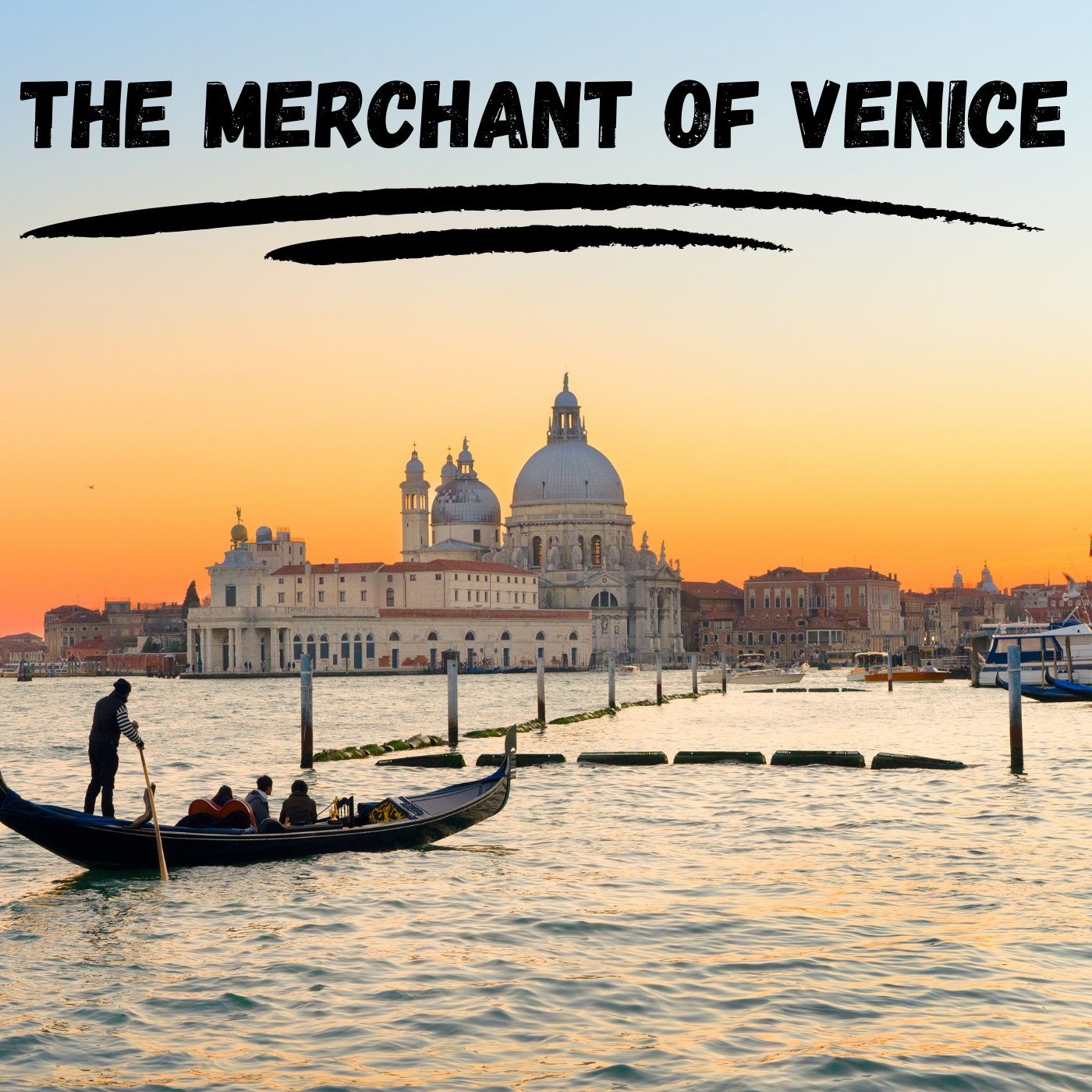
The Merchant of Venice
Hosted by William Shakespeare · EN
Explore the complexities of commerce and human relationships through timeless narratives that delve into themes of justice, mercy, and societal roles. The ethical dilemmas and interpersonal conflicts suggested by this title provide a rich foundation for stories that challenge perceptions and provoke thought about fairness and identity. This podcast offers a rotating collection of full-length audiobooks, each week highlighting a different work that explores these intricate issues across various eras and styles. With a new book each week, listeners can enjoy a diverse range of perspectives and insights, making it an ideal choice for those seeking intellectual engagement or a deeper understanding of classic themes. New books are added weekly, ensuring a fresh experience with each listen. Check out more shows at solgoodmedia.com.
44episodes
Episodes
Newest firstAll episodes
30 Ghost Stories - Various
Yesterday08:05:47Tap to summarize"30 Ghost Stories" is a captivating collection featuring 17 short stories from "Twenty-Five Ghost Stories" and 13 tales from "Indian Ghost Stories," all summarized by Kirk Ziegler. This anthology explores the timeless theme of the supernatural, inviting listeners into a world where the eerie and the unknown intertwine with human experience. The chilling narratives offer profound insights into fear, belief, and the mysteries that linger beyond the grave, making it a compelling listen for those who appreciate the art of storytelling. The enduring nature of ghost stories resonates with our innate curiosity about life, death, and what lies beyond, ensuring that these tales remain relevant and engaging for audiences today.
Transcribe →Weird Tales Presents The Strange World of Harry Houdini - Various
2d ago03:42:58Tap to summarize"Weird Tales Presents The Strange World of Harry Houdini" offers a captivating glimpse into the mind of the legendary illusionist and skeptic through a collection of stories published in 1924 by Weird Tales Magazine. This anthology not only showcases Houdini's supposed exploits but also features the engaging "Ask Houdini" sections, where readers posed questions to the master himself. The blend of storytelling and direct interaction with Houdini highlights themes of curiosity, illusion, and the quest for truth, making it a timeless exploration of human fascination with the unknown. Hearing these tales today invites listeners to reflect on the enduring allure of magic and the age-old desire to unravel life's mysteries.
Transcribe →Merchant of Venice - William Shakespeare
3d ago02:21:25Tap to summarizeWilliam Shakespeare's "The Merchant of Venice" explores themes of love, friendship, and the complexities of mercy and justice through the story of Bassanio, who borrows money from the wealthy Jew Shylock, risking a pound of flesh as collateral. This gripping tale not only highlights the romantic pursuits of its characters but also delves into the tensions between Jews and Christians in early modern Venice, culminating in a dramatic trial that raises questions about humanity and prejudice. The play's enduring relevance lies in its examination of societal divides and the quest for acceptance, making it a powerful reflection on the human condition that resonates with contemporary audiences.
Transcribe →Coffee Break Collection 025 - Water - Various
4d ago01:39:25Tap to summarizeThe "Coffee Break Collection 025 - Water" brings together a selection of English language public domain works, each lasting about 15 minutes, making them ideal for brief moments of reflection during daily routines. This collection explores the multifaceted theme of water, a subject that has inspired great minds like Archimedes, Shelley, and Masefield. The enduring nature of these works highlights water's vital role in our lives, symbolizing both sustenance and change. As listeners dive into this collection, they will find timeless insights and poetic expressions that resonate with our ongoing relationship with this essential element, making it a perfect companion for any coffee break.
Transcribe →Complaint or Night Thoughts - Edward Young
5d ago09:08:22Tap to summarize"Complaint or Night Thoughts" by Edward Young is a profound book-length poem that delves into the themes of life and death, reflecting the contemplative spirit of the Graveyard School of poetry. Young's musings invite listeners to grapple with existential questions that remain relevant today, as they explore the human condition and the inevitability of mortality. The poem's introspective nature encourages a deep reflection on our own lives, making it a timeless piece that resonates with anyone seeking understanding in the face of life's transience. Its enduring appeal lies in its ability to evoke thoughtfulness and provoke a dialogue about the fundamental truths of existence.
Transcribe →Seeking a Human Spaceflight Program Worthy of a Great Nation - Review of US Human Space Flight Plans Committee
6d ago09:08:12Tap to summarize"Seeking a Human Spaceflight Program Worthy of a Great Nation" presents the final report of the Review of U.S. Human Space Flight Plans Committee, which undertook an independent assessment of the nation's human space flight strategies. The Committee's mission was to explore the most effective paths for the future of U.S. space exploration, emphasizing safety, innovation, affordability, and sustainability. Their recommendations focus on enhancing capabilities for the International Space Station, advancing missions beyond low Earth orbit, fostering commercial space flight, and aligning with NASA's budget.
Transcribe →Slave Narratives a Folk History of Slavery in the United States From Interviews with Former Slaves Volume XII Ohio Narratives - Various
1w ago04:49:17Tap to summarize"Slave Narratives: A Folk History of Slavery in the United States From Interviews with Former Slaves, Volume XII Ohio Narratives" is a powerful collection of verbatim accounts from former slaves, gathered through personal interviews conducted between 1936 and 1938. These narratives serve as an invaluable repository of folk history, capturing the lived experiences and memories of those who endured the horrors of slavery. By presenting history through the voices of its participants, this volume not only preserves their stories but also highlights themes of resilience and the quest for identity that continue to resonate today.
Transcribe →Collection Tales of the Cities - Various
1w ago02:57:26Tap to summarize"Collection Tales of the Cities" brings together a rich tapestry of city stories, both fiction and non-fiction, crafted in English and published before 1923. Selected by the readers themselves, these narratives capture the essence of urban life and the diverse experiences that come with it. The themes of community, identity, and the intricate relationships formed within cityscapes resonate as strongly today as they did in the past. This collection not only offers a glimpse into the historical context of various cities but also invites listeners to reflect on their own urban experiences, making it a timeless exploration of the human condition amidst the backdrop of bustling metropolises.
Transcribe →Astounding Stories 19 July 1931 - Harry Bates Ray Cummings H Thompson Rich Nat Schachner Jack Williamson Arthur L Zagat
1w ago08:33:35Tap to summarize"Astounding Stories 19 July 1931" features a collection of thrilling tales that transport listeners to realms of danger and adventure. From Jack Williamson's "The Doom from Planet 4," where a mysterious ray leads to an island fraught with peril, to H. G. Winter's "The Hands of Aten," which unearths long-frozen Egyptians and ignites an amazing adventure, each story captivates with its imaginative scope. Themes of exploration, the struggle against powerful forces, and the unpredictable nature of technology resonate strongly, inviting reflection on humanity's relationship with the unknown.
Transcribe →Beginning of the Middle Ages - Richard William Church
1w ago07:38:05Tap to summarize"Beginning of the Middle Ages" by Richard William Church explores the tumultuous period following the fall of the Roman Empire, marked by chaotic leadership and the rise of barbarian powers. The narrative begins with the death of Theodosius in 395 A.D. and follows the disastrous reign of his son, Honorius, leading to the sacking of Rome by Alaric and the ensuing social disintegration. The emergence of the Franks and the consolidation of Charlemagne's realm highlight the struggle for stability amidst turmoil, while the terrifying Viking incursions further illustrate the era's volatility.
Transcribe →