Podcast
The Modern Warrior Podcast
Hosted by Gavin Meenan · EN
Welcome to the Gavin Meenan Podcast; where I'll share the strategies and principles to help you become a more confident and resilient man in the 21st Century!
17episodes
Episodes
Newest firstAll episodes
Episode #204 Brother Richard Hendrick on Purpose, Meaning, Ego & Meditation
Jun 1501:12:56Tap to summarizeIn this episode of The Modern Warrior Podcast, Gavin sits down with Brother Richard Hendrick for a deep conversation on purpose, meaning, vocation, ego, meditation, social media, emotional awareness, and the importance of real human connection.Brother Richard shares the story of how he became a Capuchin Franciscan friar, beginning with a lifelong hunger for the deeper “why” behind life. He reflects on discovering St. Francis of Assisi, visiting the Capuchin Franciscans as a teenager, and finding a life built around brotherhood, service, stillness, and contemplation.The conversation explores the difference between purpose and meaning, how people can become successful on the outside while feeling hollow within, and why reflective practice is essential for understanding the deeper motivation behind our actions.Gavin and Brother Richard also discuss ego, social comparison, phones, young people, men’s work, the need for elders, the role of teachers and community, and how meditation can help us separate who we are from the emotions and thoughts moving around us.This is a powerful conversation about coming back to ourselves, building a meaningful life, and learning how to live with greater awareness, compassion, and intention.Show NotesIn this episode, Gavin and Brother Richard discuss:Brother Richard’s early hunger for the deeper questions in lifeGrowing up in a Catholic community in IrelandDiscovering the life of St. Francis of AssisiBecoming interested in the Capuchin FranciscansEntering the friary at 17The difference between purpose and meaningWhy success, money, family, and career can still leave people feeling emptyThe importance of reflective capacityHow ego shows up in everyday lifeWhy ego needs to be noticed and treated with humourAsking, “Whose voice is that actually?”Mindful eating and the story of the chocolate exerciseHow early experiences shape what we go looking for later in lifeWhy people need mirrors, support, therapy, direction, and communitySocial media, comparison, and the feeling of never being good enoughThe need for real human connection, nature, and spiritual practiceWhy young people need tools to question what they see and hearThe true, the beautiful, and the goodMen, emotional integration, and the broken map of masculinityThe importance of elders in men’s workTeacher, community, and teaching as a three-legged structureWhy a teacher’s life must reflect what they teachMeditation as something we remember rather than learnBringing meditation into ordinary daily lifeSitting with sadness without becoming the sadnessEmotional vocabulary and the way language shapes experienceThe different meanings of loveHelping young people describe emotions through colour, smell, and soundThe weight of words and the salt exerciseWhy meditation should change how we live, speak, and treat othersMemorable Quotes“Vocation is the right of every human being.”“There is something calling the human being to live a life that is meaningful.”“The problem in the Western world now is we mistake purpose for meaning all of the time.”“The hamster wheel will keep turning.”“You will be hollow internally if it is not in line with meaning.”“There’s nothing you’ve lived no matter how you characterize it as good or bad that can’t become wisdom if somebody is able to actually learn from it, reflect on it.”“The only way you get from purpose to meaning is to put the reflective capacity in between those two.”“Human beings become fully human when it’s in service.”“Ego does not like being laughed at.”“One of the most important questions you can ask is when you have an opinion is whose voice is that actually?”“The forms we receive things in are the forms we go looking for.”
Transcribe →
Episode #203 Kenneth Egan: The Man Behind the Gloves | Olympic Silver, Sobriety & Life After Boxing
May 2801:04:36Tap to summarizeIn this powerful episode of The Modern Warrior Podcast, Gavin sits down with Olympic silver medallist Kenneth Egan for an honest conversation about boxing, identity, addiction, recovery, family, grief and rebuilding a life beyond sport.Kenneth reflects on growing up in Neilstown, discovering boxing through his brother, and the coaches and volunteers who helped guide him through his early years. He speaks about the long road to the Beijing Olympics, the pressure of qualification, the mindset that helped him perform on the world stage, and what it felt like to come home with an Olympic silver medal.But this conversation goes far beyond boxing. Kenneth opens up about his struggles with alcohol, the public nature of his drinking, the pain it caused his family, and the moment on the 12th of August 2010 when he had his last drink. He shares how recovery, AA, education, counselling, fatherhood and honesty helped him build a new life.This is a raw and deeply human conversation about what happens after achievement, the danger of tying your identity to success, the courage it takes to ask for help, and the power of living one day at a time.Show NotesKenneth’s early life in Neilstown and growing up in a family of five boysHow his brother William first brought boxing into the familyThe influence of Neilstown Boxing Club and coach Noel HampsonLosing three All-Ireland finals and nearly walking away from boxing at 13The belief that helped him come back and win his first Irish titleThe reality of balancing boxing with drinking from a young ageTraining in the high performance system under Billy Walsh, Gary Keegan and ZaurFailing to qualify for Athens 2004 and returning for another Olympic cycleThe pressure of Olympic qualification and learning to focus on one session, one punch and one point at a timeQualifying for Beijing and feeling the pressure liftThe experience of the Olympic village and boxing at the Beijing OlympicsWinning Olympic silver and struggling with what came afterwardsThe difficulty of coming home to public attention and expectationThe impact of alcohol on Kenneth’s life, family and relationshipsHis mother’s attempts to help him see the damage alcohol was causingTurning down a professional boxing contract because he knew he was not in the right placeWalking into his first AA meeting and beginning recoveryRelapsing after three months sober during a trip to UgandaThe 12th of August 2010, the day Kenneth had his last drinkRebuilding his life through recovery, addiction studies and counsellingThe importance of honesty, gratitude and daily disciplineBecoming a father and creating a different environment for his daughterLearning to live without shame and becoming comfortable in his own skinWhat boxing gave him and the challenges of retiring from the sportThe difficulty athletes face when their sporting identity endsMaking amends, forgiveness and rebuilding trustGrieving the loss of his motherReturning to the ring for charity through “Kenny Egan: The Last Dance”Raising funds for the Irish Cancer SocietyWhy asking for help is the first step out of struggleThe power of 24 hours, one day at a timeMemorable Quotes“Everyone knows Kenny Egan as the boxer, but fewer people know the man behind the gloves.”“My dream was to be champion of Ireland.”“I wanted to walk away from the sport at 13 years of age.”“Keep working. Your time will come.”“I wasn’t the most talented, but I did want to learn.”“I loved boxing, and I loved the bit of crack at the weekends with the lads.”“It’s hard enough to step into a ring fully conditioned, fully sober, fully switched on.”“My medal got me into recovery quicker.”“I was thinking too far ahead into the future.”“Focus on your next session.”“One session at a time, one punch at a time, one spar at a time.”“That’s where I won my Olympic medal, in Greece when I qualified. I just went to Beijing to collect it.”“I finally had that tracksuit with the five rings on it.”
Transcribe →
Episode #202 Colin Judge: You Have to Be Seen to Be Chosen
May 401:04:22Tap to summarizeIn this episode of The Modern Warrior Podcast, Gavin sits down with Colin Judge for a powerful conversation about growing up with one arm and no legs, learning independence, facing fear, and finding confidence through sport, self-belief and personal responsibility.Colin shares how his parents helped shape his mindset from an early age, especially through the simple but life-changing act of leaving his school uniform out every morning until he learned to dress himself. He speaks openly about feeling excluded during his teenage years, the courage it took to ask difficult questions, and how finding table tennis gave him a sport, a community and a path to becoming number one in Ireland, European champion and a Paralympian.The conversation also explores Colin’s journey through education, actuarial studies, leaving a high-paid career to pursue table tennis, the pain of reclassification, and how he learned to focus less on outcomes and more on becoming his best.Colin also talks about relationships, social media, speaking, vulnerability and why he now believes that sharing your story can help people through their darkest moments.This is a conversation about disability, confidence, fear, independence, resilience, self-worth and the importance of showing up as the real version of yourself.This episode has been sponsored by https://beearthkind.ie/ShownotesGrowing up with one arm and no legs Colin reflects on his childhood, being the first person born in Ireland with his condition, and how his parents supported him without wrapping him in cotton wool.The school uniform story Colin explains how his parents left his uniform out every morning from the age of four, even though he could not dress himself until the age of nine. He describes this as an early lesson in having a positive relationship with failure.Feeling excluded but not bullied Colin talks about his teenage years, going to an able-bodied school, feeling left out of social circles, and how exclusion can sometimes feel even harder than bullying.Asking the question that changed everything Colin shares how he eventually asked his friends why he was not being invited out, and discovered that much of it came from innocent assumptions around his disability.Finding table tennis After trying several sports with his younger brother, Colin found table tennis — the one sport where he could beat him. That discovery eventually led him to UCD Table Tennis Club.Sending the email that changed his life Colin explains how difficult it was to build up the courage to email a coach, and how that one action helped him find a sport, a community and a new level of confidence.Building confidence through keeping promises Colin discusses how confidence grew by making small promises to himself and following through, whether in sport, school, social life or training.Independence and proving people wrong Colin speaks about doctors telling his parents he would never be independent, earn money or dress himself, and how his life became a process of proving those assumptions wrong.Education, Leaving Cert and actuarial studies Colin shares how he set his sights on actuarial and financial studies, earned 580 points in the Leaving Cert, and entered one of the highest points courses in the country.Leaving a high-paid career for table tennis Colin talks about leaving actuarial work to pursue table tennis more seriously, the difficulty of that decision, and why he felt he owed it to himself to give the sport everything.Rio, Tokyo and the Paralympic journey Colin reflects on missing the Rio Paralympics, qualifying for Tokyo, moving to Slovakia during COVID to train, and continuing to push himself toward his highest level.Reclassification and rebuilding himself as an athlete Colin explains how being reclassified changed his ranking, funding and competition level, and how it forced him to reinvent his style of play.Focusing on what he can control Colin talks about moving away from measuring himself only by results or rankings, and instead focusing on preparation, performance and being his best.Life beyond sport Colin explains why having more in his life than table tennis has made him stronger, including speaking, social media, health, relationships and personal growth.Relationships and being seen Colin speaks openly about dating, disability, putting himself out there and the lesson that “you have to be seen to be chosen.”Sharing your story to help others Colin shares the impact of receiving a message from someone who said his content made her rethink suicide, and how that changed his understanding of why sharing your story matters.Where to find Colin Colin shares his handle: @colinjudge100Memorable Quotes“From the beginning, my mom really had a great insight that the world wasn’t set up for me and that I was going to need to find my own way.”“They didn’t wrap me in cotton wool. They were always there as a support.”“I think it meant having a positive relationship with failure.”“I was never bullied in school, but I always say that being excluded is nearly worse.”“People are often a lot nicer than they seem.”“Growing up with a disability in Ireland, I needed to take the initiative a lot.”“Sometimes we just need to face our fears and take the initiative, no matter how uncomfortable it is.”“If you don’t try, you’ll never know.”“The answer is not to treat someone with a disability any differently.”“You need to be prepared to go through that uncomfortable time where nothing’s working and everything feels awkward.”“I said I was going to do something and then I did it.”“All those little promises that we make to ourselves, when we keep them, improve the relationship we have with ourselves.”“That relationship that I had with myself was the most important.”“When everyone, including the doctors from the day I was born, told me I’d never be independent, it’s difficult then to say, no, I can be independent.”“The doctors said that I’d never be able to dress myself, but then I knew from age nine that I could dress myself.”“You’re never going to match your friends on the rugby pitch, but you can more than match them in the classroom.”“I wanted to prove to people that I could earn money.”“I felt that I owed it to myself.”“I wanted to leave no stone unturned and just be my best.”“We’re all more than just one thing.”“If you’re defining your happiness on a result or a ranking, you’re going to be very unhappy a lot of the time.”“Sport is just so unpredictable.”“I had to reinvent myself as a table tennis player.”“I had to become a better table tennis player.”“I needed to sail away from the safe harbour.”“It’s about me and it’s about what we bring.”“I really just try and focus on what I can control.”“I have a good balance in my life now.”“Sometimes we don’t get what we deserve in the moment, we just have to keep it going.”“You have to be seen to be chosen.”“If people don’t know you exist, you literally have no chance.”“I didn’t put the real me forward. It ...
Transcribe →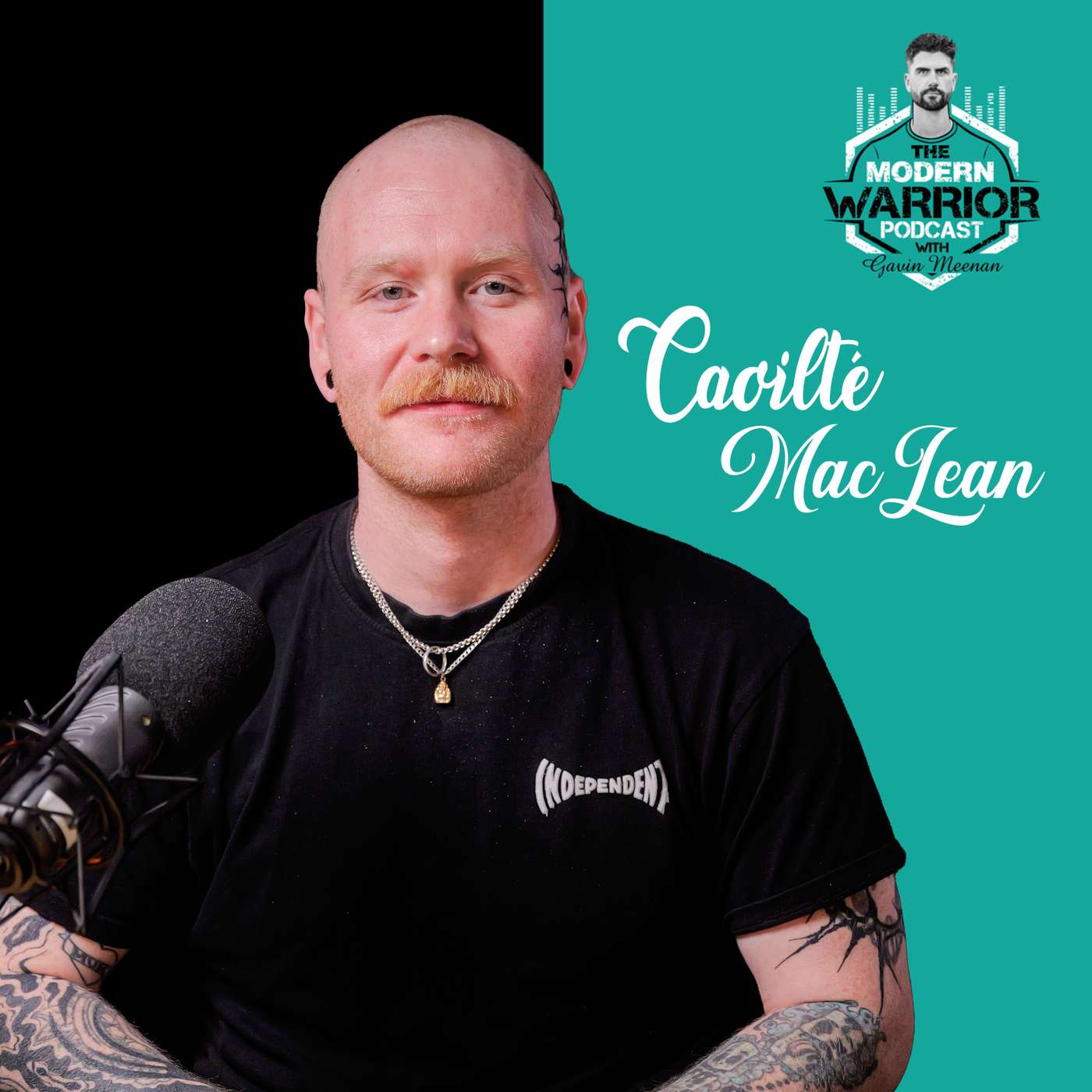
Episode #201 Finding Center Again | Caoilte MacLean on Sobriety, Risk, The Void, Travel & Love
Apr 2101:02:03Tap to summarizeCaoilte MacLean returns to The Modern Warrior Podcast for a deep conversation about what has changed since his last appearance. He speaks about his mother getting sick, swinging from being “too loose” to becoming overly militant, and trying to find center again. He reflects on sobriety, drinking, judgment, skating, living in Poland, social media, healing, community, “the void,” engagement, fatherhood, spontaneity, and what it means to enjoy the passage of time.This episode has been sponsored by https://beearthkind.ie/ShownotesShownotes (with Timecodes)00:00 – Caoilte returns to the podcast and reflects on changes since June 2024. 01:00 – His mother getting sick and how it changed his life. 01:51 – Swinging from being “too loose” to becoming overly militant with habits and structure. 03:30 – Turning self-discipline into another form of escapism. 05:00 – Returning to alcohol and redefining the relationship with it. 06:30 – The difference between drinking for enjoyment vs. drinking to escape. 07:56 – Discovering skateboarding and using risk as a healthy outlet. 08:00 – Living abroad (Hungary, Vienna, Lithuania, Poland) and gaining perspective. 10:30 – Being alone for the first time and “finding himself.” 12:30 – Community, friendships, and support systems. 15:38 – Social media as a tool vs. an addiction. 18:30 – Content creation, responsibility, and helping others. 22:00 – Dealing with criticism, hate, and real-life confrontations. 26:00 – Healing, decision-making, and taking action without certainty. 30:22 – The concept of “The Void” and learning not to run from it. 35:00 – Sitting with discomfort vs. distracting yourself. 40:00 – Cannabis, mushrooms, intention, and coping vs. healing. 52:18 – Engagement, love, and what it represents in a relationship. 54:00 – The meaning of life: enjoying the passage of time. 55:42 – Thoughts on fatherhood, responsibility, and spontaneity. 58:00+ – Living spontaneously, travel, and keeping life fluid. 01:00:00+ – Productivity vs. living, memory-making, and enjoying life fully.Memorable Quotes“You can mistake progress for productivity.”“I just turned it into another drug.”“It’s me having the power over the alcohol instead of the alcohol having power over me.”“Do it when you’re smiling, not to make yourself smile.”“It’s the safest thing I have found that makes me feel in danger.”“There’s no value in judging other people.”“The way people talk to you and treat you is almost 100% to tell they’re talking to themselves.”“You don’t have to make a decision today that then lasts the rest of your life.”“I think the meaning of life is just to enjoy the passage of time.”“The only criteria for a good life is that you enjoyed living it.”“If you had more days when you went, ‘That was pretty good,’ then you went, ‘Oh shit, good life.’”“The magic in life that seems to be missing is because you’re not looking for it hard enough.”“That’s a productive day. It’s not a good day.”“You should also be putting things on there that make you at the end of the day go, ‘That’s a memory. I’ll remember that forever.’”“Prioritising, enjoying being alive, not just living efficiently.”
Transcribe →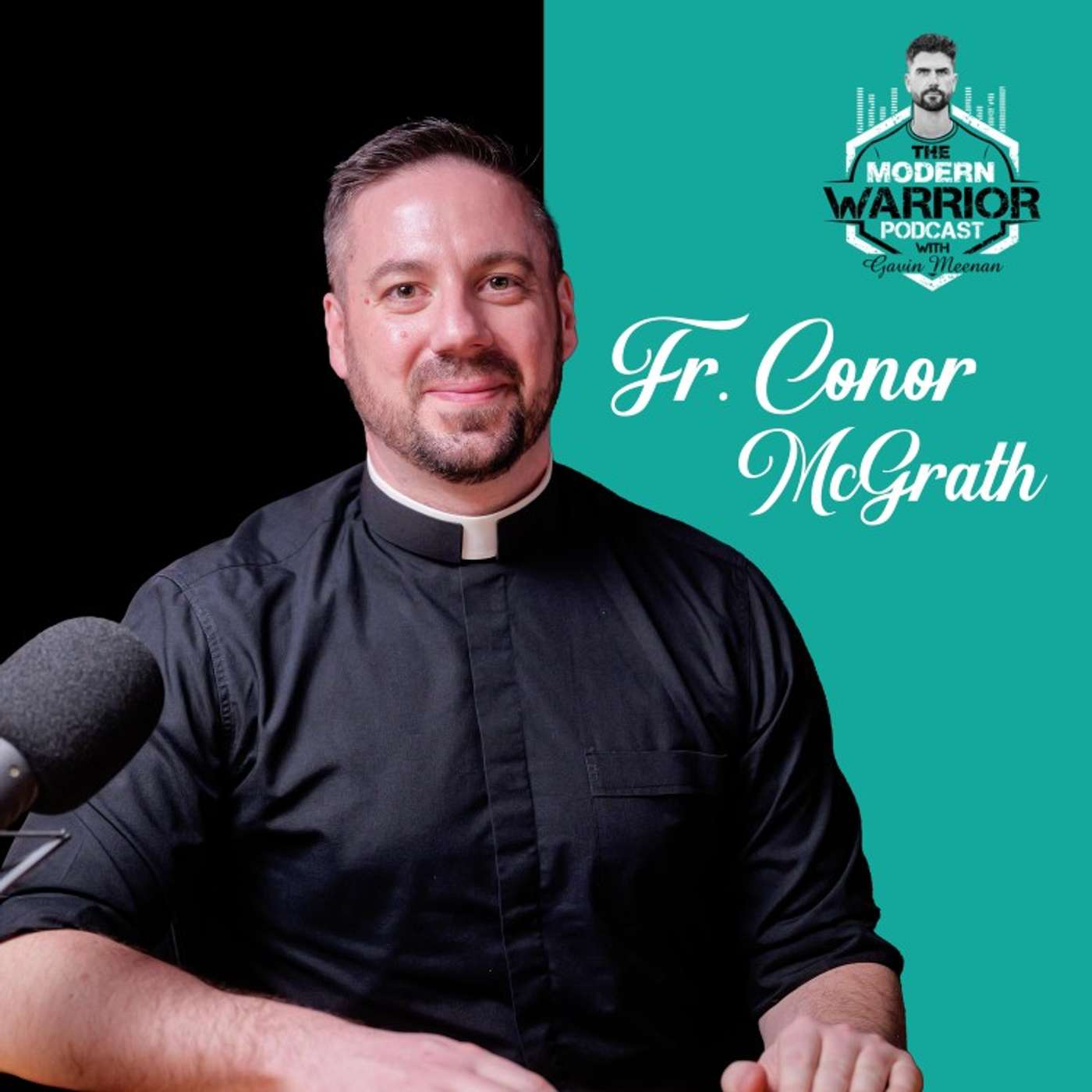
Episode #200 Fr Conor McGrath on God, Suffering, Fasting, Belonging & the Path Back to Faith
Apr 201:06:03Tap to summarizeIn this episode of The Modern Warrior Podcast, Gavin sits down with Fr Conor McGrath for a conversation about priesthood, faith, suffering, belonging, discipline, fasting, and the role of the Church in modern life. They explore how God guides people, why suffering can become a path to redemption, the importance of compassion, and why so many people are still searching for connection, meaning, and truth. The conversation also reflects on ritual, forgiveness, detachment, and what it means to live with intention rather than coast through life.Shownotes 00:00 Introduction to Fr Conor McGrath 01:00 What drew him to priesthood 03:10 Family, faith, and the presence of kind and gentle priests 05:00 Knowing what God wants 07:15 Prayer, discernment, and testing a calling 10:00 How God speaks through life, people, and experience 12:00 Suffering, pain, and being led back to God 15:00 Jesus, the cross, and redemption through suffering 17:30 Why some part of us needs to die in order to be redeemed 19:00 How to respond when people blame God for suffering 21:00 Compassion, presence, and sitting with pain 24:00 Priests, humanity, mistakes, and authenticity 27:00 There is no such thing as a setback 29:00 Attachment, ownership, and learning to let go 33:00 Possessions, identity, and finding perspective in God 36:00 The Church, the past, and learning from scandal 39:00 Younger generations, faith, and people returning to church 43:00 The search for meaning, stability, and clarity 45:00 Ritual, Mass, and why familiarity matters 49:00 Belonging, connection, and the difference between real community and emptiness 54:00 Fasting, appetite, discipline, and self-control 58:00 Transformative suffering and spiritual perspective 1:02:00 Discipline, discipleship, and following Jesus 1:07:00 What God wants from you 1:09:00 Why people should stop coasting through life 1:11:00 Social media, vocation, and explaining the faith online Memorable Quotes “God will show himself in those situations and he will lead through.” “This is what God wants from me, and this is the key to my happiness.” “It’s not happening to you. This is happening for you.” “Show up with love.” “You’re not alone in this.” “Compassion means to suffer with.” “Our hearts are restless until they rest in you.” “By dying, we live.” “What possesses us.” “Transformative suffering.” “Do what is right, not what is easy.” “Don’t coast.” “Don’t live half a life. Live fully.” “Belonging is key.” “What does God want for me?”
Transcribe →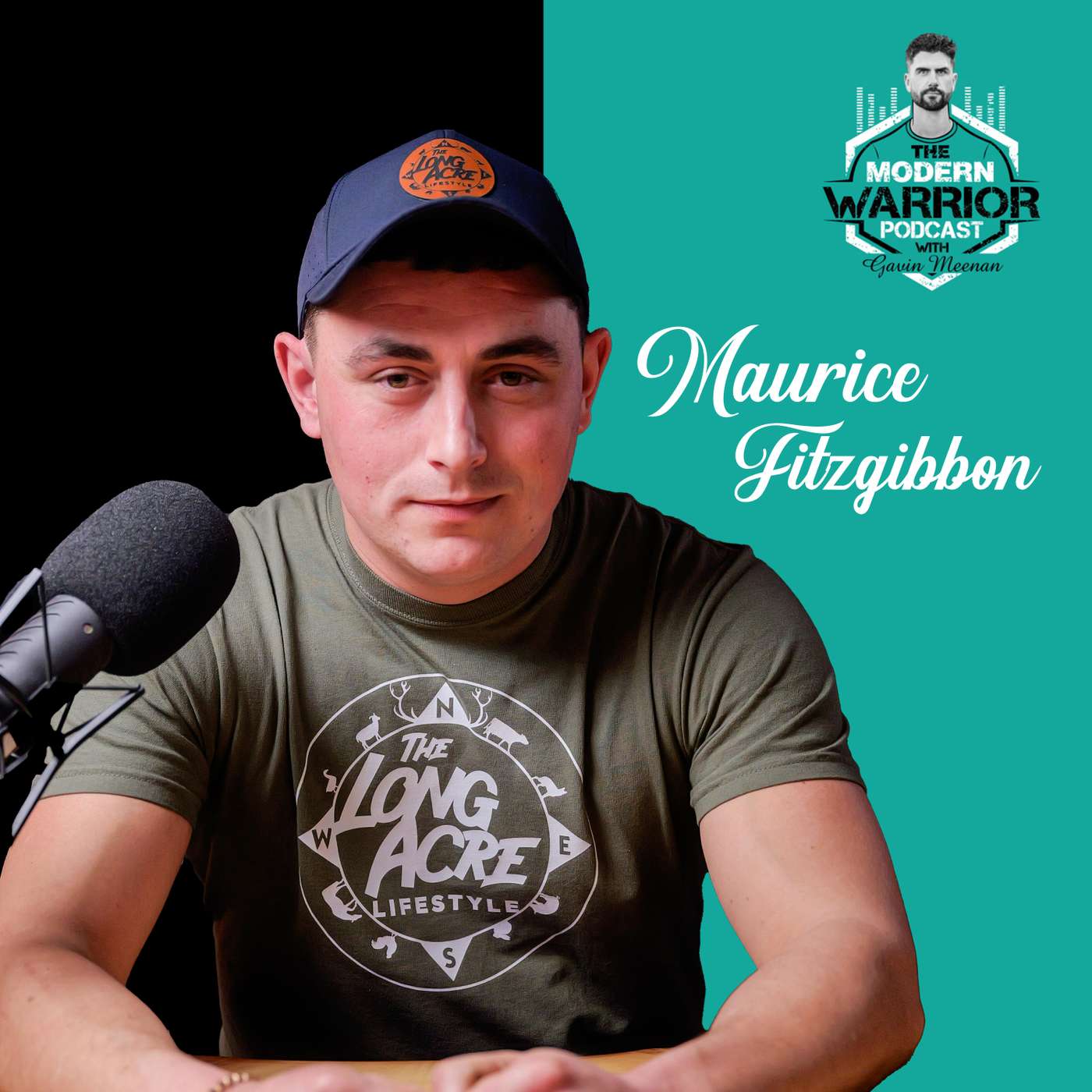
Episode #199 Maurice Fitzgibbon on Speaking Up, Fatherhood, Conflict, Purpose & Modern Men
Mar 1801:13:37Tap to summarizeDescription What happens when you don’t say what you really think?In this episode, Maurice Fitzgibbon breaks down why staying quiet creates internal conflict, why many men avoid speaking openly, and what it actually costs over time.The conversation covers pushback, disagreement, fatherhood, responsibility, conflict in relationships, addiction, purpose, and the pressures facing modern men today.From parenting and discipline to communication, emotional control, and meaning through work, this is a direct conversation about truth, accountability, and how men navigate the world now.If you’ve ever held something in, avoided conflict, or questioned your role as a man — this one will hit.Episode sponsored by https://beearthkind.ie/Shownotes 00:00 Maurice Fitzgibbon returns to the podcast 01:20 Speaking your mind vs holding things in 03:10 Internal conflict from staying silent 06:45 Pushback, criticism, and public vs private opinions 10:30 Why people don’t say what they really think 14:20 Online environment and its impact on young people 18:10 Influence on young boys and identity 22:30 Fatherhood, discipline, and saying no 27:40 Responsibility, structure, and consequences 32:15 Respect, disagreement, and conflict 36:20 Communication in arguments 40:10 “Sit down, talk low, talk slow” 44:00 Parenting, mistakes, and accountability 48:30 Childhood experiences and adult behaviour 53:20 Unresolved anger and relationships 58:10 Alcohol, drugs, and coping mechanisms 01:02:30 Purpose through responsibility and routine 01:07:00 Work, physical labour, and meaning 01:11:20 Nature, self-sufficiency, and grounding 01:15:40 Mental health, labels, and responsibility 01:20:10 Explaining behaviour vs excusing it 01:24:00 Serving something greater than yourself💬 Memorable Quotes (Optimised for Clips & Captions)“You give the peace outside, but you go to war inside.”“If you don’t speak what you think, you’ll pay for it internally.”“It’s very okay to say no.”“He’s not there to be liked. He’s there to be a father.”“Do the right thing.”“This is not a punishment. This is showing you consequences.”“It’s never about what’s about.”“Sit down. Talk low, talk slow.”“I’ll explain my behaviour, but I won’t excuse it.”“Take me out of the equation and serve something greater.”“Stop using labels to excuse behaviour.”“Leave each day as though your existence is an act of rebellion.”
Transcribe →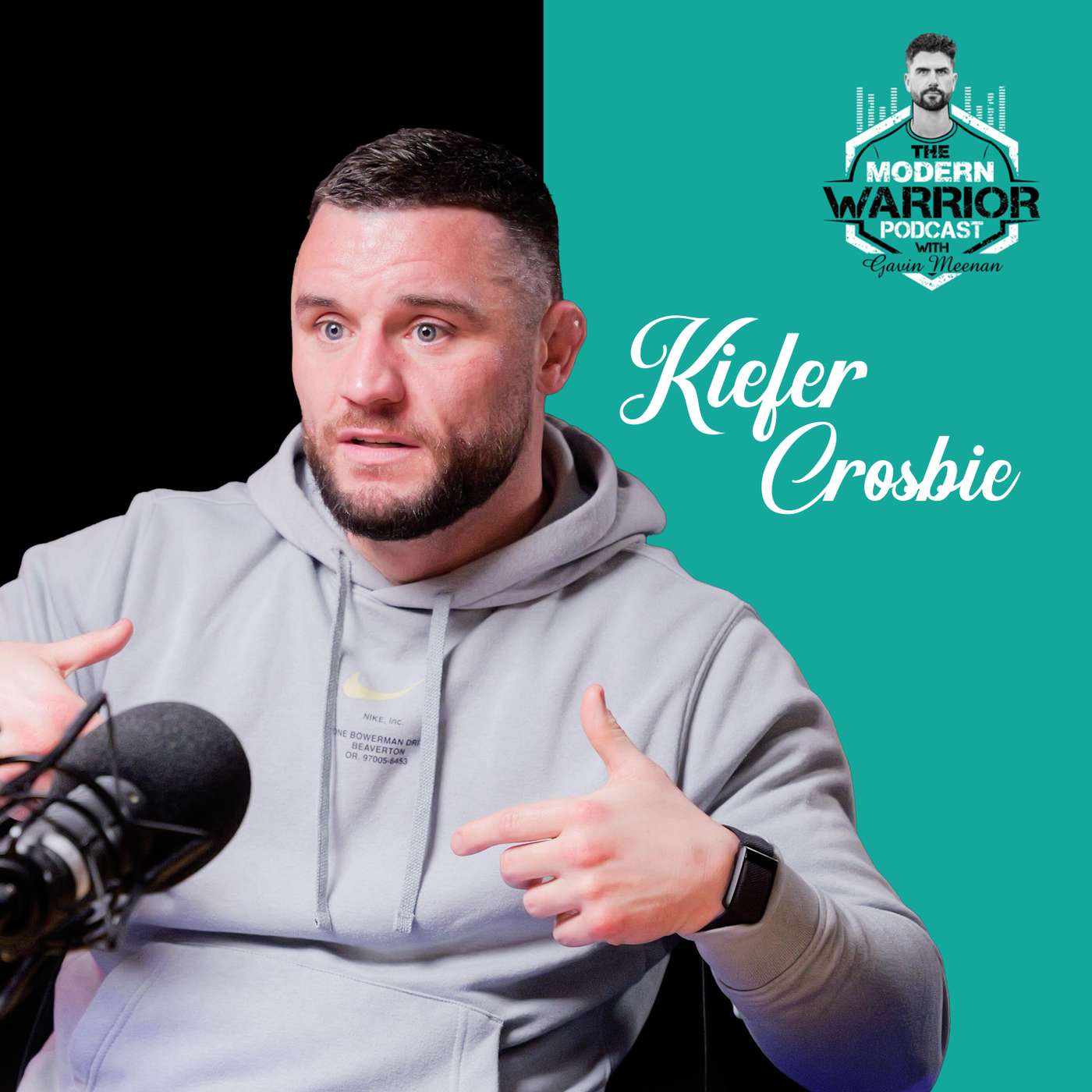
Episode #198 Calm in the Chaos: From Inner-City Survival to the UFC Dream (and the Cost of Chasing It)
Mar 501:19:37Tap to summarizeIn this conversation, Kiefer Crosbie talks about growing up in a negative inner-city environment, getting pulled into “the wrong things,” and how finding martial arts early gave him something to focus on. He describes fighting as “normal” when he was young, how competing shifted his mindset, and how teammates and gym camaraderie became a positive anchor. He reflects on regrets about not “locking in” earlier, the reality that there’s “no money” in pro MMA until you’re established, and the importance of cutting out people and habits that pull you down. He also goes deep on the UFC experience: a short-notice debut with an extreme weight cut, the emotional crash after losing, and the chaos of fight night—plus later injuries, fighting with “one arm,” and the mindset of “delusion” and belief required to walk into the cage.@kiefercrosbie_mmaThis episode is proudly sponsored by @declanmeenancarpentryShownotes 00:00 – Growing up in an inner-city environment and the negative influences that were all around. 02:45 – Reflecting on friends who ended up locked up, dead, or homeless and thinking about what could have been. 05:10 – Discovering martial arts at a young age and finding something positive to focus on. 07:20 – Being kicked out of school and spending more time in the gym. 09:30 – Starting martial arts to learn how to fight for the street before discovering competition. 12:15 – Early tournaments, losing at first, and becoming obsessed with improving and winning next time. 15:40 – Why martial arts wasn’t considered “cool” at the time and keeping it quiet from friends. 18:10 – Training under a coach who was manipulative and eventually deciding to move on. 21:05 – The camaraderie inside gyms and why everyone believes their own gym is the best. 24:20 – Regret about years spent drinking, partying, and being around the wrong people. 27:00 – Learning to structure life so training, education, and side hustles can coexist. 29:30 – The reality that there is very little money in professional MMA. 32:10 – Understanding that having a plan B while pursuing plan A can still work. 34:50 – Realising that being half-in leads to poor performances and getting hurt. 37:40 – A fight after going out the night before, gassing out, and making the decision to fully commit. 40:10 – Watching the UFC growing up and dreaming of fighting with the small gloves one day. 43:30 – Accepting a UFC debut on short notice and going through an extreme weight cut. 46:50 – Walking out of the arena after the fight and processing the loss alone. 49:20 – Struggling mentally after the loss and dealing with attention and criticism. 52:00 – Reflecting on the judo throw decision that led to getting caught late in a round. 55:15 – Travelling abroad to rebuild through a simple routine of training and recovery. 58:40 – Accepting another fight opportunity while dealing with a serious injury. 01:01:30 – The mindset required on fight night and staying focused under pressure. 01:04:10 – Staying calm in chaotic environments during fight camps and events. 01:07:30 – Thinking about life after fighting and the importance of purpose. 01:10:15 – Exploring new ventures and starting a podcast. 01:12:20 – Where people can follow along on social media. 01:13:30 – Final thoughts and encouragement to reach out if the conversation resonated.
Transcribe →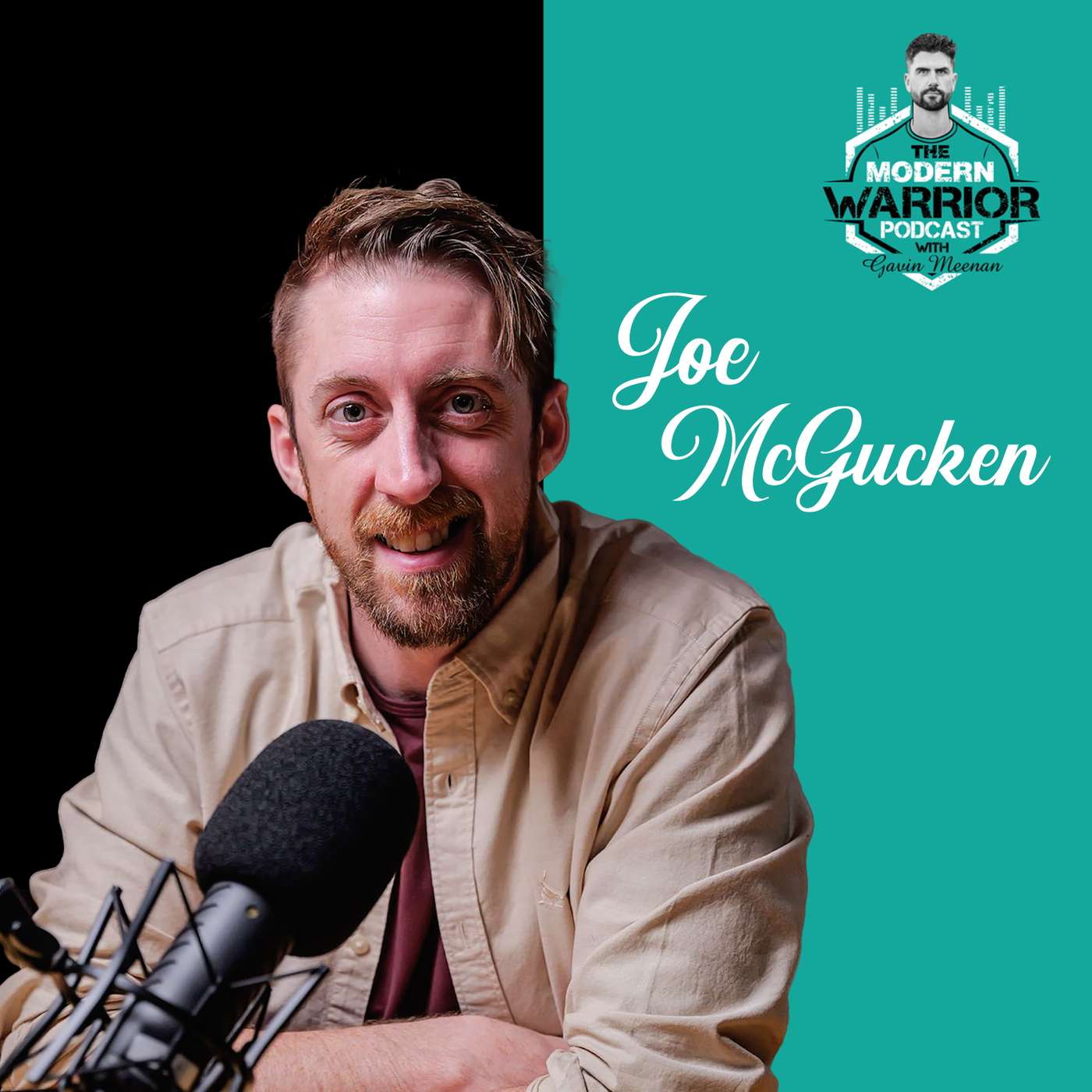
Episode #197 Finding Stillness in the Fight – Joe McGucken on Change, Awareness, and Personal Responsibility
Feb 1701:21:35Tap to summarizeIn this episode of Modern Warrior Podcast, host Gavin Meenan sits down with Joe McGucken for an open and reflective conversation. Joe speaks candidly about his personal experiences, the challenges he has faced, and the moments that forced him to look inward. Throughout the discussion, Joe explores themes of self-awareness, responsibility, change, and how confronting uncomfortable truths played a role in reshaping his outlook and behaviour. The conversation stays grounded in lived experience and honest self-reflection, with Joe clearly articulating what he learned along the way and how those lessons continue to influence his life today.🧭 Show NotesJoe explains his personal background and the circumstances that shaped his early mindset.Discussion around patterns of behaviour and how Joe became aware of repeating cycles in his life.Joe reflects on moments of discomfort and confrontation that acted as turning points.Conversation on taking responsibility rather than placing blame externally.Joe describes how increased self-awareness changed the way he reacts to situations.Exploration of discipline, consistency, and how small changes compounded over time.Reflections on growth, learning from past actions, and continuing the work daily.💬 Memorable Quotes“I had to actually look at myself and take responsibility for what I was doing.”“Nothing changes unless you’re willing to sit with the uncomfortable parts.”“Once I became aware of it, I couldn’t ignore it anymore.”“It wasn’t about blaming anyone else — it was on me.”“You don’t fix everything at once, you just keep showing up.”
Transcribe →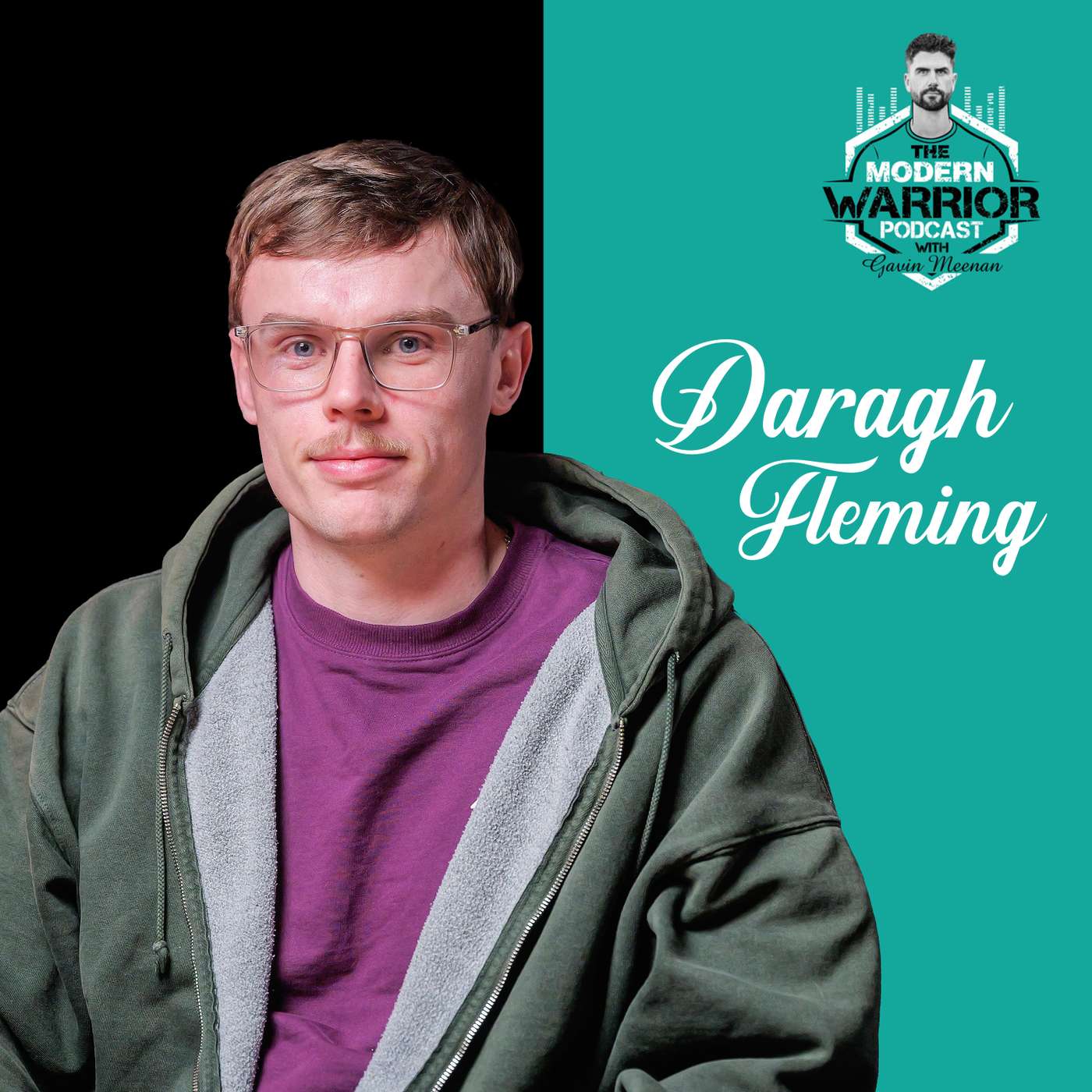
Episode #196 Becoming Good: Daragh Fleming on Grief, Emotional Expression, and Letting Go
Jan 3101:02:17Tap to summarizeThis podcast is brought to you with thanks to our partner https://fullcircleroasters.ie/Gavin Meenan sits down with Daragh Fleming to talk about the roots of Daragh’s work around mental health and emotional expression—especially for men. Daragh shares how his best friend’s suicide when he was 17 shaped his life, how grief and guilt evolved over time, and how emotional numbness, therapy, journaling, and poetry helped him reconnect with feeling. They explore how men are often conditioned to funnel nuanced emotions into anger, the tension around “masculine vs feminine” labels, and Daragh’s view that the focus should be on being a good, healthy person rather than chasing a narrow definition of masculinity. The conversation also touches on relationship vulnerability, emotional safety, self-regulation vs co-regulation, and how Daragh’s writing and online work developed over years into bigger opportunities. Sponsored byDeclan Meenan Construction & Carpentry https://www.instagram.com/declanmeenancarpentryShow NotesDaragh and Gavin finally record together after years of missed timing and moves between countries/cities. Daragh speaks about his best friend taking his own life when Daragh was 17, and how that introduced him to what “bad mental health can cause.” Daragh explains how his work centers on talking about mental health and “normalizing emotion,” especially men expressing emotions. Discussion of how certain emotions (like anger) are socially acceptable for men, while sadness, rejection, disappointment get funneled into anger. Conversation about “masculine and feminine energy,” how labels can create barriers, and why Daragh is “tired of talking about masculine.” Daragh’s view: focus on being “a good and healthy person” rather than “a good and healthy man,” and that becoming complete means feeling the full range of emotions fully. Daragh shares his grief process: early “healthy” crying, then guilt for feeling okay, and later emotional numbness (“emotional anhedonia”) lasting years. He describes recognizing depression in a psychology lecture, denial due to stigma, and a turning point after taking MDMA once, triggering his first panic attack, leading him to therapy. Daragh talks about writing lonely boy (starting as journaling), self-sabotage, “survivor’s guilt,” and learning to believe he deserved happiness. He discusses long patterns of running from relationships, fear of vulnerability, and later being in his first long-term relationship (nearly a year and a half) and learning to “lean in.” Reflection on emotional safety in relationships, communication, mutual respect, and holding space for each other. They discuss not sharing every emotion, regulation, and that feelings can be real while the “story” may be untrue or out of context. Daragh shares guilt details: declining lunch the day his friend died, and a chest tattoo reading “live through me,” which created added pressure and shame during depression. Daragh explains how writing returned through journaling prompts in therapy, early publication validation via a friend connected to a poetry magazine, and poetry as a way to “funnel the flame” of feeling. Discussion of the “writers need to be messed up” cliché and writing evolving into new themes like raising children. Daragh talks about a poem that went viral and changed his career, and his response to “Dangerous Men” by Lucas Jones. Daragh reads his poem “Becoming Good.” They discuss opinions vs objective truths, division online, defensiveness, and allowing room to admit being wrong. DaraghOutro: where to find Daragh’s work, plus mentions of music from April, an EP, and a new book coming in August, and partner shout-outs.
Transcribe →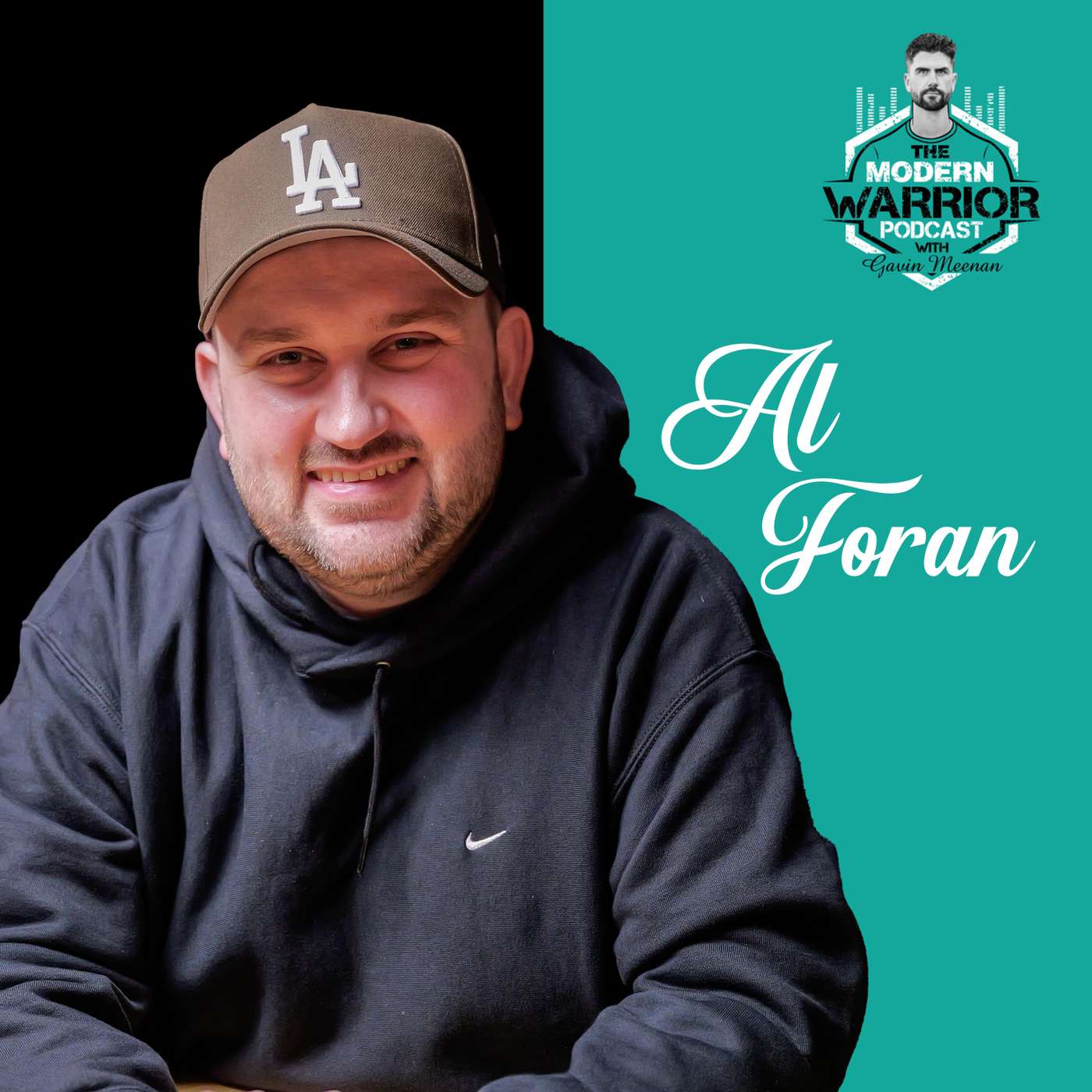
Episode #195 From Viral Impressions to Ooch TV, Boxing Pressers, and Life as a Dad of Two
Jan 2201:06:28Tap to summarizeGavin Meenan sits down with Al Foran to talk about the man behind the impressions and presenting. Al reflects on growing up in Portmarnock, his early love of film and television, and the family support that helped him pursue impressions as a career. He shares how he first went viral on YouTube in 2010, how a school intercom “Jedward” moment took off, and how he blended written material with improv in his earliest gigs.The conversation also explores expanding beyond being one-dimensional, presenting with Ooch TV, covering major boxing events, and moments such as the Anthony Joshua press conference. Al opens up about a difficult experience with an Irish media company, navigating flat gigs, and learning not to get emotionally attached to outcomes. They discuss dealing with online hate, building resilience, the importance of kindness, and messages he has received from people whose mental health has been positively impacted by his content. Parenting, travel, fitness, and acting work in the BBC series Borders are also covered.Show notesReflecting on the uncertainty of starting each new year as a self-employed person, especially with a familyLooking back on 2025 as a very positive year and expanding beyond being “one dimensional”Growing up in Portmarnock and developing a love for TV, film, and performanceStrong family support, particularly from parents, including involvement in early videosEarly impressions performed at family events and celebrationsPerforming a Robert De Niro impression in a primary school talent showDeveloping core impressions inspired by classic filmsCreating audition-style sketch content to refresh familiar impressionsPosting first YouTube videos in 2010 during Leaving Cert yearThe “Jedward” impression going viral locallyFirst live gig in Portmarnock Sports & Leisure CentreA school intercom prank convincing students Jedward were visiting the schoolLeaving a major Irish media company after feeling creatively stifledLearning to cope with flat gigs and not becoming emotionally attached to outcomesThe COVID period: Zoom gigs, podcasts, and time with familyDealing with online criticism and focusing on the minority of negative commentsReceiving messages from people whose mental health improved through the contentBalancing content creation with parenting two young childrenCovering major boxing events with Ooch TV, including international press conferencesTouring with Tyson Fury and discussing his impact on boxingFuture ambitions in entertainment presenting, press junkets, and red carpetsActing work in the BBC series BordersMemorable quotes“There always is a sense of apprehension that starts every new year for me.”“I kind of broke away from being an internet comedian and impersonator.”“It was a natural thing, but it was a natural thing that you had to work on constantly.”“2010. The year I did my Leaving Cert.”“Jedward was the one that caught on.”“A swarm of girls ran towards the front office to see if John and Edward were there.”“The other hour was improv… just on the spot.”“I was stifled creatively… it wasn’t good.”“Just don’t become emotionally attached to it.”“It’s the two or three that you pick out of the 150.”“I’ve always prided myself on having manners and treating people with respect.”“That gives you a new sense of purpose around the work.”“This too shall pass.”“Enjoy the chase. There’s nothing like the chase for success.”
Transcribe →