
Podcast
Narcissism Decoder
Hosted by Dr. Anthony Mazzella · EN
Trying to understand narcissism, narcissistic personality disorder (NPD), narcissistic relationships, or narcissistic abuse? The Narcissism Decoder goes beyond identifying narcissism to explore why it develops, why people feel and behave the way they do, and how meaningful change is possible.
Unlike most podcasts, we approach narcissism with curiosity rather than condemnation. Understanding—not judgment—is the first step toward healing and change. Whether you’re trying to understand someone with narcissistic traits or recognize these patterns in yourself, this podcast offers compassionate, evidence-informed insights through a psychodynamic lens.
Through clinical insight, practical examples, and compelling stories, we explore the many dimensions of narcissism, including relationships, personality development, trauma, and the unconscious emotional forces that shape behavior. The goal is to transform the way you understand narcissism, moving beyond labels and stereotypes toward deeper insight, healthier relationships, and meaningful change.
Join us as we explore the deeper psychology of narcissism—one conversation at a time.
56episodes
Episodes
Newest firstAll episodes

Why Talking to a Covert Narcissistic Parent Leaves You Feeling Unsettled | Epi 132
Feb 2500:27:47Tap to summarizeIn this episode, Part 1 of a 2 part series, we slow things down and look closely at the subtle moments that leave you feeling unsettled after talking to a covert narcissistic parent—even when nothing “bad” was said. Through a single, ordinary interaction, we explore how confusion, self-doubt, and guilt quietly take shape, how emotional withdrawal and plausible deniability create a double bind, and why you may end up questioning your own feelings rather than the relationship itself. From a psychodynamic perspective, we trace how these dynamics get internalized—and how, in therapy, that confusion can begin to loosen so your emotional reality no longer has to be erased to stay connected.If you are interested in a consultation or seeking virtual therapy services, Dr. Mazzella is accepting new patients. Please click here for more detailed information. Want to go deeper? Join me in Office Hours — an open space where we explore psychoanalytic ideas together, answer your questions, and connect theory to real life experiences. Reserve your spot here Next Meeting: May Contact me Directly with observations, questions or comments: thenarcissismdecoder@gmail.com You can follow The Narcissism Decoder on: https://www.instagram.com/thenarcissism.decoder/ https://www.tiktok.com/@thenarcissismdecoder https://www.youtube.com/@thenarcissismdecoder Dr. Mazzella’s personal website: drmazzella.com
Transcribe →
Why Healing Borderline Attachment Feels Painful - Behind the Scenes | Epi 131
Feb 2200:26:38Tap to summarizeWhy does healing sometimes feel worse than staying in emotional chaos? In this episode, we explore borderline attachment from a psychodynamic perspective, focusing on why calm, stability, and “getting better” can feel empty, painful, or even deadening. When chaos has functioned as attachment, letting go of it isn’t relief — it’s loss. This is a deep dive into the hidden grief, resistance, and fear that emerge when emotional turbulence begins to loosen.If you are interested in a consultation or seeking virtual therapy services, Dr. Mazzella is accepting new patients. Please click here for more detailed information. Want to go deeper? Join me in Office Hours — an open space where we explore psychoanalytic ideas together, answer your questions, and connect theory to real life experiences. Reserve your spot here Next Meeting: May Contact me Directly with observations, questions or comments: thenarcissismdecoder@gmail.com You can follow The Narcissism Decoder on: https://www.instagram.com/thenarcissism.decoder/ https://www.tiktok.com/@thenarcissismdecoder https://www.youtube.com/@thenarcissismdecoder Dr. Mazzella’s personal website: drmazzella.com
Transcribe →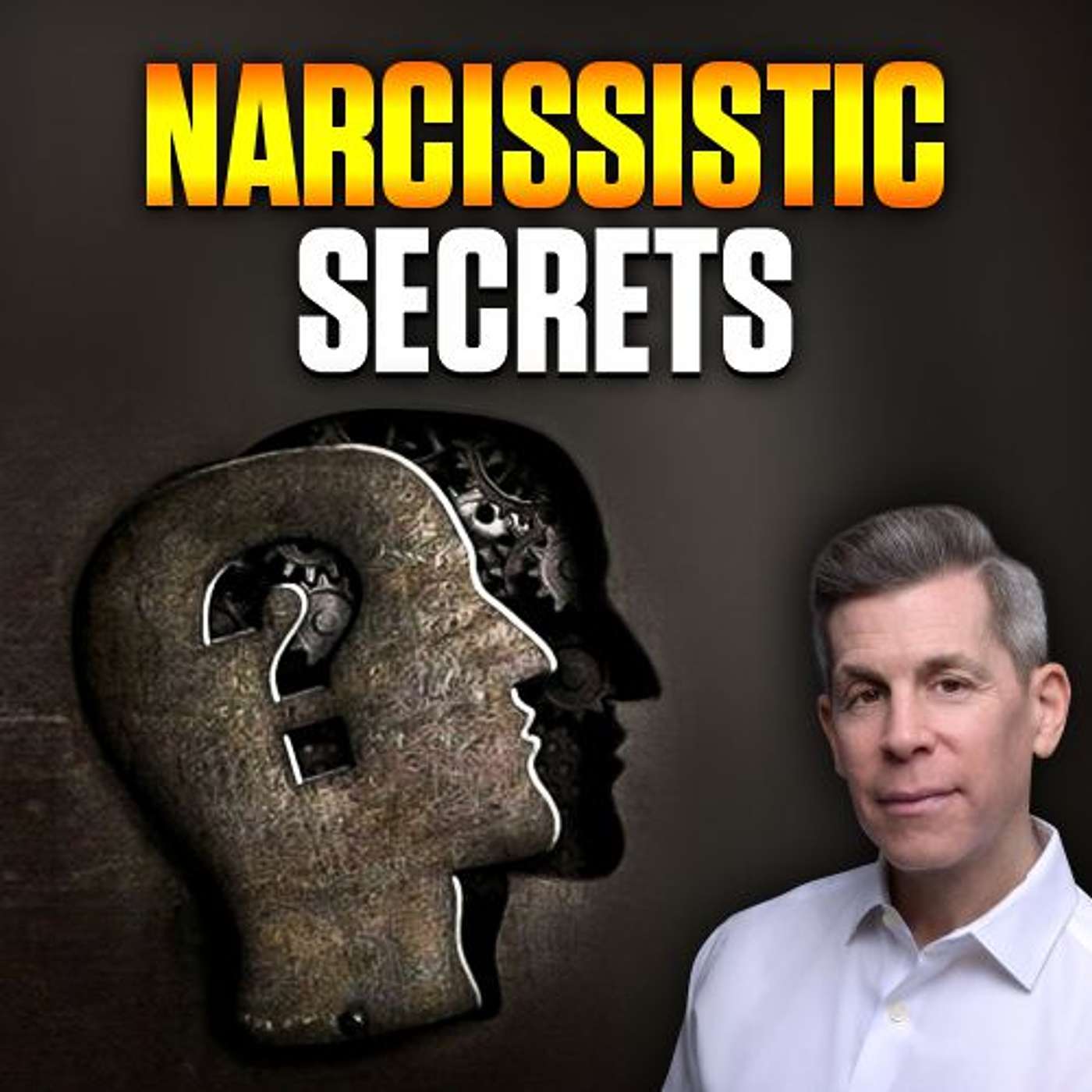
The Cost of Carrying Secrets Alone: Shame, Splitting, and the Narcissistic Psyche Part 2 | Epi 130
Feb 1800:22:19Tap to summarizeIn this episode we continue our discussion of secrets as we explore what they protect psychologically—and what they quietly destroy. Through a psychodynamic lens, this episode examines how secrets form around shame, how they split the self into “good” and “bad” parts, and why carrying something alone can feel unbearable, even when the secret itself is minor.Drawing on clinical work and the Netflix series The Beast in Me, we explore how hidden parts of the self fuel an internal persecutor, distort intimacy, and trap people in carefully managed lives. We also look at what happens when a secret is finally spoken—why some disclosures bring relief and integration, while others erupt into rupture and collapse.If you’ve ever felt that being truly known might cost you everything, this conversation is for you.If you are interested in a consultation or seeking virtual therapy services, Dr. Mazzella is accepting new patients. Please click here for more detailed information. Want to go deeper? Join me in Office Hours — an open space where we explore psychoanalytic ideas together, answer your questions, and connect theory to real life experiences. Reserve your spot here Next Meeting: May Contact me Directly with observations, questions or comments: thenarcissismdecoder@gmail.com You can follow The Narcissism Decoder on: https://www.instagram.com/thenarcissism.decoder/ https://www.tiktok.com/@thenarcissismdecoder https://www.youtube.com/@thenarcissismdecoder Dr. Mazzella’s personal website: drmazzella.com
Transcribe →
Borderline Relating vs Narcissistic Fortresses: Behind the Scenes | Epi 129
Feb 1400:26:53Tap to summarizeIn this episode, we explore another way of thinking about borderline organization. We look at a provocative idea: that borderline intensity and narcissistic control aren’t opposites, but two different solutions to the same early relational disruption. Drawing on Christopher Bollas, we show how a chaotic or frightening primary attachment can lead some people to use emotional turbulence as a way of staying connected, while others survive by eliminating dependence through control and grandiosity. By placing these strategies side by side, the episode reframes chaos and control not as the problem, but as signals of how desperately someone is trying to stay in relationship—and where healing can begin.If you are interested in a consultation or seeking virtual therapy services, Dr. Mazzella is accepting new patients. Please click here for more detailed information. Want to go deeper? Join me in Office Hours — an open space where we explore psychoanalytic ideas together, answer your questions, and connect theory to real life experiences. Reserve your spot here Next Meeting: May Contact me Directly with observations, questions or comments: thenarcissismdecoder@gmail.com You can follow The Narcissism Decoder on: https://www.instagram.com/thenarcissism.decoder/ https://www.tiktok.com/@thenarcissismdecoder https://www.youtube.com/@thenarcissismdecoder Dr. Mazzella’s personal website: drmazzella.com
Transcribe →
Why Narcissists Lie and Keep Secrets: Shame and the False Self- part 1 | Epi 128
Feb 1100:19:07Tap to summarizeIn this episode, we explore why secrecy in narcissism isn’t primarily about manipulation or control, but about survival. We look at how shame, fear of exposure, and the need to protect a fragile false self drive lying and concealment — and why the very strategies meant to prevent rejection end up sabotaging intimacy and connection.If you are interested in a consultation or seeking virtual therapy services, Dr. Mazzella is accepting new patients. Please click here for more detailed information. Want to go deeper? Join me in Office Hours — an open space where we explore psychoanalytic ideas together, answer your questions, and connect theory to real life experiences. Reserve your spot here Next Meeting: March Contact me Directly with observations, questions or comments: thenarcissismdecoder@gmail.com You can follow The Narcissism Decoder on: https://www.instagram.com/thenarcissism.decoder/ https://www.tiktok.com/@thenarcissismdecoder https://www.youtube.com/@thenarcissismdecoder Dr. Mazzella’s personal website: drmazzella.com
Transcribe →
Narcissistic vs. Borderline Rage: What’s the Real Difference? | Epi 127
Feb 700:29:04Tap to summarizeIn this behind-the-scenes episode, we delve into the complexities of narcissistic and borderline personalities, focusing on the inner emotional worlds of these individuals. Key concepts are reviewed, and then we turn our focus to the differences between borderline and narcissistic rage. The discussion highlights the functions of anger and hatred, emphasizing their roles in emotional regulation and interpersonal relationships. We also explore practical strategies for managing intense emotions, particularly in the context of “rejection sensitivity” and emotional dysregulation.If you are interested in a consultation or seeking virtual therapy services, Dr. Mazzella is accepting new patients. Please click here for more detailed information. Want to go deeper? Join me in Office Hours — an open space where we explore psychoanalytic ideas together, answer your questions, and connect theory to real life experiences. Reserve your spot here Next Meeting: March Contact me Directly with observations, questions or comments: thenarcissismdecoder@gmail.com You can follow The Narcissism Decoder on: https://www.instagram.com/thenarcissism.decoder/ https://www.tiktok.com/@thenarcissismdecoder https://www.youtube.com/@thenarcissismdecoder Dr. Mazzella’s personal website: drmazzella.com
Transcribe →
Healing Narcissism Revisited: The Most Downloaded Episode
Aug 2700:32:51Tap to summarizeWe’re about to hit two huge milestones — Season 3 is just weeks away, and our 100th episode celebration is right around the corner! But before we launch into brand-new topics, fresh formats, and deeper dives into narcissism, I’m bringing back the most talked-about episode of the year. Healing Narcissism: If You Want to See Change — Start Here has sparked more downloads, shares, and “aha” moments than any other, and for good reason. It’s an unflinching look at what it really takes to create lasting change — beyond ego-boosts or ego-smashing — by dismantling the defenses that keep us stuck. Whether you’re navigating tough relationship dynamics or looking inward at your own patterns, this one delivers clarity, compassion, and a true starting point. Let’s press play on the conversation that started a four part series on Narcissism! Sign up here to be notified when Office Hours launches:https://www.drmazzella.com/officehoursIf you are interested in a consultation or seeking virtual therapy services, Dr. Mazzella is accepting new patients. Please click here for more detailed information. Want to go deeper? Join me in Office Hours — an open space where we explore psychoanalytic ideas together, answer your questions, and connect theory to real life experiences. Reserve your spot here For more information about Dr. Mazzella’s psychoanalytic affiliations and membership in The International Psychoanalytic Association (IPA) -which is restricted to psychoanalysts who fulfill the most recognized international standards for psychoanalytic training- please click here You can follow The Narcissism Decoder on: https://www.instagram.com/thenarcissism.decoder/ https://www.tiktok.com/@thenarcissismdecoder https://www.youtube.com/@thenarcissismdecoder Dr. Mazzella’s personal website: drmazzella.com
Transcribe →
From ‘I’m a Piece of Sh..!’ to ‘I Hurt You and I Care’: Shame To Guilt
Aug 2000:27:46Tap to summarizeIn this episode, Renee and I peel back the curtain on the intense emotional battle between shame and guilt. You’ll hear about how to feel guilt without collapsing into self-hatred. Using Frank’s story, we reveal the delicate work of helping someone hold onto guilt without spiraling into destructive shame. Learn why this subtle skill is the key to true healing and emotional integration.Sign up here to be notified when Office Hours launches:https://www.drmazzella.com/officehoursIf you are interested in a consultation or seeking virtual therapy services, Dr. Mazzella is accepting new patients. Please click here for more detailed information. Want to go deeper? Join me in Office Hours — an open space where we explore psychoanalytic ideas together, answer your questions, and connect theory to real life experiences. Reserve your spot here For more information about Dr. Mazzella’s psychoanalytic affiliations and membership in The International Psychoanalytic Association (IPA) -which is restricted to psychoanalysts who fulfill the most recognized international standards for psychoanalytic training- please click here You can follow The Narcissism Decoder on: https://www.instagram.com/thenarcissism.decoder/ https://www.tiktok.com/@thenarcissismdecoder https://www.youtube.com/@thenarcissismdecoder Dr. Mazzella’s personal website: drmazzella.com
Transcribe →
Is That Really an Apology—Or Just a Way to Feel Better?
Aug 13, 202500:26:01Tap to summarizeIs your apology really an apology—or just a way to ease your own shame? In this episode, Renee Swanson and I dive into the hidden emotions behind guilt, rage, and “false apologies” that keep us stuck. Discover why saying sorry isn’t always enough—and what it takes to break free from shame’s trap.Sign up here to be notified when Office Hours launches:https://www.drmazzella.com/officehoursIf you are interested in a consultation or seeking virtual therapy services, Dr. Mazzella is accepting new patients. Please click here for more detailed information. Want to go deeper? Join me in Office Hours — an open space where we explore psychoanalytic ideas together, answer your questions, and connect theory to real life experiences. Reserve your spot here For more information about Dr. Mazzella’s psychoanalytic affiliations and membership in The International Psychoanalytic Association (IPA) -which is restricted to psychoanalysts who fulfill the most recognized international standards for psychoanalytic training- please click here You can follow The Narcissism Decoder on: https://www.instagram.com/thenarcissism.decoder/ https://www.tiktok.com/@thenarcissismdecoder https://www.youtube.com/@thenarcissismdecoder Dr. Mazzella’s personal website: drmazzella.com
Transcribe →
Are You Too Hard on Yourself? Some Preliminary Thoughts on Guilt
Aug 6, 202500:17:40Tap to summarizeGuilt is supposed to help us repair—but what happens when it turns into self-punishment? In this clip, Renee and I explore how guilt gets distorted, how it hides behind over-apologizing, withdrawal, or perfectionism—and how it can quietly undermine connection instead of restoring it.To listen to the full interview check out Renee's channel here: https://bleav.com/shows/the-covert-narcissism-podcast/episodes/guilt-vs-shame-the-emotional-crossroads-that-defines-healing/If you are interested in a consultation or seeking virtual therapy services, Dr. Mazzella is accepting new patients. Please click here for more detailed information. Want to go deeper? Join me in Office Hours — an open space where we explore psychoanalytic ideas together, answer your questions, and connect theory to real life experiences. Reserve your spot here For more information about Dr. Mazzella’s psychoanalytic affiliations and membership in The International Psychoanalytic Association (IPA) -which is restricted to psychoanalysts who fulfill the most recognized international standards for psychoanalytic training- please click here You can follow The Narcissism Decoder on: https://www.instagram.com/thenarcissism.decoder/ https://www.tiktok.com/@thenarcissismdecoder https://www.youtube.com/@thenarcissismdecoder Dr. Mazzella’s personal website: drmazzella.com
Transcribe →