Podcast
The Neuro Network
Hosted by Nick Burgraff, PhD · EN
Big ideas, curious conversations. The Neuro Network unpacks science with a lighthearted twist. Hosted by Nick Burgraff, a professor and neuroscientist based in Madison, Wisconsin.
14episodes
Episodes
Newest firstAll episodes
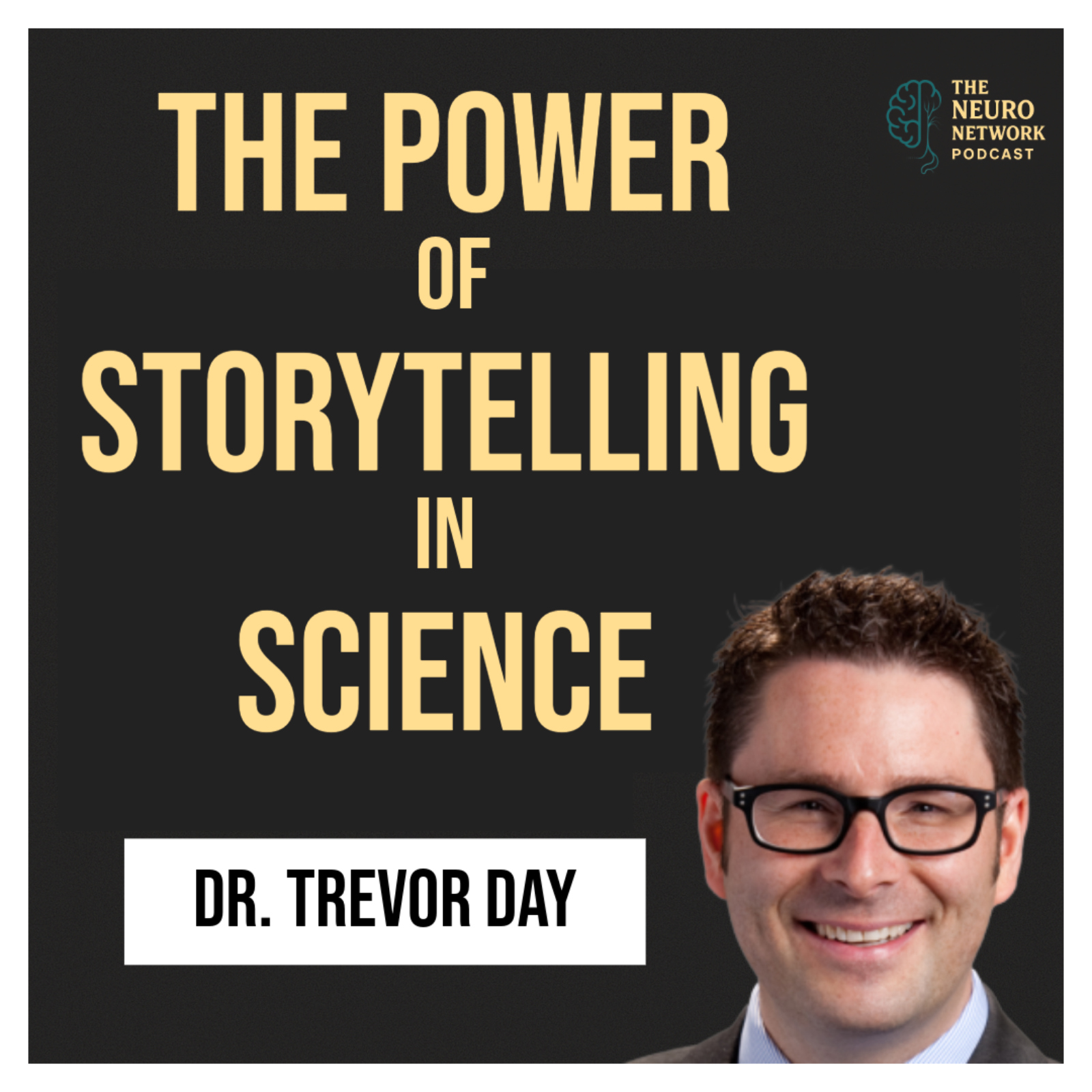
The Power of Storytelling in Science- Dr. Trevor Day
Feb 2401:06:20Tap to summarizeIs science failing at storytelling?In this episode, we sit down with Dr. Trevor Day to explore why great research isn’t enough anymore, and why storytelling may be the missing skill in modern science.From high-altitude expeditions in Nepal to musical theater performances about the brain, Dr. Day shares how art and science intersect, and why communicating data with clarity and confidence matters more than ever. We discuss the tension between rigor and outreach, the fear of oversimplifying complex ideas, the role of peer review in a social media world, and whether competition and controversy actually drive innovation.What happens when scientists bury the lead? Why are we trained to lead with caveats instead of clarity? And how can researchers balance humility with confidence when speaking to the public?If science is a human endeavor, maybe it’s time we start telling human stories about it.
Transcribe →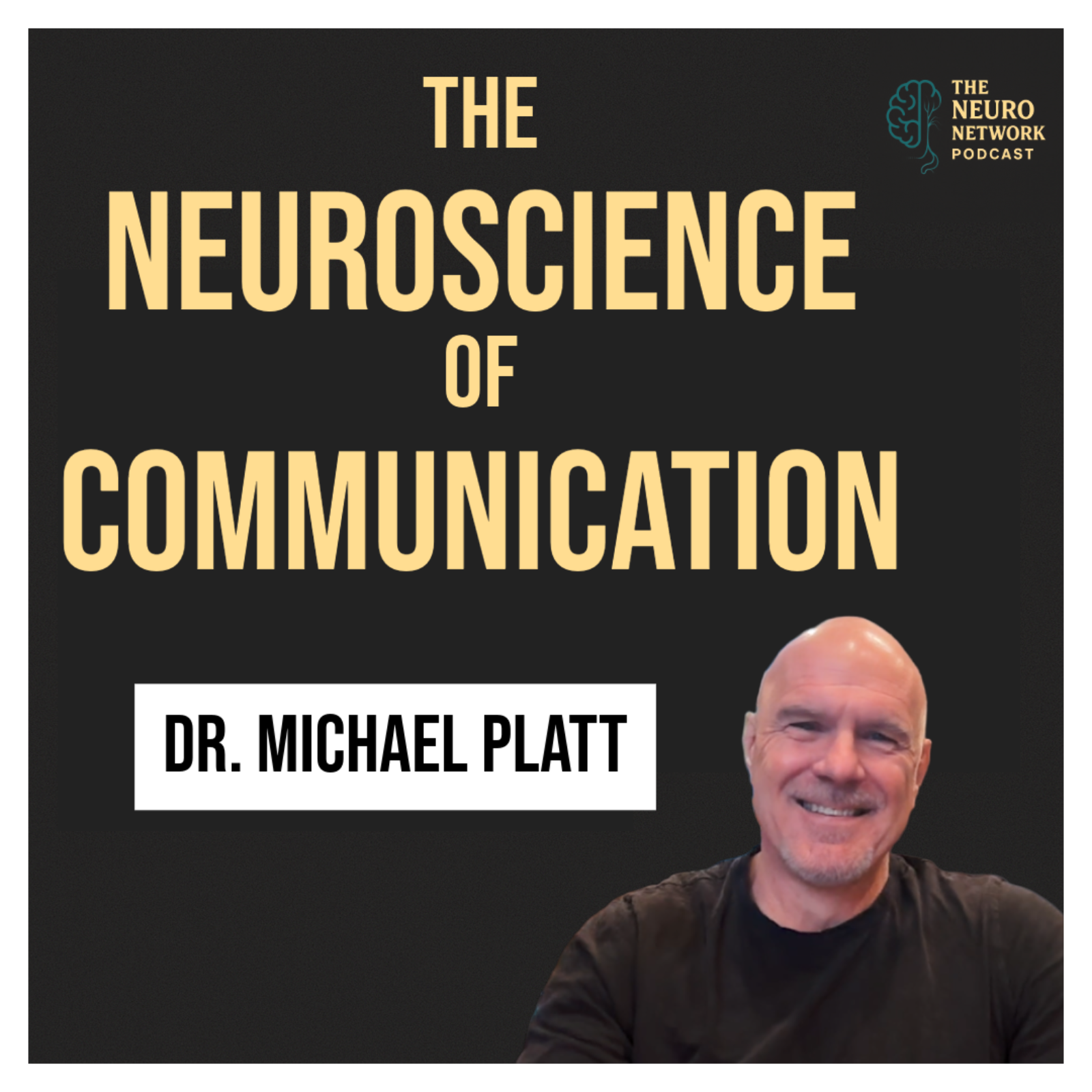
The Neuroscience of Communication- Dr. Michael Platt
Jan 2901:13:10Tap to summarizeIn this episode of The Neuro Network, we sit down with Dr. Michael Platt, Professor of Neuroscience and Psychology and Director of the Wharton Neuroscience Initiative at the University of Pennsylvania. Dr. Platt’s research bridges neuroscience, decision-making, and economics, revealing how brains allocate attention, assign value, and decide what to believe.The conversation centers on a recent Nature Neuroscience commentary calling on scientists to rethink how they communicate with the public. We explore the neuroscience of attention, trust, storytelling, and distraction, why good science often fails to land, and how principles from decision science and the attention economy shape belief in science, media, and everyday life.https://www.drmichaelplatt.com/
Transcribe →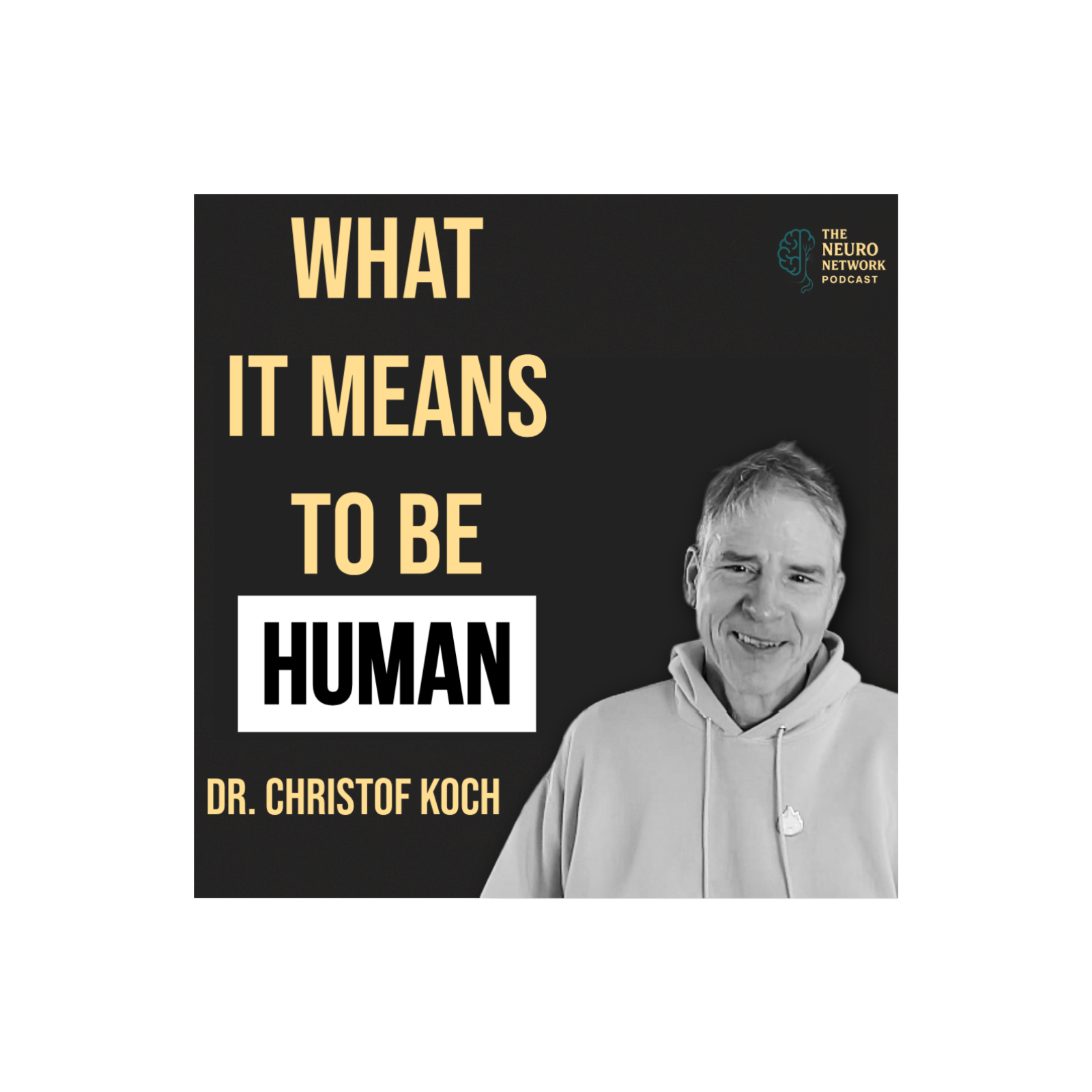
What it Means to Be Human- Dr. Christof Koch
Dec 1001:12:36Tap to summarizeIn this episode we sit down with Dr. Christof Koch- one of the world’s most influential neuroscientists and a pioneer in the scientific study of consciousness. Christof has spent his career trying to understand how the brain creates our inner world: our perceptions, emotions, fears, dreams, and our very sense of self.This conversation moves far beyond theory. We explore what consciousness feels like from the inside- how anxiety and fear arise in the brain, why psychedelics can dissolve the boundaries of the self, and what dreams reveal about the machinery of the mind. We dig into the practice of confronting one's inner demons, cultivating inner peace, and how exercise, diverse experiences, and strong community shape who we become.Along the way, they touch on everything from evolutionary biology to the Amish, weaving science with deeply human questions about meaning, identity, and how to live a fuller life.If you’ve ever wondered what it truly means to be human - and how the brain constructs the reality you experience - this is a conversation you won’t want to miss.
Transcribe →Why Fentanyl Stops the Breath, Not Just the Brain
Nov 600:29:41Tap to summarizeYour brain says “breathe,” but your body can’t.In this episode, we break down how fentanyl hijacks the nervous system-shutting airways, stiffening the chest, and breaking the link between the brain and the breath. Based on two new papers from the lab, this story explains the real physiology behind opioid overdose and what it means for emergency response and recovery.
Transcribe →Ep.52 What Makes a Theory of Consciousness Scientific? With Dr. Joel Snyder
May 12, 202501:04:50Tap to summarizeIn this episode, Dr. Joel Snyder joins us to unpack his recent Nature Neuroscience paper challenging Integrated Information Theory (IIT). We dive into the limits of testability, the allure of elegant models, and whether systems like the brainstem’s respiratory rhythm generator might force us to rethink where consciousness begins.
Transcribe →EP.51 The Truth Behind Dopamine Addiction
Apr 21, 202500:34:11Tap to summarizeIs dopamine really the "pleasure molecule"? Or have we been getting it all wrong? In this episode, we dive into the neuroscience behind craving, motivation, and addiction—and reveal why your brain is wired not for the reward itself, but for the pursuit of it. From social media scrolls to big life goals, we explore how dopamine shapes our habits, our happiness, and our sense of purpose.
Transcribe →Ep.50 Fentanyl is doing more than you think it is...
Sep 30, 202400:38:38Tap to summarizeJoin us as we take a look into a new feature of fentanyl and other opioids in the body. What do they do? How do they work? And why could they be devastating? Tune in to learn.
Transcribe →Ep.49 Brain vs. Donut: How Orexin Neurons Push Us to Exercise
Sep 16, 202400:41:54Tap to summarizeIn this episode, we explore how orexin neurons in the brain help us prioritize exercise over tempting distractions like delicious food. Discover the science behind this brain-powered 'gym coach' and learn why some people are better at resisting temptation—giving us fresh insights into motivation, decision-making, and the battle between brain and cravings.Paper: Tesmer, A. L., Li, X., Bracey, E., Schmandt, C., Polania, R., Peleg-Raibstein, D., & Burdakov, D. (2024). Orexin neurons mediate temptation-resistant voluntary exercise. Nature Neuroscience, 1-9.
Transcribe →Ep.48 The Science of Sleep at Altitude
Apr 15, 202400:34:43Tap to summarizeJoin us as we explore the world of sleep at high altitudes. Discover how thin air impacts breathing and sleep patterns, and delve into scientific studies that shed light on how our bodies adapt to these extreme environments. Tune in to unravel the mysteries of sleeping among the stars and learn how to enhance your rest on your next high-altitude adventure.Paper: https://physoc.onlinelibrary.wiley.com/doi/full/10.1113/JP285397Ibrahim, Abubaker, et al. "Effects of periodic breathing on sleep at high altitude: a randomized, placebo‐controlled, crossover study using inspiratory CO2." The Journal of Physiology (2024).
Transcribe →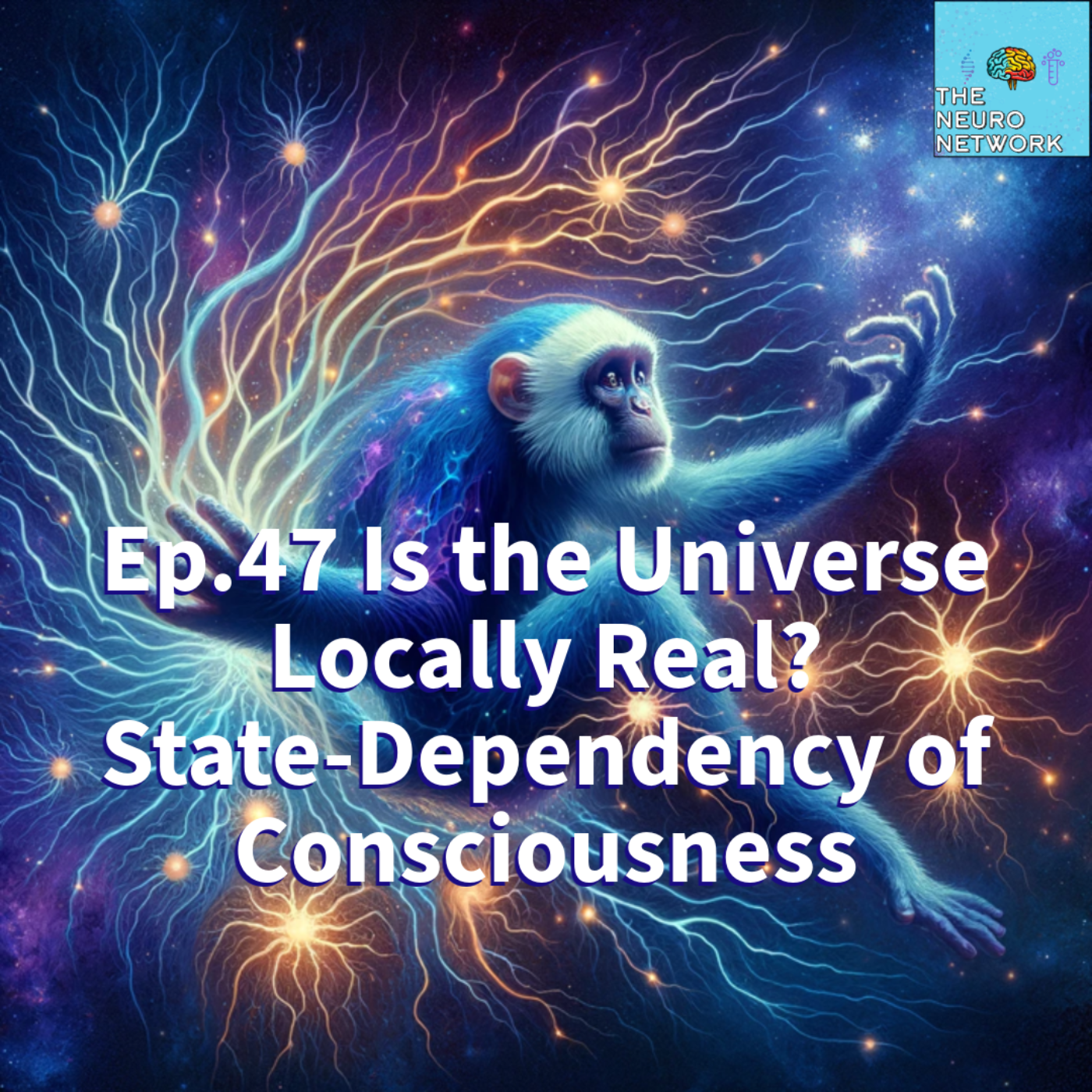
Ep.47 Is the Universe Locally Real? State-Dependency of Consciousness
Mar 4, 202401:13:16Tap to summarizeThis week, we dive into the enigma of whether the universe is locally real, exploring the profound ways our perceptions mold reality and how neural network states govern our consciousness. Join us as we unravel the intricate dance between observation, cognition, and the very fabric of existence.
Transcribe →