← The New Yorker Radio Hour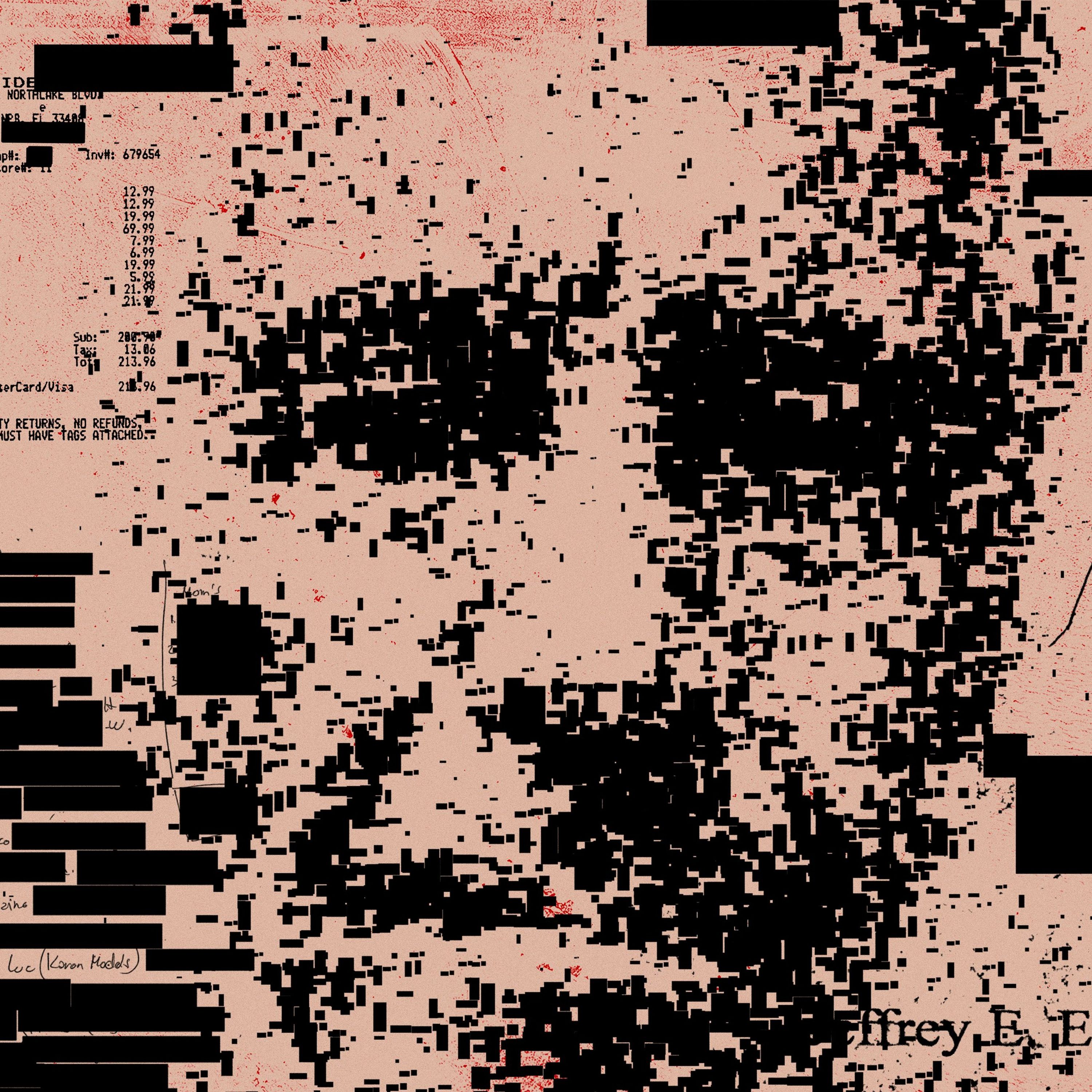
The New Yorker Radio Hour
What Donald Trump and “Everyone” Knew About Jeffrey Epstein
00:35:42
The Miami Herald’s Julie K. Brown on what Trump told the Miami police, and how the latest batch of files from the D.O.J. “makes the public more distrustful.”
Loading summary
Transcript100 lines
- [00:03]
New Yorker Radio Hour Announcer
This is the New Yorker Radio Hour, a co production of WNYC Studios and the New Yorker.
- [00:11]
David Remnick
Welcome to the New Yorker Radio Hour. I'm David Remnick. Trying to read and process what we've learned about Jeffrey Epstein and the world he created. Is miserable business in its more lurid details. It's frankly awful to think about what was done to people, underage or not, in the lack of accountability for the many people involved. It is absolutely enraging. And in the banality of otherwise decent people who made friends with Epstein deciding they could tolerate evil for the sake of his money and his connections. It's just depressing to say the least. One email stands out amid the millions of grim details. A terse note that Epstein sent one of his lawyers in February 2019. He wrote, should we share the Julie Brown text with Alan, meaning the lawyer Alan Dershowitz, she's going to start trouble asking for victims, etc. And Julie Brown did start trouble as a reporter for the Miami Herald. Her reporting on the Epstein story has been remarkable and it's been so for years. And to those like the President who have said that Epstein is dead and it's time to move on, Brown says no, stop. We haven't yet seen real accountability for what happened on Epstein's island and in his New York mansion and so much else. How could this have happened? I spoke with Julie K. Brown this past week. Julie is somebody who is almost single handedly responsible for thrusting this into the light, this terrible subject. What does it feel like to see this gigantic onslaught of files after all this time?
- [02:01]
Julie K. Brown
Well, I wish I could say it was somewhat satisfying to finally see some truth in this, but the way that this is being handled right now by the administration is very chaotic and, you know, it's very messy and it's very hard to figure out what's what when half a document is redacted, when the recipients and the person that sent the document is redacted. So I think in some ways this raises more questions and makes the public more distrustful because they weren't supposed to do this. It was supposed to be an act of transparency. And I don't see it as that, quite frankly.
- [02:41]
David Remnick
Would you say that the release of these documents is purposeful or chaotic on purpose or chaotic because of a chaotic administration?
- [02:54]
Julie K. Brown
I think it's both. I actually think part of it was done on purpose because, you know, it's sort of like what this administration does, you know, distract, try to take people's minds off of things to confuse. So I think part of it is purpose. But I also think from reading what I've read so far, that it also has to be reflection on the fact that the Justice Department has never really organized themselves well enough to figure out how to go about this investigation. It is so massive. And I think that it was just something that they just never got a handle on to begin with.
- [03:36]
David Remnick
How many documents are there?
- [03:38]
Julie K. Brown
They're saying 6 million because they released 3 million. And they say that there's 2 to 3 million documents left. Now, remember, though, part of this is a lot of repetition. Some of these documents you see multiple times. But the other interesting thing is we haven't seen any of Epstein's emails from around the time that he was buddies with Trump. So we can't get a handle. Not that Trump used emails, but that was when Trump was in his orbit, so to speak. So we're not getting any view of what was going on during that time period, which would have been like the early 2000s.
- [04:19]
David Remnick
What specifically have you been able to look at that surprises you? In all the documents that have come your way, what have you found out?
- [04:28]
Julie K. Brown
That this is a lot bigger and it spans the globe more so than I ever thought before. And I say this because even from my early reporting, I had spoken to investigators who looked into Epstein, who said that he had recruiters, for example, and scouts in other countries to get Epstein women. We are now seeing from some of these emails that he had them, not just a couple scouts. I mean, he had scouts almost, it seems like, in almost every country.
- [05:01]
David Remnick
What does that mean? He had people looking out for girls, teenage girls to bring to the United States.
- [05:09]
Julie K. Brown
Yes, and he had lawyers, by the way. He hired lawyers that did their visas to get them over here, work permits. I mean, he used his modeling agency as a way to get them over here. But it was clear they definitely were not just here to do modeling. You know, in my original reporting, I reported that there was a bookkeeper for that modeling agency who did a deposition, and she said that that was not what this was about, that there were these so called parties and events that were held that they would send models to, but it was essential to have sex. It was sending them there to have sex.
- [05:52]
David Remnick
You're publishing a story that has implications for the President of the United States where the Epstein case is concerned. What does it say?
- [06:00]
Julie K. Brown
We have found a document in these files. There is an interview that the police chief of Palm beach gave to the FBI. And in that interview, the police chief, Michael Ryder, told the FBI that back when Epstein's case first came to the attention of the police, and Epstein was first reported as a suspect in doing this.
- [06:27]
David Remnick
What's the year?
- [06:28]
Julie K. Brown
Around 2006. Around that time period, Trump called the police chief and he said to the police chief, thank God you're doing something about him, because, and I'm just quoting off the top of my head, I don't have the document in front of me, but he said, everybody knows. Everybody knew this. He also knew about Maxwell's role, calling her evil. You know, we have this FBI report of this interview that the chief gave to the FBI where he is recalling this conversation that he had with Trump many, many years ago about Epstein. So it does raise some questions about how much Trump knew, you know, whether he knew the extent of Epistein's crimes.
- [07:16]
David Remnick
Just hang on for a second. So in 2006, right, Donald Trump has, what kind of communication with the police chief?
- [07:23]
Julie K. Brown
He called the police chief on the.
- [07:25]
David Remnick
Phone, and there's paper on that.
- [07:27]
Julie K. Brown
There is. There's a report. There's an FBI report. It's an interview that the police chief gave to the FBI.
- [07:34]
David Remnick
So what does that suggest to you about Trump? That he was doing the right thing or that he was complicit in some way?
- [07:41]
Julie K. Brown
You know, I think people are going to look at it one of two ways. A, that he, you know, was somewhat of an informant for the police in that he called them after this case, you know, became active, and he became aware of it and, you know, admitted. Wait a minute. You know, I know he was doing this. Or you could look at it another way in that he was also one of those people that knew and really didn't go to the police before then to tell them what he was doing, because the police were sort of hearing that there were things happening at Epstein's mansion well before this. But every time they went to investigate, all the women that were coming and going that they saw on the street and stopped were of age. So they couldn't find any evidence that a real crime was being committed. But if, in fact, Trump knew that there was some crimes being committed against underage girls and he knew about it and didn't tell them ahead of time, I guess people will look at that from a different vantage point in that he should have told the police sooner.
- [08:51]
David Remnick
So this is after he was arrested.
- [08:55]
Julie K. Brown
That's right. That's right.
- [08:57]
David Remnick
Your sources are not just law enforcement. You've talked to a lot of survivors. How are they reacting to these documents?
- [09:09]
Julie K. Brown
Well, they're disturbed and very upset because their names are still in There, I mean, the FBI only had one job here and that was to take out the victims names. And their names are sprinkled throughout these documents. So they're quite irate about the fact that they have so many redactions of people, other people, but yet many of the victims names are still in these public documents.
- [09:36]
David Remnick
What are the stakes for Donald Trump? Trump says he wants the country to move on from this story, but as you report, Trump is on an FBI list of people suspected of possible wrongdoing in connection with Epstein. The DOJ says that there is no credible evidence to pursue. So where are we?
- [09:56]
Julie K. Brown
Well, I think that they should pursue all, everybody. And I think the victims, that's all the victims want. They want a credible investigation, talk about credible tips or credible allegations. They want a credible investigation. And they're not seeing it. And quite frankly, thus far I haven't seen it because you can say that someone's not credible, but there has to be some kind of notes, there has to be a report, there has to be some evidence that they went and talked to these people or if they couldn't talk to them, why. And we're not seeing that. And I think that's part of the problem here. They can, the government can say all they want. There's no credible evidence, nothing to see here, nothing more to investigate. But this case from the beginning has been, you know, a thorn in the Justice Department's side because the public doesn't trust that they did what they were supposed to do, that the government, that the investigators were thoroughly one of the.
- [10:55]
David Remnick
People in Donald Trump's orbit in his cabinet. That comes up a lot, a lot in the new documents is the Commerce Secretary, Howard Lutnick. Tell me about that.
- [11:09]
Julie K. Brown
He was a next door neighbor, as I understand it, to Epstein in New York, and it sounds like he had been invited with his wife to Epstein's mansion. He mentioned in an interview that he felt creepy when he got into the mansion. I don't know if you've seen photographs of his mansion, but there are some creepy aspects to it. Photographs on the wall, paintings, eyeballs, just very weird things in his house. So he said, you know, after he had that brief tour, he felt, you know, like, this is horrible. I never want to do anything again. You know, I'm not ever going. I don't want anything to do with this man again. And he said this publicly. And then we found documents in these files that showed that not only did he continue to communicate with him after this allegedly happened, but he even got an invite to the island and took his family to Epstein's island. So, you know, you have to wonder, you know, why he would.
- [12:11]
David Remnick
This is where I have to stop. You have no reason of knowing the answer, but I have to bring it up. Why would you bring your family to Epstein's island? There are a lot of islands in the Caribbean and elsewhere. You can take your family anywhere on vacation when you have the money that Howard Lutnig has.
- [12:28]
Julie K. Brown
Yeah.
- [12:29]
David Remnick
Why would you bring your children there?
- [12:35]
Julie K. Brown
I can't answer it. There were plenty of other people in that category too that brought their families there.
- [12:40]
David Remnick
So not exactly Disneyland.
- [12:43]
Julie K. Brown
No, I can't really answer that question.
- [12:46]
David Remnick
Julie. I want to play you a clip of Congressman Ted Lieu, who comes from Southern California speaking on February 3rd. Why are Republicans so interested in Bill and Hillary Clinton? It's because they're trying to distract from the fact that Donald Trump is in the Epstein files thousands and thousands of times. In those files, there's highly disturbing allegations of Donald Trump raping children, of Donald Trump threatening to kill children. So I encourage the press to go look at these allegations. Wait now, there's a lot to unpack here. Let's start with Congressman Lew mentioning allegations of Donald Trump raping and threatening to kill children. What is he talking about?
- [13:35]
Julie K. Brown
Well, there's, you know, when they arrested Epstein, 2019, they put out sort of a big call that the prosecutor did and they wanted more victims to come forward. So they put out this like 800 number tip line that you can call from the FBI. So the FBI got, I want to say, like hundreds of tips. And there were a couple that mentioned Trump. Now some of them that were a little bizarre that you would sort of think no way, you know, eating, I don't know, babies or there's some strange ones in there that you could see where.
- [14:15]
David Remnick
Who's saying these things? Who's making these accusations?
- [14:17]
Julie K. Brown
Well, these are people that call the tip line. Like I have a tip on Jeffrey Epstein and Donald Trump.
- [14:23]
David Remnick
It could be any malicious lunatic out there. Let's be very clear.
- [14:27]
Julie K. Brown
It could be. But my point in this is there was one, I know that involved a 13 year old girl where they said that she was giving Trump oral sex and she bit him and he slapped her. This is one of the tips that came in and what the FBI and the Justice Department is saying, this tip list, by the way, we think that it was, they didn't mean for it to be put out there in this tranche of documents. My point isn't whether it should have been made public or not. My point is that we can't see whether they followed up on all these tips, and certainly they should have followed up on the ones, you know, that had names attached to them.
- [15:16]
David Remnick
So one of the most shocking revelations in this document dump was how many prominent people continued to engage with Epstein after. After he was registered as a sex offender. I'm not asking you as a psychologist or a sociologist, how do you explain that and what was known to the general public about his crimes at the time?
- [15:40]
Julie K. Brown
Well, that's really a good question because you have to sort of break it down. You have to remember that when he was in Florida and he served that year 13 months in jail, he had pled guilty to essentially what was a prostitution with a minor charge. Okay. When he came out of jail, he really mounted a PR campaign, hired, you know, a lot of people that can help him with his image.
- [16:09]
David Remnick
To point out, like Peggy Siegel, the PR person.
- [16:12]
Julie K. Brown
Yeah, to point out. And he did press release. We could see it on the. In the history that he was doing all these, donating tons of money to all these causes and trying to just, you know, improve his image. And when you think about it, if all you knew at the time, oh, well, he. This is the charge on paper was that he solicited a minor for prostitution. That's what the charge was. But as the years wore on by like 2010, 2011, there were underage girls who filed civil lawsuits against him. And there was a huge lawsuit that was filed against the United States government for giving him this plea deal, which, by the way, they kept secret for a whole year until he got out of jail. And that was by design because they did not want the victims to know that they did this deal because they knew. The victims would protest and then the judge would say, well, wait a minute, I've got, you know, 25 victims in court here that, that are protesting this. I'm not going to approve this plea deal. So it was done the way it was. His. His lawyers were pretty brilliant and figured out a way to make it look like he hadn't really committed a series of crime. They limited the scope of his crime.
- [17:38]
David Remnick
I'm speaking with Julie K. Brown of the Miami Herald. Her latest reporting on what Donald Trump knew about Epstein's crimes was published this past week. This is the New Yorker Radio Hour and will continue in just a moment.
- [18:00]
BILT Sponsor
The New Yorker Radio Hour is supported by BILT. It's 2026, and if you're still paying rent without Bilt, it could be time for a change. BILT is a loyalty program that works to reward renters for one of their biggest monthly rent with bilt, every rent payment earns you points that can be used toward flights, hotels, Lyft rides, Amazon.com purchases and so much more. Now Bilt members can earn points on mortgage payments for the first time. That means you can get rewarded wherever you live and unlock exclusive benefits from more than 45,000 restaurants, fitness studios, pharmacies and other neighborhood partners. Earn rewards and get something back wherever you live. Join the loyalty program for renters@joinbuilt.com radiohour that's J-O-I-N B I L T.com radiohour make sure to use our URL so they know we sent you.
- [18:52]
David Remnick
The New.
- [18:52]
Smalls Sponsor
Yorker Radio Hour is supported by Smalls. January is when we all try to reset. Why not extend that to your cat? It's 2026, so don't be feeding your cat like it's 1926. That's where Smalls comes in. Smalls cat food is protein packed recipes made with preservative free ingredients you'd find in your fridge and it's delivered right to your door. Starting with Smalls is easy. Just share info about your cat's diet, health and food preferences. Then Smalls puts together a personalized sampler for your cat. No more picking between random brands at the store. Smalls has the right food to satisfy any cat's craving. That's why cats.com named Smalls their best overall cat food. Make 2026 your cat's healthiest year yet. For a limited time, because you are a listener of the New Yorker radio hour, get 60% off your first order plus free shipping when you head to smalls.com radiohour one last time. That's 60% off your first order plus Free shipping when you head to smalls dot com radiohour a lot of short.
- [19:54]
Julie K. Brown
Daily news podcasts focus on just one story, but right now you probably need more on up first from NPR. We bring you three of the world's top headlines every day in under 15 minutes. Because no one story can capture all that's happening in this big crazy world of ours on any given morning. Listen now to the upverse Podcast from npr.
- [20:21]
David Remnick
This is the New Yorker Radio Hour. I'm David Remnick and I'm speaking today with the reporter Julie K. Brown. Brown began her investigation of Jeffrey Epstein as a story for the Miami Herald. In doing so, she spoke to more than 60 women who said they were victims of Epstein's abuse. She revealed the plea deal that U.S. attorney Alexander Acosta made with Epstein in 2008, and the term sweetheart deal does not even begin to describe it. Her investigation was published in The Herald in 2018 under the headline Perversion of Justice, and Brown later published a book by the same name. Since that time, the scandal has only ballooned. Donald Trump and his team, most notably Attorney General Pam Bondi, are still trying to bully his supporters as well as his opponents into just dropping the whole thing, and that has not worked. I'll continue my conversation with Julie K. Brown. Julie, when you inevitably punched your own name into the search engine of these files, what did you discover?
- [21:28]
Julie K. Brown
Well, just like everything Epstein in, Epstein's in his mind, he wants to control the narrative. And he wanted to meet with me after my series ran.
- [21:43]
David Remnick
Did he reach out to you personally?
- [21:45]
Julie K. Brown
No.
- [21:46]
David Remnick
So he never did try to meet with you?
- [21:49]
Julie K. Brown
He was advised that it probably wasn't a good idea, his idea of doing that.
- [21:54]
David Remnick
For once he got good advice.
- [21:56]
Julie K. Brown
Yeah. And followed it. Yeah, I guess.
- [21:59]
David Remnick
You know, I have to confess, of course, I punched my name in there and thinking it would come up zero. And there it was multiple times. It was just articles that people had sent him, writing about Russia or whatever it was. And then there was, at one point, my name appears on a long list assembled by a PR person of people you might invite to some sort of social event with, you know, 200 other people. I never got such an invitation. I'm not worried about it. But it was a bit startling.
- [22:24]
Julie K. Brown
Yeah.
- [22:25]
David Remnick
To see that.
- [22:27]
Julie K. Brown
Yeah.
- [22:27]
David Remnick
And I wonder if you think that there are people who are more implicated, who might have stupidly gone to a dinner and then never seen him again, who are somehow implicated, injured by this process. What do you think about that?
- [22:44]
Julie K. Brown
Yes, I definitely think that there are probably some people in that category that made a bad decision to go to an event where he was, you know, a prominent guest or one of his dinners, you know, at his own mansion, and they went because somebody invited them and told them, for example, the prince was going to be there. And so I do think. But I also think that those people that are in that category aren't mentioned repeatedly in these files.
- [23:18]
David Remnick
Yeah, hundreds of times. Yeah.
- [23:20]
Julie K. Brown
Yeah, hundreds of times. It's different if you just see one person you knew had dinner with him one time and you don't see anything else in there.
- [23:27]
David Remnick
Well, let me ask you this. What did the Biden administration do about all this? Why did the Biden administration sit on these documents? They had access to these files, too, didn't they?
- [23:38]
Julie K. Brown
They definitely. And one would hope that they would have, you know, really pressed and continued this investigation. We don't know that they didn't. We don't know that they weren't still investigating some of this. It's just not clear from the files whether they did or they didn'. And the other thing to remember is they did convict Maxwell, and she did appeal that conviction. So technically, the case was still an open case. So you usually don't open your files when you still are investigating or litigating, you know, a conviction. So in some sense, that's an, you know, one excuse I guess they could use. But I do think that, you know, the Justice Department failed these survivors through almost every presidential administration that we've had. I mean, this should have been investigated throughout this time, and. And now what's really horrible about it is, as you know, when. When a crime is committed, especially against young people, children, you know, as they get older, their memories fade. The evidence isn't as readily available. You know, the diary that maybe these girls kept when they were 16 about this, probably they don't have anymore. So had the prosecutors done their job back in 2007, there would have not only been far less victims here, but he could have gone to prison, and we wouldn't even have this happening right now. You know, we wouldn't even be talking about him.
- [25:16]
David Remnick
What were Epstein's politics, and do they matter?
- [25:23]
Julie K. Brown
Let me tell you why I don't think it matters. Sexual assault doesn't discriminate based on political party. There were bad people on all sides here. There was not one party or the other. And it kind of frustrates me sometimes when people try to make this into a Republican versus Democrat issue, because it had nothing to do with that. It had to do with power and money and.
- [25:46]
Smalls Sponsor
And sex.
- [25:47]
Julie K. Brown
And it really didn't matter what your political party was. There were people, you know, as I said, on both sides here who were implicated or have been implicated.
- [25:59]
David Remnick
Julie, when you look at the array of people who have spent time with Epstein, who among the high and the mighty do you come out shocked at how they behaved? I mean, look at Bill Gates behavior, for example. I don't know the guy. I've interviewed him on this program, but he's been in our lives in one way or another for a very long time. And, you know, call me naive, but I was appalled, although I should say that Gaetz denies the behavior that's mentioned in the files. So who's on this list for you?
- [26:29]
Julie K. Brown
He's definitely one of the people I think everybody was a little surprised at.
- [26:34]
David Remnick
But I wasn't a little surprised. I was a lot more than that.
- [26:36]
Julie K. Brown
A lot. Well, you know what? I've been doing this for so long, and I just know from covering, especially sexual assault cases, a lot of men act completely different. You wouldn't even know them when they're among their, you know, their buddies, you know, just talking about women. So in some ways, there really hasn't been a whole lot that has been surprising to me. Like I said, Gates is sort of this guy that seems like a, you know, a little bit of a geek, quite frankly. So you wouldn't. But you know what? A lot of these men were older men, too, so it's. It's almost like maybe a club of people that don't normally get the girls, so to speak. And maybe despite all their wealth and.
- [27:20]
David Remnick
Power, they needed Epstein in some way. To do what? For them. To hook them up with children?
- [27:27]
Julie K. Brown
Yes. Yes. Or young women. But it was done. It's important to understand this wasn't Epstein going to these women and girls and saying, I'm gonna pay you $200 if you have sex with me or. Or if you have sex with, you know, so and so. Yeah, that's not what he did. He used fraudulent means, which is one of the elements of sex trafficking. In other words, he said, I want to hire you as my assistant. I'm going to pay you $100,000 a year, or I want to send you to college, or you're a great artist or a ballerina or a model. I know I can get you in the Victoria's Secret catalog. That's how he got these women trapped, and that's how he did it. He did not. And then they got kind of enamored with him because he acted sort of like this father figure, and I'm going to change your life. And, you know, you can do this. That there's tons of emails between him and women in these tranches that show him talking to these women that he wants to sort of snare. And then there's other emails that are clearly after he already had his way with them or they got too old for him, where he's saying, well, I don't know what you want me to do about it. You know, this was your choice. There are these. This trajectory that you could see with some of these women that at first, he kind of gets them under his wing and then makes them believe that he's going to change their lives or that, you know, some of them fell in love with him. And then you could see in later emails where he's essentially just discarding them.
- [29:12]
David Remnick
Let's talk about conspiracies. QAnon, for a long time has been full of crazy, lurid imagery about God knows, human sacrifice and watching the grotesqueness of. Of Epstein's world laid out in these documents one after the other. How do you. Again, this is not crediting QAnon with truth telling, but I have to think that it fuels conspiracy thinking because in fact, the Epstein world was full of it.
- [29:50]
Julie K. Brown
Yeah. And you know, and I'll point out another part of this that isn't talked about much, but some of the victims here were really damaged. I mean, he didn't go after. He wouldn't have been able to go after someone who had a lot of confidence and had a real life, you know, that had a future. He purposely targeted vulnerable girls who came from nothing, you know, or they were even homeless or in foster care, for example. And the damage that he did to some of these girls, you know, affected them the rest of their lives. And there are some of it is victims, like you mentioned, those tips that we saw that come from people who have been really traumatized. And that's why I'm saying I don't think you can discount all those crazy tips, because I have found that some of the women that had those crazy aspects to their stories, there was still some shred of truth to what they were saying. It's just that they were so traumatized. And this is common, by the way. I've talked to FBI specialists who interview especially children who have been traumatized. Your brain is almost damaged when something like this happens to you as a child.
- [31:19]
David Remnick
One of the theories that was going around a lot, as you know, Julie, was the idea that somehow that Epstein was not only trying to enrich himself all the time and also have lots of girls, underage and otherwise, around him for the obvious purpose, but that he was working for some sort of foreign intelligence agency. I assume you're discounting that.
- [31:45]
Julie K. Brown
This is how I look at that. I don't think it's impossible, but I haven't seen any evidence that shows that he worked as in employed by the CIA or Mossad or any other government. But I do think that he, like everything else that he did, he used his contacts in all these places in Israel, in Russia, and, you know, in London, wherever he had a connection, he used that as currency in order to enrich himself, to make money in some way.
- [32:21]
David Remnick
Is there any evidence that you credit that he did not commit suicide? In jail.
- [32:28]
Julie K. Brown
Well, I don't think he committed suicide.
- [32:30]
David Remnick
You don't?
- [32:31]
Julie K. Brown
No, I absolutely do not think he committed suicide.
- [32:35]
David Remnick
You're making a supposition you don't have evidence that this was the case.
- [32:40]
Julie K. Brown
Well, what's evidence? Evidence that, you know, that the guards lied on their reports and never reported that they, they reported they made checks on him and he didn't. Is it that all the cameras didn't work? You know, is it that, you know, by the way, they didn't take pictures of the scene. They never treated it like a crime scene. They never recovered the so called noose that, you know, the piece of fabric that he allegedly used. They don't even know which one it was. They. The fact that if he broke three bones in his neck, which is with a lot of force, this man was a very frail man at the end. Even if he was to do that by tying himself to his bunk, the bunk, the top bunk, every single item on that top bunk was undisturbed. If you're pulling on a bunk with enough force to break three bones in your neck, when you think that the items would have been sort of toppled, I mean, I could just go on and on. The reports are very odd. He allegedly tried to commit suicide before this, a couple weeks before this. But when he went in to tell them what had happened when they found him on the floor, the first thing he said is, my roommate did it to me. He tried to kill me and that he had been threatening me for weeks. His roommate, his cellmate. Why would you even put a former ex cop who was in jail for killing four people? That was the cellmate that you picked for Jeffrey Epstein? I mean it. Too many things don't make any sense. Epstein said he tried to kill him and then he sort of changed his story and said, I don't remember. But he never. Epstein never said he tried to commit suicide. He only said that he thought that his cellmate had tried to kill him.
- [34:35]
David Remnick
Julie, if you had had the opportunity to interview him in prison, what would you ask him? What would you want to know?
- [34:45]
Julie K. Brown
I think that I would have asked him about, you know, in my view, I don't. I think he, he believed he was above the law. And I think I would have tried to, to get at that and why he thought he was above the law. Who are these people that you associated with? Did anybody lead you to believe this? Who knows? He would have said, everybody has a price. Or I was smart because I got the right people in my corner and I think I would have Tried to sort of get him to admit that there were other people that were in this to help him get away with these crimes, that it wasn't just an act of nature that, you know, they decided not to go after him.
- [35:33]
David Remnick
Finally, Julie, you've been on this story for years. You've spent a lot of time with people who've been harmed terribly by Epstein. You've been immersed in this. And it's very hard to explain to civilians what being immersed in a story for year after year can be like, especially something this ugly. What mark has it left on your.
- [35:57]
Julie K. Brown
I don't know. I just keep. I'm sort of driven. You have to be a little driven to do this kind of work and to keep hammering at it. I've hammered at it. It wasn't just the first story. I mean, I've hammered at it all this time. And I think really, to be honest with you, it's the victims. And with almost anything that I've done, you know, when I covered prisons, I remember some of those inmates who were tortured. And so with this story, I think about the victims all the. And I think, you know, as if they were, you know, a friend of mine or a daughter, if it was my daughter. You know, I just feel like, you know, they can't all be lying, you know, this happened. And I just feel driven by the fact that people have covered it up. They've covered it up. And I think that I'm going to keep working on it until we find out why they're covering it up or who is covering it up.
- [36:54]
David Remnick
Julie Brown, thank you.
- [36:56]
Julie K. Brown
Thank you.
- [36:59]
David Remnick
Julie K. Brown is a reporter for the Miami Herald and her 2021 book on the Epstein case is called Perversion of Justice. I'm David Remnick. That's our program for today. Thanks for listening. See you next.
- [37:22]
New Yorker Radio Hour Announcer
The New Yorker Radio Hour is a co production of WNYC Studios and the New Yorker. Our theme music was composed and performed by Meryl Garbus of Tune Yards, with additional music by Louis Mitchell and Jared Paul. This episode was produced by Max Balton, Adam Howard, David Krasnow, Mike Kutchman, Jeffrey Masters, Louis Mitchell, Jared Paul and Ursula Summers, with guidance from Emily Botine and assistance from Michael May, David Gable, Alex Barge, Victor Guan and Alejandra Deckett. The New Yorker Radio Hour is supported in part by the Tsarina Endowment Fund.
- [38:00]
Julie K. Brown
With vrbocare. Help is always ready before, during and after your stay. We've planned for the plot twists, so.
- [38:09]
David Remnick
Support is always available because a great.
- [38:12]
Julie K. Brown
Trip starts with peace of mind.
- [38:15]
New Yorker Radio Hour Announcer
Since WNYC's first broadcast in 1924, we've been dedicated to creating the kind of content we know the world needs. Since then, New York Public Radio's rigorous journalism has gone on to win a Peabody award and a DuPont Columbia Award, among others. In addition to this award winning reporting, your sponsorship also supports inspiring storytelling and extraordinary music that is free and accessible to all. To get in touch and find out more, visit sponsorship wnyc. Org.