
Podcast
The NPR Politics Podcast
Hosted by NPR · EN
Every weekday, NPR's best political reporters are there to explain the big news coming out of Washington and the campaign trail. They don't just tell you what happened. They tell you why it matters. Every afternoon.
Support public media by joining NPR+ at plus.npr.org. You’ll get perks for over 25 NPR podcasts, including bonus episodes and sponsor-free listening for The NPR Politics Podcast.
Support public media by joining NPR+ at plus.npr.org. You’ll get perks for over 25 NPR podcasts, including bonus episodes and sponsor-free listening for The NPR Politics Podcast.
575episodes
Episodes
Newest firstAll episodes

Progressives had a good night in Michigan
5d ago00:22:04Summary readyProgressive Abdul El-Sayed narrowly defeated Congresswoman Haley Stevens to win the Democratic nomination for Michigan's open Senate seat. We discuss how the results could shape November's general election, plus results from several other races across Michigan, Missouri and Washington state. This episode: senior political correspondent Tamara Keith, political correspondent Ashley Lopez, and Michigan Public Radio Network reporter Colin Jackson.This podcast was produced by Casey Morell and edited by Rachel Baye.Our executive producer is Muthoni Muturi.Support public media with NPR+ and enjoy perks for over 25 podcasts like this one. This show’s perks include bonus episodes and sponsor-free listening. Learn more at plus.npr.org.See pcm.adswizz.com for information about our collection and use of personal data for sponsorship and to manage your podcast sponsorship preferences.NPR Privacy Policy
Summary
How the GOP plans to fight an anti-incumbent wave
6d ago00:18:33Summary readyThe president's party typically loses seats in a midterm election, and President Trump's low favorability ratings aren't helping Republicans as November nears. We discuss how Republican candidates are pitching themselves to voters and what structural advantages could improve their odds. This episode: senior political correspondent Tamara Keith, congressional reporter Eric McDaniel, and political reporter Saige Miller.This podcast was produced by Casey Morell and edited by Rachel Baye.Our executive producer is Muthoni Muturi.Support public media with NPR+ and enjoy perks for over 25 podcasts like this one. This show’s perks include bonus episodes and sponsor-free listening. Learn more at plus.npr.org.See pcm.adswizz.com for information about our collection and use of personal data for sponsorship and to manage your podcast sponsorship preferences.NPR Privacy Policy
Summary
It's (still) the economy, stupid
1w ago00:18:06Summary readyThe economy is growing very slowly, and wages aren't keeping up with inflation, which is keeping gas and grocery prices high. We discuss how politicians are navigating the sluggish economy on the campaign trail and how President Trump is making Republicans' case harder. This episode: senior political correspondent Tamara Keith, political correspondent Ashley Lopez, and chief economics correspondent Scott Horsley.This podcast was produced by Casey Morell and edited by Rachel Baye.Our executive producer is Muthoni Muturi.Support public media with NPR+ and enjoy perks for over 25 podcasts like this one. This show’s perks include bonus episodes and sponsor-free listening. Learn more at plus.npr.org.See pcm.adswizz.com for information about our collection and use of personal data for sponsorship and to manage your podcast sponsorship preferences.NPR Privacy Policy
Summary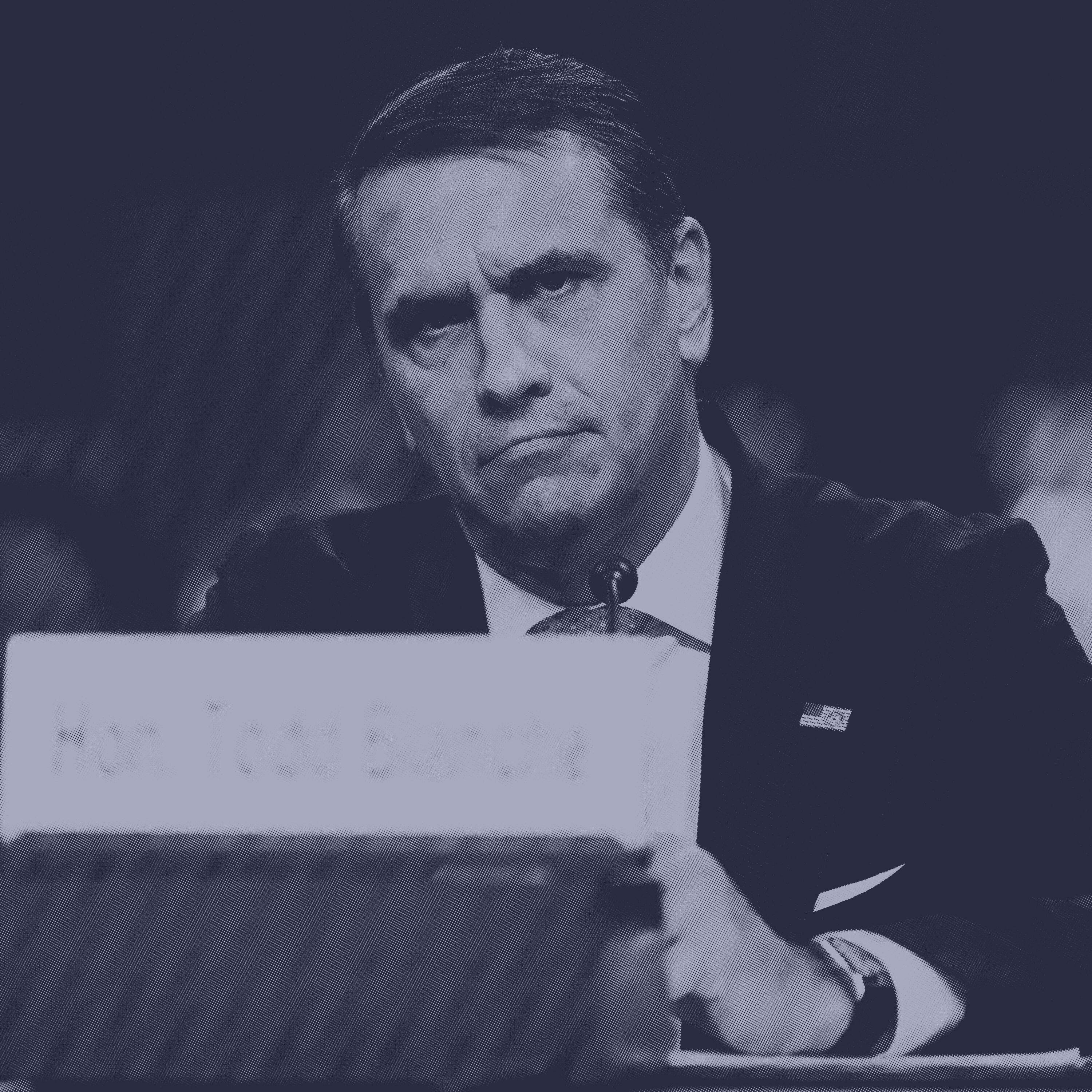
Why is Todd Blanche's nomination as attorney general in limbo?
1w ago00:30:53Summary readySome Senate Republicans are refusing to approve President Trump's attorney general pick unless the Trump administration commits in writing to certain guarantees related to the president's settlement with the IRS. We discuss that fight, plus why the Patriot missile defense system matters so much to Ukraine. This episode: senior political correspondent Tamara Keith, justice correspondent Ryan Lucas, national security correspondent Greg Myre, and White House correspondent Franco Ordoñez.This podcast was produced by Casey Morell and edited by Rachel Baye.Our executive producer is Muthoni Muturi.Support public media with NPR+ and enjoy perks for over 25 podcasts like this one. This show’s perks include bonus episodes and sponsor-free listening. Learn more at plus.npr.org.See pcm.adswizz.com for information about our collection and use of personal data for sponsorship and to manage your podcast sponsorship preferences.NPR Privacy Policy
Summary
Who will Wisconsin Democrats pick to run for governor?
2w ago00:16:49Summary readyThis podcast was taped at 1:15 p.m. Eastern time on Thursday, July 30, 2026.State Assemblywoman Francesca Hong leads in the polls over Milwaukee County executive David Crowley. Hong's progressive views and membership in the Democratic Socialists of America has won her fans on the Democratic Party's left, but others in the party fear she couldn't win a general election. We look at the race, its candidates and the issues at play.This episode: White House correspondent Deepa Shivaram, senior political correspondent Tamara Keith, and Wisconsin Public Radio state house reporter Anya van Wagtendonk.This podcast was produced and edited by Casey Morell and Bria Suggs.Our executive producer is Muthoni Muturi.Listen to every episode of the NPR Politics Podcast sponsor-free, unlock access to bonus episodes with more from the NPR Politics team, and support public media when you sign up for The NPR Politics Podcast+ at plus.npr.org/politics.See pcm.adswizz.com for information about our collection and use of personal data for sponsorship and to manage your podcast sponsorship preferences.NPR Privacy Policy
Summary
How power, corruption & lies influence voters' choices
2w ago00:15:30Summary readyOverwhelming majorities of voters think that corruption is a problem, according to research from the Brennan Center for Justice. Democrats plan on making allegations of corruption a key part of their midterm strategies, but will that succeed in getting voters' support?This episode: voting correspondent Miles Parks, congressional reporter Eric McDaniel, and senior political correspondent Mara Liasson.This podcast was produced and edited by Casey Morell and Bria Suggs.Our executive producer is Muthoni Muturi.Listen to every episode of the NPR Politics Podcast sponsor-free, unlock access to bonus episodes with more from the NPR Politics team, and support public media when you sign up for The NPR Politics Podcast+ at plus.npr.org/politics.See pcm.adswizz.com for information about our collection and use of personal data for sponsorship and to manage your podcast sponsorship preferences.NPR Privacy Policy
Summary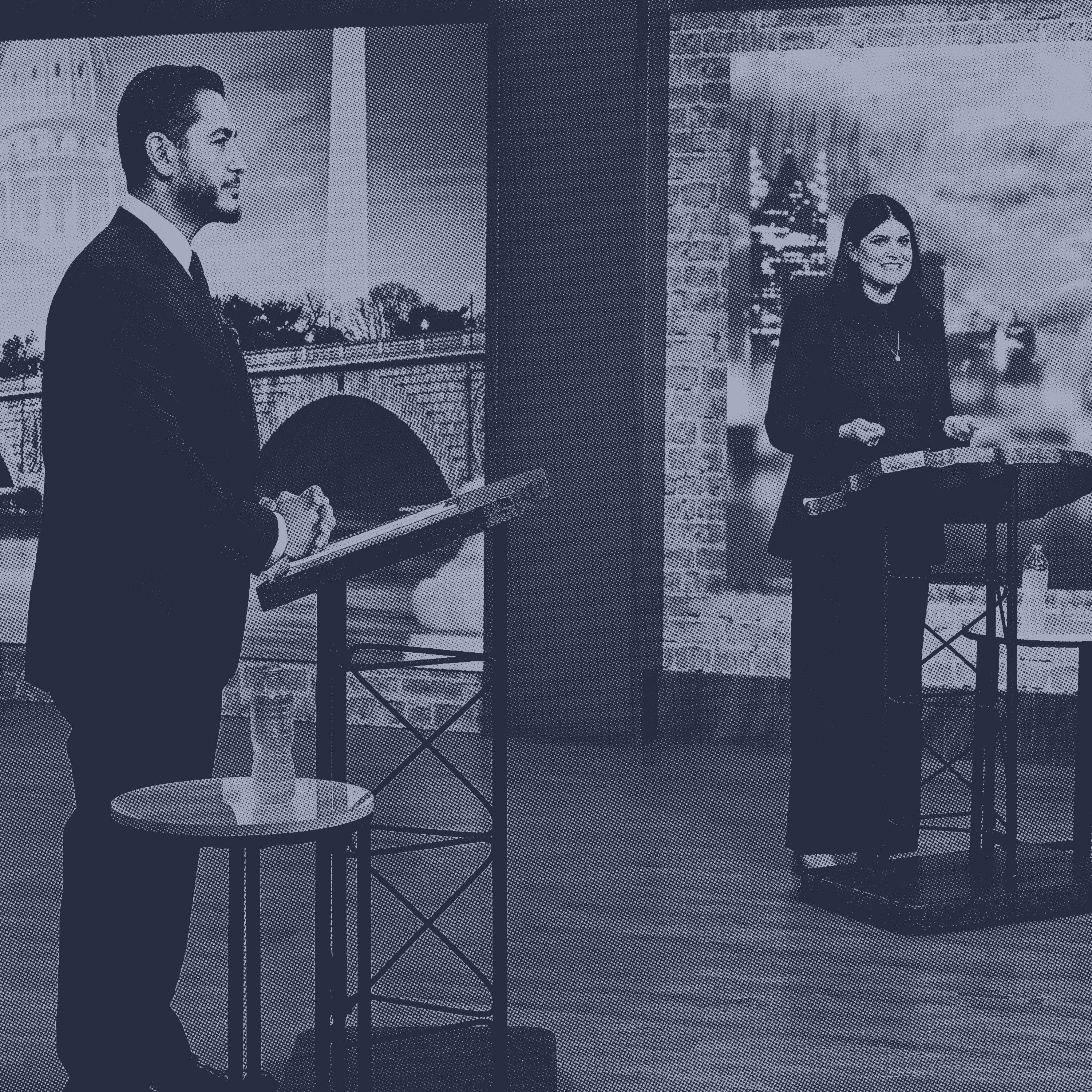
This Senate race may shape the Democrats' future
2w ago00:17:21Summary readyThe Democratic Party's progressive and moderate wings are squaring off in Michigan as voters decide who the party's nominee for an open Senate seat will be. We look at the race and why it is reflective of broader debates in the party about policy, politics and more.This episode: voting correspondents Miles Parks & Ashley Lopez, and congressional reporter Sam Gringlas.This podcast was produced and edited by Casey Morell and Bria Suggs.Our executive producer is Muthoni Muturi.Listen to every episode of the NPR Politics Podcast sponsor-free, unlock access to bonus episodes with more from the NPR Politics team, and support public media when you sign up for The NPR Politics Podcast+ at plus.npr.org/politics.See pcm.adswizz.com for information about our collection and use of personal data for sponsorship and to manage your podcast sponsorship preferences.NPR Privacy Policy
Summary
Is Troy Jackson Maine's new main man?
2w ago00:21:57Summary readyMaine Democrats selected Troy Jackson, a former gubernatorial candidate and president of the Maine Senate, to replace Graham Platner on November's ballot. While Jackson shares many of Platner's political views, can he bring Platner's supporters along and unseat longtime Republican Sen. Susan Collins?This episode: voting correspondent Miles Parks, political reporter Elena Moore, and Maine Public state house correspondent Kevin Miller.This podcast was produced and edited by Casey Morell and Bria Suggs.Our executive producer is Muthoni Muturi.Listen to every episode of the NPR Politics Podcast sponsor-free, unlock access to bonus episodes with more from the NPR Politics team, and support public media when you sign up for The NPR Politics Podcast+ at plus.npr.org/politics.See pcm.adswizz.com for information about our collection and use of personal data for sponsorship and to manage your podcast sponsorship preferences.NPR Privacy Policy
Summary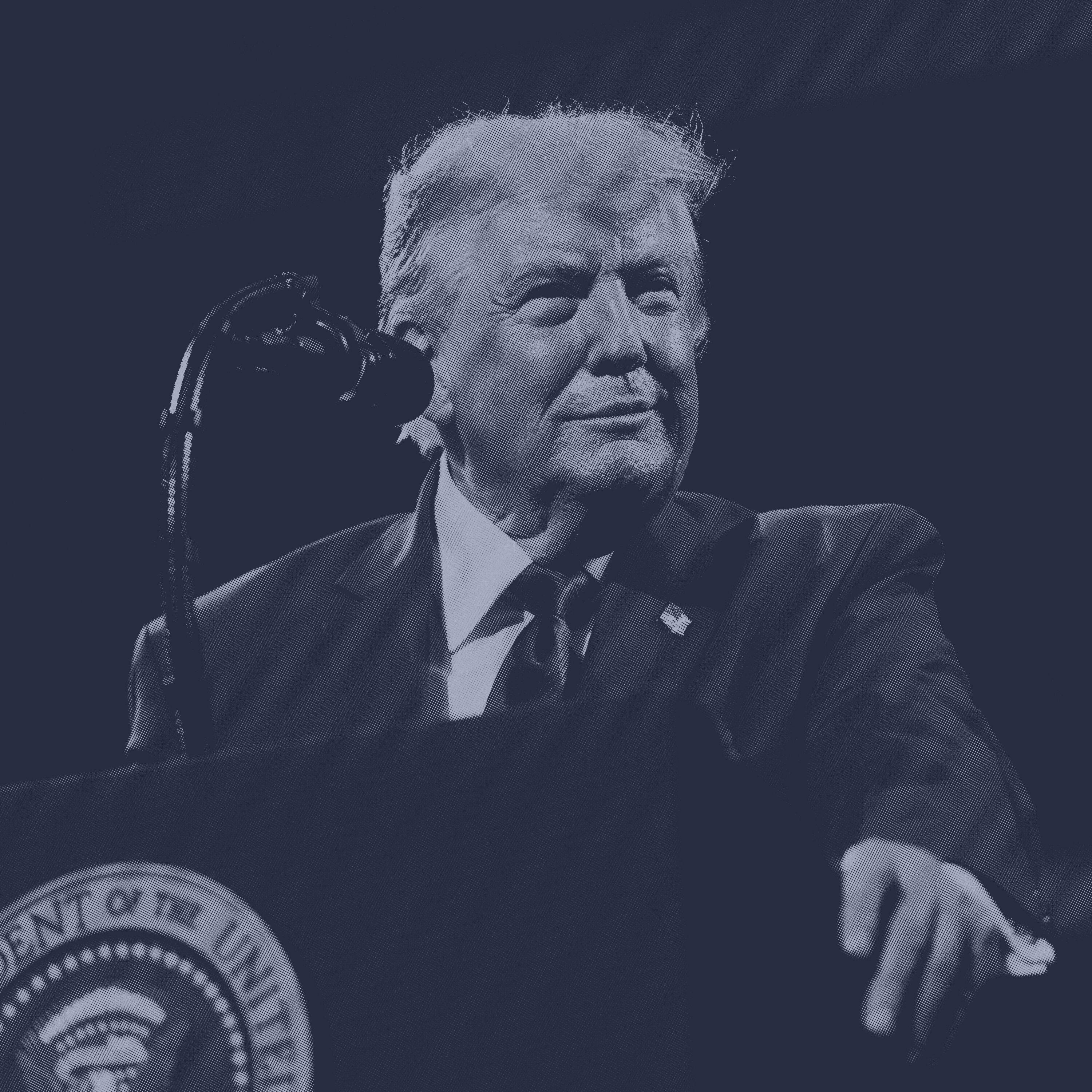
How Trump's agenda complicates midterm races for Republicans
2w ago00:30:35Summary readyHouse Republicans had a busy week before heading out for an August recess. We discuss what measures they passed, how those items fit into President Trump's agenda and how that agenda is making life difficult for some Republicans on the midterm campaign trail.This episode: senior political correspondent Tamara Keith, congressional correspondent Claudia Grisales, and White House correspondent Deepa Shivaram.This podcast was produced and edited by Bria Suggs.Our executive producer is Muthoni Muturi.Listen to every episode of the NPR Politics Podcast sponsor-free, unlock access to bonus episodes with more from the NPR Politics team, and support public media when you sign up for The NPR Politics Podcast+ at plus.npr.org/politics.See pcm.adswizz.com for information about our collection and use of personal data for sponsorship and to manage your podcast sponsorship preferences.NPR Privacy Policy
Summary
Fatal ICE shootings reignite campaign debate over immigration
3w ago00:20:38Summary readyCampaigns across the country are leaning into immigration issues, spurred in part by recent fatal shootings by federal immigration officers in Maine and Texas. We discuss how politicians on both sides of the aisle are using the issue and why Republicans in particular see immigration enforcement as a winning message.This episode: senior political correspondent Tamara Keith, immigration policy correspondent Ximena Bustillo, and senior national political correspondent Mara Liasson.This podcast was produced by Bria Suggs and edited by Rachel Baye.Our executive producer is Muthoni Muturi.Listen to every episode of the NPR Politics Podcast sponsor-free, unlock access to bonus episodes with more from the NPR Politics team, and support public media when you sign up for The NPR Politics Podcast+ at plus.npr.org/politics.See pcm.adswizz.com for information about our collection and use of personal data for sponsorship and to manage your podcast sponsorship preferences.NPR Privacy Policy
Summary