← The NPR Politics Podcast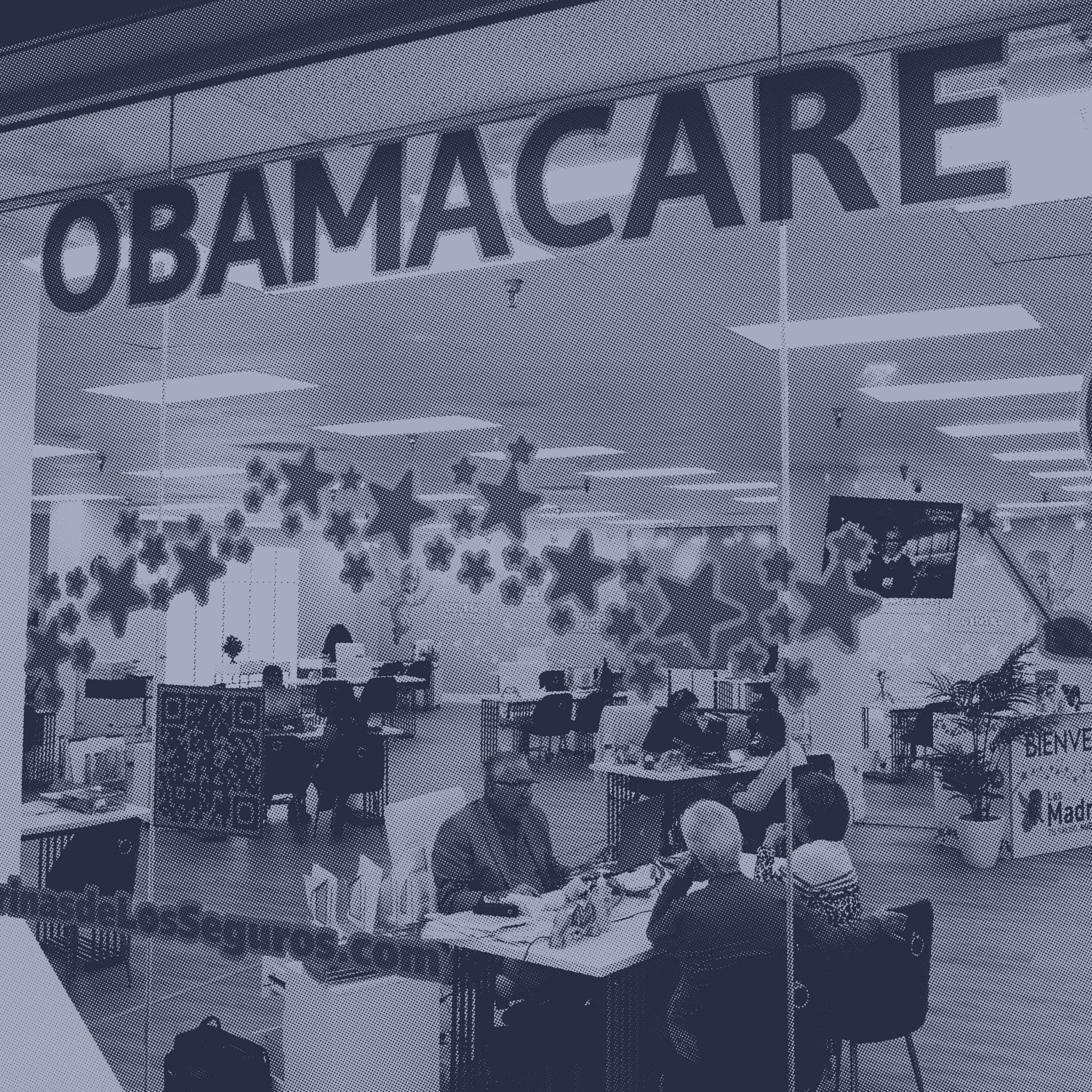
The NPR Politics Podcast
22 Million Could Lose Healthcare Subsidies Next Month, Unless Congress Acts
00:16:37
Loading summary
Transcript55 lines
- [00:02]
A
Hey, it's Ray from Car Talk. Are you tired of all the depth and thoughtful care that goes into NPR shows? Want some good old fashioned goofing around and stumbling to figure out what's going on? Well, I've been taking occasional car questions again. You can hear them by signing up for NPR along with lots of other bonus content. Just go to plus.NPR.org hi, this is.
- [00:25]
B
Gianni in Media, Pennsylvania, where I'm spending a sunny afternoon reading and cuddling with my 19 year old tibeta poo Milo after an 18 mile run this morning. This podcast was recorded at 1:06pm on.
- [00:40]
A
Monday, November 17, 2025.
- [00:42]
B
Things may have changed by the time you hear it. Okay, here's the show.
- [00:50]
A
19 years old. I feel like that's I mean, that is the picture of health.
- [00:54]
C
Also, this is a dog breed I've never heard of. I'm pretty sure I have the 101 dog breed book and this is not one that I know.
- [01:01]
A
So want to know more? Send a pic. Hey there. It's the NPR Politics podcast. I'm Miles Parks. I cover voting.
- [01:06]
C
I'm Sam Greenglass. I cover Congress.
- [01:08]
A
And NPR health policy correspondent Selena Simmons Duffin is also here. Hi, Selena.
- [01:12]
B
Hi, Myles.
- [01:13]
A
And today on the show, we are talking about healthcare. The subsidies that 22 million people rely on to pay for their health insurance are going away at the end of the year unless Congress acts to extend them. Open enrollment on healthcare.gov is happening right now in Salina. Let's just start there. What are these subsidies and what is the impact going to be on people if they do, in fact, expire?
- [01:34]
B
Okay, so these are subsidies that were passed in 2021, and it was kind of a fix to an original subsidy scheme for the ACA marketplaces, the Affordable Care act marketplaces, healthcare.gov, obamacare, all the same thing. Basically, these are the individual marketplaces for people who don't get insurance through their jobs to go and shop for a plan. They've always had subsidies, but the subsidy system didn't work very well. The enrollment had kind of plateaued in these marketplaces, and there were many people who still didn't have options that worked for them. So 2021, it was in the midst of the pandemic, and Congress passed this package to put together what they called enhanced subsidies. So they got rid of some of these problems with the original structure, including this cliff at 400% of the poverty line, where you would just get no subsidies at all. And that is not really that well off. And when you're looking at full freight for your premiums, that's a lot of people couldn't handle that. And so the second part of your question is, what is the impact if these do expire at the end of the year? Is that premiums are going to go way up for a lot of people. So the average increase for premium costs for people is that they're going to double. I've talked to many people whose premiums are going up way beyond that. And so, you know, people are looking at their monthly budgets and they're like, how is this going to work?
- [03:02]
A
Selena, you mentioned this impending cliff. Can you explain that idea a little bit more?
- [03:06]
B
Yeah. So the original subsidies had various subsidies that you could get depending on your income. And if you made more than 400% of the federal poverty line, you got no subsidies at all. If you're a household size of one, that's $62,000 a year. So if you make $63,000 a year, you may be many thousands of dollars every month for your premium because you're not getting any subsidy at all. And then just to give you another sense, a household size of four, that level of income is $128,000 a year. It used to be that if you were even just a tiny bit over that line, no subsidies at all for you. And that was one of the things that changed when they passed the enhanced subsidies. One person I spoke to recently was Amy Jackson. She lives in Butler, Missouri. She has been getting her health insurance from the ACA marketplace several years. And here's what she told me. Right now it's closer to 300. However, if you don't count the tax credit, it goes to 1,250. And do you have an extra thousand dollars a month? No, No, I really don't. She said that she actually works as a medical biller for an urgent care center. She understands that insurance is not wonderful in many, many ways. And she has been calling her representatives and saying to them, like, I know insurance is problematic. I know there are big picture health reforms that need to happen, but we need help now. You know, for them, 1000 bucks is probably nothing. It's probably what they blow on dinner. But for me, that's half of my wage.
- [04:45]
A
You know, I just can't swing that. Well, Sam, then let's hear a little bit more about how Congress is thinking about this. You know, Democrats made extending these subsidies a part of the negotiations around the government shutdown, but the government reopened last week and they did not get it. So where does this go from here?
- [05:05]
C
What Democrats did get is the promise of a vote on a subsidies bill of their choosing. But what exactly that is, we don't really know yet. Senate Democrats at one point had proposed a straight up one year extension of the subsidies, which many Republicans balked at because they want reforms. They don't want to just extend the subsidies as they exist. They've talked about trying to do income caps on who's eligible for subsidies, subsidies ensuring that everyone pays something in premiums. Currently, some people don't pay anything in a premium. New Hampshire Democratic Senator Jeanne Shaheen, who has been involved in some of the bipartisan negotiations around the subsidies, told reporters last week that Democrats need to propose something that can get Republican votes. And essentially that might include factoring in some of these reforms that Republicans want to see in order to get the subsidies extended.
- [05:52]
A
Well, I do want to ask about the Republican view on a lot of this. It feels like one of the key talking points from Republicans about not wanting to extend these subsidies is that they were a pandemic era relic and that now that we're not in the heart of the pandemic, they no longer need to exist. How true is that, Selena?
- [06:09]
B
It depends who you ask. Basically, Sabrina Corlette at Georgetown University center for Health Insurance Reform. She says that that is not accurate, that really this was just Democrats in charge of Congress taking the moment of opportunity to reform what they had long seen as a problem in these markets. I also talked to the president of the Paragon Health Institute. His name is Brian Blaise and he worked in the first Trump administration. And he really connects the enhanced subsidies with COVID He called them Covid credits. Over the course of our conversation, he really wants to make that connection and say these subsidies and this system was Covid. It was related to Covid. Covid's now over. He emphasizes that there is this original subsidy system. So it's not that all subsidies are going away. There's still going to some subsidies in the system. It's not going to be for everybody and it's not going to be as generous. But really there's two kind of competing narratives about whether these enhanced subsidies are related to the pandemic or not.
- [07:08]
A
If they're not related to the pandemic, that is kind of bolstering the other Republican argument, which is that like the Affordable Care act was somehow broken or was not working as intended if they were necessary. I mean, what do experts say to that?
- [07:23]
B
I think that there were always going to be subsidies for premiums in These marketplaces, just like there are subsidies for people who get their insurance through their employers, which is most Americans. And in a way that makes it really hard to do things like have a small business or run your own consulting company, it really pushes people into, like, bigger corporate employers and changes the economy in all sorts of ways. I mean, there are a lot of things about how this was originally conceived that did not come to pass. And so I don't know that the fact that there are subsidies for premiums in this marketplace speaks to anything particular about whether the law is a failure or not.
- [07:58]
A
That makes a lot of sense. Sam, not to ask you to prognosticate, but I do feel like when we have you on the pod, that is basically what I want you to do, like, tell me what's going to happen, what is going to happen, or what is the most likely outcome for these subsidies, considering there is a deadline crunch here.
- [08:13]
C
So even if this does pass the Senate, some kind of extension of the subsidies, it still has to go for a vote in the House, where its fate is also unclear, and then has to be signed into law by President Trump. And we really don't have a good sense of what he thinks about these subsidies. Whenever he's been asked about them in the past, he talks about railing against the Affordable Care act and Obamacare and criticizing it. So it is unclear if he is interested in signing something into law. House Speaker Mike Johnson, whenever he's been asked about a potential vote on extending the subsidies in the House, he said that he can't guarantee it. Now, there is a cadre of Republican members in the House, mostly from competitive congressional districts, who have been very clear that they want to see action on extending these subsidies. They've started working on a bipartisan proposal to get that done. But whether Speaker Johnson is gonna bring something for a vote, we still don't know at this point.
- [09:04]
A
Well, there is a lot of very interesting political dynamics, I feel like, around how all of these people feel about healthcare policy. We'll get into all of that right after a quick break.
- [09:13]
B
You ever get to the pharmacy and you're expecting your medication to cost 20 bucks, but instead it's 200 or a thousand?
- [09:20]
A
And you're like, wait, really? Like, are you sure?
- [09:24]
C
Is there some kind of mistake?
- [09:25]
B
This week on the Life Kit podcast, what to do when your prescription costs way more than you expected? You can listen in the NPR app or wherever you get your podcasts. President Trump promised the Gaza peace plan would end the war between Israel and Hamas and bring a new era of peace to the Middle East.
- [09:44]
A
This took 3,000 years to get to this point. Can you believe it?
- [09:48]
B
But a month into this ceasefire, progress is stalling. Why is it so fragile? And what comes next for the people of Gaza? Listen now to the Sunday story on the up first podcast from npr. Wild Card is where big name interviews feel like conversations with a friend.
- [10:04]
A
I mean, I can't believe how lucky I've been.
- [10:07]
B
You didn't say goodbye the right way, McConaughey, she told me.
- [10:12]
C
I don't think you're Princeton material.
- [10:13]
A
I'm nothing if not open, I guess.
- [10:17]
B
I'm Rachel Martin. Watch or listen to Wildcard on the NPR app, YouTube or wherever you get your podcasts.
- [10:25]
A
And we're back. And we've been talking about the Affordable Care act and the expanded subsidies that are set to expire at the end of next month. But I want to take a step back because we are talking about these subsidies. But really this does feel like an extension of almost two decade debate about the Affordable Care act itself. And I want to ask you that, Selena, to what extent is the Affordable Care act or Obamacare working the way it was intended at this point?
- [10:51]
B
Well, I should say the Affordable Care act is much bigger than just these marketplaces. This was a really key part of the law. But the Affordable Care act touches a million bazillion different things. For example, you know, being able to be on your parents health insurance until you're age 26, that was one thing. Not being able to be denied coverage because of a pre existing condition, that was another thing. Like these are all these changes that have been kind of baked into our, our healthcare system in a million different ways in terms of how these markets are working. I mean, the goal of them was to reduce the number of uninsured people in the country. And last year with these enhanced subsidies, the enrollment was the highest it's ever been. 24 million people enrolled in these plans. The uninsured rate in our country was the lowest it's ever been. Okay, so like, is it working? I mean, it's working. There are certainly people who go on there and say, I can't find a plan that works for me. But in terms of the goal of reducing the number of people who are uninsured in the country, which affects everyone.
- [11:53]
A
That'S what I was going to say. That is, uninsured people is expensive for the taxpayer, even if it's not as directly correlated as these sort of subsidies or any other health policy is.
- [12:03]
B
Right, Exactly. The way that works is that if you're uninsured, you're not going to the doctor to get those routine screenings. You're not going to the doctor when you're a little bit sick. You're going to the ER when you're very sick. And if you don't have the money to afford coverage, you might also not have the money to afford your ER bill, which it works out to be uncompensated care, which means that the whole society is paying for deferred care and people who aren't being as healthy as they could be because they're not getting in to see the doctor.
- [12:33]
A
Well, Sam, for so long, Republicans mantra on Obamacare was repeal and replace. I'm trying to get a sense of whether that is changing because there are some Republicans who are in favor of continuing these expanded subsidies. Right?
- [12:49]
C
Affordable Care act was passed back in 2010. Zero Republicans voted for it. So it was pretty striking to me to see a dozen or so House Republicans in a letter very publicly calling for these subsidies to be extended. You know, if you think back to the debates over healthcare in 2010, it was hugely controversial. I spoke to former House Majority Leader Eric Cantor who described just this sense of trepidation over what Obamacare might mean about the unknowns, like would you be able to keep your doctor? And it even sparked a shutdown fight in 2013 as Republicans were trying to roll it back. And then that kind of infamous moment in 2017 during a repeal and replace debate when Republican Senator John McCain of Arizona voted no on the repeal and replace effort with a thumbs down motion on the floor of the Senate. You know, people liked the coverage that they were getting. People liked that insurance companies couldn't deny coverage around pre existing conditions. And so the popularity of this program has just kept growing over the years, even though a majority of Republicans today still oppose Obamac. When you look at the population overall, people really like the Affordable Care act and don't want to see it go away.
- [13:58]
A
I mean, has the horse kind of left the barn here? Selena, in terms of when I hear President Trump railing against Obamacare or the Affordable Care Act, I guess I'm wondering is it even possible at this point considering how baked in it is to all these different aspects of our healthcare system? Is it possible to completely get rid of it at this point?
- [14:17]
B
Is it possible? I mean, sure, maybe, but it would be incredibly disruptive, just mind bogglingly disruptive to the healthcare system and especially in the context where there's not something to kind of swoop in and like slurp up all of the things that the Affordable Care act is currently doing in our system, it would be chaotic.
- [14:40]
C
I mean, so we talked about one reason that the repeal efforts have failed is because the program has grown increasingly popular. But another challenge is that Republicans have not been able to really come up with what that replacement part would look like. We've heard House Speaker Mike Johnson talking about Republicans having volumes and volumes of potential plans, but we haven't really heard a clear answer of what exactly that is. And I talked about this recently with former Republican congressman from Michigan, Fred Upton, who served on a key committee that was tasked with trying to come up with an alternative during those 2017 repeal and replace debates. And this is what he told me.
- [15:18]
A
We still faced opposition from within our own ranks. Here we are today, and there's still no alternative. It has been 15 years. It's not gonna go away. I mean, digging into the politics of this a little bit. Sam, can you talk a little bit more about why Democrats have chosen healthcare as it feels like the main thing that they are kind of they're lying in the sand. It was their main talking point for why they were shutting down the entire government for the longest period of time that has ever happened before. Why are they making that calculation?
- [15:50]
C
So I think this kind of goes back to that 2017 repeal and replace debate. I talked to one Democratic strategist who told me that effort really turned the tide on public opinion about Obamacare from a political liability for Democrats to an asset. You know, people don't like to see a benefit that they like getting taken away. And many Democrats believe the issue really helped drive that 2018 blue wave during the midterms and hope that it can do that again headed into the 2026 midterms, when affordability and the cost of living is a really big issue. And that's how we hear Democrats framing this healthcare subsidies debate. Now, I talked to Democratic Senator Alyssa Slotkin of Michigan, and she told me it's hard to think of an affordability issue that is more personal to people than healthcare. And that's a message I expect we're gonna keep hearing about as we head into this next election cycle.
- [16:45]
A
Well, you mentioned, Sam, that by and large, the Affordable Care act is popular at this point with voters. It seems clear to me that at least some of these Republican lawmakers are feeling pressure to do something about this. Why is that, do you think?
- [16:57]
C
We know from analysis and polling by the nonprofit health research organization KFF that more than three in four ACA enrollees live in states that Trump won in the last presidential election, that many of the people who rely on these subsidies are more likely to live in rural areas, be farmers, own or work at a small business, and that the majority of Democrats, Republicans and independents overwhelmingly support the extension of these subsidies. You know, I talked about this with one of Trump's pollsters who told me that this is really key to keeping together Trump's working class coalition that delivered him to the White House in 2024. But many Republicans also do want reforms to the subsidies structure and reforms to the ACA more broadly. But there is not a lot of time left to have that kind of of fulsome healthcare debate in Congress with open enrollment happening right now and also rates and policies taking effect just around the corner in January.
- [17:54]
A
All right. Well, we can leave it there for today. Thank you so much for joining us, Selena.
- [17:57]
B
I'm glad to be here.
- [17:58]
A
I'm Miles Parks. I cover voting.
- [18:00]
C
I'm Sam Greenglass. I cover Congress.
- [18:01]
A
And thank you for listening to the NPR Politics podcast. This message is sponsored by dsw, the birthplace of the humble brag, full of all kinds of shoes that get you at prices that get your budget. And when there are never ending options for every style, mood, occasion and budget, there is unlimited freedom to play. And that's something to brag about. So go ahead, stock up on fresh sneakers from your favorite brands or try those boots you always secretly knew you could pull off. Find the shoes that get you at prices that get your budget. Dsw, let them surprise you. You care about what's happening in the world. Stay informed with NPR's State of the World podcast. In just a few minutes, we take.
- [18:53]
B
You to stories around the globe.
- [18:55]
A
You might hear the latest developments in world conflicts or about what global events mean for the price of your coffee.
- [19:03]
B
Listen to the State of the World podcast from NPR.