← The NPR Politics Podcast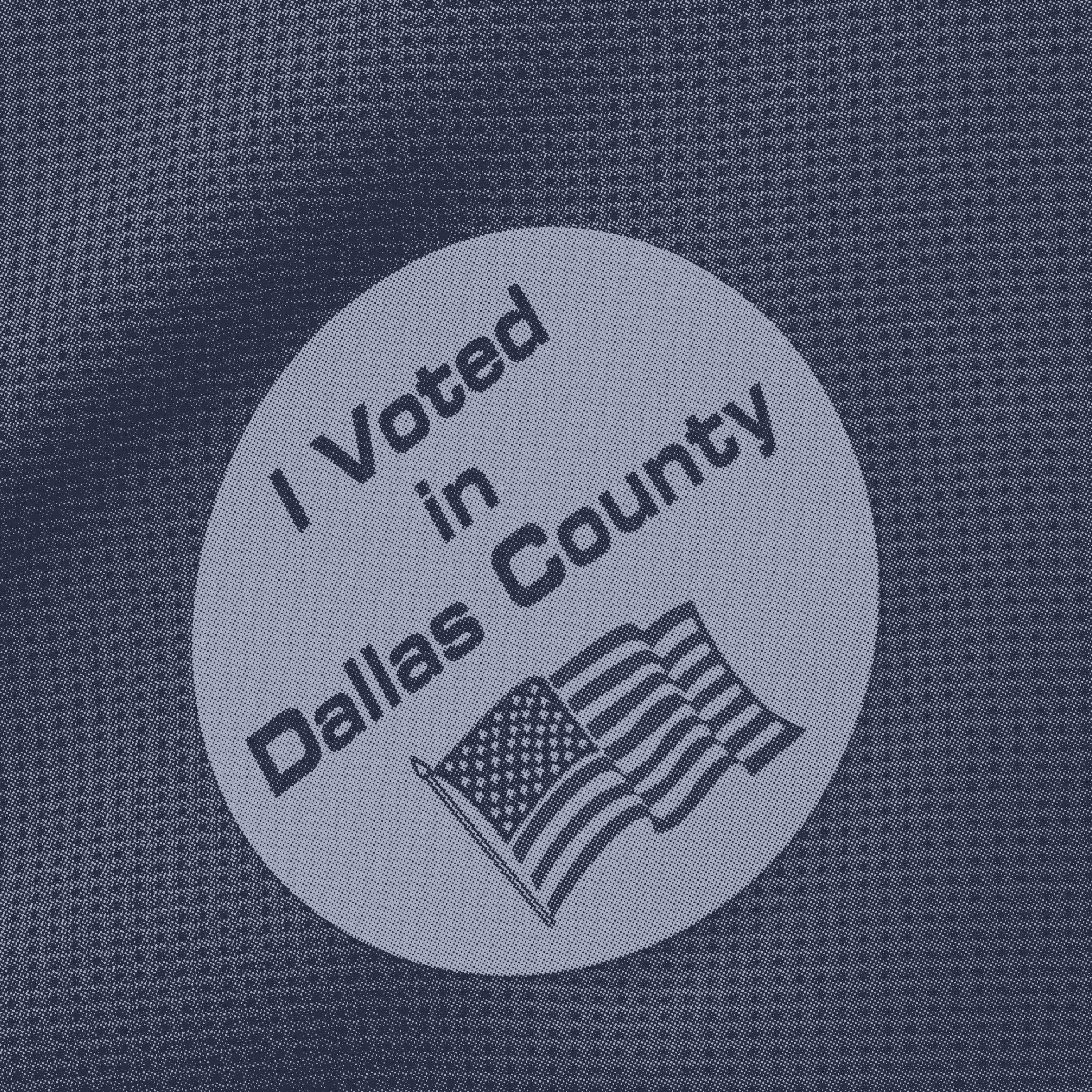
The NPR Politics Podcast
Runoffs, voting mishaps and Trump endorsements in TX and NC primaries
00:25:41
Loading summary
Transcript71 lines
- [00:01]
A
This message comes from Bayer. Science is a rigorous process that requires questions, testing, transparency and results that can be proven. This approach is integral to every breakthrough. Bayer brings forward, innovations that save lives and feed the world. ScienceDelivers.com.
- [00:22]
B
Hey there. It's the NPR Politics Podcast. I'm Tamara Keith. I cover the White House.
- [00:27]
C
I'm Ashley Lopez. I cover politics.
- [00:28]
D
And I'm Domenico Montanaro, senior political editor and correspondent.
- [00:31]
B
And we are taping this at 1:09pm Eastern Time on Wednesday, March 4th. Today on the show, we have election results.
- [00:40]
D
Do we have music?
- [00:42]
B
No.
- [00:43]
D
Something.
- [00:44]
B
I know, but it's really exciting to actually have election results.
- [00:49]
C
Kind of.
- [00:50]
B
Yes.
- [00:51]
D
It's starting. This is it, right? This is the first primaries. We had three states that voted Arkansas, Texas and North Carolina, Carolina. And look, it's finally kicked off. We've been talking about the midterm elections and we had some pretty consequential races last night.
- [01:05]
B
Indeed we did. Let's start with North Carolina, where there is an open seat because Republican Senator Thom Tillis is retiring. So last night, Democrat Roy Cooper and Republican Michael Watley won their primaries. Cooper is the former governor of the state. Watley is the former chair of the Republican National Committee under President Trump. Domenico, how's that race shaping up?
- [01:29]
D
You know, it's interesting because Cooper won, Whatley won, obviously. So those were sort of formalities. Trump had backed Whatley, although, you know, about 15% of the vote went to another kind of more MAGA candidate in the race. And, you know, if you were to describe like a generic Republican candidate, he kind of fits the bill. And you wonder where a generic Republican candidate is going to do, how he's going to do in a year that, you know, leans toward Democrats in a state that leans toward Republicans. Right. Trump won this state three times. Roy Cooper was seen as a big get for Democrats. He's the former governor of the state. And listen to why people think that he might have the right profile for a state like North Carolina.
- [02:12]
E
I'll be a strong independent senator who
- [02:16]
D
will work with this president when I can and stand up to him when
- [02:20]
C
the people need me to.
- [02:26]
E
Always, always put the people of North Carolina first before politics, before party.
- [02:33]
D
You know, in fairness to him, he talked a lot about affordability, the price of farm equipment, for example. He talked about his time growing up on a farm. He talked about his time being a Sunday school teacher, all things that lean a little more conservative. And if you didn't know that he was a Democrat, you might think, huh, here's an independent who's running? Cause he says that he's gonna be a, quote, strong independent who might work with President Trump. Well, there's a reason. Right. Like we said, Trump won this state three times. And Democrats hope that he'll be able to flip that state when, you know, Thom Tillis is retiring and they think that this is a ripe target.
- [03:08]
B
Well, and this is an interesting state. It is the great white whale for Democrats at the presidential level. It has been cycle after cycle recently, but they've had Democratic governors, first Roy Cooper, and now there's another Democrat who replaced him. Democrats can squint and see a path.
- [03:26]
D
There's a difference though, between being a governor in a state and winning a Senate race. I mean, just ask Larry Hogan, who ran, was a very popular governor in Maryland and then ran for Senate and got creamed. That's because people know that when they're voting for that person to go into the Senate, they're affecting the balance of power and affecting federal laws that you want passed. And suddenly it becomes about national politics rather than local politics.
- [03:51]
C
The work before Whatley is to get people to know who he is. I mean, his name recognition in comparison to a two turn governor is like, it is laughably different. I mean, it's gonna be a lot of work. I think the thing that he has in his corner is that, yes, he's gonna have the R next to his name. And yeah, North Carolina, you wouldn't know it looking at, especially now after redistricting. Again, North Carolina is a purple state. It is like almost evenly Republicans, Democrats. I mean, the biggest growing part of the electorate of the people registering to vote is independents. So that is really the vote to get. Which is why Roy Cooper's like, I'm a Democrat, but I'm actually more of an independent. You know, if you look at the last round of voter registration numbers that came came right before the primary, there are more registered independents than there are registered Republicans or registered Democrats.
- [04:39]
B
Wadley is interesting to me because yes, he was the RNC chairman. Before that he was the state party chairman in North Carolina, but he's not generating a lot of excitement. And you know, like, President Trump actually came to North Carolina, held a rally at Fort Bragg, which is a whole nother story of the president holding what amounted to a political rally on a military base, but then brought Whatley up onto stage like Trump is. This is a race where Trump is going to seemingly have to pull him over the finish line if he wins.
- [05:16]
D
Yeah. I mean, being a state party chair, being a Republican national Committee chairman. Those are good jobs. As somebody shows their skill as a political insider to be able to work a room, raise money, ingratiate yourself with other more important politicians, frankly. But he's gonna now have to put himself out there for a United States Senate seat. And his skills as a politician himself are going to be tested. And I'm not sure that a lot of North Carolinians know what he even sounds like.
- [05:48]
B
Right, right. So let's move on to Texas. The Senate primaries in Texas were a lot so Domenico. Let's start with the Republicans.
- [05:57]
D
Well, yeah, I mean, this is now gonna continue on. We get 12 more weeks of Christmas or 12 more weeks.
- [06:03]
C
12 weeks of winter.
- [06:04]
D
Winter. Or what is 12 more weeks of.
- [06:06]
B
Did a groundhog come up?
- [06:08]
D
Texas runoff. Yeah, I don't know if it was there. If you see, if the groundhog in Abilene sees its shadow, you get 12 more weeks of campaigning.
- [06:18]
B
This is not a real thing, people,
- [06:20]
D
but it is a real thing. The fact that there is a runoff that is gonna now take place on May 26, because neither John Cornyn, the incumbent senator, or Ken Paxton, the state Attorney general, was able to get 50% of the vote. And now this is gonna be a knockdown, drag out fight that has already been the most expensive Senate primary in history. John Cornyn's group supporting him spent more than $70 million to try to buoy him. You know, estimates I'm hearing are potentially up to $100 million more spent in the next 12 weeks, all while Democrats will have a candidate who's sitting there now.
- [06:54]
B
And Cornyn is more of a traditional old school Republican. Paxton is arguably more in the Trump mold, both because of his views, but also because of his many scandals that just seem to roll right off of him.
- [07:08]
C
Yeah, Cornyn was first elected in 2002, so more of a Bush era kind of Republican. And Ken Paxton rose to prominence during the Tea Party era, and he very much is of that ilk and is very Trump aligned. And I think that has been his pitch to Republican voters, is that he is not just more aligned with Trump, but more like Trump because he has been mired in legal issues pretty much the entire time. He's been, I should say the state's top law enforcement official. But that hasn't hurt him politically. He's been reelected multiple times. So, you know, and now going into the primary, the big question is like, who's gonna turn up? Like, primaries are already a lot of base voters, and then runoffs are even smaller. I will say, just to give People like a lay of the land of how runoffs in Texas work is if you took a Republican ticket during the primary this week, you can vote in that runoff. You can also vote in that runoff if you didn't vote at all during the primary. But the only people who cannot vote in a runoff are voters who voted during the primary in the Democratic ticket. So, you know, who knows if there are millions of dollars are being spe kind of voters are gonna show up to vote for him. But historically speaking, this does favor the more base beloved candidates. So that would be Ken Paxton here.
- [08:20]
D
What Paxton pointed out in his speech was that 60% of those who voted in this of Republicans did not vote for the incumbent senator who's been around for more than 20 years. I do think though, there's a big wild card here and that's where does Wesley Hunt's voters go? The congressman who ran, he got about 13% of the vote in this, over 200,000 votes. Where they go is may be determinative and I think there's going to be one person who's able to move those votes in a direction one way or the other.
- [08:56]
B
Domenico actually, while we have been taping this podcast, President Trump put out a truth social post. I'm not going to read the whole thing. It is very long. But here is the key. I will be making my endorsement soon and will be asking the candidate that I don't endorse to immediately drop out of the race. Exclamation point. Is that fair? We must win in November. Thank you for your attention to this matter. President Donald J. Trump the fact is,
- [09:24]
D
a lot of Republicans who I've been hearing from have been thinking through this entire Democratic process, a Democratic primary process that James Talarico, who won the Democratic primary last night over Jasmine Crockett, the congresswoman, a little bit more of a firebrand that they were saying that Talarico would most likely be the person that they wouldn't want to run against. They felt that they'd have to spend more money. He had more ability to potentially appeal to disaffected Republicans or moderates because of his more mild mannered approach compared to Crockett. Whether that's true or not, they certainly felt that way. And if they felt that way, then that might be part of the lobbying effort on the part of the Republicans to the Republican president.
- [10:09]
B
And obviously the Republican Senatorial Committee and sort of Washington Republicans have put all of their support behind Cornyn and are shouting from the rooftops if anyone will listen to them, that Paxton could actually lose, which is a wild concept in Texas where Republicans generally just don't lose.
- [10:30]
C
Yeah, I mean, Ken Paxton is flawed in a lot of ways. He has an opposition file to rival sort of anyone who's. Who's in politics. He has been in and out of court on various issues. There's scandal related to alleged corruption in his office. It's not a good look. It's just a lot that any candidate, and now we know it's James Talarico has to throw at him. Also, Cornyn would be the incumbent. Incumbency power still matters. Like, you know, especially during Senate races, like in a general. That is a very powerful thing. If you look at Democrats trying to flip Texas, which has been this experiment year after year, especially as someone who lived in Texas for 10 years, oh, my God, the amount of times I heard the narrative of like, could this be the year that Democrats flip a Senate seat? So much of the barrier there was also that there was always an incumbent there for the most part, you know, at least since 2012. And this would be a different situation. This would be the first time in more than 10 years that Democrats are facing a new candidate who hasn't been in office for a long time. There's just a lot of different things, factors now that weren't there before.
- [11:37]
D
Just to put a fine point on what a sisyphusian Boulder this would be for Democrats, it has been since 1994 that any Democrat won any statewide office in the state of Texas, despite other Democrats coming close. Close like Charlie Brown might come to kicking a football or, you know. Correct. That is a very difficult challenge. At the same time, because of the demography of Texas. That's why so many people think that at some point there will be a Democrat who wins because it is a majority minority state. Now you have more Latinos, African Americans, Indian Americans, very diverse state. And yet you still have this very entrenched, largely white, male Republican power structure that hasn't been broken.
- [12:29]
B
All right, we're going to take a quick break and we will be back with more in a moment.
- [12:33]
E
This message comes from Jerry. Are you tired of your car insurance rate going up even with a clean driving record? That's why there's Jerry, your proactive insurance assistant. Jerry compares rates side by side from over 50 top insurers and helps you switch with ease. Jerry even tracks market rates and alerts you when it's best to shop. No spam calls, no hidden fees. Drivers who save with Jerry could save over $1,300 a year. Switch with confidence. Download the Jerry app or visit Jerry AI, NPR today. This message comes from BetterHelp International. Women's Day is this March time to celebrate all women, the leaders, the caregivers, the hype, friends, the how do you do it? All types. Women deserve to be reminded how much they matter and that therapy offers a space to care for themselves. BetterHelp makes it simple by matching you with a qualified therapist based on your needs and preferences. Visit betterhelp.com NPR for 10% off. This message comes from stamps.com shipping, billing, admin. You're managing all these things. Why waste time sending important documents the old fashioned way? Mail and ship when you want with stamps.com, print postage on demand and schedule pickups from your office or home. That's why over 1 million small businesses trust stamps.com go to stamps.com and use code NPR to try stamps.com risk free for 60 days.
- [14:04]
B
And we're back and I want to dig in just a little bit more. On the Democratic side of the Texas Senate race, you had Congresswoman Jasmine Crockett, who is a social media star with a very high national profile, versus State Rep. James Talarico, who has also done a very good job in recent weeks of getting national attention, especially after the dust up over his interview with Stephen Colbert. They were very different stylistically, though not necessarily on policy. And coming into it, it seemed like it could be anyone's race. But in the end, it wasn't all that close. Talarico won.
- [14:42]
D
Yeah, it wasn't all that close. Talarico won by about 7 percentage points. And in a state like Texas, that's a lot of votes. And you know, Talarico had run this sort of tortoise and the Hare campaign. Maybe you could compare it to a little bit. You know, he was kind of the tortoise and Crockett was kind of the hare. She was all over the place, viral messaging and all of that. And Talarico was doing the sort of traditional campaigning, you know, going to a lot of local campaign events and running advertising, while Crockett was really a social media star, as you said.
- [15:14]
C
Yeah, this was in total a bunch of weird circumstances led to this primary. So for one, the mid decade redistricting that happened last year drew out a handful of Democrats in Congress. One of them at least was aimed at Jasmine Crockett because she is a rising star or at least was a rising star in the Democratic Party. We'll see what the next chapter of her political career holds for her. But she really didn't have a lot of options in where to go next because, you know, trying to battle it out with another Democrat in one of the few congressional seats that remained competitive for Democrats would have been kind of a lateral move for her. So the Senate seat was kind of an obvious next choice. Now, not to mix sports metaphors, and I'm sorry, Domenico, for doing this, but like, she basically entered a race where a candidate was already on a run. Like, Talarico had already started gaining a lot of national attention. There was that Joe Rogan interview where Joe Rogan pretty much asked him to run for president, which was pretty stunning to anyone who like watches the Joe Rogan show. It was just very surprising. You know, there was the Colbert of it all. There was also, you know, Barack Obama talked about him as being like one of the candidates he's watching. So it was already a tough environment for Crockett to enter into. And it's very rare at a time Texas primary to have two rising stars in a Democratic primary. Because Texas just doesn't have a lot of like really popular Democrats. It just doesn't happen often. And this is partly why I think John Cornyn did not win his primary outright. Because, you know, Texas primaries, they're open, so independent voters get to kind of choose which one they wanna go to. And usually the best game in town is the Republican primary. Cause that's usually where the most interesting and most likely to win candidates are. But a lot of voters were more interested in in the Democratic primary, particularly Latino voters. And they broke for James Talarico, which I think is a very interesting political story here.
- [17:01]
D
You know, the fact is, we talk about a moderate versus progressive. That's not what this race was. You know, James Talarico is more mild mannered than Jasmine Crockett. She's more of a firebrand, ready to call out anybody from, you know, Governor Abbott to Donald Trump. She doesn't care about that. Talarico's approach is a little different, but he is very liberal when it comes to economic, economic policy. Left wing populism is at the heart of what he is talking about and has made billionaires really the antagonist of
- [17:34]
C
his populist pitch, which is very popular messaging, particularly when you are trying to get working class voters and swing voters like Latino voters. That is their number one issue is cost of living, jobs, stuff like that. So it's a very strong message and it is going to be the conversation to be had in November. That is going to be the key thing that folks are gonna be talking about, particularly Democrats.
- [17:55]
B
I want to ask about demographics. As you said, Ashley, Talarico was boosted by Latino voters. So what did you learn about Latino voters in Texas? They, you know, had been an important part of John Cornyn's base. Also on the Republican side, they helped Donald Trump win the White House. So what does this primary tell us, if anything, about where Latino voters are now?
- [18:23]
C
Yeah, I mean, they remain Texas biggest wildcard in electoral politics and also the fastest growing part of the electorate, too. This is going to be a group of voters to watch for a very long time, I think. And what we learned is one, a lot more of them voted than expected. Overall, I will say there are more voters in this primary in Texas and in North Carolina compared to 2022, at least looking at early voting numbers in North Carolina, election officials said Yesterday that between 2022 and this year, there was a 25% jump in voters. Like, quite significant. And when you look at what primaries voters wanted to look at, particularly in Texas, it was Democrats that got a big bump from that, especially in some of these Latino populated counties along the southern border, which is not a good sign for Republicans. They're probably sweating that, too, because, yes, not only were Latinos in the 2024 election Very important to getting Trump reelected, but also they helped a lot of Republicans down ballot. And Republicans looked at that and redrew districts on their congressional map. Bank on those voters turning up again.
- [19:26]
D
Just one example, Cameron county, which is the very southern southern tip of Texas, There were about 32,000 people who voted in this very heavily Latino county in the Democratic primary. In the Republican primary was only about 11,000. So, I mean, you're talking three times the number of people turning out to vote in the Democratic primary. And that happened all along those border counties. That has got to make Republicans very concerned, not just about the Senate race, but about those districts that they redrew, thinking that they could dovetail on President Trump's success with Latinos in the last few elections and that they would stay Republican voters. Trump's not on the ballot. You know, affordability is still a huge issue. And they have moved heavily away from Trump when it comes to polling. So this could be a really sizable earthquake if they do move en masse.
- [20:22]
B
Now, Ashley, you cover voting. And there was a voting issue yesterday in Dallas county that affected Democrats, led to mass confusion and frustration. Tell us what happened there.
- [20:34]
C
Right, so basically, hundreds of voters got turned away from polling sites because they went to the wrong place. And here's why that happened. So parties get to decide the rules of how primaries are run even though they are actually run by taxpayer paid election officials, that's a whole other thing. I mean this is true around the country, but anyways they got to decide basically which model of voting voters got to use. In Texas, what is typically used is the countywide polling model, which means within a county there are gonna be a bunch of polling sites and your voter can go to whichever one they want as long as it's within the county they live in. It's really useful for like people who wanna vote after their job or while they're running errands. It's a very popular way of voting. Republicans have had an issue with this for years now. There's been some bills that have failed, but like in the Texas legislature to get rid of this system and move to a precinct level voting, that's how a lot of elections are run. It's like library or your local whatever, like the one closest to you and that's the only one you can vote in.
- [21:31]
B
I mean that's the way it's been in every state I've ever voted in.
- [21:33]
C
Yeah, but this county wide polling situation in Texas has been very popular and election officials love it. Anyways, for some reason the Republican party in Dallas county wanted everyone to go back to a precinct level voting and a lot of voters just did not know that. And when they tried to look up, okay, well I turned up at the wrong one. This is where I usually vote during early voting. Let me see where I should go. Like their site got overloaded. It was just, it was a disaster for a lot of voters. I mean we'll get better numbers soon but I'm assuming there was some drop off, like people who just decided not to vote altogether cuz they found the situation so frustrating.
- [22:07]
D
Yeah, and you know, a judge had said that the polling places could stay open two more hours and then it was appealed to the state Supreme Court by the way, by Ken Paxton, who's the Republican who we've been talking about running for the Senate. In saying he hadn't gotten notification of this, so he wants it overturned. They put a halt on the two hour extension and said basically anybody who voted after 7pm local time, that they had to basically put those to borrow an Al Gore term in a lockbox and you know, those couldn't be counted. Now Democrats, I would say are very lucky that this race wound up not being close because had it been close there were gonna be, I think, a lot of potential conspiracy theories floating around. They already sort of started to see that Jasmine Crockett went out to the microphones at her campaign event and said that hundreds of voters are being disenfranchised. And we know why, she said. And that just starts to get people thinking, well, what's behind all of this? And we've been talking about, as Donald Trump has been trying to undermine the legitimacy of these elections and locally run elections, that this is the first day of primaries and we saw a major voting problem. This is probably gonna be something that we see further down the line. And it's always a problem when you have the closest races.
- [23:31]
B
And ultimately, Crockett did concede this morning. She called Talarico, she posted on social media. So that drama essentially ended, but probably will not be the last drama we see in the months ahead as voting continues. Domenico, one of the other things that you have been watching is incumbency. Like incumbency is supposed to be this great advantage. You're in office, you've got the fundraising power, you can bring home the bacon and tell people what you've done for them. But a lot of incumbents are facing primary challenges, and it's been very interesting.
- [24:06]
D
Yeah, it was really notable how incumbents seem to have their backs against the wall. In addition to Cornyn, we saw Texas Republican Congressman Dan Crenshaw lose by double digits. Tony Gonzalez, who's the scandal plagued Republican congressman from Texas, pushed to a runoff. Democrat Al Green is in a runoff as well. He's another Texas congressman. He's running against a congressman who just started serving last month in a redrawn district. And over in North Carolina, Valerie Fouci, she's in a tight race that's not yet called against a younger progressive candidate. So, you know, look, I think that a lot of these incumbents have a lot that they're trying to overcome because we're in an environment where people don't trust politicians, they don't trust American politics, even though incumbency used to be the surest way to keep your job.
- [24:57]
C
Yeah, we'll get a better picture of this soon. But there is also an element of generational divides here. There were a lot of younger candidates who seem to have done fairly well against incumbents, especially in the Democratic Party. There's a frustration that so many of the party leaders are older and there are younger candidates wanting to run for office now against them.
- [25:15]
D
And if you think about the numbers, when it comes to the people who are the least trusting of the political institutions or the political system, it's younger voters. Yeah.
- [25:24]
B
So maybe it's too soon, but what does it say about what Democratic voters think is most electable, that James Talarico and Roy Cooper are now their party's picks in those Senate races?
- [25:41]
D
Well, Cooper wasn't really facing much of an opposition, so it's hard to put him in the same bucket. But, you know, Cooper and Talarico do strike a similar cloth of people who are more mild mannered. They're not looking to necessarily alienate Republicans, although they're willing to have the policy debates. We'll see what happens going forward because we know that, as we said, the incumbents that have had their backs to the wall have been pushed, as Ashley mentioned, by younger candidates. Right now they're choosing the quote, unquote, pragmatists. But we'll see what happens going forward.
- [26:13]
C
Yeah, and both Cooper and Talarico had a lot of like, message discipline, too. Like Talarico and Cooper talked about affordability a lot like Talarico's and opening message has been we are all being asked to fight left and right when really the fight is up and down. And that is a very effective message across the political spectrum right now, especially now that the president has again touted more tax cuts for the wealthiest in this country. It's just not popular. And if Democrats want to position themselves in a good spot come November, this is a very good message. And I think that appealed to a lot of the voters who who showed up.
- [26:49]
B
All right. Let's leave it there for today. This podcast will continue to bring you analysis of the midterm races through November. So make sure you don't miss it by hitting the follow button wherever you get your podcasts. I'm Tamara Keith. I cover the White House.
- [27:03]
C
I'm Ashley Lopez. I cover politics.
- [27:04]
D
And I'm Domenico Montanaro, senior political editor and correspondent.
- [27:07]
B
And thank you for listening to the NPR Politics podcast.
- [27:18]
D
John Cornyn, the incumbent senator against not John Paxton, is it? No. Oh, my God. That is a basketball player. He played on the Chicago Bulls.
- [27:26]
E
Yes.
- [27:27]
D
All right, one more time.
- [27:28]
E
This message comes From NPR sponsor 1Password. Anyone else feel like 99% of your emails and texts are password reset codes trusted by millions of users and over 175,000 businesses? 1Password lets you skip the resets and sign in secur with strong unique passwords that autofill across all your devices. You can safely share logins, store cards and files. And finally, stop using your pet's name as a password. Try it free for two weeks@1Password.com NPR support for NPR and the following message come from Washington. Wise decisions made in Washington can affect your portfolio every day. Washington Wise from Charles Schwab is an original podcast that unpacks the stories making news in Washington. Listen@schwab.com Washingtonwise this message comes from Bombas
- [28:24]
A
your feet hit the ground an average of 2,000 times in a mile. Bombus Sports socks are designed to support you every step. Sprint to bombus.com NPR and use code NPR for 20% off.