← The NPR Politics Podcast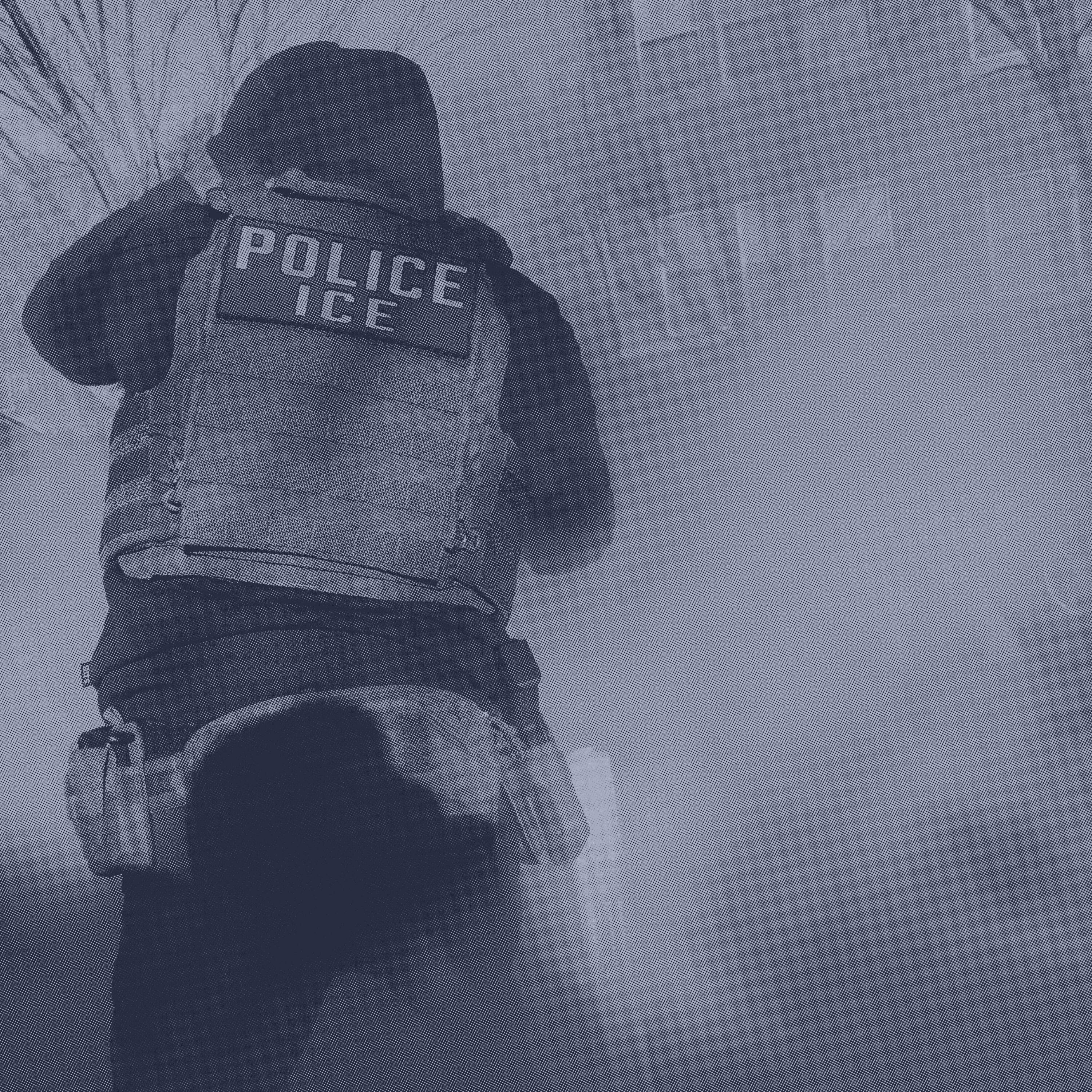
The NPR Politics Podcast
Trump administration doubles down on ICE tactics following Minneapolis shooting
00:21:27
Loading summary
Transcript41 lines
- [00:01]
A
On NPR's wildcard podcast, Heavyweight host Jonathan Goldstein talks about his early years as a writer. I was writing, and no one was buying what I was selling. I just couldn't get anywhere. And I just kept doing it because I felt compelled to do it, like a spider spinning a web. Listen to that wild card conversation on the NPR app or wherever you get your podcasts.
- [00:28]
B
Hey there. It's the NPR Politics podcast for Wednesday, January 14th. I'm Miles Parks. I cover voting.
- [00:34]
C
I'm Ximena Bustillo, and I cover immigration.
- [00:36]
A
And I'm Franco Ordonez. I cover the White House.
- [00:38]
B
And we are recording this podcast at 12:22pm on Wednesday. And today on the show, we're looking at the continuing fallout from the shooting of Renee Macklin Goode in Minnesota. There are a lot of unanswered questions still, including what this will mean for the future of immigration enforcement under President Trump. Ximena, I want to start there. One thing that there have been a lot of questions about in the week or so since the shooting is training. The administration has been rapidly expanding its immigration enforcement efforts, which means a lot of new hires and potentially people put into situations quickly that they haven't been in before. But it's unclear to me on whether that is relevant here when it comes to what happened in Minnesota.
- [01:18]
C
Right. And even Homeland Security Secretary Kristi Noem brought up that the agent that was involved in that shooting had been following his training. And so what the rules and protocols are are something that is being brought up on both side by critics that say that there's not enough training or we need to look at the tactics and protocol. And even the administration that is doubling down saying that everything was followed essentially to a T, you know, beyond just what is the training, what's in the handbook? You know, I've spoken with people formally in the agency that say it's also really important to look out for what is the directive and what is the direction being given by leadership on the ground. And, you know, we really are seeing this tougher language coming directly from those who are involved with the rank and file on the ground, namely Border Patrol Commander Greg Bovino, who has been leading a lot of the operations in the Midwest, you know, gave a deposition where he outlined his thinking.
- [02:21]
A
Have you instructed your officers that they should go hard against people for the way that they're talking, speaking who they're affiliated with and who they're funded with?
- [02:32]
B
Jack, I've told my officers to go.
- [02:36]
A
Hard against people that are advocating threats, violence, death.
- [02:42]
C
And I think One thing to keep in mind here is both what Bovino is saying and, for example, the ICE and Border Patrol use of forest handbooks open up the room for a decent amount of discretion. You know, what does it mean for someone to feel threatened? What does it mean for someone to think that colleagues might be about to face imminent danger? And then the broader question of what is obstruction? Like, when does something cross the line from protesting to intervening, to obstruction, to impeding? And we're seeing this administration, dhs, and the Justice Department use those words, that there was obstruction, that there was impeding on what an officer was doing. But I think one caveat here that is important to note is while the Department of Homeland Security has been promoting that they're doing this hiring surge, they're bringing on, they say, thousands of agents soon to hit the streets. The specific individual in this incident had been with ICE for about 10 years. This is not a person that is going through most recent iterations of new hire training. This is someone that presumably has been doing street arrests for a decade across multiple administrations and mandates. And so, you know, on one hand, it's looking at this incident specifically, what are the rules and regulations for how this specific person should have conducted themselves? And then separately, more broadly, what does this mean in a world in which the administration says they're gonna bring on a bunch of fresh people into these situations?
- [04:23]
B
And I feel like, I guess, I wonder how this also relates to this sort of dramatic approach to immigration enforcement that the administration has been pushing, really, for the entirety of Trump's second term. I feel like every week there's a new video posted on X from the Department of Homeland Security or somebody associated with the administration with very dramatic music, people having guns out, people getting tackled, and the administration really supporting these sort of tactics. Do you feel like this kind of relates to that in any way?
- [04:50]
C
Yeah, that's a really good question. I've had former ICE folks call themselves the silent service. You know, this idea that they have really planned operations, they know who they're targeting, and they can kind of be in and out without the broader population knowing. At the same time, you're right. This administration is making sure everyone sees what they're doing and is really heavily promoting it in a way that clearly points a finger at who to think or who to blame.
- [05:19]
B
There's been so much kind of incendiary language from the president on his immigration enforcement efforts. Have we seen any change in that since this shooting at all?
- [05:28]
A
Yeah, I mean, you can imagine, like any other president, you would expect Some type of effort to kind of de escalate this type of situation. But Trump's never been part of those kind of, you know, norms. I mean, he is definitely not backing down. And if anything, I think you can make the argument that he is escalating what it is. I mean, yesterday he put out a social media post threatening Minnesota with a, quote, day of reckoning and retribution. You know, and he made accusations against the alleged widespread fraud in some of the state's social safety net programs. Even yesterday, when he was talking about this shooting, he seemed to be making a comment about Goode and her wife and kind of painting them as responsible, kind of painting them as agitators. And one of the reasons they're doing these fake riots, I mean, they're just terrible. I mean, you see, it's so fake. Shame, shame, shame. You see the woman, that's all practice. They go practice, they go to areas, they take hotel rooms and they all practice together. It's a whole scam. We're finding out who's funding all this stuff, too. We pretty much know now we should be very clear that he has not given any evidence of this, of why he thinks this is a paid thing. And all the reporting out there about Good and her family doesn't show any indication of these type of connections with some large organized effort.
- [06:51]
B
Yeah, I mean, have you been surprised at all, Franco, on the doubling down? And you mentioned that this is kind of Trump's M.O. to kind of never back down, never apologize for anything. But I'm curious kind of more broadly, seeing, you know, Even Vice President J.D. vance post the video and basically say he knows exactly what happened. There is this sense that the administration is not giving an inch here. Have you been surprised at all by any of this?
- [07:16]
A
No, not really. I mean, this is what he does. I mean, he doubles down every time. I mean, I think this is just a more aggressive example of that. As I said, he sang it repeatedly on the campaign trail. I mean, he went on a, you know, social media storm a bit last night, you know, after his speech at the Economic Council in Detroit. You know, he's claiming that Minnesota is Trump country, saying that he won 78 of the 87 counties. But he's blaming, you know, Minneapolis and St. Paul and the counties around those major cities, and blaming, you know, Representative Omar, who he called disgusting. And he's also complaining a lot about the governor, Governor Walz, who he says is moronic. You know, this is, you know, what Trump does when he feels threatened or pushed back against a wall. He lashes out. I mean, he even threatened to send Treasury Secretary Scott Besant to go after corruption. He said that he's going after corruption across the country, but he made a very clear point that they were going to go after Minnesota first. So, you know, it's attack, attack, attack first.
- [08:22]
C
Yeah. And a really good example of this beyond just the shooting is, you know, Minnesota has also been the administration's first re reviews and reopening of people who have already been admitted as refugees into the country and are living there. So right after the shooting, uscis, which is the part of DHS that oversees immigration applications, they said that they were already reopening 5,600 refugee cases in Minnesota. These are the cases of people who are in the process of becoming lawful permanent residents and getting their green cards as a part of a broader, you know, revetting. And in the vein of language, they literally described this as a war on fraud. And we've seen this language of war and invasion come up time and time again when it comes to immigration enforcement. And they did say that this process began in December and that they're now referring cases to ice. When a case is referred to ice, it's extremely likely that that now means that case is going down a pathway and pipeline for deportation. So, you know, we are seeing this escalation of immigration enforcement and the language around it, particularly in Minnesota, really take shape.
- [09:41]
B
Yeah, I mean, what does ice's presence look like in Minnesota right now following the shooting?
- [09:45]
C
DHS has said that they are sending 2,000 ICE agents to Minnesota. This number had been authorized even before the shooting, so they're doubling down on it. And that's in addition to 800 customs and border Protection agents that they say have been authorized to go. That 2000 number is huge when you think about ICE as an agency. And these are numbers I think I've given before. But at the start of last year, they had 6,000 people that were in the Enforcement and Removal Operations branch of ice, also known as ero, which is, you know, the branch of ICE that does what you think ICE does. So let's say 2,000 of those. That's already a third of what their, you know, personnel number was at the start of last year. Obviously, we know they're working in a task force model. So some of these are not just ero. They are investigators, maybe even lawyers, you know, other folks that might be sent in. But that just kind of puts in perspective the scale of at least what they're saying they're sending.
- [10:53]
A
While the Homeland Security Secretary says this is a way to keep the officers scary if you act low. School officials, they see this as another example of of Trump trying to escalate what's going on and kind of stoking what is already a very hot situation between, you know, federal and local officials.
- [11:10]
B
All right. Let's take a quick break and more on all of this in just a minute.
- [11:16]
A
NPR's podcast, Trump's Terms is your source for same day updates on big news.
- [11:20]
B
About the Trump administration. Short, focused episodes, one topic at a time, about five minutes or so. We carry out reporting from across all of NPR's coverage.
- [11:30]
A
So you are always getting the biggest, most urgent stories.
- [11:33]
B
Listen to Trump's Terms on the NPR app or wherever you get your podcasts. And we're back. And we've been talking about immigration enforcement tactics that we've seen in Minnesota recently, as well as the recent shooting by an ICE officer. Renee Macklin, Goode and Ximena, I'm curious about the investigation that's gonna be into this shooting. I think we're used to after something like this happens nine months down the road, 12 months down the road, there's some sort of bipartisan credible report that comes out that we can all read to understand exactly what happened. Is that going to happen in this instance?
- [12:05]
C
You know, it is really unclear. You know, I think that there are a lot of questions over what kind of oversight is going to happen in a world in which the administration, cabinet members, agency leadership have all already gone out there defended, you know, doubled down, as Franco was really describing earlier. And, you know, to what extent could the agency or could the federal government take that back or, you know, enact any sort of meaningful oversight? We have seen a few different other instances of particularly immigration agents, you know, be put on administrative leave, then quickly brought back. And there's a lot of questions about the integrity of the investigations over their conduct. We know that six lawyers from the U.S. attorney's office in Minnesota have resigned as of this week related to the way that the federal government wants to go about conducting this investigation and kind of the different people they want to look into. And then there is just like the broader question of, you know, is ICE as an agency or DHS as an agency going to follow their own protocol? You know, they gave me a statement where they said that, you know, once the federal bodies or local bodies that typically review these sorts of things, the ICE investigation comes next. But again, there are so many questions about how deep that investigation is going to go at the point in which the leadership has Already basically decided that this was correct conduct.
- [13:44]
B
It's so interesting. I do feel like there is a little bit of a trend in terms of thinking about the Trump administration, Franco, of not really respecting the sort of government oversight efforts that exist within the government. I'm thinking of all the firings of a number of inspectors general, for instance. And I guess I wonder if you see a parallel there, too.
- [14:05]
A
Yeah, I mean, for sure. I mean, look, this administration has said we are going to do it our way and get out of our way. I mean, not only is it the inspectors general, but it's also congressional oversight. I mean, obviously they are pushing Congress out of the way in so many different instances and cases of foreign affairs and ventures, Venezuela, what have you. And I think this is another example of that. You know, from the beginning we've been, you know, reporting on this second administration. A big part of it has been Trump kind of consolidating executive power and expanding his executive power as many ways possible, and immigration and these tactics with ICE and use of ICE in these cities and states, and especially cities where the leaders of those states don't want them. There is a great example of that.
- [14:59]
B
I mean, what role does Congress play here, Jimena, in terms of who is supposed to have oversight over the Department of Homeland Security and over ice?
- [15:06]
C
You know, these agencies are funded by Congress. So that is Congress's role. We have seen Congress run into issues conducting this oversight in the way that they want to. A really good example is, you know, several Democrats have, you know, tried to show up unannounced at detention facilities to, you know, quote, unquote, conduct oversight. And over the summer, DA DHS said, no, you can't do that. You have to give us a seven day warning basically for us to prepare, have resources for you, make sure that we have the personnel to show you around. And Democrats pushed back on that. And essentially they said, no, we fund you, we pay you, we can show up at your door whenever we essentially feel like it. And we saw that escalate after the shooting in Minneapolis, where we saw more Democratic lawmakers try to conduct this kind of oversight. And very quickly after the shooting, Secretary Noem issued a memo tapping into a potential loophole that because these detention centers and certain employees are not funded by regular congressional appropriations and are instead funded by the one big beautiful bill that that is not subject to, the Congress can choose to show up whenever they want privileges. And, you know, that is something that is currently being fought out in court. There will be a decision from a D.C. district on whether or not that memo violates her previous order that said Congress can come and can show up unannounced, but we are, again, kind of seeing all these things take days and weeks and months to play out. And so it really does continue to raise the question of who is doing the oversight, what is that oversight looking, and to what extent is it going to be credible? Is it going to yield results?
- [17:00]
B
Well, and I feel like whenever we talk about whether Congress is motivated or emboldened to do something, it does come back to how do people feel about it, because they are directly responsive, usually to their constituents. And I do think how people perceive this shooting is going to be really interesting to watch. You know, there was an economist YouGov poll that was released yesterday that basically found 50% of people think the shooting was not justified, 30% of people think it was in, 20% of people are unsure. And obviously, these are results that are sharply divided across political lines. But, Franco, I'm curious what you take away, if anything, from those poll results.
- [17:37]
A
Yeah, I mean, I think they kind of speak to why, in some way why President Trump continues to double down. Yes, more Americans view this ICE shooting as unjustified. It is very divided among partisan lines. I mean, if you break it down a little bit more, Democrats, they said 83% say it's unjustified, but only 13% of Republicans say it's unjustified. And I just think it's important to remember that Trump has almost always focused on his base. And you point out, how are Americans going to see this? And Trump is certainly pushing and pushing and pushing about kind of of painting Democrats as trying to defend criminals. But at the same time, I do think, you know, this death and the shooting of good, I think, has raised more attention. And I think you see that as well in these polls. In the polls, 55% of independents do not feel it's justified. And while Trump does focus on his base, he is not on the ballot in the midterm elections. So I do think things could be a little bit different this go round. And I think this is still potential powder keg that could kind of play out for or against the Trump administration.
- [18:58]
B
Jimena, how have you felt like the political landscape has shifted around immigration enforcement in the years since you've been covering this second Trump administration?
- [19:08]
C
That's a good question. And it is hard to say, because while the administration is putting out the cinematic, very flashy videos of what they're doing out in the streets, you don't quite have the same visual access that you did during the Biden years of there are people at the border, there are crowded shelters, there are migrants being bussed. You don't have that. You're not seeing the people in detention centers. You're not seeing the people being put on planes and flown out. I think for both political parties, it is a challenge to message because there isn't really like a set image for either side to fully grab and hold onto and call their own. And so when thinking about how that then interprets on the ground to people who are probably not even thinking about the midterms yet, but will be, it's really hard to say what will ultimately resonate.
- [20:13]
B
Yeah, it's interesting. I feel like the video immediately of the shooting even was basically a Rorschach test in terms of it wasn't like there was an initial universal response to it. And then it's kind of turned to political camps. It was like political camps immediately, which I feel like, yeah, I don't know. I guess that's just 2026 for you, right?
- [20:30]
C
And even with that, it's, you know, what is the message? You know, like, I'm not sure either political party is on the offense with either of that message because the administration is needing to defend itself. And then Democrats are not really united in their message either. Well, I don't. Do you know what I'm trying to say? I feel like everyone was defensive about it.
- [20:59]
A
I think you're right in many ways. And I think even President Trump has been a bit defensive in some interviews where they point out about Renee Macklen Good's family being concerned about it and being concerned about so quickly being labeled a domestic terrorist. At the same time, you know, Trump is Trump. And, you know, as you heard yesterday, you know, he's, he's not backing down. I mean, he's really, you know, attacking these leftist groups, and he's using this as another means for a bigger fight against Democrats and, you know, policies that he thinks are, you know, pushing back against him.
- [21:39]
B
And obviously, we're going to be watching closely as midterms get closer and closer on how voters are thinking about that or whether they're thinking about it at all as they start, you know, heading to vote in just a couple months in primaries. All right, we can leave it there for today. And if you want to make sure you don't miss an episode of the NPR Politics podcast, please be sure to hit the follow button on your favorite podcast app. I'm Miles Parks. I cover voting.
- [22:00]
C
I'm Jimena Bustillo, and I cover immigration.
- [22:02]
A
And I'm Frank Gordonez. I cover the White House.
- [22:04]
B
And thank you for listening to the NPR Politics podcast.