
Podcast
The Optimal Body
Hosted by Dr Jen Fraboni & Dr Dom Fraboni · EN
Join top-40 Physical Therapy Influencer, Doc Jen, and her Physical Therapy husband Dr. Dom, as they bring you the body tips and PT Pearls you need to help you understand your body, relieve your pains and restrictions, and answer your questions. Along with expert guests, the goal of The Optimal Body is to help you discover what optimal means in your own body.
15episodes
Episodes
Newest firstAll episodes
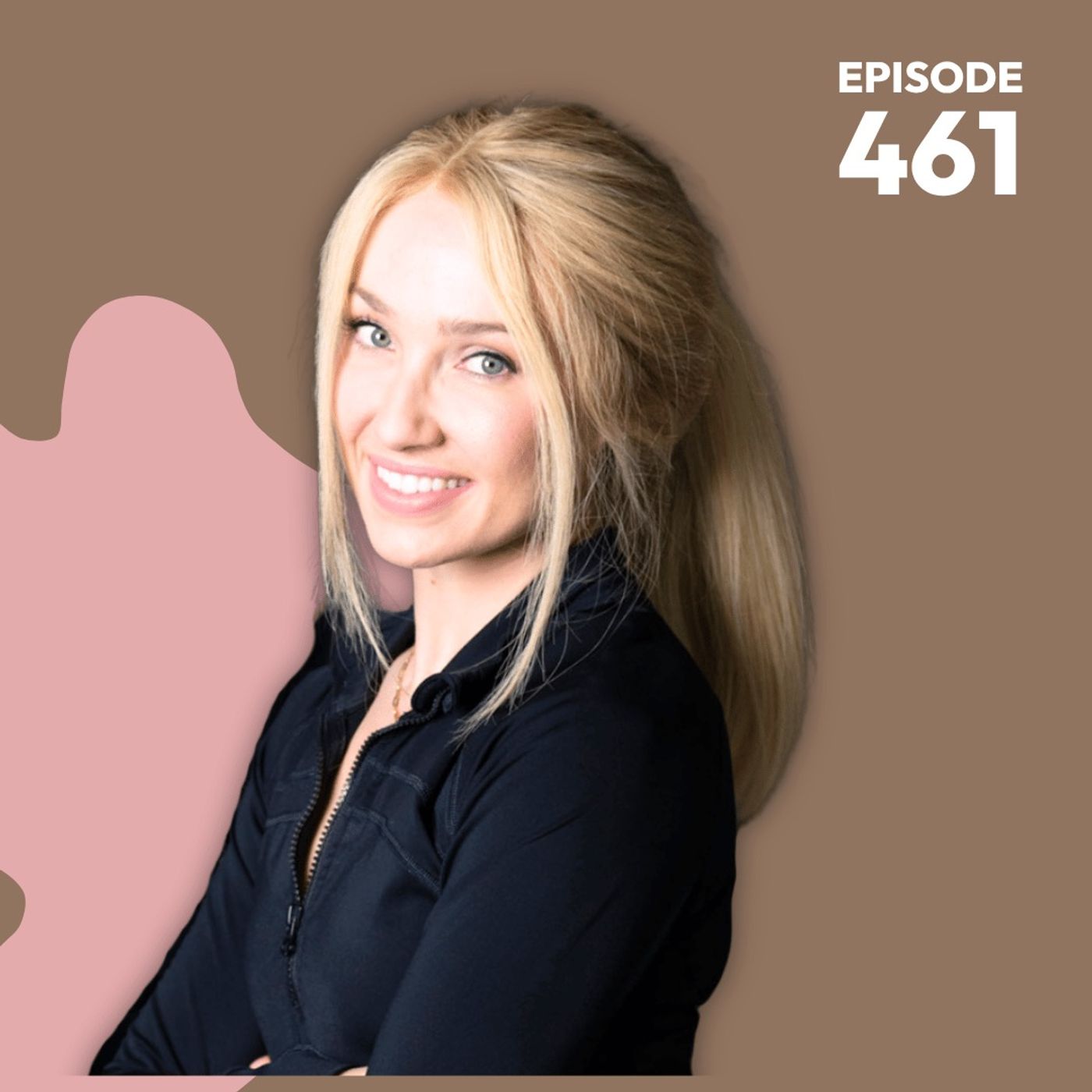
461 | Real Talk about Balance Training and Fall Prevention with Physical Therapist Kelsey Bahr
May 1800:39:51Tap to summarizeIn this episode of the Optimal Body Podcast, Doc Jen and Doctor Dom welcome Dr. Kelsey Barr, a physical therapist specializing in chronic pain and fall prevention. Kelsey shares her journey from fitness to PT, inspired by working with elderly patients and those with Parkinson's disease. She discusses how chronic pain affects the nervous system, the importance of strength and balance training and exercise for aging adults, and her comprehensive approach to fall prevention, including balance training, reactive training, and body awareness. Kelsey also introduces her online program, Safe and Stable Solutions, designed to help people live safer, more independent lives through effective balance training. Zulu Weighted Vest: Upgrade your everyday movement with the ZULU Weighted Vest — designed to increase calorie burn, naturally engage your core, and improve posture with every step. Perfect for walks, workouts, and daily errands. Use code OPTIMAL for 20% off at checkout. Needed Discount: Jen trusted Needed Supplements for fertility, pregnancy, and beyond! Support men and women’s health with vitamins, Omega-3, and more. Used by 6,000+ pros. Use code OPTIMAL for 20% off at checkout! Kelsey's Resources: SASS Website Dr Kelsey on IG SASS on IG SASS on FB Kelsey's Course We Think You'll Love: Lifting for Longevity Jen’s Instagram Dom’s Instagram YouTube Channel For full show notes and resources visit https://jen.health/podcast/461 What You'll Learn: 3:11 Kelsey shares her journey from fitness to physical therapy, and how working with elderly and Parkinson's patients sparked her passion. 8:04 Kelsey explains how fear and a heightened nervous system impact chronic pain, and how she uses breathing to calm patients. 11:13 Kelsey discusses... Hosted by Simplecast, an AdsWizz company. See pcm.adswizz.com for information about our collection and use of personal data for advertising.
Transcribe →
460 | Toe Spacers For Foot Pain? What Does The Research Say?
May 1100:37:11Tap to summarizeIn this episode of the Optimal Body podcast, Doctors of Physical Therapy Doc Jen and Doctor Dom explore the benefits of toe spacers for foot health. They discuss how these simple, affordable devices help counteract toe crowding caused by modern footwear, reducing pain and improving function. Backed by research, toe spacers show benefits for conditions like bunions, plantar fasciitis, Morton's neuroma, and flat feet. They also highlight benefits for balance and neurological conditions. The hosts emphasize that toe spacers work best when combined with targeted foot exercises and proper footwear, offering practical tips for safe and effective use. Zulu Weighted Vest: Upgrade your everyday movement with the ZULU Weighted Vest — designed to increase calorie burn, naturally engage your core, and improve posture with every step. Perfect for walks, workouts, and daily errands. Use code OPTIMAL for 20% off at checkout. Free Foot Health Webinar: Dealing with pain from bunions or plantar fasciitis? Or just interested in how to optimize your foot health overall? Come sign up for Doc Jen's free foot health webinar! We Think You'll Love: Free Foot Health Webinar Jen’s Instagram Dom’s Instagram YouTube Channel For full show notes and resources visit https://jen.health/podcast/460 What You'll Learn: 1:52 The hosts introduce toe spacers, comparing them to pedicure tools and noting their growing popularity among celebrities and athletes. 4:04 A brief history of the original toe spacer concept, introduced in 1914 to address foot conditions caused by toe crowding. 6:58 A 2024 systematic review is cited, showing toe spacers are an effective conservative treatment, especially for hallux valgus (bunions). 8:52 Discussion on how toe spacers can reduce pain, redistribute pressure, and slow the progression of bunions, supported by research. 12:26 Explaining how toe spacers help Morton's neuroma by creating space between the metatarsals, reducing nerve irritation and providing symptom relief. 15:24 How spreading the toes can stretch intrinsic foot muscles, improve blood flow, and redistribute pressure to help heal plantar fasciitis. 18:44 Toe spacers help activate intrinsic foot muscles by providing a gentle stretch, which can improve strength and support for flat feet. 20:52 Discussion on how toe spacers can improve gait in neurological patients, enhance balance, and potentially reduce fall risk as we age. 23:32 The hosts recommend pairing toe spacer use with... Hosted by Simplecast, an AdsWizz company. See pcm.adswizz.com for information about our collection and use of personal data for advertising.
Transcribe →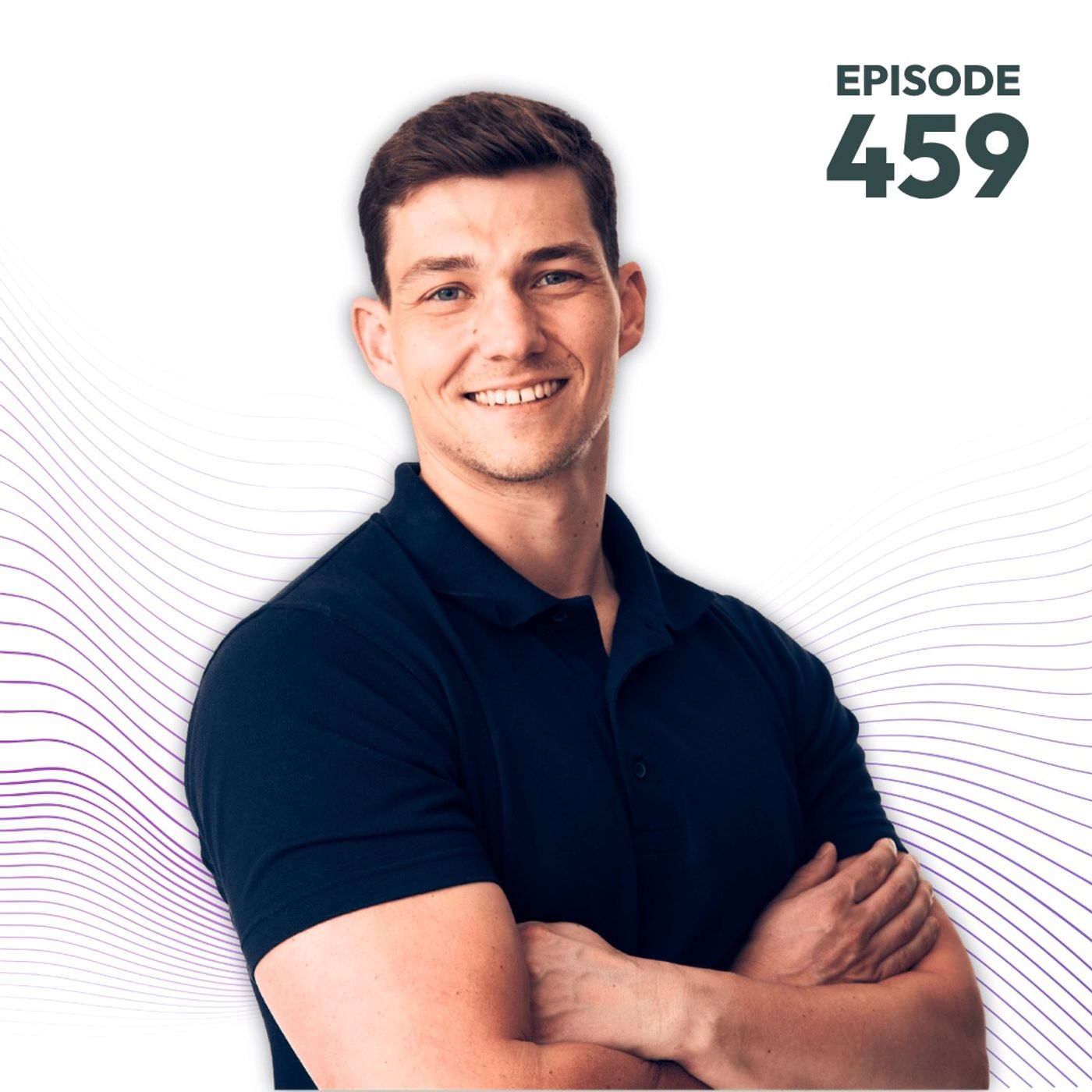
459 | Recipe to Movement Longevity | Staying Strong & Mobile As We Age with Physiotherapist, Will Harlow
May 400:51:20Tap to summarizeIn this episode of the Optimal Body Podcast, Doc Jen and Doctor Dom, both doctors of physical therapy, welcome physiotherapist Will Harlow, who specializes in helping people over 50 maintain independence and achieve movement longevity. Will shares his journey from sports physiotherapy to focusing on older adults and introduces his four pillars of independence: mobility, strength, balance, and skeletal health—all essential for movement longevity. He offers practical advice, including strength training, "balance snacks," and bone-strengthening exercises, emphasizing how these habits contribute to movement longevity. Will also highlights the importance of diet, quality sleep, and social connection for longevity, while addressing common concerns about osteoporosis and arthritis pain. He promotes his new book, "Independence for Life". Lifting for Longevity: Check out our NEW movement longevity course -> Lifting for Longevity! Build your Strength, Mobility, Power, Balance and more regardless of what stage or age you’re at! Podcast listeners get a bonus discount with code OPTIMAL20 Needed Discount: Jen trusted Needed Supplements for fertility, pregnancy, and beyond! Support men and women’s health with vitamins, Omega-3, and more. Used by 6,000+ pros. Use code OPTIMAL for 20% off at checkout! Will's Resources: Will's Website Will on IG Will on FB Will on YouTube Free 7-Day Roadmap We Think You'll Love: Lifting for Longevity Jen’s Instagram Dom’s Instagram YouTube Channel Go HERE for full show notes. What You'll Learn: 4:29 Will describes his career path, leaving pro sports, and discovering his calling in helping people over 50. 9:51 Will shares about working for... Hosted by Simplecast, an AdsWizz company. See pcm.adswizz.com for information about our collection and use of personal data for advertising.
Transcribe →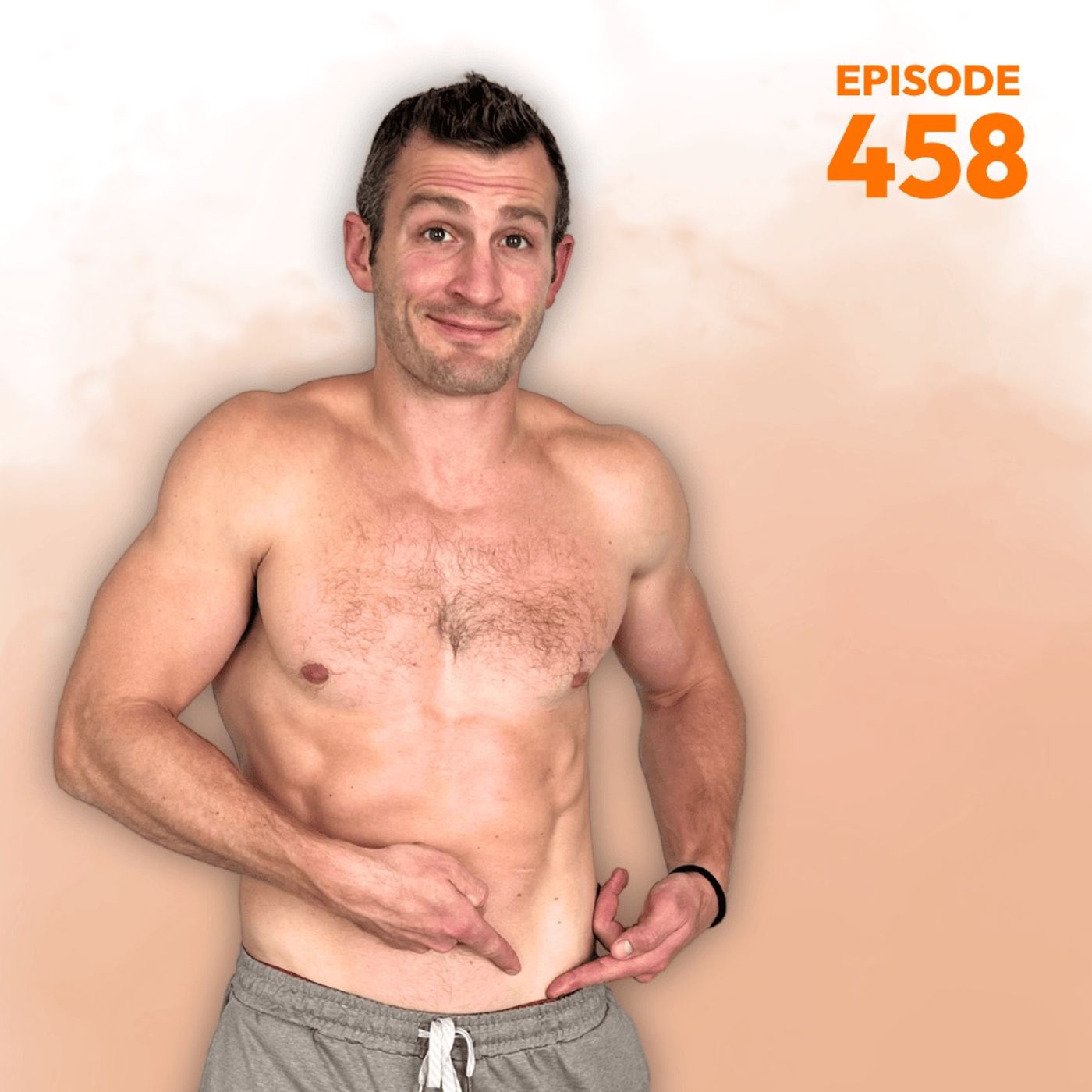
458 | Hernias Explained: Understanding the Treatment Options for Inguinal, Umbilical, and Sports Hernias
Apr 2700:24:15Tap to summarizeIn this episode of the Optimal Body Podcast, doctors of physical therapy, Doc Jen and Doctor Dom, discuss hernias, explaining what they are, their types, causes, and treatment options. They differentiate hernias from conditions like diastasis recti and prolapse, emphasizing that hernias involve a fascial defect requiring surgery. Dr Dom shares her personal experience with bilateral inguinal hernias and inadequate post-surgical rehabilitation. Both hosts stress the importance of core and pelvic floor rehabilitation before and after surgery to manage symptoms and prevent recurrence, encouraging listeners to work with pelvic floor physical therapists and explore their Jen Health core and pelvic floor program. Jen Health Annual Membership Discount: Huge discount on Jen Health Annual Membership! Podcast listeners get over 50% off with code OPTIMAL10. Access 12 Therapy Plans and start your free trial now—move with us! We think You'll Love: Jen Health Annual Sale! Jen’s Instagram Dom’s Instagram YouTube Channel For full episode show notes and resources visit https://jen.health/podcast/458 What You'll Learn: 1:24 Introduction to hernias, their prevalence, and the episode’s goal to explain anatomy, treatment, and recovery. 1:56 Clarifies what a hernia is, types of hernias, and distinguishes hernias from herniated discs and other conditions. 2:54 Explains fascia’s role, causes of hernias (congenital, pressure, trauma), and anatomical weak points. 4:13 Discusses how hernias differ from diastasis recti and prolapse, focusing on tissue stretching versus protrusion. 6:14 Describes the umbrella of pressure-related abdominal canister problems and contributing factors. 6:42 Explains reducible, incarcerated, and strangulated hernias and their clinical significance. 7:31 Details inguinal and umbilical hernias, surgical repair options, recurrence rates, and chronic pain risks. 9:33 Doc Jen shares her experience with inguinal hernia surgery, chronic pain, and lack of post-surgical rehab guidance. 12:08 Highlights the need for core and pelvic floor rehabilitation before and after hernia surgery. 14:35 Discusses research on exercise for hernia management, symptom reduction, and the difference between fixing appearance and function. 16:49 Explains how proper pressure management enables return to activity, even with hernias or diastasis recti. 17:47 Covers the importance of prehab and rehab, timelines for... Hosted by Simplecast, an AdsWizz company. See pcm.adswizz.com for information about our collection and use of personal data for advertising.
Transcribe →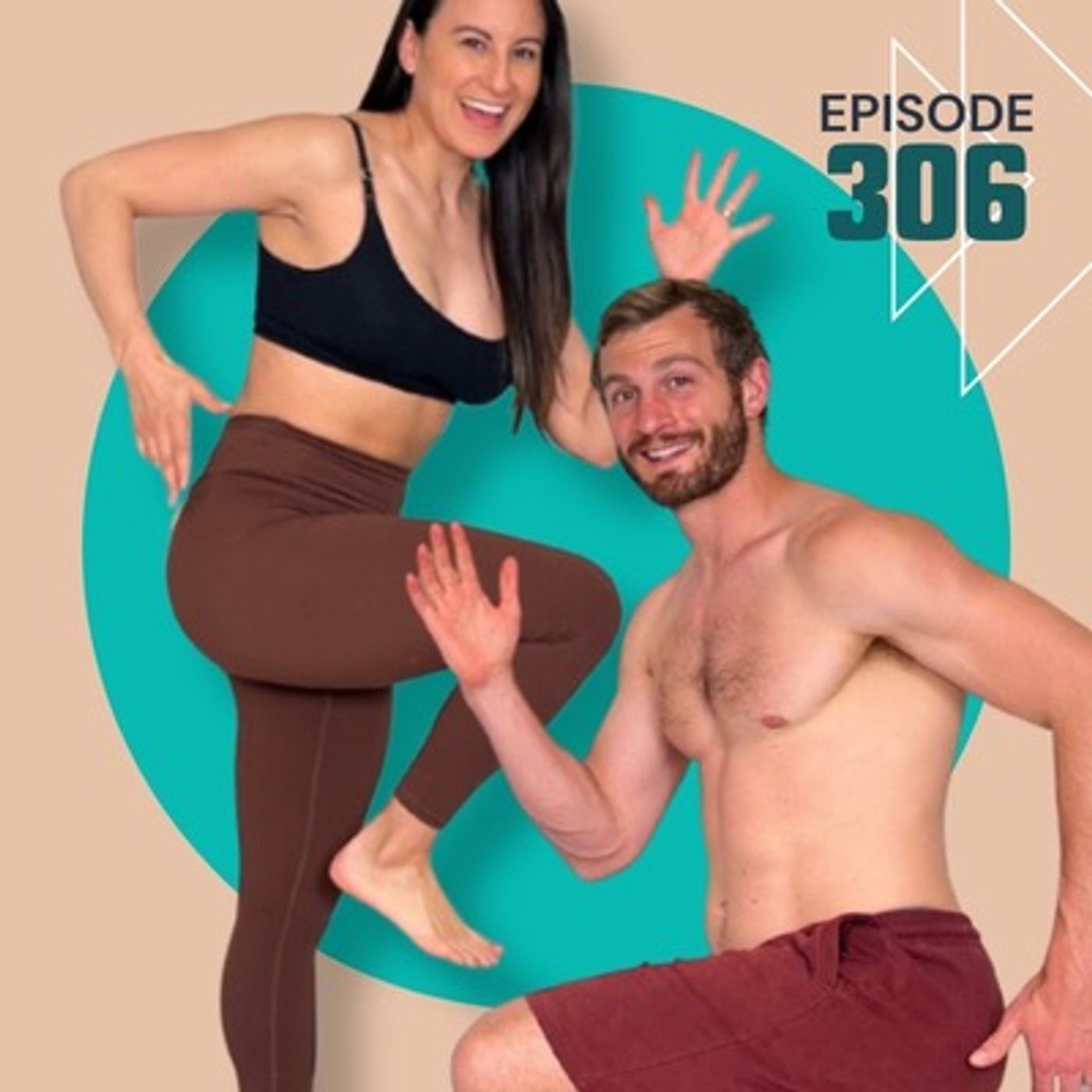
306 | The Science of HIIT Workouts
May 29, 2023Tap to summarizeAre you afraid of HIIT? Perhaps age is holding you back from HIIT? DocJen and Dr. Dom suggest that "high intensity" is relative, which means that it is adaptable and accessible to everyone and anyone. By defining what HIIT is and what it encompasses, they speak about the benefits HIIT has on 5 systems of the body: the cardiovascular and cardiopulmonary system, metabolic/hormonal system, musculoskeletal system, lymphatic system, and the nervous system. Furthermore, they describe how HIIT targets strength and power development, promoting longevity, decreasing fall risk, promoting health after menopause, and surgery rehabilitation, Let's dive into how you can reap the benefits of HIIT in a safe way! Adapting High Intensity for Every Body. DocJen, a doctor of physical therapy, and Jill Miller, a Myofascial expert, come together to bridge the gap between post-rehabilitation and highly functional fitness. Your PT isn’t gonna teach this to you once you finish your rehab and your coach may not have the kinesiological tools to regress speed/intensity/intervals to a level that’s beneficial for your longevity. Who better than Jen and Jill to share with you the Science of Rolling & HIIT and best practices tailored for YOU! This program combines decades of clinical and industry expertise in the worlds of Physical Therapy, mobility, fascia science, HIIT (high-intensity interval training) and regeneration in a mash-up that helps bodies at any age and stage of injury or fitness to prepare their bodies for a successful high-intensity fitness program. You’ll be pampered and prepared with evidence-backed self-myofascial release strategies and learn to integrate your joints, muscles and soft tissues so that intensity will help you rather than harm. You’ll ignite your body and brain’s tactile communication system known as proprioception so that you can better inhabit the shapes of acceleration and decelartion that HIIT targets. You’ll reap the benefits of heart-pounding movement while keeping your joints safe and supple. You’ll also learn breath control and soft tissue recovery tactics that hasten deep sleep and bring you through robust adaptation cycles that gift you a better tomorrow. What You Will Learn In This PT Pearl: 0:34 – What actually is HIIT? 04:51 – Heart, Lung, and Blood Vessel Adaptations: Hypertension and cardiovascular disease 07:28 – Metabolic Adaptations: Blood Sugar Control 09:49 – Muscles, Bones Adaptation: Sarcoponeia, Power Loss, and Fall Risk 14:47 – Impacts on recovery from surgery & optimizing menopause 16:26 – Lymphatic Adaptation: Detoxification 17:43 – Neurologic Adaptation: BDNF and Cognitive health 20:28 – Navigating injuries To Watch the PT Pearl on YouTube, click here: https://youtube.com/watch/ Thank you so much for checking out this episode of The Optimal Body Podcast. If you haven’t done so already, please take a minute to subscribe and leave a quick rating and review of the show! Hosted by Simplecast, an AdsWizz company. See pcm.adswizz.com for information about our collection and use of personal data for advertising.
Transcribe →