
Podcast
The Politics Guys
Hosted by Michael Baranowski · EN
The Politics Guys is an independent, ideologically diverse American politics and policy podcast hosted by experts: political scientists, law professors, and practicing attorneys with government experience. Our mission is to give listeners a much-needed break from conservative and liberal echo chambers through civil, rational, and evidence-based discussion of American politics and policy from multiple perspectives.
58episodes
Episodes
Newest firstAll episodes

Federalist Papers 9 - 10
Apr 2100:19:12Tap to summarizeTrey and Ken explore Federalist Papers No. 9 and 10, focusing on the arguments for a large republic and the dangers of faction. Topics discussed include: The role of factions in democracy Montesquieu and the Anti-Federalist arguments for small republics Hamilton and Madison’s overview of the advantages of a large republic Madison's theory of interest checking interest Hamilton's deep dive into the history of Greece The Politics Guys on Facebook | X Trey’s Substack on the Federalist Papers Listener support helps make The Politics Guys possible. You can support us or change your level of support atpatreon.com/politicsguys or politicsguys.com/support. On Venmo, we’re @PoliticsGuys. The Politics Guys is part of The Democracy Group, a network of podcasts that examines what's broken in our democracy and how we can work together to fix it. Learn more about your ad choices. Visit megaphone.fm/adchoices
Transcribe →
Swalwell Resigns, Trump vs Leo, Orbán Falls, Iran, FISA Section 702
Apr 1701:02:40Tap to summarizeThis week, Trey & Ken begin with Representative Eric Swalwell’s resignation from Congress and his suspended gubernatorial bid. Ken and Trey find themselves at odds over the institutional response. Ken argues that if Swalwell maintains his innocence, he should have stayed to fight the charges, suggesting his presence was a net positive for the Democratic caucus. Trey, however, contends that the resignation is a necessary consequence of his actions and that the party must prioritize moral clarity over political utility. Next, the pair turn to Viktor Orbán and the Fidesz party, conceding defeat to the Tisza party. The guys analyze the ripple effects of this election, particularly the role of Vice President JD Vance’s recent stumping for Orbán. Ken offers a provocative take: that the President used Vance’s Hungarian visit as a tactical maneuver to neutralize a VP who has been quietly skeptical of the ongoing war in Iran, at least behind the scenes. Then, the guys turn to the 10-day ceasefire now in place between Israel and Lebanon and the ongoing maritime landscape shift in response. While there are hopes for reopening the Strait to international commerce, the U.S. naval blockade of Iranian ports remains in full effect. Trey and Ken examine the legal and strategic friction of maintaining an active blockade during a nominal ceasefire, along with the possibility of continued peace after the ceasefire period ends. They also discuss the close war powers vote that occurred in the House. Finally, they close in a moment of agreement. Both Trey and Ken argue that FISA Section 702, despite the President’s recent calls for renewal, has become incompatible with American civil liberties. They discuss why they believe the program, plagued by a history of abuse and the potential for future overreach, belongs in the dustbin of history. Check out the Future of Our Former Democracy podcast Curious about what sort of POTUS you’d be? Find out in the Fantasy President presidential simulator. The Politics Guys on Facebook | X Listener support helps make The Politics Guys possible. You can support us or change your level of support at patreon.com/politicsguys or politicsguys.com/support. On Venmo, we’re @PoliticsGuys. The Politics Guys is part of The Democracy Group, a network of podcasts that examines what's broken in our democracy and how we can work together to fix it. Learn more about your ad choices. Visit megaphone.fm/adchoices
Transcribe →
The New Rules of Politics: Know Your Coalition
Apr 1400:19:09Tap to summarizeIn this supporters’ exclusive midweek episode, Mike and Michael examine political behavior through coalition dynamics rather than broad public opinion, using Fenno’s framework of multiple constituencies to show why smaller, more engaged groups—especially base voters, donors, and close advisors—often exert disproportionate influence. The discussion explores how electoral incentives like primaries, safe seats, turnout differences, and the Electoral College push politicians toward electoral efficiency, targeting the voters and funders who matter most rather than maximizing overall support. It also analyzes complications such as misjudging coalition strength, managing internal divisions, the growing role of out-of-district money, and the tension between acting as a delegate versus a trustee, concluding with the importance of negative partisanship and offering a simple heuristic: political choices are largely driven by who politicians need to keep satisfied to win and maintain power. The Politics Guys on Facebook | X Listener support helps make The Politics Guys possible. You can support us or change your level of support at patreon.com/politicsguys or politicsguys.com/support. On Venmo, we’re @PoliticsGuys. The Politics Guys is part of The Democracy Group, a network of podcasts that examines what's broken in our democracy and how we can work together to fix it. Learn more about your ad choices. Visit megaphone.fm/adchoices
Transcribe →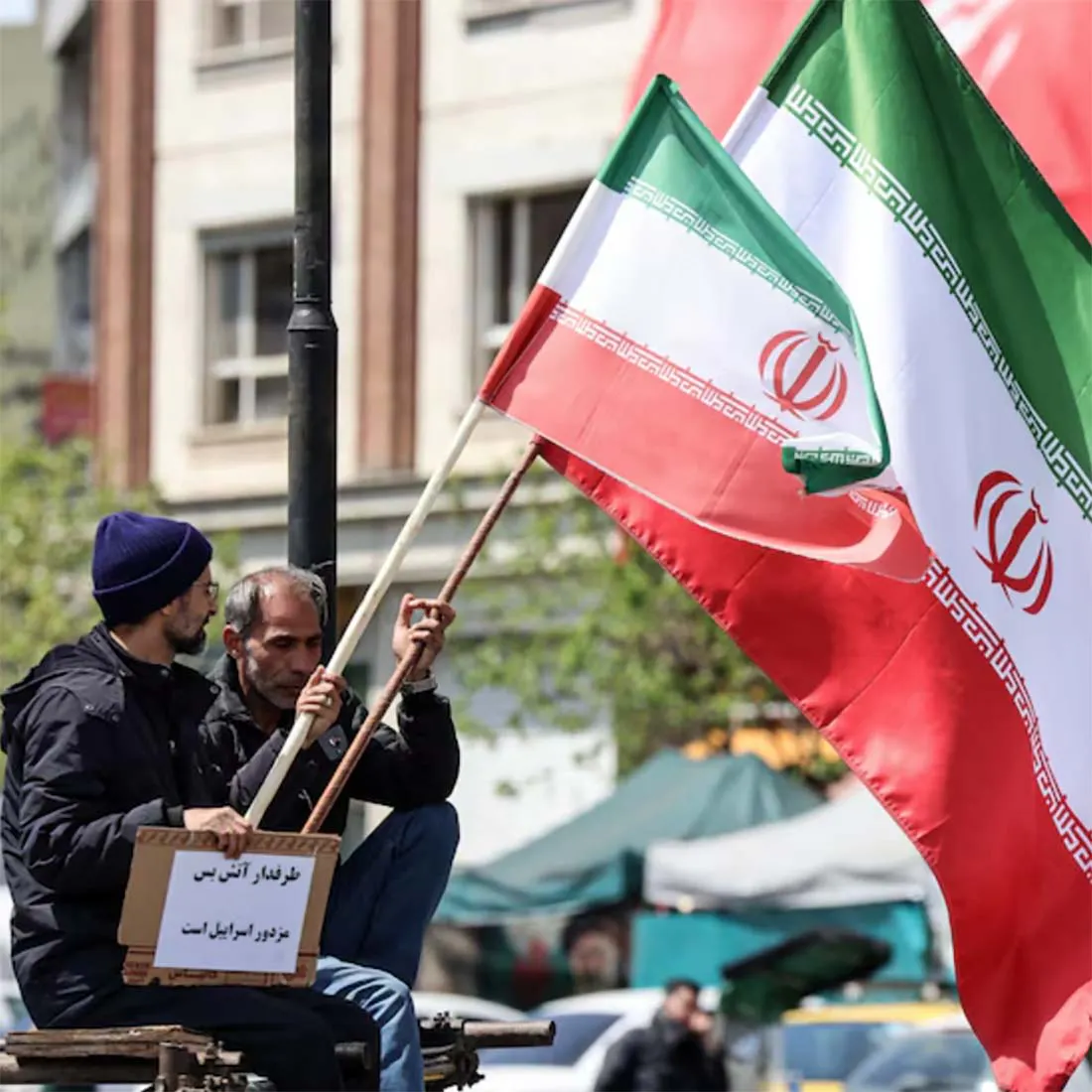
Ceasefires, Culture Wars, and Constitutional Clashes
Apr 1101:08:14Tap to summarizeMike and Jay open with the Iran conflict, debating whether the U.S.-Israel war achieved meaningful strategic gains or left America in a weaker position. Mike argues the ceasefire looks like a premature declaration of victory that strengthened Iran’s leverage, while Jay contends degrading Iran’s military and leadership are meaningful steps toward long-term goals like regime change or limiting its regional power. Next, they turn to the Trump administration’s rollback of transgender student protections, focusing on whether Title IX legally covers gender identity. Mike emphasizes that both statutory text and legislative history point clearly to biological sex, though he’s open to updating the law legislatively, while Jay agrees the prior interpretation was legally unsound but warns that aggressive federal enforcement against local districts risks overreach beyond core issues like sports. After that, the guys discuss recent elections in Wisconsin and Georgia and the broader pattern of Democratic overperformance in special elections. Mike argues the results largely track historical midterm dynamics rather than signaling a historically large wave, while Jay cautions against overinterpreting low-turnout, high-spending special elections but agrees Republicans should view the trend as a warning sign. Finally, they close with the Justice Department’s claim that the Presidential Records Act is unconstitutional, raising deeper separation-of-powers questions. Mike suggests the law may improperly intrude on executive authority, especially given its record-creation requirements, while Jay agrees the executive can challenge such statutes but emphasizes the courts will ultimately decide, highlighting the tension between transparency norms and constitutional structure. Check out the Future of Our Former Democracy podcast Curious about what sort of POTUS you’d be? Find out in the Fantasy President presidential simulator. The Politics Guys on Facebook | X Listener support helps make The Politics Guys possible. You can support us or change your level of support at patreon.com/politicsguys or politicsguys.com/support. On Venmo, we’re @PoliticsGuys. The Politics Guys is part of The Democracy Group, a network of podcasts that examines what's broken in our democracy and how we can work together to fix it. Learn more about your ad choices. Visit megaphone.fm/adchoices
Transcribe →
Political Ideologies: Fascism
Apr 700:15:39Tap to summarizeIn this supporter-exclusive midweek episode, Trey is joined by Justin, and they conclude their exploration of the classic political ideologies with a deep dive into Fascism. On this week’s show, Trey and Justin discuss: Fascism’s rejection of reason and its rejection of Enlightenment rationality. The centrality of violence and struggle as an enduring premise of fascism. How fascism holds the past as idyllic goal that that will lead to greatness in response to a degenerate modernity. Fascism’s rejection of democracy with a specific focus on Carl Schmitt’s critique parliamentary democracy in which Schmitt argues that a singular leader can be more authentic to a peoples will than a process of voting. The Politics Guys on Facebook | X Trey’s Substack on the Federalist Papers Listener support helps make The Politics Guys possible. You can support us or change your level of support atpatreon.com/politicsguys or politicsguys.com/support. On Venmo, we’re @PoliticsGuys. The Politics Guys is part of The Democracy Group, a network of podcasts that examines what’s broken in our democracy and how we can work together to fix it. Learn more about your ad choices. Visit megaphone.fm/adchoices
Transcribe →
Bondi Fired, SCOTUS on Conversion Therapy, Trump’s Birthright Citizenship Battle, Mail-In Voting Executive Order, Trump’s Iran Speech
Apr 301:04:43Tap to summarizeOn this Good Friday edition of the Politics Guys, Trey is joined by Justin, and the duo dives into a chaotic week of personnel changes at the Justice Department and Pentagon, significant Supreme Court rulings, and the President's personal appearance at the high court. First, the guys open with the sudden firing of Attorney General Pam Bondi after a 14-month tenure. Despite her loyalty, Trey argues that President Trump is trying to create a far more unitary executive branch. The pair also includes a discussion of Defense Secretary Pete Hegseth’s recent firings, which include Army Chief of Staff General Randy George and General David Honder. Justin argues that the strategy is clear: bomb things. They both also laugh about Hegseth getting involved in a flyby of Kid Rock’s house. Next, they move to the Supreme Court’s 8-1 ruling in Chile v. Solars, which challenged Colorado’s ban on conversion therapy for licensed counselors. While the law wasn't fully struck down, Trey outlines how the Court directed lower courts to apply the strict scrutiny standard. Justin and Trey debate the boundary between regulating medical practice and protecting professional speech. After that, they move to a historic first: a president personally attending oral arguments at the Supreme Court. In this case, it was President Trump personally attending regarding his executive order to end birthright citizenship. Trey highlights the President's post-hearing comments where he labeled the justices "stupid people" for insisting on their independence from the man who appointed them. The pair discuss the tension between this action and the constitutional separation of powers. Then it is a move to the executive order directing the Department of Homeland Security and the Postal Service to create a master list of confirmed citizens. The order threatens election workers with prosecution if they issue ballots to those deemed ineligible by the federal government. Justin explores the federalism concerns of the executive branch intervening in state-run elections. They close the show by reviewing President Trump’s Wednesday night address on the conflict in Iran. Trump claimed military success and suggested operations could conclude in two to three weeks, despite the ongoing closure of the Strait of Hormuz and a proposed trillion-dollar defense budget. Trey ends the show discussing the challenges of modern warfare, asymmetric warfare, where drones and missiles often bypass traditional air superiority. The Politics Guys on Facebook | X Trey’s Substack on the Federalist Papers Listener support helps make The Politics Guys possible. You can support us or change your level of support atpatreon.com/politicsguys or politicsguys.com/support. On Venmo, we’re @PoliticsGuys. The Politics Guys is part of The Democracy Group, a network of podcasts that examines what’s broken in our democracy and how we can work together to fix it. Learn more about your ad choices. Visit megaphone.fm/adchoices
Transcribe →
Federalist Papers 6 - 8
Mar 3100:12:30Tap to summarizeTrey and Ken transition from the writings of John Jay to Alexander Hamilton in this week’s midweek Federalist Papers show. Topics discussed include: Hamilton’s deeply pessimistic view of human conduct and his response to the idea that democracies or commercial republics are inherently peaceful. A deep dive into the four specific triggers Hamilton believed would afflict a disunited America, including the massive Revolutionary War debt. Hamilton’s warning that disunion would force states to adopt the fortified borders and standing armies of Europe. The Politics Guys on Facebook | X Trey’s Substack on the Federalist Papers Listener support helps make The Politics Guys possible. You can support us or change your level of support atpatreon.com/politicsguys or politicsguys.com/support. On Venmo, we’re @PoliticsGuys. The Politics Guys is part of The Democracy Group, a network of podcasts that examines what's broken in our democracy and how we can work together to fix it. Learn more about your ad choices. Visit megaphone.fm/adchoices
Transcribe →
DHS Funding, Iran Rejects U.S. Peace Plan, $580 Million in Well-Timed Bets, Democrats Flip Florida 87, FBI Data Shopping
Mar 2700:59:33Tap to summarizeOn this week’s show, Trey and Ken discuss why the Senate funded the TSA while excluding ICE, along with the legality of President Trump’s plan to pay workers using a slush fund from last year’s tax bill. Next, they move to Iran’s rejection of the U.S.’s 15-point peace plan and the administration's controversial preventative self-defense justification filed with the UN. After that, they turn to the allegations of insider trading, including a $580 million spike in oil bets placed minutes before President Trump’s social media posts and the rise of the prediction markets as a feature of modern warfare. The pair then moves to the Mar-a-Lago upset, which saw Democrat Emily Gregory’s 19-point flip of Florida House District 87, and how the shift in suburban voters may stall Florida’s gerrymandering efforts. Trey and Ken close the show looking at how the FBI has potentially used a loophole in the Fourth Amendment to bypass warrants by purchasing bulk location data from commercial brokers. The Politics Guys on Facebook | X Trey’s Substack on the Federalist Papers Listener support helps make The Politics Guys possible. You can support us or change your level of support atpatreon.com/politicsguys or politicsguys.com/support. On Venmo, we’re @PoliticsGuys. The Politics Guys is part of The Democracy Group, a network of podcasts that examines what's broken in our democracy and how we can work together to fix it. Learn more about your ad choices. Visit megaphone.fm/adchoices
Transcribe →
The New Rules of Politics: Follow The Money
Mar 2400:18:06Tap to summarizeIn this supporters’ exclusive midweek episode, Mike and Michael discuss the first New Rule of Politics (which is also an old rule of politics): follow the money. Mike contends that money is the most visible and measurable driver of political incentives, arguing that while it rarely buys votes outright, it is essential for viability and influence. Mike emphasizes how campaign finance evolved into a system where legal, structural incentives prioritize access and donor influence over outright corruption, while Michael highlights how massive spending, small-donor dynamics, and technological targeting reinforce polarization and keep the system escalating. The guys close with the practical implications: money signals who is viable, shapes which issues get attention, and determines who gets access to policymakers. Mike argues that donors—especially large ones—buy influence rather than outcomes, while Michael underscores that even well-intentioned politicians are constrained by these incentives, leaving ordinary citizens with limited direct influence. The Politics Guys on Facebook | X Listener support helps make The Politics Guys possible. You can support us or change your level of support at patreon.com/politicsguys or politicsguys.com/support. On Venmo, we’re @PoliticsGuys. The Politics Guys is part of The Democracy Group, a network of podcasts that examines what's broken in our democracy and how we can work together to fix it. Learn more about your ad choices. Visit megaphone.fm/adchoices
Transcribe →
War with Iran, Illinois Primaries, and the Politics of Election Integrity
Mar 2101:05:43Tap to summarizeMike and Russ open with a discussion of the ongoing U.S.–Israel war with Iran, focusing on rising costs, limited military capacity, and unclear strategic objectives. Mike frames the conflict as a mix of presidential preference for displays of strength and structural constraints, while Russ argues the war exposes a disconnect between public opinion and foreign policy, emphasizing skepticism of regime change and questioning whose interests are actually being served. Next, they turn to the Illinois primary elections, highlighting progressive Lieutenant Governor Julianna Stratton’s Senate primary win and the mixed results for progressive candidates in House races amid heavy outside spending. Mike sees the results as favoring institutionally backed “pragmatic progressives” and boosting Governor Pritzker’s national profile, while Russ views the outcomes as evidence of growing grassroots progressive momentum despite financial disadvantages and electoral losses. The guys close with a broader reflection on political incentives and public perception, with Mike emphasizing how narratives around voter fraud can be politically useful regardless of factual basis, and Russ warning that the success of such narratives points to deeper issues in political literacy and the ability of leaders to shape reality for their supporters. Check out the Future of Our Former Democracy podcast The Politics Guys on Facebook | X Listener support helps make The Politics Guys possible. You can support us or change your level of support at patreon.com/politicsguys or politicsguys.com/support. On Venmo, we’re @PoliticsGuys. The Politics Guys is part of The Democracy Group, a network of podcasts that examines what's broken in our democracy and how we can work together to fix it. Learn more about your ad choices. Visit megaphone.fm/adchoices
Transcribe →