
Podcast
The Politics Guys
Hosted by Michael Baranowski · EN
The Politics Guys is an independent, ideologically diverse American politics and policy podcast hosted by experts: political scientists, law professors, and practicing attorneys with government experience. Our mission is to give listeners a much-needed break from conservative and liberal echo chambers through civil, rational, and evidence-based discussion of American politics and policy from multiple perspectives.
58episodes
Episodes
Newest firstAll episodes
Federalist Papers 2 - 5
Mar 1700:15:58Tap to summarizeTrey and Ken unlock Jay’s the Federalist Papers' No 2 - 5. In this episode, the pair examine how Jay envisioned a unified nation's path to peace, strength, and global influence. Topics include Jay’s Hobbesian vision and perspective of a war where decentralized American states invites chaos, while a united America deters foreign aggressors from Europe. The hosts also overview Jay’s views on the need for a singular national identity and how he saw a powerful national government as being more likely to obey international law. Join Trey and Ken as they explore the details of why Jay was in favor of a strong, centralized leadership to secure America’s future internationally. The Politics Guys on Facebook | X Trey’s Substack on the Federalist Papers Listener support helps make The Politics Guys possible. You can support us or change your level of support atpatreon.com/politicsguys or politicsguys.com/support. On Venmo, we’re @PoliticsGuys. The Politics Guys is part of The Democracy Group, a network of podcasts that examines what's broken in our democracy and how we can work together to fix it. Learn more about your ad choices. Visit megaphone.fm/adchoices
Transcribe →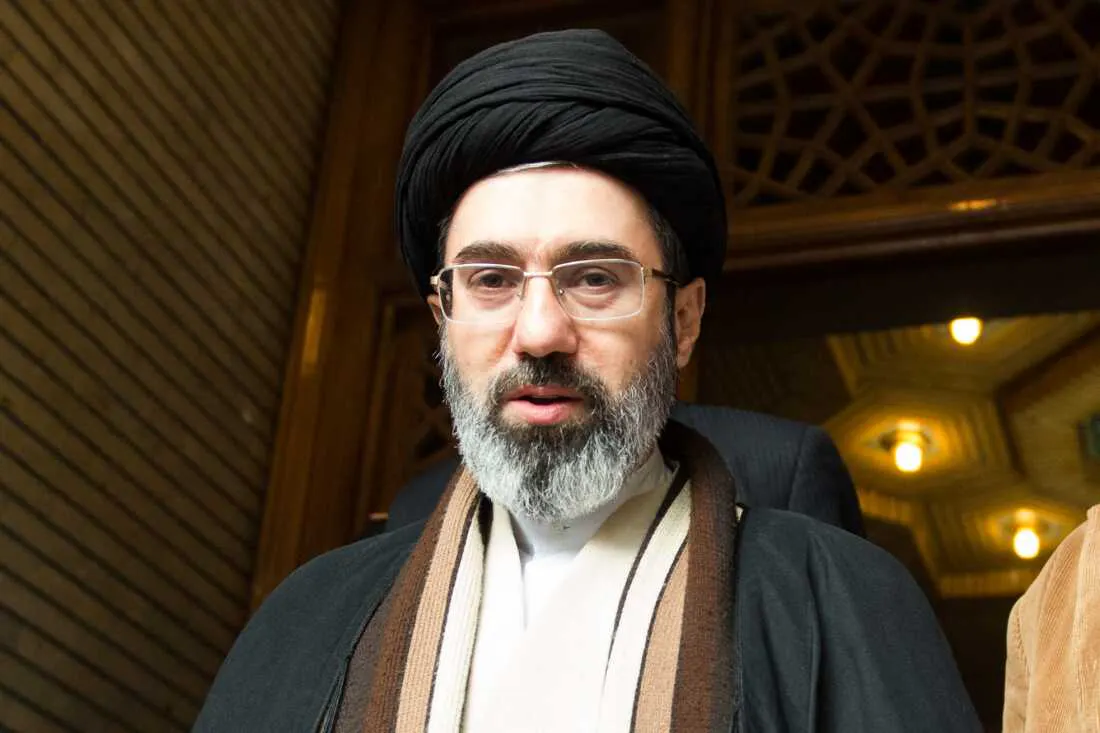
Mojtaba Khamenei, The Kushner Doctrine, Trump’s Legislative Ultimatum, DHS Ongoing Shutdown
Mar 1300:57:18Tap to summarizeIn this episode, Trey and Ken delve into Iran's leadership transition and the strategic impact of recent U.S. and Israeli military actions. They explore the internal dynamics of Iran's regime and the role of Jared Kushner's shadow diplomacy in escalating tensions, potentially sparking new conflicts with Cuba. The discussion shifts to domestic terrorism, examining links to recent radicalized attacks on U.S. soil and debating the potential necessity of reopening the DHS amid heightened security risks. The episode concludes with an analysis of Trump's legislative strategy, focusing on the implications of the Save America Act. The Politics Guys on Facebook | X Trey’s Substack on the Federalist Papers Listener support helps make The Politics Guys possible. You can support us or change your level of support atpatreon.com/politicsguys or politicsguys.com/support. On Venmo, we’re @PoliticsGuys. The Politics Guys is part of The Democracy Group, a network of podcasts that examines what's broken in our democracy and how we can work together to fix it. Learn more about your ad choices. Visit megaphone.fm/adchoices
Transcribe →
The New Rules of Politics: Introduction
Mar 1000:19:48Tap to summarizeIn this preview of the midweek supporters' exclusive show, Mike and Michael introduce The New Rules of Politics, a new series aimed at explaining modern American politics through incentives, institutions, and systemic dynamics rather than personalities. Mike argues that many traditional ways of interpreting politics no longer work because the broader environment—especially technology, media, and political rules—has changed faster than the institutions governing politics can adapt. The conversation explores how structural factors such as low-turnout primaries, the nationalization of politics, changes in media business models, and the growing influence of money in campaigns shape who succeeds in politics and how they behave once in office. They also discuss declining public trust in institutions, the possibility that figures like Donald Trump are products of modern political incentives rather than unique anomalies, and the difficulty of meaningful constitutional or institutional reform in an era of deep polarization. The Politics Guys on Facebook | X Listener support helps make The Politics Guys possible. You can support us or change your level of support at patreon.com/politicsguys or politicsguys.com/support. On Venmo, we’re @PoliticsGuys. The Politics Guys is part of The Democracy Group, a network of podcasts that examines what's broken in our democracy and how we can work together to fix it. Learn more about your ad choices. Visit megaphone.fm/adchoices
Transcribe →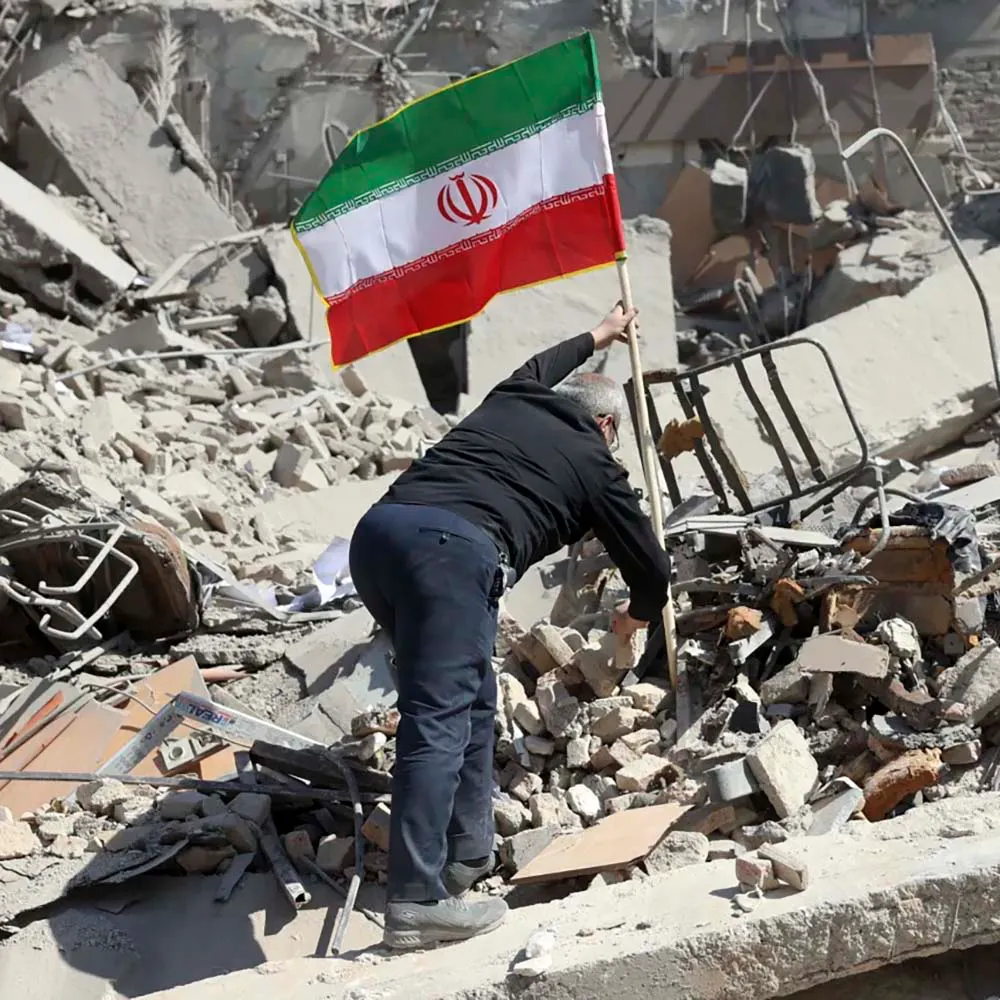
Iran War, Midterm Tea Leaves, Trump Fires Noem
Mar 601:09:29Tap to summarizeMike and Michael open with a discussion of the widening U.S.–Israel conflict with Iran and the debate over whether President Trump’s military action constitutes a limited campaign or the start of a broader regional war. Mike argues the strike is risky but legally permissible under the War Powers Resolution and sees multiple plausible rationales for it, while Michael contends it amounts to an illegal war that bypassed Congress and risks unintended consequences both geopolitically and domestically. Next, the guys analyze the first major signals from the 2026 midterm cycle after primaries in Texas and North Carolina and consider whether Democrats could plausibly take back the Senate. Michael argues the expanding map and several competitive races suggest the Senate may genuinely be in play for Democrats, while Mike is more skeptical and sees something like a 50–50 Senate as the best realistic outcome for Democrats, noting the growing number of Republican retirements as a strong indicator that Democrats are very likely to capture the House. They close with a look at President Trump’s firing of Homeland Security Secretary Kristi Noem and the surprising decision to nominate Senator Markwayne Mullin as her replacement. Michael argues Noem’s removal followed mounting scandals and leadership failures, but warns Mullin’s appointment signals an unserious approach to governing, while Mike suggests Trump prioritizes loyalty and public messaging over managerial competence in choosing high-profile cabinet figures. The Politics Guys on Facebook | X Listener support helps make The Politics Guys possible. You can support us or change your level of support at patreon.com/politicsguys or politicsguys.com/support. On Venmo, we’re @PoliticsGuys. The Politics Guys is part of The Democracy Group, a network of podcasts that examines what's broken in our democracy and how we can work together to fix it. Learn more about your ad choices. Visit megaphone.fm/adchoices
Transcribe →
Glyphosate, Gabbard, and the USPS
Mar 300:19:29Tap to summarizeMike and Trey open this supporters' exclusive midweek episode with President Trump’s Defense Production Act order boosting domestic glyphosate production amid lawsuits and MAHA backlash, with Mike arguing that the weight of scientific evidence does not support typical-use carcinogen claims while warning against reflexive “chemicals are toxins” thinking, and Trey emphasizing the real policy tension between potential health risks and the massive food price shocks that would follow an abrupt ban, especially given agricultural and national security dependencies. Next, they examine the whistleblower complaint involving DNI Tulsi Gabbard and the White House’s executive privilege claim, with Trey skeptical of shielding information already deemed non-credible by inspectors general and questioning why even the Gang of Eight cannot review it, and Mike arguing that the privilege rationale is strained and reflects a broader pattern of prioritizing loyalty over institutional competence in key national security roles. After that, the guys dig into the Supreme Court’s USPS immunity ruling, with Mike contending that the majority stretched ordinary meanings of “loss” and “miscarriage” to create what amounts to a blanket shield against intentional non-delivery claims, and Trey arguing the decision ignores statutory context and undermines accountability—particularly troubling given allegations of racially motivated mail withholding in the underlying case. The Politics Guys on Facebook | X Listener support helps make The Politics Guys possible. You can support us or change your level of support at patreon.com/politicsguys or politicsguys.com/support. On Venmo, we’re @PoliticsGuys. The Politics Guys is part of The Democracy Group, a network of podcasts that examines what's broken in our democracy and how we can work together to fix it. Learn more about your ad choices. Visit megaphone.fm/adchoices
Transcribe →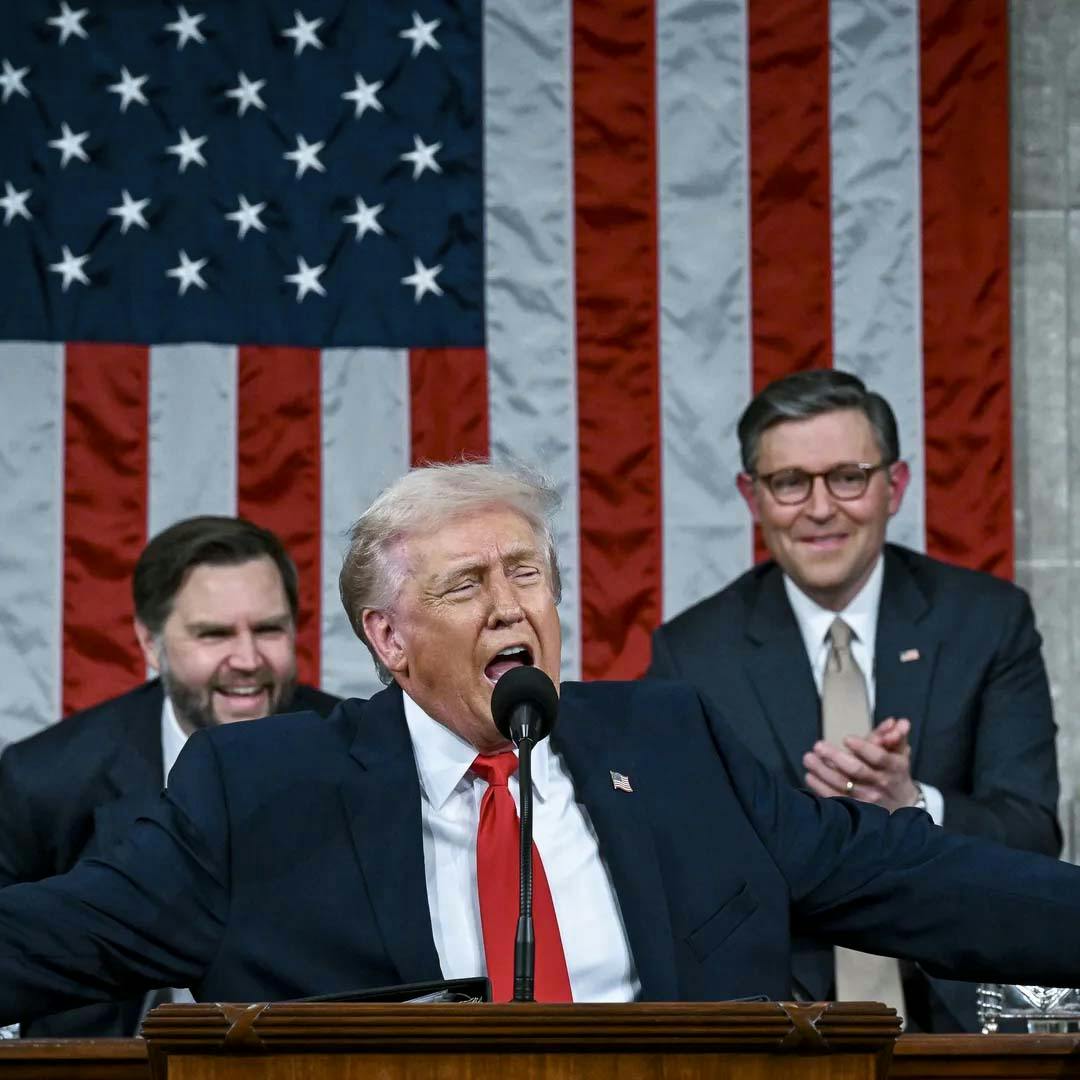
Trump’s SOTU, Tariff Ruling Aftermath, The Pentagon’s AI Power Play
Feb 2801:01:58Tap to summarizeMike and Trey open with a breakdown of President Trump’s State of the Union address, focusing on the political strategy behind the speech and what it signals about governing priorities in a divided environment. Mike argues that the address was less about persuasion and more about consolidating partisan narratives, while Trey contends that the more revealing story was how much of the address leaned on grievance and spectacle Next, the guys turn to the Supreme Court’s ruling blocking the administration’s use of IEEPA to impose tariffs, unpacking the majority and dissenting arguments and what it means for executive power in trade policy. Mike makes a case for the dissenters' position, while Trey argues that the practical impact may be limited because the administration can pivot to other trade statutes and keep much of its tariff agenda alive. After that, they discuss the Pentagon’s threat to label Anthropic a “supply chain risk,” exploring the tension between national security control and private-sector AI development. Mike raises concerns about how broadly the designation could be used to pressure firms into compliance, while Trey highlights the practical question of how dependent the Defense Department and its contractors have already become on frontier AI systems. The guys close by reflecting on how these three stories—presidential messaging, judicial constraint, and AI leverage—illustrate an ongoing struggle over institutional power in an era of rapid technological and geopolitical change. The Politics Guys on Facebook | X Listener support helps make The Politics Guys possible. You can support us or change your level of support at patreon.com/politicsguys or politicsguys.com/support. On Venmo, we’re @PoliticsGuys. The Politics Guys is part of The Democracy Group, a network of podcasts that examines what's broken in our democracy and how we can work together to fix it. Learn more about your ad choices. Visit megaphone.fm/adchoices
Transcribe →
The Politics Guys Present: The U.S. Constitution, Article I, Section 9
Feb 2500:50:08Tap to summarizeThe Politics Guys analyze the U.S. Constitution. In this episode, they focus on: Article I, Section 9 Habeas Corpus Bills of Attainder Ex Post Facto Laws, The Emoluments Clause Read Trey's Substack for a deep dive into the Federalist Papers The Politics Guys on Facebook | X Check out the excellent Sustainable Planet podcast. Listener support helps make The Politics Guys possible. You can support us or change your level of support atpatreon.com/politicsguys or politicsguys.com/support. On Venmo, we’re @PoliticsGuys. The Politics Guys is part of The Democracy Group, a network of podcasts that examines what's broken in our democracy and how we can work together to fix it. Learn more about your ad choices. Visit megaphone.fm/adchoices
Transcribe →
Political Ideologies: Nationalism
Feb 2400:15:05Tap to summarizeIn this week’s supporters’ exclusive midweek show, Justin and Trey continue their examination of political ideologies. This week, they dive into nationalism and its more extreme version, facism. They cover the definition of a nation and a national identity empirically, before exploring what a nationalist believes as an ideology. The Politics Guys on Facebook | X Listener support helps make The Politics Guys possible. You can support us or change your level of support atpatreon.com/politicsguys or politicsguys.com/support. On Venmo, we’re @PoliticsGuys. The Politics Guys is part of The Democracy Group, a network of podcasts that examines what's broken in our democracy and how we can work together to fix it. Learn more about your ad choices. Visit megaphone.fm/adchoices Learn more about your ad choices. Visit megaphone.fm/adchoices
Transcribe →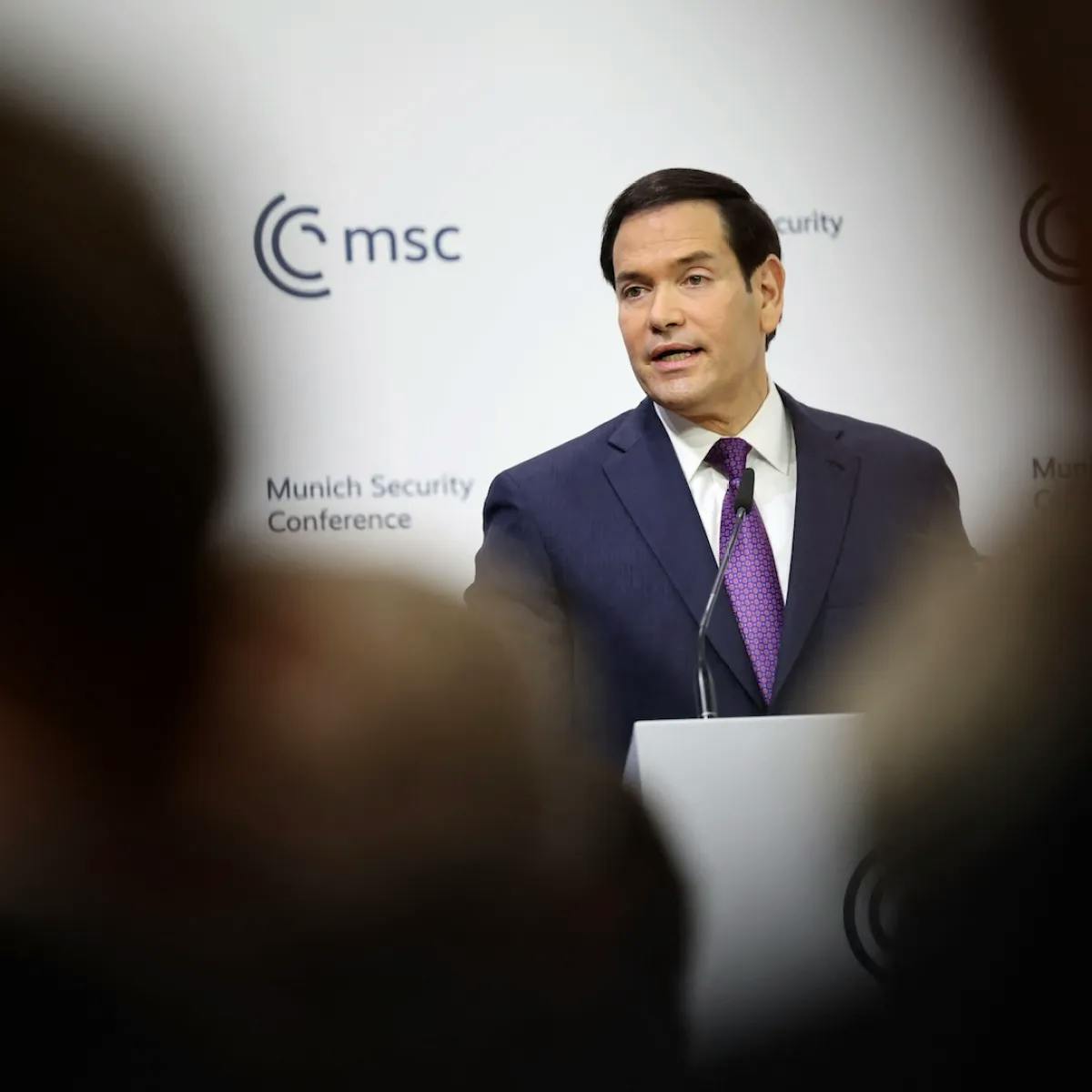
Rubio’s Speech, The Supreme Court on Tariffs, Jesse Jackson, Iran vs the U.S.
Feb 2101:05:36Tap to summarizeTrey and Justin open with a deep discussion of Secretary of State Marco Rubio’s 2026 Munich Security Conference speech. Trey argues that the speech fits into a Huntington Clash of Civilizations modality, which while it unites with Europe attacks the larger evils of the other. Both hosts dive into what Western Civilization means, why it isn’t a bad thing, but why it is important to be careful in drawing good guys and bad guys into civilization conversations. Next, the guys turn to Learning Resources v. Trump, or the Supreme Court’s rebuke of Trump’s tariffs. Trey comes in hot and argues that the minority opinion’s view, especially Justice Thomas, completely misunderstands the Constitution and elevates the problematic unitary theory of the executive view of the presidency. Justin believes that the Trump administration will simply bring forward the tariffs again. Both hosts agree that the president’s comments after the ruling are troubling. After that, they move to discussing the death of Jesse Jackson. Here, they focus not only on his legacy but what this means for the future of civil rights and the underlying changes to political protest in the age of social media. They close with an in-depth discussion of Iran’s attempted closure of the Strait of Hormuz and the ongoing U.S. pressure on Iran. The Politics Guys on Facebook | X Listener support helps make The Politics Guys possible. You can support us or change your level of support at patreon.com/politicsguys or politicsguys.com/support. On Venmo, we’re @PoliticsGuys. The Politics Guys is part of The Democracy Group, a network of podcasts that examines what's broken in our democracy and how we can work together to fix it. Learn more about your ad choices. Visit megaphone.fm/adchoices
Transcribe →
The Politics Guys Present: The U.S. Constitution, Taxing and Spending
Feb 1801:01:45Tap to summarizeThe Politics Guys analyze the U.S. Constitution. In this episode, they focus on: Article I, Section 8 Taxing and Spending The 16th Amendment The 3/5th Compromise Read Trey's Substack for a deep dive into the Federalist Papers The Politics Guys on Facebook | X Check out the excellent Sustainable Planet podcast. Listener support helps make The Politics Guys possible. You can support us or change your level of support atpatreon.com/politicsguys or politicsguys.com/support. On Venmo, we’re @PoliticsGuys. The Politics Guys is part of The Democracy Group, a network of podcasts that examines what's broken in our democracy and how we can work together to fix it. Learn more about your ad choices. Visit megaphone.fm/adchoices
Transcribe →