Podcast
The President's Brain Trust
Hosted by D.T. Du · EN
The Brain Trust explores presidential leadership and their trusted circles through the prism of history and oral interviews. From handling the Great Depression to financial crises and health epidemics, you will look differently at the presidency and how decisions are made. Hosted by D.T. Du.
4episodes
Episodes
Newest firstAll episodes
Digging out of the Great Depression
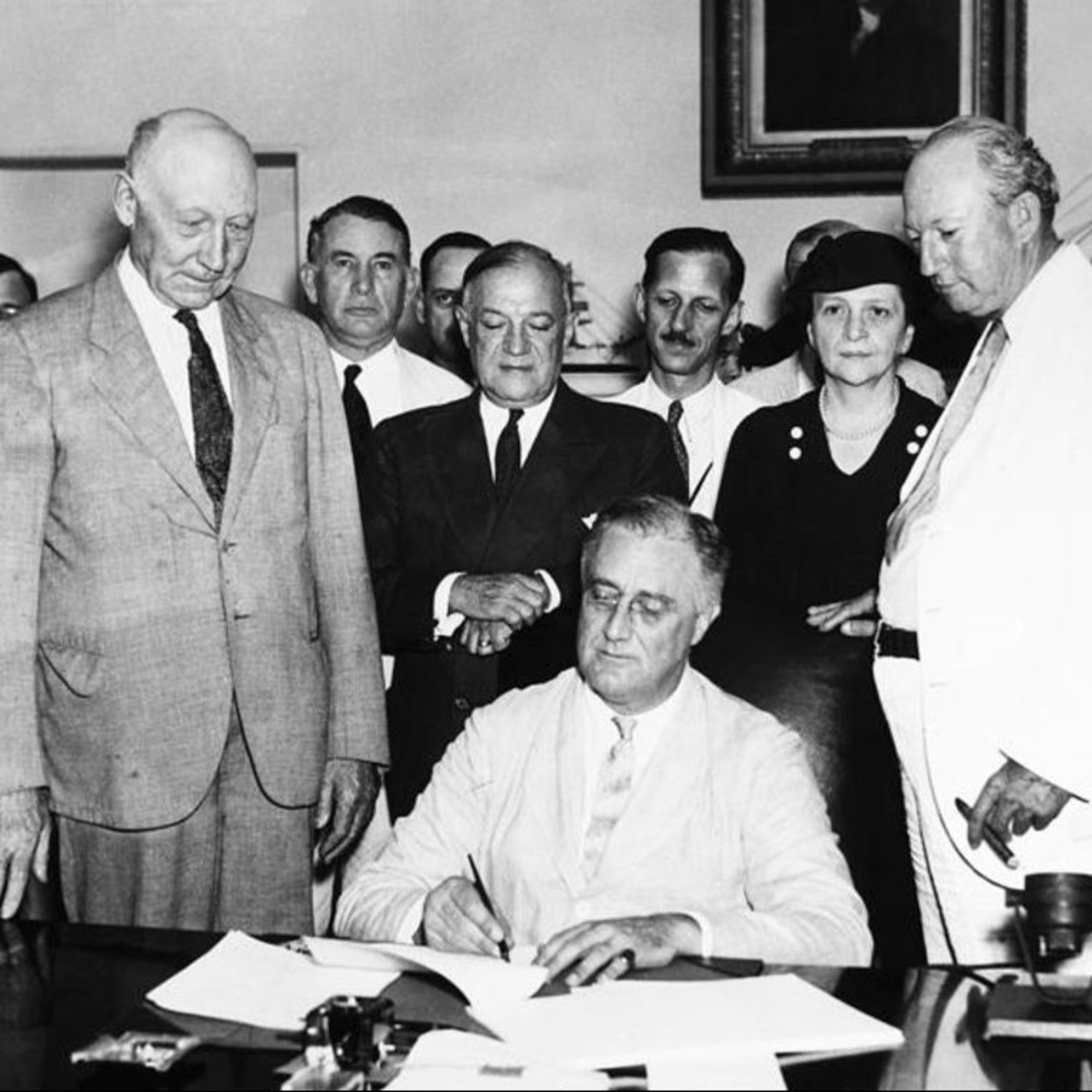
Apr 7, 202100:47:13Tap to summarizeThe Great Depression was a catastrophic event that affected a generation of Americans coast-to-coast from young to old, rich to poor, and especially the Middle Class. It bankrupted Wall Street financiers to Average Investors on Main Street, the Great Depression changed all facets of life. When the stock market euphoria of the 1920s ended in a bust on Black Tuesday, October 29, 1929, it sent shockwaves across the economy which soon went into a deep spiral. As businesses shuttered, unemployment soared to double digits, causing human suffering and economic malaise. In nearly every state of the union, banks were forced to shut down as Americans lined up to get their cash savings out of panic. A sense of uncertainty crippled the nation. That was the state of the nation when Franklin Delano Roosevelt emerged as the 32nd president of the United States and became the longest-serving president in our history. This episode talks about how the Roosevelt Administration dealt with unprecedented dangers facing the United States. Just like his predecessors, Washington, Lincoln, and Wilson, Franklin Roosevelt clearly recognized the necessity of a strong presidential office in order to marshall the resources of the federal government to help his countrymen. Host: D.T. Du. Guest: Sean Crosbie, Washington, D.C.-based labor economist, discusses President Roosevelt’s legacy and lessons learned from the Great Depression
Transcribe →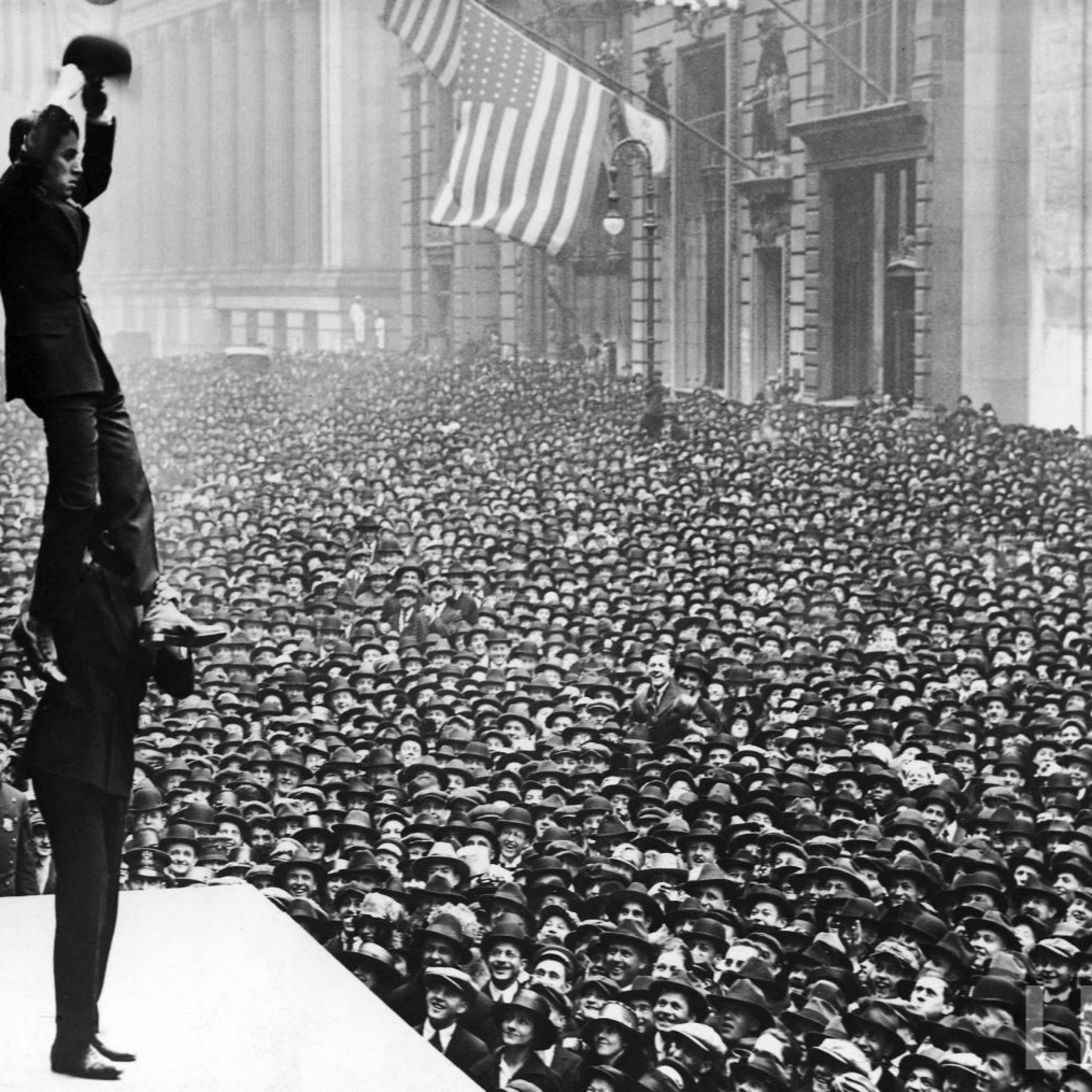
Leadership in Wartime Pandemic
Mar 17, 202100:31:57Tap to summarizeBy the early twentieth century, America was on the rise to world power at a time when the fates of countries on both sides of the Atlantic ocean were intertwined. Woodrow Wilson, the "schoolmaster," became the 28th United States president during this pivotal period. He mesmerized Americans and world leaders with his vision of a high-minded idealist with a focus on economic reforms and a progressive agenda at home and a commitment to victory in World War I while securing global peace. This episode focuses on President Wilson’s legacy as chief executive. We'll understand his thinking and leadership style as he launches a public campaign to garner moral and financial support for The Great War. We’ll also discuss the sadly forgotten health pandemic--the Spanish Flu--which claimed more lives than violence on the battlefield. Music Credits: "Over There", recorded by Nora Bayes in 1917, and a version recorded by tenor Enrico Caruso in 1918
Transcribe →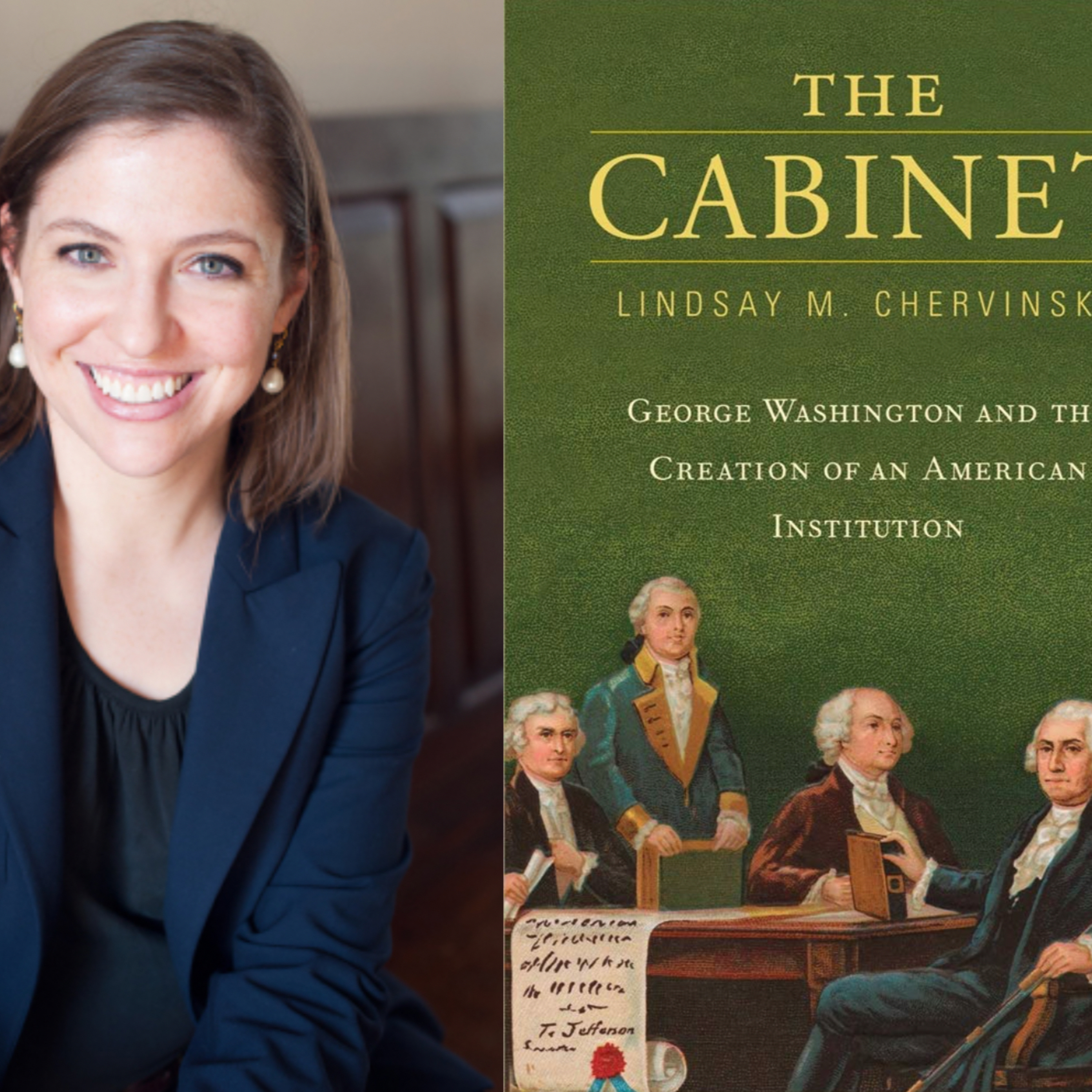
George Washington's Cabinet and Lessons for Presidential Leadership
Feb 26, 202100:43:39Tap to summarizeGeorge Washington took the same oath that every future president would take: “to preserve, protect and defend the Constitution of the United States." That commitment comes with profound responsibilities. Yet, it’s unclear how that translates into the day-to-day functions of the presidency. There were basic unanswered questions when it came to governing the country. These unique challenges describe the prelude to the book “The Cabinet”, by Lindsay Chervinsky, available from Harvard Press. In this interview, Professor Chervinsky offers insight into how Washington and his core team of advisers handled crises facing early America and how they helped pave the path for future presidents to expand their authority in response to the country's needs. Host D.T. Du.
Transcribe →What is the President’s Brain Trust?
Feb 11, 202100:06:30Tap to summarizeThe president’s brain trust delves presidential leadership and their trusted circles through the prism of history and interviews. You’ll get a fascinating look at the presidency and the teams of men and women who help presidents chart the course of history. Hosted by D.T. Du.
Transcribe →