Podcast
The Root Cause Medicine Podcast
Hosted by Rupa Health · EN
In each episode, we’ll meet renowned medical experts, specialists and pioneers who’ve influenced the way certain conditions and diseases are understood and treated. We focus on giving you the information you need to understand the root cause, symptoms and treatments available for specific medical conditions.
11episodes
Episodes
Newest firstAll episodes

Root, Leaf, Extract: What Matters in Ashwagandha
2w ago00:18:49Tap to summarizeDr. Holly Lucille is joined by Ellie Abraham, PhD, to explain why two ashwagandha supplements may not be the same, even when they list the same ingredient. (Thalhamer 2024) This conversation covers differences between root and leaf extracts, withanolide standardization, botanical identity testing, certificates of analysis, and manufacturing quality. It also emphasizes that a well-made product may still not be appropriate for every patient. (NCCIH 2025)Clinical TakeawaysPlant part matters. Ashwagandha root, leaf, and combined extracts may have different chemical profiles and should not automatically be treated as interchangeable. (Chaurasiya 2008)Higher is not always better. The most concentrated product is not necessarily the safest or most effective. Clinical relevance depends on the extract, dose, intended use, and supporting research. (Thalhamer 2024) (NCCIH 2025)Quality testing matters. Botanical authentication, contaminant testing, certificates of analysis, and cGMP compliance can help confirm that a product meets its specifications. (ECFR 2026)Quality does not equal clinical fit. Patient history, medications, allergies, diagnoses, and potential interactions must still be considered. (NCCIH 2025)Guest: Ellie Abraham has a PhD in plant biology and a background in analytical chemistry, ethnobotany, botanical testing, and dietary supplement quality control. She explains how manufacturers and laboratories verify botanical identity, plant part, standardization, contaminants, and product documentation.Clinician FAQ1. Are all ashwagandha supplements the same? No. Products may differ in plant part, extraction method, dose, standardization, chemical profile, and manufacturing quality. (Thalhamer 2024)2. Why does ashwagandha root versus leaf matter? The root and leaf of ashwagandha contain different combinations of plant compounds. These differences may affect the product’s clinical properties, supporting research, and safety profile. (Chaurasiya 2008)3. What does “standardized to 5% withanolides” mean? It means withanolides account for approximately 5% of the tested material. It does not identify each individual withanolide or describe the rest of the extract. (Thalhamer 2024)4. Is a higher withanolide percentage better? Not necessarily. A higher percentage does not automatically mean that a product is safer or more effective. The appropriate concentration depends on the extract, dose, intended use, and supporting research. (Thalhamer 2024)5. Can ashwagandha cause liver injury? Rare cases of liver injury associated with ashwagandha products have been reported. The exact cause and individual risk factors remain uncertain, but practitioners should consider supplement use when evaluating unexplained liver symptoms or abnormal liver tests. (NCBI 2012) (Philips 2023) (Björnsson 2020)Timestamps / Key Moments00:01:43 Ellie Abraham’s background in botanical testing 00:02:36 The ashwagandha leaf discussion in India 00:04:00 Differences between root and leaf 00:05:44 How botanical identity is verified 00:07:25 Why standardization matters 00:09:07 Why higher withanolides are not always better 00:10:56 Comparing two ashwagandha products 00:12:17 Red flags on supplement labels 00:14:42 When to request a certificate of analysis 00:16:27 Why cGMP compliance mattersBotanicals and Compounds DiscussedAshwagandha root and leafWithanolidesGlycosidesWithanoneCurcumin and curcuminoidsQuality Methods and Documents DiscussedBotanical identity testingPlant-part verificationHPTLC chemical fingerprintingStandardization testingAdulterant screeningMicrobial and heavy-metal testingCertificates of analysisThird-party testingcGMP complianceBatch-to-batch consistencyBranded ingredient researchWant to elevate your practice? This episode is sponsored by <a href="https://f...
Transcribe →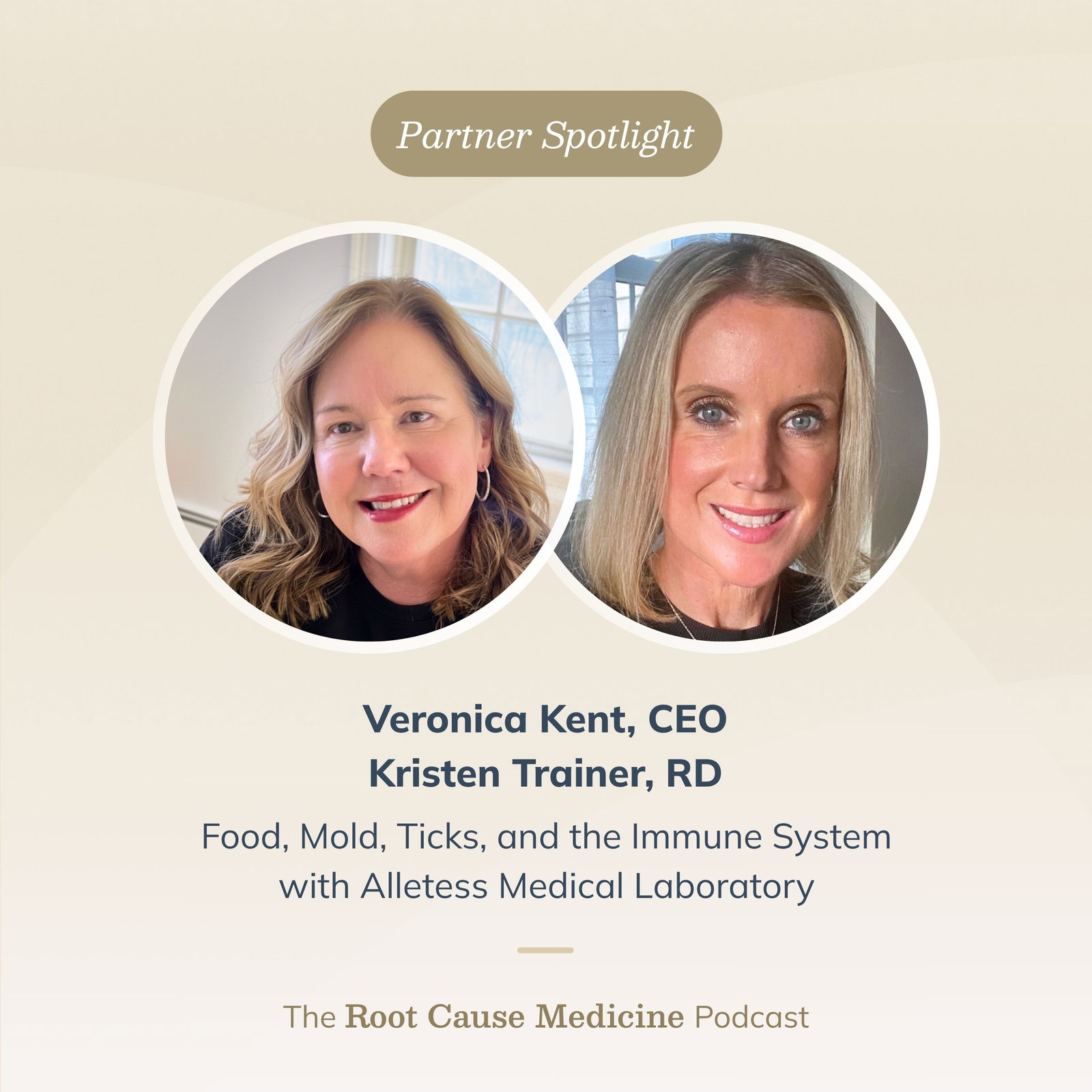
Food, Mold, Ticks, and the Immune System with Alletess Medical Laboratory
3w ago00:35:12Tap to summarizeSummaryThis episode explores the role of immune-mediated testing in the evaluation of complex, chronic symptoms that may not respond to conventional approaches. Dr. Jessica Christie is joined by Veronica Kent, CEO of Alletess Medical Laboratory, and Kristen Trainer, Registered Dietitian and Clinical Educator, to discuss food allergies, food sensitivities, mold exposure, Candida, Alpha-gal syndrome, elimination diets, and the evolving landscape of laboratory testing.The conversation examines the differences between IgE-mediated food allergies and IgG food sensitivity testing, when clinicians may consider specialized laboratory assessments, and the importance of combining laboratory data with a comprehensive patient history and individualized care plans. The guests also discuss laboratory quality standards, patient education, and why test interpretation should be viewed as one component of clinical decision-making rather than a standalone diagnostic tool. (Santos 2023)Clinical Takeaways from This EpisodeNot all adverse food reactions are food allergies. The episode distinguishes between IgE-mediated food allergies and other forms of food-related symptoms, including food sensitivities, while acknowledging that diagnostic approaches differ depending on the clinical presentation. (Sicherer 2018)Patient history remains foundational. Laboratory testing should be interpreted alongside symptoms, clinical history, dietary patterns, and physical examination rather than in isolation. (Santos 2023)Elimination diets require structured implementation. The guests discuss elimination and systematic food reintroduction as part of evaluating whether certain foods may contribute to symptoms, emphasizing individualized guidance and monitoring. (Santos 2023)Alpha-gal syndrome is an emerging clinical consideration. Tick-associated mammalian meat allergy is becoming increasingly recognized and may present with delayed allergic reactions that can be difficult to identify. (Platts-Mills 2025) (Thompson 2023)Environmental exposures may contribute to symptom burden. Mold exposure is discussed as one possible consideration in select patients presenting with persistent respiratory or inflammatory symptoms, although appropriate testing strategies remain an area of ongoing research and debate. (Cai 2024) Patient education is essential. Laboratory testing alone does not improve outcomes; patients benefit from clear interpretation, education, and individualized follow-up plans. (Santos 2025)Quality systems matter in laboratory medicine. The discussion highlights the importance of standardized laboratory procedures, quality assurance, and timely reporting in supporting clinical decision-making. (Pillai 2025)Guest IntroductionVeronica KentVeronica Kent is the Chief Executive Officer and owner of Alletess Medical Laboratory. She has spent decades working in specialty laboratory medicine and oversees operations focused on allergy, immunology, and immune-based laboratory testing. During the episode, she discusses laboratory quality systems, emerging testing technologies, and the role of clinician education in laboratory medicine.Website: https://foodallergy.comKristen Trainer, RDKristen Trainer is a Registered Dietitian and Clinical Educator at Alletess Medical Laboratory. She has worked with clinicians and patients for more than two decades, helping interpret laboratory results and develop individualized nutrition and elimination diet plans for patients undergoing food allergy and food sensitivity testing.Tests DiscussedNote: Discussion of these tests during the episode should not be interpreted as endorsement or guideline recommendations. Clinical appropriateness depends on the individual patient and current evidence.IgE food allergy testingEnvironmental allergy testingComponent-resolved allergy diagnosticsIgG food sensitivity testingIgA food sensitivity testingCandida antibody testing (IgG, IgA, IgM)Candida immune complex testingMold antibody testingAlpha-gal IgE testingTick-borne immune testingCeliac disease testingTotal IgE testingLifestyle & Clinical Strategies MentionedStructured elimination dietsGradual food reintroductionIndividualized meal planningRotation dietsShopping list developmentFamily-based nutrition planningReducing environmental mold exposurePersonalized patient educationLong-term dietary follow-upCollaboration between laboratory professionals and cliniciansClinician FAQ1. What is the difference between a food allergy and a food sensitivity?The discussion differentiates IgE-mediated food allergies, which may produce immediate immune reactions, from food sensitivities, which are proposed to involve different immune pathways and may present differently clinically. (Santos 2023)<span style="background-...
Transcribe →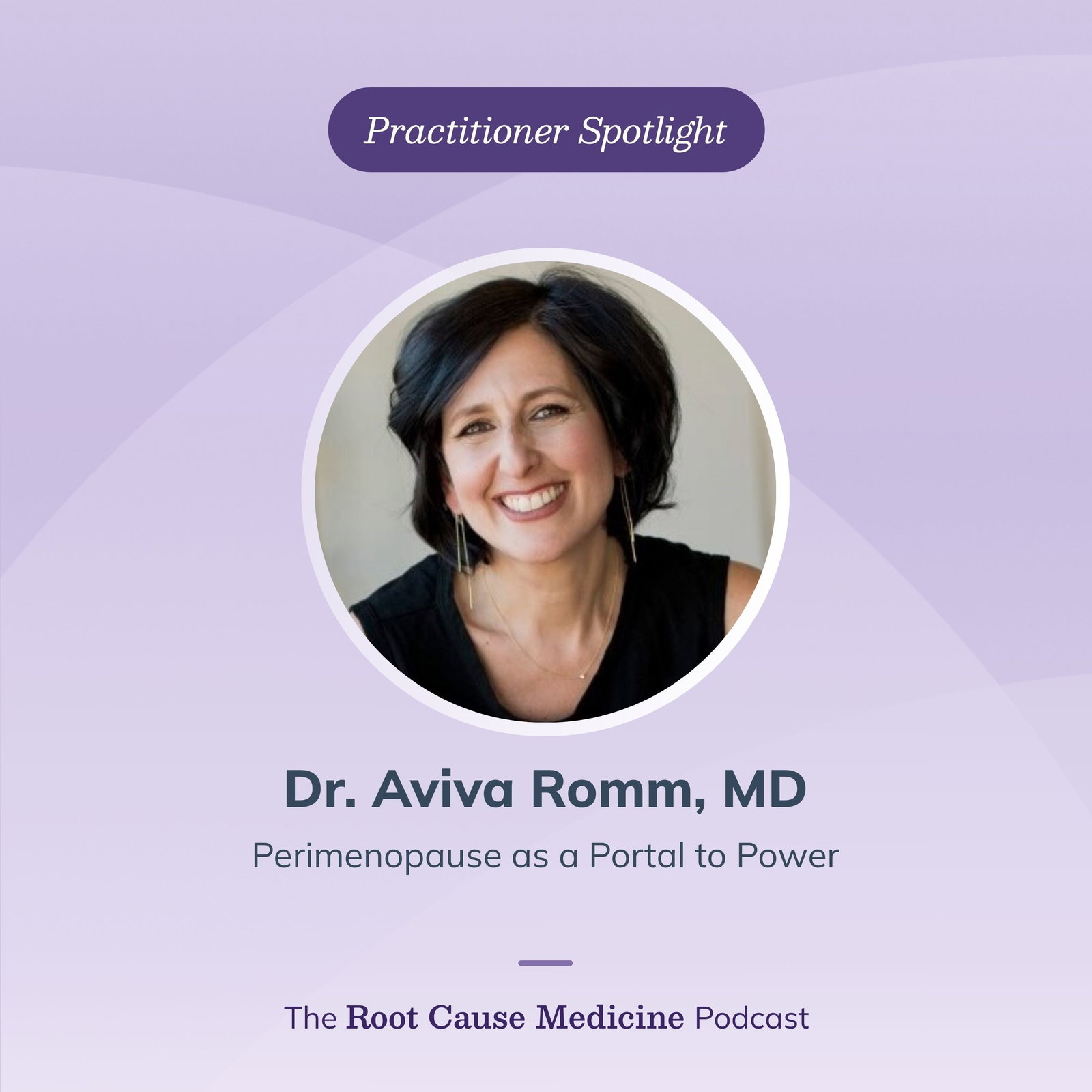
Perimenopause as a Portal to Power with Dr. Aviva Romm
4w ago01:24:12Tap to summarizeWhat if the most powerful shift in how we practice medicine starts with one person deciding to do it differently?Aviva’s story is that kind of shift.Long before she ever sat in a medical classroom, she had already built a life as a midwife, herbalist, and mother of four who was deeply embedded in her community. Then, in what most of us would consider the busiest, most demanding years of life - years that often overlap with perimenopause - she made a radical decision: she went back to school. Back into training. Back into the system she wanted to help change.Not because something was broken, but because she saw what was missing.That’s what makes this episode different. It’s about what happens when women get to reframe the perimenopausal transition as one of the most powerful, generative, expansive years of their lives.Instead of accepting the status quo, Dr. Aviva Romm built an entirely different way of seeing things - one that doesn’t reduce symptoms to problems, but places them in context. One that connects sleep, stress, nourishment, physiology, and even relationships into a bigger picture of health.You can feel that perspective ripple through the entire conversation. It gently challenges the idea that you need more interventions, more testing, more fixing, and replaces it with something both simpler and harder: paying attention, understanding what your body is asking for, and supporting it instead of overriding it.By the end, something shifts.You’re not just thinking differently about perimenopause - you’re thinking differently about what’s possible during this phase of life. And maybe, like Aviva did, you start to wonder: what could change if perimenopause wasn’t seen as the end of something, but the beginning of something else entirely?Clinical Takeaways from This EpisodeA root-cause, whole-person approach to perimenopause may support more sustainable outcomes. Perimenopause often includes symptoms like sleep disruption, mood changes, and cycle irregularities, and may benefit from a broader, individualized care approach rather than a single intervention (Santoro et al., 2018).Stress physiology and HPA axis patterns may influence how symptoms show up. Chronic stress is associated with changes in inflammatory signaling and neuroendocrine regulation, which may shape mood, immune function, and metabolic health (Russell, 2019).Sleep is foundational—and CBT-I is an evidence-informed place to start. Cognitive Behavioral Therapy for Insomnia (CBT-I) is supported by clinical evidence and may help improve sleep quality without medication in many individuals (Rossman, 2019).Connection and community are not “extras”—they’re part of physiology. Social isolation has been associated with increased mortality risk, which reinforces the importance of connection as part of whole-person care (Naito et al., 2023).Thoughtful, targeted lab testing supports better clinical decision-making. Strategic use of labs—guided by symptoms and clinical context—may reduce unnecessary testing and help clinicians focus on meaningful data.Guest IntroductionDr. Aviva Romm, MD, is a Yale-trained physician, herbalist, and midwife with over four decades of experience in women’s health. She has trained hundreds of clinicians in integrative and functional medicine and is the author of multiple bestselling books, including Hormone Intelligence and The Adrenal Thyroid Revolution. Her work bridges conventional and integrative medicine in a way that centers women and their paths to thriving. Interested in advancing your clinical training? Explore Dr. Aviva Romm’s Women’s Integrative Functional Medicine Certification Program. Use code FULLSCRIPT26 in the “How did you learn about the course?” box to receive $1,000 off.FAQ: Clinician & Patient Questions on Perimenopause and Integrative CareWhat symptoms are common during perimenopause?Perimenopause may include:Sleep disruptionMood changesHot flashes or night sweatsChanges in menstrual cyclesThese are part of a normal physiologic transition, though symptom severity varies. Dr. Aviva uses a whole-person, root cause approach to successfully manage many of these symptoms. (Crandall, 2023).What can I do if I’m struggling with sleep in midlife?Cognitive Behavioral Therapy for Insomnia (CBT-I) is a well-studied, non-pharmacologic option clinicians may consider (Rossman, 2019). It may also help to evaluate:Stress levelsBlood sugar patternsSleep habits and environmentHow does stress actually affect my health?Chronic stress may influence:Hormone signalingImmune and inflammatory pathwaysMood and cognitive functionThese effects are mediated in part through the HPA axis and inflammatory signaling pathways (Russell, 2019).Key Moments from This Episode02:30 – Aviva’s journey: from herbalist and midwife to Yale-trained medical doctor10:41 – Going back to medical school as a parent: what it really takes28:14 – Stress physiology and the root causes of chronic symptoms32:58 – Reframing perimenopause as a transition, not a decline35:17 – Building a real-world toolkit: sleep, nourishment, nervous system support41:01 – Botanical medicine in practice: motherwort and lemon balm57:28 – Hypervigilance, burnout, and how they show up in the body01:17:18 – The Yerkes-Dodson curve: finding your optimal stress zone01:19:41 – How to think about labs without overtestingWant to elevate your practice?This episode is sponsored by Fullscript, a comprehensive care delivery platform designed to support whole-person, integrative healthcare. Fullscript allows clinicians to streamline supplement dispensing, lab ordering, and patient education in one free, centralized system—helping reduce administrative burden while supporting clinical decision-making. For practitioners, Fullscript offers access to professional-grade supplements, evidence-informed protocols, and lab integrations that can support more efficient planning and follow-up. For patients, it provides a clear, organized way to receive recommendations, manage refills, and stay engaged in their care. The goal is not to replace clinical judgment, but to make it easier for clinicians to focus on what matters most: thoughtful, individualized patient care.DisclaimerThe views expressed on this podcast are those of the hosts and guests and don’t necessarily reflect those of Fullscript or any affiliated organizations. This podcast is for informational and educational purposes only and is not intended to be medical advice. For your safety, always check with your doctor or healthcare provider before making changes to your health routine.CitationsCrandall CJ, Mehta JM, Manson JE. Management of Menopausal Symptoms: A Review. JAMA. 2023 Feb 7;329(5):405-420. doi: 10.1001/jama.2022.24140. PMID: 36749328.Rossman J. Cognitive-Behavioral Therapy for Insomnia: An Effective and Underutilized Treatment for Insomnia. Am J Lifestyle Med. 2019 Aug 12;13(6):544-547. doi: 10.1177/1559827619867677. PMID: 31662718; PMCID: PMC6796223.Russell G, Lightman S. The human stress response. Nat Rev Endocrinol. 2019 Sep;15(9):525-534. doi: 10.1038/s41574-019-0228-0. Epub 2019 Jun 27. PMID: 31249398.Naito R, McKee M, Leong D, Bangdiwala S, Rangarajan S, Islam S, Yusuf S. Social isolation as a risk factor for all-cause mortality: Systematic review and meta-analysis of cohort studies. PLoS One. 2023 Jan 12;18(1):e0280308. doi: 10.1371/journal.pone.0280308. PMID: 36634152; PMCID: PMC9836313.
Transcribe →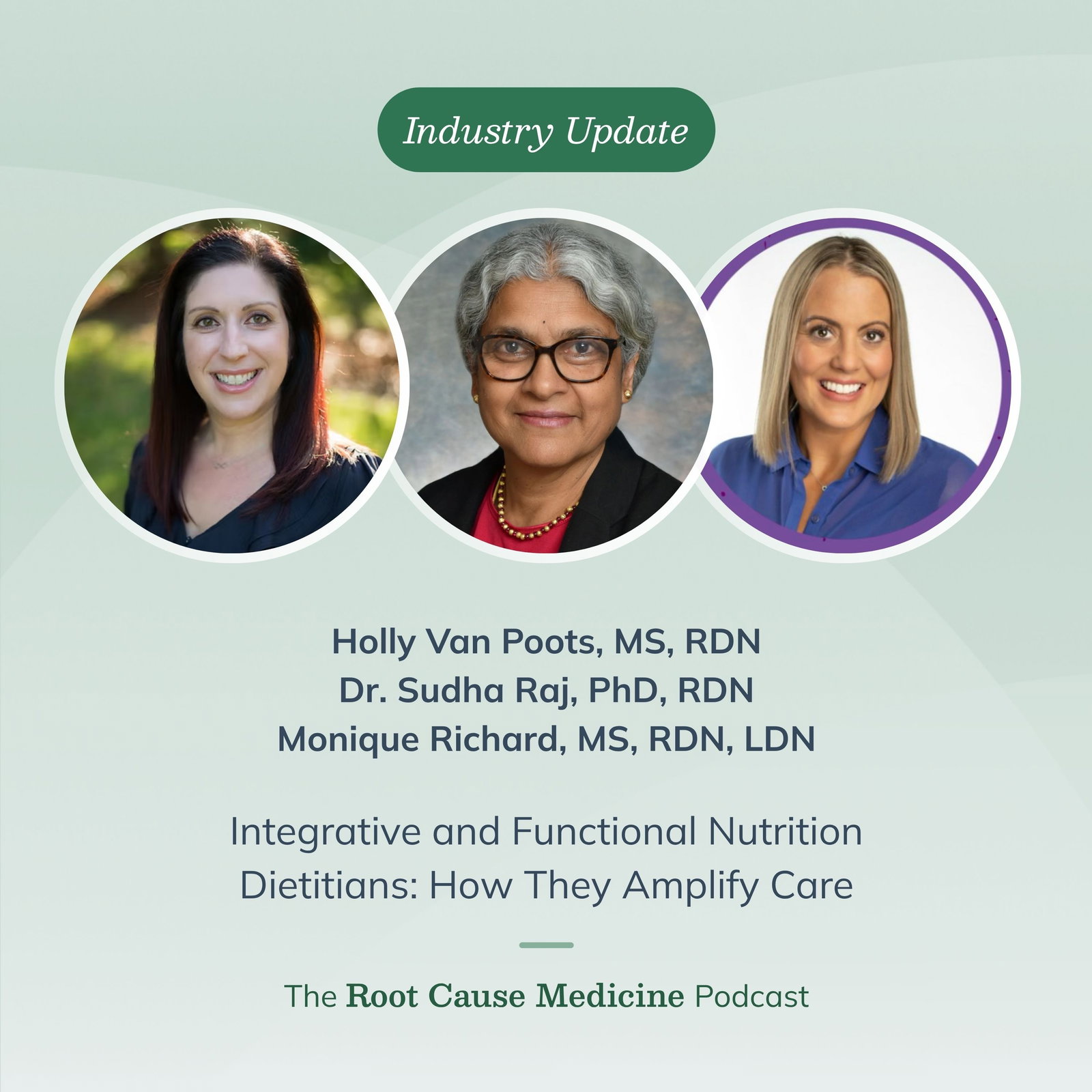
Integrative and Functional Nutrition Dietitians: How They Amplify Care
Jun 2600:38:38Tap to summarizeWhat happens when patients leave an integrative or functional medicine appointment with multiple recommendations but limited practical support for implementation? In this episode, Kate Kresge sits down with Monique Richard, Holly Van Poots, and Sudha Raj to discuss the evolving role of Registered Dietitian Nutritionists (RDNs) trained in Integrative and Functional Nutrition (IFN). The conversation centers on the Revised 2025 Scope and Standards of Practice for RDNs in Nutrition in Integrative and Functional Medicine, which clarifies the scope, standards, and clinical contribution of IFN practitioners. (Crowe-White 2025)Together they explore why nutrition may remain underused in some conventional care settings, including concerns that many medical providers receive limited formal nutrition training. (Adams 2010) They also discuss why sustained behavior change often requires more time, context, and follow-up than a brief visit can provide, and why food choices are shaped by more than nutrient content alone. The discussion highlights how IFN dietitians can help translate complex plans into sustainable daily habits while helping patients connect symptoms, lifestyle patterns, culture, stress, and nutrition.The episode makes a practical case for team-based care and shows how integrative nutrition practitioners can help bridge the gap between clinical recommendations and meaningful long-term change.Clinical Takeaways From This EpisodeBehavior Change Is Often the Missing PieceMany visits focus on diagnosis and treatment decisions, while meaningful behavior change takes time, relationship-building, and ongoing support. (Crowe-White 2025) (Körner 2016) IFN dietitians help patients put recommendations into practice in real-world settings.Food Is More Than NutrientsFood choices are shaped by culture, identity, family history, emotional experience, access, and lifestyle. Accounting for these factors may help make nutrition recommendations more realistic, acceptable, and sustainable; effects on clinical outcomes depend on the condition, intervention, and patient context. (Odoms-Young 2024) (Crowe-White 2025)Nutrition Is Central to Complex Chronic DiseaseMany patients present with concerns where nutrition may be one component of care, including issues related to digestive health, metabolic health, immune function, and quality of life. (Crowe-White 2025) (Moloney 2025)Dietitians Serve as Translators of Functional Medicine PlansMany patients leave appointments with extensive recommendations. IFN practitioners can help patients prioritize, personalize, and implement clinician recommendations within the patient’s preferences, resources, culture, and care plan. (Moloney 2025) (Senkus 2024)Team-Based Care Improves Patient SupportIntegrative care tends to work best when physicians, naturopathic doctors, nurse practitioners, health coaches, and nutrition professionals collaborate on whole-person care. (Körner 2016) (Crowe-White 2025)Guest IntroductionMonique Richard, MS, RDN, LDNMonique Richard is an experienced registered dietitian nutritionist specializing in integrative and functional nutrition. Known for her practical and patient-centered approach, she helps individuals explore lifestyle, nutrition, and environmental factors that may be relevant to their health goals and care plans. She often describes IFN practitioners as "nutrition detectives" who help connect the dots between symptoms, habits, and underlying patterns.Holly Van Poots, MS, RDNHolly Van Poots is a leader in integrative and functional nutrition education and one of the contributors to the newly published guidance paper on the role of IFN dietitians. Her work focuses on defining how nutrition professionals contribute to whole-person care beyond traditional dietary counseling.Sudha Raj, PhD, RDNSudha Raj brings a deep understanding of nutrition behavior change, cultural competency, and patient-centered care. Her work emphasizes the importance of relationship-based nutrition counseling and understanding the lived experiences that shape food choices and health behaviors.The statements, information and opinions shared by each individual are not in the capacity as official spokespeople, or, on behalf, of the Academy of Nutrition and Dietetics. They volunteered to be authors/contribute to the NIFM SOP and received no funding from the Academy.FAQWhat is integrative and functional nutrition?Integrative and functional nutrition combines evidence-informed nutrition science with a whole-person approach that considers lifestyle, environment, stress, sleep, culture, and other contributors to health.How is an IFN dietitian different from traditional nutrition counseling?While foundational nutrition principles remain the same, IFN practitioners often spend more time exploring nutrition- and lifestyle-related factors, patient context, and personalized behavior-change strategies.Why are dietitians important in functional medicine practices?Dietitians can help patients translate complex recommendations into practical daily actions, which may support adherence and follow-through. Evidence for clinical outcomes varies by condition and intervention. (Moloney 2025)What are patients often missing after a functional medicine visit?Patients frequently understand what they should do but struggle with how to implement recommendations. IFN practitioners help bridge that gap.Why is food considered more than jus...
Transcribe →
The PCOS Name Change and What It Means for Women’s Health
Jun 1800:18:48Tap to summarizeThis episode explores one of the most significant developments in women's health in recent years: the proposed transition from Polycystic Ovary Syndrome (PCOS) to Polyendocrine Metabolic Ovarian Syndrome (PMOS). (Teede 2026) Dr. Jessica Christie and Dr. Camille Krause discuss why experts believe the traditional name no longer reflects the full complexity of the condition and how the PMOS framework better captures its endocrine, metabolic, reproductive, inflammatory, and neuroendocrine dimensions. (Teede 2026) Clinicians will learn why insulin resistance, androgen excess (Houston 2025), stress physiology, sleep, inflammation, and cardiometabolic health (Wekker 2020) are central to understanding PMOS, and how a systems-based approach can improve earlier identification, assessment, and treatment. (Teede 2026)Clinical Takeaways from This EpisodePMOS reflects a multisystem condition: The proposed name change recognizes that the condition extends beyond ovarian function and includes endocrine, metabolic, inflammatory, and neuroendocrine dysfunction. (Teede 2026)Insulin resistance is a major physiologic driver: Hyperinsulinemia may contribute to increased ovarian androgen production, ovulatory dysfunction, and metabolic symptoms, often before glucose markers become abnormal. (Houston 2025)PMOS is not defined by ovarian cysts: Many individuals diagnosed with PCOS do not demonstrate polycystic ovarian morphology, and the follicles observed are not true ovarian cysts. (Houston 2025) (Teede 2026)Early metabolic screening matters: Fasting insulin, glucose regulation, lipid markers, liver function, and cardiometabolic risk factors may shift years before overt disease develops. (Houston 2025) (Teede 2026)Clinical presentations vary widely: Symptoms may include irregular cycles, infertility, acne, hirsutism, hair thinning, fatigue, mood changes, sleep disruption, dyslipidemia, and fatty liver patterns. (Manzano-Nunez 2023) Lean PMOS can occur and is often overlooked. (Zheng 2025)Treatment requires a whole-person approach: Nutrition, movement, sleep, stress regulation, inflammation management, and metabolic support should be considered alongside conventional treatment options. (Teede 2023)Guest IntroductionDr. Camille Krause is a Naturopathic Doctor with a clinical focus on fertility, women’s hormones, and nutrition. She works collaboratively with fertility physicians to provide evidence-based, complementary care, using specialized testing, nutrition, botanical medicine, lifestyle interventions, and acupuncture to support reproductive health. Dr. Krause is a member of the Canadian and Ontario Associations of Naturopathic Doctors. She holds an Honours Bachelor of Science from the University of Toronto and completed her naturopathic training at the Canadian College of Naturopathic Medicine.Website: https://www.conceivehealth.com/staff/camille-krause-naturopathic-doctor/Instagram: @waterloo_fertility_naturopathLabs MentionedFasting insulinFasting glucoseHemoglobin A1c (HbA1c)Lipid panelLiver enzymesTestosteroneDHEA-SSex Hormone Binding Globulin (SHBG)Thyroid markersBlood pressureWaist circumference assessmentLifestyle & Exercise Strategies MentionedBlood sugar stabilizationHigher protein intakeIncreased dietary fiber intakeResistance trainingRegular movement and exerciseSleep optimizationCircadian rhythm supportNervous system regulationStress managementInflammation reduction strategiesNutrient sufficiencyRecovery optimizationClinician FAQ1. Why is PCOS being renamed PMOS?The proposed term Polyendocrine Metabolic Ovarian Syndrome better reflects the endocrine, metabolic, reproductive, and inflammatory aspects of the condition rather than focusing primarily on ovarian findings. (Teede 2023)<strong st...
Transcribe →
Adult Acne, Hormones, and Perimenopause: What Your Skin Is Trying to Tell You
Jun 1100:22:01Tap to summarizeAdult Acne in Perimenopause: Hormones, Diet, Supplements, and Root Causes With Dr. Mamina TureganoAdult acne can be especially frustrating when it appears after years—or even decades—of relatively clear skin. In this bonus episode, Dr. Kate Kresge sits down with dermatologist Dr. Mamina Turegano to explore why acne often emerges or worsens during perimenopause and what may be driving those changes beneath the surface.Dr. Turegano explains how shifting hormone patterns, particularly changes in the balance between estrogen and androgens, may contribute to breakouts during midlife. She also discusses the potential roles of stress, diet, skincare habits, environmental exposures, and select supplements in acne management.The conversation offers a practical, evidence-informed look at adult female acne, emphasizing individualized treatment approaches that support both skin health and overall wellbeing.Why This MattersMany women are surprised when acne appears in their 30s, 40s, or 50s. Adult female acne is increasingly common and often requires a different treatment approach than adolescent acne. Understanding the hormonal, metabolic, and lifestyle factors that may contribute to breakouts can help patients make more informed decisions about treatment and self-care.Key Clinical TakeawaysPerimenopause may contribute to acne flaresHormonal changes during the menopausal transition may alter the balance between estrogen and androgen activity, contributing to increased sebum production and acne in susceptible individuals. (Bagatin 2019) (Alexandre 2024)Adult skin requires a different acne strategyCompared to adolescent acne, adult female acne often occurs in skin that is more prone to dryness, irritation, and barrier dysfunction, making gentle treatment approaches especially important. (Dréno 2013)Topical therapies remain foundationalEvidence-based acne management continues to rely heavily on topical retinoids, benzoyl peroxide, and other targeted therapies such as azelaic acid. (Reynolds 2024)Diet may influence acne severityResearch suggests that higher-glycemic dietary patterns may contribute to acne severity, while evidence regarding dairy intake remains mixed and population dependent. (Meixiong 2022)Supplements should be personalizedSome nutraceuticals—including zinc, probiotics, vitamin D, omega-3 fatty acids, and pantothenic acid—have been studied for acne support, but evidence varies considerably by ingredient and study quality. (Shields 2023)Vitamin B12 may be a trigger in some individualsAlthough uncommon, acneiform eruptions associated with vitamin B12 supplementation have been reported in the medical literature. (Bowden 2023)Topics CoveredWhy adult acne is becoming more commonAcne during perimenopause and menopauseHormonal changes and androgen activityStress and skin healthEnvironmental and lifestyle contributorsRetinoids, azelaic acid, sulfur, and benzoyl peroxideWhen systemic therapies may be appropriateDiet, blood sugar regulation, and dairySupplements commonly discussed for acne supportBiotin, vitamin B12, and acne concernsPractical skincare strategies for adult womenGuest BioDr. Mamina Turegano is a board-certified dermatologist with expertise in medical, surgical, and cosmetic dermatology. She is known for translating complex skin science into practical, patient-centered guidance and frequently speaks about acne, skin aging, hormone-related skin concerns, and integrative approaches to dermatologic care.Timestamps00:00 Introduction02:04 Why adult acne develops during perimenopause04:01 Adult acne versus teenage acne05:00 Topical treatment approaches07:22 Supplements and acne support09:47 Biotin, vitamin B12, and breakouts14:32 Acne in men versus women15:35 Diet, dairy, fiber, and blood sugar17:04 Final thoughts and resourcesSponsor CopyPractitioners, what if your supplement dispensing, patient education, and treatment planning all lived in one powerful platform built for whole person care? Meet Fullscript—the comprehensive care delivery platform designed to reduce administrative burden and enhance clinical impact. From automated refills and lab ordering to evidence-based protocols and adherence support, Fullscript helps streamline care while keeping the focus where it belongs: on patients. In a recent survey, 74% of providers reported saving up to three hours per week using Fullscript to create treatment plans. Visit fullscript.com to learn more.ReferencesAlexandre, M., Saint Aroman, M., Mengeaud, V., Carballido, F., Doat, G., Coutinho, A., & Bagatin, E. (2024). Unveiling the nuances of adult female acne: A comprehensive exploration of epidemiology, treatment modalities, dermocosmetics, and the menopausal influence. International Journal of Women’s Health, 16, 663–678. https://doi.org/10.2147/IJWH.S431523Bagatin, E., de Freitas, T. H. P., Rivitti-Machado, M. C., Ribeiro, B. M., Nunes, S., & da Rocha, M. A. D. (2019). Adult female acne: A guide to clinical practice. Anais Brasileiros de Dermatologia, 94(1), 62–75. https://doi.org/10.1590/abd1806-4841.20198203<span style="background-color: tran...
Transcribe →
Hair Loss: Root Causes and Treatment Options
Jun 400:37:27Tap to summarizeHair loss can feel deeply personal, especially when it happens after illness, stress, rapid weight loss, postpartum changes, or a hormonal transition. In this episode, Dr. Mamina Turegano joins Dr. Kate Kresge to unpack the most common patterns of hair shedding and thinning, including telogen effluvium and androgenetic alopecia.Dr. Turegano explains why hair loss is often multifactorial and why the timing matters: shedding may appear months after a physiologic or emotional stressor. She walks through the root-cause workup she considers in practice, including thyroid function, ferritin, vitamin D, B12, zinc, sex hormones, inflammation, scalp health, and medication history.The conversation also covers postpartum hair loss, dandruff and scalp inflammation, protein intake, GLP-1-related weight loss, birth control changes, and evidence-informed options such as minoxidil, red light therapy, scalp massage, and PRP. Throughout the episode, Dr. Turegano brings a practical, compassionate approach to helping patients understand what may be driving hair loss and when a dermatology referral matters.Clinical Takeaways from This EpisodeTelogen effluvium timing matters: Diffuse shedding often appears two to four months after a stressor such as illness, surgery, childbirth, hemorrhage, crash dieting, low protein intake, thyroid dysfunction, or medication changes. (Malkud 2015)(Hughes 2024)Pattern recognition guides the workup: Telogen effluvium, androgenetic alopecia, alopecia areata, traction alopecia, and scarring alopecias can look different clinically, which is why scalp exam and referral are important when diagnosis is uncertain. (Mubki 2014)Nutrient status can inform care: Ferritin, vitamin D, B12, zinc, and thyroid markers may help identify contributing factors in selected patients, though deficiencies are not the only explanation for shedding. (Ahmed 2026)(Durusu 2024)Postpartum shedding is common but still deserves context: Hormonal shifts, delivery-related stress, sleep disruption, breastfeeding, and blood loss may all contribute, and persistent or patterned loss should be evaluated. (Hirose 2023)Treatment should match the diagnosis: Topical minoxidil, low-level laser therapy, and PRP have evidence for androgenetic alopecia, but protocols, response, safety considerations, and patient context vary. (Adil 2017)(Perez 2024)(Yao 2024)Guest Bio: Mamina Turegano, MD, is a triple board-certified dermatologist, internist, and dermatopathologist based in New Orleans. She specializes in medical, cosmetic, and integrative dermatology, blending conventional and holistic approaches to skin health. With over 2 million followers across social media, she shares dermatologist-backed skincare and wellness insights with a broad audience. She also co-hosts a podcast, called Skin Deep MDs, has been published in leading medical journals, and frequently contributes her expertise to major press outlets, TV, and beauty publications.Frequently Asked QuestionsWhat is telogen effluvium?Telogen effluvium is a form of diffuse, nonscarring hair shedding that often follows a physiologic or emotional stressor. The shedding commonly appears a few months after the trigger rather than immediately. (Malkud 2015)(Hughes 2024)What labs may be useful for hair shedding?Depending on the patient’s history and exam, clinicians may consider CBC, ferritin, thyroid markers, vitamin D, B12, zinc, and selected hormone testing. Lab results should be interpreted in context rather than used as a stand-alone explanation. (Malkud 2015)(Durusu 2024)Can postpartum hair loss be normal?Postpartum shedding is common and often related to hormonal shifts after delivery, but persistent, severe, patterned, or scarring hair loss should be evaluated. Blood loss, low iron stores, thyroid changes, and sleep disruption may also matter. (Hirose 2023)Does washing hair make shedding worse?Not necessarily. Infrequent washing may make shedding look more dramatic because shed hairs accumulate between washes. Scalp inflammation or seborrheic dermatitis may also contribute to ongoing irritation and should be addressed when present.When should a patient see a dermatologist for hair loss?Referral is especially important for patchy hair loss, scalp pain, itching, redness, scaling, shiny or scarred areas, rapid progression, frontal hairline recession, or hair loss that does not fit a clear trigger pattern. Scarring alopecias can cause permanent loss if not recognized early. (Mubki 2014)Timestamps00:00 — Why hair loss and shedding deserve a root-cause conversation06:44 — Telogen effluvium vs androgenetic alopecia10:31 — Ferritin, vitamin D, thyroid, B12, zinc, hormones, and ANA15:09 — When to refer for scarring alopecia or autoimmune causes17:54 — Hair washing, dandruff, scalp oil, and local inflammation24:03 — GLP-1 medications, birth control, beta blockers, statins, and SSRIs29:18 — Protein, calorie restriction, vegetarian diets, and nutrient status35:42 — Postpartum shedding, hemorrhage, breastfeeding, and recovery38:55 — Minoxidil, breastfeeding considerations, red light therapy, and PRP44:15 — Scalp massage, circulation, and realistic supportive strategiesWant to elevate your practice? This episode is sponsored by Fullscript, a comprehensive care delivery platform designed to support whole-person, integrative healthcare. Fullscript allows clinicians to streamline supplement dispensing, lab ordering, and patient education in one free, centralized system—helping reduce administrative burden while supporting clinical decision-making. For practitioners, Fullscript offers access to professional-grade supplements, evidence-informed protocols, and lab integrations that can support more efficient planning and follow-up. For patients, it provides a clear, organized way to receive recommendations, manage refills, and stay engaged in their care. The goal is not to replace clinical judgment, but to make it easier for clinicians to focus on what matters most: thoughtful, individualized patient care.Disclaimer: The views expressed on this podcast are those of the hosts and the guests, and they don't necessarily reflect the views of FullScript or any affiliated organizations. This podcast is for informational and educational purposes only, and it's not intended to be medical advice. For your safety, always check with your healthcare provider before making any changes to your healthcare routine.CitationsAdil A, Godwin M. The effectiveness of treatments for androgenetic alop...
Transcribe →
New GLP1 Risks & Exercise as a Mental Health Prescription
May 2100:29:33Tap to summarizeNew research is raising important clinical questions about the long-term effects of GLP-1 receptor agonist therapy during significant weight loss. A recent five-year observational study reported associations between GLP-1 use and higher rates of osteoporosis, osteomalacia, and gout in some adults with obesity and type 2 diabetes, particularly in the setting of rapid weight reduction (Wajahath et al., 2026). While GLP-1 therapies may support glycemic control, cardiometabolic health, and surgical outcomes, these findings highlight the importance of proactive monitoring and individualized patient support.In this episode, we explore practical clinical considerations, including:How clinicians may approach bone health monitoring more proactively during significant weight lossWhich patients may warrant closer nutritional or musculoskeletal assessmentSymptoms that may merit further evaluation during GLP-1 therapy, including fatigue, weakness, diffuse bone pain, or mobility-related concernsWe also discuss another emerging area of research: the role of exercise in mental health care. Drawing from a large umbrella review involving nearly 80,000 participants, we examine how aerobic exercise, walking, resistance training, and group-based movement may support depression and anxiety outcomes when implemented consistently and tailored to patient capacity (Munro et al., 2026).This conversation focuses on practical, evidence-informed strategies clinicians can integrate into care plans immediately - from resistance training and hydration strategies to helping patients build sustainable movement habits during periods of stress, fatigue, or overwhelm.Clinical Takeaways From This EpisodeRapid weight loss may increase the need for nutritional and musculoskeletal support: Emerging observational evidence suggests GLP-1 therapy during significant weight loss may be associated with higher rates of bone- and uric acid-related complications in some patients, highlighting the importance of muscle preservation, hydration, and nutritional status monitoring (Wajahath et al., 2026).Some musculoskeletal symptoms may warrant additional evaluation: Fatigue, weakness, diffuse bone discomfort, and mobility changes may justify further clinical assessment in patients experiencing rapid weight loss or reduced nutritional intake (Wajahath et al., 2026).Exercise may support both mental and metabolic health: Research suggests moderate-intensity aerobic exercise, resistance training, walking, and group movement may support mood, resilience, and long-term metabolic health outcomes when patients can engage consistently over time (Munro et al., 2026).FAQDo GLP-1 medications affect bone health?Some emerging observational evidence suggests GLP-1 receptor agonist therapy may be associated with increased rates of osteoporosis and osteomalacia during rapid weight loss in certain populations. Additional research is still needed to better understand causality, mechanisms, and which patients may be at greatest risk (Wajahath et al., 2026).What labs may help clinicians monitor patients on GLP-1 therapy?This episode discusses clinical considerations that may include alkaline phosphatase, vitamin D, calcium, phosphate, parathyroid hormone (PTH), and other markers of bone or metabolic health when clinically appropriate and individualized to the patient context (Wajahath et al., 2026).Can exercise support anxiety and depression symptoms?Research suggests aerobic exercise, walking, resistance training, and mind-body movement practices may support improvements in mood and anxiety symptoms when practiced consistently over time as part of a comprehensive care plan (Munro et al., 2026).Timestamps00:00 — Clinical questions emerging around GLP-1 therapy and rapid weight loss03:00 — Osteomalacia symptoms that may overlap with fatigue and chronic pain presentations10:33 — Why rapid weight loss may influence gout risk in some patients15:29 — The large exercise and mental health review clinicians are discussing20:50 — How to help patients build sustainable movement habitsWant to elevate your practice? This episode is sponsored by Fullscript, a comprehensive care delivery platform designed to support whole-person, integrative healthcare. Fullscript allows clinicians to streamline supplement dispensing, lab ordering, and patient education in one free, centralized system—helping reduce administrative burden while supporting clinical decision-making. For practitioners, Fullscript offers access to professional-grade supplements, evidence-informed protocols, and lab integrations that can support more efficient planning and follow-up. For patients, it provides a clear, organized way to receive recommendations, manage refills, and stay engaged in their care. The goal is not to replace clinical judgment, but to make it easier for clinicians to focus on what matters most: thoughtful, individualized patient care.Disclaimer: The views expressed on this podcast are those of the hosts and guests and don’t necessarily reflect those of Fullscript or any affiliated organizations. This podcast is for informational and educational purposes only and is not intended to be medical advice. For your safety, always check with your doctor or healthcare provider before making changes to your health routine.CitationsWajahath M, et al. GLP-1 Receptor Agonist Use Is Associated with Increased Risk of Osteoporosis, Gout, and Osteomalacia in Adults with Type 2 Diabetes and Obesity. 2026.Munro NR, Teague S, Somoray K, et al. Effect of exercise on depression and anxiety symptoms: systematic umbrella review with meta-meta-analysis. British Journal of Sports Medicine. 2026;60:590–599.
Transcribe →
Inside Mosaic Diagnostics
May 1401:00:03Tap to summarizeInside Mosaic Diagnostics: Clinical Applications of Organic Acids, Environmental, and Microbiome TestingWhat Is Mosaic Diagnostics and How Are Its Lab Tests Used in Clinical Practice?In this episode, Dr. Kate Kresge speaks with Mosaic Diagnostics CEO Scott Mattivi and Chief Medical Officer Dr. Kurt Woeller to explore how specialty laboratory testing is used in functional and integrative medicine. Mosaic Diagnostics offers tests such as organic acids, environmental exposure biomarkers, and microbiome assessments, which may help clinicians evaluate complex, multi-system presentations. These tools are typically used as part of a systems-based clinical framework, supporting pattern recognition rather than serving as standalone diagnostic tests. The discussion also explores how clinicians interpret multi-system lab data, the role of practitioner education, and how emerging technologies—such as AI-assisted tools—may support clinical efficiency and decision-making.What Does Mosaic Diagnostics Test For?Mosaic Diagnostics provides specialty lab testing commonly used in integrative and functional medicine, including:Organic acids testing (OAT)Environmental toxin and mycotoxin testingMicrobiome and gastrointestinal assessmentsMetabolic and immune-related biomarkersThese tests are designed to provide insight into biochemical pathways, microbial activity, and environmental exposures. Results are generally interpreted alongside clinical history, symptoms, and conventional labs to support individualized care.Key Clinical InsightsWhat Is Organic Acids Testing (OAT)?Organic acids testing evaluates urinary metabolites involved in intermediary metabolism. It may provide insight into:Mitochondrial functionNutrient metabolism (e.g., B vitamins, amino acids)Oxidative stress patternsMicrobial activityWhen interpreted within clinical context, OAT may support identification of metabolic patterns and inform clinical hypotheses (Gallagher, 2018).What Does Environmental Toxin Testing Measure?Environmental exposure testing evaluates biomarkers associated with compounds such as:MycotoxinsHeavy metals (in some panels)Industrial chemicalsThese tests may help characterize exposure patterns, though interpretation can be complex due to variability in exposure timing, metabolism, and elimination. Clinical relevance should be assessed cautiously and within the broader evidence base (Warth, 2013; Owolabi, 2024).Clinical TakeawaysOrganic acids testing may offer a systems-level view of metabolism and support pattern recognition when interpreted in context (Gallagher, 2018).Environmental testing may help identify exposure patterns, though clinical actionability varies (Warth, 2013; Owolabi, 2024).Specialty lab testing is most effective when used to evaluate patterns across systems, rather than isolated biomarkers.Practitioner education plays a key role in appropriate interpretation and application of these tests.AI tools may enhance data interpretation and workflow efficiency but should be used alongside clinical expertise.Who Should Listen to This Episode?This episode is designed for healthcare providers who:Use or are considering functional or integrative lab testingWork with complex, chronic, or multi-system conditionsWant to better understand organic acids testing or mycotoxin testingAre interested in clinical data interpretation strategiesAre exploring AI tools in clinical practiceFAQ: Mosaic Diagnostics and Specialty Lab TestingWhat Is Mosaic Diagnostics Known For?Mosaic Diagnostics is known for specialty laboratory testing used in functional and integrative medicine, including organic acids testing, environmental exposure assessments, and microbiome analysis.Timestamps00:00 – Introduction to Mosaic Diagnostics03:22 – Origins of organic acids testing08:26 – Expansion into environmental and microbiome testing23:41 – Environmental exposures and clinical applications31:57 – Overview of testing portfolio42:09 – Organic acids testing in practice47:41 – Innovation and AI in clinical workflowsSponsor SectionThis episode is sponsored by Fullscript, a comprehensive care delivery platform designed to support whole-person, integrative healthcare. Fullscript allows clinicians to streamline supplement dispensing, lab ordering, and patient education in one free, centralized system—helping reduce administrative burden while supporting clinical decision-making. For practitioners, Fullscript offers access to professional-grade supplements, evidence-informed protocols, and lab integrations that can support more efficient planning and follow-up. For patients, it provides a clear, organized way to receive recommendations, manage refills, and stay engaged in their care. The goal is not to replace clinical judgment, but to make it easier for clinicians to focus on what matters most: thoughtful, individualized patient care.Disclaimer</st...
Transcribe →
PANS/PANDAS: The Testing and Treatment Options You May Not Know About
May 700:50:36Tap to summarizeWhen OCD, anxiety, or food restriction appears overnight in a child, that’s a different clinical problem—and it requires a different lens.In this episode, we sit down with Dr. Lindsey Wells to walk through how to recognize and approach PANS and PANDAS in practice. We focus on the hallmark presentation: abrupt-onset neuropsychiatric symptoms, often with a clear “before and after” that families can describe in detail. From there, the conversation shifts to what may be driving that change—whether that’s infection, immune activation, inflammation, or broader system vulnerability.We also get practical. What does an initial workup look like? How do you think about common triggers like strep or other infections? When do you stay with foundational labs versus expanding further? And how do you support families who are often dealing with a sudden and destabilizing shift in their child’s behavior?This episode is for clinicians who want a clearer, more grounded way to recognize PANS and PANDAS—and to start thinking through these cases without overcomplicating or overinterpreting limited evidence.Clinical Highlights: PANS/PANDASAbrupt-Onset OCD in Children: Sudden onset OCD, food restriction, or severe anxiety should immediately shift your differential toward PANS/PANDASClinical Diagnosis Over Lab Reliance: There is no confirmatory test—history, timing, and symptom clustering drive diagnosis (AAP, 2025)Infection–Immune Connection: PANDAS is associated with streptococcal infection, while PANS includes broader potential triggers (Swedo et al., 1998; AAP, 2025)Practical Lab Workup: Foundational labs (CBC, inflammatory markers, autoimmune screening, nutrients) can help inform clinical direction (Vitiello, 2026)Relapsing–Remitting Course: These conditions often follow a flare-based pattern, requiring longitudinal care planning (Johnson et al., 2019)Guest IntroductionDr. Lindsey Wells is a naturopathic physician specializing in pediatric PANS and PANDAS. Her clinical work focuses on identifying potential infectious and immune contributors to abrupt-onset neuropsychiatric symptoms while supporting long-term stabilization. She is also the author of Super Sam and the Battle Against PANS/PANDAS, a children’s book designed to help families, siblings, and educators better understand these conditions.FAQWhat is PANS? PANS (Pediatric Acute-onset Neuropsychiatric Syndrome) is defined by the sudden onset of OCD or severe food restriction, along with at least two additional neuropsychiatric symptoms such as anxiety, regression, tics, sleep disruption, or urinary changes. It is a clinical diagnosis without a disease-specific biomarker (AAP, 2025).What is PANDAS? PANDAS is a subset of PANS associated with group A streptococcal infection, characterized by abrupt-onset OCD and/or tics with a relapsing-remitting course linked to infection (Swedo et al., 1998).What causes sudden OCD in children? In some cases, abrupt-onset OCD may be associated with post-infectious immune activation or neuroinflammatory processes, although mechanisms remain under investigation (Snider & Swedo, 2004).How is PANS diagnosed? PANS is diagnosed clinically based on symptom onset, pattern, and exclusion of other neurologic or psychiatric conditions. Laboratory testing supports—but does not establish—the diagnosis (AAP, 2025).What labs should be considered? A phased approach may include CBC, inflammatory markers (CRP, ESR), metabolic panel, and autoimmune screening, with additional testing guided by presentation (Vitiello, 2026).Timestamps00:00 – PANS/PANDAS overview02:03 – How to explain PANS/PANDAS to families06:33 – What is PANS? What is PANDAS? Diagnostic criteria and symptom clusters 10:20 – Why PANS/PANDAS is often missed14:06 – How is PANS diagnosed?18:37 – What causes PANS/PANDAS? Infection triggers, immune response, and neuroinflammation explained24:55 – PANS/PANDAS treatment approaches: antimicrobials, anti-inflammatories, and symptom support27:11 – Using anti-inflammatory trials in PANS: when ibuprofen response may inform clinical direction34:02 – Can teens or adults have PANS/PANDAS?41:38 – Long-term management of PANS/PANDAS: preventing flares and supporting immune resilienceSponsor SectionThis episode is sponsored by Fullscript, a comprehensive care delivery platform designed to support whole-person, integrative healthcare. Fullscript allows clinicians to streamline supplement dispensing, lab ordering, and patient education in one free, centralized system—helping reduce administrative burden while supporting clinical decision-making. For practitioners, Fullscript offers access to professional-grade supplements, evidence-informed protocols, and lab integrations that can support more efficient planning and follow-up. For patients, it provides a clear, organized way to receive recommendations, manage refills, and stay engaged in their care. The goal is not to replace clinical judgment, but to make it easier for clinicians to focus on what matters most: thoughtful, individualized patient care.DisclaimerThe views expressed on this podcast are those of the hosts and guests and don’t necessarily reflect those of Fullscript or any affiliated organizations. This podcast is for informational and educational purposes only and is not intended to be medical advice. For your safety, always check with your doctor or healthcare provider before making changes to your health routine.CitationsAmerican Academy of Pediatrics. Pediatric Acute-Onset Neuropsychiatric Syndrome (PANS): Clinical Report. Pediatrics. 2025;155(3):e2024070334.Johnson M, Fernell E, Preda I, Wallin L, Fasth A, Gillberg C, Gillberg C. Paediatric acute-onset neuropsychiatric syndrome in children and adolescents: an observational cohort study. Lancet Child Adolesc Health. 2019 Mar;3(3):175-180. doi: 10.1016/S2352-4642(18)30404-8. Epub 2019 Jan 29. PMID: 30704875.Sigra S, Hesselmark E, Bejerot S. Treatment of PANDAS and PANS: a systematic review. Neurosci Biobehav Rev. 2018 Mar;86:51-65. doi: 10.1016/j.neubiorev.2018.01.001. Epub 2018 Jan 6. PMID: 29309797.Swedo SE, Leonard HL, Garvey M, et al. Pediatric autoimmune neuropsychiatric disorders associated with streptococcal infections: clinical description of the first 50 cases. Am J Psychiatry. 1998;155(2):264–271.Vitiello B. Clinical Utility of Medical Investigations in Pediatric Acute-Onset Neuropsychiatric Syndrome. JAMA Netw Open. 2026;9(3):e262624. doi:10.1001/jamanetworkopen.2026.2624Snider LA, Swedo SE. PANDAS: current status and directions for research. Mol Psychiatry. 2004 Oct;9(10):900-7. doi: 10.1038/sj.mp.4001542. PMID: 15241433.
Transcribe →