Podcast
The Science Show - Full Program Podcast
Hosted by ABC Australia · EN
The Science Show gives Australians unique insights into the latest scientific research and debate, from the physics of cricket to prime ministerial biorhythms.
47episodes
Episodes
Newest firstAll episodes
Australian science under strain
May 100:54:37Tap to summarizeAustralia’s research potential is not matched by funding. Belinda Smith speaks to scientists impacted and science minister Tim Ayres responds.
Transcribe →Lab Notes: AI data centres are coming to remote Australia
Apr 3000:10:48Tap to summarizeThe Kimberley region is more than 2000 kilometres north of Western Australia's capital city, Perth. The area is both extremely remote and extremely beautiful. So why is it the proposed location for Australia's biggest "AI factory"? Why do we need this massive AI data centre? And are these factories likely to be built in other remote parts of Australia? You can binge more episodes of the Lab Notes podcast with science editor and presenter Jonathan Webb on the ABC Listen app (Australia). You'll find episodes on animal behaviour, human health, space exploration and so much more.Get in touch with us: labnotes@abc.net.auFeaturing:Jess Baker, ABC rural reporterMore information:Australia's biggest AI factory planned for remote WAThis episode of Lab Notes was produced on the lands of the Gadigal and Menang Noongar people.
Transcribe →Response to Australia’s ESO rejection
Apr 2400:54:35Tap to summarizeDespite the many benefits from a multi-country collaboration on a major astronomy project, Australia will not be part of the European Southern Observatory after 2027.
Transcribe →Lab Notes: Aussies loved Artemis II — and they want more
Apr 23Tap to summarizeAustralians were captivated by the recent Artemis II mission — and they’re hungry for more. New YouGov polling reveals surging national interest in space exploration and its future.You can binge more episodes of the Lab Notes podcast with science editor and presenter Jonathan Webb on the ABC Listen app (Australia). You'll find episodes on animal behaviour, human health, space exploration and so much more.Get in touch with us: labnotes@abc.net.auFeaturing:Brooke Schlesinger, associate director at YouGov AustraliaThis episode of Lab Notes was produced on the lands of the Gadigal, Kaurna and Menang Noongar people.
Transcribe →Getting more from fertiliser, viral DNA's vital role and help from hookworms!
Apr 1700:54:35Tap to summarizeSecretions from hookworms are being used to develop treatments for autoimmune diseases which include food allergies.
Transcribe →
Lab Notes: Is measles back?
Apr 1600:10:47Tap to summarizeIn 2024, measles claimed an estimated 95,000 lives around the world – despite the fact that we have an effective, affordable vaccine. In Australia, at least 80 cases have been recorded this year. So is measles back?
Transcribe →Australia says no to European Southern Observatory collaboration, applications of quantum mechanics and testing trees’ response to rising carbon dioxide
Apr 1000:54:49Tap to summarizeThe biggest science infrastructure requires collaboration. Australia has said no to joining the European Southern Observatory and will not share in the discovery, the experience and many benefits.
Transcribe →Lab Notes: What can we grow on the Moon?
Apr 900:10:46Tap to summarizeThe main aim of NASA's Artemis program is to establish a permanent human presence on the Moon — so what will we eat? And can food be actually be grown there?You can binge more episodes of the Lab Notes podcast with science editor and presenter Jonathan Webb on the ABC Listen app (Australia). You'll find episodes on animal behaviour, human health, space exploration and so much more.Get in touch with us: labnotes@abc.net.auFeaturing:Matthew Gilliham, director the ARC Centre of Excellence in Plants for Space at Adelaide UniversityThis episode of Lab Notes was produced on the lands of the Gadigal and Menang Noongar people.
Transcribe →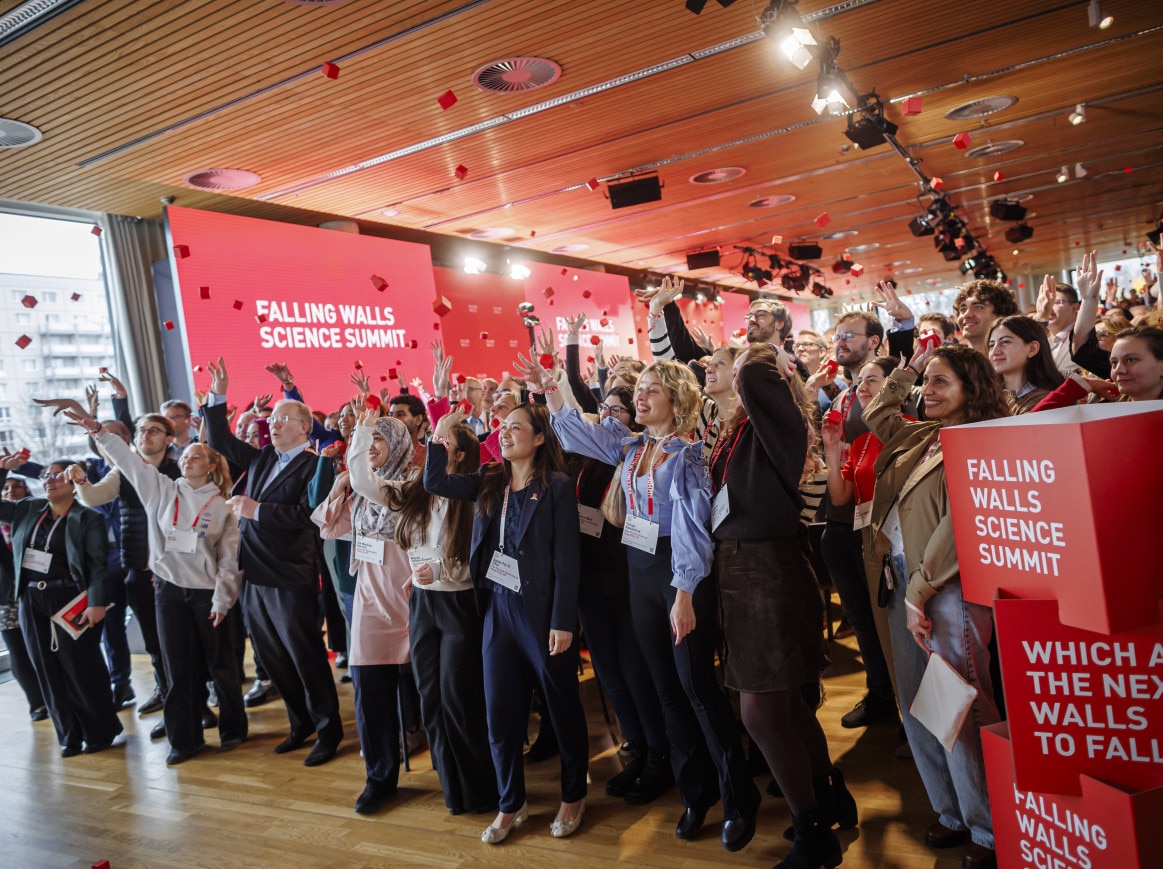
Australian and New Zealand research presented at Falling Walls Berlin
Apr 300:54:36Tap to summarizeCarl Smith reports from Falling Walls 2025 and speaks to presenters from Australia and New Zealand who were there sharing their research with the world.
Transcribe →Lab Notes: Can we replace lab animals?
Apr 200:10:49Tap to summarizeHumans have done experiments on animals for thousands of years — but animal testing has always been controversial because of the concerns for animal welfare. Recently, there have been more and more efforts to find alternatives to lab animals.So how is this quest going? What's on the horizon – and will we ever get rid of lab animals completely? You can binge more episodes of the Lab Notes podcast with science editor and presenter Jonathan Webb on the ABC Listen app (Australia). You'll find episodes on animal behaviour, human health, space exploration and so much more.Get in touch with us: labnotes@abc.net.auFeaturing:Darren Saunders, New South Wales deputy chief scientist and engineerThis episode of Lab Notes was produced on the lands of the Gadigal and Menang Noongar people.
Transcribe →