Podcast
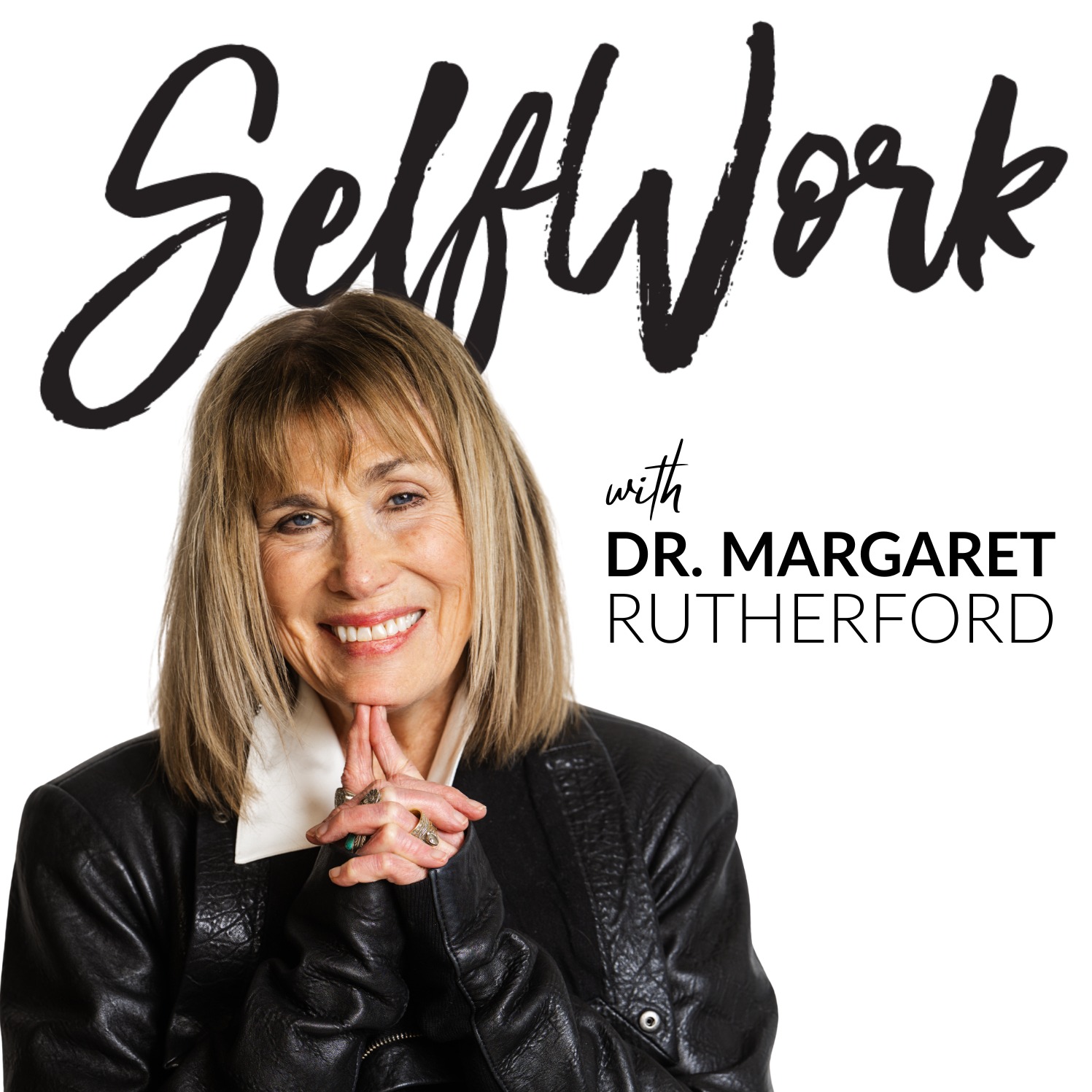
The SelfWork Podcast
Hosted by Margaret Robinson Rutherford PhD · EN
I'm Dr. Margaret, a psychologist for over 30 years, TEDx speaker, and the author of Perfectly Hidden Depression. I created The SelfWork Podcast in 2016 to explain mental health treatment and to give you the chance to consider therapy without thinking it's weird or that it somehow suggests you can't fix your own problems. My team is very honored that nine years later, SelfWork has earned nearly 5 million downloads! Each episode features the popular listener question as well as interviews with outstanding guests, authors, and experts, adding to the wide diversity of topics listeners so appreciate. Regularly rated as one of the top mental health/depression podcasts out there (ranked as a top .5% internationally) I keep it short, casual, and focused on "what you can do about it." I'd love to hear from you. Please join me.
43episodes
Episodes
Newest firstAll episodes
509 SelfWork: EMDR Therapy: How It Can Help Fill Emptiness and Release Grief with Dr. Laurel Parnell
1w ago00:43:28Tap to summarizeEMDR Therapy is known for its treatment of trauma. Dr. Laurel Parnell teaches and demonstrates how it can be healing for emptiness and grief - when relationships were never loving and for when they're gone.Order The Perfectly Hidden Depression Workbook - A stand-alone workbook exploring the ten traits of Perfectly Hidden Depression, with guided exercises to help you decide what to keep from your drive and perfectionism, and what to let go. Be a part of the conversation and join Dr. Margaret’s newsletter for one weekly email featuring the latest blog post and podcast episode. Have a question or comment? Send a voice message for possible use on the podcast. By recording, you give permission for your voice to be used on SelfWork!Advertising Inquiries: https://redcircle.com/brands
Transcribe →508 SelfWork: The Eye-Opening Grief of Disillusionment and Heartbreak
2w ago00:20:54Tap to summarizeDisillusionment is defined in psychology as a "belief collapse." And the grief that that implosion can cause can be very hard to work through.Today's focus will be on how to do just that - get through disillusionment.What is disillusionment?Disillusionment happens when something you desire or believe strongly is true and right – something that you’ve worked hard to create or to build - crashes into a harsh reality.So many of my clients through the years have been disillusioned, demoralized people. They have reached a level of pain in their hearts and very souls that feels overwhelming.Order The Perfectly Hidden Depression Workbook - A stand-alone workbook exploring the ten traits of Perfectly Hidden Depression, with guided exercises to help you decide what to keep from your drive and perfectionism, and what to let go.Be a part of the conversation and join Dr. Margaret’s newsletter for one weekly email featuring the latest blog post and podcast episode. Have a question or comment? Send a voice message for possible use on the podcast. By recording, you give permission for your voice to be used on SelfWork!Advertising Inquiries: https://redcircle.com/brands
Transcribe →507 SelfWork: How to Effectively Talk To A Perfectionist
3w ago00:22:55Tap to summarizeThe subject for today is how to talk with a perfectionist about your concern for them. Or if you’re the perfectionist, how to allow someone into your world enough for you to hear that concern. I'll offer five definite approaches that work and you'll learn about the feedback loop that makes perfectionism addictive. Order The Perfectly Hidden Depression Workbook - A stand-alone workbook exploring the ten traits of Perfectly Hidden Depression, with guided exercises to help you decide what to keep from your drive and perfectionism, and what to let go.Be a part of the conversation and join Dr. Margaret’s newsletter for one weekly email featuring the latest blog post and podcast episode. Have a question or comment? Send a voice message for possible use on the podcast. By recording, you give permission for your voice to be used on SelfWork!Advertising Inquiries: https://redcircle.com/brands
Transcribe →506 SelfWork: Therapy Harm: Straight Talk with Dr. Patricia Dixon
Jul 1000:39:06Tap to summarizeTherapy harm is the topic this week, as Dr. Margaret welcomes her guest Dr. Patricia Dixon to SelfWork.What is therapy harm?We talk more openly than ever about the benefits of therapy, but less about the ways therapy can unintentionally cause harm. And harm does happen far too often with therapists who do things or say things that hurt their clients. Maybe it’s over-sharing, being dismissive of something their client is trying to describe, invalidating their experience. Or perhaps even worse, letting a client know of an attraction to them that they feel.Dr. Patricia Dixon, an expert in therapy harm and what's termed "colorism"Today psychologist and mental health advocate Dr. Patricia Dixon is shedding light on the often misunderstood concept of “therapy harm.” She explains what it is, how it can happen even with the best intentions, and why clients who experience it often struggle to speak up. We’re also going to focus on what’s called “colorism” - when fairer skin becomes an avenue toward privilege - and how she addresses that in her teaching and practice. Colorism happens in multiple cultures and is so important to legitimize as happening regularly.Order The Perfectly Hidden Depression Workbook - A stand-alone workbook exploring the ten traits of Perfectly Hidden Depression, with guided exercises to help you make decisions about what to keep about your perfectionism and what to challenge. Be a part of the conversation and join Dr. Margaret’s newsletter for one weekly email featuring the latest blog post and podcast episode.Have a question or comment? Send a voice message for possible use on the podcast. By recording, you give permission for your voice to be used on SelfWork! Advertising Inquiries: https://redcircle.com/brands
Transcribe →505 SelfWork: What's The Most Recent News For Depression Sufferers in 2026?
Jul 300:20:21Tap to summarizeWhat's the most recent news for depression sufferers in 2026?That's the question Dr. Margaret researched today. Some new treatments are available now; some are still trying to get FDA approval. But there's a lot of promise out there, especially for what's termed treatment-resistant depression.There's also a new book out, Rethinking Suicide, that points out more recent research findings in suicide prevention. Order The Perfectly Hidden Depression Workbook - A stand-alone workbook exploring the ten traits of Perfectly Hidden Depression, with guided exercises to help you decide what to keep from your drive and perfectionism, and what to let go. Be a part of the conversation and join Dr. Margaret’s newsletter for one weekly email featuring the latest blog post and podcast episode. Have a question or comment? Send a voice message for possible use on the podcast. By recording, you give permission for your voice to be used on SelfWork!Advertising Inquiries: https://redcircle.com/brands
Transcribe →504 SelfWork: Your Questions and Answers: Is Anorexia Back "In", Borderline Moms, and Mother/Son Enmeshment
Jun 2600:23:05Tap to summarizeDr. Margaret will focus today on questions and answers that listeners have sent her by either voicemail or email.First topic for today: Is anorexia back "in" as beautiful? Second: Why could you be allowing your mom (with borderline traits) to occupy such emotional space in your life? And third: If I'm openly sad when my son is getting ready to leave home, am I unintentionally setting him up to feel guilty? I so appreciate it when either listeners to the podcast or readers on my website comment to me, leave me a Speakpipe voicemail, or send in an email! So thank you to any and all of you who've sent in questions and comments. Keep them coming!Order The Perfectly Hidden Depression Workbook - A stand-alone workbook exploring the ten traits of Perfectly Hidden Depression, with guided exercises to help you decide what to keep from your drive and perfectionism, and what to let go. Be a part of the conversation and join Dr. Margaret’s newsletter for one weekly email featuring the latest blog post and podcast episode.Have a question or comment? Send a voice message for possible use on the podcast. By recording, you give permission for your voice to be used on SelfWork!Advertising Inquiries: https://redcircle.com/brands
Transcribe →503 SelfWork: Important Insights Into How to Interpret the Enneagram with Courtney Smith
Jun 1900:47:40Tap to summarizeDiscover how to interpret the Enneagram in this episode of SelfWork! It's a personality test that's been around for decades. How is it different from other personality scales and what has made it so popular for so many years?Our expert speaker is Courtney Smith, who's a coach, group facilitator, and consultant who works with individuals and Fortune 500 companies to achieve change. She is a renowned practitioner of the Enneagram personality system, which she teaches alongside other personal development tools. She is the coauthor with Elise Loehnen of Choosing Wholeness Over Goodness. Courtney's newsletter is What We're Really Up To.Order The Perfectly Hidden Depression Workbook - A stand-alone workbook exploring the ten traits of Perfectly Hidden Depression, with guided exercises to help you decide what to keep from your drive and perfectionism, and what to let go.Be a part of the conversation and join Dr. Margaret’s newsletter for one weekly email featuring the latest blog post and podcast episode.Have a question or comment? Send a voice message for possible use on the podcast. By recording, you give permission for your voice to be used on SelfWork!Advertising Inquiries: https://redcircle.com/brands
Transcribe →502 SelfWork: The Medical and Mental Trauma of Chronic Invisible Illness with Amy Kurtz
Jun 1200:47:32Tap to summarizeIn this SelfWork episode, Dr. Margaret interviews an expert on medical and mental trauma of chronic illness - Amy Kurtz.194 million Americans–more than 76 percent of the population–are living with chronic illness. Many eventually stabilize, but what happens when the body heals and you still don’t feel safe inside it?Patient advocate and health coach Amy Kurtz knows this gap in our healthcare system firsthand. Having gone to 36 doctors, she was already exhausted from that decades-long effort. Finally hearing the diagnosis of late-stage neurological Lyme disease with co-infections, and getting the right treatment, her labs may have improved. But as her body began to stabilize, the fear didn’t fade. She lived in constant anticipation that her health would collapse again at any moment. It was her husband who finally named what she couldn’t: the illness may have receded, but the trauma hadn’t. What emerged from that conversation is her book that came out this week - BUT YOU LOOK FINE (Balance, June 9), an earnest guide to get through the dark tunnel of what she calls Medical Trauma Brain: the lingering imprint of illness that doesn’t disappear just because the diagnosis improves.Order The Perfectly Hidden Depression Workbook - A stand-alone workbook exploring the ten traits of Perfectly Hidden Depression, with guided exercises to help you decide what to keep from your drive and perfectionism, and what to let go.Be a part of the conversation and join Dr. Margaret’s newsletter for one weekly email featuring the latest blog post and podcast episode. Have a question or comment? Send a voice message for possible use on the podcast. By recording, you give permission for your voice to be used on SelfWork! Advertising Inquiries: https://redcircle.com/brands
Transcribe →
Introducing How To!: “How To Take Psychedelics for Your Mental Health with Dr. Will Van Derveer”
Jun 900:44:34Tap to summarizeThis week we’re sharing a special episode from our friends at How To!, the 2026 Ambie Award-nominated “Best Personal Growth Podcast” that’s back with a new host and new topics to fuel your curiosity. Each week on How To!, award-winning journalist Mike Pesca tackles a listener’s question – on topics ranging from travel and finance to health and relationships – with help from world-class experts who actually know what they're talking about. Think of it as eavesdropping on someone else's therapy session, without the co-pay or awkward silence. And today, we’re sharing their recent episode “How To Take Psychedelics for Your Mental Health” where Mike interviews psychiatrist Dr. Will Van der Veer, a psychedelic researcher, and Myq Kaplan who has taken psychedelics for his mental health and other reasons. I love this episode because you get to hear a bunch of personal experiences of medical psychedelics and learn more about this emerging treatment for mental health conditions. And for more interviews like this, make sure to follow How To! on Apple Podcasts, Spotify, or wherever you get your podcasts. And tell them we sent you.Advertising Inquiries: https://redcircle.com/brands
Transcribe →501 SelfWork: Cultural Humility: What It Takes To Walk in Someone Else's Shoes
Jun 500:22:59Tap to summarizeDr. Margaret focuses today on the vital importance of what’s termed “cultural humility” as she responds to a listener voicemail, pointing out that as she’s a white person, her advice comes from a place of privilege in the US.Do you have to have walked in someone else’s shoes, carried the same load as they have, lived a life very similar to theirs – to truly understand them? Or to offer something helpful to them?I received a very open and honest voicemail this week that addresses this question. What follows is also a discussion of the difference between cultural competence and cultural humility. Order The Perfectly Hidden Depression Workbook - A stand-alone workbook exploring the ten traits of Perfectly Hidden Depression, with guided exercises to help you decide what to keep from your drive and perfectionism, and what to let go.Be a part of the conversation and join Dr. Margaret’s newsletter for one weekly email featuring the latest blog post and podcast episode. Have a question or comment? Send a voice message for possible use on the podcast. By recording, you give permission for your voice to be used on SelfWork!Advertising Inquiries: https://redcircle.com/brands
Transcribe →