
Podcast
The Sikh Cast
Hosted by Sikh Research Institute · EN
Hosted by the Sikh Research Institute, we feature members of the Sikh community to talk about issues relevant to Sikhs around the world.
For articles, blogs and videos find SikhRI on Youtube and Facebook, or head over to sikhri.org.
23episodes
Episodes
Newest firstAll episodes
Explore Din Raini | The Guru Granth Sahib Project
6d ago00:06:43Tap to summarizeIn the Guru Granth Sahib, Din Raini is a poetic form, like Barah Maha, Ruti, Thiti, and Var Sat, structured around traditional Indic units of time. While Barah Maha draws on the months, Ruti on the seasons, Thiti on lunar dates, and Var Sat on the days of the week, Din Raini draws on the four quarters of the day and night to teach that every moment of life can be made fruitful through service, contemplation, and loving devotion.Featuring: Trippat Singh#Sikh #GuruGranthSahib #GuruGranthSahibJi #Sikhism #Sikhi #Shabad #Sabad #Panjab #India #Punjab #Wisdom #TGGSPNewRelease #GuruArjanSahib #GuruArjan #GuruArjanDevJi #TheGuruGranthSahibProject
Transcribe →
Kirpan: Panthic Accountability & Developing Inner Grace
3w ago01:06:16Tap to summarizeOn December 3, 2025, twenty-two year old Vickrum Singh Digwa stabbed eighteen year old Henry Nowak four times on Belmont Road in Southampton in the UK. Nowak died. Digwa, an Amritdhari Sikh and member of the Nihang order, was convicted of murder and sentenced to life with a minimum of 21 years.In this episode, join Jasleen Kaur, Harinder Singh, and Santbir Singh for a reflective and nuanced conversation about what this case has brought up about the Kirpan, Khalsa identity, masculinity, and our responsibility to one another.Featuring:Harinder Singh (https://sikhri.org/people/harinder-singh)Jasleen Kaur (https://sikhri.org/people/jasleen-kaur)Santbir Singh (https://sikhri.org/people/santbir-singh)
Transcribe →
Explore Thiti (Kabir Ji)
Jun 1800:10:19Tap to summarizeExplore Thiti (Kabir Ji): https://bit.ly/thiti-kj-podcastAs a poetic form, Thiti is based on the fifteen lunar days of the Indic calendar months. A ‘thiti’ refers to a lunar calendar day—a count from the first to the fifteenth day based on the moon's phases. The Guru Granth Sahib contains three such compositions, one each by Guru Nanak Sahib, Guru Arjan Sahib, and Bhagat Kabir Ji.Speaker: Trippat Singh
Transcribe →
Sacrilege & Sovereignty: The Guru, the Panth & the State
May 2801:03:47Tap to summarizeBeadbi is back in the news, and this time, the Panjab government has passed a new law. But is a state-legislated solution what the Panth needs?What are the implications of a law written without the input or consent of the Akal Takht Sahib, the political seat of authority for Sikhs? Join Harinder Singh and Jasleen Kaur as they return to the question of ‘sacrilege,’ Sikh governance, and what it means when the state steps in to deal with matters over which Sikh institutions are meant to have authority.Featuring:Harinder Singh (https://sikhri.org/people/harinder-singh)Jasleen Kaur (https://sikhri.org/people/jasleen-kaur)
Transcribe →
Explore Bani Bhagat Jaidev Ji | The Guru Granth Sahib Project
May 2100:08:33Tap to summarizeExplore Bani Bhagat Jaidev JiThe Guru Granth Sahib Project is pleased to announce the annotation of two Sabads by Bhagat Jaidev Ji, one of the fifteen Bhagat contributors to the Guru Granth Sahib.The first Sabad is under Rag Gujari, a devotional musical mode associated with the aesthetics of compassion. The second Sabad is under Rag Maru, which evokes a spirit of enthusiasm and zeal.Featuring: Sukhmann Kaur (https://sikhri.org/people/sukhmann-kaur)
Transcribe →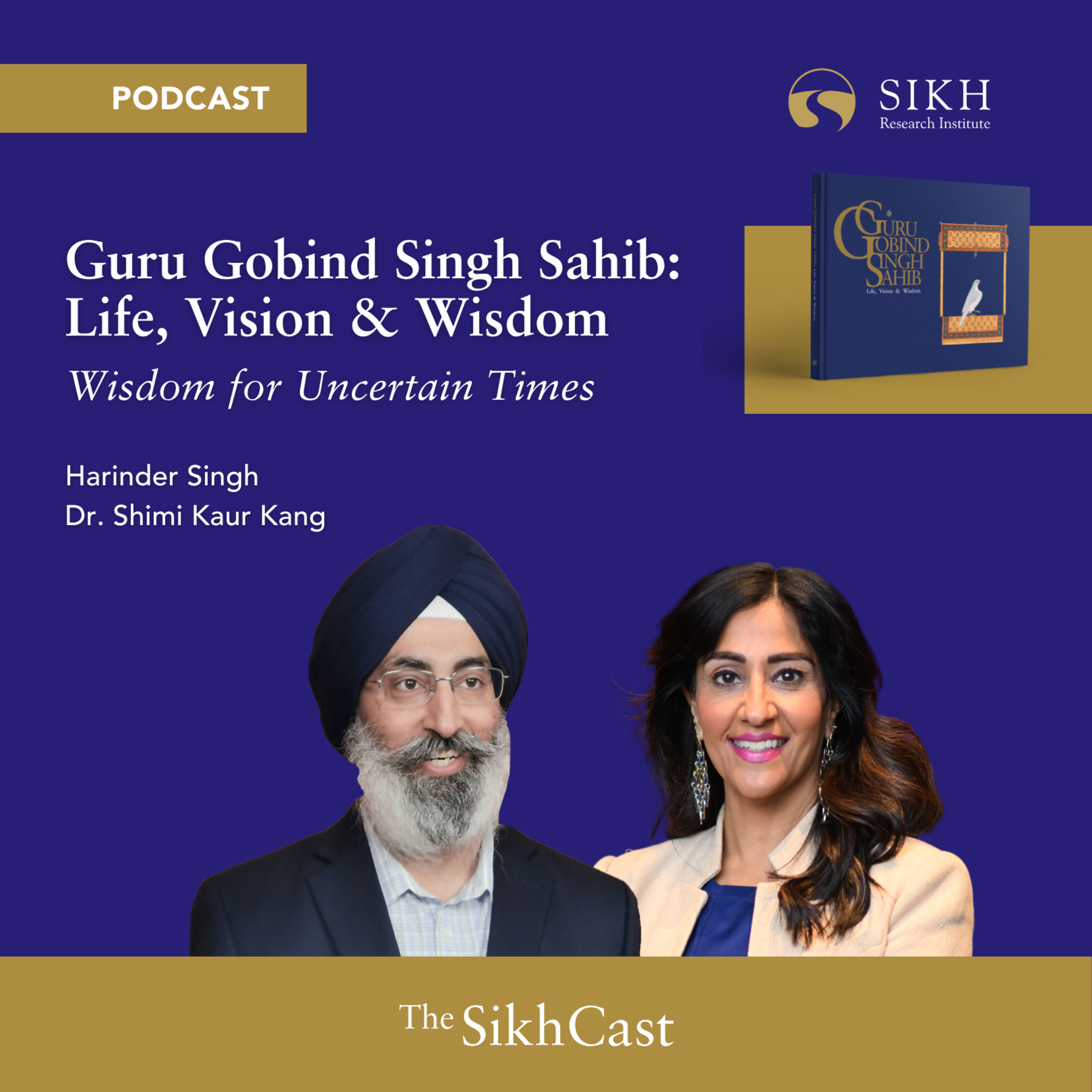
Guru Gobind Singh Sahib: Life, Vision & Wisdom | Wisdom for Uncertain Times | Vancouver
May 2101:37:58Tap to summarizeRecorded in Vancouver, the dialogue features Harinder Singh — author of the book, educator, and co-founder of SikhRI — alongside author, psychiatrist, and advocate Dr. Shimi Kaur Kang. Together, they invite seekers, thinkers, and readers to reflect on how the Guru’s sovereign spirit calls us to stand for universal justice and human dignity. The conversation explores what it means to remain grounded in conviction while staying committed to the well-being of all.Featuring: Harinder Singh (https://sikhri.org/people/harinder-singh)Shimi Kaur Kang (https://sikhri.org/people/shimi-kaur-kang)
Transcribe →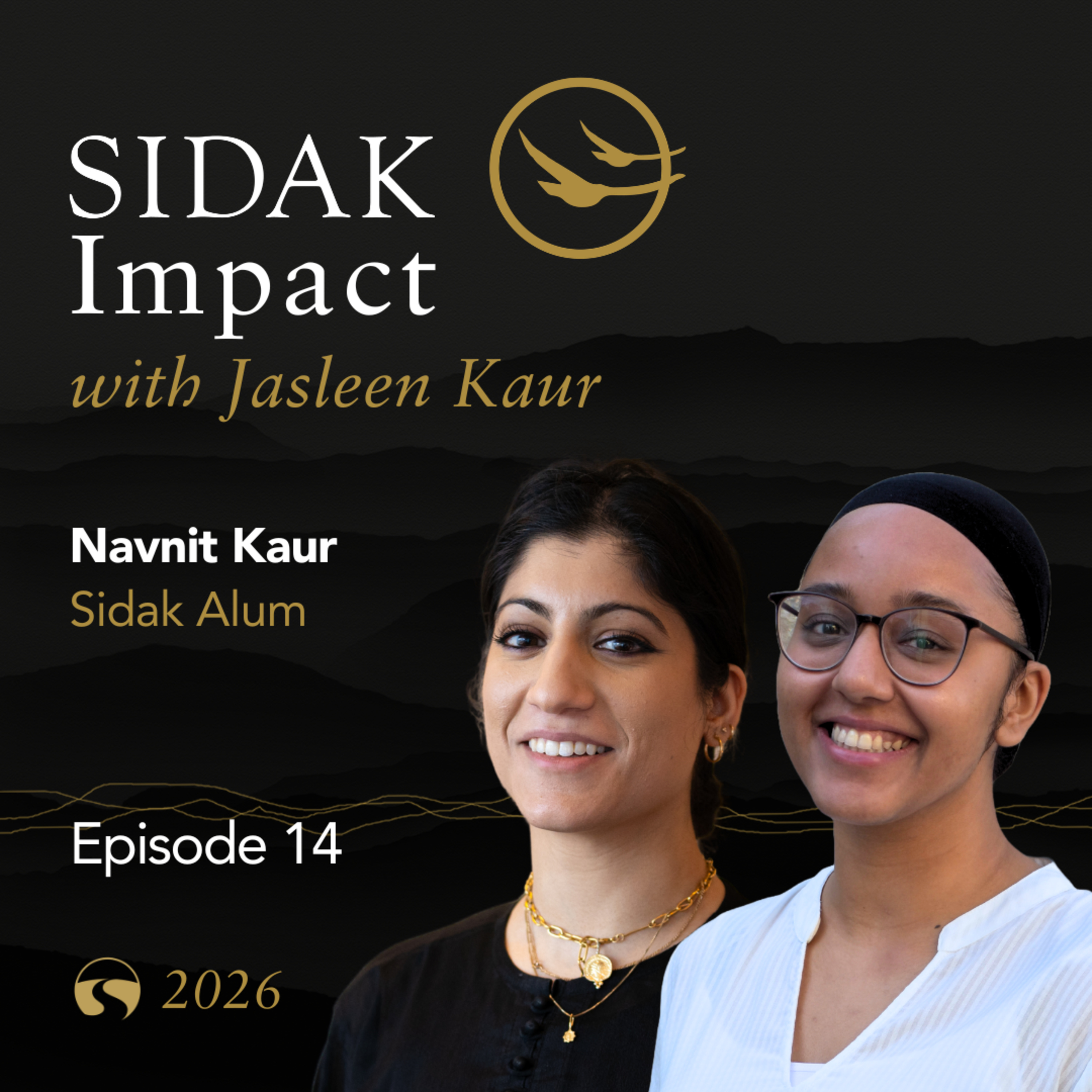
The Sidak Impact: Jasleen Kaur & Navnit Kaur
Apr 3000:39:28Tap to summarizeSidak alum Navnit Kaur chats with Sidak facilitator Jasleen Kaur, reflecting on her past Sidak experience—becoming more open-minded, meeting a diverse sangat from around the world, discovering the beauty of taking a Hukamnama for the first time, and ultimately becoming softer with herself and with others.Sidak seeks to provide young Sikh adults with a gift of Gurmat-centered leadership learning experience to secure—and transform—the Sikh future.Learn more about Sidak: https://social.sikhri.org/tsi-sidakFeaturing:Jasleen Kaur (https://sikhri.org/people/jasleen-kaur)
Transcribe →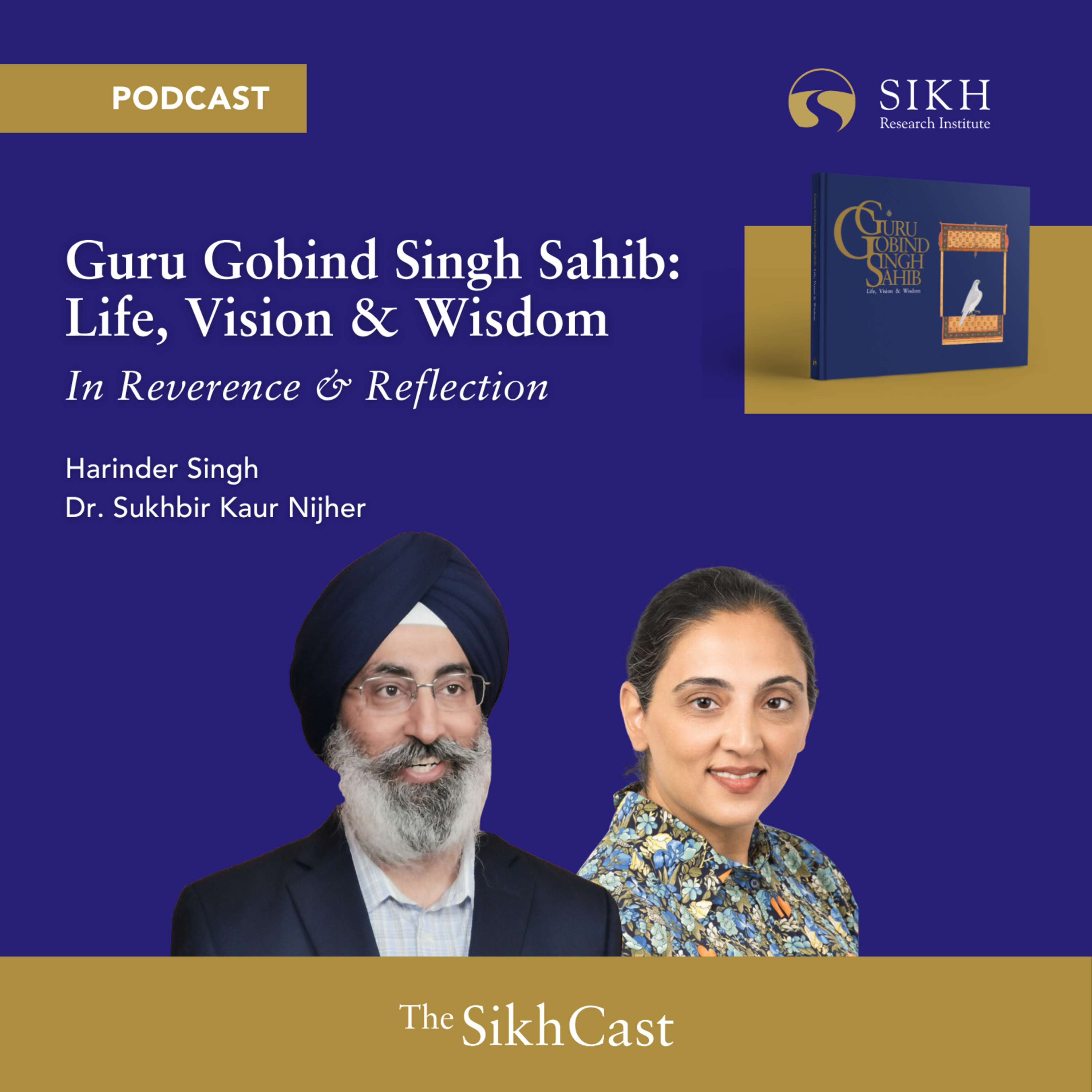
Guru Gobind Singh Sahib: Life, Vision & Wisdom | In Reverence & Reflection | Tampa
Apr 2401:29:20Tap to summarizeJoin Harinder Singh for a thoughtful and reflective conversation exploring Guru Gobind Singh Sahib: Life, Vision & Wisdom. Moderated by Dr. Sukhbir Kaur Nijher, this episode delves into the life, vision, and enduring wisdom of Guru Gobind Singh Sahib, offering insights through the lens of this powerful publication.Featuring: Harinder Singh (https://sikhri.org/people/harinder-singh)Dr. Sukhbir Kaur Nijher
Transcribe →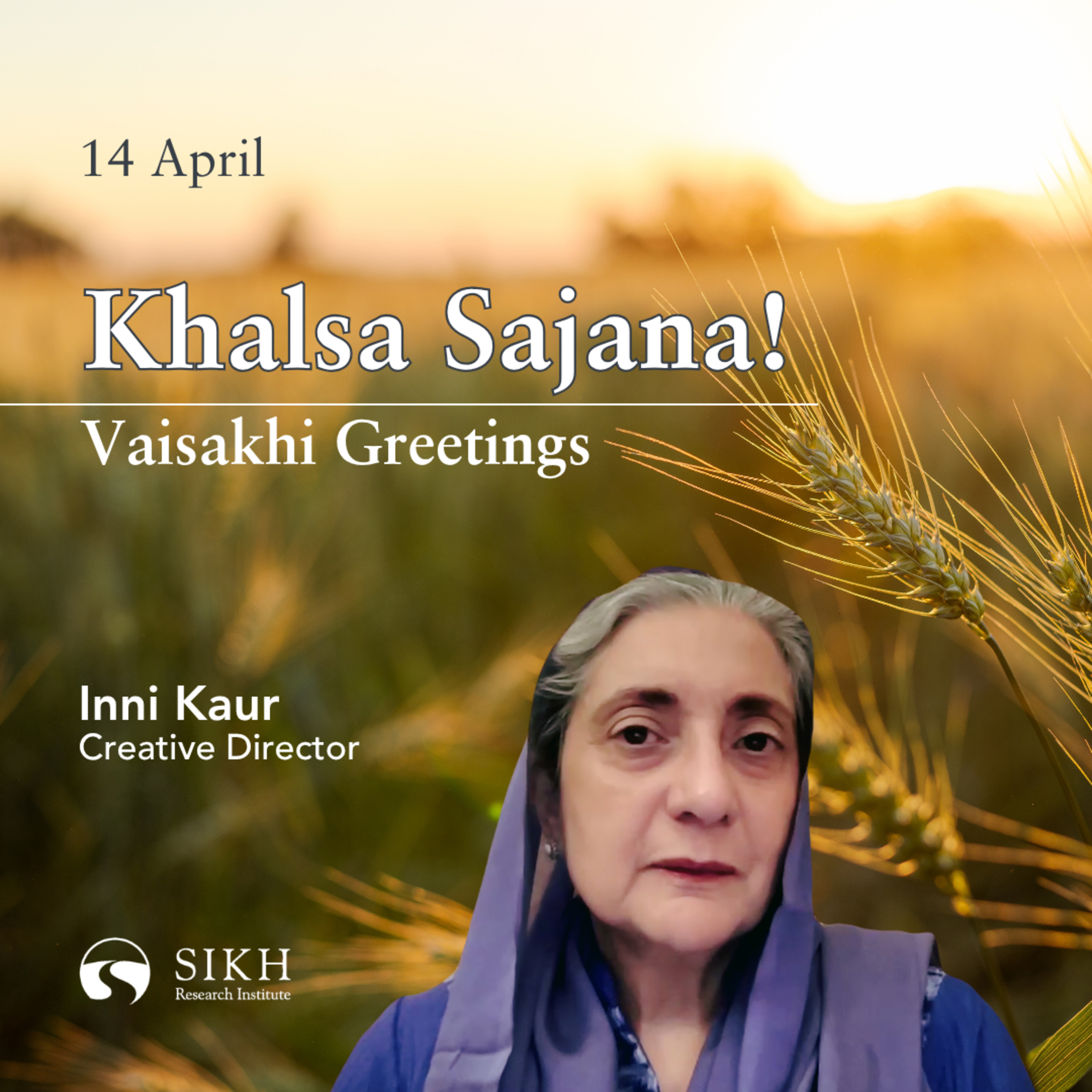
Vaisakhi: What Does It Mean to Truly Receive?
Apr 1500:07:32Tap to summarizeInni Kaur is the Creative Director at the Sikh Research Institute, where she leads content, branding, and communications. A longtime contributor since 2009, she is also an author, poet, and artist whose work brings Sikh teachings into meaningful, accessible dialogue, rooted in reflection, creativity, and lived experience across diverse communities.Vaisakhi invites us to reflect on what was given in 1699 and what it means today. When Guru Gobind Singh Sahib called, only five stepped forward, embodying courage and surrender. Through their offering, a way of living was revealed—carried forward through sacrifice and resilience. At its heart is Anand, a deep connection known through the Guru and the Sabad. This Anand is not of the past; it is available now. Even when we drift, the Guru’s call remains. Vaisakhi becomes real when we live it—through courage, clarity, and love. May we remain connected, experience Anand, and walk this path with awareness.Featuring:Inni Kaur (https://sikhri.org/people/inni-kaur)
Transcribe →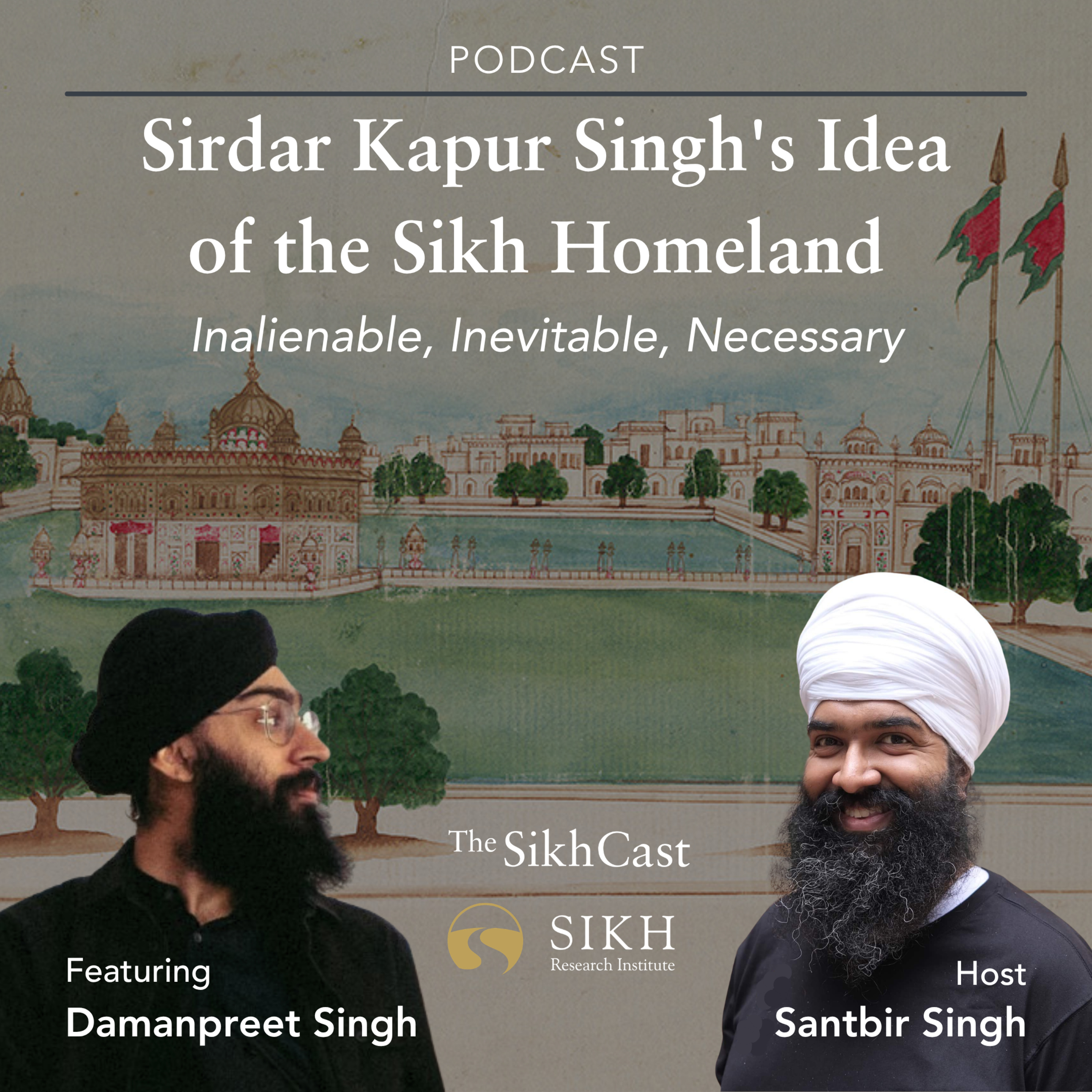
Sirdar Kapur Singh's Idea of the Sikh Homeland
Apr 1400:58:21Tap to summarizeSirdar Kapur Singh, one of the leading Sikh thinkers of the twentieth century, developed one of the clearest arguments for a Sikh homeland within postcolonial India. Across speeches, interviews, and essays, he argued that such a homeland was inalienable from the Sikhs, historically inevitable, and politically necessary. His theory emerged from the violence and dislocations of the 1947 Partition and its long aftermath and was rooted in a deep understanding of Guru Gobind Singh Sahib’s vision of the Khalsa.Read more: https://sikhri.org/articles/sirdar-kapur-singhs-idea-of-the-sikh-homelandFeaturing: Damanpreet Singh (https://sikhri.org/people/damanpreet-singh)Santbir Singh (https://sikhri.org/people/santbir-singh)
Transcribe →