Podcast
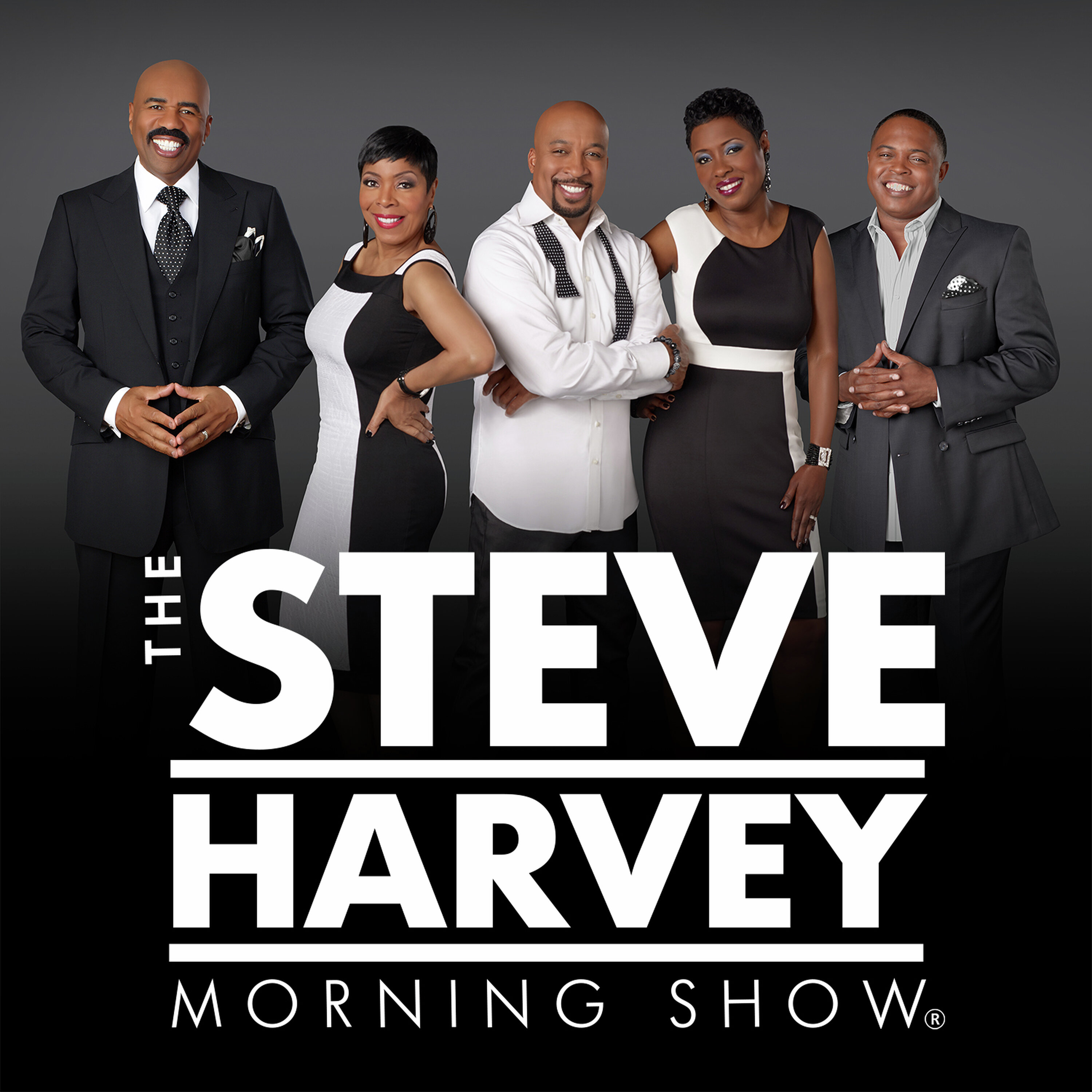
The Steve Harvey Morning Show
Hosted by iHeartPodcasts · EN
Start your day with laughs, love, and real talk from Steve Harvey and his hilarious crew Shirley Strawberry, Carla Ferrell, Nephew Tommy, and Junior on the #1 morning radio show in America. Prank calls, life advice, celebrity guests, and nonstop energy. Follow, favorite, and subscribe now so you never miss a moment!
Steve Harvey brings his unmatched charisma and wisdom to mornings across the country, mixing comedy, culture, and connection like no one else. Whether you need a laugh, a lift, or a little perspective, The Steve Harvey Morning Show delivers it all.
Join millions who tune in every day, and make Steve and the crew part of your morning routine!
382episodes
Episodes
Newest firstAll episodes

Brand Building: Ash started as a bank teller at 19 and worked his way up to private banker and credit union CEO.
4d ago00:27:10Tap to summarizeListen and subscribe to Money Making Conversations on iHeartRadio, Apple Podcasts, Spotify, www.moneymakingconversations.com/subscribe/ or wherever you listen to podcasts. New Money Making Conversations episodes drop daily. I want to alert you, so you don’t miss out on expert analysis and insider perspectives from my guests who provide tips that can help you uplift the community, improve your financial planning, motivation, or advice on how to be a successful entrepreneur. Keep winning! Two-time Emmy and Three-time NAACP Image Award-winning, television Executive Producer Rushion McDonald interviewed Ash Cash. A financial educator and author, shares his journey from working as a bank teller to becoming a leading financial expert. He discusses financial literacy, wealth-building strategies, and the mindset needed for financial success. 🔑 Key Themes & Highlights Career Growth & Financial Education Started as a bank teller at 19 and worked his way up to private banker and credit union CEO. Transitioned into financial education, writing books, and speaking at events to empower communities. Financial Literacy & Wealth Building Emphasizes the importance of understanding banking, taxes, and financial tools. Encourages people to shift their mindset from fear to knowledge when managing money. Overcoming Financial Struggles Shares personal experiences of financial setbacks and how he rebuilt his wealth. Discusses how negative financial experiences can shape people’s perceptions and behaviors. Mindset & Success Principles Advocates for surrounding oneself with mentors and positive influences. Encourages listeners to focus on their own financial journey rather than comparing themselves to others. Financial Coaching & Community Impact Talks about his work in prisons, churches, and community organizations to teach financial literacy. Highlights the importance of mentorship and education in breaking financial barriers. 📘 About Ash CashAsh Cash is a financial educator, author, and speaker known for his culturally responsive approach to teaching financial literacy. He has written multiple best-selling books and is dedicated to helping individuals achieve financial independence. #STRAW #BEST #SHMS Money Making Conversations Master Class with Rushion McDonald is America's premier entrepreneurship, business leadership, financial literacy, and wealth-building podcast featuring successful entrepreneurs, executives, founders, celebrities, and industry experts sharing actionable insights for professional and financial success. Business Podcast Entrepreneurship Small Business Business Growth Financial Literacy Wealth Building Black Entrepreneurs Minority Business Leadership Executive Leadership Business Funding Marketing Strategies Personal Development Startup Advice Sales Training CEO Interviews Founder Stories Professional Development Economic Empowerment Business Success Networking Brand Building Innovation How to start a business Small business funding Entrepreneur success stories Business leadership podcast Wealth building strategies Black entrepreneur podcast Minority business development Marketing for small businesses Business growth strategies Startup funding opportunities Executive leadership training Financial literacy education Success mindset podcastSupport the show: https://www.steveharveyfm.com/See omnystudio.com/listener for privacy information.
Transcribe →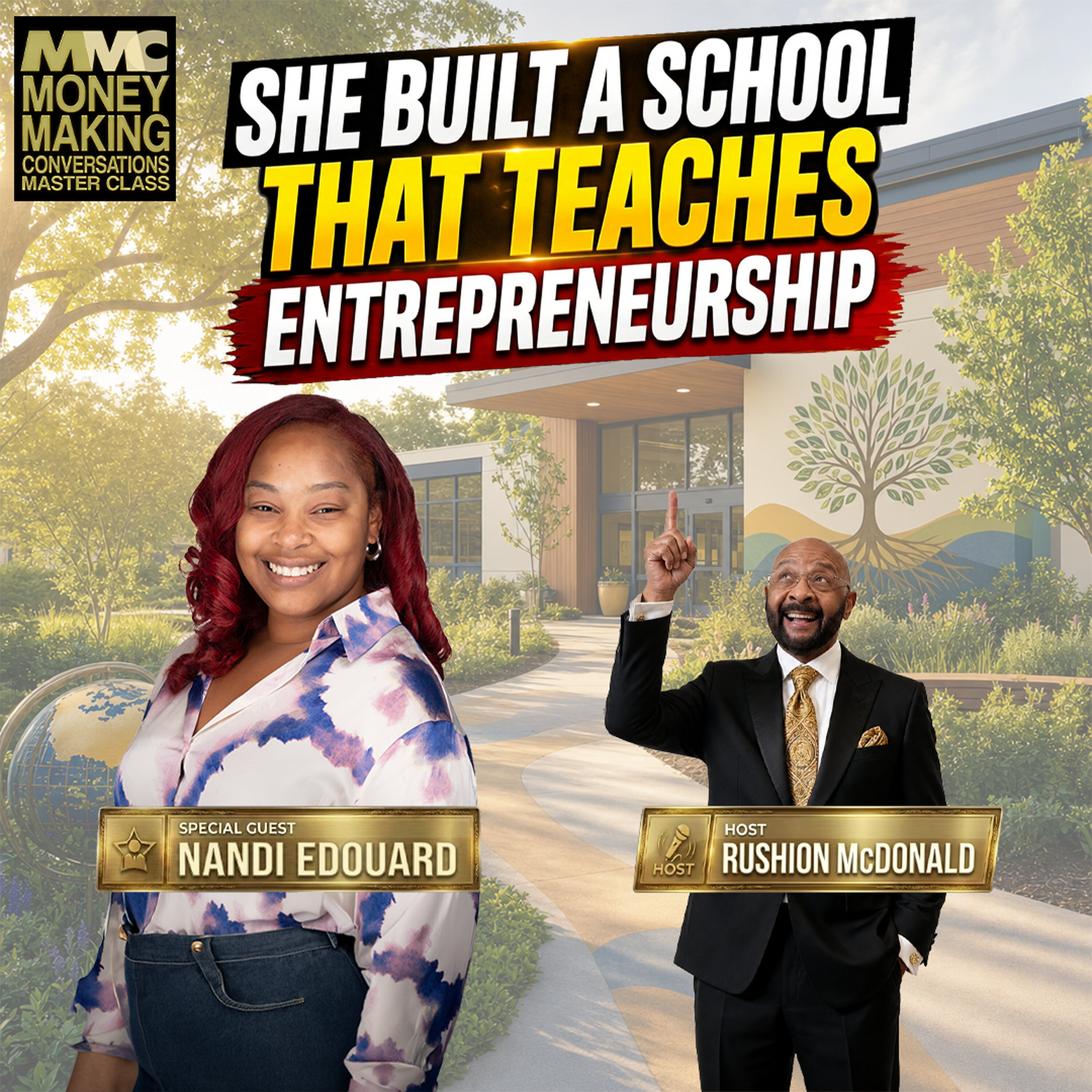
Future Education: Nandi discusses her mission to reimagine education by blending academics with entrepreneurship.
4d ago00:30:40Tap to summarizeListen and subscribe to Money Making Conversations on iHeartRadio, Apple Podcasts, Spotify, www.moneymakingconversations.com/subscribe/ or wherever you listen to podcasts. New Money Making Conversations episodes drop daily. I want to alert you, so you don’t miss out on expert analysis and insider perspectives from my guests who provide tips that can help you uplift the community, improve your financial planning, motivation, or advice on how to be a successful entrepreneur. Keep winning! Money Making Conversations Master Class with Rushion McDonald is America's premier entrepreneurship, business leadership, financial literacy, and wealth-building podcast featuring successful entrepreneurs, executives, founders, celebrities, and industry experts sharing actionable insights for professional and financial success. Business Podcast Entrepreneurship Small Business Business Growth Financial Literacy Wealth Building Black Entrepreneurs Minority Business Leadership Executive Leadership Business Funding Marketing Strategies Personal Development Startup Advice Sales Training CEO Interviews Founder Stories Professional Development Economic Empowerment Business Success Networking Brand Building Innovation How to start a business Small business funding Entrepreneur success stories Business leadership podcast Wealth building strategies Black entrepreneur podcast Minority business development Marketing for small businesses Business growth strategies Startup funding opportunities Executive leadership training Financial literacy education Success mindset podcast Two-time Emmy and Three-time NAACP Image Award-winning, television Executive Producer Rushion McDonald interviewed Nandi Edouard. 🔎 Interview Summary In this episode, Nandi Edouard, founder of The Simple View Academy, discusses her mission to reimagine education by blending academics with entrepreneurship and financial literacy for middle and high school students in metro Atlanta. Her charter school focuses on: Project-based learning Teaching students how to start and run businesses Building confidence, identity, and economic mobility The conversation centers on education innovation, entrepreneurship, and community-driven impact. 🎯 Purpose of the Interview 1. Highlight Educational Innovation Showcase a new model of schooling focused on real-world skills Demonstrate how entrepreneurship can be integrated into education 2. Promote Financial Literacy Early Address the gap in teaching young people about money and wealth creation 3. Inspire Community Support Emphasize the importance of funding, partnerships, and local engagement in charter schools 4. Encourage Purpose-Driven Leadership Present Nandi as an example of a young leader creating systemic change 💡 Key Takeaways 1. Entrepreneurship Is a Path to Economic Mobility The school teaches students how to: Build businesses Understand funding, costs, and profit Students turn ideas into real ventures (13 student-run businesses in year one) 👉 Lesson: Entrepreneurship education empowers long-term financial independence 2. Education Must Evolve Beyond Traditional Models The academy uses project-based learning and real-world application Success is measured by: Collaboration Planning Execution—not just test scores 👉 Lesson: Skills and application matter as much as academics 3. Financial Literacy Should Start Early Nandi calls it “irresponsible” that kids aren’t taught about money sooner [ 👉 Lesson: Early exposure to money management is critical 4. Building a School Requires Community First Key steps: Listen to community needs Build trust (through programs like summer camps) Secure funding and partnerships 👉 Lesson: Community buy-in is foundational for impact 5. Charter Schools Face Resource Constraints Receive ~33% less funding than traditional public schools Must rely on: Grants Donations Partnerships 👉 Lesson: Innovation often requires resourcefulness 6. Exposure + Mentorship = Opportunity Students engage with: Business leaders Organizations like 100 Black Men Helps them identify career paths and refine goals 👉 Lesson: You can’t aspire to what you don’t see 7. Academic + Entrepreneurial Growth Is Possible Early results: 20–30% improvement in math and reading within 6 months 👉 Lesson: Nontraditional models can still produce strong academic outcomes 8. Leadership Requires Resilience and Support Nandi faced skepticism (age, experience) Relies on: Family Faith Community support 👉 Lesson: Vision + persistence overcomes doubt 🧠 Notable Quotes On entrepreneurship and wealth “Entrepreneurship is a way to economic mobility… how we create for ourselves and our communities.” On education gaps “I think it’s irresponsible that we do not teach young people about their money from early.” On building a school “Listen to your community… what does your community want from a school?” On student development “Helping them figure out what that thing is and putting a plan behind it.” On real-world learning “They took their idea… all the way to market.” On purpose and motivation “These young people need a space to flourish… I just have this fire to prove people wrong.” On defining success “Students knowing who they are, where they’re going, and how they’re going to get there.” 🧾 Bottom Line This interview presents a forward-thinking model for education and economic empowerment: Combine academics + entrepreneurship Teach financial literacy early Build systems rooted in community needs Focus on identity, purpose, and execution 👉 Nandi Edouard’s work positions education as a launchpad for ownership, not just employment. #SHMS #BEST #STRAWSupport the show: https://www.steveharveyfm.com/See omnystudio.com/listener for privacy information.
Transcribe →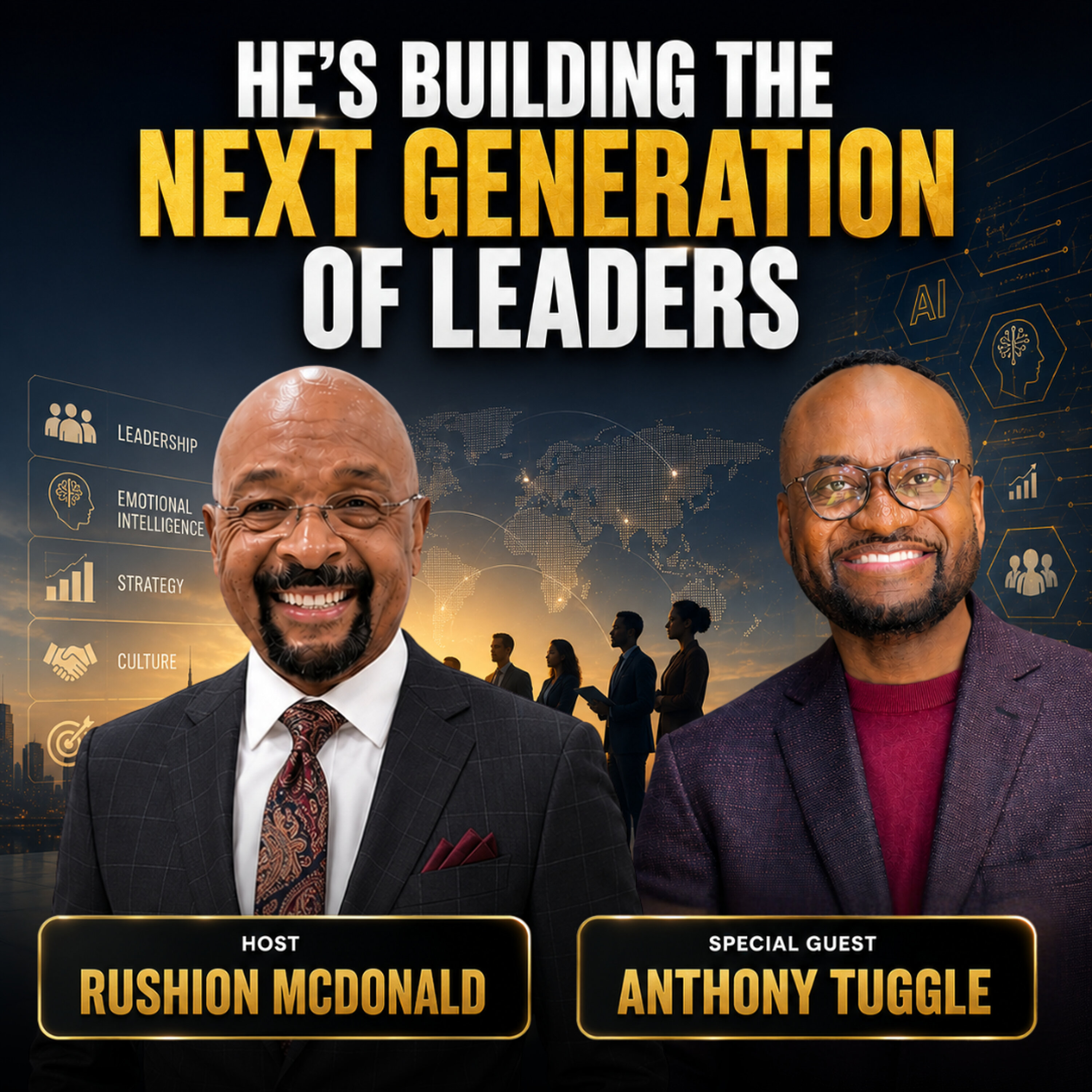
Overcoming the Odds: Anthony shares lessons in leadership, resilience, corporate success, and personal health battles.
4d ago00:28:32Tap to summarizeListen and subscribe to Money Making Conversations on iHeartRadio, Apple Podcasts, Spotify, www.moneymakingconversations.com/subscribe/ or wherever you listen to podcasts. New Money Making Conversations episodes drop daily. I want to alert you, so you don’t miss out on expert analysis and insider perspectives from my guests who provide tips that can help you uplift the community, improve your financial planning, motivation, or advice on how to be a successful entrepreneur. Keep winning! Money Making Conversations Master Class with Rushion McDonald is America's premier entrepreneurship, business leadership, financial literacy, and wealth-building podcast featuring successful entrepreneurs, executives, founders, celebrities, and industry experts sharing actionable insights for professional and financial success. Business Podcast Entrepreneurship Small Business Business Growth Financial Literacy Wealth Building Black Entrepreneurs Minority Business Leadership Executive Leadership Business Funding Marketing Strategies Personal Development Startup Advice Sales Training CEO Interviews Founder Stories Professional Development Economic Empowerment Business Success Networking Brand Building Innovation How to start a business Small business funding Entrepreneur success stories Business leadership podcast Wealth building strategies Black entrepreneur podcast Minority business development Marketing for small businesses Business growth strategies Startup funding opportunities Executive leadership training Financial literacy education Success mindset podcast Two-time Emmy and Three-time NAACP Image Award-winning, television Executive Producer Rushion McDonald interviewed Anthony Tuggle. Senior executive, transformational advisor, and founder/CEO of Tag Us Worldwide. With more than 30 years of leading global operations at AT\&T and other Fortune 10 organizations, Tuggle shares lessons in leadership, resilience, corporate success, personal health battles, entrepreneurship, and the importance of emotional intelligence in the AI era. His story blends professional excellence with survival, detailing how he overcame kidney failure, a transplant, dialysis, and even kidney cancer—while simultaneously rising to the executive ranks and later launching his own leadership transformation company. 🎯 Purpose of the Interview The interview’s goals were to: 1. Highlight Anthony Tuggle’s leadership journey From a corporate executive managing global teams to the CEO of Tag Us Worldwide. 2. Share actionable insights on corporate success and leadership development He explains the importance of foundation, consistency, emotional intelligence, and taking care of people. 3. Discuss the importance of DEI and equitable leadership Tuggle emphasizes why diverse backgrounds, and diverse thoughts build strong companies. 4. Reveal the personal health challenges that shaped his perspective His story serves as instruction, caution, and motivation. 5. Promote Tag Us Worldwide A transformation consultancy helping organizations elevate culture and leadership. 💡 Key Takeaways 1. Success Requires Hard Work, Foundation & Intentionality Success is not accidental.Tuggle stresses: Education (undergrad + MBA from Emory’s Goizueta Business School) Moving 12 times across the country for opportunities Consistency and showing up “Stay ready so you don’t have to get ready” is one of his core principles. 2. Leadership = Taking Care of People Tuggle explains that high-performing organizations have one thing in common:Leaders take care of people, and people take care of the business. He built a reputation for developing leaders who now lead in Fortune 50 companies. 3. Understanding the Rules of the Game Matters Whether you’re an entrepreneur or corporate professional, there are rules: Professionalism Performance Relationship building Consistency Respecting organizational culture Many people fail because they enter the “game” without learning its rules. 4. DEI and Access Are Non-Negotiable for Strong Organizations Tuggle is a firm supporter of diversity, equity, inclusion, both in culture and thought.He says he would not be where he is today without people giving him a chance. 5. His Corporate Career Was Truly Global He managed large teams across: The Philippines Costa Rica Mexico This global lens influences his approach to transformation and scaling businesses. 6. His Health Journey Defines His Resilience Anthony Tuggle's story is extraordinary: • Kidney failure in his 20s Doctor told him he “should be dead.”Caused by untreated hypertension. • 25-year kidney transplant survivor He received a deceased donor kidney and outlived the typical 10–15-year expectancy—twice. • Kidney transplant failed again after 25 years He returned to dialysis (hemodialysis → peritoneal dialysis). • Kidney cancer diagnosis—found early While preparing for another transplant, doctors discovered kidney cancer caused by long-term immunosuppressant medications.He survived it: stage 1, noninvasive. These challenges fuel his drive, urgency, and refusal to waste life. 7. Faith Was His Anchor Throughout When diagnosed with kidney failure, he got on his knees and prayed.He says God told him, “We're not done.”This became his mantra for survival and purpose. [ 8. Tag Us Worldwide: “Together Achieving Greatness” His company focuses on: Leadership transformation Cultural elevation Organizational outcomes Preparing leaders for the AI-powered future Tag Us delivers impact through: Real-world corporate experience AI-enhanced strategy Emotional intelligence coaching Business transformation frameworks He blends AI + EQ, insisting companies should never rely on AI alone. 9. AI Won’t Replace Humans—But Humans Who Use AI Will Win Tuggle led an AI organization for four years, and his stance is clear: AI is here to stay The “secret sauce” is people Leaders must embrace change, not fear it Emotional intelligence will enhance AI outcomes 10. Legacy = Family + Leadership + Service He emphasizes shaping his daughter’s worldview and standards.She graduated with honors from USC’s Marshall Business School. He believes leaders should create environments where people can win—and that is his mission. 🗣 Notable Quotes (with citations) On success “I didn’t just wake up and look like this—I put in the hard work.” [ On leadership “If you take care of your people, they take care of you.” On preparation “Stay ready—we don’t have to get ready.” [ On DEI “You need diversity of color but also diversity of thought.” On fear “I faced many obstacles throughout my life… fear becomes motivation.” [ On AI “Good leade...
Transcribe →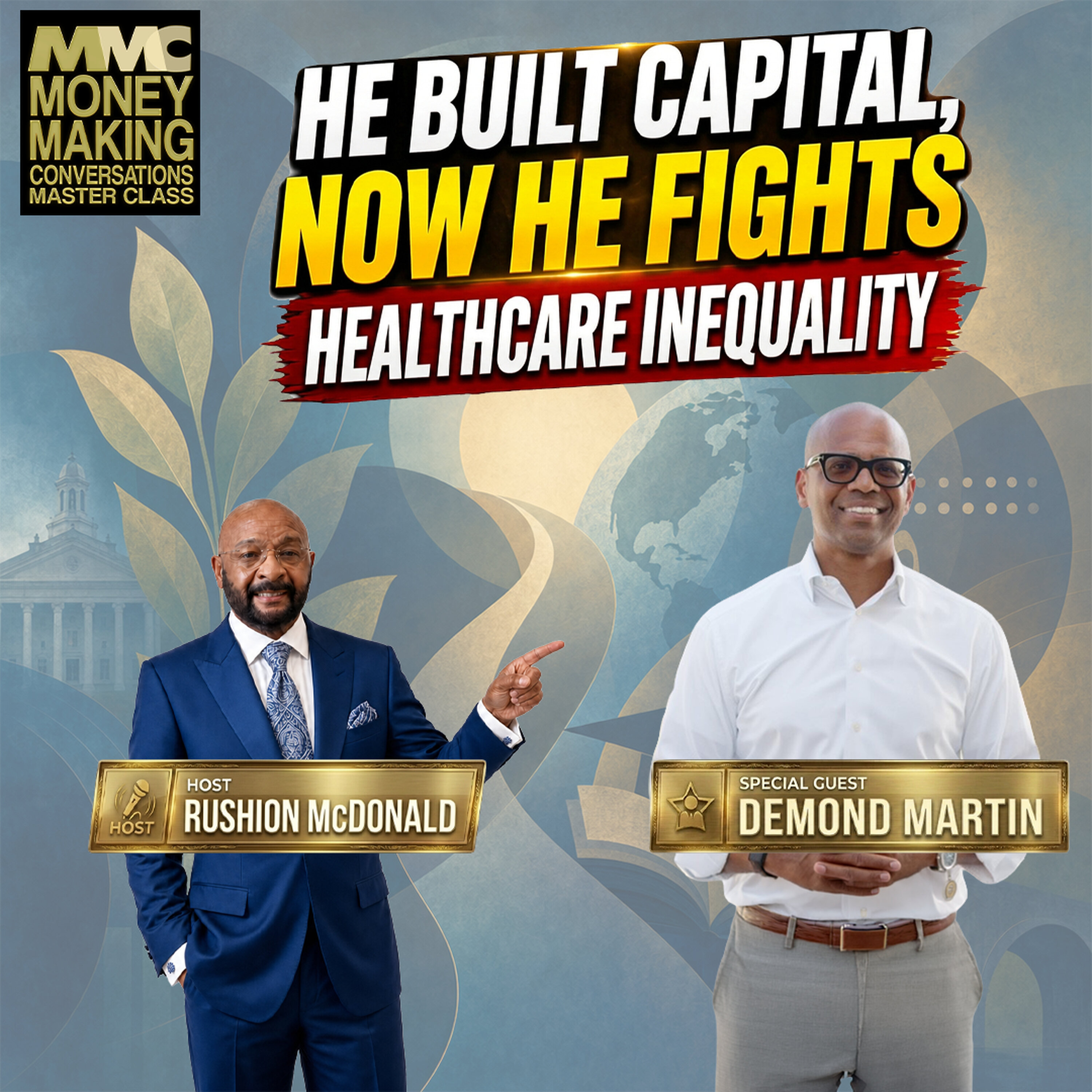
Better Health: Demond donates 20% of his Well With All profits to health‑equity initiatives.
4d ago00:22:10Tap to summarizeListen and subscribe to Money Making Conversations on iHeartRadio, Apple Podcasts, Spotify, www.moneymakingconversations.com/subscribe/ or wherever you listen to podcasts. New Money Making Conversations episodes drop daily. I want to alert you, so you don’t miss out on expert analysis and insider perspectives from my guests who provide tips that can help you uplift the community, improve your financial planning, motivation, or advice on how to be a successful entrepreneur. Keep winning! Money Making Conversations Master Class with Rushion McDonald is America's premier entrepreneurship, business leadership, financial literacy, and wealth-building podcast featuring successful entrepreneurs, executives, founders, celebrities, and industry experts sharing actionable insights for professional and financial success. Business Podcast Entrepreneurship Small Business Business Growth Financial Literacy Wealth Building Black Entrepreneurs Minority Business Leadership Executive Leadership Business Funding Marketing Strategies Personal Development Startup Advice Sales Training CEO Interviews Founder Stories Professional Development Economic Empowerment Business Success Networking Brand Building Innovation How to start a business Small business funding Entrepreneur success stories Business leadership podcast Wealth building strategies Black entrepreneur podcast Minority business development Marketing for small businesses Business growth strategies Startup funding opportunities Executive leadership training Financial literacy education Success mindset podcast Two-time Emmy and Three-time NAACP Image Award-winning, television Executive Producer Rushion McDonald interviewed Demond Martin. Co‑founder and CEO of Well With All, a Black‑owned purpose‑driven wellness brand—joins Rushion McDonald to discuss health equity, entrepreneurship, his life story, his upcoming book Friends of the Good, and his new $1M AI Health Equity Prize. Martin shares how his difficult upbringing in the projects and rural North Carolina shaped his commitment to giving back. After a successful 21‑year career as the only Black partner at a major hedge fund, he launched Well With All to merge consumer products, wellness, and social impact. The brand donates 20% of its profits to health‑equity initiatives. He discusses product innovation, the importance of supplements in underserved communities, the power of Black longevity, and the need to prepare younger generations for healthier futures. He also explains his upcoming book—which uses Aristotle’s philosophy of “friends of the good” to show how meaningful relationships enable success. The conversation is energetic, inspirational, and focused on using business as a force for social good. 🎯 Purpose of the Interview The interview aims to: 1. Introduce Well With All A wellness company offering supplements and energy drinks while funding health‑equity solutions. 2. Share Martin’s Personal Journey From poverty, trauma, and instability → to White House, Harvard Business School, and a top hedge fund. 3. Promote His Book, Friends of the Good A philosophy‑driven exploration of friendship, mentorship, and community. 4. Announce the $1 Million AI Prize A major initiative to scale AI tools that close health‑equity gaps. 5. Encourage Health Awareness in Underserved Communities Particularly around longevity, dietary choices, energy consumption, and supplement use. 🔑 Key Takeaways 1. Health Equity Drives the Mission Martin emphasizes that health is a human right and disparities in nutrition, maternal health, and mental‑health access must be addressed. 2. Well With All = Social Impact + Consumer Products The company donates 20% of profits and creates healthier alternatives (energy drinks, supplements) to replace harmful daily habits like sugary sodas. 3. Personal Story Fuels Commitment He overcame poverty, a traumatic home life, and limited opportunity—and believes he survived because others poured into him. 4. Mentorship Changed His Life Major turning points included: Student body president at UNC Charlotte Assistant to the White House Chief of Staff HBS acceptance Training under hedge‑fund leader Phil Gross 5. Expertise Matters His success with Well With All is grounded in 21 years as an investor specializing only in consumer companies. 6. AI Can Close Health Gaps The $1M Well With All Prize supports AI tools already impacting at least 1,000 lives with the potential to scale to 100,000+. 7. Black Longevity Documentary His company created a film (NAACP Image Award–nominated) featuring Black elders aged 85–106 to redefine narratives around Black health. 8. The Power of Friendship His book teaches readers how to identify “friends of the good,” the relationships that define one’s path and joy. 🗣️ Notable Quotes from Demond Martin (from the transcript) (All quotes sourced from:) On Health Equity “Health is a human right. Everyone deserves nutritious food… everyone deserves to see a doctor.” “Where With All is not just a brand—it's a movement.” On His Upbringing “I grew up in the projects… lived in a trailer… had a heroin addict as a stepfather. I’ve seen things that gave me perspective.” On Perspective and Survival “If this was me at 14… I’d be dead or in jail.” On His Mission “I need to start giving back today. I’ve lived a life of giving back—my parents and grandparents instilled that in me.” On Product Philosophy “Small, incremental choices add up. Replacing one sugary soda a day is 45,000 fewer calories a year.” On Expertise “All I did for 21 years is invest in consumer companies. That was my expertise.” On Friendship & His Book “Show me your friends, I’ll show you your future.” “Friendship is one of the most essential elements of joy.” On Confidence & Mastery “Five years into my career, I knew I knew what the hell I was doing.” On AI “We’re not rewarding ideas—we’re rewarding impact.” #SHMS #STRAW #BESTSupport the show: https://www.steveharveyfm.com/See omnystudio.com/listener for privacy information.
Transcribe →FULL SHOW: Special Guests Troy & Rashad from Earn Your Leisure, Strawberry Letter: I Know You Lying - 8.5.26
4d ago01:32:17Tap to summarizeThe Steve Harvey Morning Show for Wednesday August 5th, 2026: Steve Harvey's Morning Inspiration | Show Open - Cast Intros | Nephew Tommy's Run That Prank Back - "He Left His Draws" | Ask The CLO | Talking Invest Fest with Special Guests Troy & Rashad from Earn Your Leisure Pt. 1-2 | Tommy's Back To School Tips | Nephew Tommy's Prank - "Highschool Reunion" | Strawberry Letter - "I Know You Lying" Pt. 1-2 | Junior's Sports Talk | Social Media Advice | New Friends | Would You Rather | Steve Harvey's Closing RemarksSupport the show: https://www.steveharveyfm.com/See omnystudio.com/listener for privacy information.
Transcribe →FULL SHOW: Voting, Strawberry Letter: Why Is He Blaming It On Me? - 8.4.26
5d ago01:32:17Tap to summarizeThe Steve Harvey Morning Show for Tuesday August 4th, 2026: Steve Harvey's Morning Inspiration | Show Open - Steve Is Back! | Nephew Tommy's Run That Prank Back - "The Postman Always Rings Twice" | Ask The CLO | Trending & Entertainment News | Matchmaking For Friends | Random Questions | Nephew Tommy's Prank - "He Left His Draws" | Strawberry Letter - "Why Is He Blaming This On Me?" Pt. 1-2 | Junior's Sports Talk | Social Media Advice | Voting | Would You Rather | Steve Harvey's Closing RemarksSupport the show: https://www.steveharveyfm.com/See omnystudio.com/listener for privacy information.
Transcribe →FULL SHOW: Families, Strawberry Letter: She Posted A Picture Of My Gifts - 8.3.26
6d ago01:32:07Tap to summarizeThe Steve Harvey Morning Show for Monday August 3rd, 2026: Steve Harvey's Morning Inspiration | Show Open - Cast Intros | Nephew Tommy's Run That Prank Back - "Repass Chicken" | Ask The RTLO & Junior | Trending & Entertainment News | Samsung Integration - Nolan Wells Case | Junior's Family | Nephew Tommy's Prank - "The Postman Always Rings Twice" | Strawberry Letter - "She Posted A Picture Of My Gifts" Pt. 1-2 | Junior's Sports Talk | Social Media Advice | Giving Up The Aisle Seat | Would You Rather | Steve Harvey's Closing Remarks - Let Go & Let GodSupport the show: https://www.steveharveyfm.com/See omnystudio.com/listener for privacy information.
Transcribe →
Family Talk: She emphasizes the importance of locking up medications and educating both adults and children.
1w ago00:21:05Tap to summarizeListen and subscribe to Money Making Conversations on iHeartRadio, Apple Podcasts, Spotify, www.moneymakingconversations.com/subscribe/ or wherever you listen to podcasts. New Money Making Conversations episodes drop daily. I want to alert you, so you don’t miss out on expert analysis and insider perspectives from my guests who provide tips that can help you uplift the community, improve your financial planning, motivation, or advice on how to be a successful entrepreneur. Keep winning! Money Making Conversations Master Class with Rushion McDonald is America's premier entrepreneurship, business leadership, financial literacy, and wealth-building podcast featuring successful entrepreneurs, executives, founders, celebrities, and industry experts sharing actionable insights for professional and financial success. Business Podcast Entrepreneurship Small Business Business Growth Financial Literacy Wealth Building Black Entrepreneurs Minority Business Leadership Executive Leadership Business Funding Marketing Strategies Personal Development Startup Advice Sales Training CEO Interviews Founder Stories Professional Development Economic Empowerment Business Success Networking Brand Building Innovation How to start a business Small business funding Entrepreneur success stories Business leadership podcast Wealth building strategies Black entrepreneur podcast Minority business development Marketing for small businesses Business growth strategies Startup funding opportunities Executive leadership training Financial literacy education Success mindset podcast Two-time Emmy and three-time NAACP Image Award-winning television Executive Producer Rushion McDonald interviewed Dr. Yolanda D. McElroy (aka “Dr. Yo-Yo”). 🎯 Purpose of the Interview To spotlight Dr. McElroy’s work as a pharmacist, educator, and author of the children’s book It’s Not Candy, which promotes medication safety. The interview also highlights her consulting company, MediManage, and her mission to improve health outcomes through education and community engagement. 🧠 Key Takeaways 1. Professional Background Dr. McElroy is a registered pharmacist in Louisiana with over 30 years of experience in retail and hospital settings. She began her academic journey at Grambling State University (HBCU) studying chemistry before transferring to pharmacy school. 2. MediManage Consulting Founded to promote medication safety and improve health outcomes. Focuses on educating communities about proper medication use, adherence, and preventing medication-related problems. 3. Medication Safety Advocacy Medications are a leading cause of accidental poisoning deaths in children. Parents often leave medications and chemicals within reach of children. Emphasizes the importance of locking up medications and educating both adults and children. 4. Target Age Groups Focuses on children ages 3–10 to instill early awareness of medication safety. Also highlights teens as a vulnerable group due to increased drug experimentation and access to medications at home. Notes the importance of educating parents and senior citizens as well. 5. Book: It’s Not Candy Inspired by her ministry work with youth in mental health hospitals. Based on real-life experiences and includes a song to make learning fun and memorable. Demonstrates how medications can resemble candy, making it difficult for children (and adults) to distinguish. Aims to equip families with knowledge to prevent accidental overdoses and misuse. 6. Challenges in Pharmacy Profession Pharmacists face heavy workloads, including vaccinations, insurance calls, and patient counseling. Many are overworked and under-supported, leading to burnout and even strike considerations. 7. Book Creation Journey Took years to develop after encouragement from her pastor. Extensive research into publishing options and budgeting. Partnered with a publishing company and built a team including an editor and illustrator. Advises aspiring authors to be patient, budget generously, and seek support and education. 💬 Notable Quotes “Medications are a leading cause of accidental poisoning deaths in children.” “If you’re not sure, ask a professional. Ask your pharmacist.” “We want to get them early and instill that training so they can make good decisions.” “Many medication-related injuries are preventable.” “If there’s no room at the table, bring a folding chair.” “Our children are important and their lives are valuable.” #SHMS #STRAW #BEST #AMISupport the show: https://www.steveharveyfm.com/See omnystudio.com/listener for privacy information.
Transcribe →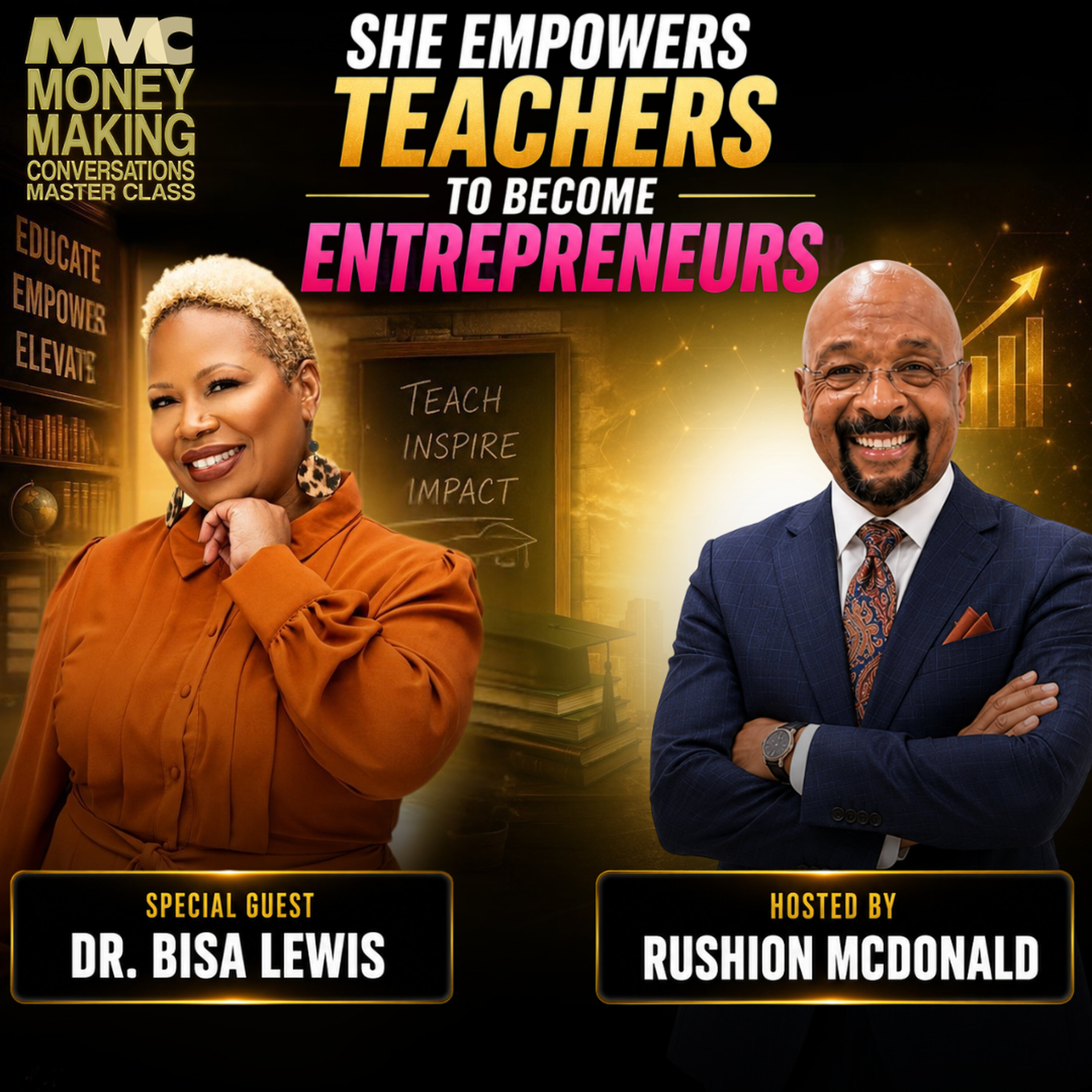
Career Uplift: She developed the PAID Method to help educators monetize their skills.
1w ago00:28:04Tap to summarizeListen and subscribe to Money Making Conversations on iHeartRadio, Apple Podcasts, Spotify, www.moneymakingconversations.com/subscribe/ or wherever you listen to podcasts. New Money Making Conversations episodes drop daily. I want to alert you, so you don’t miss out on expert analysis and insider perspectives from my guests who provide tips that can help you uplift the community, improve your financial planning, motivation, or advice on how to be a successful entrepreneur. Keep winning! Money Making Conversations Master Class with Rushion McDonald is America's premier entrepreneurship, business leadership, financial literacy, and wealth-building podcast featuring successful entrepreneurs, executives, founders, celebrities, and industry experts sharing actionable insights for professional and financial success. Business Podcast Entrepreneurship Small Business Business Growth Financial Literacy Wealth Building Black Entrepreneurs Minority Business Leadership Executive Leadership Business Funding Marketing Strategies Personal Development Startup Advice Sales Training CEO Interviews Founder Stories Professional Development Economic Empowerment Business Success Networking Brand Building Innovation How to start a business Small business funding Entrepreneur success stories Business leadership podcast Wealth building strategies Black entrepreneur podcast Minority business development Marketing for small businesses Business growth strategies Startup funding opportunities Executive leadership training Financial literacy education Success mindset podcast Two-time Emmy and Three-time NAACP Image Award-winning, television Executive Producer Rushion McDonald interviewed Dr. Bisa Lewis. 🎯 Purpose of the Interview To spotlight the challenges and opportunities within the teaching profession, especially post-COVID, and to empower educators to leverage their skills for financial growth beyond the classroom. Dr. Besa shares her journey, insights, and strategies for educators to supplement their income while maintaining their passion for teaching. 🗝️ Key Takeaways 1. Educators Are Undervalued Yet Essential Teachers are underpaid and often disrespected despite their critical role in shaping future generations. COVID briefly highlighted their importance, but systemic undervaluation persists. 2. Mental Wellness and Structure Matter Dr. Bisa emphasizes morning meditation, prayer, and silence to manage stress and set the tone for her day. She avoids early meetings and uses Mondays and Fridays for planning and reflection. 3. Education Credentials Open Doors Dr. Bisa holds four degrees and explains that credentials often determine access to influential spaces. Degrees help gain respect and credibility, especially in leadership and public speaking roles. 4. The Paid Method for Educators Dr. Besa developed the PAID Method to help educators monetize their skills: P – Prospects: Who will pay for your skills? A – Allies: Who can support your journey? I – Information: What do you need to know? D – Dollars: How much can you earn? 5. Teachers Can Earn Beyond the Classroom Through coaching, curriculum development, speaking engagements, and grant writing. Dr. Bisa’s curriculum is used in 30 states, showcasing how educators can scale their expertise. 6. AI and Education AI should be embraced, not feared. It won’t replace teachers but will transform education by shifting focus from theory to practice. Educators must adapt and use technology to enhance learning and remain competitive. 7. Cultural and Economic Empowerment Dr. Bisa advocates for Black educators and communities to overcome systemic barriers by embracing innovation. She warns against fear-based resistance to technology and encourages strategic adoption. 💬 Notable Quotes “It’s time to stop reading other people’s success stories and start living your own.” – Rushion McDonald “Sometimes those papers just help you get in the room.” – Dr. Bisa “Stop being afraid, stop being oppressed, and make sure that whatever comes out, you figure out how you can use it.” – Dr. Bisa “Guide learning. That is what we should do.” – Dr. Bisa “Consistency is what people gain trust in.” – Rushion McDonald 🌐 Resources Mentioned Website: DrBisa.com Podcast: The Paid Educator Podcast Social Media: Consistent handles across platforms under “DrBisa” #SHMS #STRAW #BESTSupport the show: https://www.steveharveyfm.com/See omnystudio.com/listener for privacy information.
Transcribe →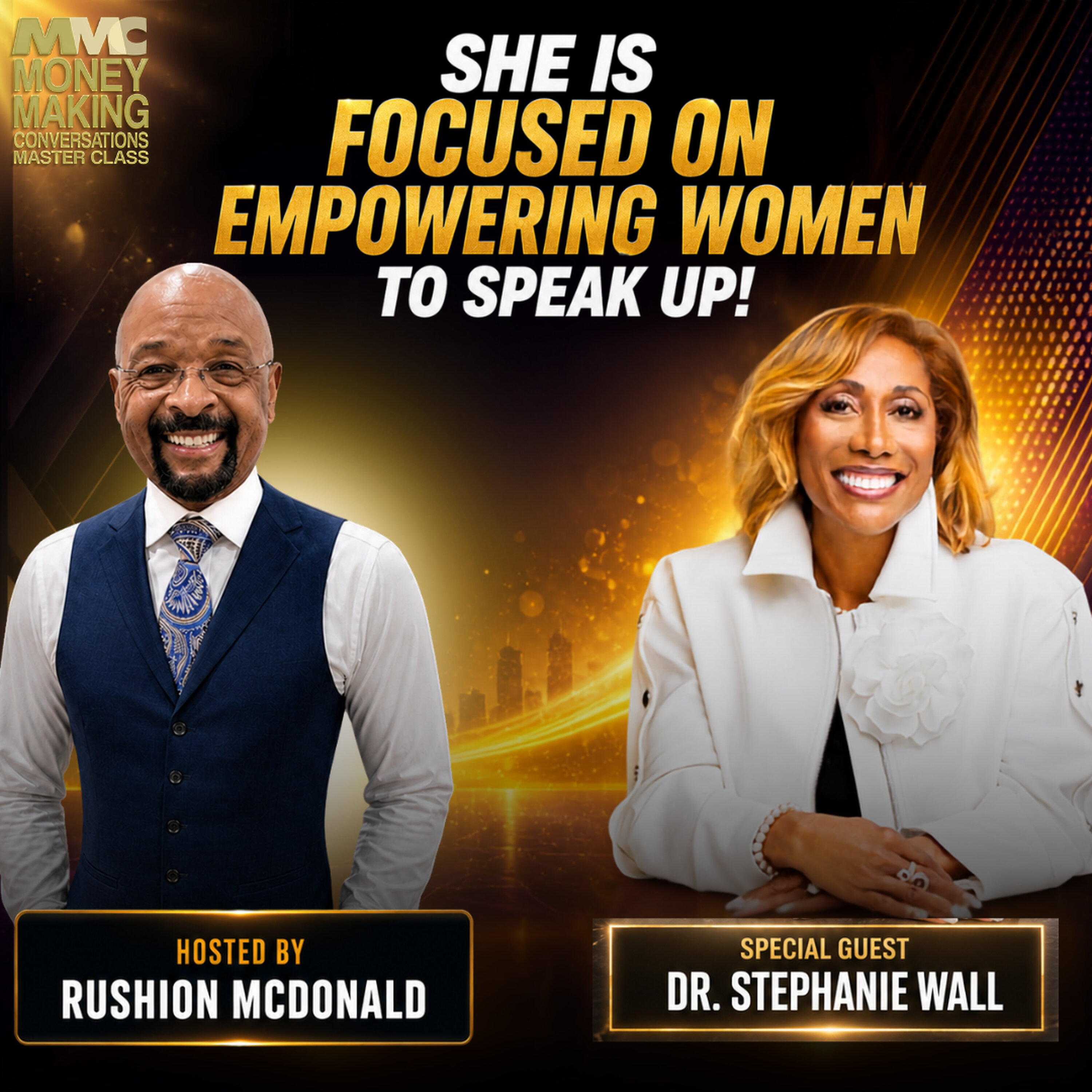
Motivation: Her global movement to help women unmute their voices and lead with authenticity and confidence.
1w ago00:41:14Tap to summarizeListen and subscribe to Money Making Conversations on iHeartRadio, Apple Podcasts, Spotify, www.moneymakingconversations.com/subscribe/ or wherever you listen to podcasts. New Money Making Conversations episodes drop daily. I want to alert you, so you don’t miss out on expert analysis and insider perspectives from my guests who provide tips that can help you uplift the community, improve your financial planning, motivation, or advice on how to be a successful entrepreneur. Keep winning! Money Making Conversations Master Class with Rushion McDonald is America's premier entrepreneurship, business leadership, financial literacy, and wealth-building podcast featuring successful entrepreneurs, executives, founders, celebrities, and industry experts sharing actionable insights for professional and financial success. Business Podcast Entrepreneurship Small Business Business Growth Financial Literacy Wealth Building Black Entrepreneurs Minority Business Leadership Executive Leadership Business Funding Marketing Strategies Personal Development Startup Advice Sales Training CEO Interviews Founder Stories Professional Development Economic Empowerment Business Success Networking Brand Building Innovation How to start a business Small business funding Entrepreneur success stories Business leadership podcast Wealth building strategies Black entrepreneur podcast Minority business development Marketing for small businesses Business growth strategies Startup funding opportunities Executive leadership training Financial literacy education Success mindset podcast Two-time Emmy and Three-time NAACP Image Award-winning, television Executive Producer Rushion McDonald interviewed Dr. Stephanie Wall. Purpose of the Interview To share Dr. Wall’s expertise as a neuroscience coach, criminal justice professor, author, and mentor. To discuss her mission through 1 Million Lives Transform, a global movement helping women unmute their voices and lead with authenticity and confidence. To provide actionable strategies for overcoming self-doubt, fear, and imposter syndrome in professional and personal settings. Key Takeaways Background and Roles Served 20 years in law enforcement and continues teaching criminal justice and ethical leadership. Founder of 1 Million Lives Transform, focused on empowering women to reclaim their voices. Unmuting Your Voice Many professionals mute themselves due to fear, lack of confidence, or imposter syndrome. Techniques: Awareness: Recognize when you’re silencing yourself. Pause and breathe before responding. Stand up when speaking in meetings to command attention and project confidence. Use phrases like “I’d like to build on that point” to engage respectfully. Mindset and Fear What you tell yourself matters more than external criticism. Replace negative self-talk with affirmations and surround yourself with positive influences. Neuroscience supports that repeated positive input rewires thought patterns. Boundaries and Time Management Learn to say “No” as a complete sentence. Set boundaries for phone calls and social interactions to protect productivity. Busy professionals should establish communication rules (e.g., “Do you have a minute?”). Authenticity and Leadership Authenticity is key—embrace your natural gifts and use them to transform spaces. Leadership requires mindset shifts when moving from peer to manager roles. Mentorship should be intentional and specific, not generic (“pick your brain” requests need structure). 1 Million Lives Transform A movement to help women rewrite their narratives, reclaim confidence, and lead boldly. Focus on self-awareness, boundaries, and empowerment strategies. Notable Quotes “Notice in that moment that you are muting yourself.” “Stand up when you speak—you command the room.” “No is a complete sentence.” “Our gifts are not for us; they are for other people.” “What you say to yourself does more damage than anything anyone else could say.” “Authenticity isn’t lip service—it’s showing up as who you truly are.” “Boundaries are not selfish; they are necessary.” #SHMS #STRAW #BESTSupport the show: https://www.steveharveyfm.com/See omnystudio.com/listener for privacy information.
Transcribe →