
Podcast
The Substack Podcast
Hosted by The Substack team · EN
Conversations with writers, creators, and independent thinkers about how they got here. Produced by Substack, a new media app that connects you with the creators, ideas, and communities building the future of culture.
on.substack.com
on.substack.com
18episodes
Episodes
Newest firstAll episodes
Open Tab: Hunter Harris
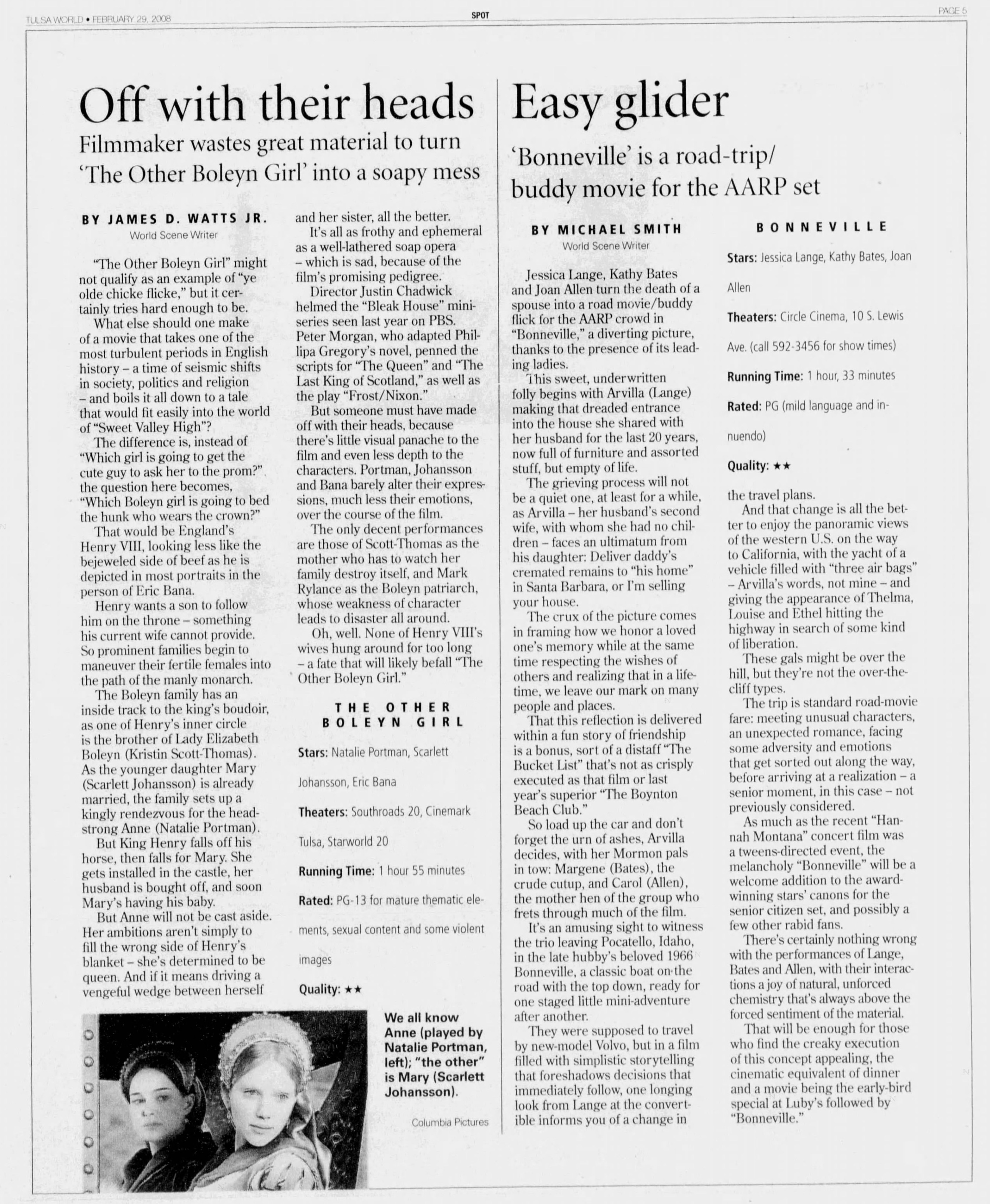
Jun 1800:38:45Tap to summarizeHunter Harris is the creator of Hung Up, the twice-weekly Substack newsletter where she takes a forensic lens to our culture’s obsessions and her own. She says she and her audience of nearly 200,000 subscribers share the same “disease”—insatiability—and that they’re bonded by a specific tunnel vision: her willingness to write a dozen pieces about A Star Is Born or spend time tracking down the marriage license of Taylor Swift’s publicist, if that’s what curiosity demands. Hung Up is part cultural criticism, part late-night group chat, and an ongoing argument for why pop culture matters. Her chat, where paid subscribers debrief everything from season premieres to their own lives, has become one of the most devoted, lore-dense places on the internet and serves as a master class in how to turn an audience into a social world.Harris grew up in Tulsa, Oklahoma, where she watched melodramas with her aunt, crime capers with her dad, and, at 12, wrote a letter to the local film critic disputing his review of The Other Boleyn Girl. In this season finale of Open Tab, she sat down with Substack’s head of new media, Hanne Winarsky, to talk about studying journalism (and thinking she might break the next Watergate), her four years at New York magazine’s Vulture, and launching Hung Up on Substack in 2020. They met at Trees Lounge inside the Nitehawk Cinema in Prospect Heights, Brooklyn, one of Harris’s home theaters, sipped tequila gimlets, and filled in the rest.Hanne: So you have subscription revenue as your core, but you also have a podcast, you do TV writing, you still do some freelance for legacy media, and you do some brand stuff. How do you think about the whole mixed-revenue stream, the business of Hung Up?Hunter: The newsletter is my job. Everything else feels like something fun, something I feel curious about. But I do feel very seriously that people who read the newsletter are customers, and I am fulfilling my contract with them. I just think it’s the most disrespectful thing in the world to be like, “Okay, maybe it’ll come out, maybe it won’t.” Before I owe anyone else work, I owe them work—the readers. And then the brand stuff is just kind of fun. Sometimes it’s like working a different muscle. Like I’ll edit a TikTok and want to kill myself, because my thumbs are too big and my nails are too long to open CapCut. The podcast started as: I just want to have something with my best friend. And it all kind of feels like an ouroboros, where I’m talking about the same thing again and again. But there are people who read the newsletter but don’t listen to the podcast, and vice versa. And the TV stuff is maybe my dream. But if I could write my own series tomorrow, I would still keep the newsletter, because in the middle of the night I’m like, “I love a girl’s emotional support inner wrist tattoo,” and I need a place to say that.Hanne: You’ve described yourself as having insane tunnel vision. That when you get one of these obsessions, you can really, really follow it. Why do you think that works for you and your audience?Hunter: I think we just both have the same disease: being insatiable. I think that’s it. Part of it is growing up as an only child, where I just had to entertain myself a lot. And so I maybe will spend more time with something than other people did. The tunnel vision thing really came from one of my old editors who was like, “You have really bad tunnel vision.”Hanne: Was it a compliment or an insult?Hunter: No, it was an insult. She meant it. But then I was like, “Oh, yeah, I totally do.” In every part of my life.Hanne: What’s the most embarrassing obsession that you’ve ever had tunnel vision about?Hunter: Charlie Puth. I went through a big Charlie Puth phase. He really was the pop prince. Like, he should have been Justin Bieber of the next generation. And then there was one time that I went to see him in concert at Radio City, and I was singing along to every single song and did not mute my camera. And so everyone heard me singing along. One of my friends still talks about it to this day.Hanne: How do you think about how much of yourself to bring into a celebrity profile?Hunter: I think, none. In an ideal world you can get a sense of my curiosities, but it’s not about me. Whenever I read a profile that feels like too much about the writer, I’m like, okay, but what did George Clooney have to say? And then there’s a real romance when you’re preparing for one, where you read everything about this person, everything they’ve ever said, and then you go into the interview and they are disappointing, just because you’ve built them up in your head. But that disappointment should not show up in the piece. There’s a real moment where you have to become very dispassionate. It’s almost like a breakup, because you really have to break up with your idea of someone and just tell the story as it happened.Hanne: Is the disappointment because you’ve added something into the picture? Or is it always the same, that they’re more human than you thought?Hunter: I think it’s just that they are human in general. It’s hard to get to know someone like Julia Roberts and be like, “Oh my god, she’s real. She’s a real person.” It’s honestly like when you go out on a date with someone. A little bit of air has just left, because now you’re real in front of me. You know when someone exists on a page for so long and then it happens, and it’s like: okay, we’re just two people talking.Hanne: A lot of your writing in Hung Up weaves in your personal experience and relationships. What’s the internal thermometer about when you allow your personal life into your writing?Hunter: The newsletter is written by me. At first I thought I wanted my friends to contribute and all of that. And then pretty quickly I was like, no. This is mine. I’m just such a perfectionist, I have to have my eyes on every single thing. I’ve grown to love that about the newsletter. I’m a star student, star employee, but a terrible boss. And I’m the only person deciding everything, which is nice.Hanne: What’s your writing process actually like? You’ve mentioned a number of times that you wake up and you just have to write about something.Hunter: Basically, yeah. I have a note in my phone of ideas that I think about when I wake up or when I go to sleep. Day to day, I’m quite strict about the scheduling. I have to be up, walk my dog, showered and at the desk by 9:30 at the latest. Then I’ll have a little lunch break, and in the afternoon when I can’t write anymore, I’ll watch a screener or go see a movie. And then I have a big burst of energy around 6, 7, or 8 p.m., and I’ll move locations, sit at the coffee table, and write there.Hanne: You’re also doing the companion podcast for [the HBO medical drama] The Pitt. That seems like a slightly different muscle set. Hunter: Something that I like about the newsletter that I hadn’t really considered before is that when I write something, everyone knows it’s coming from Hunter, who’s a Black woman, who’s 31, who lives in Brooklyn, who has a dog that’s a schnoodle but she won’t say that. She will say that she has a poodle mix, because schnoodle sounds insane.When I was writing for Vulture, writing for a magazine, you don’t always have that context. There’d be times where I’d make a joke about SZA and someone would be like, “Oh my god, this white man is talking down to this Black woman.” It plays differently. With The Pitt podcast, it’s the first time in a while I’ve felt some of that, where people who listen don’t know anything else about me. I am myself, but I’m also kind of on my best behavior, because people might not get every one of my jokes.Hanne: It sounds a little more like being on a stage than being in the living room hanging out with your Hung Up crew.Hunter: Totally.FOOTNOTESTrees Lounge—Unexpected bar within Nitehawk Cinema in Prospect Heights, Brooklyn.The Other Boleyn Girl—Panned by the Tulsa World critic. Defended by a 12-year-old Hunter.Vulture’s Gossip Girl recaps—introduced a Hunter to writing about pop culture on the internet.The Zendaya cover story for GQ Charlie Puth—Underrecognized “pop prince” and subject of Hunter’s most “embarrassing” tunnel vision.The Pitt—Hunter co-hosts the official companion podcast to the hit show.<a target="_blank" href="https://en.wikipedia.org/wiki/Ou...
Transcribe →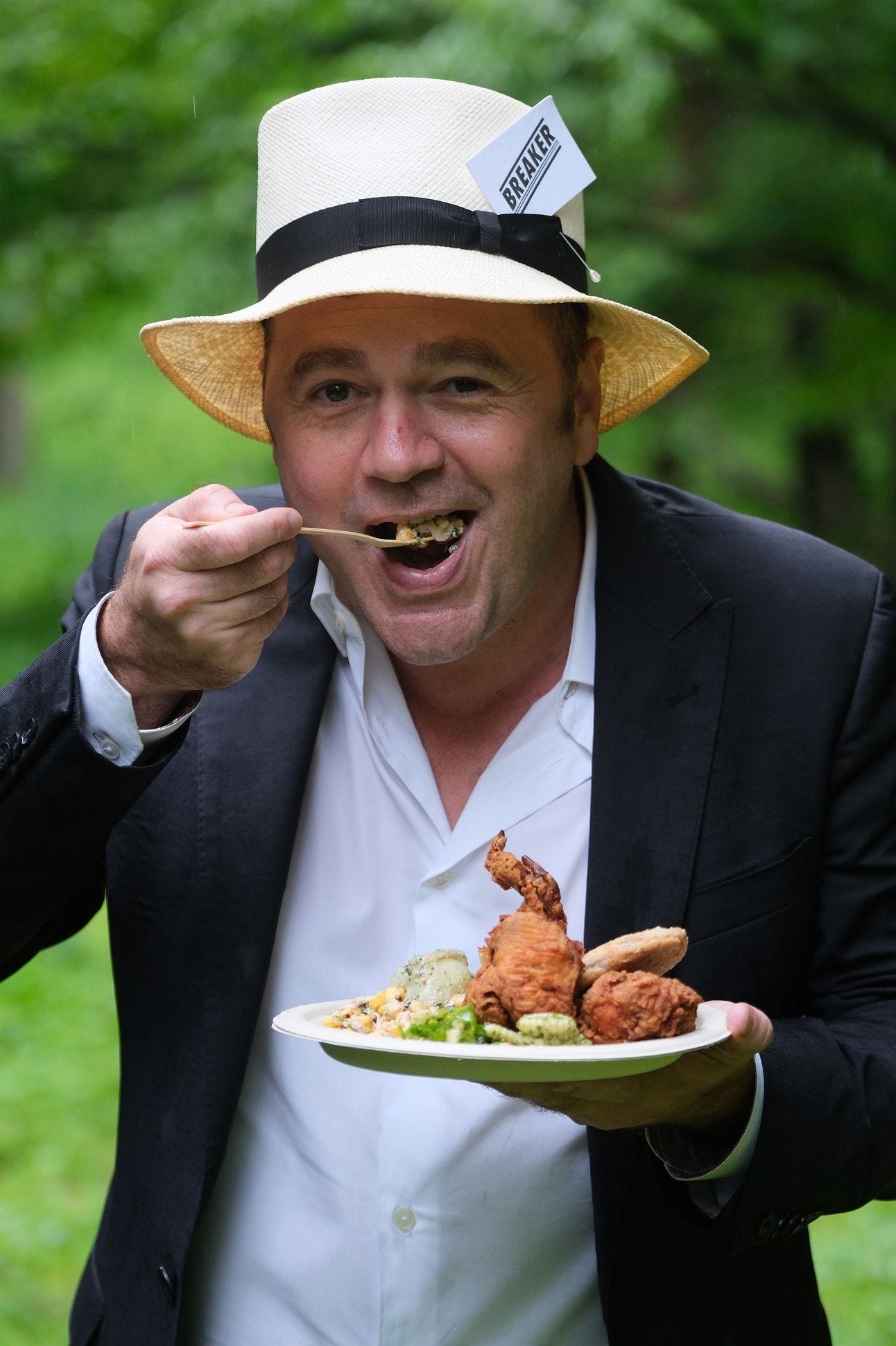
Open Tab: Lachlan Cartwright
Jun 1100:48:15Tap to summarizeIn this week’s Open Tab, Australian-born, New York–based muckraker Lachlan Cartwright sat down with Substack co-founder Hamish McKenzie to walk through two decades covering media, money, and power—from The Sun and the New York Post to executive editor of the National Enquirer, where he went from breaking news to becoming an anonymous source in one of the biggest political scandals of the decade. His New York Times Magazine cover story on the catch-and-kill operation that protected Donald Trump and Harvey Weinstein took a year to write and earned him multimillion-dollar legal threats in the process. These days he runs Breaker, the twice-weekly media newsletter and podcast he founded after years of people telling him to strike out on his own—it’s tabloid flair paired with the standards of the broadsheets and, as he puts it, a healthy appetite for fun.Hamish: You’re a newshound, a scoop-getter, a news-breaker, and a tabloid journalist of sorts.Lachlan: Allegedly.Hamish: Cut from the cloth of an old-school type of reporter. And that’s kind of special in today’s world, because lots of people are just random opinionators and mouthers-off.Lachlan: I’m an old-school newshound. Some would say a muckraker. I spend a lot of time meeting and greeting and ingratiating and sourcing. I always say I’m only as good as my sources, and that’s how I get scoops—being out and about, going out into the world and finding out new information. And then coming back, standing it up, tapping it up. And as we would say, putting it in the paper, which is now a newsletter.Hamish: You were the number two editor at the National Enquirer, and through your work there you discovered that they were essentially paying for stories so that they could kill those stories on behalf of some powerful figures: Donald Trump, Harvey Weinstein.Lachlan: That’s correct.Hamish: Tell me, what was it like to write that story and have it out in the world? Because it was complicated, and it involved so much personal stuff and was a big risk for your journalism career.Lachlan: And legally a big risk, because I was under, and still am, a nondisclosure agreement. That piece was easily the hardest piece I’ve ever had to write, and it wasn’t fun to write it. It’s fun now to have written it and to talk about it. I remember being at the ASMEs, the magazine awards, and it was right around the time that the indictment had come down against Donald Trump, the hush money indictment. I saw Jake Silverstein, the editor of the Times Magazine, there. I didn’t know him. I said, “G’day, mate. I think I’ve got a cracking yarn.” And he said, “Well, let’s follow up, and we’ll meet about it.” I sit down to write it and I thought, “I can’t do this.” I was getting out old files and I was looking through text messages to re-create scenes, and, as I write about in the piece, my father died suddenly during when all of this was happening. I just thought, I can’t go over this stuff again. It’s just too much for me. And for months, I just couldn’t get anything on the page. It actually took me a year to write. Willy Staley [story editor at the New York Times] said, “Why don’t we do this in chapters? You’re good at writing your column, your newsletter. Why don’t we write this in chapters?” And I finally had the confidence knowing that I didn’t have to file 10,000 words, I just had to file a chapter at a time. I sat down and I wrote the first chapter, and I thought, “Okay, I might be able to do this.” It went through the machinery of the Times. They go [para]graph by graph and give you the colonoscopy of fact checking. They call everyone, and they re-report basically the entire piece out. But it took a year for the whole piece to come together. And it’s easily one of the proudest moments I’ve had when it did finally publish and the whole story was out there.Hamish: Can you explain for the average person what catch-and-kill actually looks like?Lachlan: It wasn’t a term I was familiar with when I took the gig as executive editor of the National Enquirer. The first year was run-of-the-mill tabloid fare: Jen and Ben. True-crime yarns. Not Pulitzer Prize–winning stuff. But there were yarns we broke that moved the needle.It was towards the end of that first year where I had a tip from a very good source who calls me on a Sunday and says, “Weinstein is being questioned over a groping allegation in Tribeca, and I can get you the girl.” I immediately called [National Enquirer editor in chief] Dylan Howard and I said, “I’ve got a cracking one here.” And Dylan just immediately said, “Who’s the source?” Something tweaked in me—Why are you just immediately going to that question, as opposed to how do we get this story across the line?” And it was the next day that the Daily News broke it.After that, Dylan came into my office and said, “We need to offer her a five-figure amount for her story.” And I was like, “We had the scoop yesterday and we didn’t need to pay her. And now you want to give her money to get her story.” And I just remember thinking, “Something’s off with this whole thing.” She doesn’t want paying. She wanted to get the story out. We had the story yesterday.Hamish: Why did you start Breaker?Lachlan: You were telling me for years to strike out on my own as an independent media. You were at me for years. And guess what? You were right.Hamish: Thank you.Lachlan: At the time, I thought you were mental when you were like, “What are you doing at legacy?” And you were the bloke who kept saying—because you’ve got to remember, The Daily Beast had a newsletter called Confider, which turned out to be an industry must-read—“Why are you doing this for these people? Strike out on your own.” And you said that to me again when I went to the Hollywood Reporter. Which you were right. I should have just gone straight from The Daily Beast and struck out on my own.I was freelancing, writing for Vanity Fair and THR and The Ankler, and I thought, I could keep freelancing or I could try and create something myself. And getting back to my late old man, he was 41 when he started his business. And this was right around that same age. And I thought, “F**k it. I’m entrepreneurial. Here is this opportunity to go off and do it.” What’s the worst thing that can happen? I could lose my life savings.Hamish: But people respect you more for having done it, even if it doesn’t work out. You are actually improving your career prospects by being entrepreneurial in the first place, by showing you’re willing to do something bold and taking on that risk.Lachlan: Look, my history has been a series of punts, of gambles. Moving to London at 22 and not knowing anyone. Nailing that and going to New York. But it’s been a series of punts, and most of them have paid off in a weird kind of way. And I think the news gods respect that, if you do take a punt. And starting Breaker was a punt. It’s easily the best thing I’ve ever done. I’m working harder than I’ve ever done—16-, 18-hour days, seven days a week. But I’m creating something that, from the readers I speak to and the subscribers I interact with, is special. It’s something that if it’s not out by 8:30 p.m. on a Tuesday and Thursday, they’re texting me, “Where is it? What’s going on with Breaker?”Hamish: You were starting this company with a partner. It didn’t work out for whatever reasons. What was that aspect of it like for you?Lachlan: We had a business that wasn’t growing, so that was problematic for obvious reasons. I’m in a runway situation. I have a certain runway of money, and if this business isn’t growing, I’m in a pickle. And that pickle is me sleeping rough. Things got very real. We had to have a real conversation, and that conversation resulted in him going off in one direction and me having to think very carefully about: how do I propel this business forward?I said to myself, “I have to resurrect this, and I have the fall to do it. The clock is ticking.” And I thought three things. One, you have to put on a killer event. Two, you have to relaunch the pod with a stellar lineup. And three, you have to break stories that are impactful and consequential. If you do all three, you save the business. If you don’t, we are fucked. And guess what? Fear is one hell of a motivator. The second season of the Breaker pod, we launched with Joe Scarborough, we had Tina Brown, Janice Min, Jeff Fager, David Remnick. A stellar lineup. We went from being in dive bars to two-star Michelin restaurants. I then broke a number of massive yarns, including breaking the Air Puck story—the deal that Puck was acquiring Air Mail. I broke a Murdoch yarn that CNBC picked up. And I put on one hell of a downtown media party. The New York Times came and covered it, wrote a style section piece. And that three-pronged approach saved the business. It led to a wave of subscribers, it led to a wave of revenue, and it led to me getting to Christmas and thinking, “We’re good. We’re going to hit profitability by year one.” And we were able to announce just the other week that Breaker is profitable. And mate, there was a time I didn’t think we were gonna make it. There was a time I’d wake up in the middle of the night and paint the bathroom, 50 shades of puke. [Now] I can si...
Transcribe →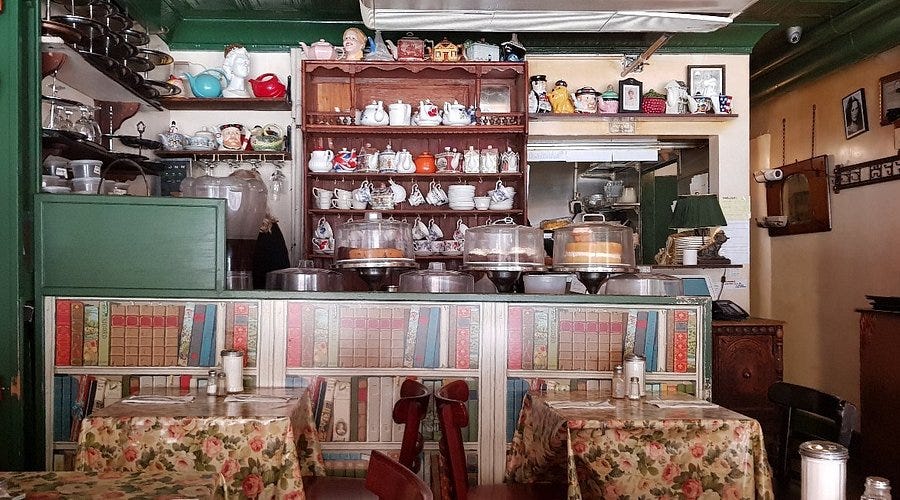
Open Tab: Joanna Coles
Jun 400:47:41Tap to summarizeJoanna Coles has spent her formidable career at the center of media: London’s Fleet Street in the ’80s, New York magazine, Marie Claire, Cosmopolitan, and eventually the chief content officer role overseeing Hearst’s entire global magazine portfolio. She knows intimately what legacy media organizations have looked like at every stage of their life cycle and spent years “managing decline” from the inside. Two years ago, as Chief Creative and Content Officer, she helped take over The Daily Beast and bring it to Substack, where it now operates a suite of newsletters and podcasts. She also writes PRIMAL SCREAM with Joanna Coles, her own publication covering politics and power and where she co-hosts and sends out The Daily Beast Podcast to an audience of over 70,000 subscribers. Joanna invited us for a cup of tea and a slice of cake at Tea & Sympathy, a West Village institution that has been importing British calm to Manhattan for over 30 years. There, she and Substack’s head of new media, Hanne Winarsky, talked about the golden age of the glossy mag, the two questions Cosmo readers have never stopped asking, and what life looks like on the other side of the old media order.Hanne: For somebody growing up today in journalism school who might not know what old newsrooms were like, what was the culture?Joanna: Well, I mean, first of all, they were incredibly noisy because you had typewriters. And I am not exaggerating when I say that you would get seven pieces of paper, seven pieces of carbon paper. You would put it into the typewriter, and you would have to think very carefully about what you wanted to say, because if you made a mistake, you had to either rip the whole thing out and start all over again or you had to correct it seven times. And you would have what was called Tipp-Ex whiteout, where you had to cross it out. So there was more planning ahead of what you were going to write. It was fantastically noisy. Then computers came in, and half the newsroom, largely men, would say, “Well, I’m not going to use a computer. That’s ridiculous. There’s nothing wrong with a typewriter.” And of course, those people just disappeared out of the newsroom. But it was a very fun, lively culture, and you felt like what you were doing was important, because it was a way of getting information to people. And it was tribal, so people read The Guardian, and that was their tribe. They read the Daily Telegraph or the [London] Times, and that was their tribe. And now of course, we’re inundated with individual voices coming at us, which you don’t really have a sense of their tribe necessarily. Of course, you know, there are lots of newspapers still going, but it’s not quite the journey that was curated for you by the older editors.Hanne: It was presumably pretty male-dominated at the time, those newsrooms?Joanna: It was very male-dominated. I worked on Fleet Street when I was working on the Daily Telegraph, the legendary Fleet Street. So you had the high courts at one end, you had St. Paul’s [Cathedral] at the other, and in between you had the big British newspapers. And so at the end of the day, all the journalists would roll out of the various papers and congregate in two or three pubs, the best of which was called El Vino, which is still there. But the crazy thing about it was—and this was in the ’80s—that women weren’t allowed to order or pay for drinks.Hanne: That’s unbelievable.Joanna: Isn’t it? Of course, now I look back on it through the lens of, you know, feminism, and think: how outrageous. But at the time, me and the smattering of girlfriends I had in the newsroom were like, “Well, this is great.”Joanna: When I was editor of Cosmo, we got two questions all the time, consistently the entire time I was there, and this is probably going back through time immemorial, through Helen Gurley Brown’s days, which were “How do I have an orgasm?” and “How do I ask for a raise?” Every month, my monthly mailbag, those were the two dominant questions. So those were the two things we were trying to answer.Hanne: So it wasn’t changing the direction, actually. You were listening to what was already being asked for and leaning more into that.Joanna: Well, I’m assuming those questions came in before I was there. And it wasn’t “How do I give my husband or my boyfriend an orgasm?” It was like, “How do I have one?” And then it was like, “How do I make more money?” Because there was a sense in which women understood they were probably being underpaid—which they were—and they wanted to have the power to ask for something, and be successful at it.Hanne: When you left Hearst you said, “My route is being recalculated.” What did you mean?Joanna: The impact of digital on a magazine company was enormous, and I was, in essence, doing what a lot of editors were doing, which is managing decline. And I have managed decline well. We had declined, in terms of market share, probably less than other people. But at a certain point, there’s a moment when you want to start leaning into growth and doing something fresh. And I had been at Hearst for 12 years, and it felt like, oh, there’s a gap in the clouds here where I can sort of take off. My kids were older, and I’d had an absolute blast, but it wasn’t going to last. You know? I think everybody in magazines knew there was a train driving straight at you called digital, and it was going to mow you down, and it was much less fun than it had been.Hanne: If you’ve worked hard at a professional career you always have moments where something is changing direction in a way you didn’t expect, or perhaps you did but you weren’t ready for. And I love that idea of leaning into it instead of just accepting it.Joanna: It’s very easy to get stuck. You see people get stuck all the time, and then you see it’s too late for them to change, and you can’t get out. And so I had a moment in the clouds when I could get out. I had a fantastic time at Hearst. I loved working there. But these are hard jobs, and you can’t build the railroad fast enough to keep the train from mowing you down. Or at least that’s what it felt like in the moment.And now these magazines don’t exist, you know? They just don’t—the physical product, for the most part, doesn’t exist anymore, and it’s not as luxurious, and it’s not needed as much because it’s impossible to compete with the phone. The phone is a fabulous device. These people that say, “Oh my god, the phones.” I’m like, “What are you talking about?” The phone keeps us connected. It’s fantastic. There’s so many ideas in there. I can do everything on my phone. It’s incredible. And so to keep sort of running after the phone with an old magazine, sort of saying, “It used to be better in my day”—it’s not true. The world has changed. And you want to be part of that change.Hanne: When you look at the media landscape today, where do you see the most innovation happening?Joanna: Well, I think the most innovation is happening on platforms like Substack and YouTube, because people are figuring out what works, what people tune in to. And people are feeling more confident in their voices, I think, which means we hear from a lot of voices that we don’t normally hear from, because they’re mediated by media. And some of them are alarming, and some of them are really interesting, and I love the fact that you can get your own audience by having an authentic voice.[Before] there just weren’t these places for individual voices to go, and so they were trapped within an old media ecosystem that couldn’t pay them enough, that wouldn’t give them direct connection with the reader. And now we have this incredible set of platforms where you get direct connection with the audience. And you get to do what you’re good at without the heavy hand of corporate America squashing you down, which is often what happens.Hanne: Do you find your voice changing now that it’s on Substack, that you’re unleashed in a different way?Joanna: A little bit. For me, Substack is a bit like early Twitter. I was a big adopter of Twitter at the beginning. I absolutely loved it. It felt like you were having a conversation with writers. You could discover all sorts of new voices. And since Elon Musk’s taken over, it’s just completely changed. You get this kind of endless negativity coming in, which doesn’t even feel real. It’s not relevant to me. It doesn’t feel real or useful. Whereas Substack, actually, you feel like, “Oh, I can have a conversation with this person. I love the way this person writes. Oh, I can reach out directly to them.” So you have this sense of a real directness of content, which is kind of high.FOOTNOTESTea & Sympathy, 108 Greenwich Ave., New York—Cozy British tearoom and shop owned by Nicola Perry and her daughter, Audrey Kavanagh-Dowsett who produces and publishes the shop’s interview series on Sub...
Transcribe →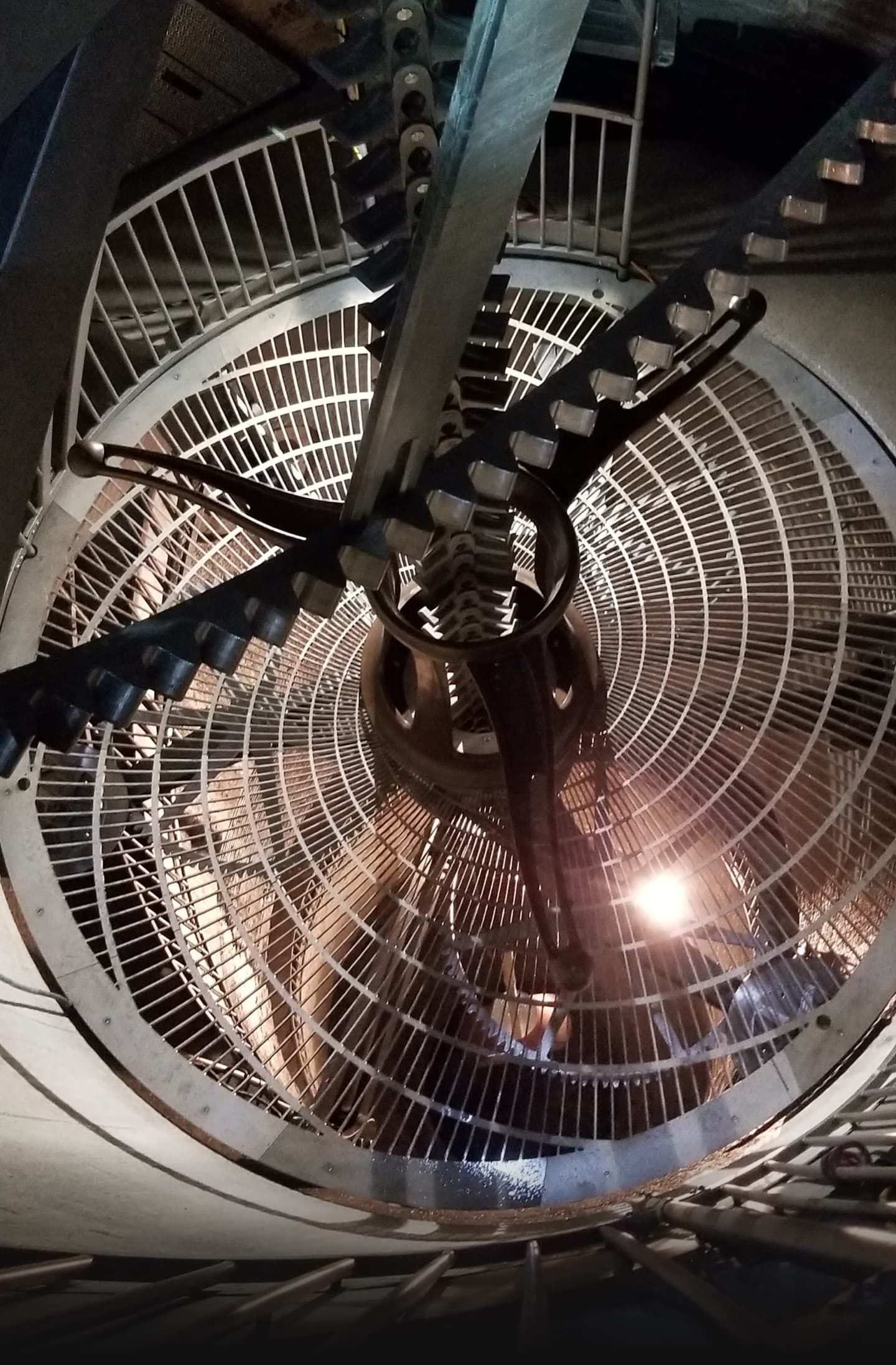
Open Tab: Kevin Kelly
May 2800:45:03Tap to summarizeWe sat down with writer, editor, photographer, and futurist Kevin Kelly at the Interval at Long Now in San Francisco’s Fort Mason. Part cocktail bar, part science-centric museum to the future, the Interval houses an eight-foot-tall model of the solar system, artwork by the musician Brian Eno, and prototypes for the Long Now Foundation’s most ambitious project: a clock being built inside a West Texas mountain, designed to keep time without intervention for 10,000 years. Kevin serves on the board of the organization, which believes that a civilization seriously anticipating a long future would think and build very differently.Kelly is also the founding executive editor of Wired, where he spent the better part of the 1990s helping people understand technology as culture. Before that, he was a key editor and publisher at the Whole Earth Review and a central figure at the Whole Earth Catalog, the legendary tools-and-ideas resource that shaped a generation of independent builders and thinkers from the late 1960s through the 1980s. He is the originator of the “1,000 true fans” theory—the idea that a creator with direct access to their audience needs only 1,000 people willing to buy anything they make to sustain a living—one of the most practically influential ideas in independent media. In his conversation with Substack’s head of new media, Hanne Winarsky, he talks about his journey through tech and media and the subjects he writes about for his Substack audience at his newsletter, KK: taking a prototyping approach to life, why optimism is a daily practice, and some guesses for where we’re headed next.Hanne: There was no web at the very launch of Wired?Kevin: The web happened within a year or so of Wired. The first couple of years we were working on it, it was going to be a paper magazine with an online presence. So we started Wired Digital, which was actually in a separate building, and we developed a whole bunch of editors and people, and they were inventing what the media would be like. One of the questions that was really unclear to everybody was frequency. How often do we have to update this? We’re doing a monthly magazine. Are we going to have to update this every month?Hanne: Oh my gosh. Yes, and then some.Kevin: The thing that a lot of people did not believe was that people would read online. And secondly, people don’t remember, but in the ’80s, there were a lot of people saying that writing was over. Nobody was going to write. What we learned from the web was: no. People are going to write. Almost any of us writes far, far more words per day than our grandparents ever did. We’re all writers, really.Hanne: And there’s that optimism again. Part of your thinking about communities and audiences at Wired coalesced into an essay around 2008 called “1,000 True Fans”—an idea that in a lot of ways is very much connected to what Substack is today. Can you describe where it came from?Kevin: The premise is that if you have direct contact with your audience or your customers, you don’t need millions of them to make a living. If you have a label or a publisher or a studio in between you, then you might need millions. But if you take those away and go directly to them, you just have a much more feasible number to get to. You get $100 per year from 1,000 true fans, you can make it. I defined a true fan as somebody who would purchase anything you made. When I introduced this idea, there weren’t any examples of anybody I could find who was doing that organically.Hanne: Was your hypothesis at the time that there would be a lot more people doing this?Kevin: Yeah, I thought the arithmetic made sense. Even the weirdest, wackiest, esoteric idea that only appeals to one in a million people, with 8 billion people in the world, there’s still a thousand people who are going to be into your weird thing. The challenge is going to be finding them and making that connection. I think that’s where the next technology is going to be useful—maybe AI—that would allow you to find your thousand true fans.Kevin: I talk about inevitabilities in technology. A lot of what we have is inevitable given the whole system. AI is inevitable. Any civilization anywhere in the galaxy that invented electricity and steam engines and motors is going to make AI. But the character of the AI is not inevitable. Quadrupeds as an animal are inevitable on any kind of planet with our kind of gravity, but a zebra is not. The specificity is not inevitable. How it shows up, the particulars, are completely up to us. We have a choice in the particulars, and those choices make a big difference. Who owns AI? Is it public? Is it international? Is it closed? Is it open? How is it financed? All those choices are choices we have. But AI itself is inevitable. Those minds are going to keep coming.Life is going to continue on. There’s almost nothing we humans could do to eradicate life on the planet. But we can still manage natural systems for our benefit. The same thing with technology. I think we do have to manage it and garden it and steer it. The way to steer technology is through use. You want to embrace technologies and use them, because that’s the only way you get to steer them. If you prohibit them or ban them or refuse them, you don’t get to steer.Hanne: It’s also the only way you start impacting the particulars, the things you actually control.Kevin: We cannot think our way to the particulars. I call it “thinkism”—this idea that just thinking about things will solve stuff, [that] thinking about technology, we can figure out what it’s good and bad for. We can’t. We have to actually use it.Hanne: This systems-level thinking, where do you think it came from? Were you just born with it?Kevin: I don’t think it began that way. I think it’s something I learned. The way I would describe it now is this prototype approach to the world. What we want to think about is our use of social media right now—we’re still prototyping it. And the idea of prototyping your life rather than deciding what you’re going to do for the rest of your life. You try it for a couple of years and you go on. You prototype everything out of cardboard first. You make one to throw away, as the makers say. The first one you’re just going to throw away anyway.I’ve collapsed some of that into my idea of “protopia.” We aren’t headed to utopia, where everything’s fine. We’re going to come to a world where things are a little tiny bit better, and we’re just incrementally prototyping our way forward. No massive jumps. Just 1% better, 1% better. That means there could be 49% crap in the world, 49% harm, and everybody knows it. I can make a long list of all the things wrong. But there could be 51% good. That 2% difference is hardly even visible.Hanne: But it is. We are inching incrementally, prototyping, learning, perhaps painfully. It’s a combination of the immediate now and the very long term. The only way to do anything forever is to do something now, concrete, over and over.Kevin: You sail forward.FOOTNOTESThe Interval at Long Now—Fort Mason Center for Arts and Culture, San Francisco.The Clock of the Long Now—built inside a mountain in West Texas, designed to tick for 10,000 years.Jeff Bezos—contributed $42 million towards the Clock of the Long Now. Kevin cites him on the competitive advantage of thinking in longer time horizons.The Whole Earth Catalog—Iconic counterculture magazine and product catalog. Described by Steve Jobs in his 2005 Stanford commencement address as “sort of like Google in paperback form, 35 years before Google came along.”Woodstock—where Kevin first encountered the Whole Earth Catalog, in a bookstore, in 1969.Walt Whitman’s Leaves of Grass (1855)—the book that sent Kevin wandering.The WELL (Whole Earth ’Lectronic Link)—one of the earliest online communities, co-founded by Stephen Brand and Kevin. Among the first places humans encountered flame wars, trolling, and people living with completely different online personas.The first Artificial Life conference (ALife I)— Held at Los Alamos National Laboratory in 1987, the scientific gathering launched Kevin’s first book. He attended as a journalist and posted live notes to the WELL, “live-blogging before blogging.”Louis Rossetto—co-founder of Wired, who recruited Kevin with the pitch that the magazine should feel “like it’s been mailed back from the future.”Wired—launched in March 1993. Kevin served as founding executive editor until 1999. His current title is Senior Maverick.“1,000 True Fans”</strong...
Transcribe →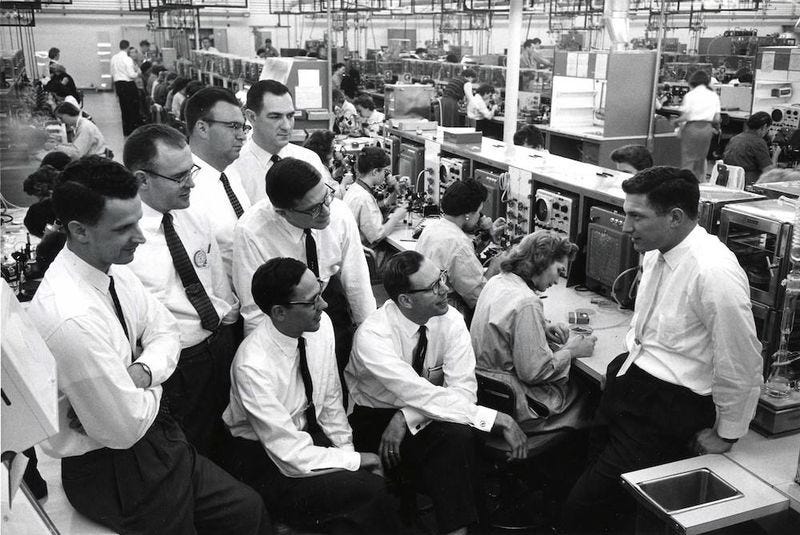
Open Tab: Ashlee Vance
May 2100:47:56Tap to summarizeIn episode 3 of Open Tab, Substack co-founder Hamish McKenzie shared a few rounds with filmmaker and tech journalist Ashlee Vance at Fred’s Place, a longtime neighborhood dive in Mountain View just minutes from where the technology that gave Silicon Valley its name was born. After two decades covering tech for major publications, Ashlee circled the globe for Hello World, Bloomberg’s travel-tech documentary series exploring “the freshest, weirdest tech creations” and introducing viewers to “the beautiful freaks behind them.” That same pull toward tech’s biggest risk-takers also led him to write a bestselling biography of Elon Musk, based on months of interviews and unusually direct access—a profile Musk first praised as “95% accurate” before turning on it at publication.With Core Memory , the media company he founded and now runs on Substack, Ashlee is still writing, reporting, and making films, but with his own shop and team. He says his work gives audiences a window into where the world is going six or seven years before the rest of the culture catches up. In his conversation with Hamish, he talks about what it actually takes to get close to a subject, why he walked away from what he called the best job in media, and the stories and formats he’s building as the bet seems to be paying off.CORE MEMORYStarted: 2025Subscribers: Thousands of paid (orange checkmark bestseller)Format: Newsletter, podcast, video series, documentary filmsTeam: A crew of writers, producers, editors, and a social media team, led by Ashlee alongside a COO, a chief creative officer, and an operations leadExtensions and verticals: Multiple writers producing regular newsletter sends across beats; podcast; merch; feature documentary projects in production, including an upcoming Neuralink documentary produced and self-funded through the companyHamish: Why are we here at Fred’s Place in Mountain View?Ashlee: I spent most of my early 20s in the Tenderloin [in San Francisco] bonding with dive bars. It was part of my lifestyle. Fred’s has been here for about 60 years. They go back to the ’50s. And down the road, probably about a mile from here, is where Fairchild Semiconductor was—which was like the first real semiconductor company. There’s always been this part of Silicon Valley culture that I like, which is they were boozers. As the chip industry was starting to explode, they were pushing the limits of physics, they were pushing the limits of chemistry, they were all super-competitive at their companies. But as engineers are wont to do, they couldn’t help themselves but come to the bar and reveal how they’d just gotten past something that was challenging the whole industry. They would all share this knowledge, and then the whole industry would move forward. Even today, you have AI companies in this multi-trillion-dollar life-and-death struggle. And those guys don’t go to bars, but they meet up and share their takeaways. They do hot yoga and then share how they figured something out. The same thing, though. So I thought, this bar will be symbolic of those roots and traditions.Hamish: Ten years ago, you published the first good biography of Elon Musk, which became a massive bestseller and a phenomenon in its own right. You got a lot of access to Elon through the writing of that book. It must have been hard to convince him to give you that time in the first place. Can you tell me about what that experience was like, working on a book like that while giving access to the principal—and this particular kind of principal, who’s prickly?Ashlee: It was really strange. I’d done a big magazine story on him—that was the first time I’d met him—and we’d got along okay. There was some kind of rapport, and that’s what made me a little bit confident about doing the book. But when I told him what I was doing, he said, “No, I’m not going to participate. I’m not going to help you.” So I spent two years interviewing hundreds of people. Huge chunks of them would report back to Elon. I always thought it was going to work out okay, because he wasn’t actively telling people not to talk to me. He wasn’t making it miserable, which would’ve made life a lot harder. Back then, he was already really litigious. People were afraid of him. Nobody had ever written anything truly revealing. He was kind of the weirdo, almost like a circus freak. I’d come into all these meetings and everyone was like, “He’s going to sue me. I don’t want to talk.” It was really hard for a couple of years.Then one day I was actually ready to start writing, done with all my interviews. He must have some sixth sense, because it was almost in that moment he called. Elon Musk on my caller ID. I had a landline back then. He said, “You’ve been way more persistent than I ever imagined. I’ll do interviews with you if I can read the book before it comes out and make changes.” I said, “Well, I’m not going to do that. Let’s have dinner and hash it out.” It was one of those moments where he’d either say yes or no. Right there on the spot, he said, “Okay, fine. We’ll do one interview a month for as long as you feel like you need.” Which was incredibly fair.So we’d meet for dinner once a month. Some dinners were an hour, some were four hours—just depended on his schedule and how things were going. It was totally different days. We’d show up to restaurants in Mountain View, Palo Alto. He’d walk in by himself, sit down at the table. No security, nothing. He had a driver, but the driver didn’t even come in. And nobody in the restaurant seemed to notice who he was.Hamish: So you got a good book out of it, sold 6 or 7 million copies. What was his response like when it came out?Ashlee: It was funny. I made sure all the books were on boats heading to stores—about five or six days before it was going to be in stores. I just wanted everything to be where he couldn’t undo it, file a lawsuit and block it or something. But he had spent so much time and been really fair, and it felt like he should read it first. So I sent him a PDF the week before it came out, went to bed, and woke up to this stream of emails. He was basically live-blogging the book as he went through it. He’s always been hung up on the Tesla founding question. Marc Tarpenning and Martin Eberhard, the original founders, would say they founded Tesla. Elon would say, “No, I founded Tesla.” When you look at it, they had filed the paperwork, they were working on it. Would Tesla exist without Elon? Definitely not.Hamish: Especially not in the way that it currently exists.Ashlee: No way. In the fact-checking process I told him, “Elon, I am going to say that Marc and Martin founded the company. There is no way around this.” He said, “I understand.” And then in the emails, he’s going off about it again. But otherwise he was okay—really just two things upset him. I’d written about when he and his brother Kimbal were coming out here to start Zip2 and had gotten a used BMW. Kimbal told me he bought it with money from painting houses. Elon said he bought it. I told them they could fight about that. The other thing was a quote from an engineer saying Elon takes too much credit for the engineering at SpaceX. [Elon] said, “You wrote that I take too much credit.” I said, “I didn’t write that, Elon. That’s a quote from an engineer. He’s allowed to have his opinion.” Those were the things he was upset about. Otherwise, fine. He actually sent me an email—which I saved in case things got litigious—saying the book was 95% accurate. For Elon, who already hated journalists, that was incredible.Hamish: I remember you telling me that at the time. I was like, “Well, that’s an amazing result.”Ashlee: And it was mostly okay. Then about a week later, the Washington Post did a story: the 27 most outrageous things from the book. A big chunk of it was about what a pain in the ass he was to work for. Funny thing is, when he’d read the book, none of that had really fazed him. He’s actually kind of proud of being a tough boss. But then I think when he saw how the world was reacting to it—Tesla was just starting to get a little competition, hiring was a big thing—I think he worried people weren’t going to want to come work for him. And he just flipped the switch.Hamish: So a week after he gave you the 95% mark, there’s a press reaction, and then he reacts in the press.Ashlee: Yeah. He starts saying things—there’s the Google acquisition thing. He’s like, “Who told you that?” I said, “Elon, you know who told me that.” And that was the first time I really experienced firsthand some of what I’d heard about. Emails saying things like, “You’re an a*****e. I’m going to destroy your life.” I figured he needed to vent. But then a friend inside Tesla told me, “He’s just asked me to find the world’s best libel lawyer.” And I think—I’ve never confirmed this with Elon—but I think he did ask somebody whether it was physically possible to buy every copy of the book worldwide and make it disappear.Hamish: Did he know publishers can print new copies?Ashlee: ...
Transcribe →
Open Tab: Esther Perel
May 1200:53:55Tap to summarizeThe psychotherapy room is, by design, one of the most private spaces in human life, but Esther Perel has devoted much of her career to opening the door. Addressing relationships, cross-cultural psychology, and the contours of belonging, she brought therapeutic ideas out into the world through a body of work that spans talks, books, and her hit podcast Where Should We Begin?, which has reached millions of listeners across nearly a decade. In her Substack publication Entre Nous with Esther Perel, she says she’s found a gathering place for it all: “I always talk about how I wanted to bring the therapeutic ideas into the public square,” she told us. “Now I want to create a public square.”On the day of the 20th anniversary re-release of her book Mating in Captivity, a cultural touchstone on the topic of desire, we’re sharing a conversation between Esther and Hanne Winarsky, Substack’s head of new media, recorded at Temple Bar in SoHo, New York. In this second episode of Open Tab, Esther discusses how she hires and has built her businesses, how work has replaced religion as a source of meaning, whether AI can give good therapy, and how she’s made it her life’s work to re-create the proverbial village online.New episodes of Open Tab drop weekly through June. You can watch on YouTube, listen wherever you get your podcasts, and always find the full series on Substack. This is a public episode. If you would like to discuss this with other subscribers or get access to bonus episodes, visit on.substack.com
Transcribe →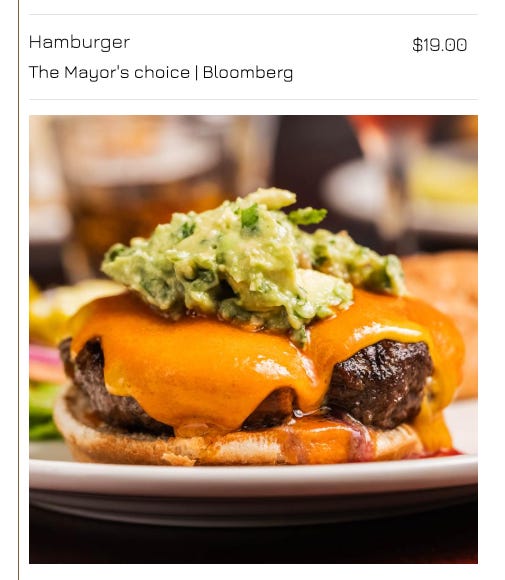
Open Tab: Emily Sundberg
May 700:54:45Tap to summarizeFor our inaugural episode of Open Tab, we knew we wanted to speak with Emily Sundberg. Emily’s the founder and daily writer of Feed Me, a business, tech, and culture newsletter that’s been described as “must-read (and much-read).” She publishes almost every weekday— something like 250 sends a year—covering everything from DTC darlings and media industry churn to New York hospitality and new world etiquette. In the process, she has been profiled by the New York Times and Air Mail, becoming known as a “media it girl” and “one of the most talked-about writers in business and culture journalism.”Emily has worked in media and tech but built her current audience of over 10,000 subscribers natively on Substack, post by post. She told us she sees Feed Me as a studio, with extensions like a podcast, job board, and thriving subscriber comments section where she’s “never scared that anything bad is happening.”Substack co-founder Hamish McKenzie sat down with Emily at Old Town Bar in Manhattan’s Flatiron district to talk about building her independent media business from scratch and the glimmers of hope she sees for media on Substack and beyond.Location: Old Town Bar, Flatiron, NYC. Order: 1 Guinness each This is a public episode. If you would like to discuss this with other subscribers or get access to bonus episodes, visit on.substack.com
Transcribe →
Introducing Open Tab
May 600:00:56Tap to summarizeMost of what we hear from media insiders is a story of decline: collapsing economics, algorithmic chaos, layoffs, and LLMs nipping at journalists’ heels. But a new class of independent media founders is creating powerful businesses around their own work and direct relationships with readers, listeners, and viewers—highly-profitable, multi-format, and built without first raising millions of dollars or a complex infrastructure stack. They’re finding ways to make creative livelihoods that don’t depend on the goodwill of a platform or a print masthead.Open Tab is a new interview series hosted by Substack co-founder Hamish McKenzie and Head of New Media Hanne Winarsky, who sit down with a different independent media founder each week to ask them how they did it. Every episode of the show is filmed at a neighborhood bar, restaurant, or café where the guest likes to spend their time. And in each conversation, Hamish or Hanne joins with, “I’ll have what you’re having.” Episode one comes out tomorrow, May 7.The guests are writers, editors, and creators who have built thriving media businesses and communities from the ground up. Among them: a techno-optimist with a thousand-year view, and a relationship therapist with a warning about AI’s impacts tomorrow. A journalist who wrote the definitive book on Elon Musk—before, he says, Elon tried to buy up every copy. A tabloid insider who spent years protecting a secret source and then became a whistleblower himself. Internet natives and legacy media icons who have reported on power and celebrity from up close. Some built their audience entirely from scratch; others arrived with a career’s body of work and found a home for it here.We kept returning to the unvarnished reality of building something on your own: the appetite for risk, the rewards of independence, and what it means to do this in a time when a single person with a point of view can rival—and often exceed—the reach of the most storied media institutions.New episodes of the show will drop weekly through June. You can watch on YouTube, listen wherever you get your podcasts, and find the full series here on Substack.The most ambitious media founders in the world are building on Substack. This is a public episode. If you would like to discuss this with other subscribers or get access to bonus episodes, visit on.substack.com
Transcribe →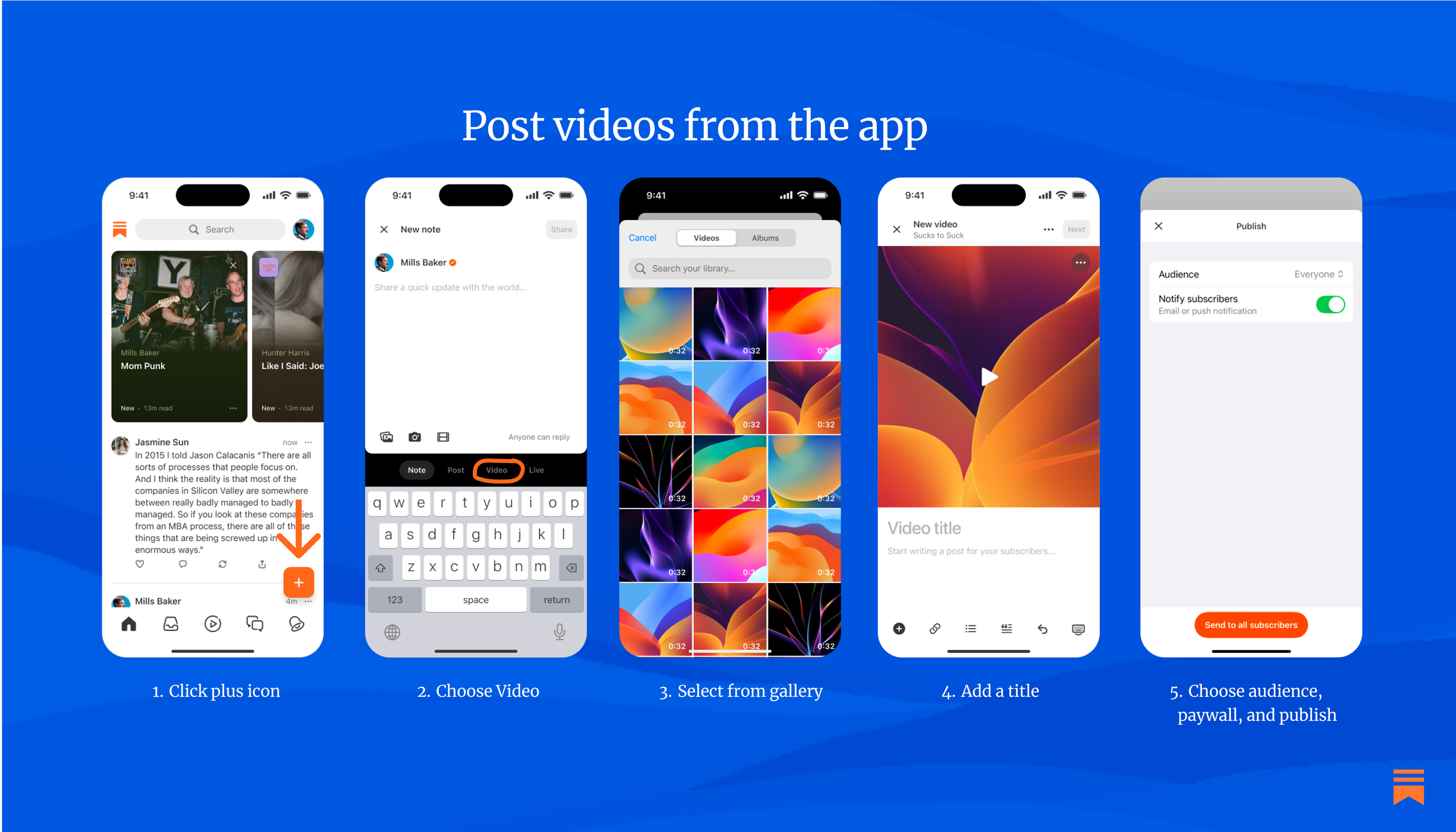
Publish video posts directly in the Substack app
Feb 20, 202500:02:08Tap to summarizeStarting today, writers and creators can publish video posts directly from the Substack app, making it easier than ever to share videos, connect with subscribers, and earn money—all from the palm of your hand.Since launching the Substack app, we've prioritized making it a seamless tool for creators. First we introduced mobile text publishing, allowing writers to share their work from anywhere. Now, we're making it possible for video creators to publish directly in the app, opening up new ways to connect with subscribers.Previously, creators could share video posts only on desktop, limiting their ability to publish on the go. This update marks the first time they can upload, publish, and monetize video directly from their phones. Each video post reaches subscribers instantly through email, app notifications, or both, ensuring a direct connection with their audience.Here's how it works:* Tap the + icon to create a new post* Select Video and choose a file from your gallery (supports files up to 20GB)* Add a title and description* Choose whether to notify subscribers and paywall the post* Click PublishThe power of video on Substack comes from the subscription model. Not only does every post reach subscribers directly, but creators can easily share their work across the Substack network, expanding their reach and finding new potential subscribers. With millions of weekly active users and 1 million posts discovered daily, the Substack app has become the leading driver of subscriber and revenue growth for publishers building sustainable, independent businesses.Political analyst Aaron Parnas had early access to the feature and has seen its impact firsthand. “The ability to publish directly from my phone has transformed how I share breaking news and analysis with my subscribers,” says Parnas. “I can now reach my audience instantly, wherever I am.” Aaron recently won Substack’s TikTok Liberation Prize, awarded for showcasing the power of the Substack model and inspiring video creators make the leap. He’s leaned heavily into video and has built a thriving community of loyal subscribers that supports his work directly.This is just the first iteration of in-app video publishing. We're already exploring features that will make video on Substack even more powerful, including trimming and editing tools, free preview options, enhanced analytics, and improved playback controls.Learn more: How to publish a post from the Substack appWe're committed to making it easier for creators to share their work in whatever format they choose. While there's still work to be done, this update marks an important step toward that goal. Try publishing a video post in the app today, and let us know what you think in the comments. This is a public episode. If you would like to discuss this with other subscribers or get access to bonus episodes, visit on.substack.com
Transcribe →
How Browns Film Breakdown hit its stride
Feb 7, 202500:05:52Tap to summarizeAhead of a big weekend for football, Substack’s Austin Tedesco went live with Peter Moses to discuss Browns Film Breakdown, a multimedia publication that covers the Cleveland Browns in depth. Here are a few highlights from their conversation, including insights on providing value across multiple mediums, determining the right publishing cadence, and finding your niche.On the decision to start a SubstackPeter Moses: We’re breaking down films of the Browns so you can understand the why and the how of what they’re doing, and relate to them better as a fan and understand what’s happening on the field. [It’s a way to] feel better connected to the team and the community. We’re trying to kind of be antithetical to the hot takes on socials or call-in radio, things like that.So we looked at a bunch of different places and options and then found our way to Substack. We really found everything we needed in one place, so we could launch this thing within a matter of weeks before the season went live.[There were] plenty of things that we learned this year, things that went well and did not go as well. But doing it on Substack gave us an opportunity to launch something that we think has legs for, hopefully, seasons and years to come. On finding the right cadencePeter: In an early conversation that we had, you were like, “Don’t overload the amount of content you’re putting out.” Jake [Burns]’s experience, coming from a digital print site, was pumping out four or five articles a day. And so for us, what we learned over the season and how we’re moving forward with our content, is one newsletter every morning. And “newsletter” and “article” for us are now becoming synonymous.We have something coming out every morning that also has a link to the podcast. And then video will come out on the site as we see fit. But I think we really tried to come out of the gate [with a lot of content]. And some of the feedback we got from people who jumped in and out of subscribing was, “There’s too much content here for me. I don’t feel like I’m able to fully maximize my subscription, because I can’t keep up.” So, not that less is more, but just kind of understanding what the cadence should be, where it doesn’t feel like you are being overwhelmed, and also making it accessible for people who want to plug in in different ways.Austin Tedesco: You don’t want the notifications or emails to start to feel like homework to people, right? Like, you get meaty, you get in-depth—that’s so much of the value prop of what you do. You’re like, “You’re going to understand what’s happening in some sort of defensive or offensive set in a way you never would, by listening to Jake or watching Jake or reading Jake” or any of your other contributors. But if you miss two, and then the third one comes and you’re like, “Oh man, I still don’t have time for this,” then people get less excited than if it’s digestible or less voluminous.On providing value across mediumsPeter: Browns Film Breakdown, the podcast, is our best marketing tool at this point. It’s been around for almost eight years and it comes out every day, or almost every day, year-round. We’re exploring pulling sections of some of those podcasts to Substack only. So if someone loves the podcast, doesn’t want a newsletter, doesn’t want to see the film, but wants to support Jake in the podcast, they feel as connected as someone who wants to watch every offensive snap from their Week 4 game against the Cincinnati Bengals and have Jake break that down over video.So that’s the biggest thing we’re trying to learn. How can we make everyone feel like their level of involvement is worth that subscription, even when those involvement levels vary?On starting a niche publicationAustin: If someone is interested in starting this kind of thing themselves—and I think especially in the kind of thing we’re talking about, where it’s like, “I think I could be an expert in a niche and build community around it”—what’s one piece of advice you have for them?Peter: That’s a great question. I think it’s very basic, but I would say, you know, be the content that you’re interested in consuming yourself on a daily basis.And so for us, first and foremost, we love this team, we’re obsessed with it, and we want to provide community for people who are like us, who want to relate to this team in a way that feels different from what’s out there.And I also think, something that I’ll say specifically in sports, is just because someone is doing something that you’re interested in doesn’t mean that there’s not space for you to pursue it as well.This conversation has been edited for length and clarity. This is a public episode. If you would like to discuss this with other subscribers or get access to bonus episodes, visit on.substack.com
Transcribe →