← The Team House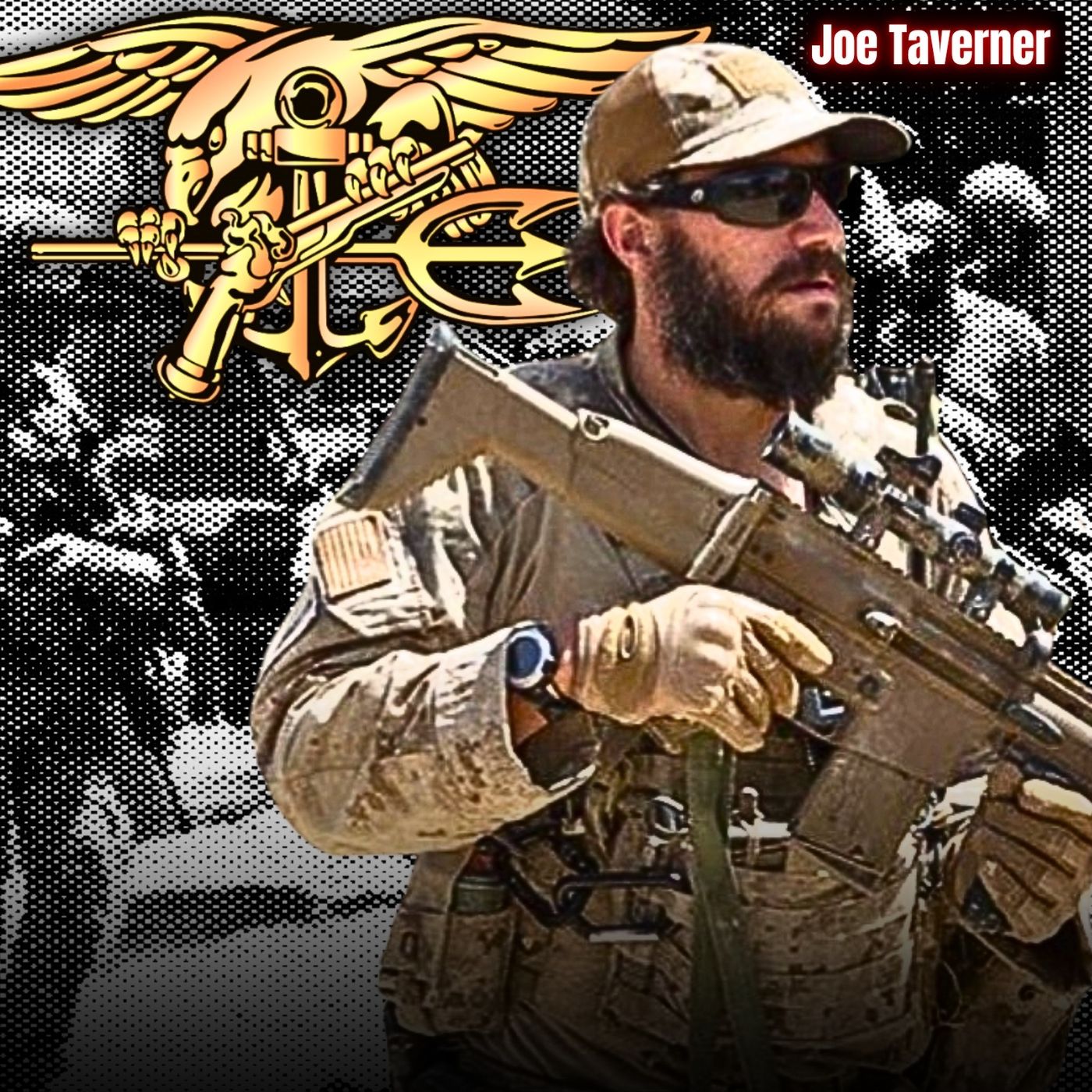
The Team House
Navy SEAL Operator: From 9/11 to Fighting ISIS | Joe Taverner
01:29:01
Former Navy SEAL Joe Taverner joins us to discuss his career from joining the Navy before 9/11 to deployments in the Philippines, Iraq, Afghanistan, and the fight against ISIS. He breaks down hunting Abu Sayyaf in Zamboanga, working with Polish GROM...
Loading summary
Transcript229 lines
- [00:00]
Blue Square Alliance Spokesperson
In football, you've got guys from everywhere, different backgrounds, different beliefs, all of it. You don't agree on everything, but you got each other's backs. That's how it works. And right now, off the field, hates going up everywhere. Different communities, different ways. And Jewish communities are getting hit hard. That's not how a team operates. The blue square is just one way of showing you've got people's backs. Go to bluesquarealliance.org, grab one, share it, be a good teammate.
- [00:31]
SpinQuest Advertiser
Whether it's slots or live dealers, Spinquest.com has the fun and action you're looking for with Spinquest exclusives. Blackjack, roulette, baccarat, and even live dice. With craps and bubble craps. The games never stop, so you don't have to. And right now, new users get $30 coin packs for just 10 bucks. Play now@Spinquest.com SpinQuest is a free to
- [00:56]
Jack Murphy
play social casino void where prohibited.
- [00:58]
LifeLock Advertiser
Visit spinquest.com for more details.
- [01:01]
Jack Murphy
Hey, everyone. This is episode 410 of the Team House. My name is Jack Murphy and we are here with our guest today, Joe Taverner. He is a former Navy SEAL, joined the Navy in 1999, served in SEAL Team 1 with deployments to Afghanistan, Iraq, Asia Pacific theater, and all the way up to the battle against ISIS in around 2018, 2019, and now works in the private sector working on directed energy, defense systems and other cool gadgets. We're going to talk all about that stuff in this interview. Joe, thank you for joining us.
- [01:39]
Joe Taverner
Yeah, thank you. Glad to be here.
- [01:41]
Jack Murphy
So, Joe, the first question I always ask about your origin story, if you can tell us a little bit about your upbringing and why you joined the Navy. I mean, 1999, America is supposedly at peace during this time frame.
- [01:57]
Joe Taverner
Yeah, that's exactly what it was. And just still growing up, for whatever reason it was, I didn't grow up in a military family. I had an uncle in Vietnam. My brother had done, you know, four years as a, as a CB in the Navy and did everything he could to convince me not to join and what a horrible idea it was. But for, you know, just the growing up, I really felt the, the desire to do my part, put in whatever time it was gonna, gonna take and kind of, you know, I just felt it was partially kind of my responsibility to serve back to the country, you know, that, that has protected us and then everything for us. So at the same time, I'd grown up as an athlete, you know, ran cross country and track all the way through High school, college, and liked kind of the small unit, the teams, the small group that. That is. And work together, count on each other. So when I kind of decided, yeah, I'm gonna. I'm gonna enlist, I'm gonna serve after college, I wanted it to be with. With a great group, a great team, and. And, you know, unit that I could count on to be there. So I enlisted in July of 99 after I had graduated in June with a contract to go to buds. So I went through boot camp, a school, and then immediately checked into buds, January of 2000.
- [03:21]
Jack Murphy
Where did you know? I'm just curious. Growing up in the 1990s, how did you even know about the Navy SEALs? How did that come up on your radar as a young man?
- [03:31]
Joe Taverner
Well, so I spent three years as an. As an engineering major, but graduated with history. So I'd always loved history. I loved reading a lot. I read a lot of Vietnam books, World War II, and just through kind of that avid reading and just research on history, had learned about both the army as well. But for whatever reason, it was the. The SEAL teams that kind of resonate. Caught my eye a little bit more. Right. Resonated a little bit more. And. And so that's the direction I decided to go.
- [04:05]
Jack Murphy
So tell us a little bit about, you know, if I'm looking at my notes here. Were you at Buds when 911 happened?
- [04:15]
Joe Taverner
No, when 911 happened, I was. We were doing a workup. I was actually up in San Clemente. We were doing assaults training at Camp Pendleton and woke up in the morning and turned on the news and the. The first tower had already been struck. And, you know, I'm sitting there watching the news trying to figure out, like, what's the deal, what's going on? And, you know, watched. Watched the second plane impact that, you know, the second tower and, and knew that the second that that happened, that everything just changed. That, you know, the training we're doing, everything got very real very quickly.
- [04:52]
Jack Murphy
What kind of orders or what kind of information was coming down from hire to the. To you guys at the team level, at the platoon level?
- [05:01]
Joe Taverner
Yeah, it was there. There wasn't a. I think initially at least, there wasn't really a lot going on. The initial, you know, we were up at Camp Pendleton, like I said, doing a bunch of work. But I know that that night I got called back because, you know, you're the new guy, so you get a good new security. And we had, you know, machine gun that st up on all the roofs and, you know, security was crazy. Trying to get back up Pendleton the next morning took a significant amount of time. But at that point, I think the focus was pretty drastically shifted, I should say. It wasn't like, hey, this is all fun now. We're just going to go and do whatever. Now it's like, okay, this is like very, very serious. Pretty quickly afterwards, I think that the realization of what had really happened and taken place, you see that. You saw the Pennsylvania and the Pentagon and everything else that happened, and you started getting some of the intel back of the responsibility and what happened in the direction that we were going to go, I think as a nation.
- [06:05]
Jack Murphy
And then your first deployment was actually to the Philippines rather than Afghanistan or Iraq. That was coming down the.
- [06:13]
Joe Taverner
Yeah, it was. We had kind of already had some. Some groups set up. They did pull from all of the platoons to kind of create some additional units going to Afghanistan as well. But my specific platoon, we had already kind of been designated. And so the Philippines, it was so off we. There we were in. Yeah. 2002 in southern Philippines, down. Down in Zambo. And I think we'd, you know, kind of mentioned the. There had been a lot of planning done. A lot of. A lot of the initial planning for, you know, with the Taliban and. And, well, Al Qaeda, I should say, I guess the planning from Al Qaeda and what they had done over the Philippines and Indonesia and that role that. That. That had in the attack on the Twin Towers. And. And so even though we were over in the Philippines instead, there definitely was still a feeling that it was still an important place and a place that we needed to get control of.
- [07:14]
Jack Murphy
Yeah. Do you want to lay out kind of like the situation in 2002 and Zambo? Because, you know, at that time, especially anything. Any international terrorist group that even remotely touched Al Qaeda or like money, Terror. Terror money coming out of the Middle East. It was like game on at that point.
- [07:37]
Joe Taverner
Yeah, it was. And. And we had a great working relationship there with a lot of the. The Filipinos, you know, special forces, the SEALs, the Nassau guys, and then a lot of their other intelligence groups. And so we. We helped do a lot of targeting. We were actively very involved in the Abyssaf Group and Abu Sabaya, the. Turned into the operation to eliminate him, take him off the battlefield, as he was one of the big leaders of kind of that movement in southern Philippines. So it was a great mission to be part of. When I went back to the Philippines years later, part of, obviously this boat was still up on the wall there in the Marine Corps Museum. So it was Kind of an interesting thing to see, to get to go back and talk to the commandant of the Marine Corps and explain how I had been a part of that mission that is now at, you know, up on the wall, along with Sabia's sunglasses
- [08:31]
Jack Murphy
and Abu Sabaya, if I recall correctly, he was like their propagandist. Was that. That was his primary job.
- [08:38]
Joe Taverner
That was a big part of what he did. He was the. Definitely kind of the larger than life figure. You know, he was kind of a key person for the obvious AF group, but it definitely was, you know, he was, he was kind of the figurehead for sure. That was on the news. That larger than life person always, you know, representing, I guess, the, the terrorist organization. Even though I think at that point for him. And a lot of what they did was kidnappings, kidnapping for ransom. Just being involved, you know, in having that prior connection to Al Qaeda put a huge, a huge target on, on their back for us.
- [09:15]
Jack Murphy
I remember talking to some of the retired Filipino, like colonels, Marine Corps colonels, you know, smoking a cigarette. Like Abu Sabaya was very noisy like him out there.
- [09:30]
Joe Taverner
Yeah, they, you know, they had kidnapped a lot of. One of the things that definitely did not help him any was it started kidnapping, you know, Americans, other people that wasn't yet missionaries. Exactly. It wasn't just, you know, wealthy Filipinos anymore.
- [09:47]
Jack Murphy
The, the Burnhams, Martha and.
- [09:51]
Joe Taverner
Yeah, Burnham. Trying to think of what her husband's name is.
- [09:54]
Jack Murphy
Yeah, the husband was sadly killed in the rescue attempt, if I recall correctly.
- [09:59]
Joe Taverner
Yeah, exactly. But. But we were there for the rescue for, for her, and it was one of my medics that escorted her from that rescue back.
- [10:07]
Jack Murphy
Oh, really?
- [10:08]
Joe Taverner
Through northern, through northern the Philippines, then back to Japan.
- [10:12]
Jack Murphy
Did you ever. Did you by chance work with a CIA officer named Kent Clisby?
- [10:18]
Joe Taverner
I don't recall the names of some of those. I, I wish I could recall all of the names of the people we worked with, but it's very possible.
- [10:25]
Jack Murphy
Kent sent me a picture of her coming off the helicopter that he took.
- [10:31]
Joe Taverner
Oh, didn't.
- [10:32]
Jack Murphy
So it must have been.
- [10:32]
Joe Taverner
Yeah, we definitely would have.
- [10:34]
Jack Murphy
Yeah, yeah, Kent. We did a previous interview with Kent many years ago. Now, if you guys go deep, deep into the archives of this podcast, you'll find the interview with Kent Glisby. Very interesting to hear his point of view. And actually another guy, Ron Moeller, who was an agency, may have been air branch at that time. We have a couple interviews with him where he was watching the whole operation unfold on the drone feed. But Joe, I Mean, can you tell us about it from your perspective, what you experienced and what you saw?
- [11:07]
Joe Taverner
Yeah, absolutely. But also, I will say that throughout the multiple decades of working with. With the agency, very rarely did you get an actual first name, a real name.
- [11:17]
Jack Murphy
Yeah, yeah, I'll have to show you people. Yeah.
- [11:23]
Joe Taverner
Yeah. So I guess going back to that operation itself, though, we had gotten information about Sabayo wanting to move. He was getting. He was getting kind of pinned down, getting cornered. He need to. He needed to get kind of pulled out and trying to move to a different island through one of his contacts that ran a lot of his financing. We knew where that was, and he was going to be the one to go in the boat. So we. We kind of put some of our own, or the Filipino, I should say Mission Force, a couple of their guys on that boat, along with some. Some tracking strobes. And then we followed them in. So we had, you know, a couple of our ribs, a couple of the. The Filipino ribs as well. And then, like you had mentioned, we had the ISR flying overhead, trout kind of tracking behind. So we move up the coastline under darkness, and then right as first light was kind of getting ready to come up, called them into the shore. So they went in, picked him up. And then as soon as that boat got far enough offshore, the. The two Naps off or Navile boats moved in at the intercept, if you want to call it intercepting, with. With a lot of guns blazing. And it turned into a pretty interesting little firefight there that lasted not. Not too long as they ran over the boat and, yeah, splintered it into pieces pretty quickly.
- [12:44]
Jack Murphy
And the fate of Sabia himself, he went into the water, didn't he?
- [12:50]
Joe Taverner
Yeah, so he went into the water. And again, every person that was on that initial boat loves to claim credit for filing or for firing the. The fatal shots. They. They pulled out his glasses and. And again, pieces of the boats, but that was one of the bodies that was never pulled out. They did find a couple of other bodies, but. But not his. It was. It was never recovered.
- [13:13]
Jack Murphy
Yeah, you're right there. There are all kinds of war stories. People saying they got his 1911 and stuff. It's like, okay, yeah, So it was navsog, the Filipino seals that you were partnered with. There were also the Filipino Marine Corps was pretty involved in that operation, too. I believe they had a lot of
- [13:39]
Joe Taverner
the support out there. After we pulled them off. They did the recovery of all the equipment. They also did the transfer of the people that were. Were pulled out, all kind of went onto their boats and then they. Yeah, kind of did a lot of the, the recovery of whatever was left of the situation and kind of an sse, if you will.
- [13:58]
Jack Murphy
And what was that sort of like for you guys in Zambo? I mean, prior to 9 11, being deployed to Guam or the Philippines was kind of like not exactly a hardship tour for a SEAL platoon, I imagine. But now, now you're in combat. I mean, this is real.
- [14:14]
Joe Taverner
Yeah. You know, I mean, I guess you're still thinking though of like all of your other buddies that are in getting, you know, Afghanistan at the time and they're, they're getting after a little bit, a little bit differently. It still is very real. You know, there's a lot of, a lot of gunfire going on. There's. You've obviously got the bodies all over that you're trying to help recovery or help recover. We talked about the, the, the, the mission with the, with the Burnhams as well. So I think you do feel that you're very active. Before that. I think most of the people in the teams would have seen a deployment to like Sri Lanka where you're doing some live FID as kind of like the, the higher end missions, you know, and you weren't really doing anything. You're just training, you're training the, the Sri Lankans and getting them to go train them, not, you know, to go fight the Tamil Tigers. And this was completely different. You know all. I think when you talk to some of the older guys at that point, they. We had one person that had done Desert Storm and that was about it. There was very, very little experience, you know, and they talked about when they were new guys and they were young and they're older guys that had all been like the Vietnam guys. So you're looking at the guys from like the early 80s that are now in there, you know, been in the teams for 20 plus years and how they were in the early 80s with the Vietnam vets having all that experience and they've got nothing. And so I think that that was just that transition period going from the early 2000s through mid-2008, 2010, and just that growth and wealth of experience and development in the teams and really the military in general.
- [15:55]
Jack Murphy
You did Sri Lanka too?
- [15:58]
Joe Taverner
I did not do a Sri Lanka. The platoon that I joined, they had done a Sri Lanka the previous deployment. So that was their big experience from, from their previous deployment was talking about Sri Lanka.
- [16:08]
Jack Murphy
Yeah, I was going to ask because again, before 9 11, Sri Lanka was like, that was like a very Kind of like closely held secret that we had Special Forces and SEALs over there training those guys.
- [16:20]
Joe Taverner
Yeah, yeah. It wasn't really talked about a whole lot, but it was, it was at least it was some pretty decent action and a good place to hone skills.
- [16:32]
Jack Murphy
Yeah, yeah, absolutely.
- [16:35]
Joe Taverner
Yeah. I was just gonna say my, my father in law, actually he was a pharmacist and he spent a lot of time over in Sri Lanka for the army as a lieutenant colonel. He ended up getting to the point that he had been over in Sri Lanka so many times that he was like the person the locals trusted. And the rest of the military wasn't even able to get in the locations unless he was there to help, like coordinate and work with them because that's who they trusted. Was.
- [17:07]
Jack Murphy
Yeah. Yeah. That's awesome. So then, I mean, you go, I assume you're going back to the United States getting, doing. Going through another workup and this time you're getting ready for Iraq.
- [17:26]
Joe Taverner
Yeah. So now we're looking at Baghdad 2004. Definitely an interesting time. You know, we spent three months just doing assaults there, working with the Polish realm, which is a fun time. And then we got tasked with taking over the PSD mission. So we did three months, basically, you know, was a protection detail for the Iraqi leadership. And then right towards the end, I also got to go do the assault on Anajaf, the city of Anajaf, which, which was an interesting time as well.
- [18:04]
Jack Murphy
Yeah. Well, I mean, let's start off. I mean, what was it like working with the Polish grom?
- [18:10]
Joe Taverner
The Polish GROM were a lot of fun to work with. They are, they're. Yeah, they're, they're a great group. They're very well trained, very professional, can be a little on the crazy side, but you know, I mean that's, that's their mission. They're. They're a national asset for those guys or for Poland. You know, they are one of those groups that can work both in the country and outside. So, you know, I mentioned that later. I went back and did the assault of on a job. I was the JTAC and communicator for the, for the GROM sniper group that I was with. So I was the only American and I was with the team of like about. I think we had about eight GROM with us. So after that I've got my. I, it's in one of these boxes here, but my honorary official GROM certification in my coin and all the other stuff. So I think I'm official GROM member number 28 or 27 back in 2004. So I don't know how many there are now but at that point there'd only been, you know, less than 30.
- [19:14]
Jack Murphy
That's unreal. It's interesting to read about the polish and how like the CIA formed a very close partnership with them after the wall came down and then the, and then our militaries did too. I guess it's just a cultural thing that we have a lot in common with them.
- [19:34]
Joe Taverner
Yeah, they, I think just the attitude they had. Everything just really aligns well with, with the soft groups. You know, I guess most, most soft elements that I've worked with throughout the years be it the, the SAS or sbs, the cansoft with Canada, you know, same with the grom it. It's always kind of a great working relationship. There's always a little bit of a know like who's better? We gotta, you know. But it, but it's healthy. It's, it's in a good way. It's not there. There's always just a lot of support. You're always there to help cover each other, to support each other and to figure out, you know, like hey, what can we do to help take care of you? You're, you're there for a QRF for the other one. Whatever it needs to be. You're always there to support.
- [20:20]
Jack Murphy
Hey guys, this is Jack Murphy. I want to tell you about tonight's sponsor which is Quince. They are a company that makes a thoughtfully built wardrobe that comes down to pieces that mix well and last. That's where Quince really shines. They use premium fabrics, considered designs and everyday essentials that feel effortless to wear and dependable even when the seasons change. What I'm wearing today is their 100% Mongolian cashmere sweater. The same stuff that luxury brands use. It is a staple in the industry and it stays soft and doesn't pull. It keeps you nice and warm throughout the year. I've been wearing this for a couple months now. New York City winters get pretty cold and also the linen shorts have become a go to for me. They don't wrinkle like cheap linen does and they work with everything and they don't cost a fortune either. Right now you can go to quints.com house for free shipping and 365 day returns. That's a full year to build your wardrobe and love it and you will now available in Canada too. Don't keep settling for clothes that don't last. Go to Q U I n c e.com House for free shipping and 365 day returns. Quince.com House thanks for supporting the show everyone. Guys, if your lady or your fella or that person that sends you an eggplant emoji at 2am is ready for better sex, then you should be too. That's where bluechew comes in. They have been on a mission for years to help get you bricked up, build your confidence and help you actually perform in the bedroom. Their new arousal boosting formula, Bluechew Gold is helping millions of men have better sex in 2026. While most ED meds focus only on blood flow, Bluechew Gold goes further by combining two ingredients for blood flow with two ingredients for mental arousal and connection. So you're not just physically ready, you're actually in the mood. This type of innovation is why bluechew Gold is the number one brand in erectile function. Don't let your mind get in the way of a good time. Discover your options@bluechew.com and we've got a special deal for our listeners right now. When you buy two months of BlueChew Gold, you get a third for free with the promo code Housecall. That's promo code Housecall. Visit BlueChew.com for more details and important safety information and we thank BlueChew for sponsoring this podcast.
- [23:00]
Joe Taverner
A lot of people put off buying a new mattress because it feels like a hassle. Too many options, too many claims and no real way to tell what's actually going to hold up. Ghostbed makes that decision easier. Ghostbed is a family run company with more than 20 years of mattress making experience backed by deep manufacturing expertise. Their approach is straightforward, focused on quality materials, smart construction and a consistency over time, not flashy features or complicated sales tactics. Every Ghostbed mattress is built for long term comfort, using durable foam and proven cooling technology to help regulate temperature while you sleep. It's designed to feel reliable night after night, not just when it's brand new. And if you're not sure which mattress is right for you, Ghostbed's online mattress quiz helps narrow it down quickly. Whether you're a side sleeper who needs a little plushness or someone who prefers a firmer feel, the quiz matches you with the right option based on how you actually sleep. They also keep pricing grounded. Ghostbed mattresses cost up to 50% less in comparable brands. You could rest easy knowing you're not you're getting one of the best values at this quality level. Every matches comes with a 101 night sleep trial, an industry leading warranty and fast free shipping. And as a teamhouse listener, you can get an extra 10% off your order. Just go to ghostbed.com house and use the promo code HOUSE at checkout. That's ghostbed.com house code house. For an additional 10% off site wide, upgrade your sleep with Ghostbed, makers of the coolest beds in the world. Some exclusions apply. See cipher details. Thank you Ghostbed, for sponsoring the show. Thank you guys for helping support the
- [24:37]
Blue Square Alliance Spokesperson
show by One thing about the locker room. It's a mix of everything. Different races, religions, backgrounds, opinions. All of it. And yeah, you argue, you joke around, you disagree constantly. But when it actually matters, you've got each other's backs. No question. That's just being a good teammate. And honestly, that shouldn't stop when the game ends. But right now, hate is rising across communities in different ways, and Jewish communities are getting hit hard by it. And hate doesn't stay in one place, it spreads. So this isn't about agreeing on everything, it's just about showing up for people. The blue square is a simple way to do that. Just saying. Yeah, I'm not cool with hate. Go to bluesquarealliance.org grab one. Share it. It's not complicated. Just be the kind of teammate you'd want in your corner.
- [25:37]
LifeLock Advertiser
Lots of places can accidentally expose you to identity theft. Doctor's offices, online retailers, insurance companies. The list goes on. Thankfully, LifeLock monitors hundreds of millions of data points a second for threats to your identity, which is way more than anyone can do on their own. LifeLock keeps an eye on your personal information, credit applications, finances, and more. And if they find anything suspicious, like new loans or changes to your financial accounts, they alert you right away, all through text, phone, email, or the LifeLock app. Even better, alerts are automatically activated the moment you become a Lifelock member. No extra work on your part. Get the alerts that could make all the difference. Don't wait. Join LifeLock now. Visit lifelock.com iheartra and save up to 40% your first year. That's lifelock.com iheart for 40% off. Terms apply.
- [26:36]
SpinQuest Advertiser
Whether it's slots or live dealers, Spinquest.com has the fun and action you're looking for with Spinquest exclusives blackjack, roulette, baccarat, and even live dice with craps and bubble craps. The games never stop, so you don't have to. And right now, new users get $30 coin packs for just 10 bucks. Play now@Spinquest.com SpinQuest is a free to
- [27:01]
Jack Murphy
play social casino void where prohibited.
- [27:03]
LifeLock Advertiser
Visit spinquest.com for more details.
- [27:07]
Jack Murphy
Well, tell us about the NAJAF operation then.
- [27:13]
Joe Taverner
Oh yeah. So in Anadroff that had been. Basically, it was kind of a big holdout spot right for a lot of, a lot of terrorists. And the Marines actually led that offensive and basically had the whole city of on a job surrounded going in. And they, it was a, it was a pretty good dog fight for, for multiple days for actually it was a little over. I think we were there for about two weeks. It was a little bit longer than that total. And that was one of those spots where initially at least ROI or the yeah. Rules of engagements the ROEs were, were literally given to us of like there is nobody good in the city. If you see anybody moving, you can shoot them.
- [28:02]
Jack Murphy
Holy.
- [28:04]
Joe Taverner
It was like that was, that's what you were given. And then sometimes you would find some people that you're like, that is definitely not that like a kid or whatever and you've got to, you've gotta, you know, hopefully have that, that moral decision making ability to not engage. But the roes were clear. Like if there was anybody there, we have told them over and over again, this is now an open city. Like anybody moving through game.
- [28:29]
Jack Murphy
How did that kind of operation unfold?
- [28:33]
Joe Taverner
We, we just slowly, slowly, slowly started moving, you know, into this, into the center of the city. I think, you know, I'm glad that I wasn't on the other side where they had the, the cemeteries because they had a lot of, a lot of movement. And as the Marines were moving through and trying to clear out the cemetery, they had just dug in a lot of tunnels and they were just moving, popping up behind, popping up behind, you know, anything they could find. And that was a tough movement on our side. It was just straight urban warfare. We got stuck in a couple of big buildings. They got pinned down a few different times. There's a first time that I think, at least for me, where you know, we, we're just completely pinned down in a building. There's nowhere that we were going. You gotta low crawl up to the front to, you know, engage a couple of people and then you're just, you're just doing urban movement, doing whatever you can to, to break contact and get out of there. Because, you know, at that point I had a small group of grom. I had two army SF guys with me doing this movement piece and we were just stuck and there was, there was nowhere, nowhere else that you're going. So real quickly you learn that okay we gotta count on, count on your ability and your training. Move fast, don't stop.
- [29:54]
Jack Murphy
So yeah. How'd you fight your way out?
- [29:59]
Joe Taverner
You know, that's basically what we did. We figured out where they are. We put in a two person blocking, you know, some sort of a blocking team. Like, okay, I need you doing, you know, I need you to engage this building. This building. Because even at that point at a couple hundred meters, you're like, I think they're in that window, but they could be in that window and either way they were moving in on our position. So we couldn't stay. You know, at that point it was like, we got to move or we're going to be done. So we put a couple of blocking positions in, moved down about a block down is where we had to get to. So just did kind of a rolling, like brake contact basically rolling break contact drill, just like you would in any sort of your workup cycle and more or less just moving down an alley or a street because there's nowhere else to go. We thought we'd be able to get out the back, but it was solid. There was no, no exit through that, through that, that direction. So we had to move down the, down the front of the street right into an open courtyard, which was, was not very Fun for about 50 meters to get to an alley that then we could escape back towards the, towards friendly forces.
- [31:07]
Jack Murphy
And what was kind of the result of that battle, was it the, the Marines end up clearing the city? Basically, yeah.
- [31:13]
Joe Taverner
So they finally called a truce, fire, a ceasefire and they and more or less surrendered and gave up the city. So that kind of ended it at that point. But it took, yeah, they, it was, it was a big holdout spot for, for a while.
- [31:30]
Jack Murphy
And you rotated back to Iraq in 2007?
- [31:35]
Joe Taverner
Yes, yes. So back to Iraq in 2007, over in Haditha again, it was a lot, a lot quieter at that point, but it was still, it was still a good, a good tours. We had a lot of good mobility, a lot longer trips heading out towards the Syrian border and doing some clearance operations out there. So I think it really, at that point you're starting to see a lot of this, the SOPs that had been built over the previous, you know, five or six years really starting to take place, really starting to take hold. So you've got, at that point, you know, all of your mobility training and all of these that had been like, we're just figuring out no. 4 by time you get back in 07. A lot of these things are really Ironed out. So that was one thing you definitely noticed. But western Iraq out there, at least for the most part, was a lot quieter than I think than what we were expecting.
- [32:29]
Jack Murphy
Yeah, yeah, I can see that. It's like a lot of like tribal areas and small villages out that way. Were you guys by this time, was it mostly like doing HVT strikes or was it already sort of like working with a partner force and kind of trying to get them out?
- [32:46]
Joe Taverner
You're pushing. We are building at this point. We're building like our local SWAT force, SWAT team, kind of a local military. Military. And then we would use them to kind of try to partner. And then as there would be like a larger operation that they would want to go do a clearance off, a lot of times it would be with a conventional unit that we would team up with and they would maybe had a larger movement and we would kind of have a small piece within kind of a larger operation that they had planned.
- [33:17]
Jack Murphy
And as far as like how the, the SEAL platoons had evolved over time were, I mean, as I recall, what is a SEAL team? Like something like 16 guys that you started deploying like two platoons together as one kind of action element.
- [33:34]
Joe Taverner
Yeah, so initially we had 16 guys. There was two, two squads of eight. Basically a mirror image of, of each other. Slowly over the years, by the time we get up a few years later after this even a lot of times you're looking at 24 people.
- [33:49]
Jack Murphy
Gotcha.
- [33:49]
Joe Taverner
25 people. There was just too much going on for one 60 man platoon to manage. And then they made the task element like you're saying. So a task element kind of has shifted a couple times. It was two platoons, then it was three platoons and it's two platoons again. They still haven't, I don't think as of last year it was supposed to go back to two platoons, I think total. But it, you know, it's really kind of like a, an AOB or an AOB light type of a group led by an 04, you know, element. So when we were there in 2007, actually basically our platoon or our troop commander at that point as an 04, I think he probably had the size of what previous. That would have been an entire SEAL team that he was in charge of. So we had four platoons. I think he had three ODAs and he had another, not a Mars Hawk team, but he did have another like civil affairs or something else that he was responsible for. So it is a, is a pretty big size element for an 04 and yeah, out of all Assad.
- [34:54]
Jack Murphy
Yeah, the machine's getting rolling there
- [34:58]
LifeLock Advertiser
and
- [34:59]
Jack Murphy
let's see that you're going back home. I mean, I guess before we jump over to Afghanistan, do you have anything else you want to mention about how you saw the SEAL teams kind of evolve through the war on terror and some of the things that changed as you got deeper into the conflict?
- [35:15]
Joe Taverner
Well, I don't know if the timing was just, if it just aligned correctly or what, but you know, prior to really 2002 we did what was called, we did a force optimization thing at that point where before that it was each team would deploy two SEAL teams at a time and that was only with six SEAL teams. So you had six platoons deploying at a time from the west coast, six platoons from the east coast and that was it. And right at that time with force optimization, they wanted to have an 5 headquarters along with kind of the troop headquarters, be able to deploy to represent the team. And that just happened to align, you know, well, with the beginning of the war. So you saw you going from two platoons, you know, with two O3s running the platoons to all of a sudden you'd be deployed and you'd have an actual O5 headquarters, no, four headquarters. And I think that that ability to manage the teams also led to a lot more of the advanced intelligence and the intelligence package, the development of the SRTS or the sensor activity teams initially. And it really allowed at least from the NSW side for the, the teams in the community to, to grow and to become kind of a much more affordable. Yeah, kind of piece of the battlefield as you, you've got that entire operating engine, the intelligence engine, the operators, you can fully develop a target package instead of waiting for some other soda siege of soda Agency, whoever it is, whoever it was to just bring you that target package.
- [37:02]
Jack Murphy
Yeah, yeah. The intelligence capabilities exploded. And also, I mean the, the equipment and the gear and quite frankly the amount of money I think that was coming to these units was also pretty amazing. I remember talking to a guy, he was a seal during the 1970s and he's like all we had back then was a snorkel flippers and a K bar knife and your UDT shorts and that was about it.
- [37:27]
Joe Taverner
Yeah, for sure. If you look at Even early the 2004 deployment when we were there and you're driving around Baghdad, you know, and you had, you know, Route Michigan, Route Irish, whatever and everything that was going on there, we were driving around in thin skin Humvees with no Doors and you had, you know, you had just machine guns everywhere. You'd have a 50 cal or something up top and then you'd have. Both of the back seats had some sort of a saw. The back of the Humvee had two more saws. So you're just driving around. You look like a porcupine with guns just everywhere. Running rails on the side so that as you're rolling up to the target, guys are like jumping off and instantly either entering the target or getting ready to enter a target. And then you look even just to 2007, just with all of the IEDs and the development that way, now you're in armored vehicles and Humvees and then soon after that you've got your mapis or your strikers or whatever else you're driving around on. So I think as you talk about the technology, it's also the safety and security. It changed a lot after just the four or five years of kind of continual combat.
- [38:32]
Jack Murphy
And then you get over to Afghanistan in 2009. What was that first trip to Afghanistan like?
- [38:43]
Joe Taverner
I mean, it's just different, right? I've been used to Iraq and you're in especially western Iraq. It's flat, there's nothing out there. And now I'm, I'm pretty far east, close to the, you know, Pakistan border. It's mountains everywhere. It's. You're at altitude, you know, you're, you land in initially in Bath, whatever, but then get, get a, a ride out to our little FOB in one of the agencies helicopters because that's all that was really going out there to provide any sort of support. And you just, you instantly, you're like, okay, this is a slightly different, slightly different battle. It's a different, different trip, you know, and a lot of those roads where we were, you, you can't take a lot of the same vehicles. We're in armored vehicles a lot. But it was. Now you're in hiluxes, you're in other vehicles that, that can handle those roads. You know, when I was there a couple years later, we did have some map views and, and, and rgs, but also we managed to get one stuck pretty good one time. And you know, that is never a good position to be in. So I think the smaller vehicles and the ability to just kind of adapt to the area is something that you have to learn very quickly.
- [39:49]
Jack Murphy
What area, what was the area of operations you were in and kind of what was the mission at that time?
- [39:55]
Joe Taverner
Yeah, so we had a partner force that we were working with and training with and again I was out in. So I was out in coast so pretty, pretty far over and I was working with some other partner force groups. So I was, it was a, it was a good trip that I was kind of attached to another group some guys that I actually knew. But it was a, an awesome experience and opportunity for sure.
- [40:19]
Jack Murphy
Yeah. Any memorable experiences from that deployment?
- [40:25]
Joe Taverner
I mean there's a. I guess you've got a couple. I remember, you know we went and did another like multi day kind of an SR deal and again now you're starting to get really close to the border but expecting because of the partner force that we were with and where we were expecting that to get a lot harder than did. But then we left and almost right away they started receiving a lot of, a lot of mortar fire and a lot of, a lot of contacts. So I don't know if they were waiting for us to depart the area or if it was just you know, dumb luck on, on their part. And then you know we left in I think step timber or so. And then you know that FOB got hit by an IED in December. I think it was just a couple months after we left and one of the partner groups that we had worked with, yeah they had a good portion of that group was, was killed. The American, you know the, the a team of agency guys that we were working with.
- [41:27]
Jack Murphy
Yeah, I mean it's pretty tragic is there? I mean I know you weren't, you probably had very little oversight if any on the kind of intel stuff they were doing. But you have any thoughts about why that incident happened and what went wrong that day? I know you weren't there at the time, but
- [41:49]
Joe Taverner
I was not there at the time. I know quite a few people that worked on that like operation of what was going on and I think that the high risk meet significantly changed after that in the protocol for how you vet individuals coming onto a camp. So I think that there was a lot of desire to get the intel that this person they thought had then. And because there was so much of, of that just like no, we need this intel, they let security down a little bit. And I think that that's the reason why you had a lot of change in protocols later. It really forced you to kind of double down on like okay, what is the process? How are we going to make sure that this is correct or that this person is safe or that this is not going to be some sort of an ambush that we're walking ourselves into?
- [42:43]
Jack Murphy
Just to remind our listeners out there, 2009. We had basically no intel on where belong. I mean we kind of had nothing. So that leads I think into the, I don't know if I want to say desperation, but there's a high level of motivation to gather up any intel that we could on where his location was or to get someone inside his organization.
- [43:08]
Joe Taverner
Yeah, and they thought this doctor had access to some of that information and so they kind of dropped their guard a little bit.
- [43:17]
Jack Murphy
So the next time that you went to Afghanistan, it was 2014. Now actually bin Laden has been killed. Is it a different war the second time you go over there?
- [43:29]
Joe Taverner
It was different the first time also while we were there was when what is his name walked off or walked off the FOB and so there was a. Yeah, Bergal. So there was a huge, that was another piece of intel that you know, people were searching for. It was, you could, you know, anything that you could do to get a piece of their information for, for his location was, was also a, a huge requirement that everybody was just looking for. Go fast forward like you said, a couple of years in it. And it very much was like a different low, different war. I guess I think that at that point I really started to notice. I mean they are very much a tribal nation. Right. That is what they care about is their people, their group. They didn't really care about anything else. They wanted to. You know, we, I think we may have discussed this before but you know, we're in the middle of a. It was about a 12, 14 hour firefight and you know, 200 meters to the. What direction would that have been? I guess to the north of where the enemy force was is a guy out there with his, with his donkey clearing his field because he's got to eat. Like the fact that we're in the middle of a firefight doesn't get his fields done.
- [44:41]
Jack Murphy
Yeah.
- [44:42]
Joe Taverner
So we're calling in A10s and you've got Apaches and F15s and all these things. And he's just sitting out there plowing his field back and forth for three or four hours while we're, we're just getting after it.
- [44:53]
Jack Murphy
Yeah, I've heard stories like that before. The guy coming out and like hoe in the field, you know, some 80 year old Afghan guy because yeah, his life doesn't stop just because there's a war.
- [45:04]
Joe Taverner
Yeah, he's still got to feed his family. So you started seeing, you started seeing the insurgency different because you would see this very much seasonal, like okay, it was very much downtime. Then it's like, oh, it's wartime. And you'd start seeing the flood of people, the flood of insurgents kind of coming through. We were right at the southern tip of the Tangy valley. This wasn't too long after extortion. Extortion. Helicopter went down just a couple of miles north of where we were. And so I think that it was just kind of a. For us, it was a very pivotal location. Because of that, you know, we did have a couple of really great joint ops that we got to do with, with both our other platoon and with an ODA that had been up a little bit north as well. They came down because their previous, I think, was their previous cycle. They had lost one of their guys in a fight, right. That general area. So they wanted to come down and, and work with us and kind of make sure that, you know, let's, let's clear this area up. It was personal for them as well. So.
- [46:09]
Jack Murphy
Yeah. Wow, you're right. A lot going on in that one AO at that one time. Any memorable experiences from that one you'd like to share before? It sounds like there's a few.
- [46:22]
Joe Taverner
Yeah, those are, they're all. I mean, you, you have some, just some really tough, some really tough times. You know, we, we had helped build up a new FOB for a new, like, police. Ford police station. And, and had the police come over and, and had talked to them about, you know, hey, we just put this here. Make sure you have security. We need to make sure this is maintained. We can't just put this up and run. They decided they were going to have a huge party. Instead, they left like four people there. It got completely overrun. All four of those guys were killed. And we sat there and watched it on ISR to watch the whole thing happen. And, you know, that's a tough thing to do. You just put in all that time and effort, you know, in a, in a fight on our own, but to make sure that that spot could be set up and then maintained, hopefully. And instead of leaving the force that we knew they were going to need, they just, they kind of left it and let it get, let it get overrun. It's never, you know, the stories of, of sitting there watching the partner force just get annihilated, like those always, those are always tough, you know, tough events to, to think back on.
- [47:33]
Jack Murphy
And speaking of which, so 2018, 2019, you're starting to look at Iraq again, right? As the ISIS war is picking up.
- [47:44]
Joe Taverner
Well, so 2016, we're back in Iraq.
- [47:46]
Jack Murphy
Gotcha.
- [47:48]
Joe Taverner
Initially. So we're in Iraq in up north, a little bit north of Mosul. And we're setting the stage for basically the clearance operation for Mosul. And that's where the battle of Telescope happened. And that's where we lost Chuck, Charlie Keating.
- [48:07]
Jack Murphy
Can you tell us about that operation and how things unfolded is ISIS was overrunning a Peshmerga position, if I recall, right?
- [48:16]
Joe Taverner
Yes, exactly. So we, you know, my platoon, we deployed in 2016, we've got two different sectors up there. Between sector six, I think we're 6.1. And then my other platoon had sector seven, which is going out towards the west. It's just a huge line. You know, at that point you've got truly a flood. It's like a berm basically that the Peshmerga are managing. And on the other side of it with all was all isis. So Charlie and my platoon, OIC were over at Muzzle Dam and then I stayed over by the hook with my ayc and we had been checking the border trying to figure out what was going on since we'd gotten there. We got there like late February. By March 3, the other platoon, Charlie's platoon or their world, the same platoon, I guess, but his squad, they were actually doing recon and there was a huge assault on the Mosle Dam then that they had repelled. And that ended up being a pretty, pretty crazy fight as well. And they had multiple VBIDs driving almost right up on their position. If they had known that they were actually a group of Americans, they probably would have all been dead because they drove by within about 100 meters of them. They tried LAW rockets, whatever, and they just like bounced off these armored trucks that they built, you know, the Mad Max trucks that ISIS would put together. They finally got some cast in there, took care of the IDs. We showed up to assist after, of course, everything's done and then it's too late as you're trying to do, you know, show up as a QRF. But anyway, that was March 3rd. So then fast forward a couple months later. We've been doing our own recon, meeting with all of our partner forces and kind of figured out this weak spot that we thought was going to be the weakest spot, the line. They just didn't have the funding, didn't have the support. Both of the other sides, where their guys, where Charlie and his guys were more of like General Barzani's forces. In front of us was another general who was part of like the Peshmerga parliament, kind of another, you know, higher ranking official. He had a lot of his own funding. And then you've got telescop and it was kind of a, just kind of an open area. You had forces but you know, they didn't have a lot of food, they didn't have a lot of supplies, they didn't have any tanks, they didn't have any like armor armored vehicles or not. Not many at least. And so we had kind of felt that that was probably the weakest point and if something happened that's where it was gonna, that was where it's going to take place. Plus you've got a direct line road coming from the border through the, through the town there, Telescopin almost all the way to, to the Bosel Dam. So not only was it a weak spot, but it was also a very pivotal spot that gave them direct access up to, straight up to the hook and then over to or over to the Mosel Dam. So that morning we started getting calls at about, about 2:00am saying like hey, we're the floss getting attacked. Like okay, let us know if it gets worse. So again that throughout the night we keep getting calls and by probably 4am My ground force commander now AYC from the multi, he wakes me up too and it's like hey, this is, we gotta start getting ready. We're gonna figure this out. So him and I sit up for a while, we start figuring out what the plan is going to be. And finally by, by 6 at least we're, we've got our whole group up now we're heading out on our vehicles and we're going to that spot because we know that's going to be the weak spot. As we're driving into the town, my communicator is on for my translator on this actually is on comms with their partner Terp, you know from the, the general saying that nope, tele staff is still secure. We still have the town are on the south but they're, you know, they breached the flop, but they're still south in the town. They don't have access to anything else. So. Okay, well we're going to go to the, the general's headquarters. We'll get up on the roof, we'll get some, some cast support, we'll figure out what's going on. And then as we start pulling into the village, we start taking small AR fire. So at that point we're like okay, what's going on? What's the deal? So stop the convoy a couple hundred meters before we enter the town. There's a There's two humvees that are kind of blocking the road a little bit that we can use as a little bit of COVID So we pull over, I've got my one armored vehicle at the front, and we're on comms trying to figure out what the heck is actually going on. Because obviously the intel we had was not correct with the status of the city. And almost immediately the past people in the group in the two humvees start driving away and our armored vehicle at the front takes an RPG. Airbags are gone. We're not driving that vehicle anywhere. Then 150, 150 starts taking a bunch of bullets. So now we're basically down two vehicles, not really going to be able to get out of there. Well, and the decision that I make is to. We're gonna consolidate. We're gonna hardpoint in a, in a building complex about 75 meters or so off to the side. So just like before, it's like, okay, let's, let's set up some blocking positions, let's stay down, lay down some fire and let's get behind cover. We can't just sit here in this bowling alley. That definitely not going to end well for us. So that's what we do. We move over to the building. And as we are entering the building and just getting there then, then Charlie and his guys show up as a qrf. They, we had sent them over to go check out another area. They had already done that. Bonani's guys had, had confirmed that that area was clear, so they came to join us. So we all link it up as a platoon, actually almost a one and a half platoons because we had another group up visiting us and they were getting ready to go on another, another event and when this took place. But we've been housing them for the night. So it just lucked out for us that we had an additional about 10 guys. So we're sitting there with about, we probably had about 30, about 30 people there. And we just hardpoint this, this building. We start getting a lot of. It ends up being a school. But from the school it's, it's north of the town, maybe 200 meters or so. We've got multiple VBIDs coming up towards us going off, you know, doors are flying directly over your head. We've got a small field in front of us and then a line of like three story buildings. So they've got altitude on us and they've got ammo. They've got basically everything. Task, please appear to where we are. So not really the best again, position to be in, but I don't have anywhere else to go and it's the best cover we can get. So we, we hard point there and just set up. You know, we've got our Javelins for some of the ID or some of the bigger vehicles, whatever we can do with that one, our automatic weapons and then our own sniper teams and, and we're, we're just in a battle for multiple hours. We were finally getting our cast support so we're starting to be able to engage with some CAs. We weren't getting as many aircraft as we wanted. The flood of the vehicles and the flood of the forces of ISIS from the south was still continuing pretty heavily. And so the headquarters decided that they were going to keep part of the forces themselves. And they were engaging the vehicles as they were trying to move from further south in Iraq up across the plot. I don't know if that would have made a difference for Charlie or not, but we definitely had the building that we're pretty sure he was shot from on our list. We were trying to get air support in order to take that building out. But before that was able to happen, I tasked him because we were getting a lot of very accurate, you know, sniper fire from kind of that area. He was our lead sniper and spent years as a sniper. It's like had Charlie try to work on figuring out where that was and, and hopefully take care of that threat. While he was in the process of doing that up on the roof, he took, took a single round right kind of by his clavicle, upper, you know, collarbone and, and that was that. He basically rolled over and, and had, had said, you know, he was hit and, and then he was, he was gone. You know, we continue to work on him for, for as long as we could. We got him off the roof, got in the medevac bird. They launched that almost immediately. Grid was, the grid was passed incorrectly, not from us, but we passed the 10 digit grid. Medevac birds take an 8 digit grid. Instead of taking off digits 5 and 10, they took off digits 9 and 10, which completely changes the grid. And they ended up directly on top of the town that all of the forces were coming from. Instead. They did make it up. Finally, after they finally got to us and we were able to get some smoke out to call them into the position, I took Charlie, loaded them up in our one other armored vehicle, along with basically a security detail and a medic. They, they drove about 5km up the road, further north, to get away from the Contact where we finally had the helicopter coming to land. And then they got out of there. And at that point they. When they got back, one of the helicopters, I think never flew again. It was done. I think they had, I forget, 100 something bullet. It was. It was pretty wrecked. Both of them had quite a few bullet holes in them. So those pilots were amazing. They did everything they possibly could for sure to. To do what they could. They changed, I think the. The SOPs after that too, because they were supposed to be escorted by a couple of Apaches. The Apaches were slower than they were. So they just said, we're not waiting for you. And they took off. After losing basically the two helicopter, they said, no, no, no, you guys go as a team. You need to keep your armored escort. You can't just take off on your own. So. But after Charlie took or after Charlie was. Was medevacked out, we still had another couple of hours of the fight before we finally had that they could take over the fight and we were able to break contact and get out of there.
- [58:34]
Jack Murphy
I remember you telling me that, you know, after. Oh, sorry. After losing Charlie, that it was kind of a leadership challenge for you as the platoon chief to kind of like hold the, you know, you're the senior guy, you're the adult in the room, and you got to hold this thing together because the deployment's not over. And obviously everyone's upset that, you know, their friend was just killed.
- [58:56]
Joe Taverner
Yeah, I think that it really brings up that leadership issue that, you know, I'm not the only person. A lot of people have had to deal with it before, but it's not something that you can ever plan for and not something that you can ever train for. It's something that, you know, you have to just take care of at the time. But the guys are, you know, the guys want to get after it. The guys are. Well, one. You're already all. Everybody's. Everybody's struggling from TBI after that with all the VBIDs and everything else, I think. I don't think there was a single person didn't have a headache for at least three days after that. So when got everybody well, supposedly got everybody in the platoon baseline tested for TBI at a reveal. Of course they lost all those records, so I don't know what happened to them, but we tried. So some people can see that there was something that was supposed to be inputted in the record from repeal, but you can't open it. The files are all corrupted, unfortunately. So. But after that, you added to you know, it's like most guys want to get after, they want to get revenge, they want to get whatever. So it's a matter of keeping us focused, keeping guys busy, not letting them just kind of go crazy, continuing the mission and keeping them kind of tied in. So really started making a huge point of breaking down, like, okay, here's today's operation, here's what we're doing, here's why we're doing it so that the guys knew exactly what the job was that day. And it wasn't like you could see sometimes that it was maybe that the guys were Taliban, whatever. And they just immediately wondered, sorry, ISIS immediately want to get some sort of cast in and start putting people up. But sometimes I need this talent to maintain its Cat 1 classification so that we can continue to do strikes or whatever. But if it's, I think it's cat one cat too. But you've got to have a certain amount of footage of video footage and just recon on the town showing, hey, look, we were here for this long, this is all we've seen. There's only been isis, there's no other threat. So sometimes it's like, look, this is more important. We have to continue the mission. We have to do the job that we're tasked to do. We can't just go do, follow these guys and go do something else, because that's what you want to do to, to, you know, get revenge. And, and it worked very well, making sure that guys knew, okay, this is exactly what we were doing this today. And it kept them from kind of straying on whatever other little tangent they wanted to go do. But it also, by getting into a good kind of rhythm, it kept guys focused and not just getting kind of, I guess, antsy or was like, okay, we took a few down days and I thought, okay, now it's time to get back after it again. And you go to an op, you take a down day or whatever, just go do an op, take a down day and just stay busy. Stay busy, but also focused.
- [61:41]
Jack Murphy
Yeah, I think like one of the interesting key points you make there is like the issuing of precise instructions to your subordinates that they know exactly what they're doing, why they're doing it, as you mentioned. But sometimes the worst thing that can happen in combat, it's not a bad decision. It's confusion, confusing instructions or no decision being made, which is often a lot worse.
- [62:06]
Joe Taverner
Yeah, clearing concise decisions or clearing concise instructions are huge. It's also not the time to start questioning authority and questioning Instructions. I had a boss both in Afghanistan and then a different one there, and we spent a lot of time discussing leadership and what does it take and the timing that it takes to get to know your people, truly understanding their strengths and their weaknesses and when they're having a down day or an off day and what does that look like? But that also turned into, I think a lot of times, like earlier in a workup cycle, earlier in a training piece, like answering some of the questions, answering like, hey, why are we doing this? Or why do you want me to do that? Or what are we doing? So that then when we were in combat, they didn't ask questions. Then it was like, now it's just time to listen and move.
- [62:53]
Jack Murphy
Right, Right.
- [62:53]
Joe Taverner
Because you already had to build, you built that confidence earlier. You, you know, just because you've got eight years or 10 years or you've got the rank or you've got whatever, doesn't mean that you're going to always be right. So you've got to at least teach though that, you know, they should and need to be following. And it just takes time to build that, that trust and that confidence. You know, they're, they're putting their trust in me as a leader that I'm going to make the right decision and I'm going to keep them safe or, you know, at least to the best of my ability. So I've got to show that that trust is worth them putting in me.
- [63:30]
Jack Murphy
The other thing I wanted to ask you about is from you joined the Navy in 99. Now we're getting into 2018, 2019, 2016. We just talked about, but even the subsequent years, how you're starting to see the battlefield change and how drones are starting to become a normal, regular facet of tactical level operations.
- [63:56]
Joe Taverner
Yeah. And that even is from our side. Right. Because early you didn't have a lot. Now we're running with like, be it a Raven or whatever, we've got our own smaller drones, not just the, the Preds and the Reapers and a lot of the other tactical scan Eagles, but even the smaller ones, you know. And after the 2016 deployment, I started moving more into the intelligence side of what Naval Special warfare offers and worked a lot with both our sagiant teams and our intelligence teams. And you really learn to leverage on our side those ISR platforms and how important they can be. But at the same time, that's right when we started having ISIS flying over with small drones and they learned how to just fly them over and drop grenades, you know, you look at the how that has shifted from 2016 to today. As you've got FPV drones and you've got, I mean, it's very, very impressive what they can do with a lot of these drones today. Taking out tanks, taking out any, almost any armored vehicle. They, they're so small and precise with these, they can climb to the smallest creases. And back then they couldn't do anything. And if they were just going to drop a grenade on a tank with the reactive armor of Bradley, anything like that, it wasn't going to do anything. Now you look at all of the tanks that we've sent over to Ukraine today, and they don't move. Any of them. They can't. They are the, the army operating concept of using, you know, mechanized infantry and these armored Abrams and Bradleys is just not functional. And so that's a huge shift I think, that the army is figuring out now. Like, okay, we need to figure out the, a bigger and better calculation and capability to defend our armored vehicles.
- [65:46]
Jack Murphy
What are you allowed to tell us about the tail end of your Navy career as you kind of delved into the intel side?
- [65:55]
Joe Taverner
Yeah, we get to, I mean, a little bit. I think I did a lot more work. So from 2018 all the way till I retired in 2025 was just a lot more with the CIS activities, a lot of work with the creation of like the ramp at SOCOM and a lot of work with them when I was at the work on Naval Special Warfare Command and then a lot of Beltway tours. So we, you know, you work with, with all of the, the partners that you, you probably think of over in the, the Beltway, there's three letters and a lot of numbers as well, but you end up with close relationships with, with a lot of these groups and you start really understanding what does the targeting cycle look like, what is the, like what goes into developing some of these target packages and everything else that as a platoon, as an operator, you don't necessarily see. You're just seeing the end. You don't see the week upon week of 20 hour days that these intel analysts are putting in, sitting behind their computers and building out what their targeting network looks like and understanding how to task assets and what does that look like. And you know, when you're building pattern in life or you're building, building out a network, be it a physical network or a, you know, a cellular network or whatever it might be, you don't see the work that goes into, into that. So I really appreciated all that time and Helping me develop kind of that whole cycle understanding of like, look, going from just being a door kicker, which was a lot of fun, but then to really managing and running an entire intelligence platform is just. I don't know, I really enjoyed it. It was a great way to kind of finish off, I think, my career and maintain a lot of, I guess, just feel that you're very relevant, you know, like the rest of the platoons. Like, that's essential. Like, they can't do it. What we need them to do with. Without what you're doing as well.
- [68:00]
Jack Murphy
People get upset with me sometimes when I say this, but I do think it's true that the operators a lot of times really just don't understand everything that goes into the operations that they're sent on, you know, on the back end.
- [68:15]
Joe Taverner
Yeah, No, I agree 100%. And it's. It's fascinating, I think, the capabilities that we have as a nation and in what goes into, you know, like, quite honestly, one of the more interesting places to ever visit. You know, you can go to the FBI headquarters or CIA headquarters or whatever, but go to NSA headquarters and like, this is a very interesting place.
- [68:41]
Jack Murphy
Yeah.
- [68:42]
Joe Taverner
Full of some. Full of some very, very bright. Not always. Not always the best communicators, though, in that building.
- [68:52]
Jack Murphy
Yeah. They have a hard time making eye contact and shaking hands.
- [68:57]
Joe Taverner
Yes, exactly. They always have a great joke of the outgoing ones are the ones that look at your shoes instead of their own shoes. They're talking to you.
- [69:11]
Jack Murphy
You know, I was going to ask, like, was that hard for you as a frogman, going from that sort of very, like more kinetic environment to going to this intel interagency, deconfliction, coordination sort of role? It sounds like it was a real eye opener for you and you really enjoyed it. But I mean, was that a tough transition for you to make initially?
- [69:31]
Joe Taverner
I think it was tough. Kind of more on the deployment side when you're there. And everything we were doing was essential with my task group that I was, you know, kind of running because we ran that whole intel engine. But then you see the platoons and you see what they're doing, and you definitely miss that piece at that time, I think you start seeing, like, all right, you know, your days as being that operator are over. You know that it's coming. You know that you're getting older and, you know, the body is fragile. And after close to 20 years in the teams, like, you just. I don't know, another. Another work about it out at Nyland was probably just not in the Cards, you just start breaking down physically. So that is where you start looking at like, okay, well, where's the best spot that I can go and still be a contributor? So as difficult as it is, it also, I think, was a way to maintain relevancy.
- [70:24]
Jack Murphy
Yeah, absolutely. And then you did the SOCOM Fellowship
- [70:31]
Joe Taverner
program
- [70:33]
Jack Murphy
at the tail end of your career. Can you tell people what that is?
- [70:37]
Joe Taverner
Yeah. So this SOCOM fellowship with the CARE Coalition, they basically SOCOM will sponsor you with an outside company. They do a specific contract for every company they do. Go see your CARE Coalition rep if it's something you're interested in. And that is up to six months that you can do. So unlike Skillbridge, where it's changed multiple times. Last time, I think when I was retiring, it was four. I've heard it might be down to even three months. And it's got to be with the Steelbridge, like, certified company. With the SOCOM Fellowship, you could go to any company at all. You write a separate contractor, the CARE Coalition will write a contract for you. And it gets routed up through socom, signed by the. I think it's the deputy commander, one of the senior civilians at all. SOCOM signs it from their side, and then the company representative signs it from their side. And then once it was signed, basically, you're gone. I would check in. It wasn't a requirement, but I call back to work, as that's where I was at the time, about once a month just to check in. And then every month on the 1st, I would get a survey of, like, how is this going? What are you learning? What you know, are you getting opportunities? And so you just fill out this survey of. Of, like, about 10 questions and break out like, here's the things I've done, here's who I'm talking to, or how I'm growing. I guess what you're learning. And then at the end of it, they just ask you to kind of do basically the same thing, write another survey about how great it was or what your opinions on it. And it was just. It really gave me the opportunity to network. You know, I started networking through the Honor Foundation. I did the Honor Foundation. And you start talking to people, you start kind of growing a little bit there. You start figuring out what a resume looks like, what you might be interested in doing. How do you translate your military resume into civilian speak? And in that process, I had run into an old friend of mine that we had done a couple platoons before. He had a company that was like, hey, if you want to do this, like, I will totally, like, sign up for it. And he allowed me to, to join, to join this company they did some investment stuff with. It was a nonprofit, a nonprofit VC company, basically. But it allowed me to just start networking. That's what he wanted. He's like, come in. I need you to help me with this. And then I want you to just start talking to companies. And in the process of talking to all these other companies, I met Michael and my current CEO, and I started helping them a little bit as well with a few things. And he offered me a position in about. I think it was in November when I was retiring in the end of January.
- [73:20]
Blue Square Alliance Spokesperson
One thing about the locker room, it's a mix of everything. Different races, religions, backgrounds, opinions, all of it. And yeah, you argue, you joke around, you disagree constantly. But when it actually matters, you've got each other's backs, no question. That's just being a good teammate. And honestly, that shouldn't stop when the game ends. But right now, hate is rising across communities in different ways, and Jewish communities are getting hit hard by it. And hate doesn't stay in one place, it spreads. So this isn't about agreeing on everything, it's just about showing up for people. The blue square is a simple way to do that. Just saying, yeah, I'm not cool with hate. Go to bluesquarealliance.org grab one, share it. It's not complicated. Just be the kind of teammate you'd want in your corner.
- [74:17]
LifeLock Advertiser
Lots of places can accidentally expose you to identity theft. Doctor's offices, online retailers, insurance companies, the list goes on. Thankfully, LifeLock monitors hundreds of millions of data points a second for threats to your identity, which is way more than anyone can do on their own. LifeLock keeps an eye on your personal information. Credit applications, finances, and more. And if they find anything suspicious, like new loans or changes to your financial accounts, they alert you right away, all through text, phone, email, or the LifeLock app. Even better, alerts are automatically activated the moment you become a Lifelock member. No extra work on your part. Get the alerts that could make all the difference. Don't wait. Join LifeLock now. Visit lifelock.com iheartra and save up to 40% your first year. That's lifelock.com iheart for 40% off terms apply.
- [75:18]
SpinQuest Advertiser
Forget everything you had planned for this weekend, because you are sitting on your couch and winning from the comfort of your own home. I'm here with spinquest, where you can play hundreds of slot games, all the table games you love, and you could even Win real cash Prizes. New users. $30 coin packs are on sale for 10@Spinquest.com SpinQuest is a free to play
- [75:40]
LifeLock Advertiser
social casino void where prohibited. Visit spinquest.com for more details.
- [75:46]
Joe Taverner
And I thought, well, this is awesome. I don't have to worry about finding a job. But I still got three months. So that was a huge, a huge relief actually. Of like not. There was just no pressure at that point. I could really focus on just transitioning out of the, out of the military.
- [76:00]
Jack Murphy
Yeah, the SOCOM fellowship and the stuff. The Honor foundation sounds like it's great as far as, you know, a lot of the problems that we've had with, you know, special ops guys retiring and having a pretty rocky transition, which I think it's a little going to be rocky no matter what. But it sounds like those programs really help guys, you know, land on their feet and have a good transition out of the service.
- [76:24]
Joe Taverner
Yeah, I know some people that have done the soda and a few of the other programs and I think they're all great programs. I don't know that one is necessarily better than the other. I very much enjoyed the Honor foundation. The time that I spent there. It was a lot of work. It's definitely time consuming. It's not an easy thing. You're dedicating a lot to go through that process, but I think it's worth it.
- [76:52]
Jack Murphy
And so you found a pretty good landing, it sounds like, at Aurelius Systems. Tell us about that company and what you guys do there.
- [77:00]
Joe Taverner
Yeah, so we build directed energy weapons. We build basically laser guns, so laser guns, small laser guns to take out group one, group two drones. So we use everything's built software wise, everything's built in house, hardware wise. We build all of the materials. We are looking at vertically integrating our laser, but currently we are buying a laser in the cameras and like radar. We're not going to build those things ourselves, but the company is doing great. We closed the seed round already. We're currently working through some series A stuff as we are just rapidly, rapidly growing. And the demand signal from the government is huge of like, we need the system now. You do have some other good systems out there. You've got like the dual blue Halo aero environment system, but it's just a lot bigger. We're looking at a significantly smaller, you know, at the biggest side would be the back of like a JLTV or a vehicle of some sort, you know, a few hundred pounds type of a deal that you could really move anywhere. It runs off a battery. You're going to get, you know, a pretty significant amount of shots off of a battery. You're looking at, you know, the smaller size, the group one group twos, that final line kind of of a defense, though. So if you. If you're looking at a big fob and you've got the 10 or 20 million dollars blue Halo system, that's awesome. I think that's a. It's a. It's a great, very capable system. But when you start having some of these larger swarms or if you're forward and you can't move as big a system that big, that's where the system we're building kind of comes in.
- [78:45]
Jack Murphy
So just to translate that for folks out there listening, when you say group one group two drones, you're talking about the smaller drones that are like 10ft to 500ft off the ground.
- [78:57]
Joe Taverner
Yeah. So you're looking at group one drones are basically like zero pounds, like DJI or normal ones that you're flying around town up to group twos. So think of anything probably really 20 to, like, even up to like 40 pounds. I think 55 pounds is technically the cutoff from group two to group three. But you're looking at the. The smaller drones, the FPV drones, the really. The small group one drones that we're talking about, just like your. Your 10 pounds or less drones that people have at home. That is the number one cause of casualties in Ukraine. That is like over 80% of casualties are caused by these drones. They are the ones with FPV that, that they can take into these creases, and they can, you know, like the crease of the tank and the turret, and they can destroy the tanks. They're the ones that are targeting with explosives. Basically, you're putting a shape charge on this and you're turning it into an airborne ied, you know, with a shape charge. That's basically what it is.
- [79:49]
Jack Murphy
And I know that counter UAS or counter drone stuff is, as you said, there's a huge demand right now. This is like something the entire military, I think, is thinking about and trying to find systems to protect our troop formations, forward operating bases, forward medical facilities. All that sort of stuff needs to be protected. And how would, you know this system that you're working on at Aurelius, how would it actually do that?
- [80:18]
Joe Taverner
Well, so I'm trying to think of how to explain. Michael's great at some of these explanation stuff. I love the operation side, but really. So everything that we built, right, you've got eoir, but you've Also got the. A radar that we can integrate with. You can integrate with Atak, you can integrate with any of these things for a tipping queuing system. Locate whatever these drones are. And then with the, with the laser, you really just, you can do a couple of different things. As we train our language model on how to target, you can look at propellers, you can look at the body, you can look at the battery, you can. So you're basically training your model on like, what are the weakest spots of these different types of drones. And then the system itself then is an autonomous system, ideally is going to target that weakest point of the drone. And if that's the case, then they drop pretty quickly.
- [81:11]
Jack Murphy
So it has some sort of radar. An algorithm is processing the data that's coming into the system and then it's going to like rapid fire these laser beams at the drone.
- [81:22]
Joe Taverner
Yes, exactly. If you've got a swarm coming in, that's exactly what you're doing. You're looking at whatever you can to help you with your queuing. We have done a lot of integration work with Equidyne specifically, but we could integrate with whatever radar to give us an additional queuing from outside of what we're getting with our internal eoir cameras, or we can just run passive off of our own camera systems and stuff. As a soft person, the last thing you want is to be required to have some sort of a radar or something that's active, something forward. You know, that's just an electronic signature that you want to not be forced to use if you don't have to. You know, most people know at this point that if you have even like a Harris or palace radio, if you have anything radar that is going active, if you're over in Ukraine, and as soon as you turn that on, that signal, signal is getting picked up immediately and you're going to have some incoming rounds within minutes, you know, so if you can maintain just kind of a passive attitude and you don't have to go active, great, you know, then, then that's awesome. And you can, you can set up out there in a forward fob or forward position and you can still use the system passively, but if you're on the southern border of the U.S. or if you're at an airport or a stadium or a large fob, you've got active radar all over the place. Like, get as much information as possible. We will intake that for our queuing. Set it up so that you can, you're ready if the swarm is coming in and you can exactly like you said, you just one after the other as you're prioritizing the incoming drones, is
- [82:58]
Jack Murphy
the current thinking that at least during warfare it's going to have to be autonomous, that a human being won't be able to select and target each of those drones fast enough, that a machine will have to do it?
- [83:13]
Joe Taverner
Well, so I think that, I think that the consensus is it's a lot easier to build it autonomous and then to add a human in the loop than it is to build it as a human in the loop and then create it autonomous after the fact. But then also to your point, a lot of these drones, the way that they are operating right now, if you look over in Ukraine, they're either they've got a spotter drone that's flying up fairly high. You know, they might be at a couple of kilometers even away, and they're just in a hover with a really good camera and they're doing the spotting and they've got somebody sitting next to them after they identify the target. And so they're coming in very, very low, maybe behind a ridgeline. You don't even see them. And by the time they hit the ridgeline or through the trees or whatever it is, you've only got a few seconds. It's just not enough time. I think that from at least the staff, even with Department of War, now that I've spoken with, there's a, a pretty open recognition that the long term plan is going to have to be, at least in some locations, you have to be able to run autonomous or you're not going to be able to, you're not going to make it. There's going to be more sensitive areas where that's probably not going to be the case. And you're going to want to be able to keep that human in the loop to make that final decision. Even if they're tracking and everything else is all done autonomous, the actual firing of the laser itself, that can still maintain human loop.
- [84:35]
Jack Murphy
Anything else about what Aurelius is doing that you want to talk about or anything else about this system?
- [84:43]
Joe Taverner
We, we've got some great testing opportunities coming up and then, you know, we're looking at integrating our own, our own laser. I think that lead times on supply chain are, are a very difficult piece right now. And I think that's not just for us across the board. So to really solidify that supply chain, the feeling is that we have to integrate that ourselves. We've got to vertically integrate the laser system. The. There's only a Few companies in the US and they're just, they're maxed out. But honestly the, the few that you have, you're looking at four to six months and they're just running full speed all the time. And so it's hard to grow if that lead time is what you've got to wait for all the time. So I think that as we do that you're going to continue to see it's going to help us grow, I think because we'll also be able to sell potentially those to outside markets. Right now we try to make everything is as cost as possible. We want it to be commercial, off the shelf. That's how we keep costs down. You keep costs down by somebody mass producing these products. And that one is just one item that's just, it's not happening right now across the board.
- [86:02]
Jack Murphy
So the laser itself, correct? Yeah, yeah, yeah. You can't exactly buy one of those at Walmart.
- [86:11]
Joe Taverner
No, it, but the funny thing is they, I mean the ones that we mostly use, right, they are, they're built for automotive industry for the most part. That's, that's kind of what they're built. They're built and expected to basically be on 20 hours a day just sitting there, you know, welding away, cutting sheet metal for, for automotive. So they're very robust. These, these are built to last for a long time. We know that you can use them for an extended period of time. What the team is doing is they're really, they're putting a lot more focus and effort on, on the software stack and on the targeting piece of it. So they can use kind of a lower grade laser, if you will. Because as soon as you go from like these commercial lasers you try to get some of these other, more of a bespoke laser. It's like a 10x increase in cost and, and they, it's no longer an affordable system that you can put in a ton of different locations.
- [87:05]
Jack Murphy
Gotcha. Joe, I appreciate you sharing all this with us. Is there anything else you want to discuss or anything you want to plug before we get going today?
- [87:18]
Joe Taverner
I, you know, I always think it's worth mentioning to everybody the, the mental health piece and, and staying on top of your mental health, you know, through. Let's see where you want to go with that. I know personally I struggled a lot. I struggled for a long time, do a lot of therapy still and it was hugely beneficial for me. I had a lot of guys that I could tell were struggling and being able to share that story of look, it got to the point to where my wife left, she was like, I'm done. You need to figure this out. And it took about eight months of really hardcore focus and therapy and meditation and a lot of work. And now we're great. I've retired, we're together and we're doing awesome, better than we probably ever have. But it's because I had to put in the focus and I had to put in the time and I still have to. It's not something that just ends. It's not just like, oh, I did therapy for two months and now I'm better. It's an ongoing thing that people need to continue to be on top of. And it's just very easily, you know, how many, not only how many funerals have we been to from people we lost, but then how many funerals also we've been to from suicide after people have gotten back as they've gotten into that mental state. And my wife has been pretty open saying that if I hadn't shifted when I did that, she feels that I'd probably be another suicide statistic now. So I'm very grateful for all of the opportunities I've had to take care of myself and the therapy and the support both from all the different foundations and groups that are out there.
- [89:01]
Jack Murphy
Yeah, that's great. Are there any particular that you'd. That you found helpful or that you like, that you recommend to people?
- [89:08]
Joe Taverner
There are a couple. Shoot, now you just said that. And I'm trying to think of the one that I go to in Boston that was absolutely huge. So the Boston Red Sox foundation pays for it, sponsors the whole, the, the event. They've got two different, two different groups there. One is, is, I think it's called combat. It's a one week deal and it's really only for soft operators. But then they also have a two week. That is a in depth cognitive or a therapy session that's kind of a group of like 10 people. And you can do a soft one or you could do kind of a joint, but it's, it's still basically all military people that have suffered, you know, and I ended up doing the joint one for that and, and grateful that I did because I got to see some of the things that happened to the other, you know, just like maybe an army or whatever. It is just other individuals that they had gone through and how similar to what we've gone through as well. It's just because you're in soft doesn't make the PTSD any different. You know, it's. It's it's still what it is. I want to look it up real quick and figure out who am I thinking why. Why can I not think of a. Why can I not think of the name? Yeah, but that, that was probably the best one for me. A lot of support. And then afterwards they follow up every. We did a follow up every month for a year. I think I just had my last call.
- [90:43]
Jack Murphy
Oh, cool.
- [90:44]
Joe Taverner
Because I did that one last April, the combat one. But, you know, I went over there and within the first day, I've got like two or three different MRIs. You've got X rays, you've got full body scan, then you're going to speech, you're going to a therapist, you're going to like just everything like, okay, let's see what's going on with you physically and mentally and figure out and develop a plan going forward to, you know, make you whole, I guess, as best as possible.
- [91:16]
Jack Murphy
Yeah, go ahead and look it up and we can shout it out here.
- [91:21]
Joe Taverner
Home base.
- [91:22]
Jack Murphy
Home base.
- [91:22]
Joe Taverner
Okay, Home base is what that one's called. Yeah, they were, they were fantastic. You could look them up on their website and apply and, and if that isn't working, then reach out to, to you and I can give you the details. And definitely people can, can get in contact with them, but they were, they're phenomenal.
- [91:41]
Jack Murphy
We will put links down in the description for our viewers. And where can people find Aurelius systems?
- [91:49]
Joe Taverner
Yeah, so aureliasystems.com and we are based out of San Francisco and we're going to be all over, you know, touring at Soft Week and at T. Rex and everything else. And if somebody wants to support also the C4 foundation, as we talked about Charlie a little bit, we are sponsoring a Memorial Day event on the USS Hornet in San Francisco. I can send you that link as well. We're looking for people to show up and do a little bit of a workout and then have some drinks and some food. And Charlie's dad, C3, is going to be up there with me to speak a little bit. It's going to be a great event.
- [92:25]
Jack Murphy
All right. Yeah, I hope to see you at Soft Week then. I'll be down there for a couple days.
- [92:30]
Joe Taverner
Okay. No, yeah, it sounds great. Look forward to it.
- [92:33]
Jack Murphy
And thank you for joining us. Thanks for coming on and sharing your experiences with us. And thank you everyone who watched the program tonight. So I guess we'll see you next time. And thank you, Joe.
- [92:46]
Joe Taverner
Thank you.
- [92:51]
Jack Murphy
Hey, guys, I want to take a moment to tell you about the Team House Podcast Newsletter if you go and subscribe, it's totally free and what it will do is aggregate all of our data, all of our content that we put out. The things that are on the Team House on our Geopolitics podcast. Eyes on things that I write journalistically with Sean Naylor on the high side, anything else that we have going on books, we recommend upcoming guests that we have coming on the show and also, you know, filtering in some fun stuff and there as well, if you'll go and check it out. We send it out just once a week. We don't want to spam you guys. It's just a kind of roll up of all of our content on a weekly basis. You can find our newsletter at teamhouse podcast kit.com join again. The website for that is teamhousepodcast kit.com join so we hope one thing about
- [93:49]
Blue Square Alliance Spokesperson
the locker room, it's a mix of everything. Different races, religions, backgrounds, opinions, all of it. And yeah, you argue, you joke around, you disagree constantly. But when it actually matters, you've got each other's backs. No question. That's just being a good teammate. And honestly, that shouldn't stop when the game ends. But right now, hate is rising across communities in different ways, and Jewish communities are getting hit hard by it. And hate doesn't stay in one place, it spreads. So this isn't about agreeing on everything, it's just about showing up for people. The blue square is a simple way to do that. Just saying, yeah, I'm not cool with hate. Go to bluesquarealliance.org, grab one, share it. It's not complicated. Just be the kind of teammate you'd want in your corner.
- [94:45]
LifeLock Advertiser
Lots of places can accidentally expose you to identity theft. Doctor's offices, online retailers, insurance companies, the list goes on. Thankfully, LifeLock monitors hundreds of millions of data points a second for threats to your identity, which is way more than anyone can do on their own. LifeLock keeps an eye on your personal information, credit applications, finances and more. And if they find anything suspicious, like new loans or changes to your financial accounts, they alert you right away. All through text, phone, email, or the the LifeLock app. Even better, alerts are automatically activated the moment you become a Lifelock member. No extra work on your part. Get the alerts that could make all the difference. Don't wait. Join LifeLock now. Visit lifelock.com iheart and save up to 40% your first year. That's lifelock.com iheart for 40% off terms apply.
- [95:45]
SpinQuest Advertiser
Whether it's slots or live dealers. Spinquest.com has the fun and action you're looking for with Spin Quest exclusives. Blackjack, roulette, baccarat and even live dice. With craps and bubble craps. The games never stop, so you don't have to. And right now, new users get $30 coin packs for just 10 bucks. Play now at 6spinquest.com Spin Quest is
- [96:09]
Jack Murphy
a free to play social casino void where prohibited.
- [96:11]
LifeLock Advertiser
Visit spinquest.com for more details.
- [96:14]
Jack Murphy
Hope to see you there. The link will be down in the description.
- [96:20]
Blue Square Alliance Spokesperson
One thing about the locker room. It's a mix of everything. Different races, religions, backgrounds, opinions. All of it. And yeah, you argue, you joke around, you disagree constantly. But when it actually matters, you've got each other's backs. No question. That's just being a good teammate. And honestly, that shouldn't stop when the game ends. But right now, hate is rising across communities in different ways, and Jewish communities are getting hit hard by it. And hate doesn't stay in one place, it spreads. So this isn't about agreeing on everything, it's just about showing up for people. The blue square is a simple way to do that. Just saying. Yeah, I'm not cool with hate. Go to bluesquarealliance.org, grab one. Share it. It's not complicated. Just be the kind of teammate you'd want in your corner.
- [97:17]
LifeLock Advertiser
Lots of places can accidentally expose you to identity theft. Doctor's offices, online retailers, insurance companies, the list goes on. Thankfully, LifeLock monitors hundreds of millions of data points a second for threats to your identity, which is way more than anyone can do on their own. LifeLock keeps an eye on your personal information, credit applications, finances, and more. And if they find anything suspicious, like new loans or changes to your financial accounts, they alert you right away. All through text, phone, email, or the LifeLock app. Even better, alerts are automatically activated, activated the moment you become a Lifelock member. No extra work on your part. Get the alerts that could make all the difference. Don't wait. Join LifeLock now. Visit lifelock.com iheart and save up to 40% your first year. That's lifelock.com iheart for 40% off terms apply.
- [98:16]
Joe Taverner
What's up baby? It's Bretzky, and I'm here to tell you that spinquest.com is giving out free free Sweeps coins. All you got to do is purchase a $10 coin pack. And guess what? They're going to give you the coins from a $30 coin pack that lets you play all your favorite games. Like Blackjack, Wanted, Dead or Wild. And we're talking real cash prizes, baby. Spin Quest.com Spin Quest is a free
- [98:41]
Jack Murphy
to play social casino void where prohibited.
- [98:43]
LifeLock Advertiser
Visit spinquest.com for more details.
- [98:48]
Joe Taverner
Foreign.
- [98:53]
Blue Square Alliance Spokesperson
Thing about the locker room It's a mix of everything. Different races, religions, backgrounds, opinions, all of it. And yeah, you argue, you joke around, you disagree constantly. But when it actually matters, you've got each other's backs. No question. That's just being a good teammate. And honestly, that shouldn't stop when the game ends. But right now, hate is rising across communities in different ways. And Jewish communities are getting hit hard by it. And hate doesn't stay in one place, it spreads. So this isn't about agreeing on everything, it's just about showing up for people. The blue square is a simple way to do that. Just saying.
- [99:39]
Joe Taverner
You?
- [99:39]
Blue Square Alliance Spokesperson
Yeah, I'm not cool with hate. Go to bluesquarealliance.org, grab one. Share it. It's not complicated. Just be the kind of teammate you'd want in your corner.
- [99:50]
LifeLock Advertiser
Lots of places can accidentally expose you to identity theft. Doctor's offices, online retailers, insurance companies, the list goes on. Thankfully, LifeLock monitors hundreds of millions of data points a second for threats to your identity, which is way more than any anyone can do on their own. LifeLock keeps an eye on your personal information. Credit applications, finances, and more. And if they find anything suspicious, like new loans or changes to your financial accounts, they alert you right away, all through text, phone, email, or the LifeLock app. Even better, alerts are automatically activated the moment you become a Lifelock member. No extra work on your part. Get the alerts that could make all the difference. Insurance don't wait. Join LifeLock now. Visit lifelock.com iheart and save up to 40% your first year. That's lifelock.com iheart for 40% off. Terms apply.
- [100:50]
SpinQuest Advertiser
Forget whatever plans you have this weekend because you're staying at home and playing on spinquest. And there's never been a better time to sign up than right now. New users get $30 coin packs for just $10. All the table games you love, with hundreds of slot games and real cash Prizes. That's at spinquest.com S P I N
- [101:10]
Joe Taverner
Q U-S-T.com Spinquest is a free to
- [101:13]
Jack Murphy
play social casino Void where prohibited.
- [101:15]
LifeLock Advertiser
Visit spinquest.com for more.
- [101:26]
Blue Square Alliance Spokesperson
One thing about the locker room, it's a mix of everything. Different races, religions, backgrounds, opinions, all of it. And yeah, you argue, you joke around, you disagree constantly. But when it actually matters, You've got each other's backs, no question. That's just being a good teammate. And honestly, that shouldn't stop when the game ends. But right now, hate is rising across communities in different ways, and Jewish communities are getting hit hard by it. And hate doesn't stay in one place, it spreads. So this isn't about agreeing on everything, it's just about showing up for people. The blue square is a simple way to do that. Just saying. Yeah, I'm not cool with hate. Go to bluesquare alliance.org grab one. Share it. It's not complicated. Just be the kind of teammate you'd want in your corner.
- [102:23]
LifeLock Advertiser
Lots of places can accidentally expose you to identity theft. Doctor's offices, online retailers, insurance companies. The list goes on. Thankfully, LifeLock monitors hundreds of millions of data points a second for threats to your identity, which is way more than anyone can do on their own. LifeLock keeps an eye on your personal information. Information, credit applications, finances, and more. And if they find anything suspicious, like new loans or changes to your financial accounts, they alert you right away, all through text, phone, email, or the LifeLock app. Even better, alerts are automatically activated the moment you become a Lifelock member. No extra work on your part. Get the alerts that could make all the difference. Don't wait. Join LifeLock now. Visit lifelock.com iheart and save up to 40% your first year. That's lifelock.com iheart for 40% off terms apply.
- [103:23]
SpinQuest Advertiser
Forget everything you had planned for this weekend because you are sitting on your couch and winning from the comfort of your own home. I'm here with Spin Quest, where you can play hundreds of slides games, all the table games you love, and you could even win real cash Prizes. New users. $30 coin packs are on sale for 10@Spinquest.com Spin Quest is a free to
- [103:46]
Jack Murphy
play social casino void where prohibited.
- [103:48]
LifeLock Advertiser
Visit spinquest.com for more details.
- [103:59]
Blue Square Alliance Spokesperson
One thing about the locker room, it's a mix of everything. Different races, religions, backgrounds, opinions, all of it. And yeah, you argue, you joke around, you disagree constantly. But when it actually matters, you've got each other's backs, no question. That's just being a good teammate. And honestly, that shouldn't stop when the game ends. But right now, hate is rising across communities in different ways. And Jewish communities are getting hit hard by it. And hate doesn't stay in one place, it spreads. So this isn't about agreeing on everything, it's just about showing up for people. The blue square is a simple way to do that. Just saying yeah, I'm not cool with hate. Go to bluesquare alliance.org grab one.
- [104:51]
Joe Taverner
Share it.
- [104:51]
Blue Square Alliance Spokesperson
It's not complicated. Just be the kind of teammate you'd want in your corner.
- [104:56]
LifeLock Advertiser
Lots of places can accidentally expose you to identity theft. Doctor's offices, online retailers, insurance companies, the list goes on. Thankfully, Lifelock monitors hundreds of millions of data points a second for threats to your identity, which is way more than anyone can do on their own. LifeLock keeps an eye on your personal information, credit applications, finances and more. And if they find anything suspicious, like new loans or changes to your financial accounts, they alert you right away, all through text, phone, email, or the LifeLock app. Even better, alerts are automatically activated the moment you become a Lifelock member. No extra work on your part. Get the alerts that could make all the difference. Don't wait. Join LifeLock now. Visit lifelock.com iheart and see. Save up to 40% your first year. That's lifelock.com iheart for 40% off terms apply.
- [105:56]
SpinQuest Advertiser
I'm here with spinquest, where you can play and win from the comfort of your own home with hundreds of slot games and all of the table games you love, with real cash prizes. Right now, $30 coin packs are on sale for $10. For new users, it's all@spinquest.com that's S-P I N Q U S T.com Spin
- [106:18]
LifeLock Advertiser
Quest is a free to play social casino void where prohibited. Visit spinquest.com for more.
- [106:33]
Blue Square Alliance Spokesperson
One thing about the locker room, it's a mix of everything. Different races, religions, backgrounds, opinions, all of it. And yeah, you argue, you joke around, you disagree constantly. But when it actually matters, you've got each other's backs. No question. That's just being a good teammate. And honestly, that shouldn't stop when the game ends. But right now, hate is rising across communities in different ways. And Jewish communities are getting hit hard by it. And hate doesn't stay in one place, it spreads. So this isn't about agreeing on everything, it's just about showing up for people. The blue square is a simple way to do that. Just saying. Yeah, I'm not cool with hate. Go to bluesquarealliance.org grab one, share it. It's not complicated. Just be the kind of teammate you'd want in your corner.
- [107:30]
LifeLock Advertiser
Lots of places can accidentally expose you to identity theft. Doctor's offices, online retailers, insurance companies, the list goes on. Thankfully, Lifelock monitors hundreds of millions of data points a second for threats to your identity, which is way more than anyone can do. On their own, Lifelock keeps an eye on your personal information, credit applications, finances, and more. And if they find anything suspicious, like new loans or changes to your financial accounts, they alert you right away. All through text, phone, email, or the LifeLock app. Even better, alerts are automatically activated the moment you become a Lifelock member. No extra work on your part. Get the alerts that could make all the difference. Don't wait. Join LifeLock now. Visit lifelock.com ihearsht and save up to 40% your first year. That's lifelock.com iheart for 40% off terms apply.
- [108:30]
SpinQuest Advertiser
Forget whatever plans you have this weekend because you're staying at home and playing on Spin Quest. And there's never been a better time to sign up than right now. New users get $30 coin packs for just $10. All the table games you love, with hundreds of slot games and real cash Prizes. That's at spinquest.coms P I N Q
- [108:50]
Joe Taverner
U S T.com SpinQuest is a free to play social casino. Void where prohibited.
- [108:55]
LifeLock Advertiser
Visit spinquest.com for more details.
- [109:08]
Blue Square Alliance Spokesperson
One thing about the locker room, it's a mix of everything. Different races, religions, backgrounds, opinions. All of it. And yeah, you argue, you joke around, you disagree constantly. But when it actually matters, you've got each other's backs. No question. That's just being a good teammate. And honestly, that shouldn't stop when the game ends. But right now, hate is rising across communities in different ways. And Jewish communities are getting hit hard by it. And hate doesn't stay in one place, it spreads. So this isn't about agreeing on everything, it's just about showing up for people. The blue square is a simple way to do that. Just saying. Yeah, I'm not cool with hate. Go to bluesquarealliance.org grab one. Share it. It's not complicated. Just be the kind of teammate you'd want in your corner.
- [110:05]
LifeLock Advertiser
Lots of places can accidentally expose you to identity theft. Doctor's offices, online retailers, insurance companies. The list goes on. Thankfully, Lifelock monitors hundreds of millions of data points a second for threats to your identity, which is way more than anyone can do on their own. LifeLock keeps an eye on your personal information. Information, credit applications, finances, and more. And if they find anything suspicious, like new loans or changes to your financial accounts, they alert you right away, all through text, phone, email, or the Lifelock app. Even better, alerts are automatically activated the moment you become a Lifelock member. No extra work on your part. Get the alerts that could make all the difference. Don't wait. Join LifeLock now. Visit lifelock.com iheart and save up to 40% your first year. That's lifelock.com iheart for 40% off terms apply.
- [111:05]
SpinQuest Advertiser
I'm here with spinquest, where you can play and win from the comfort of your own home with hundreds of slot games and all of the table games you love with real cash prizes. Right now, $30 coin packs are on sale for $10. For new users, it's all@spinquest.com that's s p I n q u-t.com SpinQuest is
- [111:28]
Joe Taverner
a free to play social casino void where prohibited.
- [111:30]
LifeLock Advertiser
Visit spinquest.com for more details.
- [111:42]
Blue Square Alliance Spokesperson
One thing about the locker room, it's a mix of everything. Different races, religions, backgrounds, opinions, all of it. And yeah, you argue, you joke around, you disagree constantly. But when it actually matters, you've got each other's backs. No question. That's just being a good teammate. And honestly, that shouldn't stop when the game ends. But right now, hate is rising across communities in different ways. And Jewish communities are getting hit hard by it. And hate doesn't stay in one place, it spreads. So this isn't about agreeing on everything, it's just about showing up for people. The blue square is a simple way to do that. Just saying, yeah, I'm not cool with hate. Go to bluesquare alliance.org grab one. Share it. It's not complicated. Just be the kind of teammate you'd want in your corner.
- [112:39]
LifeLock Advertiser
Lots of places can accidentally expose you to identity theft. Doctor's offices, online retailers, insurance companies, the list goes on. Thankfully, Lifelock monitors hundreds of millions of data points a second for threats to your identity, which is way more than anyone can do on their own. LifeLock keeps an eye on your personal information. Information, credit applications, finances and more. And if they find anything suspicious, like new loans or changes to your financial accounts, they alert you right away. All through text, phone, email, or the Lifelock app. Even better, alerts are automatically activated the moment you become a Lifelock member. No extra work on your part. Get the alerts that could make all the difference. Don't wait. Join LifeLock now. Visit lifelock.com iheart and save up to 40% your first year. That's lifelock.com iheart for 40% off. Terms apply.
- [113:39]
SpinQuest Advertiser
You know what? It sucks to be bored. But when I get on my phone and play real casino games on spinquest.com the time flies by. That two hour wait at the DMV in like 10 minutes. Play your favorite slots live blackjack live craps with a live dealer. New players. 30 coin packs are on sale for 10 bucks. Play spinquest.com and you'll never be bored again.
- [114:02]
LifeLock Advertiser
Spin Quest is a free to play social casino void where prohibited. Visit spinquest.com for more details.
- [114:16]
Blue Square Alliance Spokesperson
One thing about the locker room, it's a mix of everything. Different races, religions, backgrounds, opinions, all of it. And yeah, you argue, you joke around, you disagree constantly. But when it actually matters, you've got each other's backs. No question. That's just being a good teammate. And honestly, that shouldn't stop when the game ends. But right now, hate is rising across communities in different ways. And Jewish communities are getting hit hard by it. And hate doesn't stay in one place, it spreads. So this isn't about agreeing on everything, it's just about showing up for people. The blue square is a simple way to do that. Just saying. Yeah, I'm not cool with hate. Go to bluesquarealliance.org grab one. Share it. It's not complicated. Just be the kind of teammate you'd want in your corner.
- [115:12]
LifeLock Advertiser
Lots of places can accidentally expose you to identity theft. Doctor's offices, online retailers, insurance companies, the list goes on. Thankfully, LifeLock monitors hundreds of millions of data points a second for threats to your identity, which is way more than anyone can do on their own. LifeLock keeps an eye on your personal information. Credit applications, finances, and more. And if they find anything suspicious, like new loans or changes to your financial accounts, they alert you right away, all through text, phone, email, or the LifeLock app. Even better, alerts are automatically activated the moment you become a Lifelock member. No extra work on your part. Get the alerts that could make all the difference. Don't wait. Join LifeLock now. Visit lifelock.com iheartra and save up to 40% your first year. That's lifelock.com iheart for 40% off terms apply.
- [116:13]
SpinQuest Advertiser
Forget everything you had planned for this weekend because you are sitting on your couch and winning from the comfort of your own home. I'm here with spinquest, where you can play hundreds of slot games, all the table games you love, and you could even win real cash prizes. New users $30 coin packs are on sale for 10@Spinquest.com SpinQuest is a free
- [116:35]
Jack Murphy
to play social casino void where prohibited.
- [116:37]
LifeLock Advertiser
Visit spinquest.com for more details.
- [116:48]
Blue Square Alliance Spokesperson
One thing about the locker room, it's a mix of everything. Different races, religions, backgrounds, opinions, all of it. And yeah, you argue, you joke around, you disagree constantly. But when it actually matters, you've got each other's backs, no question. That's just being a good teammate. And honestly, that shouldn't stop when the game ends. But right now, hate is rising across communities in different ways, and Jewish communities are getting hit hard by it. And hate doesn't stay in one place, it spreads. So this isn't about agreeing on everything, it's just about showing up for people. The blue square is a simple way to do that. Just saying. Yeah, I'm not cool with hate. Go to bluesquarealliance.org, grab one, share it. It's not complicated. Just be the kind of teammate you'd want in your corner.
- [117:45]
LifeLock Advertiser
Lots of places can accidentally expose you to identity theft. Doctor's offices, online retailers, insurance companies. The list goes on. Thankfully, LifeLock monitors hundreds of millions of data points a second for threats to your identity, which is way more than anyone can do on their own. LifeLock keeps an eye on your personal information, credit applications, finances and more. And if they find anything suspicious, like new loans or changes to your financial accounts, they alert you right away, all through text, phone, email, or the LifeLock app. Even better, alerts are automatically activated the moment you become a Lifelock member. No extra work on your part. Get the alerts that could make all the difference. Don't wait. Join LifeLock now. Visit lifelock.com iheart and save up to 40% your first year. That's lifelock.com iheartra for 40% off. Terms apply.
- [118:44]
SpinQuest Advertiser
Whether it's slots or live dealers, Spinquest.com has the fun and action you're looking for with Spin Quest exclusives Blackjack, Roulette, Baccarat and even live dice with craps and bubble craps. The games never stop so you you don't have to. And right now, new users get 30 coin packs for just 10 bucks. Play now@Spinquest.com Spin Quest is a free
- [119:09]
Jack Murphy
to play social casino Boyd where prohibited.
- [119:11]
LifeLock Advertiser
Visit spinquest.com for more details. Hey, it's Ryan Seacrest for Albertsons and Safeway this spring. Sweeten your day one sweet treat at a time. Now through May 26th. Whether you're shopping for gifts for friends and family or just want to pick me up for yourself, get great deals on your favorite sweet treats. Shop in store or online and save on items like Reese's Peanut Butter Cups, Trident Sugar Free Gum, Albanese, Gummy Bears, Kinder Wafer Eggs or Snickers bars, get these deals before they're gone. Offer ends May 26. Restrictions applied. Offers may vary. Visit albertsons or safeway.com for more details.
- [119:48]
SpinQuest Advertiser
Forget everything you had planned for this weekend because you are sitting on your couch and winning from the comfort of your own home. I'm here with spinquest, where you can play hundreds of slot games, all the table games you love, and you could even win real cash prizes. New users $30 coin packs are on sale for 10@Spinquest.com SpinQuest is a free
- [120:11]
Jack Murphy
to play social casino void where prohibited.
- [120:13]
LifeLock Advertiser
Visit spinquest.com for more details. Lots of places can expose you to identity theft. That's why LifeLock monitors hundreds of millions of data points a second for threats to your identity, which is way more than anyone can do on their own. If we find anything suspicious, like new loans or changes to your financial accounts, we alert you right away, all through text, phone, email, or the LifeLock app. Save up to 40% your first year. Visit lifelock.com iheart Terms apply.