← The Team House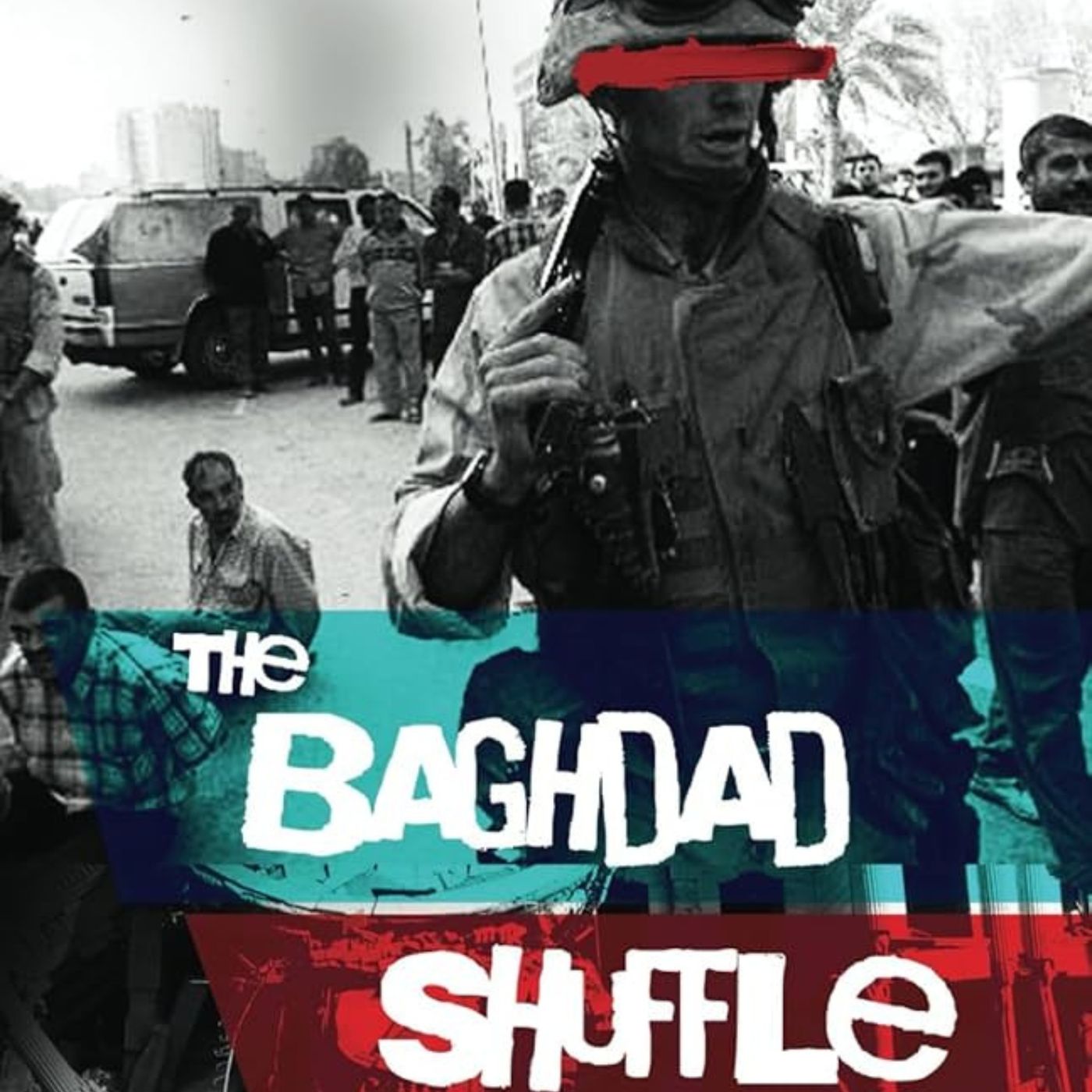
The Team House
The Wild West of Iraq: A Bank Robbery in Baghdad | Josh Bates | Ep. 403
02:20:44
We sit down with Josh Bates to discuss his experience as a Marine infantry officer during the invasion of Iraq, from the initial push north to the chaos of Baghdad after the regime collapsed. He breaks down the realities of urban combat, leadership...
Loading summary
Transcript395 lines
- [00:01]
Bleacher Report Announcer
The Bleacher Report app is your destination for sports right now. The NBA is heating up, March Madness is here, and MLB is almost back. Every day there's a new headline, a new highlight, a new moment you've got to see for yourself. That's why I stay locked in with the Bleacher Report app. For me, it's about staying connected to my sports. I can follow the teams I care about, get real time, scores, breaking news and highlights all in one place. Download the Bleacher Report app today so you never miss a moment.
- [00:30]
Howie Mandel
The Global Gaming League is presented by Atlas Earth, the fun cashback app. Hey, it's Howie Mandel and I am inviting you to witness history as me and my Howie do it Gaming team take on Gilly the king and wallow. $267 million gaming in an epic global Gaming league video game showdown. Plus a halftime performance by multi platinum artist Travy McCoy. Watch all the action and see who wins and advances to the championship match right now@globalgamingleague.com that's globalgamingleague.
- [00:59]
Josh Bates
In partnership with Level Up Expo.
- [01:00]
Jack Murphy
Hey, guys, it's Jack. I want to tell you guys about the sponsor for today's show. It's Mando. Mando makes a whole series of male grooming products. They are unique in that they are a deodorant that you can use all over your body, on armpits if you like, but also wherever else you may deem necessary. And I have been using these products for about three, three months now. I've been using the body wash. It's bourbon leather. I've been using their bar of soap, which I really enjoyed, and also their deodorant. And so I exercise a lot and get very sweaty, so I need a deodorant that's going to do the job. And Mando has come through for me. You know, the body wash was great. I actually used all of that. Need to reorder some more. But the bar of soap is also very cool. It was very, very smooth, actually. So. So I hope you guys will go and check them out. They have a starter kit that's up there and they have a special deal for Teamhouse viewers. So the starter pack is perfect for new customers. It comes with a solid stick deodorant cream tube deodorant, two free products of your choice like mini body wash and deodorant wipes and free shipping as a special offer for listeners. New customers get $5 off a starter pack with our exclusive code that equates to over 40% off your starter pack. Use code teamhouse@shopmando.com that's s h o p m a n d o.com Please support our show and tell them we sent you smell fresher, stay drier and boost your confidence from head to toe With Mando A lot of people put
- [02:41]
Sponsor Voice
off buying a new mattress because it feels like a hassle. Too many options, too many claims and no real way to tell what's actually going to hold up. Ghostbed makes that decision easier. Ghostbed is a family run company with more than 20 years of mattress making experience backed by deep manufacturing expertise. Their approach is straightforward focus on quality materials, smart construction and a consistency over time, not flashy features or complicated sales tactics. Every Ghostbed mattress is built for long term comfort, using durable foam and proven cooling technology to help regulate temperature while you sleep. It's designed to feel reliable night after night, not just when it's brand new. And if you're not sure which mattress is right for you, Ghostbed's online mattress quiz helps narrow it down quickly. Whether you're a side sleeper who needs a little plushness or someone who prefers a firmer feel, the quiz matches you with the right option based on how you actually sleep. They also keep pricing grounded. Ghostbed mattresses cost up to 50% less in comparable brands. You could rest easy knowing you're not you're getting one of the best values at this quality level. Every matches comes with a 101 night sleep trial, an industry leading warranty and fast free shipping. And as a teamhouse listener you can get an extra 10% off your order. Just go to ghostbed.com house and use the promo code HOUSE at checkout. That's ghostbed.com house code house. For an additional 10% off site wide, upgrade your sleep with Ghostbed, makers of the coolest beds in the world. Some exclusions apply. See cipher details. Thank you Ghostbed for sponsoring the show. Thank you guys for helping support the show. Bye.
- [04:20]
Jack Murphy
Hey everyone. Welcome to episode 403 of the Teamhouse. I'm Jack Murphy with tonight's guest on the show, Josh Bates. He's the author of the Baghdad Shuffle. It is a novel. We'll get into it largely or I shouldn't say largely, but I mean his military experience bleeds into it quite a bit. Josh served in the Marine infantry and then as a military intelligence officer and then went on to become a counterintelligence guy. Did his 20 years and retired back in 2022 and penned this novel which I mean it's like a noir, really. It's a war story, but it's also a sort of murder mystery in a sense, told through the perspective of a 26 year old marine and everything that that entails, you know, coming out of the invasion of Iraq. So, yeah, I really love this book, but we'll get into it in a bit. Josh, thanks for joining us on the show today.
- [05:15]
Josh Bates
Yeah, Jack, thanks, man. Thanks for having me on. Glad to be here.
- [05:18]
Jack Murphy
So, yeah, start at the beginning. Josh, tell us a little bit about your origin. How did you grow up? I know you grew up in Hawaii, right? Your dad's a military or a Marine veteran.
- [05:28]
Josh Bates
Yeah, yeah. So I was actually born in Camp Hill in the name of a hospital, so kind of bored into the gig as it were. My dad had been an enlisted guy. He was a machine gunner in Vietnam and then was wounded a bunch and was out for about seven, eight years. So by the time he met my mom, got married, had me, you know, he'd come back in as an officer finally. So, yeah, station at Camp Pelton, so that's where I was born. But I actually grew up mostly here. Like I said, he was pretty good at homestead and so he was in like, you know, 1st Battalion, 3rd Marines, 2, 3, the regiment, all these units that are here on Oahu. So I did most of my formative years here, which was, you know, didn't. Didn't suck. Yeah, you know, forced enough to work my bolt to where I was able to come back. And yeah, I was joking with you before we started recording, but one of my greatest professional achievements was doing my last almost eight years on active duty on Oahu, which is really hard to do, but my wife was still on active duty in the Navy. She retired from the Navy, Navy nurse. And so I was able to kind of leverage that a little bit as well because dual military family deal. So.
- [06:29]
Jack Murphy
Yeah, mom and dad were both in the military.
- [06:34]
Josh Bates
Yeah, not my mom. No, she. Yeah, my mom is a. Is an early childhood educator, teacher, principal. Oh, cool.
- [06:42]
Jack Murphy
Okay.
- [06:42]
Josh Bates
Education side of the house. Yeah, but so pops was in the Marine Corps all the way up until, in fact we were actually in, in Iraq together. Which is hilarious. Like, I. This is, you know, again, back in the Wild west days. Not to get ahead of the story, but we had already, my battalion, first night, seventh Marines had already moved back down to Najaf out of Baghdad. This is in like summer of 03. And my dad was on the 1st Marine Division staff in, in Babylon. And then like he shows up down there one day, and he's like, oh, hey, but I need a ride back. So just like, you know, hop in the gun truck. Drove him from Najaf back to Babylon. No, I don't think we had like, radio comms with the tie or anything. This is back then when you could do all that. This was before all the, like, the IED threat and, and all that craziness and when they're very, very, very permissive, ROE for. For engaging anybody that wanted to dance. So. But anyway, yeah, so, yeah, I grew up mostly here in Hawaii and then found out about this thing, like my junior senior of high school, about the. The Naval Reserve Officer Training Corps. They provide like, full scholarships, you know, and then you get back. So it was kind of already planning on going Marines anyway, so was able to. Was able to land one of those. And like, I was telling everybody, you know, I think it's a lot of it is when you come out of Hawaii, like, you're in that you're kind of geographically lumped with the kids that are applying for those scholarships from like, here, Okinawa, Walmart. So it's not super competitive. Right. Like, there's not a lot of people. And plus, it was like in the mid-90s, like, no one, you know, no one was going in the military at that time. They think they're gonna make like a million dollars in like the.com boom or whatever. So timing worked out well. Got the scholarship, went to University of San Diego, which also did not suck, and then got commissioned out of there as an Amsterdam guy. Awesome.
- [08:20]
Jack Murphy
And so what do you have to go to, like, the. Is there like a basic infantry course that they put the officers through?
- [08:27]
Josh Bates
Yeah, so we go to go Officer Candidate School. And then all Marines, regardless of MOs, all officers go to the basic school. And then after the basic school, you go to infantry officers course, which is a really, really great course. And we actually started just the way mine worked out. Like, we actually started IOC M Street Officers course before we were even had graduated tbs. So we were kind of doing both there for a few weeks and then transitioned in. But yeah, that was a great experience. I mean, I think, you know, the training budget for that course is probably equivalent to like, what most victory unit, like what most line battalions would get for like a year when it comes to like, ammo and all that. So. But they, you know, they really stress like all the. The. It's. It's like graduate level kind of, you know, combined arm stuff. So, yeah, it was. It was great. Yeah, Demanding, like super physically demanding, but but good. Yeah.
- [09:14]
Jack Murphy
And what year was that that you went through the course in?
- [09:17]
Josh Bates
2,000. So I got commissioned in 2000. I went to IOC in the summer of 2001. By the time I finished up my.
- [09:24]
Jack Murphy
Okay, man, so you're coming right into it when 911 happens.
- [09:27]
Josh Bates
Yeah, so I was actually on leave out here in Hawaii, surfing, hanging out, having a great time after IOC and before I had actually checked into 17 into 1st Battalion, 7th Marine. So it was on my like post IOC leave when it hit. And then, you know, then I couldn't fly out of here because like all the air traffic shut down. So I had to like, actually, you know, beg my exo to like extend my leave before I could report in. But finally that, yeah, that happened and we went. And then, you know, I showed up there. We went to the, it was in 29 Palms, California. That's where 1 7. So you know, just south of Fort Irwin there, like in, in the, out in the desert in the Mojave. Great place to train. So like that's all we did, you know, like. Yeah, I was joking. Like I, I had a house in 29 Palms, but I should have just had like my mail forwarded out to the field to like Rainbow Canyon because like we were always, always in the field, which was great because you can do all kinds of crazy combined arms stuff out there, which we actually used, you know, during, during OIF1, during the invasion when we were kind of a more conventional fight there for, for a few weeks, few months. So that was good. And then, yeah, so we did the combined arms exercise stuff, did all that. And then we went on a, in early 2002, we went on a unit deployment program out to Okinawa and then, you know, Korea. Some, some of the guys went to Thailand, everywhere else. And that was, that was great because by the time we got back, you know, we had just enough kind of time to, you know, clean weapons, do all your admin stuff. And then we were, then we pumped back out to Kuwait to wait for the invasion like in January of 03 or something. So we had a really tight cohesive unit, you know, that, that battalion had been working together for, you know, about a year and a half, pretty straight with like the same folks, like kind of in the same billets and everything. So that was, that was really good. And that's when I, I bumped up from a rifle platoon up to be the combined arms anti tank pollution commander, so the cap platoon commander, which is, you know, essentially it's eight gun trucks, a mix of tow Missiles and heavy machine guns. So 50,000 Mark 19s, which was probably the best job of the Marine Corps when we actually, when the invasion kicked off because again, operating well for the battalion, again, not a lot of adult supervision, permissive roe, you know, and lots of, lots of heavy, you know, we were heavily armed, so that was good. And we were actually, you know, like fighting like our first, the very first day of the war kicks off and we were tasked with basically seizing this, this gas oil separation platform down in, in Azerbaijar, which is like right west of Basra. So like southern Iraq, they were, they were worried they were going to sabotage it. Kind of like they did back, you know, 91. So we go rolling in there and you know, we were actually like. It was the Iraqi 51st Mechanized Division. So it was like, you know, shooting dudes that were actually wearing camis and. Yeah, yeah, and there's tanks and out there. So like it was, you know, it was kind of like what everything in my Marine Corps training and stuff had prepared me for, for like real conventional combined arms war. Like actually kind of happened. You know, they mostly like, no, no plan survives first contact. And it's like that one kind of did, you know, for like the first day or so, which was, which was pretty kind of, I think shocked us all. But, but it was good, you know, we felt, felt prepared.
- [12:27]
Jack Murphy
Yeah. So I mean, let's just roll right into it then. I mean, what, what was it like rolling up on this gas terminal and having to take it over? And you're a, it's still a young officer first, first taste of combat.
- [12:40]
Josh Bates
Yeah. So we were literally in my cap platoon. You know, we're kind of like a, kind of double as like a motorized reconnaissance people. So we were literally like the lead element of like the entire division as we were heading up there. And I remember like the, the, the Harriers were supposed to do a flyby and tell us if like some of the, the burn off flares were still, if they could see them or not because they were worried if they were turned off that meant, hey, they're going to blow this thing, you know, as we go through or whatever. And I think they were turned off, but it was just like, well, we got to go anyway do it. You know, I don't even know if we ever got the word actually. I'm trying to remember if we even knew what they saw, but we rolled up there. But the, the funniest thing in the Ox character in the book, which we'll talk about later, he's partially based on my, my gunner that was in my truck who was just an absolute like surgeon with all heavy machine guns, right? But we had spent months prepping for this where we had like oil engineers in California and some down in Kuwait, some of the British guys and stuff that had built, you know, their company had built like that, that gas oil separation platform 60 years before or whatever. And so they had given us all these lectures like hey, whatever you do, there's this one feeder pipe that it's about you know, 8, 10 inches in diameter. You know, sits maybe like 4ft off the ground. Like you can shoot a lot of this stuff. Do not shoot that. Do not shoot that. So what happens? Literally very first rounds of the war we see a kind of a late model like Toyota Land Cruiser leave like the, the facility and then they see us and u turn. Obviously it's regime dudes, right? Like they're the only ones that are driving around in late model cruisers. So you know, I'm tapping my, my gunner on the leg. He. And he lights them up in the, with the mark 19. But one of the 40 mike mic grenades, like we got so close to it that it like hit the back bumper. Takes a hard right turn like 90 degrees almost. And what does it hit? That tiny ass little feeder line. And I mean it was like a mushroom cloud like you know, went up. So I hear over battalion tact, they're like, oh, you know cat red, that was called oh, cat red's gone. Like you know, they just got smoked by like a T72 or something. You know, it was crazy. So yeah, literally we had one job like do not shoot that thing. And then very, very first burst of the round takes out that feeder line. So that was a good, good inauspicious start to the war for us. But he did, but Bear my gunner, he did dump those guys in the, in the Land Cruiser though. So that was, that was a win.
- [14:57]
Jack Murphy
And so you got confirmed kills of the, you guys did seize that, that gas terminal and then you're like waiting for follow on forces I guess.
- [15:04]
Josh Bates
Yeah, we did. So and then we kind of pushed through like the town of Azerbaijar, which is not real big, but there was like a bath party like you know, substation, you know, subordinate headquarters and stuff down there. Took all that. And then the next day we've been kind of in a bunch of gunfights in the like in the built up area of it, which again is not, it's not like a huge metropolis or anything. It's like, way on the outskirts of Basra. But there's like, you know, the kind of mid rise apartment buildings and stuff, like, fighting through all that. That was the first time, like. So I guess it was the second day of the war. It was the first time we saw like the quote unquote, Saddam Fitayeen guys, like, in their, in their black jammies out there. Because mostly up until that, you know, that whole first day, it was dudes that were still like, in their. They weren't cammies. They were like the green sateen, you know, the Iraqi army guys.
- [15:46]
Jack Murphy
Yeah, the conscripts.
- [15:48]
Josh Bates
Right. But so the first day we had someone in CIVVI shooting at us, I guess was like the second day of the war as we pushed through there. But then. Yeah, so we seized it and we see. We. We pushed out to kind of our limit of advance. And then the Brits came with a. I guess with the Chieftain tanks. It was like one of their armored units came through, did a forward passage alliance with us, and then they rolled all the way into Basra, which, you know, as you guys know, they kind of stayed there for the duration. So. And then. Yeah, and then we just went back out to, to Route 1 and headed north all the way to Baghdad. Wow. Couple weeks.
- [16:19]
Jack Murphy
What was, what was that trip like? And, and also, how did you guys, like, logistically, how was this done? You know, did you guys have to. Did they set up like, fuel? I'm just kind of curious in my own mind how you guys managed all
- [16:32]
Josh Bates
that, like full Mad Max, like our, our logos, you know, good on them. Because, like, you know, they were jacking like IR civilian fuel tankers and stuff like that. Yeah, just anything to get their hands on. And honestly, I don't know, like, you know, we did. We never. We always were able to get more fuel and we had like, it was kind of Beverly Hillbilly style. We had all, you know, all the stuff stacked on top, all the jerry cans, what not. So we had a lot kind of we could carry organically. But when I. When I think back at that and I think about like the kind of the time distance, like how much, you know, ground we were recovering and stuff, you know, we obviously re upped on. On fuel and ammo and they always got it to us. I remember one time this was probably even. I think it was like north of Nazarea, northwest of Nazarea, and like C130s, like landing on like, you know, dirt strips and just kicking out pallets of gear and stuff in the back and resupply so yeah, hats off to the, to the log folks that, that made that happen. Because I don't, I don't remember us ever really being short of anything all the way up until. Except for maybe I think my. The 81s guys, like the mortar rounds and stuff, I think that may have been like one of the few things that some of them ran out of. But yeah, so, yeah, it was, it was kind of like an ad hoc. A lot of stuff was on the fly. A lot of it was kind of behind the green door as far as I was concerned. I didn't really know. It's all magic how they were making it, how they're making it work, but. But they did. Yeah. So it was.
- [17:59]
Jack Murphy
Did, did you guys get ambushed or anything on the way up to Baghdad?
- [18:03]
Josh Bates
Oh, yeah, yeah. I would say, you know, probably almost every day. I think there was, there was something, some sort of drama because again, we were pushed way ahead of our battalion because they were all in. In tracks, right. So there's an AM in the avs. So US and Humvees are going way faster to the point where like even some of the stuff that I never thought I would eat, you know, doing like field expedient, like HF com shots to talk back, doing that stuff because we were like so far ahead of like where, of where the battalion, you know, they just couldn't keep up. But yeah, yeah. So there was, I would say maybe not daily, but like quite a few on the way up there. And then we hit the big shamal came through when we were still well south of Baghdad. That big sandstorm that kind of grand ground everything down for about a day, for about 24 hours. And that was really eerie because it's like, I mean you couldn't, you could barely see like two feet out of the truck at that point and just kind of waiting like when this thing clears like, you know, we can have like a wall of, of special Republican Guard guys like right in front of us or, you know, how is this gonna. But fortunately we didn't. It affected them as well. So we went on, pushed all the way up and then right when we got to the Diala river there on the south side of Baghdad, that's when things really started kind of heating up. So again, kind of. It was still kind of like a combined arms fight at that point. Like we had a, like a frog, like the free range overground missile come like tumbling through the. The Iraqi shot at us like, you know, mortar rounds, everything. We were still calling in artillery on Positions and stuff. So it was. It was kind of, you know what my being trained is like, that's my concept of like what combined arms war looks like. That, that actually happened all the way until we got inside Baghdad in like that first week of April or whatever. And then it became kind of more of like a heavy policing action.
- [19:54]
Jack Murphy
But what happened that day that you guys hit Baghdad and what was the plan, if any?
- [20:01]
Josh Bates
You know, so, like, looking back, and I'm trying to remember, I know we were supposed to seize. We got to Tariq Aziza's house and literally must have just barely, barely missed that bastard because, like, I mean, I remember like there was still like, you know, food that was not. Hadn't like.
- [20:16]
Jack Murphy
Yeah, yeah.
- [20:18]
Josh Bates
Or anything. Like he had just left. Right? Yeah, his. His collection of like soft porn DVDs still scattered across the thing. But yeah, so we, we hit that house that, like there was that. That neighborhood there on the Tigris where a lot of the hip regime heavies lived. And that was kind of our first objective. But then we pushed past that into where Baghdad University was, and then that's right along the river there. You know, it goes over like as if you're going out towards the. The airport, towards Baghdad International and that. Yeah, that was a hilarious one. So we got. We got ambushed on that, on that going over that bridge. And then the guys that ambushed just jumped into like, it's like a houseboat on the river. So it's not like a cigarette boat or something where they can speed away. So, you know, it's just like not. Not a good plan on their part. So they. Those dudes ate a bunch of 40 Mike M. Then we had a detachment from first tanks with us, you know, in the M1s that like, those guys killed more Iraqis than cancer. Like those first couple days in Baghdad, there was. Baghdad University had this big. Was probably like 15 story, I guess it was dorms essentially, you know, like. Or some. Some sort of maybe administrative building or something. But it was like a. One of the taller buildings in Baghdad, at least in that section of the city. And you know, it was guys, again, like, not a good plan, but, you know, shooting, you know, light machine guns and small arms from like the 15th floor down to where the M1s would just roll up to the bottom like Stalingrad style. Raise the main gun. Yeah, yeah. And just put like impact rounds right, you know, right through it. So. But all that calmed down, I would say within about two or three days. And again, this was still all the peace Love, you know, yanking down the statues.
- [21:54]
Jack Murphy
Yeah, yeah.
- [21:55]
Josh Bates
It's like the Shia folks coming out.
- [21:57]
Jack Murphy
These are like legit, you know, Saddam regime dudes that are fighting you at this point.
- [22:03]
Josh Bates
Yeah, yeah, yeah, totally. So that was. Yeah, we had people coming up thanking us all the time, like in the streets. And then, you know, and then as everyone knows, we kind of wore out that welcome. But, but yeah, so for the first few days and then, and then I would say, I think it was maybe like the end of that first week is when like all the real heavy looting started. Right, yeah. So again, that was to include that. That bank, that was kind of an Arizona responsibility there in social Baghdad that got hit.
- [22:29]
Jack Murphy
The museum was. Captured the media's attention. I remember the, the, like Iraqi National Museum getting looted.
- [22:37]
Josh Bates
Yeah, yeah. And. And the like the logistical capability of those guys to loot that stuff was like super. I mean it made that like LA riots look like, you know, nothing. Like how it was like almost like NASCAR pit crew style. Like come in and just strip a place completely to include like the light switches and the wiring.
- [22:55]
Jack Murphy
Poverty will do that. Yeah, poverty will do that to those folks. So. Yeah, tell us about the bank robbery.
- [23:03]
Josh Bates
Yeah, so we were on patrol. Like I said, it was kind of every day there for about a week or two weeks. Kind of after everything settled down in Baghdad. It was like every day was kind of like a bad day of cops. Like you just didn't know what was going to happen. So we had teamed up with these Iraqi policemen that I think Captain Ahmed was his name, and then two of his subordinates and of course, you know, never vetted these guys.
- [23:24]
Jack Murphy
Yeah, I was going to ask that. That just like came together organically. Like you bumped into them in the streets.
- [23:29]
Josh Bates
Like, hey, literally bumped into him in the streets. And then they asked us, they're like, hey, we know, you know, basically we got some. There's some broken. We didn't have interps with us or nothing. So like. But the, the, their head guy, the captain kind of. You had some functional English. So he's like, you know, a lot of drama going down here. We just don't really have the ass to like, get after it. Will you guys help us? Because people being victimized, like all, you know, like a bunch of people settling blood feuds and the looting and everything else. We're like, yeah, man, you know, got nothing else on, you know, on the schedule. Like we're just kind of patrolling indefinitely, so like, let's do this. So we teamed up with those guys and they clued us into a few, a few things. And then I think it was actually the day after we kind of lost contact with them is we were patrolling by this, this bank there, kind of like in central Baghdad, and all kinds of chaos, People screaming, you know, you could see, could smell smoke and fires and stuff, or whatever, and these dudes had tried to breach the bank with RPGs to get in, and I don't think they ever actually got into the vault or whatever, but, you know, getting a gunfight there, shooting those guys, chasing them away. And that was just kind of the first time where it really clicked in my mind of like, wow, you know, the combat zones are super fertile ground for, for crime. And then that was, you know, so later on, you know, riding, riding Baghdad Shuffle, that, that bank robbery with some of the cash that the regime was not able to get, like out of the country in time and how that would inspire a lot of guys to go to some pretty extreme measures, you know, to get, get their hands on that.
- [25:10]
Jack Murphy
Yeah, I mean, yeah. Breaching a bank with RPGs, you know, as one does.
- [25:19]
Josh Bates
Yep. Um, yeah, it was wild. You know, that was, and that was another one. And, and again, like the, the photo on the COVID of Baghdad Shuffle, I think was it was either that day of the bank or maybe right after when we had like yanked down some of those guys that we thought may have been responsible for the ones that are sitting flexi cuffed in the back. But, and when I really, when I look at that, I think about like, holy shit, like I had a nine mil. You know, I forgot about that, like, going back. I didn't even have a rifle, like, going, I mean, of course we had, you know, heavy guns on the truck and stuff. And there I'm running through the streets of Baghdad with the neener. Just with guys, they're going up against dudes with RPGs and stuff. But yeah, you know, it's just things you don't think about at the time.
- [25:59]
Jack Murphy
They just didn't have enough rifles to go around.
- [26:01]
Josh Bates
You know, I, I, we must have, I don't, I, honestly to this day, like, I know, I think, I think what had happened was I ended up using our forward observer. He was artillery. He was actually still a pfc. I think he had just come from, like, dude was still, you know, Camp Pendleton child when he joined us, like in country. And he was our Ford observer and he had an M16. So I just, it was way before, you know, like the, the victory units were getting issued in force. So we had the M16 in the truck. And of course like the mount is weird, like it's kind of cumbersome or whatever. So I did keep that one on my side on the passenger side sometimes and I, I used that a few, I used his rifle a few times. But yeah, I guess just because like the vehicle commanders got, you know, issued the 9 mil and so yeah, that was. Yeah, so we, I'm sure we had the rifles available but for whatever reason for like logistically of like stacking them in the truck and everything or thinking I wasn't going to be. Yeah, like engaged outside the vehicle as much which in, you know, in this downtown Baghdad, you're out of it quite a bit.
- [27:04]
Sponsor Voice
What's up guys? I want to thank Bluetooth for sponsoring our video. Fellas, you already know what time it is. It's time to level up. And Bluetooth just dropped something craz. I'm talking next level championship belt Gold plated energy Blue chew Gold is the newest innovation from the one chewable Ed brand. This isn't your grandpa's little blue pill. This is a four in one beast that's setting the gold standard for performance. We're talking two ingredients for blood flow and to keep that rocket pumping, mix with optimorphine and oxytocin to turn up arousal and connection in your brain and body. Bluetooth gold dissolves under your tongue and works in as little as 15 minutes. That means you can get it on quicker and stay in the game longer. Elevation without hesitation. This is peak passion and peak performance in a single tablet. So the next time your girl hits you up, setting you up, asking to see where you're at, just shoot her a picture of your piece and a bluechew tablet and she'll know what's up. She'll be ready to rock. Make life easier by getting harder and discover your options@bluechew.com we got a special offer for our listeners right now. Get 10% off your first month of bluechew gold with the code house call. That's promo code house call. Visit bluechew.com for more details and important safety information. And we thank Bluechew for sponsoring this podcast one more time. BlueChew.com promo code Housecall for 10% off your first month of BlueChew gold. Go get it right now. Your girl will love it.
- [28:36]
Jack Murphy
Hey guys, I'm Jack Murphy here at the team house and today I want to tell you about the sponsor for tonight's show, Mars Men. This is a natural testosterone support supplement, I take it? I'VE been taking it for about the last five weeks now, and I'm starting to notice a difference. You take five of these pills each day and each one of these cans lasts you a month. I think you need to use them for a couple months to get the full effect of them. But I'm about five weeks in and I'm starting to notice a difference already. Increased energy, better performance in the gym, all of those things. I've, you know, quite frankly, in the past had a problem with testosterone as a lot of military veterans do, as a lot of men who are going into their 40s do. And this is actually something that seems to be helping me get my levels back up even higher. So I'd highly recommend checking them out. It has eight different substances in it that help boost your testosterone count. If you guys will go and check them out, we'd really appreciate it. So would the sponsor. For a limited time, our listeners get 50% off for life plus free shipping and three free gifts@ Mengotomars.com that's Mengotomars.com for 50% off and three free gifts when you check out. After you purchase, they will ask you where you heard about them. Please show support for the show and tell them that the teamhouse sent you. Thank you everyone.
- [30:09]
Bleacher Report Announcer
The Bleacher Report app is your destination for sports right now. The NBA is heating up, March Madness is here and MLB is almost back. Every day there's a new headline, a new highlight, a new moment you've got to see for yourself. That's why I stay locked in with the Bleacher Report app. For me, it's about staying connected to my sports. I can follow the teams I care about, get real time, scores, breaking news and highlights all in one place. Download the Bleacher Report app today so you never miss a moment.
- [30:39]
Howie Mandel
The Global Gaming League is presented by Atlas Earth, the fun cashback app. Hey, it's Howie Mandel and I am inviting you to witness history as me and my Howie Do It Gaming team take on Gilly the king and wallow. $267 million gaming in an epic Global Gaming League video game showdown. Plus a halftime performance by multi platinum artist Travy McCoy. Watch all the action and see who wins and advances to the championship match right now@globalgamingleague.com that's globalgamingleague.com in partnership with Level Up Expo.
- [31:10]
Bleacher Report Announcer
The Bleacher Report app is your destination for sports right now. The NBA is heating up, March Madness is here and MLB is almost back. Every Day there's a new headline, a new highlight, a new moment you've got to see for yourself. That's why I stay locked in with the Bleacher Report app. For me, it's about staying connected to my sports. I can follow the teams I care about, get real time scores, breaking news and highlights all in one place. Download the Bleacher Report app today so you never miss a moment.
- [31:40]
Jack Murphy
You talked a little bit about how, you know, once we removed the Saddam regime, it was like this entire criminal element kind of comes bubbling up. What was, you know, the. The next, you know, couple weeks, like for you and your platoon?
- [31:54]
Josh Bates
Really chaotic, really chaotic. So we had kind of. We were hooched up in this, like, it, like, been like a country club, I guess, for like the Senior Baptists right there on the river. You know, kind of a Gucci place. I mean, obviously had no power or anything. It had been. A lot of. It had been.
- [32:08]
Jack Murphy
They had like swimming pools and stuff.
- [32:11]
Josh Bates
Did have. Yeah, I had. In fact, I had a big drained swimming pool that was kind of. That was like indoor that. I remember the, like our human exploitation team, guys that were assigned to us, they used that. They kind of like, Bond villain style. They had some like, creek lights set up in the deep end of the pool, and they would use that. That's what they would interrogate guys in there. So anytime we go snatch baddies off the street and like, toss them in there, they. They go spend some time in the deep end of the pool getting. Getting sweated. But yeah, so we were. We were here stuff there and we were really kind of like waiting on word. I mean, you know, the. The general thing was like, hey, make sure that, like, just try to keep the violence to a minimum. Like, don't let these people shoot each other. Try to. Try to keep the looting under control as much as possible. They were still trying to kind of wrangle a few. This was before the cpa, right? So there was no de Baathification order or anything like that. So we were still trying to find guys, you know, that we could use. Like, hey, you know, you guys have got the kind of. The professional background and potentially a little bit of wasta left with whoever might be remaining to try to get them to cooperate with us. Just try to keep the civil unrest, like, in check. But really, you know, at that time being, you know, first lieutenant, like captain, Commander, I. A lot of that. A lot of like, the big decisions on, like, how that was going to proceed were way, way above. Above my pay grade at that point. So it was mainly just, yeah, just like go out and patrol our little sector of the city, which changed quite a bit. And then, you know, try not to. Try not to let them kill each other or, you know, commit too many acts of major, you know, criminal violence. So that was, that was the gig there for a while, actually for the rest of our time in Baghdad before we got reassigned down. Down south to Najaf. But yeah, it was. It was wild. It was. Like I said, we. For a few days we were. We were teamed up with those. With some of the Baghdad policemen, but then they kind of just, you know, disappeared. I'm sure a lot of those guys, a couple of them were probably regime affiliated dudes that saw the writing on the wall. You gotta get fell out of here. Yeah, exactly. So they all kind of dissolved away and. Yeah. And then at that point we were just. Again, it was just kind of like patrol indefinitely and try to figure it out. Although I do remember and I. And I've asked. I've asked my former company commander, who's now a general officer in the Marine Corps, about this and he doesn't remember this. So again, maybe it didn't happen, but I swear to God, when we were brought back in one time to. We just come back from a patrol, we brought the vehicles back into that little. The Baptist country club place where we were hooched up. And he said, hey, we just got like a frago to get ready to move on to Syria, like going all the way to Damascus. We're like, holy. Like, like, we just got here and now we really are kind of running out of gear and, you know, and everything. So it was like, that's gonna be a. That's gonna be a tall order. So. And I've had a couple of people confirmed that were there. They're like, yeah, I remember that. Like they, they literally thought that there, you know, there was a frag to. Hey, hey. There was like a warn ort. Essentially, like, be prepared to. That's crazy. To move. Yeah, to move in, to go, you know, head out west and. And go into Syria. Obviously that didn't happen. And then it kind of turned into, you know, and then there was this kind of like, weird lull, I would say. So like the first couple days in Baghdad, heavy fighting. Yeah, yeah. Then it kind of transitioned to like lo kind of, you know, criminal everywhere. And then there was a little bit of a lull there towards the end where things weren't too bad. I mean, nothing good was happening, but, like, the actual Violence that kind of subsided. And that was probably when the last vestiges of the regime are, you know, like, we got to get the hell out of here. And. And there, you know, there was just less targets of opportunity for. For people that were looking for some good.
- [35:48]
Jack Murphy
Yeah. And it takes the bad guys some time to start to organize and plan and all that.
- [35:52]
Josh Bates
For sure. Yeah, for sure. Yeah. And then. And then about that time, so I guess this was maybe like late April, early May. That's when we got reassigned down to Nish off, which was like a whole, you know, separate ball of wax with the holiest city in Shiadom and all, you know, kind of dealing with the. The fallout of all that. But yeah, so the. We went down there and. And actually Najaf was supposed to be kind of the template. Right. So we had spent most of late May and June prepping kind of the. The. So the, you know, the. The population down there for like, hey, you guys are gonna have elections in July. This is going to be the first you're going to elect a new mayor because there have been like a Sunni guy, former IAS guy, macabre dude that was like the kind of the interim mayor. Obviously all the Shia. Najaf hated that dude. They didn't want, you know, he's got to go. So Najaf was going to be the test bed for the first, like, democratic elections, you know, free. Free and fair elections in Iraq. And so we literally had Marines out there teaching like, you know, Civics 101 classes to the. To the population, to the kind of the professional. To the intelligentsia there in Nisha, most of whom are like hardcore Iranian aligned, like shio clerics and stuff. But at the time, we didn't know
- [37:02]
Jack Murphy
that you have like some E5 who has a college degree.
- [37:05]
Josh Bates
And you're like. He's like pointing totally like the. Like, I'm just a bill up on Capitol Hill. It was literally like, to that degree of like trying to. Trying to walk him through that piece, and it was great. And that was like when Sistani came back from Iran and like, you know, so it was just chaos. But then literally I. Because I still had it in my little platoon commander's notebook. I think it's like July 3, 2003, there was only one notation, and it just said we're. Because this guy, Mike Geller, who was Coalition Provisional Authority, you know, Shia expert or whatever, he flew down from Baghdad to Najaf. You know, he load down there and basically told. And we were like two days out the elections were literally supposed to happen, I think, on the fifth or sixth, like, two to three days out from the elections. And he said, hey, elections are off. We don't know who's gonna win. It's too dangerous. We can't, you know, we can't be promoting some of these guys in positions of power that we're gonna regret down the line, you know, which was probably true. But it's like, hey, like, you know, we've spent. We've been building these guys up, like, for the past, you know, month. Six weeks.
- [38:01]
Jack Murphy
Yeah.
- [38:02]
Josh Bates
And now two days before the election, and, you know, of course, he just hops on the bird and he's back in Baghdad. We're the ones left holding the bag. Tell a pissed off Shia population that, like. Oh, yeah, remember that thing we talked about elections? Like, yeah, that's off.
- [38:13]
Jack Murphy
Remember that democracy thing we talked about?
- [38:15]
Josh Bates
Yeah, not so much. Not so much. How did.
- [38:21]
Jack Murphy
How did they respond to that?
- [38:22]
Josh Bates
Not. Not great. You know, not great. There was. Because actually Najafa was pretty calm by that point. You know, we were still doing crazy, you know, snatching guys in the middle of the night and stuff. Some of the dudes that we had, like, that were actually targeted, guys that, by that point, we kind of. The bathrooms, some Bathurst guys. There were some, like, Vader Corps dudes that were acting up there that some of them had actually, you know, had immigrated to Iran and then come back. And they were. They were kind of getting a little uppity. But, like, for the most part, it. You know, like, the. It was not the same level of kind of, like, you know, carnage and violence that, like, Baghdad had been. Right. It started to calm down. But, yeah, things did. Did not go great down there. And that was also about the same time, like, every Thursday night, Solder would come down from Baghdad to a mosque. I don't think he was really invited into Najaf proper. But in Al Kufa, which is like the little. The little town right next to it, right to the east, I think, if I remember correctly, there was a huge mosque there. So he would come down to do, like, the Friday sermons, like, at that mosque, essentially. And so we were, you know, tracking him every weekend. And I still know my buddy Ryan, like, who. Who's 81s for commander, he was out one night, you know, because this is like, all of us, we were just, like, rolling around in, like, you know, half civilian garb and, like, just these, like, shitty old Dawson pickups that we had, you know, that were abandoned or whatever. And like, that Was kind of the. The movement. I'm like, again, a lot of times I had. No. No. Didn't even have comms battalion, but we just go out, like kind of the scout snipers or some other guys and go snatch guys, like, out of the street. So we actually. I was on opswatch back in the. Back in the COC one night, and my buddy Ryan calls in. He's like, hey, man, we've got Solder dead to rights right here. My sniper is with me. Like, he can take the shot. He's got this dude. He could actually see him. He was kind of open courtyard in this little building, you know, so of course they run that up the hill back up to. Back up to Baghdad. Like, nope, hands off.
- [40:21]
Jack Murphy
Yeah.
- [40:23]
Josh Bates
So, yeah, there was kind of some. Some exciting moments like that, but it was. Yeah. For the most part, it was just trying to contain the disappointment of like, hey, you know, sorry, we told you this was going to happen, and now we got to go back on our promise. So our bad.
- [40:38]
Jack Murphy
I mean, Najaf, I'm probably skipping ahead a couple years, but that place did descend into, like, total chaos a couple years down the line.
- [40:45]
Josh Bates
Big time. Big time. Yeah. Yeah. Actually not even that much longer. So that would have been summer of 03, and then so, you know, the. The big battles kicked off, like, in spring of 04. So, like, that was. It wasn't. Yeah. And how much of that can really be tied back to, you know, our time there? Causation, correlation, you know, who know, who knows? Yeah, but obviously it didn't. But it didn't help the fact that we. That we were not able to, you know, kind of come through on our promises for. For elections. And. And honestly, by that point, there was, you know, the kind of the. The Iranian influence was much heavier. Yeah. In the job by that. By that time as well. So I say Sustani came back. That was in like, maybe June or something, and then. And like, Seder was coming down from Baghdad. So there was like a lot of the kind of the. The Shia rivalry piece that was starting to. Starting to happen there.
- [41:36]
Jack Murphy
Yeah. I mean, you're right. It's impossible to say. You know, coulda, woulda, shoulda.
- [41:41]
Josh Bates
Right.
- [41:41]
Jack Murphy
But if we had a better demobilization or better transition plan, maybe things didn't have to be quite as bad as they got.
- [41:50]
Josh Bates
For sure. Yeah. Yeah. Or just not make the promise in the first place. Right. Just kind of like, hey, let's take a knee, everybody just. We got to calm down. Kind of figure this out.
- [41:58]
Jack Murphy
Yeah. It's gonna take us 12 months to. To get this together.
- [42:02]
Josh Bates
Yeah, exactly. I mean, they're. They're an extremely, you know, culturally, it's an extremely patient society. Like, you know, they're used to deprivation and having to wait on stuff all the time. So, like, if. If, you know, I. I think that probably would have been the wiser course of action there is to be like, hey, we're still working on this. Let's figure it out. But starting to make promises, like, yeah, six weeks, you're going to have elections, and then, you know, and then two days before the elections, telling them not so much. That's. That. That didn't go over well.
- [42:29]
Jack Murphy
Anything else notable happen down there in Najaf that you want to get into?
- [42:36]
Josh Bates
Yeah, I mean, like I said, there was a lot of. I just think in contrast of, like, you know, the early Guat, like, especially that early part of. Of one just has, like, such a distinct flavor compared to later on. Because, like, I say there was still, you know, it was, like, me, the other captain commander, this guy Jimmy. Like, we would literally just every night just be like, talk to the opso. Like, okay, we got a guy that is suspicious or whatever, like a weapons cache. We got, you know, we're gonna go hit and literally just jump in civilian vehicles and like, cruise out and just go snatch, guys. Like I said, like, we didn't even have comms, like, with any of the other battalion, you know, with the battalion staff or anything. We're going out there. And that would have been, like, unthinkable by the end of O3, you know, like, by the time. So just how quickly, like, the tactical environment changed, it was. It was wild.
- [43:20]
Jack Murphy
Like, you. In your.
- [43:21]
Josh Bates
In your book.
- [43:22]
Jack Murphy
I don't know if this part's true, but doing an assault from the back
- [43:25]
Josh Bates
of a dump truck, that was absolutely true. Yeah. And. And, yeah, I still remember the. You know, the. The Marine we had driving, he was just like, wait. Like, it's like. Because he's Mexican, right? Like, Latino guy. He's like, well, dude, you're gonna be. You're like our stunt Iraqi.
- [43:42]
Jack Murphy
Like, yeah, you're.
- [43:42]
Josh Bates
You're. You know. Yeah, exactly. You blend right in, right? So all the rest of the Marines, and I don't even know where. I can't remember who it was. You know, one of the Lance criminals found this, like, huge dump truck. Like, hey, we're gonna use this thing. And it was like, oh, that's actually like, a pretty brilliant plan, because you couldn't. The. The. Like, the. The Walls on the, on the dump bed were high enough to where like Marines crouched back there, like you couldn't, you know, you couldn't see them. So then we had, you know, the guy that was kind of in, in Mufti, like driving and there was this little, we called it Vietnam or that's Matatin we did because I couldn't pronounce the name of this like shitty little village that was like south of, of Najaf. And it looked, you know, it was right on the, on the river there. So it had like a lot of like, you know, kind of lush date palms. It was very green actually, in stark contrast to the rest of southern Iraq. And we had gotten word there was like a weapons cache down there and there was. But I mean, again, it was mostly like, you know, old ass infield rifles and stuff that probably mostly being just used for like self protection, you know, from, from the, the carpet baggers coming in from the north to go steal those guys. But it worked. We got all the way into the village unchallenged, you know, and they were, they were probably thinking like, oh God, like, you know, we're finally getting some, some civil reconstruction support or something. And then, you know, bunch of Marines jump out, stick rifles in their face and, and basically put the zip tie, the entire village together.
- [45:04]
Jack Murphy
One of my, this was, I think it was a friend of mine who's in the 82nd during the invasion or shortly thereafter, right in that time frame, they got a hold of a city bus and they use that to go and do raids and like get the platoon, just load them up on the bus. And he told me the story one time how there's an Iraqi waiting at the bus stop, just patiently sitting there waiting. And they're like, ah, fuck it, why not? And they stop and pick him up and the guy gets on, he like sits down and starts looking around at all these soldiers. It's like, holy fuck. He shot off the first chance he got. He got out of there.
- [45:44]
Josh Bates
Oh man, that's great. Those are the ones, like I say, like, those are the stories that from. Because after 20 years of GWAT, everybody hears just like the horror stories of how it was later, right? But you don't realize like on how much we were able to kind of get away. How freewheeling and just kind of chaotic it was in the early days where you could actually have, have shit like that go down and nobody blink an eye.
- [46:04]
Jack Murphy
You captured that so well in the book, I thought actually better than I've probably seen in any other you know, book or film or anything. Just like the sheer amount of chaos and mayhem that went down in Iraq in those early years and how you're sort of experiencing that as a platoon leader where it's like, oh, go on this mission halfway out there. Oh, no, actually, we need you to go and do this. And you come back and you have no idea what the fuck's going on. And then they task you to go do some other shit at another far out location mission that just comes out of nowhere and you haven't slept in two days. You're like lighting up your 30th cigarette. I mean, yeah, all of that kind of stuff is like, yeah, I thought you, you really captured that well in the book.
- [46:44]
Josh Bates
Well, I appreciate that, man. Yeah, that's. That's great to hear again. Obviously, you know, that's kind of the. Again, it. It seems a little absurdist almost at this, like, looking back 25 years later or whatever, like looking back on it. Yeah, yeah, it's like that just doesn't really compute with like, kind of our version of, you know, how Iraq or Afghanistan or any of that played out later on. But it really was. And I think, you know, trying to capture like the humor of it as well, because I think that the, the gallows. You know, my, my pops had always told me from day one, he's like, you know, every day in the Marine Corps is not going to be fun. But most of them are funny, especially, especially in combat if you maintain that, that mindset. And Marines are just, you know, soldiers, whatever. Just servicemen in general are just like hilarious creatures, especially when you're talking. I think the average age of my platoon was probably like 19 and a half or 20. Yeah. So super young and just like, no, you know, reptilian brained, like, no filter, just like all frontal, just like everything coming straight, straight out the mouth and really kind of like, you know, one thing that I think does kind of change in service culture is some of the, kind of the, the slang and the cadence of the way they talk. Right. So, like, especially at that. And this is the best way I've been able to describe it to date is like in the, in those early days in yf, like a lot of the Marines kind of talked like a cross between like a mid-1990s, like LA gang banger and like a late-40s private eye. It was just like really weird, you know, of like different influences and stuff. So I think, you know, a lot of them growing up on like gangster rap culture and like Tarantino movies And just like, all this weird. And then mixed with, like, the. The kind of the military jargon, like, it just had this, like, strange patois. Yeah, yeah, really hilarious. Like, slang and stuff that they would use. And it was always joke about that. Like, they literally would have, like, a different way of saying of, like, how to kill somebody for, like, every letter of the Alphabet, you know, like, they would just have, like, a different word for it, like, all the time. And it was. It was pretty hilarious, like, watching them try to kind of, like, one up each other.
- [48:41]
Jack Murphy
Yeah, the way gallows humor, the way you describe it in the. In the book. I mean, it's funny because the platoon, like, they almost talk like they're gangsters or something, like they're another street gang out there. Like, yeah, yeah, we're gonna go, you know, ace this guy.
- [48:56]
Josh Bates
Yeah, yeah. Like, I say, they literally, like, you know, ace, bumped, clip, dumped, flamed, greased. I'm like, they literally had, like, one for, like, every. Every third of the Alphabet, and it would mix them up a lot. And. And honestly, I don't know if it was, like, an inside thing to see who, like, you know, could sound the coolest, but, you know, definitely those guys were the main character of their own movie for sure. And it just provided. It was like a gold mine. Like. Like, my only really regret is I didn't really write down as much. I didn't internal or anything like that while I was over there. You know, we're pretty busy, so. So I probably missed a lot of it that I just don't remember. But some of that stuff that. That just stood out in my mind was just absolutely hilarious.
- [49:34]
Jack Murphy
Any funny ones that you want to highlight?
- [49:37]
Josh Bates
Oh, God, there's so many. Like, I remember. Well, actually, we'll rewind to the day. So, like, we were still in Kuwait, right? Like, right before the night before the invasion, my platoon, we were actually up. Technically, we crossed into, like, the DMZ part of Iraq. We were providing security for a second detachment that was doing, like, some sort of second op against Safwan Hill, which was that. That hill that kind of looked out over the border there in Iraq. They were. They're worried about whoever was, you know, whatever Iraqi forces were up there. They were trying to, you know, paint a picture of on the electromagnetic magnetic spectrum of what the hell was going on down there. So we were actually up there. We get the call over the battalion attack. Like, hey, come back after they, you know, they had just wrapped up. And we're like, interesting, because we're supposed to be up there for another couple hours or whatever. So we roll back and my, my company commander, who again now is a general officer in the Marine Corps, absolutely phenomenal, you know, phenomenal leader gives us like this like rah rah speech like we're going to war, right? I could tell he like rehearsed this one for a while, right? And it was a damn good speech. Like I was fired up, like absolutely ready to follow this guy into hell. So he gives the whole speech and the room is silent. And then my buddy Jimmy, who is the other captain commander, he just raises, he's like, sir, so does that mean Ann Margaret's not coming from Full Metal Jacket and like even, even the company commander just like absolutely dying laughing, you know, from the, from the very beginning, just like, oh my God, like just the one time we're to get everybody locked in and try to maintain some bearing and then it's gotta be that guy.
- [51:06]
Jack Murphy
So yeah, somebody's gonna say play ball from the back there.
- [51:11]
Josh Bates
Yeah, yeah. So there, yeah, there is just so many of those. Like I say like that's my, my greatest regret is just like, it's just not, not written down more of it when I had the chance to, to hear it, you know, fresh, fresh from the horse's mouth, so to speak.
- [51:26]
Jack Murphy
Well, the other thing is, I mean you're like in your mid-20s yourself. What's it like trying to control control, you know, 35, 40, 18, 19 year old Marines in an environment like that?
- [51:39]
Josh Bates
Well, fortunately, and what was crazy is like I didn't even have a platoon sergeant. So normally you have the staff sergeant as, like the, as the, because of a host of different reasons. Our staff sergeant wasn't with us by the time we got, you know, into Kuwait and then into Iraq, I take it. What's that?
- [51:55]
Jack Murphy
There's a Gomar involved, I take it.
- [51:57]
Josh Bates
Yeah, yeah, there was a, I mean just a bunch of reasons why, why he got, he, he was moved to a different billet. But so essentially like my de facto platoon sergeant was like a 20 year old corporal, you know, was one of the vehicle commanders that was, I mean for, and you know, I was blessed. Like obviously, you know, the Marine Corps really harps on, on, you know, junior NCO leadership. Yeah, yeah. And by the time I had come to those, that platoon, those guys were already like locked on. So it wasn't, it wasn't super hard in that sense as far as like at least I had guys that, that knew the gig. You know, they were technically and tactically super proficient. So the youngins would never like try to second guess them or anything. You know, they, they had the street cred to pull it off and, and you know, and we had, I think we had a pretty good relationship where like, if there was, if there was you know, an order that I had to give that maybe didn't make sense or something, you know, that we could kind of communicate that like not in front of the, in front of the boys, but like off to the side and maybe try to explain a little better so that like help me help you to kind of sell this thing on like what it is we're doing. But again, you know, and most of the most Marines didn't care. They just wanted to go out, get trigger time, like hey, we're just gonna patrol around all day, kind of like a, you know, or go post up somewhere like a tethered goat and like hope someone shoots at us. Like that's fine as long as like, you know, we're allowed to return fire. And so it wasn't hard to keep them motivated. The hardest part is like you know, by the mid summer there in 2003 when it's just like 120 degrees and there's not a lot of action, like that's, that's when it gets, gets much tougher. So yeah, I got like, I was dealt a really stellar hand with and I was actually even allowed to bring a couple marines over from, from my rifle platoon in Suicide Charlie that came with me to the Capitan, which was, was good. And yeah, there's a couple of them in there that's like, well your absolute like libo risk nightmare in Garrison. But like, you know, if the Humvee breaks down, I could strap it to you and you can just like pull it at other skills. So. And that all worked out really well. You know, I had Marines there that were like again like the, the, the, the kind of the epitome of the, the terminal lance. Right. They were never going, they were never going to become NCOs or every corporals or whatever, but would see them make the most, you know, dropping dudes at like crazy distances offhand, you know, running just like the actual combat skills were really on point. So it was, it was a good place to have them. Yeah.
- [54:24]
Jack Murphy
A bunch of dudes that want to mix it up with some bad actors.
- [54:28]
Josh Bates
Yeah, yeah.
- [54:30]
Jack Murphy
And so how long were you in your platoon in Iraq during that whole pump for the invasion?
- [54:36]
Josh Bates
Yeah, so we were there. So I actually went back home on advanced party, so I had, I actually gave up the capitun. While we were still in Najaf, like at the end of July, maybe I became like the S3 Alpha or Zulu, like the battalion opposite. I was like his, his deputy or whatever. So I was working in the OP shop there for another couple weeks. And then they're like, hey, you know, we're gonna go back. But the battalion is coming back to Iraq early next year, so we need someone to go back to start the training program to, you know, already start like the PTP process of like, getting everybody ready to go. So I actually went back advanced party. So I left, I think in either late July or early August. So yeah, so we got to Kuwait in January. So that have been. Yeah, six, seven months.
- [55:21]
Jack Murphy
Yeah, yeah.
- [55:22]
Josh Bates
On that whole time. So obviously, you know, it felt like a lifetime. But then the battalion got extended and they didn't come back until, I think October. So I was, I was back in 29 palms for, you know, two and a half months before, before they got back.
- [55:34]
Jack Murphy
Did you go back early and all that happened is like the protagonist in your book because you were getting out of the Marine Corps?
- [55:41]
Josh Bates
Yeah, yeah. I, I, I kind of hinted to the fact that, hey, you know, I don't want to go recruiting duty. I don't want to do any of that kind of the normal, like, infantry progression. The B bullets suck. Like, if I can stay in the fleet, I would do that. If I could have stayed a captain commander, I just would have done that for like, ever. But that's, you know, that's not the game. So I was thinking, yeah, I was looking at some other stuff. I was married at the time. My wife was, she ended up getting accepted FBI. So she became FBI Special Agent, my ex wife. And then I knew that was going to be like a complication. Right. Like trying to do. It's one thing when you're dual military, but like trying to do, you know, DOJ and dod, trying to figure that out, live in the same place is like, probably not going to work. So, yeah, I went back and, and got out and then applied to a bunch of, applied to lapd, applied to San Diego Police Department, bunch of trying to figure out, like, where she was going to get stationed as a fed. Gotcha. And yeah, I tell this story all the time. Like, I did a. Thank God I didn't get picked up to or wasn't. I actually did get a conditional letter acceptance from lapd, but ended up leaving Southern California before, before my academy day started. But then we, because my ex wife got stationed up in San Francisco. So I will apply to say, like, an unnamed police department up there. You know, did some ride alongs, did all the testing and everything, scored really high. And, like, I'm all motivated, and I'm, you know, fresh back from Iraq at this point, so I'm going out on ride alongs with these guys. And it was a canine officer that I was with, right? And, like, maybe 20 meters out of the. Out of this police station, he sees this. This chicken head that's, like, creeping around on probably, like, a stolen beach cruiser or whatever, and he's like, hey, watch this move. Jam this guy up, right? And I was just like, well, okay, cool. But, like, do you need probable claws or anything? He's like, nah, you saw him. You saw him make that right turn without using a hand and arm signal. So he does. So this guy rolls over and, you know, gives this guy the bums rush, essentially. Like, don't let me ever catch you, like, in the city limits again. Like, get the hell out of here. So I'm thinking, like, these guys are not playing around, right? This is like. This is like a old school, like.
- [57:48]
Jack Murphy
Like the police department in the Big Lebowski. Get your gold freaking ass the. Out of our city.
- [57:56]
Josh Bates
Exactly. So that, like, not five minutes later, you know, he gets a radio call. There's like, hey, the marshals have, like, a fugitive warrant that they just got. One of their sources just said this dude's in the house. Like, they want to go, but they need some local backup. You know, if it's so into the Burger King parking lot map on the hood. You know, they're like, like, oh, you know, there's gonna be some. Some good. So we roll in this kind of sketchy part of town, pull up the guy that I'm riding with, the officer, he's like, hey, I know you're just back from Iraq. He's like, but you can't be in the stack. Like, you can't come into the house with us. And I was like, yeah, no, I got it. I'm a civilian. Like, that's fine. But then he pops the trunk, and he's got the Mossberg in there. And he's like, but this is a shitty neighborhood. So anybody tries to jack the ride, like, shoot him. And these guys go into. And go into the house, and, like, I hear shots, you know, like, holy. They just greased this. This fugitive that they're. They've been trying to serve this morning on comes out. Unfortunately, it turns out it was the guy's dog. The. The fugitive had like, a pit bull that he tried to release on the cops, and they had to shoot him, had to shoot the dog. But they snatched this guy. So anyway, I, you know, an hour into my very first ride, along with this police department, I was like, these guys are not around. Like, this is how, you know, this is how it's going to be. Like, okay, cool. So, you know, go through all the rest of my testing. Then I go into, like, the oral examination room, you know, with like, some old ass detective that's on his way out. Like a public affairs officer who. I don't think she liked me, you know, from the. From jump. But they start giving me, like, all these, like, scenario questions. Let's just say I didn't. I didn't answer those the way, you know, thinking that, like, these guys are. They're testing my loyalty. Like, you know, the thin blue line. Like, I can't be reporting on the rogue dudes that are out there, like, cracking skulls. So, yeah, needless to say, I got the. I got the thin envelope in the mail saying, thanks, but no thanks, we don't want you.
- [59:33]
Jack Murphy
How do we make this bag of money disappear?
- [59:36]
Josh Bates
Yes, the first scenario question they gave me was the old. The screen test, right? So, like, you're with your training officer, and then you pick up some guy for drunken disorderly or whatever, and the guy's like, spitting at you through the cage. So he slams on the brake to, like, smash.
- [59:50]
Jack Murphy
Yeah, yeah.
- [59:51]
Josh Bates
Like, how do you respond? I'm like, well, you know, again, they're testing my loyalty. Like, this guy's a decor. My PTO's decorated cop. Like, I don't really want to dime him out for something like that, you know?
- [60:01]
Jack Murphy
You did not understand the exam, man.
- [60:04]
Josh Bates
Not at all. I did not understand the assignment. Like I said, thank God I was not hired as a cop because, like, I had the ex. The absolute, like, wrong, wrong headspace, wrong idea of, like, what went into policing. You know, I thought it was gonna be like every day in Baghdad just cruising around, like, jamming guys up left and right. And obviously that's. That's not the gig. So, yeah, it was good. Good. That didn't work out. And the stars line, you know, I was going through a divorce, so, like, jump back in the Marine Corps. And then that's how I transitioned into the intel side because I kind of missed my company command window, you know, by this point. So it was like, you better find another job. You want to stay in the Marines.
- [60:40]
Jack Murphy
One of the other things I wanted to point out that this book brought back for me, you know, having like, little flashbacks, obviously, the. The whole Iraq experience, but then being like a mid-20s combat veteran back home, addicted to the action, not really giving a fuck about anything, not thinking too hard about anything. Certainly not thinking too hard about your future. Basically, if you do do something, it's to try to get laid.
- [61:12]
Josh Bates
Absolutely.
- [61:14]
Jack Murphy
That is the protagonist in this book. And I was just reading that and I was like, yeah, that's exactly what it's like.
- [61:21]
Josh Bates
So. Absolutely. And again, just, again, you know, like reptilian brains just making horrible decisions, like left and right. Drinking blasted.
- [61:29]
Jack Murphy
Every night.
- [61:30]
Josh Bates
Yeah, every night. Like, yeah, exactly. And like I said, you know, I was fortunate. Like, I. I never really, personally, I never really struggled too bad with any like, lingering PTSD or anything like that. But obviously when I came back the first time, I was hyper. Hyper vigilant, right? Yeah, like one, one. I was just a salty, like, you know, 25, 26 years old. Like, you can't, you know, I've been to combat. Like, you poke. Like, you have, like, what can you tell me? You know, again, not. Not the right. Not the right approach to any of that. And I guess, you know, I'll throw this out there. Like, I. Hopefully the statute of limitations or whatever inspired, like, I die myself out on this one. But I think it's a good learning point, right? So when I came back, I was rolling strapped everywhere, like, with my personal handgun, like, which in California is not felony. You know, I have no concealed carry permit or nothing. But, like, it just felt like horrible to not. Not have a pistol with me, right? So just riding dirty all over California, like, didn't matter on leave and stuff, just again, just strapped every. Had the.45 on me, like, at all times. So one day I'm going. My buddy who was still in the Navy at the time, and I went to college with this guy, craziest head I know, right? Like, this guy, he's wild, man. Absolute wild man. We're going surfing and he sees me like, pull. Pull the pistol as I'm getting like my towel or wetsuit or whatever out of the backpack. He sees it in there, he's like, holy, man. Like, what are you doing? You know, And I explained to it, and then he was the one that kind of talked me off the ledge of like, like, dude, you can't be. You're gonna up your life. Like, you can't be doing that. Like, you can't be rolling around with this, like, you know, illegal concealed pistol. And so it took the craziest dude I knew to tell me that. To like realize like. Oh, yeah, yeah, yeah. Like maybe I should kind of like think through this a little better and. Yeah, so that, you know. So Bob, if you're listening, man, thanks. Thanks for the. Thanks for the sage advice. But yeah, so that, yeah, just like that Coming back into the world after that is. Yeah, a lot of. A lot of bad decisions, you know,
- [63:25]
Jack Murphy
and so it was probably just. It was for the best that you came back into the Marine Corps.
- [63:31]
Josh Bates
Absolutely. Absolutely. It was. Yeah, that was. Yeah, I learned that pretty quick. You know, I actually did get this like corporate gig up in, in Silicon Valley like while my ex wife was, you know, it's okay, like the FBI agent. You're like a GSN GS10 step one or whatever. I was like, well, we're not gonna be, you know, we need a little bit of cash to be able to live in the Bay Area, for Christ's sake. So I took a corporate gig up there. Hated. It was just absolutely, you know, like, culturally and you know, like the very first day, like I was doing an audit of one of the subcontract and I think I, I called the subcontractor. I told them that their, their books were an abortion, like on the vtc. And they were just like, whoa, whoa, you know, like, you can't, you. You can't be calling the subcontractor an abortion like on the, on the video teleconference. Like, that just doesn't fly. So again, it was just, yeah, just like, not, not a good fit for me to. To be coming from the Marine Corps again. Like, saltiest first lieutenant in the world coming back from. From oif.
- [64:29]
Jack Murphy
Yeah, in corporate America, they don't really, like, you know, they kind of frown on you, you know, telling people like, hey, stick. Hey, you know, hey, ass.
- [64:40]
Josh Bates
Yeah, it doesn't go over exactly, exactly. You know, like the Marine Corps, like the military, you know, it's like the last like kind of bastion of like body shaming and, and like, yeah, of course none of that flies. Like, they, they don't dig the profanity. There was just like. So I was like, yeah, okay, maybe I should go back. I think. I think the, the core is probably the, the better bet at this point. But. But it was good, you know, because then I again, I lat. Moved on to the intel side, which was. Was good for me because it kind of really opened my eyes to a lot. You know, I had, I had no idea even coming to the Marine Corps. Like I knew that there was like military intelligence, but I had no idea like really what that encapsulated. When I was going through my, you know, basic school and stuff, I was just like, ah, if you're not like infantry or like some sort of combat arms, like don't even bother, like who cares, you know. But it was good one because yeah, it wasn't taking care of my body. So like, physically I was not like in the greatest place anyway. So in infantry, like you always joke, it's like infantry years are like dog years. So like biologically, you know, I was 25, 26 or whatever when I got out that first time, but biologically my body felt like I was like 70. The lingering injuries and the like the shitty diet and all the inflammation causing foods and like the just constant boozing and everything.
- [65:49]
Jack Murphy
Jack Daniels.
- [65:49]
Josh Bates
Yeah. Yeah, exactly. So yeah, so it was good. And then maybe the intel side, you know, like my first, not even as a, as a counterintelligence human intelligence guy yet, but just as like a general magtap, what we call Marine Air Ground Task Force intelligence officer. Went to Fallujah with 1st Battalion, 1st Intel Battalion and started a. Was made the officer in charge of a new cell. It was called the epic, which is the economic and political Intelligence cell. And we got really. So like as a brand new intelligence guy, just come out of the, the basic, you know, like the intelligence training pipeline, deployed, you know, two months later or whatever to Iraq. It was a really good kind of peek behind that green door of like how big intel works because, you know, I was working all kinds of interagency stuff, so CIA, treasury. We did a lot of stuff with treasury, which is really cool on the kind of like Project Blood Money stuff. And my first real assignment was kind
- [66:40]
Bleacher Report Announcer
of the Bleacher Report app is your destination for sports right now. The NBA is heating up, March Madness is here and MLB is almost back. Every day there's a new headline, a new highlight, a new moment you've got to see for yourself. That's why I stay locked in with the Bleacher Report app. For me, it's about staying connected to my sports. I can follow the teams I care about, get real time scores, breaking news and highlights all in one place. Download the Bleacher Report app today so you never miss a moment. Moment.
- [67:11]
Howie Mandel
The Global Gaming League is presented by Atlas Earth, the fun cashback app. Hey, it's Howie Mandel and I am inviting you to witness history as me and my how we do it gaming team take on Gilly the King and Wallow267's million dollars gaming in an epic global gaming league video game showdown. Plus a halftime performance by multi platinum artist Travy McCoy. Watch all the action and see who wins in advances to the championship match right now@globalgamingleague.com that's globalgamingleague.com in partnership with Level Up Expo.
- [67:42]
Bleacher Report Announcer
The Bleacher Report app is your destination for sports right now. The NBA is heating up. March Madness is here and MLB is almost back. Every day there's a new headline, a new highlight, a new moment you've got to see for yourself. That's why I stay locked in with the Bleacher Report app. For me it's about staying connected to my sports. I could follow the teams I care about, get real time scores, breaking news and highlights all in one place. Download the Bleacher Report app today so you never miss a moment.
- [68:11]
Josh Bates
Getting after a lot of the illegal oil sales out of Beiji. So the Beiji oil refinery, like they're you know, stealing all kinds of like heavy fuel oil and stuff out there and then taking out to Syria and Jordan to sell it on the black market. So and obviously all that money was coming back to finance kind of the, the, you know, the Sunni rebellion. So that was a. Yeah, it was, it was challenging in a completely different way that the infantry is as far as like trying to wrap your mind
- [68:36]
Jack Murphy
around how did you guys try to interdict some of that stuff?
- [68:41]
Josh Bates
So again being the, being the, the salty infantry guy, like I was coming up with all kinds of plans, trying to pitch to the regiment that was there with us as far as like Trojan horse ops, you know, going back to the, using the dump truck to like cruise into the village. We were trying to, we drawn up stuff to like basically mock up some oil tankers that we were hoping would, would get jacked out on the, on that main east west highway there that's going out towards the Jordanian border and then you know like let the, let the bad dudes roll in on it and then just smoke them like when they got, of course they're super high risk type stuff like that. And at this point in the war they're kind of like ah, like that's probably not the best approach. So it was hard. It was a lot of interdiction out of the border. So interestingly my, my, my old Infantry Battalion 17 was back in country way out west on the border in Al Qaim at that point. So that was kind of good. I got to go out there and see, some of the. Most of the guys I with were already, you know, had already rotated out of that unit. But at least it was cool to see like my old battalion out there. And they did some. They did some interdiction stuff at the border that was much more kind of like, you know, customs, border patrol type stuff kind of some or some like, heavier kind of policing action. Like that Beijing was. Was not in our. That was not in Alambar Province. So like, that was kind of out of the remit of. Of the Marine Corps. So we tried to. We did some stuff with the army that had responsibility for the. For the. That that was their area of operations there up or the refinery actually was. And then I, you know, and I can't remember all the details on some of. I know there was. We did a few things where there was some like, die marker, like in some of the. That they would add to some of the fuel so then they could spot it, like, as it was going through the different checks, you know, which ones that were like, if it's legit or not. Because, like, I think what it was, it was like they had something. All the actual, like, legitimate exports that were coming, like out of the refinery were being secretly like, dyed. Dyed purple or something. Like. I can't remember what color it was, but they had. They had some sort of dye they could use to do that. So at the interim checkpoints, when they would. When they would just try to like blend in and take the illegal fuel HFO and stuff out to the border, you know, they would do like the old dipstick and check it. And if it wasn't the right color, then you knew it was off the books. But of course, then they, you know, then the bad guys, they had inside people, like on both sides, so they. They figured that out and then. Then it was on to something else. You know, it's just like this kind of constant, constant deal. But it was a lot of that. There was already like a lot of like, tons of reconstruction fraud going on at that point on the civil affairs side. So just, you know, those huge pallets of like, hard currency that were getting flown into BIAP or whatever and then the Iraqi Central bank and then just melting away into the gray economy as these like. So that was a lot of working with the second dudes to track a lot of the local contractors that were getting the contracts to rebuild schools or some sort of utilities, like, infrastructure, trying to track those guys down to. So we had firm connections between them. And you know what it was like Zarkarwe associate dudes or whatever, whoever it was they were that they were kind of jungled up with. And that's then, you know, then we could get some of the action elements to go and, and take those guys down. But again, like, you know, I almost that entire deployment, for the most part I was just stuck in this like in a skiff, right. Like in this windowless box. Like I was just staring at like seven different computers and trying, you know, so it wasn't, it wasn't like fun in the sense of like, you know, rolling through the streets of Baghdad, jamming guys up, but it was challenging in kind of a different respect. And then, and that, that was, that was good.
- [72:15]
Jack Murphy
Yeah. The life of an MI officer, as I understand it, like the reality of it, you're not out spying, you're more like in an office briefing.
- [72:24]
Josh Bates
Yeah, well, especially as an. I was like I say in the Marine Corps on the, on the CI human side, that's a little bit different. But again it's mostly the, you know, the, the staff NCOs and the warrant officers that are going to be doing like the really fun stuff. Yeah. And by the time I had LAP moved, you know, I was already like a mid grade to like late grade captain. So I was kind of long in the tooth to be allowed, you know, I was. Now I'm the staff guy that's got to just try to get all that shit approved, which is a completely different gig, you know. But it was, but you know, it was good. It was still kind of, it was cool to be, you know, in the mix and really trying to advocate. Again, I like to say I think I'm joking with you before this but like a lot of the kind of elicitation and inception skills that I learned like you know, as a human or like in school, I probably use those more against our higher headquarters to get approved I ever did than I ever did against the enemy, you know. But, but yeah, it's a, it's a, the skill set transfer is over.
- [73:19]
Jack Murphy
So then tell us about making the jump over to the CI side.
- [73:25]
Josh Bates
Yeah, so again it was completely non traditional path. Usually in the Marine Corps on the officer side the way it works is like you start off in kind of a intel specialty, so like CI unit or SIGINT or whatever and then you kind of broaden out as you go. I did, I did mine exactly opposite. But I think what was happening was the Marine Corps was losing a lot of like kind of mid company grade CI human officers, guys that were doing, you Know because Optimpo was crazy back. This is like six, you know. So they're you know that point people are just constantly deployed. So I think a lot of people just got burned out and jumped ship to go do whatever. And then I was kind of they. So the Marine Corps decided to do like a one time thing like hey, we're going to take some guys that are already have clearances, they're already intel dudes and we're going to send them to CI human school, you know to, to do that kind of cross deck over. So of course I got picked to do that. Jumped all over. It's like hell yeah, I want to go. I'm gonna see what this is all about. So I got over there and the Marine Corps again, you know, it's unique in the fact that those two military occupational specialties are blended. Right. So it's into one mos. And it's also unique that that MOS school is the only one I think in the Marine Corps that's MOS producing where enlisted and officer go together. Interesting. So it's. Yeah, you're in the same, in the same cohort. So it's, you know, it's great. It's a great course. Yeah, you get certified to be you know, military source operations. We're CI agents, not special agents. Unlike you know in the Army CI side. You have guys that actually have like arrest authority or gone to FLETC and do Title 18 authority stuff. So we generally are not. We do have. Some of our guys do end up going to fleshy if they're going to be assigned to ncis. It's like the Marine special Agent or there's a couple other billets out there. At least in my time there were where they would go down. So they're actually 1811s as well. So I was not. I mean I have you know, CI badge but I'm just CIA agent, not a special agent. So that's good. And you're also, and then you also get qualified to be a DoD interrogator as well. So that's the. And honestly I think that was the portion like the, the training is, is, is really you know, realistic and pretty thorough. It's a long course and I think the, and the interrogation is usually what cut most of the guys that, that it traded like that was the one that got them right. So like most people can eventually they may not be great at it, but they can learn the fundamentals of source handling. They can learn the fundamentals of CI investigations and functional services and all that. But doing the interrogation piece was that's when it becomes more like real math where it's either it works or it doesn't. You can write a cohesive interrogation plan and stick to it and actually work the approaches and everything, or you can't. But yeah, so it was good. It was a great, great, great educational process. It was good to go through all that. And then I was fortunate that I was able to basically stay in a CI human role as a 2x at some point. That in the Marine Corps that's the, the kind of the office designator for the staff CI human officer in some role for the rest of my career. So like from 2000, by the time I finished that school was 2008. So from 2008 to 2022 when I, when I finally hung it up. Yeah, so it was cool. I got to exposed to a lot of stuff. Did a year long deployment to Afghanistan in 2012, 2012-2013, where I was the one meth for the 1st Marine Expeditionary Force Ford G2X and then concurrently the Regional Command Southwest C2X which was, that was a great deployment. Got to do again at that point. So we had basically all of Helman province and Nimrus like out in the southwest there and is that Sharab? So we were, we were at the Bastion Leathernet complex and last car ga was like the, was the Helman Seat and then you had like Shindan and stuff to the north. Okay, northwest. Yeah, so we were, so yeah, I was there on Camp Leatherneck like where the meth headquarters was and that, that's where like our skiff was and everything. But again that was another great deployment in the sense of like we got to do a lot of things that probably because again the kind of the lack of adult supervision. America was quote unquote kind of, you know, withdrawing, starting the withdrawal from Afghanistan. So we were pulling out a lot of areas down there. So it wasn't like the, it wasn't the main effort at that point. So which was good and bad, but good in the sense that it allowed us to get a lot of like ops approved. That probably would never happen, you know, after that. So I think like we did, I think in the year I was there, we did eight or nine human source enabled kinetic strikes using you know, hellfires from, from UAVs, which again that was at that point, you know, that, that was 13, 14 years ago. That was a lot, you know, for, to, for to be able to do in one year. You know, obviously like Agency, CIA have been doing that for like a while and everything. But for us to. We actually had Marines that were out there getting sources to implant different tracking devices on bad dudes and all the coordination effort that goes into that. So we actually had some real kinetic successes there. On the CI side, a bunch of stuff went down where everything from local, national and third country national workers that are working on the base and terps that go bad that are working both sides. Everything. Yeah, yanking, yanking a lot of guys. The, the. Basically the incarceration set up there was not great as far as trying to get like any kind of, you know, criminal conviction to where like the Afghans courts would actually hold them. But if nothing else, you know, we denied a lot of people that had applied for us visas that are never coming because they. They broke bad at some point. So yeah, it was just, it was a challenge. It was like a lot of. It was just a lot of stuff going on all the time and then, you know, also having to, to try to get both, you know, US 4A. It's like our higher headquarters back in Kabul to like sign off on all this stuff. But yeah, the Marines did a great job. Like they're, you know, so again in the Marine Corps, like for the. On the enlisted side, you have to lat. Move into CI human. So those guys all come from other moss, right? They've already been. So they're older and like kind of more mature and more experienced and stuff. So they come. They come from other Moses. And so like, you know, some of the best ones I had were like guys that come from like the Marine band and stuff, you know, so it's just like, you know, rant. But they, but they found, you know, they kind of found their niche and doing.
- [80:00]
Jack Murphy
Yeah, they're motivated.
- [80:02]
Josh Bates
Yeah. Yeah, exactly. So, yeah, again, I was lucky. I had great dudes out there. My CIA coordinator, authority. Awesome. Both my human operations guys, mopsos on the, on the hawk side were really good. So yeah, again, I got, I got dealt a good hand and I had a, I had a. I was working for it too. That was like probably, you know, he's probably one of the best intel officers in Marine Corps ever produced. Super smart guy. And let me get, you know, he really gave me a lot of rope to where I almost hang myself, but not quite with some of the stuff they. They let us get away with out there. So that was another good, good deployment.
- [80:38]
Jack Murphy
Any specific capers that you want to detail from that time in your life?
- [80:44]
Josh Bates
There was one. So we had and Again, this is like the one when I, When I tell guys that are, you know, CIA or, or even some of the, the DIA humaners and stuff, they can't believe this, that we. This would happen. But so we actually killed. Well, we ended up wounding the guy. We didn't kill him, unfortunately. But so we actually, but we got the targeting board to approve hitting a recruited asset. So we, we. This guy had been on the books forever. Again, you know, U.S. forces are kind of like withdrawing from some of the hinterlands. This dude was operating down south towards the pack border. And he had been on the books forever. And we had gotten some indications from doing some of the, the CIA he was failing some ops tests and then he did some CI reviews. Like, yeah, this, you know, this dude is definitely not on the up and up and things are getting worse. And so that's where you had to kind of. I had to make the decision like, okay, you know, go ahead and dump them and drop the burn notice or do we keep them in play And. Because once. The way it works is because of, like, what you can actually do. And I probably can't get into the specifics of it because it might be classified, but, like, what you can do with people that are actually recruited assets vice a developmental source that you haven't actually pitched and dropped the fig leaf to yet varies quite a bit. So made a decision, hey, let's keep this guy in the books because, you know, he may come in handy. And, and, you know, the Marines that made that case to me, I was like, yeah, that actually sounds like a good plan. Like, let's do that. And sure enough, it did. So we get word later on that this, you know, bad guy that's down, he had actually fled down into Pakistan, had sent some sodium cyanide, and they were going to basically poison the well of an Afghan army outpost that was down south down there and try to kill, you know, to kill all the Afghan army dudes. And so we used our, you know, bad guy source. Essentially he was going to be the courier when he grabbed. So we had the, you know, DIA flew out these chemists. So we had, we had a, an asset, a recruited asset that was, you know, good to go, that we did trust. He was able to intercept the actual, the poison. We hold it for a couple hours, you know, flew some DIA chemists down there, they sampled it. Yep, that's, you know, it's sodium cyanide. It's poison. It's going to kill them if it gets in the water supply. Those guys Are. Are right? So then we used the. The asset to be able to push it to the. To the bad guy to. To be the courier that was going to take that up to the Afghan arm base. So then, you know, so we get the. And obviously got the guy tagged and everything. We're telling them like, hey, this is one time when you guys to talking to the. The folks that are going to control the fires on this one, right? Like, you absolutely cannot miss because of this guy lives through this thing, then he's going to know the gig is up, right? Like, how you know, how do they know that? Like, and then we don't know what's going to happen. And it was a placebo, right? Like, we obviously didn't let that guy, like, roll away from the meat with like, the actual poison. But then he would find out eventually, right? So it's like he absolutely has to die on this. Like, it can't be. Sure enough what happens. Like, the, you know, the hellfire is off the rail, and at the last second, this civilian vehicle, like the dude was on a motorcycle and it was like coming into. So they had to do. I think they call it like a cold shift or I don't know what the UAV guys call it, but like where they basically had to try to divert the hellfire at the last minute. So it. It blows up, dudes. Wounded but not dead. We're just like, oh, God, how are we going to explain this one, right? And there. So fortunately we had dispatched. There were some Marines. I think there was a scout sniper team that was at like, one of those outposts. They run out there, like, with some of the Afghan army guys, like, oh, what happened? And thing was like, hey, tell this guy he just hit an ied. And I think you could still even, like, even from the pred feed, you could still see there was like debris from the hellfire, like the fins and shit. It was obvious that that wasn't what happened. But, yeah, for the time, we were able to convince him that that's what went down. So that was again, it was like the one time we really needed it to work. We're like, hey, this guy cannot survive the shit strike. And of course he does. And then to come to find out that civilian vehicle that was coming into the picture was the dude's family.
- [84:52]
Jack Murphy
They were coming.
- [84:53]
Josh Bates
They just happened to be coming back at that same time.
- [84:56]
Jack Murphy
So what became of that at the
- [84:58]
Josh Bates
end of the day? What's that?
- [84:59]
Jack Murphy
What became of that guy?
- [85:01]
Josh Bates
You know, I. I think he died a little bit After. So he, I mean, he. He lived through the strike, but he was pretty up. Like he required a bunch of, you know, medical attention and then. So he was, you know, dead to us at that point. Slithered into whatever cave he was going to. To, like, try to. I actually, I think he may have even gone back down across the border back into Pakistan to, To get some medical attention, if I remember. I can't remember all the details, but he was combat ineffective after that. So he. He did live. The. Fortunately, the. In the strike, the, you know, the. The placebo poison was never recovered. That went away. So like the guy that. So his. The. The mastermind back in Pakistan that was tasking him to do all this, you know, never. He just. He just thought the guy got blown up and, and his poison was destroyed in the. In the, in the act. So it worked, but it was just again, one of those things were like, oh, my God, like, you know, pins and needles there for a while, but fortunately prevented them from poisoning the. That Afghan army platoon out of that combat outpost down there down south, which would have been bad news.
- [86:08]
Jack Murphy
The webs we weave.
- [86:10]
Josh Bates
Yeah.
- [86:12]
Jack Murphy
And then you had some visibility on the Camp Bastion attack also.
- [86:18]
Josh Bates
Yeah, yeah. So that one again, man, this. This was rough. So that, you know, In September of 2012, there has guys come that breached the outer perimeter of Bastion of the airfield and essentially took out an Entire Harrier Squadron, U.S. marine Corps Harrier squadron to include one. One of their NCOs was killed and the squadron commander was killed in that attack, basically trying to, you know, defend against it. Horrible. Right. And there had been a lot. What made it worse was there was a lot of indicators this was coming and we had been trying to raise the flag, but the problem was Bastion airfield. The Brits had security responsibility for it. Right. And they were on their counterintelligence side are much more hamstrung as far as what they can do with. With local nationals or third country nationals that have access to the base. What they can do with. There was like a little village that was kind of attached to the perimeter fence of the. Of the airfield. That's where the actual. Like that was like the staging area that the bad guys used, you know, to. To. To make the breach and come in and start blowing up planes and killing Marines. And we had a lot of indications for. For months before this that things were bad. And there were some other events too back in. I think it was like maybe March of that year, so maybe six months before the US Secretary of Defense was coming out to do, like, a visit there, landed at Bastion. And as the plane is, like, taxing one of the local contractors on Bastion basically drove out to try to enter, like, in one of the. In the worker vehicles they had there on the camp and like, lit himself on fire to, like, we still to this day, I mean, he died before we could interrogate him. So we don't know really what the, what the motivation was. But again, that was another, you know, major force protection lapse, right? This, like, flaming dude, like, driving out to, like, the hit the plane that the. The United States Secretary of Defense is. Is sitting in. Not a good look, right? So that was the first time he went to the Brits, like, hey, guys, like, we've got to do something on this side. And they agree, you know, and I'm not trying to, like, throw shades on our Brit counterparts. Like, the, the CI guys and stuff that we were working with, with them were all about it, but they were. They were seriously hamstrung from like, a regulatory and like a rules and regulation standpoint of like, what they could do, because a lot of it, A lot of those folks were basically given the same, like, civil liberties protections that like, a UK Citizen would have, right? So as far as what they were allowed to do to collect against them, to provide all the indications, warnings of something like that popping off again, they were just, again, they were hamstrung, not, not able to do it, which was bad. So fast forward to September when that pops off and that, you know, absolutely tragic that it happened because it didn't need to. And we, and we had been shooting warnings up the whole time, but basically by the time they go up to, you know, all the way up to Kabul, when it was time to make decisions on, okay, well, like, how are we going to change the, like, actual, actual functional relationship between the US and the UK on that? You know, nothing. Nothing ever really came of it. So we didn't make any traction. This was like, you're just beating our heads against the wall for, you know, almost six months at this point of like, hey, we need to make some structural and authority changes on how we do this. So that happened and then the gloves did kind of come off finally, right in the aftermath. But I mean, again, it's like at this, you know, the squadron has already been destroyed. At this point, it's too late. But yeah, we were, we were able to actually, to. Long story short, the guy, the, the father of. Of the guy that facilitated the attackers breach into the airfield, we were able to pick him up A couple days later in Shorebach, actually, like, which is the Afghan camp that's on the other side. And that that was another kind of. Again, looking back on it. I mean, it was a tragic situation that all that came to that. But the actual act was, was, you know, basically had him. It set up like a. A ruse, incentivized him with like, a payout for some information that he thought he was kind of like double dealing and then just like threw him in the Land Cruiser, drove him back. So as soon as he got in and he got. And he got slammed down and then like, the flexi cuffs came on, you know, like, oh, 10 years of friendship and cooperation and this is how you treat me, you know, so. And then I think he realized real quick when there, you know, it was a really silent ride all the way back to the. To the detention facility. You realize new. Realize then that the gig was up and. And, you know, he was. But yeah, it was just like the fact that it took something like that to make any of those actual, like, structural changes and to. And to losing some of the authorities of what we needed to get after it was. Was horrible. Yeah, that. It was. It was heartbreaking.
- [90:56]
Jack Murphy
Was that a, like, insider threat issue? I know the bad guys, like, breach the wire, but did they have, you know, trustees inside the camp?
- [91:04]
Josh Bates
They did. So like I said, there was like, this little village that was like, basically attached almost to the outer perimeter of. Of Bastion Airfield. And that was. They had. So the. The. I think it was eight guys, eight or nine man breach team. I. I really. I'm trying to remember the details, but so of that. Of that, like, we'll just say it's like the enemy squad that breached, they ended up breaching the. The perimeter fence and coming into the airfield. They had a facilitator in that little village, and that was the guy whose father we ended up snatching later. Because, of course, that would have been one of the things, right? Like that. That dude's son, like, never left that village. He did about a day and a half before that attack, or about maybe 24 hours for that attack. And that should have been something that, like, had the Brits been allowed to like, actually really collect on those dudes, that would have been the anomaly from the baseline. That would have been like, hey, that. Why is this guy leaving all of a sudden? Like, it was, you know, because of his position down there. Like, that would have been. It would have put a lot more focus down there and, you know, counterfactual. Who knows? Like, would it have actually prevented it. Not sure but like the fact that none of that was even done on the, on the front end, even though we've been big, even though we've been begging to do it for, for months at that point, that, that's what made it such a tough bill to swallow. I.
- [92:21]
Jack Murphy
And then coming back from Afghanistan, what was the next stop in your career?
- [92:27]
Josh Bates
Yeah, so I came back and then I found out kind of last minute that I was going to Command and Staff college. So I went back to. Which I didn't want to do. I wanted, you know, trying to stay, I was trying to work my bolt to. Back then DIA still had the operating bases like the one in la. I thought, oh, maybe I can, you know, stay in Southern California. They used to always tell my, my monitor like I don't care how many times you deploy me, I just as far as like being stationed, like don't send me east of Interstate 5. But for school, like for command of staff, it's like you have to go or you have to get out, you know. So like at that point, you know, I was still, I was still shy of my 20. I was like a mid grade major. I was like, okay. So I went back for command of staff which actually was, it was a good, it was a good experience. So did that for like nine, 10 months and then got horse out here, out here to Hawaii where I was the, the G2X at Marine Forces Pacific and then eventually transitioned across the street and down the hill to The Indo Paikon J2X which is where I, that's where I retired out of. But the, the gig at MAR for Pack was, was really great at the time as far as. Because we were the only. So my G2X office there, it was me the deputy who's the chief officer for. And then we had, my chief was a master sergeant and I had two assistant chiefs. They're staff sergeants in Guinea. So we were the only. At the time we were the only Marine CI humaners on Island. So like the actual. There was, there was no CI human company. There's one in Okinawa and there's one in California, but there's not one here. Right. So it was good in the sense that in addition to doing the normal CI human staff work on the, on the Mar4 staff, we actually got to do the, all the like the actual CI human work on island as well. Right. In support of the units here. Had a really good working relationship with the, the NCIS field office here in Honolulu down at Pearl Harbor. We had a couple of Marine CI human chief warrant officers that were the Marine special agents down there. So they were like our main contact for like all the CI stuff and to this day still friends with them. I won't, I won't call them out here because they're still in the game. But like great, great, you know, great dudes and that. So that relationship worked really well. The FBI office actually moved from downtown Honolulu out into Kapolei, which is like out west, which made it like, believe it or not, even though it's further distance wise, it made it like an easier drive to get out there. So that facilitate just in the back being able to anytime we're working like counter espionage cases and stuff out here. Obviously the Marine Corps, like we're not what's called the military department Counterintelligence Organization. We're not the mdco, you know, on the CI side for. That's NCIS is for, for the entire Navy. Right, for the Department of the Navy. And then the FBI obviously retains jurisdiction for all the, you know, domestic CI stuff. So. But it was good, you know, got to work a lot of the interagency stuff with that was on the JTTF stuff with those guys. But it was mostly, mostly China focused counter espionage and a lot of, you know, again, let's say what's the, an elegant way of putting this. Like a lot of like, you know, old guys that get seduced, that get, you know, honey trapped to start, start writing point papers and shit like that and generating a lot of leads that way. But yeah, it was a good, it was a good working relationship between us and say US and FBI. And again, it was about. I would say, you know, if I could open up my CI journal from those years from like say 14 to 17 or 18. It was predominantly about 90 China I would say. And I took that's kind of a one China approach. Obviously there's some Taiwan issues with guys that you know, maybe playing for, for both teams. So yeah, that, that really ate up a lot of the day was on the C. So it was a much more CI heavy focus on that one. And then also so supporting it for the, all the, just the, the bilateral and multilateral exercises that the Marines do like all over the Pacific. Right. So every time we had guys, you know, they're gonna go do Cobra Gold in Thailand right now. Next thing you know I've got like A list of 150 local national guys that we have to do like full CI vetting on the whole thing. It's just like that kind of anybody. This can be like a driver or like some sort of facilitate the exercise in some way. You know, that kind of stuff. It requires like a lot of like one, a lot of administrative discipline just to kind of wrangle all that stuff. Right. Because your arms around it. But then the actual you know, leveraging like multi int. Efforts to, to actually, you know, run collection against that to make sure that, that we're keeping those guys safe while they're out there. And there was definitely some interesting stuff on the human side as well, but less so just because I mean there's a lot like you know, the overt stuff that we do back in Garrison. But there was not as much as there was say like, you know, obviously like in a, in a combat zone like in Afghanistan or Iraq. But the CIPS was real, the threat was persistent. It was a full time, you know, 24 7, 365 gig. There was. Yeah, that's the part, you know, I don't miss. Having to go run surveillance like you know, 21 on a Saturday night.
- [97:41]
Jack Murphy
Can you tell us about some of those counter espionage cases? I think, you know, we hear a lot. Of course United States cannot pry itself free of the Middle east.
- [97:50]
Josh Bates
Right.
- [97:50]
Jack Murphy
And so we hear a lot of those kinds of stories, but we don't hear so many like the Indo PAYCOM espionage stories that are unfolding.
- [97:57]
Josh Bates
Yeah, there's some. Well, there's some that I can talk to that I only had a very peripheral. So the main couple unfortunately that I was very, very directly involved in, I can't because they actually never end up going to prosecution. And it got turned on. And one of those was just a perfect storm of like I literally thought we had the feds like DOJ was ready to like go full on. And that's when it was the day that Comey got fired. When Director Comey off I was like God damn. So we lost like all our, all our momentum on that one and it kind of just withered and died on the line. But yeah, there was some one. So there was a guy named Bishop that was a army contractor out here that actually I think he got arrested like the week before I got on island. So there was a bunch of fallout from. It was actually again one of our marine special agents down at the NCIS field office that you know, dropped a bracelets on that guy and he was another one guy.
- [98:48]
Howie Mandel
The Global Gaming League is presented by Atlas Earth, the fun cashback app. Hey, it's Howie Mandel and I am inviting you to witness history as me and my how we do it gaming team take on Gilly The King Wallow 267's million dollars gaming in an epic global gaming league video game showdown. Plus a halftime performance by multi platinum artist Travy McCoy. Watch all the action and see who wins and advances to the championship match right now@globalgamingleague.com that's globalgamingleague.com in partnership with level up expert.
- [99:18]
Bleacher Report Announcer
The Bleacher report app is your destination for sports right now. The NBA is heating up. March madness is here and MLB is almost back. Every day there's a new headline, a new highlight, a new moment you've got to see for yourself. That's why I stay locked in with the bleacher report app. For me, it's about staying connected to my sports. I can follow the teams I care about, get real time scores, breaking news and highlights all in one one place. Download the bleacher report app today so you never miss a moment.
- [99:48]
Howie Mandel
The global gaming league is presented by Atlas Earth, the fun cashback app. Hey, it's Howie Mandel and I am inviting you to witness history as me and my Howie do it gaming team take on Gilly the King and Wallow $267 million gaming in an epic global gaming league video game showdown. Plus a halftime performance by multi platinum artist Travy McCoy. Watch all the action and see who wins and advances to the championship match right now@globalgamingleague.com that's globalgamingleague.com in partnership with Level Up Expo.
- [100:18]
Josh Bates
You know, contractor guy, retired army, I think, lieutenant colonel who had basically, you know, again got seduced. Young Chinese girl that was working out East west center out here.
- [100:29]
Jack Murphy
She loved him long time.
- [100:31]
Josh Bates
Yeah, big time. Yeah, exactly, exactly. So we've all seen that movie before. Still works, still happens all day, you know, surprisingly still. Still a lot of that going down. Yeah. So he got. He got jammed up, I think that was in 2014, I guess. And I think he's out of prison now. He did like maybe six, seven years. And there was another guy, Eddie Lynn, who was NFO Navy. NFO in the P3 or PA squadron. Yeah. That basically gave up a bunch of like really classified stuff on that platform as far as some of the. The maritime surveillance capabilities of it. So he's another one. I think he's out of jail now too, or is about to get released. So he was another one, did maybe six, seven years. And actually my marines did have. It did have a small role in that One again, it was, you know, we were kind of constantly keeping abreast with. With the NCIS office that was. That was kind of with the. And the FBI that, you know, is obviously leading the charge on that one. But there was a couple. A couple, like, you know, ruse interviews and stuff like that that were set up that our guys got to participate in, which was. Which was, you know, gratifying to be able to contribute, even in a small way to that one. But yeah, unfortunately, like I said, like, the ones that we really tried to. That I really. In depth, I was personally involved in, a lot of them are unfortunately still classified because they. Those guys never.
- [101:48]
Jack Murphy
Yeah.
- [101:48]
Josh Bates
Never actually got indicted and never got prosecuted.
- [101:51]
Jack Murphy
Do you ever see, like, I. I've heard stories from CI guys. There's one that comes to mind happened in South Korea in the 1990s where, like, it was a supply guy for the military. He was a. And he kept wanting to. Like, he decided at some point because he had gambling problems, money problems, women problems, all the typical stuff, he wanted to become a spy, a paid spy for the Chinese. And he started like, making overtures, like, I can sell you a radio. And like, the embassy was kind of like the Chinese embassy kind of flirting with him just a little bit, but. But no real traction. It sounded like. But this guy, it's like he's such a mess inside. He's like going out to bars and telling girls like, I'm a Chinese spy and stuff like this. Like, did you ever see, like, just really wazoo type like that guys would
- [102:40]
Josh Bates
be completely off the reservation? Yeah, we had a few. There was one. There was one Marine that was ethnically Russian, right. Like born in Russia and like migrated here like in the late 90s or something. Or something joined up and he. That dude went like, completely off the. Off the rails, on the kind of like the. The white nationalist, like, you know, alt right, like, hard right thing. And again, just make. Just crazy that he was posting out there, like under his true name, like on social media handles and stuff that were, you know, talking about, like, you know, killing minorities and like that, you know, so there every now and then you get ones like that. They're just like, yeah, catch me. You know, not even try. It's like the. The dudes with the Born to Lose tattoo going to rob the liquor store, like in a gun that's in their name or whatever, you know, that kind of thing. Not a. Not a very sophisticated cifo in that sense, but there are. But, I mean, but there are some very, you know, China especially. So when I got here in 20, when I got back here in 2014, that was, you know, right after she was kind of consolidating like the end of his, that first really hardcore like counter corruption campaign. Because there was a lot of capital flight coming out of China, right? And we were tracking a lot of that because it touched there was a Marine Corps nexus with a lot of our bases and stations around the thing, especially a lot of stuff in Guam and in the Northern Marianas when all of a sudden you see this kind of shitty ass casino in the CNMI out in Guam that's moving more money than Macau and Vegas does in a single day. It's like, what the hell? Crazy stuff like that. Or like, you know, why does Palau have like a 1 to 2 bank to population ratio in Micronesia? Yeah, yeah, yeah. So yeah, there was all kinds of stuff like that that again we, you know, we would be tracking but like for us to get involved there has to be some, you know, nexus back to the Marine Corps for, you know, for it to be appealed. But because we, we had folks that were constantly out for all these different multilateral exercises and engagements and everything with all these, you know, foreign police forces and foreign militaries and everything, you know, we came into a lot of contact with a lot of those dudes. So like whether it was like, you know, Chinese 14k triad dudes that were, that were like funneling money through Micronesia or they were, you know, on at the behest of the Chinese Communist Party or guys that were, you know, trying to bail out. They were former like regime heavies that were trying to get the hell out of China with her golden parachute before she and his men jammed him up and sent them to the camps. Yeah, exactly. So there was a lot of that going on obviously. Just a lot of like there's a huge like consular presence here, like on Oahu specifically. So a lot of the Indo pack nations, you know, have like a diplomatic presence here, which is obviously a platform for a lot of the shenanigans. And then just because like, you know, you have in a pacific command and then you have all the service component commands here on island as well. It makes it a very target rich environment for, you know, for foreign intelligence to get after.
- [105:43]
Jack Murphy
What was your perception of the Chinese intelligence threat? I mean, you've talked about it a lot but you know, from people I've talked to, you know, the interesting thing is the MSS doesn't really send like case officers abroad. They send their surrogates from the mainland or whatever. It's done, you know, at a distance. What was sort of your observations about the, the persistent nature of the threat? The targets, they go after their methods.
- [106:09]
Josh Bates
Yeah. So I mean when I, before I got back out here, you know, I was kind of like I'd always heard the whole like the thousand grains of sand approach. Like that's how they didn't, they didn't actually like expose their case officers to contact in foreign countries. Like they would just kind of like, kind of maybe more of like a very expansive approach. Kind of like this, the old Soviet model of like, like a bunch of useful idiots or just casual contacts that they would use to. They may not have access to the crown jewels, but they're building the picture through these thousand grains of sand, through all these low level collection efforts that are going on through commerce and tourism, et cetera. Just any vector that they could use to get someone that has some tie back to the PRC to kind of build that collection picture. Right. But definitely when I got here, back here in 14 to 17 for sure it got more sophisticated than that. And I, I can't, I don't think I can really talk about some of the specifics of why that is on like kind of the TTP front and some of the ones that we use to, to kind of expose some of those more sophisticated efforts. But it did as far as like actual, at least from the MSS side seeing case officers out here one, much of that. But on the military. Well, so when they did the reorganization from the two PLA to whatever they call them, MID or whatever like the, on the, so basically on their, on their military intelligence side again because at that time, you know, we still had like from huge exercises like REMPAC up until like 2016, China, the PRC still participated in that. Right. So you had, whether it was like, you know, Chinese like media platforms that were covering the exercise or the actual participants themselves there again it just increased the scope and a lot more vectors for kind of more sophisticated, more professional, more trained collection operations like against us in that sense. So that was, and now obviously like after the first Trump administration that their, the engagement level dropped off quite a bit as far as like what they were formerly, you know, what we would formally train with them so about in 2017 specific. So I think, yeah, I think the last time the PRC participated in like a big one like, like, like Rembrandt Pacific, which is a huge, you know, naval exercise, multilateral naval exercise out here. I think 2016 was the last time but yeah, you know, they, they obviously no doubt learned a lot of lessons from some of their, their successes and failures there that that translated in. So yeah, we, we did see. I guess what I'm trying to say is like the overall trend was they did become more, more professionalized and a little bit more sophisticated in their approach to, into their collection missions especially here on island on Oahu than they had been potentially in the past. But it was, but at the same time there was other things that, that they may be a little bit slower on the uptick. Yeah. So especially when it came to their own kind of like, kind of their own operational security, some of that. And again I, I'm talking around this because I don't want to you know, getting classified details but there was definitely like there were some signatures that became like pretty apparent even just say like on some of the commercial front stuff. Right. Like blowing up the same restaurants here time and time again for like, you know that just stuff like that that like you would think by that at that point of their journey as a, you know, as a nation, as an intelligence apparatus they would have kind of moved beyond that and especially here, right, because like the Chinese diaspora on island is enormous. So it's not and it has been for over 120 years. So it's not, you know, it's not like a, it's not like those opportunities aren't there and honestly like again I've been out of the game for over four years now so like maybe, maybe it has advanced beyond that. But like I said, so we did see, we did see advances and increases in sophistication on their collection efforts but like a lot of the kind of tradecraft and OPSEC stuff it wasn't a commensurate. Yeah like parallel development.
- [110:12]
Jack Murphy
They're not like KGB level.
- [110:15]
Josh Bates
No. Yeah, not, not when I was in active duty. Now there, there is now maybe like on some of the other like on the cyber side and stuff like that and other, other parts that like I had less exposure to maybe. But as far as the you know, traditional foreign intelligence, like their human effort against us was, was And I would expand that into some of the kind of the influence operation side of it as well that they, it was trying to go on was yeah, maybe not maybe not as sophisticated as you thought it would be given the level or the, the types, the construct of the operations they were trying to run, if that makes sense.
- [110:52]
Jack Murphy
Yeah, yeah, it kind of ham handed.
- [110:54]
Josh Bates
Right, right. Not, not always. Like I said, there was a few that were, that Kind of caught us by surprise when we finally caught on to like what was actually going down. Like, oh yeah, pretty slick. But, but that was, that was more the exception than the rule. There was, you know, unless it was some sort of massive effort to try to distract us with a, with a bunch of, with a bunch of like, you know, obvious fuck ups to try to get us, you know, divert the eyes away from what was really going down, which, you know, is possible. So it's hard to, you can't, can't disprove the negative piece on that. But.
- [111:25]
Jack Murphy
Yeah, yeah, I mean, I think the interesting part that you said is that the grains of sand approach is kind of over now and they're moving on to actual intelligence operations.
- [111:38]
Josh Bates
Yeah, yeah, like I said. And especially because like most of the stuff we dealt with because our touch point was with their military intelligence. Right. With their military services. So obviously that's more the MI side than the MSS side. Yeah, that was a big deal. And then also because there was a little bit beyond that because we have some educational institutions here on island that, like the East west center by, uh. And. And we have apcss out here which attracts like a lot of. So there was some other stuff that was that just because of like the, the happenstance of our geography. Yeah. You know, led to, to a heavier presence, if you will, Chinese intelligence efforts.
- [112:19]
Jack Murphy
I mean, also it pisses me off actually that, you know, the Chinese, they see the entire diaspora as being Chinese. You know, there's no such thing as hyphenated American for them. They all see them as members of the Chinese family, so to speak. And what it results in sometimes is actual Americans of Chinese descent being strong armed by, you know, the MSS or PLA or whoever the fuck it is. And I mean, it's kind of horrifying that, you know, Americans are being. Having their civil rights violated by some goon squad that's, you know, far away on the other side of the Pacific.
- [113:03]
Josh Bates
Yeah, yeah. And I mean, especially when you're talking about kind of like the newer diaspora populations that still have familial contacts, you know, back in the prc. Obviously a huge leverage. That's a huge leverage point that, you know, that the Chinese, that the ChiComs are not, not afraid to put the screws on. So that's. Yeah, that's a real thing for sure. Absolutely. Absolutely. And we saw that out here. Okay.
- [113:29]
Jack Murphy
Before we get into retirement, any other final thoughts or stories you want to tell about the, about your Marine Corps career?
- [113:36]
Josh Bates
Yeah, I mean, you know, that Was the, like I said, I was really fortunate, I think to kind of see that whole, that whole spectrum for me and down the platoon level on the infantry side all the way up to a joint CI human organization there when I wrapped up in the, at the J2X at Indo Paycom. So no, you know, it was a great ride, great career but you know, I was very, very fortunate to kind of be in the right place at the right time and a lot of those and, and kind of having that front seat to a lot of those, those, those big events, you know, whether it was the, you know, the invasion in Iraq, the kind of the progression of the Guat as I went through all the Afghanistan days and then like oh, the pivot to Pacific, like, oh, maybe not, but now we're going to back, you know, but just seeing, but again seeing coming especially getting here like after, you know, after she consolidated power and then like really started to, to kind of up their game a little bit. Yeah, it was, it was, it was a good ride.
- [114:33]
Jack Murphy
And you retired in 2022 and what was the plan for retirement?
- [114:39]
Josh Bates
Well, so that was the thing. I, I didn't really have one, so. So I kind of punted and I went back to school. I did, I did have some jet bill left over because like, yeah, I came in when it was like Montgomery, but then it, you know, you can transition it over to post 9 11. So. So that was great. You know, like I had. So I went back to. Got a master's in diplomacy and Military studies at Hawaii Pacific University which was actually a great program. And they. My thesis, my master's thesis was actually on domestic military intelligence operations in the United States from 65 to 75. So leading up to. And it was mostly army just because like, you know, that was the preponderance of most of the new Stacy guys that were like running that. But you know, looked at kind of the different. Whether it was like, you know, hard left guys, anti war, like all the different kind of threat demographics and then the actual. No kidding, like domestic deployments. Right. So like whether it was, you know, Watts in 65 or Detroit in 67, like, there is a lot of very hardcore like concerted military intelligence collection against US citizens in support of those efforts. Right. And not to mention like, I think in this day and age, because we're bombarded with that, right. Whether it's like Marines going into LA or what you. There's a lot of like the deep state or what. You know, there's like a lot of static in the Media. Right. About. And, and a lot of that, you know, obviously for real or like most recently with all the deportation stuff with ice, like there was a lot of like very legitimate, you know, concern and fear about federal government overstepping its bounds and using collection efforts against US persons for sure. But it was refreshing to, you know, I started that program and started that, that research thesis. Right. You know, not too long after January 6th, where I was thinking like, oh man, like things are really not going well. Right. Like this, we're, we're kind of like losing the narrative. But. And maybe this, maybe this is like the wrong way to look at it, but it was a little bit comforting in the fact that when I really dug into some of those episodes, it made the current situation not seem as bad, if that makes sense. So like I was getting, you know, I, I found a bunch of like source material on microfiche and stuff. Like the actual unit reports from the different like MI battalions and stuff that were actually conducting collection operations against there. And then some of like the, you know, so like in Detroit in 67, like the National Guard ended up firing over 150,000 rounds. Like there was, you know, tank commanders that were putting like heavy machine gun rounds into apartment buildings.
- [117:00]
Jack Murphy
Yeah, that, that was Mitt Romney's dad, I think that called them.
- [117:04]
Josh Bates
Yeah, yeah, yeah, yeah.
- [117:06]
Jack Murphy
Oh, and, and they was the reason, the only reason why he didn't ask the President to use the Insurrection act was because the buildings that were burned to the ground, the owners wouldn't be able to file insurance policies.
- [117:20]
Josh Bates
First claim. Yeah.
- [117:21]
Jack Murphy
Because it would be. There's no insurance against insurrection.
- [117:26]
Josh Bates
Yeah. So like when you, like again, when you. Again, this is maybe like a bad. Maybe not the right lens to approach it through, but like looking at just the heavy kinetic effort and just how pervasive and invasive military intelligence collections against US persons. Whereas back then it makes me feel. And really like kind of the, the, you know, the findings of that whole project was before a lot of the legislative fixes that finally came like in the 70s, you know, after kind of Schlesinger Report, Urban Committee and eventually Church pike was more like CIA, not as much military intelligence, but like all that stuff that happened in the 70s to kind of get it back in track the army and the DOD and really all the services kind of self corrected before that happened. Which was refreshing to see. Right. So I mean obviously there's a difference between you know, kind of regulation and legislation, but some of the DOD directives and stuff that came out because there was a In, you know, finally, after some pretty egregious abuses from time to time and some that actually, technically if we looked at it now, we'd be like, yeah, it's horrible. But they were in a legal gray area or, or were legal back then. Right. But the army actually, and the US military, the DoD writ large, self corrected on a lot of that stuff before they were legislatively mandated to do so, you know, by Congress, which I think that's a good, that's an inspiring precedent for like, you know, moving forward of like, if we're actually being honest and introspective, you know, as, as the, as the DoD on roles, missions, authorities, stuff like, or even just triage of resources. Right. Like a lot of going on in the world. Like do we really. And that was a big thing. In my research, you saw the guys that were coming back from Vietnam. We have more people on the North America CI desk back at UCASI at Fort Hollaburg than we do like in the entire Vietnam analytical section. Like, you know, this. It was like a, a mismatch of like the juice just wasn't worth the squeeze, essentially. Yeah, yeah. So I think in a, in a day of, you know, of constant DoD budget battles and manning and resourcing issues, I think that was refreshing to see that at least, you know, 50 years ago, took a hard internal look and actually made some changes that that worked. So, you know, probably time for hopefully that that same level of introspection, you know, eventually bubbles to the surface, who knows? But at least there's a historical precedent for it.
- [119:43]
Jack Murphy
Back in the 60s and 70s, did you find that they were spying on a lot of like peace Nick hippies?
- [119:49]
Josh Bates
Yeah, so there was like, I mean there was a bunch of different kind of groups that were targeted. Right. So there was obviously like the anti war thing to include like former service members that came back that were then you know, became hardcore against the war. There was like the no kidding radical left who especially in the early 70s went super kinetic with like bombings and.
- [120:10]
Jack Murphy
Yeah, yeah, the weather.
- [120:11]
Josh Bates
Robberies, armed robberies and shootings and assassinations and stuff. And then like a very real. And I think the one thing that does kind of get maybe downplayed or cuckooed a little bit, it is like, oh, these people. There was never any foreign intelligence connection, but this was all like an organic thing. And actually that not so much like start pulling the thread on that. You know, Cuba had like had a, had a, a very definitive hand in a lot of that movement. Obviously their Soviet masters in both GRU And KGB had some efforts there. There were some other foreign players there and kind of the, the international kind of totalitarian communist world that were, that were providing some very direct, like, funding and training to, to a lot of that stuff. So that was interesting because I think a lot of that, you know, it's kind of like the, There's a lot of like, apologizing for that. Like, oh, no, that, you know, it went too far. Look, we were trying to like, find connections where they didn't really exist. And there was probably. That's probably true in, in some respects, right? I mean, I think we probably cast a much bigger net. It wasn't a very targeted effort. And a lot of like potentially kind of like, you know, collateral damage. People that got swept up into that, that didn't need to be. But that doesn't, you know, two things can be true at the same time.
- [121:23]
Sponsor Voice
Right.
- [121:23]
Josh Bates
But there was also. There actually also was like, very definitive connections between, you know, foreign intelligence entities that were directing some of that funding it, training people, you know, the whole, the whole smattering.
- [121:38]
Jack Murphy
What did you go on to do after grad school?
- [121:41]
Josh Bates
So then I, you know, I'd finally. I'd always wanted to write the book right, like that. But there was a lot of reasons I kept putting it off. Obviously on active duty, don't have a lot of time to do that, but I thought it was a cool story. Again, I grew up reading a lot like crime novels. That was kind of the genre that I tended, James Elroy stuff. I'm like, really in all that. So it was the mid century, kind of like rogue cop, you know, criminal conspiracy type thing. I'd always dug that growing up. So, like, that was what I was trying to. And when I. So I wanted to write like a military thriller based on my experiences in Iraq, but then kind of like use that as the, the wrapping around what would be kind of a more traditional, like noir crime. Yeah, that was the approach. But yeah, so obviously, you know, there's a lot of that. Growing up, you know, I, I was always a huge reader. Always had like, a lot of, like, paperbacks, you know, like, take them to the field or whatever, cargo pocket or throw one in the pack, because you know, you know how it is when you're like training. There's a lot of like, downtime waiting on hilos or trucks or waiting on the, the gouge to figure out like, what you're doing next, you know, that kind of thing. So that was kind of my escapism for that. And it got to the point where I was like, okay, you know, I've read enough of them to where, like, you, I may not be able to write one that's as good as, like, the top 10% of that. But, like, I, I, I know I kind of know the structure. I know the game enough to where I think I can do this, right? I can take, I can transpose this story into, like, a narrative that I think will, you know, entertain people. So. And plus, I, you know, at the point where I was like, a lot of those books I'd written or that I'd read that I really enjoyed, there was very few written by authors that were, like, under, like, you know, 40 years of age. Right? Yeah, I mean, there was. There's always a few, but, like, that was kind of another. I was like, I need to be older, get some more living, make sure, like, I really can put in. Being kind of too close to the, to the events in the book wouldn't have been good either. Right. So it was good to have 20 plus years of kind of, like, hindsight to kind of kind of chew on the story and let that, Let it
- [123:34]
Jack Murphy
drain, percolate a bit.
- [123:34]
Josh Bates
Yeah. And I think that helped. So then when I was out of grad school, I was like, well, you know, I don't really want to get a real job. I, I like being able to, like, you know, surf in the morning and hang out with my dog. And, you know, my wife had closed up her practice, her medical practice, like, in town, and she was, like, seeing patients like, like, you know, post, post Covid. It was, like, doing the online telehealth stuff. So she was working out of the house. I was like, oh, this is great. You know, we're just, we get to, we're like real retirees, you know, So I was like, I need to do something that, that I can do here. And I was like, now, okay, Now's the time, like, I got to write this thing. So I did and was fortunate to have some good kind of beta readers that, that I was able to get early drafts out to, so that, yeah, so when I finally. And this one went fast because, again, I've been kind of brewing on that story for a while. So, like, I, by the time I actually sat down to when I had the first manuscript ready to send out to some of the beta readers, that was like, probably less than 100 days, I think. So that's fast. Which is, you know, being an author, like, you know, that's, that's a pretty quick and like, none of the follow ons will ever be anywhere that fast, you know, but because that one I, you know, been 20 years of kind of like plotting it out and working it. So. Yeah, so I got it out, had some really good feedback from some people that I respected and trusted on that side and then shopped it around and actually. So Double Dagger was actually the first person, the first publisher that I sent the manuscript to. And Phil Halton, the head of the company, who was also a former Canadian human cool guy, so, and a great author himself. So he, you know, I kind of cold pitched it to like this, whoever. Whoever it is on the other end of that email that was reading that was screening them. So he sent me an email a couple days later and was like, hey, get on my zoom schedule. So we did that. And you know, a couple days later I had a. Had the book contract.
- [125:29]
Jack Murphy
Awesome.
- [125:30]
Josh Bates
So it was, it. It kind of all came together. You hear the horror stories of like trying to go different. Different. You know, I've had 75 rejection letters. But to be fair, I had also done a lot of like, targeted research on who I thought might actually dig it. I had read some. So, like James Disco, who I think you guys have had on the team house before. But anyway, author, you know, former army SF guy, CIA dude. Like, he's written a bunch of thrillers and like he transitioned off of. From a different publisher to Double Dagger. And I was reading one of his books and I was like, oh, oh, who's. Wait, this is a different publisher now. Who is this? And then I started researching them and I was like, oh, you know what? This might be the one. So then I really kind of did a deep dive on who they were publishing and who they're getting after. And I was like, yeah, I think these guys will dig it. And fortunately they did. So that's cool, man. That was the book.
- [126:16]
Jack Murphy
Yeah, it all came together. And so, I mean, the plot of the book, much of it we've kind of like touched upon in various ways because you kind of drew out of your own experiences, but to just tell the readers what they're getting into. I mean, as you say, it's kind of wrapped in the war in Iraq. But then the protagonist comes back home and there's this. What is it? Oil for food scandal that has happened and looted money. And it takes on like these classic noir elements. There's a lot of players in the game. It gets very confusing. The protagonist is a flawed man and of course mayhem ensues. They end up in Mexico. I mean, what do you want to tell our readers or the listeners right now about your book?
- [127:02]
Josh Bates
Yeah, so that's, I mean it truly is kind of like a traditional kind of hard boiled, you know, crime novel that's wrapped in the trappings of or set up. It uses kind of that, that narrative device of the war to kickstart it. Right. And I needed something that was going to take the story back to la, right back to California. So. So when I thought about that bank robbery that we talked about earlier, that actually happened, that was present for when the guys were trying to breach the bank with the RPGs. Years later, months later, it read about a lot of the oil for food skim that had been from the 90s all the way on where they were getting huge infusions of hard currency back that the regime was sitting on. And they were actually using those bank vaults to store a lot of it. And then when everything fell there and in the spring of O3, they didn't get all that money out of there, right. And then, so there was kind of a scramble between some of the mid tier regime guys. Like all the heavies were gone, all the deck of card guys were taking off and, and getting out of there. But some of the other guys I think saw that opportunity, right? Like they were like kind of the next mid tier down below, like, hey, get my hands on some of this cash and I can get out to like Jordan or Syria or somewhere, kind of start over and make it happen. But I needed something that brought it all the way back to California. And so later on during that 2006 deployment, we were tracking a lot of hawalas, right? That was a big thing. And trying to map out what that network looked like and finding out obviously that they had existed in the US for a long time. So there's money that was not being observable from international banking that was flowing back and forth between, between Iraq and in the US and specifically in Southern California, because there's a huge Iraqi diaspora there, you know, relative to other parts of the country. Maybe not as much as like, you know, Dearborn, Michigan or some of these other spots, but like there's quite a few going back to like way before, you know, pre Baptist times there there were. So that that kind of connection was already there. So then it was like, you know, how do I get Jim, the protagonist, this, this, you know, a young Marine lieutenant, How does he get trapped up in all that, right? And so he does, and without, you know, no spoilers, but like he gets drawn back and he thinks, he thinks the war is over. You know, his part of the war is over. He's coming back. He's going to get out of the Marine Corps. Put that.
- [129:16]
Bleacher Report Announcer
The Bleacher Report app is your destination for sports right now. The NBA is heating up, March Madness is here and MLB is almost back. Every day there's a new headline, a new highlight, a new moment you've got to see for yourself. That's why I stay locked in with the Bleacher Report app. For me, it's about staying connected to my sports. I can follow the teams I care about, get real time, scores, breaking news and highlights all in one place. Download the Bleacher Report app today so you never miss a moment.
- [129:45]
Howie Mandel
The Global Gaming League is presented by Atlas Earth, the fun cashback app. Hey, it's Howie Mandel and I am inviting you to witness history as me and my house gaming team take on Gilly the king and wallow. 2, 6, $7 million gaming in an epic Global Gaming League video game showdown. Plus a halftime performance by multi platinum artist Travy McCoy. Watch all the action and see who wins and advances to the championship match right now@globalgamingleague.com that's globalgamingleague.com in partnership with Level Up Expo.
- [130:16]
Bleacher Report Announcer
The Bleacher Report app is your destination for sports right now. The NBA is heating up, March Madness is here and MLB is almost back. Every day there's a new headline, a new highlight, a new moment you've got to see for yourself. That's why I stay locked in with the Bleacher Report app. For me, it's about staying connected to my sports. I can follow the teams I care about, get real time, scores, breaking news and highlights all in one place. Download the Bleacher Report app today so you never miss a moment.
- [130:46]
Josh Bates
Compartmentalize it all. Put it back in the, in the closet. And then he gets drugged back in to this, this caper of trying to exfiltrate all this money and also some barabons, which I thought was just a fun narrative device. Again being, you know, growing up in the 80s, like all the cool crime movies had some sort of barabond aspect. Huge Michael Mann fan. So like, you know that the opening hit there in Heat where they're, where they're taking down the armor cars with the bear bonds, I was like, I need to incorporate that somehow as just like a homage to like, you know, that, that, that part of pop culture that inspired me. So there's the, the money that's moving And. And honestly, the. The hawala piece of it is a little bit of a red herring, but then also the. The bonds that certain Iraqi criminals and their international associates think that this guy Jim might have brought back with him from Iraq. And then, you know, then the chase is on concurrently. There's the revenge angle, right? So he. He loses a buddy, he become. Ends up becoming pretty close with in Baghdad. And then there is the. The person he holds responsible for that killing actually ends up in, who's a. He's a Iraqi intelligence officer, actually ends up making his way back into the US Illegally or. And then down into Mexico. So, like, that's. That's his chance to. To, you know, finally sate his. His thirst for revenge for. For losing his friend.
- [132:15]
Jack Murphy
I. I thought it was interesting that the. The protagonist is, you know, partly motivated by justice. He wants some revenge for his buddy that got killed, partly motivated by trying to impress some girls.
- [132:29]
Josh Bates
And.
- [132:29]
Jack Murphy
And then the third one that kind of struck that, you know, someone who wasn't a veteran wouldn't pick up on this. But the other one is he wants the war to mean something.
- [132:42]
Josh Bates
Absolutely. And, yeah, I would even add a fourth one in. There was just straight compulsion, right? And I think there was a lot of, like, that. A lot of guys coming back that are like. Because I. I know I definitely experienced that where I would do shit and be like, this is not in my best interest. This is not a good idea. Like, why did I just do this? Right? You know, and it's because there's a certain. And whether it's, you know, chasing adrenaline high guys or from combat or whatever it is. So we all have different, you know, personal reasons for doing that. But, yeah, you know, I think that was a big question of, like, was like, was that all worth it? Like, what we just went through over there? Like, what. You know, obviously, like, Iraq doesn't seem to be in, like, a better place. Like what. You know, things were progressively getting worse and worse. So how is a way to kind of. Maybe it's, you know, the protagonist being able to punt on the big questions of, like, yeah, even if the actual war isn't worth it, how can I make it personally worth it? You know, within. Within the confines of my own life and my own kind of, like, arc as a, you know, as a person. And that was something that I reflected on pretty hard because it. I'd had those conversations with my Marines, you know, like, when we came. When they finally. When. When the battalion finally got back and it was able to finally sit down like have a beer with those guys and we're talking about it. It's like even if politically some of the, the goalposts shifted and we may not have like, you know, achieved what we thought we were going in there to do. Like, you guys still handle business and you, you still put a lot of really, really bad dudes in the dirt, you know, and that's something you can always. And these guys would have done nothing but like just victimize other people for like the rest of their time on earth. Right. And you shorten that time considerably by dumping these guys. Right. And that, and that was so, you know, be proud in that. And I think there was a lot of, you know, I specifically wanted the protagonist not to have like had any like confirmed kills or anything like while he was interact and then had that lingering over his head. Right. Like that there is like, hey, what, what tangibly did I actually contribute to that mission? And then maybe he gets this opportunity when he finally gets back to California and then down eventually into the the wilds of Northern Baja.
- [134:43]
Jack Murphy
So the book again, it's called the Baghdad Shuffle by Josh Bates Work, should people go to find it?
- [134:49]
Josh Bates
Yeah, the easiest is Amazon. So yeah, that's, that's going to be the quickest. Not a lot of in store distribution in the United States. My, my publisher is Canadian and so yeah, we don't have a lot of in store stuff. There are a few independent bookstores that they're carrying it around here. So obviously like, you know, if you can go to an independent bookstore in your neighborhood and have them order it, that that's great. They can do it as well through their bookscan stuff. But yeah, if you just. The quickest way would obviously be just through Amazon.
- [135:20]
Jack Murphy
Yeah, I hope people will go and check it out. I mean this is, I think I was telling you before the show, but not on air. You know, I don't watch a lot of these g wat movies. I don't read a lot of the Gwot novels. I read the non fiction. I have to for my work. And I do enjoy the non fiction but when it comes to like the fiction, I always feel like I don't need somebody else to interpret my own experiences and reflect them back. I don't need to read a book to understand what that was. And sometimes I can be too critical and I feel like I'm not being fair to the author or to the filmmaker because they are reflecting someone else's experience. It's just not mine. But anyway, that's my own personal hang up with it. So I always have a hesitancy around some of this sort of material. But when I read this book, I mean, it clicked immediately. I was like, yeah, this is exactly what it's like. And it captures that experience. And it's something that I would recommend, like, to civilians who don't understand what it was. Like, this is like something you can hand them and they can read in a fictional format. Like, this gives you a pretty good picture of what that atmosphere was like back in those days.
- [136:30]
Josh Bates
Well, I really appreciate that, man. Like I said, that's great to hear. That's exactly what I was trying to convey with it. I think it was a very unique time, like, in the history of America's involvement in the Middle east, you know, as far as, like, how kind of chaotic and freewheeling it was. And now it's. There's enough distance between it to where like that. A lot. Like I said, a lot of that stuff can kind of seem unbelievable at times. Right. And that's why, you know, obviously the kind of the hard boiled style can be like, a little bit unpalatable for some people. It was very, you know, very profane, violent and everything, but like, like, I think that is like a true reflection, you know?
- [137:03]
Jack Murphy
Yeah, yeah.
- [137:03]
Josh Bates
How that actually happened. But at the end of the day, you know, and I. I don't mean for it to be any kind of like, you know, crazy, you know, existential look at the war or. I'm not making any, like, political statement with it, per se. I mean, a lot of people, I think, will derive from their own personal experience, especially people who served in Iraq, but. Or who just were American citizens that, you know, endured all that from. From wherever they were in their lives. But at the end of the day, I just wanted to be like. Like an entertaining story. Yeah, yeah. I want people to dig it and have fun, like I said, because I, you know, I grew up on a lot of, like that. Like, that. The hard boiled, like, hyper real stuff. But it was like James Overy books, Tarantino movies, like, all that kind of like, I really dig it and doesn't. A lot of times I think I gravitated towards that because the kind of like the hyper real, like, vibe kind of more accurately reflected my personal experiences than what, like, when people were trying to be maybe like, overly literary or like. Yeah, and I don't mean that in a derived way, but they were, you know, they were trying to. It was like some people took a very personal, heavy approach to it. Right. Which I think is good and can be, you know, maybe it's cathartic for them or maybe it's just like that. That was. That was truly how they see it. And they want to get that out. And I get that and I'm supportive and there's a lot of those books I really enjoy. But personally, I was like, hey, I want, you know, my. The. The main job of the writer is to get the reader to keep reading. And I wanted it. So, you know, there was a lot of reasons for keeping the pacing tight. And so maybe people are a little wittier or a little sharper than they would be in real life, but I think those are trade offs that are okay in service of the broader story.
- [138:36]
Jack Murphy
Yeah, no, I hear what you're saying. I mean, again, I don't want to be too hard on any other author, but a lot of the works of literature that are produced nowadays, I just can't relate to them. You crack them open. This is why men go to the bookstore and they kind of look around at the fiction and then they waddle off to the history section like there's a, you know. Yeah, new, new biography about Churchill, you know, so. But I think a lot of dudes out there will appreciate this book and I hope, you know, our listeners will go check him out. Do you plan to keep writing? Do you have any other ideas in the back of your mind?
- [139:14]
Josh Bates
I do. So I've actually, I'm about 3/4 of the way done with the prequel, so I have a prequel and a sequel plan. And I. So my. My contract was just for this first one, so I've got to, you know, renegotiate all that. But. And I would actually throw that out there for any listeners or anybody that has any advice on it. But I kind of thought maybe doing the prequel next would be the better, you know, because there's a very deliberate cliffhanger at the end of Baghdad's Shuffle. Yes. So, you know, do you give the readers, like, the satisfaction of. Do you give them the resolution in the sequel right away, or do you throw the prequel out there first? And it actually revolves around Jim's stepdad, who's a Marine who is transitioned into a private intelligence gig on the EVA Desert Storm. And it is kind of like a. It's a mixtape of all my favorite 80s and 90s conspiracies with. I mean, we've got this whole sport activity, like yellow fruit scandal stuff going down there, like all the way from there to like, I ran contrast to, you know, Project Babylon. Like, you know, so it's like I just. It honestly like the first draft is maybe a little, a little too expansive in scope. But like that was kind of the, the idea going into it is like take all these like little snippets of kind of lesser known conspiracies and criminal capers that went on that are somehow military associated or ROV all around Desert Storm and then like how do I kind of connect the dots on those, right? So like that's, that's the approach going into it.
- [140:39]
Jack Murphy
That's awesome, man. I love it like that period of time, like the 1980s, there's so much crazy shit that went on and I feel like it's not tapped into by sort of the popular culture. I don't know if it's because it's too recent or there's just not an interest or I guess in a military context, most people think, well, nothing happened.
- [141:02]
Josh Bates
Yeah. Oh yeah, yeah. Couldn't be further from the truth. Yeah, it was, it was wild. Yeah. A lot of it was inspired by this guy, this journalist Stephen Emerson back in the late 80s. Oh yeah, yeah, yeah, yeah.
- [141:14]
Jack Murphy
That's a classic book. People should go out and read that again, you know.
- [141:17]
Josh Bates
You know, I love all that stuff that's like on the periphery, right. Like I, you know, like the main kind of the main theme stuff like. So that's why I didn't want to like really do like the hunt for WMD or anything in the Baghdad shuffle, right. That was kind of like the main event. Like all that kind of stuff I wanted. I like those stories that are on the kind of periphery that less that are maybe like have less exposure that you really want to get after. And I think that period from like the, the mid eight, basically from. Yeah, some of the say like. Yeah, so maybe like Yellow fruit in like 83, 84, like when that. All the way through Iran Contra and all the lead up all the way through through Desert Storm and some of the aftermath of that even into the mid-90s, especially when oil for Food kicked off. And that's kind of the connecting, you know, the connecting dot to. To Vegas shuffle. But yeah, I think that stuff is fascinating and I don't think it's been mined very heavily on the fiction side, but there's a lot of great source material out there. I think it's begging to be dramatized, right. To be turned into that.
- [142:11]
Jack Murphy
But and the other thing too is because it's the 80s, you can actually sometimes go and talk to these people like they're still around.
- [142:17]
Josh Bates
True. Yeah, yeah. Exactly so. Or they've written maybe they may have to drop a couple hundo on Amazon to find like some obscure copy. But some of these people actually wrote, know, contemporary, like memoirs and stuff of their time. So yeah, there's just a lot of, like, a lot of really juicy stuff in there. And again, talk about, you know, just wilding out and like, very little adult supervision. Like some of the stuff that, you know, especially the army, like, just because of. Of the mission that a lot of those guys were given, like with the isa, things that we were talking about earlier, like. Yeah, it's wild. Absolutely wild. Like, what. What was going on?
- [142:51]
Jack Murphy
There's a book I read a couple years ago. I have it around here somewhere called Commandos and all about the Contras. It's basically the history of the Contras in. In Nicaragua.
- [143:00]
Josh Bates
Nice.
- [143:00]
Jack Murphy
Okay, that's a really good book if you can pick that one.
- [143:03]
Josh Bates
I will. I will definitely have to check it out. Yeah, definitely.
- [143:08]
Jack Murphy
Okay, so there's a prequel in the works, potentially a sequel coming down the line.
- [143:12]
Josh Bates
Definitely, definitely. So I've actually gotten. I started writing both at the same time, which again, I. I do not recommend that. I don't know. I mean, I don't know, maybe some people's brains can. But I got to the point where like when I was trying to map out the chronologies and the actual events and the connecting tissue between, it got a little cumbersome. So then I got about halfway done with the sequel. I put it aside and then I just focused completely on the prequel and that's. That's what I've been doing. So it actually start. The prequel starts in the summer of 1990 in the. Right. Right before the invasion, right before Iraq.
- [143:41]
Jack Murphy
I'm looking forward to it. It sounds awesome.
- [143:43]
Josh Bates
Awesome. Well, I will send you one of the arcs and. And we'll gdf. Yeah, please give me some feedback on that one.
- [143:50]
Jack Murphy
So the Baghdad Shuffle folks can go find it on Amazon. Some other stuff in the works. Anything else you want to tell people about? Anywhere that people can go to find you? Are you on social media? Anything else?
- [144:02]
Josh Bates
Yeah, so Instagram is author Josh Bates and then on Facebook is the same Josh Bates author and pop up. So those kind of my. I guess my two major. I'm not really like on Twitter or X that much or substack, but I am now just very, very recently, just in the last couple weeks. So I've started co hosting a podcast called the Green Door with my buddy Rennie McPherson, who. Who you actually met. He was the one that hosted that event. Oh, cool. Yeah. So former Marine mental officer, buddy of mine served in Fallujah with him, you know, Great, great guy. And it's kind of more focused on, again, the shtick is there's all this esoteric knowledge behind these different green doors. Right. So from the veterans community or the intelligence community and then transition into the business world or into something completely different. And it's like, how does that work? How do you take kind of the skills and that experiential base from behind one Green Door to the next? So really kind of the intelligence industry and innovation side and, and also some creatives. So like, yeah, it's fun. You know, it's. It's part of it as an excuse just to talk to folks that we're interested in and hang out with them. Yeah. But yeah, that's up there on Apple podcasts and Spotify as well. So the Green Door podcast, if you, if you're into it. Cool.
- [145:20]
Jack Murphy
And we will have links down in the description of this video and the podcast for folks who are listening. They'll be able to go down there and find all of that stuff in the description.
- [145:29]
Josh Bates
Awesome.
- [145:32]
Jack Murphy
Josh, thanks so much for taking some time out of your day for us. Yeah, thanks for writing this book. Anything else I didn't cover that you want to hit up before we go?
- [145:44]
Josh Bates
I think that's probably a wrap. I'll let you guys. I know it's late there on the east coast.
- [145:48]
Jack Murphy
Yeah, yeah, no worries.
- [145:49]
Josh Bates
Get off to whatever, whatever you're doing.
- [145:50]
Jack Murphy
Yeah. Well, thank you everyone who joined us tonight and we'll see you next time.
- [145:56]
Josh Bates
Thanks, Jack.
- [145:59]
Jack Murphy
Hey everyone. I want to tell you about my new novel, the Most Dangerous man, out in June. It is a novel about a Regimental reconnaissance company soldier who gets kidnapped while he's on a mission to West Africa. And when he wakes up, he finds that he is now being hunted for sport by a group of tech billionaires through the wilds of West Africa. This book is based on stories that I heard over the years about safari guides taking wealthy clients hunting for poachers on game reserves in Africa. I took that and I took a century old short story, the Most Dangerous Game, and modernized it. And the product is this book, which I think will feel contemporary and resonate with audiences today. Thank you and please check it out.
- [146:45]
Bleacher Report Announcer
The Bleacher Report app is your destination for sports right now. The NBA is heating up, March Madness is here, and MLB is almost back. Every day there's a new headline, a new highlight, a new moment. You've got to see for yourself. That's why I stay locked in with the Bleacher Report app. For me, it's about staying connected to my sports. I can follow the teams I care about, get real time, scores, breaking news and highlights all in one place. Download the Bleacher Report app today so you know never miss a moment.
- [147:15]
Howie Mandel
The Global Gaming League is presented by Atlas Earth, the fun cashback app. Hey, it's Howie Mandel and I am inviting you to witness history as me and my How We Do It Gaming team take on Gilly the King and wallow two six seven's million dollars gaming in an epic global gaming league video game showdown. Plus a halftime performance by multi platinum artist Travy McCoy. Watch all the action and see who wins and advances to the championship match right now@globalgamingleague.com that's globalgamingleague.com in partnership with Level Up Expo.
- [147:45]
Bleacher Report Announcer
The Bleacher Report app is your destination for sports right now. The NBA is heating up, March Madness is here and MLB is almost back. Every day there's a new headline, a new highlight, a new moment you've got to see for yourself. That's why I stay locked in with the Bleacher Report app. For me, it's about staying connected to my I can follow the teams I care about, get real time, scores, breaking news and highlights all in one place. Download the Bleacher Report app today so you never miss a moment. The Bleacher Report app is your destination for sports right now. The NBA is heating up, March Madness is here and MLB LB is almost back. Every day there's a new headline, a new highlight, a new moment you've got to see for yourself. That's why I stay locked in with the Bleacher Report app. For me, it's about staying connected to my sports. I can follow the teams I care about, get real time, scores, breaking news and highlights all in one place. Download the Bleacher Report app today so you never miss a moment.
- [148:53]
Josh Bates
Bubba Wallace here from 23 Xi Racing.
- [148:56]
Jack Murphy
You know what's slower than a paper race car? Waiting at the car wash. That's when
- [149:01]
Josh Bates
I fire up Chumba Casino. It turns those slow minutes into fast fun. With new games every week, you'll never get bored. Next time you're stuck in the slow lane, speed up with Chumba play now@chumbacasino.com let's Chumba. Sponsored by Chumba Casino. No purchase necessary VGW Group Void where prohibited by law 21 plus terms and conditions apply.
- [149:22]
Jack Murphy
Want a game changing Way to watch college basketball. With a one day pass from Sling,
- [149:27]
Josh Bates
get instant access to the men's and women's tournaments.
- [149:30]
Jack Murphy
Starting at just $4.99. You can catch all the action on
- [149:34]
Bleacher Report Announcer
TNT, TBS, ESPN and ESPN too.
- [149:38]
Jack Murphy
Want even more hoops?
- [149:39]
Josh Bates
Then add an extra pack to your subscription for just $1.
- [149:43]
Bleacher Report Announcer
No overpaying, no over committing.
- [149:45]
Josh Bates
Just tournaments so crazy they'd be crazy to miss.
- [149:49]
Jack Murphy
Visit sling.com to learn more.
- [149:51]
Bleacher Report Announcer
Sling lets you do that.
- [150:03]
Josh Bates
Bubba Wallace here from 2311 Racing.
- [150:05]
Jack Murphy
You know what's slower than a pace car waiting at the car wash?
- [150:10]
Josh Bates
That's when I fire up Chumba Casino. It turns those slow minutes into fast fun. With new games every week. You'll never get bored. Next time you're stuck in the slow lane.
- [150:20]
Bleacher Report Announcer
Speed up with Chumba.
- [150:21]
Josh Bates
Play now@chumbacasino.com let's Chumba sponsored by Chumba Casino. No purchase necessary. VGW Group Void where prohibited by law 21/ terms and conditions apply. When you manage procurement for multiple facilities, every order matters. But when it's for a hospital system, they matter even more. Grainger gets it and knows there's no time for managing multiple suppliers and no room for shipping delays. That's why. That's why Grainger offers millions of products in fast, dependable delivery. So you can keep your facility stocked, safe and running smoothly. Call 1-800-GRAINGER Click grainger.com or just stop by Grainger for the ones who get it done. Bubba Wallace here from 2311 Racing.
- [151:06]
Jack Murphy
You know what's slower than a pace car waiting at the car wash?
- [151:11]
Josh Bates
That's when I fire up Chumba Casino. It turns those slow minutes into fast fun. With new games every week. You'll never get bored next time you're
- [151:20]
Bleacher Report Announcer
stuck in the slow lane.
- [151:21]
Josh Bates
Speed up with Chumba. Play now@chumbacasino.com let's Chumba sponsored by Chumba Casino. No purchase necessary.
- [151:27]
Howie Mandel
VGW Group.
- [151:28]
Josh Bates
Voidware prohibited by Law21. Terms and conditions apply. Bubba Wallace here from 2311 Racing.
- [151:43]
Jack Murphy
You know what's slower than a pace car waiting at the car wash?
- [151:47]
Josh Bates
That's when I fire up Chumba Casino. It turns those slow minutes into fast fun. With new games every week, you'll never get bored. Next time you're stuck in the slow lane. Speed up with Chumba. Play now@chumbacasino.com let's Chumb Chumba. Sponsored by Chumba Casino. No purchase necessary.
- [152:04]
Howie Mandel
VGW Group.
- [152:05]
Josh Bates
Voidware prohibited by law 21 plus terms and conditions apply.
- [152:09]
Howie Mandel
Tyler Redick here from 2311 Racing Victory Lane. Yeah, it's even better with Chumba by my side. Race to chumbacasino.com let's Chumba.
- [152:19]
Josh Bates
No purchase necessary VTW Group void where
- [152:21]
Howie Mandel
prohibited by law CTNCs21+ Sponsored by Chumba Casino
- [152:26]
Dan Morgan
I've got Dan Morgan here, the pod. Say hi, Dan.
- [152:29]
Hey, how's it going today?
- [152:30]
It's going good, man. Tell us who you are and what you do.
- [152:33]
I'm Dan Morgan. I'm an attorney and a managing partner at Morgan and Morgan, which is America's largest injury law firm.
- [152:40]
That's pretty awesome. I think I saw a billboard of yours recently. It said 20 billion won. 20 billion is an insane number.
- [152:48]
Yeah, 20 billion recovered. It's actually, I think somewhere north. Probably closer to 22, 23 after this year. And each year we get bigger and badder and our army grows. So the number will hopefully keep getting bigger and bigger as time goes on.
- [153:01]
Awesome. So how does someone get in contact with Morgan and Morgan? What would I do if I got into an accident?
- [153:06]
Probably the easiest way is dialing pound law. That's £529 from your cell phone. We are always open. Our call center is always waiting to take your call. 247365 wow.
- [153:16]
Dan Morgan from Morgan and Morgan, America's largest injury law firm. Thanks for coming by the show.
- [153:21]
Thanks for having me. Visit forthepeople.com for an office near you.
- [153:31]
Josh Bates
Tyler redick here from 2311 Racing.
- [153:34]
Howie Mandel
Another checkered flag for the books. Time to celebrate with Chumba. Jump in@chumbacasino.com let's Chumba.
- [153:41]
Josh Bates
No purchase necessary BTW group void where
- [153:43]
Howie Mandel
prohibited by law CTNC21 sponsored by Chumba Casino.
- [153:48]
Dan Morgan
I've got Dan. Dan Morgan here on the pod. Say hi, Dan.
- [153:51]
Hey. How's it going today?
- [153:52]
It's going good, man. Tell us who you are and what you do.
- [153:56]
I'm Dan Morgan. I'm an attorney and a managing partner at Morgan and Morgan, which is America's largest injury law firm.
- [154:02]
That's pretty awesome. I think I saw a billboard of yours recently that said 20 billion won. 20 billion is an insane number.
- [154:11]
Yeah, 20 billion recovered. It's actually, I think somewhere north. Probably closer to 2223 after this year. And each year we get bigger and badder and our army grows. So the number will hopefully keep getting bigger and bigger as time goes on.
- [154:23]
Awesome. So how does someone get in contact with Morgan and Morgan? What would I do if I got into an accident?
- [154:28]
Probably the easiest way is dialing pound law. That's £529 from your cell phone. We are always open. Our call center is always waiting to take your call. 247 365.
- [154:38]
Jack Murphy
Wow.
- [154:38]
Dan Morgan
Dan Morgan from Morgan and Morgan, America's largest injury law firm. Thanks for coming by the show.
- [154:43]
Thanks for having me. Visit forthepeople.com for an offer office near you.
- [154:47]
Josh Bates
Are you really buying a car online on Auto Trader right now? Really? At a playground? Yeah, really. Look at these listings from dealers.
- [154:54]
Bleacher Report Announcer
Wow.
- [154:55]
Josh Bates
Your search can really get that specific. Really? And you just put in your info and boom. Cars in your budget. Mom needs a second. Honey. You can really have it delivered. Really? Or I can pick it up at the dealership. One sec, sweetie. Mommy's buying a car. Mommy, look. I think your kid is working. Walking up the slide. Kyle again? Really? Autotrader. Buy your car online. Really?
- [155:21]
Howie Mandel
Tyler redic here from 2311 Racing Victory Lane. Yeah, it's even better with Chumba by my side. Race to chumbacasino.com let's Chumba.
- [155:31]
Josh Bates
No purchase necessary VTW Group void where
- [155:34]
Howie Mandel
prohibited by law CTNCs 21+ sponsored by Chumba Casino.
- [155:39]
Dan Morgan
I've got Dan Morgan here on the pod. Say hi, Dan.
- [155:41]
Hey. How's it going today?
- [155:43]
It's going good, man. Tell us who you are and what you do.
- [155:46]
I'm Dan Morgan. I'm an attorney and a managing partner at Morgan and Morgan, which is America's largest injury law firm.
- [155:52]
That's pretty awesome. I think I saw a billboard of yours recently that said 20 billion one. 20 billion is an insane number.
- [156:01]
Yeah, 20 billion recovered. It's actually I think somewhere north. Probably closer to 22, 23 after this year. And each year we get bigger and badder and our army grows. So the number will hopefully keep getting bigger and bigger as time goes on.
- [156:13]
Awesome. So how does someone get in contact with Morgan and Morgan? What would I do if I got into an accident?
- [156:18]
Probably the easiest way is dialing pound law. That's £529 from your cell phone. We are always open. Our call center is always waiting to take your call. 247 365.
- [156:28]
Bleacher Report Announcer
Wow.
- [156:29]
Dan Morgan
Dan Morgan from Morgan and Morgan, America's largest injury law firm. Thanks for coming by the show.
- [156:33]
Thanks for having me. Visit for the people.com for an office near you video.
- [156:36]
Alex Canceroitz
Hi, this is Alex Canceroitz. I'm the host of Big Technology Podcast, a longtime reporter and an on air contributor to cnbc. And if you're like me, you're trying to figure out how artificial intelligence is changing the business world and our lives. So each week on Big Technology, I bring on key actors from companies building AI tech and outsiders trying to influence it, asking where this is all going. They come from places like Nvidia, Microsoft, Amazon, and plenty more. So if you want to be smart with your wallet, your career choices, in meetings with your colleagues and at dinner parties, listen to Big Technology Podcast wherever you get your podcasts.
- [157:16]
Howie Mandel
Tyler redic here from 2311 Racing.
- [157:19]
Josh Bates
Victory Lane.
- [157:20]
Howie Mandel
Yeah, it's even better with Chumba by my side.
- [157:23]
Josh Bates
Race to chumbacasino.com let's Chumba.
- [157:26]
Howie Mandel
No purchase necessary VTW Group void where prohibited by law CTNCs 21+ sponsored by Chumba Casino.
- [157:34]
Dan Morgan
I've got Dan Morgan here on the pod. Say hi, Dan.
- [157:37]
Hey, how's it going today?
- [157:38]
It's going good, man. Tell us who you are and what you do.
- [157:41]
I'm Dan Morgan. I'm an attorney and a managing partner at Morgan and Morgan, which is America's largest injury law firm.
- [157:47]
That's pretty awesome. I think I saw a billboard of yours recently that said 20 billion wonder. 20 million is an insane number.
- [157:56]
Yeah, 20 billion recovered. It's actually, I think somewhere north. Probably closer to 22, 23 after this year. And each year we get bigger and badder and our army grows. So the number will hopefully keep getting bigger and bigger as time goes on.
- [158:08]
Awesome. So how does someone get in contact with Morgan and Morgan? What would I do if I got into an accident?
- [158:14]
Probably the easiest way is dialing pound law. That's £529 from your cell phone. We are always open. Our call center is always waiting to take your call. 24, 7, 365.
- [158:23]
Wow. Dan Morgan from Morgan and Morgan, America's large injury law firm. Thanks for coming by the show.
- [158:28]
Thanks for having me. Visit forthepeople.com for an office near you.
- [158:32]
Josh Bates
This is Mike Bolo of Lexicon Valley
- [158:35]
Jack Murphy
and I'm Bob Garfield.
- [158:36]
Josh Bates
Are you one of those people who sometimes uses words? Do you communicate or acquire information with, you know, language? Hey, us too.
- [158:47]
Bleacher Report Announcer
So join us on Lexicon Valley to
- [158:49]
Jack Murphy
chew over the history, culture and many mysteries of English.
- [158:54]
Josh Bates
Plus some lice cracks. Find us on one of those apps where people listen to podcasts. Bubba Wallace here from 23 Xi Racing.
- [159:12]
Jack Murphy
You know what's slower than a pace car waiting at the car wash?
- [159:16]
Josh Bates
That's when I fire up Chumba Casino. It turns those slow minutes into fast fun. With new games every week, you'll never get bored. Next time you're stuck in the slow lane. Speed up with Chumba. Play now@chumbacasino.com. let's Chumba. Sponsored by Chumba Casino. No purchase necessary. VGW Group voidware prohibited by law 21 terms and conditions apply.
- [159:40]
Dan Morgan
I've got Dan Morgan here on the pod. Say hi, Dan.
- [159:43]
Hey, how's it going today?
- [159:44]
It's going good, man. Tell us who you are and what you do.
- [159:47]
I'm Dan Morgan. I'm an attorney and a managing partner at Morgan and Morgan, which is America's largest injury law firm.
- [159:53]
That's pretty awesome. I think I saw a billboard of yours recently that said 20 billion won. 20 billion is an insane number.
- [160:02]
Yeah, 20 billion recovered. It's actually, I think somewhere north. Probably closer to 22, 23 after this year. And each year we get bigger and badder and our army grows. So the number will hopefully keep getting bigger and bigger as time goes on.
- [160:14]
Awesome. So how does someone get in contact with Morgan and Morgan? What would I do if I got into an accident?
- [160:20]
Probably the easiest way is dialing pound law. That's £529 from your cell phone. We are always open. Our call center is always waiting to take your call. 247 365.
- [160:29]
Wow. Dan Morgan from Morgan and Morgan, America's largest injury law firm. Thanks for coming by the show.
- [160:34]
Thanks for having me. Visit forthepeople.com for an office near you.
- [160:38]
Alex Canceroitz
Hi, this is Alex Canceroitz. I'm the host of Big Technology Podcast, a longtime reporter and an on air contributor to cnbc. And if you're like me, you're trying to figure out how artificial intelligence is changing the business world and our lives. So each week on Big Technology, I bring on key actors from companies building AI tech and outsiders trying to influence it, asking where this is all going. They come from places like Nvidia, Microsoft, Amazon and plenty more. So if you want to be smart with your wallet, your career choices, in meetings with your colleagues and at dinner parties, listen to Big Technology Podcast wherever you get your podcasts.
- [161:18]
Josh Bates
Tyler redick here from 2311 racing another checkered flag for the books.
- [161:23]
Howie Mandel
Time to celebrate with Chumba. Jump in@chumbacasino.com. let's Chumba.
- [161:28]
Josh Bates
No purchase necessary BTW group void where prohibited by law.
- [161:31]
Howie Mandel
CTNC21+ sponsored by Chumba Casino.
- [161:35]
Dan Morgan
I've got Dan Morgan here on the pod. Say hi Dan.
- [161:38]
Hey, how's it going today?
- [161:40]
It's going good, man. Tell us who you are and what you do.
- [161:43]
I'm Dan Morgan. I'm an attorney and a managing partner at Morgan and Morgan, which is America's largest injury law firm.
- [161:49]
That's pretty awesome. I think I saw a billboard of yours recently that said 20 billion won. 20 million is an insane number.
- [161:58]
Yeah, 20 billion recovered. It's actually, I think somewhere north, probably closer to 22, 23 after this year. And each year we get bigger and badder and our army grows. So the number will hopefully keep getting bigger and bigger as time goes on.
- [162:10]
Awesome. So how does someone get in contact with Morgan and Morgan? What would I do if I got into an accident?
- [162:15]
Probably the easiest way is dialing pound law. That's £529 from your cell phone. We are always open. Our call center is always where to take your call. 247365.
- [162:25]
Josh Bates
Wow.
- [162:26]
Dan Morgan
Dan Morgan from Morgan and Morgan, America's largest injury law firm. Thanks for coming by the show.
- [162:30]
Thanks for having me. Visit forthepeople.com for an office near you.
- [162:33]
Alex Canceroitz
Hi, this is Alex Cancerwitz. I'm the host of Big Technology Podcast, a longtime reporter and an on air contributor to cnbc. And if you're like me, you're trying to figure out how artificial intelligence is changing the business world and our lives. So each week on Big Technology, I bring on key actors from companies building AI tech and outsiders trying to influence it, asking where this is all going. They come from places like Nvidia, Microsoft, Amazon and plenty more. So if you want to be smart with your wallet, your career choices, in meetings with your colleagues and at dinner parties, listen to Big Technology Podcast wherever you get your podcasts.
- [163:17]
Josh Bates
Drew McIntyre here from WWE. Wielding the Claymore can be a life of chaos. When I'm not dominating in the ring. Chumba Casino is how this warrior takes a wee break.
- [163:26]
Sponsor Voice
With hundreds of online social games and
- [163:28]
Josh Bates
new weekly releases, there's always something fresh to try and those daily boosts next level. Even my free time feels like Valhalla. So when life feels like a battle, kick up your feet, have fun, have some fun and let's Chumba. No purchase necessary. VGW Group Voidwear prohibited by law CTs and Cs 21 plus sponsored by Chumba Casino.
- [163:49]
Dan Morgan
I've got Dan Morgan here on the pod. Say hi, Dan.
- [163:52]
Hey, how's it going today?
- [163:53]
It's going good, man. Tell us who you are and what you do.
- [163:56]
I'm Dan Morgan. I'm an attorney and a managing partner at Morgan and Morgan, which is America's largest injury law firm.
- [164:02]
That's pretty awesome. I think I saw a billboard of yours recently. That said 20 billion. Wonderful. 20 million is an insane number.
- [164:11]
Yeah, 20 billion recovered. It's actually, I think somewhere north, probably closer to 22, 23 after this year. And each year we get bigger and badder and our army grows. So the number will hopefully keep getting bigger and bigger as time goes on.
- [164:23]
Awesome. So how does someone get in contact with Morgan and Morgan, what would I do if I got into an accident?
- [164:29]
Probably the easiest way is dialing pound law. That's £529 from your cell phone. We are always open. Our call center is always where need to take your call. 247365.
- [164:39]
Wow. Dan Morgan from Morgan and Morgan, America's large injury law firm. Thanks for coming by the show.
- [164:43]
Thanks for having me. Visit forthepeople.com for an office near you.
- [164:47]
Alex Canceroitz
Hi, this is Alex Canceroitz. I'm the host of Big Technology Podcast, a longtime reporter and an on air contributor to cnbc. And if you're like me, you're trying to figure out how artificial intelligence is changing the business world and our lives. So each week on Big Technology, I bring on key actors from companies building AI tech and outsiders trying to influence it, asking where this is all going. They come from places like Nvidia, Microsoft, Amazon and plenty more. So if you want to be smart with your wallet, your career choices, in meetings with your colleagues and at dinner parties, listen to Big Technology Podcast wherever you get your podcasts.
- [165:22]
Jack Murphy
Hello, it is Ryan.
- [165:23]
Josh Bates
And we could all use an extra
- [165:24]
Howie Mandel
bright spot in our day, couldn't we?
- [165:26]
Jack Murphy
Just to make up for things like sitting in traffic, doing the dishes, counting your steps, you know, all the mundane stuff.
- [165:32]
Josh Bates
That is why I'm such a big
- [165:33]
Jack Murphy
fan of Chumba Casino. Chumba Casino has all your favorite social casino style games that you can play for free, anytime, anywhere with daily bonuses. So sign up now@chumbacasino.com that's chumbacasino.com no purchase necessary.
- [165:47]
Josh Bates
VGW Group void. We're prohibited by law 21/ terms and conditions apply.
- [165:51]
Alex Canceroitz
Hi, this is Alex Kanchowitz. I'm the host of Big Technology Podcast, a longtime reporter and an on air contributor to cnbc. And if you're like me, you're trying to figure out how artificial intelligence is changing the business world and our lives. So each week on Big Technology I bring on key actors from companies building AI tech and outsiders trying to influence it, asking where this is all going. They come from places like Nvidia, Microsoft, Amazon, and plenty more. So if you want to be smart with your wallet, your career choices in meetings with your colleagues and at dinner parties. Listen to Big Technology Podcast wherever you get your podcasts.
- [166:26]
Josh Bates
Hey, I'm Josh Spiegel, host of the podcast Lunatic in the Newsroom. If you enjoy journalism that drifts into mild panic, wild overthinking, and a guaranteed nervous breakdown, Lunatic in the Newsroom is for you. It's news like you've never heard before. The only newsroom with a panic button. You'll laugh, you'll cry and gasp in
- [166:46]
Jack Murphy
horror as the show spirals completely out of control.
- [166:49]
Josh Bates
It's not just news, it's emotionally unstable. Lunatic in the Newsroom. Listen today.