Podcast
The Things That Made England
Hosted by David Crowther and Roifield Brown · EN
An affectionate meandering through the things that make England the way she is – from HP Sauce to the Allottment, Aethelstan to the politics of Queuing. With Luke Baxter, Roifield Brown, David Crowther and Fiona Powell trying to make some sense of it all, though rarely succeeding it might be said. And when you’ve listened, join us on Facebook, vote, and tell us what you think.
Hosted on Acast. See acast.com/privacy for more information.
17episodes
Episodes
Newest firstAll episodes
UK Party Politics - 1945 to 2019
Jan 25, 202301:15:52Tap to summarize-1945: The end of World War II and the election of Clement Attlee's Labour Party, which introduced the National Health Service (NHS) and the National Insurance Act.1950: Labour Party loses the general election to the Conservative Party, led by Winston Churchill, who becomes Prime Minister for the second time.1964: The Labour Party, led by Harold Wilson, wins the general election and begins a period of economic and social reform.1970: The Conservative Party, led by Edward Heath, wins the general election, but is unable to form a stable government and calls for a new general election in1974: The Labour Party, led by Harold Wilson, wins the general election, but is unable to form a stable government and calls for a new general election in October.1974: Labour Party led by Harold Wilson wins the general election in October and forms a minority government.1976: The Conservative Party, led by Margaret Thatcher, wins the general election and begins an era of neoliberal economic policies.1979: The Conservative Party, led by Margaret Thatcher, wins the general election, beginning an era of neoliberal economic policies.1997: Tony Blair's Labour Party wins a landslide victory, introducing policies such as the minimum wage and devolution for Scotland and Wales.2010: Conservative Party and Liberal Democrats formed a coalition government2015: Conservative Party led by David Cameron wins the general election, beginning a period of austerity measures and the Brexit referendum.2016: The United Kingdom voted to leave the European Union in a historic referendum.2017: Conservative Party led by Theresa May loses majority in general election, leading to a hung parliament and a minority government.2019: Conservative party led by Boris Johnson wins a majority in general election, resulting in the UK leaving the EU on January 31, 2020. Hosted on Acast. See acast.com/privacy for more information.
Transcribe →UK Party Politics - 1906 to 1945
Jan 15, 202301:07:14Tap to summarizeDavid and Roifield tackle the first half of the 20th century.Labour Representation Committee (1900–1906)Liberal reforms 1906–1914People's Budget (1909)David Lloyd GeorgeFirst Labour government and period in opposition (1923–1929)1926 General Strike Hosted on Acast. See acast.com/privacy for more information.
Transcribe →UK Party Politics - Victoriana
Jan 8, 202300:59:01Tap to summarizeThe Great Reform act transformed politics and parties in the UK - and Victoria's reign was the stage for one of the great political rivalries - Gladstone and Disraeli1832: The Reform Act of 1832 expands the electorate, giving more men the right to vote.1867: The Second Reform Act expands the electorate further, giving many working-class men the right to vote.1885: The Liberal Party, led by William Ewart Gladstone, wins a general election.1886: The Irish Home Rule Bill is introduced, but it fails to pass.1892: The Liberal Party, led by Gladstone, wins another general election.1895: The Conservative Party, led by Lord Salisbury, wins a general election.1906: The Liberal Party, led by Sir Henry Campbell-Bannerman, wins a landslide victory in a general election. Hosted on Acast. See acast.com/privacy for more information.
Transcribe →UK Party Politics - Whigs and Tories - Exclusion to The Reform Act
Dec 31, 202200:55:55Tap to summarizeDavid and Roifield go over the start of UK party politics from Exclusion Crisis to the Great Reform act of 1832 Make the point that the growth of political parties is closely linked to the growth in the power of parliaments in Britain, and the exercise of politics in parliament rather than court, in the public eye (importance of war in that process)What are political parties? A few definitionsParliamentary politics before the Stuarts & the shock of the Civil Wars, & the arrival of adversarial parliaments; the concept of representation & involvement in politicsThe Exclusion crisis and the Glorious Revolutions: The appearance of Whig and Tory, and what they stood forThe Whig Dominance, Hanoverians, Walpole and the unconstitutional office of PMGeorge III and the attempt to turn back the clock – putting the Bute inPitt, the French Revolution and Tory dominance The Great Reform Act & it’s impact. Hosted on Acast. See acast.com/privacy for more information.
Transcribe →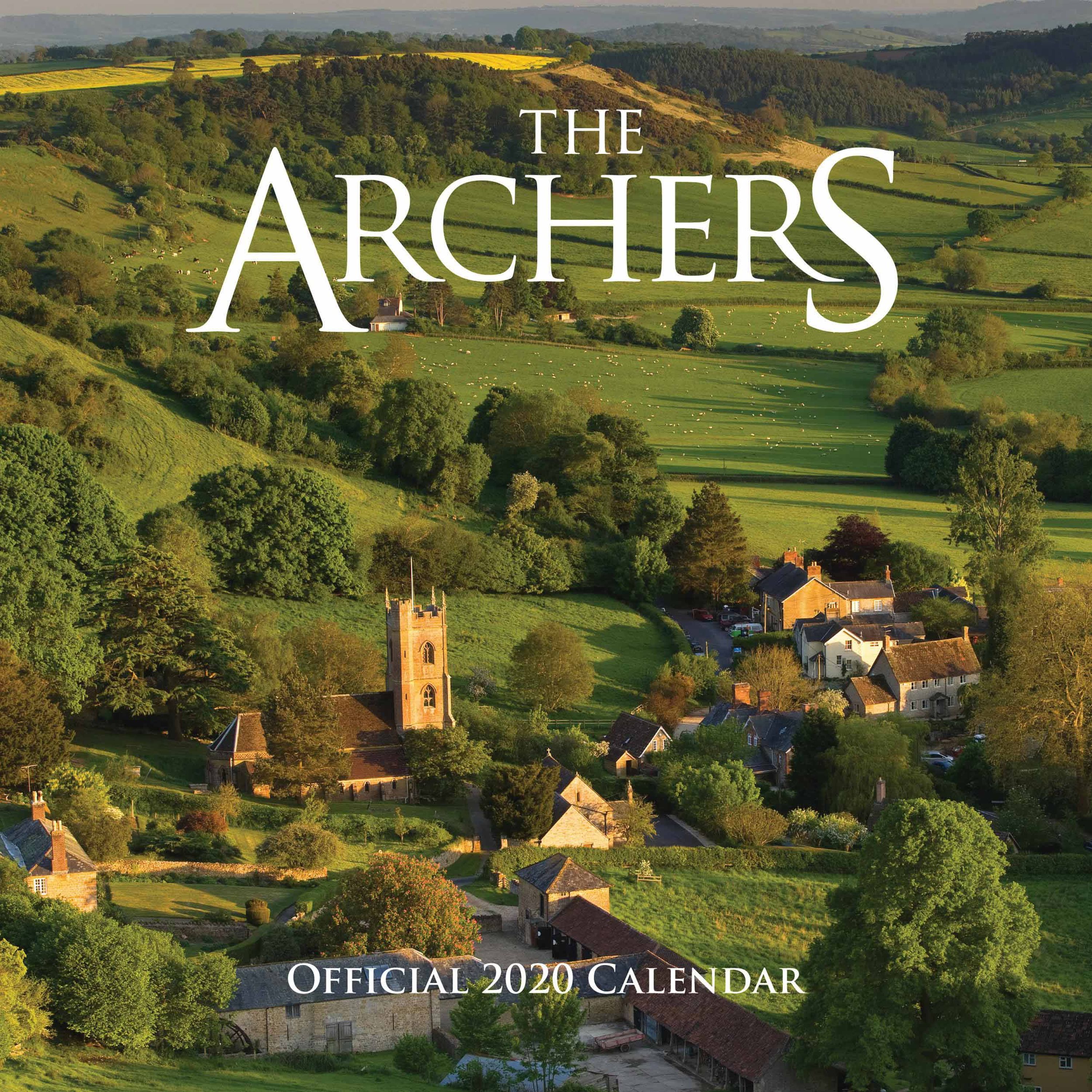
The Archers
Feb 1, 2020Tap to summarizeRoifield and David talk about The Archers a British radio soap opera on BBC Radio 4 which has been broadcast since 1951, having aired over 19,100 episodes, it is the world's longest-running drama. Hosted on Acast. See acast.com/privacy for more information.
Transcribe →
Geography
Mar 24, 2019Tap to summarizeEngland's geography has played a significant part in shaping her history and culture and making her as she is. I say that without fear of contradiction. Hosted on Acast. See acast.com/privacy for more information.
Transcribe →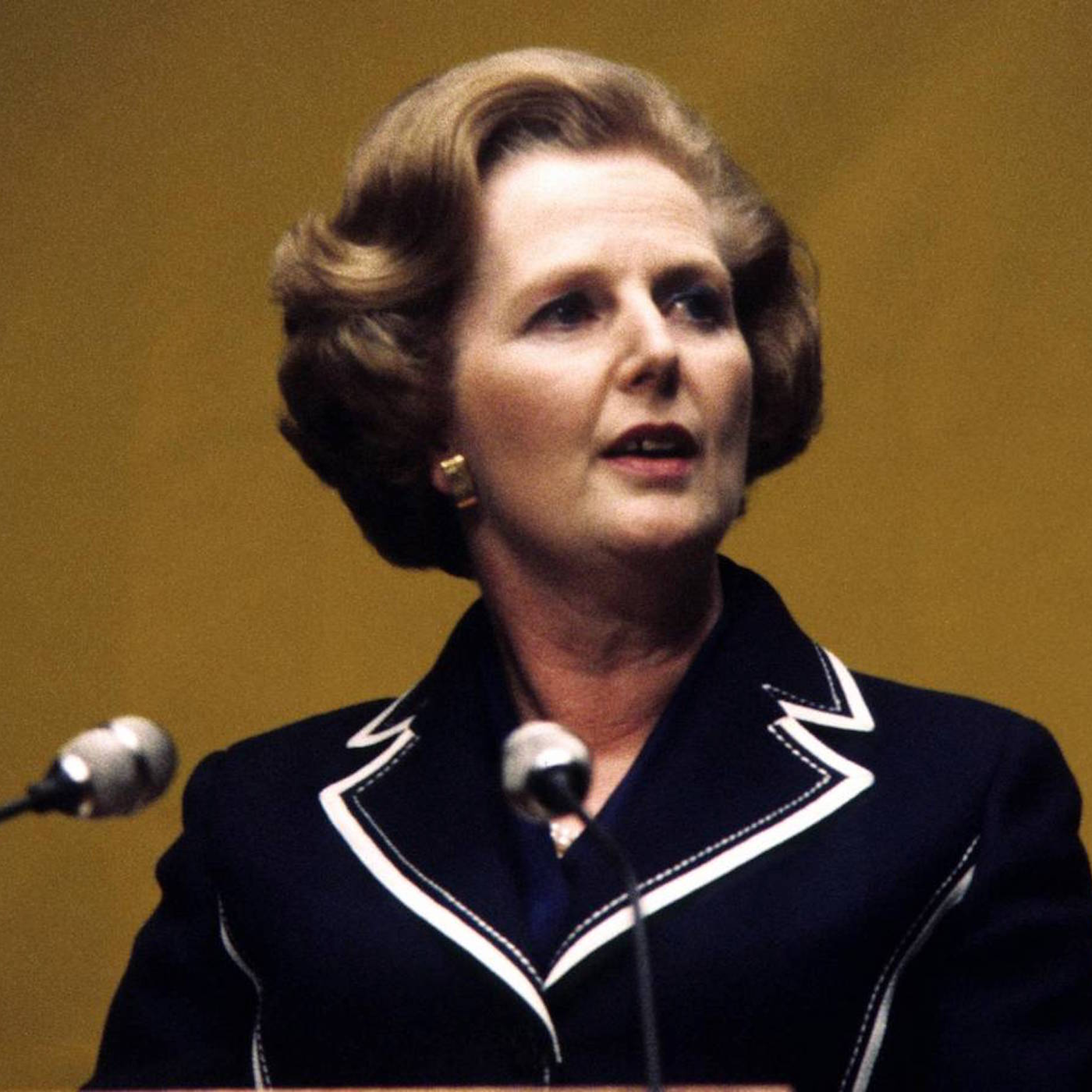
Margaret Thatcher
Aug 26, 2018Tap to summarizeMargaret Thatcher, 13 October 1925 – 8 April 2013 was a British politician who served as Prime Minister of the UK from 1979 to 1990. The longest-serving prime minister of the 20th century she was the first woman to hold that office. A Soviet journalist dubbed her the Iron Lady. As Prime Minister, she implemented policies that came to be known as Thatcherism. Roifield proposes that her tenure kicks starts English and Scottish nationalism. Hosted on Acast. See acast.com/privacy for more information.
Transcribe →