Podcast
The Thomistic Institute
Hosted by The Thomistic Institute · EN
The Thomistic Institute exists to promote Catholic truth in our contemporary world by strengthening the intellectual formation of Christians at universities, in the Church, and in the wider public square. The thought of St. Thomas Aquinas, the Universal Doctor of the Church, is our touchstone.
The Thomistic Institute Podcast features the lectures and talks from our conferences, campus chapters events, intellectual retreats, livestream events, and much more.
Founded in 2009, the Thomistic Institute is part of the Pontifical Faculty of the Immaculate Conception at the Dominican House of Studies in Washington, DC.
112episodes
Episodes
Newest firstAll episodes
The Summa Illuminated: A Guide to St. Thomas Aquinas’s Masterpiece - Fr. Cajetan Cuddy, O.P.
2d ago00:44:29Tap to summarizeFr. Cajetan Cuddy shows why Aquinas’s Summa Theologiae still matters today, presenting it as a clear, enduring roadmap for understanding Catholic truth, teaching beginners, and thinking more carefully about God, the world, and the human person.This lecture was given on April 13th, 2026, at Dominican House of Studies.Apply for the Thomistic Institute Study Abroad program by August 1, 2026. To learn more, visit https://thomisticinstitute.org/study-abroad. About the Speaker:Fr. Cajetan Cuddy, O.P. teaches dogmatic and moral theology at the Dominican House of Studies in Washington, D.C. He is General Editor of the ENCYCLOPEDIA OF CATHOLIC THEOLOGY (ect.org). Fr. Cuddy is the author of the book Catholic Theology: An Introduction (ECT Press, 2025). He has written for numerous publications on the philosophy and theology of St. Thomas Aquinas and the Thomist Tradition.Keywords: beginners, causality, Catholic truth, doctrine, divine truth, pedagogy, sacred teaching, Summa Theologiae, Thomas Aquinas, theology
Transcribe →
The AI Apocalypse Already Happened (And What You Can Do About It) - Mahon McCann
3d ago00:38:56Tap to summarizeMahon McCann argues that the real AI apocalypse already happened when social media and platform algorithms took over human judgment, reshaping what we see, think, and do through an attention economy that quietly downgrades our humanity.This lecture was given on April 11th, 2026, at University of Maynooth.Apply for the Thomistic Institute Study Abroad program by August 1, 2026. To learn more, visit https://thomisticinstitute.org/study-abroad. About the Speaker:Mahon McCann is an Irish philosophy lecturer and PhD researcher based in Dublin. He holds a BA in Philosophy & Economics from University College Dublin and an MA in English from Queen’s University Belfast. In 2022, he was awarded the DCU School of Theology, Philosophy, and Music Scholarship for his research on the attention economy, particularly how social media companies' commodification of user attention shapes their moral character. His academic research is at the intersection of modern cognitive science, ancient virtue ethics and transformative technologies. Outside of academia, he is involved in public philosophy communication and hosts a popular podcast, which has ranked in the top ten for self-improvement and education in Ireland, on the meaning crisis in the West.Keywords: AI apocalypse, attention economy, social media, algorithms, human judgment, cognitive decline, human agency, digital ethics, platform power, technological formation
Transcribe →
Artificial Intelligence: A Theological Investigation - Fr. Ezra Sullivan, O.P.
4d ago00:46:40Tap to summarizeFr. Ezra Sullivan examines artificial intelligence through a theological lens, showing why AI may imitate personhood and judgment, but cannot replace the human capacity for truth, freedom, and communion with God.This lecture was given on April 11th, 2026, at University of Maynooth.Apply for the Thomistic Institute Study Abroad program by August 1, 2026. To learn more, visit https://thomisticinstitute.org/study-abroad. About the Speaker:Fr. Ezra Sullivan, is a Dominican friar of the Province of St Joseph (USA), with a Doctorate in Sacred Theology and a License in Canon Law. He is currently the Director of the Institute of Spirituality at the University of St. Thomas Aquinas in Rome (Angelicum), where he has taught as professor of Moral Theology and Psychology for eight years. He is occasionally seen on Catholic television, or heard on Catholic radio, and he has preached parish missions and priestly retreats in over twenty countries around the world. Scholarly articles cover bioethics, artificial intelligence, moral theology, and ecclesiastical history. He is the author of various books, such as Habits and Holiness: Ethics, Theology, and Biopsychology (CUA Press 2020), and Alter Christus: Priestly Holiness in Time and Eternity (Sophia Institute Press, 2022). His next book is Yoga: A Theological Investigation (Catholic University of America Press, 2026).Keywords: Agency, Artificial Intelligence, Flatterer, Golem, Human Intelligence, Imago Dei, Technology, Theological Anthropology, Truth, Utility
Transcribe →
I Compute, Therefore I Am: The Distinctively Human in the Age of AI - Dr. Robert McNamara
5d ago00:45:55Tap to summarizeDr. Robert McNamara examines what remains distinctively human in the age of AI, arguing that while artificial intelligence can process and predict with remarkable speed, it cannot replace human understanding, freedom, or wisdom.This lecture was given on April 11th, 2026, at University of Maynooth.Apply for the Thomistic Institute Study Abroad program by August 1, 2026. To learn more, visit https://thomisticinstitute.org/study-abroad. About the Speaker:Dr. Robert McNamara is lecturer in philosophy and department head at St. Patrick’s Pontifical University, Ireland, adjunct professor of philosophy at Franciscan University of Steubenville, USA, while also tutoring periodically at the ITI Catholic University, Austria, and the Maryvale Institute, England. Robert is an associate series editor of Edith Stein Studies, an associate scholar of the Hildebrand Project, a research fellow at the Institute for the Study of Man and Woman, and a founding member of the Aquinas Institute of Ireland (currently suspended). Having studied physics, computing, philosophy, and theology, Robert brings a multidisciplinary approach to his work while exploring anthropological and metaphysical themes in ancient, medieval, and phenomenological thinkers, with a defined focus on philosophical personalism in the Christian tradition. He currently resides in Carlow, Ireland, with his wife, Caroline, and their five children.Keywords: AI, Deep Learning, Edith Stein, Human Intelligence, Knowledge, Natural Language, Thomas Aquinas, Truth, Wisdom
Transcribe →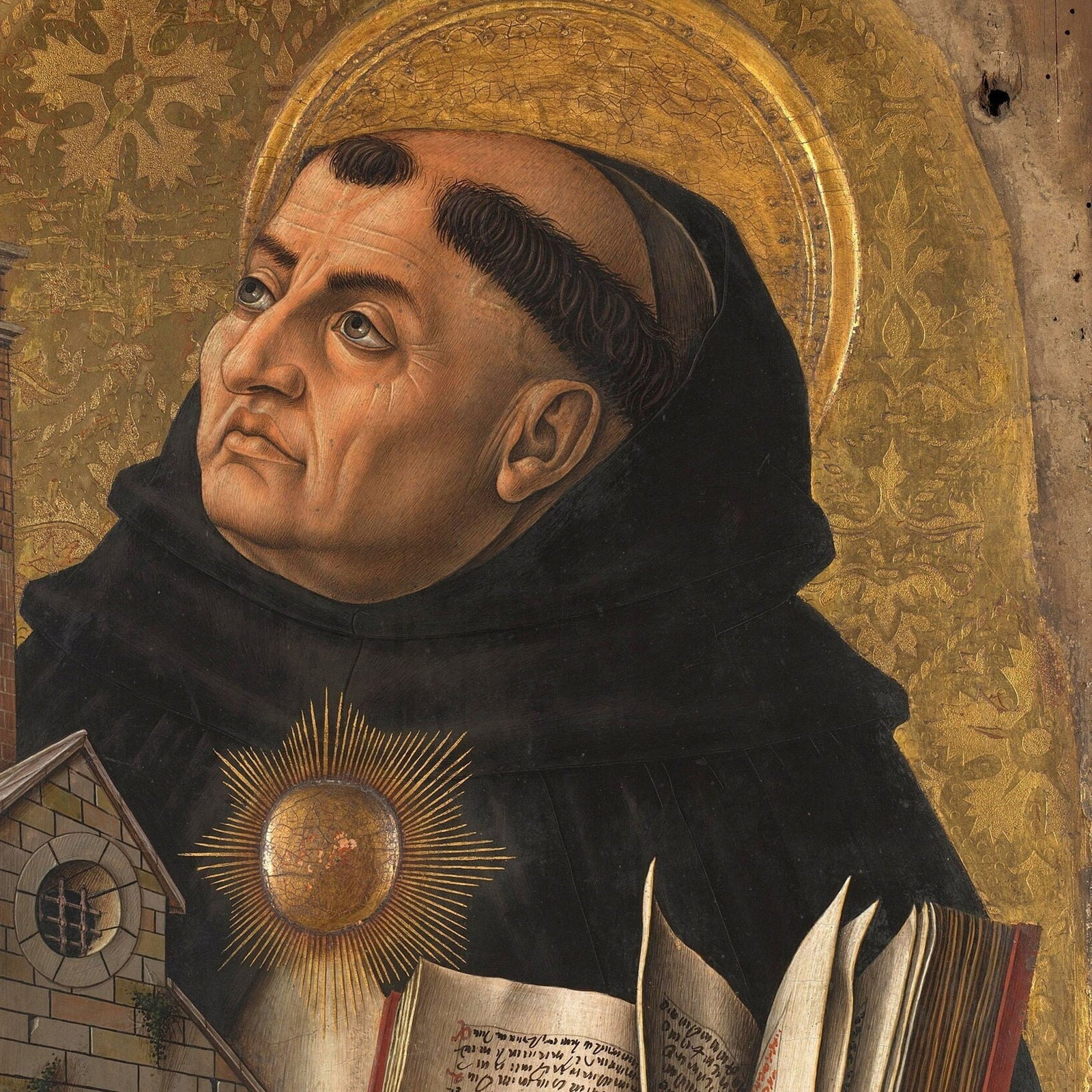
The Efficient Cause of Evangelization: The Spirit Empowering the Blessed Virgin's Word - Fr. Andrew Hofer, O.P.
1w ago00:54:46Tap to summarizeFr. Andrew Hofer, O.P. argues that the Holy Spirit is the real power behind evangelization, showing how Mary, the apostles, and every Christian become instruments of God’s mission through grace, witness, and prayer.This lecture was given on December 13th, 2026, at Dominican House of Studies.Apply for the Thomistic Institute Study Abroad program by August 1, 2026. To learn more, visit https://thomisticinstitute.org/study-abroad. About the Speaker:Fr. Andrew Hofer, O.P., (Ph.D. Notre Dame) is professor of patristics and ancient languages at the Pontifical Faculty of the Dominican House of Studies where he serves as the director of the doctoral program. He authored Christ in the Life and Teaching of Gregory of Nazianzus (Oxford University Press, 2013) and The Power of Patristic Preaching: The Word in Our Flesh (Catholic University of America, 2023). He co-authored A Living Sacrifice: Guidance for Men Discerning Religious Life (Vianney Vocations, 2019). Editor-in-chief of the academic journal The Thomist, Hofer is editor or co-editor of several volumes including The Oxford Handbook of Deification, The Cambridge Companion to Augustine's Sermons, and Thomas Aquinas and the Greek Fathers. He enjoys speaking with students about their theological and spiritual questions.Keywords: Apostles, Charity, Confirmation, Evangelization, Holy Spirit, Intercession, Mary, Pentecost, Preaching, Sacraments
Transcribe →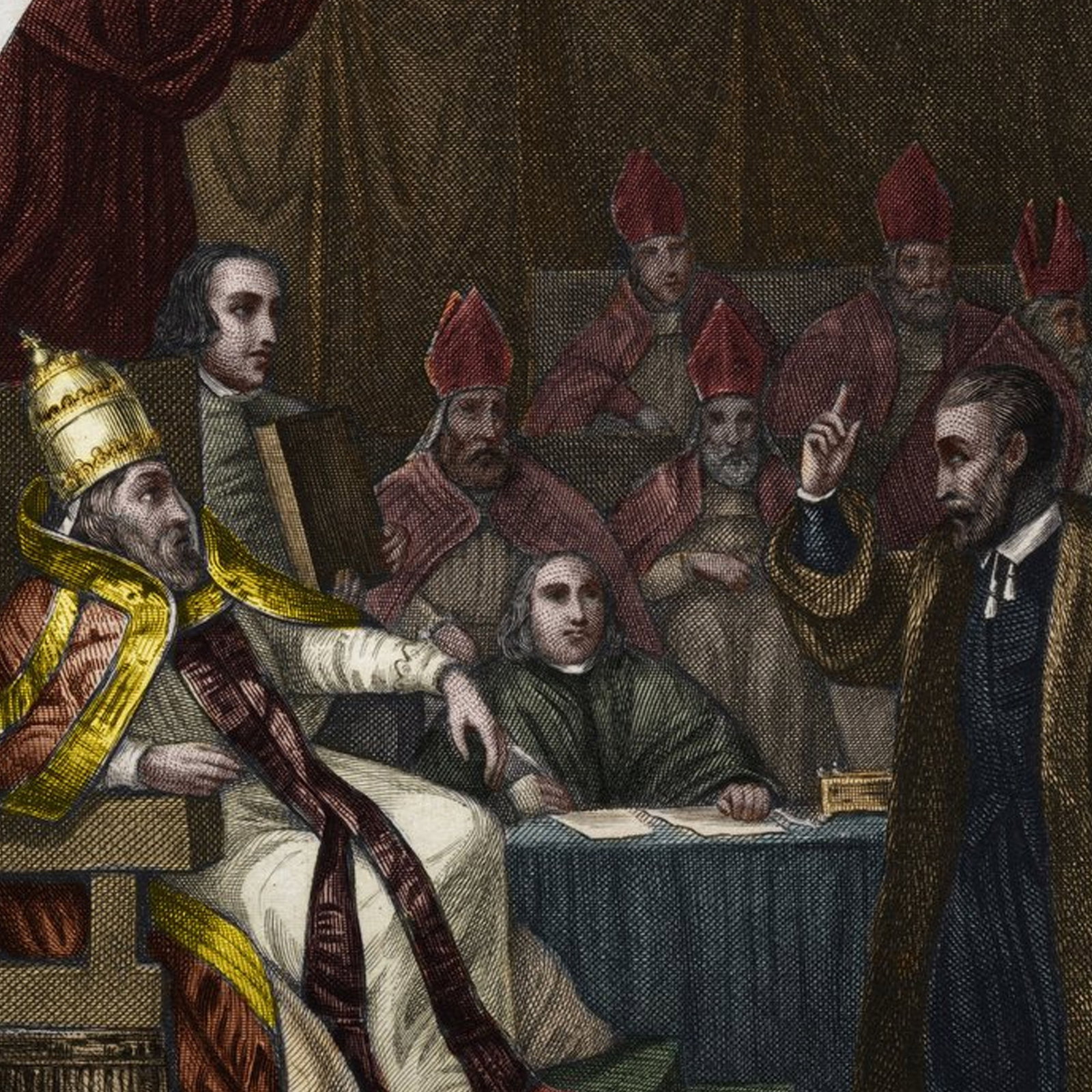
The Formal Cause of Evangelization: The Grace of the Blessed Virgin's Word - Fr. Irenaeus Dunlevy, O.P.
1w ago00:52:56Tap to summarizeFr. Irenaeus Dunlevy shows how evangelization works by grace from the inside out, arguing that its deepest “form” is the contemplative, witness-filled communication of Christ that moves others to faith.This lecture was given on December 13th, 2025, at Dominican House of Studies.Apply for the Thomistic Institute Study Abroad program by August 1, 2026. To learn more, visit https://thomisticinstitute.org/study-abroad. About the Speaker:Fr. Irenaeus Dunlevy, OP is a Coordinator for Campus Outreach at the Thomistic Institute in Washington, DC. He has served as a parochial vicar at St. Pius V Church in Providence, RI, as well as an adjunct professor and assistant chaplain at Providence College. He originates from Columbus, OH, studied architecture in Virginia and Switzerland, and practiced in the DC area before entering the Order of Preachers in 2013. He was ordained a priest in 2020 at the Dominican House of Studies during the quarantine. In his work with the Thomistic Institute, he has given talks on the virtue of penance, loving God with the mind, and the intersection of theology and architecture. He often travels the country visiting Thomistic Institute Campus Chapters, leading seminars that help students grasp Thomistic concepts. Additionally, he coordinates the TI's intellectual retreat programming, which affords students time to pray and integrate into their lives Thomistic theology and philosophy. Keywords: Aquinas, Blessed Virgin Mary, Christ, Contemplation, Evangelization, Formal Cause, Grace Of The Word, Holy Spirit, Sacred Doctrine, Witness
Transcribe →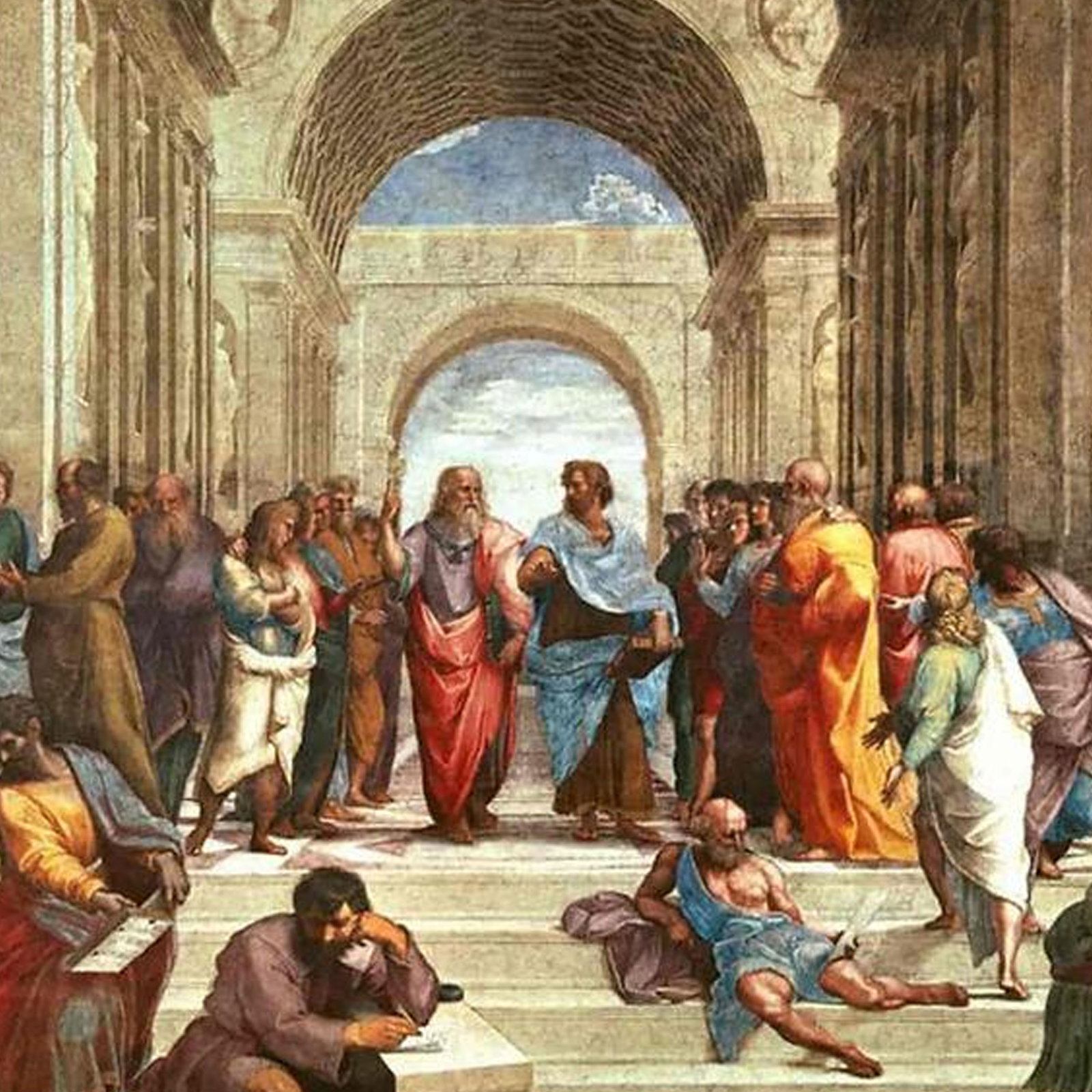
Does Nature Make Laws? An Introduction to the Natural Law Tradition - Prof. Paige Hochschild
1w ago00:59:36Tap to summarizeProf. Paige Hochschild introduces natural law by exploring what nature is, how we know it, and why the classical tradition treats the world as an intelligible order to which human beings are truly fitted.This lecture was given on April 6th, 2026, at University of California, San Diego.Apply for the Thomistic Institute Study Abroad program by August 1, 2026. To learn more, visit https://thomisticinstitute.org/study-abroad. About the Speaker:Dr. Paige Hochschild is a professor of historical and systematic theology at Mount St. Mary's University (MD), specializing in Augustine, Thomas Aquinas and the early Church. She also teaches philosophy courses at the Seminary at Mount St. Mary's. She has written a book on the place of memory in Augustine's theological anthropology, and publishes on the Church, education, tradition, and 20th Century theological debates within the Church (scripture, history, marriage).Keywords: Aristotle, Classical Metaphysics, Essence, Fittingness, Natural Law, Nature, Philosophy Of Nature, Scientific Laws, Thomistic Tradition
Transcribe →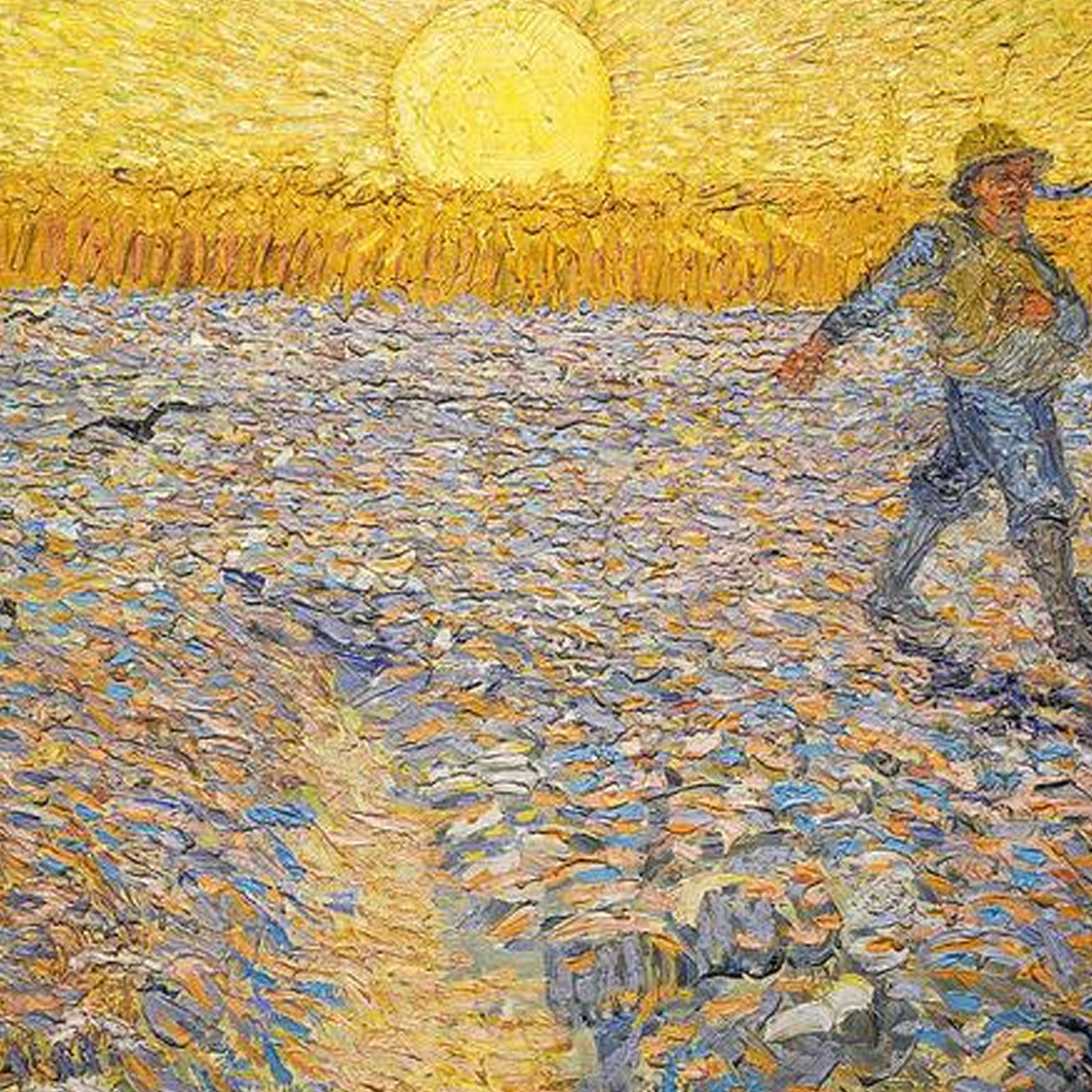
Why Stories Matter for Transmitting the Faith – Prof. Michael Dauphinais
2w ago00:50:56Tap to summarizeProf. Michael Dauphinais argues that stories are not just useful for faith—they are how human beings understand reality, and the Christian story of creation, redemption, and resurrection is the true narrative that reorders the imagination.This lecture was given on March 27th, 2026, at Florida State University.Apply for the Thomistic Institute Study Abroad program by August 1, 2026. To learn more, visit https://thomisticinstitute.org/study-abroad. About the Speaker:Michael A. Dauphinais, Ph.D., serves as the Fr. Matthew Lamb Professor of Catholic Theology and the co-director of the Aquinas Center for Theological Renewal at Ave Maria University, Ave Maria, Florida. He has co-authored with Matthew Levering Knowing the Love of Christ: An Introduction to the Theology of Thomas Aquinas; Holy People, Holy Land: A Theological Introduction to the Bible; and The Wisdom of the Word: Biblical Answers to Ten Questions about Catholicism. He specializes in C.S. Lewis, the Bible, and St. Thomas Aquinas. He speaks frequently in both academic and popular settings, and particularly enjoys visiting Thomistic Institute student chapters. Dr. Dauphinais hosts The Catholic Theology Show podcast to help a wide audience discover the richness of coming to know and love God as he has revealed himself in Jesus Christ.Keywords: Alasdair MacIntyre, C. S. Lewis, Christian Story, Creed, Gospel, Imagination, Storytelling, Tolkien
Transcribe →
The Mystery of Love - Prof. Maria Fedoryka
2w ago00:48:36Tap to summarizeProf. Maria Fedoryka explains love as more than a feeling, showing how it begins with recognizing another person’s goodness, leads to self-gift and communion, and ultimately reveals why love is the source of meaning in human life.This lecture was given on March 16th, 2026, at University of Georgia.Apply for the Thomistic Institute Study Abroad program by August 1, 2026. To learn more, visit https://thomisticinstitute.org/study-abroad. About the Speaker:Dr. Maria Fedoryka is associate professor of philosophy and Chair of the department at Ave Maria University in Naples, FL. For the last several years she has studied, taught and lectured widely on questions related to the nature and dignity of the human person, especially the philosophy of love, and the place of love in the lives of persons, examining issues spanning from the centrality of love in the being of God, to its role at the center of creation, to its meaning for marriage, family, and sexuality.Keywords: Charity, Emotion, Human Person, Love, Meaning, Personalism, Self-Gift, The Trinity, Value
Transcribe →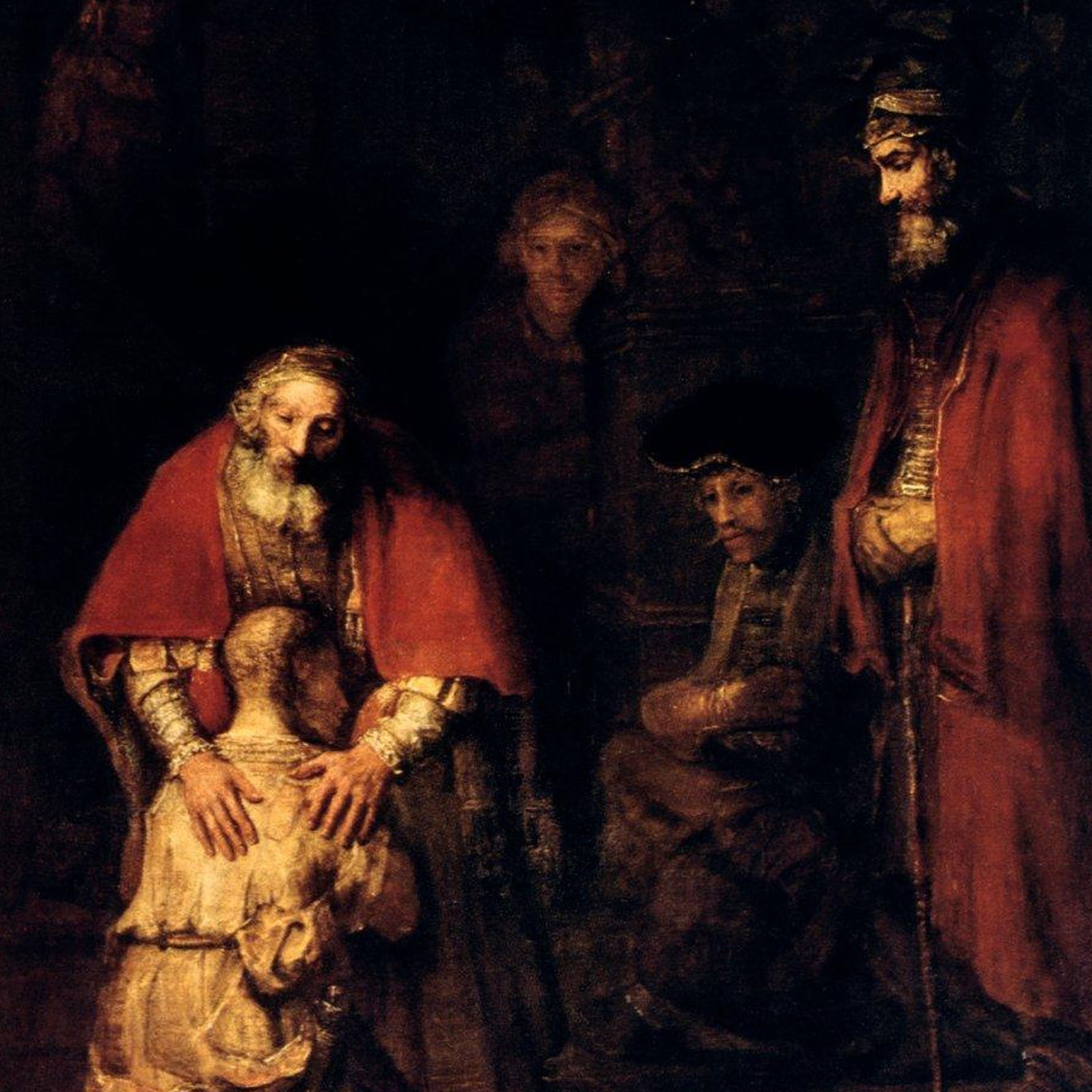
Why Forgive: Accepting the Good News of Forgiving Others - Fr. Andrew Hofer, O.P.
2w ago00:39:48Tap to summarizeFr. Andrew Hofer explains why Christian forgiveness is not the same as excusing harm, and shows how forgiving others is a deliberate act of mercy that frees us, heals our hearts, and reflects God’s own forgiveness.This lecture was given on March 7th, 2026, at University of Pittsburgh.Apply for the Thomistic Institute Study Abroad program by August 1, 2026. To learn more, visit https://thomisticinstitute.org/study-abroad. About the Speaker:Fr. Andrew Hofer, O.P., (Ph.D. Notre Dame) is professor of patristics and ancient languages at the Pontifical Faculty of the Dominican House of Studies where he serves as the director of the doctoral program. He authored Christ in the Life and Teaching of Gregory of Nazianzus (Oxford University Press, 2013) and The Power of Patristic Preaching: The Word in Our Flesh (Catholic University of America, 2023). He co-authored A Living Sacrifice: Guidance for Men Discerning Religious Life (Vianney Vocations, 2019). Editor-in-chief of the academic journal The Thomist, Hofer is editor or co-editor of several volumes including The Oxford Handbook of Deification, The Cambridge Companion to Augustine's Sermons, and Thomas Aquinas and the Greek Fathers. He enjoys speaking with students about their theological and spiritual questions.Keywords: Charity, Christian Life, Forgiveness, Mercy, Prayer, Reconciliation, Resentment, Spiritual Works Of Mercy, The Cross
Transcribe →