
Podcast
The Turbulent World with James M. Dorsey
Hosted by James M. Dorsey · EN
Dr. James M. Dorsey is a senior fellow at the S. Rajaratnam School of International Studies, co-director of the University of Würzburg’s Institute for Fan Culture, and co-host of the New Books in Middle Eastern Studies podcast. James is the author of The Turbulent World of Middle East Soccer blog, a book with the same title as well as Comparative Political Transitions between Southeast Asia and the Middle East and North Africa, co-authored with Dr. Teresita Cruz-Del Rosario and Shifting Sands, Essays on Sports and Politics in the Middle East and North Africa.
27episodes
Episodes
Newest firstAll episodes
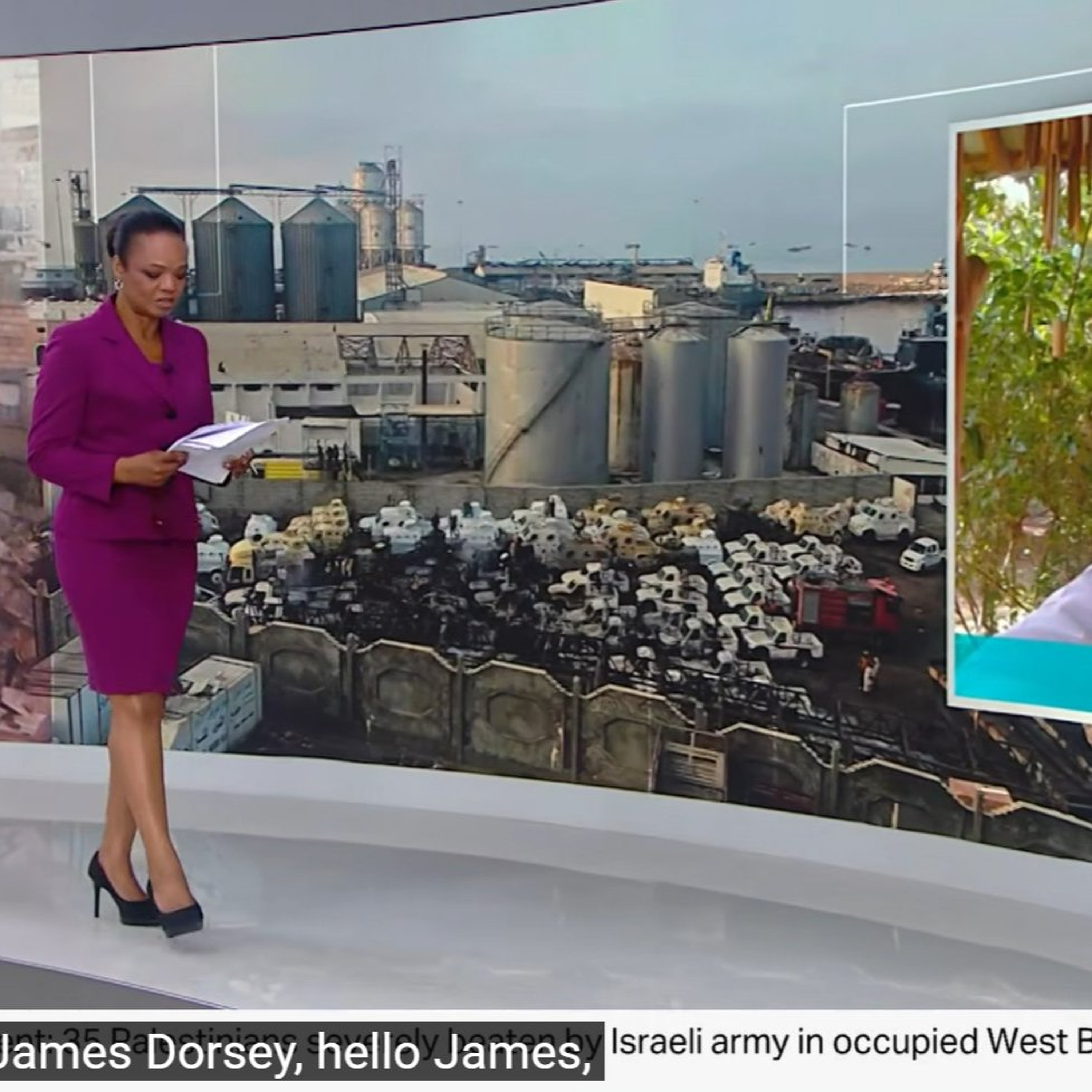
Houthi Saudi hostilities escalate
3d ago00:03:27Tap to summarizeIran-backed Houthi forces in Yemen launched at least 12 fresh missile attacks on the Yemeni provinces of Hadramout and Marib on Friday. A day earlier the Houthis fires drones and ballistic missiles at Saudi-led coalition and Yemeni government military sites, killing at least 30 soldiers in the country in one of the deadliest days since 2022 in the country's civil war. The Houthis say the attacks targeted government positions in response to what they described as a Saudi-backed military buildup. James M. Dorsey, from the S. Rajaratnam School of International Studies weighs in on TRT World.
Transcribe →
Saudi Arabia Steps Up as Middle East Security Shifts
1w ago00:11:22Tap to summarizeGuest: Dr. James M. Dorsey (Adjunct Senior Fellow), S. Rajaratnam School of International Studies Saudi Arabia is taking on an increasingly prominent security role in the Middle East, leading a new multinational maritime coalition to protect vital Red Sea shipping lanes while deepening military coordination with the United States. The developments come as Egypt faces its first drone attack linked to the wider regional conflict and Washington pursues a diplomatic initiative aimed at ending the war in Gaza. Do these parallel developments signal a fundamental shift in the Middle East's security architecture, and is Saudi Arabia emerging as a more influential regional power?
Transcribe →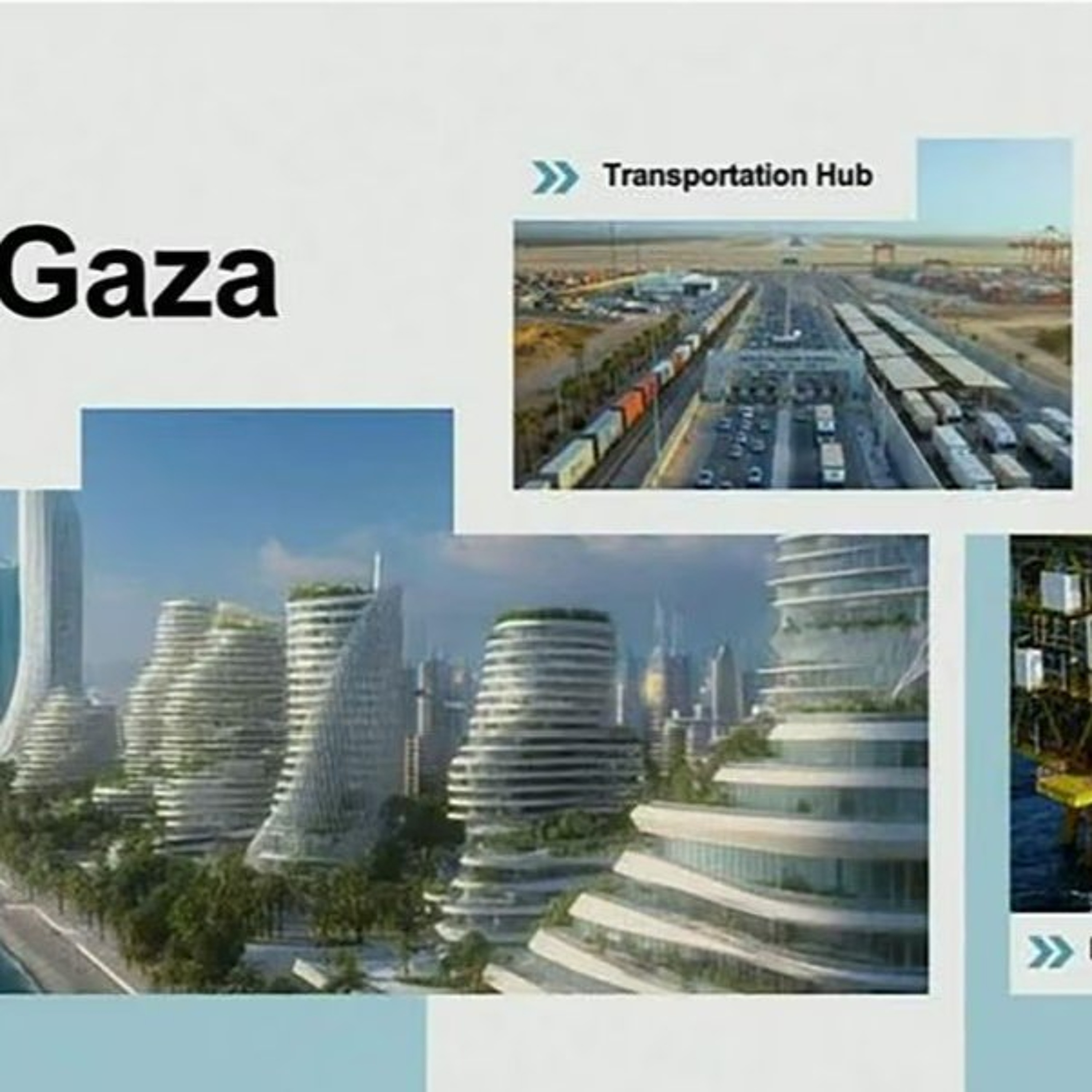
Trump’s Gaza Peace Plan is the Only Game in Town, but…
1w ago00:10:04Tap to summarizeUS President Donald Trump’s Board of Peace and his 20-point Gaza peace plan are off to a rocky start. Israeli-Hamas differences over the sequencing of the group’s decommissioning of arms and Israel’s withdrawal from Gaza are the tip of the iceberg, with Israel yet to endorse Mr. Trump’s announcement that they had agreed to a phased implementation of his plan. The differences mask the seemingly unbridgeable gap between Israel and the Palestinians over the end goal of Gaza’s transition after almost three years of war between Israel, traumatised by Hamas’s brutal October 7, 2023, attack, and a Strip and Palestinian polity shattered by Israel’s devastating and ruthless response.
Transcribe →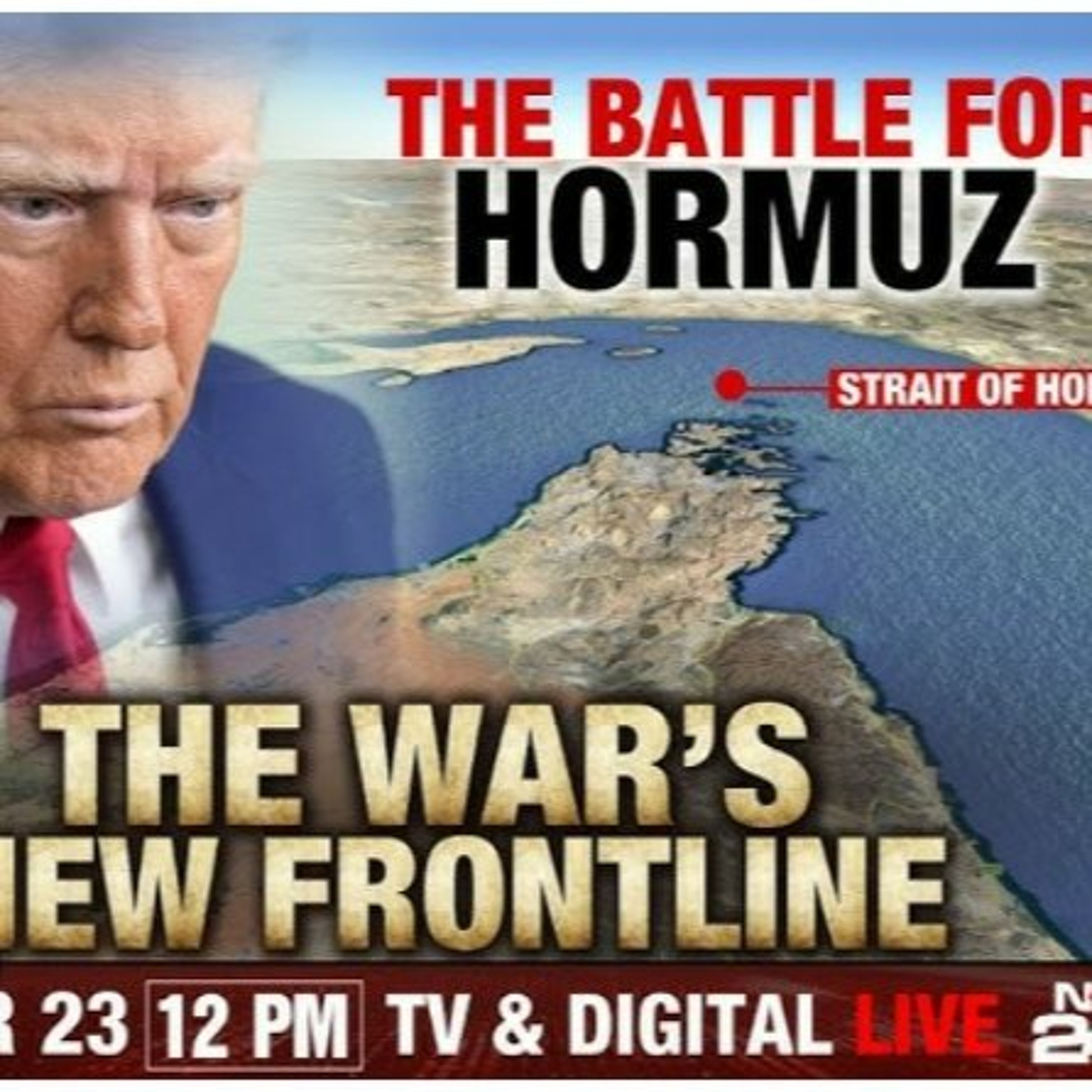
Creating building blocks of a new world order in the Strait of Hormuz
2w ago00:09:58Tap to summarizeThe battle for control of the Strait of Hormuz is a battle over what some of the building blocks of a new world order will be. At stake is far more than whether Iran will have a stranglehold over the flow of 20 per cent of the world’s seaborne energy trade through the strategic strait, and with it over Gulf economies. Potentially, it is also a battle for control of the terms of the energy trade, energy security, the Middle East’s future security architecture, and the region’s political map.
Transcribe →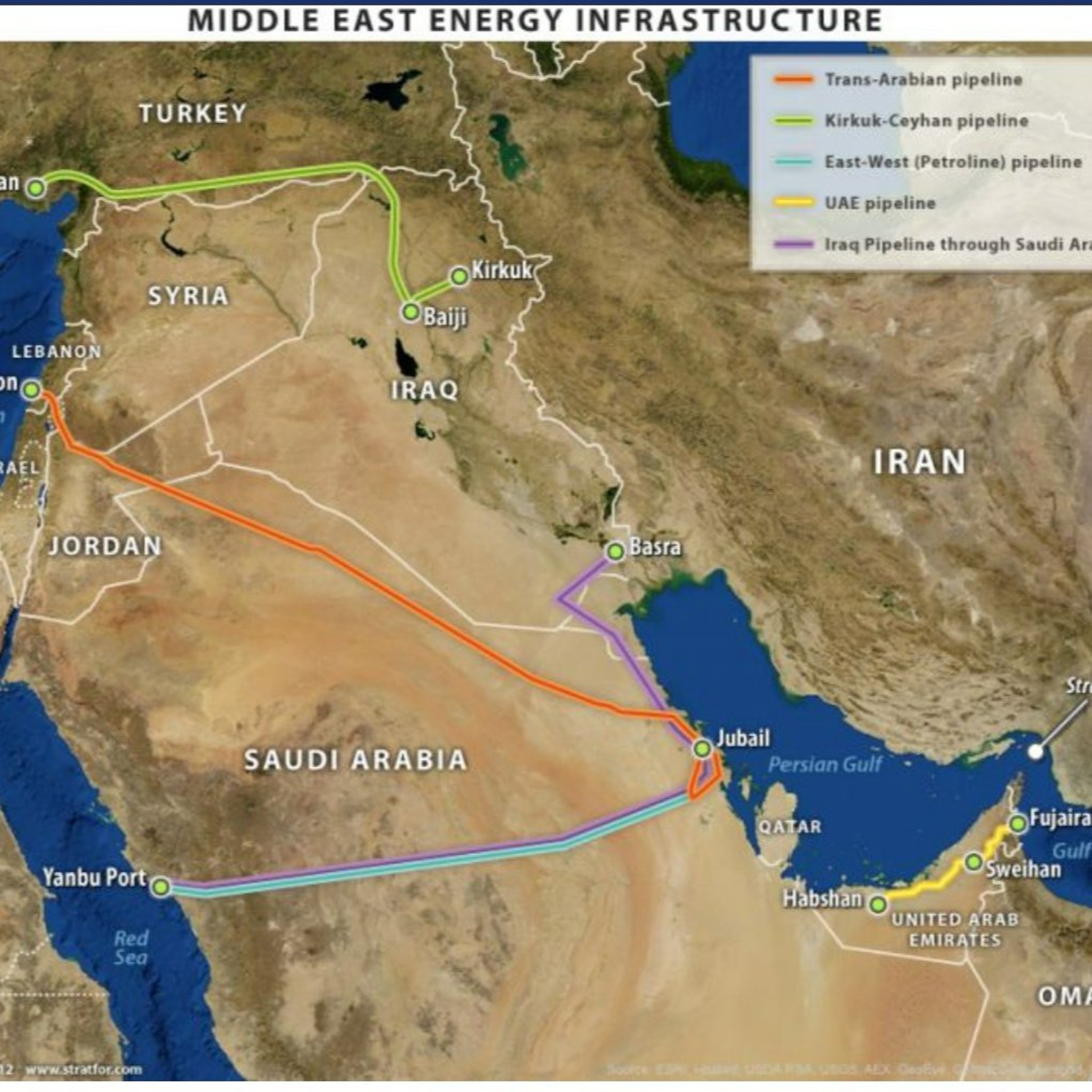
Middle Eastern pipelines-A new game of Monopoly
2w ago00:09:24Tap to summarizeMiddle Eastern pipelines would make for an exciting 21st-century updated game of Monopoly or Risk. Pipelines are the currency of the region’s latest efforts to rethink energy security and reduce Gulf state and Iraqi dependence on the embattled Strait of Hormuz. Increasing the capacity of existing pipelines and building new ones is no panacea for the immediate crisis, from which Iran will likely emerge as a, if not the key, player in the waterway through which 20 per cent of the world’s energy trade flows. Future pipelines are a mid-term goal; they have little impact on current efforts to ensure freedom of navigation in the Strait of Hormuz. Moreover, the prospect of diverting up to 60 percent of the flow of oil and gas away from the Strait of Hormuz could stiffen Iran's position in current negotiations, given that future alternative infrastructure would reduce rather than eliminate its leverage. Add to that the fact that pipelines and other alternative infrastructure do not eradicate risk; they diversify it for some Gulf energy exporters.
Transcribe →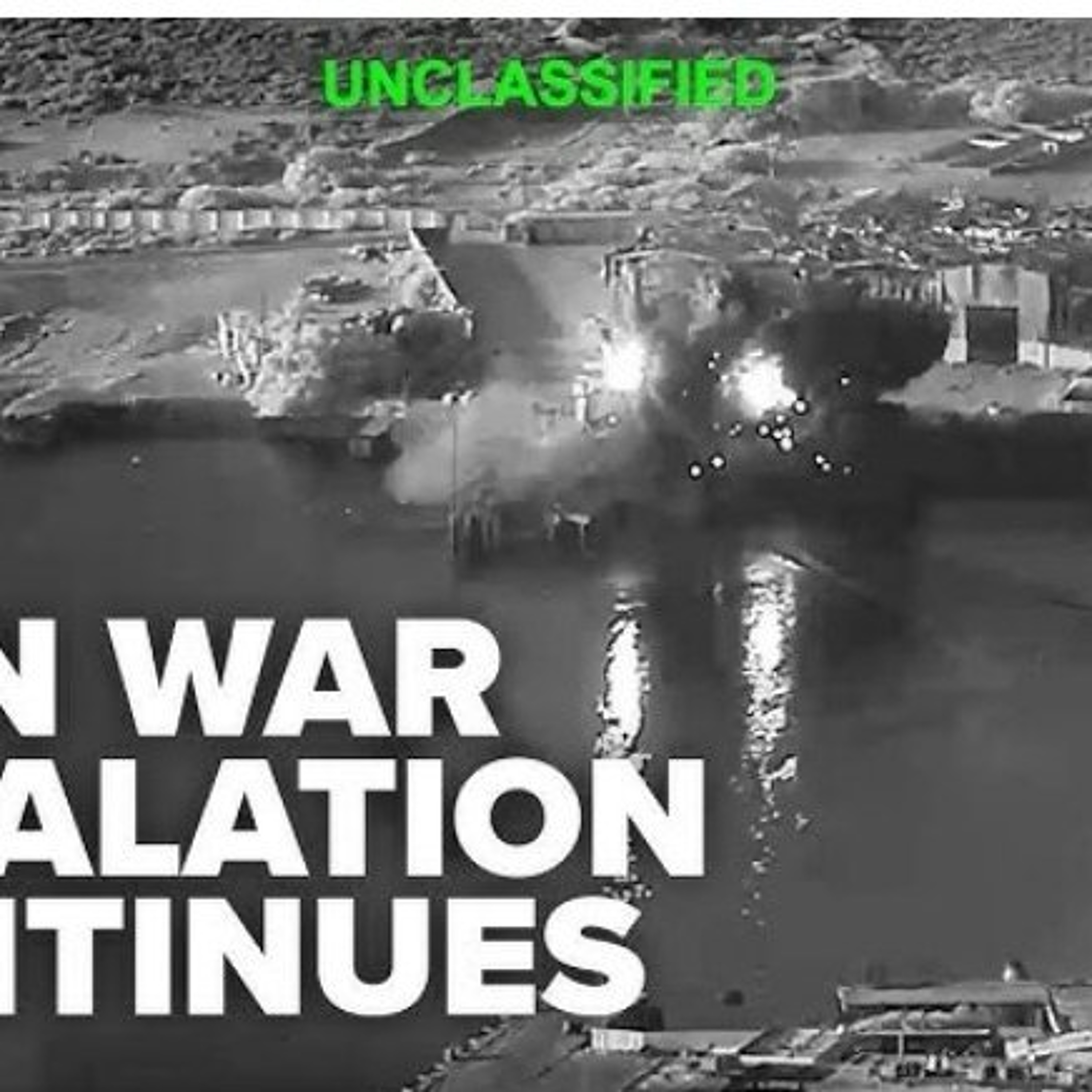
The Iran war-Escalation is the name of the game
2w ago00:11:26Tap to summarizeIf Iran sees the war as a fight for the survival of the Islamic Republic, US President Donald Trump sees it as the litmus test of his ‘peace through strength’ foreign policy. Five months into the war, Iran has emerged as the first and only state to challenge Mr. Trump’s ‘might is right’ approach, albeit at significant cost to itself, its neighbours, and the global economy. The challenge, rooted in Iranian perceptions of the Islamic Republic’s 47-year-long history, complicates Mr. Trump’s quest for a credible off-ramp and threatens to trap him in an escalatory cycle.
Transcribe →
Middle East Report 24072026
3w ago00:07:42Tap to summarizeJames discusses the US-Saudi nuclear agreement, rising tensions in the Red Sea between Saudi Arabia and Yemen’s Houthi rebels, and the escalating US-Iran war on Radio Islam.
Transcribe →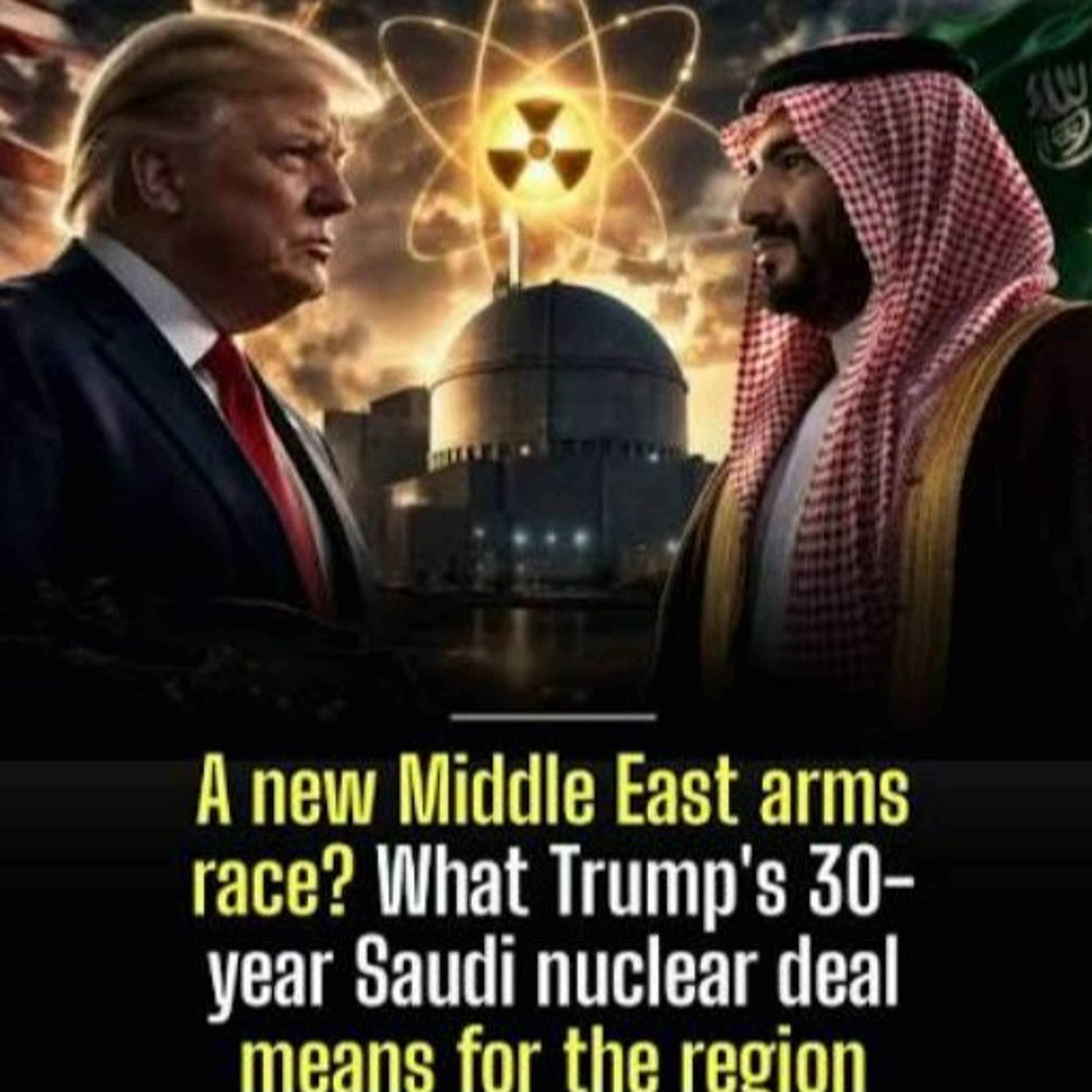
Off to the nuclear arms race
3w ago00:08:27Tap to summarizeThe Middle East is off to a nuclear arms race. This week’s 30-year US-Saudi nuclear agreement that offers the kingdom a pathway to enriching uranium threatens to put the region’s foot on the gas pedal. Further fuelling the fire is the fact that the agreement is likely to harden Iranian insistence on its right to enrich uranium in negotiations with the United States. Moreover, the agreement could revive Turkish ambitions to acquire nuclear weapons and prompt Israel to formally acknowledge that it is, so far, the Middle East’s only nuclear power, an harden its rejection of calls for a nuclear-free Middle East. If anything, the agreement, coupled with the prospect of the United States selling F-35 fighter jets to Turkey, adds to differences between the United States and Israel over Iran and Israeli occupation of south Lebanon and parts of southern Syria. Finally, the US-Saudi agreement creates a dangerous precedent in which the United States replaces the International Atomic Energy Agency (IAEA) as the ultimate arbiter of whether a country, in this case Saudi Arabia, is refraining from enriching nuclear fuel to weapons-grade level.
Transcribe →
CNA938 Rewind - The Middle East brief Escalation, security and whats next
3w ago00:14:43Tap to summarizeTensions have been deepening across the Middle East, with Israeli groups pushing for settlements in Gaza as US strikes on Iran continue. Daniel Martin discusses further with James M. Dorsey.
Transcribe →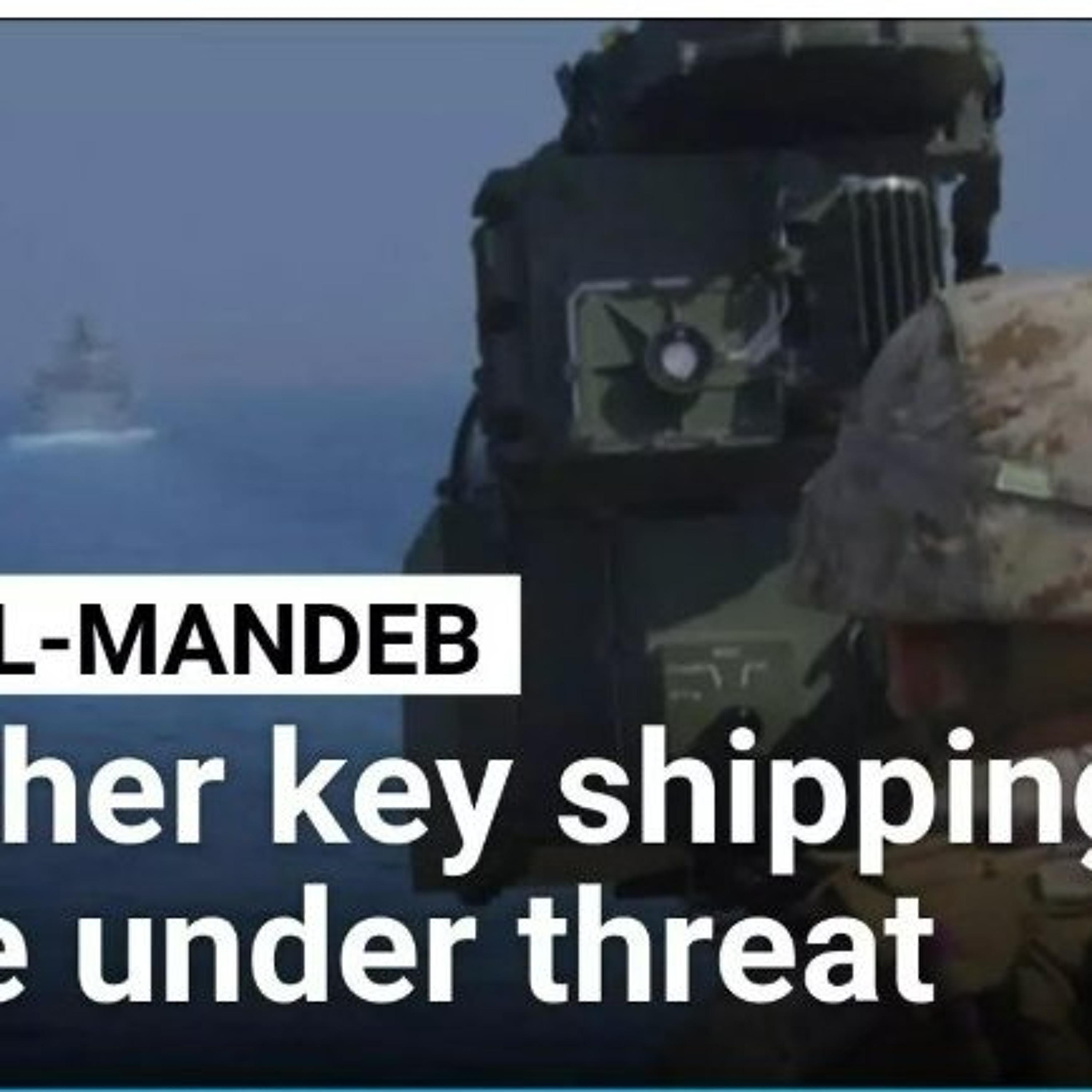
Yemen’s Houthi rebels-To do or not to do?
3w ago00:10:47Tap to summarizeYemeni Houthi rebel threats to shipping in the strategic Bab al-Mandab strait have so far been more bark than bite. If anything, the Houthis have in recent months carefully avoided being sucked into the Iran war, despite declaring in late March that they had entered the war in support of the Islamic Republic.
Transcribe →