
Podcast
The Turbulent World with James M. Dorsey
Hosted by James M. Dorsey · EN
Dr. James M. Dorsey is a senior fellow at the S. Rajaratnam School of International Studies, co-director of the University of Würzburg’s Institute for Fan Culture, and co-host of the New Books in Middle Eastern Studies podcast. James is the author of The Turbulent World of Middle East Soccer blog, a book with the same title as well as Comparative Political Transitions between Southeast Asia and the Middle East and North Africa, co-authored with Dr. Teresita Cruz-Del Rosario and Shifting Sands, Essays on Sports and Politics in the Middle East and North Africa.
28episodes
Episodes
Newest firstAll episodes
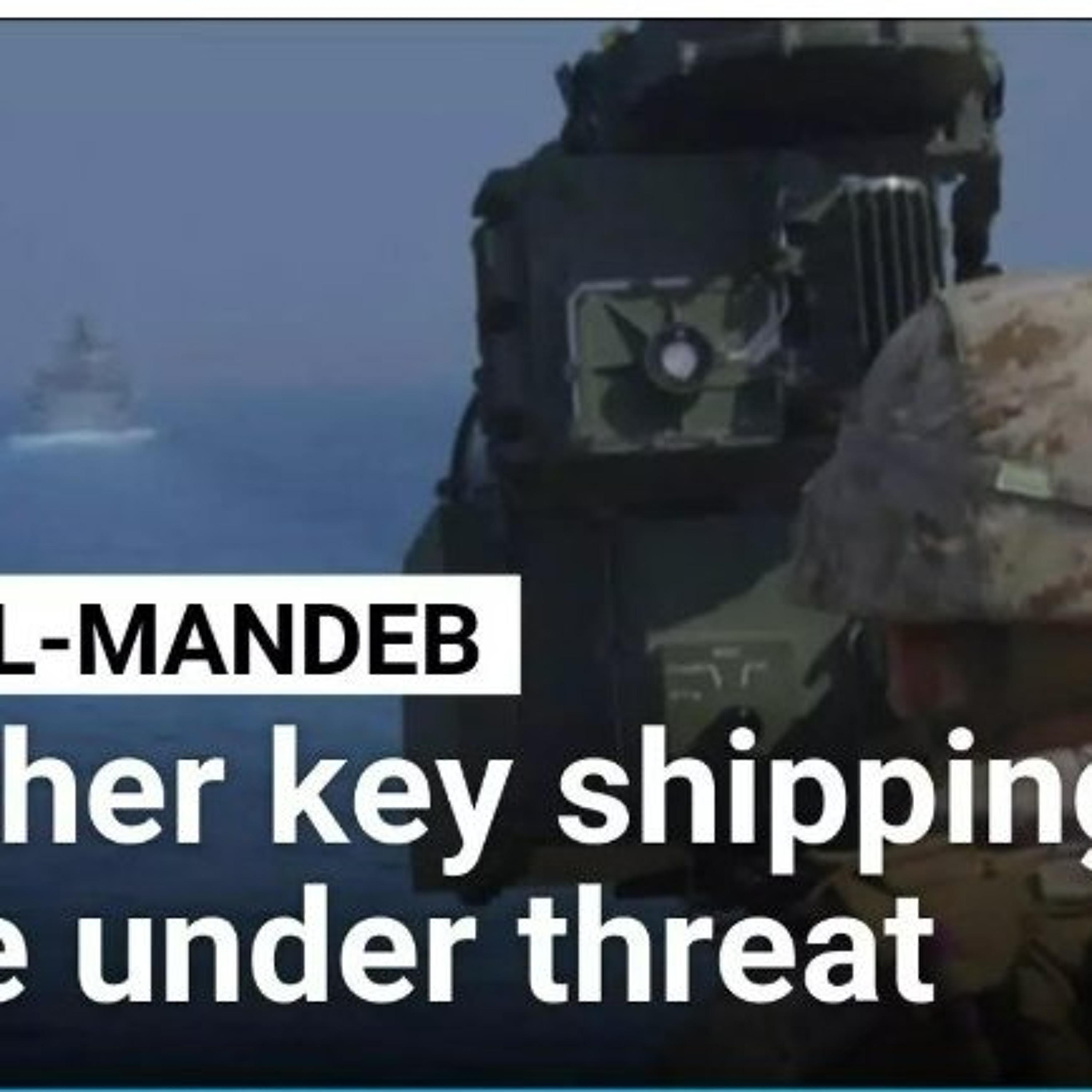
Yemen’s Houthi rebels-To do or not to do?
3w ago00:10:47Tap to summarizeYemeni Houthi rebel threats to shipping in the strategic Bab al-Mandab strait have so far been more bark than bite. If anything, the Houthis have in recent months carefully avoided being sucked into the Iran war, despite declaring in late March that they had entered the war in support of the Islamic Republic.
Transcribe →
Middle East Report
4w ago00:07:10Tap to summarizeJames discusses the Iran war, the Strait of Hormuz, Yemen, and US-Israeli relations on Radio Islam.
Transcribe →
Has the FIFA World Cup Ever Been Politically Neutral
4w ago00:36:14Tap to summarizeIf you've been following the 2026 World Cup, you've obviously seen the football, but you've also probably seen a lot of Donald Trump. The US President made himself part of the tournament after FIFA President Gianni Infantino awarded him the organisation's first-ever "Peace Prize" in December. Fast forward to the Folarin Balogun decision, where one phone call from Trump was enough to reverse a red card on a US player. Fans, coaches, and lawmakers called it a clear breach of FIFA's political neutrality. To many people, the way politics is impacting the game might seem new, but has it ever really been any different? We discuss this on BFM 89.9 with James M. Dorsey, adjunct senior fellow at the S. Rajaratnam School of International Studies and one of the most-cited voices on sport and politics.
Transcribe →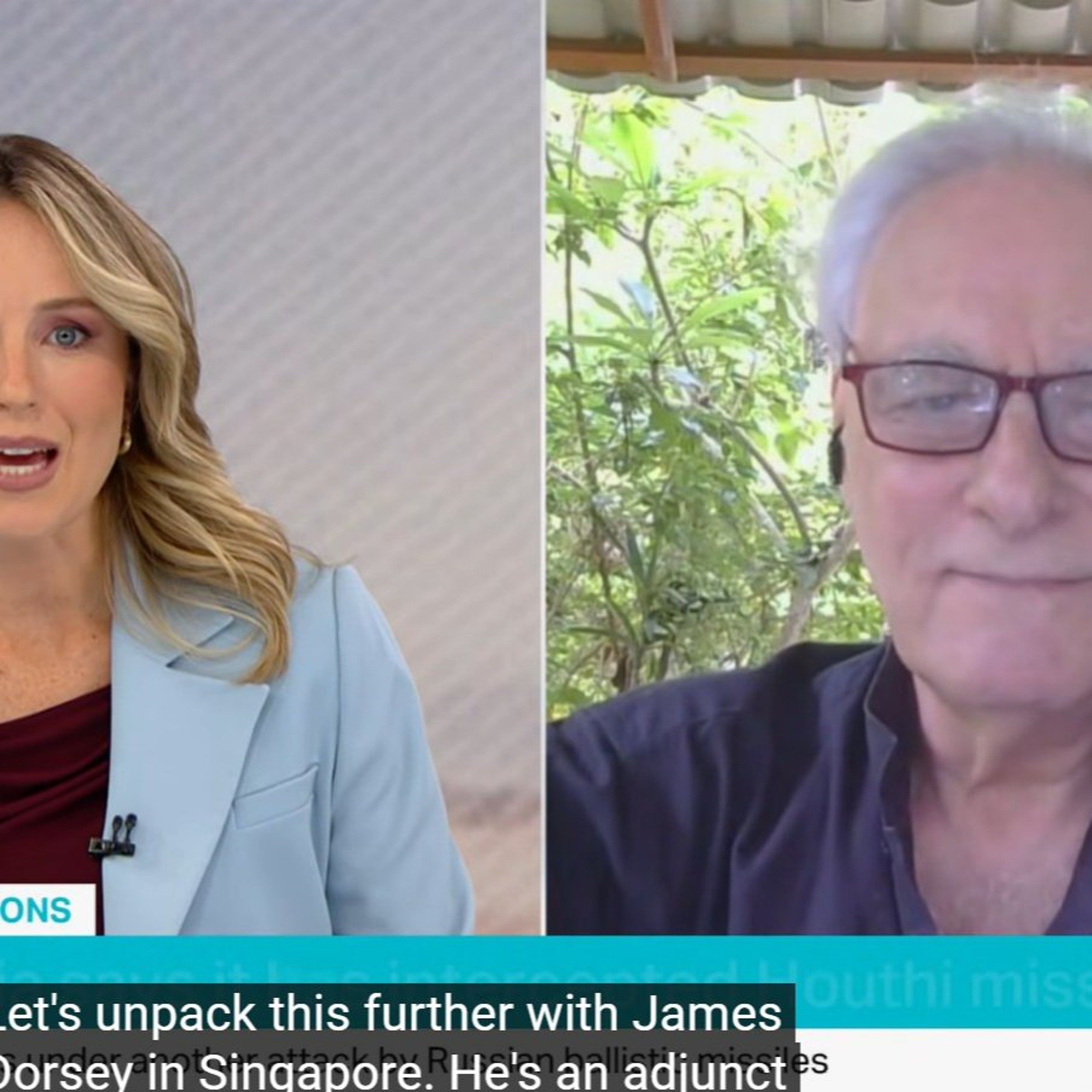
Yemen-Saudi cris was long in the making
4w ago00:04:29Tap to summarizeThe Saudi-led coalition says it intercepted ballistic missiles launched by Yemen's Houthis towards the kingdom's south. The Houthis say they targeted Abha International Airport in response to Saudi strikes that damaged the runway at Sanaa airport. James M. Dorsey from the S. Rajaratnam School of International Studies discusses the escalating Saudi Arabia-Yemen crisis on TRT World.
Transcribe →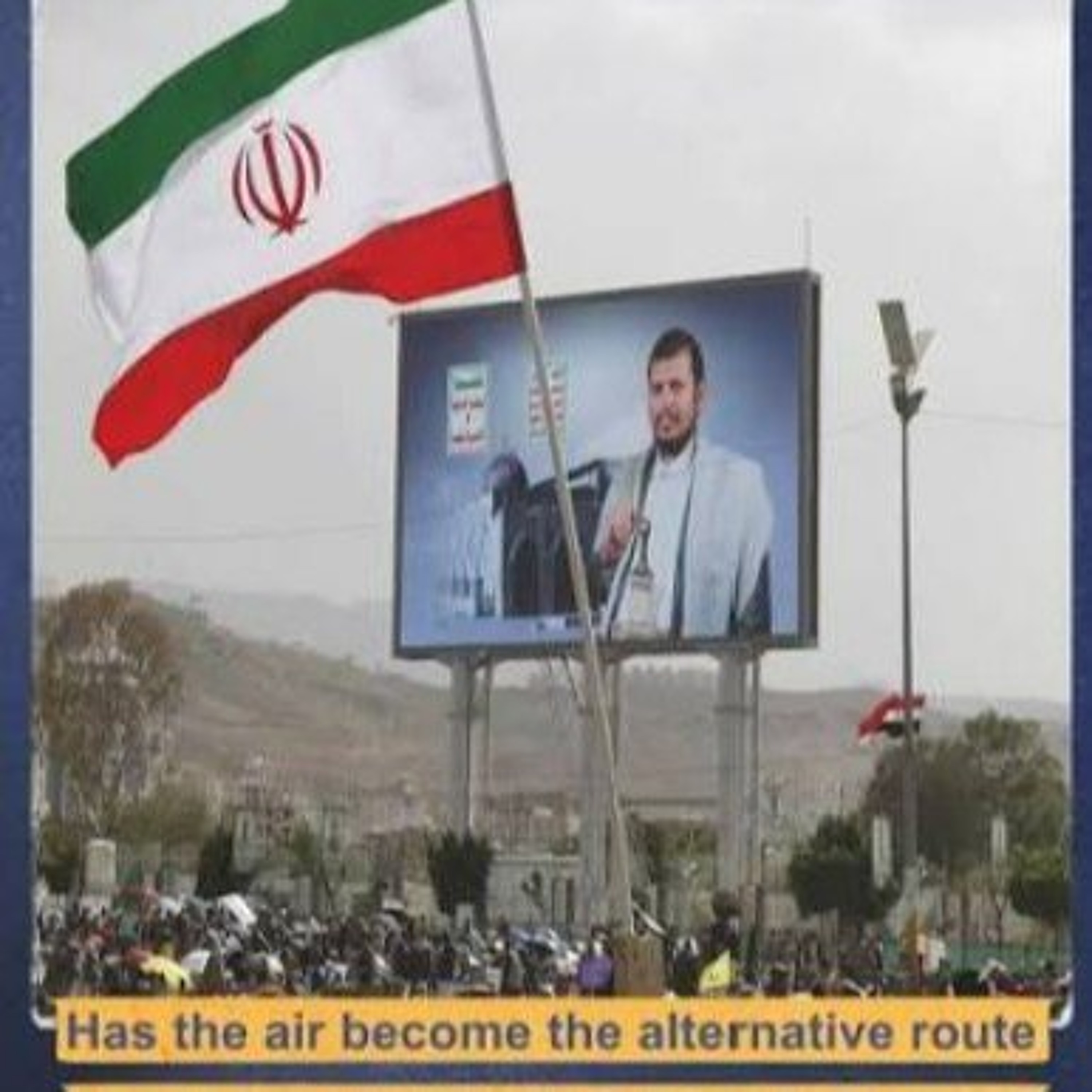
Twiddling thumbs in Tehran
Jul 1300:07:15Tap to summarizeThe Strait of Hormuz, alongside Lebanon, where Israel continues to strike at alleged Hezbollah targets despite a ceasefire, is not the only Middle Eastern theatre at risk of escalated violence with potential regional and global consequences.
Transcribe →
Trump orders new strikes on Iran. Are we back to square one
Jul 900:13:55Tap to summarizeThe fragile ceasefire between the US and Iran appears to be hanging by a thread. After fresh fighting erupted and Iranian attacks targeted commercial ships in the Strait of Hormuz, US President Donald Trump declared the agreement "over" and warned that American bombings would "get much worse" if Tehran failed to back down. The latest exchange has seen US strikes on Iranian military targets met with retaliatory attacks on American military facilities in Qatar, Bahrain, Kuwait, and Jordan, raising fears of a wider regional conflict. Are Iran and the United States heading back to open conflict, or is this the latest round of brinkmanship before diplomacy resumes? On The Big Story, Hongbin Jeong and Dr James M. Dorsey, Adjunct Senior Fellow at Nanyang Technological University's S Rajaratnam School of International Studies, unpack what the latest escalation means for the Middle East, the global economy, and whether there's still any path back to peace.
Transcribe →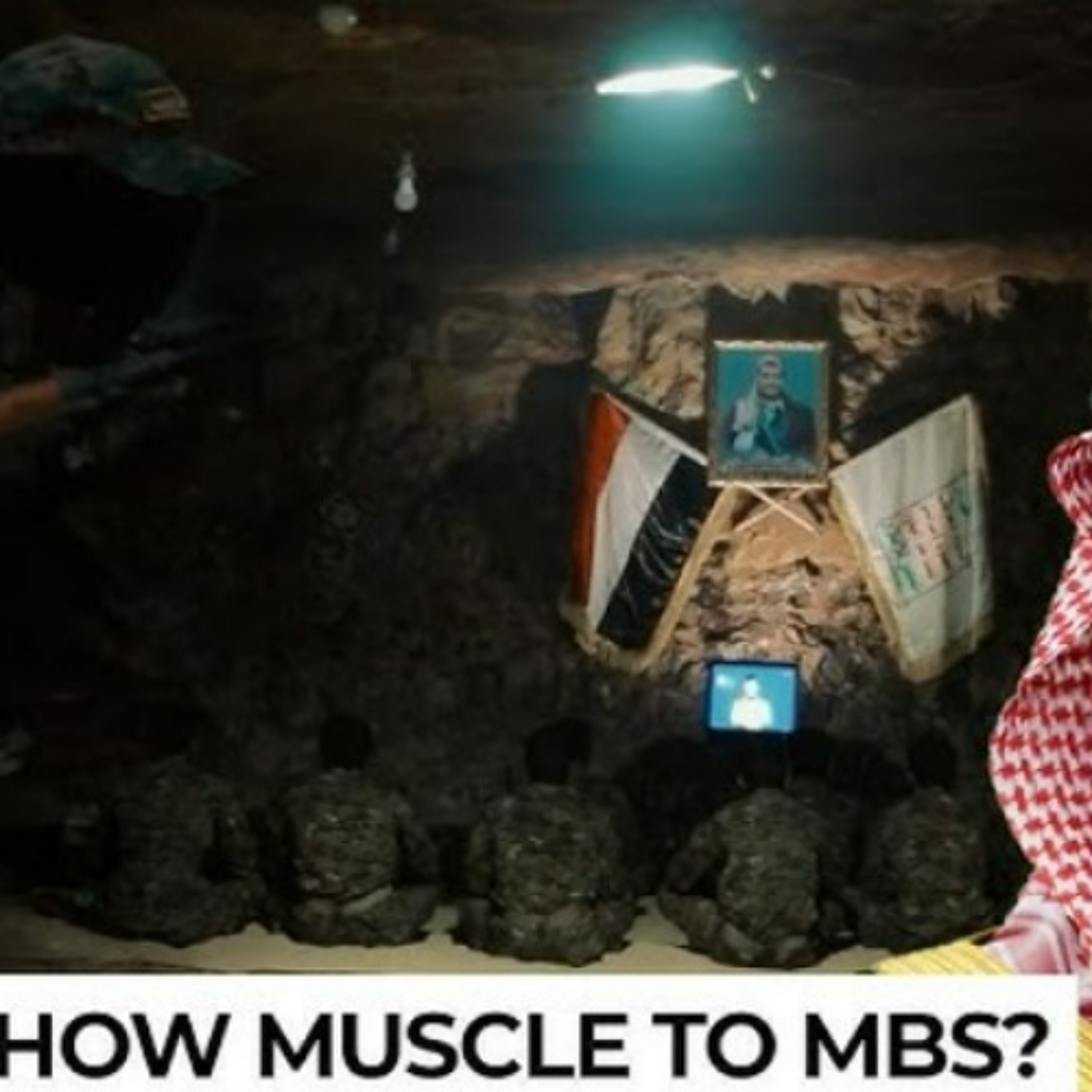
Yemen’s drums of war
Jul 700:10:33Tap to summarizeThe drums of war are beating again in Yemen. A series of recent incidents suggests that both Iran and Saudi Arabia are more assertively supporting their Yemeni allies at the risk of shattering an informal four-year ceasefire in the kingdom’s war against Iranian-backed Houthi rebels. The recent incidents stand in stark contrast to the kingdom's tacit outreach to Iran. Saudi Arabia sent a delegation to this week’s funeral proceedings for Ayatollah Ali Khamenei, Iran’s assassinated supreme leader, enabled the indirect sale of five aging Boeing 777-200ERs to an Iranian airline, and proposed a post-war regional security architecture that would include Iran. Moreover, Saudi Arabia, which intervened in Yemen in 2015 to counter Houthi military advances, has not closed the door on a negotiated resolution of the conflict. “The political solution remains on the table; power-sharing, which could save (the Houthis) from destruction. The Houthis remain a Yemeni player with the right to be a partner in power, not to dominate it,” said Abdulrahman al-Rashed, a Saudi columnist who often reflects official Saudi thinking. Fuelling the rising tensions are rival perceptions of windows of opportunity created by the failure of the US-Iranian memorandum that extended the Iran war ceasefire and created the basis for negotiations to end the war to address Iran’s support for its Arab partners, including the Houthis.
Transcribe →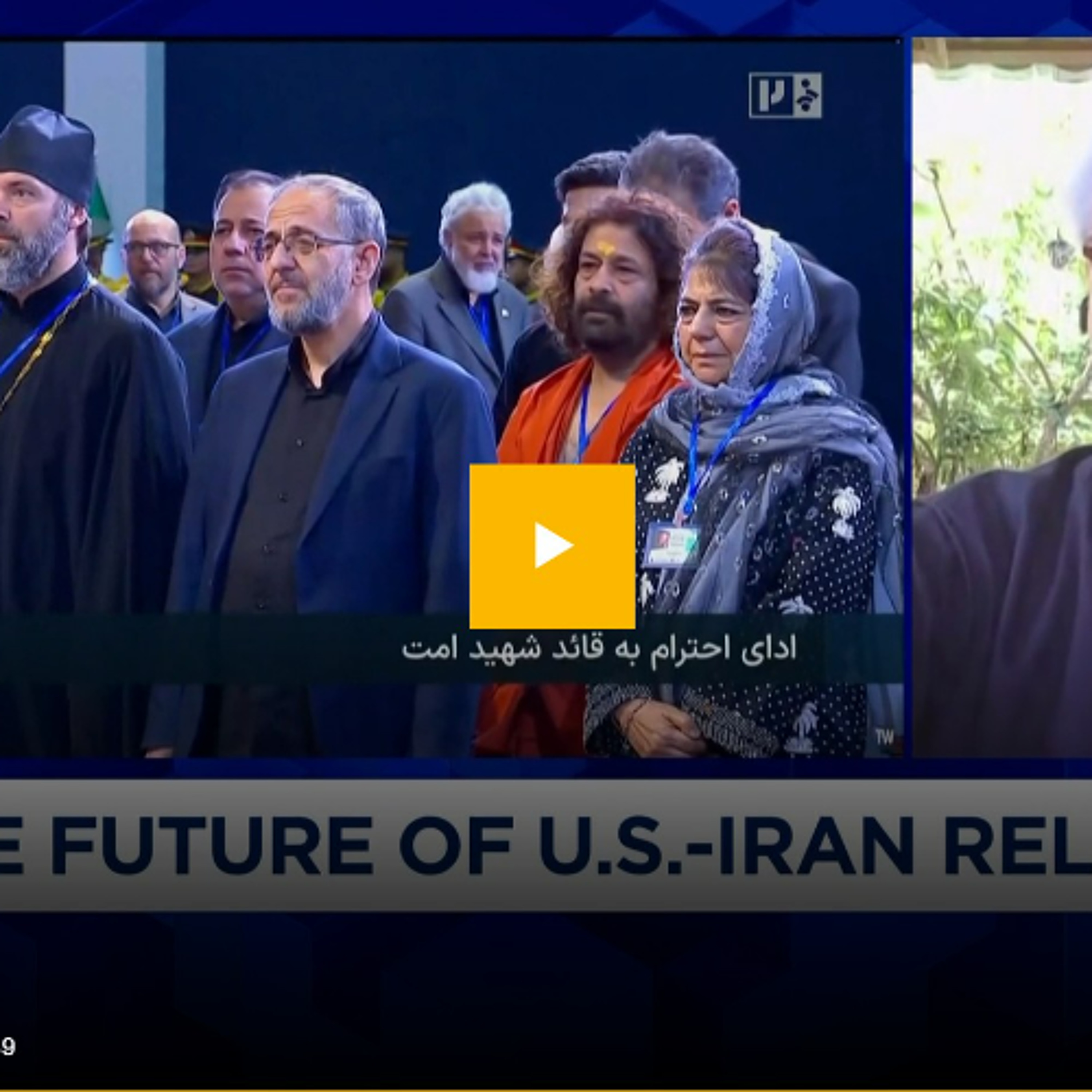
Iran weakened militarily but strengthened politically
Jul 300:04:49Tap to summarizeJames discusses on CNBC prospects for the US-Iran negotiations and US President Donald Trump’s interview with the network.
Transcribe →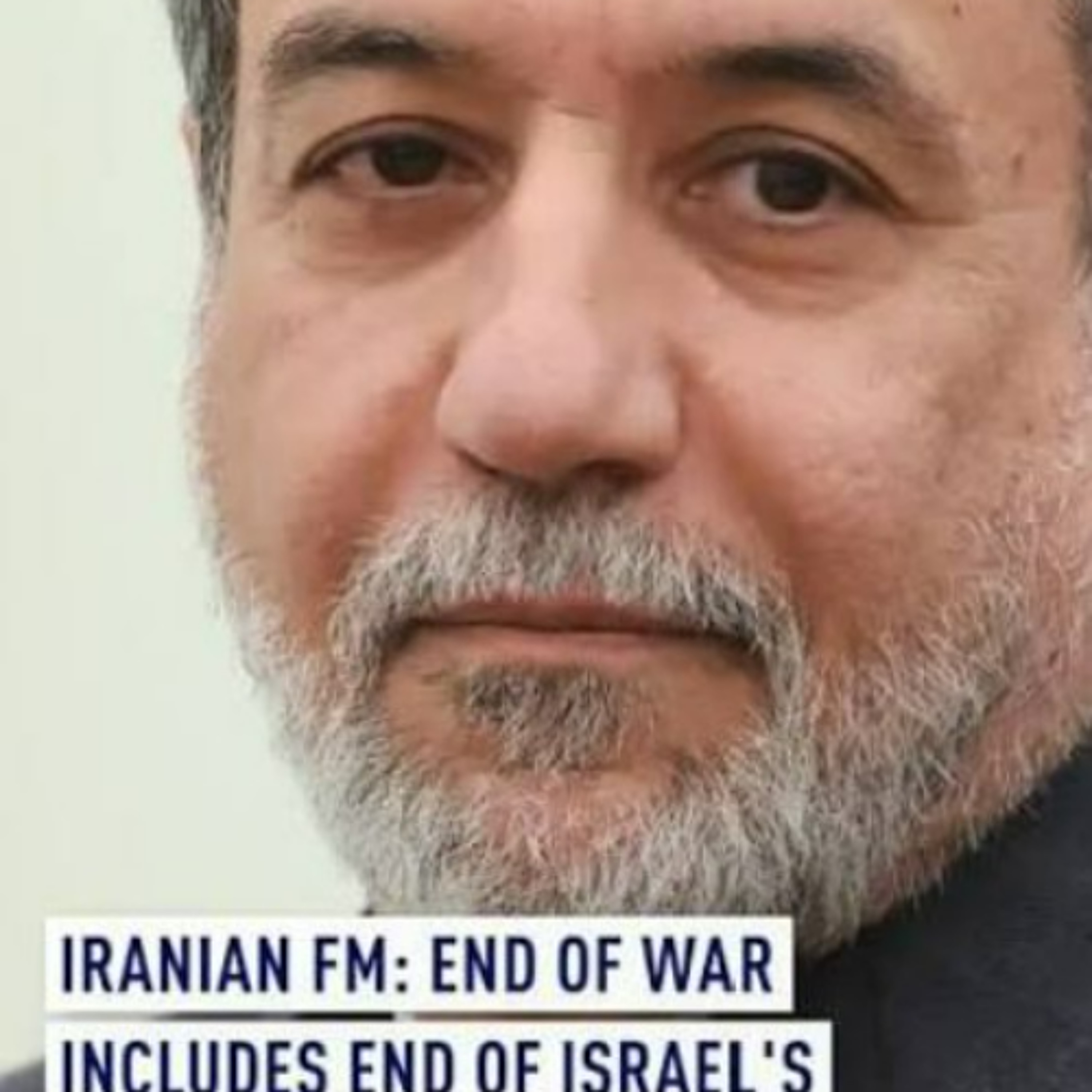
Lebanon casts a shadow over US-Iran talks
Jul 200:09:34Tap to summarizeLebanon looms large as a grey swan that could run roughshod over US-Iranian negotiations to end the Iran war.
Transcribe →Lebanon casts a shadow over US-Iran talks
Jul 200:09:34Tap to summarizeLebanon looms large as a grey swan that could run roughshod over US-Iranian negotiations to end the Iran war.
Transcribe →