
Podcast
The Turbulent World with James M. Dorsey
Hosted by James M. Dorsey · EN
Dr. James M. Dorsey is a senior fellow at the S. Rajaratnam School of International Studies, co-director of the University of Würzburg’s Institute for Fan Culture, and co-host of the New Books in Middle Eastern Studies podcast. James is the author of The Turbulent World of Middle East Soccer blog, a book with the same title as well as Comparative Political Transitions between Southeast Asia and the Middle East and North Africa, co-authored with Dr. Teresita Cruz-Del Rosario and Shifting Sands, Essays on Sports and Politics in the Middle East and North Africa.
28episodes
Episodes
Newest firstAll episodes
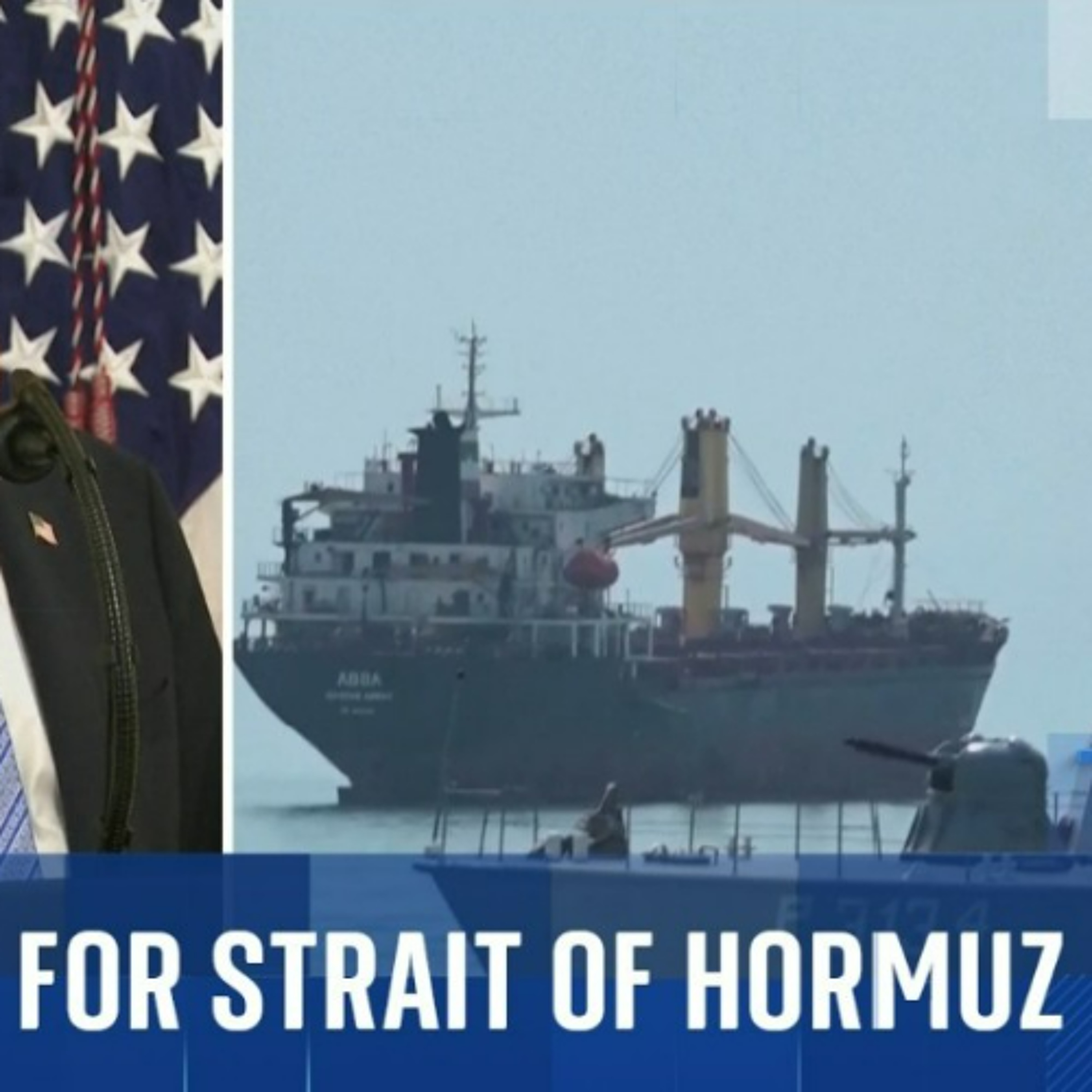
Shaping Gulf geopolitics-The battle for the Strait of Hormuz
Jun 2900:09:51Tap to summarizeGeography gives Iran a leg up in the struggle to determine the strategic Strait of Hormuz’s future and potentially with it the region’s balance of power. Iran’s strategic advantage is rooted in the Marxist principle of possession is ownership. As a result, tensions in the Strait are about who controls the Strait.
Transcribe →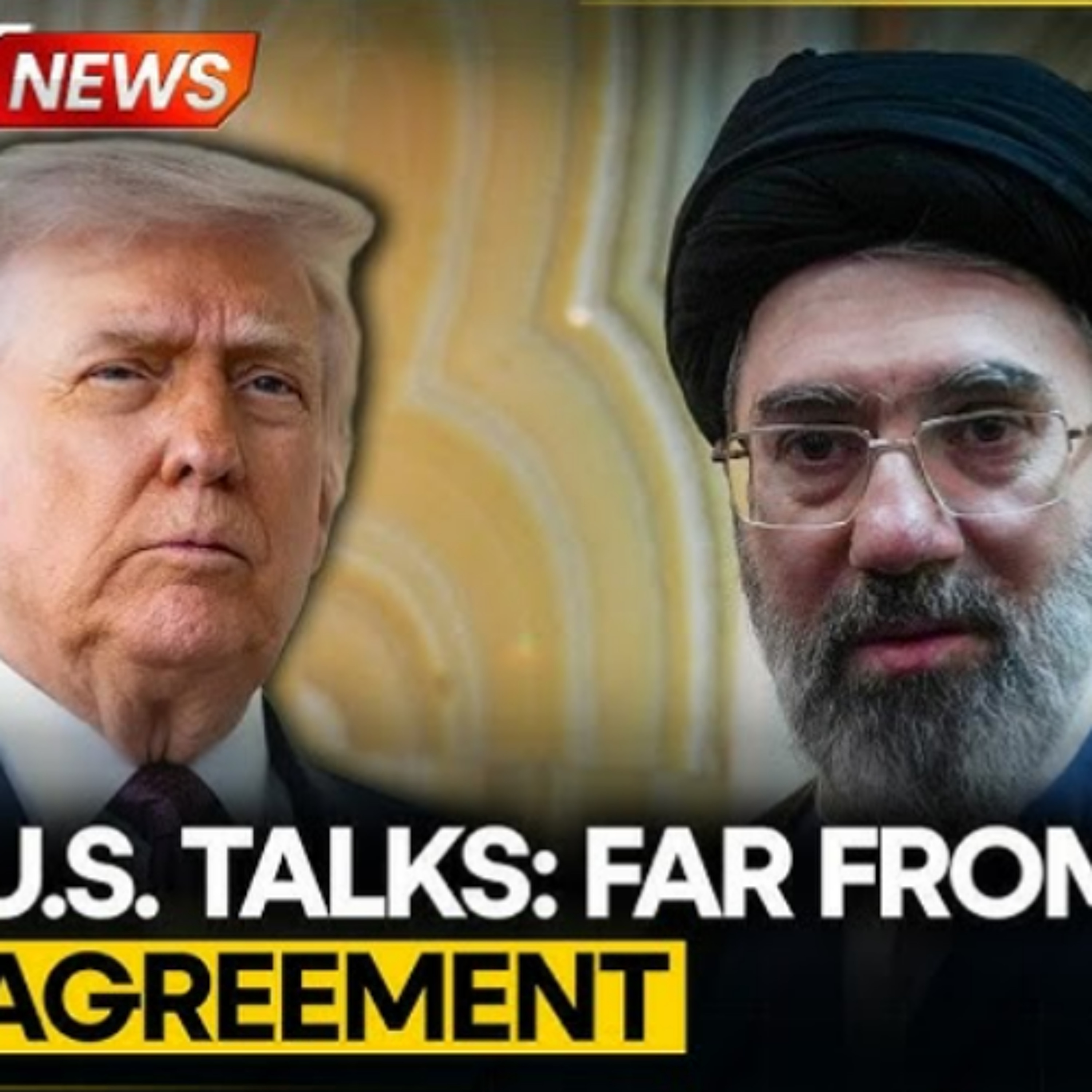
History suggests that prospects for a final US-Iranian deal are bleak
Jun 2700:12:17Tap to summarizeWidely diverging US and Iranian attitudes towards Iran’s nuclear programme are not just about preventing the Islamic Republic from acquiring nuclear weapons. It’s also about perceptions of sovereignty and efforts by non-nuclear states, like Iran and Saudi Arabia, to level the playing field with the world’s core nuclear powers, the United States, Russia, China, Britain, and France, and perceived double standards built into the Non-Proliferation Treaty (NPT) when it comes to haves and have-nots. In contrast to Iran, Saudi Arabia, insisting on its right to enrich uranium, this year successfully negotiated a nuclear cooperation agreement with the United States that allows the kingdom to enrich without intrusive supervision by the International Atomic Energy Agency (IAEA), despite evidence over the years that it is creating some of the building blocks for a nuclear weapons programme. Saudi Arabia’s nuclear focus serves various goals: diversifying its economy, reducing its dependence on fossil fuels, countering a potential future Iranian nuclear capability, and enhancing efforts to ensure that Saudi Arabia, rather than Iran, emerges as the Middle East’s long-term dominant power. None of this is to ignore the fact that the Islamic Republic, at times, has worked to become a nuclear threshold state, if not to develop a nuclear weapon.
Transcribe →
Middle East Report 26062026
Jun 2600:08:16Tap to summarizeJames discusses the US-Iran negotiations, the Middle East’s changing geopolitics, and Yemen on Radio Islam.
Transcribe →
Ottoman-era railway offers a glimpse at a post-war Middle East architecture
Jun 2500:10:37Tap to summarizeA Turkish-Saudi agreement to revive the Ottoman-era Hijaz Railway tells the story of geopolitical realignment in the wake of the wars in Gaza, Lebanon, and Iran, including the future of Iran’s relations with the Gulf monarchies. The agreement is the tale of efforts to reduce regional dependence on the Strait of Hormuz, diverging Gulf attitudes towards cooperation with Israel, dashed US hopes of including Israel in a rail and shipping network that would connect the Gulf and India to Europe, diminished prospects for Saudi-Israeli diplomatic relations, Turkey’s evolving regional ambitions, and post-Bashar al-Assad Syria’s reintegration into regional dynamics. The agreement is also indicative of a broader shift in the wake of the Iran war towards alternative export routes and hardened critical infrastructure that will impact the Gulf’s geopolitics.
Transcribe →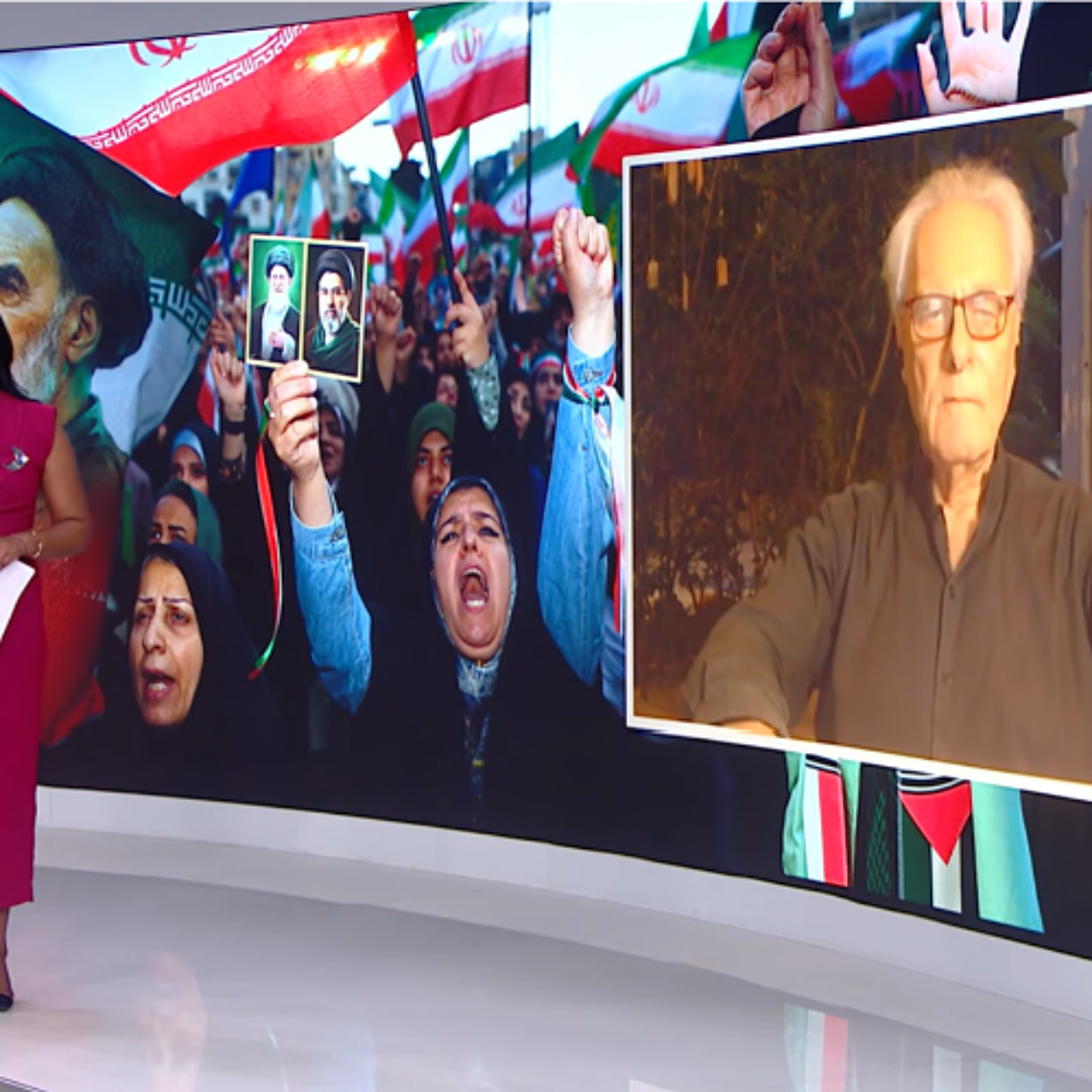
US-Iran talks remain fragile
Jun 2400:04:40Tap to summarizeThe negotiations between the United States and Iran remain fragile with both contradicting the other on what may or may not have been agreed. James discusses the negotiations’ prospects on TRT World.
Transcribe →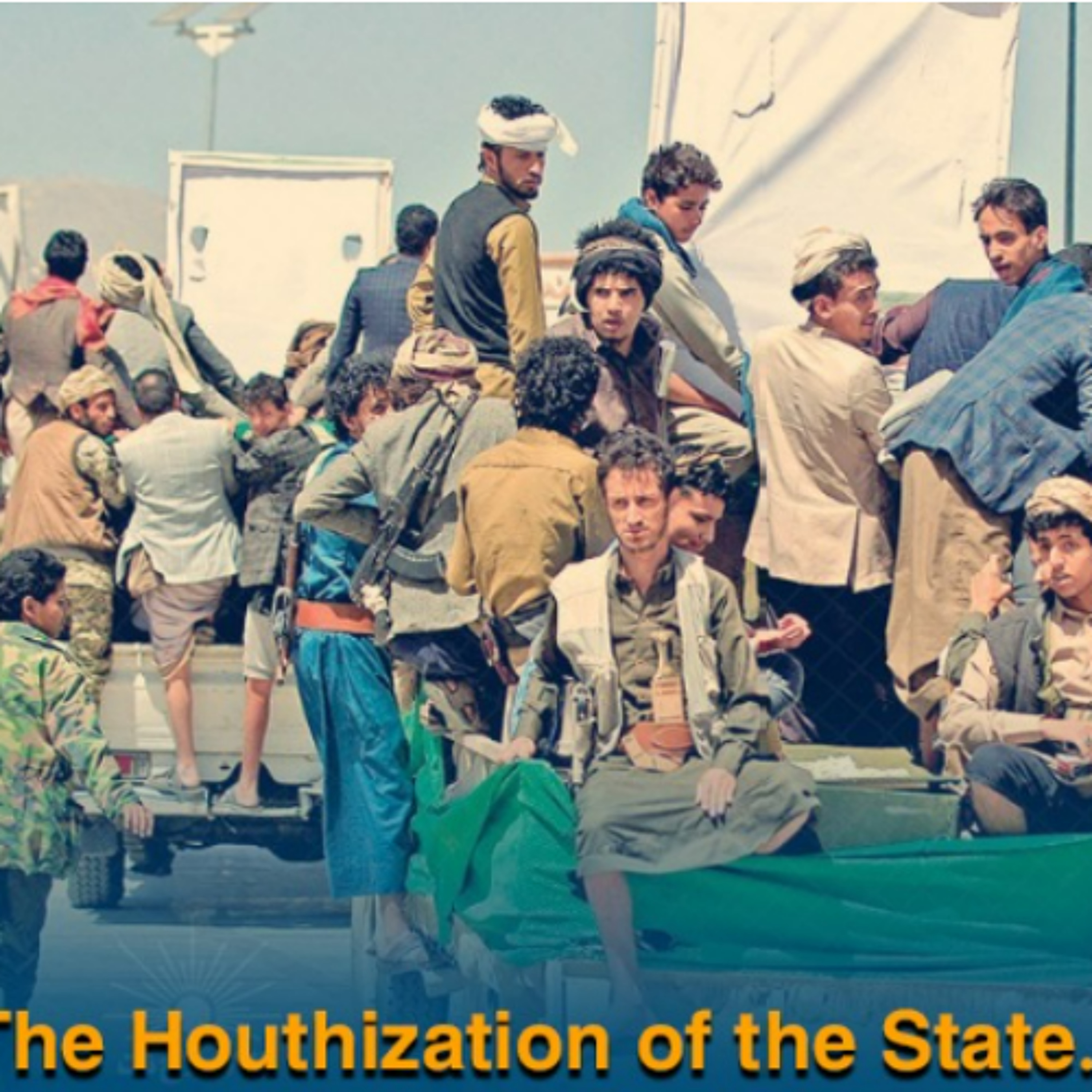
Rethinking Yemen
Jun 2300:08:06Tap to summarizeIt’s time to rethink policy towards Yemen’s Iran-backed Houthi rebels. The need to think outside of the box has become more urgent with Middle Eastern states and the international community seeking alternative transport routes to reduce dependence on the Strait of Hormuz through which 20 per cent of the world’s oil flows in peacetime.’ Rethinking policy isn’t that far-fetched given the United Arab Emirates and Qatar’s efforts to cut deals with Iran to ensure that the Islamic Republic does not attack their energy and other infrastructure if hostilities in the Iran war erupt again. It’s also not a big leap from cutting deals with Yemen to rethinking attitudes towards the Houthis, given that they de facto govern a state in a part of Yemen, albeit ruthlessly.
Transcribe →Middle East Report: Iran 1-0 US
Jun 1900:06:47Tap to summarizeJames discusses the US Iran memorandum of understanding on Radio Islam.
Transcribe →
Spinning out of control
Jun 8Tap to summarizeJames discusses the Iranian-Israeli tit-for-tat, the Lebanon war, and US-Iranian negotiations to end the Iran war on CNA938.
Transcribe →